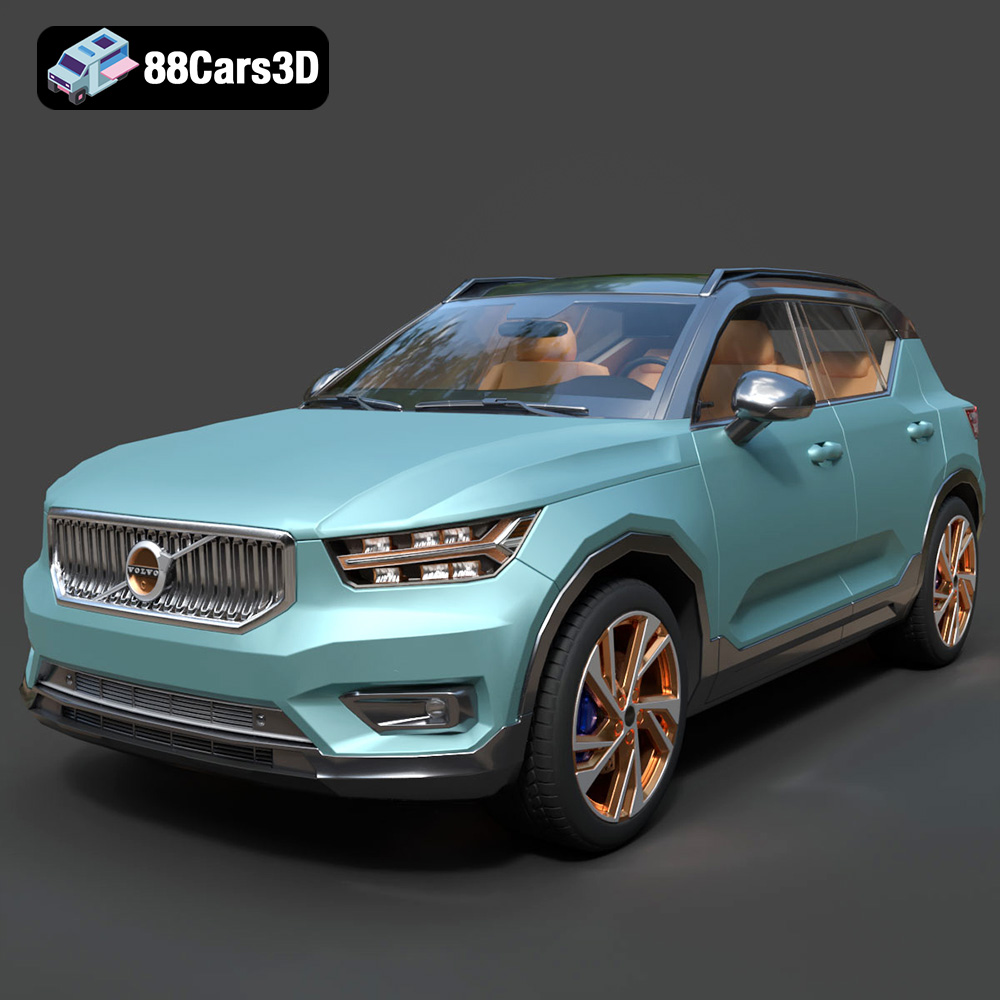
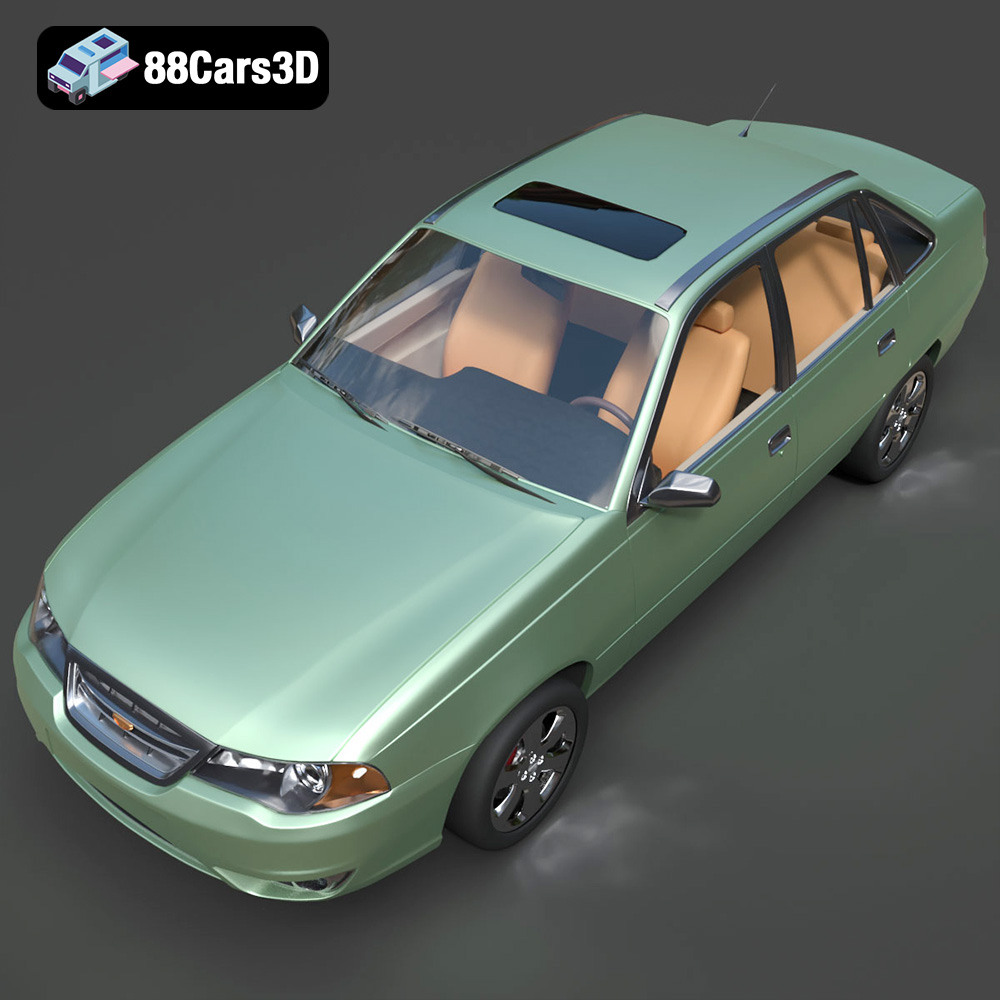
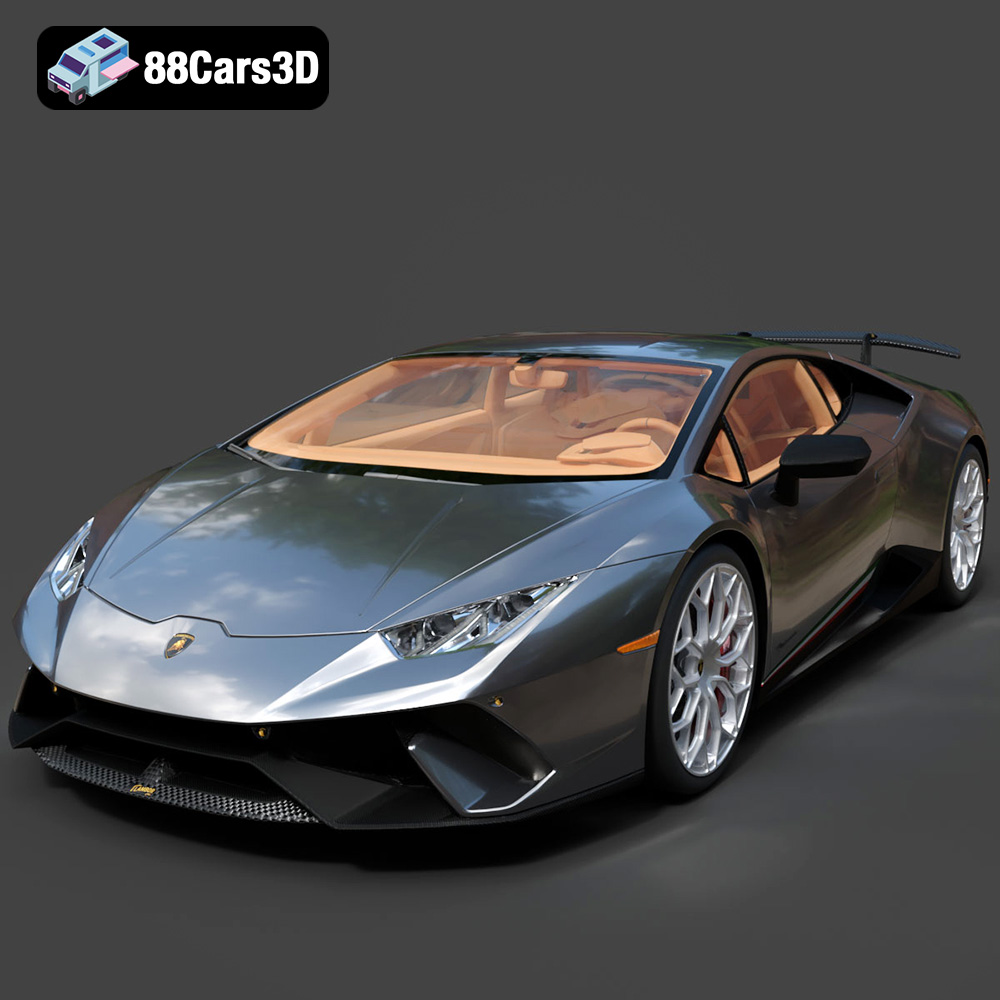
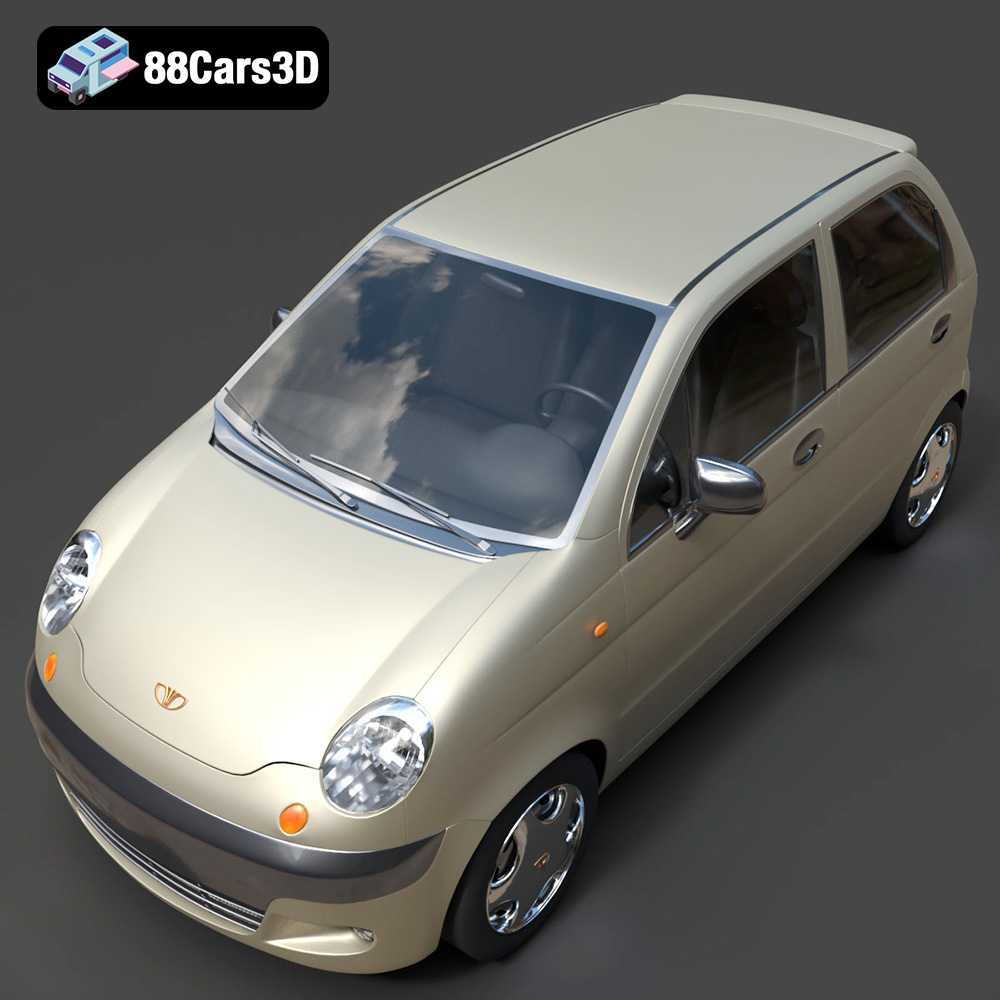
Unlocking Automotive Digital Perfection: The Power of High-Quality 3D Car Models
In the rapidly evolving landscape of digital visualization, the demand for unparalleled realism and technical precision has never been greater. For industries ranging from automotive design and advertising to game development, film production, and architectural visualization, high-quality 3D car models are not just assets; they are the bedrock of compelling visual experiences. These meticulously crafted digital representations breathe life into concepts, enhance realism in simulations, and drive immersive narratives.
The journey from a mere concept to a fully realized digital vehicle involves a complex interplay of artistic vision and technical mastery. It demands models that are not only visually stunning but also technically robust, optimized for diverse applications, and ready for advanced workflows. Whether you’re aiming for photorealistic automotive rendering that rivals real-world photography or creating performant game assets that run smoothly across platforms, the foundational quality of your 3D models dictates your success.
This comprehensive guide delves deep into the world of professional 3D car models, exploring the critical factors that define quality, the essential file formats that dictate workflow, and the advanced techniques used to integrate these assets into various industry pipelines. We’ll uncover how a curated resource like 88cars3d.com empowers professionals by providing access to a vast library of ready-to-use, high-fidelity models, saving countless hours of development and ensuring top-tier results.
The Foundation of Realism: Why High-Quality 3D Car Models Matter
The pursuit of realism in digital environments hinges directly on the quality of the underlying assets. For 3D car models, “quality” is a multifaceted concept encompassing geometric precision, material accuracy, and technical optimization. These elements collectively determine how believable, performant, and versatile a model truly is.
Precision in Design and Proportions: Beyond the Surface
A truly high-quality 3D car model begins with absolute accuracy in its design and proportions. This isn’t just about making it look “good” from one angle; it’s about faithfully recreating the vehicle based on real-world schematics, blueprints, and meticulous photographic references. Every curve, panel gap, and ventilation grille must align perfectly with its real-life counterpart. Deviations, no matter how subtle, can instantly break the illusion of realism, especially in high-resolution renders or close-up shots. Professionals meticulously cross-reference dimensions, ensuring that the digital model adheres to the exact specifications of the original vehicle, down to the millimeter. This foundational accuracy is paramount for designers who rely on these models for concept validation or engineers using them for virtual prototyping.
The Art of Detail: Poly Count, Topology, and Edge Flow
Beyond proportions, the underlying mesh structure is critical. Poly count, while often a buzzword, needs to be appropriate for the intended use. For photorealistic offline rendering, a high poly count (e.g., several million polygons for a full car) allows for smooth curves and intricate details without relying heavily on normal maps for form. However, for game assets or real-time AR/VR, optimized low-poly models (e.g., 50,000-150,000 triangles for a hero car, with multiple Levels of Detail or LODs) are essential for performance.
Crucially, it’s not just the number of polygons but the topology – how those polygons are arranged – that defines quality. Clean, quad-based topology with efficient edge flow is vital. Good edge flow ensures smooth subdivision, allows for easy deformation during animation, and prevents shading artifacts. Models with messy, triangulated, or uneven topology can lead to pinching, unwanted creases, and difficulties in UV mapping and texturing, ultimately compromising the visual fidelity and usability of the asset.
PBR Texturing and UV Mapping: The Skin of the Model
Even the most perfectly modeled car will look flat without high-quality materials and textures. Physically Based Rendering (PBR) has become the industry standard, accurately simulating how light interacts with surfaces. This requires carefully crafted texture maps – Albedo (base color), Roughness, Metallic, Normal, Ambient Occlusion, and sometimes Emissive or Opacity maps – that mimic real-world materials like car paint, glass, rubber, and chrome.
For these textures to be applied correctly, the model needs clean, non-overlapping UV maps. UV mapping is the process of unwrapping the 3D model’s surface onto a 2D plane, much like cutting and flattening a cardboard box. Expertly laid out UVs maximize texture resolution, minimize stretching, and simplify the texturing process. Poor UVs can lead to blurry textures, visible seams, and wasted texture space, severely impacting the model’s visual quality and making it difficult to customize or retexture.
Understanding 3D Model File Formats
Choosing the correct file format is a critical decision that impacts workflow, compatibility, and the ultimate usability of your 3D car models. Each format is designed with specific use cases and technical characteristics in mind, making some more suitable than others for particular tasks, whether it’s automotive rendering, game development, or 3D printing. Understanding their nuances is key to a smooth and efficient production pipeline.
.blend – Fully Editable Blender Scene with Materials
The .blend format is Blender’s native file type, offering a complete, self-contained scene. This format is incredibly powerful because it stores not just the mesh data, but also lighting setups, camera positions, animations, modifiers (like subdivision surfaces or booleans), procedural textures, and custom node-based materials. If you’re a Blender user, or working in a team that primarily uses Blender, .blend provides maximum flexibility for iteration and customization. You can dive deep into the model’s construction, adjust its materials, or even re-rig it for animation directly within the native environment. This makes it ideal for projects where extensive modifications or deeper scene integration are required.
.fbx – The Industry Workhorse for Interoperability
Autodesk’s .fbx (Filmbox) format is arguably the most widely adopted interchange format in the 3D industry, particularly for game development and animation. It excels at transferring 3D model data, animations, cameras, lights, and even skeletal rigs between different software packages like Maya, 3ds Max, Blender, Unreal Engine, and Unity. When a 3D car model needs to move from a modeling package to a game engine or an animation suite, .fbx is often the preferred choice due to its robust support for complex scene data. It’s an excellent format for “baked” assets, meaning modifiers and procedural elements are often converted to mesh data, ensuring consistent results across platforms. This makes .fbx invaluable for creating optimized game assets ready for real-time environments.
.obj – Universal Compatibility and Simplicity
The .obj (Wavefront OBJ) format is one of the oldest and most universally supported 3D file formats. It’s a simple, text-based format primarily used for transferring geometric data (vertices, normals, UVs) and material definitions (via an accompanying .mtl file). Its strength lies in its widespread compatibility: almost every 3D software can import and export .obj files. While it doesn’t support advanced features like animation, rigging, or complex material networks, it’s perfect for pure mesh transfer when you need a clean, unadulterated model that can be easily imported into any application for further refinement or texturing. For many basic 3D car models where the focus is on geometry, .obj remains a reliable choice.
.glb – Optimized for AR, VR, and Browser-Based Display
The .glb (GL Transmission Format Binary) is the binary version of glTF, a modern, open-standard format designed for efficient transmission and loading of 3D scenes and models by engines and applications. It packages all necessary data—geometry, materials, textures, animations—into a single, compact file, making it ideal for web-based 3D viewers, Augmented Reality (AR), Virtual Reality (VR), and mobile applications. Its optimization for real-time rendering and smaller file sizes makes it a powerful contender for interactive experiences where quick loading and smooth performance are paramount. If your 3D car models are destined for an AR configurator or a web-based presentation, .glb is often the best choice.
.stl – Suitable for 3D Printing Output
The .stl (STereoLithography) format is the standard file type for 3D printing. It represents a 3D model as a series of connected triangles (a triangular mesh) without any color or texture information. For a model to be 3D printable, it must be “watertight” or “manifold,” meaning it has no holes, gaps, or overlapping geometry, defining a clear inside and outside surface. While not suitable for rendering or animation due to its lack of advanced data, .stl is indispensable for rapid prototyping and physical model creation from digital designs. When preparing 3D car models for fabrication, converting to a clean, manifold .stl is a crucial step.
.ply – Precision Mesh Format for CAD or Analysis
The .ply (Polygon File Format) is often used for storing 3D data from 3D scanners, CAD software, and point clouds. It can store a wider range of information than .obj, including color per vertex, surface normals, transparency, and different data types for properties. While not as common for general artistic asset exchange, .ply is excellent for scientific or engineering applications where precision and additional per-vertex data are critical for analysis or reconstruction. It’s a robust format for complex geometric data, often found in reverse engineering workflows for automotive components.
.unreal – Engine-Ready Asset for Real-time Environments
While not a standalone export format in the traditional sense, an “.unreal” asset implies a 3D model that has been specifically prepared and optimized for direct import into Unreal Engine. This often means it comes as a pre-packaged asset bundle or a .fbx file with accompanying textures and materials organized in a way that aligns with Unreal Engine’s conventions. These assets typically include optimized LODs, collision meshes, properly scaled units, and PBR material setups that integrate seamlessly into Unreal’s rendering pipeline. Models from 88cars3d.com, especially those labeled for Unreal, are often curated with these considerations, saving developers significant setup time and ensuring optimal performance for game assets and interactive experiences.
.max – Editable 3ds Max Project for Animation and Rendering
The .max format is the native file type for Autodesk 3ds Max, a powerhouse in architectural visualization, product design, and automotive rendering. Similar to .blend for Blender, a .max file contains the entire scene: geometry, modifiers, complex material networks (e.g., V-Ray or Corona materials), lighting setups, cameras, and animation data. If your primary workflow is centered around 3ds Max, receiving a .max file offers the highest degree of flexibility for customization, tweaking scene elements, or utilizing advanced renderers. It allows full access to the original artist’s scene setup, which is invaluable for professional rendering studios seeking to integrate and modify models for bespoke client projects.
Mastering Automotive Rendering: Bringing 3D Cars to Life
Creating a photorealistic image or animation of a 3D car model is an art form that combines technical expertise with an keen eye for aesthetics. Automotive rendering is about more than just applying textures; it’s about meticulously simulating how light interacts with every surface, creating atmosphere, and evoking emotion. The goal is to produce visuals indistinguishable from real-world photography, a feat often achieved through advanced rendering engines and sophisticated lighting and material techniques.
Lighting Techniques for Photorealism
Lighting is arguably the most critical component of a convincing render. Professionals utilize a variety of techniques to mimic real-world lighting scenarios:
- HDRI (High Dynamic Range Image) Environments: These panoramic images capture the full range of light from a real-world location, providing both the environment’s illumination and reflections. Using high-quality HDRIs is foundational for creating believable exterior shots, giving car paint the subtle nuances of real-world reflections.
- Area Lights and Studio Setups: For product shots or advertising, controlled studio lighting is often preferred. Large, soft area lights mimic professional studio softboxes, eliminating harsh shadows and highlighting the car’s sculpted forms. Three-point lighting (key, fill, back light) is a common starting point, often augmented with rim lights to emphasize edges.
- Global Illumination (GI): Modern renderers use GI algorithms (like V-Ray’s Brute Force or Corona Renderer’s Path Tracing) to simulate light bouncing around the scene, providing soft, realistic ambient light and color bleed that significantly enhances realism.
Material Creation and Shading Networks
The complexity and realism of 3D car models are heavily influenced by their materials. PBR (Physically Based Rendering) is the standard, requiring precise control over parameters like base color (albedo), metallicness, roughness, and normal maps. Specific materials demand careful attention:
- Car Paint: This is one of the most challenging materials, often requiring multi-layered shaders that simulate clear coat, metallic flakes, and subsurface scattering effects to truly capture its depth and sheen. Advanced shaders might include variations in roughness based on viewing angle or micro-scratches.
- Glass: Realistic car glass requires accurate refraction, reflection, and absorption properties. Tint, thickness, and subtle dirt or smudges can greatly enhance realism.
- Rubber & Plastics: These materials often have varying degrees of roughness and subtle specular reflections, needing careful calibration to avoid looking too shiny or too dull.
- Chrome & Metals: Highly reflective and metallic, these materials demand accurate reflection maps and often subtle surface imperfections to prevent a “too perfect” look.
Modern renderers like V-Ray, Corona Renderer, and Octane Render offer powerful node-based material editors, allowing artists to construct intricate shading networks that replicate these complex real-world properties.
Post-Production and Compositing
The raw output from a renderer (the “beauty render”) is just the starting point. Professional automotive rendering heavily relies on post-production in software like Adobe Photoshop or Nuke. This involves:
- Render Passes (AOVs): Renderers can output various passes (e.g., diffuse, reflection, refraction, Z-depth, ambient occlusion, object IDs). These “masks” allow artists to individually adjust elements in post-production without re-rendering the entire image.
- Color Grading & Tone Mapping: Adjusting colors, contrast, and exposure to achieve a desired mood or match specific brand aesthetics.
- Lens Effects: Adding subtle depth of field (bokeh), lens flares, chromatic aberration, or vignetting to mimic real camera optics.
- Motion Blur: For animated sequences, realistic motion blur is crucial to convey speed and dynamism.
This iterative process of rendering and post-processing allows artists to fine-tune every detail, elevating a good render to an exceptional, photorealistic image, much like the stunning visuals you might expect to create with high-quality models from 88cars3d.com.
Integrating 3D Car Models into Game Development Workflows
For game developers, 3D car models are more than just visual assets; they are interactive elements that must perform flawlessly in real-time environments. The challenge lies in balancing visual fidelity with strict performance requirements, ensuring that a beautifully detailed car model doesn’t bring a game to a crawl. This demands a specialized workflow focused on optimization, engine integration, and interactivity.
Optimization for Real-time Performance
Unlike offline rendering, game engines have tight budgets for polygons, draw calls, and texture memory. This necessitates a meticulous optimization process:
- Levels of Detail (LODs): This is paramount for game assets. Multiple versions of the same car model are created, each with a progressively lower polygon count. The game engine automatically switches between these LODs based on the camera’s distance from the object. A high-poly LOD0 for close-ups might be 80,000-150,000 triangles, while LOD3 for distant views could be as low as 5,000 triangles.
- Collision Meshes: Separate, simplified meshes are created purely for physics calculations and collision detection. These are typically low-poly and invisible, allowing the game engine to efficiently determine when the car interacts with other objects or the environment without calculating the complex visual mesh.
- Poly Reduction Techniques: Tools within 3D software (like ProOptimizer in 3ds Max or the Decimate modifier in Blender) are used to intelligently reduce polygon count while preserving the silhouette and crucial details. Normal maps are then baked from the high-poly model onto the low-poly version to restore visual detail.
- Texture Atlases: Combining multiple small textures into a single, larger texture map (an atlas) reduces draw calls, improving rendering performance.
Setting Up Vehicles in Unreal Engine/Unity
Once optimized, 3D car models are imported into game engines like Unreal Engine or Unity, where they transform into interactive vehicles:
- Importing and Materials: The model (typically .fbx) is imported along with its PBR textures. Materials are then set up within the engine, configuring properties like metallic, roughness, normal maps, and emissive lights.
- Vehicle Physics: Both Unreal and Unity offer robust vehicle physics systems. This involves setting up wheels, suspension, engine power, gears, and friction properties. Blueprint scripting (Unreal) or C# scripts (Unity) are used to define how the car responds to player input and interacts with the game world.
- Skeletal Meshes and Animation: For more advanced vehicle systems, especially those with deformable parts (like suspension, steering, or damage), the car might be set up as a skeletal mesh. This allows individual components to be animated or controlled by physics.
- Sound and VFX: Integrating engine sounds, tire squeals, exhaust smoke, and particle effects (e.g., dust kicked up by tires) adds another layer of realism and immersion.
From Concept to Playable Asset: A Game Studio’s Perspective
Consider a hypothetical racing game studio needing a new set of vehicles. Their workflow might look like this:
- Asset Sourcing: Instead of building from scratch, they browse 88cars3d.com for high-quality 3D car models that fit their game’s aesthetic and technical requirements. They select a model that already has clean topology and PBR textures.
- Optimization for Engine: The sourced model is brought into Blender or 3ds Max. LODs are generated, a separate collision mesh is created, and textures are optimized (e.g., converted to atlases or adjusted for specific engine requirements).
- Engine Integration (Unreal Example): The optimized .fbx (or a pre-packaged .unreal asset from 88cars3d.com) is imported into Unreal Engine. Materials are quickly set up using the provided PBR textures.
- Physics and Blueprints: The car is hooked into Unreal’s Chaos Vehicle physics system. Blueprints are created to define acceleration, braking, steering, and any special abilities.
- Testing and Iteration: The car is tested extensively in-game for performance, handling, and visual consistency. Any issues are addressed, and optimizations are refined.
This streamlined approach, starting with a professionally made 3D car model, significantly accelerates development cycles and allows artists and developers to focus on gameplay and unique features rather than rebuilding fundamental assets.
Advanced Applications: AR/VR, Visualization, and 3D Printing
The utility of high-quality 3D car models extends far beyond traditional rendering and game development. As technology evolves, these assets are becoming instrumental in creating immersive experiences, facilitating precise visualization, and enabling physical prototyping across diverse industries.
Immersive Experiences with AR/VR
Augmented Reality (AR) and Virtual Reality (VR) are revolutionizing how we interact with digital content, especially for complex objects like vehicles. 3D car models are at the core of these immersive applications:
- Virtual Showrooms: Automakers use VR to create virtual showrooms where customers can explore vehicles in lifelike detail, customize configurations, and even “test drive” them in simulated environments, long before a physical prototype exists.
- AR Car Configurators: AR apps allow users to project a 3D car model into their real-world environment (e.g., their driveway) using a smartphone or tablet. They can change colors, wheels, and interior options, seeing how the car would look in their own space. This demands highly optimized models (often using .glb/glTF format) that load quickly and render efficiently on mobile devices.
- Training and Simulation: For mechanics or emergency services, AR/VR simulations powered by accurate 3D car models provide safe, interactive training environments for maintenance procedures, accident response, or vehicle diagnostics.
The key here is a balance between visual fidelity and extreme optimization for real-time, often mobile, rendering. Models from 88cars3d.com that are specifically curated for AR/VR are crucial for achieving these seamless, interactive experiences.
Architectural and Product Visualization
In architectural visualization (ArchViz), 3D car models serve as essential context elements, grounding renders in reality and providing a sense of scale and lifestyle. A beautifully rendered car parked outside a new building or in a street scene instantly adds realism and narrative depth. For product visualization, vehicles can be showcased alongside other products, demonstrating compatibility or enhancing a lifestyle brand.
- Contextual Realism: Placing realistic 3D car models in an architectural scene helps potential buyers visualize themselves living or working in that space, driving up to the building, or parking their vehicle. The car’s style also reinforces the target demographic and overall aesthetic of the project.
- Scale and Composition: Cars are excellent reference points for scale. Their familiar dimensions help viewers accurately perceive the size of buildings, roads, or other infrastructure elements in a render. They also contribute significantly to the overall composition and visual balance of the scene.
For these applications, the focus is on photorealistic automotive rendering capabilities, often leveraging models with high polygon counts and advanced PBR materials to ensure they stand up to close scrutiny in high-resolution stills or animations.
Preparing Models for 3D Printing
Beyond digital displays, 3D car models can bridge the gap to the physical world through 3D printing. This process allows designers to quickly create tangible prototypes, scale models, or custom parts directly from their digital designs.
- Watertight Meshes: The most critical requirement for 3D printing is a “watertight” or “manifold” mesh. This means the model must be a completely enclosed volume with no holes, inverted normals, or overlapping faces. A non-watertight model cannot be printed as the printer doesn’t know what’s “inside” and “outside.”
- Scale and Detail: Models must be scaled correctly to the desired print size. Intricate details that look great on screen might be too small or fragile for a physical print and may need simplification or exaggeration.
- Support Structures: For complex geometries with overhangs, support structures are often required during printing to prevent parts from collapsing. These are typically generated by the 3D printing software (slicer) but might influence how the model is initially designed.
- File Format: The .stl format is the most common for 3D printing, though others like .obj and .3mf are also supported by many slicers.
Utilizing a clean, well-constructed 3D car model as a starting point, such as those found on 88cars3d.com, greatly simplifies the process of preparing a model for successful 3D printing, reducing the need for extensive repair work in specialized software.
Choosing the Right 3D Car Models: A Guide for Professionals
The vast market for 3D car models means that quality can vary dramatically. For professionals, making an informed choice is paramount to ensuring project success, efficiency, and return on investment. It’s not just about finding a model that “looks good” but one that is technically sound, appropriately licensed, and optimized for your specific workflow.
Assessing Model Quality and Technical Specifications
Before purchasing or downloading a 3D car model, a thorough technical evaluation is crucial. Key aspects to scrutinize include:
- Wireframe and Topology: Requesting or examining wireframe renders is essential. Look for clean, quad-based geometry, even polygon distribution, and logical edge flow. Avoid models with messy triangulation, poles with too many edges converging, or uneven tessellation, as these can cause shading artifacts and make editing difficult.
- UV Mapping: Check for clean, non-overlapping UVs that utilize texture space efficiently. Overlapping UVs or highly stretched areas are red flags, indicating potential issues with texturing and baking.
- Poly Count Range: Ensure the polygon count is appropriate for your intended use (e.g., high-poly for offline rendering, optimized LODs for game engines). If it’s too high for real-time, can it be easily optimized without significant detail loss? If it’s too low for close-ups, are there sufficient details in the normal maps?
- Texture Resolution and PBR Compliance: Verify that textures are high-resolution (e.g., 4K or 8K for hero assets) and follow PBR metallic/roughness or specular/glossiness workflows. Inspect for texture seams or low-quality maps.
- Scales and Units: Confirm that the model is built to real-world scale (e.g., in centimeters or meters) to avoid import issues or rendering inaccuracies in your scene.
A reputable marketplace like 88cars3d.com provides detailed technical specifications and often multiple preview images (including wireframes) to help you make these critical assessments.
Licensing and Usage Rights
Understanding the licensing agreement is as important as technical quality, especially for commercial projects. Always clarify:
- Commercial Use: Is the model licensed for use in commercial projects, advertising, games, or film?
- Royalty-Free: Does the license grant royalty-free usage after initial purchase, allowing you to use the model in multiple projects without additional fees?
- Modification Rights: Are you allowed to modify the model (e.g., retexture, optimize, animate) to suit your project’s needs?
- Resale/Redistribution: Crucially, most licenses prohibit the resale or redistribution of the model itself. Ensure you understand the limits of what you can do with the asset post-purchase.
Clear licensing protects you and your clients from potential legal issues down the line, ensuring that your use of the 3D car models is compliant and ethical.
The Value of a Curated Marketplace like 88cars3d.com
Navigating the vast ocean of 3D assets can be daunting. This is where a specialized, curated marketplace like 88cars3d.com offers significant value:
- Quality Assurance: Marketplaces that specialize in 3D car models typically have rigorous quality control standards. This means assets are often reviewed for clean topology, accurate scaling, proper UVs, and PBR material setup, saving you the headache of identifying and fixing poorly constructed models.
- Variety and Niche Focus: A dedicated car model store offers a much wider and deeper selection of specific makes, models, and types of vehicles than general 3D asset sites. Whether you need classic cars, modern electric vehicles, concept cars, or specialized industrial vehicles, you’re more likely to find what you need.
- Technical Diversity: High-quality marketplaces often provide models in multiple popular formats (.fbx, .obj, .blend, .max, .unreal, .glb), catering to different software and engine workflows. This reduces conversion time and ensures compatibility.
- Time Savings: For professionals, time is money. Sourcing pre-made, high-quality 3D car models from a trusted vendor eliminates the need to build them from scratch, allowing artists and developers to focus on scene composition, rendering, or game logic.
- Support: Reputable marketplaces often provide customer support, which can be invaluable if you encounter issues with a model or have questions about its specifications or licensing.
By investing in carefully selected models from a platform like 88cars3d.com, professionals can significantly enhance the quality of their projects while streamlining their production workflows and ensuring compliance across all applications.
Conclusion
The digital realm continues its march towards hyper-realism, and at the forefront of this evolution are meticulously crafted 3D car models. From breathtaking automotive rendering in advertising campaigns to seamlessly integrated game assets that drive immersive experiences, the quality of these digital vehicles is non-negotiable. We’ve explored the intricate balance of precision modeling, optimized topology, and PBR texturing that defines a superior asset, and delved into the critical role of understanding diverse file formats for specific industry pipelines.
Whether you are a seasoned 3D artist, a game developer pushing the boundaries of real-time graphics, or an architect bringing your visions to life, the journey to digital perfection begins with robust, well-constructed 3D models. By prioritizing technical excellence and leveraging specialized resources, you not only elevate the visual fidelity of your projects but also enhance efficiency and creative freedom.
Platforms like 88cars3d.com stand as a testament to this commitment to quality, offering a curated collection of professional-grade 3D car models designed to meet the rigorous demands of today’s leading creative industries. Investing in such high-quality assets is not merely a purchase; it’s an investment in the realism, performance, and professional impact of your digital creations.
Featured 3D Car Models







Japanese Legends: JDM Street Racing 3D Models Bundle (5-in-1 Pack) Nissan Mitsubishi Honda Mazda Toyota 3D Printable STL
Price: $129.99


Everyday City Traffic Essentials pack 5in1 Hyundai Kia Volkswagen Toyota Ford 3D Printable STL
Price: $99.99
The Future of Mobility: Smart City EV 3D Models Bundle (5-in-1 Pack) Volvo Tesla AVATR Porsche 3D Printable STL
Price: $89.99