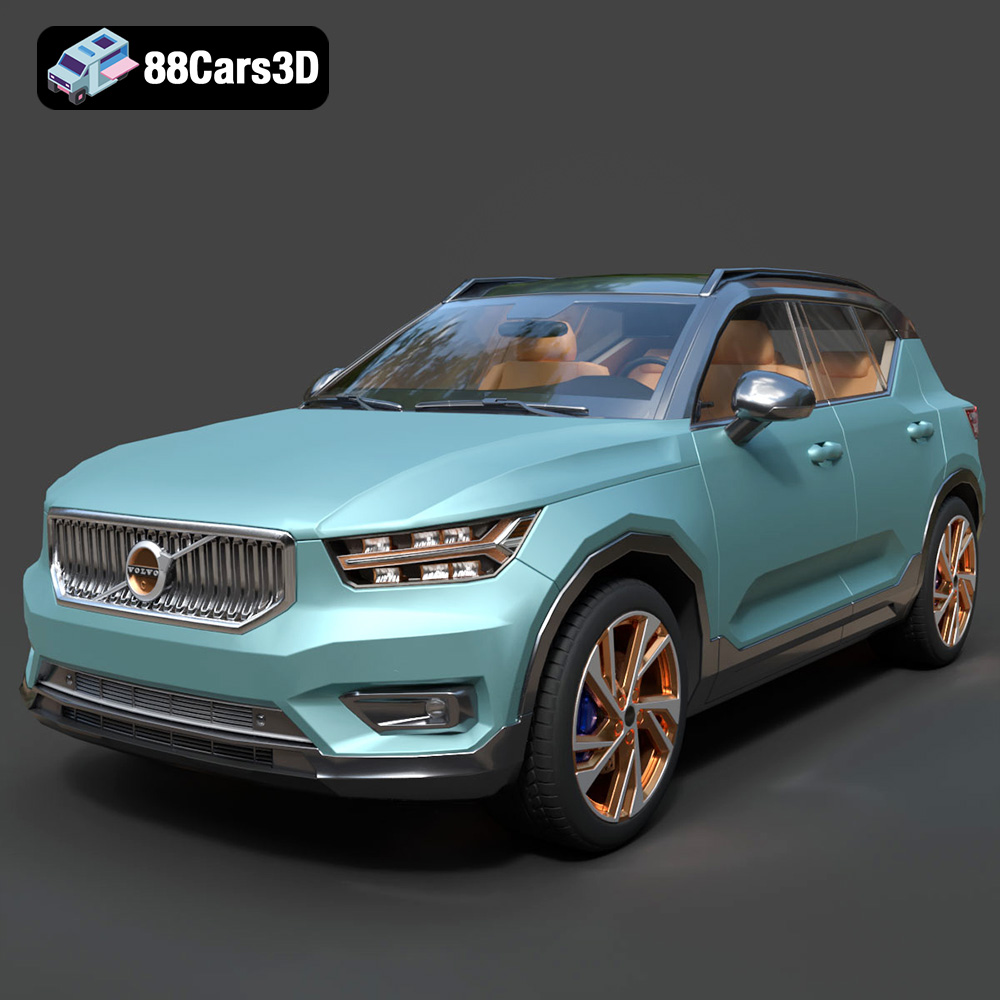
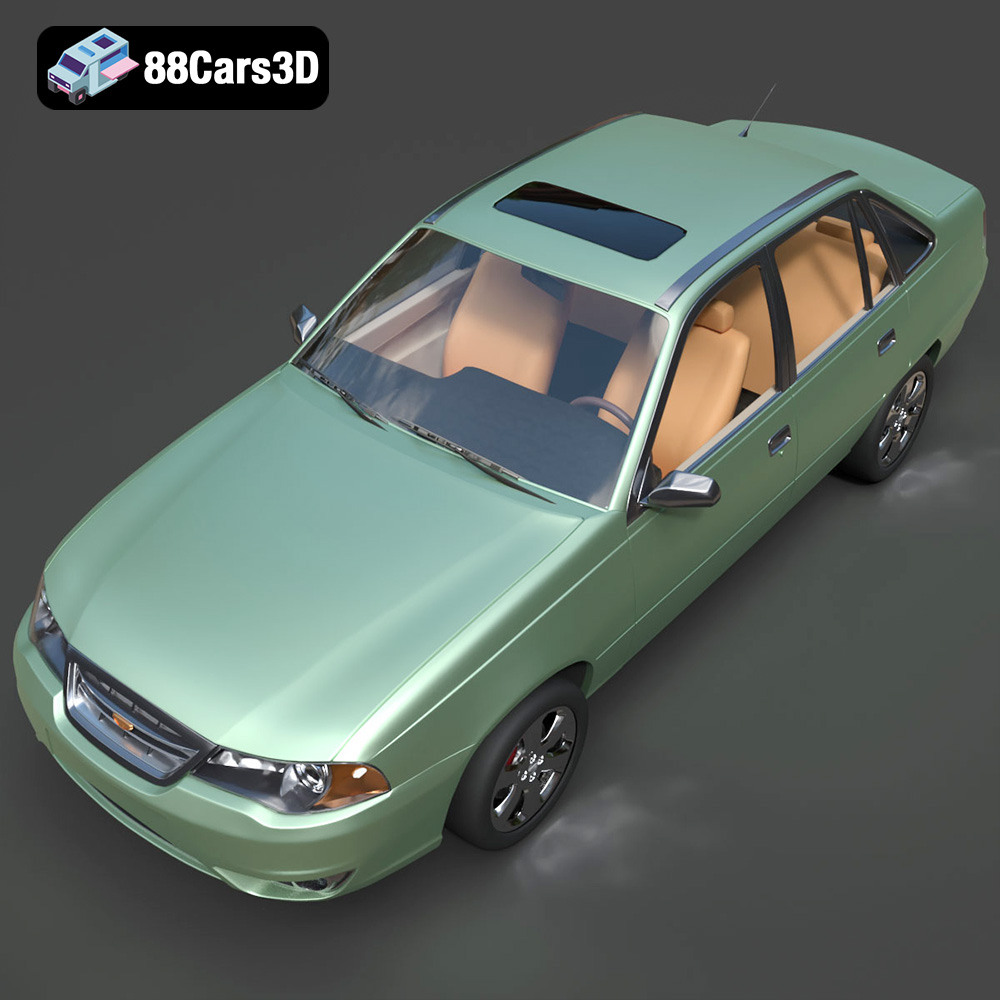
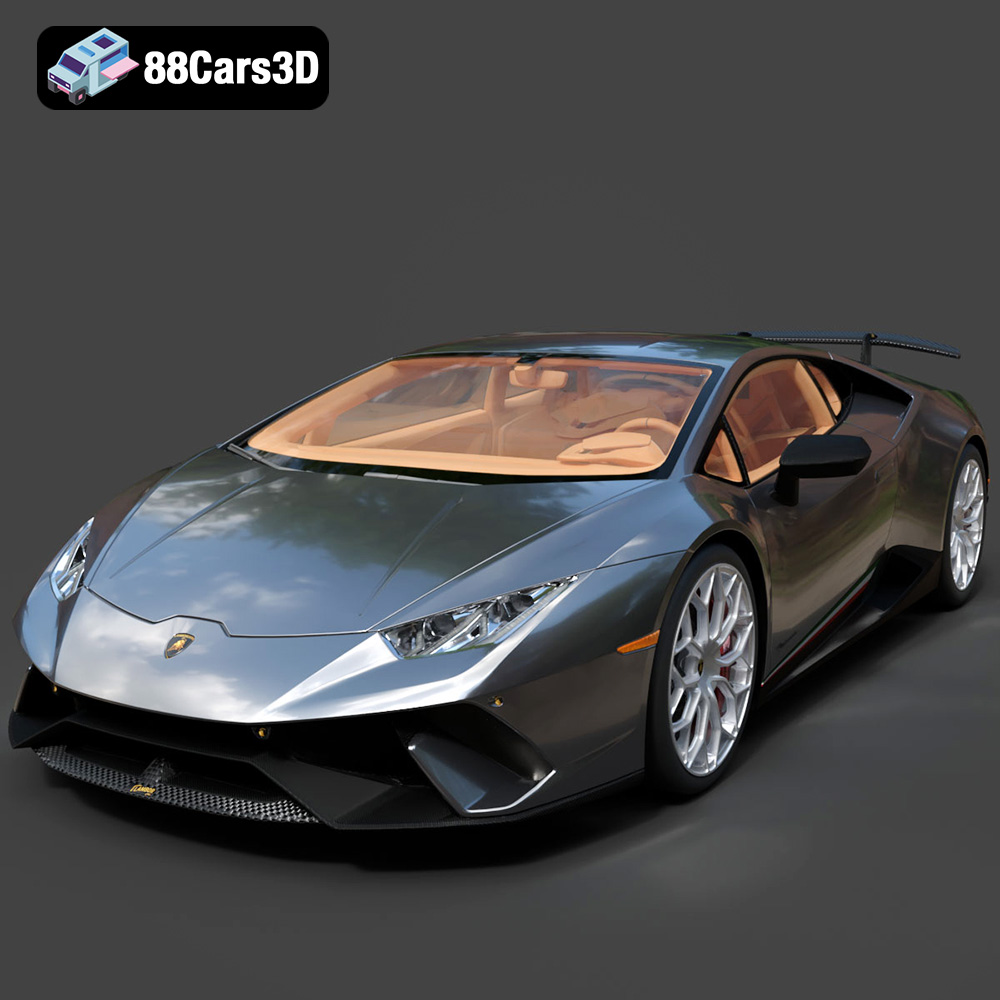
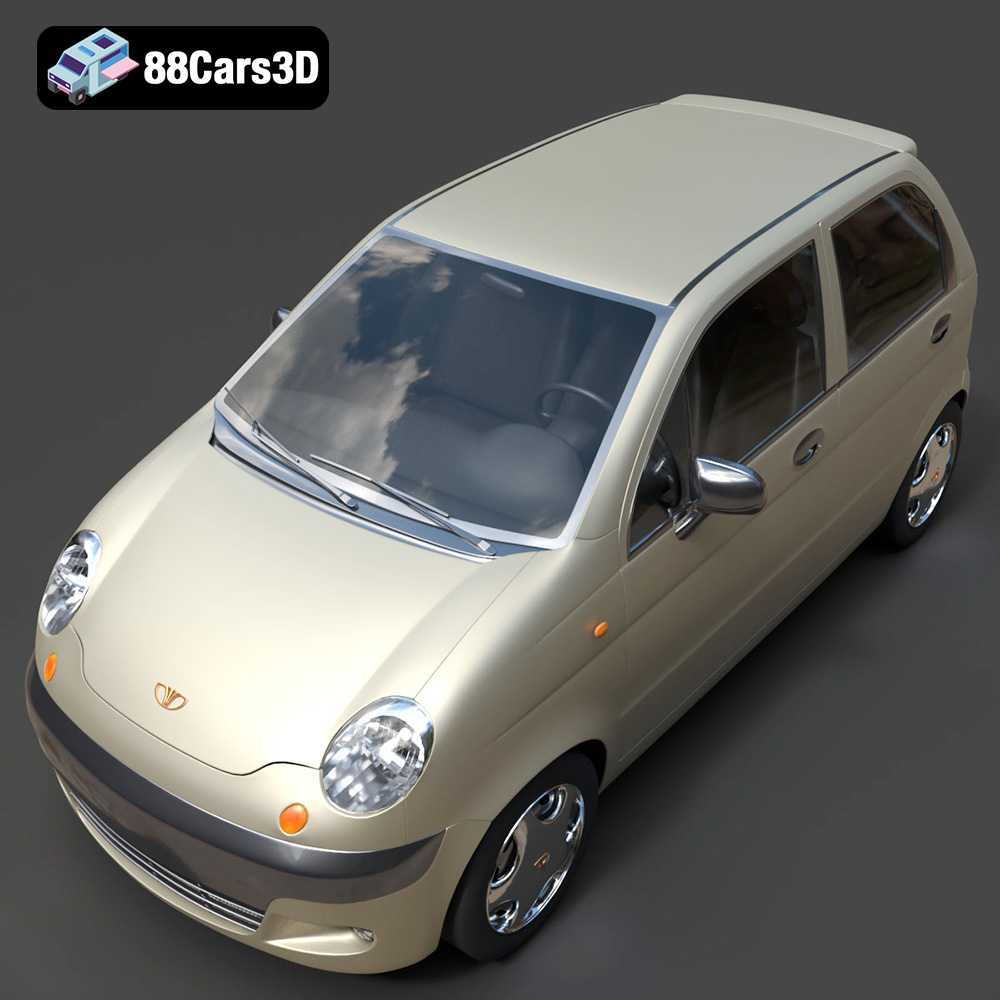
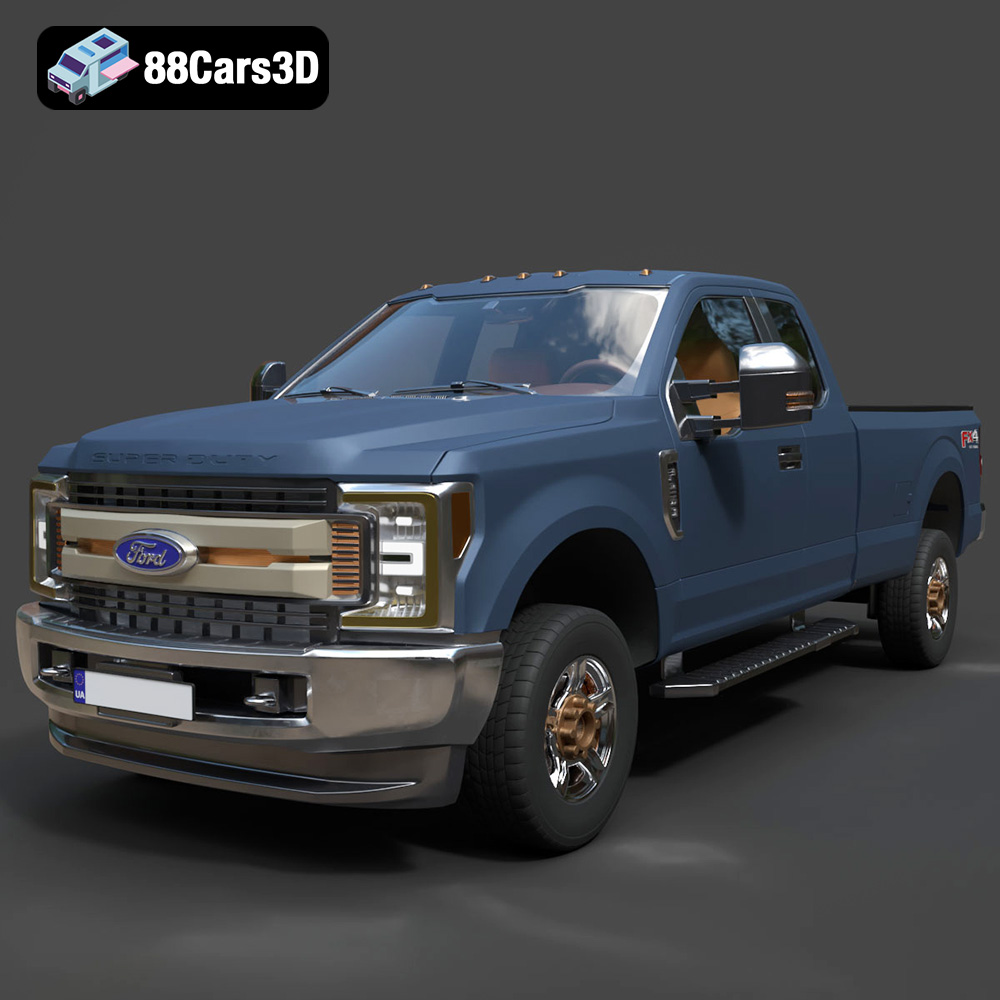
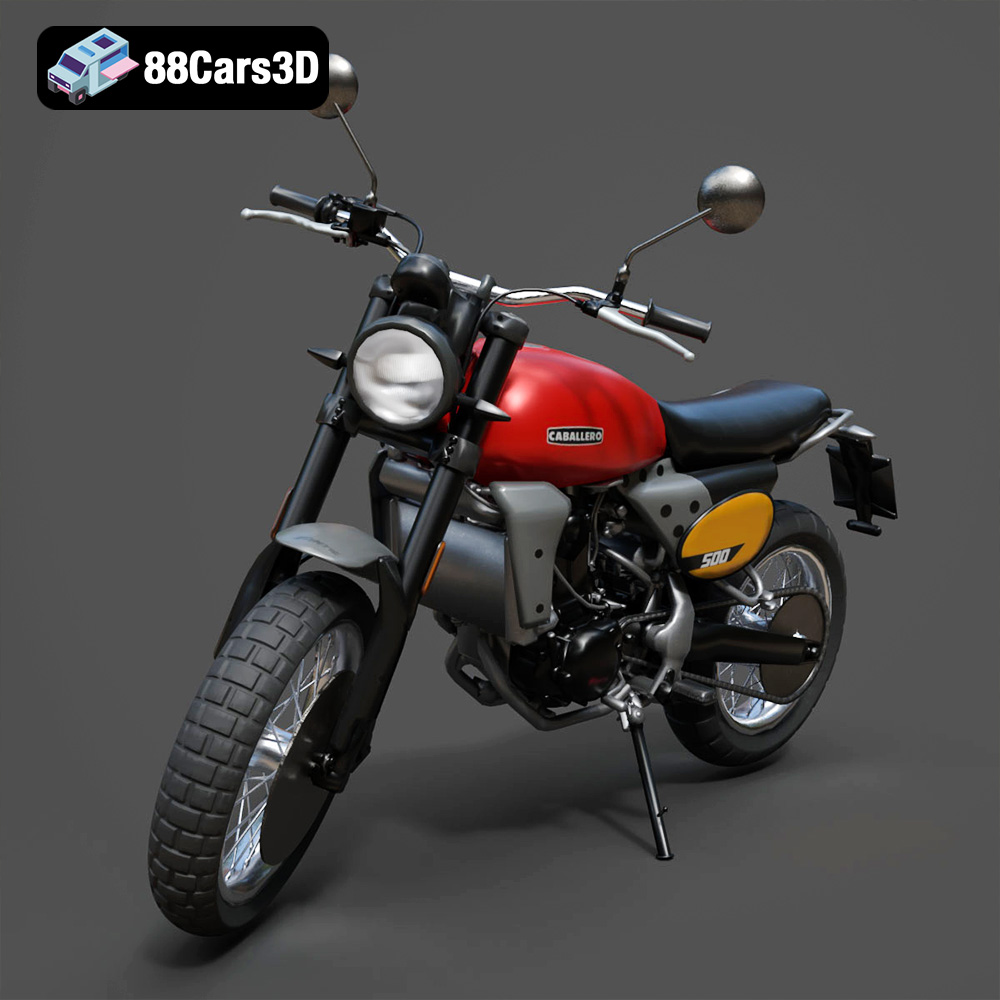
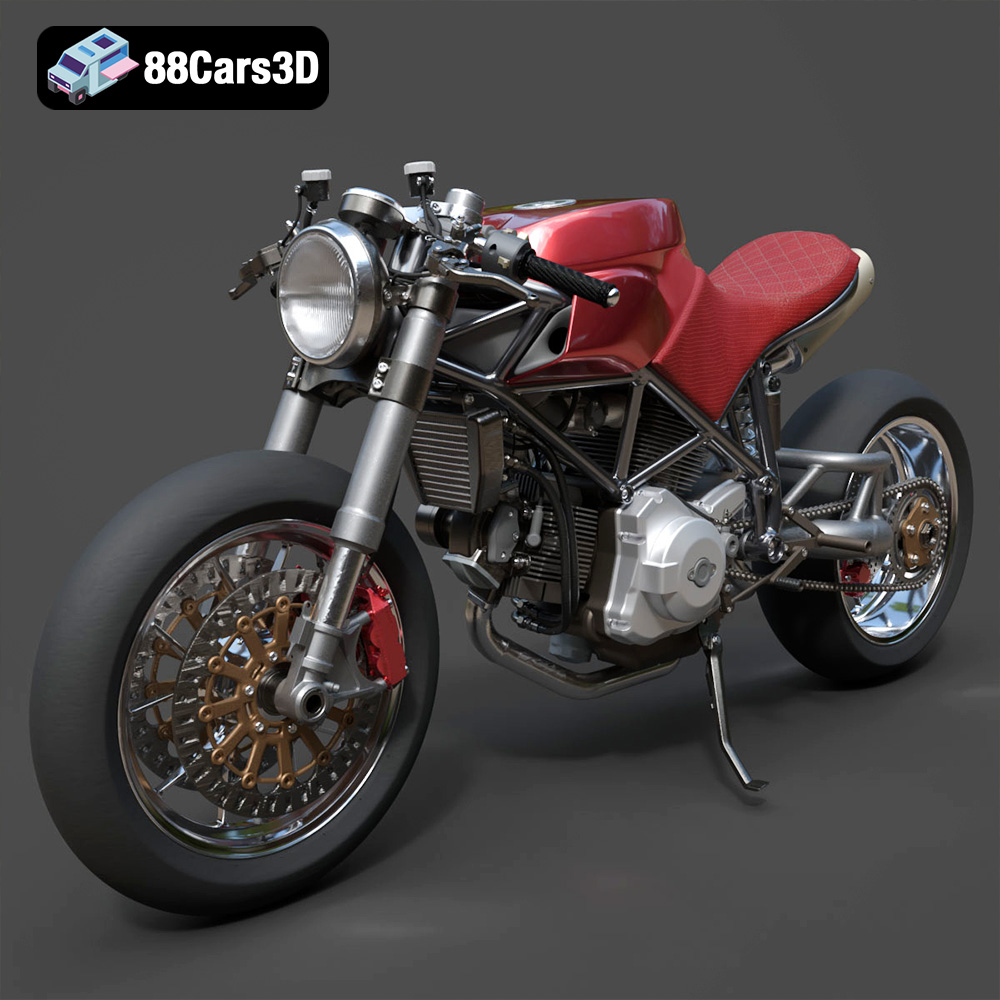
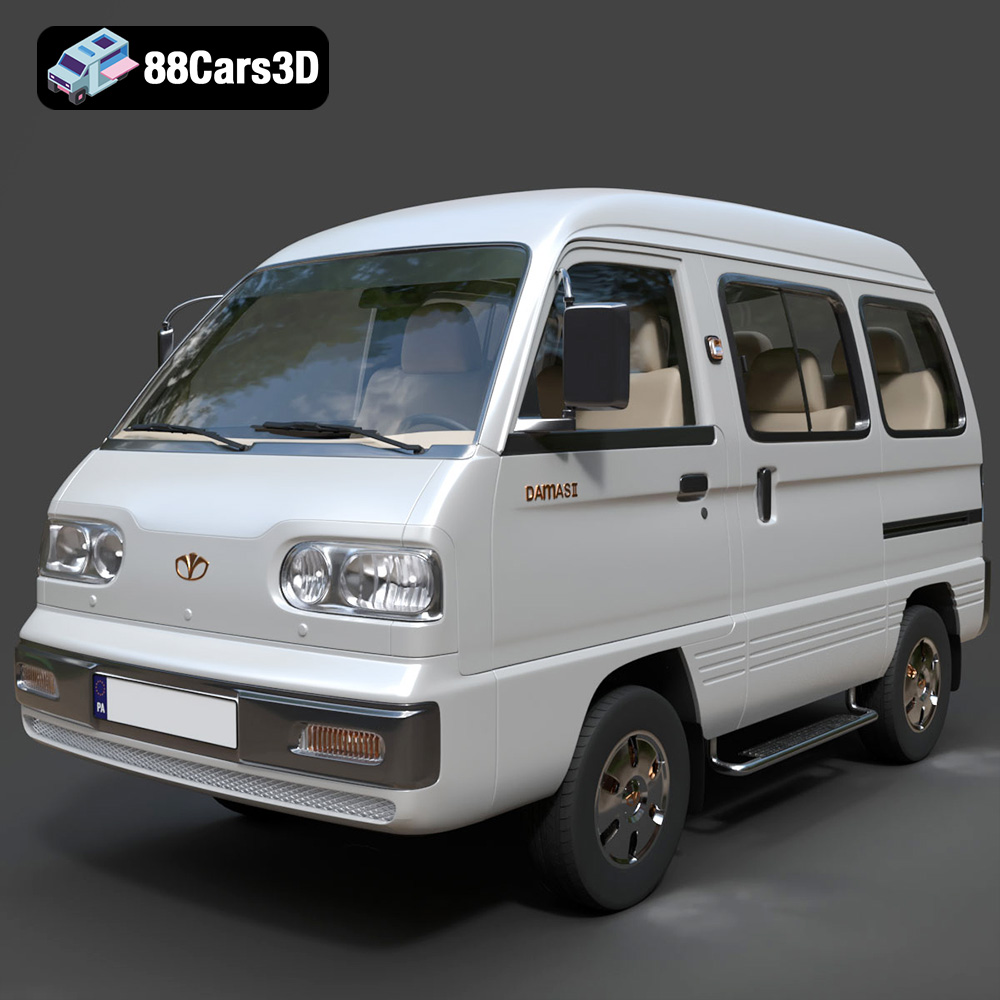
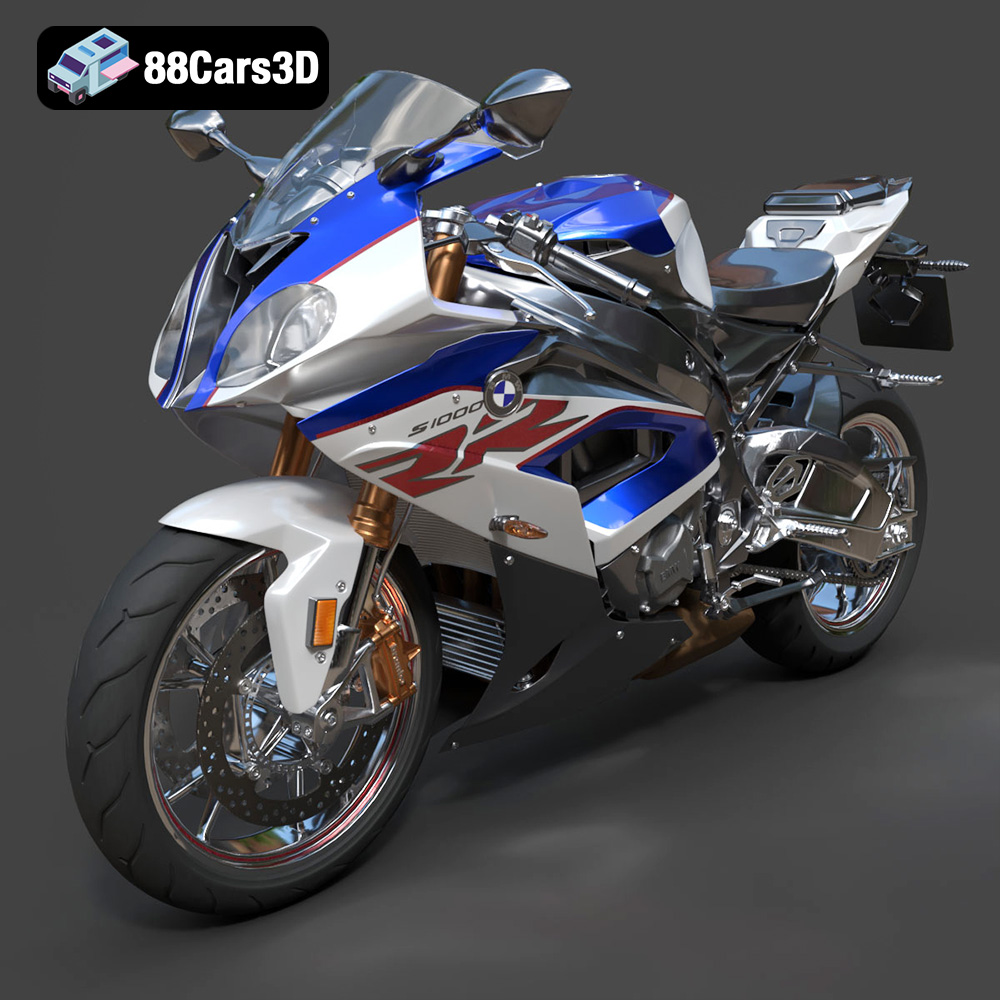
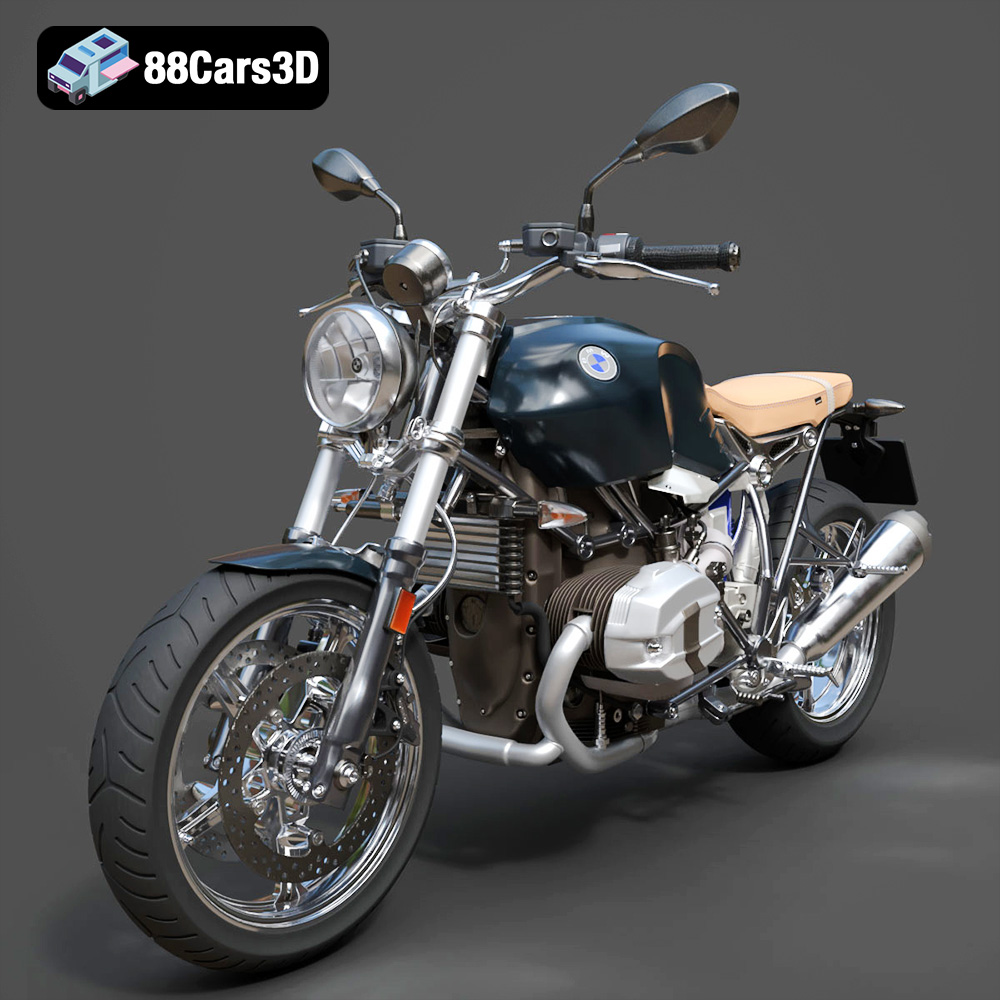
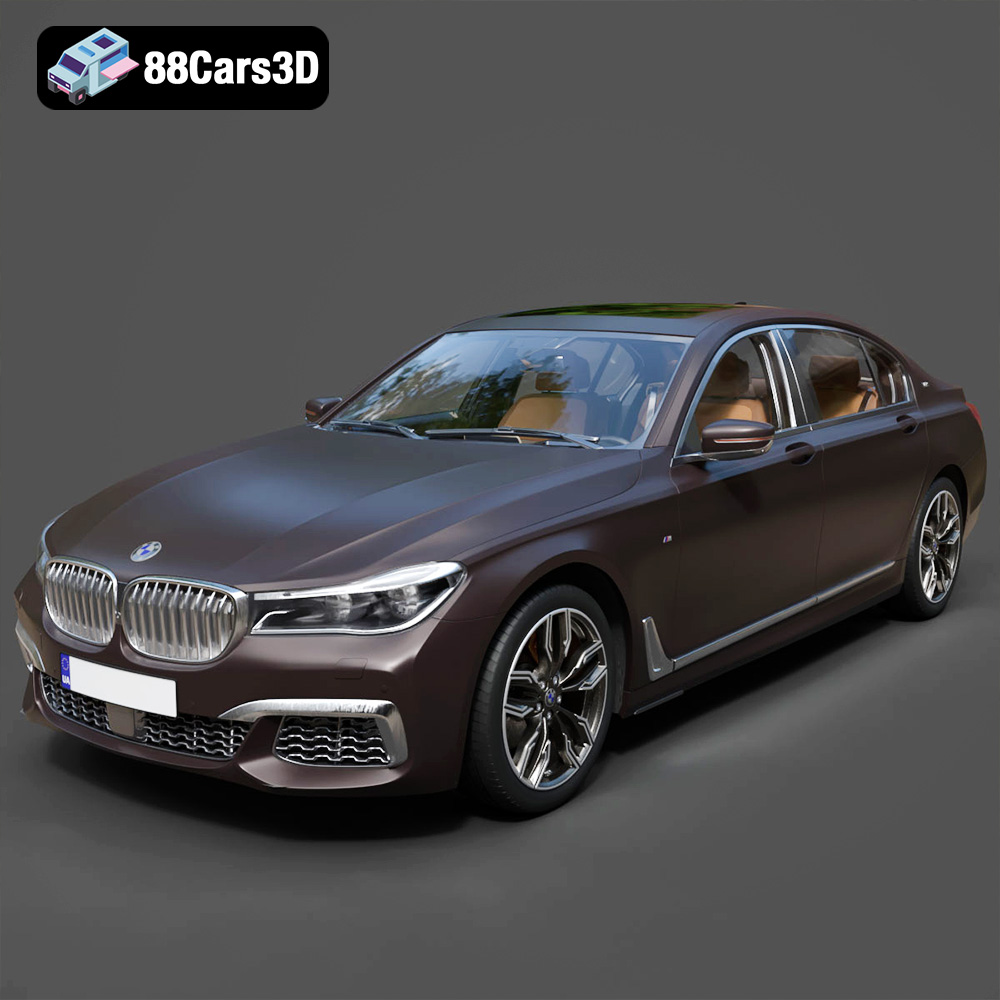
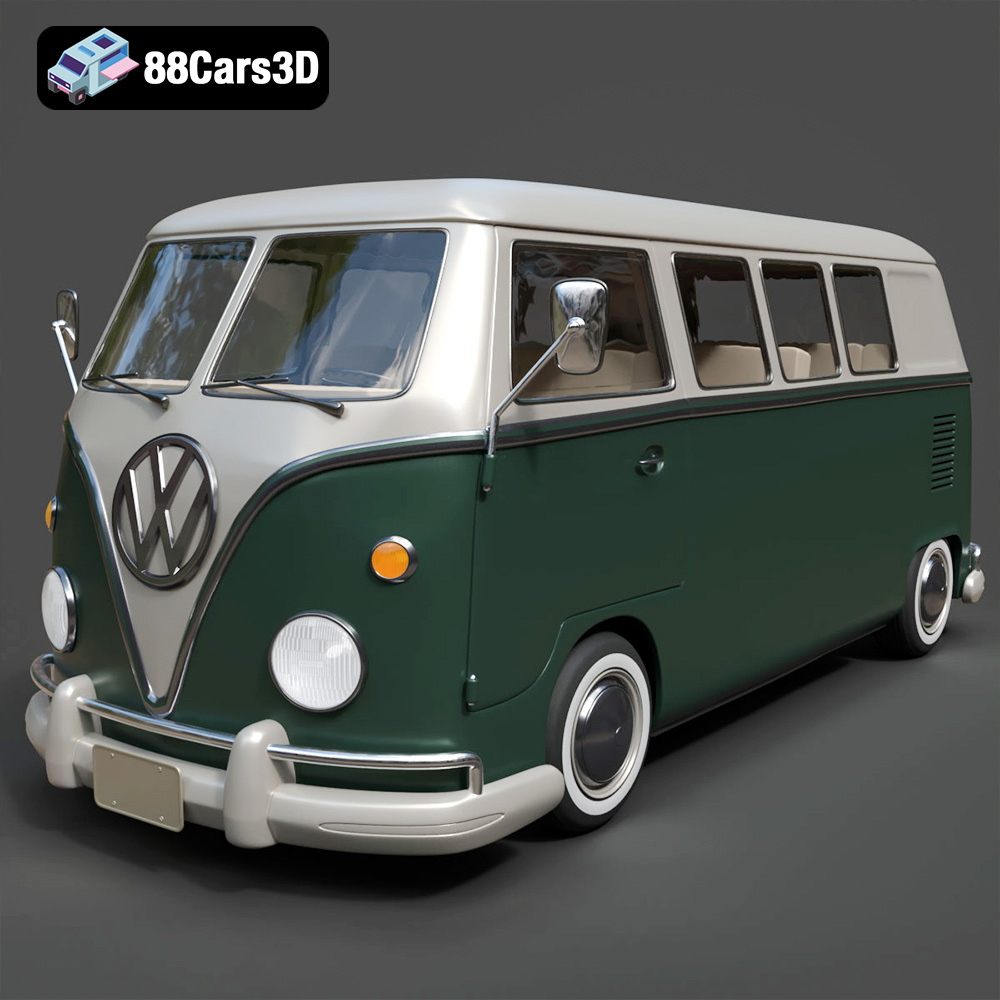
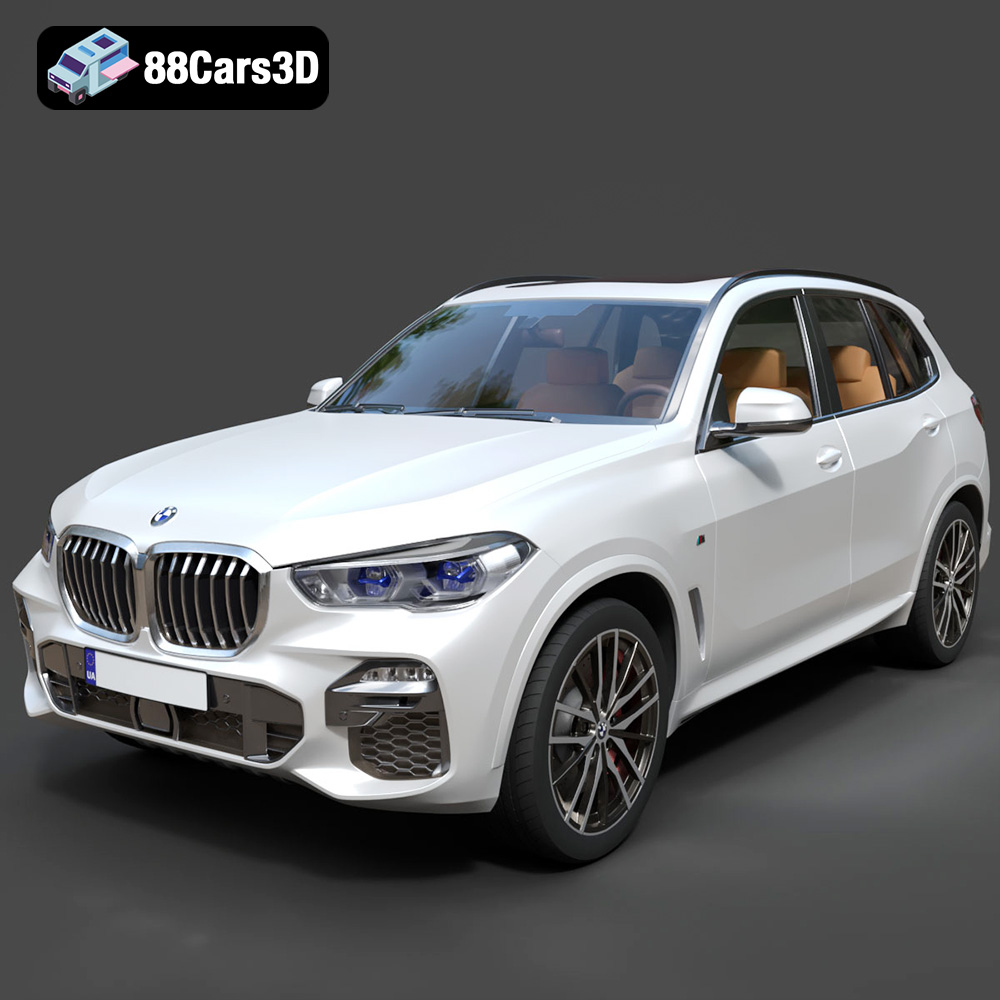
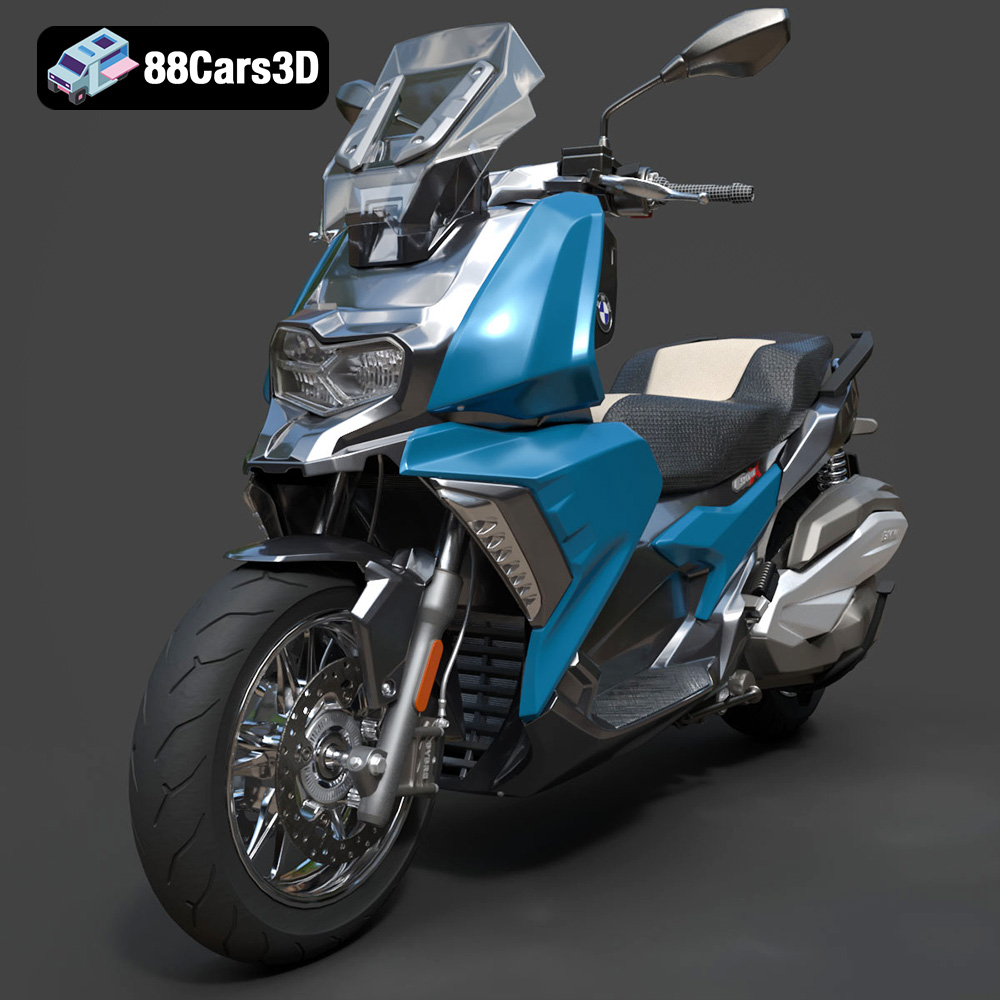
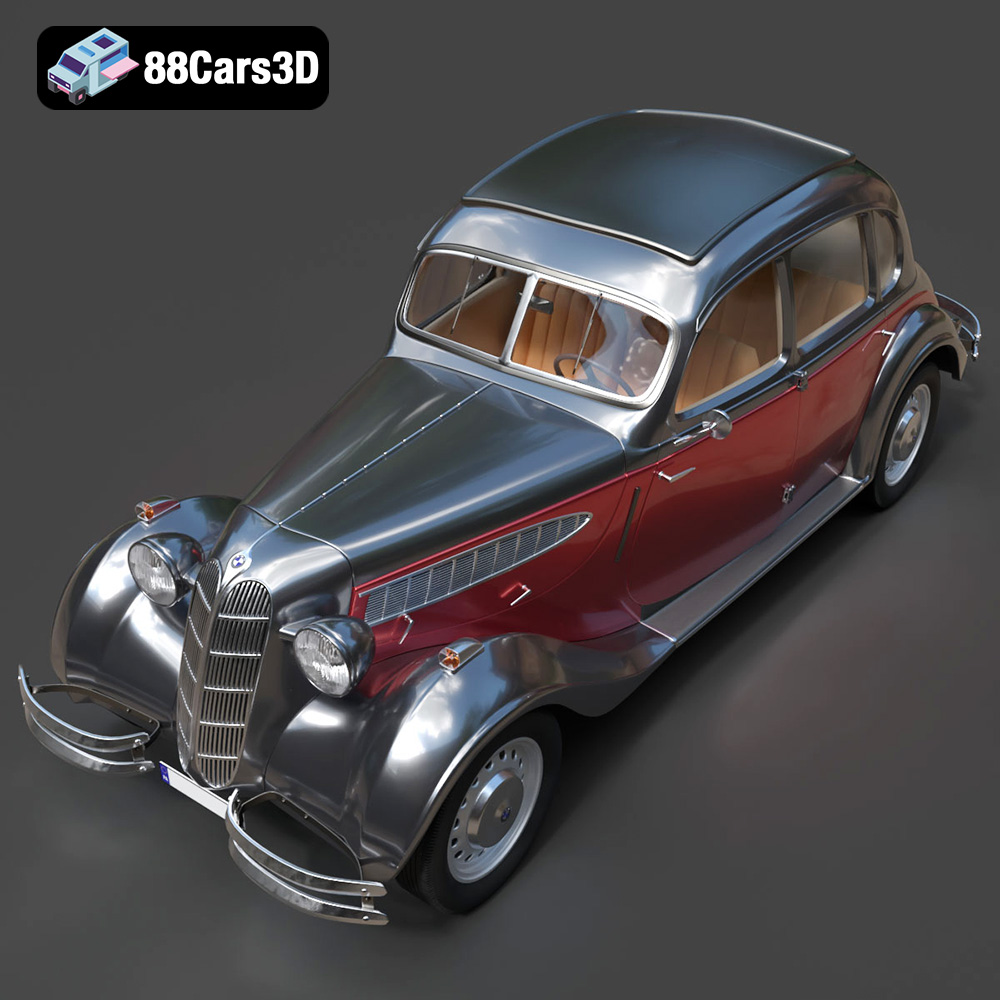
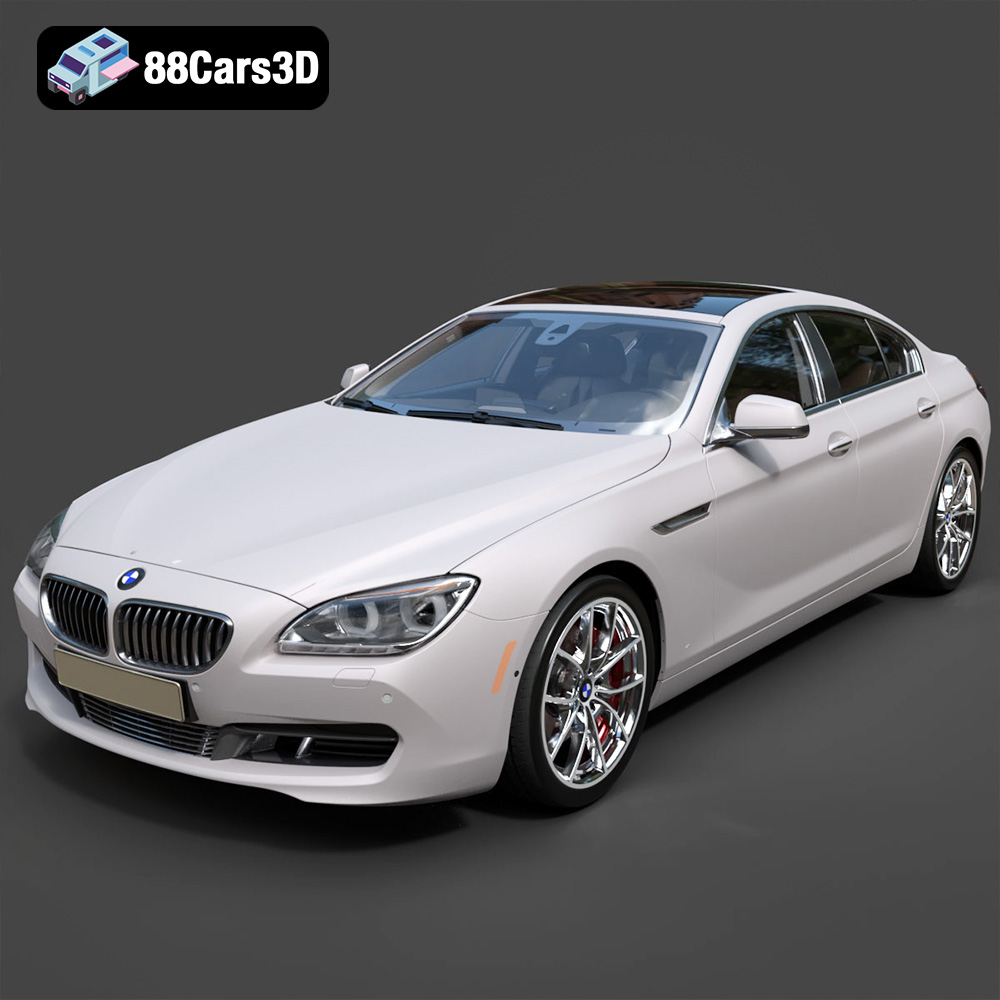
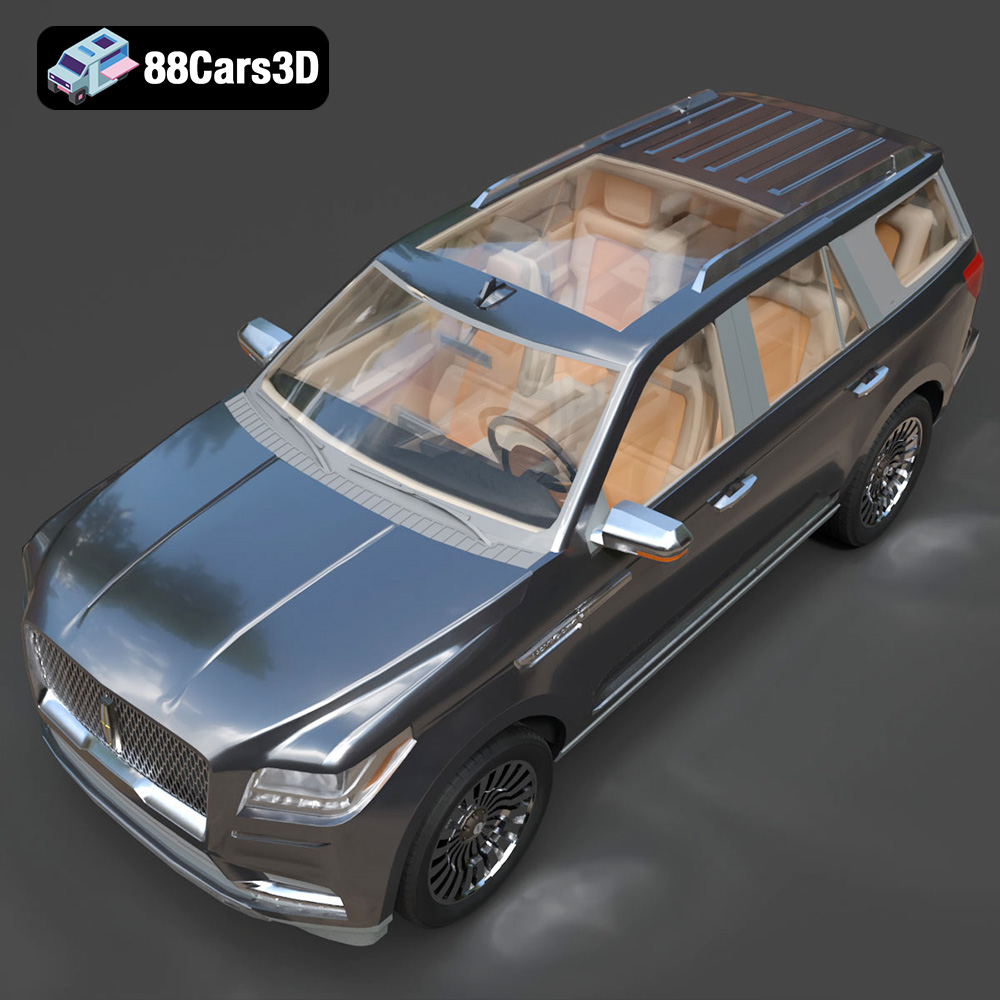
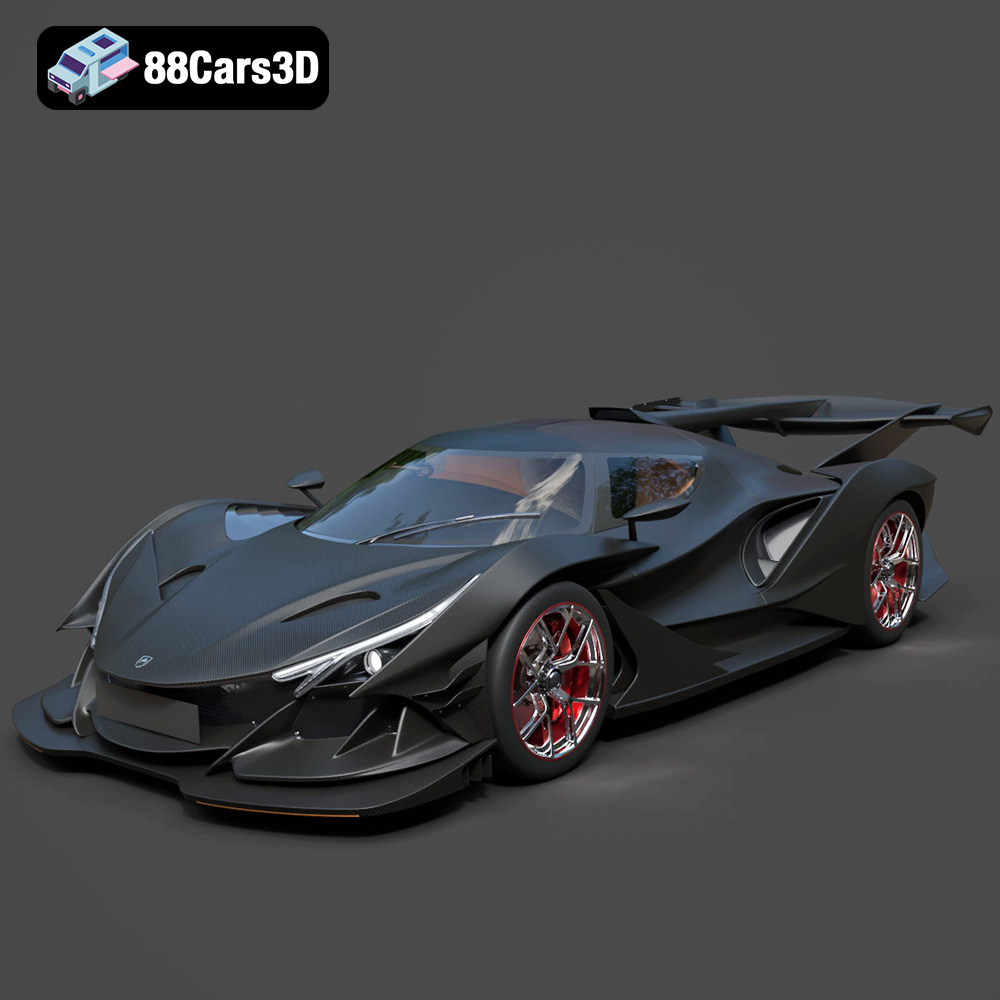
Realistic Vehicle Rendering Workflow: From OBJ Model to Photorealistic Output
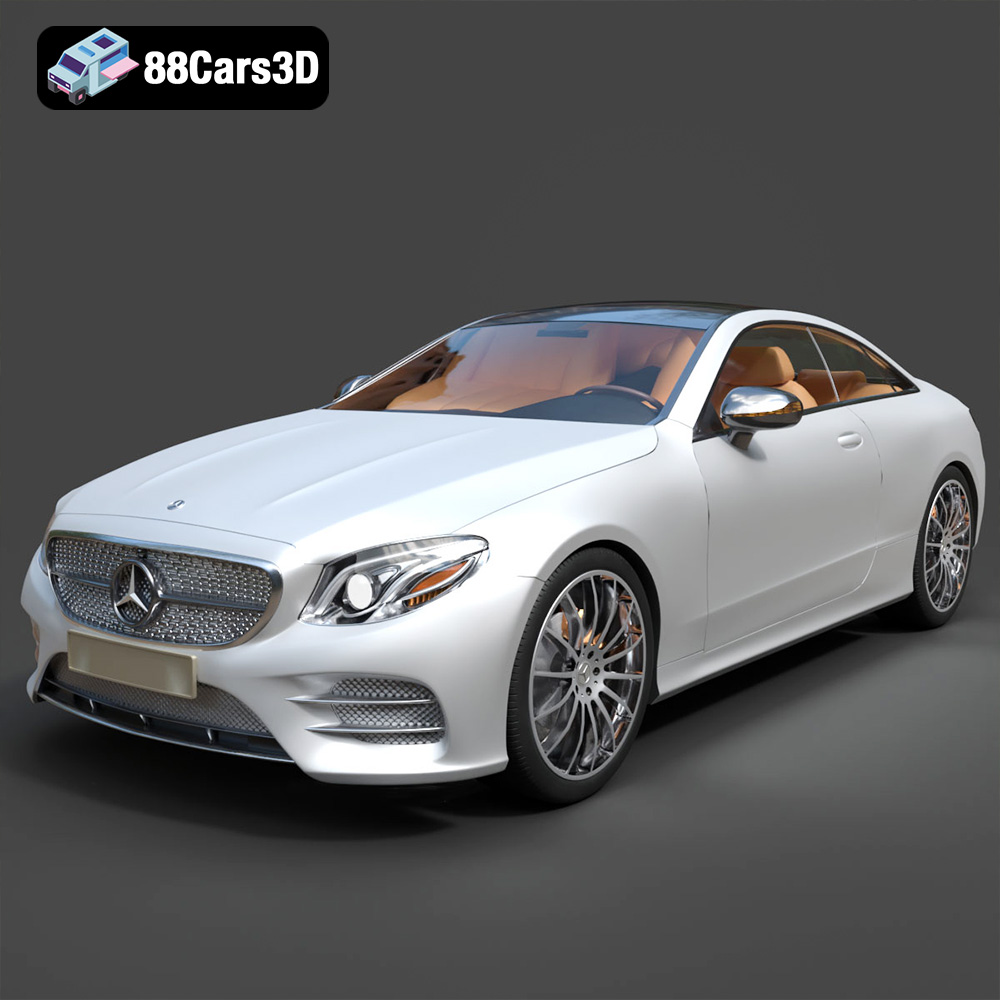
Achieving a truly photorealistic car render is one of the most rewarding challenges in 3D visualization. Whether you’re a seasoned 3D artist, an aspiring game developer, or working in architectural visualization (ArchViz), mastering the realistic vehicle rendering workflow is crucial for creating stunning visuals that captivate audiences. This comprehensive guide will take you on a journey from a raw OBJ vehicle model to a breathtaking, lifelike output, breaking down each technical step with practical advice and decision frameworks.
We’ll delve into everything from model preparation and meticulous material creation using PBR materials, to sophisticated HDRI lighting techniques and the power of modern render engines. By the end, you’ll have a robust understanding of how to transform your digital assets into a visual masterpiece.
The Foundation: Preparing Your OBJ Vehicle Model
Every great render starts with a solid foundation. Before you even think about lighting or materials, your 3D vehicle model needs to be meticulously prepared.
Model Acquisition & Initial Inspection
Your vehicle model might come from various sources: a CAD conversion, a sculpted asset, a scanned object, or a purchased asset from marketplaces like TurboSquid or Sketchfab. Regardless of its origin, the first step is a thorough inspection within your chosen 3D modeling software (e.g., 3ds Max, Maya, Blender, Cinema 4D).
- Scale and Units: Ensure the model is at a realistic, real-world scale (e.g., meters or centimeters). Incorrect scale can lead to issues with lighting, physics, and material appearance.
- Normals: Verify that all polygon normals are consistent and pointing outwards. Flipped normals can cause shading artifacts and rendering errors.
- Topology and Geometry: Check for non-manifold geometry, overlapping faces, or excessive triangulation (unless intended). Clean topology is essential for smooth deformations and clean UV unwrapping. Remove any unnecessary helper objects or hidden geometry.
- Object Grouping: Organize your model into logical groups (e.g., ‘Body,’ ‘Wheels,’ ‘Glass,’ ‘Interior’). This simplifies material assignment and scene management.
UV Unwrapping: The Canvas for Textures
UV unwrapping is the process of flattening the 3D surface of your model into a 2D space, creating a “map” for applying textures. Clean, efficient UVs are paramount for high-quality texture creation.
- Seams Placement: Strategically place seams in less visible areas to minimize texture stretching and distortion.
- UV Density: Aim for consistent UV density across different parts of the vehicle. Critical areas like the main body panels should receive more UV space (higher texel density) than less important areas.
- No Overlapping UVs: Unless you’re intentionally sharing texture space (e.g., for tiling textures), ensure UV islands don’t overlap.
- Packing: Efficiently pack UV islands within the 0-1 UV space to maximize texture resolution and minimize wasted space.
Model Optimization for Rendering
While photorealistic rendering often benefits from detailed models, excessive polygon counts can drastically increase render times.
- Decimation (if necessary): For models acquired from CAD or scans, decimation might be needed to reduce polygon count while retaining crucial detail.
- LODs (Levels of Detail): For animations or real-time applications (like game development rendering in Unreal Engine), creating LODs can optimize performance. For a single still render, the focus is on achieving the necessary detail.
- Instancing: Use instances for repeating elements like wheel bolts or tire treads. This reduces memory usage and often speeds up rendering.
Crafting Reality: Material & Texture Creation
Materials are the skin of your vehicle, dictating how light interacts with its surface. This is where PBR materials truly shine.
Understanding PBR (Physically Based Rendering)
PBR is a shading model that simulates how light behaves in the real world. Instead of artistic approximations, PBR uses physically accurate properties, leading to consistent and realistic results across different lighting conditions. Key maps include:
- Albedo/Base Color: The inherent color of the surface, without any lighting or shading information.
- Metallic: Defines whether a surface is metallic (1.0) or non-metallic (0.0).
- Roughness (or Glossiness): Controls the microscopic surface irregularities, determining how sharp or blurry reflections and refractions appear. Low roughness = shiny, high roughness = dull.
- Normal Map: Adds fine surface detail without increasing polygon count, faking bumps and dents.
- Displacement Map: Physically displaces the geometry, creating actual surface relief for highly detailed areas.
- Ambient Occlusion (AO): Simulates soft shadows where surfaces are close together.
Essential Vehicle Materials
Each part of a vehicle requires a specific approach to material creation.
-
Car Paint Shader: This is often the most complex.
- Base Coat: Albedo, metallic flakes (via a noise texture or procedural map on metallic/roughness).
- Clear Coat: A secondary layer of reflection with its own roughness and refractive index (IOR), simulating the glossy protective layer. Many advanced shaders offer dedicated clear coat parameters.
- Subsurface Scattering (SSS): Subtle SSS can add depth, especially to lighter, more vibrant colors, making the paint feel less like a thin film.
- Dirt/Scratches: Add realistic wear and tear through grunge maps affecting roughness and albedo.
-
Tires:
- Rubber: A matte, dark material with specific roughness variations.
- Tread Patterns: Crucially, these should be modeled or created with high-quality normal/displacement maps for realistic grip and depth.
- Dust/Wear: Adding subtle dust, especially in crevices, enhances realism.
-
Glass:
- Refraction: Essential for windshields and windows. Use a realistic IOR (e.g., 1.5-1.6 for glass).
- Reflection: Highly reflective, often with a slight tint.
- Tint/Dirt: Subtle color tint, smudges, and rain effects (if applicable) can greatly enhance realism.
-
Chrome/Metal: High metallic value, very low roughness for polished chrome. Use scratches and fingerprints via roughness maps for realism.
-
Interior Materials: Fabric, leather, plastic, screens, carbon fiber – each requires careful attention to its unique PBR properties. Leather benefits from subtle normal maps and roughness variation.
Texture Sourcing & Creation
- Photography & Scanning: Capture real-world textures and details.
- Substance Painter/Designer: Industry-standard tools for procedural and hand-painted texture creation, especially powerful for generating PBR maps.
- Procedural Textures: Many renderers offer built-in procedural textures (noise, cellular, etc.) that can be incredibly versatile for generating variations in roughness, bump, or metallic properties.
- Online Libraries: Poliigon, Quixel Megascans, and other texture libraries offer high-quality PBR texture sets.
Illuminating the Scene: Lighting for Photorealism
Lighting is perhaps the single most critical element for a photorealistic car render. It defines mood, highlights details, and grounds your vehicle in the environment.
Types of Lights & Their Application
- Area Lights: Simulates soft, even light from large sources (windows, softboxes). Excellent for general illumination and reflections.
- Spot Lights: Emits a focused beam of light, useful for highlighting specific details or creating dramatic effects.
- Point Lights: Omnidirectional light source, good for fill light or simulating bare bulbs.
- HDRI (High Dynamic Range Image): The cornerstone of realistic environmental lighting.
The Importance of HDRI
An HDRI lighting map is a 360-degree panoramic image containing a vast range of light information, from subtle shadows to intense highlights. When used as an environment map in your render engine, it does several things:
- Global Illumination: Provides realistic ambient light and bounced light throughout the scene.
- Reflections: Crucially, it provides a high-fidelity environment for reflections on glossy surfaces like car paint and chrome, giving your vehicle a sense of being truly present in the scene.
- Shadows: Generates soft, realistic shadows that match the environment.
- Background: Can serve as a realistic backdrop for your vehicle.
Always use high-quality, high-resolution HDRIs for vehicle renders. Rotate the HDRI to find the most flattering lighting and reflection angles.
Three-Point Lighting & Beyond
While HDRI provides global illumination, supplementary lights are often needed.
- Key Light: The primary light source, typically a large area light or sun. It defines the main direction of illumination and highlights the vehicle’s form.
- Fill Light: A softer light used to reduce harsh shadows created by the key light, providing detail in shaded areas.
- Rim Light (Backlight): Placed behind the vehicle, it creates a bright outline, separating the car from the background and enhancing its silhouette.
- Bounce Lights: Smaller area lights placed near the ground or walls to simulate light bouncing off surrounding surfaces.
- Detail Lights: Small, focused lights (e.g., spotlights) to highlight specific design elements like a badge or headlight.
Environmental Lighting & Reflections
Consider the context of your vehicle. Is it in a studio, on a sunny street, or in a gritty urban alley? The environment should inform your lighting choices. Matching the HDRI to your scene’s aesthetics is vital for cohesive 3D rendering workflow. Ensure reflections on the car’s body accurately depict the surrounding environment, enhancing its realism.
The Render Engine: Choosing Your Powerhouse
The render engine is the software component that takes all your scene data – models, materials, lights – and calculates the final image. For photorealistic output, ray tracing based renderers are the standard.
Popular Photorealistic Renderers
The choice of renderer often depends on your primary DCC software (Digital Content Creation) and specific needs.
-
V-Ray: A venerable production renderer, known for its robustness, speed, and extensive features. Integrates with 3ds Max, Maya, SketchUp, Rhino, Cinema 4D, and more. Excellent for ArchViz and VFX.
-
Corona Renderer: Renowned for its ease of use, physical accuracy, and excellent interactive rendering. Primarily for 3ds Max and Cinema 4D, very popular in ArchViz.
-
Octane Render: A GPU-based renderer, extremely fast for interactive rendering. Supports a wide range of DCCs and is known for its physical accuracy and spectral rendering.
-
Redshift: Another powerful GPU-accelerated renderer, optimized for speed. Great for complex scenes and animation, integrates with many DCCs.
-
Arnold: CPU-based (with GPU rendering options), default renderer in Maya, known for its ability to handle complex scenes and produce high-quality, unbiased results. Standard in VFX and animation.
-
Blender Cycles: Blender’s built-in physically based path tracer. Free, open-source, and highly capable, especially with recent performance improvements and GPU support.
-
Unreal Engine (with Ray Tracing): While primarily a real-time engine for game development, its integrated ray tracing features (RTX-accelerated) can produce incredibly realistic stills and cinematic sequences at interactive frame rates, blurring the line between real-time and offline rendering.
Renderer Comparison Table
| Renderer |
Primary Strength |
Platform Integration |
GPU/CPU |
Learning Curve |
Typical Use Cases |
| V-Ray |
Feature-rich, production-proven, versatile |
3ds Max, Maya, SketchUp, Rhino, Cinema 4D |
Hybrid |
Medium-High |
ArchViz, VFX, Product Viz |
| Corona Renderer |
Ease of use, interactive rendering, physical accuracy |
3ds Max, Cinema 4D |
CPU |
Low-Medium |
ArchViz, Product Viz |
| Octane Render |
Extreme GPU speed, spectral rendering |
Many DCCs (via plugins) |
GPU |
Medium |
Product Viz, VFX, Motion Graphics |
| Redshift |
Fast GPU production rendering, optimized for animation |
3ds Max, Maya, Houdini, Cinema 4D |
GPU |
Medium-High |
VFX, Animation, ArchViz |
| Arnold |
Unbiased, high-quality, handles complex scenes |
Maya (default), Houdini, Cinema 4D, Katana |
Hybrid |
Medium-High |
VFX, Animation, Product Viz |
| Blender Cycles |
Free, open-source, comprehensive, powerful |
Blender |
Hybrid |
Medium |
Indie Projects, Learning, General 3D |
| Unreal Engine |
Real-time photorealism (with RT), interactivity |
Stand-alone, DCC export |
GPU |
Medium-High |
Game Dev, Cinematics, ArchViz, Product Config. |
Post-Processing: The Final Polish
Rendering isn’t over when the image finishes calculating. Post-processing is where you add the final touches that elevate a good render to an exceptional one. This is typically done in image editing software like Adobe Photoshop, Affinity Photo, or GIMP.
Essential Post-Render Adjustments
- Color Grading: Adjust the overall color balance, saturation, and vibrancy to achieve the desired mood and aesthetic.
- Exposure and Contrast: Fine-tune the brightness and dynamic range of your image to make it visually impactful.
- White Balance: Correct any color casts to ensure colors appear natural.
- Levels/Curves: Precisely control the tonal range and contrast.
Adding Atmospheric Effects
- Depth of Field (DoF): Blurring the foreground and background to simulate camera focus, drawing attention to the vehicle. Render engines can produce this, but it can also be added in post for more control.
- Motion Blur: Essential for animated vehicles, simulating the blur caused by camera or object movement.
- Lens Flares/Glow: Can add a touch of realism to headlights or bright reflections.
- Vignette: A subtle darkening of the image edges to draw focus to the center.
- Chromatic Aberration: A subtle color fringing effect that can add a filmic look.
Sharpening & Noise Reduction
- Sharpening: Enhances fine details, but use sparingly to avoid artifacts.
- Noise Reduction: If your render has some grain (especially common with lower sample counts), denoisers (often integrated into modern renderers or as a post-process) can clean up the image without losing detail.
Practical Workflow Guide & Decision Framework
Step-by-Step Overview
- Model Preparation: Import OBJ, check scale, normals, topology, clean up.
- UV Unwrapping: Create clean, efficient UV maps for all vehicle parts.
- Material Creation: Apply PBR materials, meticulously craft car paint, glass, tires, and other surfaces using texture maps.
- Scene Setup: Place the vehicle in an appropriate environment (studio, street, etc.).
- Lighting: Set up HDRI lighting for global illumination and reflections. Add supplementary lights (key, fill, rim) to enhance form and detail.
- Camera Setup: Compose your shot, choose focal length, and adjust DoF.
- Render Settings: Configure your chosen render engine (samples, resolution, output format).
- Render: Generate the final image.
- Post-Processing: Refine colors, contrast, add atmospheric effects, sharpen, and denoise in an image editor.
Common Pitfalls & How to Avoid Them
- Unrealistic Materials: Not using PBR, or using incorrect PBR values (e.g., too high metallic for non-metals, uniform roughness). Always reference real-world materials.
- Poor Lighting: Flat lighting, unrealistic shadows, or reflections that don’t match the environment. Spend ample time experimenting with HDRI rotation and supplementary lights.
- Noisy Renders: Insufficient render samples. Increase samples or utilize denoisers.
- Lack of Detail: Neglecting small details like panel gaps, subtle imperfections, or tire tread. These add to realism.
- Incorrect Scale: Can make materials look off and lighting behave unnaturally. Always work in real-world units.
Optimizing for Speed vs. Quality
This is a constant balancing act.
- Draft Renders: Use lower sample counts, smaller resolutions, and fewer bounces for quick feedback on lighting and composition.
- Progressive Renderers: Many modern renderers (like Corona, V-Ray, Cycles) offer progressive rendering, allowing you to see results quickly and let them refine over time.
- Render Farms: For complex animations or very high-resolution stills, consider using a render farm to offload processing to multiple machines.
- GPU vs. CPU: GPU renderers (Octane, Redshift, Cycles/V-Ray GPU) are often faster for interactive feedback and final renders, but may have VRAM limitations. CPU renderers (Corona, Arnold, V-Ray CPU) are stable and can handle massive scenes.
Conclusion
Creating a photorealistic vehicle rendering is a meticulous process that combines technical understanding with artistic vision. From the initial preparation of your OBJ model and the precise crafting of PBR materials, through the nuanced art of HDRI lighting, and finally to the powerful calculations of your chosen render engine and the finesse of post-processing – each stage is crucial. By following this detailed 3D rendering workflow, embracing industry-standard tools, and consistently refining your approach, you’ll be well on your way to producing stunning, lifelike vehicle visuals that stand out.
Take Your Renders to the Next Level!
Ready to put these techniques into practice and transform your 3D vehicle models into photorealistic masterpieces? Explore our other guides on advanced PBR texturing and specific renderer tutorials. If you’re looking for custom 3D vehicle models or specialized rendering services for game development or architectural visualization, contact us today to discuss your project! Share your realistic car renders with us – we’d love to see what you create!