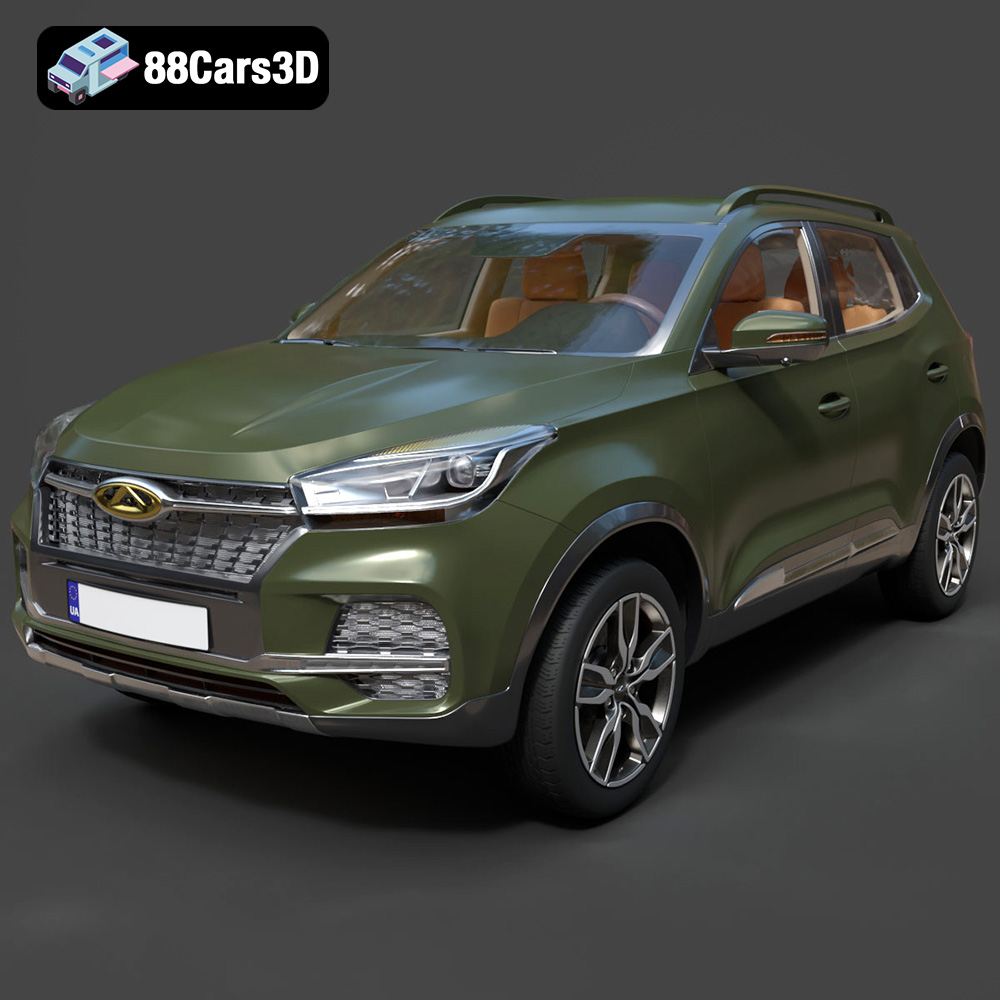
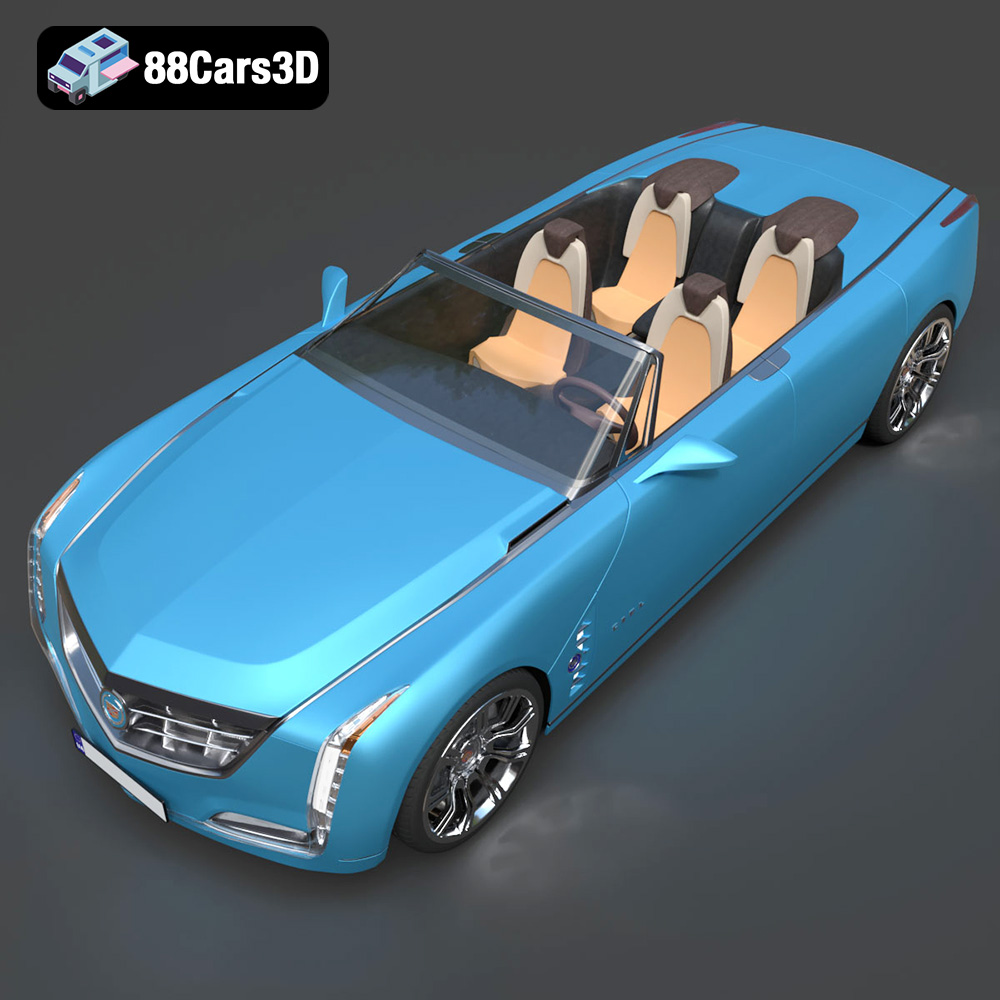
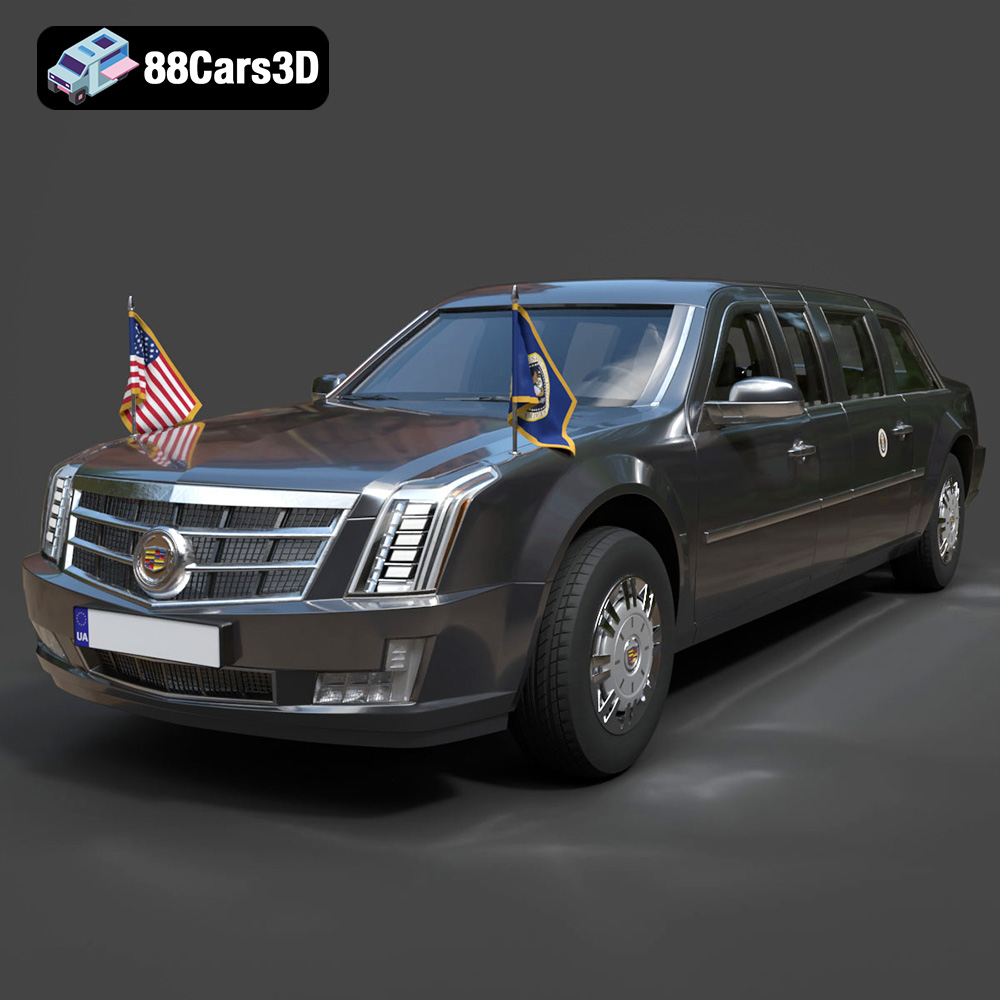
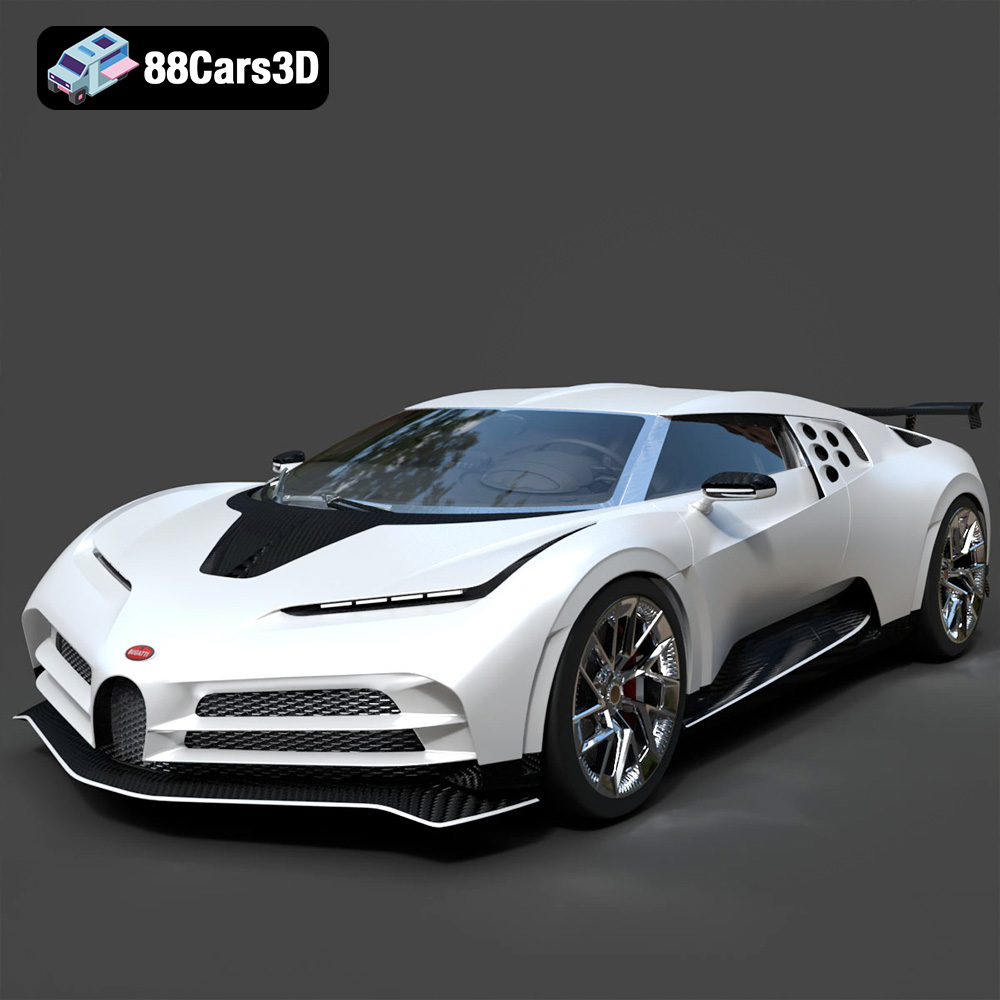
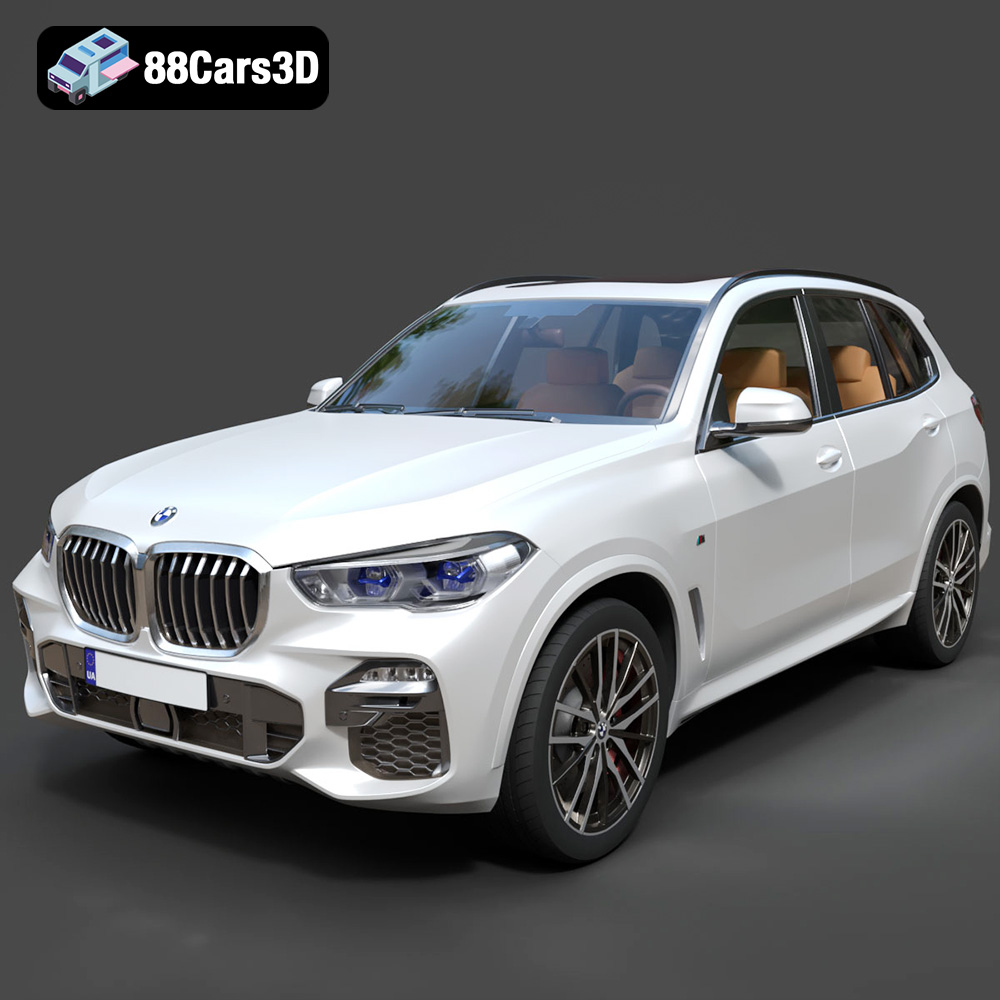
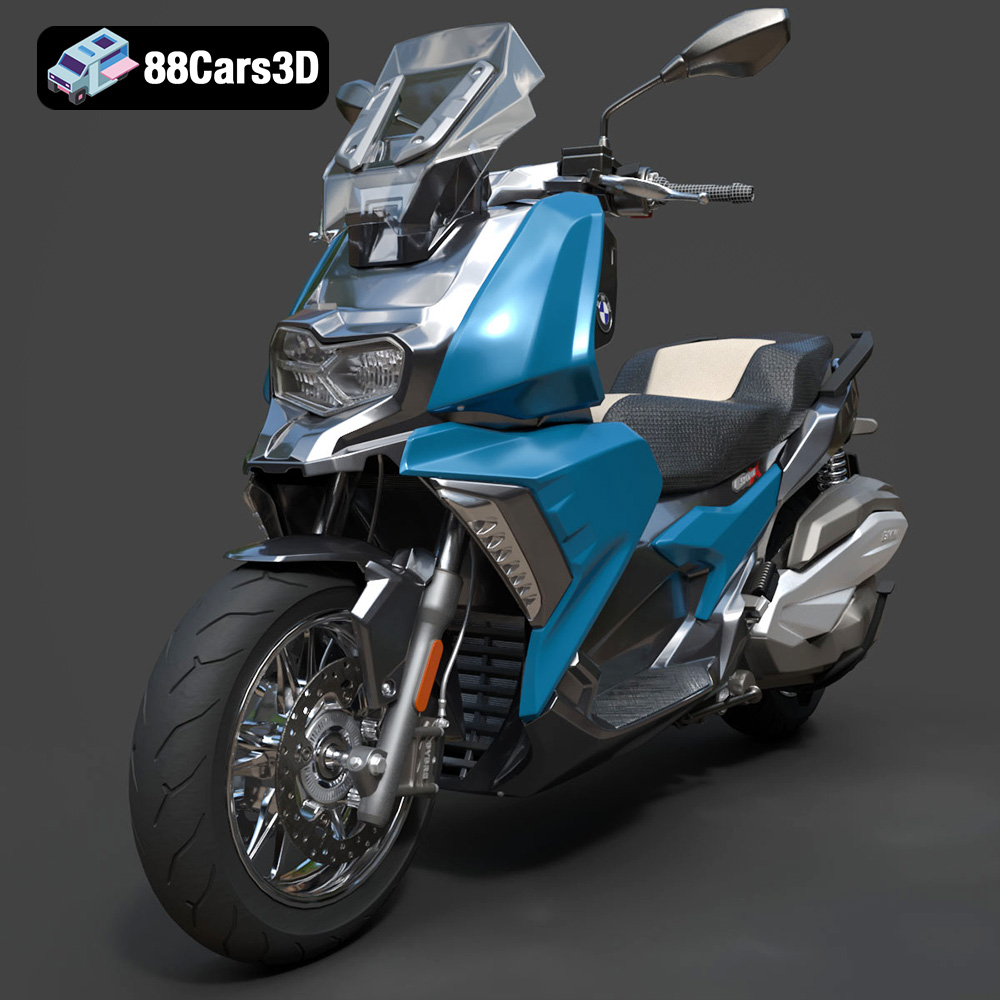
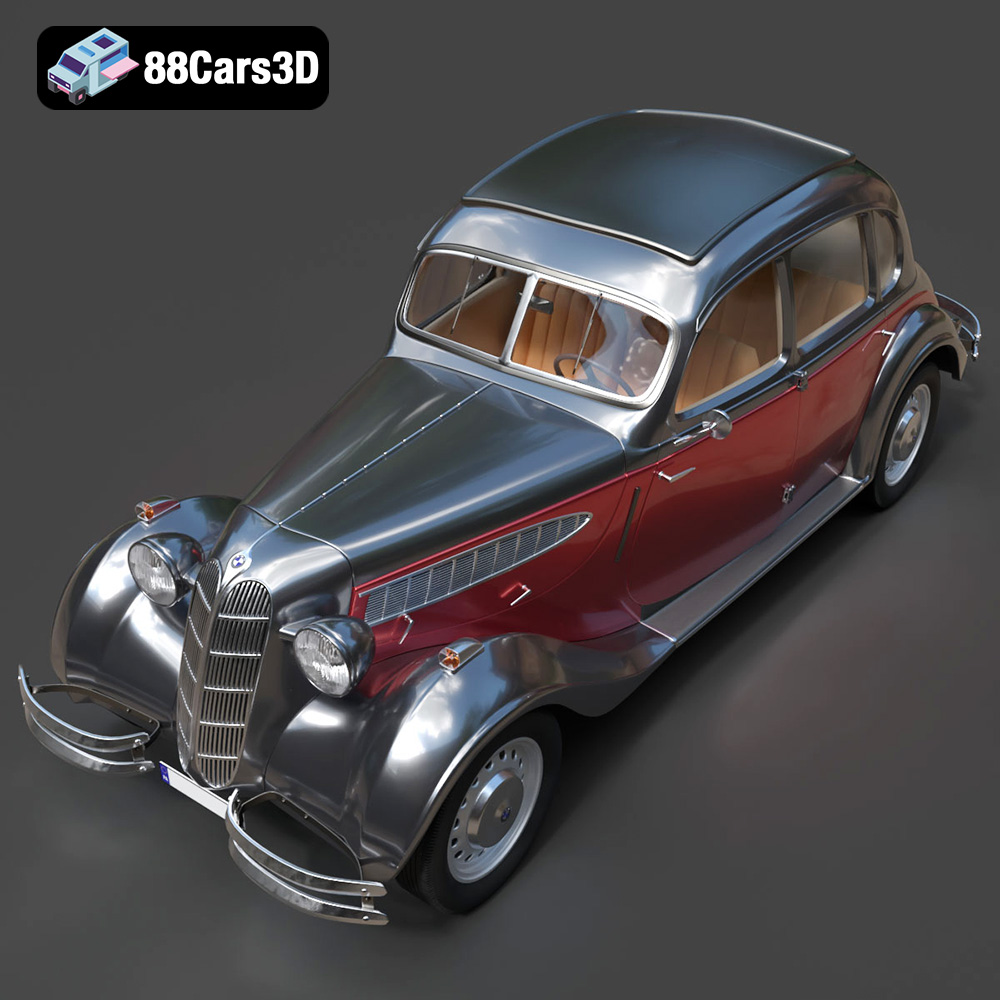
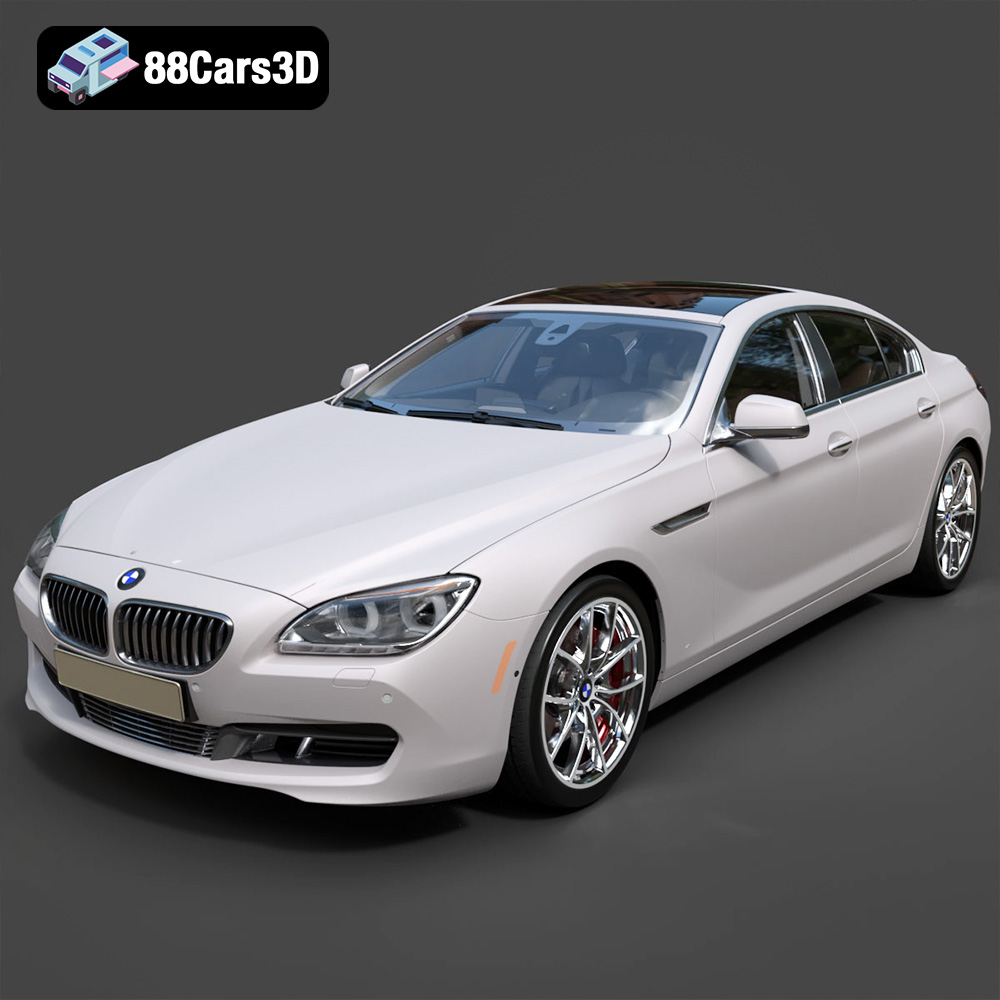
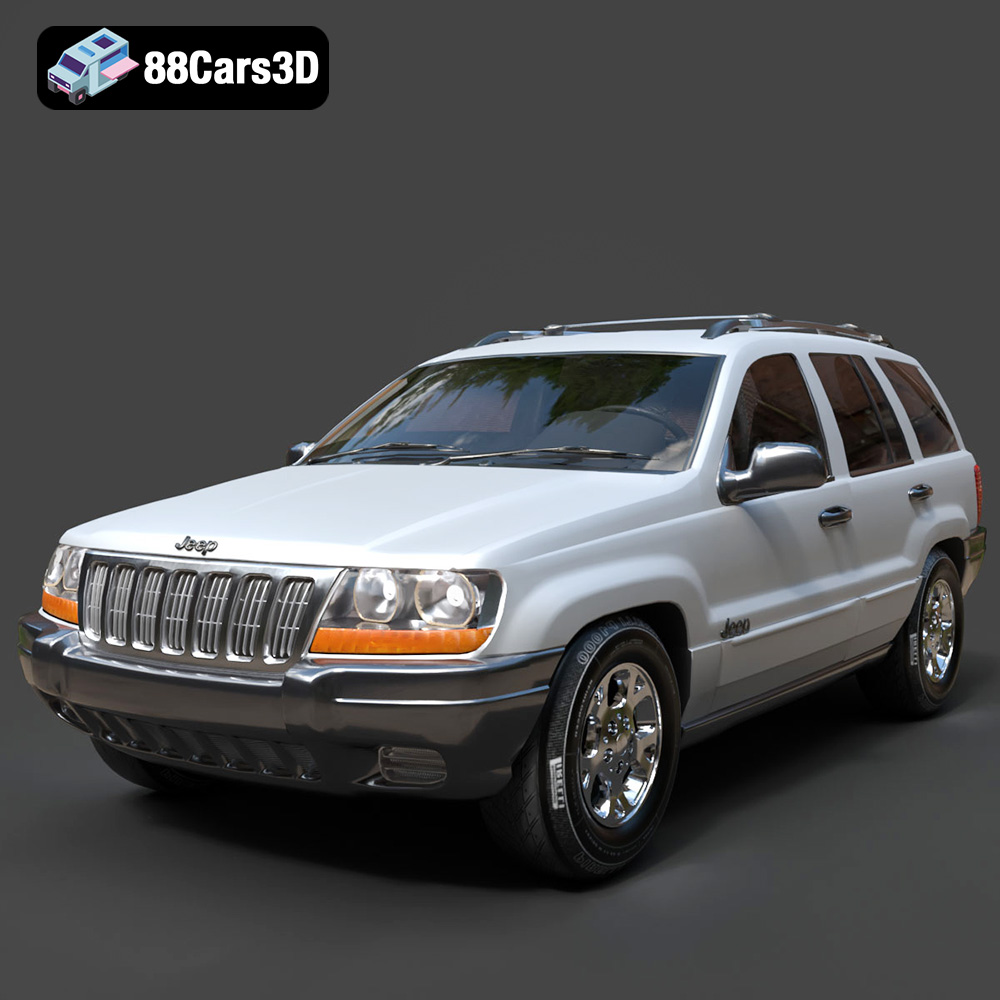
The Unseen Engineering: How High-Quality 3D Car Models Drive Innovation Across Industries
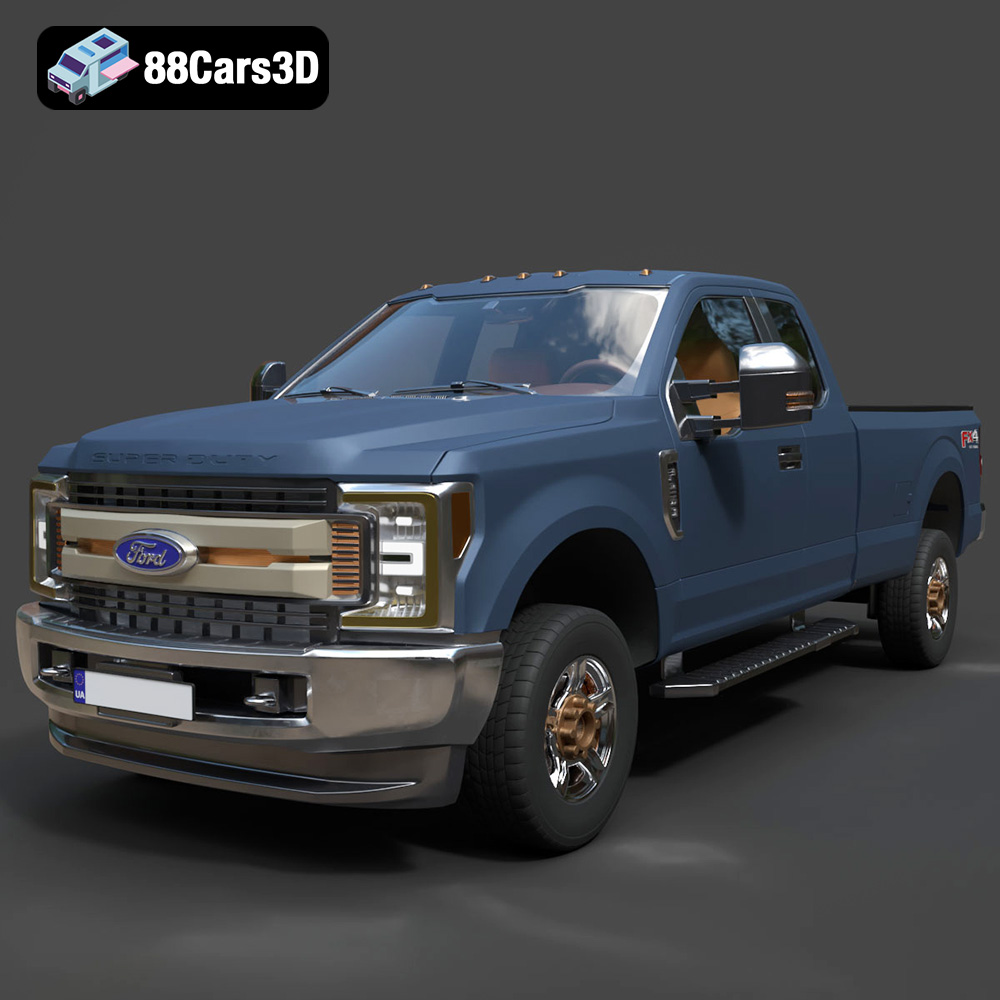
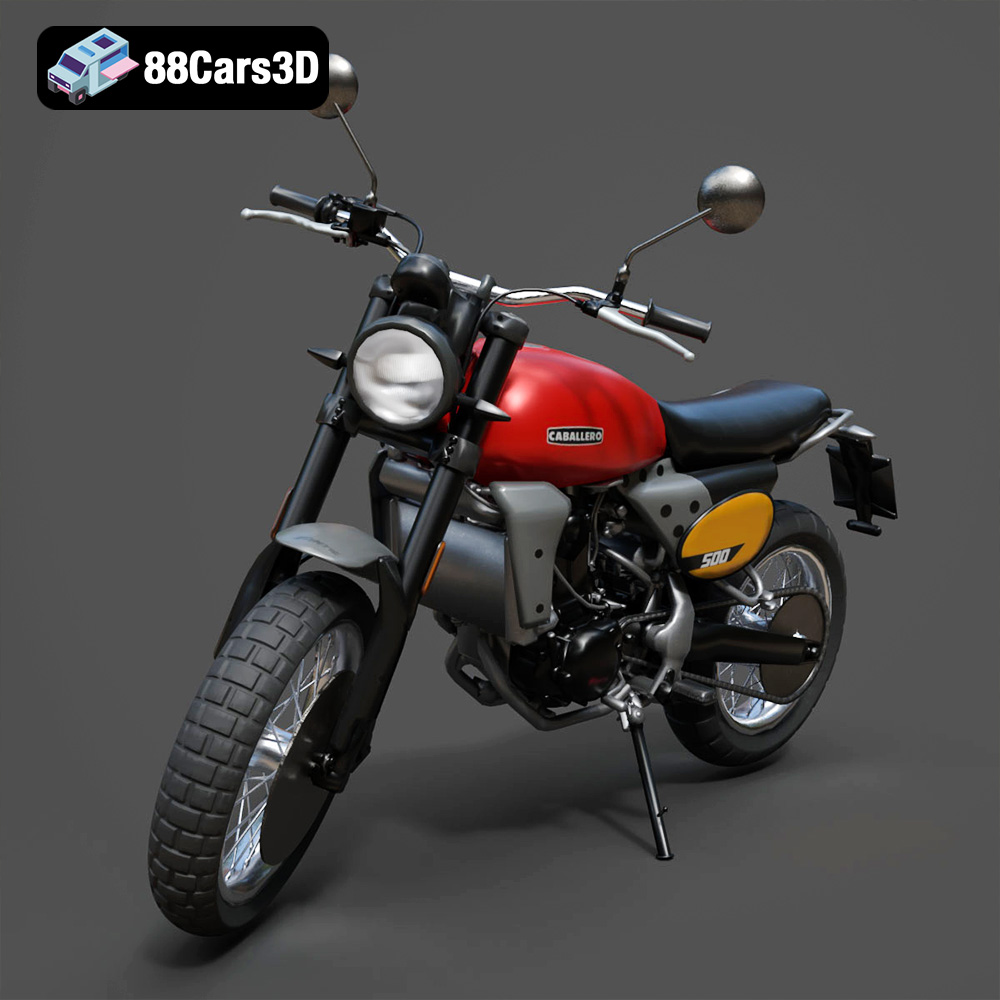
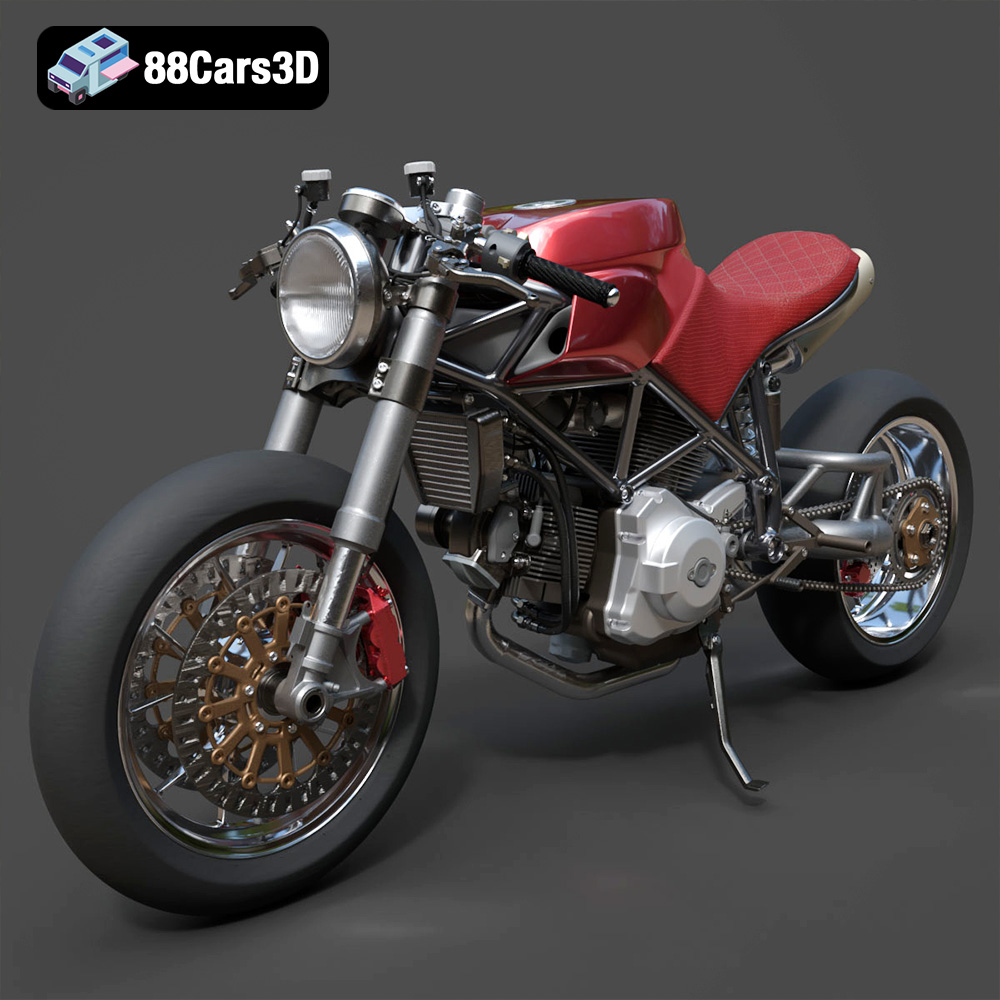
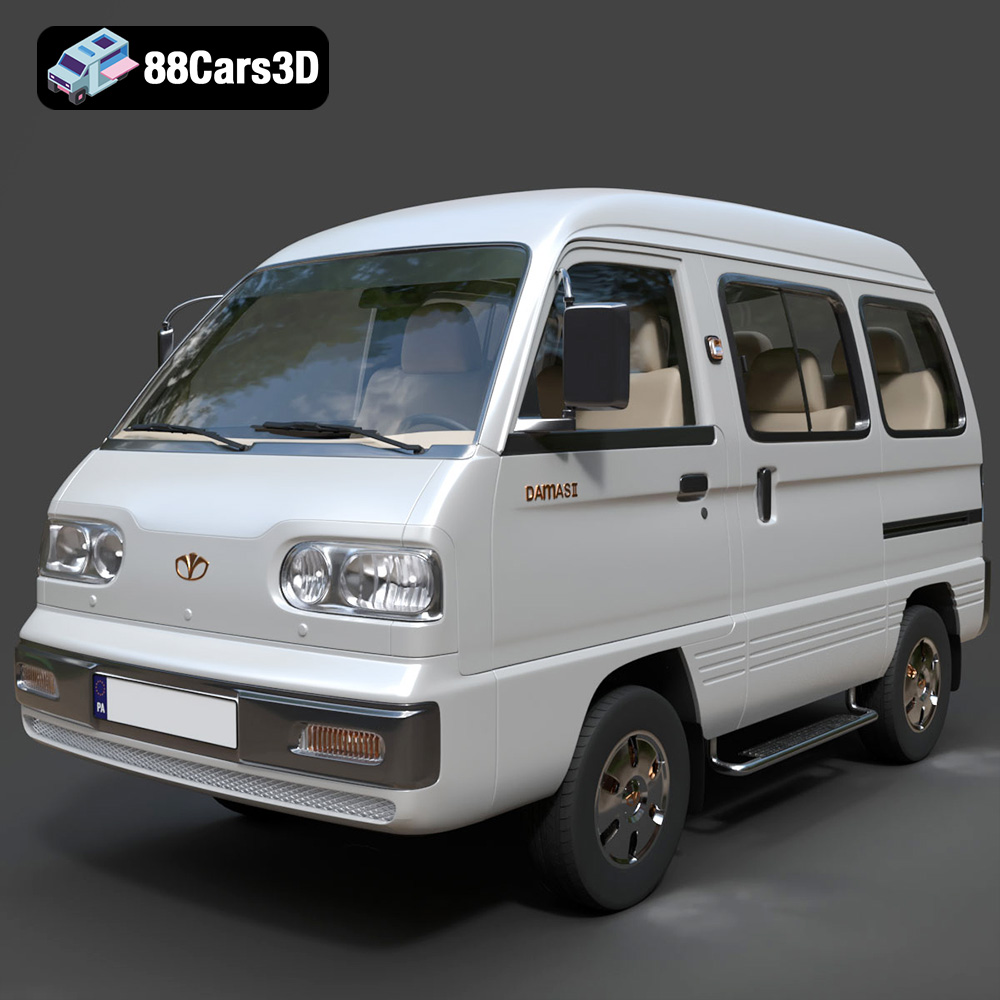
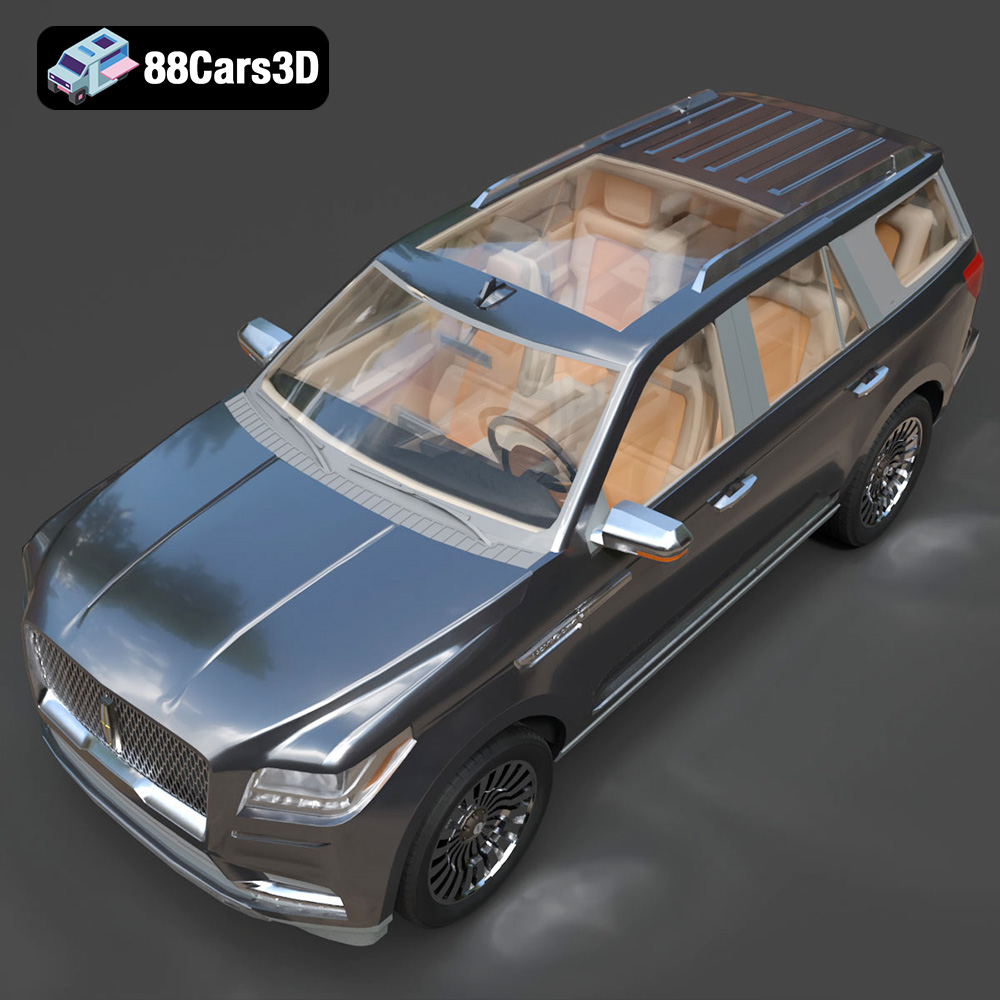
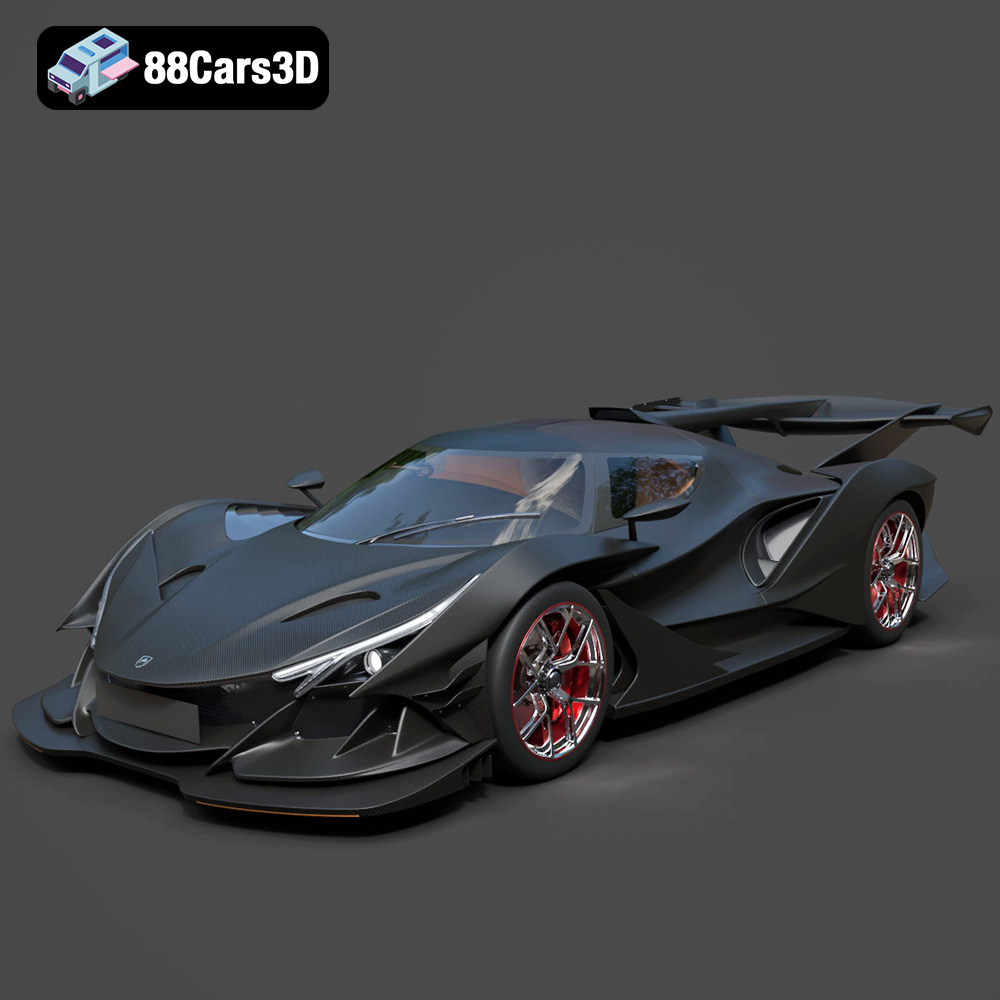
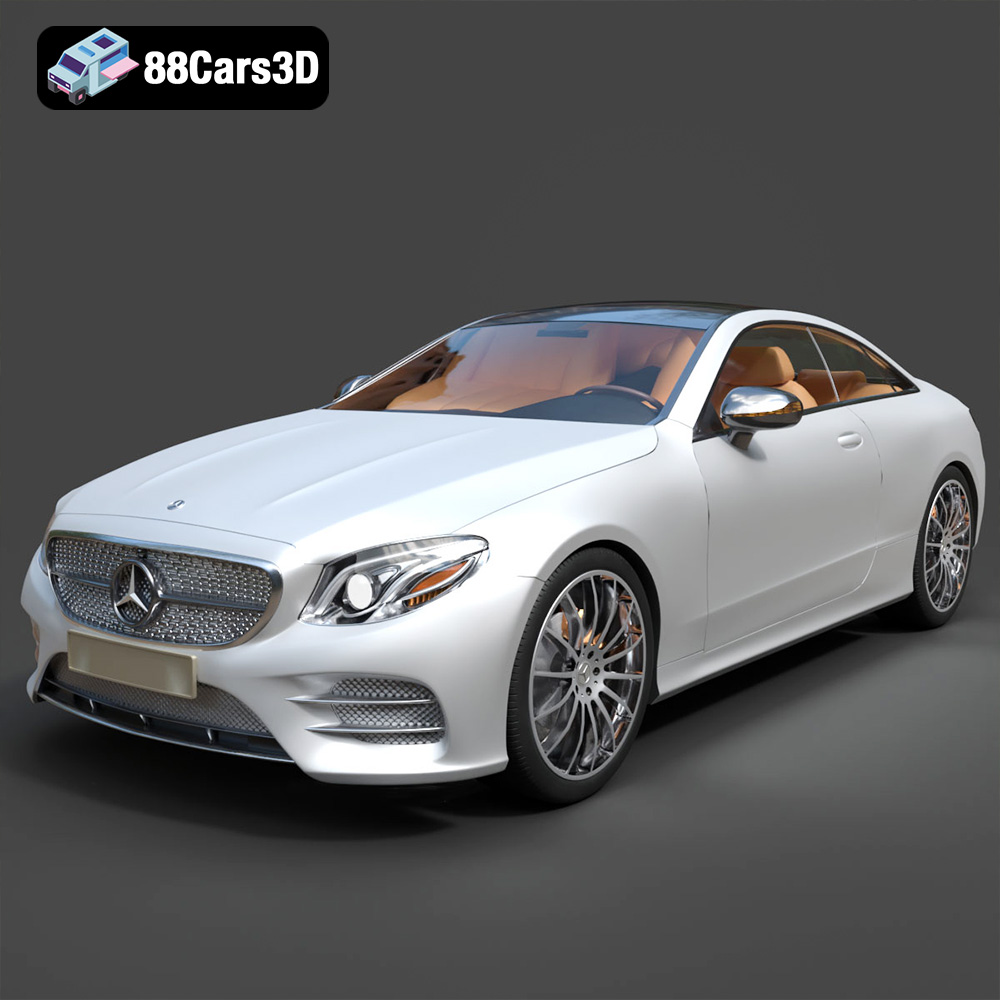
In today’s visually-driven world, the demand for realistic and impeccably detailed digital assets is higher than ever. From blockbuster films and cutting-edge video games to sophisticated product configurators and architectural visualizations, high-quality 3D car models are the foundational elements that bring digital automotive dreams to life. These aren’t just pretty pictures; they are complex data structures that embody engineering precision, artistic vision, and a deep understanding of digital pipelines.
The journey from a concept sketch to a fully realized, render-ready, or game-engine-optimized vehicle is an intricate process. It involves meticulous modeling, precise texturing, careful material definition, and strategic optimization, all tailored for specific end-use applications. Whether you’re an automotive designer showcasing a new concept, a game developer crafting an immersive racing experience, or an architect integrating vehicles into a scene, the quality of your 3D car models directly impacts the authenticity and impact of your project.
This comprehensive guide delves into the technical intricacies, practical workflows, and critical considerations for leveraging superior 3D car models across various professional domains. We’ll explore everything from file formats and rendering techniques to game engine integration and future applications, providing an expert perspective on how these digital assets are shaping the future of visualization and interactive experiences. Platforms like 88cars3d.com stand as vital resources for professionals seeking the highest standard of these indispensable digital assets.
The Foundation of Digital Automotive Excellence: Why High-Quality 3D Car Models Matter
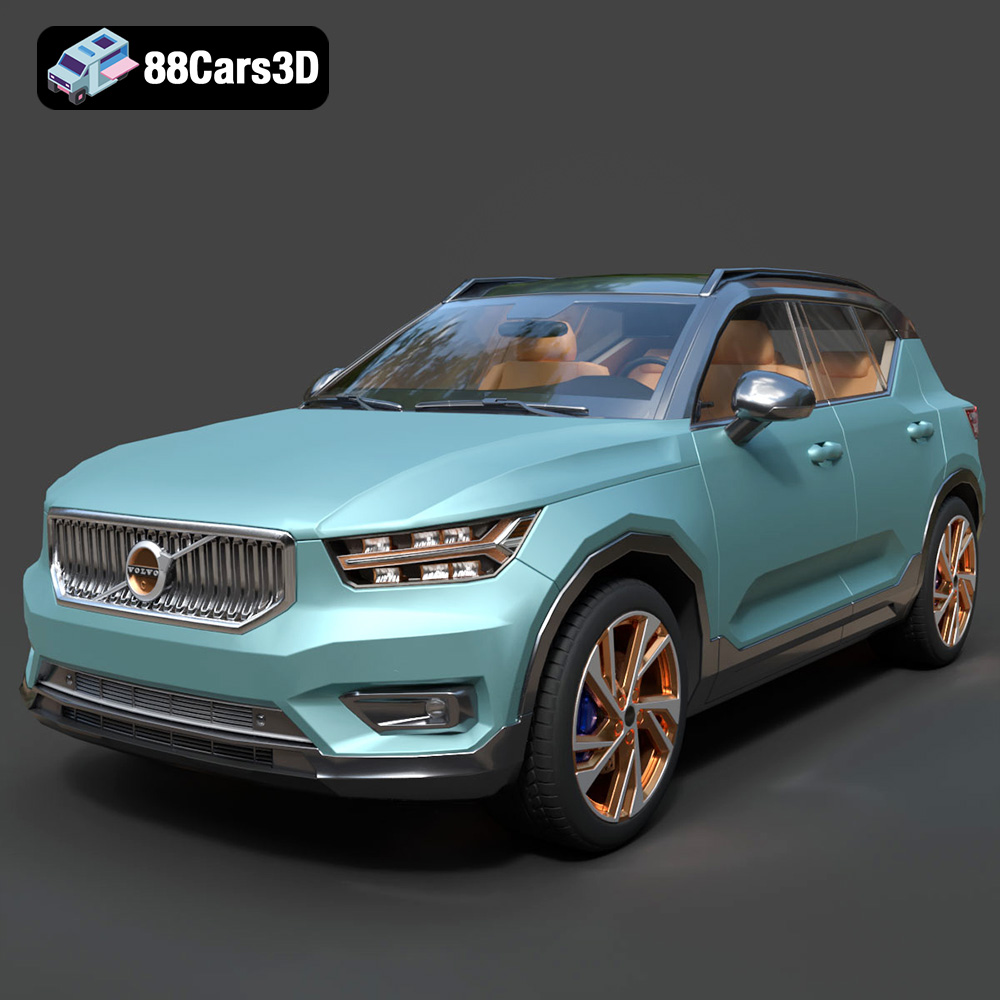
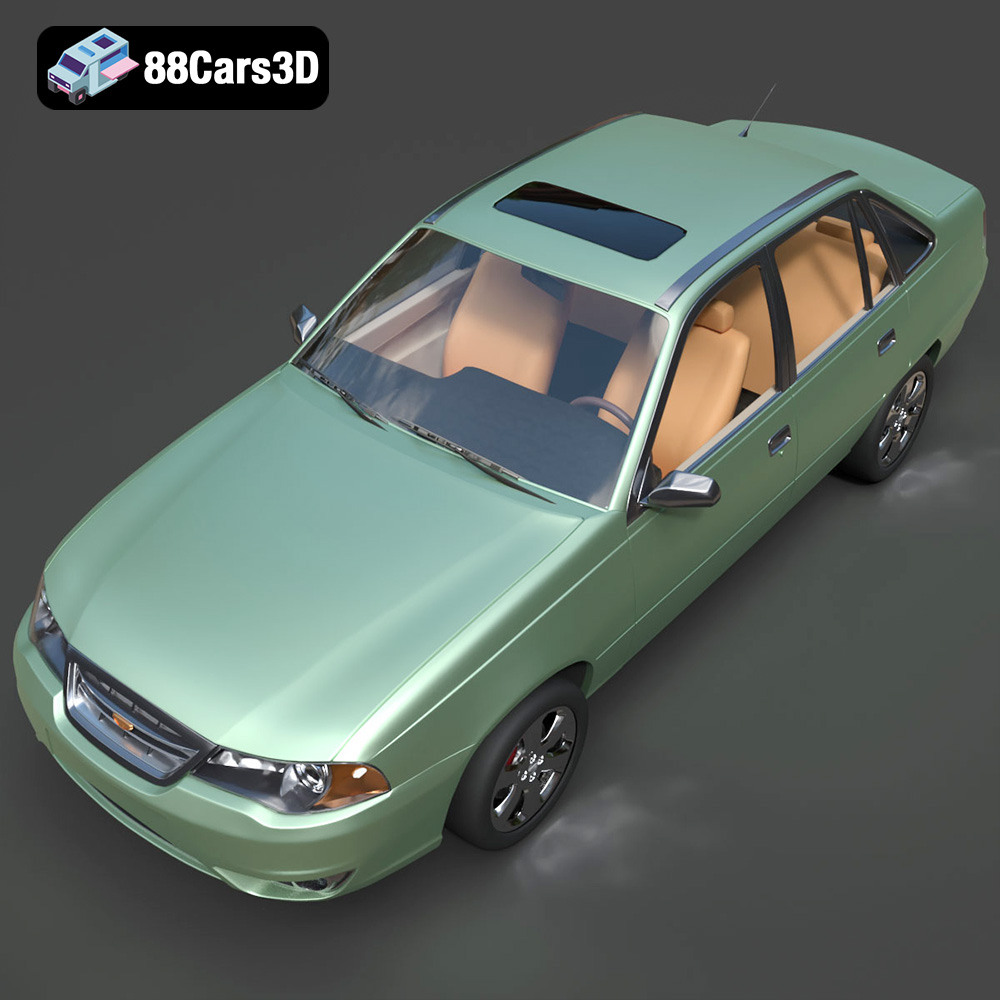
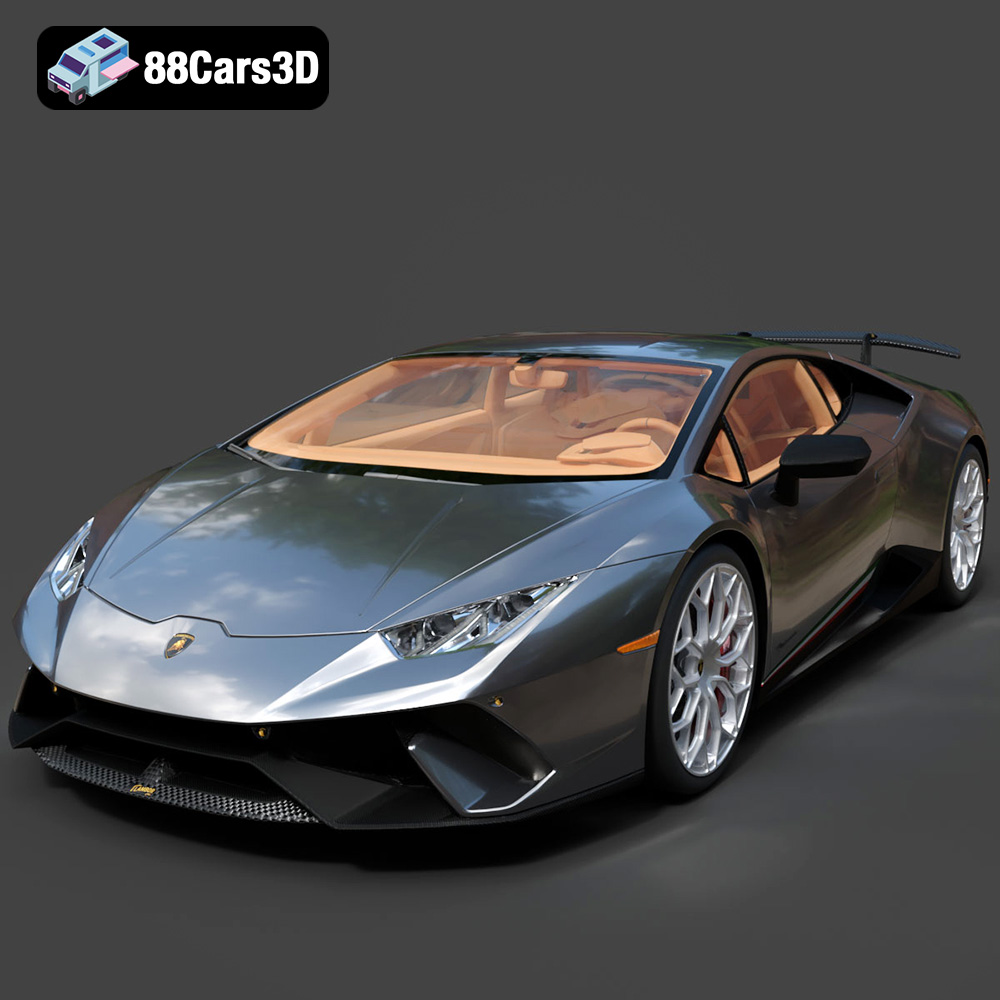
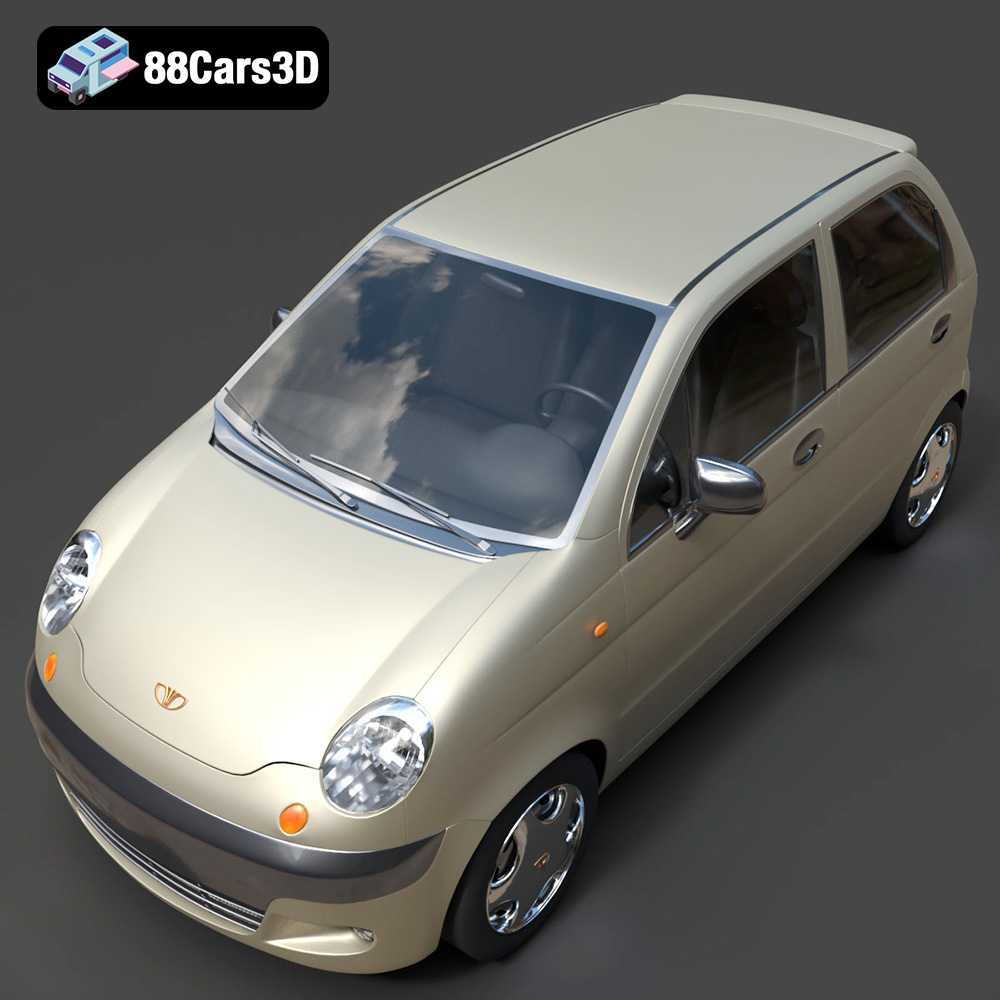
At the heart of any compelling visual project involving vehicles lies the quality of the 3D model itself. A high-quality 3D car model is more than just an accurate representation; it’s a meticulously crafted digital object designed for optimal performance and stunning visual fidelity across a myriad of applications. Investing in superior models upfront saves countless hours in rework and delivers results that truly stand out.
Precision in Design and Aesthetics
The automotive industry thrives on precision. Every curve, every panel gap, every reflection contributes to the overall aesthetic and perceived quality of a vehicle. In the digital realm, this translates directly to the geometric accuracy and clean topology of a 3D model. A high-quality model exhibits:
- Accurate Proportions: Exact replication of real-world dimensions and proportions, ensuring the vehicle looks correct from every angle.
- Smooth Curvature: Flawless surfaces without pinching, bumps, or uneven tessellation, crucial for realistic reflections and highlights.
- Detailed Components: Separate, accurately modeled parts for headlights, grilles, wheels, and interiors, allowing for nuanced material assignments and animations.
- Clean Topology: Well-structured mesh geometry (quad-based, where appropriate) that is easy to subdivide, deform, and UV unwrap, minimizing artifacts and facilitating further modifications.
Versatility Across Applications
One of the greatest advantages of high-quality 3D car models is their inherent versatility. A well-constructed model can be adapted for numerous uses, extending its value significantly:
- Photorealistic Rendering: For advertising, product visualization, and cinematic presentations.
- Real-Time Gaming: Optimized versions for interactive experiences, simulations, and virtual showrooms.
- Augmented and Virtual Reality (AR/VR): Lightweight models for immersive digital environments.
- 3D Printing and Prototyping: Watertight meshes for physical replication of design concepts.
- Technical Documentation: Exploded views or animated sequences for assembly instructions and manuals.
Streamlining Production Workflows
Starting with a high-quality 3D model dramatically streamlines the entire production pipeline. Artists and developers spend less time fixing geometric errors, re-UV mapping, or optimizing inefficient meshes. This efficiency translates to:
- Faster Iteration: Designers can quickly experiment with different materials, colors, and lighting setups without being bogged down by model imperfections.
- Reduced Rework: Clean models require fewer corrections downstream, saving significant time and resources.
- Consistent Quality: Ensures that the final output, whether a static render or an interactive experience, maintains a high standard of visual fidelity.
Understanding 3D Model File Formats
Selecting the correct file format for your 3D car models is a critical decision that impacts compatibility, workflow efficiency, and the ultimate quality of your project. Each format is designed with specific strengths and intended uses. Understanding these nuances is essential for any professional working with 3D assets.
.blend – Fully Editable Blender Scene with Materials
The .blend format is native to Blender, the popular open-source 3D creation suite. It’s a powerhouse for Blender users because it saves the entire scene, including not just the mesh data but also materials, textures, lighting, cameras, animations, physics simulations, and even custom scripts. This makes it an ideal choice for collaborative projects within a Blender-centric pipeline, ensuring that every aspect of the 3D car model, down to its intricate PBR material setup, is preserved and fully editable. While its primary use is within Blender, its comprehensive nature makes it excellent for archiving a complete project state.
.fbx – Ideal for Unreal, Unity, and Real-Time Pipelines
.fbx (Filmbox) is arguably the most ubiquitous interchange format in the 3D industry, especially prevalent in game development. Developed by Autodesk, it supports a vast array of 3D data, including geometry, materials (with some limitations), textures, animations, skinning, and even cameras and lights. Its robust support for animation and hierarchical data makes it the go-to format for transferring animated 3D car models from DCC (Digital Content Creation) software like 3ds Max or Blender into game engines such as Unreal Engine and Unity. When working on a game asset, exporting to .fbx often involves baking animations and optimizing mesh data for real-time performance.
.obj – Universal Format for Cross-Software Compatibility
The .obj (Wavefront OBJ) format is a venerable and widely supported option, renowned for its universality. It primarily stores geometric data (vertices, normals, UVs, faces) and can reference external .mtl (material) files for basic material properties. While it lacks support for advanced features like animation, rigging, or scene hierarchies, its simplicity and broad compatibility make it excellent for exchanging raw mesh data between different 3D applications. If you need to transfer a clean mesh of a 3D car model without any animation or complex scene data, .obj is a reliable choice for ensuring compatibility across virtually any 3D software.
.glb – Optimized for AR, VR, and Browser-Based Display
.glb (GLB, GL Transmission Format Binary) is the binary version of glTF, a royalty-free specification for the efficient transmission and loading of 3D scenes and models by applications. It’s quickly becoming the “JPEG of 3D” due to its optimization for web-based, AR, and VR applications. A .glb file packages everything – geometry, materials, textures, animations – into a single binary file, making it incredibly easy to share and embed. It’s particularly well-suited for displaying interactive 3D car models directly in web browsers, social media, or mixed reality experiences, as it prioritizes small file sizes and fast loading times.
.stl – Suitable for 3D Printing Output
.stl (STereoLithography) is the standard file format for additive manufacturing. It represents a 3D object as a raw, unstructured triangular mesh, describing only the surface geometry without any color, texture, or material information. For 3D printing a miniature replica of a car or a prototype part, converting your model to .stl is necessary. The key technical considerations here are ensuring the mesh is “watertight” (no holes or gaps) and that triangles are oriented correctly (no flipped normals) to ensure a successful print without errors.
.ply – Precision Mesh Format for CAD or Analysis
.ply (Polygon File Format) is another format that stores geometric information, often used for scanned 3D data or applications requiring high precision. Unlike .stl, .ply can also store color, transparency, normals, texture coordinates, and other data for each vertex or face. This makes it valuable for scientific applications, CAD data, or complex mesh analysis where detailed attribute information per element is crucial. While less common for general 3D car models exchange, it offers greater detail retention than .obj for specific analytical or scanning workflows.
.unreal – Engine-Ready Asset for Real-Time Environments
While not a universal interchange format in the same vein as .fbx or .obj, the .unreal designation refers to assets specifically prepared and imported into Unreal Engine’s native content browser. When you import an .fbx, .obj, or other supported file into Unreal, the engine processes and converts it into its internal .uasset format. This “engine-ready” state means the asset is optimized for Unreal’s rendering pipeline, collision detection, and animation system. Often, 3D car models marked as “.unreal” will have been specifically tailored (LODs, collision meshes, material instances) for immediate drag-and-drop use within the engine, streamlining game development and interactive visualization projects.
.max – Editable 3ds Max Project for Animation and Rendering
The .max format is the native file type for Autodesk 3ds Max, one of the industry-standard DCC applications. Similar to .blend for Blender, a .max file contains the complete scene data, including geometry, materials (with all their complex parameters), textures, lights, cameras, animations, modifiers, and plugin-specific data. It’s the ideal format for anyone working within the 3ds Max ecosystem, offering full editability and preserving the entire project state. For high-end automotive rendering and animation projects within a 3ds Max pipeline, .max files are indispensable for preserving all intricate details and setups.
Mastering Automotive Rendering: Bringing 3D Cars to Life
Creating photorealistic automotive rendering is an art form that merges technical expertise with an aesthetic sensibility. It’s about more than just a good model; it’s about making that model believable in its environment, evoking emotion, and showcasing every detail with stunning clarity. This is where advanced rendering techniques and meticulous attention to visual components become paramount.
The Art of Lighting and Materials
Lighting is arguably the most critical element in any render. It defines form, creates mood, and brings out the nuances of materials. For vehicles, precise lighting can highlight the elegant curves and reflective surfaces. Similarly, materials must accurately mimic real-world properties:
- Car Paint Shaders: Complex shaders that replicate metallic flakes, clear coat reflections (Fresnel effect), subtle orange peel texture, and color shifts under different angles.
- Glass and Chrome: Accurate refraction for windows, highly reflective and anisotropic shaders for chrome accents, ensuring physically correct interactions with light.
- Tire Rubber: Subtle displacement for tread patterns, diffuse textures for sidewalls, and accurate specularity to represent the dull, yet slightly reflective nature of rubber.
Using Physically Based Rendering (PBR) workflows is crucial here. PBR ensures that materials react realistically to light, making models look correct under various lighting conditions, enhancing realism across diverse scenes.
Advanced Rendering Techniques (Path Tracing, Ray Tracing, HDRI)
Modern render engines leverage sophisticated algorithms to achieve photorealism:
- Path Tracing: Simulates light paths from the camera into the scene, accounting for multiple bounces, refractions, and reflections, resulting in highly accurate global illumination and soft shadows.
- Ray Tracing: Specifically traces individual light rays to calculate reflections, refractions, and shadows with extreme precision. Real-time ray tracing, now available in game engines and some DCC tools, is revolutionizing interactive rendering.
- HDRI (High Dynamic Range Imaging): Uses spherical panoramic images with high dynamic range data to light a scene. This technique provides incredibly realistic and complex lighting environments, perfectly mimicking real-world conditions from studio setups to outdoor scenes, often eliminating the need for complex manual light placement.
Post-Production Enhancements for Photorealism
Even the best raw render benefits from careful post-production work. This stage refines the image, adding subtle touches that elevate it from digital art to photography:
- Color Grading: Adjusting hues, saturation, and contrast to establish mood and visual harmony.
- Depth of Field (DOF): Applying realistic camera lens effects, blurring backgrounds to draw attention to the car.
- Motion Blur: Simulating camera or object movement for dynamic action shots.
- Lens Flares and Glare: Adding subtle imperfections and atmospheric effects that make the image feel more authentic and captured by a physical camera.
Integrating 3D Car Models into Game Development and Real-Time Environments
While photorealistic rendering focuses on static image fidelity, integrating 3D car models into game engines and real-time applications presents a unique set of challenges and requirements. The goal shifts from ultimate visual perfection to achieving a compelling look while maintaining optimal performance at interactive frame rates.
Optimization for Performance (Poly Count, LODs)
Game engines must render potentially hundreds of objects simultaneously, making polygon count a critical factor. High-quality 3D car models destined for games undergo rigorous optimization:
- Poly Count Reduction: Carefully removing unnecessary polygons while preserving essential details. This often involves manual retopology or automated decimation tools.
- Level of Detail (LODs): Creating multiple versions of the same model with varying polygon counts. The engine switches between these LODs based on the camera’s distance from the object. A far-away car uses a low-poly LOD, while a close-up car uses a higher-poly version, balancing visual quality with performance efficiency.
- Occlusion Culling: Hiding objects that are not visible to the camera (e.g., behind other objects) to save rendering resources.
Setting Up for Game Engines (Unreal Engine, Unity)
Preparing 3D car models for game engines like Unreal Engine or Unity involves more than just exporting an FBX file. It requires specific setup within the DCC software and the engine itself:
- PBR Textures: Ensuring models use a complete PBR texture set (Albedo/Base Color, Normal, Metallic, Roughness, Ambient Occlusion) to achieve consistent and realistic material appearance under real-time lighting.
- UV Unwrapping: Clean, non-overlapping UV maps are essential for efficient texture application and lighting bake workflows. Multiple UV channels might be needed for different purposes (e.g., one for textures, another for lightmaps).
- Collision Meshes: Creating simplified proxy meshes specifically for collision detection, allowing the game engine to accurately simulate physics without using the complex visual mesh.
- Material Instancing: Setting up master materials and creating instances for variations (e.g., different car colors) to reduce draw calls and memory usage.
Implementing Physics and Interactive Elements
Beyond visual fidelity, game assets for cars require robust physics and interactive systems:
- Vehicle Physics: Configuring wheel colliders, suspension systems, and engine parameters within the game engine to simulate realistic driving behavior.
- Animation Systems: Setting up animations for doors, trunks, hoods, and steering wheels to provide interactive elements.
- Damage Systems: Implementing deformable meshes or modular damage parts to simulate realistic impacts and wear, adding to the immersion.
Professionals often turn to dedicated marketplaces like 88cars3d.com to acquire production-ready 3D car models that come pre-optimized and structured for seamless integration into these complex real-time environments.
Beyond Visualization: 3D Car Models in AR/VR and 3D Printing
The utility of high-quality 3D car models extends far beyond traditional rendering and game development, venturing into the cutting-edge realms of augmented reality, virtual reality, and additive manufacturing. These technologies leverage digital assets in fundamentally different ways, opening up new avenues for interaction, prototyping, and experience design.
Immersive Experiences with Augmented and Virtual Reality
AR and VR environments demand 3D car models that are both visually compelling and highly optimized for performance to maintain smooth frame rates and prevent user discomfort. In AR, users can place virtual cars into their real-world environment, allowing for interactive product showcases or design reviews. VR offers fully immersive experiences, from virtual test drives to exploring car interiors in meticulous detail.
- Optimized Geometry: Aggressive poly count reduction and efficient LODs are crucial for maintaining real-time performance on mobile AR devices or VR headsets.
- Lightweight Materials: PBR textures are still vital, but often at lower resolutions to conserve memory. Custom shaders might be used to achieve specific visual styles with minimal overhead.
- Interactive Elements: Models are often rigged for interactive elements like opening doors, turning wheels, or changing paint colors directly within the AR/VR application.
- Seamless Integration: Formats like .glb are particularly favored for AR/VR due to their single-file nature and efficient loading, making deployment straightforward across various platforms.
Preparing Models for Additive Manufacturing
3D printing allows designers to bring their digital car concepts into the physical world, whether for rapid prototyping, scale models, or custom parts. However, 3D printing has its own set of technical requirements for digital models:
- Watertight Meshes: The model must be a “solid” object without any holes, gaps, or non-manifold geometry. Every edge must be shared by exactly two faces.
- Minimum Wall Thickness: Ensuring that all parts of the model meet the minimum wall thickness requirements of the chosen 3D printer and material, preventing fragile or unprintable sections.
- Appropriate Scale: Scaling the model correctly for the desired physical size, accounting for potential material shrinkage.
- Support Structures: Identifying overhangs and preparing the model for necessary support structures during the printing process.
- File Format: As discussed, .stl is the most common format for 3D printing, with .obj sometimes used for color prints.
The ability to accurately translate complex digital forms into tangible objects underscores the versatility and transformative potential of well-prepared 3D car models.
Key Technical Considerations When Acquiring 3D Car Models
For professionals, time is money. Acquiring pre-made 3D car models from reputable sources significantly accelerates production. However, it’s imperative to know what constitutes a high-quality asset to ensure it integrates seamlessly into your pipeline without requiring extensive rework. This is where marketplaces like 88cars3d.com prove invaluable, offering models that adhere to industry best practices.
Mesh Topology and Clean Geometry
The underlying structure of a 3D model, its topology, is crucial for both visual fidelity and ease of use:
- Quad-Based Geometry: Ideally, models should primarily consist of four-sided polygons (quads). Quads deform smoothly, subdivide predictably, and are easier to work with for animation and modifications. While triangles are unavoidable in some areas, a predominance of quads is a strong indicator of quality.
- Consistent Edge Flow: Edges should follow the natural contours and creases of the vehicle, making the model easy to select, modify, and ensure smooth reflections.
- No N-gons or Non-Manifold Geometry: Avoid polygons with more than four sides (N-gons) and non-manifold geometry (edges shared by more than two faces), as these can cause rendering artifacts, subdivision issues, and problems during export.
- Sensible Poly Count: The poly count should be appropriate for the intended use. High-resolution models for cinematic rendering will have more polygons than optimized game assets, but neither should be excessively dense with unnecessary detail that bogs down performance.
UV Mapping and Texture Quality
UV mapping is the process of flattening the 3D surface of a model into a 2D plane so that a 2D image (texture) can be applied. Good UVs are as critical as good geometry:
- Non-Overlapping UVs: Ensures that textures are applied correctly and that lightmap baking functions without artifacts.
- Minimal Stretching: UV islands should be laid out to minimize distortion when textures are applied, maintaining texture resolution evenly across surfaces.
- Efficient UV Space Usage: Maximizing the use of the 0-1 UV space reduces wasted texture resolution.
- High-Resolution PBR Textures: Models should come with high-quality PBR texture maps (Albedo, Normal, Roughness, Metallic, Ambient Occlusion, Displacement/Height) at appropriate resolutions (e.g., 2K, 4K, 8K) for photorealistic results.
Rigging and Animation Capabilities
For animated sequences, interactive configurators, or game engine integration, rigging is essential:
- Functional Rigging: A properly rigged model includes a skeletal system (bones) that allows for realistic deformation and movement of parts, such as doors opening, wheels turning, or suspension compression.
- Clean Hierarchies: Logical grouping of objects and a clean parent-child hierarchy make the model easy to animate and integrate into various software.
- Pre-baked Animations: Some models might include pre-baked animations (e.g., opening doors, driving cycles) that can save significant development time for game assets or visualization projects.
When you purchase 3D car models, especially from reputable marketplaces, inspecting these technical specifications ensures you receive assets that are genuinely production-ready, enhancing your workflow rather than hindering it.
Conclusion
The digital automotive landscape is a testament to the power of precision and artistic vision, underpinned by the ubiquitous and critical role of high-quality 3D car models. From generating breathtaking automotive rendering for marketing campaigns to crafting immersive driving experiences in video games, these assets are the silent workhorses that bring virtual vehicles to vibrant life. Understanding the nuances of their creation, optimization, and integration across diverse platforms – from the essential file formats to advanced rendering techniques and game engine specific setups – is paramount for any professional in this field.
As technology continues to evolve, pushing the boundaries of realism in AR, VR, and real-time visualization, the demand for meticulously crafted and technically sound 3D car models will only intensify. Investing in superior digital assets from trusted sources like 88cars3d.com not only ensures visual excellence but also streamlines production workflows, reduces costly rework, and ultimately empowers creators to deliver truly groundbreaking projects. The unseen engineering within these digital models is, without doubt, driving the future of innovation across industries.
Featured 3D Car Models







Japanese Legends: JDM Street Racing 3D Models Bundle (5-in-1 Pack) Nissan Mitsubishi Honda Mazda Toyota 3D Printable STL
Price: $129.99


Everyday City Traffic Essentials pack 5in1 Hyundai Kia Volkswagen Toyota Ford 3D Printable STL
Price: $99.99

The Future of Mobility: Smart City EV 3D Models Bundle (5-in-1 Pack) Volvo Tesla AVATR Porsche 3D Printable STL
Price: $89.99