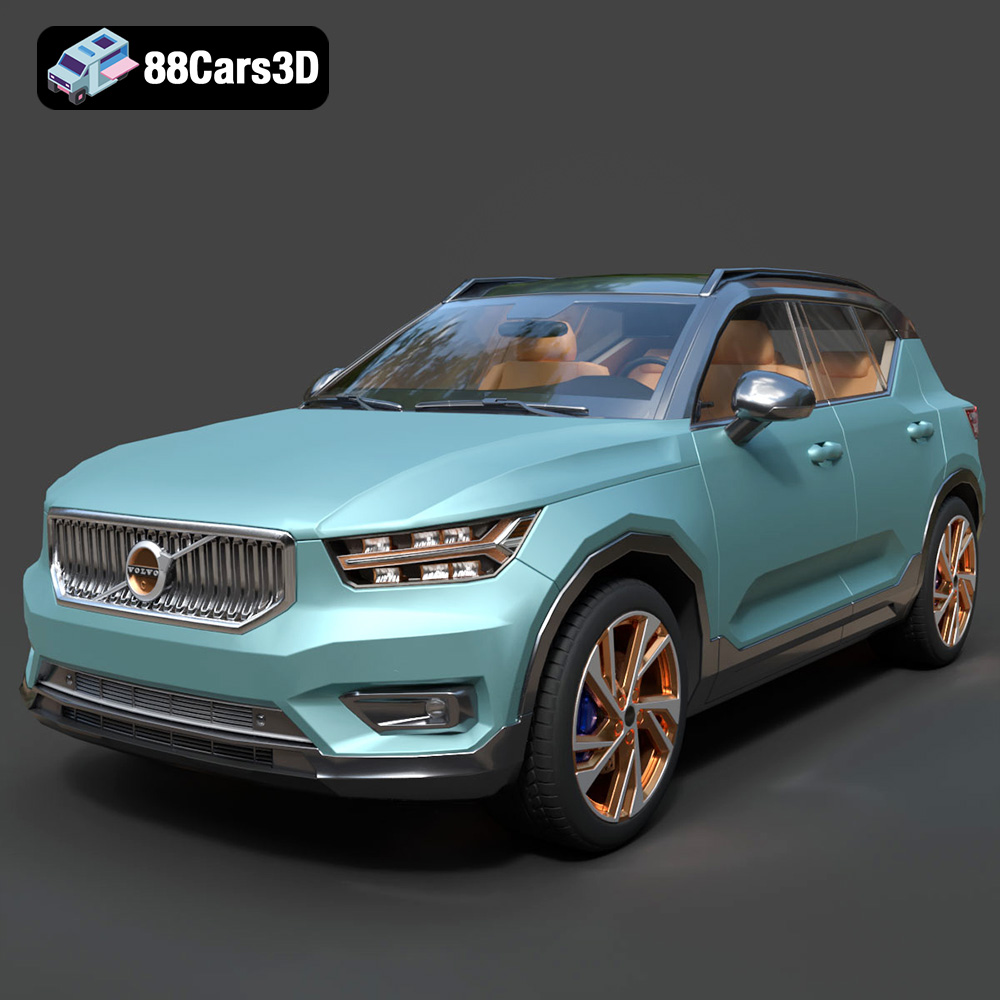
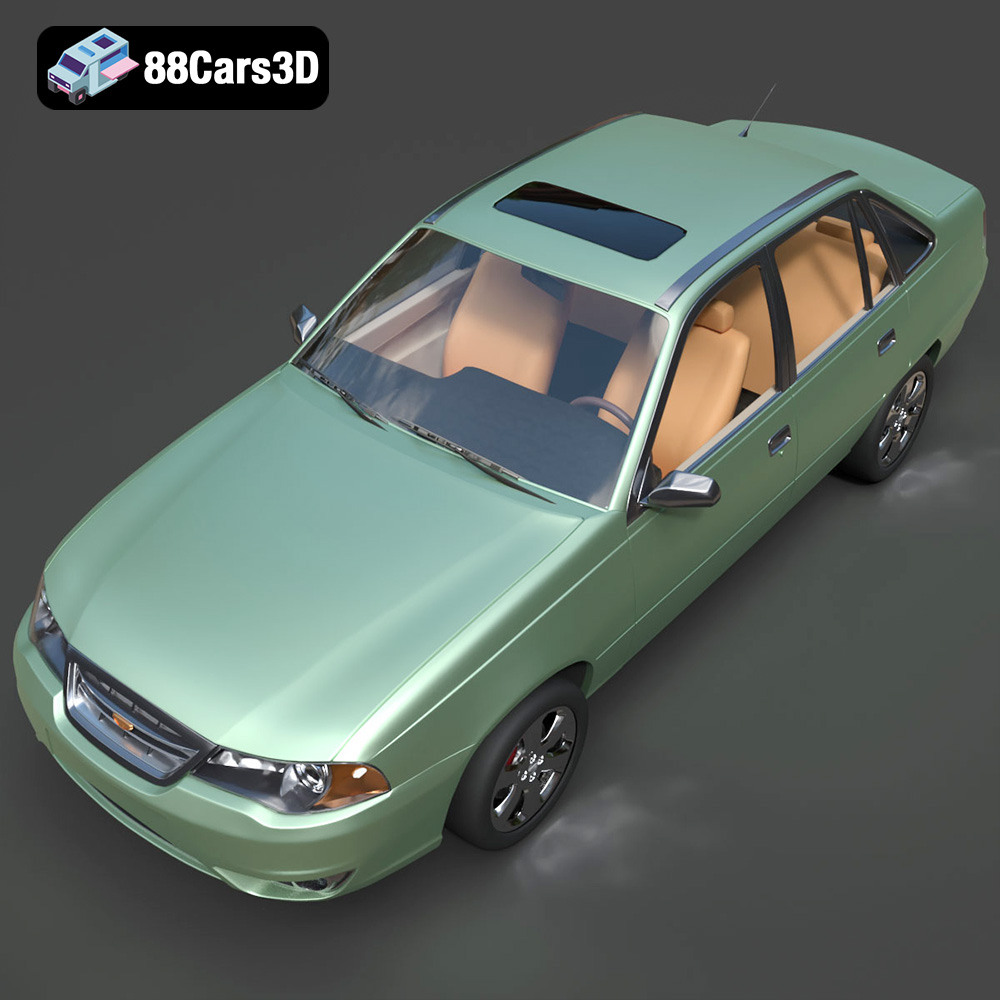
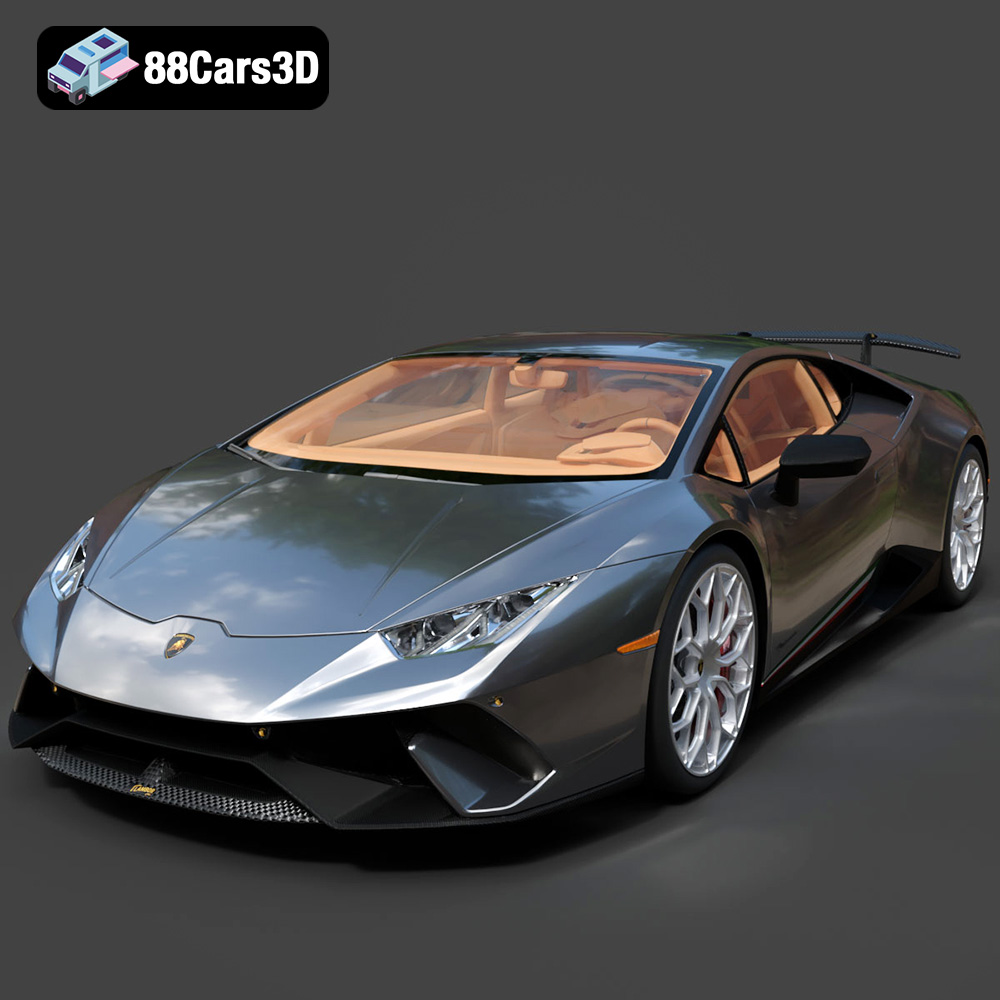
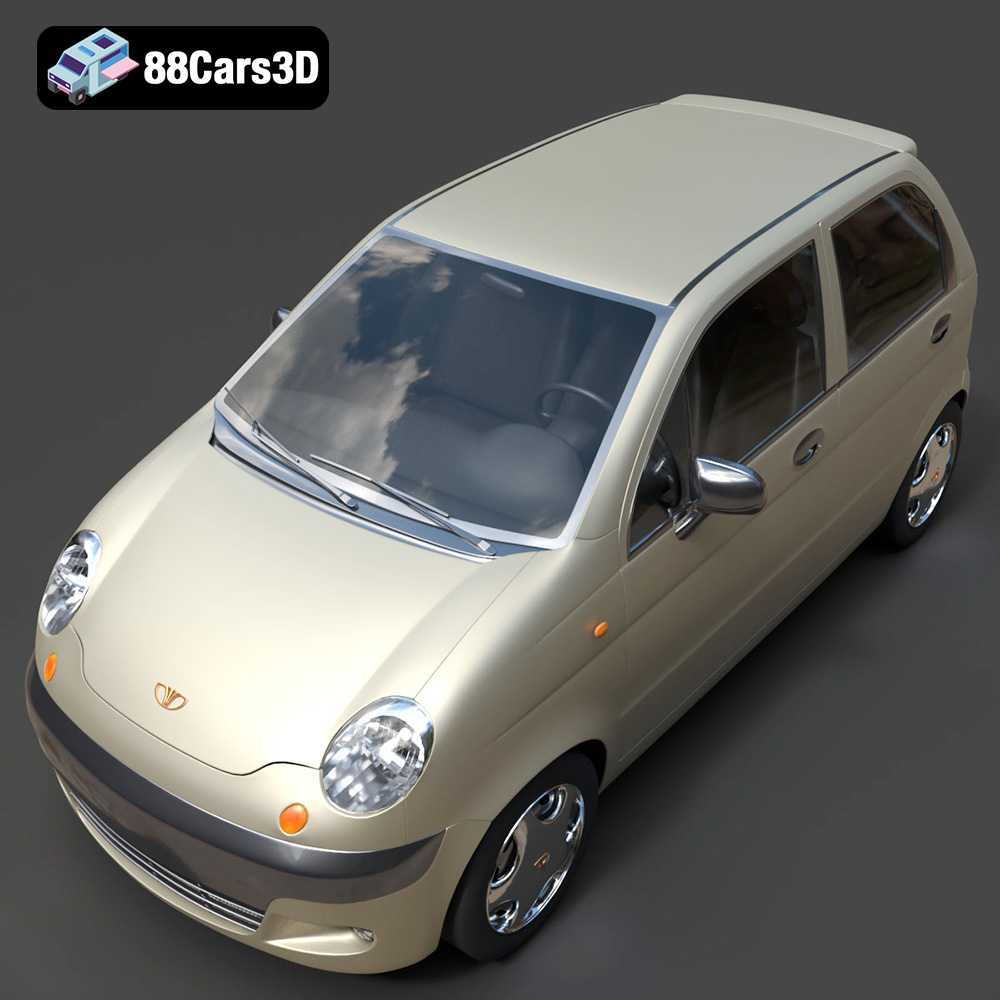
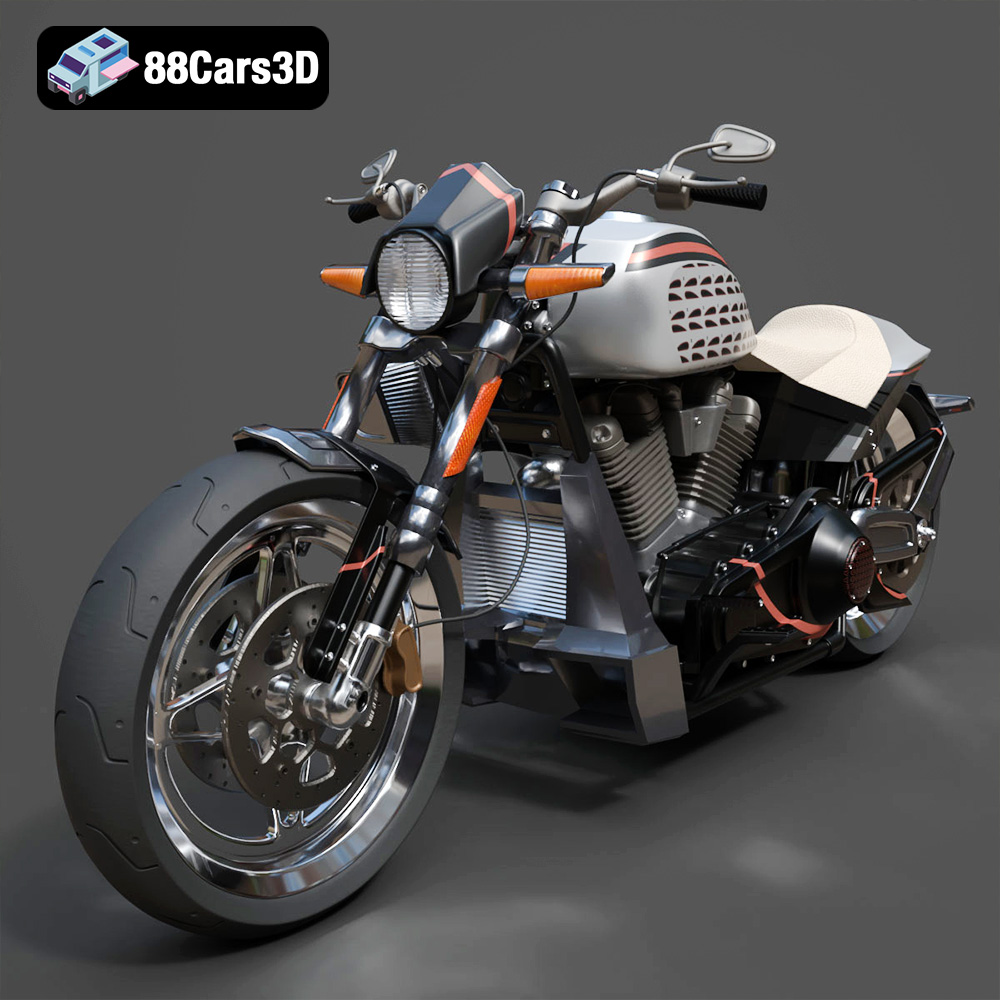
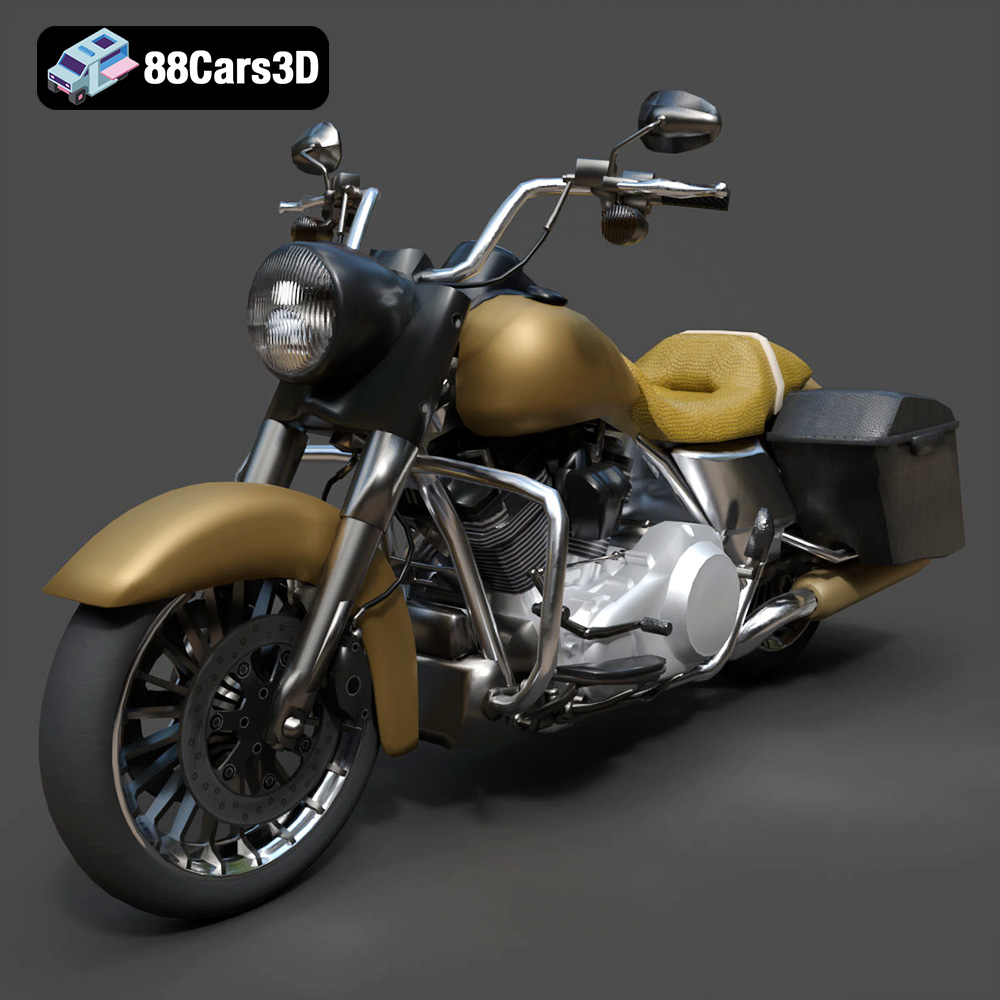
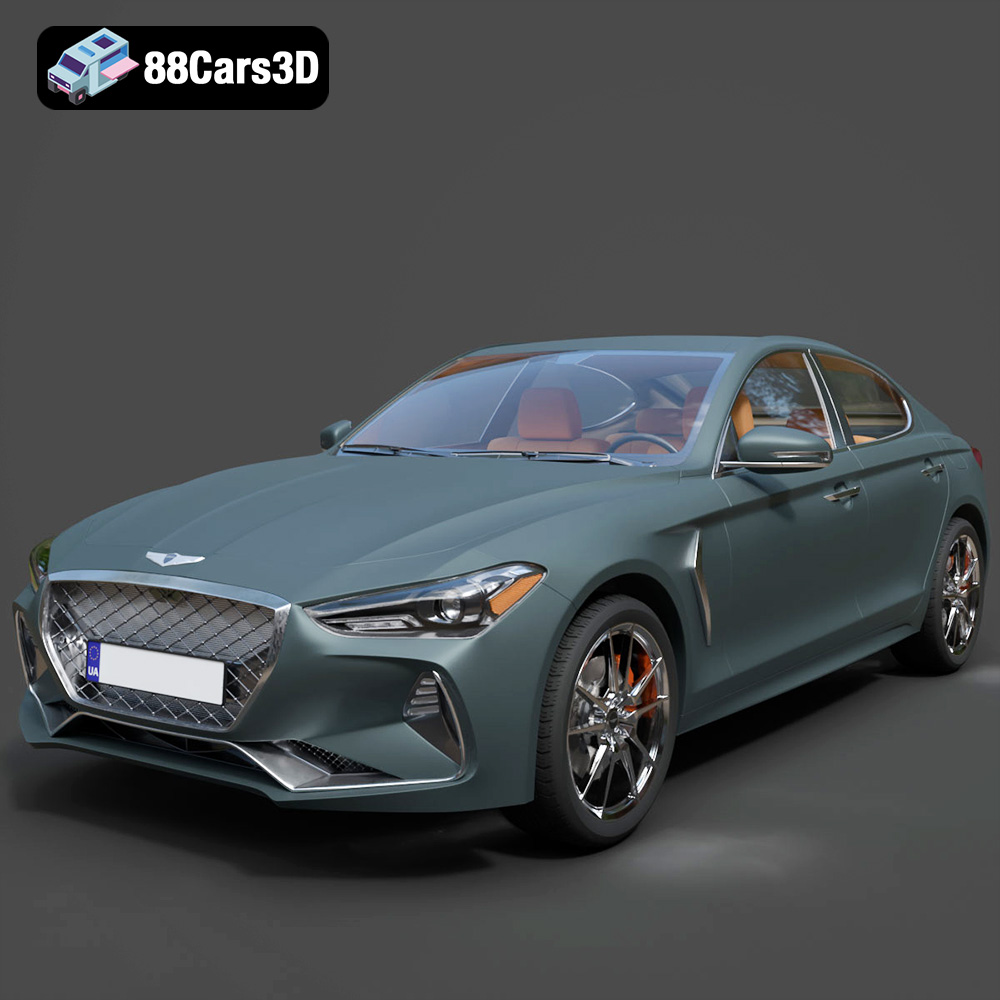
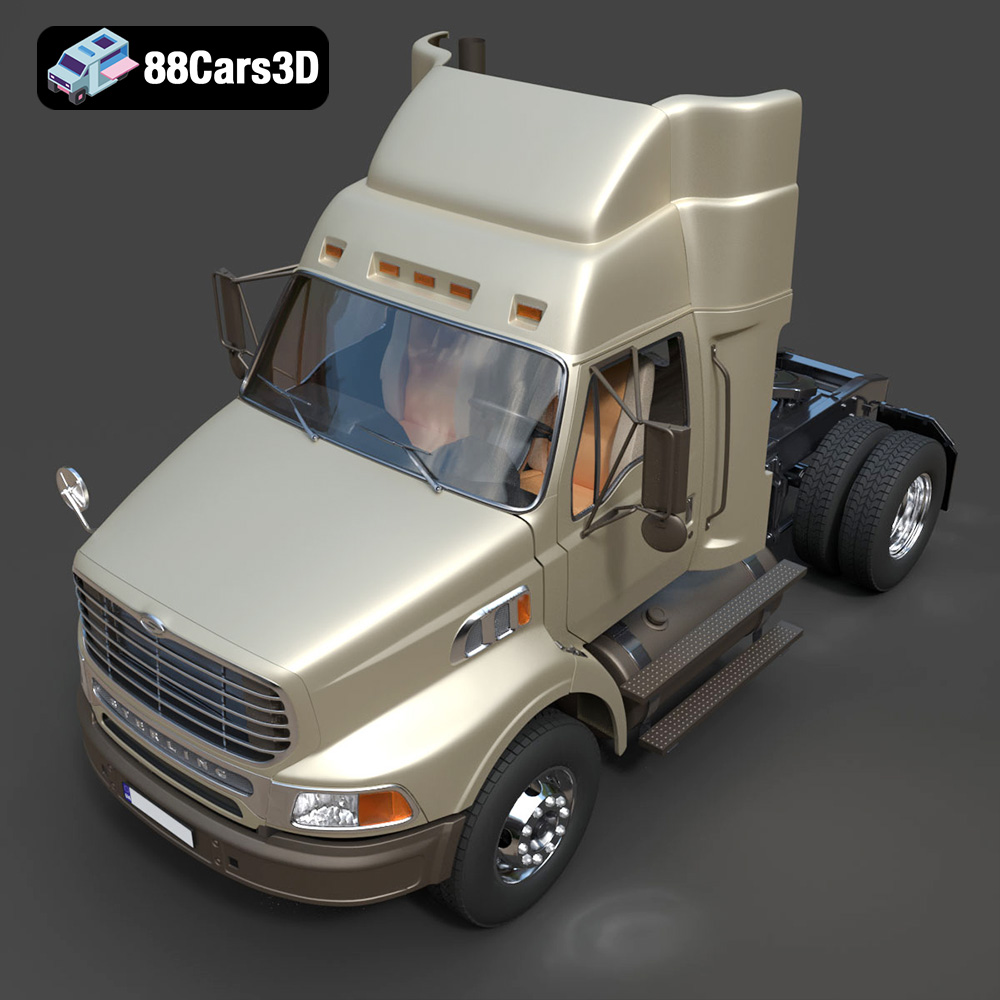
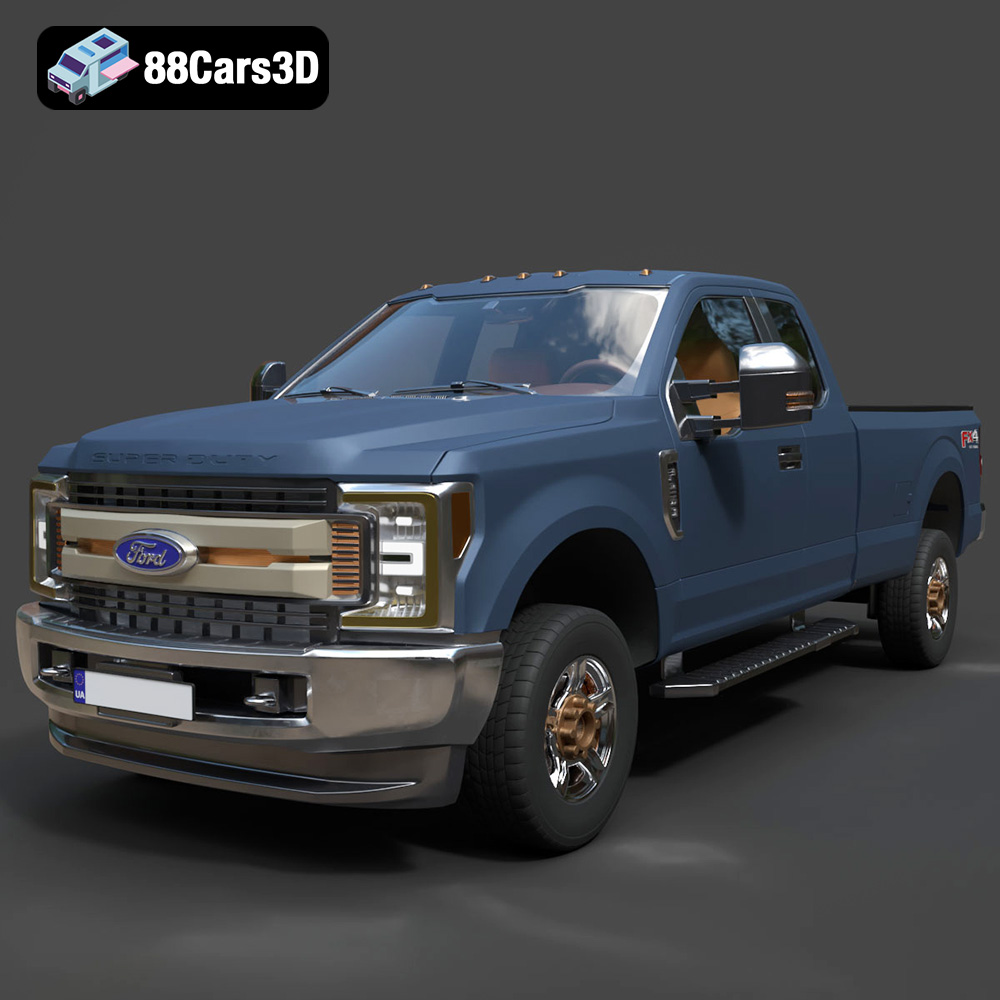
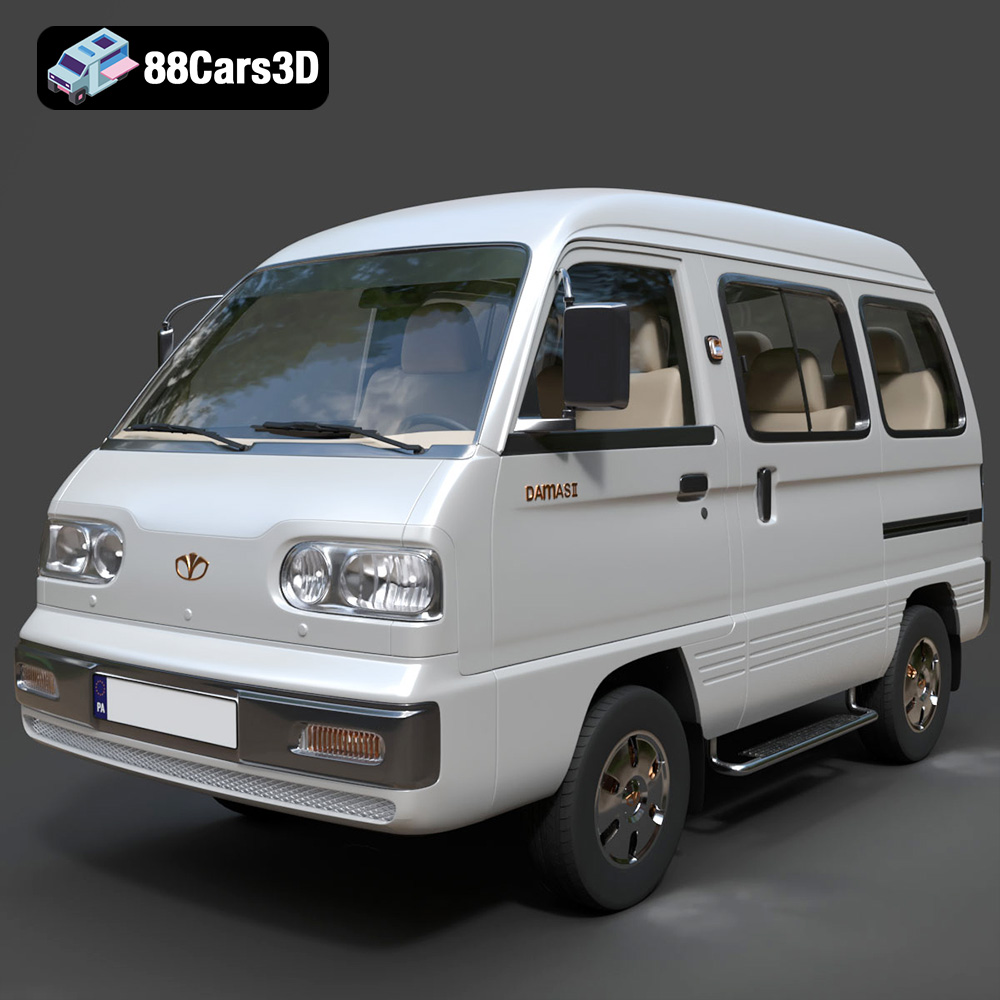
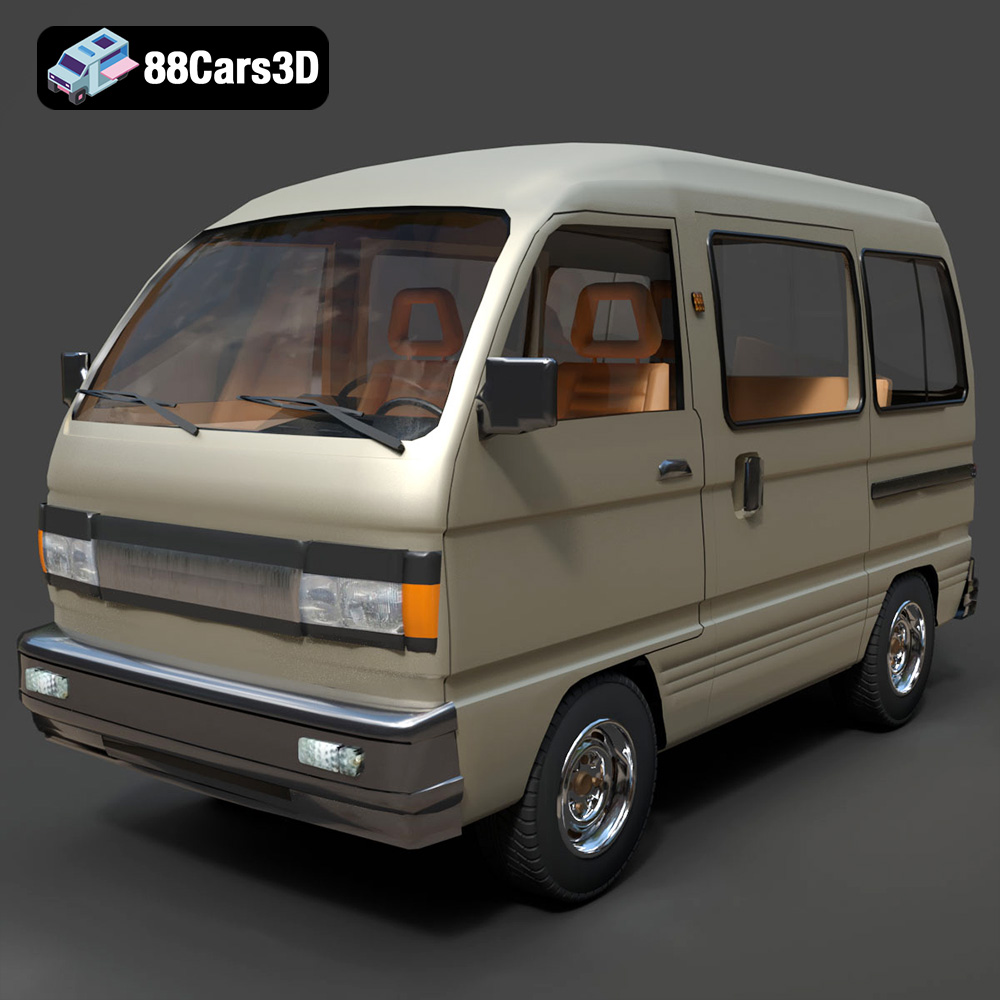
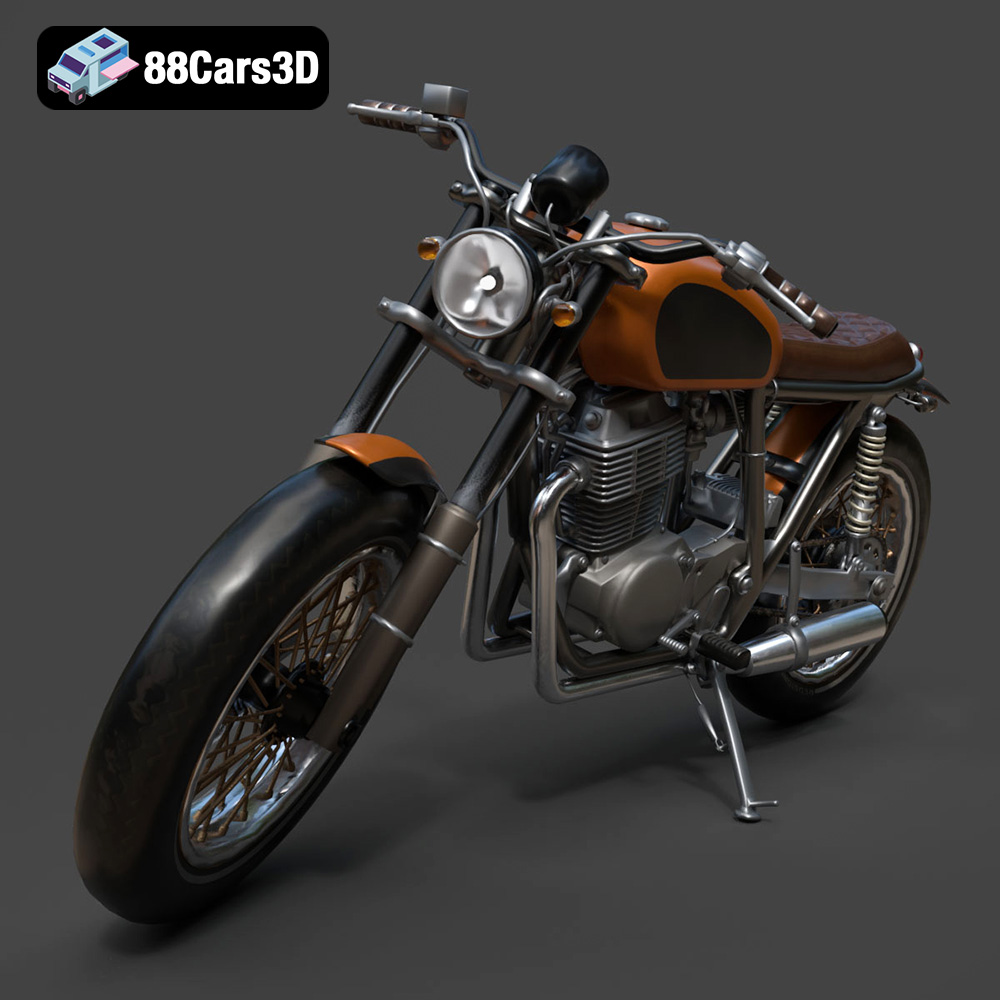
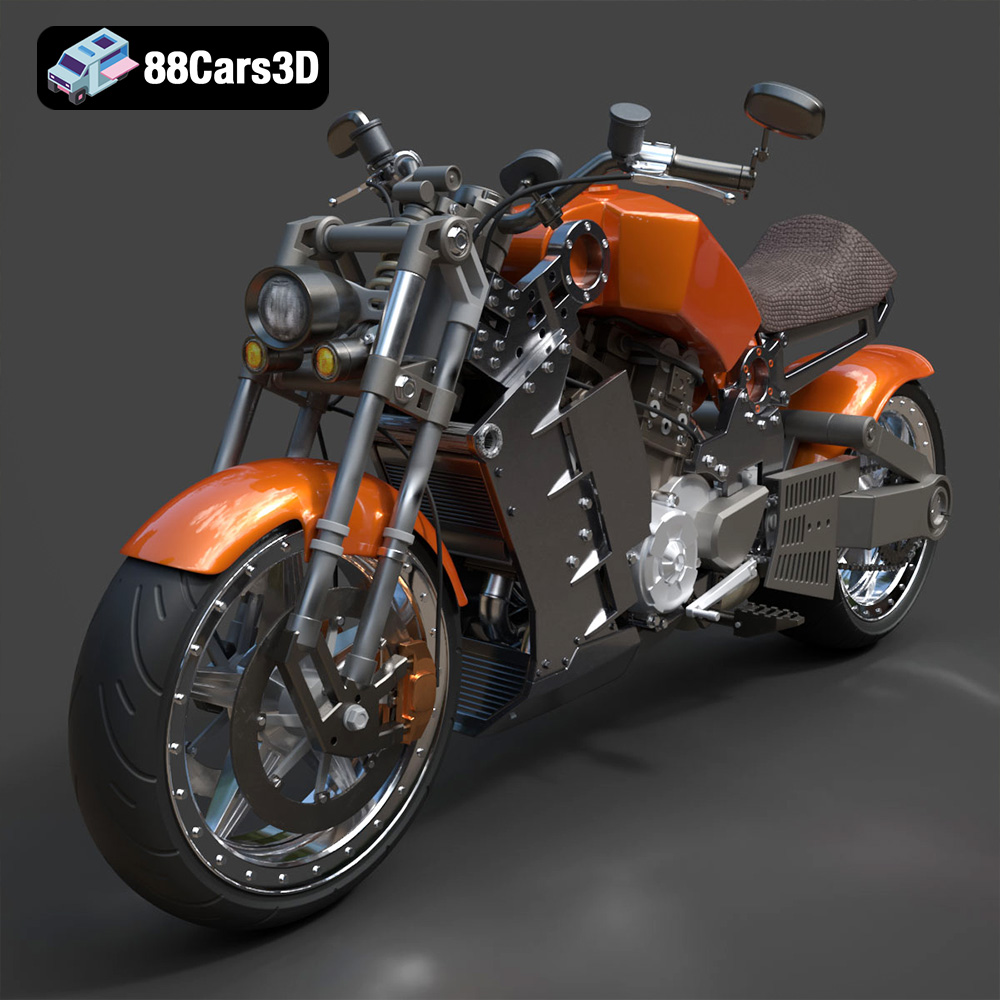
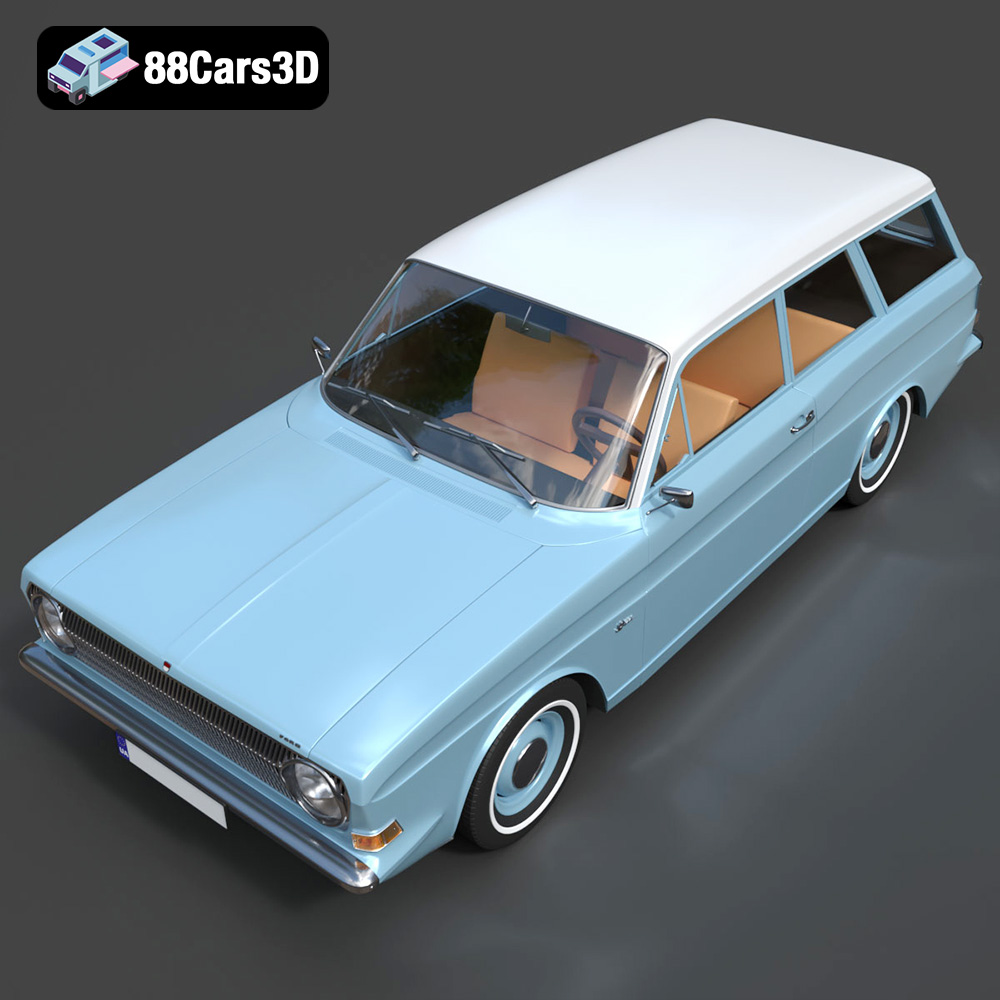
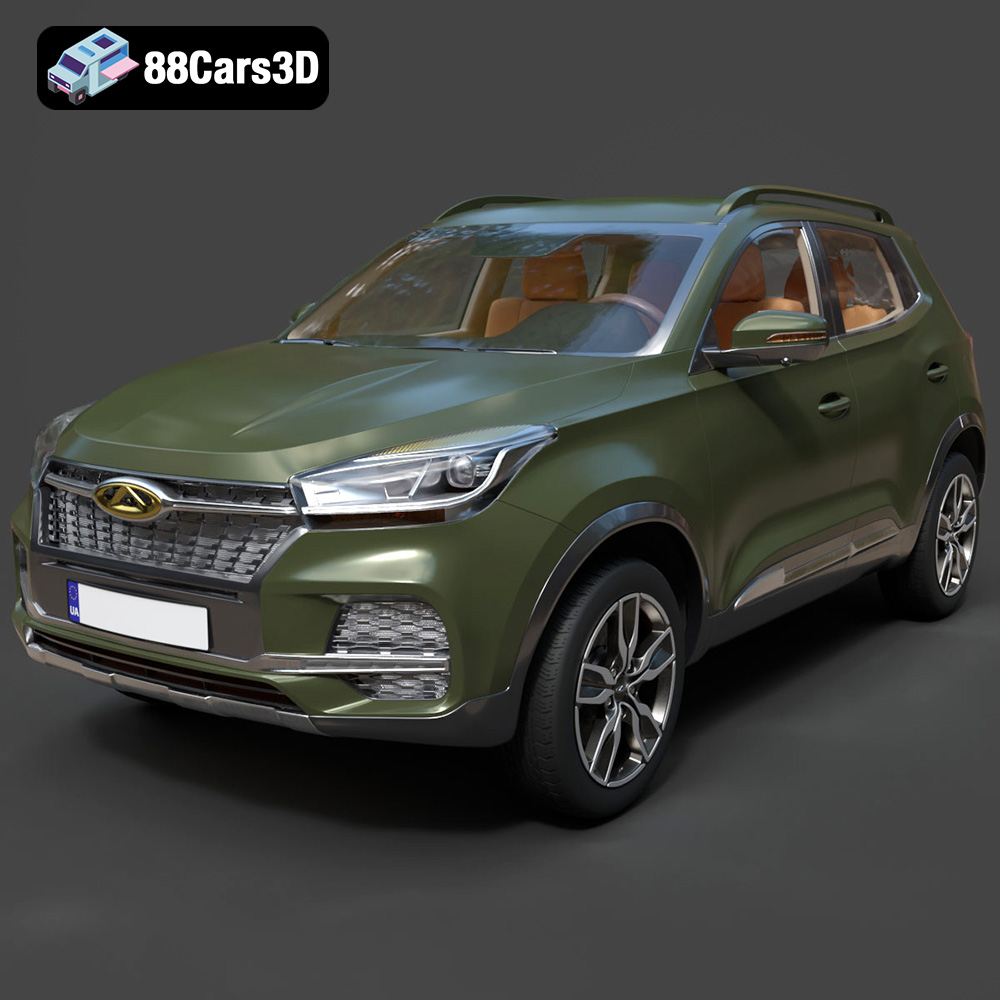
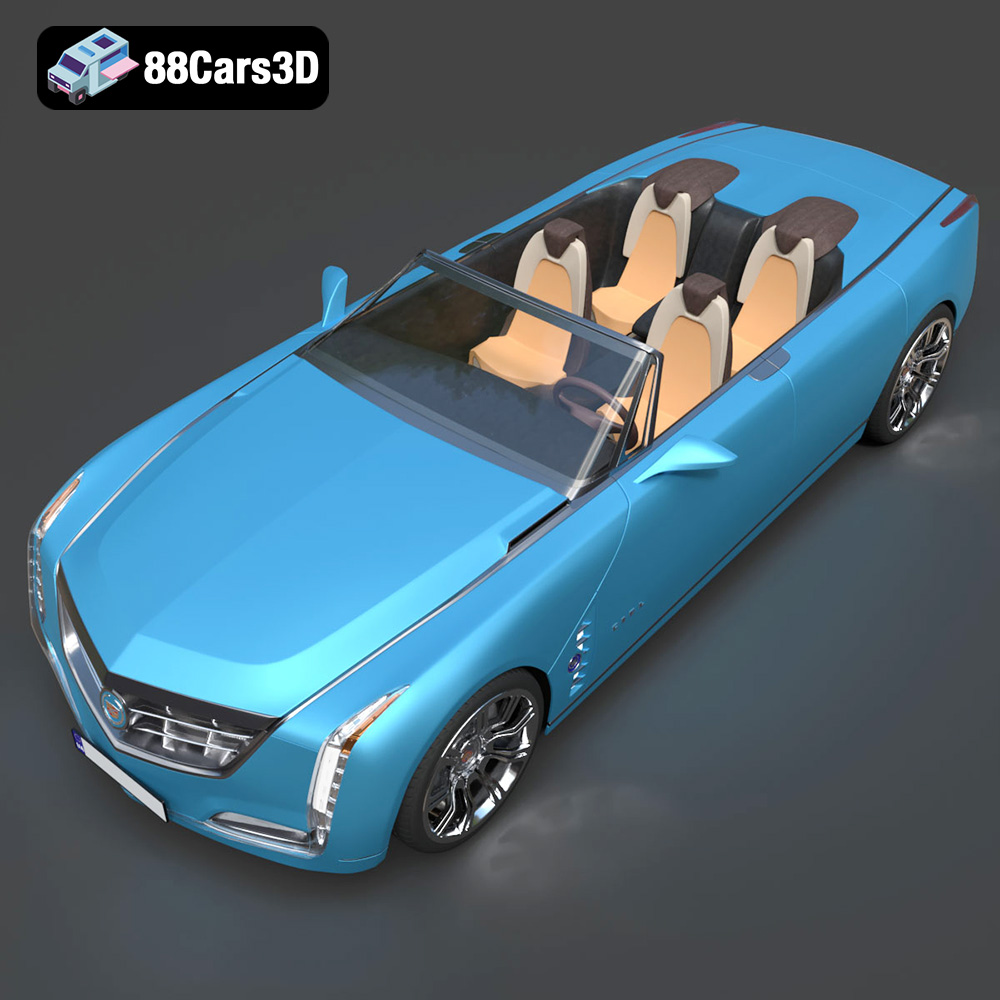
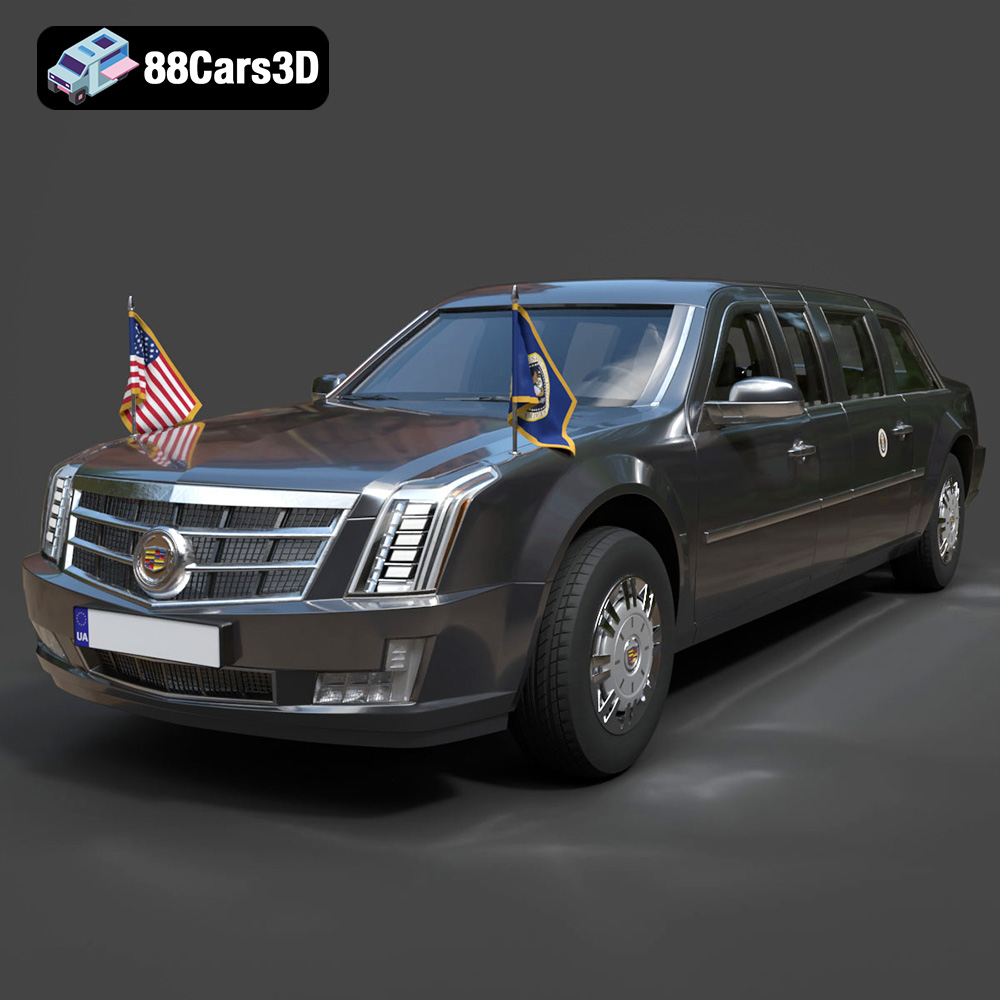
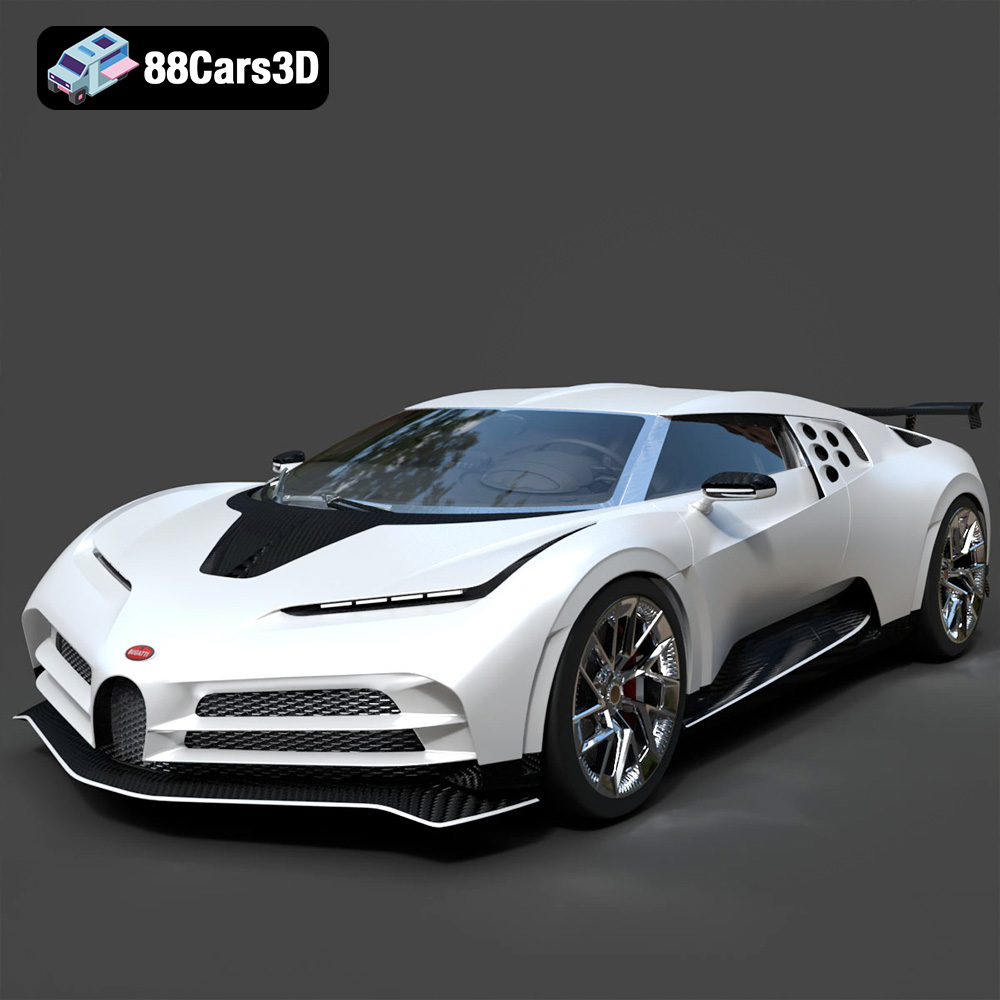
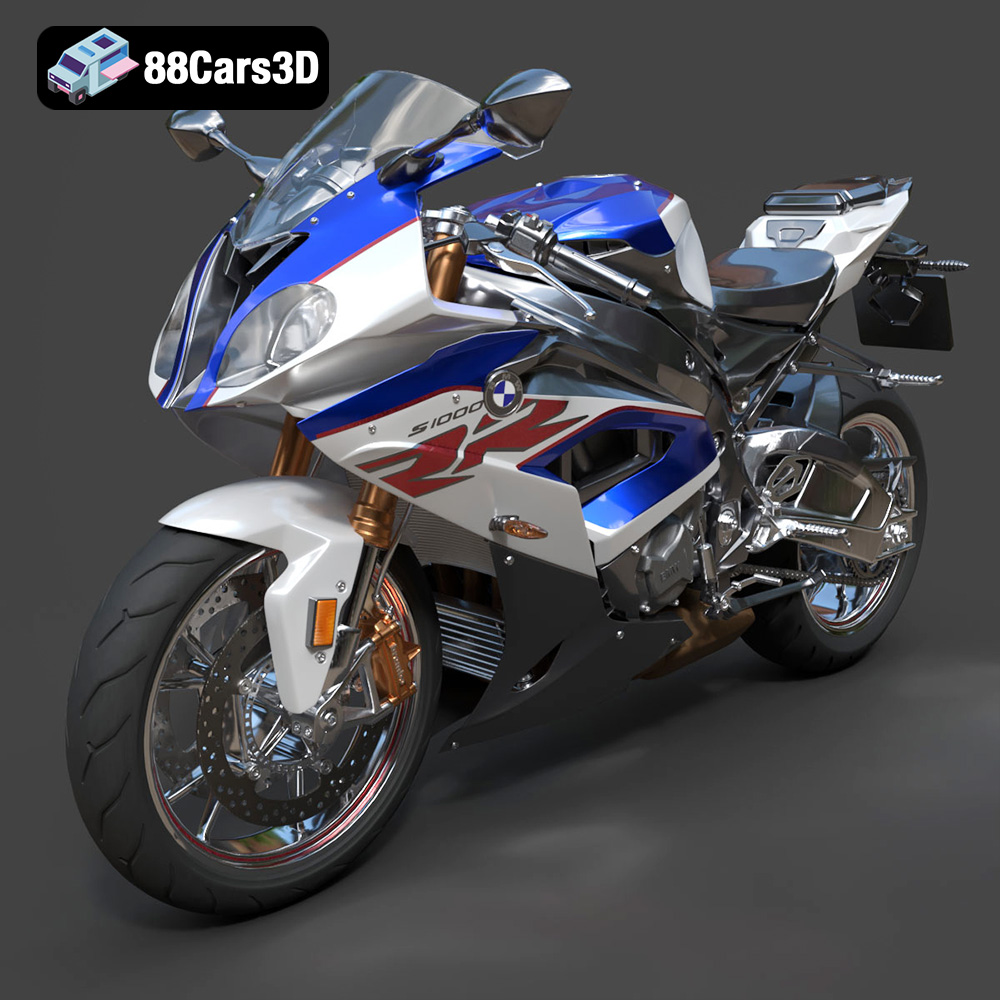
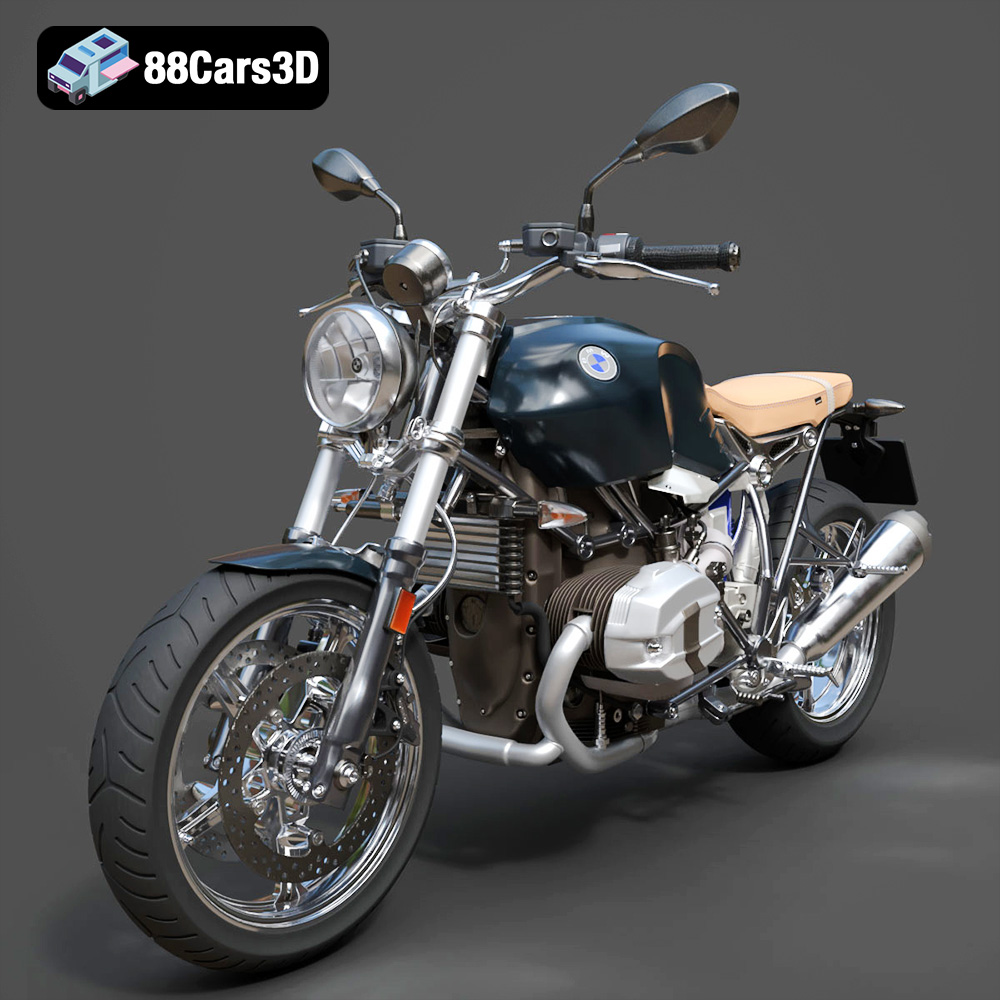
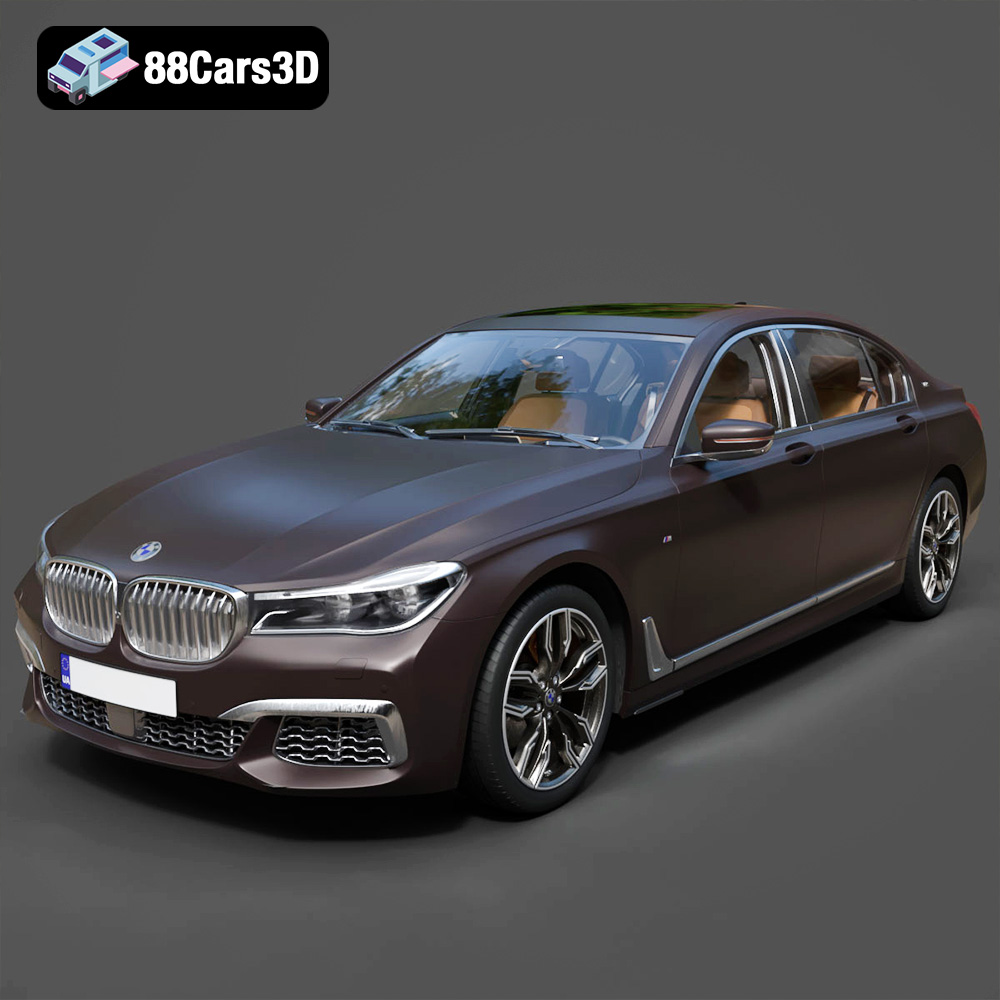
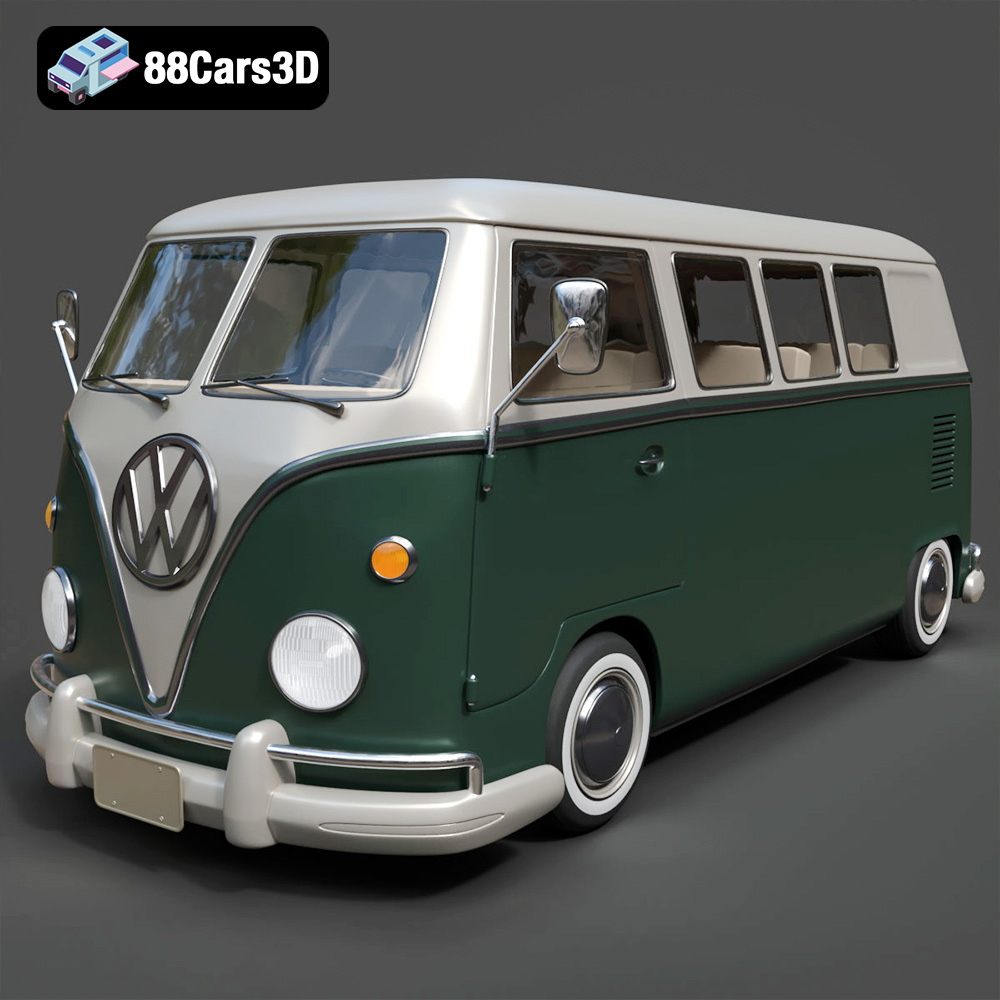
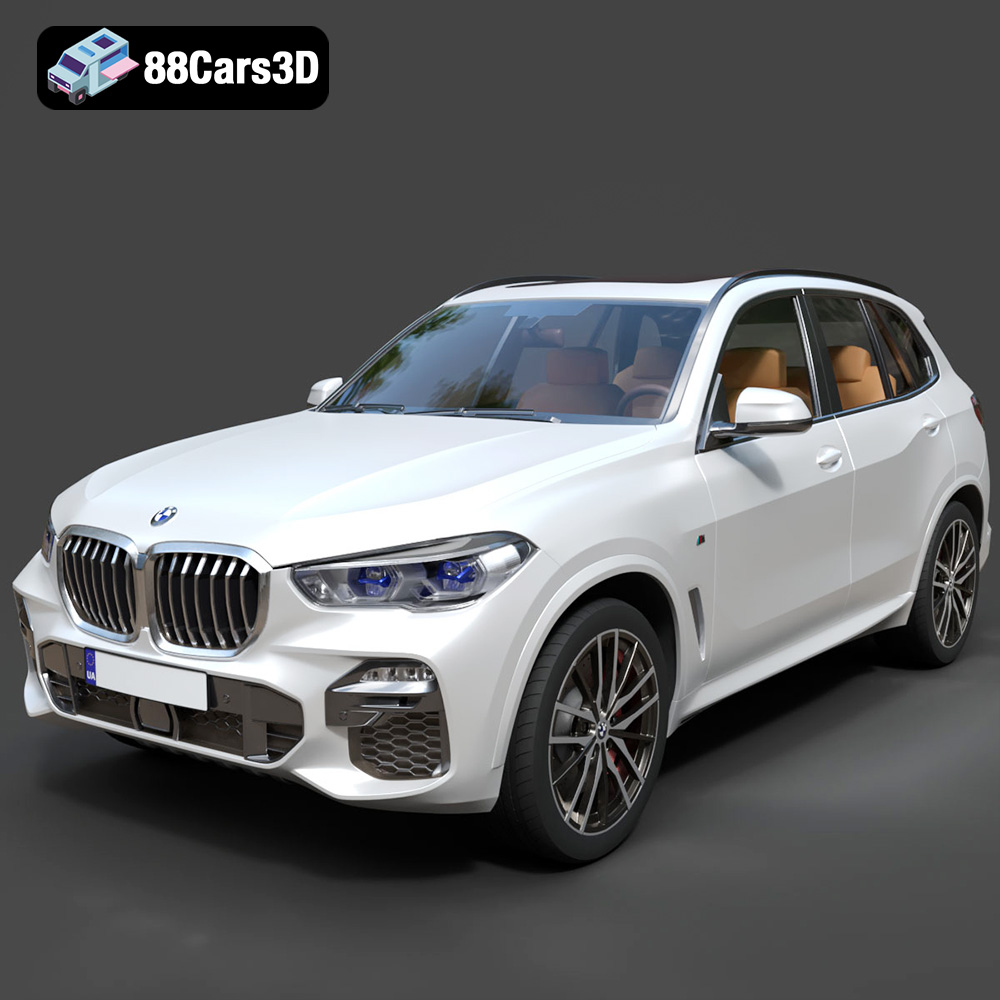
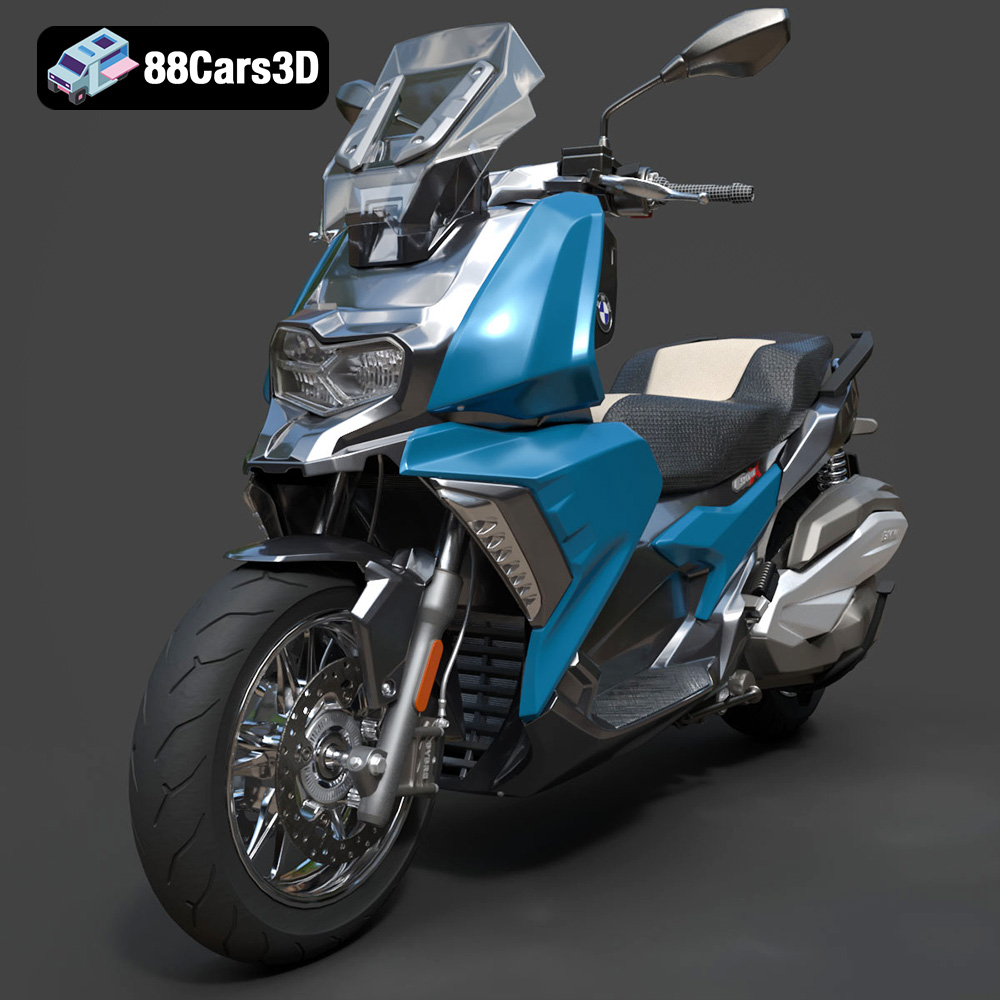
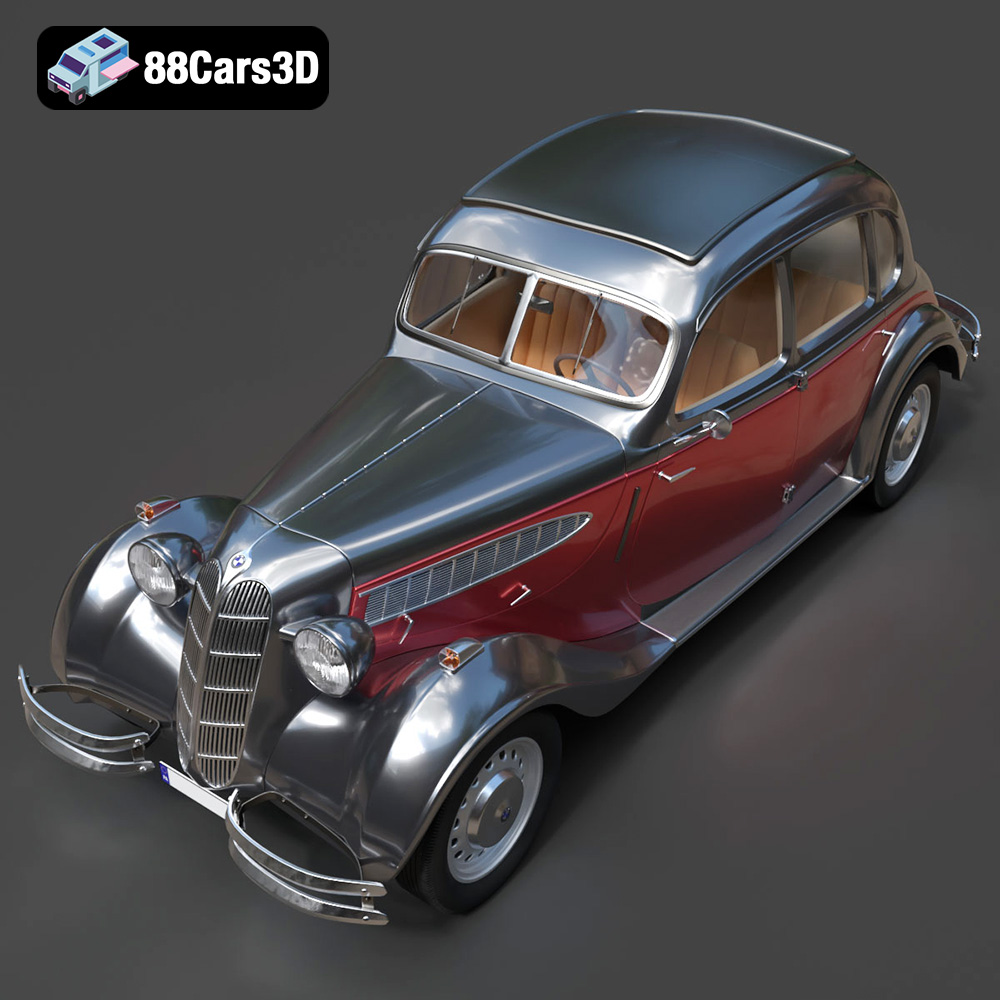
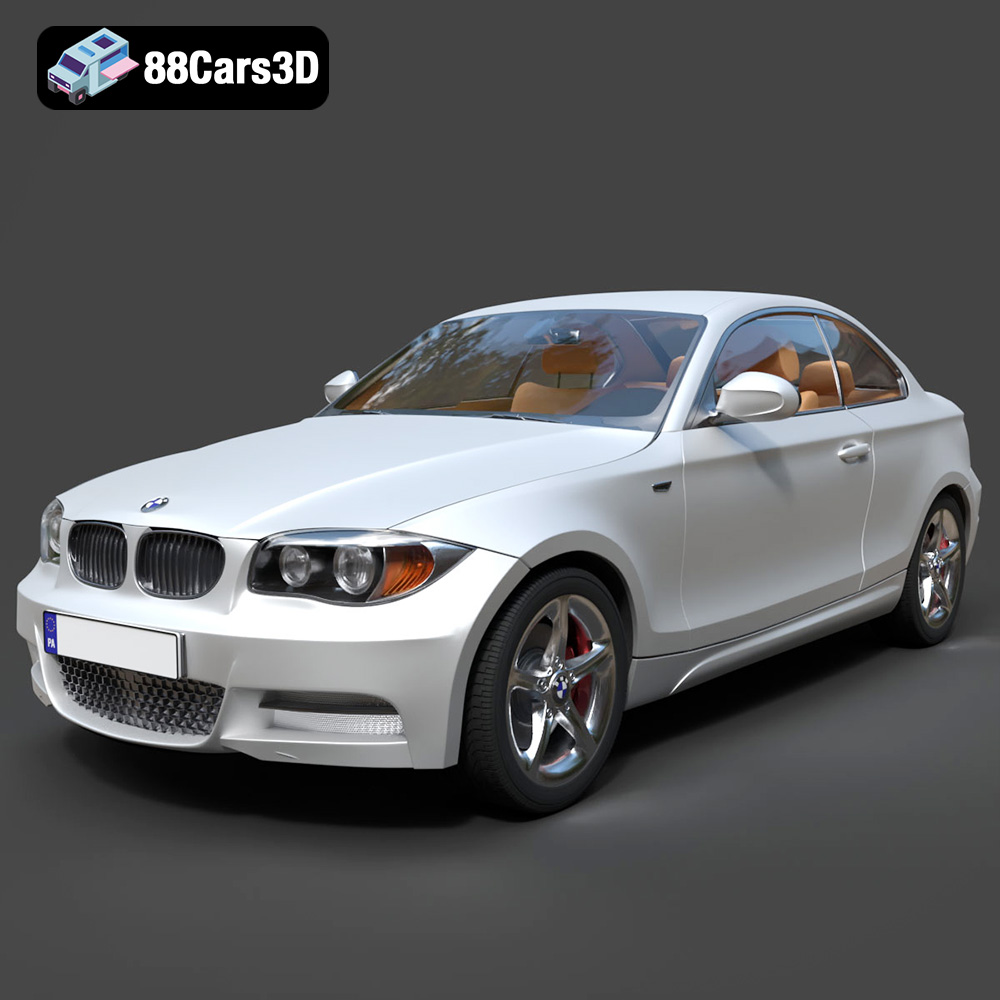
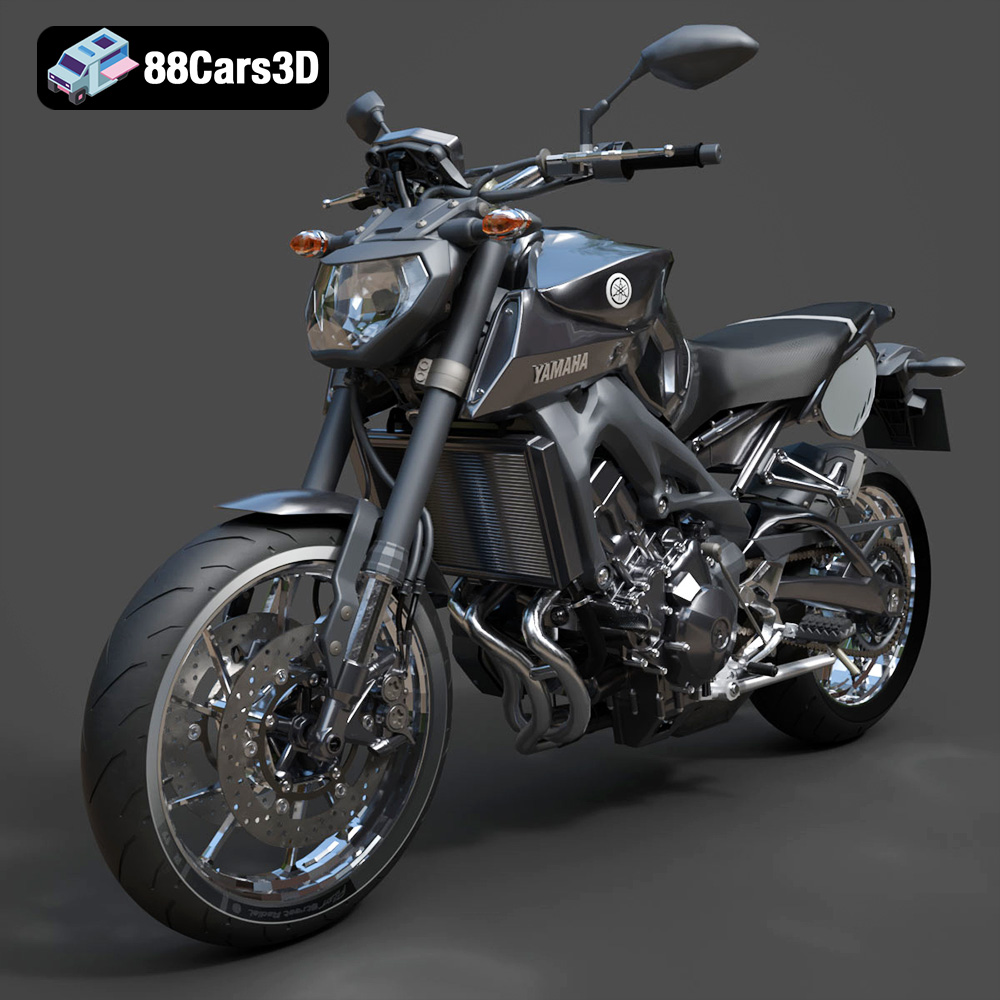
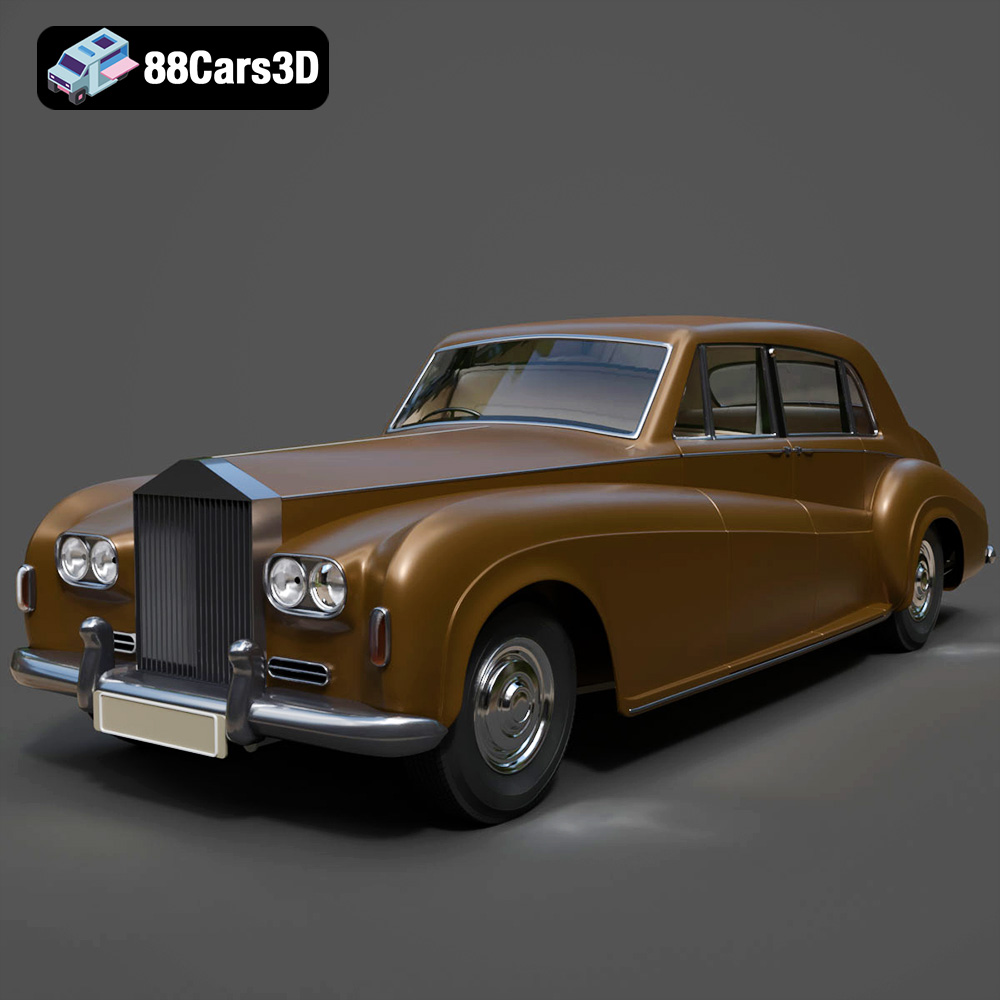
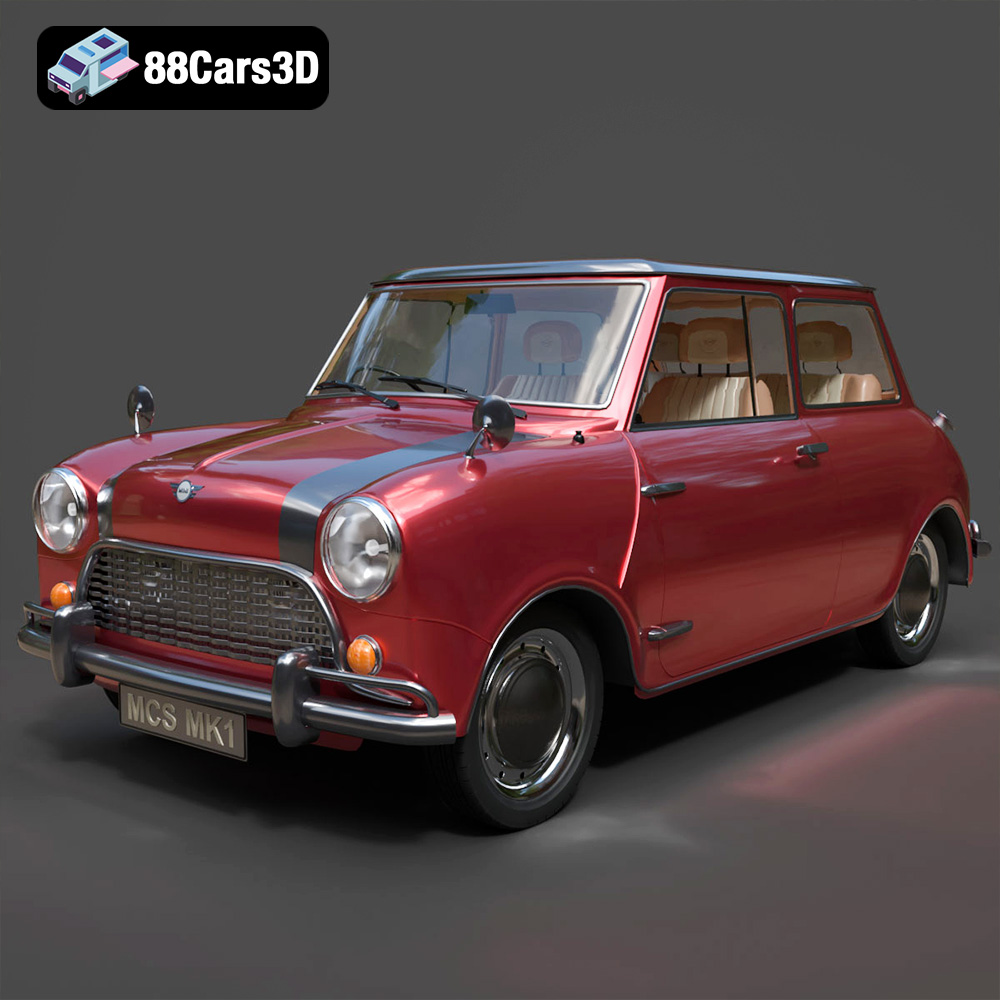
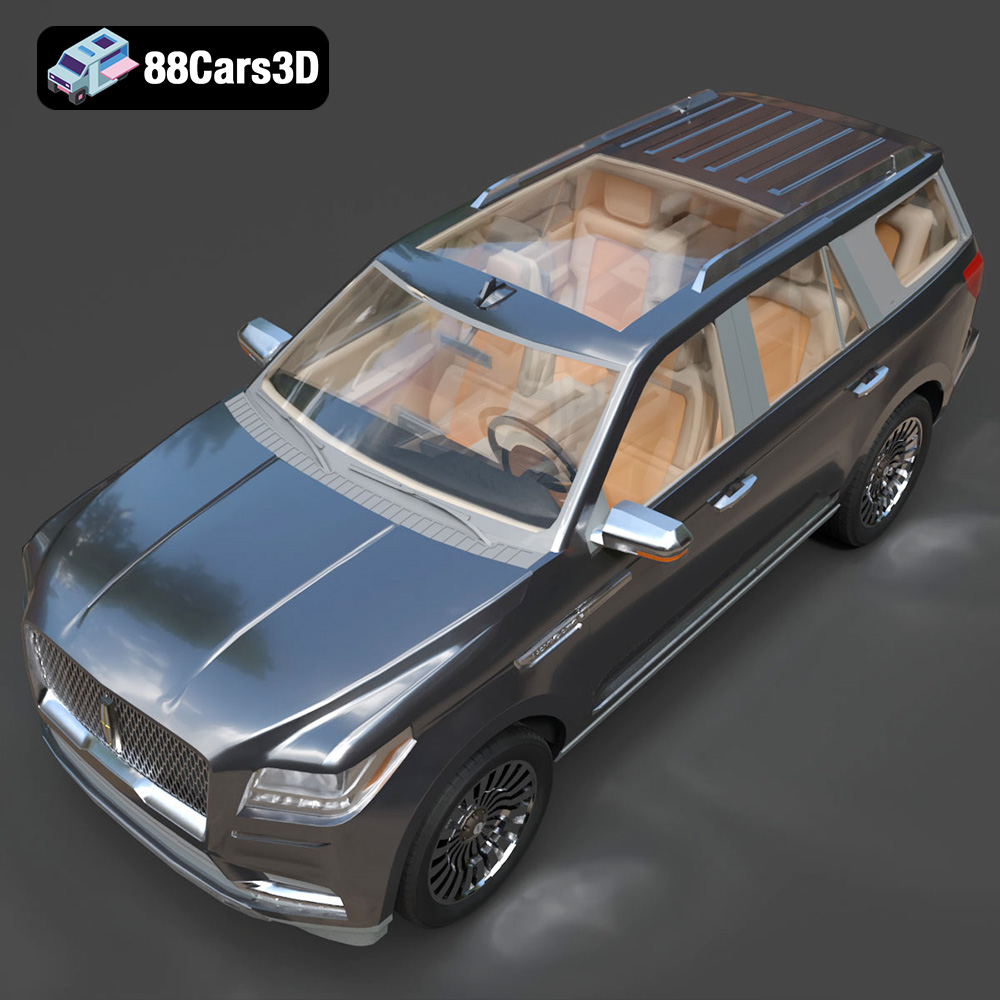
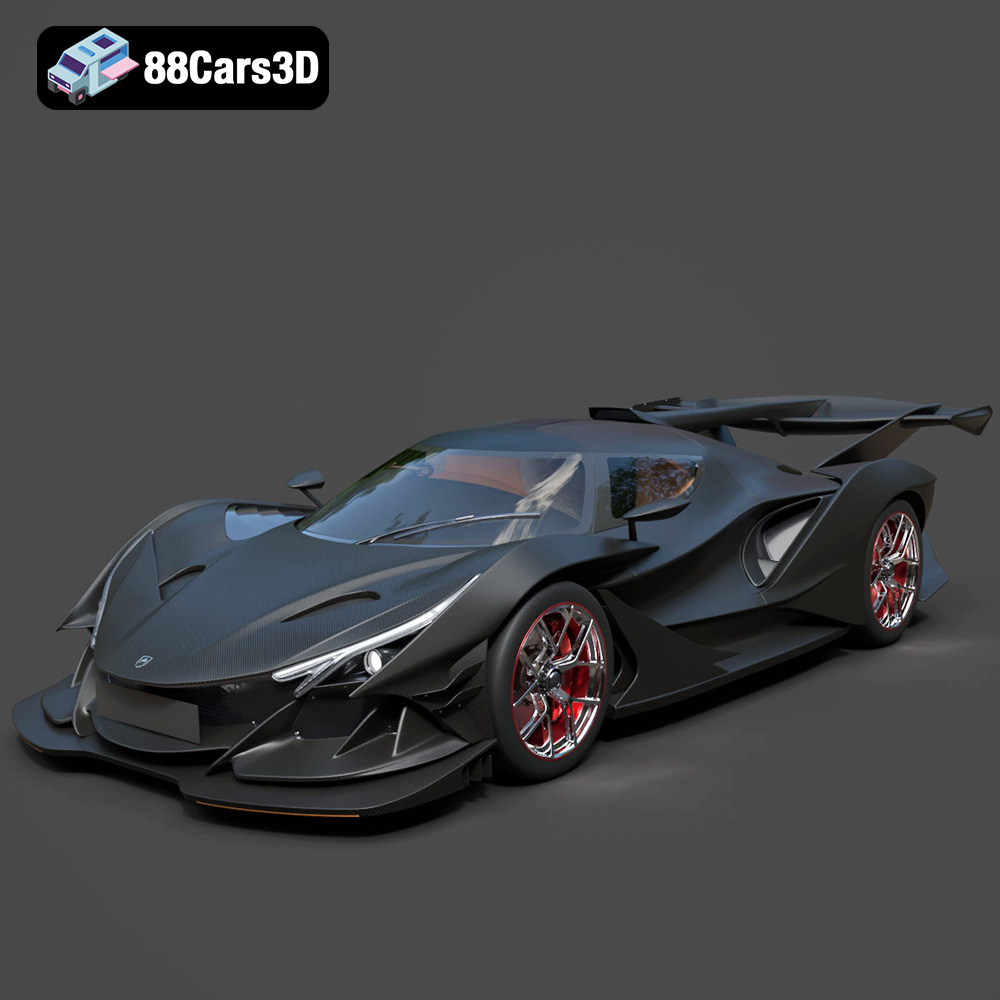
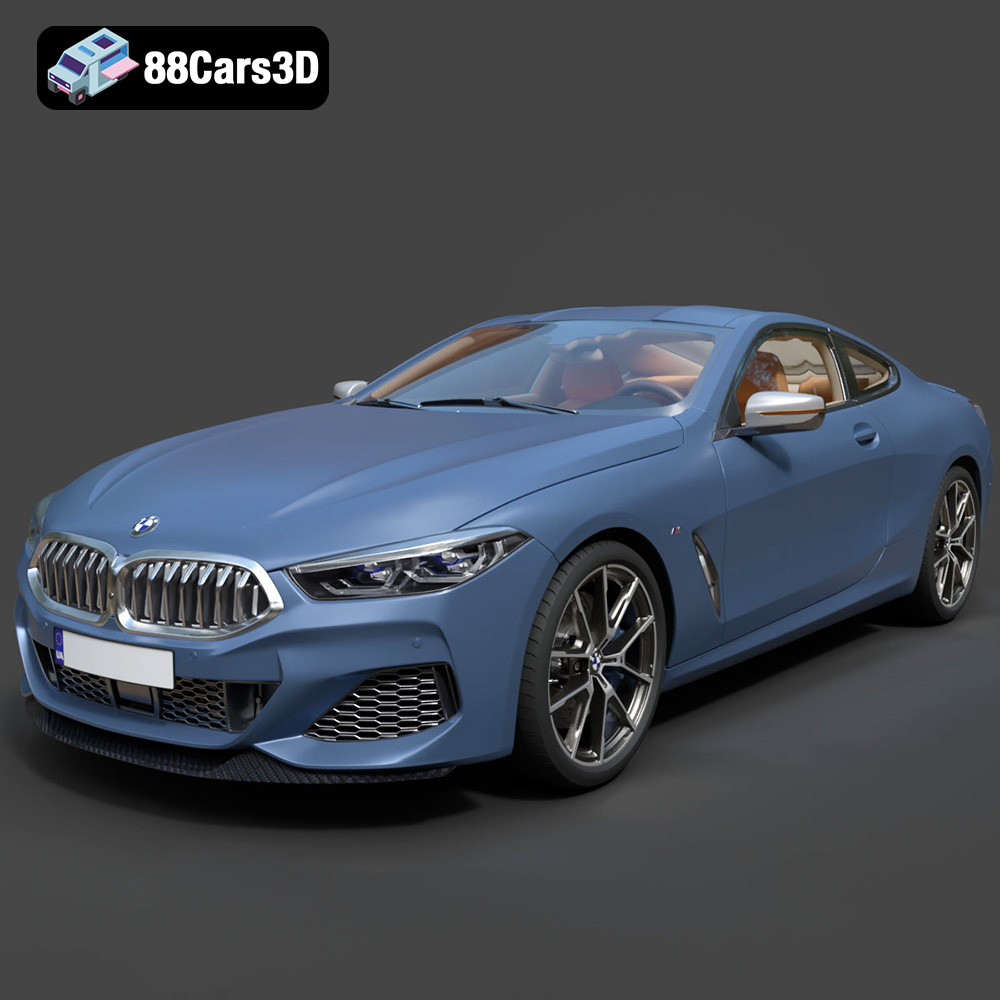
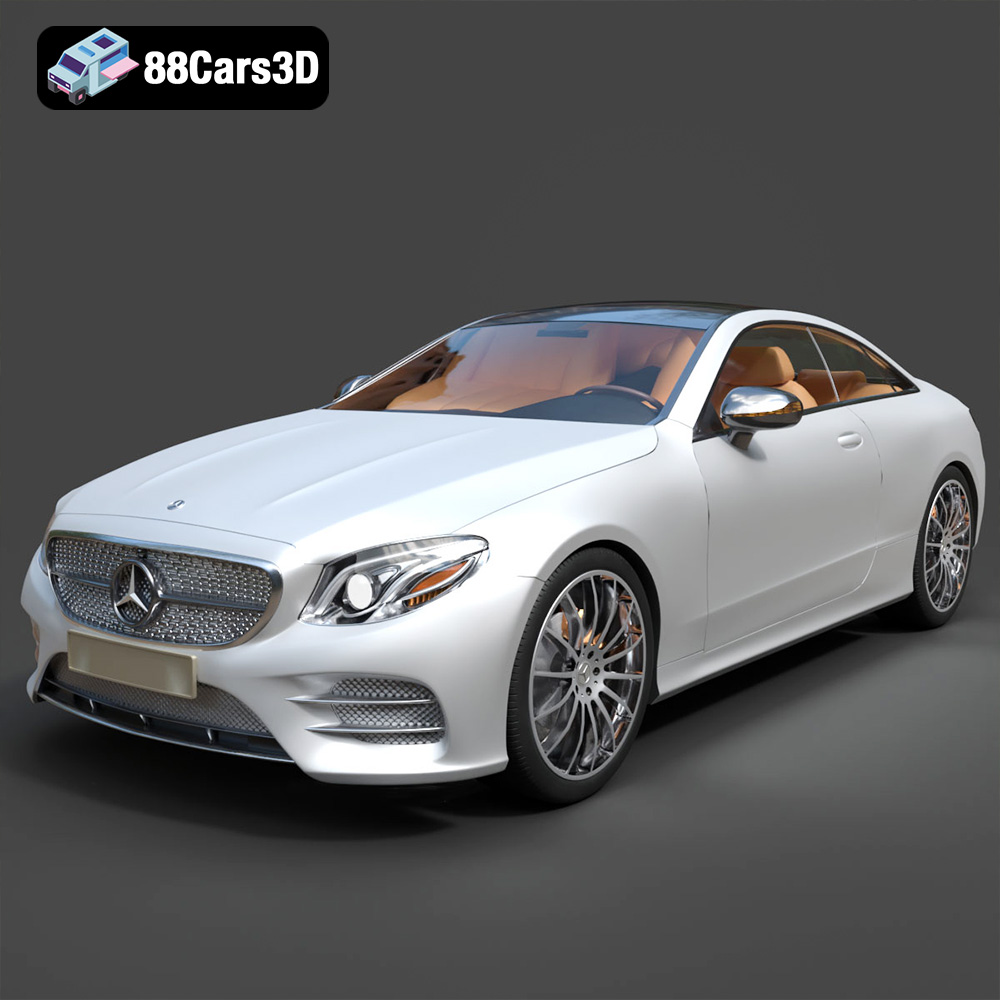
In the demanding world of game development and real-time visualization, integrating high-quality 3D car models into engines like Unreal Engine and Unity is a critical task. The choice of file format isn’t merely a technicality; it profoundly impacts visual fidelity, performance, animation capabilities, and the overall efficiency of your game asset pipeline. Car models, with their intricate geometry, sophisticated materials, and often complex rigging for interactive elements like doors, suspension, and steering, present unique challenges. This comprehensive guide will dissect the best 3D model file formats, offering expert insights into their strengths, weaknesses, and optimal use cases for your automotive assets in Unreal Engine and Unity.
Understanding the Core Requirements for Car 3D Models in Game Engines
Before diving into specific formats, it’s essential to understand what makes a 3D car model “game-ready.” These requirements dictate which file formats are most suitable for your project.
Visual Fidelity and Realism
Modern games and simulations demand photorealistic car models. This requires robust support for Physically Based Rendering (PBR) materials, high-resolution textures (albedo, normal, metallic, roughness, ambient occlusion), and accurate geometry. The chosen format must effectively transfer this data without loss.
Even the most beautiful car model can cripple performance if not optimized. Formats should ideally support Levels of Detail (LODs) to reduce polygon count at a distance, and efficient material handling to minimize draw calls. A well-optimized car 3D model maintains a balance between detail and real-time performance.
Animation and Rigging Support
For interactive vehicles, animation is crucial. This includes skeletal rigging for suspension, steering, and opening parts (doors, hood, trunk), as well as potential blend shapes for deformations or damage. The file format must reliably transfer these animation rigs and keyframes to the game engine.
Material and Texture Management
Complex car shaders often involve multiple material layers (paint, chrome, glass, rubber). The chosen format should facilitate the proper mapping of PBR textures and, ideally, preserve material assignments from the DCC (Digital Content Creation) tool.
Collision Detection and Physics
While collision meshes are often generated or configured within the game engine, the 3D model’s geometry forms the basis. Some formats can embed simple collision data or at least provide clean geometry suitable for engine-generated collision hulls.
Let’s explore the most prominent 3D model file formats and their specific relevance for car assets in Unreal Engine and Unity.
FBX (.fbx) – The Industry Standard
FBX (Filmbox) is Autodesk’s proprietary 3D file format and has become the de facto industry standard for exchanging 3D data between DCC applications (like Maya, 3ds Max, Blender) and game engines.
- Advantages:
- Comprehensive Data Transfer: Excellent support for geometry, PBR materials, textures, animations (skeletal and blend shapes), cameras, lights, and scene hierarchy. This is crucial for complex car models with intricate rigging.
- LODs and Static/Skeletal Meshes: Easily imports LODs and differentiates between static meshes (for chassis, body) and skeletal meshes (for wheels, suspension, animated parts).
- Wide Compatibility: Natively supported by both Unreal Engine and Unity with robust import pipelines.
- Disadvantages:
- Proprietary Nature: Being proprietary, its specifications are not fully open, which can lead to version compatibility issues between different software or export/import settings.
- File Size: Can be larger than other formats due to the amount of data it carries.
- Unreal Engine Specifics: Unreal Engine’s FBX importer is highly sophisticated. You can choose to import as a Static Mesh (for non-animated parts) or a Skeletal Mesh (for rigged cars with moving components). Important settings include choosing the correct up-axis, importing normals, and generating collision. For a car, you’d typically export a single FBX containing the static body and separate skeletal meshes for wheels, suspension, and doors, all parented to a root bone.
- Unity Specifics: Unity also has excellent FBX support. Upon import, Unity automatically creates a prefab. You can specify import settings for materials, animations, and generate colliders directly. Unity’s robust prefab system makes iterating on car models efficient.
- Practical Example: A racing game’s primary player car. An FBX would contain the high-poly body, a lower-poly LOD version, fully rigged wheels (bones for rotation and suspension compression), and potentially bones for doors, hood, and trunk. All PBR textures (paint, glass, tire rubber) would be linked correctly.
glTF 2.0 (.gltf / .glb) – The Modern Open Standard
glTF (GL Transmission Format) is an open, royalty-free specification for 3D scenes and models. Often dubbed the “JPEG of 3D,” it’s designed for efficient transmission and loading of 3D content, especially for web and real-time applications.
- Advantages:
- Open Standard: Vendor-agnostic, promoting interoperability and long-term sustainability.
- Excellent PBR Support: Specifically designed to store PBR material data efficiently.
- Compact File Size: Highly optimized for delivery, often smaller than comparable FBX files, especially with the binary
.glb format.
- Growing Ecosystem: Increasing support across DCC tools, engines, and web platforms.
- Disadvantages:
- Less Mature Animation Tooling: While it supports skeletal animation and blend shapes, the ecosystem for complex, custom rigging might not be as mature or feature-rich as FBX in all DCC tools.
- Engine Support: Requires plugins for native import in Unreal Engine (e.g., glTF for Unreal Engine plugin) and specific packages for Unity (e.g., UnityGLTF).
- Unreal Engine Specifics: While not native, third-party plugins like “glTF for Unreal Engine” offer robust import capabilities, supporting PBR materials, animations, and scene graphs. It’s becoming a viable alternative, especially for smaller, more lightweight assets or workflows originating from web-focused tools.
- Unity Specifics: Unity has strong glTF support via official packages like UnityGLTF. It excels in importing models with accurate PBR materials, making it ideal for car models where realistic rendering is paramount.
- Practical Example: A modular car configurator where users can swap out body parts, paint jobs, and wheel types. glTF’s compact nature and excellent PBR material handling make it ideal for delivering these interchangeable components efficiently, especially if the configurator has a web component.
OBJ (Wavefront Object) is one of the oldest and most widely supported 3D file formats.
- Advantages:
- Universal Compatibility: Virtually every 3D software can import and export OBJ.
- Simple Geometry: Excellent for basic mesh data (vertices, normals, UVs).
- Lightweight: For pure geometry, OBJ files are generally small.
- Disadvantages:
- No Animation or Rigging: Does not support bones, blend shapes, or any form of animation.
- Basic Materials: Only supports very basic material properties via an accompanying MTL file (separate from the OBJ file), lacking PBR capabilities. Textures must be re-applied manually in the engine.
- No Scene Hierarchy: Flattens the model, losing parent-child relationships.
- Use Cases for Cars: OBJ is unsuitable for animated or interactive car models. However, it can be useful for:
- Static Background Cars: Non-interactive vehicles used as environment dressing.
- Collision Meshes: Exporting simplified geometry solely for collision detection.
- Legacy Assets: When dealing with very old 3D models where only OBJ is available.
Alembic (.abc) – For Complex Cache Animations
Alembic is an open computer graphics interchange framework designed for storing animated computer graphics data. It specializes in baking complex mesh deformations and simulations.
- Advantages:
- High-Fidelity Animation: Captures highly detailed, per-vertex animation, perfect for complex dynamic simulations like cloth, fluids, or destruction.
- Physics Simulations: Can bake out physics simulations directly into vertex animations.
- Disadvantages:
- Massive File Sizes: Storing per-vertex data for every frame results in extremely large files, impractical for real-time interactive games.
- No Skeletal Rigging: Only stores cached animation; no interactive bones or blend shapes.
- Limited Engine Support for Interactive Use: Primarily for playback, not interactive manipulation.
- Use Cases for Cars: Not suitable for playable cars. However, Alembic is invaluable for:
- Cinematics: Pre-rendered cutscenes featuring highly detailed car crashes or complex mechanical transformations.
- Destruction Effects: Baking procedural destruction animations of cars for non-interactive sequences.
Unreal Engine vs. Unity: Specific Considerations for Car Models
Both engines offer powerful tools, but their approaches to certain aspects can influence your file format choice.
Unreal Engine’s Datasmith for CAD/Complex Imports
Unreal Engine’s Datasmith is a workflow toolkit specifically designed for importing complex scene data from CAD software (like SolidWorks, CATIA, Rhino, SketchUp Pro, Autodesk Revit) and DCC tools (like 3ds Max, Cinema 4D).
- When to use for automotive CAD models: If your car 3D models originate from engineering or design software (e.g., STEP, IGES files), Datasmith is indispensable. It intelligently tessellates CAD surfaces into game-ready meshes, generates UVs, preserves scene hierarchy, and creates PBR materials.
- Benefits: Significantly streamlines the process of bringing highly detailed, often non-optimized CAD car data into Unreal Engine for high-end automotive visualization, virtual showrooms, or design review applications, saving countless hours of manual optimization.
Unity’s Progressive Lightmapper and Prefabs
Unity’s workflow heavily relies on its Prefab system, which is excellent for creating reusable, modular car assets. Its Progressive Lightmapper is great for baking high-quality static lighting onto car models and environments. The chosen file format should integrate seamlessly into this workflow, allowing for easy updates to the source model that propagate through prefabs. FBX is particularly strong here.
| Feature |
FBX (.fbx) |
glTF 2.0 (.gltf/.glb) |
OBJ (.obj) |
Alembic (.abc) |
| Geometry |
Excellent (meshes, curves) |
Excellent (meshes) |
Good (meshes) |
Excellent (cached meshes) |
| Materials/PBR |
Excellent (with PBR mapping) |
Excellent (native PBR) |
Basic (MTL, no PBR) |
Limited (no PBR, basic shading) |
| Animation/Rigging |
Excellent (skeletal, blend shapes) |
Good (skeletal, blend shapes) |
None |
Excellent (baked vertex anim) |
| Skeletal Meshes |
Yes |
Yes |
No |
No |
| LODs |
Yes |
Yes |
No |
No |
| File Size |
Medium to Large |
Small to Medium (optimized) |
Small |
Very Large |
| Engine Compatibility |
Native (Unreal, Unity) |
Good (via plugins/packages) |
Native (Unreal, Unity) |
Limited (via plugins/Datasmith) |
| Open Standard |
No (Proprietary) |
Yes |
No (Open but basic) |
Yes |
Here’s a quick framework to help you decide which file format is best for your specific car model needs:
When to Use FBX
- Interactive, Animated Cars: Your car needs wheels that spin, working suspension, opening doors, or other character-like rigging. This is the primary format for most gameplay-relevant car models.
- Standard Game Development: If you are working in a typical game development pipeline with artists using DCC tools like Maya, 3ds Max, or Blender, FBX is the most reliable exchange format.
When to Use glTF 2.0
- Web-Based Applications & Lightweight Models: If your project involves exporting car models to web platforms, AR/VR experiences, or requires highly optimized, compact files with excellent PBR material support.
- Open Standard Preference: If you prioritize open standards and future-proofing your assets, and are comfortable using engine plugins.
When to Use OBJ
- Static Background Cars & Collision Meshes: For non-interactive vehicles used purely for environmental detail, or for creating simplified collision geometry.
- Simple Geometric Exports: If you only need to transfer basic mesh data without any animation, materials, or hierarchy.
When to Use Alembic
- High-Fidelity Cinematics & Destruction: For pre-rendered sequences, cutscenes, or highly detailed destruction simulations of cars that do not require real-time interactivity.
When to Use Datasmith (Unreal Engine Specific)
- Converting Professional CAD Data: If your source car models are from engineering software (e.g., SolidWorks, CATIA) and you need to bring them into Unreal Engine for high-end visualization or design review.
Best Practices for Importing Car Models into Unreal Engine and Unity
Beyond choosing the right format, optimizing your workflow is crucial for achieving peak performance and visual quality.
Optimizing Your 3D Model Before Export
- Polycount Reduction: Ensure your car model’s polygon count is appropriate for its role (e.g., hero car vs. background car). Use retopology tools if necessary.
- LODs (Levels of Detail): Create multiple versions of your car model with decreasing polygon counts for different distances to optimize rendering.
- Material Consolidation: Try to use as few materials as possible. Group parts that share the same material into a single mesh.
- UV Mapping: Ensure clean, non-overlapping UVs for all parts of the car to prevent texture distortion and enable proper lightmap generation.
Engine-Specific Import Settings
- Scale and Coordinate Systems: Always verify and adjust import scale (e.g., Unreal uses centimeters, Unity uses meters by default) and ensure consistent up-axis (Z-up vs. Y-up).
- Normal Import: Pay attention to tangent space normals. If your model has custom normals (e.g., from weighted normals modifiers), ensure they are imported correctly.
- Material Creation: For FBX and glTF, the engine can often automatically create PBR materials, but you may need to assign textures manually and fine-tune parameters.
Collision Mesh Generation
- Simple vs. Complex Collision: For interactive cars, use a simplified collision mesh (often convex hulls or a few primitive shapes) to reduce physics calculation overhead, separate from the visual mesh.
- Custom Collision: Export a separate, simplified mesh named with specific prefixes (e.g.,
UCX_ for Unreal, _collider for Unity) to serve as the collision mesh.
Rigging and Animation Considerations
- Root Bone: Ensure your car model has a single, central root bone that all other bones (wheels, suspension, doors) are parented to. This is crucial for controlling the entire vehicle.
- Pivot Points: Verify that pivot points for rotating parts (e.g., wheel hubs) are accurately placed in your DCC software before export.
- Skeletal Mesh Best Practices: For Unreal Engine, understand the difference between static and skeletal meshes. Animated car components will almost always be part of a skeletal mesh.
The selection of the ideal 3D model file format for your car assets in Unreal Engine or Unity is a pivotal decision that directly impacts your project’s visual quality, performance, and development efficiency. While FBX remains the steadfast industry workhorse for its comprehensive animation and scene data transfer, glTF 2.0 is rapidly gaining ground as a highly optimized, open-standard alternative, particularly for modern PBR workflows and web-focused applications. OBJ serves as a reliable fallback for static geometry, and Unreal Engine’s Datasmith is an invaluable tool for leveraging professional CAD data. By understanding the unique strengths of each format and adhering to best practices, you can ensure your car models look stunning, perform flawlessly, and integrate seamlessly into your game development pipeline.
Ready to accelerate your game development? Start optimizing your car 3D models today! Explore our detailed tutorials on creating efficient game asset pipelines for Unreal Engine and Unity.