Get 50% OFF All Premium 3D & STL Models!

In the dynamic world of digital content creation, the demand for photorealistic and highly functional 3D models is constantly accelerating. From breathtaking automotive commercials and immersive video games to cutting-edge AR/VR experiences and detailed product visualizations, the quality of a 3D asset dictates the success of a project. Automotive design, in particular, thrives on precision and detail, requiring models that can withstand intense scrutiny across diverse applications. This comprehensive guide delves into the technical intricacies and expansive applications of premium 3D car models, exemplified by a standout asset: the BMW 1 Series Coupe 2009 3D Model.
This meticulously crafted model offers a gateway to professional-grade projects, providing artists, developers, and engineers with a versatile foundation. Its detailed representation of the iconic BMW 1 Series Coupe 2009, known for its balanced chassis and distinctive styling, makes it an invaluable asset for anyone seeking to elevate their digital automotive work. Whether you’re an experienced visualization artist or a game developer aiming for unparalleled realism, understanding the technical underpinnings and multi-platform compatibility of such models is key to maximizing your creative output.
The versatility of a 3D model often hinges on the range and quality of its supported file formats. Each format is engineered for specific purposes, offering unique advantages in terms of compatibility, data preservation, and workflow efficiency. When acquiring a premium asset like the BMW 1 Series Coupe 2009 3D Model from 88cars3d.com, it’s crucial to understand which format best suits your project’s needs. The comprehensive package often includes an array of formats, ensuring seamless integration into virtually any professional pipeline.
The **.blend** file is Blender’s native format, encapsulating an entire scene, including mesh data, materials, textures, lighting, cameras, animations, and even physics simulations. Its primary advantage lies in its completeness; a .blend file offers the most editable and robust version of the model within the Blender environment. For artists primarily working with Blender for automotive rendering, game asset creation, or animation, the .blend file provides a fully prepared project with all components organized and ready for manipulation. This means materials are typically set up for Cycles or Eevee, and modifiers or procedural elements are often still active, allowing for non-destructive adjustments to the BMW 1 Series Coupe 2009’s geometry or textures.
As a proprietary format developed by Autodesk, **.fbx** (Filmbox) has become an indispensable standard for exchanging 3D data between various software applications and game engines. It supports mesh geometry, materials, textures, animation data (skeletal animations, blend shapes), cameras, and lights. Its robust support for animation makes it ideal for game development in Unreal Engine or Unity, where animated car components like wheels and steering mechanisms, as found in the BMW 1 Series Coupe 2009 3D Model, are critical. When importing into a game engine, .fbx ensures that the model’s hierarchy, pivots, and animation data are preserved, streamlining the rigging and integration process.
The **.obj** (Wavefront OBJ) format is one of the most widely supported and simplest 3D file formats. It primarily stores geometry (vertices, normals, texture coordinates, faces) and references external material files (.mtl) for surface properties. While it lacks support for animation or advanced scene data, its universality makes it an excellent choice for static mesh interchange between almost any 3D software. For artists needing just the raw, clean geometry of the BMW 1 Series Coupe 2009 for sculpting, retopology, or import into software that might not support more complex formats, .obj is a reliable fallback. Its textual nature also makes it human-readable for debugging, though this can lead to larger file sizes for complex meshes.
The **.glb** (GL Transmission Format Binary) format is a compact, self-contained file specifically designed for efficient transmission and loading of 3D scenes and models on the web and in AR/VR applications. It bundles geometry, materials, textures, and animation into a single binary file, often with aggressive compression. This optimization for real-time rendering and quick loading makes the .glb version of the BMW 1 Series Coupe 2009 3D Model perfect for interactive virtual showrooms, browser-based configurators, or augmented reality experiences where performance and file size are paramount. It’s essentially a “delivery format” for assets in web-based 3D contexts.
The **.stl** (Stereolithography) format is the de facto standard for 3D printing. It represents a 3D model as a series of connected triangles (a triangulated surface), defining only the surface geometry of an object without color, texture, or other CAD attributes. For the BMW 1 Series Coupe 2009 3D Model, the .stl version is specifically prepared to ensure manifold geometry – a watertight, closed mesh necessary for successful physical fabrication. This format is crucial for users looking to print scale models, prototypes, or collectibles of the vehicle.
The **.ply** (Polygon File Format) format is often used for storing 3D data from 3D scanners, CAD applications, and scientific instruments. It can store not only geometry but also color, transparency, surface normals, and other attributes per vertex or per face. While less common for general-purpose 3D model exchange than .fbx or .obj, .ply is valuable for applications requiring high-precision mesh data, such as reverse engineering, quality inspection, or complex simulations where the exactness of the BMW 1 Series Coupe 2009’s form is critical.
The **.unreal** format typically refers to an asset that has been specifically prepared and optimized for direct integration into Unreal Engine. This isn’t a single file type but rather an umbrella term for a package of assets (meshes, materials, textures, blueprints, collision data) often exported as an .fbx and then imported and configured within the engine to create an engine-ready asset (a .uasset file or a folder structure). This means the BMW 1 Series Coupe 2009 3D Model, in its .unreal offering, has likely undergone performance optimization, LOD generation, material setup using Unreal’s physically based rendering (PBR) system, and potentially collision mesh creation, making it a plug-and-play solution for game developers.
The **.max** file is the native format for Autodesk 3ds Max. Similar to .blend, it saves all scene data specific to 3ds Max, including geometry, materials, textures, lights, cameras, modifiers, animation controllers, and render settings. For professionals working within the 3ds Max ecosystem for high-end automotive rendering or complex animations, the .max file provides the most comprehensive and editable version of the BMW 1 Series Coupe 2009 3D Model. It allows full access to the original modeling history, material stack, and render setup, offering maximum flexibility for customization and refinement.
Choosing the right format is paramount for an efficient workflow. The inclusion of such a diverse array of file types with the BMW 1 Series Coupe 2009 3D Model ensures that users from any discipline can seamlessly integrate this high-quality asset into their projects.
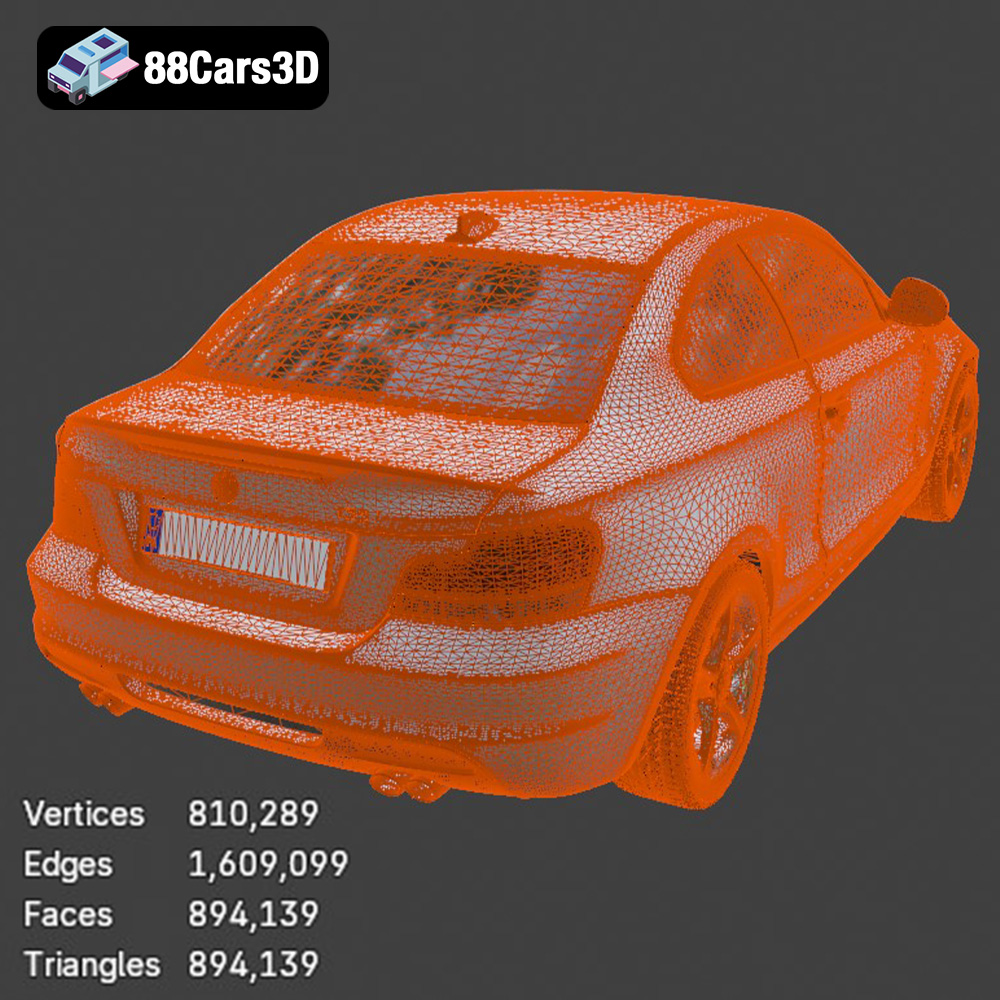
Automotive visualization demands an exquisite blend of technical prowess and artistic vision. The goal is to create imagery so convincing it blurs the line between digital and reality. A high-quality 3D car model, such as the BMW 1 Series Coupe 2009 3D Model, serves as the perfect canvas for achieving this level of photorealism. Its accurate proportions, detailed exterior and interior features, and clean mesh structure are foundational for stunning renders.
For many automotive visualization studios, 3ds Max, coupled with renderers like V-Ray or Corona Renderer, remains the industry standard. The workflow typically begins with importing the .max or .fbx version of the BMW 1 Series Coupe 2009. The first critical step is material creation. Leveraging physically based rendering (PBR) workflows, artists meticulously craft car paint shaders with multiple layers (base coat, metallic flakes, clear coat), realistic tire rubber, chrome accents, and glass that accurately refracts light. The clean UV mapping and organized mesh of the BMW 1 Series Coupe 2009 3D Model simplify this process, allowing for precise texture application and minimal distortion.
Lighting is equally crucial. Studios often use HDR (High Dynamic Range) environment maps combined with targeted area lights to simulate natural outdoor conditions or studio setups. These lighting rigs highlight the sculpted hood lines, the distinctive kidney grille, and the sporty coupe roofline, emphasizing the vehicle’s design language. Camera placement and focal length choices, mimicking professional automotive photography, capture the dynamic stance and intricate details of the BMW. The result is imagery suitable for high-end automotive marketing, dealership visuals, and promotional materials, effectively showcasing the vehicle’s aesthetic and emotional appeal.
Blender has emerged as a powerful contender in the visualization space, offering both a robust modeling environment and two highly capable renderers: Cycles for photorealistic, path-traced results, and Eevee for real-time rendering. The .blend file for the BMW 1 Series Coupe 2009 is ideal for Blender users, providing a ready-to-render setup.
In Cycles, artists can build complex node-based materials, creating bespoke paint finishes, intricate headlight glass, and realistic interior fabrics. The flexibility of Blender’s shader editor allows for granular control over every surface property, from microscopic scratches on the clear coat to the subtle sheen of leather seats. Eevee, on the other hand, excels at fast previews and animations, making it invaluable for iterative design and quick turnaround projects. It can produce surprisingly high-quality results in real-time, perfect for pre-visualizations or even final renders where speed is a priority. The proper pivot setup for steering and wheel rotation in the 3D model, as described in its technical advantages, is a massive time-saver when animating the car for a Blender-based cinematic or a short commercial.
The intersection of high-quality 3D car models and real-time game engines creates unparalleled opportunities for interactive experiences. Game developers and AR/VR creators leverage assets like the BMW 1 Series Coupe 2009 3D Model to build immersive worlds, realistic simulations, and engaging virtual showrooms. The key here is not just visual fidelity but also performance optimization.
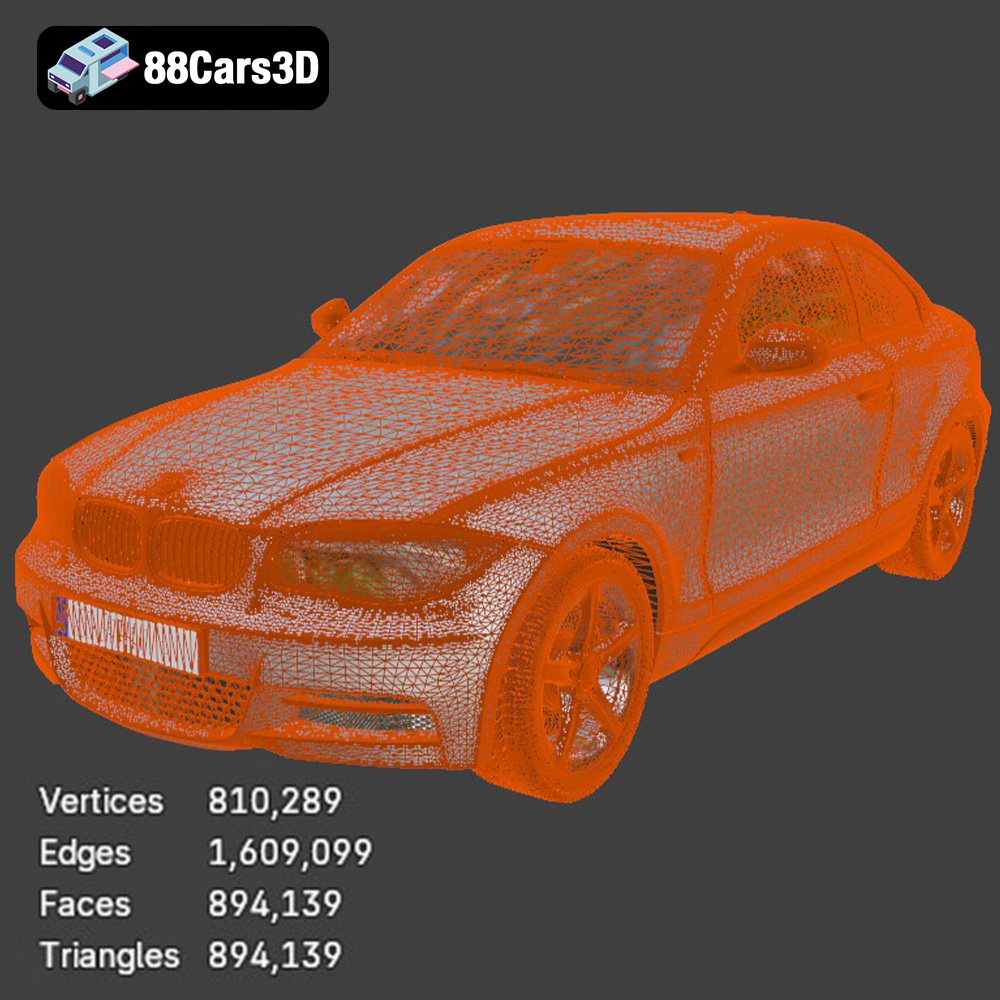
For game development, performance is paramount. While the base mesh of the BMW 1 Series Coupe 2009 is high-detail, it often requires optimization for real-time engines like Unreal Engine and Unity. The .fbx and .unreal formats are specifically designed for this purpose. Developers utilize techniques such as Level of Detail (LOD) creation, where progressively lower-polygon versions of the model are generated and displayed based on distance from the camera. This ensures that the car looks detailed up close but doesn’t consume excessive resources when viewed from afar.
Collision meshes are also vital. These simplified, non-rendered geometries define the physical boundaries of the car, allowing for realistic interactions with the game world and other vehicles. Material instancing is another common practice, where a master material is created (e.g., for car paint) and then instanced multiple times with different color parameters to allow for easy customization without increasing draw calls. The clean and well-organized mesh structure of the BMW 1 Series Coupe 2009 3D Model streamlines all these optimization steps, allowing developers to focus on gameplay and user experience rather than wrestling with complex geometry. This model is perfect for open-world driving games, racing simulations, and city environments where fidelity and performance must coexist.
Augmented Reality (AR) and Virtual Reality (VR) environments demand models that are not only visually impressive but also incredibly lightweight and responsive. The .glb format of the BMW 1 Series Coupe 2009 3D Model is tailor-made for these applications. Its optimized nature ensures quick loading times and smooth interaction within AR apps (like those on mobile devices) or VR headsets.
Imagine a virtual showroom where a potential buyer can walk around the BMW 1 Series Coupe 2009, open doors, change paint colors, and even sit inside virtually. This interactive experience, powered by high-quality 3D car models, offers a level of immersion far beyond traditional product photography or video. For simulation and training, the realistic proportions and detailed interior layout, including the dashboard, multifunction steering wheel, and gear shifter, provide an authentic environment for driver training modules or automotive visualization projects. The ability to configure lighting for city, track, or showroom scenes further enhances the versatility in AR/VR contexts.
The realm of 3D modeling extends beyond digital pixels into the physical world through 3D printing. The BMW 1 Series Coupe 2009 3D Model offers a unique opportunity for enthusiasts and professionals to bring this classic vehicle to life as a tangible object, whether for display, prototyping, or educational purposes.
The .stl format, included with the BMW 1 Series Coupe 2009 3D Model, is the cornerstone of 3D printing. This format specifically focuses on manifold geometry, meaning the mesh is watertight and has no holes or inverted normals, which is absolutely crucial for successful printing. Before printing, the model is processed through slicing software (e.g., Ultimaker Cura, PrusaSlicer). This software interprets the .stl file and generates G-code, a set of instructions for the 3D printer.
Key print settings recommended for this specific model, as detailed in its description, include:
The ability to 3D print the BMW 1 Series Coupe 2009 3D Model opens up several exciting applications. For automotive designers and engineers, it can serve as a rapid prototyping tool, allowing them to quickly evaluate the car’s form factor and ergonomics in a physical context. This tangible feedback loop is invaluable in the design iteration process.
For enthusiasts and collectors, printing the model at various scales allows for the creation of unique, personalized display miniatures. Post-processing steps like sanding, priming, and applying a gloss automotive paint finish, potentially even adding optional sport trim detailing, can transform a raw print into a museum-quality collectible. This blend of digital precision and physical craftsmanship offers a truly bespoke item.
A high-quality 3D car model is not just a static asset; it’s a flexible tool that can be adapted and integrated into a multitude of creative projects. The BMW 1 Series Coupe 2009 3D Model, with its well-organized structure and versatile file formats, offers extensive customization options, empowering users to truly make it their own.
The true power of a comprehensive 3D model lies in its adaptability. Users can effortlessly modify the BMW 1 Series Coupe 2009 3D Model to fit specific creative briefs. Changing the body color and trim accents is a fundamental customization, allowing artists to match brand guidelines or explore aesthetic variations. Adding sport package elements, performance wheels, or even modifying the ride height and stance can drastically alter the vehicle’s character, transforming it from a standard coupe into a race-ready machine or a lowered custom build.
Further customization extends to adding custom license plates, integrating specific branding, or even adjusting interior materials to reflect different luxury levels. For rendering purposes, configuring lighting for various environments—city streets, track day, or an elegant showroom—can entirely change the mood and focus of the visualization. The separate wheels and steering components for animation, along with proper pivot setup, provide the foundation for dynamic renders and interactive sequences.
In professional production pipelines, time is a critical resource. Investing in high-quality 3D car models significantly reduces development time and boosts the overall fidelity of a project. Instead of spending countless hours modeling and detailing a vehicle from scratch, artists can immediately focus on scene composition, lighting, texturing, and animation.
The technical advantages of the BMW 1 Series Coupe 2009 3D Model—its clean mesh, real-world scale accuracy, optimized polygon flow, and broad compatibility—ensure that it integrates smoothly into existing workflows. This saves not only modeling time but also troubleshooting time, allowing teams to deliver superior results more efficiently. Marketplaces like 88cars3d.com specialize in providing these production-ready assets, offering a reliable source for professional-grade 3D car models that meet the rigorous demands of automotive rendering, game development, AR/VR, and beyond. Utilizing such assets is a strategic decision that empowers creators to focus on their core competencies and elevate the visual quality of their final output.
The journey through the intricate world of high-quality 3D car models reveals a profound impact on digital content creation across numerous industries. From the initial choice of file format to the final rendered image or 3D printed model, every technical detail contributes to the overall success and realism of a project. The BMW 1 Series Coupe 2009 3D Model stands as a prime example of an asset engineered for versatility and excellence, catering to the exacting demands of automotive rendering, immersive game development, interactive AR/VR experiences, and tangible 3D printing applications.
By understanding the specific strengths of formats like .blend, .fbx, .obj, .glb, .stl, .ply, .unreal, and .max, creators can streamline their workflows and unlock new creative possibilities. The meticulous attention to detail in the BMW 1 Series Coupe 2009 3D Model’s exterior and interior, coupled with its optimized geometry and professional setup, ensures that it is not merely a digital representation but a robust tool for professional content creation. Whether you are aiming for a photorealistic automotive commercial, an engaging racing simulation, or a finely detailed scale model, investing in premium 3D car models from trusted sources like 88cars3d.com is a foundational step towards achieving digital excellence. These assets empower artists and developers to translate their vision into captivating digital and physical realities, driving innovation in the automotive and digital industries alike.
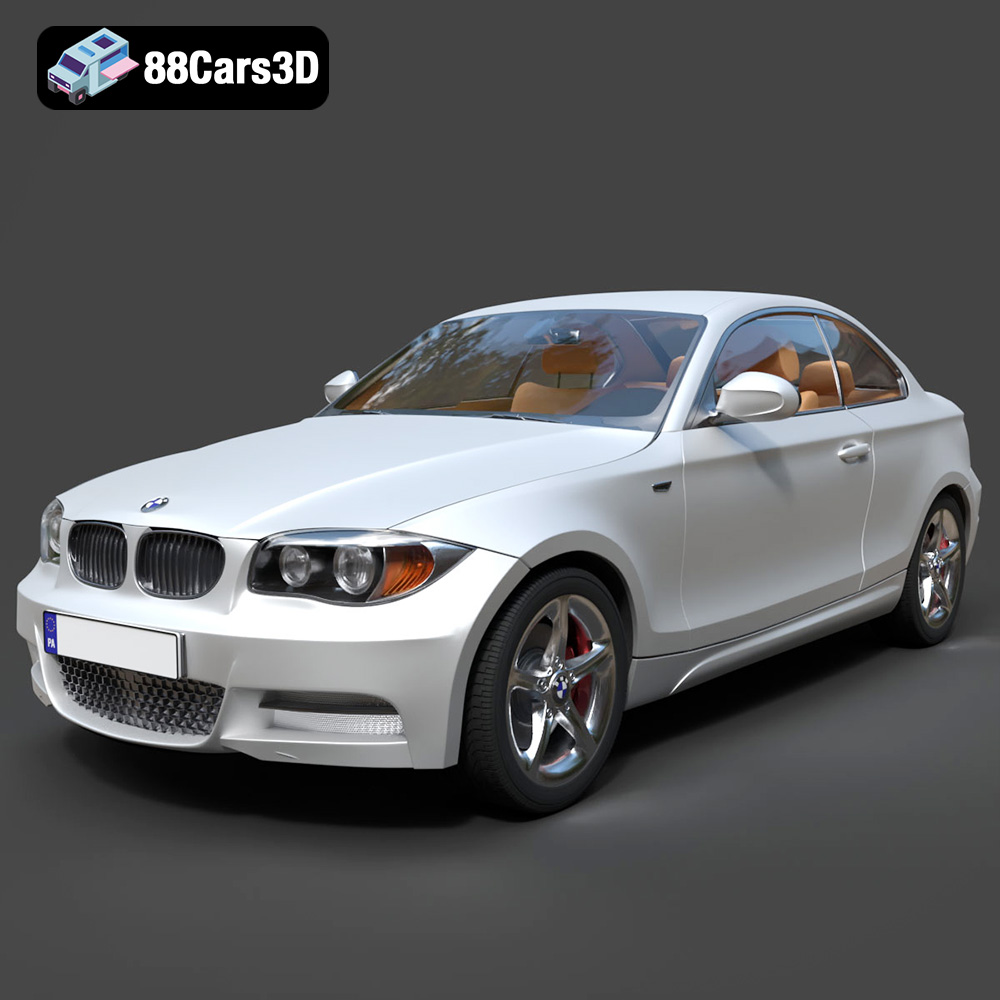
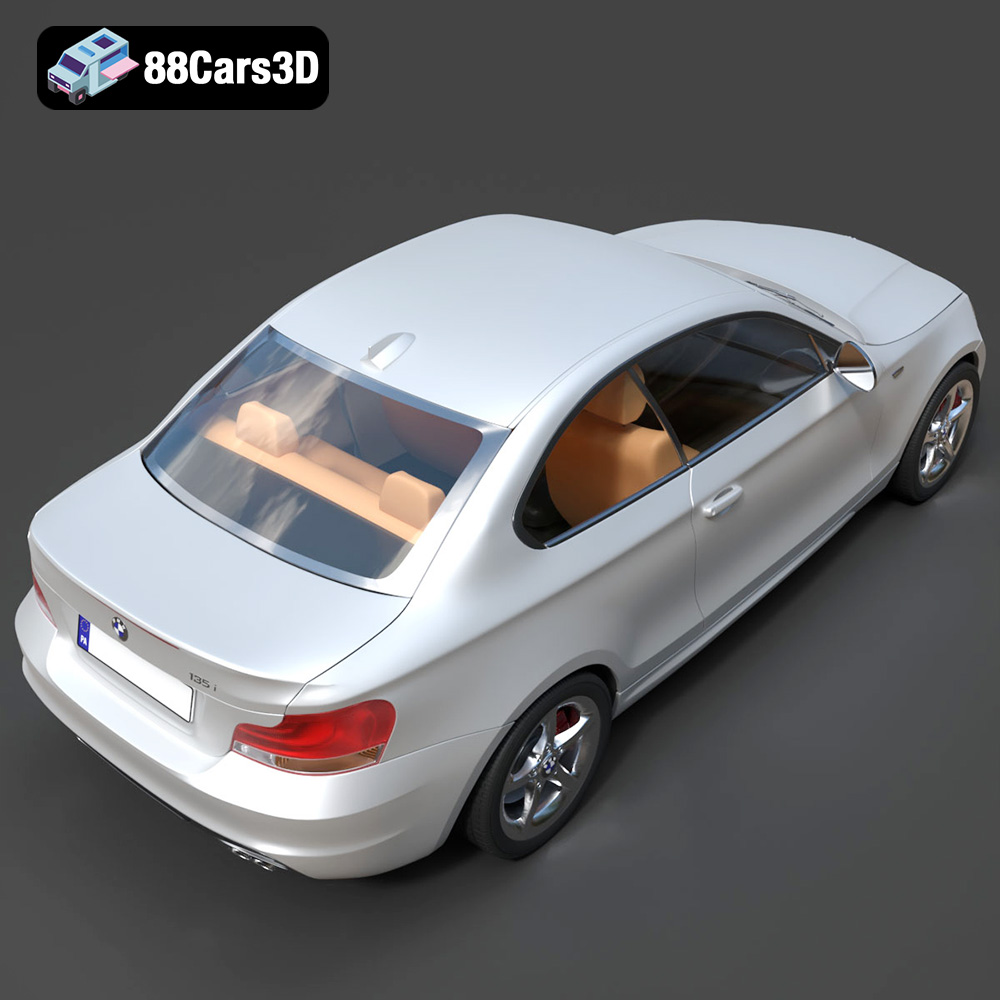
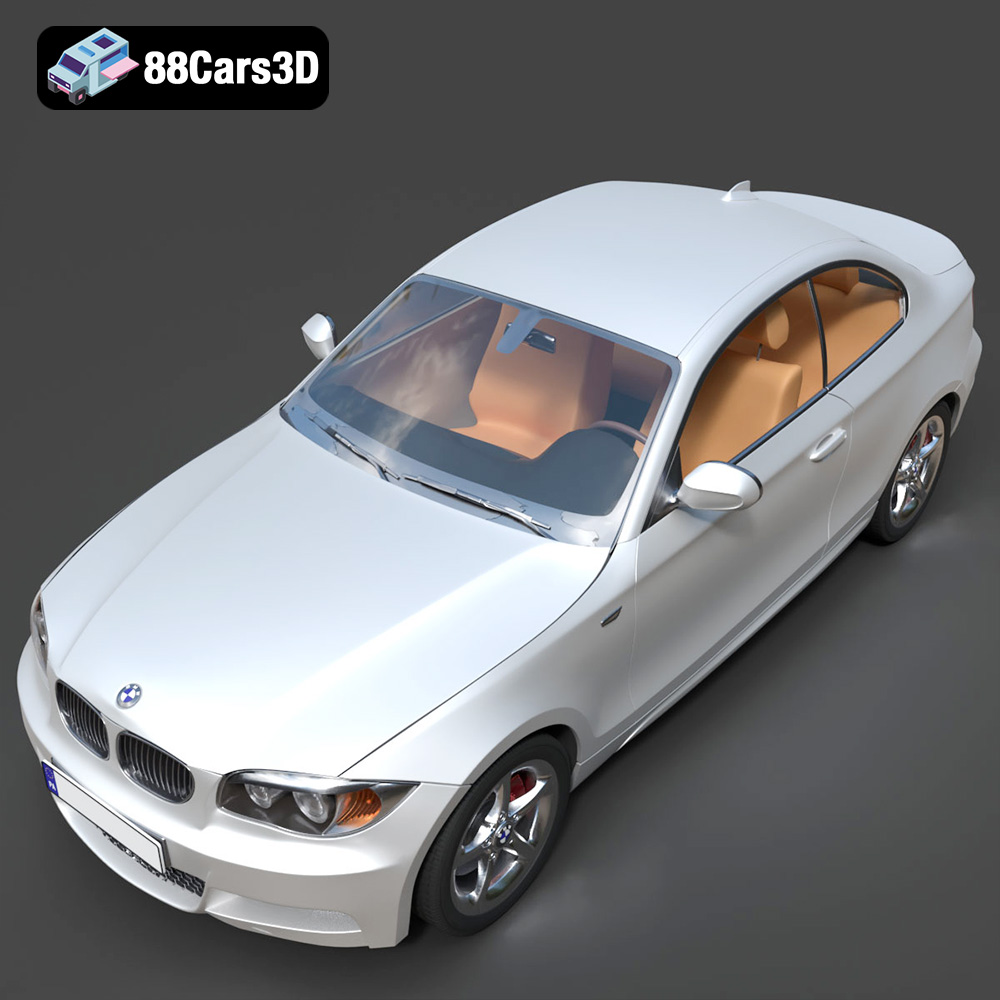
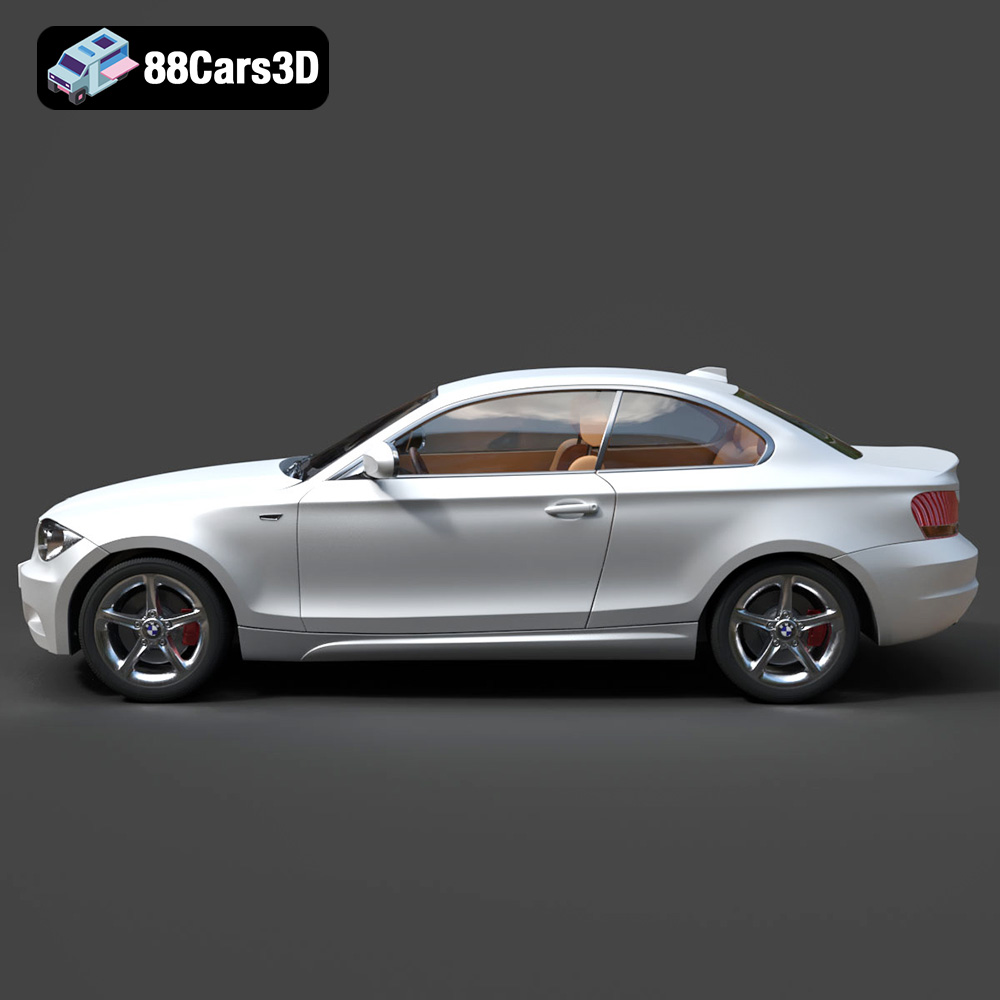
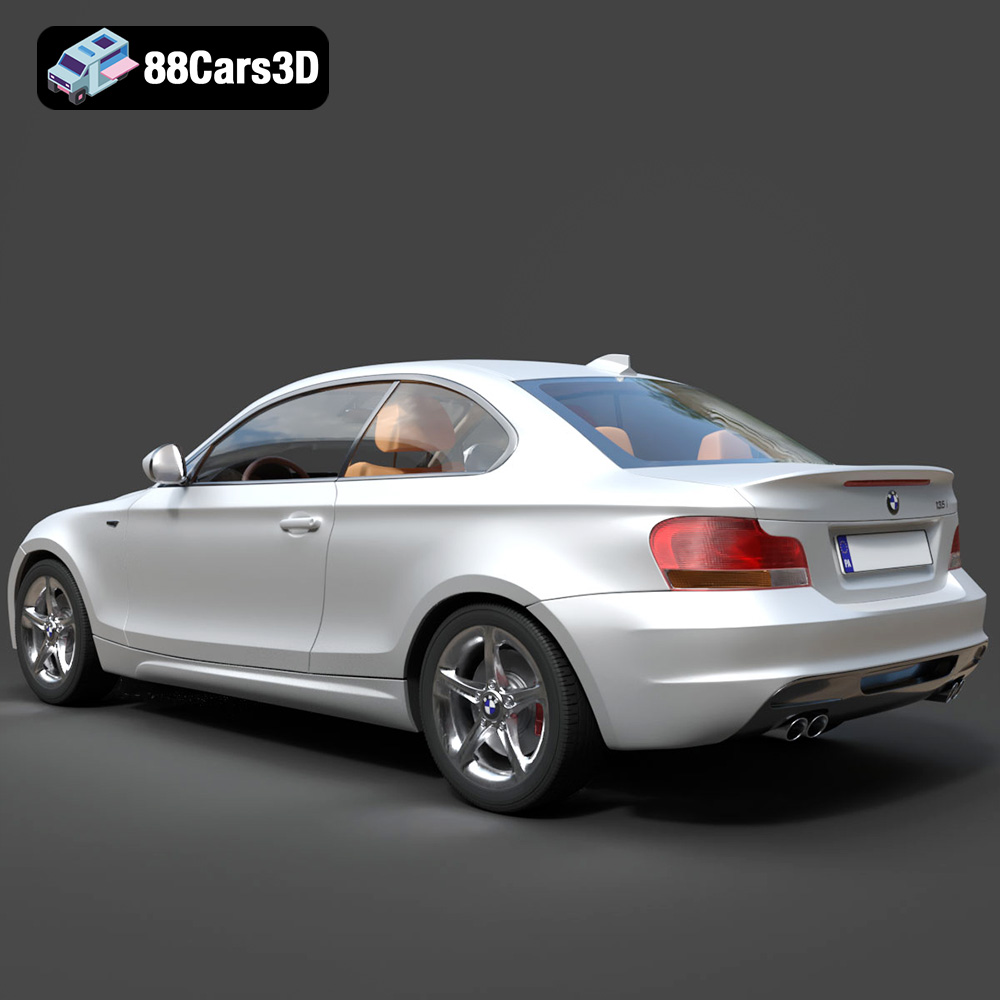
The BMW 1 Series Coupe 2009 3D Model is a high-detail digital recreation of the compact premium sports coupe known for its balanced chassis, rear-wheel-drive dynamics, and distinctive BMW styling. The 2009 1 Series Coupe blends everyday practicality with sporty performance, making it a popular choice among driving enthusiasts. This 3D model accurately represents the signature kidney grille, dual headlight design, sculpted hood lines, compact coupe proportions, sporty side profile, rear trunk layout, and alloy wheel detailing. Built with clean topology and real-world scale accuracy, it is ideal for rendering, animation, automotive visualization, game development, and AR/VR experiences. Perfect for urban driving scenes, car commercials, open-world simulations, cinematic projects, and automotive showcases.
$39.99
.1series
.arvr
.automotive
.blend
.bmw
.bmw2009
.car3dmodel
.compactcoupe
.fbx
.gameasset
.glb
.max
.obj
.ply
.rendering
.simulation
.sportcoupe
.stl
.unreal