Get 50% OFF All Premium 3D & STL Models!

In the exhilarating world of 3D visualization, nothing commands attention quite like a meticulously crafted automotive model. From the sleek lines of a supercar gracing a cinematic screen to the intricate details of a scale model emerging from a 3D printer, the demand for high-quality 3D car models is ever-growing. These digital masterpieces are the bedrock for breathtaking automotive rendering, immersive game environments, realistic architectural visualizations, and even tangible physical collectibles. They represent a fusion of artistic vision and engineering precision, bringing the passion of car design into the digital realm.
The pursuit of perfection in 3D automotive assets requires an understanding of complex surfacing, material science, and optimization techniques. It’s about capturing not just the form, but the very essence and “soul” of a vehicle. This is particularly true when dealing with icons of automotive design – the kind of vehicles that evoke emotion with a single glance. Imagine having access to a collection that embodies this philosophy, a bundle designed to transport you directly into the heart of Italian automotive excellence. Enter
The versatility of 3D car models hinges significantly on the file formats they are delivered in. Each format serves a specific purpose, offering different levels of compatibility, data integrity, and optimization for various stages of a professional workflow. Understanding these distinctions is crucial for seamless integration, whether you’re working on automotive rendering, game development, or 3D printing. The Italian Legends Bundle, like other premium assets from 88cars3d.com, provides a comprehensive suite of formats, ensuring maximum utility across diverse platforms.
The .blend format is Blender’s native file type and often considered the most powerful for artists working within the Blender ecosystem. It encapsulates an entire scene, including mesh data, materials, textures, lighting, animation, cameras, and even custom scripts. When you receive a .blend file, you’re getting a fully editable Blender project, allowing for deep customization. Artists can easily modify topology, adjust materials using Blender’s node-based shader editor, tweak UV maps, or prepare the models for complex rigging and animation. For users dedicated to Blender, this format offers the most flexibility and preserves all of the scene’s original setup and details, making it ideal for high-stakes cinematic rendering and detailed modifications.
.fbx (Filmbox) stands as one of the most widely adopted proprietary file formats for 3D data exchange across different software applications. Developed by Autodesk, it’s particularly well-suited for transferring models, animations, and scenes between various 3D content creation tools like 3ds Max, Maya, Blender, and directly into game engines such as Unreal Engine and Unity. Its strength lies in its ability to preserve complex scene information, including mesh data, materials (though often simplified to basic properties for interchange), animations, skeletal systems, and blend shapes. For game development and real-time pipelines, .fbx is invaluable due to its robust support for animation and hierarchical object structures, making it the go-to choice for importing high-fidelity 3D car models like those in The Italian Legends Bundle into interactive environments.
The .obj (Wavefront Object) format is a simple, universal 3D geometry definition file that has been around for decades. It’s an ASCII-based (or binary) format capable of storing geometric data, including vertices, normals, UV coordinates, and faces. While it doesn’t typically store advanced scene data like animation or complex material setups, its broad compatibility makes it an excellent choice for cross-software model transfer, especially when you primarily need the raw mesh data. Most 3D software can import and export .obj files reliably, making it a dependable fallback for ensuring your 3D car models can be accessed and worked with in virtually any environment. For 3D modelers focusing on base geometry or starting new texturing work, .obj provides a clean slate.
.glb (GL Transmission Format Binary) is the binary version of glTF, a royalty-free specification for the efficient transmission and loading of 3D scenes and models by applications. It’s rapidly gaining traction as the “JPEG of 3D” due to its optimization for real-time applications and web-based viewing. A .glb file packages geometry, materials, textures, and animation into a single, self-contained file, making it incredibly easy to share and display 3D models in augmented reality (AR), virtual reality (VR), and directly within web browsers without external dependencies. For showcasing 3D car models on e-commerce platforms or embedding them in interactive web experiences, .glb offers an unparalleled combination of visual quality and performance.
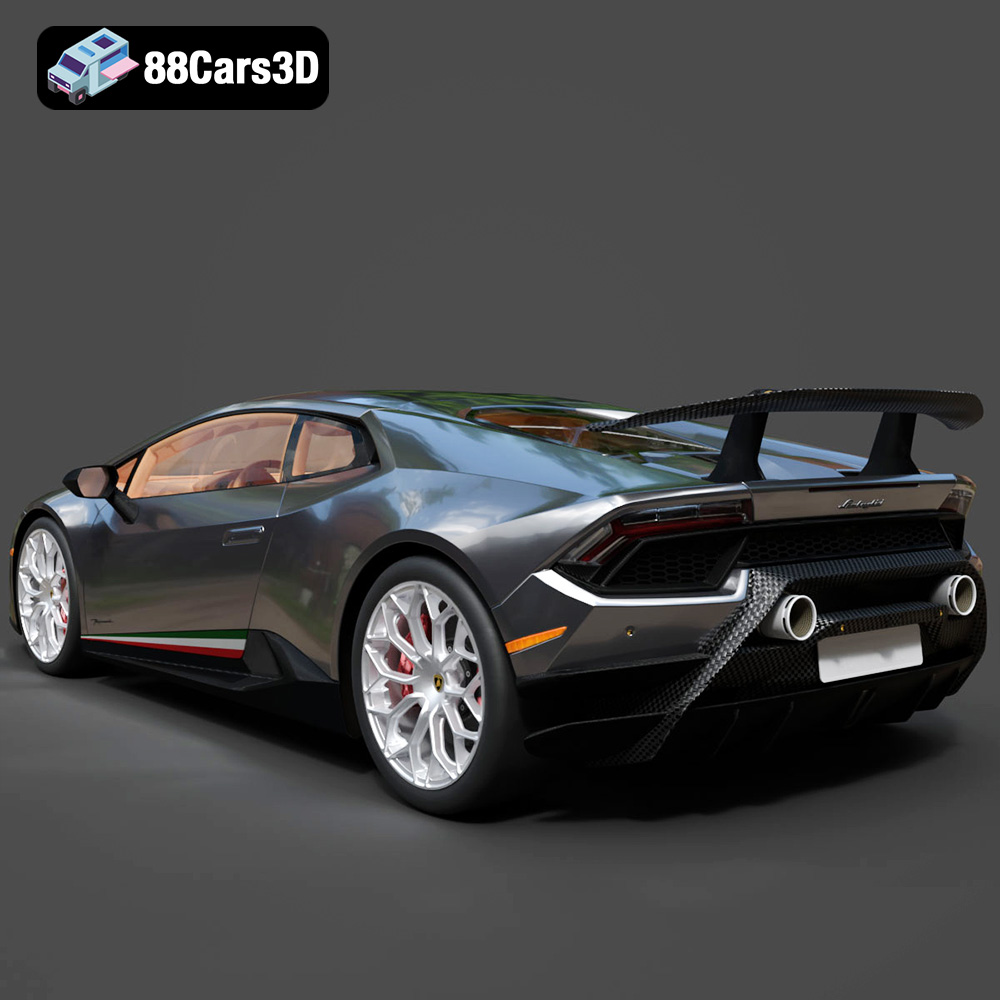
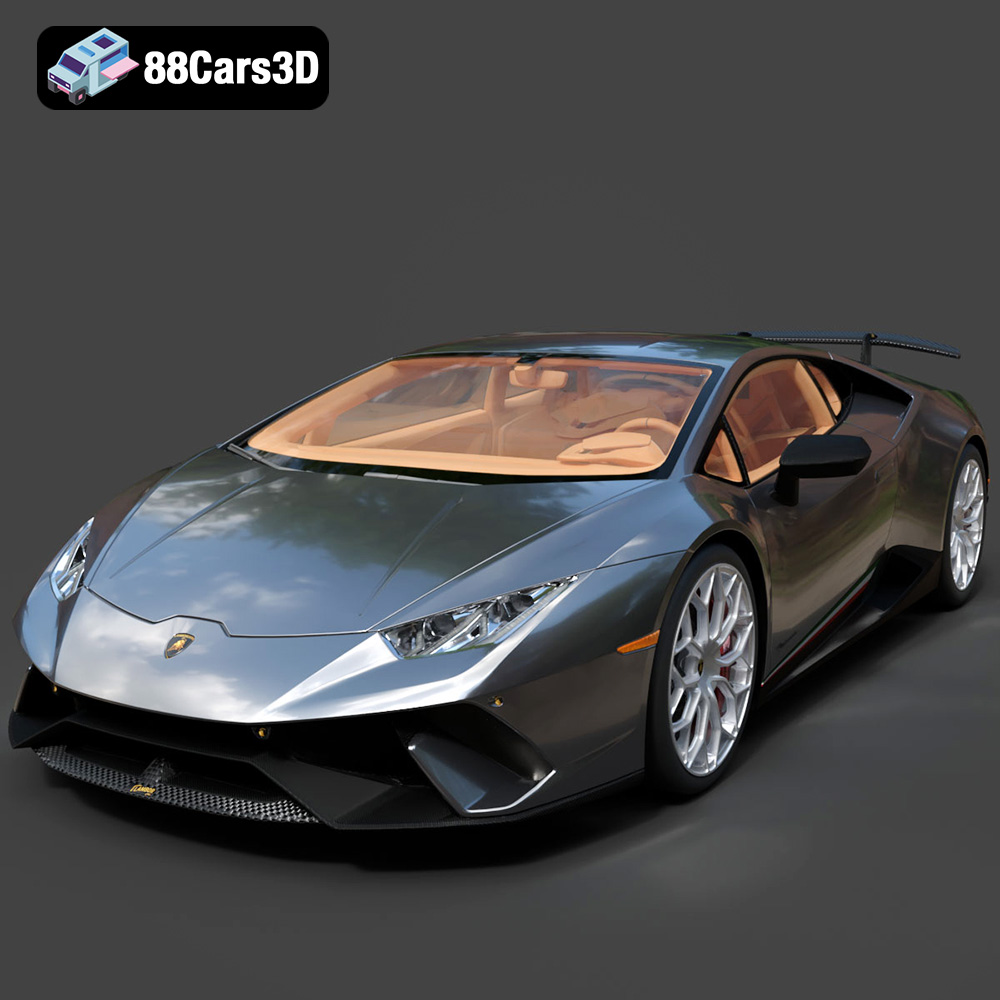
.stl (Stereolithography) is perhaps the most ubiquitous file format for 3D printing. It represents a 3D model as a series of connected triangles (a tessellated surface) that approximate the model’s geometry. While it doesn’t carry color or texture information, its simplicity and widespread support by 3D slicing software and printers make it essential for manufacturing physical objects. The Italian Legends Bundle explicitly includes optimized .stl files, meaning these exquisite 3D car models are ready for high-resolution resin (SLA) or FDM printing, allowing creators to produce stunning physical replicas of the Lamborghini Huracán Performante, Ferrari 458 Italia, and other automotive legends.
The .ply (Polygon File Format, or Stanford Triangle Format) is another format for storing 3D data, particularly known for its ability to store properties beyond just geometry, such as color, transparency, and even confidence values for each vertex. It’s often used in applications like 3D scanning, scientific visualization, and CAD/CAM software where precise mesh data and additional attributes are critical. While less common for general 3D asset distribution than .fbx or .obj, .ply can be valuable for specific analytical tasks or when a higher level of data integrity for complex point cloud or mesh data is required, especially in engineering and reverse-engineering workflows.
While not a standalone file extension in the same vein as .fbx or .obj, “.unreal” often refers to assets that have been meticulously prepared and optimized for direct import and use within Unreal Engine. This typically means the .fbx files provided have correct scaling, appropriate collision setups, PBR material assignments, and sometimes even pre-configured blueprints or vehicle physics assets. Assets labeled as “.unreal” ready streamline the development process significantly, reducing the time and effort required to integrate them into a game or real-time visualization project. For game developers using The Italian Legends Bundle, this pre-optimization ensures the high-quality 3D car models are immediately usable for creating elite racing experiences or stunning virtual environments.
The .max format is the native scene file format for Autodesk 3ds Max. Similar to .blend for Blender, it saves an entire 3ds Max project, including all geometry, materials, lighting, cameras, animation, and scene setup. This provides the ultimate flexibility for 3ds Max users, allowing them to open the original working file, inspect the construction, modify any aspect of the model, or leverage 3ds Max’s powerful rendering capabilities with its robust material editors and renderers like V-Ray or Corona. For professionals who rely on 3ds Max for architectural visualization, VFX, or product design, the .max files in The Italian Legends Bundle offer the most complete and editable version of the 3D car models.
Automotive rendering is a specialized discipline within 3D visualization, demanding an exceptional eye for detail and a deep understanding of light and material interaction. To achieve photorealism, every curve, every reflection, and every subtle nuance of the car’s surface must be accurately represented. This is where premium 3D car models, such as those found in The Italian Legends Bundle, truly shine. They are built from the ground up to support the demanding requirements of professional-grade rendering.
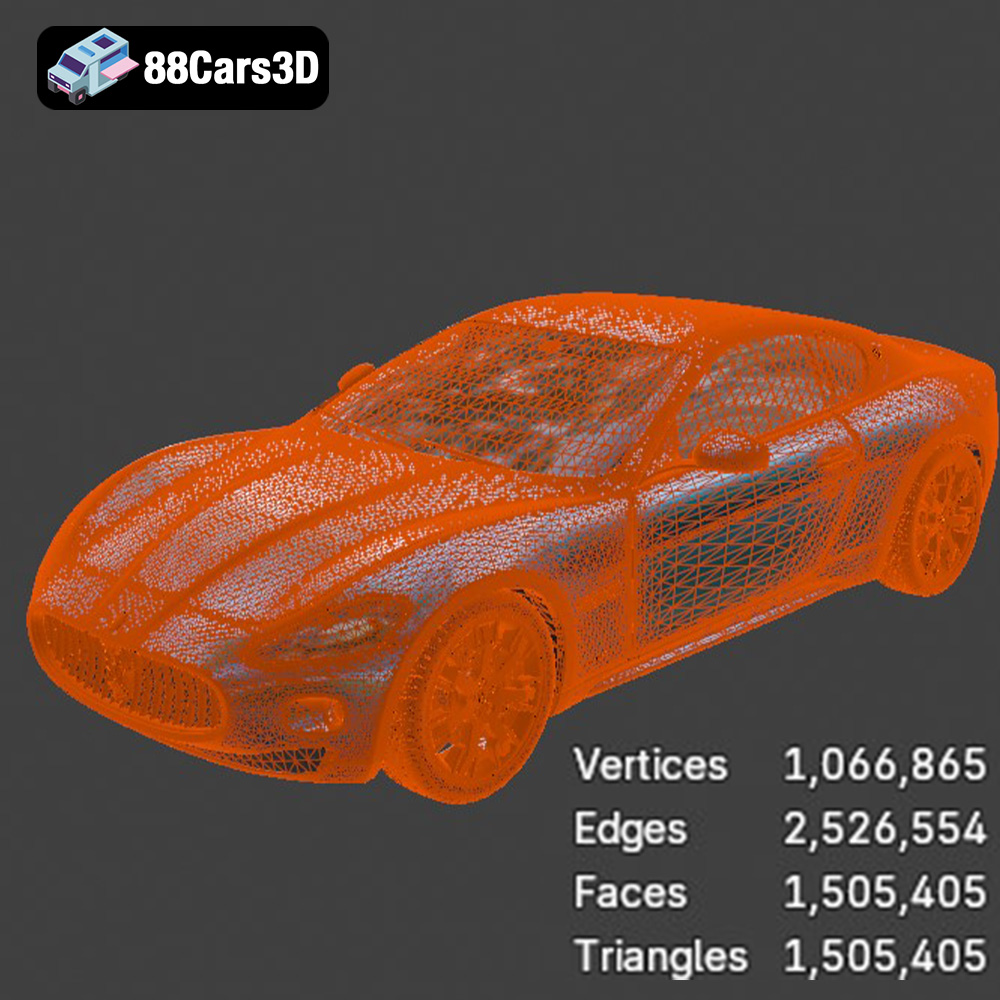
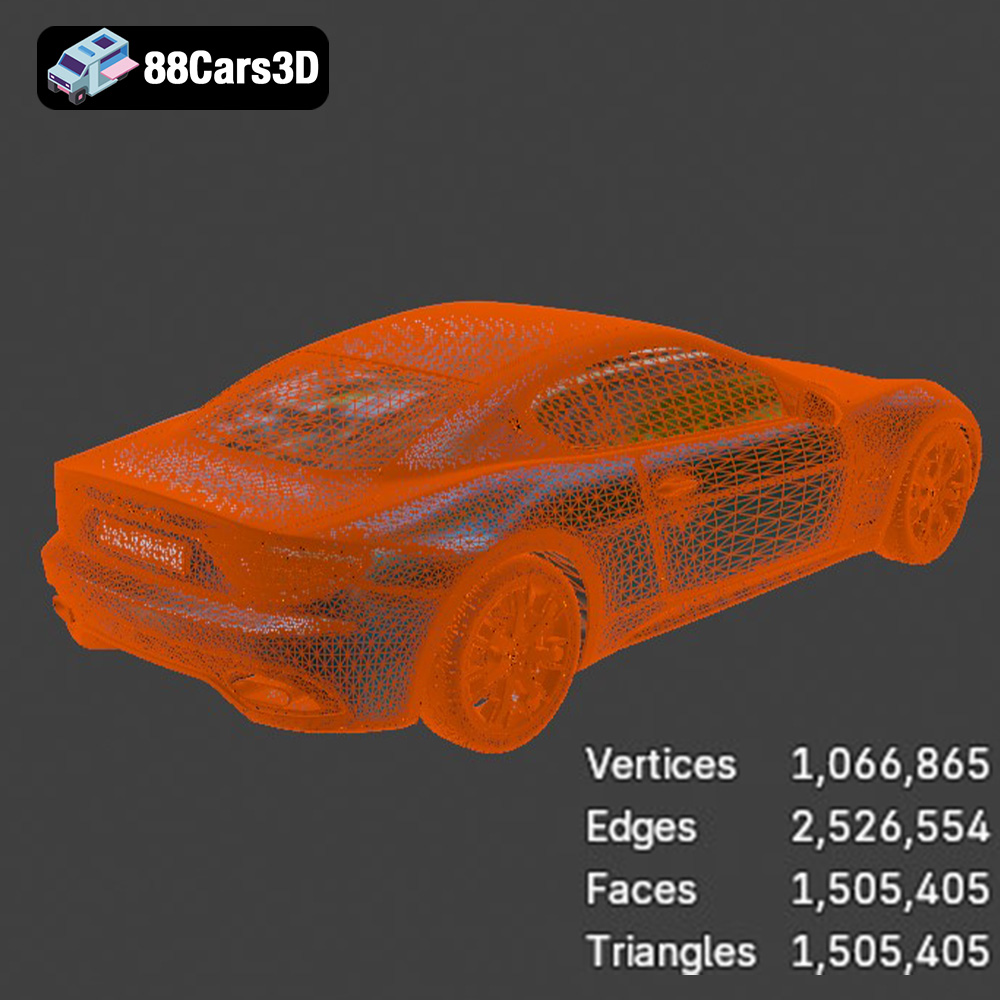
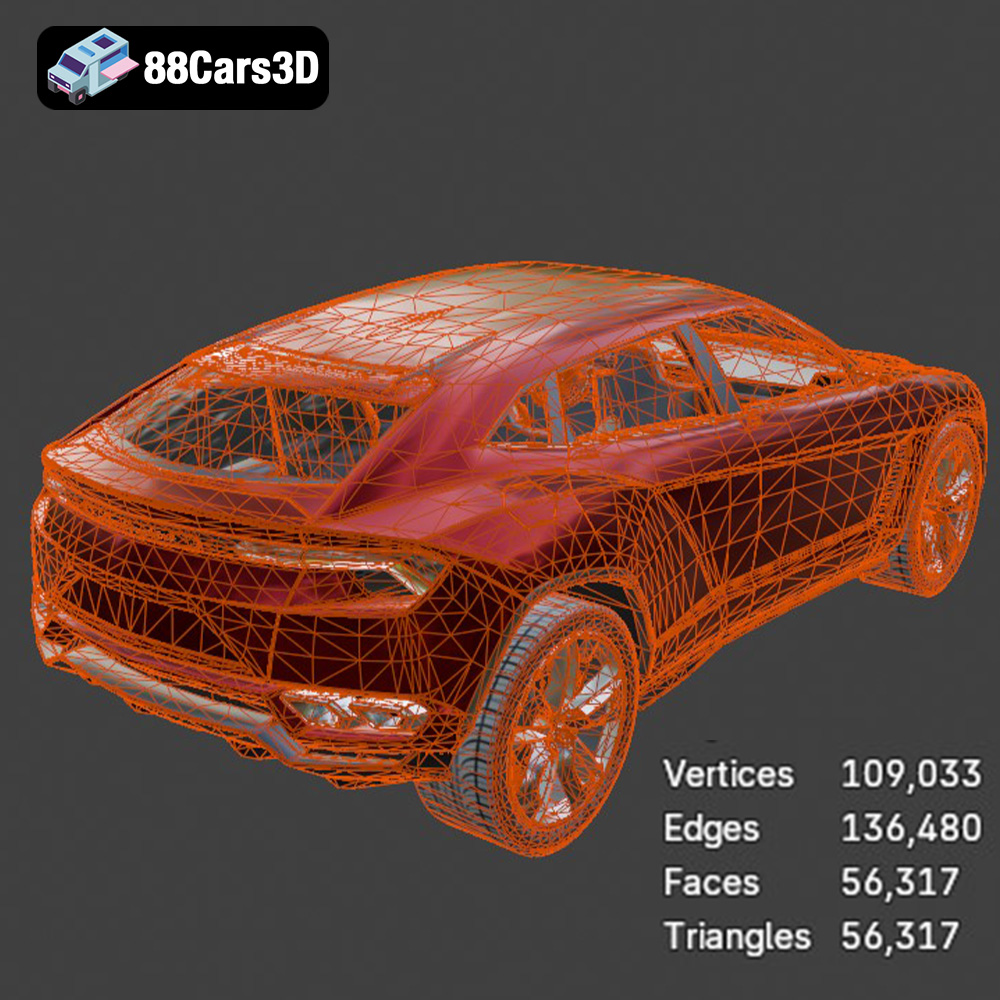
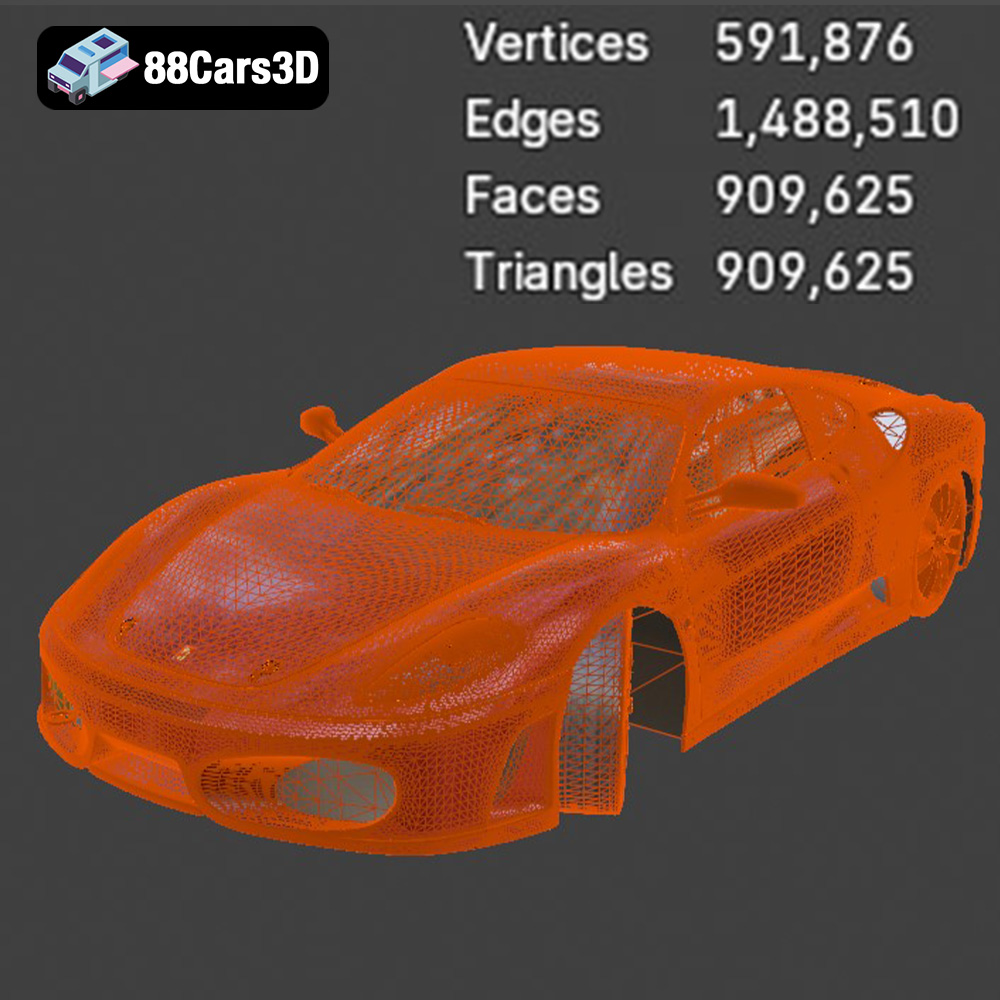
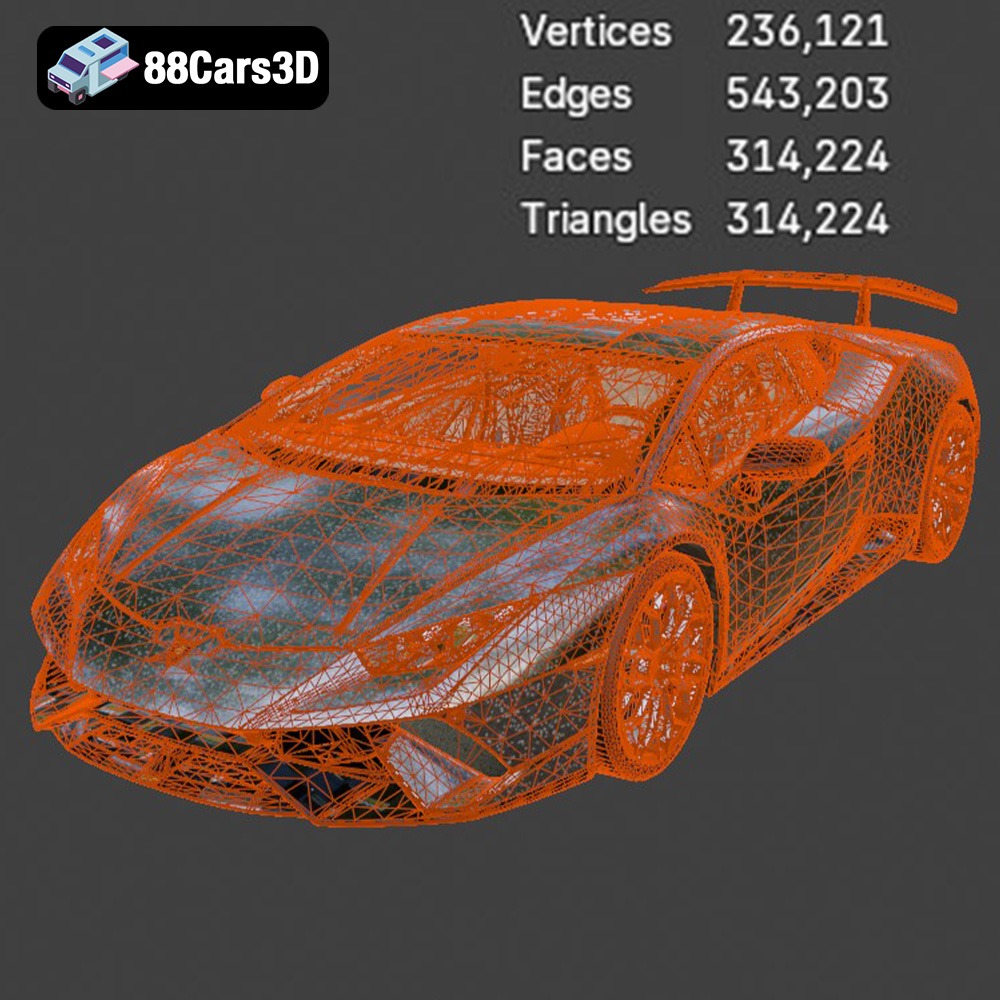
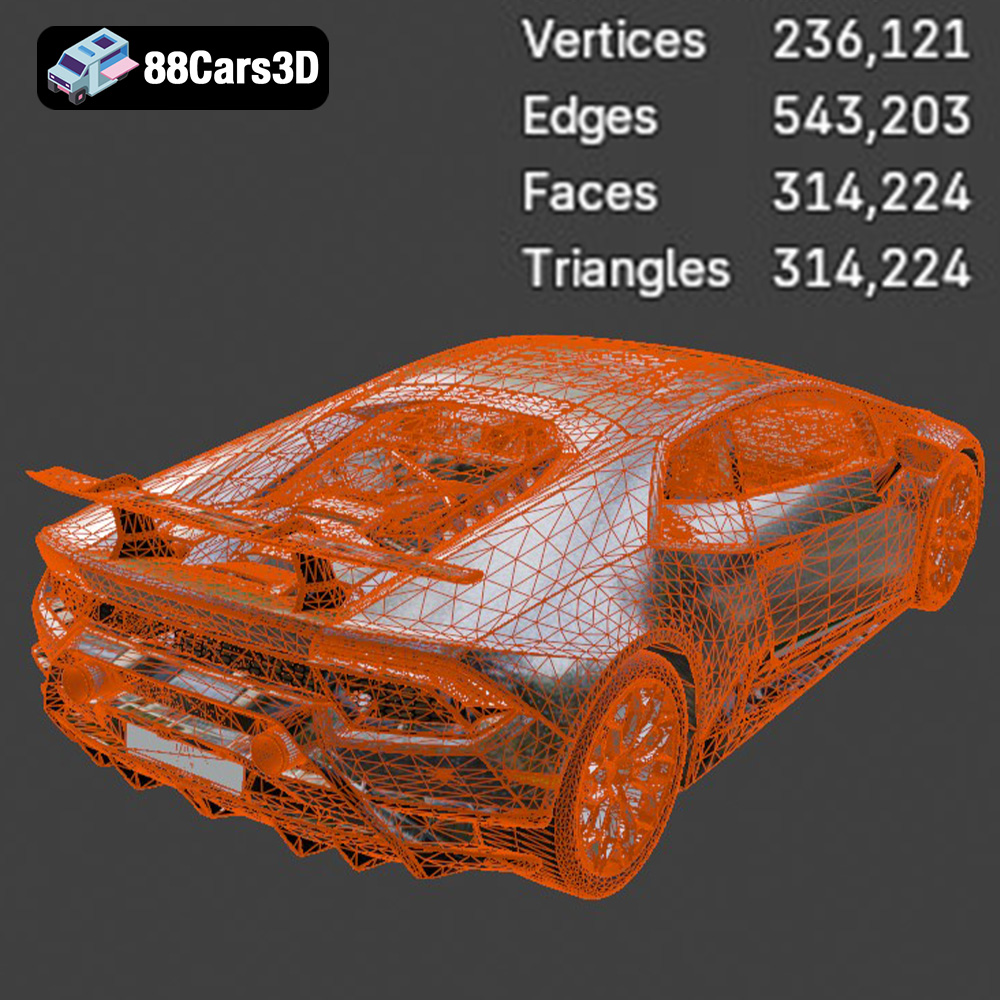
The foundation of a stunning render lies in the model’s topology. The Italian Legends Bundle features models with “optimized quad-based topology,” which is crucial for smooth subdivision, clean reflections, and realistic deformation if animated. Quads, or four-sided polygons, provide predictable results when applying smoothing algorithms and ensure that light behaves correctly across curved surfaces, preventing unsightly pinching or artifacts. Coupled with this, accurate PBR (Physically Based Rendering) materials are essential. These materials simulate real-world physics of light, creating authentic paint finishes, glass refractivity, tire rubber textures, and metallic glints on details like branded brake calipers and intricate aerodynamic fins.
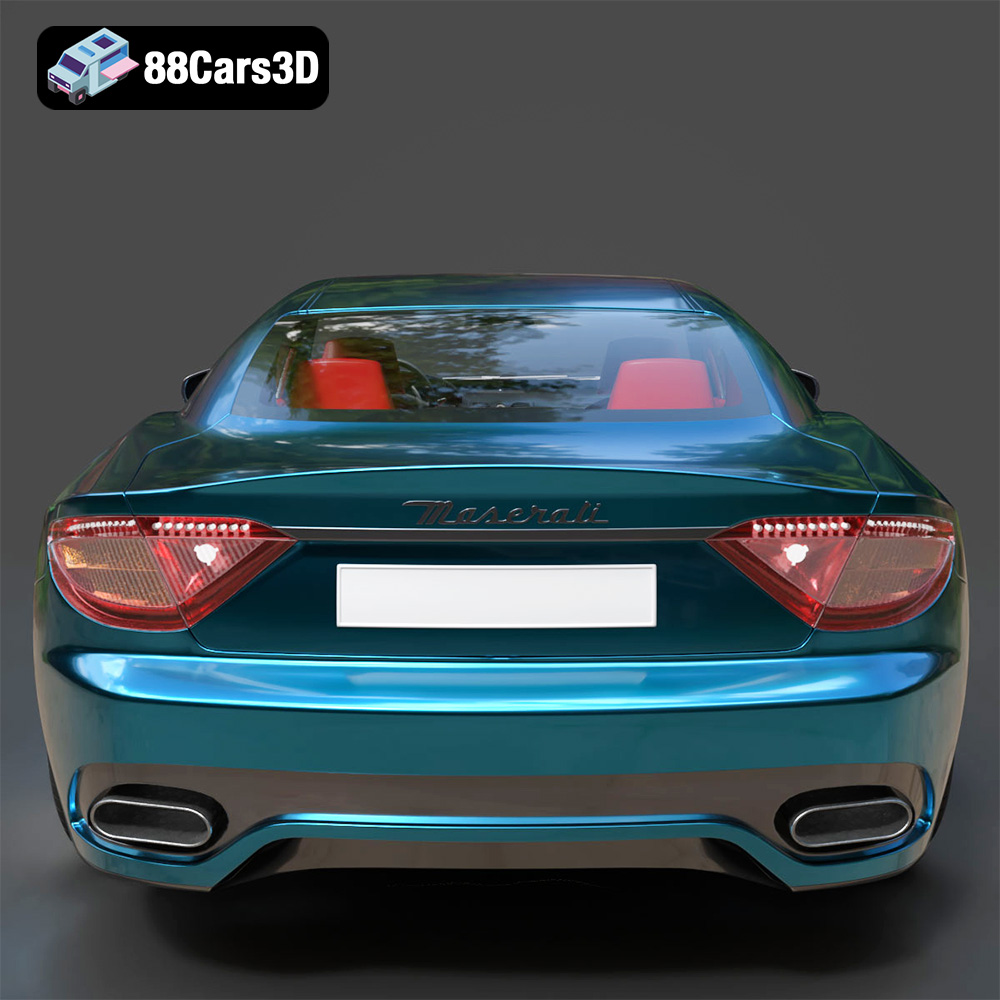
Even the most exquisite 3D car models require a masterful lighting setup to truly come alive. Professional automotive rendering often utilizes HDRI (High Dynamic Range Image) environments to provide realistic global illumination and reflections, placing the vehicle convincingly within a virtual world. Paired with targeted studio lights or directional suns, artists can emphasize the vehicle’s design features, highlight its sculptural forms, and create a sense of drama or luxury. Whether showcasing the aggressive stance of the Lamborghini Huracán Performante on a virtual track or the grand-touring elegance of the Maserati GranTurismo parked outside a luxurious villa, the quality of the 3D car models from 88cars3d.com ensures that every lighting scenario will yield exceptional results.
The journey of a 3D car model doesn’t always end on a screen. For enthusiasts and professionals alike, the ability to transform a digital asset into a tangible, physical object opens up a new dimension of creativity and utility. 3D printing has revolutionized this process, making it possible to create highly detailed scale models, functional prototypes, and bespoke collectibles. The Italian Legends Bundle is “3D Print Ready (STL Included),” a testament to its meticulous design and optimization for real-world fabrication.
Preparing a 3D model for printing is not merely about converting the file format to .stl. It involves careful consideration of mesh integrity, wall thickness, watertight geometry, and appropriate detail density. The models in this bundle boast “optimized mesh flow,” ensuring that even the most intricate details, such as light clusters and aerodynamic elements, translate accurately into physical form without common printing issues like thin walls or non-manifold geometry. This optimization is critical for both Resin (SLA) printers, known for their exceptional detail, and FDM printers, which are popular for larger, more robust models. Imagine holding a 1:18 scale Lamborghini Diablo SV, perfectly capturing its 90s iconic styling, or prototyping an RC car body shell based on the Lamborghini Urus.
The “3D Print Ready” nature of these 3D car models extends their value far beyond digital renders. For collectors, these assets provide the foundation for creating unique luxury 3D print collections, allowing for customization of materials, finishes, and display options that might be unavailable in mass-produced models. For hobbyists and small businesses, the ability to print RC car body shells or custom parts for existing models offers unparalleled creative freedom. Furthermore, in product design and automotive engineering, these models can serve as rapid prototyping tools, allowing designers to quickly evaluate form, fit, and aesthetic appeal before committing to expensive manufacturing processes. The real-world scale of these vehicles also ensures 1:1 accuracy, making them ideal for precise scale modeling projects.
The true measure of a premium 3D asset lies in its seamless integration into diverse professional pipelines. From high-stakes cinematic VFX to immersive architectural visualizations and demanding game development, the models from The Italian Legends Bundle are engineered for compatibility and performance. This section explores how these meticulously crafted 3D car models fit into various industry-standard workflows.
For game developers, especially those working on racing simulations or open-world titles, high-quality 3D car models are paramount. The “Elite ‘Tier 1’ assets” description for these models highlights their suitability for this demanding environment. Game engines like Unreal Engine and Unity require models that are not only visually stunning but also optimized for real-time performance. This often means carefully balanced poly counts, efficient UV mapping, and well-organized scene hierarchies. The Italian Legends Bundle’s “separated components” (wheels, steering, body panels) are a game-changer for rigging and animation, allowing developers to implement realistic physics, damage models, and interactive elements with ease. Imagine the Ferrari 458 Italia, with its clean, wind-tunnel-sculpted lines, brought to life in a next-gen racing title, or the Lamborghini Urus navigating a vast virtual landscape.
In architectural visualization, a high-quality 3D car model can transform a static scene into a dynamic, luxurious environment. Placing a finely detailed Maserati GranTurismo in the driveway of a modern villa, or a classic Lamborghini Diablo SV in a luxury garage render, instantly elevates the perceived value and realism of the visualization. The “Real-World Scale” and “Precision Detailing” of these models ensure that they look perfectly at home in any high-end ArchViz project. They add a touch of sophisticated realism, drawing the viewer’s eye and enhancing the narrative of the architectural design. Companies frequently turn to resources like 88cars3d.com for such assets to add that extra layer of polish to their presentations.
The film and visual effects industry relies heavily on 3D models to create stunning cinematic sequences. For “Hero Car” close-ups or high-speed chase sequences, compromise on detail is not an option. The “clean topology” and “high-poly detail where it matters” of The Italian Legends Bundle ensure that these vehicles can withstand intense scrutiny, even under extreme camera angles and lighting conditions. Their robust construction and separated components facilitate complex rigging for dynamic animations, crashes, and interactions with other scene elements. Whether it’s the roar of a V10 Huracán Performante tearing across the screen or the sleek silhouette of a 458 Italia speeding through a city, these models are built to deliver Hollywood-grade visuals.
Beyond aesthetic appeal, the true value of professional 3D car models lies in their underlying technical specifications and meticulous construction. These are the elements that dictate usability, flexibility, and the ultimate quality of the final output. The Italian Legends Bundle excels in these areas, offering a blueprint for what constitutes a truly premium asset.
Achieving a balance between intricate detail and optimized performance is a hallmark of expertly crafted 3D car models. “Optimization Mastery” means that while these models boast “high-poly detail where it matters,” such as intricate aerodynamics and finely rendered logos, the overall mesh is structured intelligently. This is typically achieved through efficient poly distribution, ensuring high density in areas requiring fine detail (like grilles, badges, and interior elements) and lower density in less visible areas. This smart approach to topology results in models that render quickly without sacrificing visual fidelity, a crucial factor for both real-time applications and rendering farm efficiency.
Accuracy is paramount in automotive visualization. The “Real-World Scale” of every vehicle in The Italian Legends Bundle ensures that each car is built to exact factory dimensions. This 1:1 accuracy is indispensable for architectural visualization, product design, and any project where dimensional correctness is critical. Coupled with this is “Precision Detailing,” which manifests in faithfully recreated light clusters, accurately branded brake calipers, and intricate aerodynamic fins. These are the subtle touches that elevate a good model to an exceptional one, providing the visual anchors that ground the model in reality and distinguish it as a high-fidelity asset.
A well-constructed 3D car model provides an artist with maximum flexibility. The “Separated Components” feature of these models is a prime example of this. With wheels, steering components, and body panels meticulously separated and correctly pivoted, artists can easily rig the vehicles for animation, simulate realistic turning and suspension, or even customize individual parts. This modularity is invaluable for game developers creating drivable vehicles, VFX artists needing to animate specific parts, or 3D printers wanting to print components separately for multi-material projects or easier assembly. It transforms a static model into a dynamic toolkit, ready for any creative challenge.
The Italian Legends Bundle is more than just a collection of 3D car models; it’s a gateway to unparalleled creative opportunities. By providing five distinct and iconic Italian supercars – the Lamborghini Huracán Performante LP 640-4 (2017), Ferrari 458 Italia (2013), Lamborghini Urus, Lamborghini Diablo SV (1995), and the Maserati GranTurismo (GT) – it caters to a wide spectrum of artistic and professional needs.
This bundle is an “elite, curated collection,” carefully chosen to represent the “pinnacle of Italian automotive soul, speed, and sculptural design.” From the aggressive, track-focused aerodynamics of the Huracán Performante to the timeless elegance of the Maserati GT, the bundle offers a diverse range that spans decades of iconic Italian motoring. Whether you’re drawn to the “raw, naturally aspirated roar of a V10 Huracán” or the “poster-car legend” of the Diablo SV, each vehicle brings its unique character and history to your projects. This diversity ensures that the bundle is not only versatile but also provides a rich narrative context for any scene or application.
Acquiring individual high-quality 3D car models can be a significant investment. Bundles like The Italian Legends Bundle from 88cars3d.com offer substantial value, providing a comprehensive fleet of premium assets at a more accessible price point. The inclusion of multiple file formats (.STL, .blend, .fbx, .obj, .max, compatible with Unreal Engine and Unity) further enhances its versatility, making it suitable for a broad array of software and workflows. This means creators can focus on their art rather than on technical compatibility issues, knowing they have a robust and flexible foundation for their projects. From high-stakes cinematic renders to luxury 3D print collections, this bundle is designed to empower creativity across the board.
In the dynamic and demanding world of 3D content creation, the difference between good and extraordinary often lies in the quality of the assets used. For automotive visualization, this means investing in 3D car models that not only look authentic but are also technically robust and optimized for diverse applications. We’ve explored the critical role of file formats, the artistry of high-fidelity rendering, the transformative power of 3D printing, and the seamless integration into professional workflows like game development, ArchViz, and VFX.
The Italian Legends Bundle stands as a shining example of this commitment to excellence. Featuring iconic vehicles such as the Lamborghini Huracán Performante, Ferrari 458 Italia, Lamborghini Urus, Lamborghini Diablo SV, and the Maserati GranTurismo, this collection from 88cars3d.com offers unparalleled detail, optimization, and versatility. Whether you’re a seasoned professional seeking “Tier 1” game assets, an architect visualizing a luxury estate, a filmmaker crafting a cinematic masterpiece, or a hobbyist bringing digital models to life through 3D printing, these models provide the precision and quality you need to achieve your creative vision. Embrace the soul, speed, and sculptural design of these Italian legends and transform your next project into something truly unforgettable.
The Italian Thoroughbreds Bundle is an elite, curated collection representing the pinnacle of Italian automotive soul, speed, and sculptural design. This bundle brings together the aggressive track-focused aerodynamics of Lamborghini and Ferrari with the grand-touring elegance of Maserati. Designed for creators, collectors, and 3D printing enthusiasts, this collection offers a diverse range of vehicles—from 90s icons to modern-day engineering marvels.Each model in this bundle has been meticulously crafted to capture the essence of “Bella Macchina.” Whether you are looking for the raw, naturally aspirated roar of a V10 Huracán or the timeless executive sportiness of the Maserati GT, this collection provides high-fidelity assets that refuse to compromise on quality. These models are optimized for professional-grade renders and have been specifically prepared for seamless integration into high-end automotive visualizations and precision 3D printing projects.Perfect for: High-stakes cinematic renders, luxury 3D print collections, RC car body shell prototyping, architectural visualization, and digital automotive museums.Included Vehicles in this Bundle:
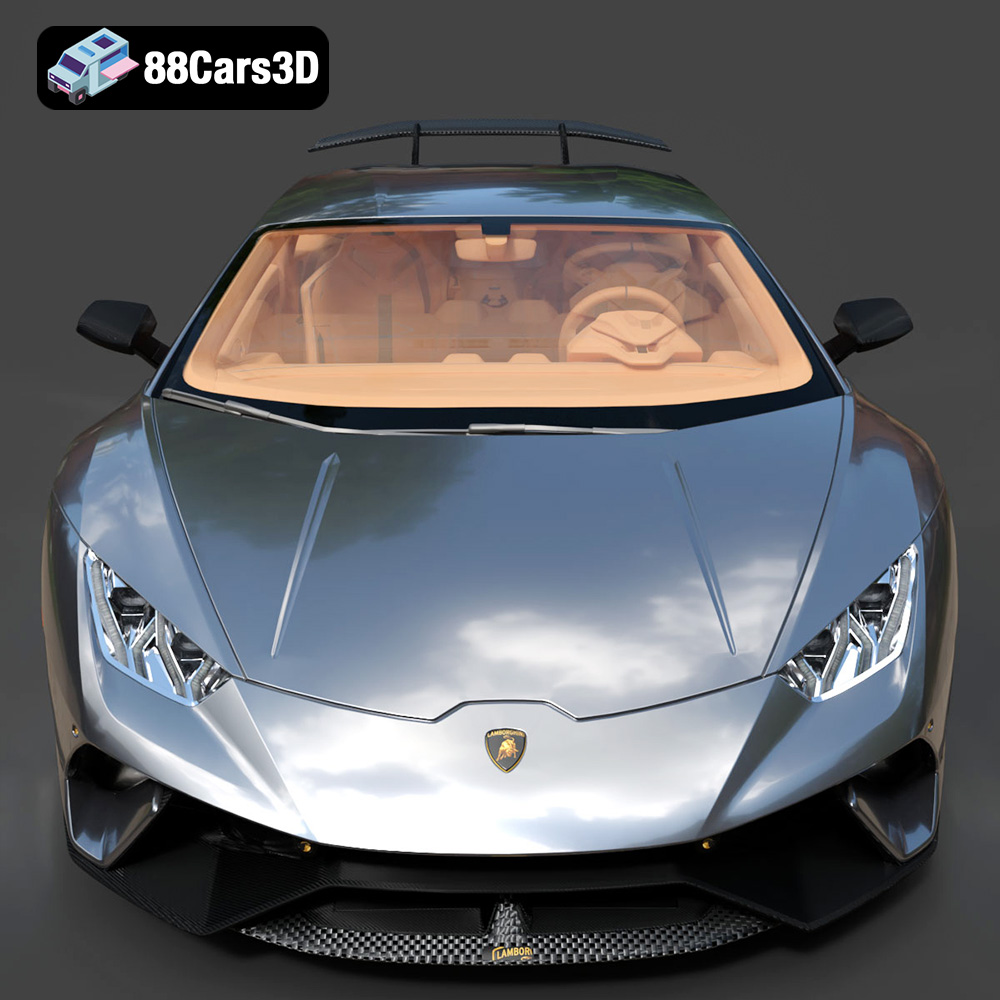
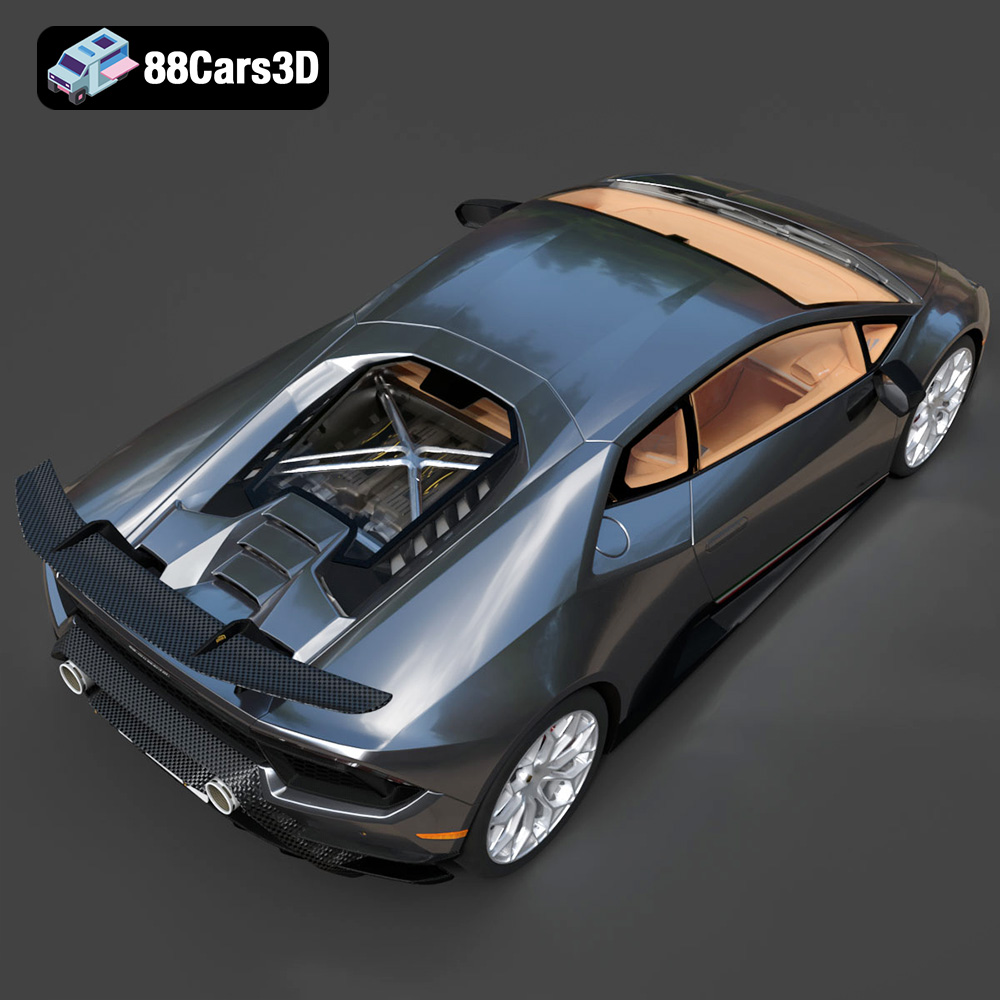
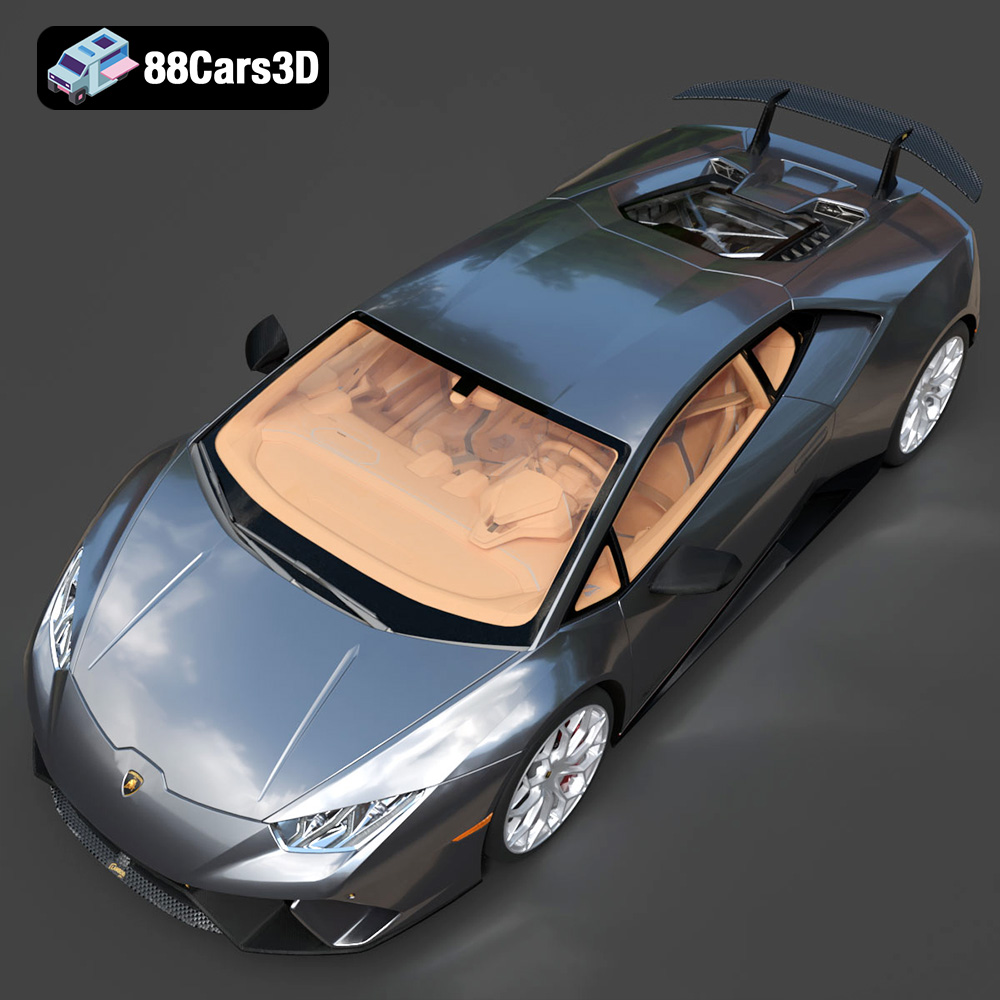
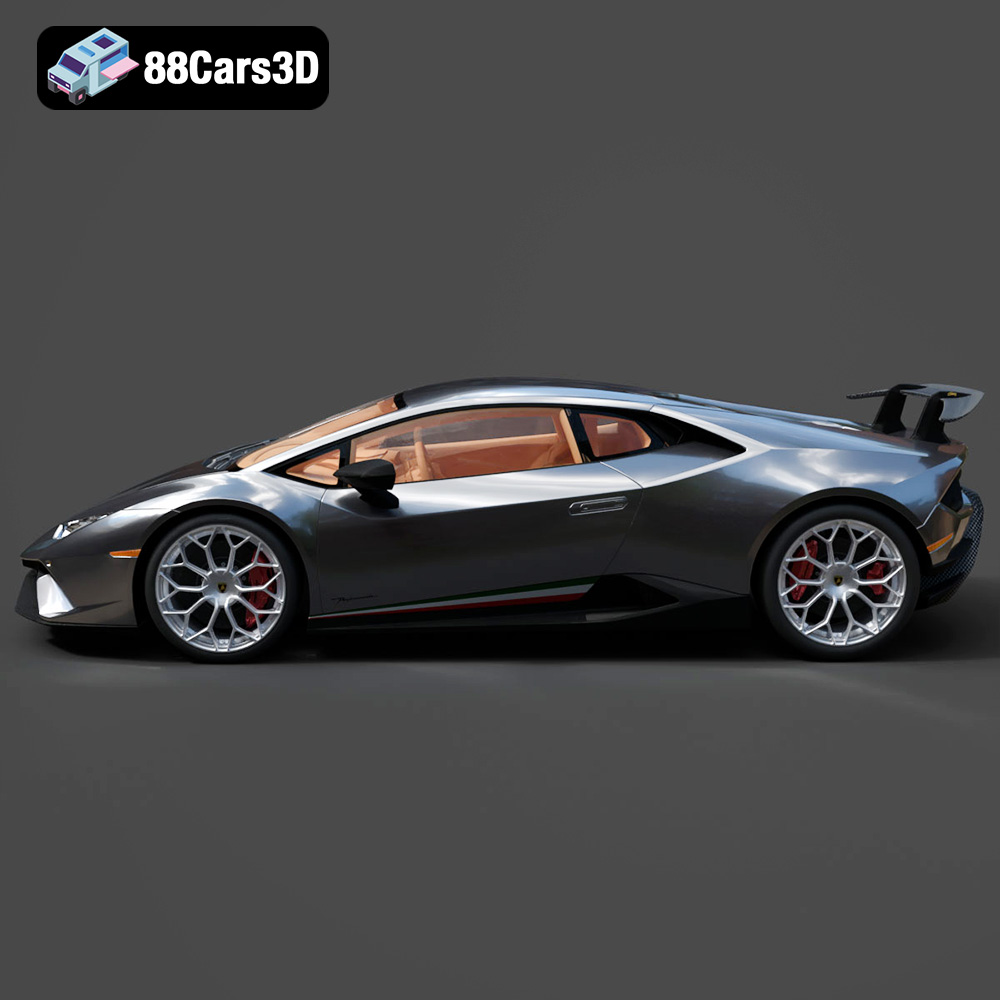
Lamborghini Huracán Performante LP 640-4 (2017): The track-king of the V10 era, featuring the iconic ALA active aerodynamics and aggressive styling.
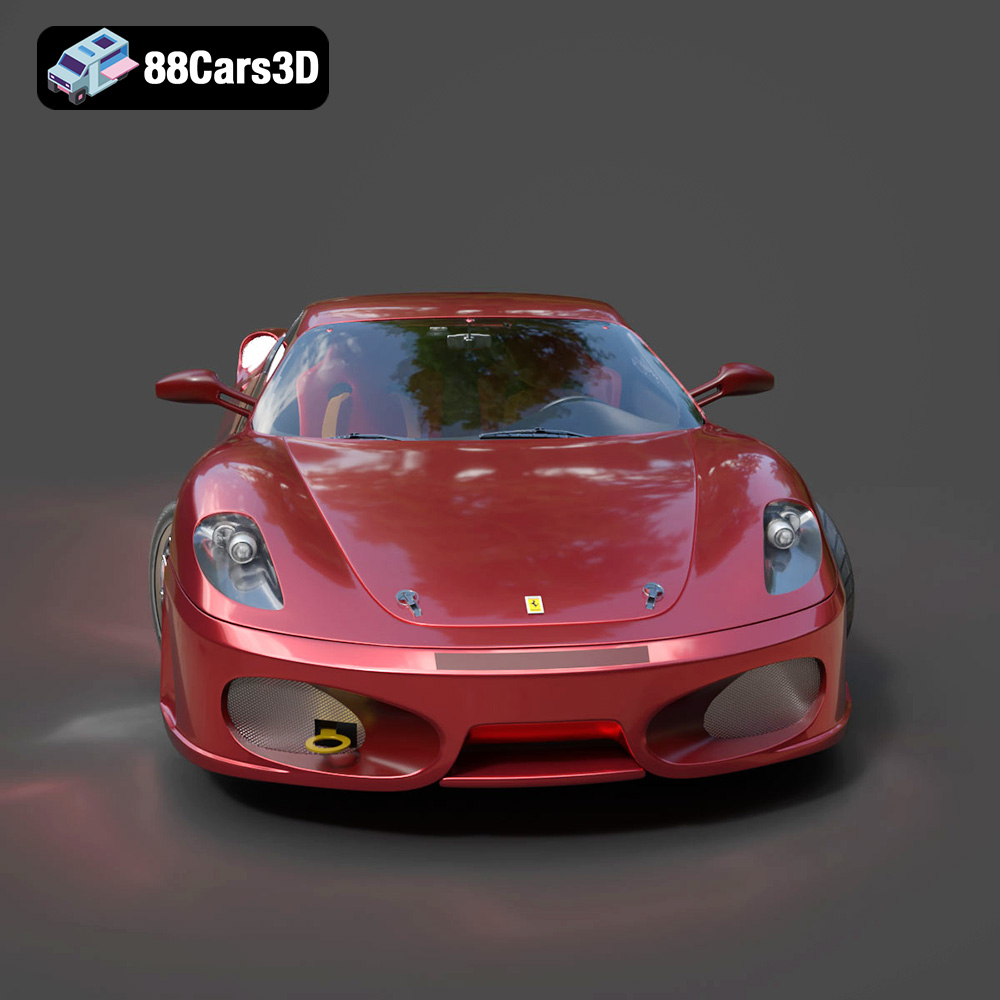
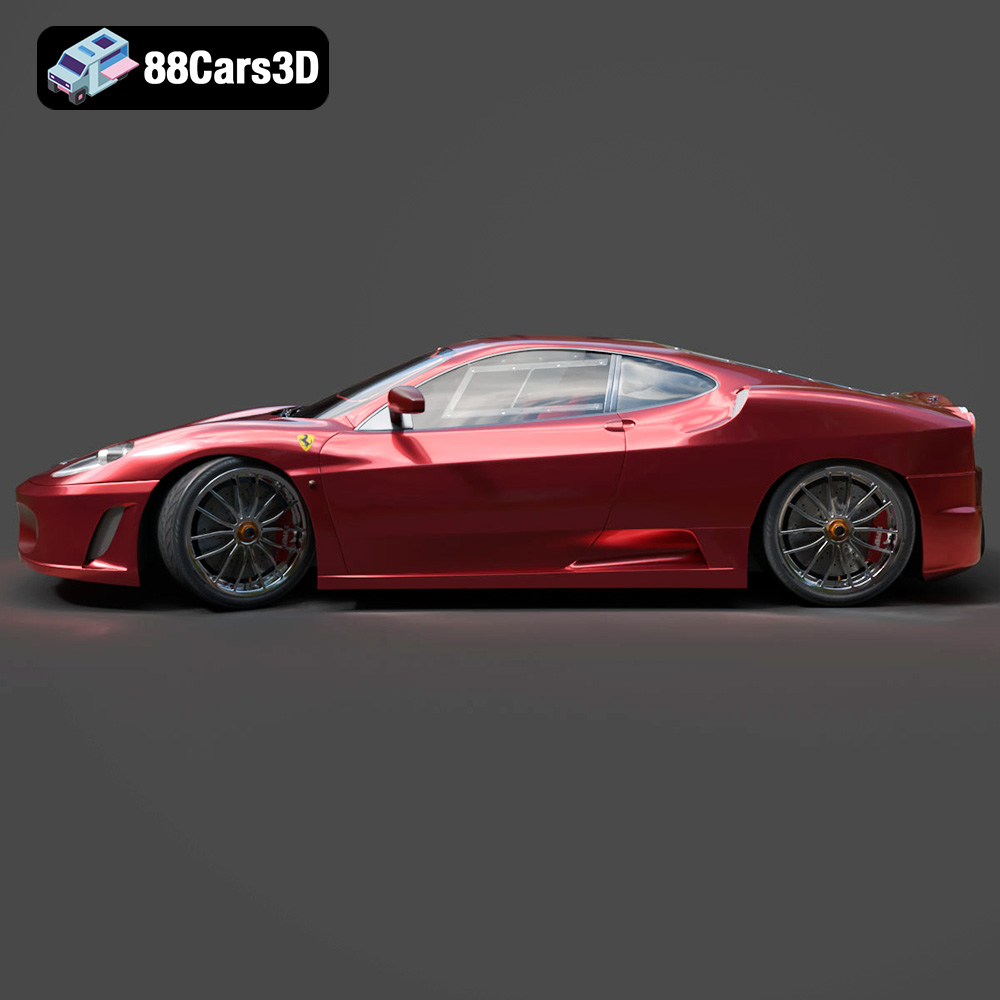
Ferrari 458 Italia (2013): A modern classic. The last naturally aspirated V8 masterpiece from Maranello, known for its clean, wind-tunnel-sculpted lines.
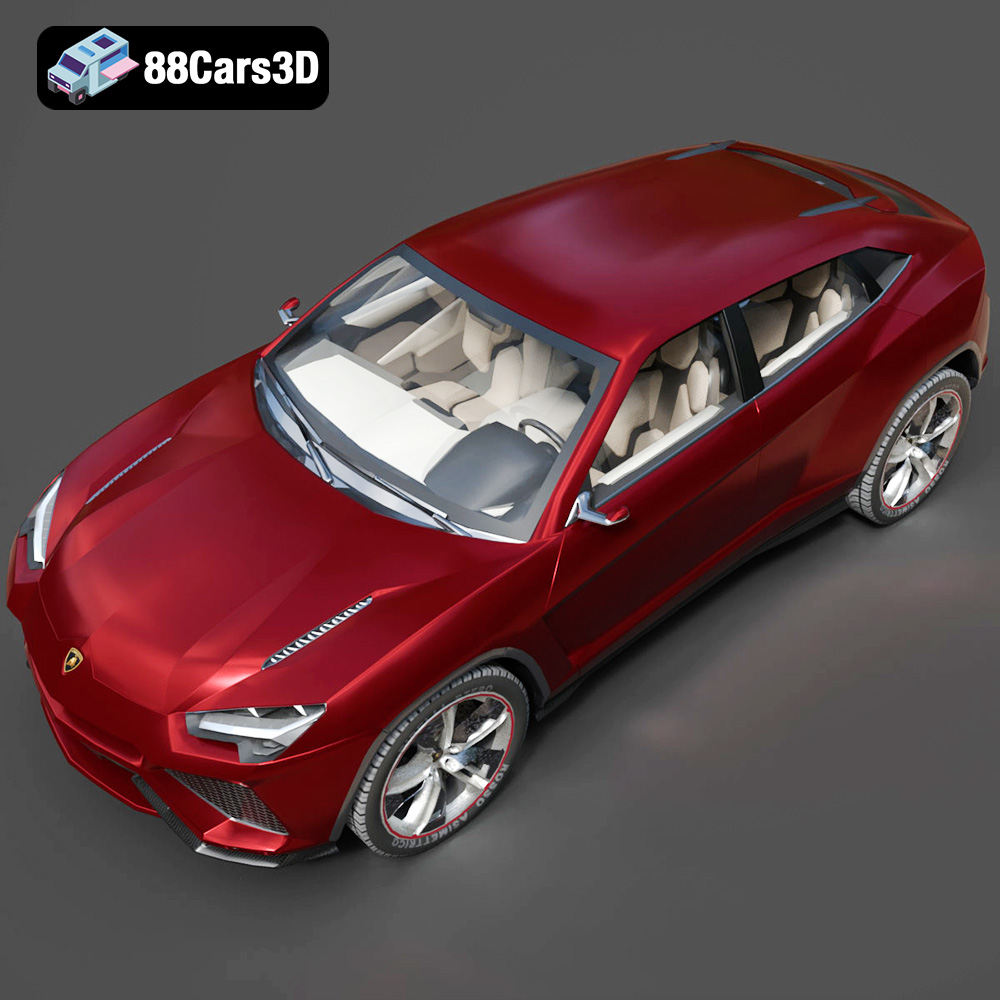
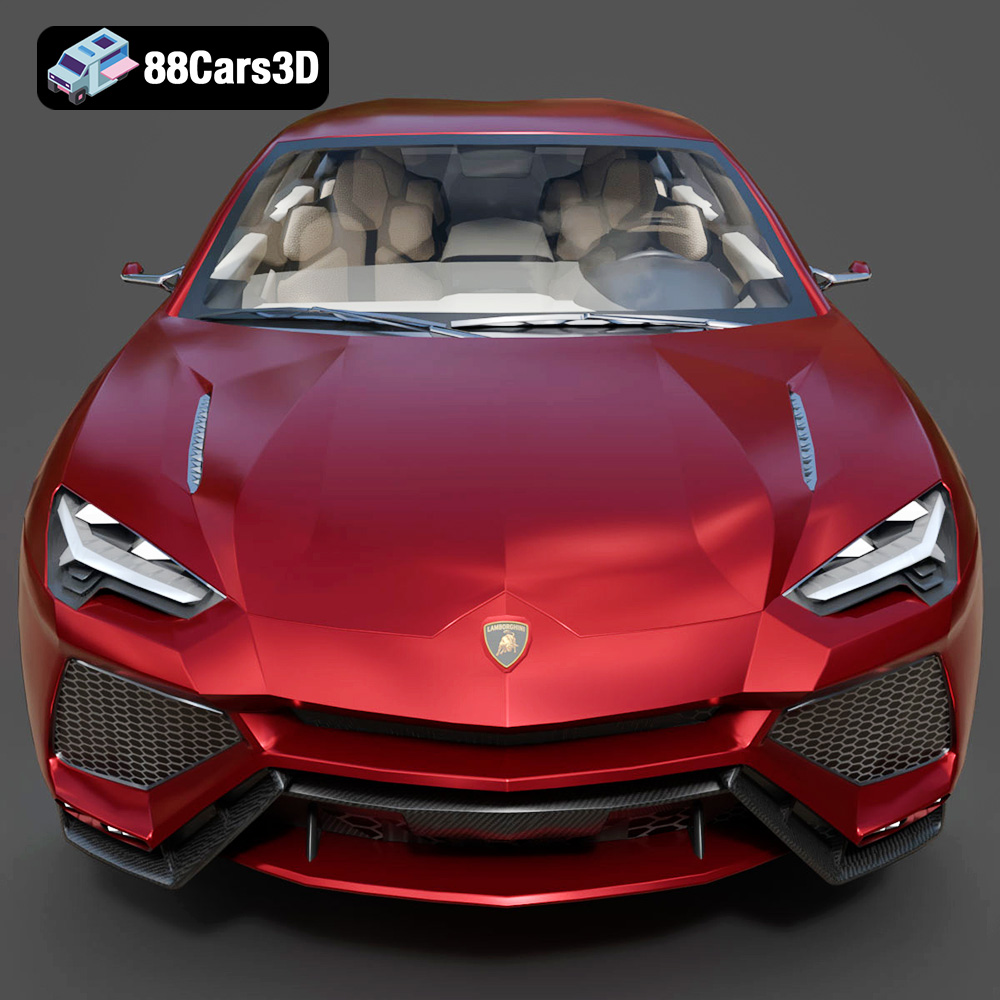
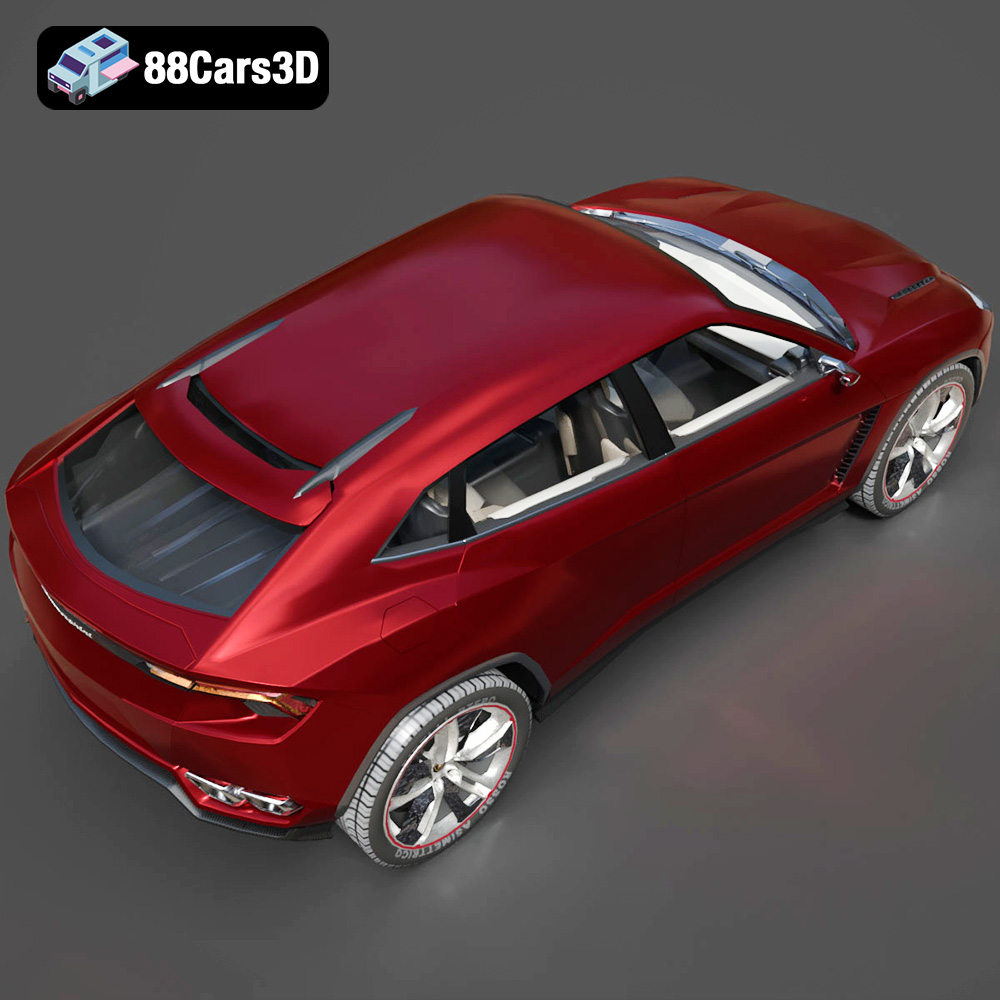
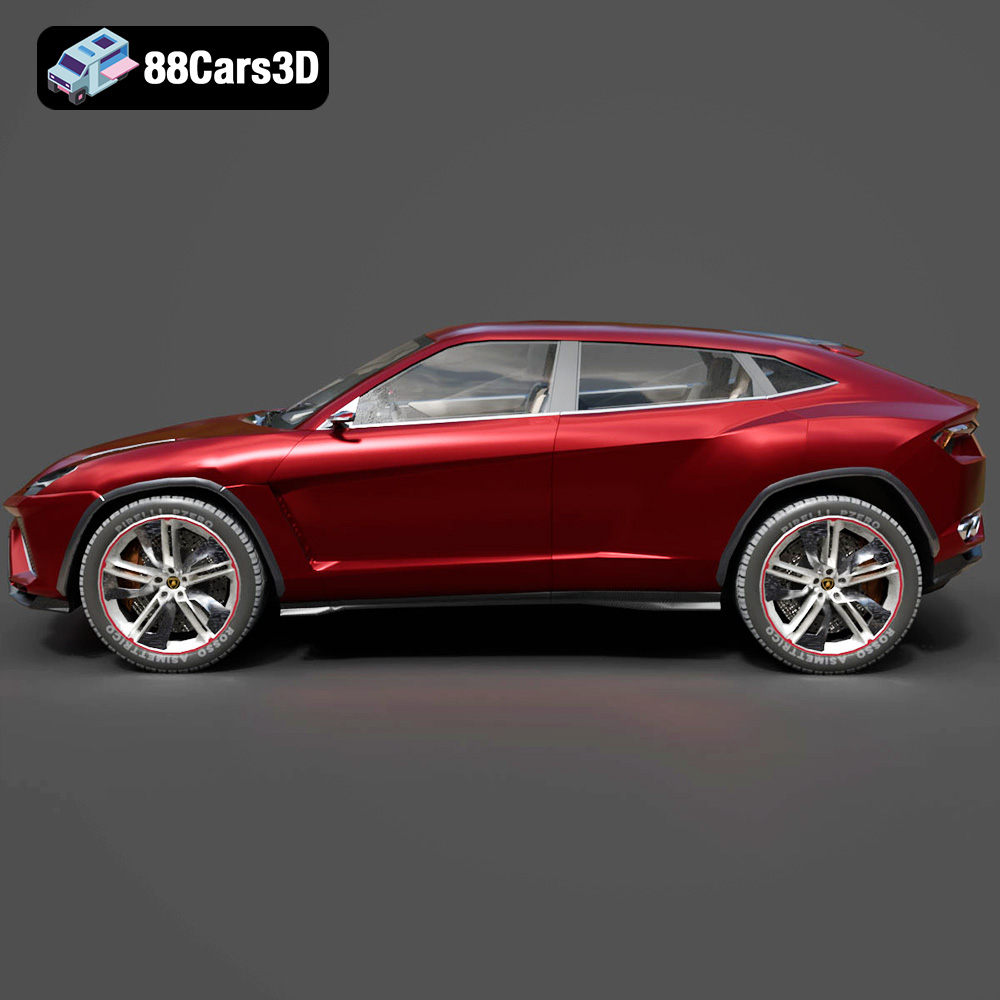
Lamborghini Urus: The world’s first Super Sport Utility Vehicle. Combining the soul of a super sports car with the functionality of an SUV.
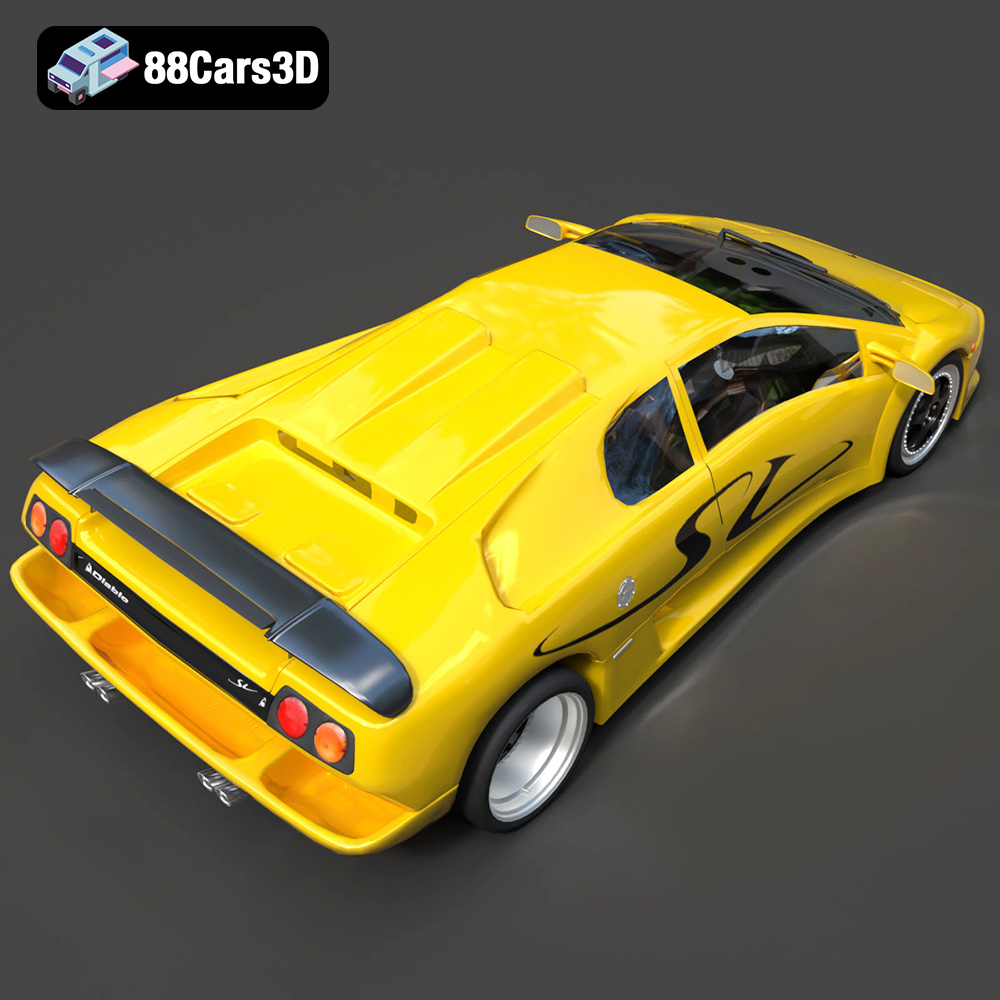
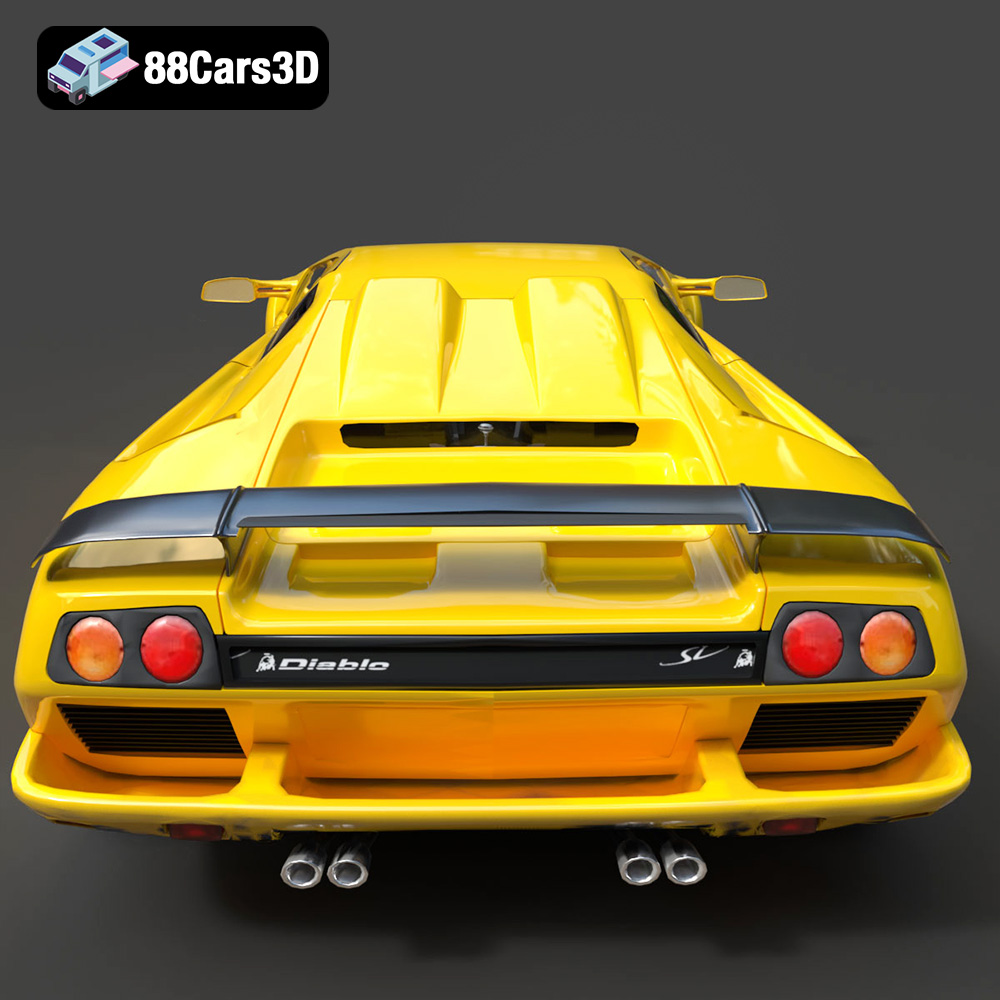
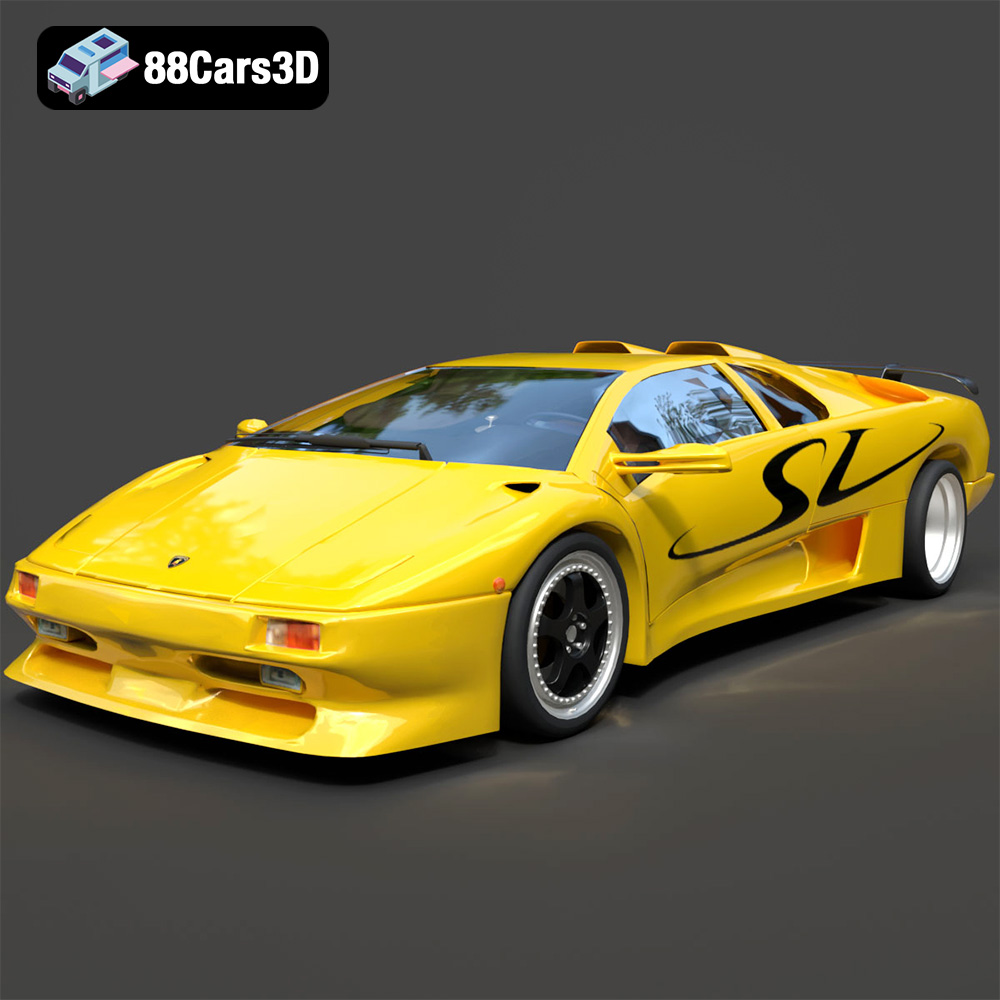
Lamborghini Diablo SV (1995): A poster-car legend. The “Super Veloce” edition of the 90s icon, capturing the raw, analog era of Italian motoring.
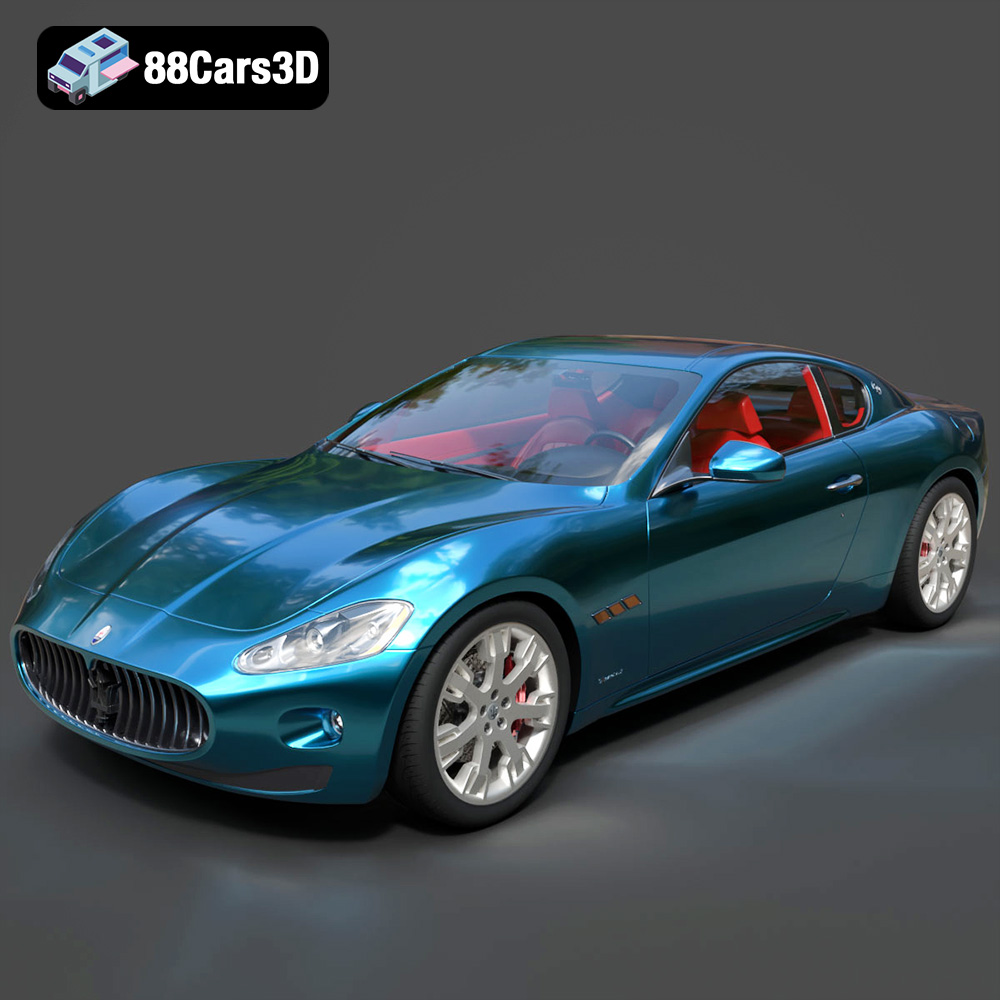
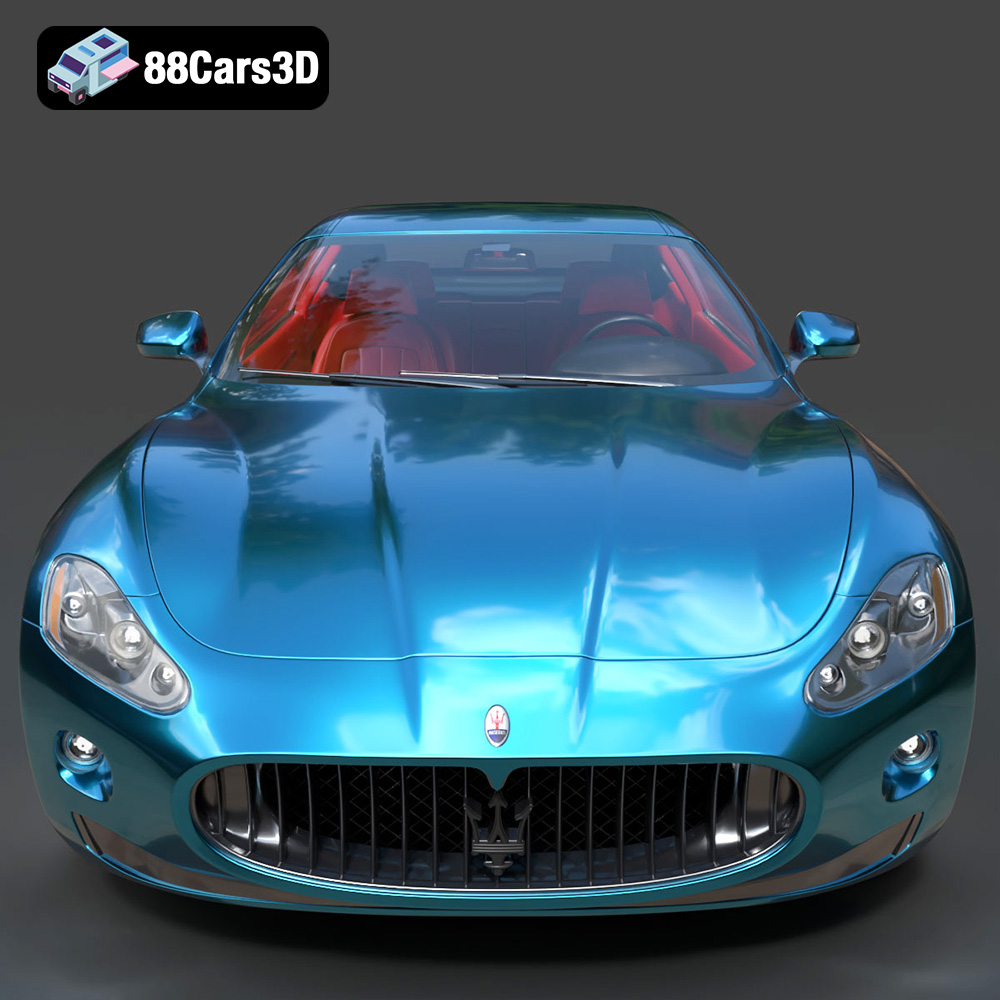
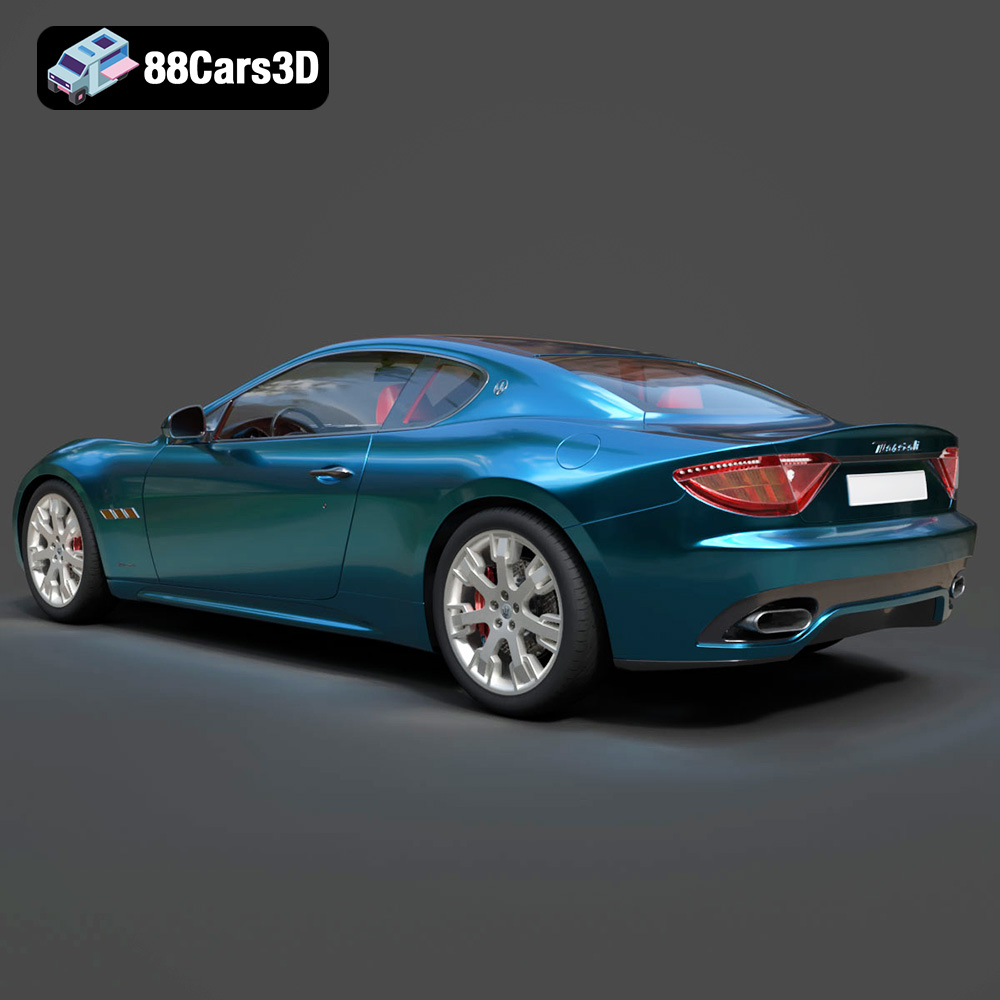
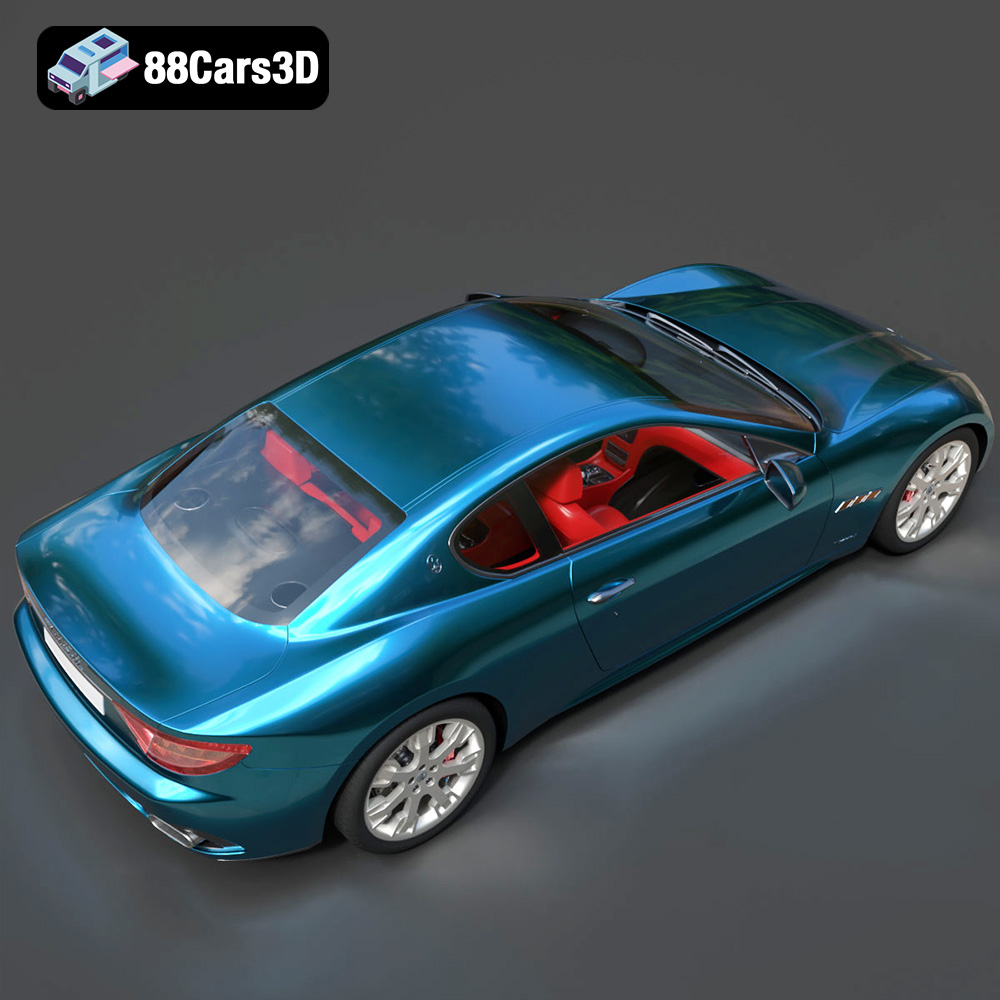
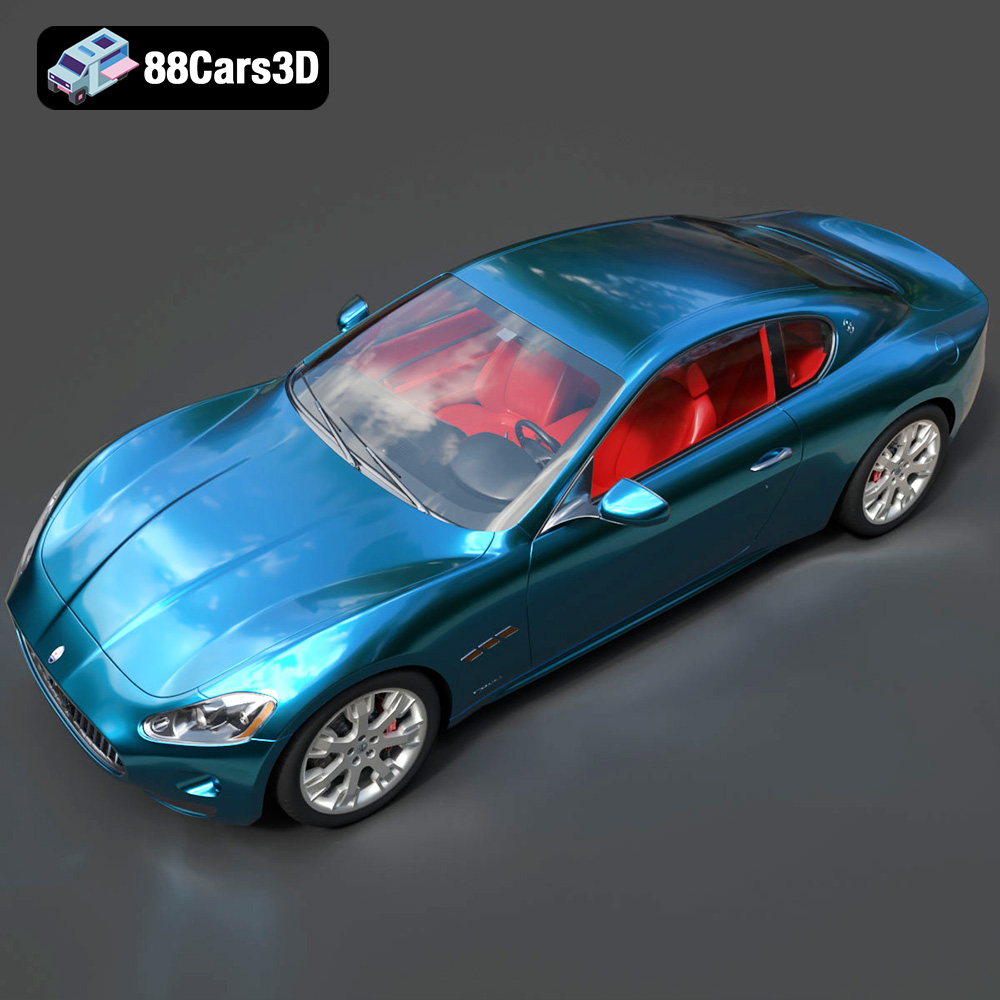
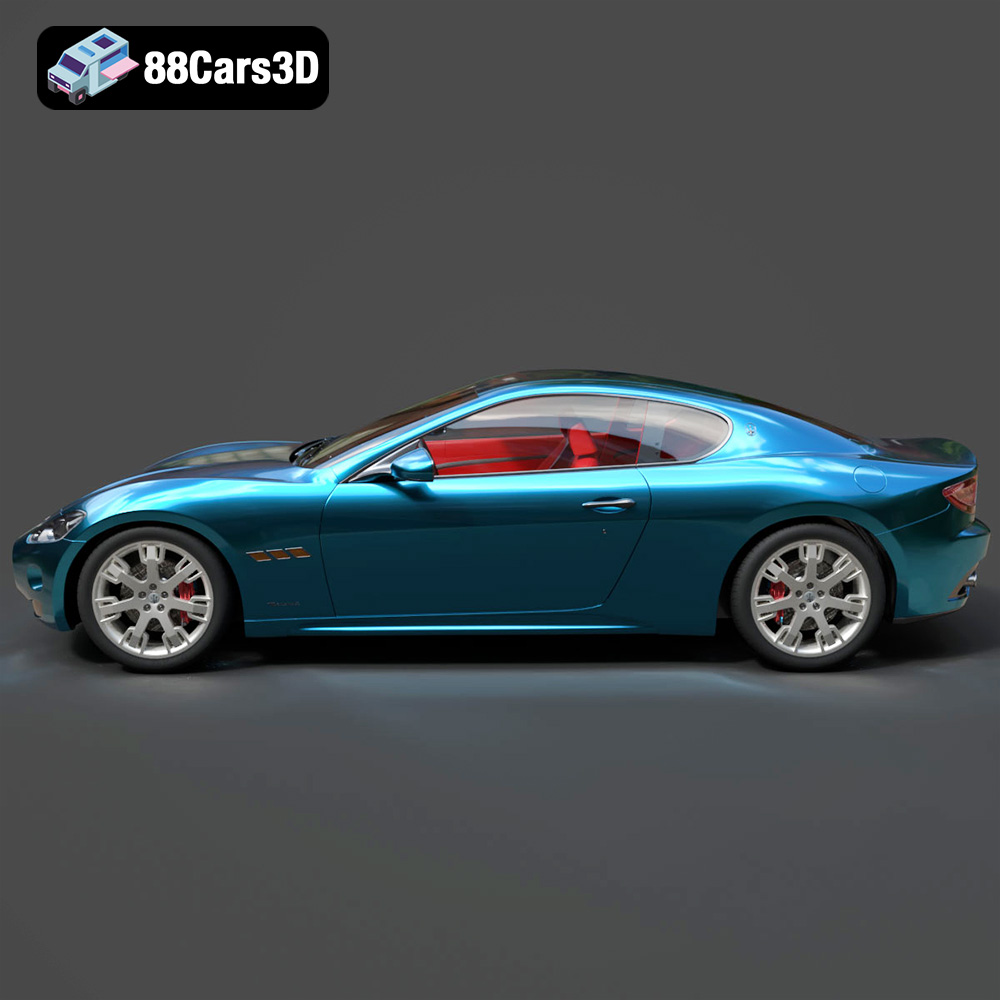
Maserati GranTurismo (GT): The ultimate expression of Italian luxury and grand touring, balancing sophisticated elegance with a racing heart.
Technical Specifications & Advantages:
3D Print Ready (STL Included): Optimized mesh flow ensuring these models are ready for high-resolution Resin (SLA) or FDM printing.
Optimization Mastery: High-poly detail where it matters, with an optimized quad-based topology for beautiful light reflections and motion blur.
Real-World Scale: Every vehicle is built to exact factory dimensions, ensuring 1:1 accuracy for scale modeling and ArchViz.
Precision Detailing: Accurate light clusters, branded brake calipers, and intricate aerodynamic fins.
Separated Components: Wheels, steering, and body panels are separated and pivoted for easy rigging, animation, or custom part printing.
Applications:
3D Printing & Collectibles: Perfect for creating 1:24 or 1:18 scale physical models with extreme detail.
ArchViz: Instantly elevate high-end villa driveways or luxury garage renders with a fleet of Italian exotics.
VFX & Cinema: Clean topology allows for stunning “Hero Car” close-ups and high-speed chase sequences.
Game Development: Elite “Tier 1” assets for racing games or high-end urban environments.
Included File Formats: .STL (Print Ready), .blend, .fbx, .obj, .max (Compatible with Unreal Engine, Unity, and all major 3D suites).
$199.99
Ferrari & Maserati STL Collection
Italian Supercar 3D Models Bundle – Lamborghini