Get 50% OFF All Premium 3D & STL Models!

The allure of the automobile transcends mere transportation; it’s a symphony of engineering, design, and performance. In the digital realm, this passion translates into an ever-growing demand for exceptional 3D car models. From photorealistic advertising campaigns that showcase every curve and reflection, to immersive video games where players push virtual engines to their limits, high-quality digital vehicles are the cornerstone of modern visual media. Crafting these assets requires a blend of artistic vision and rigorous technical expertise, touching upon intricate modeling, sophisticated material creation, and precise optimization. This comprehensive guide will explore the technical intricacies, practical applications, and advanced workflows involved in bringing these magnificent machines to life in the digital space, demonstrating why a solid foundation in 3D car models is indispensable for any serious creative endeavor.
The journey of a 3D car model often begins and ends with its file format. Understanding the nuances of each format is critical for ensuring compatibility, preserving data integrity, and optimizing workflows across different software and platforms. Choosing the correct format is not merely a technicality; it’s a strategic decision that impacts everything from project efficiency to final output quality. Here, we delve into the most prevalent file formats you’ll encounter when working with 3D automotive assets.
The .blend format is native to Blender, an open-source 3D creation suite renowned for its versatility. A .blend file encapsulates an entire Blender scene, including the 3D car model’s geometry, materials (using Cycles or Eevee render engines), textures, lighting, cameras, animations, and even physics simulations. This makes it an ideal choice when you need a fully editable and self-contained project file within the Blender environment. For artists primarily working in Blender or teams collaborating within the Blender ecosystem, .blend offers seamless integration and maximum flexibility for further modifications and development.
Known as Filmbox, the .fbx format is arguably the most widely adopted proprietary file format for 3D data exchange across different software. Developed by Autodesk, it supports a vast array of 3D elements including geometry, materials, textures, animation, skeletal rigs, and even cameras. Its robust support for animation and scene data makes it the go-to format for game engines like Unreal Engine and Unity, as well as for real-time pipelines and animation studios. When transferring 3D car models between applications like 3ds Max, Maya, Blender, and game engines, .fbx is generally the most reliable choice, ensuring that intricate details like rigging and material assignments translate effectively.
The .obj (Wavefront OBJ) format is one of the oldest and most universally supported 3D file formats. It primarily stores geometric data – vertices, normals, UV coordinates, and faces. While it can reference external material (.mtl) files for basic color and texture information, .obj does not support advanced materials, rigging, or animation. Its strength lies in its simplicity and widespread compatibility, making it an excellent choice for transferring raw mesh data between almost any 3D software. For archived 3D car models where only the pure geometry is critical, or for foundational imports before applying complex materials, .obj remains a solid option.
The .glb (GL Transmission Format Binary) format is a compact, self-contained file that efficiently stores 3D models and their associated data. It’s an evolution of the glTF format, designed for fast loading and rendering on the web, in AR (Augmented Reality), and VR (Virtual Reality) applications. A single .glb file can embed geometry, textures, animations, and PBR (Physically Based Rendering) material definitions, making it incredibly convenient for sharing and deploying interactive 3D car models across various platforms, including browser-based viewers and mobile AR experiences. Its efficiency makes it perfect for applications where file size and load times are paramount.
The .stl (Stereolithography) format is the de facto standard for 3D printing. It represents a 3D model as a collection of unconnected triangular facets, defining only the surface geometry without color, texture, or material information. While not suitable for rendering or animation due to its lack of detail beyond surface shape, .stl is precisely what 3D printers need to interpret and construct a physical object layer by layer. For turning digital 3D car models into tangible miniatures or prototypes, .stl is the essential output format.
The .ply (Polygon File Format, or Stanford Triangle Format) is a flexible format capable of storing more complex information than .obj or .stl, including color per vertex, normal information, and sometimes even material properties. It’s often used in academic and research contexts, particularly for scanned 3D data, CAD models, and scientific visualizations where precision and additional vertex attributes are important. While less common for general 3D car models in entertainment, it can be valuable for high-fidelity engineering or reverse-engineering applications.
While not a standalone file format in the traditional sense, .unreal refers to assets that have been imported, configured, and optimized specifically for Unreal Engine. These assets exist within the Unreal project structure and are ready for real-time rendering and interactive experiences. When you purchase or create assets meant for Unreal, they typically arrive as .fbx files, which are then processed and converted by the engine into its native asset types, incorporating all the engine’s advanced material systems, collision data, and blueprint functionalities. Assets “packaged” for Unreal Engine are essentially optimized to leverage the engine’s capabilities fully, making them true game assets.
Similar to .blend for Blender, the .max format is the native file type for Autodesk 3ds Max. It stores a complete 3ds Max scene, encompassing geometry, materials (V-Ray, Corona, Arnold, Scanline, etc.), lighting, cameras, animations, modifiers, and plugin-specific data. It offers full editability within 3ds Max, making it the preferred format for projects primarily developed in this software, especially for complex architectural visualizations, product design, and high-end automotive rendering where 3ds Max’s robust modeling and rendering tools are utilized. When you need to preserve every detail of a 3ds Max-centric workflow, the .max file is indispensable.
For designers and developers looking for high-quality, pre-made 3D car models, knowing which file format suits their specific project needs is paramount. Platforms like 88cars3d.com often provide models in multiple formats to cater to diverse professional requirements, ensuring seamless integration into various pipelines.
Achieving photorealistic automotive rendering is a highly technical discipline that blends artistic sensibility with scientific accuracy. It’s about more than just slapping textures onto a model; it’s a meticulous process of simulating light, surfaces, and environments to create images indistinguishable from reality. This segment delves into the core techniques that bring digital cars to life.
The foundation of photorealism in 3D car models lies in Physically Based Rendering (PBR) materials. PBR shaders accurately simulate how light interacts with surfaces based on real-world physics, accounting for properties like reflection, refraction, absorption, and subsurface scattering. For car paints, this involves understanding metallic flakes, clear coats, and multi-layered materials. A typical PBR workflow for a car involves several texture maps:
Beyond these standard maps, advanced car paint shaders often incorporate clear coat layers, iridescent effects, and even subtle dust or grunge layers to enhance realism. Every material, from the glossy paint to the matte plastic trim, the transparent glass, and the reflective chrome, must be calibrated precisely to react convincingly to light.
Lighting is the soul of any render, especially for automotive rendering. It defines mood, highlights form, and reveals intricate details. Professional setups often employ a combination of techniques:
The strategic placement and intensity of each light source are crucial for sculpting the car’s form and enhancing its visual appeal. It’s an iterative process of experimentation and refinement.
Even the most perfect raw render can be enhanced significantly through post-processing and compositing. This stage refines the image, adding that final professional polish seen in automotive advertisements:
Compositing allows for the integration of rendered car models into photographic backplates or complex scene elements, ensuring seamless blending and consistency in lighting and perspective. This final stage is where a good render becomes a great one, ready for publication or marketing.
While photorealism is the goal for rendering, real-time interactivity in games demands a different set of priorities: performance. Game assets, especially complex ones like 3D car models, must be meticulously optimized to run smoothly on diverse hardware while still looking visually compelling. This involves a careful balance between fidelity and efficiency.
One of the primary considerations for game assets is polygon count. High-poly models, ideal for cinematic renders, are too taxing for real-time engines. Developers employ various strategies to manage this:
Efficient poly count management is foundational to creating performant game assets.
Textures are critical for visual quality, but how they are organized directly impacts performance. Efficient UV mapping and texturing strategies are vital:
A well-organized texture workflow can dramatically improve rendering efficiency and visual fidelity in a real-time environment.
For 3D car models to function correctly in a game, they need more than just visual geometry:
These interactive elements ensure that 3D car models are not just visually stunning but also physically responsive within the game world.
The journey of a 3D car model from concept to a deployed asset is a multi-stage process, often involving specialized software and precise techniques. Understanding these advanced workflows is key to producing high-quality, production-ready assets.
Both 3ds Max and Blender are powerful tools for creating detailed 3D car models. While their interfaces and specific tools differ, the fundamental workflow for high-fidelity automotive design often follows a similar path:
The choice between 3ds Max and Blender often comes down to studio preference, existing pipelines, and specific toolsets. Both are capable of producing industry-leading 3D car models.
Unreal Engine is a dominant force in real-time visualization, from games to virtual production. Integrating 3D car models into Unreal requires specific steps for optimal performance and visual quality:
This comprehensive integration ensures the 3D car model functions seamlessly within the engine’s real-time environment.
Deploying 3D car models in AR/VR and web-based applications (using WebGL) introduces unique challenges and requirements:
These platforms push the boundaries of real-time rendering and demand an even deeper understanding of optimization techniques for 3D car models.
The versatility of high-quality 3D car models extends across numerous industries, proving their indispensable value. From marketing to simulation, these digital assets are driving innovation and enhancing user experiences.
The automotive industry is a prime example of leveraging 3D car models for impactful marketing. Before a physical car even exists, designers create stunning visuals for:
For instance, an automaker might commission a studio to create a new vehicle’s full 3D car model, which can then be used across all these touchpoints, ensuring brand consistency and maximizing the asset’s utility. Quality assets from marketplaces like 88cars3d.com can provide a fantastic starting point for these demanding projects, saving significant development time.
Beyond entertainment and marketing, 3D car models play a crucial role in serious applications:
In these scenarios, the technical accuracy of the 3D car models is paramount, directly influencing the efficacy and safety of the simulations.
The indie game development scene has been revolutionized by access to quality pre-made game assets. Smaller studios, with limited budgets and resources, can leverage marketplaces to jumpstart their projects:
These examples highlight how accessible, high-quality 3D car models can democratize development, empowering a wider range of creators to bring their visions to life.
The world of 3D car models is a dynamic and technically rich domain, essential for everything from breathtaking automotive rendering to high-performance game assets. We’ve journeyed through the critical importance of understanding various file formats like .fbx for game engines and .max for detailed 3ds Max projects, explored the artistic and scientific principles behind photorealistic rendering, and delved into the rigorous optimization required for real-time interactive experiences.
From the intricate details of PBR materials and advanced lighting techniques to the crucial role of poly count optimization, LODs, and efficient UV mapping for game development, every step in the workflow demands precision and expertise. The application of these digital vehicles extends beyond mere visuals, impacting marketing campaigns, professional simulations, and empowering indie game developers to create immersive worlds.
As technology continues to advance, the demand for high-quality, technically sound 3D car models will only grow. Whether you are a professional studio seeking to enhance your next project or an independent developer looking for a head start, investing in top-tier assets is a strategic decision. Resources like 88cars3d.com serve as invaluable hubs, providing meticulously crafted models that meet the diverse technical and aesthetic demands of modern digital production. The future of digital automotive design is bright, and with the right assets and understanding, the possibilities are truly limitless.

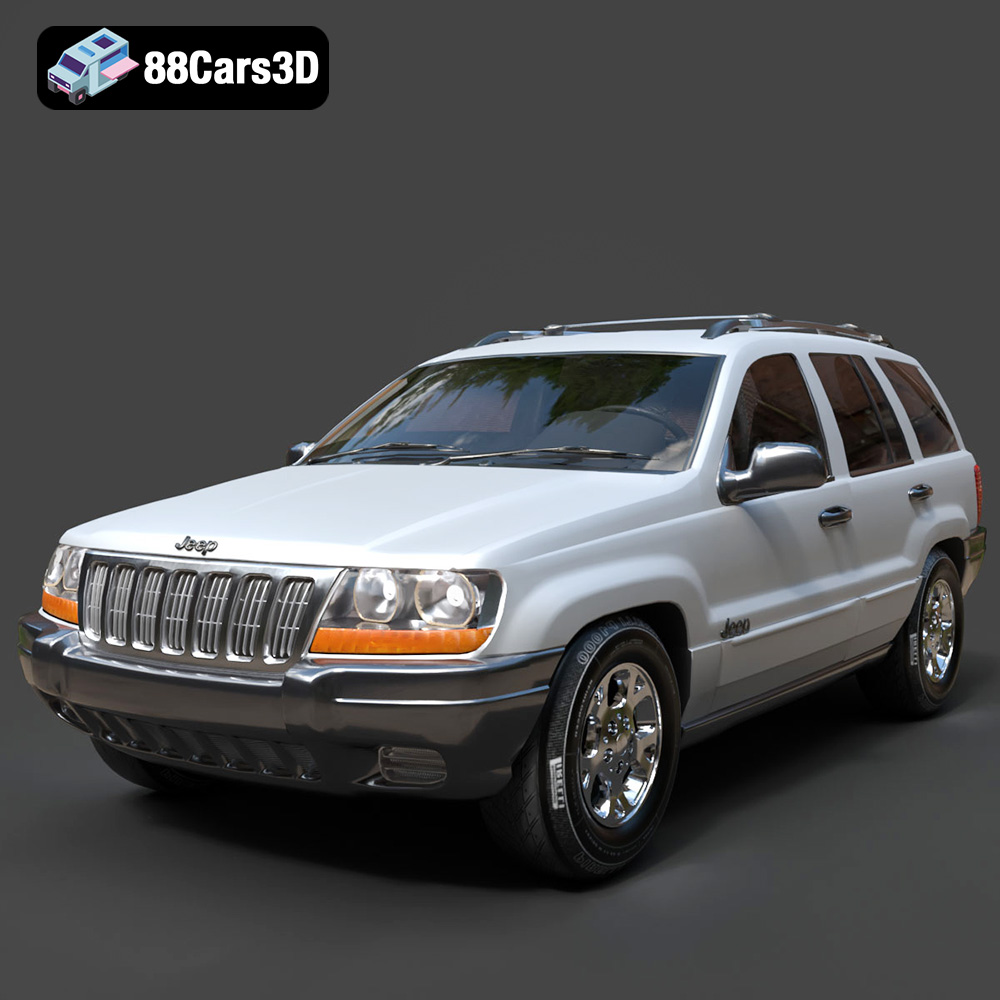
Price: $129.99
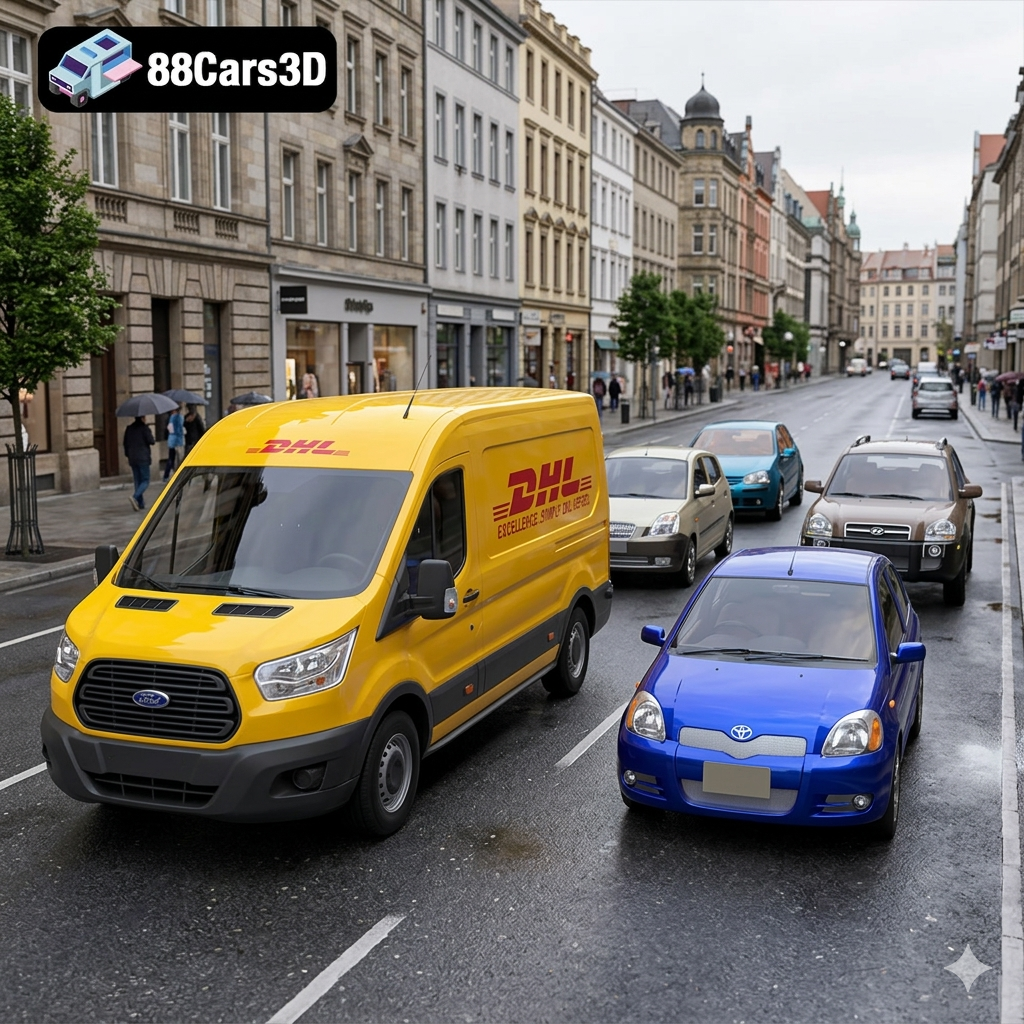
Price: $99.99
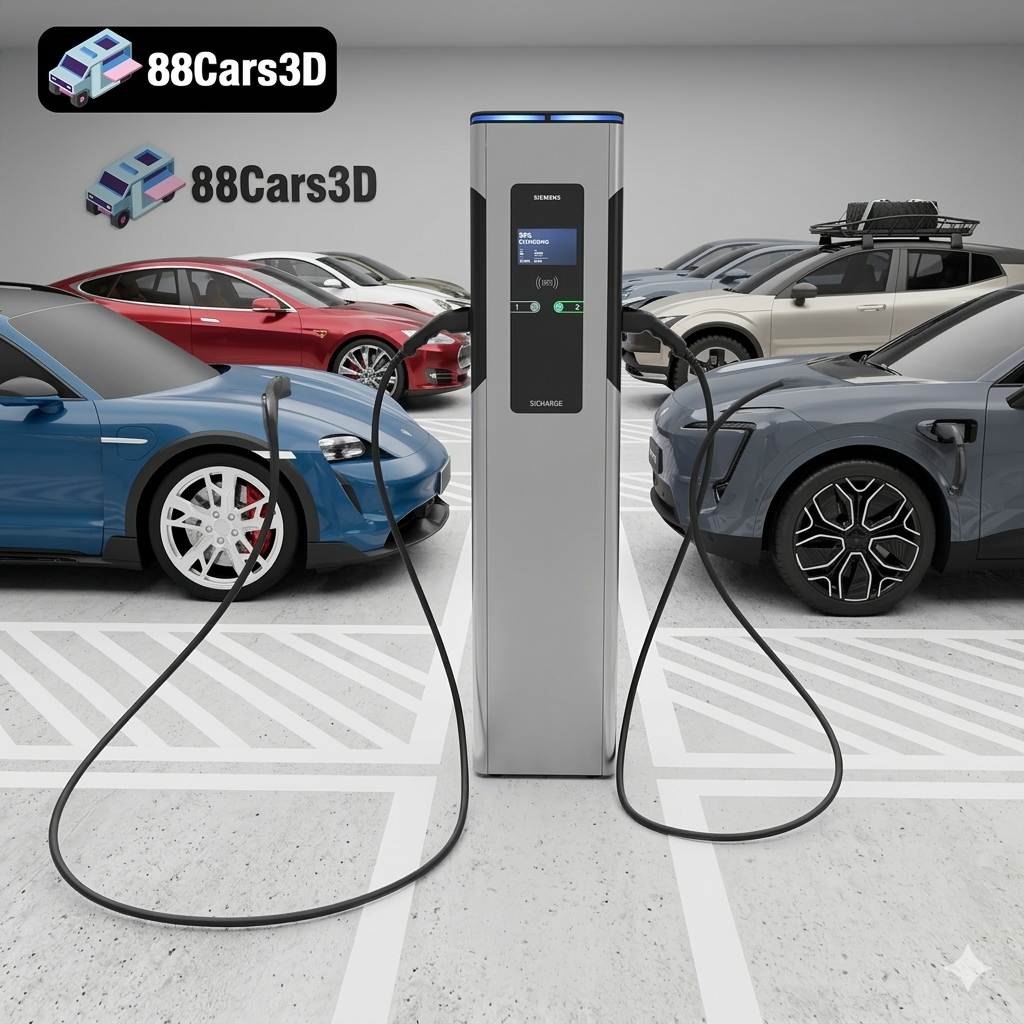
Price: $89.99