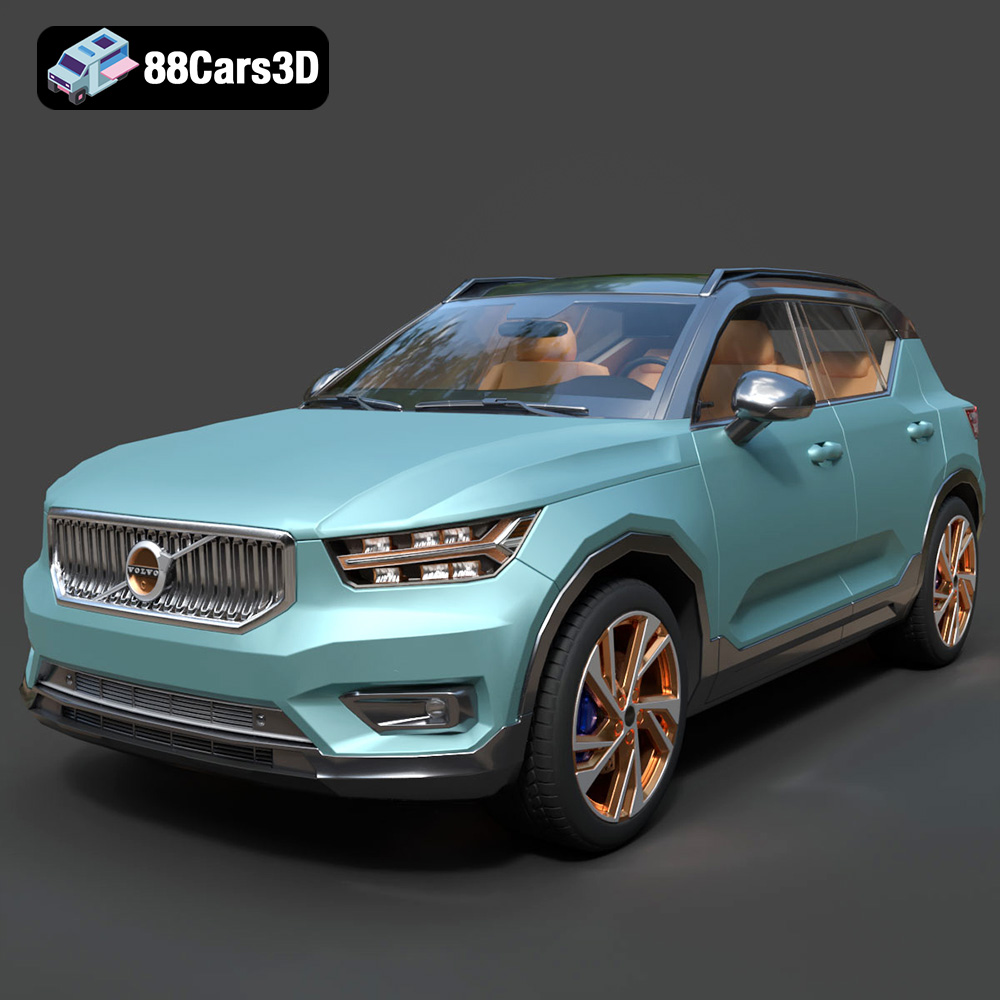
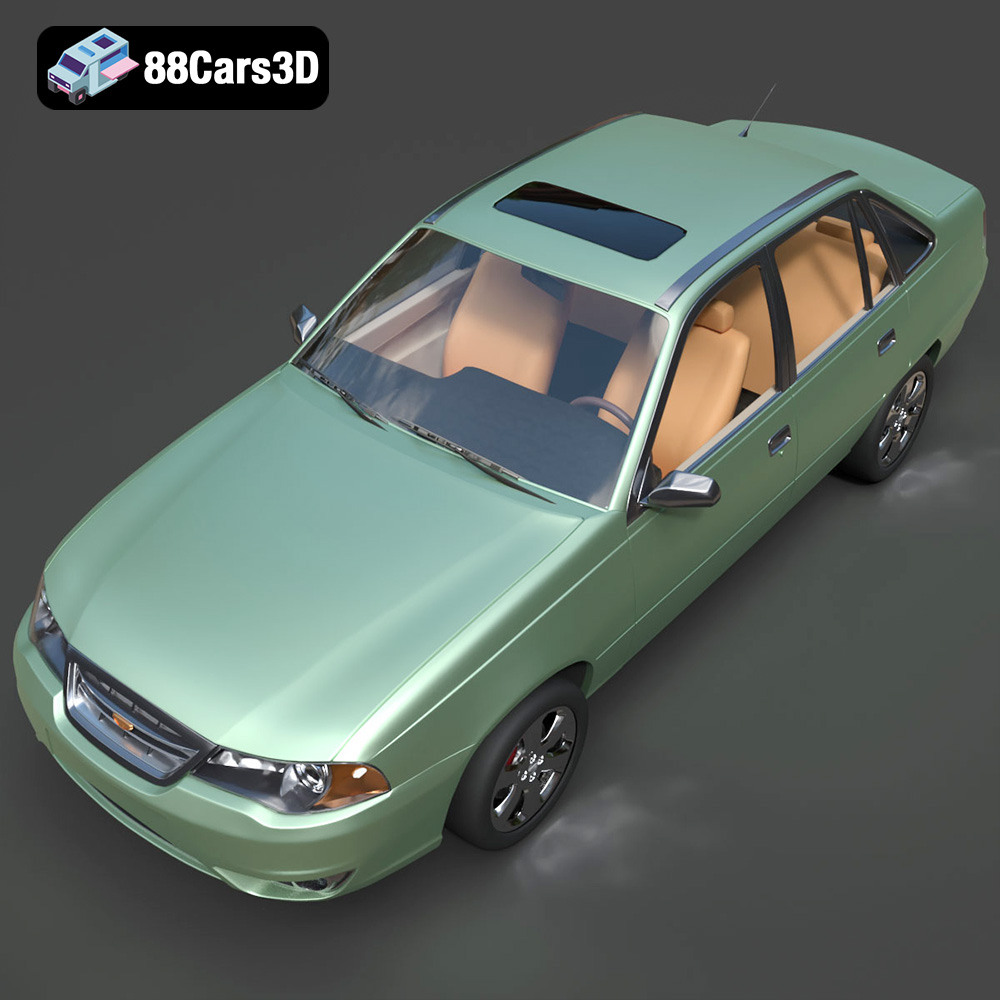
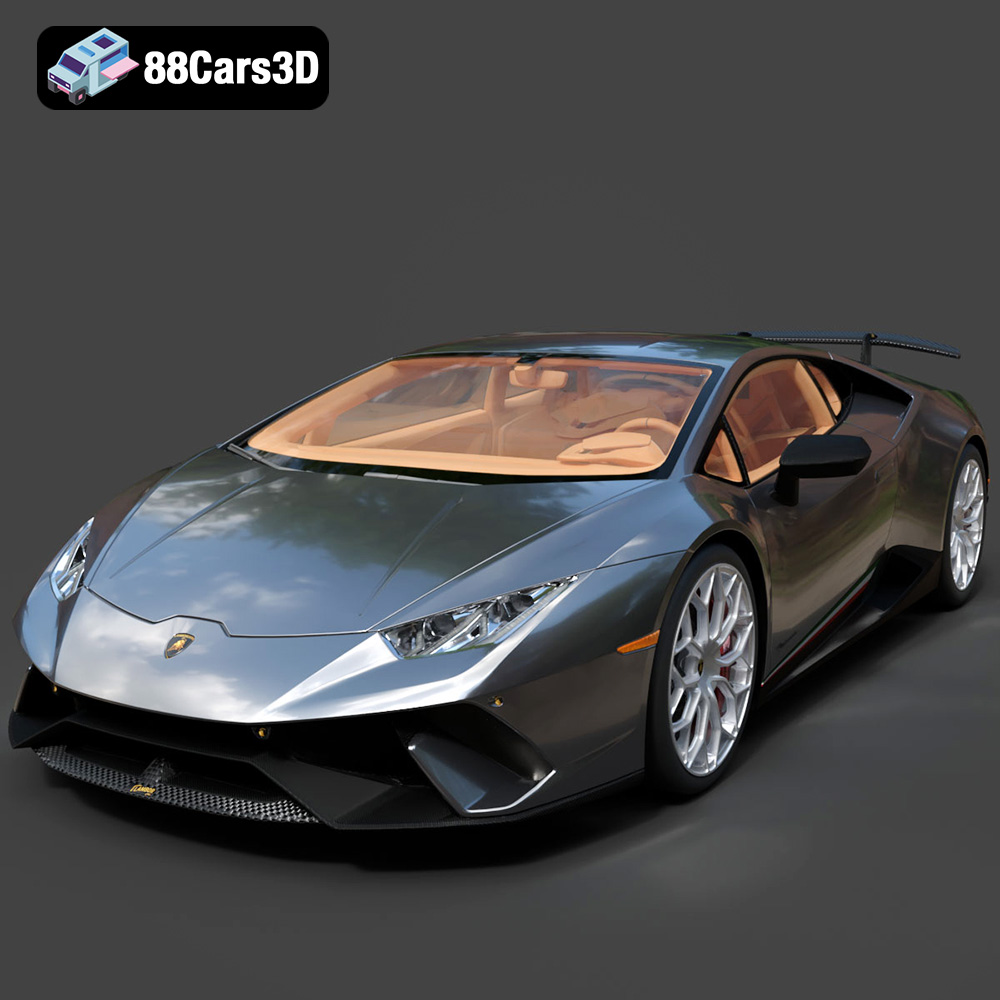
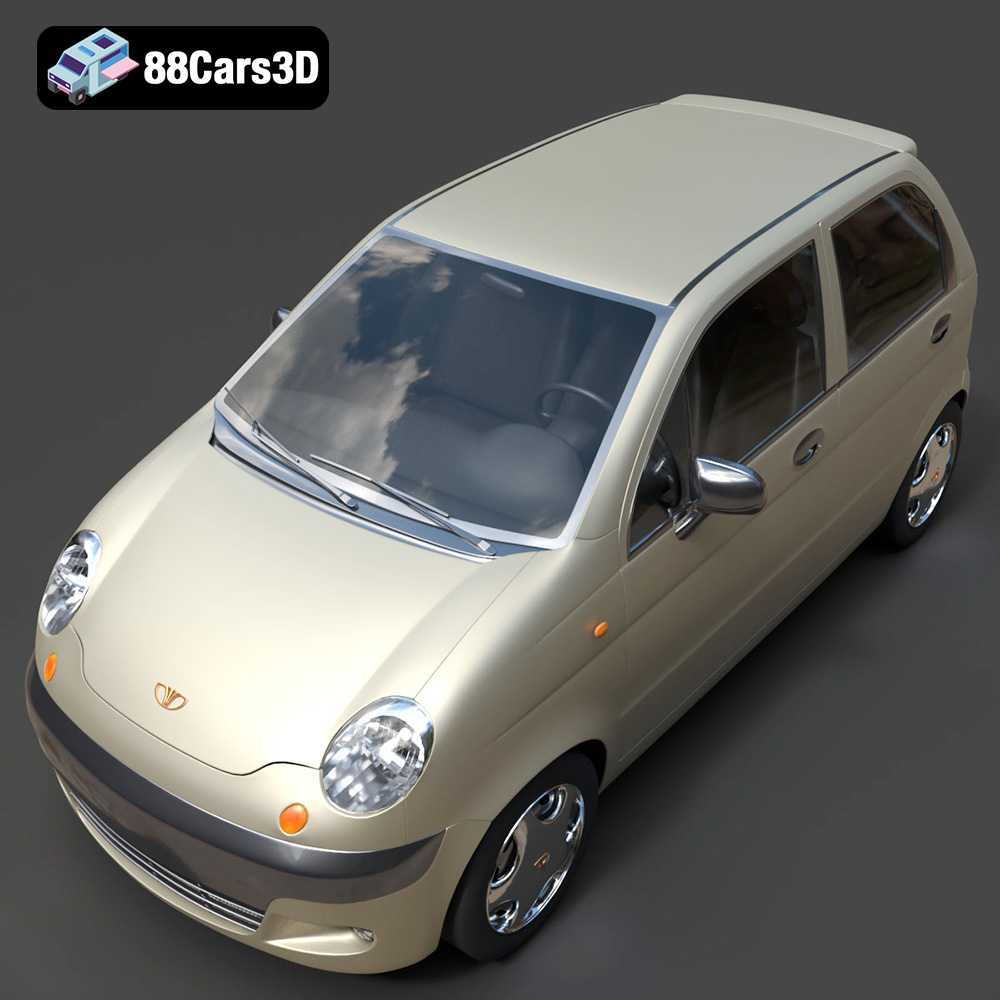
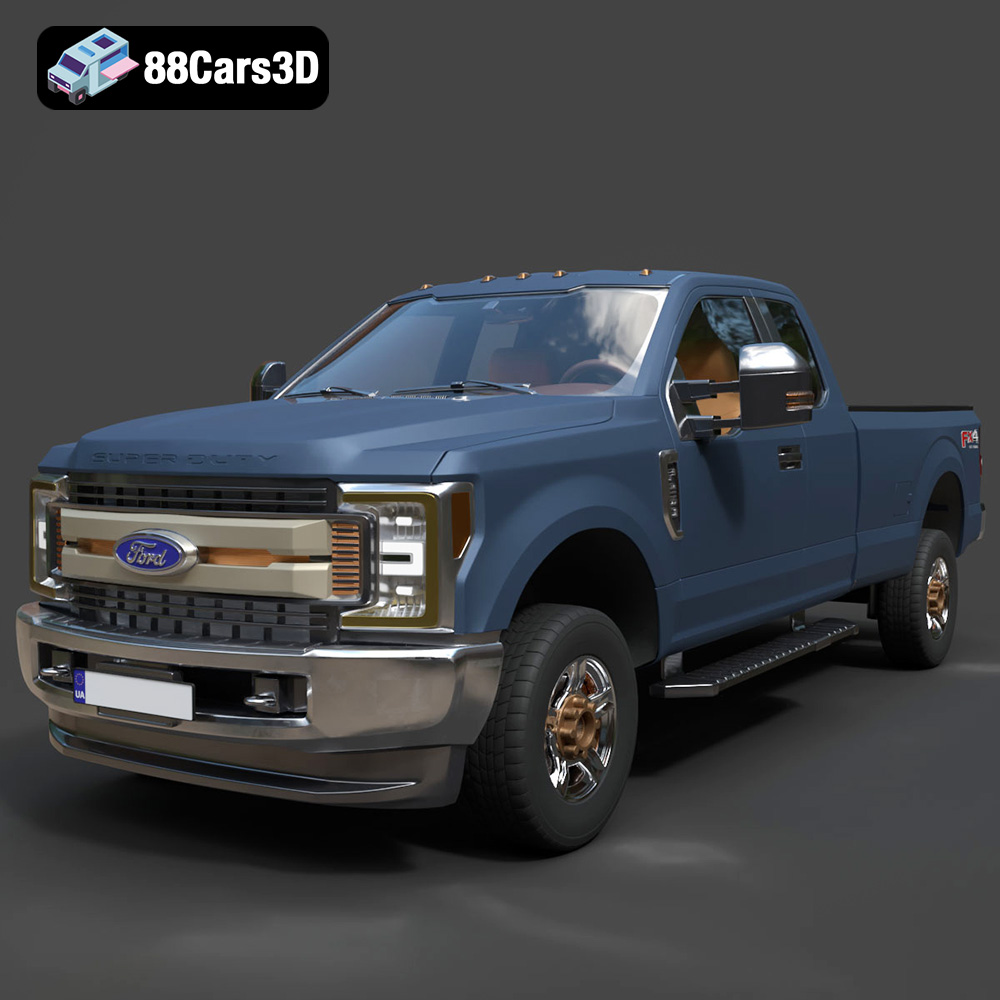
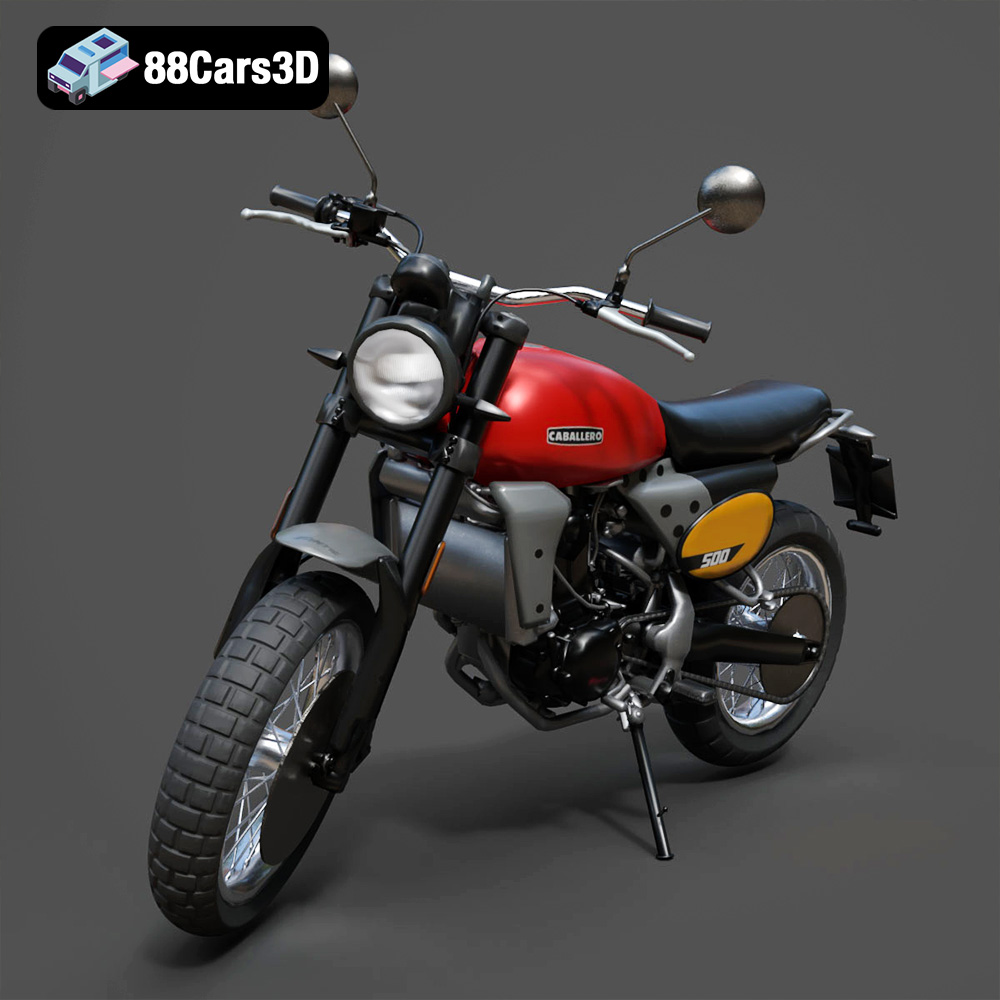
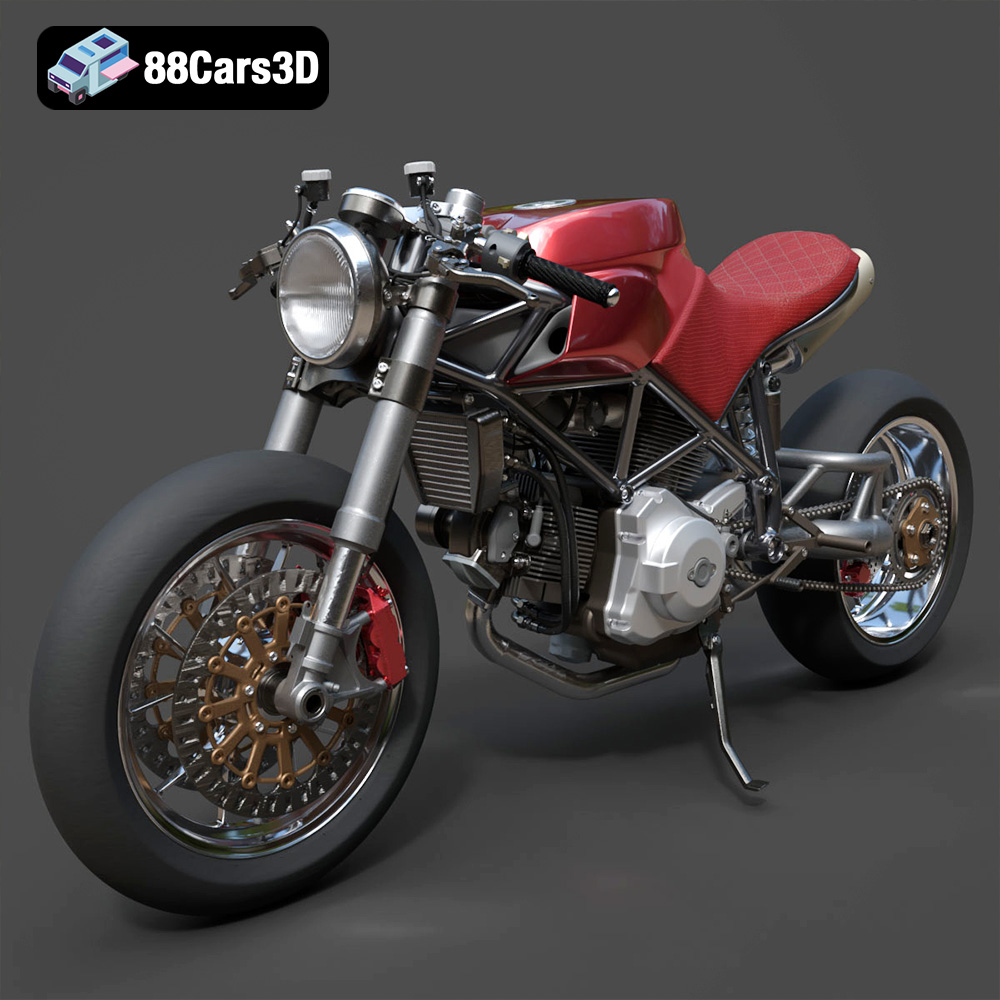
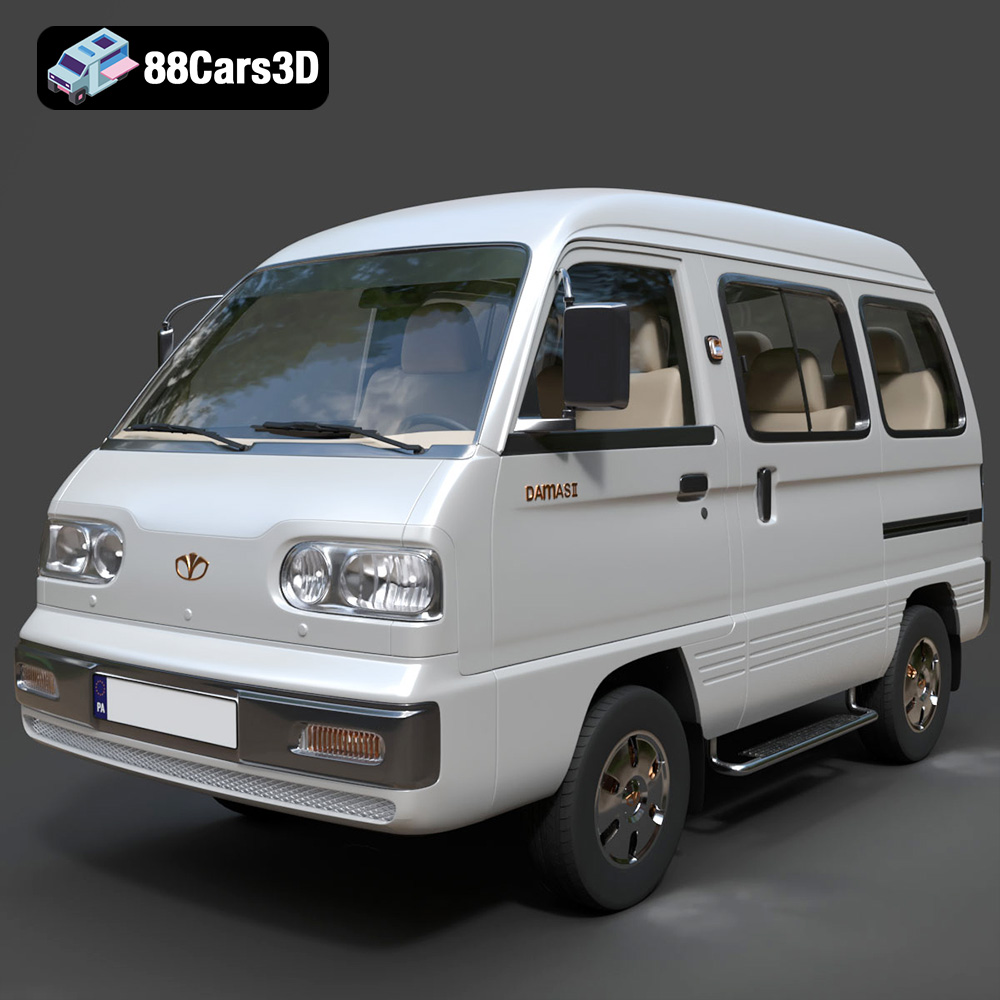
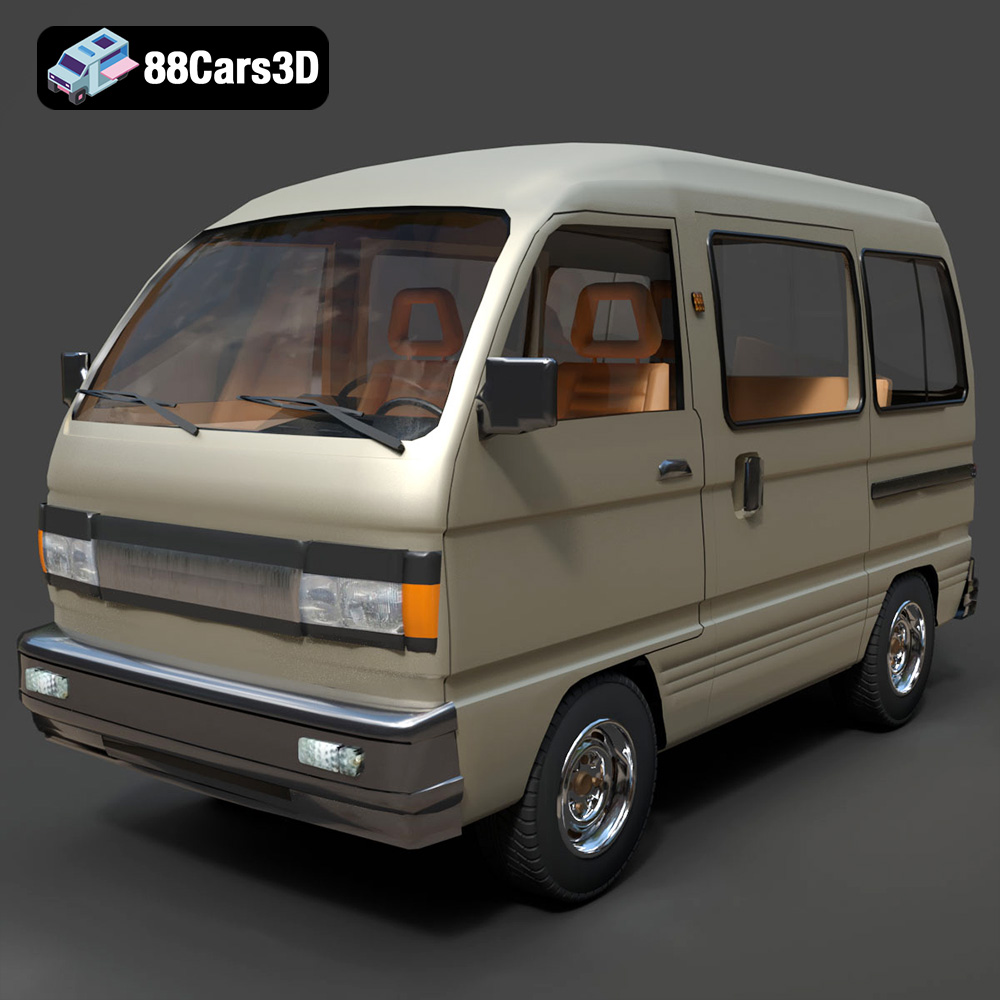
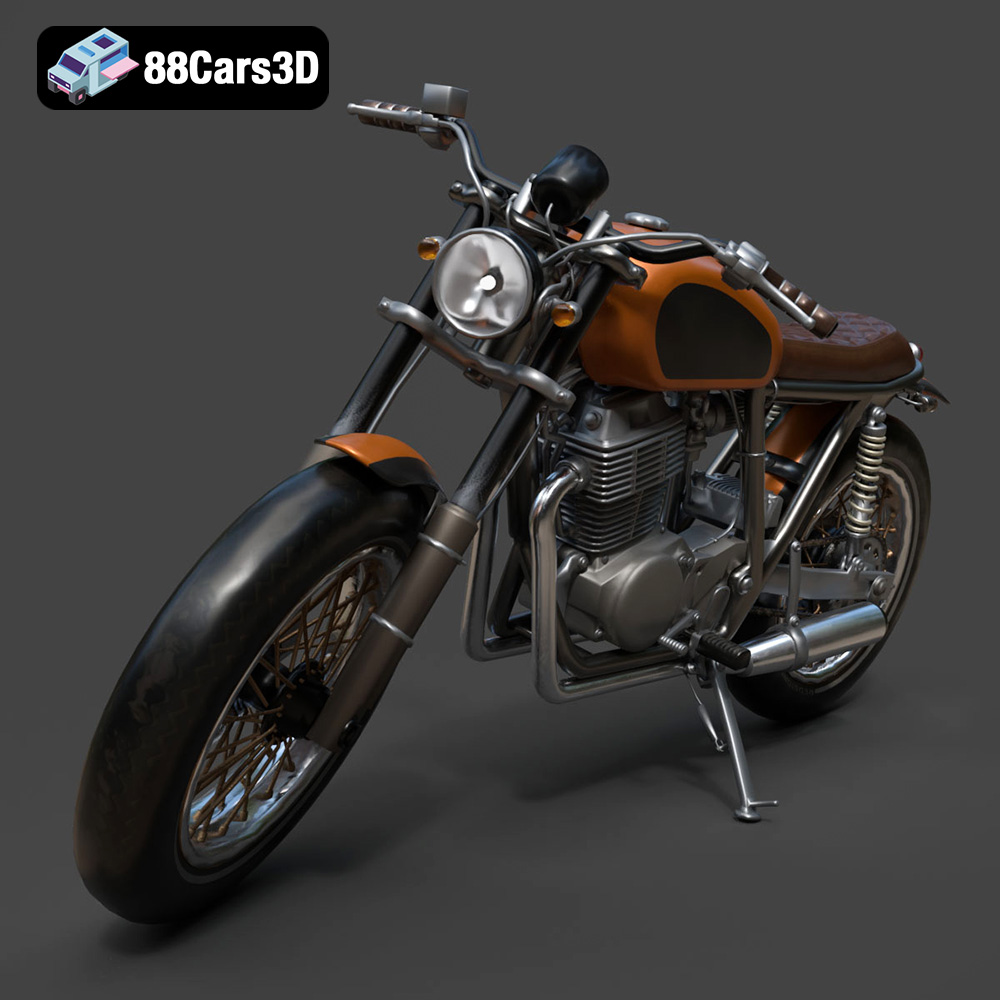
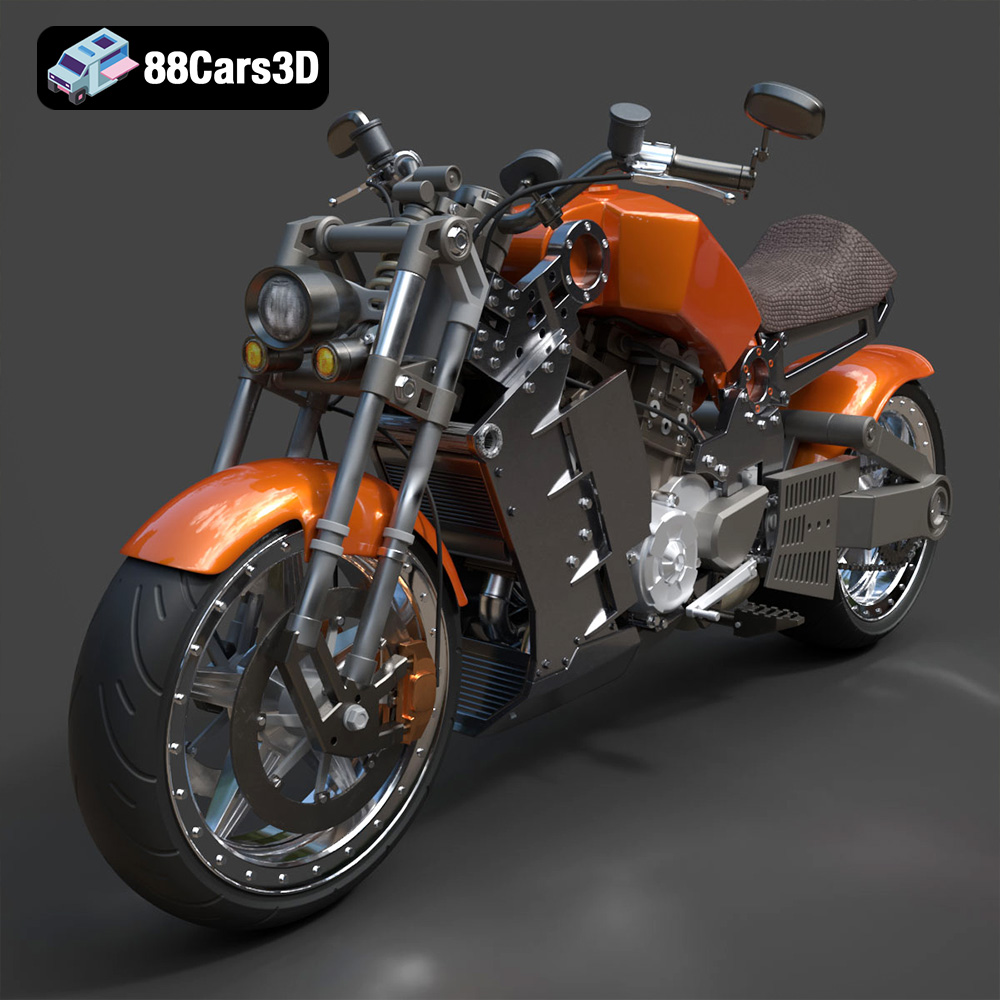
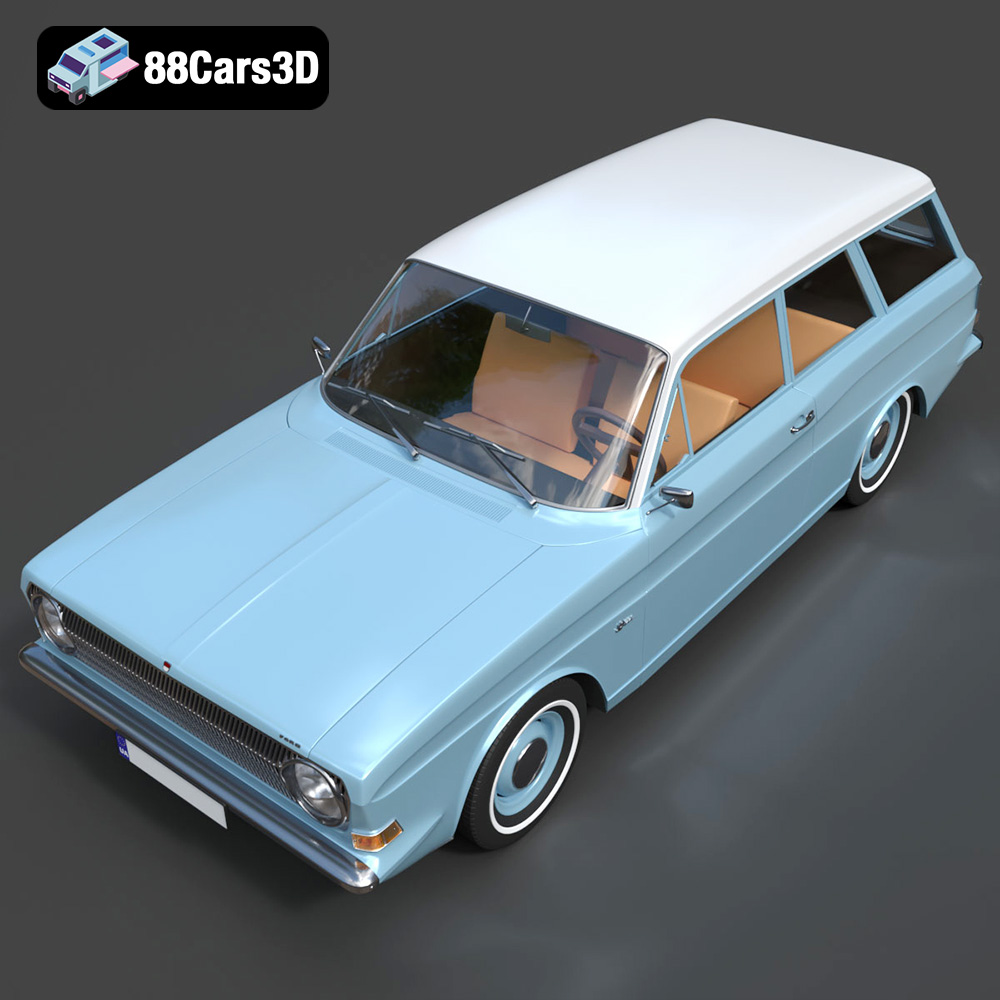
Get 50% OFF All Premium 3D & STL Models!

In the fast-evolving world of digital visualization, the demand for meticulously crafted 3D car models has never been higher. From breathtaking automotive rendering showcases to immersive game environments and cutting-edge AR/VR experiences, premium 3D vehicle assets are the indispensable foundation. Professionals across industries, including automotive design, marketing, entertainment, and simulation, rely on these digital replicas to bring their visions to life with unparalleled realism and efficiency. The accuracy, detail, and technical integrity of a 3D car model directly impact the final output, dictating everything from render quality to real-time performance. This comprehensive guide will delve into the technical intricacies of 3D car models, exploring their applications, common workflows, and the critical considerations for choosing the right assets to drive your projects forward.
Selecting the appropriate file format for your 3D car model is a critical decision that impacts workflow, compatibility, and ultimately, the success of your project. Each format serves specific purposes, offering unique advantages for different applications, from full-fledged editable scenes to optimized real-time assets. Understanding these distinctions is key to a seamless production pipeline.
The .blend format is native to Blender, an open-source 3D creation suite. When you acquire a 3D car model in .blend format, you’re getting a complete Blender scene file. This means it includes not only the mesh geometry but also all associated materials (often set up with physically based rendering, or PBR, principles), textures, lighting, cameras, and even animation data if present. It offers maximum editability, allowing artists to tweak every aspect of the model, from topology and UVs to material parameters and scene setup. For users whose primary workflow is in Blender, this format provides the most direct and comprehensive starting point, ensuring all original scene elements are preserved.
The .fbx (Filmbox) format, developed by Autodesk, is one of the most widely adopted interchange formats in the 3D industry. It’s particularly prized for its ability to store a comprehensive range of 3D data, including mesh geometry, materials (though often simplified, requiring re-setup in the target application), textures, animations, skinning, and even camera and light data. Its robust nature makes it the go-to choice for transferring assets between different 3D applications and, critically, for importing into game engines like Unreal Engine and Unity. For game developers and those working on real-time visualizations, .fbx is indispensable due to its excellent support for animation and scene hierarchy preservation, facilitating efficient integration into game development pipelines.
The .obj (Wavefront OBJ) format is a venerable and widely supported 3D model format. It’s known for its simplicity and universality, making it an excellent choice for basic mesh geometry transfer between virtually any 3D software. An .obj file typically stores vertices, faces, normals, and UV coordinates, often accompanied by a separate .mtl (material library) file that defines basic material properties and texture maps. While it doesn’t support advanced features like animation, rigging, or complex material setups as comprehensively as .fbx or .blend, its broad compatibility makes it a safe bet for ensuring your 3D car model can be opened and worked with in almost any 3D environment. For static renders or as a foundational mesh, .obj remains a reliable workhorse.
The .glb (GL Transmission Format Binary) is the binary version of glTF, a royalty-free specification for the efficient transmission and loading of 3D scenes and models by engines and applications. What makes .glb stand out is its “single file” nature, embedding all geometry, textures, animations, and materials into one self-contained binary package. This optimization makes it exceptionally suitable for web-based 3D viewers, augmented reality (AR) applications, and virtual reality (VR) experiences where fast loading times and efficient data handling are paramount. For displaying 3D car models interactively in web browsers or integrating them into lightweight AR/VR apps, .glb offers superior performance and ease of deployment.
The .stl (STereoLithography) format is the industry standard for 3D printing. Unlike other formats that describe surface geometry using polygons, .stl exclusively represents an object’s surface using a collection of interconnected triangular facets. It contains no color, texture, or material information, focusing solely on the object’s external shape. When preparing a 3D car model for physical production via additive manufacturing, converting it to .stl is a necessary step. It’s crucial that the model is watertight (a closed manifold mesh) to ensure a successful print without errors. While not suitable for rendering or animation, it’s essential for anyone looking to bring a digital car design into the physical realm.
The .ply (Polygon File Format, or Stanford Triangle Format) is another format designed to store 3D data. Similar to .obj, it can store vertex coordinates, normals, and color, but it can also store a wider range of properties, including transparency, faces, and other attributes for each vertex or face. It’s often used in scientific and engineering fields, particularly for storing data from 3D scanners or for CAD applications where precise geometric data, sometimes with associated attributes, is required. For highly detailed scans of car parts or for precise reverse engineering workflows, .ply offers a robust data structure.
While not a true universal file format, .unreal refers to assets specifically prepared and packaged for direct import into Unreal Engine projects. This often means the model has already undergone extensive optimization, material setup, LOD (Level of Detail) generation, and potentially even collision mesh creation within a DCC (Digital Content Creation) tool, before being exported as an .fbx and then imported and configured into an Unreal Engine project. Purchasing an “.unreal” car model from a marketplace like 88cars3d.com implies that the asset is optimized, textured with Unreal-specific PBR materials (e.g., packed textures for ORM – Occlusion, Roughness, Metallic), and ready to be dropped into a scene with minimal additional work, saving developers significant time and effort in the setup phase.
The .max format is the native file type for Autodesk 3ds Max, a leading software for 3D modeling, animation, and rendering. Similar to .blend files, a .max file provides a complete 3ds Max scene, including the 3D car model’s geometry, all materials (often V-Ray, Corona, or Arnold specific), textures, lighting setups, cameras, and animation data. For professionals working primarily with 3ds Max for high-end rendering, architectural visualization, or detailed animation projects, the .max format offers unparalleled control and flexibility. It ensures that all the intricate details and rendering settings configured by the original artist are preserved, allowing for immediate modification and rendering within the 3ds Max environment.
Understanding these formats empowers you to make informed decisions, ensuring your chosen 3D car models integrate seamlessly into your specific production pipeline, saving valuable time and resources.
Automotive rendering is more than just displaying a car; it’s about evoking emotion, showcasing design intent, and creating a photographic illusion. Achieving photorealism in 3D car models requires a meticulous combination of technical expertise and artistic sensibility, transforming polygons and textures into a captivating visual narrative.
The cornerstone of modern photorealistic rendering lies in Physically Based Rendering (PBR) materials. PBR systems accurately simulate how light interacts with surfaces in the real world, producing consistent and believable results regardless of the lighting environment. For 3D car models, this means carefully constructing material nodes for paint (metallic flakes, clear coat properties), glass (refraction, tint), rubber (roughness, subtle texture), chrome (specular reflectivity), and plastics. Each material needs specific maps – Albedo (base color), Roughness, Metallic, Normal, and sometimes Ambient Occlusion – to define its surface properties. High-resolution texture maps, often 4K or 8K, are essential for capturing fine details like tire tread patterns, brake caliper text, or subtle imperfections in the paintwork. Advanced material setups might include layered shaders for car paint, simulating multiple layers of primer, base coat, and clear coat with distinct reflective and refractive qualities.
Lighting is the primary driver of mood and realism in any render. For automotive rendering, common setups include High Dynamic Range Imaging (HDRI) environments for realistic global illumination, often combined with targeted area lights or spotlights to highlight specific design features or add dramatic accents.
Studio Lighting: Mimicking real-world photography studios, this setup typically involves large softboxes and reflectors to create smooth, even lighting, showcasing the car’s form and reflections without harsh shadows. This is excellent for product shots or design reviews.
Environment Lighting: Placing the car within an HDRI that represents a real outdoor location (e.g., a sunny beach, a cloudy city street) provides highly realistic ambient light and reflections, immersing the vehicle in a believable context. Directional lights are often used in conjunction to simulate a primary light source like the sun.
Creative Lighting: Utilizing colored lights, rim lights, and dramatic shadows can create a more artistic or conceptual render, emphasizing specific angles or conveying a particular mood. The key is to balance realism with artistic expression, ensuring reflections on the car body accurately respond to the light sources.
Even the most perfect render can benefit from a professional touch in post-production. Software like Adobe Photoshop or Affinity Photo is used to refine the image, adjusting color balance, contrast, and exposure. Common techniques include:
Color Grading: Adjusting the overall color palette to achieve a specific mood or aesthetic, often using lookup tables (LUTs) or curve adjustments.
Depth of Field (DOF): Adding a subtle blur to the foreground or background helps draw attention to the car, mimicking a camera lens. While some renderers handle DOF, it can be enhanced in post.
Lens Effects: Incorporating subtle lens flares, chromatic aberration, or vignetting can add a cinematic quality and enhance the photographic realism.
Adding Overlays: Dust, fingerprints, or subtle imperfections can be layered on top to break the “perfect” digital look, making the car appear more grounded in reality.
A skilled artist can elevate a strong render into a truly captivating image through thoughtful post-processing, transforming a digital asset into a stunning visual experience.
For game developers, 3D car models are not just static visuals; they are interactive elements that must perform flawlessly in real-time environments. This demands a different approach to asset creation, prioritizing optimization, efficiency, and robust functionality.
In game development, every polygon counts towards performance. High-resolution 3D car models, while perfect for cinematic renders, can cripple game frame rates. Game-ready assets require intelligent polygon reduction, ensuring the visual integrity is maintained while keeping the poly count within acceptable limits (e.g., 50k-150k triangles for a hero vehicle, much less for background traffic).
Level of Detail (LOD) systems are crucial for managing this complexity. LODs are simplified versions of the same model that are swapped in dynamically based on the camera’s distance from the object. A car far away might use an LOD0 with only 5,000 triangles, while the same car up close uses an LOD3 with 80,000 triangles. Implementing a robust LOD strategy ensures optimal performance without sacrificing visual quality where it matters most. This also extends to texture resolutions, where lower-resolution textures are used for distant LODs.
A static car is not enough for an engaging game experience. 3D car models need to be rigged for functionality and animation. This involves creating a skeletal system (bones or nulls) for key movable parts:
Wheels and Suspension: Each wheel needs its own pivot point for rotation, and often a suspension rig allows for independent movement and absorption of terrain irregularities.
Doors, Hood, Trunk: These can be rigged for opening and closing animations, adding interactivity for players.
Steering Wheel and Interior Elements: For first-person views, the steering wheel, pedals, and gear shifter might be rigged to respond to player input.
Beyond basic rigging, pre-canned animations can be created for effects like damage states (dented panels, broken glass), drifts, or specialized actions. For real-time physics simulation, a separate, simplified collision mesh is often created to handle vehicle-to-environment interactions efficiently, rather than calculating collisions on the highly detailed visual mesh.
Integrating 3D car models into game engines like Unreal Engine or Unity involves more than just importing the mesh. Assets, particularly those acquired from sources like 88cars3d.com, often come pre-optimized and structured for easy integration.
Material Setup: PBR materials need to be recreated or adjusted within the engine’s material editor, ensuring correct texture assignments (Albedo, Normal, Metallic, Roughness, AO) and shader properties. Many high-quality assets will include packed texture maps specifically for these engines.
Collision: Custom collision meshes, often simplified convex hulls, are created for accurate physics responses without taxing the CPU with complex mesh calculations.
Blueprints/Prefabs: In Unreal Engine, Blueprints are used to assemble the car model with its materials, collision, physics asset, and any associated logic (e.g., wheel rotation scripts, damage states). In Unity, Prefabs serve a similar purpose, acting as reusable game objects.
Physics Assets: Both engines use physics assets to define how the car interacts with the game world, including mass, friction, and suspension characteristics, enabling realistic driving mechanics. Efficient integration means these elements are already in place or easily configurable, significantly reducing development time for game studios.
The utility of high-quality 3D car models extends far beyond traditional rendering and game development. These digital assets are catalysts for innovation across diverse sectors, powering interactive experiences, industrial applications, and advanced visualization solutions.
Augmented Reality (AR) and Virtual Reality (VR) are transforming how we interact with products, and 3D car models are at the forefront of this revolution.
AR Car Viewers: Imagine a potential buyer using their smartphone to place a full-scale 3D model of a new car in their driveway, rotating it, changing colors, and even peeking inside. This provides an immersive “try before you buy” experience, bridging the gap between digital showcase and physical presence. Optimized .glb formats are excellent for these lightweight, real-time applications.
VR Showrooms: Car manufacturers are creating virtual showrooms where customers can explore a vehicle’s interior and exterior in full VR, opening doors, testing features, and experiencing different configurations without ever stepping into a physical dealership. These environments demand highly optimized yet visually rich 3D models to maintain immersion and performance.
Online Configurators: High-end 3D car models are the backbone of interactive online configurators that allow customers to customize a vehicle with different paint colors, wheel options, interior trims, and accessories in real-time. This provides an engaging, personalized shopping experience and helps customers visualize their perfect car before purchase.
While 3D printing often utilizes CAD software output, specialized 3D car models can also play a crucial role in design validation and rapid prototyping.
Scale Models for Design Review: Before committing to expensive physical prototypes, designers can 3D print scale models of new car designs, allowing them to assess proportions, aerodynamics, and aesthetic details in a tangible form. The .stl format is universally used for this application, requiring the model to be watertight and manifold.
Functional Component Prototyping: While not the primary function of aesthetic 3D car models, certain highly detailed models can be adapted for printing specific internal components or small parts for testing fit and function, especially if the original model was built with engineering precision.
Educational and Display Models: 3D printed car models are also popular for educational purposes, museum displays, or as collector’s items, bringing complex designs to life in a physical medium.
Integrating 3D car models into architectural visualization (ArchViz) scenes adds an invaluable layer of realism and context.
Populating Scenes: High-quality cars breathe life into virtual buildings and streetscapes, making them feel inhabited and realistic. Whether parked outside a luxury villa, driving down a street in an urban render, or displayed in a virtual showroom, a well-placed 3D car can drastically enhance the scene’s credibility and visual appeal.
Defining Scale and Lifestyle: The type of car chosen can help define the scale of a building and the lifestyle associated with the architectural project. A sleek sports car implies luxury and modernity, while a family SUV suggests suburban comfort.
Interactive Experiences: In increasingly sophisticated architectural walkthroughs and virtual experiences, 3D cars can be made interactive, allowing clients to “drive” through a virtual neighborhood or interact with vehicles in a parking garage, further immersing them in the proposed environment. The demand for such detailed and versatile models is consistently met by platforms like 88cars3d.com, which offer a wide range of vehicles optimized for these diverse applications.
In any digital production pipeline, the quality of your foundational assets can make or break a project. This is especially true for 3D car models, where realism, technical accuracy, and optimization are paramount. Choosing premium, professionally created models is not just a luxury; it’s a strategic investment that pays dividends in efficiency, visual fidelity, and client satisfaction.
Creating a high-quality 3D car model from scratch is an incredibly time-consuming and labor-intensive process. It requires specialized skills in modeling, sculpting, UV mapping, texturing, material creation, and often rigging and optimization. A single complex vehicle can take hundreds of hours for an experienced artist to complete.
By sourcing pre-made, professionally crafted 3D car models from a trusted marketplace, studios and individual artists can dramatically reduce production timelines. This frees up internal resources to focus on other critical aspects of the project, such as scene composition, lighting, animation, or interactive logic. The time saved translates directly into cost savings and faster project delivery, allowing teams to take on more projects or meet tighter deadlines. This efficiency is a core reason why platforms offering readily available, high-quality assets are so valued.
Premium 3D car models are not just aesthetically pleasing; they are built with meticulous attention to technical accuracy. This includes:
Precise Proportions and Geometry: Models are often created using blueprints and real-world references, ensuring accurate scale, dimensions, and realistic curvature that is critical for automotive rendering and design visualization.
Clean Topology: Professional models feature clean, quad-based geometry, which is essential for smooth deformations during animation and provides a stable base for sculpting details or unwrapping UVs. Messy topology can lead to rendering artifacts and difficulties in modification.
Optimal UV Mapping: Well-laid-out UV maps are crucial for applying textures without stretching or distortion. Premium models will have efficient UV layouts that maximize texture resolution and minimize seams.
PBR Material Readiness: Textures and materials are typically set up following Physically Based Rendering (PBR) workflows, ensuring consistent and realistic light interaction across different rendering engines and lighting conditions.
These technical foundations mean the models are robust, adaptable, and ready for immediate use in demanding professional environments, guaranteeing a higher standard of visual output.
When the success of your project hinges on the realism and performance of your 3D car models, choosing a reputable source is non-negotiable. 88cars3d.com stands out as a marketplace dedicated to providing precisely this level of quality.
With a curated selection of high-quality 3D car models, 88cars3d.com ensures that every asset meets stringent standards for detail, accuracy, and technical integrity. Whether you require a vehicle for a cinematic automotive rendering, an optimized asset for a new game title, or a versatile model for AR/VR applications, you can trust that the products available have been meticulously crafted by skilled artists.
The range of supported file formats, from editable .blend and .max scenes to game-engine-ready .fbx and AR/VR optimized .glb, ensures that professionals can find exactly what they need for their specific workflows. Investing in models from 88cars3d.com means investing in reliability, efficiency, and ultimately, a superior final product that truly resonates with your audience.
The journey through the world of 3D car models reveals them to be far more than just digital representations; they are pivotal tools driving innovation across a multitude of industries. From the meticulous precision demanded by photorealistic automotive rendering to the rigorous optimization required for seamless game assets, and the expansive applications in AR/VR, 3D printing, and architectural visualization, high-quality vehicle models are indispensable.
We’ve explored the critical importance of understanding various file formats, each tailored for specific uses – whether it’s the full editability of a .blend or .max file, the game-ready nature of .fbx, or the AR/VR efficiency of .glb. We’ve delved into the artistic and technical nuances of crafting breathtaking renders through advanced PBR materials and strategic lighting, and the necessity of polygon optimization, LODs, and proper rigging for real-time game environments. Moreover, the expansive utility of these models in interactive configurators, physical prototyping, and contextualizing architectural designs underscores their versatile power.
Ultimately, the choice of high-quality, technically sound 3D car models is a strategic one. It saves invaluable time and resources, ensures technical accuracy, and elevates the final output to a professional standard. For creators and businesses striving for excellence in their digital projects, platforms like 88cars3d.com provide a reliable gateway to premium assets that can truly accelerate workflows and unlock new creative possibilities. By embracing these exceptional digital creations, professionals can continue to push the boundaries of visual communication and interactive experiences.

Price: $129.99

Price: $99.99

Price: $89.99