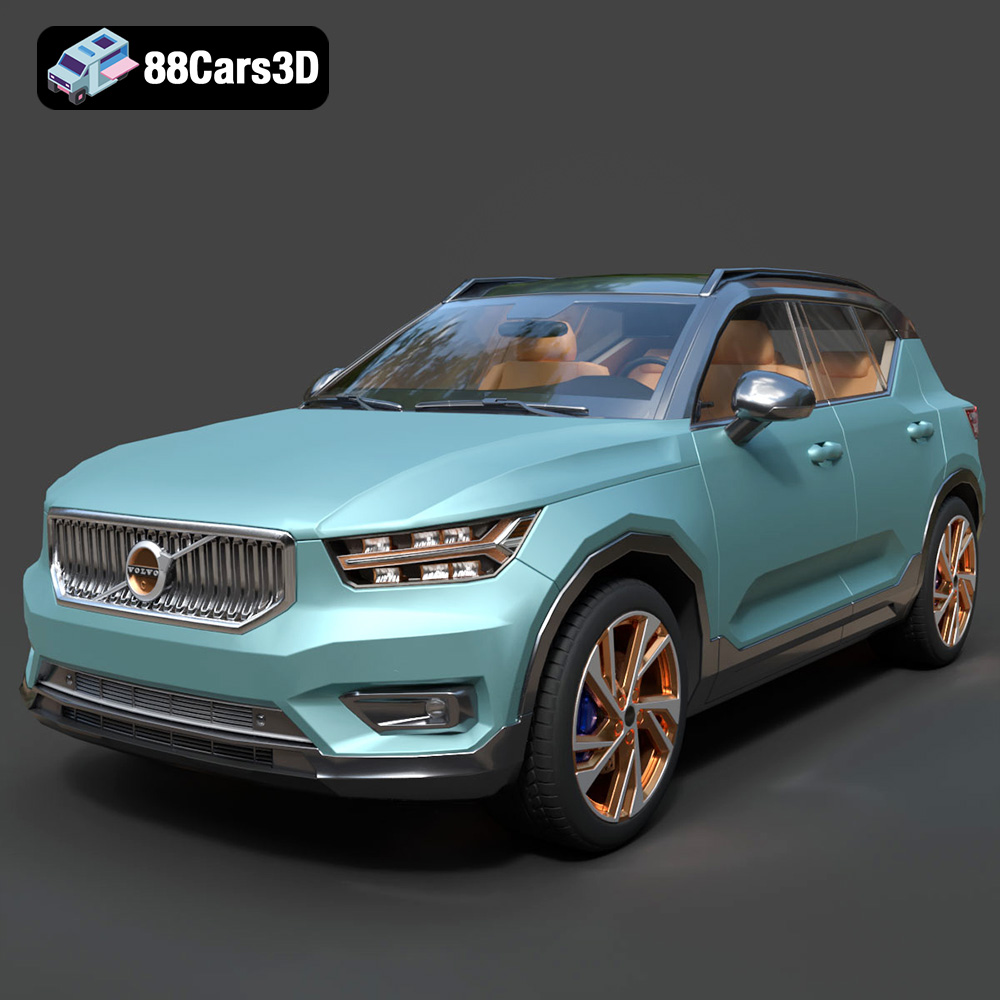
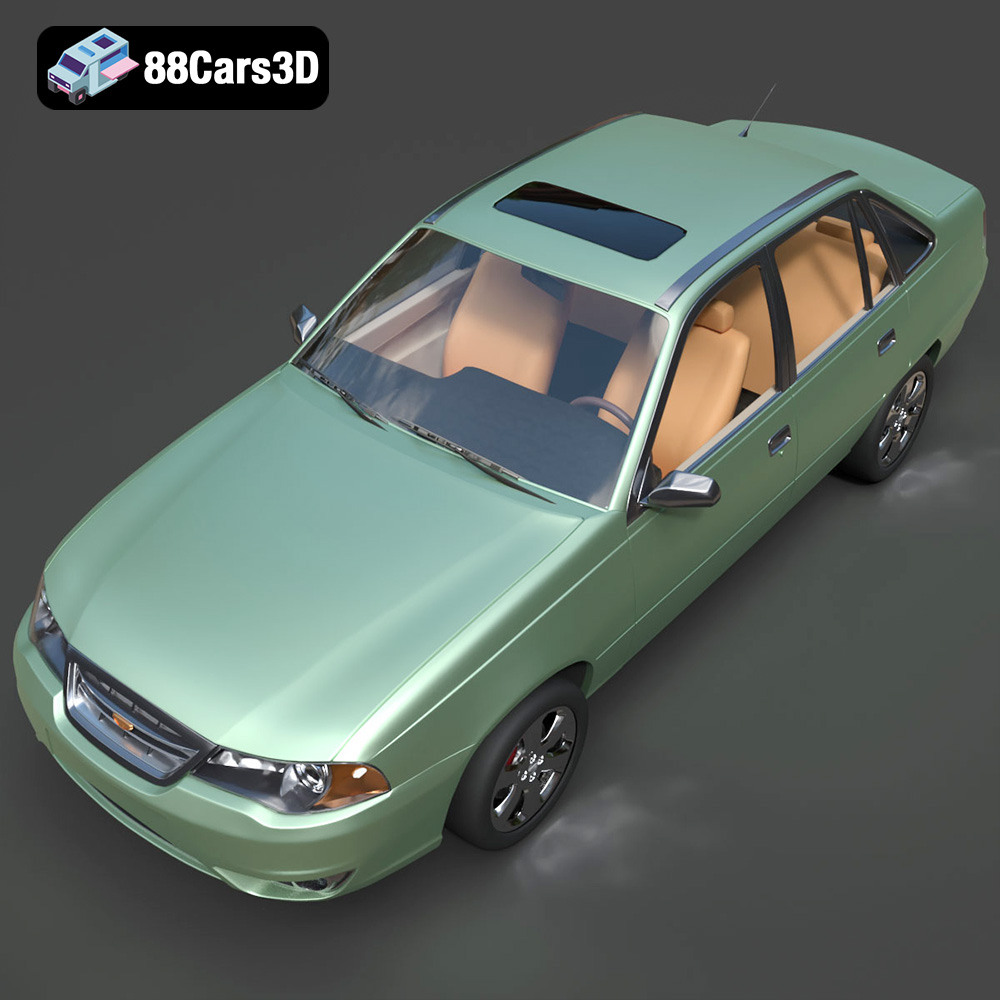
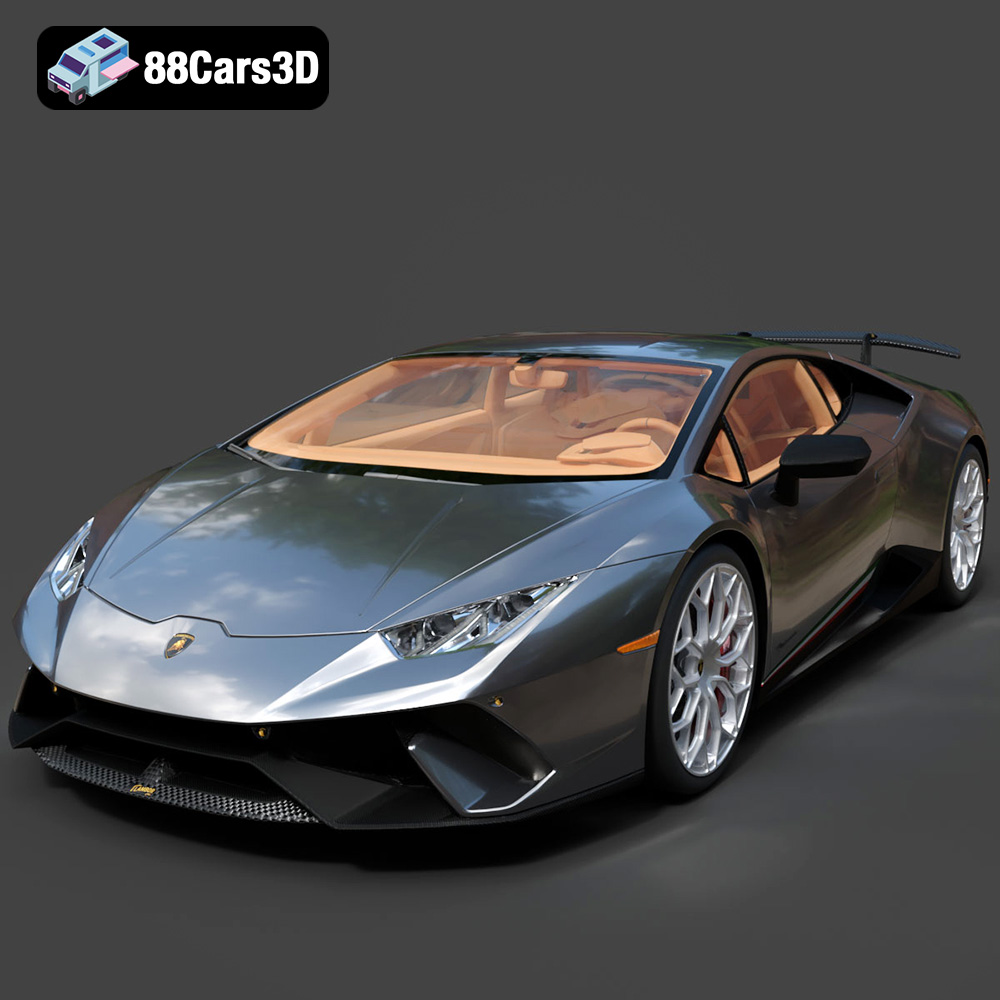
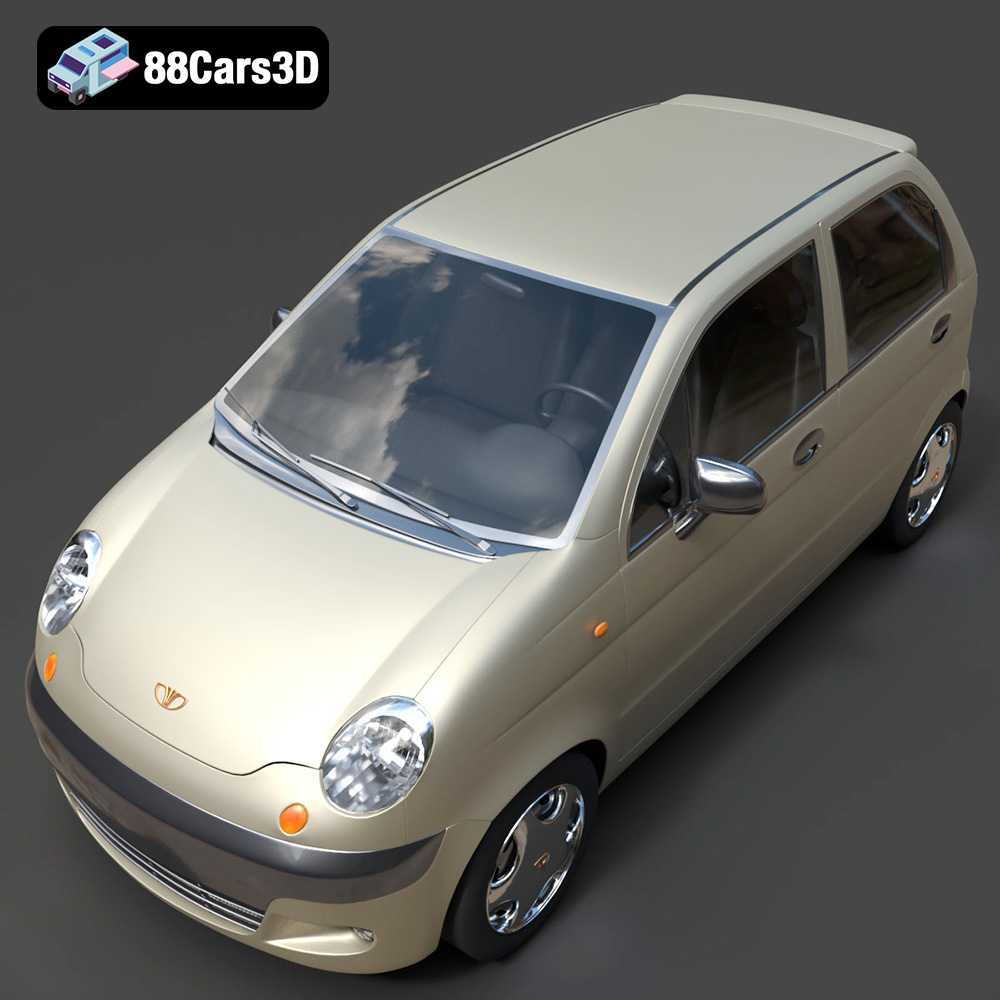
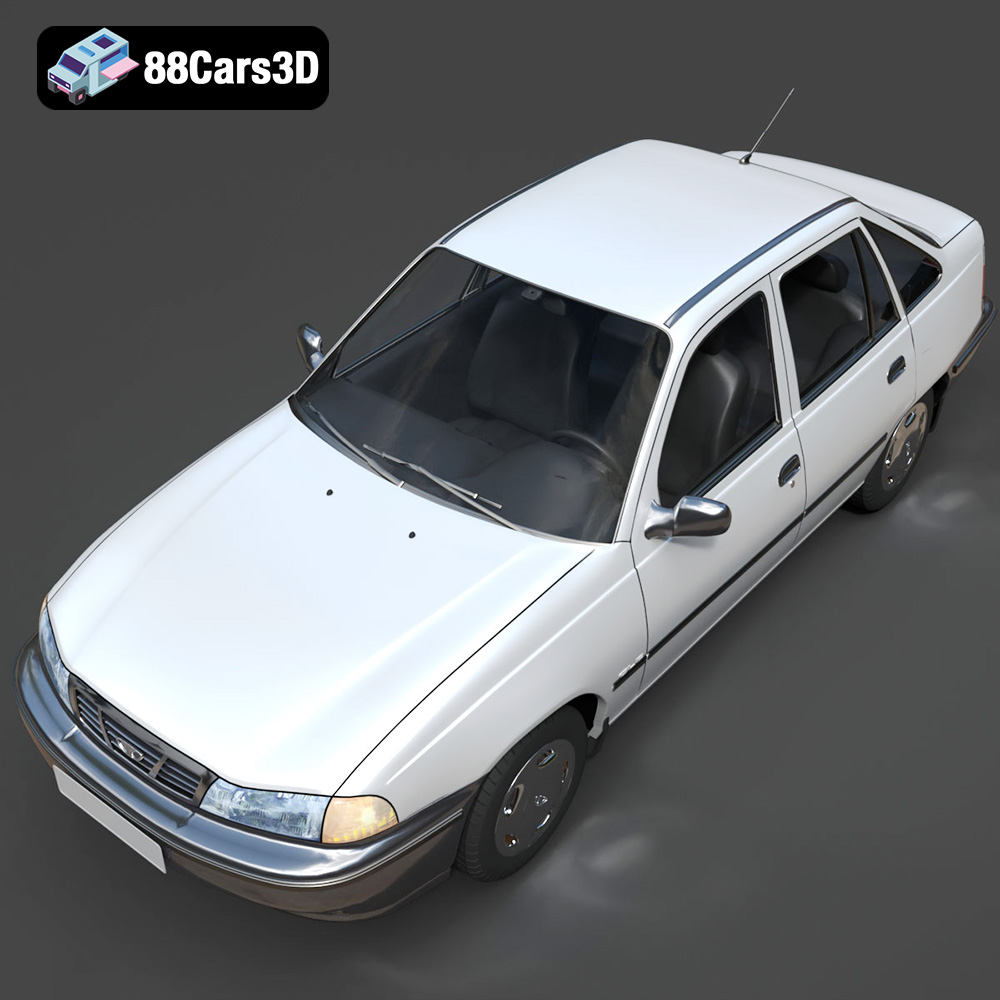
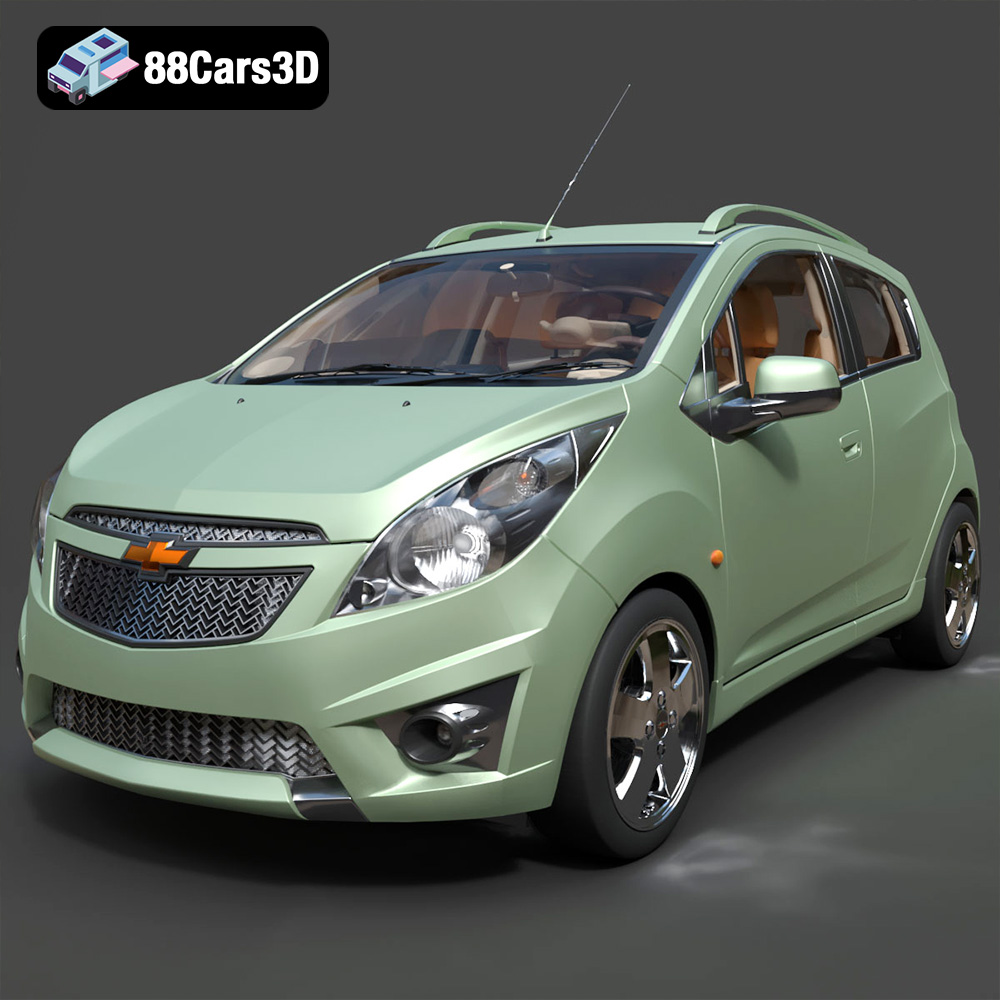
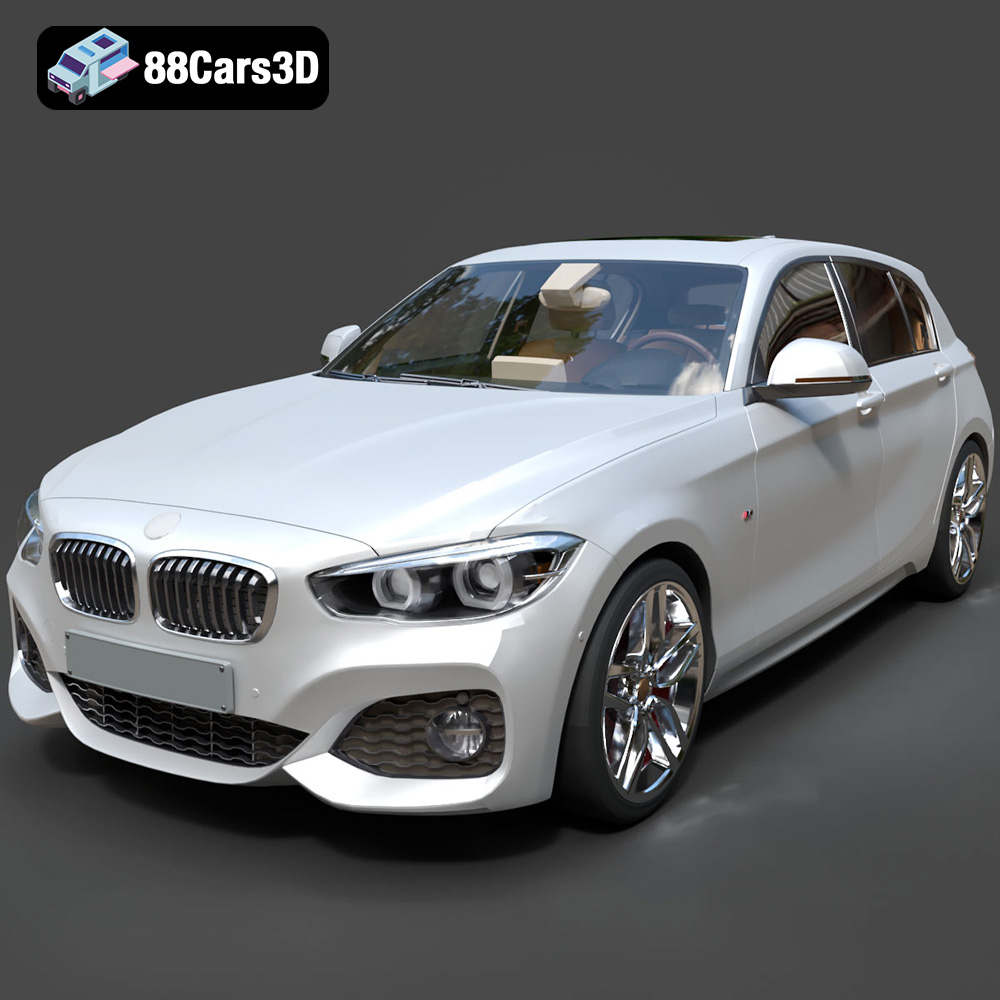
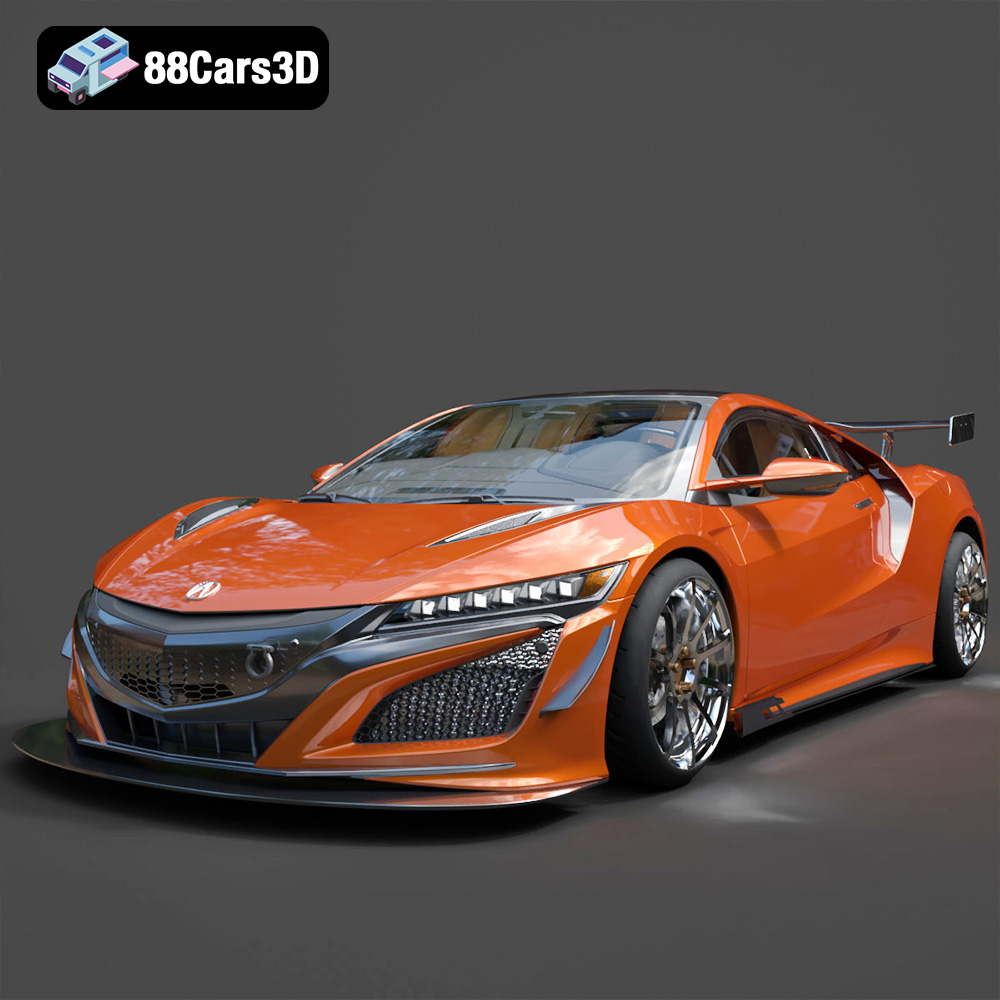
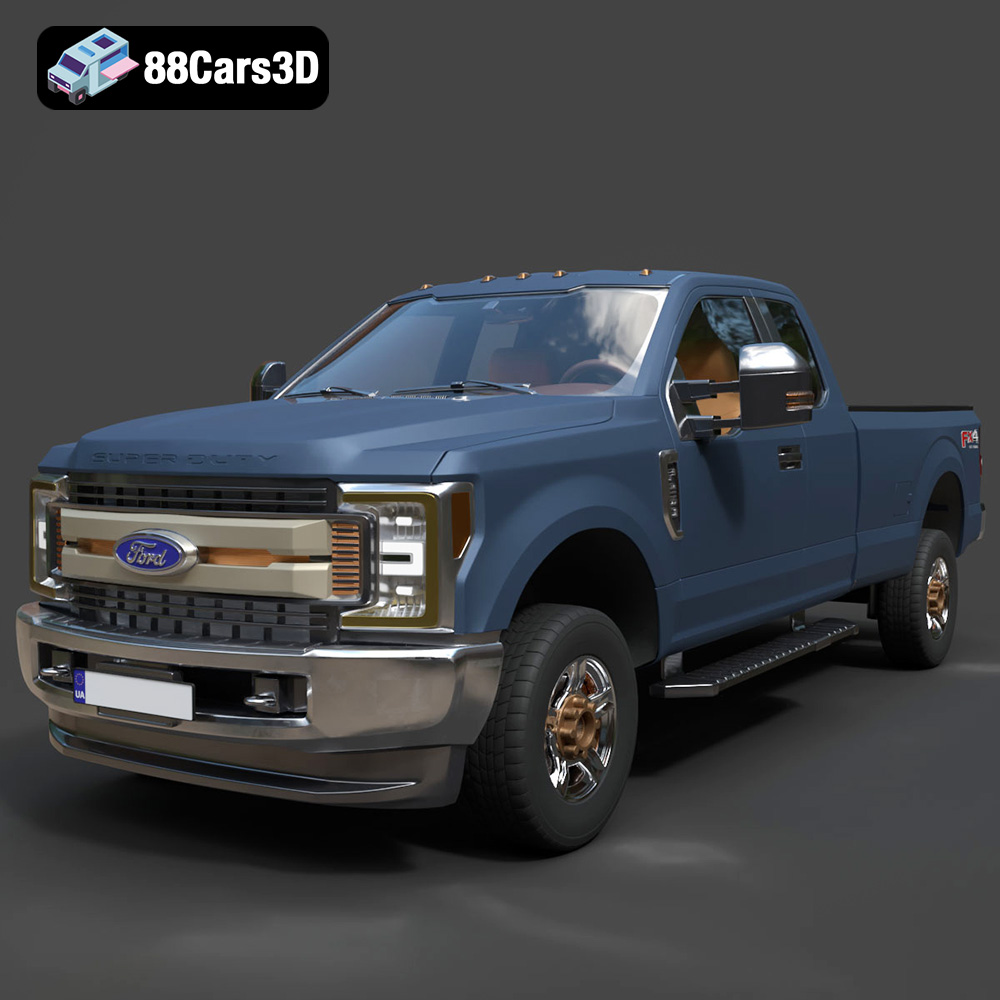
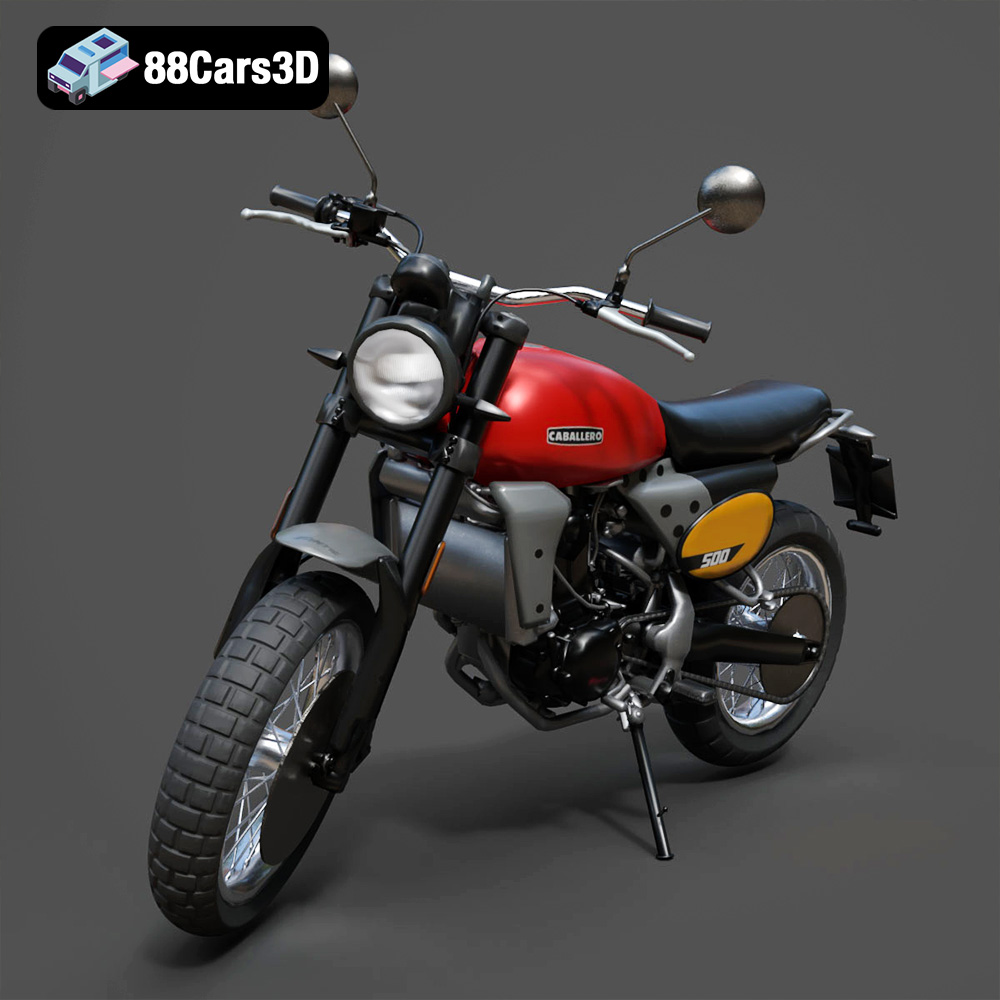
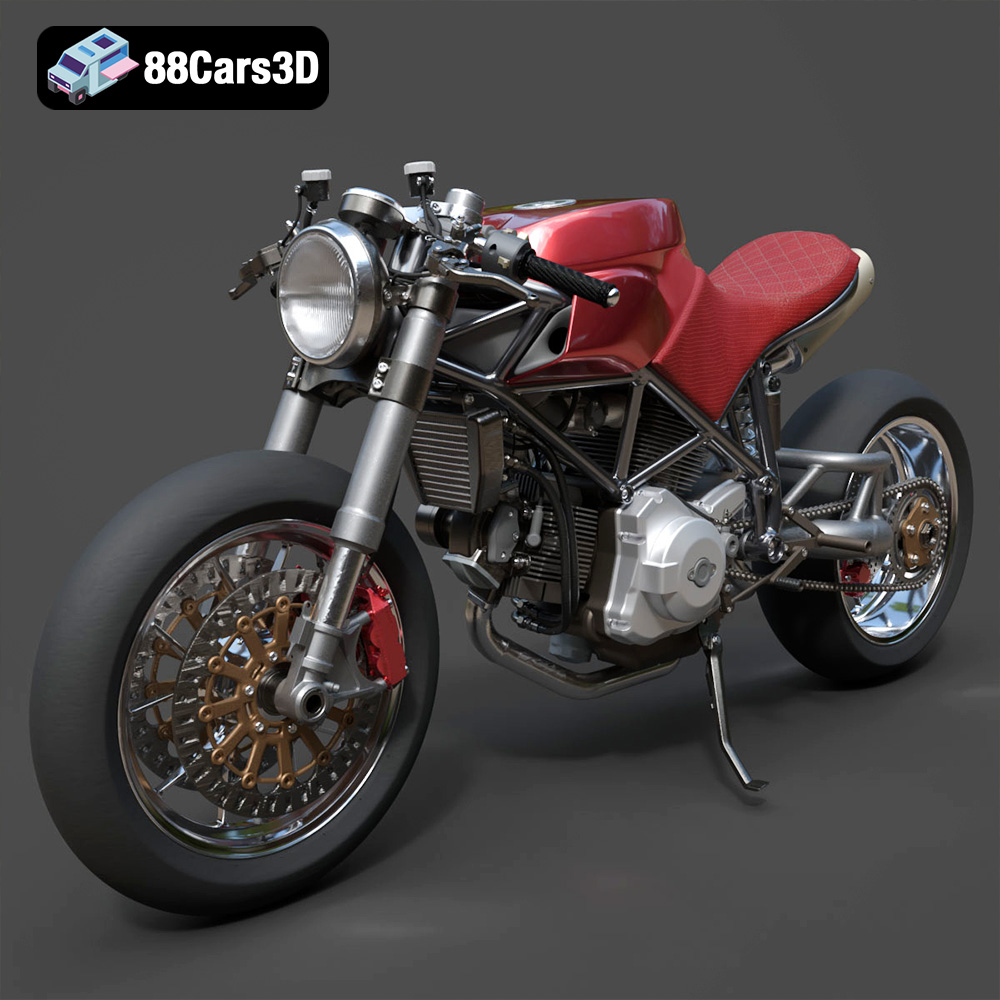
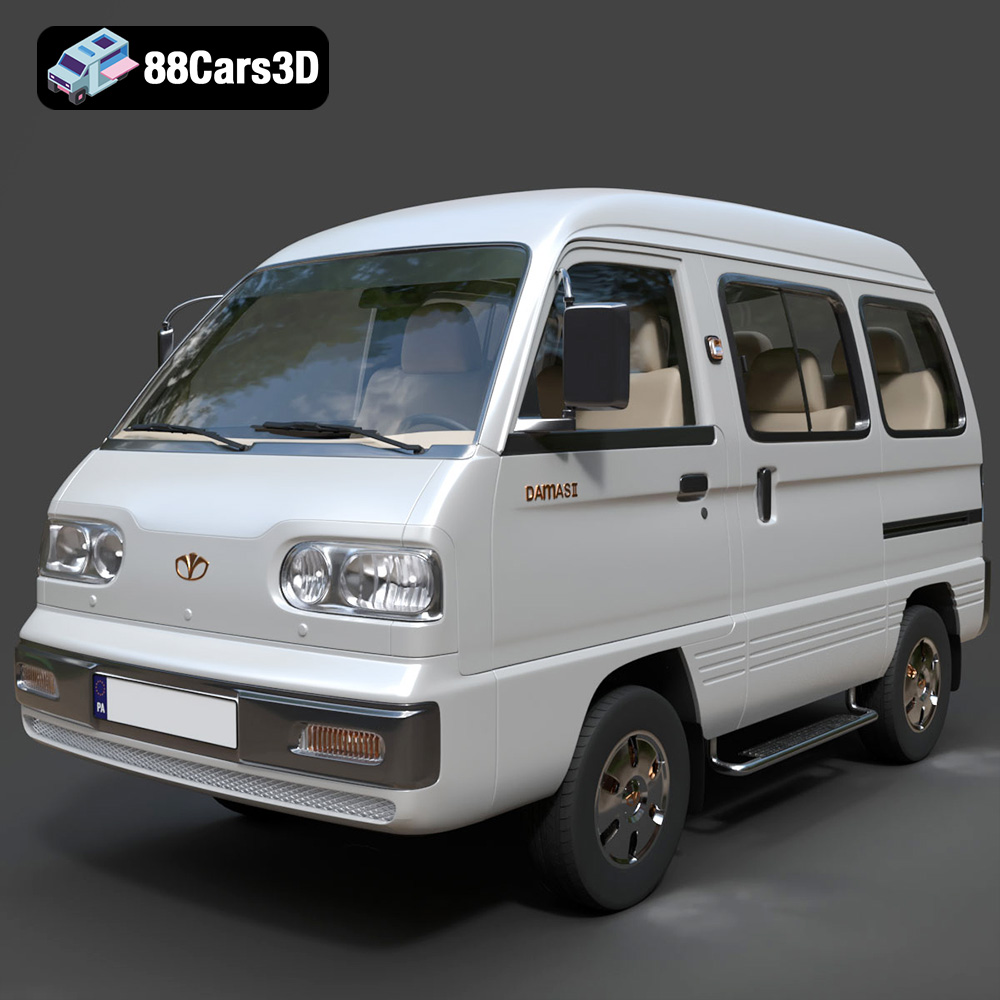
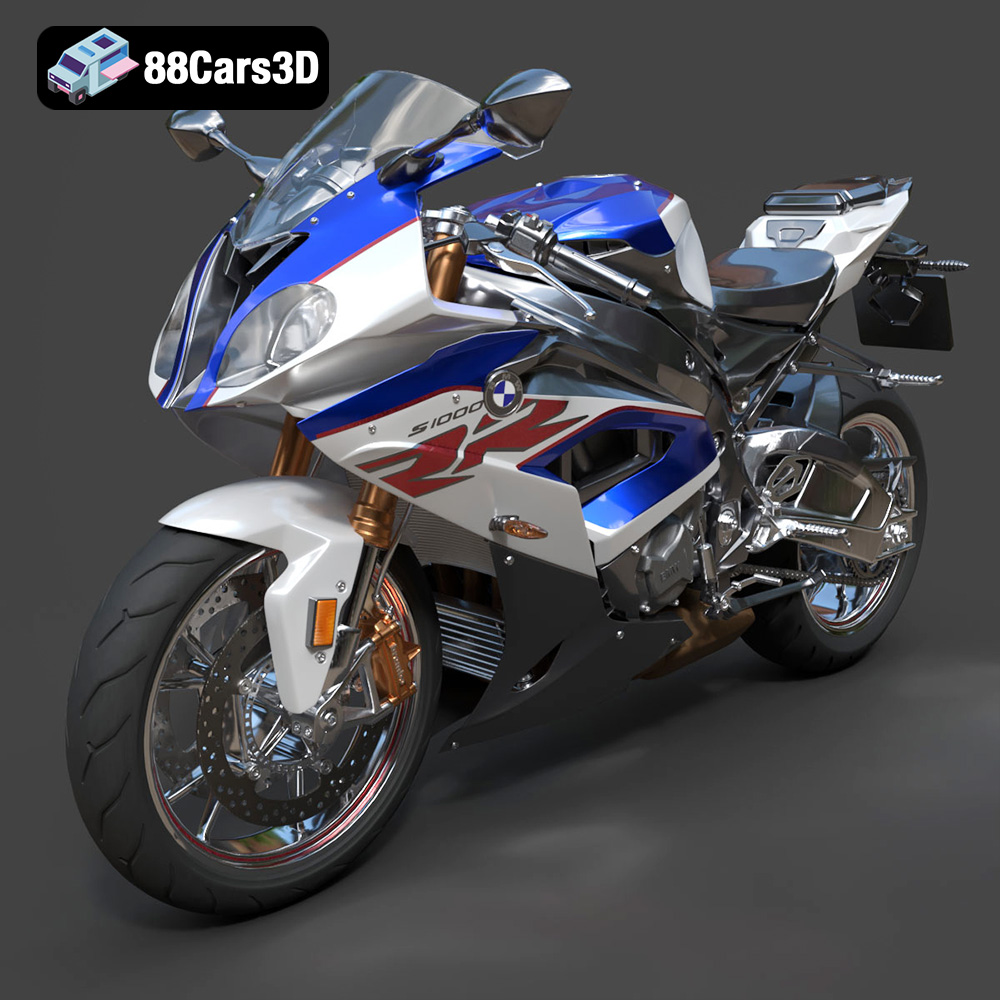
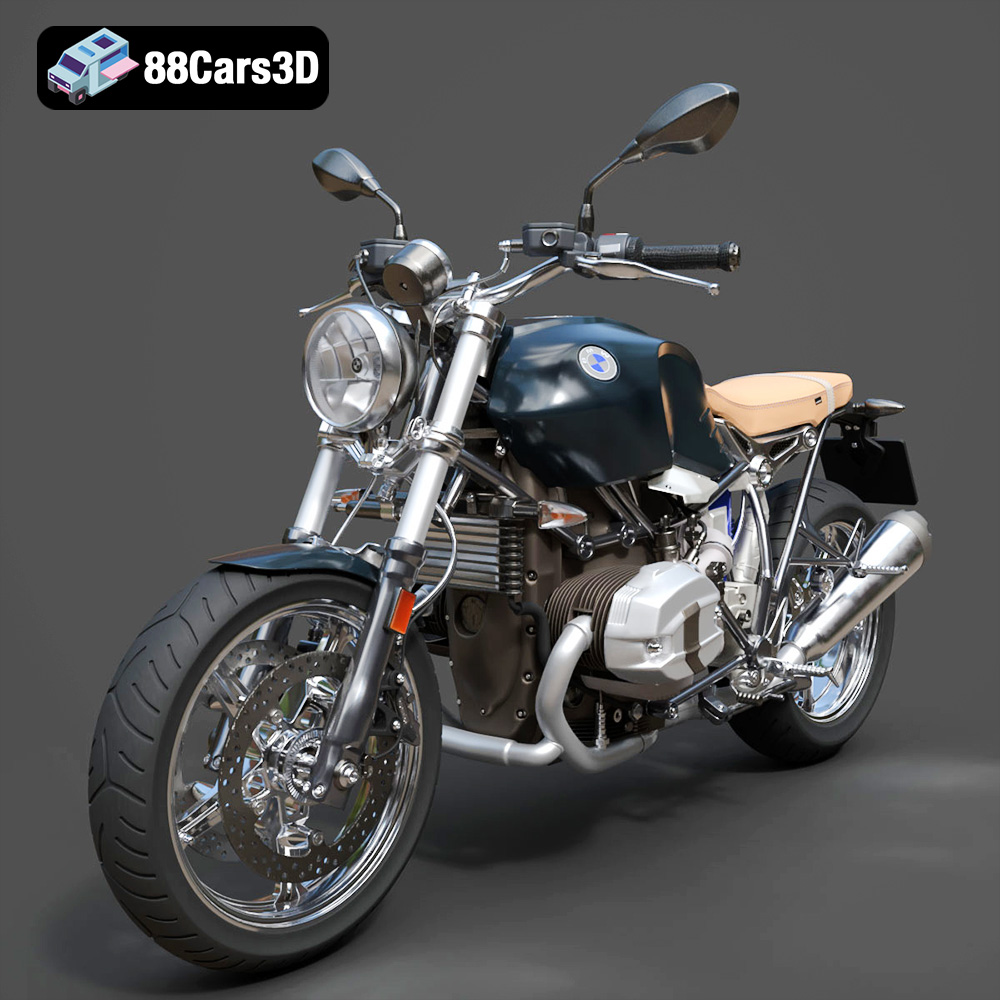
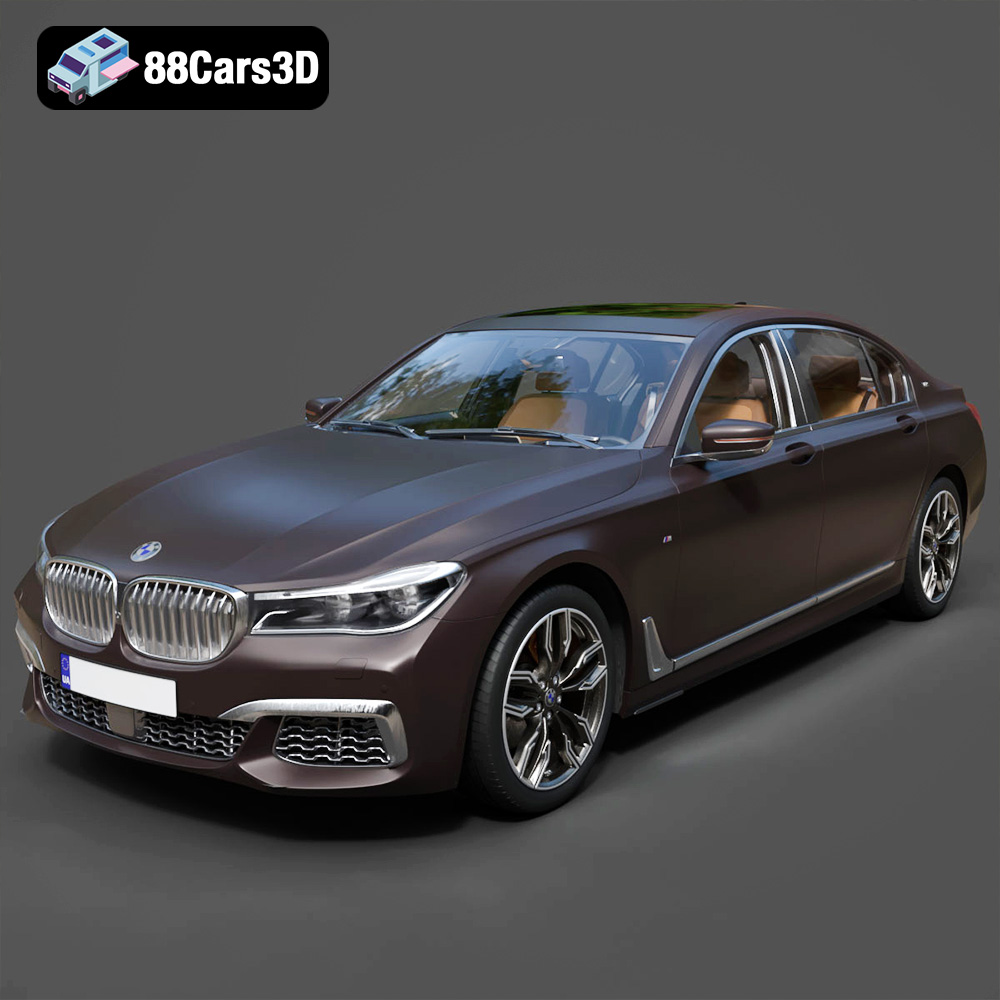
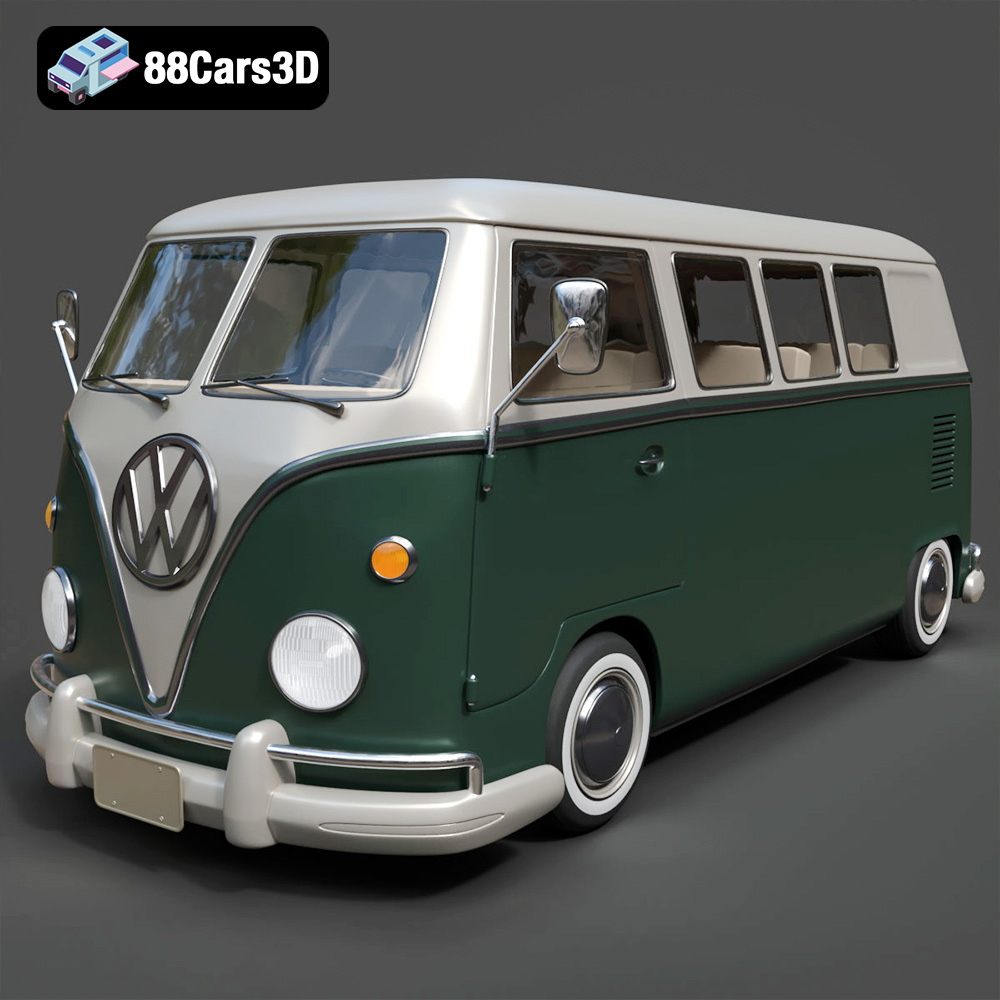
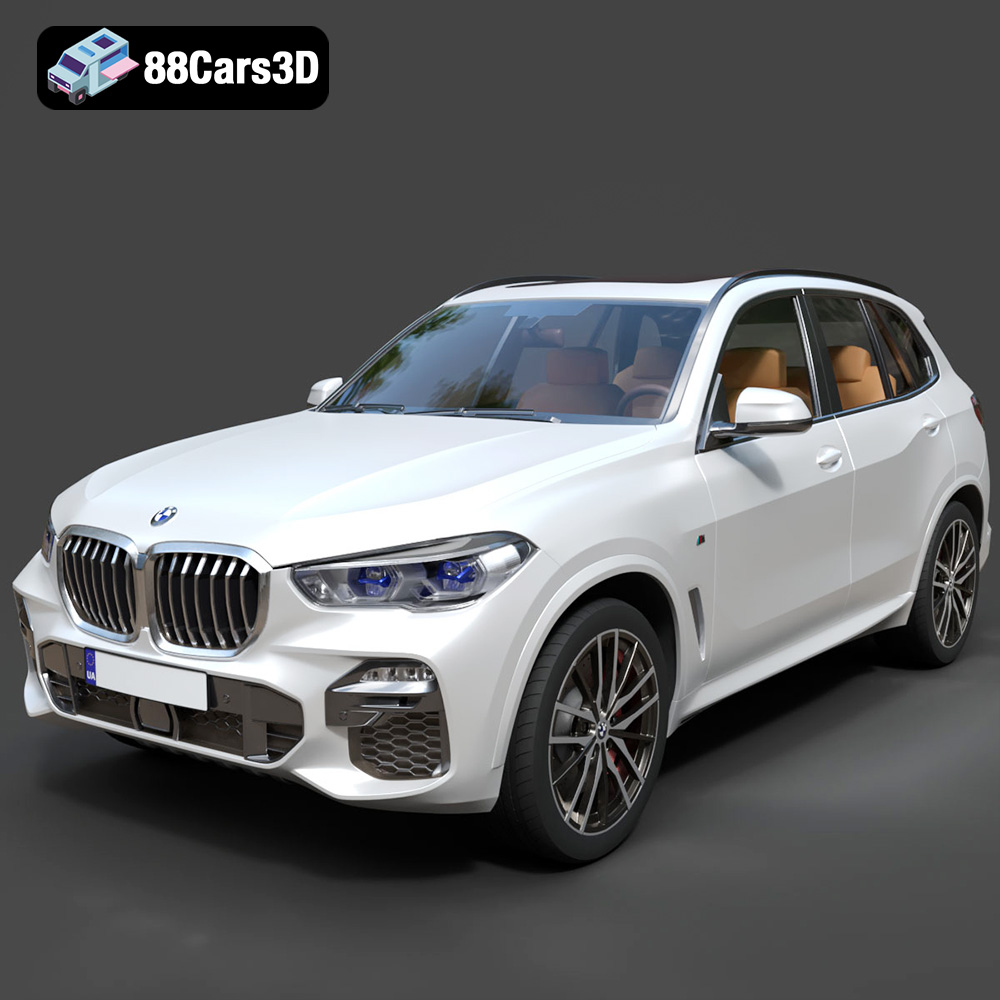
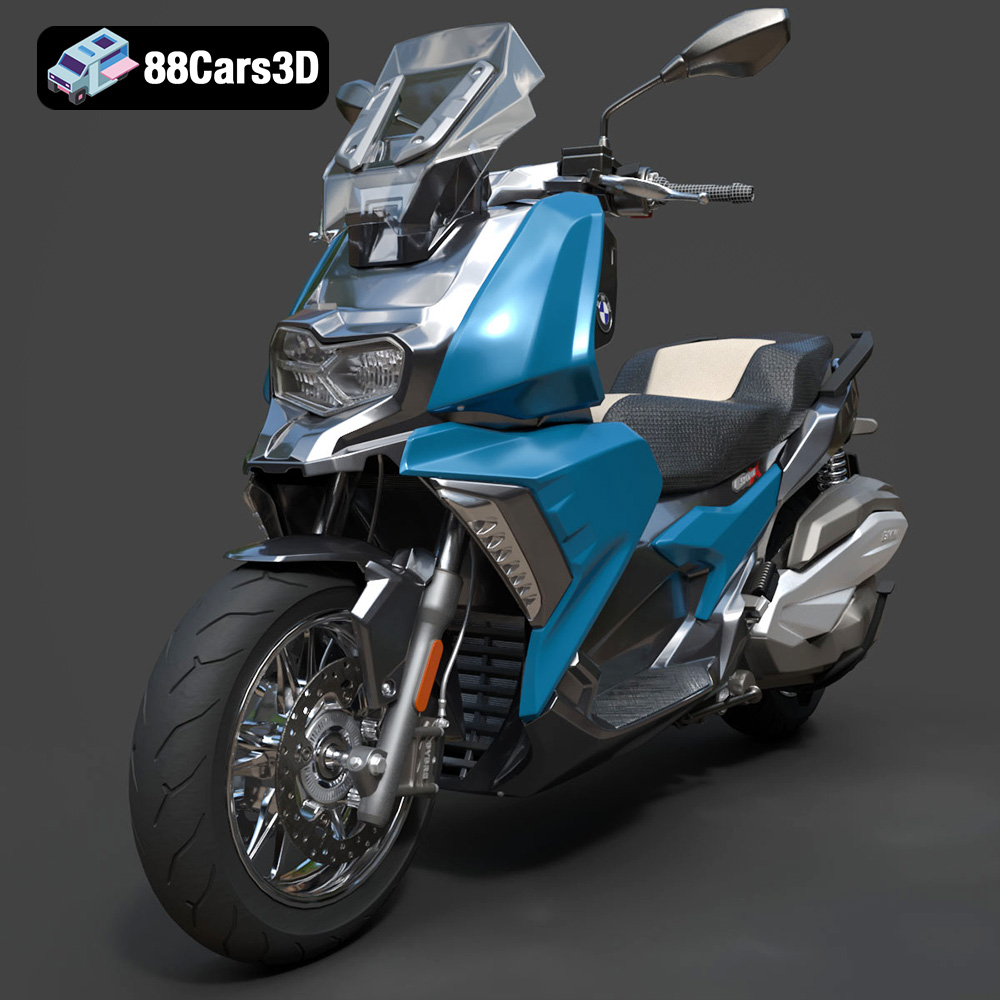
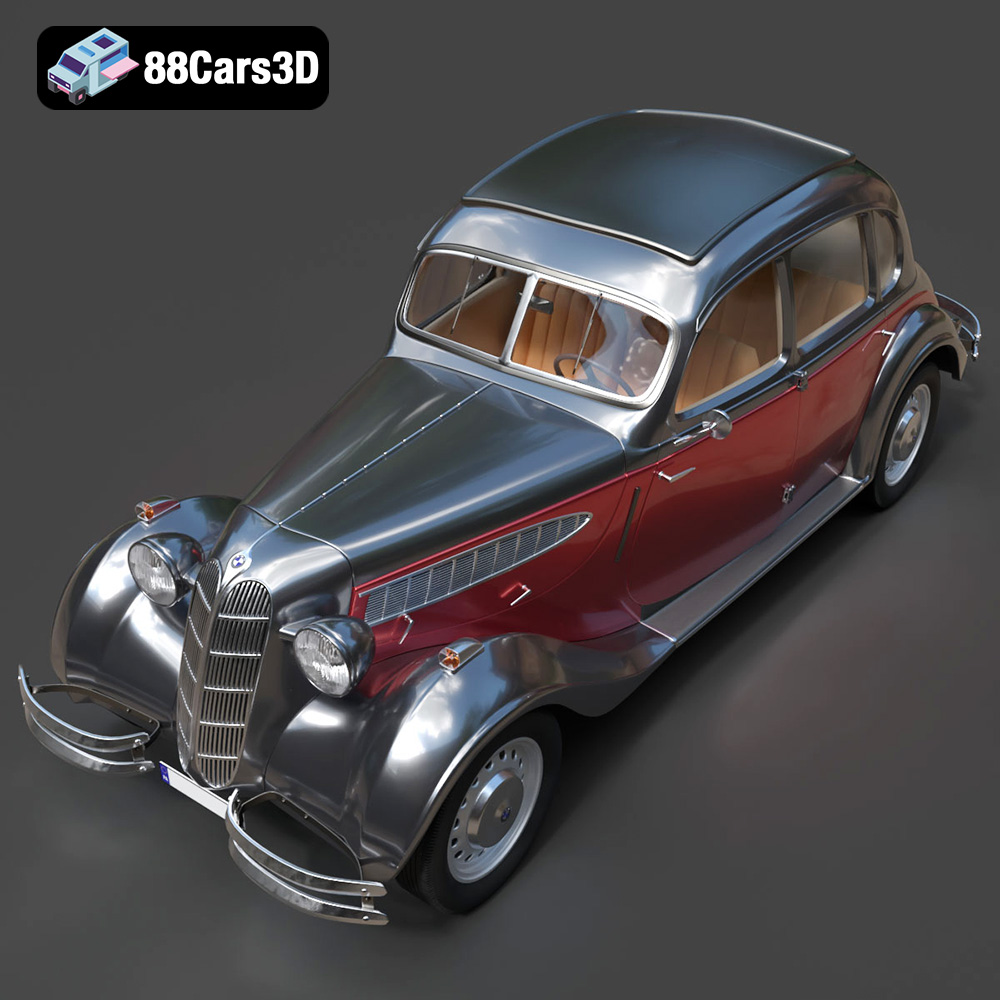
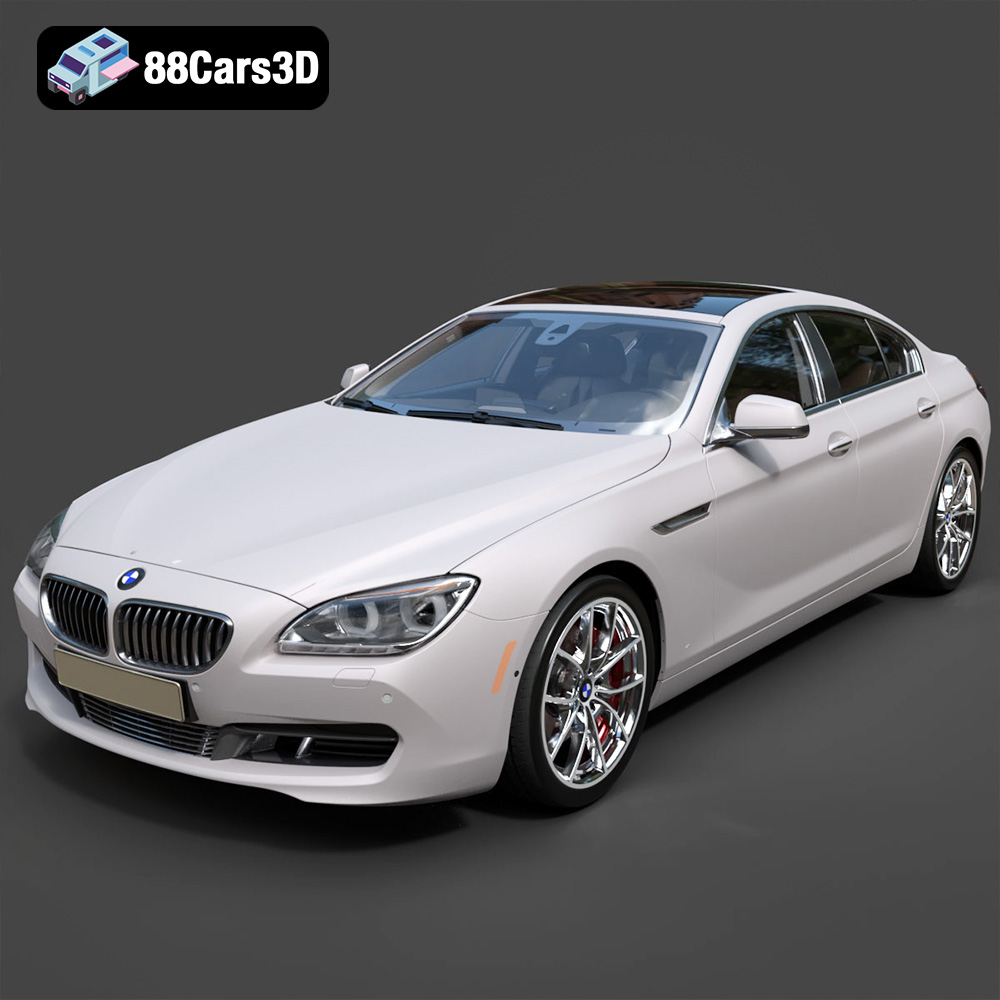
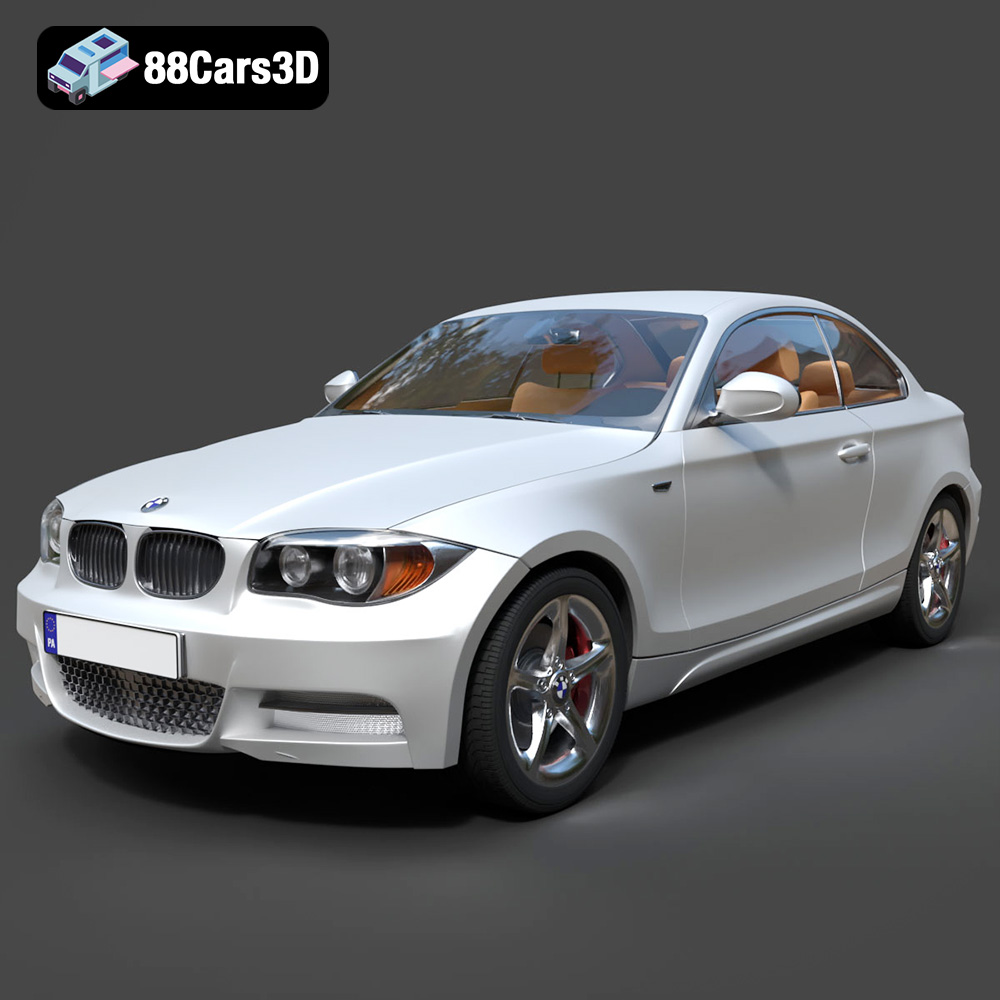
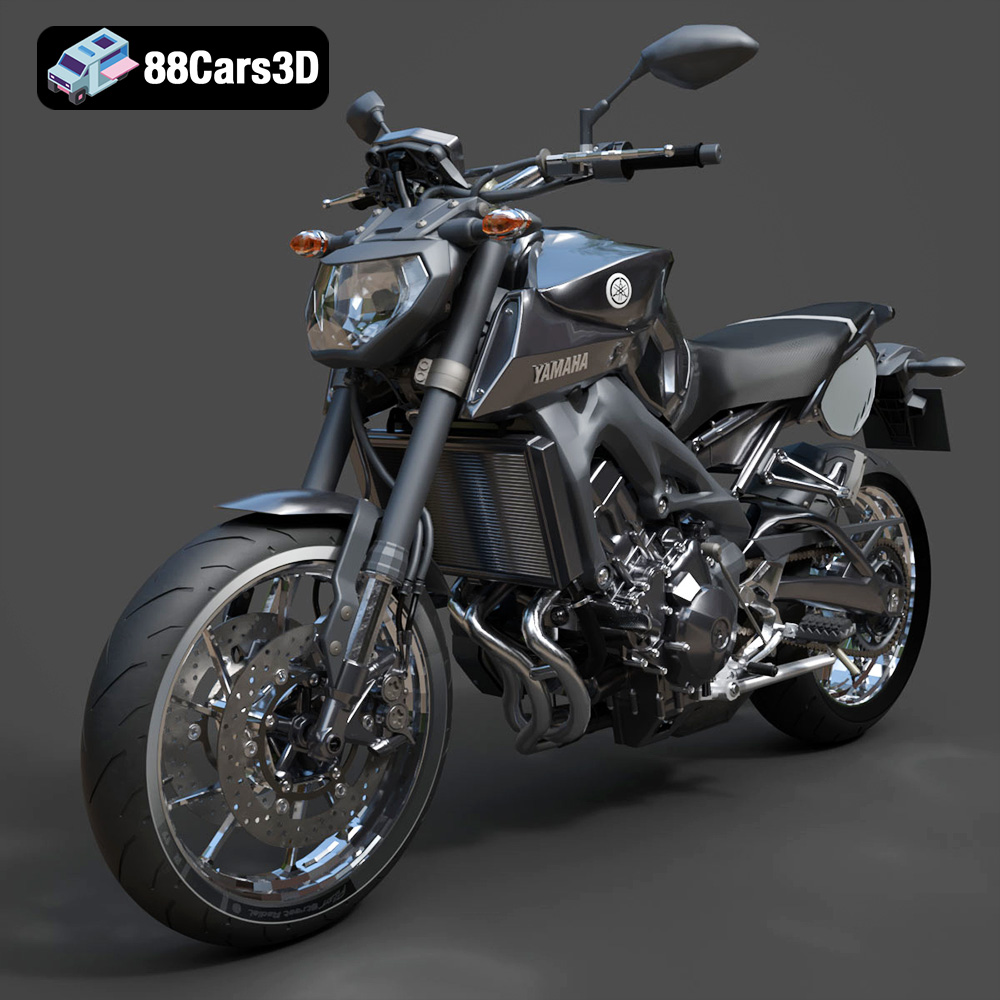
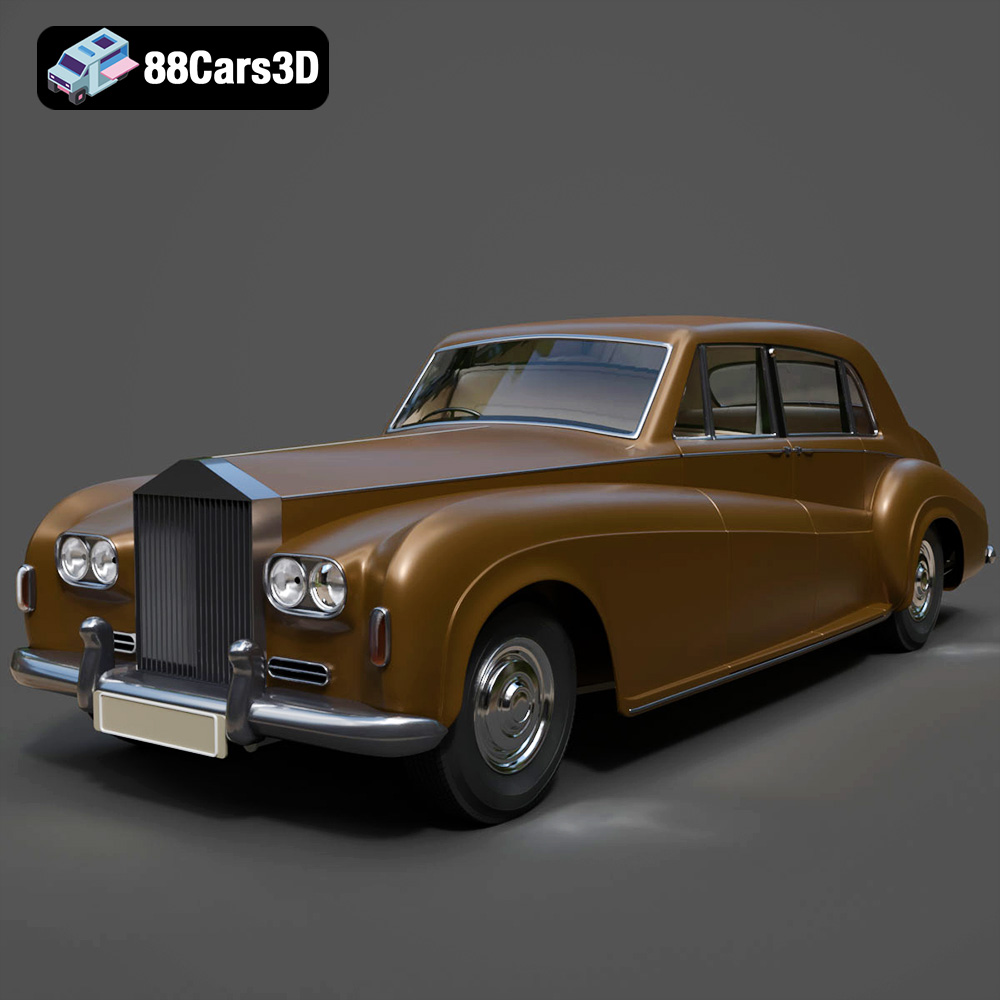
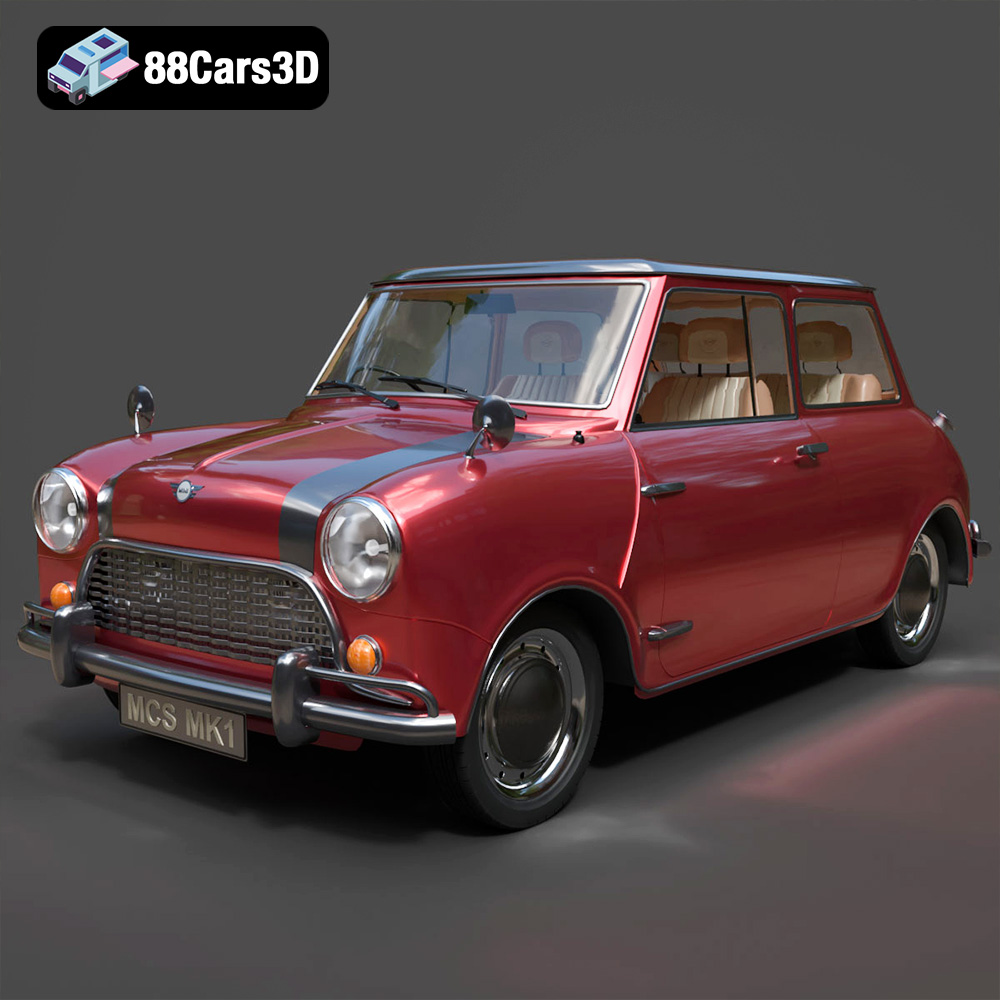
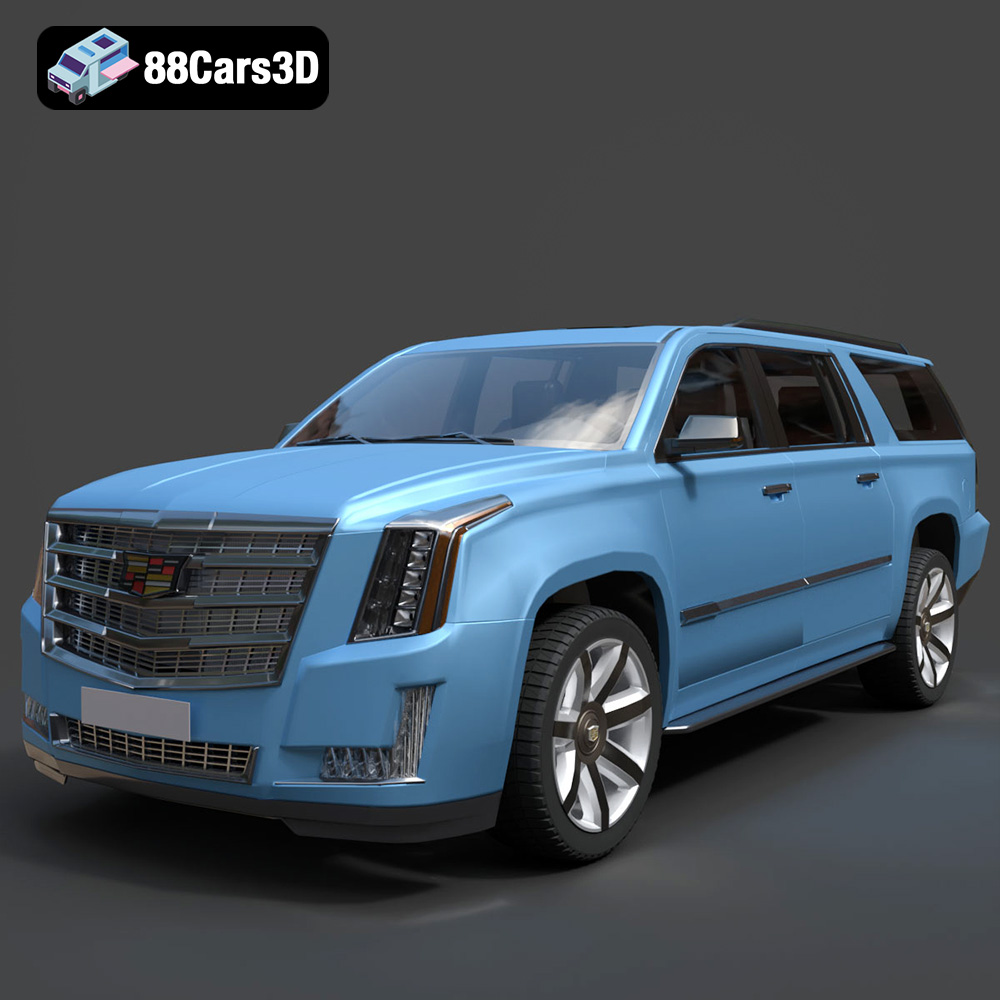
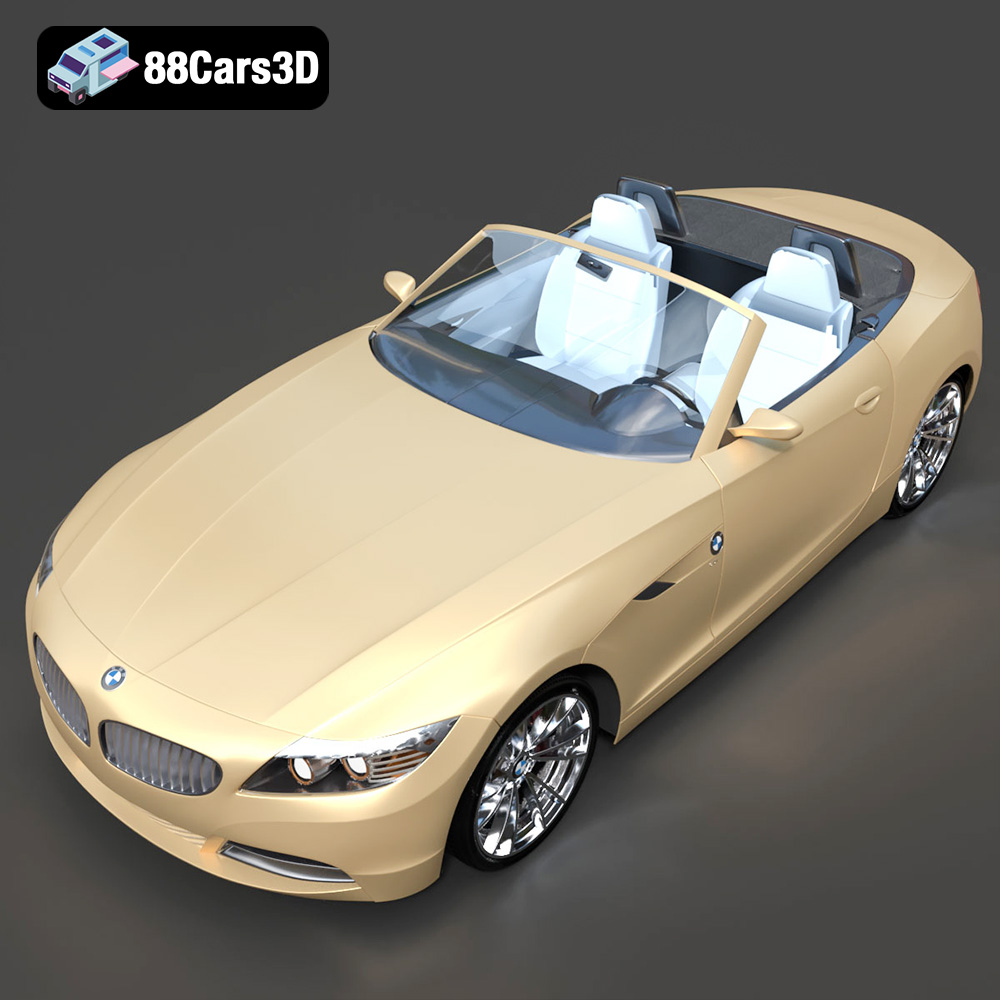
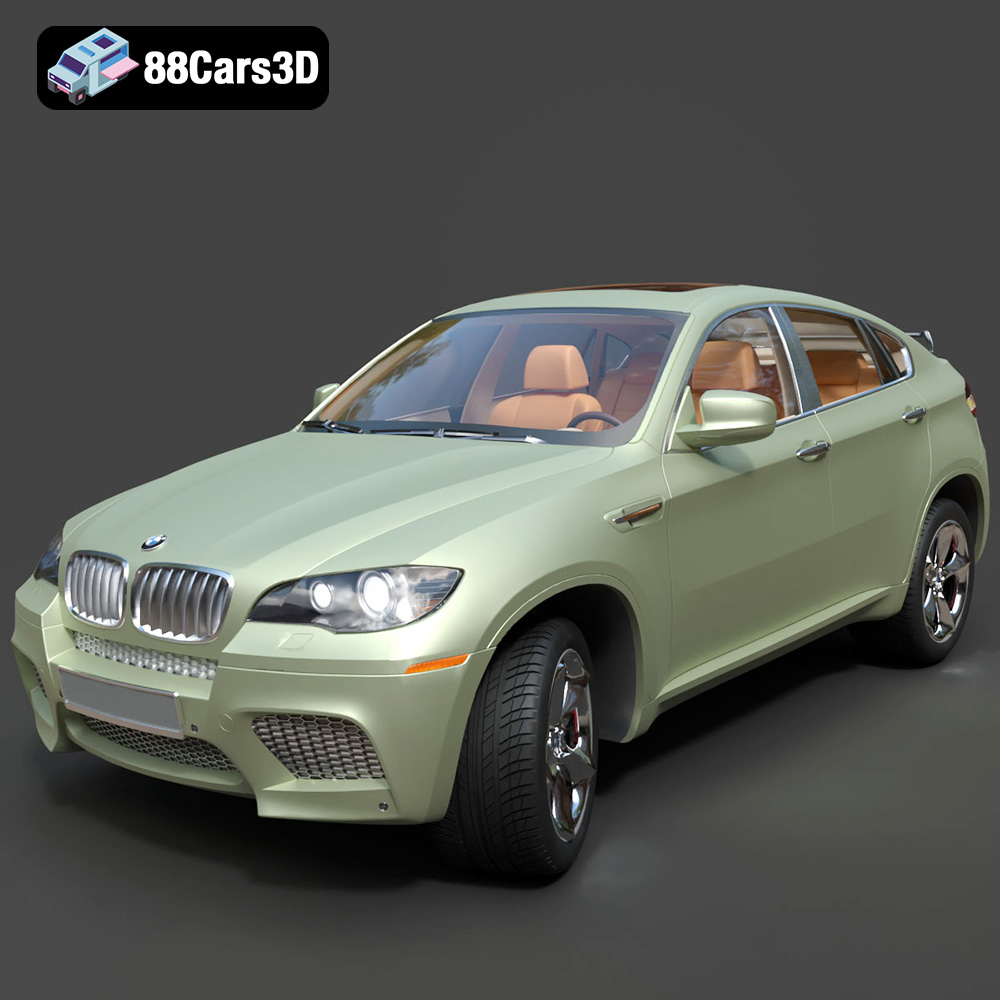
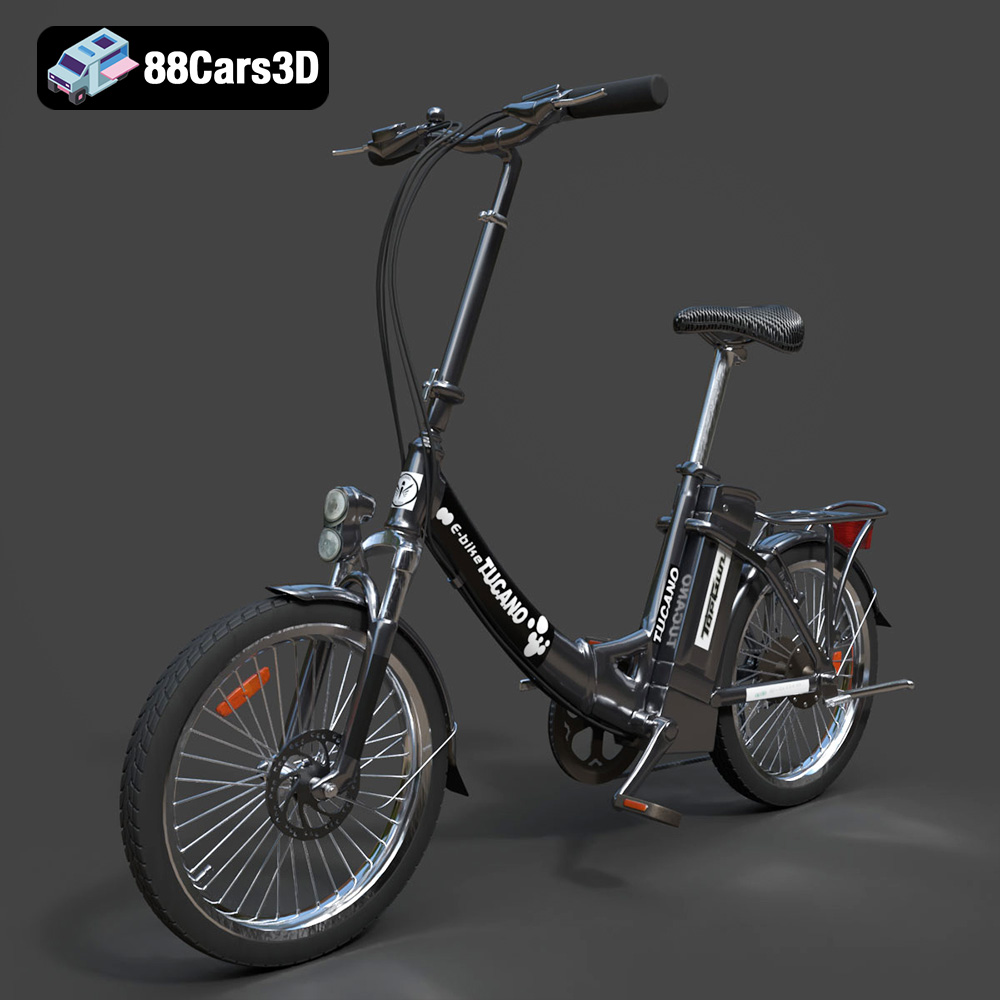
Get 50% OFF All Premium 3D & STL Models!

In the dynamic realms of automotive design, visualization, game development, and architectural rendering, the quality of your 3D assets can make or break a project. From breathtaking photorealistic renders that captivate clients to immersive game environments that enthrall players, the foundation of excellence often lies in meticulously crafted 3D car models. These aren’t just decorative elements; they are complex digital blueprints, engineered for specific purposes and optimized for peak performance across various platforms. Understanding the intricacies of these assets, from their geometry and texturing to their file formats and engine integration, is crucial for professionals aiming to achieve unparalleled visual fidelity and efficiency. This comprehensive guide will delve deep into the technical aspects of 3D car models, exploring their applications, the workflows involved, and the essential considerations for leveraging them in your next endeavor.
Creating a compelling digital experience or a visually stunning render begins with the right assets. For anything involving vehicles, high-quality 3D car models are indispensable. They represent countless hours of skilled craftsmanship, blending artistic vision with technical precision to replicate real-world vehicles in the digital space. The level of detail, accuracy, and optimization present in a model directly impacts its utility and the final output quality, whether it’s a sleek commercial animation or a high-performance game asset.
Professional 3D car models are characterized by their superior geometric detail. This isn’t just about having a high polygon count; it’s about intelligent topology, clean mesh flow, and accurate surface representation. For rendering applications, models often feature extensive detail, including finely modeled panel gaps, intricate interior components, engine bays, undercarriages, and even individual bolts. Subdivision surface modeling is commonly employed to achieve smooth, organic curves while maintaining a manageable base mesh. This allows artists to dial in the level of detail necessary for extreme close-ups without introducing artifacts. Each curve and contour is carefully sculpted to match blueprints and reference images, ensuring the digital twin is an exact replica of its physical counterpart.
Beyond visual appeal, accuracy is paramount. Dimensions, proportions, and material properties must precisely mirror those of the actual vehicle. This fidelity is critical for automotive designers evaluating new concepts, advertisers creating product showcases, or forensic animators reconstructing accident scenes. Photogrammetry and CAD data conversion are often used in the initial stages to capture real-world vehicles with millimeter precision. This foundational accuracy extends to the smallest details, from the tread patterns on tires to the subtle nuances of a vehicle’s badging. When you acquire a model from a reputable source like 88cars3d.com, you are investing in this level of real-world precision, ensuring your projects are grounded in authenticity.
Choosing the correct 3D model file format is a critical decision that impacts workflow efficiency, software compatibility, and the final application’s performance. Each format serves specific purposes, with distinct advantages and limitations. Knowing which format to use for your specific needs, be it rendering, game development, AR/VR, or 3D printing, is essential for a smooth and successful project. This section details the most common and critical file formats encountered in the professional 3D industry.
These formats are designed to store a comprehensive range of data, including geometry, materials, textures, lighting, cameras, and animation, making them ideal for artists who require full control over the asset.
* .blend – Fully Editable Blender Scene with Materials: The native file format for Blender, a powerful open-source 3D creation suite. A `.blend` file encapsulates an entire scene, including all mesh data, complex node-based materials (using the Principled BSDF shader for PBR workflows), textures, lighting setups, cameras, animations, physics simulations, and modifiers. It’s an excellent choice if your primary software is Blender, offering maximum flexibility for customization, tweaking shaders, and modifying geometry without loss of data. Its self-contained nature ensures that all necessary assets are included, simplifying project management within the Blender ecosystem.
* .max – Editable 3ds Max Project for Animation and Rendering: The proprietary scene format for Autodesk 3ds Max, a leading software in architectural visualization, game development, and animation. A `.max` file stores everything associated with a 3ds Max project, similar to `.blend`. This includes complex hierarchies, sophisticated modifier stacks, V-Ray, Corona, or Arnold materials, elaborate lighting setups, and advanced animation rigs. It’s the go-to format for users heavily invested in the 3ds Max pipeline, offering the most robust editing capabilities within that environment. However, it requires a 3ds Max license to open and modify.
These formats are designed for interoperability between different software packages or optimized for real-time applications like game engines.
* .fbx – Ideal for Unreal, Unity, and Real-time Pipelines: Developed by Autodesk, FBX (Filmbox) is one of the most widely adopted exchange formats in the 3D industry. It excels at transferring 3D models, animation data, and skeletal rigs between different software applications (e.g., Maya, 3ds Max, Blender, Cinema 4D) and game engines (Unreal Engine, Unity). FBX supports mesh data, materials (though material translation can sometimes be imperfect between different renderers), textures, UV maps, skinning information, and keyframe animation. Its strength lies in its ability to encapsulate complex animated scenes efficiently, making it the industry standard for game asset pipelines. When working with high-quality 3D car models for real-time applications, FBX is almost always the preferred choice due to its robust support across major engines.
* .obj – Universal Format for Cross-Software Compatibility: OBJ (Wavefront Object) is a much simpler, text-based geometry definition file format that is almost universally supported across all 3D software. It stores vertex positions, UV coordinates, normals, and face information. While it doesn’t typically store advanced material properties, animations, or rigging data directly within the `.obj` file itself, it often references an accompanying `.mtl` (material library) file for basic material definitions (like diffuse color and texture maps). OBJ is highly reliable for transferring static mesh data between disparate applications, making it a safe fallback option when more complex formats fail or are not supported. It’s particularly useful for pure mesh exchange where robust material definitions are handled separately or rebuilt in the target application.
* .unreal – Engine-Ready Asset for Real-Time Environments: This isn’t a single file format in the same sense as FBX or OBJ, but rather refers to assets specifically prepared and optimized for direct import into Unreal Engine. Often, this means a combination of FBX files for geometry, along with pre-configured PBR materials, texture sets (base color, normal, roughness, metallic, ambient occlusion), and LODs (Levels of Detail) packaged ready for immediate use within the Unreal Editor. While the underlying geometry might originate as an FBX, the “.unreal” designation implies an asset that has undergone a full optimization and material setup pass specifically for the engine, adhering to its performance and rendering guidelines.
These formats cater to very specific use cases, from augmented reality to 3D printing.
* .glb – Optimized for AR, VR, and Browser-Based Display: GLB (GL Transmission Format Binary) is the binary version of glTF, an open-standard, royalty-free specification for 3D scenes and models. It’s designed to be a “JPEG for 3D,” focusing on efficient transmission and loading of 3D content. A `.glb` file embeds all necessary assets (models, textures, animations) into a single binary blob, making it incredibly convenient for web-based 3D viewers, AR (Augmented Reality), and VR (Virtual Reality) applications. It supports PBR materials and is rapidly gaining traction as the standard for sharing 3D models across the web and mobile platforms due to its compact size and comprehensive feature set for real-time rendering.
* .stl – Suitable for 3D Printing Output: STL (Stereolithography) is the de facto standard file format for 3D printing. It represents a 3D model as a collection of unconnected triangles (a tessellation of the surface geometry). STL files describe only the surface geometry of a 3D object without any color, texture, or material information. Its simplicity makes it universally compatible with 3D printing software (slicers). However, it does not support parametric data, making it unsuitable for CAD editing or complex rendering pipelines where surface continuity and material data are crucial. When preparing a 3D car model for physical output, converting it to a watertight STL is the final step before slicing.
* .ply – Precision Mesh Format for CAD or Analysis: PLY (Polygon File Format, also known as Stanford Triangle Format) is a file format for storing 3D data, particularly point clouds and polygon meshes. It can store a wider range of properties than STL, including color, transparency, normals, texture coordinates, and even reliability information. While not as universally used as OBJ for general mesh exchange, PLY is common in scientific applications, 3D scanning, and CAD/CAM environments where precise geometric data, sometimes including attribute data per vertex or face, is required for analysis or specialized manufacturing processes.
Each of these formats plays a vital role in the 3D pipeline. Selecting the right one ensures compatibility, preserves data integrity, and optimizes performance for its intended application.
Automotive rendering is an art form that transforms static 3D models into captivating, photorealistic images or animations. It’s a highly technical process that demands a deep understanding of light, materials, and composition to evoke emotion and communicate design intent. High-quality 3D car models are the canvases upon which these digital masterpieces are painted.
The realism of a rendered car hinges heavily on its materials. Modern rendering relies on Physically Based Rendering (PBR) workflows, where materials accurately simulate how light interacts with surfaces in the real world. This involves meticulously crafting maps for:
Beyond the primary paint, every component—from the textured rubber of tires and the reflective glass of windows to the various plastics, leathers, and metals of the interior—requires its own precisely calibrated PBR shader network. Software like Substance Painter is invaluable for creating these complex texture sets, which are then integrated into render engines like V-Ray, Corona, Redshift, Cycles (Blender), or Octane. The realism achieved through these material definitions is paramount, and high-quality 3D car models from sources like 88cars3d.com come with meticulously prepared UVs and material zones, ready for this advanced shading work.
Just as in photography, lighting is everything in rendering. Achieving photorealism requires replicating real-world lighting conditions or creating artistic lighting setups that enhance the car’s form.
Careful placement and intensity adjustments of these light sources, combined with detailed backdrops or 3D environments, are crucial. The goal is not just illumination, but also to tell a story and highlight the car’s design features effectively.
Once a render is complete, post-processing is the final layer of refinement. This stage mirrors what photographers and filmmakers do in their editing suites.
The demands of real-time rendering in game engines are distinct from offline rendering for static images or animations. While visual fidelity is still paramount, performance optimization becomes equally critical. 3D car models for games must strike a delicate balance between graphical quality and computational efficiency.
Game assets operate under strict polygon budget constraints. High-poly models, while perfect for cinematic renders, would cripple game performance. Therefore, game-ready 3D car models undergo extensive optimization:
These techniques ensure that even highly detailed vehicles run smoothly on various hardware, crucial for titles featuring numerous cars or open-world environments.
Efficient texture usage is vital for game performance.
Integrating 3D car models into game engines like Unreal Engine or Unity involves more than just importing the geometry.
The process is intricate, requiring a blend of artistic eye and technical proficiency to ensure the 3D car model not only looks fantastic but also performs flawlessly within the interactive environment. The assets available on 88cars3d.com are often already optimized or come with the necessary components to facilitate this complex integration.
The utility of high-quality 3D car models extends far beyond traditional rendering and game development, touching various industries and enabling cutting-edge experiences. Their versatility makes them invaluable tools for innovation and visualization.
VR and AR represent the next frontier of immersive digital experiences, and 3D car models are central to these technologies.
These applications heavily rely on performant, well-optimized 3D models that can render quickly on diverse hardware, from high-end VR headsets to standard mobile phones.
While 3D car models primarily exist in the digital realm, they can also be translated into physical objects through 3D printing.
For 3D printing, the original 3D model needs to be watertight (no gaps or non-manifold geometry) and often converted to an .stl or .obj format, with careful consideration of wall thickness and geometric integrity at the intended print scale.
3D car models play a significant role in enhancing the realism and context of other visualization projects.
In these scenarios, the 3D car models act as essential scene dressing, demanding high levels of detail and realism to blend seamlessly into their surroundings and elevate the overall presentation.
The creation of a high-quality 3D car model is an intricate process, blending artistic skill with technical knowledge. It typically follows a structured workflow to ensure accuracy, efficiency, and optimization for its intended use.
The journey begins with gathering extensive reference materials: blueprints, high-resolution photographs, and even real-world measurements.
Once the geometry is solidified, the next crucial step is preparing the model for texturing.
For animated projects or interactive game assets, the model must be prepared for movement.
The world of 3D car models is a testament to the blend of artistic creativity and technical precision. From the intricate geometry of a photorealistic render to the optimized efficiency of a game asset, each model represents a significant investment in skill and knowledge. Understanding the diverse applications, specific file formats, and meticulous workflows involved is essential for anyone looking to push the boundaries of digital visualization. Whether you are an automotive designer bringing a new concept to life, a game developer crafting the next immersive driving experience, or an architect seeking to populate a realistic urban scene, high-quality 3D car models are the bedrock of your success. By choosing professionally crafted assets, like those found on 88cars3d.com, you empower your projects with unparalleled detail, accuracy, and performance, ensuring your visions are realized with breathtaking fidelity. Embrace the power of precision and elevate your digital creations to new heights.

Price: $129.99

Price: $99.99

Price: $89.99