Get 50% OFF All Premium 3D & STL Models!

In the dynamic world of 3D visualization, the demand for exceptionally detailed and accurate automotive models continues to grow. From blockbuster game titles and cinematic sequences to cutting-edge AR/VR experiences and intricate product visualizations, a high-quality 3D vehicle model forms the bedrock of any successful project. It’s about capturing more than just shape; it’s about conveying the spirit, the engineering, and the aesthetic of the real-world counterpart. This meticulous approach to digital asset creation is paramount for professionals seeking realism and versatility in their work.
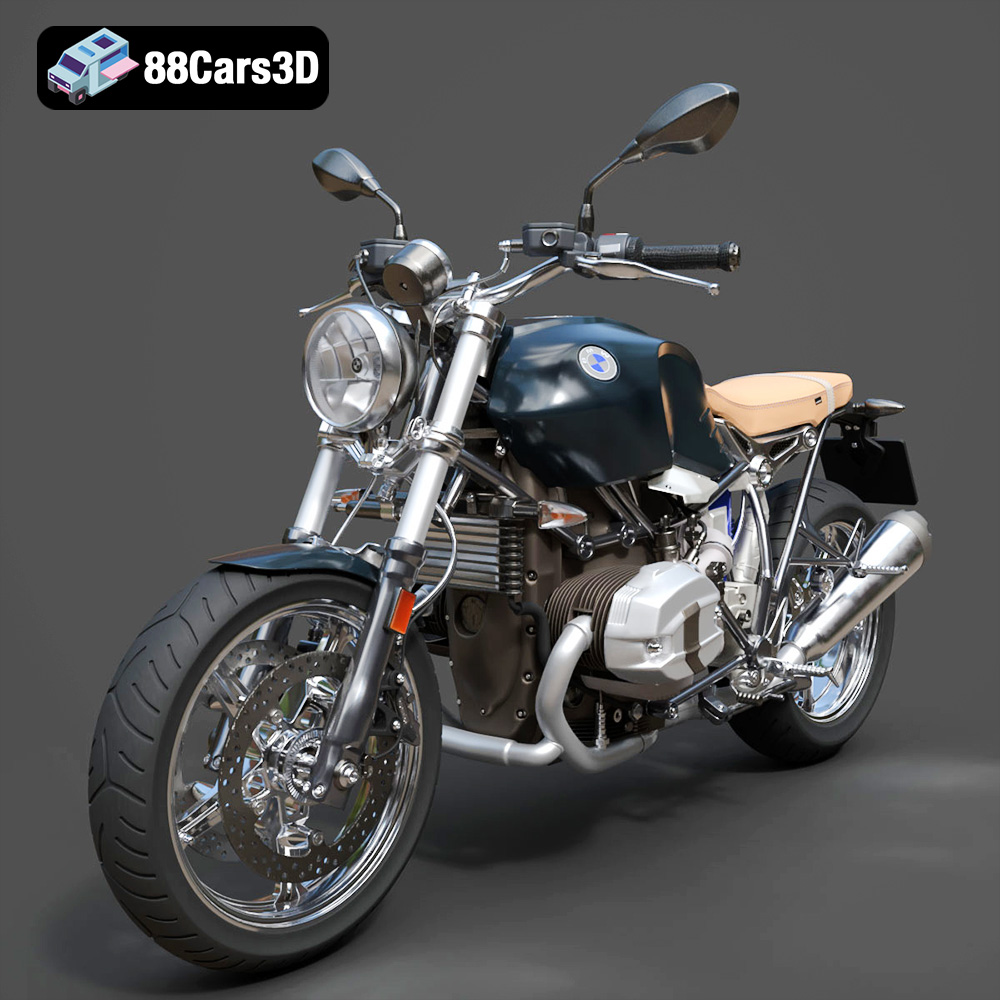
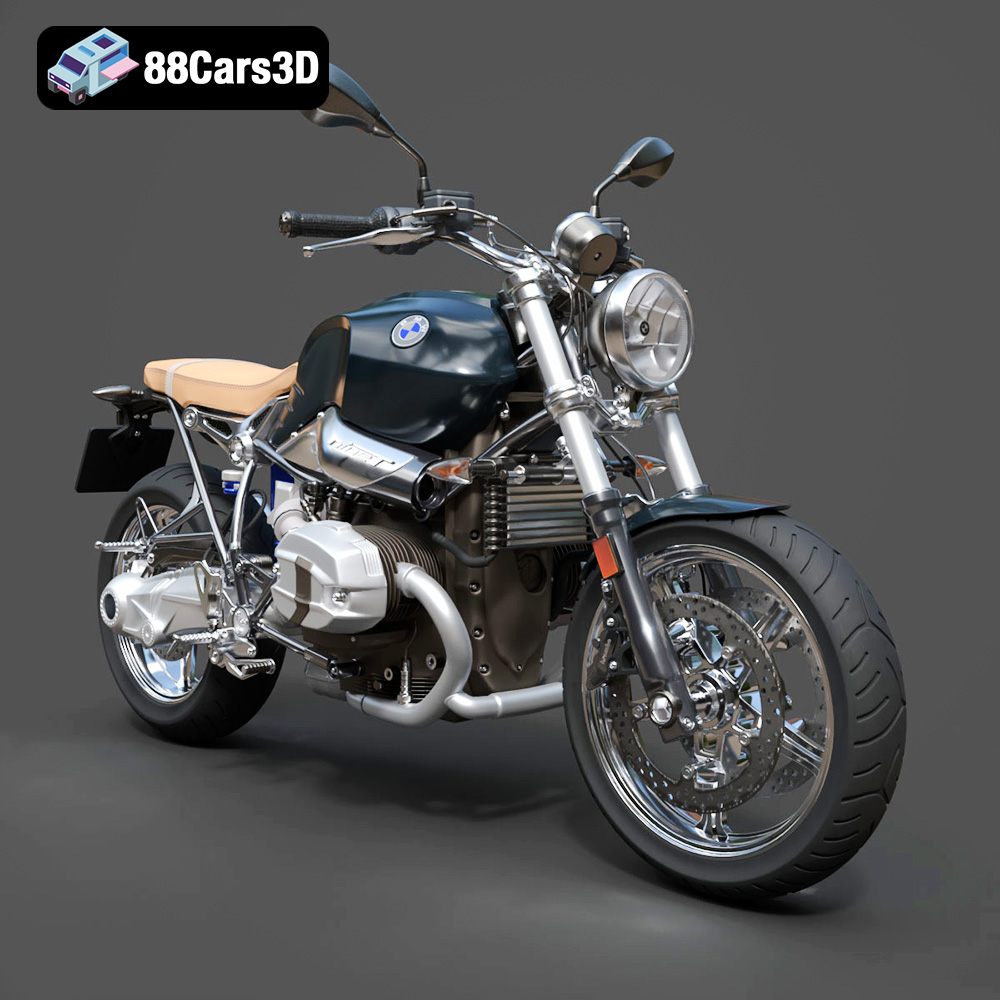
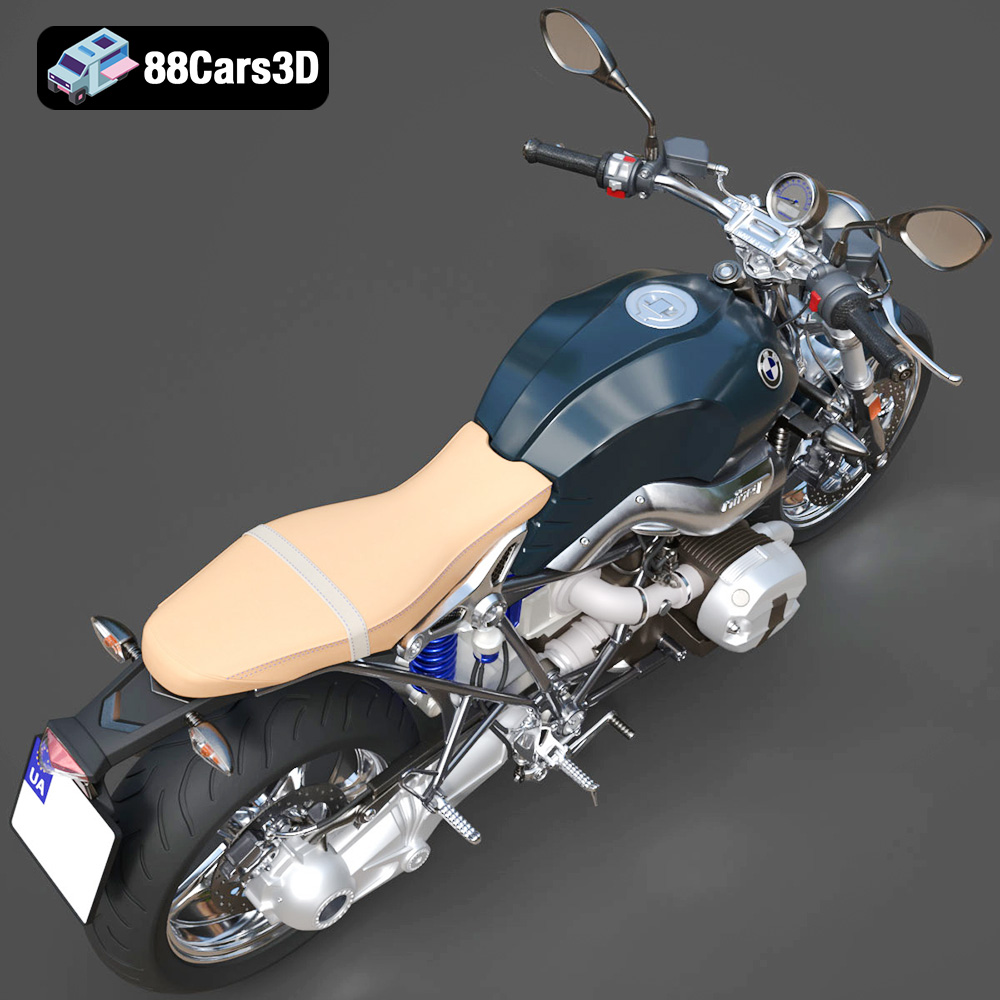
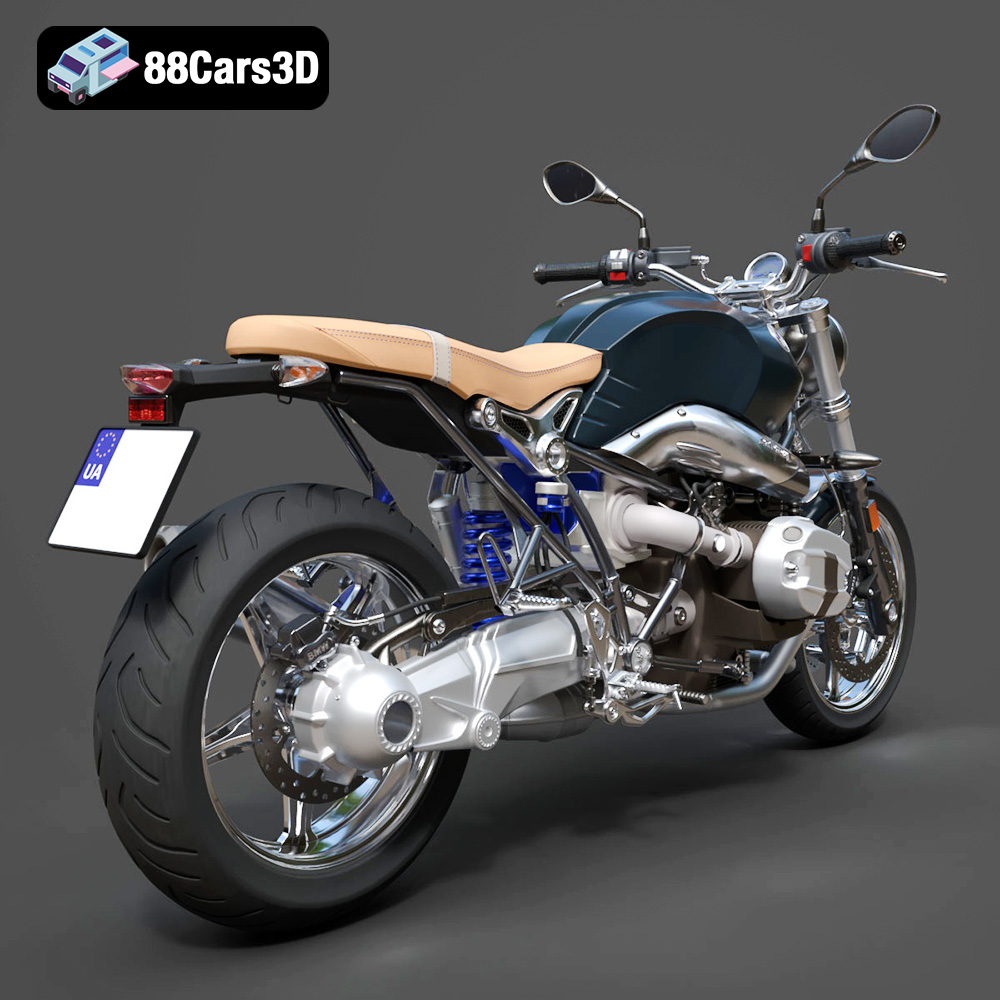
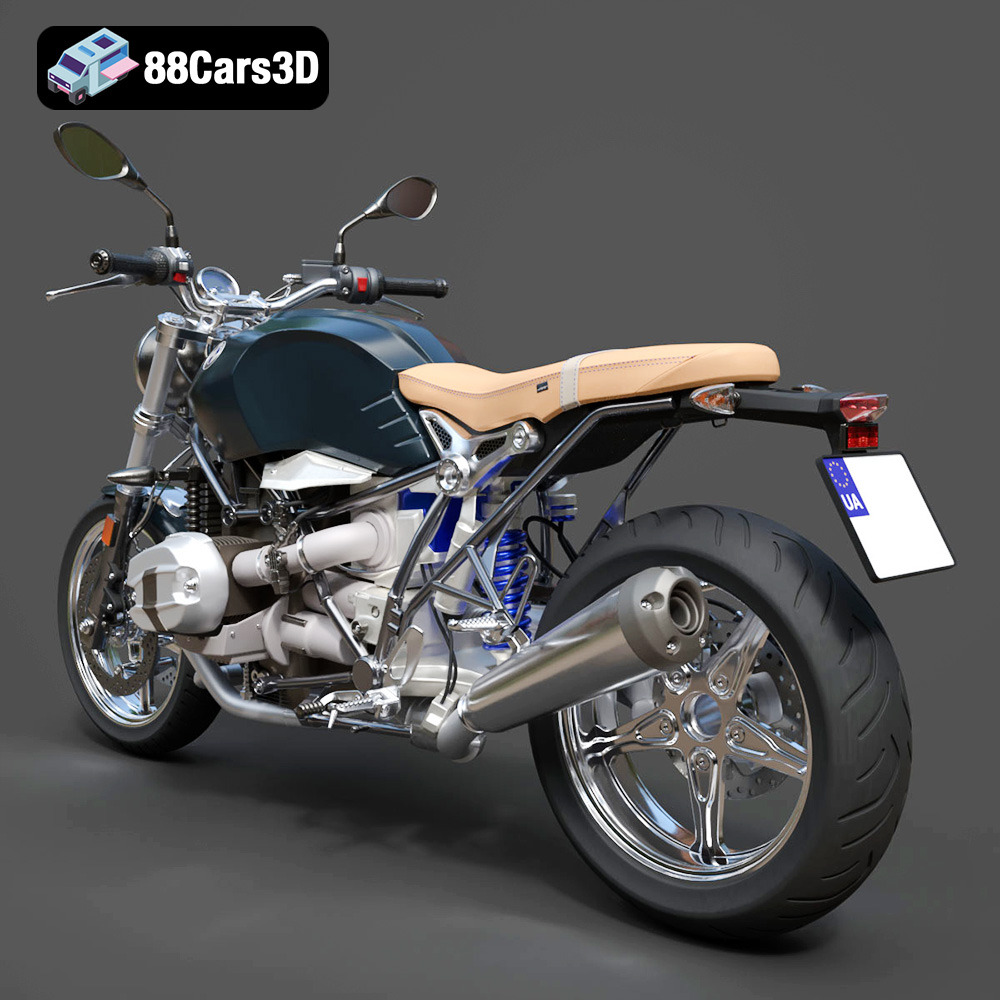
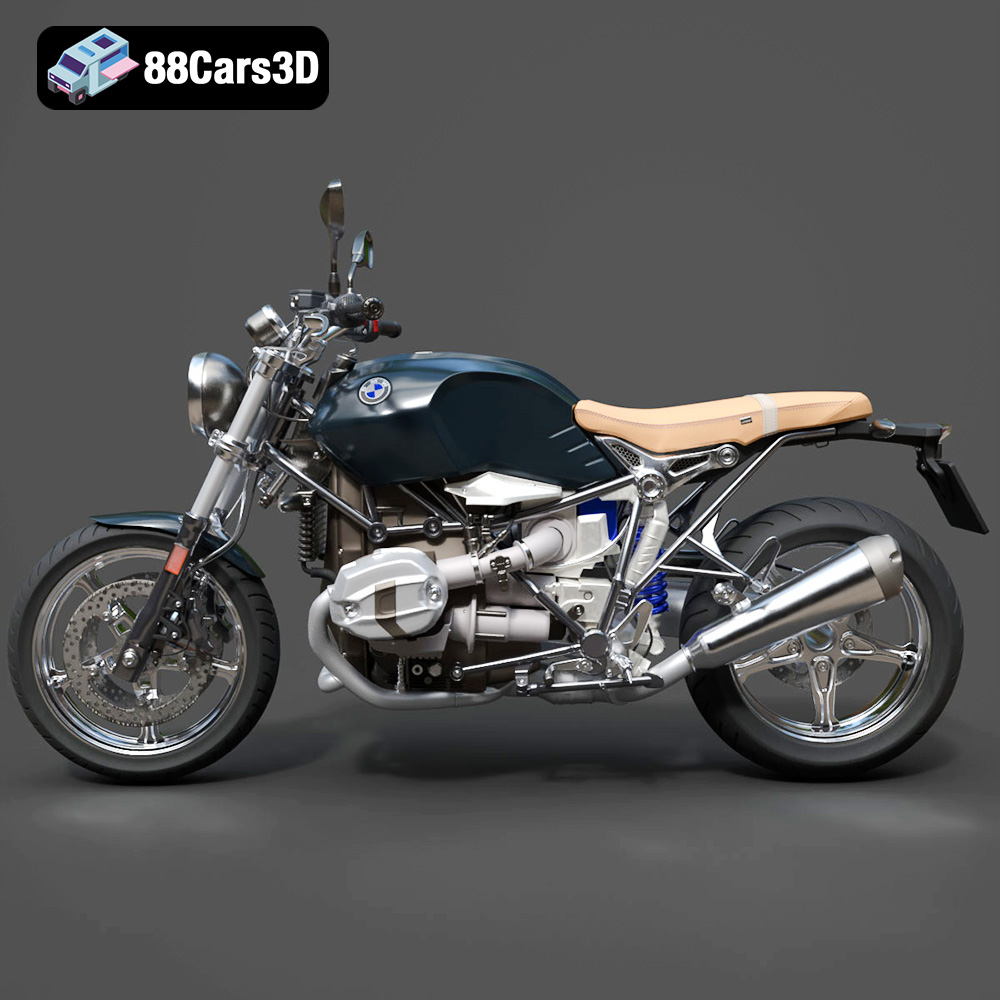
Today, we delve into a prime example of such craftsmanship: the BMW R nineT Pure 2018 3D Model. This particular model stands out as a testament to precision and adaptability, offering artists and developers a robust foundation for a myriad of applications. It meticulously recreates BMW Motorrad’s minimalist retro roadster, encapsulating its timeless naked-bike design, the iconic air/oil-cooled boxer engine, and its clean mechanical aesthetics. Whether your goal is to render a breathtaking lifestyle shot, integrate it into a realistic game environment, or even produce a physical collectible through 3D printing, this model from 88cars3d.com provides the necessary detail and flexibility to achieve outstanding results.
The choice of file format is a critical decision in any 3D project, directly impacting compatibility, workflow efficiency, and the ultimate output. Each format is designed with specific strengths, catering to different stages of the 3D pipeline from initial modeling to final rendering, real-time implementation, or physical fabrication. Understanding these nuances is essential for any professional working with 3D car models and other complex assets.
The .blend file format is Blender’s native project file. It’s incredibly powerful because it stores not just the mesh data, but also the entire scene setup: materials, textures, lighting, cameras, animations, physics simulations, and even custom scripts. For artists primarily working in Blender, this format offers full editability and preserves all intricate details and relationships within the scene. It’s the go-to for deep customization, rigging adjustments, and complex animation sequences of assets like the BMW R nineT Pure 3D Model.
As a proprietary format developed by Autodesk, .fbx has become an industry standard for exchanging 3D data between various software applications and game engines. It excels at transferring geometry, materials, textures (often embedded or referenced), animations, and rigging information. This makes it ideal for pipelines involving Unreal Engine, Unity, and other real-time platforms where efficient data transfer and animation support are crucial. When you need to move a 3D car model from a modeling package to a game engine, .fbx is usually the most reliable choice.
The .obj (Wavefront Object) format is one of the oldest and most widely supported 3D file types. It’s celebrated for its universal compatibility, allowing it to be opened and edited by almost any 3D software. Primarily, .obj files store geometry (vertices, normals, texture coordinates, and faces) and can reference external .mtl (material) files for basic material properties. While it doesn’t support animation or advanced scene data, its simplicity and ubiquity make it an excellent choice for basic mesh exchange, especially when cross-software compatibility is a primary concern for 3D car models.
.glb (GLB, or GL Transmission Format Binary) is a relatively modern format that efficiently packages 3D models and their associated assets (textures, animations) into a single, self-contained binary file. It’s specifically optimized for efficient transmission and loading in web-based applications, augmented reality (AR), and virtual reality (VR) environments. Its compact nature and ease of integration into web viewers make it perfect for showcasing 3D car models in virtual showrooms or interactive online experiences.
When it comes to physical fabrication, .stl (Stereolithography) is king. This format represents 3D surfaces as a collection of unconnected triangular facets, defining only the geometry of an object without color, texture, or other properties. Its simplicity makes it the de facto standard for 3D printing, recognized by virtually all slicing software. The BMW R nineT Pure 3D Model, when converted to .stl, can become a tangible scale model, making this format vital for collectible creation or rapid prototyping.
The .ply (Polygon File Format) is often used for storing 3D data from 3D scanners, CAD software, and other applications requiring precision mesh representation. It can store not only geometry but also color, transparency, and normal information per vertex or face. While less common in general animation or game development, .ply is valuable for scientific visualization, reverse engineering, and applications where highly accurate point cloud or polygonal data is required.
While not a universal open standard, .unreal often refers to assets packaged specifically for direct import and optimal performance within the Unreal Engine ecosystem. This can involve custom import settings, material setups, and optimization techniques (like LODs) pre-applied to ensure seamless integration and maximum efficiency in real-time environments. A .unreal file or an optimized asset pipeline specifically tailored for Unreal ensures that the BMW R nineT Pure 3D Model is ready to be dropped into a game or interactive simulation with minimal further tweaking.
Similar to .blend for Blender, .max is the native file format for Autodesk 3ds Max. It stores the complete 3ds Max scene, including all models, materials, textures, lights, cameras, animations, and modifiers. For professionals working within the 3ds Max environment for high-end automotive rendering or complex scene setup, the .max file provides full control and editability. It’s essential for accessing the intricate details and animatable components of the BMW R nineT Pure 3D Model within its native authoring application.
The provision of the BMW R nineT Pure 2018 3D Model in these diverse formats by 88cars3d.com significantly enhances its utility, allowing artists and developers to pick the format best suited for their specific project needs, ensuring maximum compatibility and workflow efficiency.
A truly versatile 3D model isn’t just about its aesthetic detail; it’s about how seamlessly it integrates into various professional pipelines. The BMW R nineT Pure 2018 3D Model is engineered with this versatility in mind, ready for deployment across different software platforms and engines.
For those aiming for photorealistic marketing materials or cinematic sequences, the model’s clean topology and real-world scale make it an excellent candidate for high-end rendering. In 3ds Max, artists can import the .max or .fbx version, leveraging powerful renderers like V-Ray or Corona. The workflow involves setting up PBR (Physically Based Rendering) materials, which often come pre-configured or require minimal adjustments to achieve realistic reflectivity, roughness, and metallic properties for the bike’s paint, chrome elements, and engine components. Expert lighting setup, including HDRI environments and specific light sources, can dramatically enhance the mood and realism, making the R nineT Pure shine in any scene, from urban street settings to studio backdrops.
Similarly, Blender users benefit from the native .blend file, which often includes materials and textures ready for Cycles or Eevee renderers. Blender’s robust node-based shader editor allows for deep customization of materials, enabling artists to fine-tune every aspect, from the subtle sheen on the fuel tank to the grime on the engine. The separate wheels and steering components are invaluable here, allowing for dynamic camera movements and subtle animations that bring renders to life without complex rigging from scratch.
The gaming industry demands not only visual fidelity but also stringent performance optimization. The BMW R nineT Pure 3D Model, provided in .fbx and .unreal formats, is well-suited for game engines like Unreal Engine. Developers can import the .fbx, which typically includes LOD (Level of Detail) meshes if prepared, ensuring that the model maintains visual quality at close distances while reducing polygon count for distant views. This is crucial for maintaining high frame rates in open-world environments or detailed racing simulations.
In Unreal, the material pipeline involves creating PBR material instances, allowing for easy color changes, decal application, and wear-and-tear effects without modifying the core textures. The model’s “proper pivot setup for steering and wheel rotation” is a significant advantage, streamlining the animation process for realistic vehicle physics and gameplay mechanics. Game artists can quickly integrate this asset into driving systems, add custom sound effects, and populate their virtual worlds with authentic automotive details, enhancing immersion for players.
With the rise of augmented and virtual reality, the need for optimized yet detailed 3D assets is more pressing than ever. The .glb format, included with the BMW R nineT Pure 3D Model, is perfect for these applications due to its single-file nature and efficient loading. This allows for the creation of immersive virtual showrooms where customers can explore the motorcycle from every angle, customize its features in real-time, or even place it in their physical environment using AR applications. The model’s clean mesh and optimized geometry ensure smooth performance, preventing motion sickness and providing a fluid interactive experience for users.
The utility of a high-quality 3D model extends far beyond digital rendering and real-time applications. The ability to translate a digital asset into a physical object opens up new avenues for collectibles, prototyping, and educational tools. The BMW R nineT Pure 2018 3D Model is explicitly designed with this in mind, offering an .stl file suitable for 3D printing.
Converting a complex 3D model for 3D printing requires careful consideration of scale, wall thickness, and support structures. For the R nineT Pure, the recommended scales (1:18, 1:12, 1:10, 1:8) offer a good balance between manageable print size and detail retention. Layer height is critical for capturing intricate details, with 0.08–0.16 mm being ideal for FDM printers, though resin printing (SLA/DLP) would yield even finer results, especially for smaller scales. The product description highlights the need for supports around delicate areas like the engine protrusions, exhaust system, and handlebar assembly, which is crucial for successful prints and maintaining structural integrity.
Print orientation also plays a vital role. Printing the frame at an angle helps preserve fine details, while printing wheels separately ensures smoother curves and minimizes support artifacts. Post-processing, including sanding, priming, and applying a matte or gloss finish, is essential to achieve a professional, display-worthy model. Optional tank decals can add the finishing touch, mirroring the real motorcycle’s branding.
The ability to 3D print the BMW R nineT Pure 3D Model transforms it into a tangible collectible for enthusiasts and hobbyists. Scale models are popular for display, dioramas, and even custom modifications. For designers, this capability means rapid prototyping—quickly generating physical iterations of design changes or custom parts before committing to expensive manufacturing. This allows for tactile evaluation of ergonomics, aesthetics, and fit, making it a valuable tool in product development and design visualization. Schools and workshops can also utilize these physical models for educational purposes, helping students understand motorcycle mechanics and design principles in a hands-on manner.
The versatility of the BMW R nineT Pure 2018 3D Model positions it as an invaluable asset across a spectrum of professional applications. Its detailed craftsmanship allows for seamless integration into diverse projects, reflecting the evolving needs of digital content creation.
In the competitive automotive industry, compelling visuals are paramount. High-quality 3D car models and motorcycle models are used extensively for marketing and visualization. The R nineT Pure model can be placed in photorealistic environments to generate stunning images and animations for advertisements, brochures, and online campaigns. Imagine a cinematic sequence showcasing the bike winding through a scenic mountain road or parked elegantly in a bustling urban café scene. These visuals communicate lifestyle, brand heritage, and product features without the logistical complexities and costs of traditional photography and videography. Brands can highlight specific design elements, demonstrate customization options, and create immersive product narratives that resonate deeply with potential customers.
The future of sales and customer engagement lies increasingly in immersive technologies. The BMW R nineT Pure 3D Model is an excellent candidate for virtual showrooms and interactive AR/VR experiences. Prospective buyers can “walk around” the motorcycle in a virtual space, zoom in on the boxer engine details, change paint colors, and even “sit” on the bike to get a rider’s perspective. In AR, the model can be projected into a user’s real-world environment via a smartphone or tablet, allowing them to visualize how the motorcycle would look in their garage or driveway. These interactive applications significantly enhance engagement, provide a richer understanding of the product, and create memorable brand interactions.
Beyond marketing, highly accurate 3D models like the R nineT Pure serve critical roles in simulation and training. Mechanical visualization projects can use the model to demonstrate internal workings, assembly processes, or maintenance procedures for educational or technical training purposes. For riding simulations, the model’s accurate geometry and animatable components (wheels, steering) can be integrated into physics-based engines to create realistic virtual riding experiences. This is valuable for rider training, testing virtual environments, or even developing new control schemes without the risks associated with real-world prototypes.
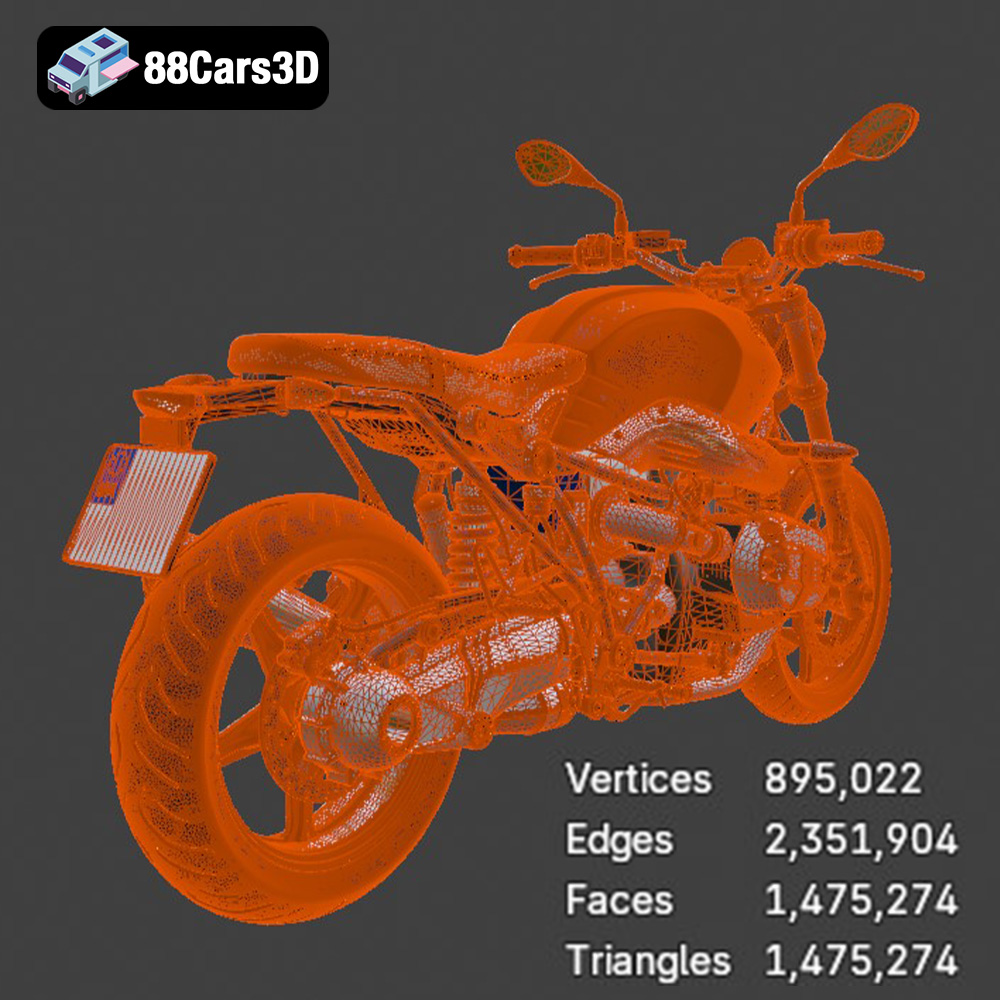
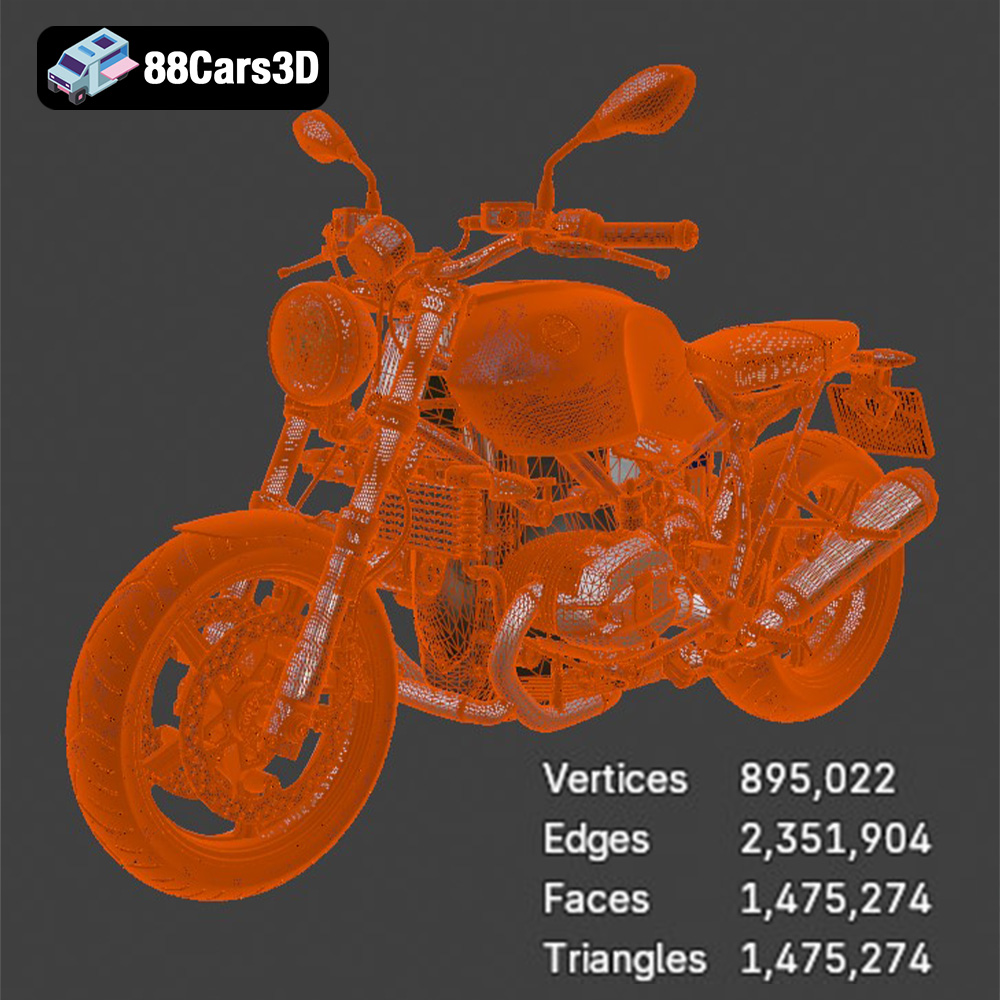
Achieving a balance between visual fidelity and optimal performance is a constant challenge in 3D production. The BMW R nineT Pure 3D Model addresses this by offering a clean and well-organized mesh structure, ensuring it’s both highly detailed for close-up renders and efficient enough for real-time applications.
The model’s “clean and well-organized mesh structure” signifies careful polygonal modeling, which is crucial for smooth deformations during animation and seamless subdivision for high-resolution renders. Good topology also ensures that UV mapping, the process of flattening a 3D model’s surface into 2D for texture application, is clean and efficient. Properly unwrapped UVs prevent texture stretching and allow artists to create realistic materials without artifacts. This attention to detail means the BMW R nineT Pure 3D Model is ready for custom texture work, enabling artists to apply unique liveries, weathering effects, or material variations with ease, greatly enhancing its visual appeal across different projects.
The “optimized geometry for real-time engines and high-quality renders” combined with support for materials implies an adherence to Physically Based Rendering (PBR) workflows. PBR materials accurately simulate how light interacts with surfaces in the real world, producing highly realistic results regardless of the lighting conditions. For the R nineT Pure, this means chrome elements glint accurately, paint surfaces reflect light with appropriate glossiness, and rubber tires absorb light convincingly. This advanced material setup is critical for achieving the visual fidelity expected in modern automotive rendering and game assets, allowing the model to look fantastic in any engine or renderer that supports PBR.
The world of 3D modeling thrives on precision, versatility, and technical excellence. The BMW R nineT Pure 2018 3D Model embodies these qualities, offering a meticulously crafted digital asset that caters to a broad spectrum of professional applications. From the nuanced curves of its sculpted fuel tank to the intricate detailing of its iconic boxer engine, this model provides an unparalleled level of accuracy and readiness for immediate deployment.
Whether your goal is to produce breathtaking automotive renders for a marketing campaign, integrate a realistic vehicle into a next-generation game, craft an immersive AR/VR experience, or even bring the digital design to life as a tangible 3D-printed collectible, the R nineT Pure model provides a robust and flexible solution. Its availability in multiple formats like .blend, .fbx, .obj, .glb, .stl, .ply, .unreal, and .max ensures compatibility with virtually any professional workflow, making it an indispensable asset for any 3D artist or developer.
By investing in high-quality 3D car models like the BMW R nineT Pure, you equip yourself with the tools to push creative boundaries and deliver visually stunning results that truly capture the essence of automotive design. Explore this exceptional model and more high-fidelity 3D assets at 88cars3d.com, where quality meets innovation.
The BMW R nineT Pure 2018 3D Model is a high-detail digital recreation of the minimalist retro roadster from BMW Motorrad’s Heritage lineup. Blending classic motorcycle styling with modern engineering, the R nineT Pure features a timeless naked-bike design, air/oil-cooled boxer engine, and clean mechanical aesthetics. This 3D model accurately represents the exposed flat-twin boxer engine, round headlight assembly, sculpted fuel tank, tubular steel frame, dual exhaust system, minimalist rear section, and classic alloy wheel setup. Built with clean topology and real-world scale accuracy, it is ideal for rendering, animation, game development, AR/VR environments, and motorcycle visualization projects. Perfect for urban street scenes, café racer environments, lifestyle branding visuals, and cinematic motorcycle productions. Includes .blend, .fbx, .obj, .glb, .stl, .ply, .unreal, and .max formats.
$19.99
.2018motorcycle
.arvr
.blend
.bmw
.fbx
.gameasset
.glb
.heritagebike
.max
.motorcycle3dmodel
.obj
.ply
.rendering
.rninet
.rninetpure
.simulation
.stl
.twowheeler
.unreal
boxerengine