Get 50% OFF All Premium 3D & STL Models!

In the rapidly evolving world of 3D visualization, automotive design, and real-time experiences, the demand for high-fidelity 3D car models has never been greater. Whether you’re an architect seeking to populate a pristine virtual environment, a game developer crafting the next-generation racing simulator, or a marketing professional aiming for breathtaking product renders, the quality of your digital assets is paramount. It’s not just about aesthetics; it’s about technical precision, versatility, and the ability to integrate seamlessly into diverse professional workflows.
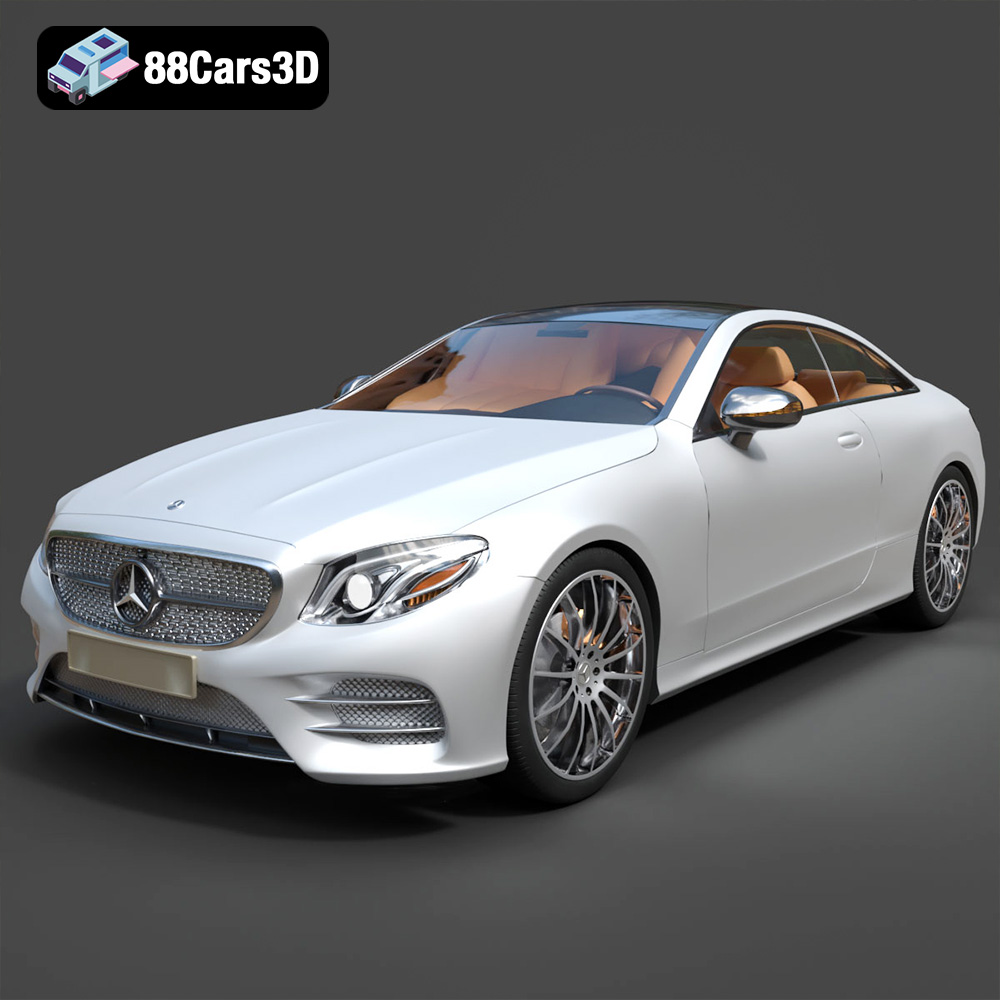
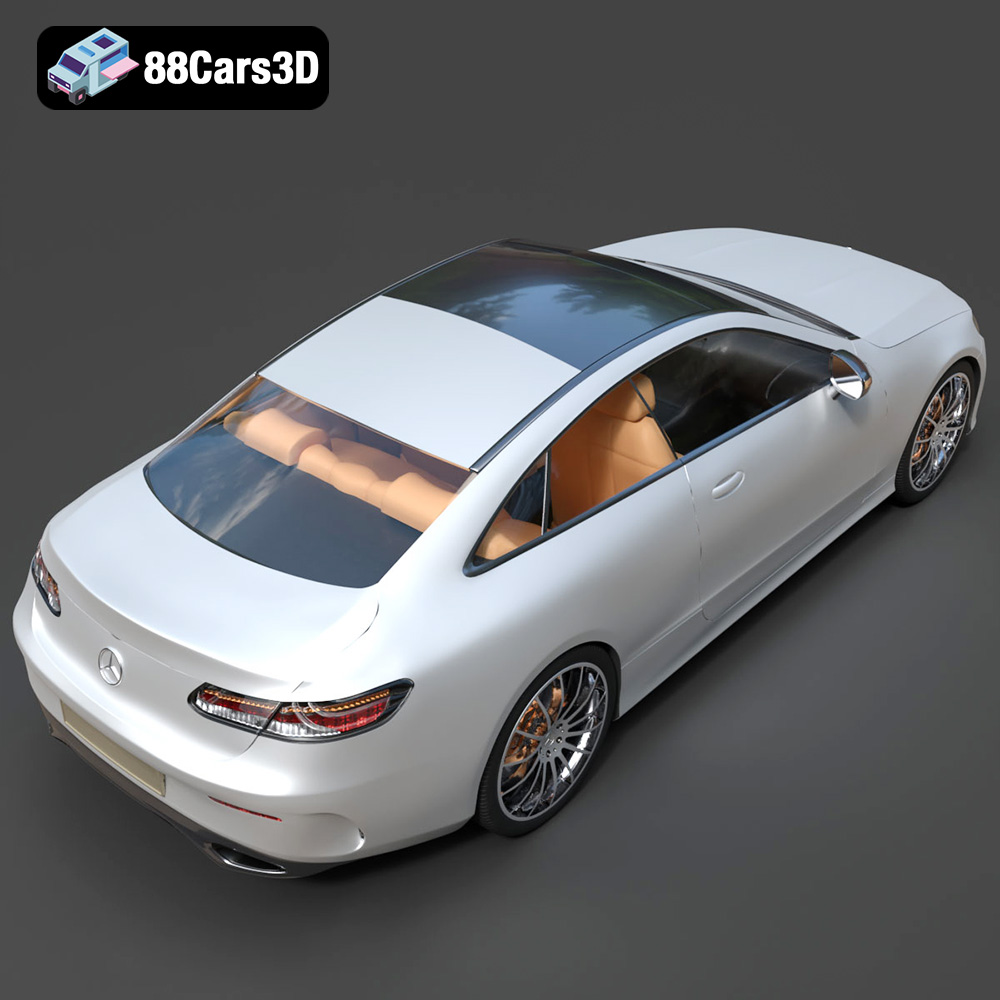
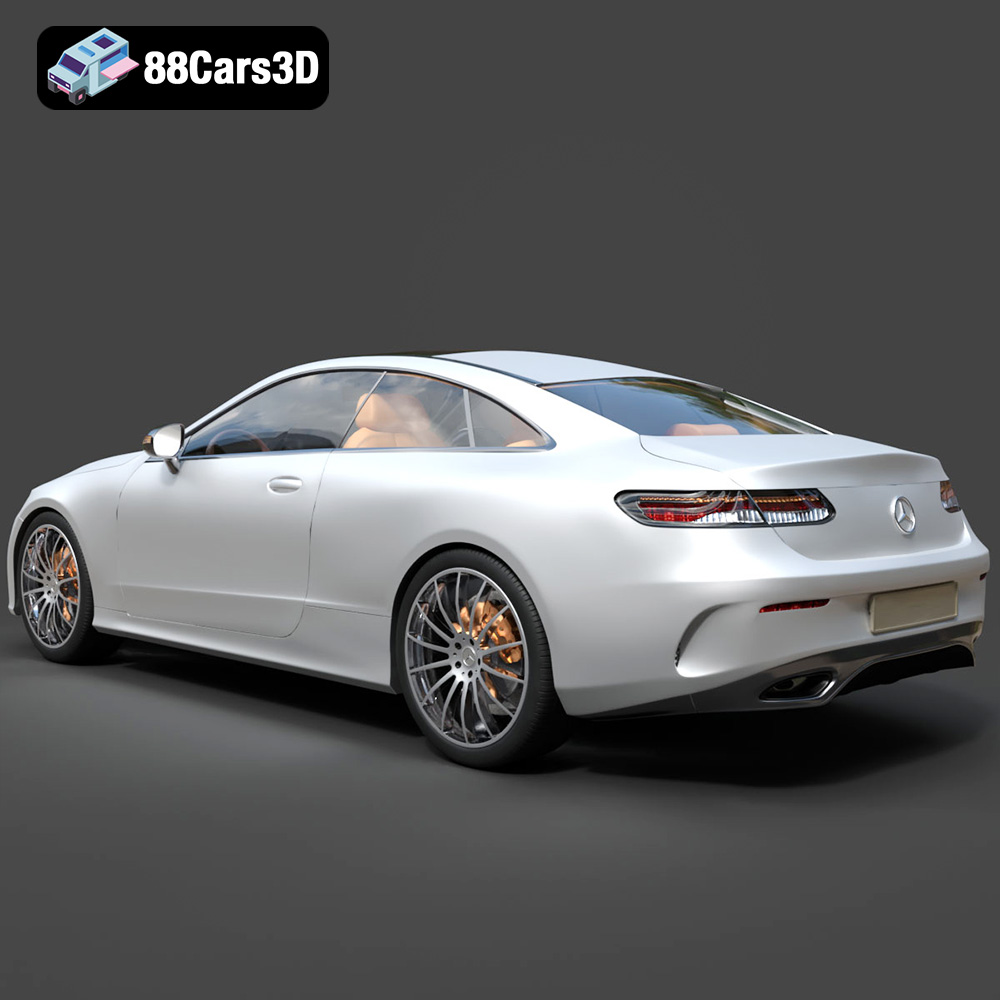
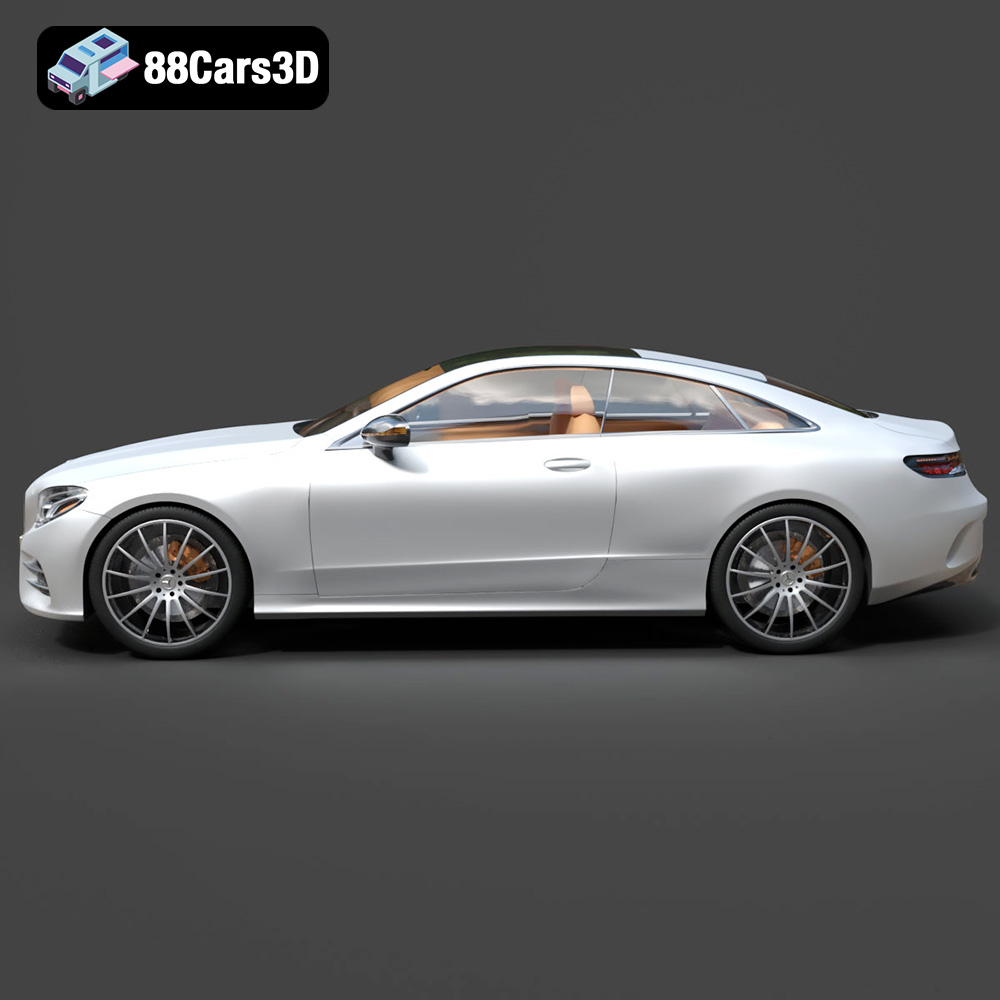
Today, we delve into a prime example of such an asset: the Mercedes-Benz E-Class C238 3D Model. This exquisite digital recreation of the elegant two-door coupe offers a blend of luxury, performance, and modern design language, making it an indispensable tool for a wide range of creative and technical applications. From its sleek coupe proportions and frameless doors to its refined LED lighting and premium interior craftsmanship, every detail of the C238 has been meticulously captured to provide an authentic and adaptable 3D car model.
This comprehensive guide will explore the technical nuances that make such a model invaluable, discuss critical file formats, delve into professional integration techniques, and even touch upon the exciting realm of 3D printing. If you’re looking for top-tier 3D car models, resources like 88cars3d.com offer a curated selection designed to elevate your projects.
Automotive design has always been at the forefront of technological innovation, and its digital representation is no exception. A truly high-fidelity 3D car model goes far beyond a simple visual replica; it’s a robust dataset engineered for performance, realism, and flexibility across multiple platforms. For professionals, investing in a premium asset like the Mercedes-Benz E-Class C238 3D Model means acquiring a foundational element that can be the centerpiece of countless projects.
From the initial design sketches to the final production vehicle, the journey of an automobile is increasingly digital. 3D models serve as the vital bridge, allowing designers to visualize concepts, engineers to simulate performance, and marketers to create compelling narratives long before a physical prototype exists. A detailed model, such as the C238, provides a digital twin that can be iterated upon, presented, and analyzed with unparalleled accuracy. This streamlined process saves time and resources, while significantly enhancing the quality of the final output, whether it’s a render, an animation, or an interactive experience.
The modern audience, accustomed to photorealistic graphics in film, games, and advertising, demands nothing less than perfection. This translates directly to the need for 3D car models that feature immaculate surface detail, accurate proportions, and realistic material definitions. The Mercedes-Benz E-Class C238 3D Model exemplifies this with its accurately sculpted body lines, signature front grille, aerodynamic bumper, multi-spoke alloy wheels, and a richly detailed cabin. For automotive rendering, such precision allows artists to create visuals indistinguishable from reality, capturing the essence of luxury and performance that Mercedes-Benz represents.
Navigating the diverse landscape of 3D model file formats is crucial for any professional working with digital assets. Each format has its strengths, ideal use cases, and technical considerations that dictate its compatibility and performance within different software environments. The Mercedes-Benz E-Class C238 3D Model, being a versatile asset, is offered in a comprehensive suite of formats, ensuring maximum utility across various pipelines. Understanding these formats is key to leveraging the model to its fullest potential.
The .blend file format is Blender’s native project file. It’s highly versatile, storing not just the mesh geometry but also materials, textures, animations, camera settings, lighting, and even custom scripts. For artists working primarily in Blender, this format offers the most complete and editable scene. It’s perfect for detailed adjustments, re-texturing, setting up complex lighting scenarios, and integrating the C238 into a full Blender-based animation or rendering project. The .blend file provides an unparalleled level of control and flexibility, allowing users to fully deconstruct and customize every aspect of the Mercedes-Benz E-Class C238 3D Model.
The .fbx (Filmbox) format is an industry-standard for 3D data exchange, particularly favored for game development and real-time applications like Unreal Engine and Unity. It supports geometry, materials, textures, animations, and camera data. FBX files are robust and maintain good fidelity across different software, making them ideal for exporting the Mercedes-Benz E-Class C238 3D Model into a game engine for interactive experiences or simulations. Its efficiency and widespread support ensure that the model’s complex hierarchy and animation-ready components (like separate wheels and steering) are preserved.
The .obj (Wavefront OBJ) format is one of the oldest and most widely supported 3D formats. It primarily stores geometry (vertices, normals, texture coordinates, polygonal faces) and references external material files (.mtl) for color and texture information. While it doesn’t support animation, its simplicity and universal compatibility make it an excellent choice for basic model exchange and archiving. When precision and universal access are paramount, especially for initial scene setup or cross-software compatibility, the .obj version of the C238 is highly valuable.
The .glb (GLB-Binary) format is the binary version of glTF (Graphics Language Transmission Format). It’s designed for efficient transmission and loading of 3D scenes and models in web and AR/VR applications. A single .glb file contains all necessary data (geometry, materials, textures, animations) making it compact and easy to deploy. For interactive configurators, virtual showrooms, or browser-based displays of the Mercedes-Benz E-Class C238, the .glb format offers optimal performance and accessibility.
The .stl (STereoLithography) format is the de facto standard for 3D printing. It represents a 3D model as a series of connected triangles, defining only the surface geometry without color, texture, or other attributes. Its simplicity ensures compatibility with virtually all 3D printers and slicer software. The inclusion of an .stl file for the Mercedes-Benz E-Class C238 3D Model means it is ready to be converted into a tangible collectible scale coupe model or display miniature, following the recommended 3D print settings provided.
The .ply (Polygon File Format or Stanford Triangle Format) is a versatile format for storing 3D data, particularly useful for scanned data, CAD, and scientific applications where precise mesh information (vertices, faces, normals, color per vertex) is crucial. While less common for everyday artistic exchange, its ability to store detailed mesh attributes makes it suitable for analysis, reverse engineering, or specific pipelines requiring high-precision geometric data for the C238 model.
The .unreal file is an optimized, engine-ready asset specifically for the Unreal Engine. This typically means the model has been pre-processed, potentially with optimized LODs (Levels of Detail), collision meshes, and material setups specifically tailored for Unreal’s rendering pipeline. Using this format directly saves significant time in asset preparation, allowing for immediate integration of the Mercedes-Benz E-Class C238 3D Model into real-time environments with minimal effort, leveraging Unreal’s advanced features.
The .max file is the native project format for Autodesk 3ds Max, a leading software for 3D modeling, animation, and rendering in professional visualization. Like .blend, it stores a complete scene with geometry, materials, textures, lighting, cameras, and animation data. For users of 3ds Max, this format provides the highest level of editability and integration into their existing workflows, making it ideal for high-end automotive rendering, complex animations, and detailed scene compositions involving the Mercedes-Benz E-Class C238.
The availability of the Mercedes-Benz E-Class C238 3D Model in these diverse formats underscores its adaptability, ensuring that regardless of your software preference or project requirements, you have the right tool for the job. This foresight in asset packaging is what distinguishes truly professional 3D car models.
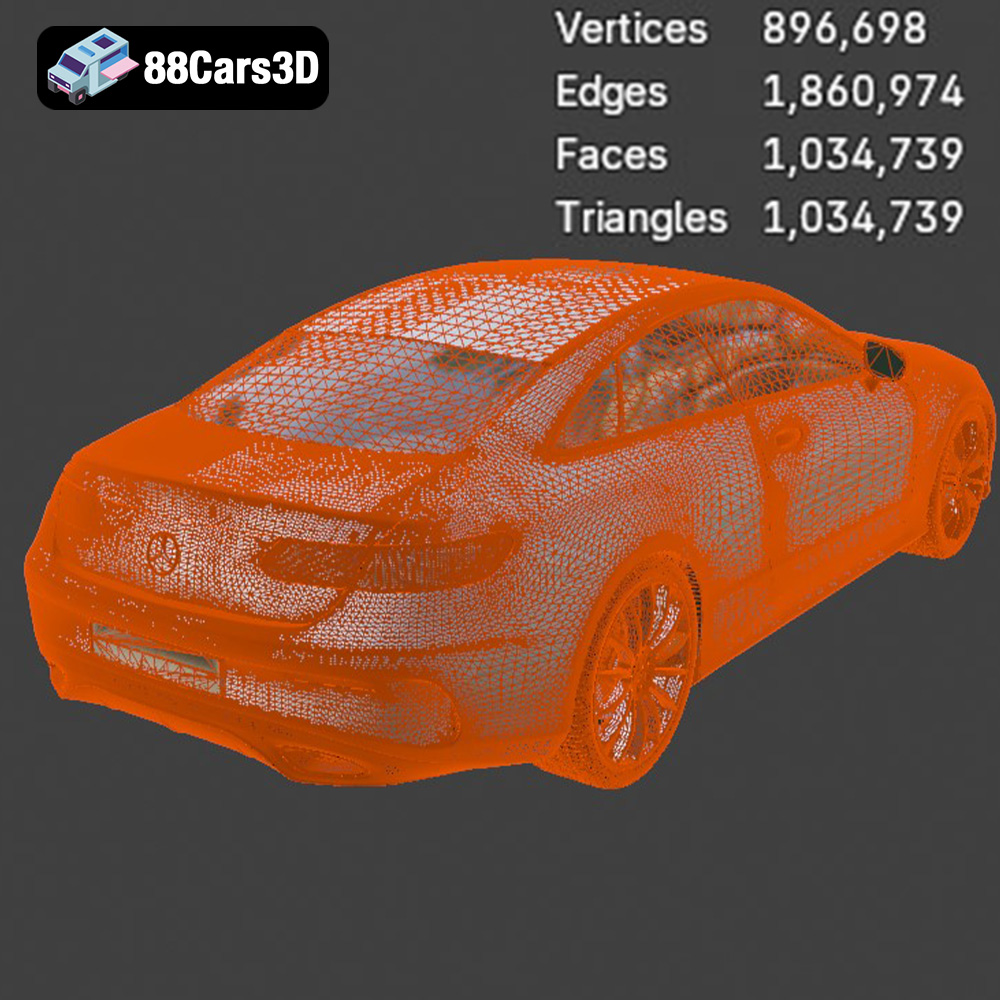
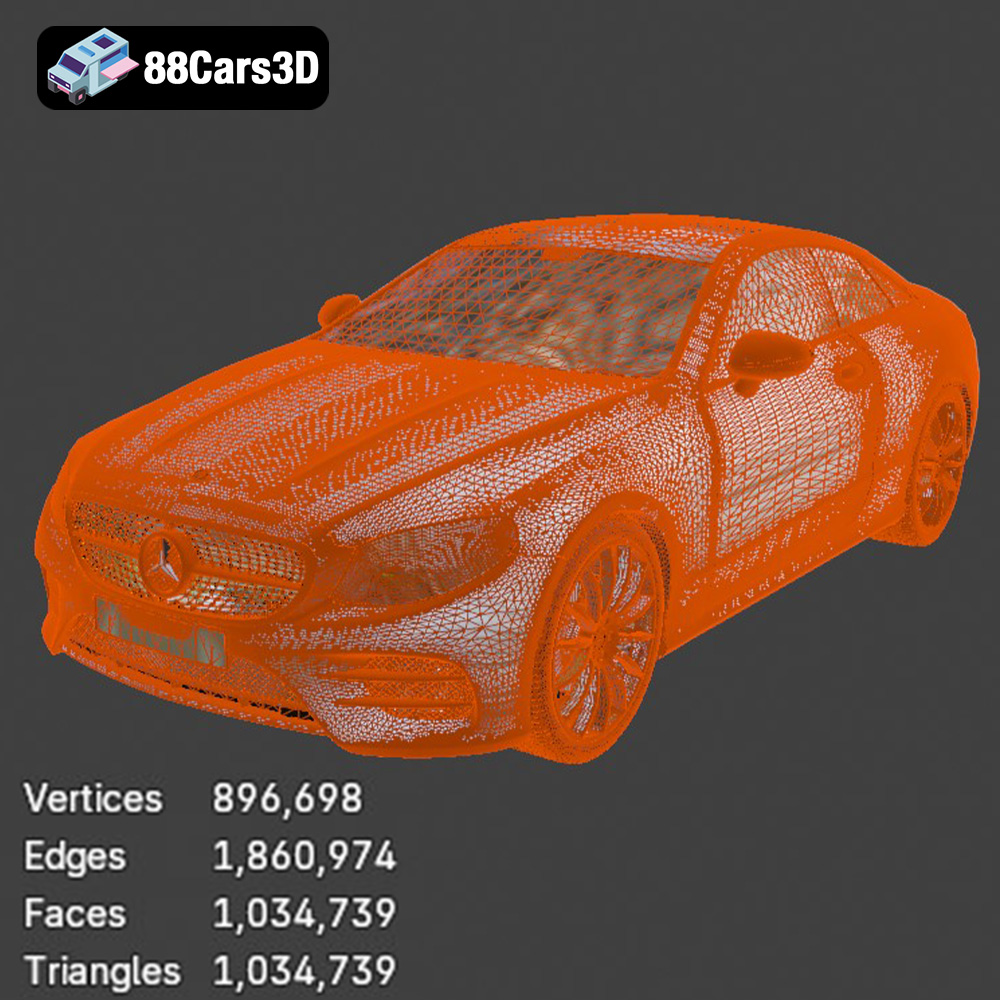
The true value of any 3D model lies in its meticulous detail and technical integrity. The Mercedes-Benz E-Class C238 3D Model sets a high standard, accurately representing the C238 generation’s unique blend of sophistication and dynamism. Its design adheres to real-world scale accuracy and clean topology, ensuring both visual fidelity and optimal performance across various applications.
The exterior of the C238 model is a testament to precise digital sculpting. It captures the iconic coupe body proportions, from the sweeping roofline to the muscular rear haunches. Key features include the unmistakable Mercedes-Benz front grille and emblem, flanked by realistic LED headlights that accurately convey the car’s modern lighting signature. The sculpted side panels and frameless windows add to its sleek profile, while detailed alloy wheels, complete with brake discs and calipers, and a dual exhaust system provide an authentic touch. Even the transparent glass materials and mirror detailing contribute to a photorealistic appearance, vital for high-end automotive rendering and visualization projects.
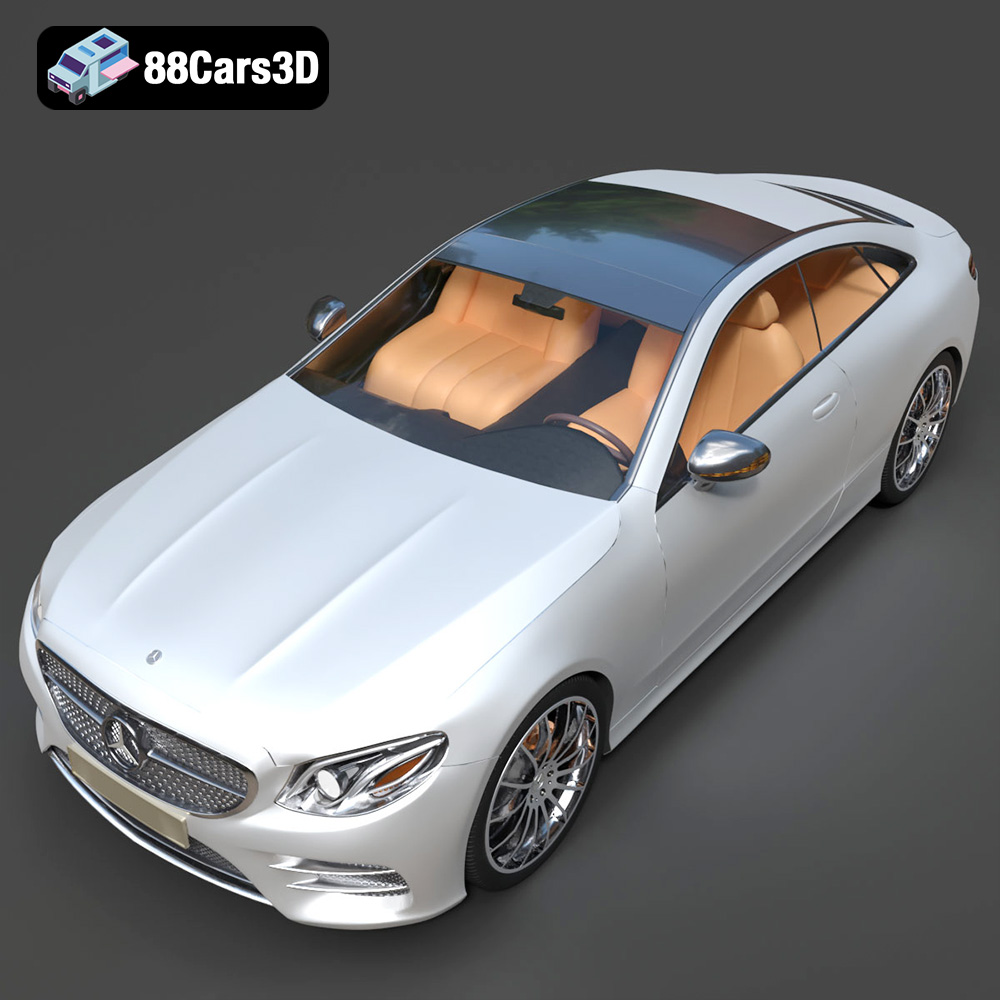
Luxury extends beyond the exterior in the C238, and its 3D model reflects this with a richly detailed cabin. The modeled dashboard features the signature dual-screen layout, while the sport steering wheel with multifunction controls adds to the interactive realism. Premium seat geometry with stitching detail provides comfort and elegance, complementing the center console, infotainment system, and intricate door panels with their interior trim elements. This level of interior fidelity is crucial for AR/VR showroom applications, where users can explore the car’s luxurious cabin up close, and for cinematic projects requiring detailed internal shots.
Beyond the visual appeal, the technical advantages of this 3D model ensure its practicality and adaptability. It boasts a clean and well-organized mesh structure, which is essential for smooth deformations during animation and efficient rendering. The real-world scale accuracy guarantees seamless integration into existing scenes and environments without manual adjustments. Crucially, proper pivot setup for steering and wheel rotation facilitates easy animation for driving sequences or interactive car configurators. Optimized polygon flow balances visual fidelity with performance, making it suitable for both demanding high-quality renders and responsive real-time game assets. This technical robustness makes the Mercedes-Benz E-Class C238 3D Model a truly professional-grade asset.
The true measure of a high-quality 3D asset is its seamless integration into diverse professional pipelines. The Mercedes-Benz E-Class C238 3D Model is engineered to be a flexible and powerful component for artists, developers, and designers across various industries, thanks to its clean geometry and multiple file formats available from marketplaces like 88cars3d.com.
For cinematic quality and marketing visuals, rendering is key. In software like 3ds Max or Blender, the C238 model shines. Artists can import the .max or .blend file, which includes all materials and textures, and immediately begin setting up studio-quality lighting. The optimized geometry and clean UVs (implied by “optimized polygon flow”) ensure that textures apply smoothly, and ray tracing delivers stunning reflections and refractions on the car’s sleek surfaces. The separate wheels and steering components are invaluable for creating dynamic renders that show the car in motion or parked with a subtle wheel turn. This is ideal for luxury automotive marketing, commercial presentations, and cinematic visualization where every pixel counts.
Game developers and simulation engineers will appreciate the .fbx and .unreal formats for efficient integration into engines like Unreal. The model’s optimized geometry and proper pivot setup make it an excellent game asset. LODs (Levels of Detail) can be easily generated or adjusted to ensure smooth performance across different distances, maintaining visual quality without taxing system resources. Collision meshes can be quickly added, and the car’s separated components allow for realistic vehicle physics and animation setups. This makes the C238 perfect for driving simulators, open-world city games, and premium vehicle systems where real-time responsiveness and visual fidelity are equally important.
Augmented Reality (AR) and Virtual Reality (VR) are transforming how we interact with products, especially in the automotive sector. The .glb format is tailor-made for these applications, allowing for quick deployment of the Mercedes-Benz E-Class C238 3D Model into virtual showrooms or interactive configurators. Users can walk around the car, open doors (if animated), change colors, and inspect details in an immersive, true-to-scale environment. This application is particularly potent for luxury brands wanting to offer prospective buyers a highly engaging and personalized experience, showcasing every facet of the vehicle in stunning realism.
The versatility of a well-crafted 3D model extends beyond digital screens, venturing into the exciting realm of physical creation. The inclusion of the .stl format for the Mercedes-Benz E-Class C238 3D Model opens up opportunities for manufacturing tangible collectibles and scale models, bridging the gap between digital design and physical art.
3D printing allows enthusiasts and professionals alike to bring their favorite automotive designs into the real world. Transforming the digital C238 into a physical object provides a unique way to appreciate its design language. Whether it’s for a display case, a desk ornament, or a component for a larger diorama, a 3D printable STL version ensures that the intricate details of the E-Class coupe are preserved. This is perfect for automotive collectibles, creating custom prototypes, or simply having a physical representation of an iconic vehicle.
To achieve the best results when 3D printing the Mercedes-Benz E-Class C238, several technical aspects need careful attention. The recommended scales (1:32 / 1:24 / 1:18 / 1:14) provide options for different levels of detail and printability. Layer height (0.10–0.16 mm) is crucial for surface smoothness, especially for curves. Wall thickness (1.5–2.5 mm) ensures the model’s structural integrity. Supports are required for overhangs like mirrors, spoiler edges, and the front splitter to prevent sagging during printing. A thoughtful print orientation, where the body is printed angled for surface detail and wheels separately, further optimizes print quality. Finally, post-processing with sanding, primer, gloss automotive paint, and optional chrome detailing can elevate the miniature to a showroom-quality finish, mirroring the luxury of its real-world counterpart.
A truly valuable 3D asset provides not just a static model, but a foundation for boundless creative exploration. The Mercedes-Benz E-Class C238 3D Model excels in its customizability, allowing users to tailor the vehicle to specific project needs, ensuring its relevance and utility long into the future.
The included file formats like .blend and .max are fully editable, granting artists unparalleled control. You can easily change body colors to match brand palettes or artistic visions, modify trim finishes, and even add performance-oriented elements like AMG-style body kit components for a sportier aesthetic. Wheel designs and brake caliper colors can be adjusted to create unique configurations, and suspension height can be tweaked for stance variations. Beyond physical attributes, lighting configurations for studio, sunset, or night urban scenes can be meticulously set up, allowing the C238 to adapt perfectly to any desired mood or environment. This level of customization ensures the model remains a flexible tool for diverse projects, from promotional renders to bespoke client presentations.
Having a versatile base model like the C238 ensures longevity for your investment. As design trends evolve or project requirements shift, a well-structured model can be quickly adapted without starting from scratch. Its clean topology and real-world scale serve as a robust platform for further modifications, allowing artists to create entirely new variations, integrate it into different ecosystems, or update it with future technologies. This future-proofing aspect is crucial for professional studios and freelancers alike, maximizing the return on investment for high-quality 3D car models.
In the vast ocean of digital assets, discerning quality is paramount. The difference between a mediocre 3D model and a professional-grade one can make or break a project. This is where specialized marketplaces like 88cars3d.com become indispensable, offering meticulously crafted 3D car models designed to meet the rigorous demands of industry professionals.
88cars3d.com prides itself on providing high-quality 3D car models, ensuring that every asset, including the Mercedes-Benz E-Class C238 3D Model, adheres to the highest standards of accuracy, detail, and technical readiness. When you source your assets from a trusted platform, you’re not just buying a file; you’re investing in reliability. This means clean topology, real-world scale, proper pivot points, optimized geometry, and compatibility across major software and engines. Such an asset saves countless hours of cleanup, retopology, and re-rigging, allowing artists and developers to focus on their creative vision rather than technical troubleshooting.
For rendering, game development, AR/VR, and even 3D printing, the quality of your base model directly impacts the final output. Low-quality models can lead to rendering artifacts, poor performance in real-time engines, and unsatisfactory physical prints. By choosing a premium model like the Mercedes-Benz E-Class C238 from 88cars3d.com, you are making a strategic investment that pays dividends in terms of project efficiency, visual fidelity, and client satisfaction. It empowers you to create stunning visualizations, immersive experiences, and realistic simulations with confidence, knowing that your foundational assets are of the highest caliber.
The journey through the world of high-fidelity 3D car models reveals a blend of art and engineering, where aesthetic beauty meets technical precision. The Mercedes-Benz E-Class C238 3D Model stands as a testament to this synergy, offering an exceptional asset for any creative or technical endeavor. From its painstakingly recreated exterior and detailed interior to its robust technical advantages and multi-format compatibility, this model is designed to excel in everything from cinematic rendering and automotive visualization to immersive AR/VR experiences and game development.
Its readiness for 3D printing further extends its utility, allowing the digital to manifest physically, while its inherent customizability ensures its relevance across evolving project requirements. Understanding the nuances of each file format and integrating this asset into professional workflows unlocks its full potential, transforming concepts into captivating realities.
Whether you’re a seasoned professional or an aspiring artist, investing in quality 3D car models like the Mercedes-Benz E-Class C238 from reputable sources such as 88cars3d.com is a foundational step towards achieving unparalleled results in the dynamic digital landscape. Elevate your projects, captivate your audience, and build upon a foundation of excellence with assets that truly deliver.
The Mercedes-Benz E-Class C238 3D Model is a high-detail digital recreation of the elegant two-door coupe variant of the E-Class lineup. Combining luxury, performance, and modern design language, the C238 generation features sleek coupe proportions, frameless doors, refined LED lighting, and premium interior craftsmanship. This 3D model accurately represents the sculpted body lines, signature front grille, aerodynamic front bumper, multi-spoke alloy wheels, LED headlamps and taillights, dual exhaust system, and detailed cabin layout. Designed with clean topology and real-world scale accuracy, it is ideal for rendering, animation, automotive visualization, game development, and AR/VR showroom applications.
$39.99
.arvr
.automotive
.blend
.c238
.car3dmodel
.eclass
.fbx
.gameasset
.glb
.luxurycoupe
.max
.mercedesbenz
.obj
.ply
.premiumcar
.rendering
.simulation
.stl
.unreal