Get 50% OFF All Premium 3D & STL Models!

In the expansive and ever-evolving landscape of 3D content creation, precision and versatility are paramount. Whether you’re a seasoned architect visualizing urban developments, a game developer populating a vibrant open world, an animator crafting compelling narratives, or an enthusiast bringing digital designs to life through 3D printing, the quality of your foundational assets dictates the success of your project. High-fidelity 3D models are not merely visual elements; they are complex data structures designed to meet rigorous technical demands across diverse applications.
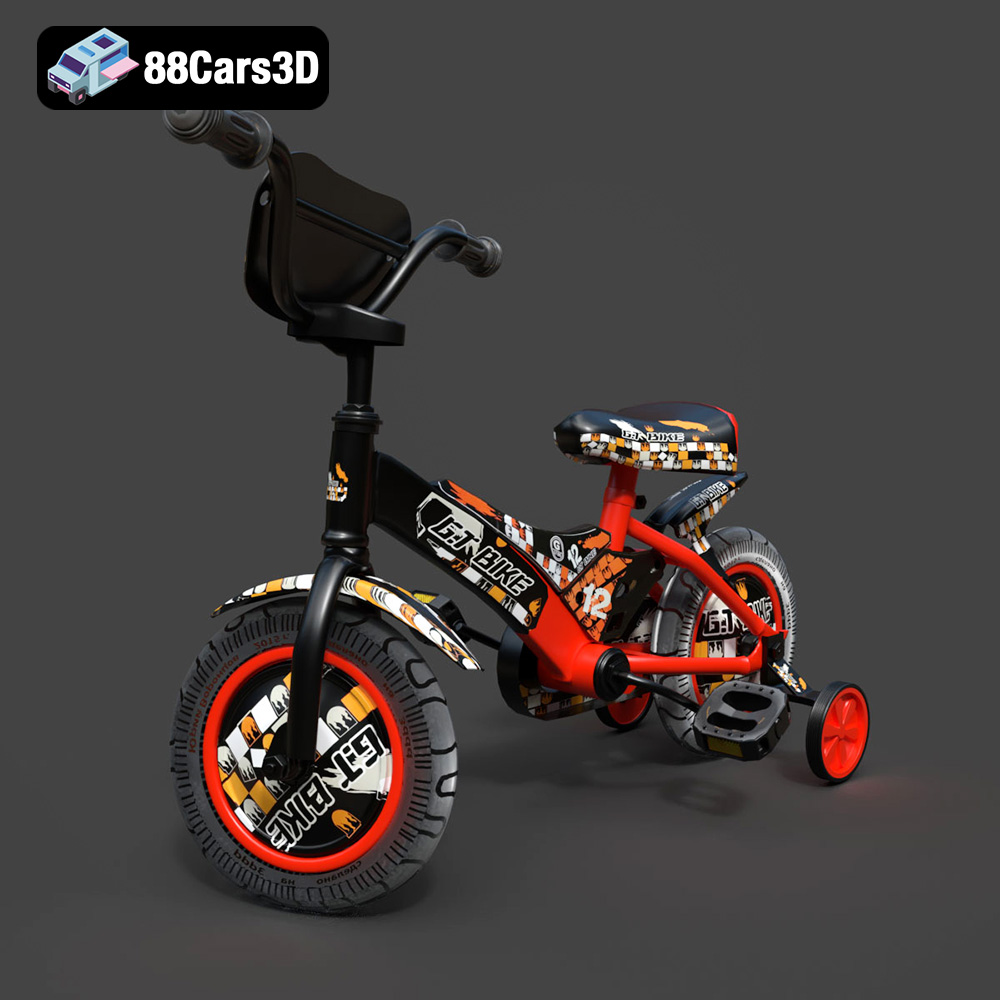
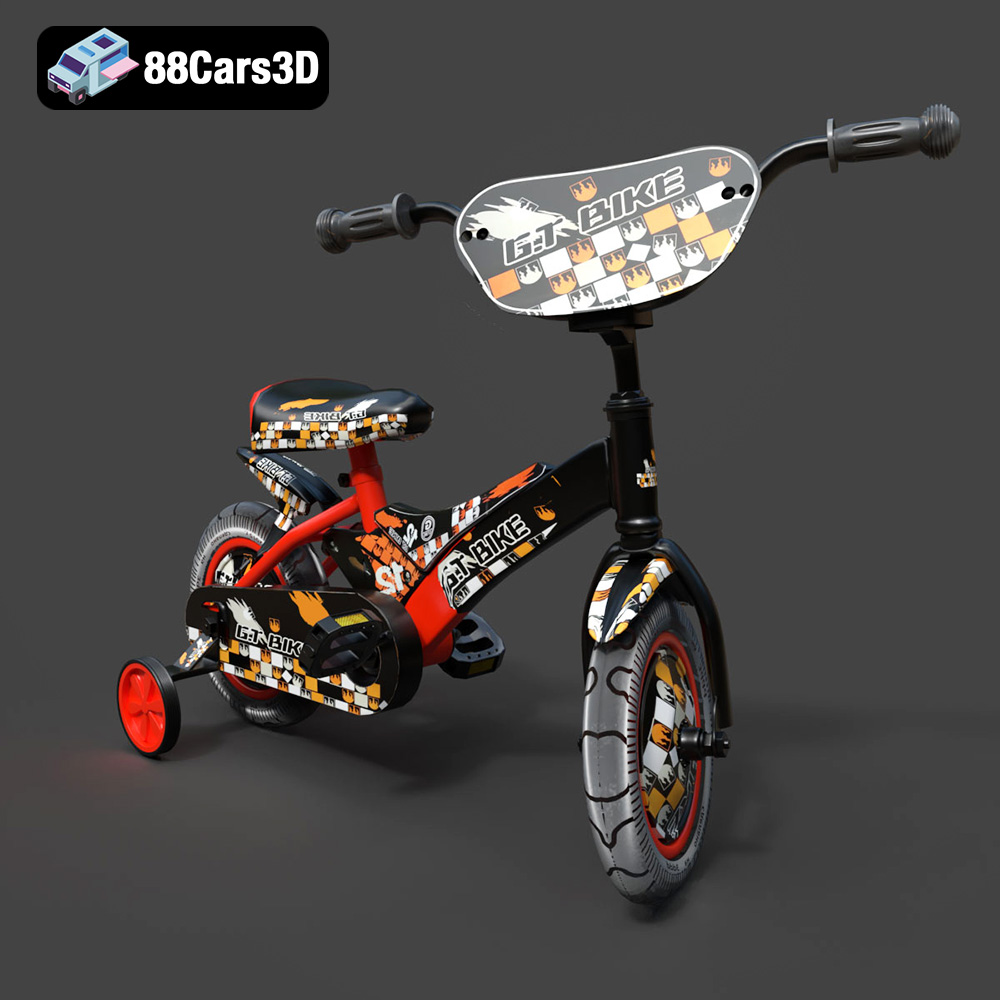
Today, we delve into an exceptional example of such an asset: the Velik Bicycle 3D Model. This meticulously crafted digital recreation of a classic road-style bicycle embodies the attention to detail and technical prowess required in modern 3D pipelines. From its realistic proportions and mechanically accurate drivetrain to its optimized geometry and extensive file format compatibility, the Velik Bicycle 3D Model offers a robust solution for a myriad of creative and professional uses. This model is a testament to the sophisticated assets available on platforms like 88cars3d.com, which consistently provide high-quality 3D car models and other vehicles for demanding projects.
The choice of a 3D model file format is a critical decision that influences compatibility, functionality, and the efficiency of your workflow. Different formats are optimized for specific purposes, from real-time rendering in game engines to precision manufacturing via 3D printing. Understanding their nuances is key to maximizing the utility of assets like the Velik Bicycle 3D Model.
The .blend format is Blender’s native file type, offering a comprehensive and fully editable scene. When you acquire a .blend file, you’re getting the complete package: mesh data, materials (including nodes and textures), lighting setups, cameras, animation data, and even physics simulations. This makes it incredibly powerful for Blender users, allowing for deep customization and iteration without losing any project data. For artists working with the Velik Bicycle 3D Model in Blender, the .blend file provides direct access to its clean topology, organized scene structure, and carefully configured materials, enabling immediate modifications or integration into existing Blender projects.
Autodesk’s .fbx (Filmbox) format has become an industry standard for exchanging 3D data between various software applications and game engines, particularly Unreal Engine and Unity. It excels at preserving complex scene information, including mesh data, animations (skeletal and blend shapes), materials (though often simplified or requiring re-setup), cameras, and lights. For real-time pipelines, .fbx is invaluable because it efficiently transfers geometry and animation, making the Velik Bicycle 3D Model ready for game development or interactive AR/VR experiences. Its binary nature typically results in smaller file sizes and faster loading times compared to text-based formats.
The .obj (Wavefront Object) format is one of the oldest and most universally supported 3D file formats. It’s a simple, text-based format primarily used to define geometric objects, including vertices, normals, UV coordinates, and faces. While it doesn’t typically store animation or rigging information, its widespread compatibility makes it an excellent choice for cross-software transfers of static mesh data. If you need to import the Velik Bicycle into a niche 3D application or simply require the raw geometry, .obj is a reliable fallback that ensures broad accessibility.
.glb (GL Transmission Format Binary) is the binary version of the glTF (GL Transmission Format) standard, rapidly gaining traction as the “JPEG of 3D.” Designed for efficient transmission and loading of 3D scenes and models by applications, it’s particularly optimized for AR, VR, and browser-based display. A .glb file encapsulates geometry, materials, textures, animations, and skeletal structures into a single file, making it incredibly portable. For interactive web experiences or mobile AR applications featuring the Velik Bicycle 3D Model, .glb offers an ideal, streamlined solution.
The .stl (Stereolithography) format is the de facto standard for 3D printing. It represents 3D surfaces as a collection of triangles, defining only the surface geometry of a 3D object without any color, texture, or material information. Its simplicity makes it universally compatible with 3D printers and slicing software. The Velik Bicycle 3D Model, being 3D printable, benefits immensely from a well-structured .stl export, ensuring a manifold mesh suitable for physical fabrication into scale models or prototypes.
The .ply (Polygon File Format) is another mesh-based format capable of storing more complex data than .obj or .stl, including color per vertex, transparency, and sometimes even confidence values or other properties. It’s often used in scientific applications, CAD, and 3D scanning, where precision and additional data points are crucial. For advanced analysis or specific industrial applications of the Velik Bicycle, the .ply format can provide a richer dataset.
The inclusion of an .unreal format (often referring to assets specifically prepared for Unreal Engine, perhaps packaged as an asset pack or direct importable file) signifies a model that has undergone specific optimization and setup for the engine. This usually means proper material configuration using Unreal’s PBR workflow, correct scale, pivot points, collision setups, and potentially even blueprinting for interactive elements. This format for the Velik Bicycle 3D Model ensures a smooth, drag-and-drop experience for developers, minimizing the setup time in an Unreal Engine project.
Similar to .blend for Blender, the .max format is Autodesk 3ds Max’s native file type. It contains a complete scene, including all geometric data, materials, textures, lights, cameras, modifiers, and animation curves. For users of 3ds Max, the .max file of the Velik Bicycle provides the most flexibility for detailed animation, high-end rendering with renderers like V-Ray or Corona, and intricate scene composition. It allows artists to leverage the full power of 3ds Max for their architectural visualizations, product design showcases, or advanced cinematic renders.
The comprehensive range of included file formats for the Velik Bicycle 3D Model underscores its versatility, making it accessible and usable across virtually any professional 3D pipeline.
At the heart of any exceptional 3D model lies a profound understanding of the real-world object it seeks to represent. The Velik Bicycle 3D Model exemplifies this principle, meticulously engineered to reflect the authentic aesthetics and mechanical integrity of a classic road-style bicycle. This commitment to realism ensures that the model isn’t just visually appealing but also functionally convincing, making it a powerful asset for a range of professional applications.
The design philosophy behind the Velik Bicycle begins with its foundation: the accurate bicycle frame geometry. Every curve, joint, and tube is digitally recreated to match the proportions of a lightweight, urban commuting bicycle. The detailed front fork and rear triangle structures are not merely aesthetic; they provide the correct mounting points and clearances for the wheels and braking system, crucial for realistic rigging and animation. The realistic spoked wheels with hubs are modeled with attention to spoke count, lacing patterns, and hub mechanisms, elevating the visual fidelity far beyond simple cylindrical representations. This level of precision is vital for scenarios demanding photorealistic output, from advertising visuals to product design reviews.
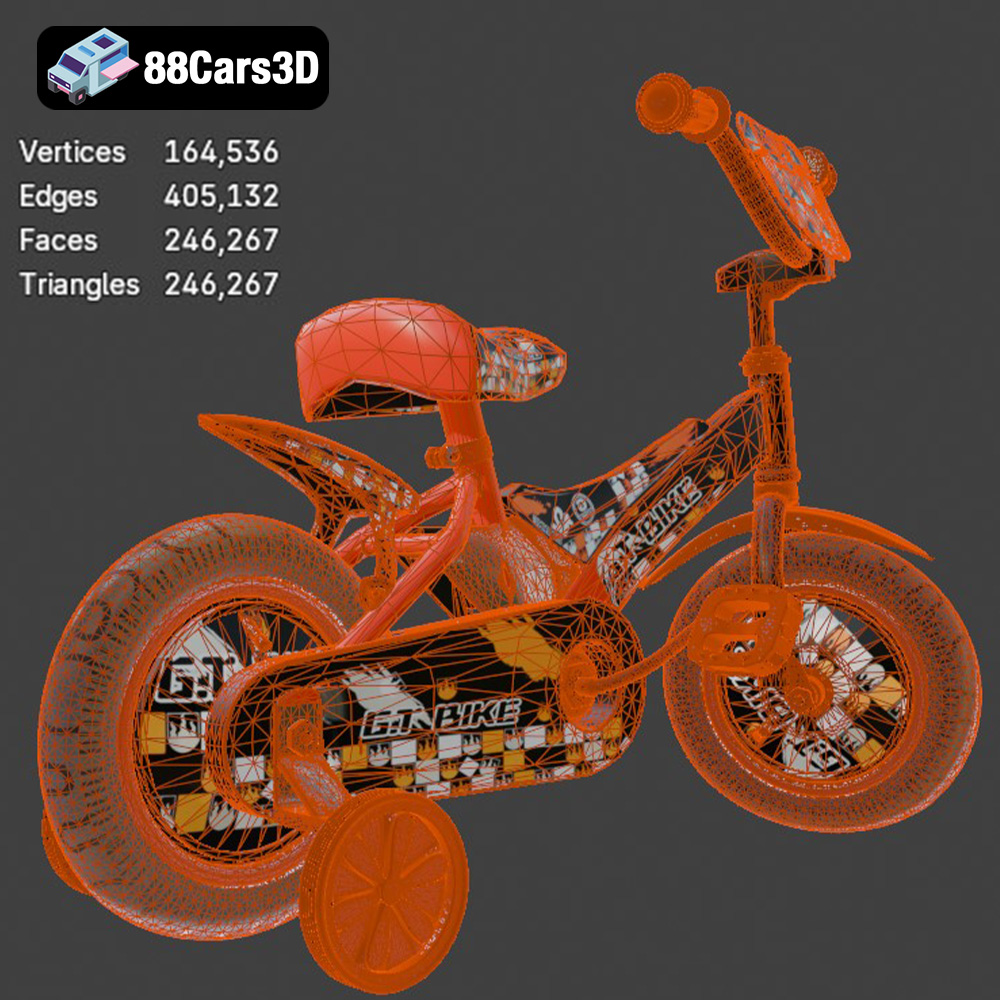
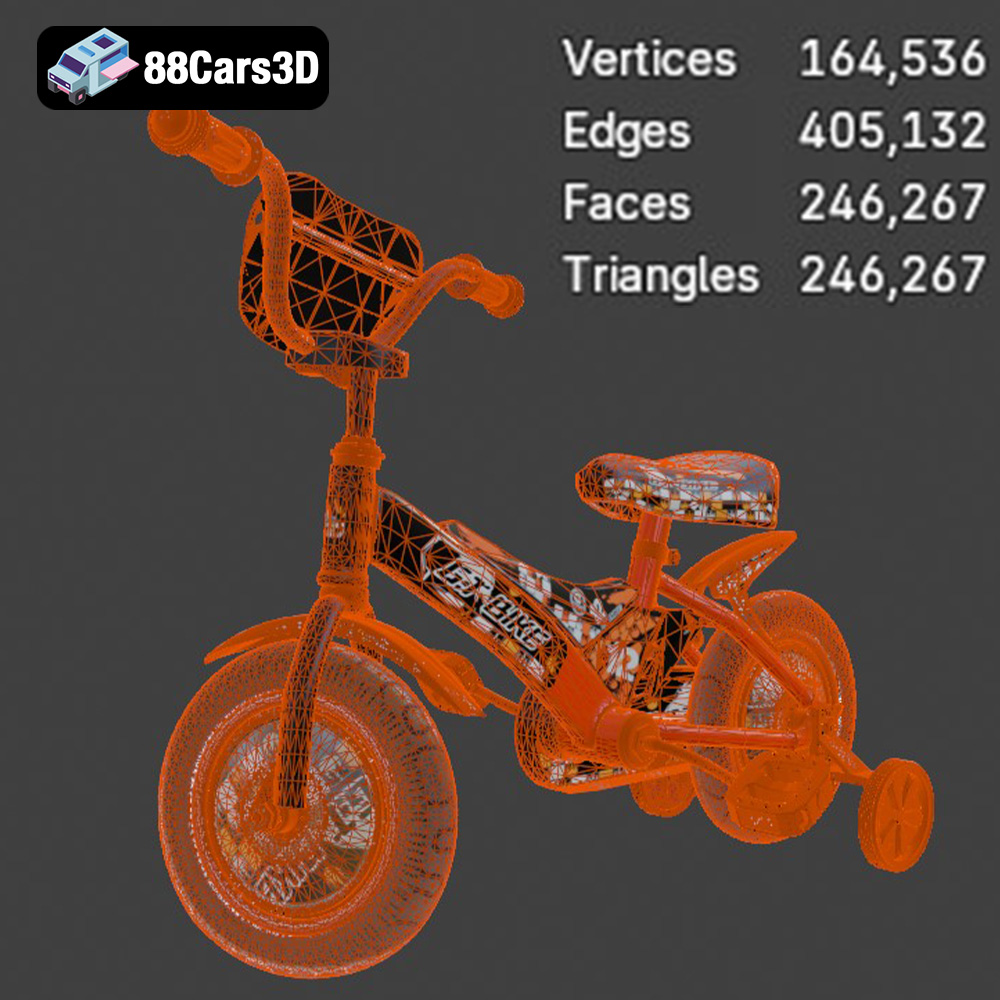
Beyond static appearance, the Velik Bicycle 3D Model boasts comprehensive mechanical detailing. The chain-driven drivetrain system, gear cassette detailing, and the complete crankset and pedal system are all intricately modeled. This allows for accurate mechanical simulation and believable animation of the bicycle in motion. Imagine a virtual cyclist pedaling through an urban scene; the Velik’s independent and correctly pivoted pedals and chain mechanism would move in perfect synchronicity. Furthermore, the front and rear brake assemblies, including brake cable routing, are faithfully represented. This mechanical accuracy is invaluable for applications requiring functional demonstrations, such as engineering simulations or interactive training modules, where understanding the bicycle’s operation is as important as its appearance. The optimized geometry ensures that while rich in detail, the polygon flow remains efficient for both high-quality renders and real-time engine performance.
A truly versatile 3D asset proves its worth through seamless integration into diverse professional workflows. The Velik Bicycle 3D Model, with its clean topology, real-world scale, and thoughtful technical advantages, is designed to be a plug-and-play solution for artists and developers across industries, from film and advertising to game development and architectural visualization.
For rendering artists utilizing industry-standard software like Autodesk 3ds Max or Blender, the Velik Bicycle offers a solid foundation for breathtaking visuals. In 3ds Max, the included .max file allows full access to the original scene, enabling artists to leverage powerful renderers such as V-Ray or Corona. They can easily adjust PBR (Physically Based Rendering) materials, modify lighting setups, and integrate the bicycle into complex scenes, whether it’s an architectural exterior or an automotive rendering project where a bicycle adds a touch of realism to a street scene. Similarly, Blender artists can open the .blend file and immediately work with the model’s clean mesh and optimized UVs. With Blender’s Cycles or Eevee renderers, artists can quickly achieve photorealistic results, adjusting textures, adding subsurface scattering to rubber tires, or fine-tuning reflections on the metallic frame. The proper pivot setup for wheel rotation and pedal animation is crucial here, simplifying the animation process and allowing artists to create fluid, lifelike movement with minimal effort.
Game developers and AR/VR creators demand highly optimized assets that maintain visual quality while ensuring smooth performance. The Velik Bicycle 3D Model, particularly with its .fbx and .unreal formats, is engineered for real-time environments. Importing into Unreal Engine or Unity is straightforward; the model’s optimized polygon flow means it’s suitable for open-world city games, sports simulators, or as an environmental prop in virtual reality experiences. Developers can easily apply engine-specific PBR materials, set up collision meshes, and implement the pre-rigged animation pivots. The clean mesh structure and real-world scale ensure the bicycle integrates seamlessly into existing game worlds, behaving predictably within physics engines. For AR/VR applications, the .glb format offers further optimization, enabling interactive cycling demonstrations and virtual showroom displays that run efficiently on mobile devices or standalone VR headsets, providing an immersive experience without performance bottlenecks.
The utility of the Velik Bicycle 3D Model extends beyond the digital realm, bridging the gap into the physical world through 3D printing. With its manifold geometry and attention to structural detail, this model is perfectly suited for bringing miniature scale models, educational tools, or even early-stage design prototypes to life.
For successful 3D printing, a model must possess “manifold geometry,” meaning it has no holes, self-intersecting faces, or non-uniform normals – essentially, every edge must be shared by exactly two faces. The Velik Bicycle, provided in a .stl format, is designed with this principle in mind, ensuring a watertight mesh that slicing software can interpret correctly. When preparing for print, understanding the model’s structural intricacies is key. The recommended scales (1:18, 1:12, 1:10, 1:8) offer flexibility for different display or functional needs. Due to the bicycle’s complex structure, particularly its slender frame, handlebars, and spoked wheels, supports are indeed required. The product description correctly highlights the need for supports for frame overhangs, pedals, and handlebar sections. Print orientation is also crucial; angling the frame and printing wheels separately can minimize support material and optimize surface finish, especially on FDM printers. For finer details, such as brake cables or gear cassettes, resin (SLA/DLP) printing is often recommended, especially at smaller scales, to capture intricate geometry with high precision.
Once printed, the Velik Bicycle model offers a fantastic canvas for physical customization and post-processing. Post-processing steps like sanding are essential to remove support marks and smooth layer lines, preparing the model for a primer coat. From there, the possibilities are endless: artists can apply realistic paint finishes, mimicking modern bicycle colors with gloss or matte effects. Decals can be added to brand the bicycle or simulate specific models. For those with a flair for detail, miniature accessories like water bottle holders, rear racks, or working lights can be fabricated and integrated. This process not only brings a personal touch to each printed model but also highlights the intrinsic value of having a high-quality base model that holds up to physical scrutiny. Whether for a diorama, a tabletop display, or a unique gift, the 3D printable Velik Bicycle offers a tangible connection to the digital design world, further demonstrating the incredible utility of high-quality 3D assets found on 88cars3d.com.
The true measure of a high-quality 3D model lies in its adaptability and the creative possibilities it unlocks for diverse projects. The Velik Bicycle 3D Model is not merely a static asset; it’s a dynamic tool designed to enhance a multitude of digital and physical applications, offering extensive customization to fit specific artistic visions and technical requirements.
The versatility of the Velik Bicycle makes it an indispensable asset for populating digital environments. In urban street scenes, it can add a touch of realism and vibrancy, suggesting active city life. Imagine a meticulously rendered architectural visualization of a new park; placing the Velik Bicycle leaning against a bench or being ridden by a character instantly brings life and scale to the scene. For game development, its optimized geometry and separate, animatable components (wheels, pedals) make it ideal for open-world city games, sports simulators, or as environmental storytelling elements. A group of Velik Bicycles parked outside a cafe in a game can immerse players more deeply into the world. In AR/VR, the model facilitates interactive cycling demonstrations or virtual showroom displays, allowing users to inspect the bicycle from all angles or even “ride” it in a simulated environment, enhancing product showcases or educational content. The clean, well-organized mesh structure and real-world scale ensure seamless integration and consistent visual appeal across these varied applications.
One of the significant advantages of the Velik Bicycle 3D Model is its inherent customizability. Artists can effortlessly change the frame color and decal style to match specific branding requirements or artistic themes. Need a vintage look? A muted color palette and retro decals will do the trick. For a sporty, modern feel, vibrant colors and sleek graphics can be applied. Furthermore, the model allows for modifications to tire thickness, letting you switch between slim road tires, hybrid tires for mixed terrain, or slightly wider sport tires, altering the bicycle’s character to fit different scenes. The ability to add accessories like water bottle holders, rear racks, or lights further enhances realism and narrative possibilities. Imagine the Velik Bicycle loaded with panniers for a long-distance cycling simulation. Even the handlebar type can be adjusted from drop bars to flat bars, reflecting different riding styles. Finally, the model is built to configure lighting for various scenes, from a sun-drenched outdoor park to a dramatic studio rendering. This extensive customization ensures that the Velik Bicycle is not a one-size-fits-all solution but a flexible foundation for boundless creative expression.
In the demanding world of 3D content creation, the availability of high-quality, versatile, and technically sound assets is crucial for success. The Velik Bicycle 3D Model stands as a prime example of such an asset, offering unparalleled detail, mechanical accuracy, and extensive compatibility for a broad spectrum of applications. Whether your project demands photorealistic renders for advertising, optimized game assets for real-time engines, immersive AR/VR experiences, or precision-engineered models for 3D printing and prototyping, the Velik Bicycle delivers.
Its thoughtful design, from the accurate frame geometry and dynamic mechanical details to its clean topology and real-world scale, ensures that it integrates seamlessly into any professional workflow. Coupled with a comprehensive array of file formats including .blend, .fbx, .obj, .glb, .stl, .ply, .unreal, and .max, this model guarantees maximum flexibility and usability across various software platforms and engines. As a premium offering from 88cars3d.com, the Velik Bicycle 3D Model is more than just a digital object; it’s an investment in quality, efficiency, and creative potential, empowering artists and developers to bring their most ambitious visions to life.
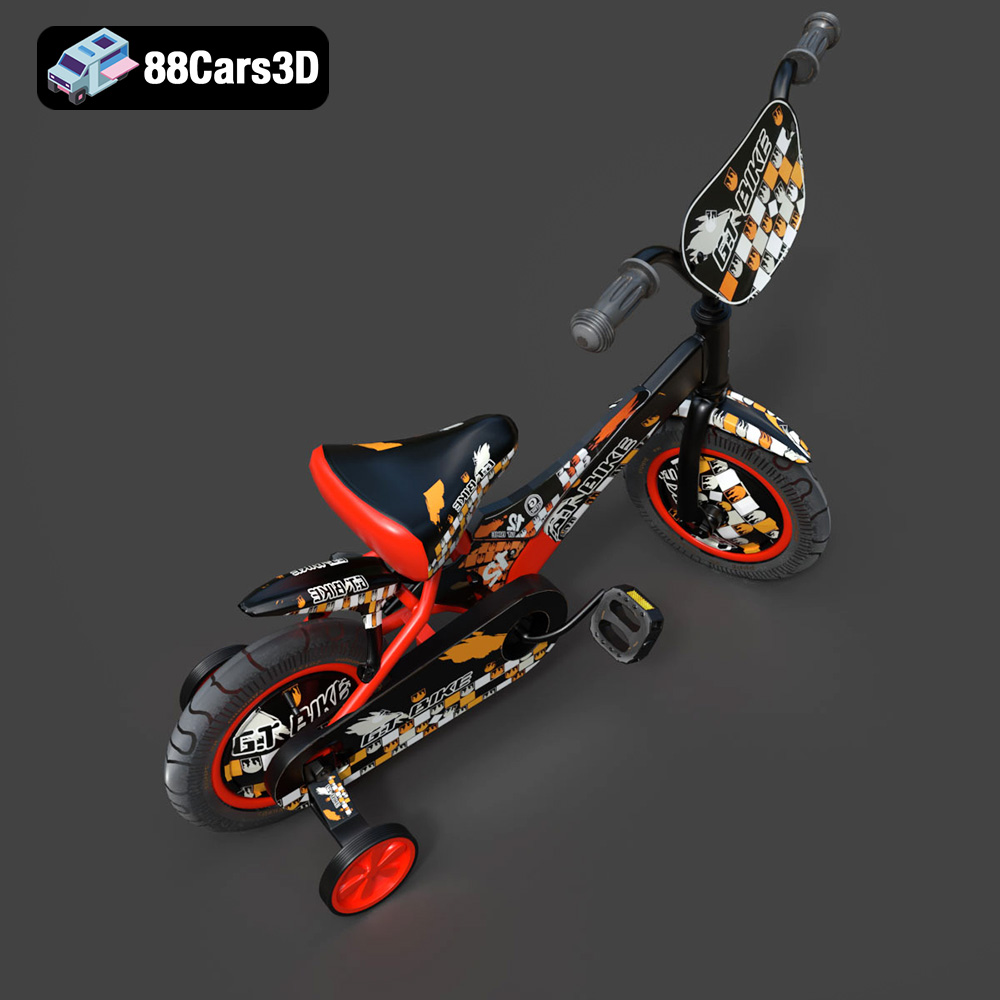
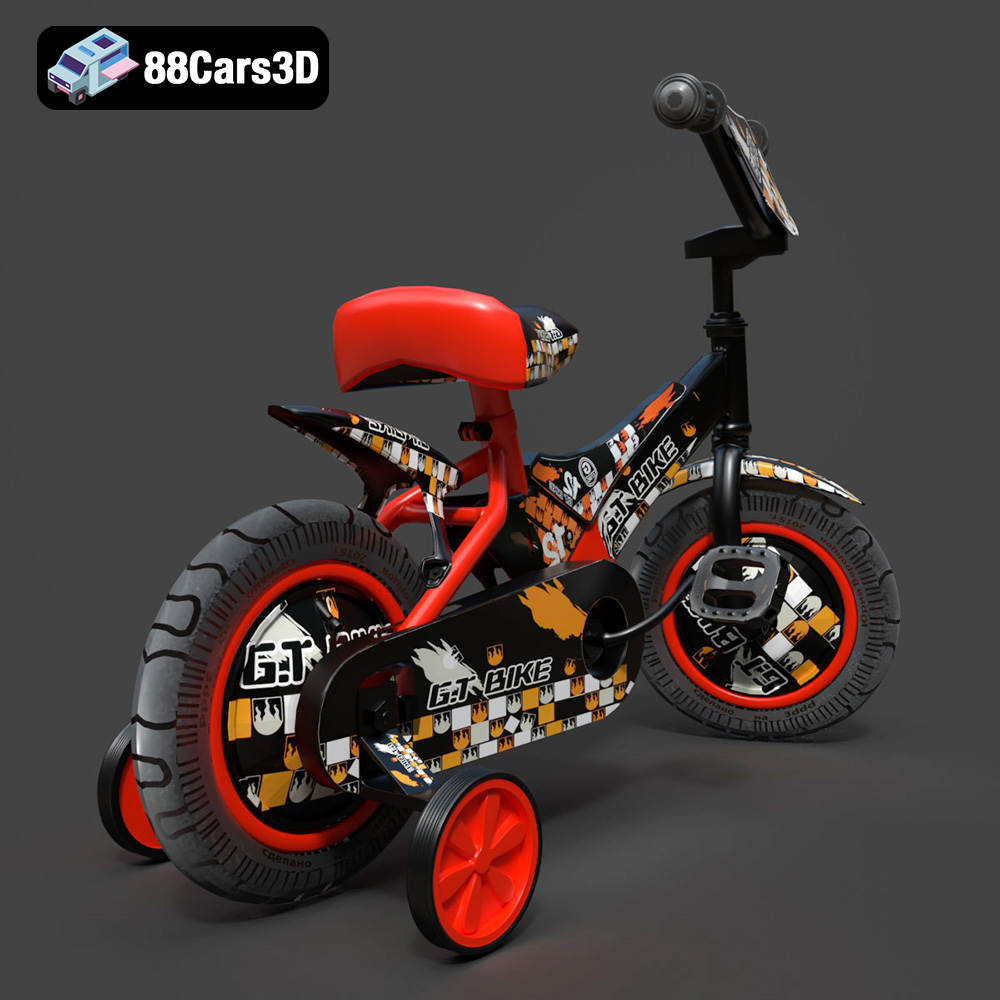
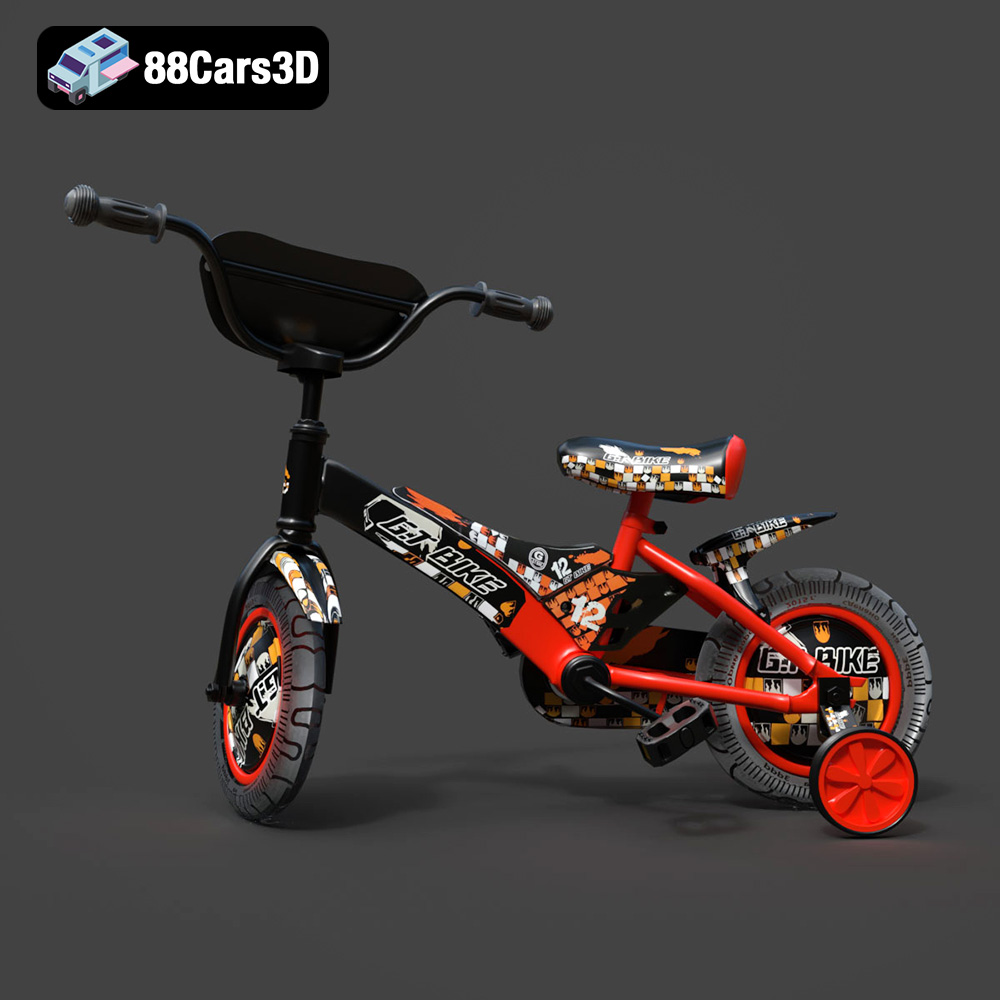
The Velik Bicycle 3D Model is a high-detail digital recreation of a classic road-style bicycle designed for urban commuting and recreational riding. Built with realistic proportions and mechanical accuracy, this model captures the lightweight frame structure, slim road tires, chain-driven drivetrain system, and ergonomic handlebar configuration. This 3D model accurately represents the tubular frame geometry, front fork assembly, spoked wheels, braking system, pedals and crankset, chain mechanism, saddle design, and handlebar controls. Designed with clean topology and real-world scale accuracy, it is ideal for rendering, animation, simulation, game development, and AR/VR visualization. Perfect for urban street scenes, park environments, cycling simulations, advertising visuals, and transportation projects.
$15.9
.arvr
.bicycle
.bicycle3dmodel
.bike
.blend
.cycling
.fbx
.gameasset
.glb
.max
.obj
.ply
.rendering
.simulation
.sportsvehicle
.stl
.unreal
.urbanvehicle
.velik