Get 50% OFF All Premium 3D & STL Models!

There’s an undeniable allure to American muscle cars. It’s more than just horsepower; it’s a blend of raw power, distinctive design, and a cultural legacy that transcends generations. From the roaring V8s of the late 60s to the aggressive stances of the 70s, these automotive legends have etched themselves into our collective consciousness, becoming symbols of freedom, rebellion, and unparalleled style.
For 3D artists, game developers, automotive rendering specialists, and VR/AR creators, capturing the essence of these iconic machines is a pursuit of passion. The challenge lies in translating their legendary status into high-fidelity digital assets that are not only visually stunning but also technically robust for diverse applications. This is where premium 3D car models become indispensable, offering a foundation of quality that accelerates creative workflows and elevates final outputs.
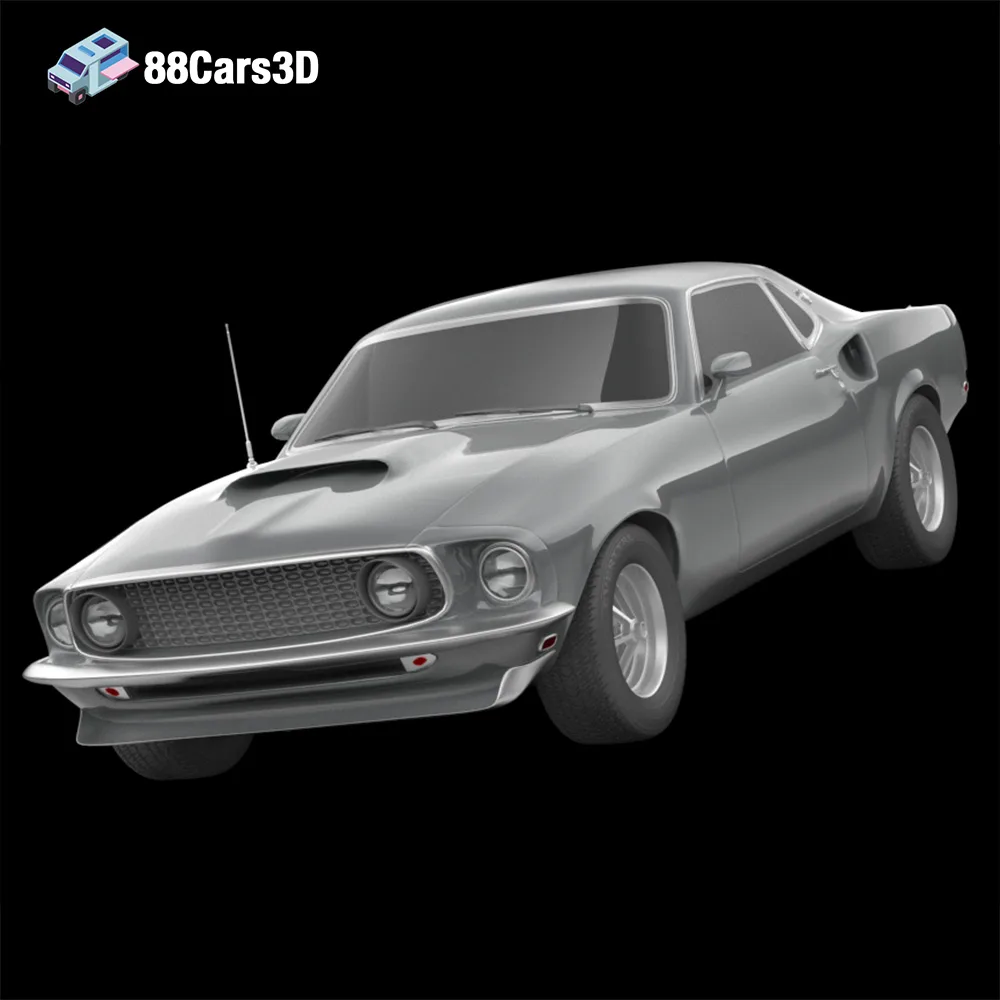
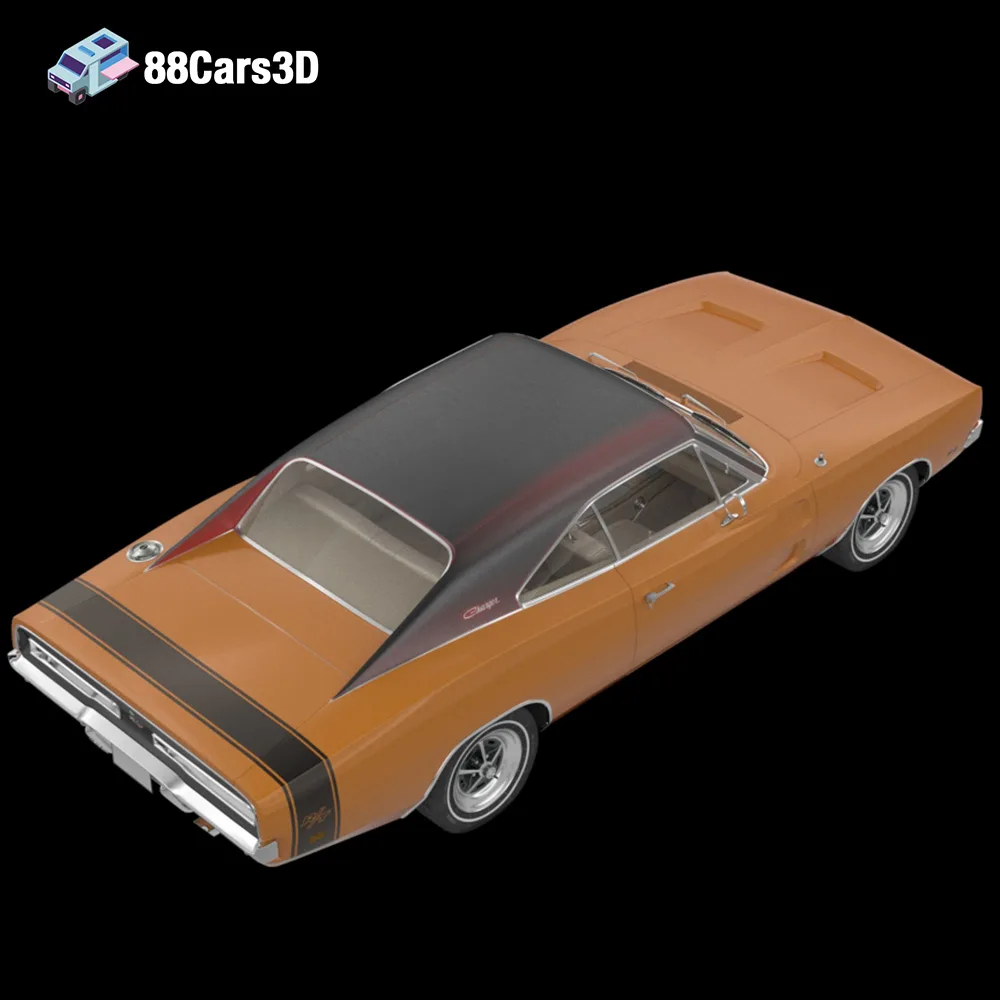
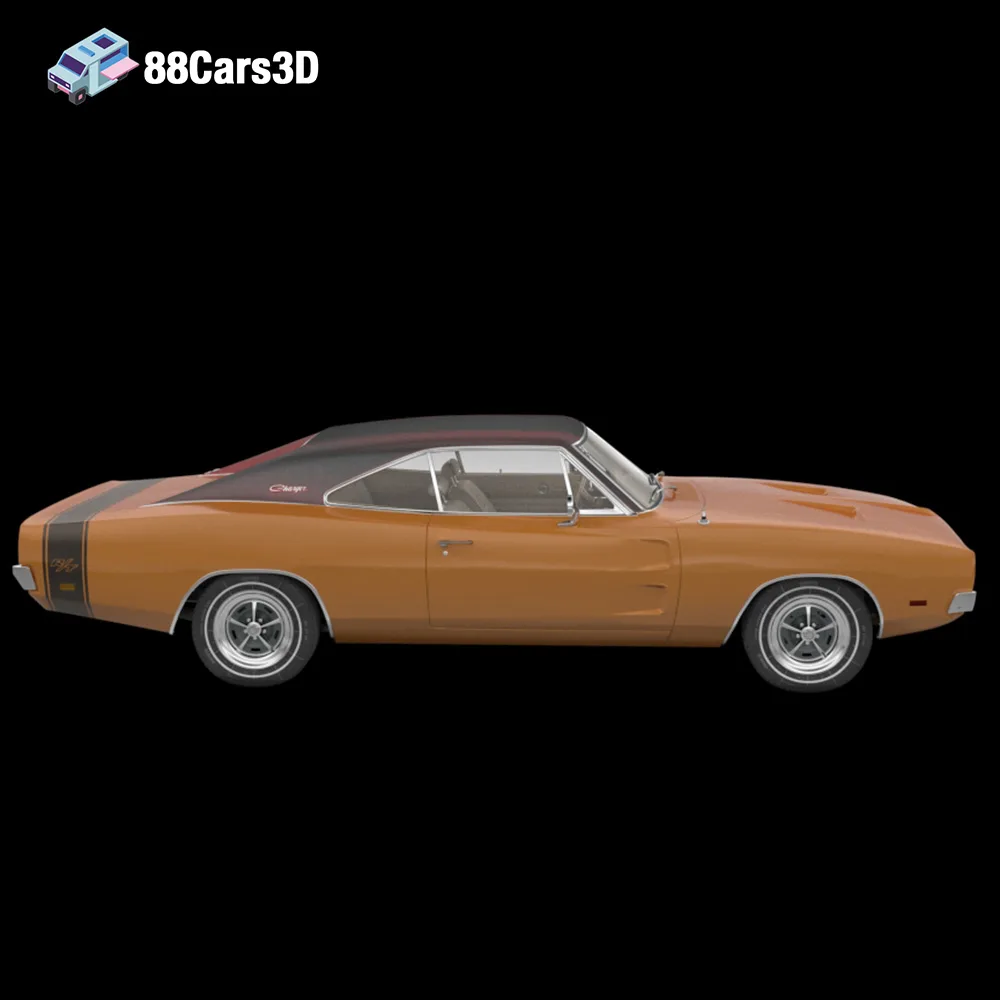
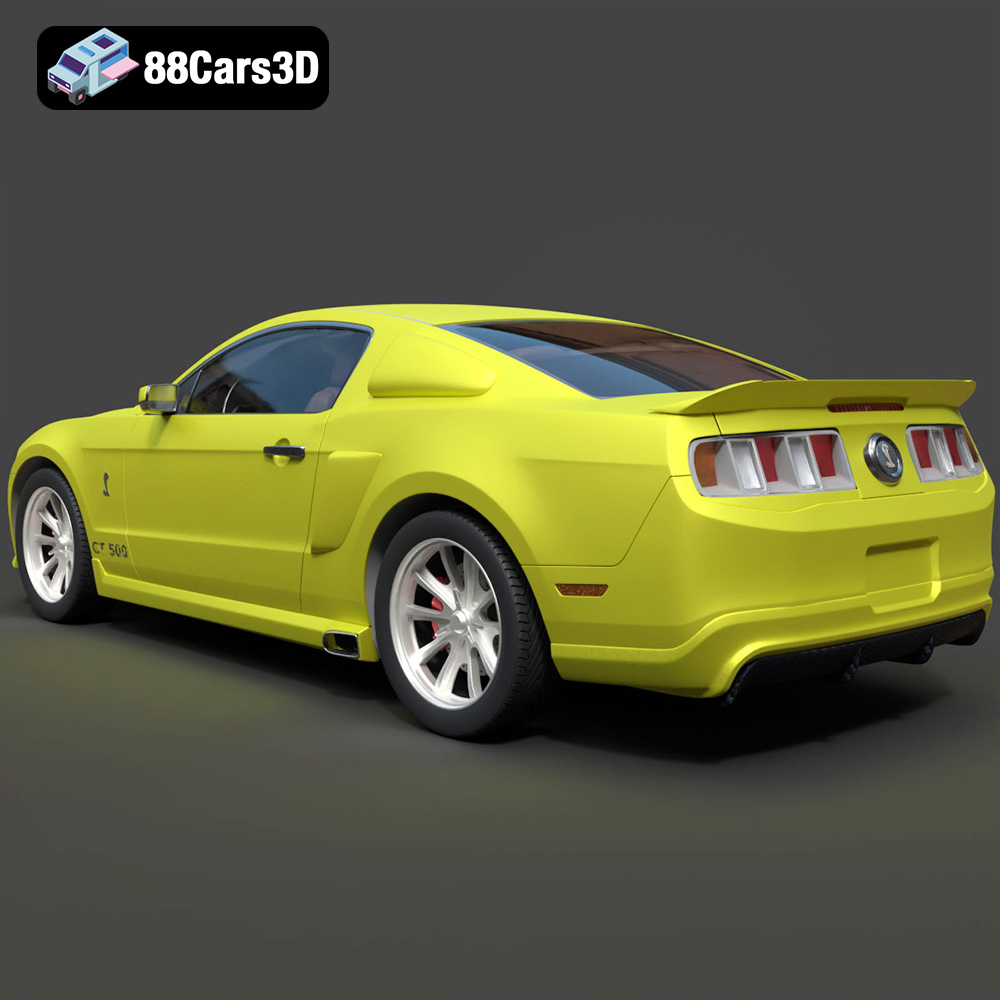
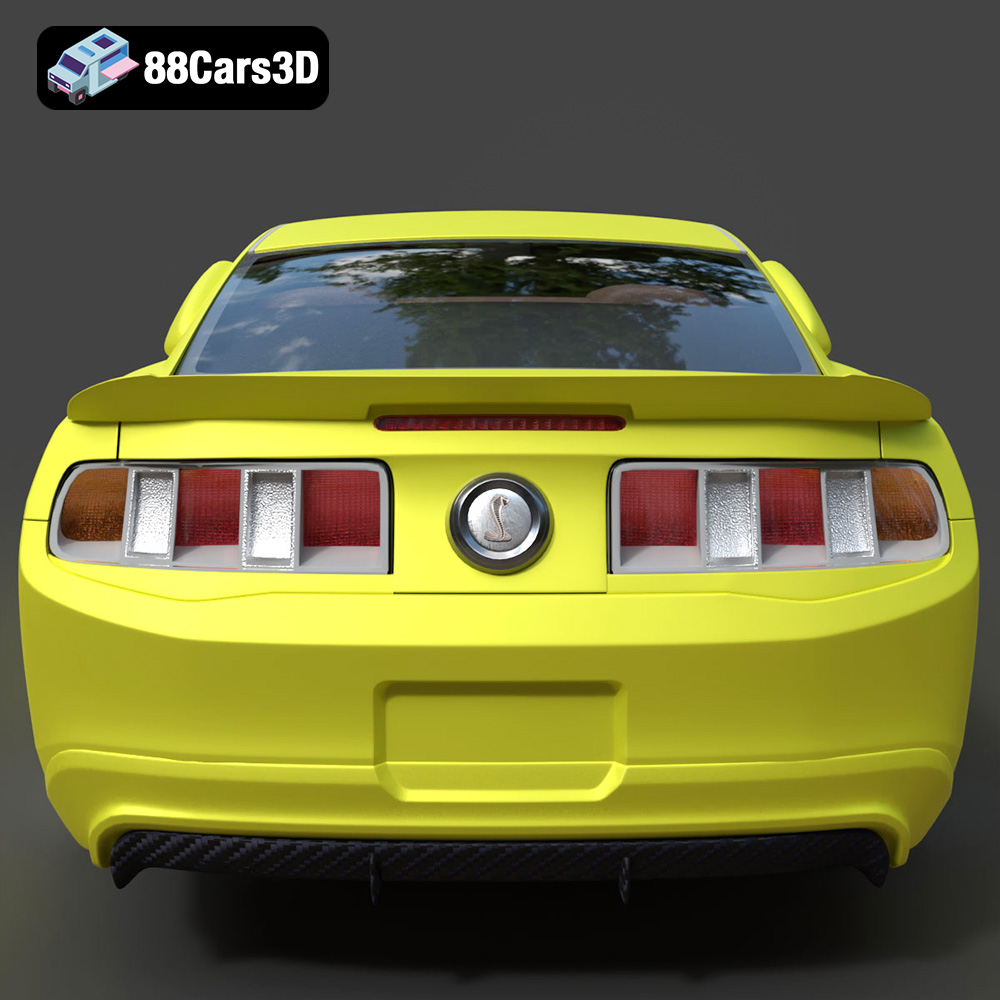
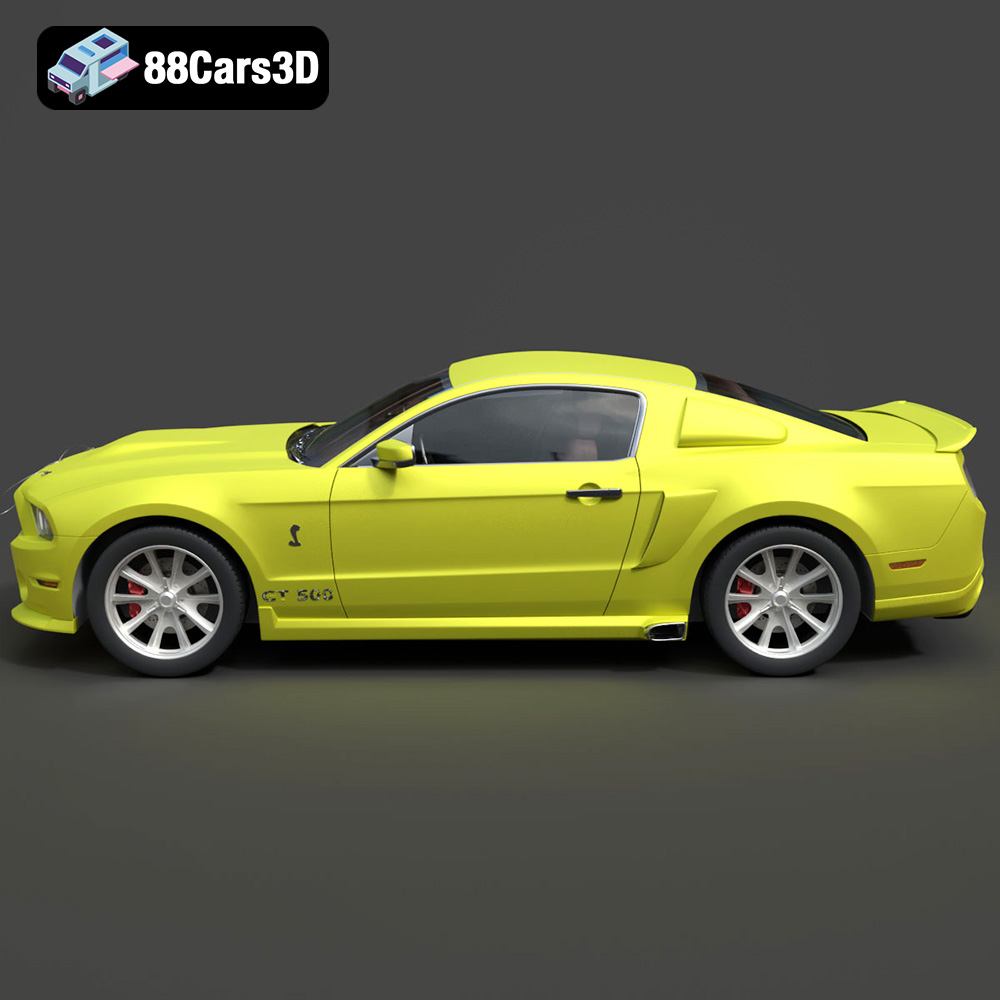
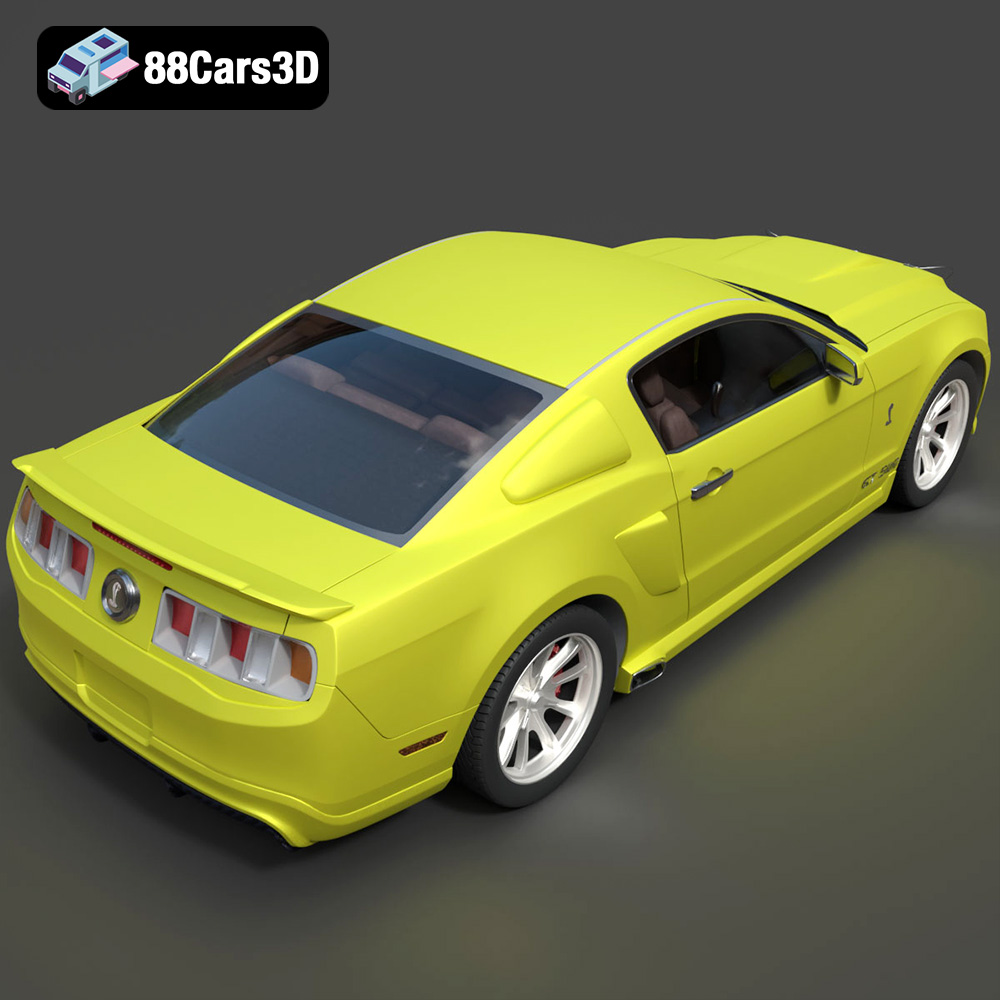
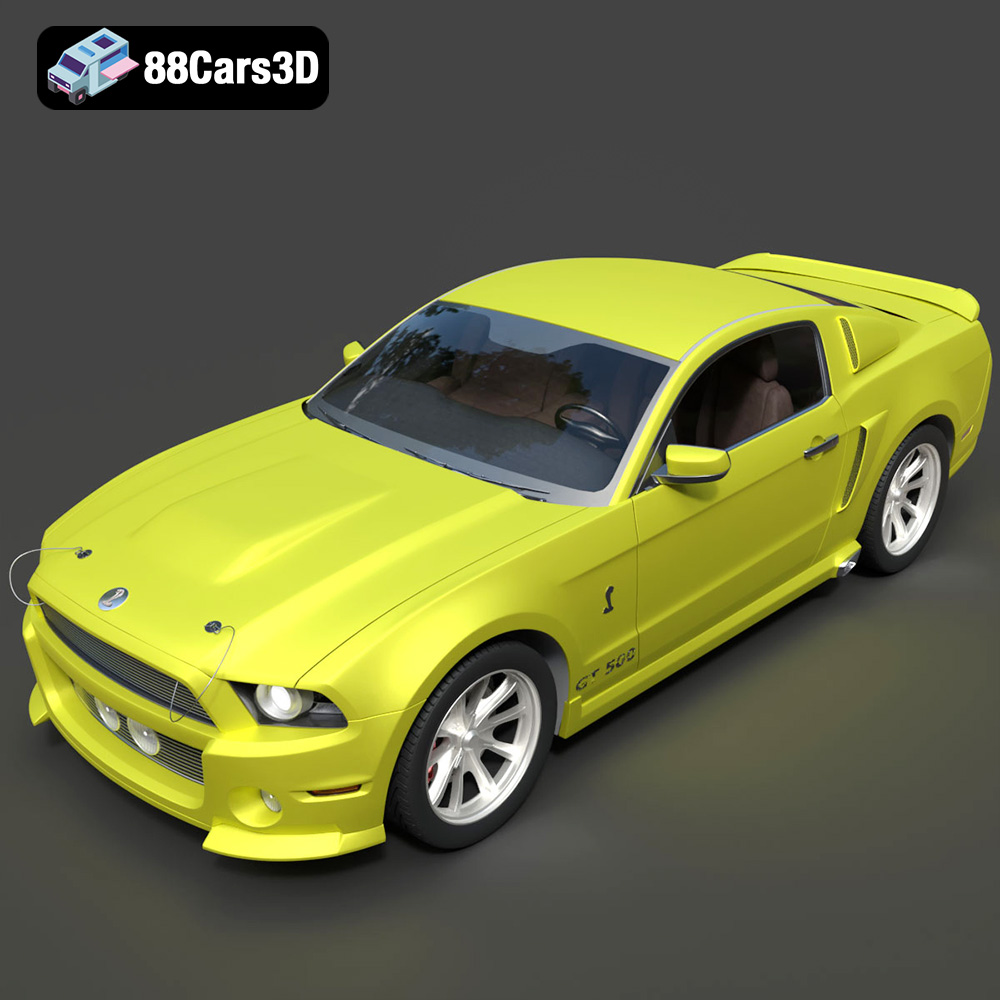
Imagine effortlessly dropping a meticulously detailed 1968 Dodge Charger or the legendary Eleanor GT500 into your next cinematic scene, game level, or architectural visualization. This dream becomes a reality with carefully curated collections like the American Muscle & Classics Pack 4 in 1 Ford Dodge Chevrolet 3D Printable STL from 88cars3d.com. This bundle isn’t just a collection of cars; it’s a toolkit for unleashing the power of nostalgia and performance in your digital projects, offering a massive discount on four of the most sought-after muscle cars.
American muscle cars are more than just vehicles; they are characters in their own right. They star in blockbusters, define eras in video games, and command attention in cutting-edge visualizations. Their unique profiles and historical significance make them perfect subjects for digital recreation, allowing artists to explore themes of heritage, power, and timeless design. Whether you’re building a retro street environment, a high-speed racing game, or a virtual collector’s dream garage, these classics bring an authentic, visceral presence.
Modern automotive rendering and game development demand assets that are both historically accurate and optimized for contemporary pipelines. This means models must excel in photorealism, possess clean topology for smooth deformations, and be prepared for intricate rigging and animation. The challenge for artists is often finding models that meet these stringent requirements without compromising on artistic vision or exceeding budget and time constraints. Premium packs like the one offered by 88cars3d.com provide a powerful solution, delivering game-ready vehicles that bridge the gap between classic aesthetics and advanced digital production.
In the world of 3D modeling, the choice of file format is as crucial as the model itself. Each format is designed for specific purposes, offering unique advantages in terms of compatibility, data preservation, and workflow efficiency. For professional artists and developers, understanding these distinctions is key to seamless integration and optimal performance. The American Muscle & Classics Pack from 88cars3d.com provides a comprehensive range of formats to ensure maximum flexibility for your projects.
The .blend file format is native to Blender, the powerful open-source 3D creation suite. When you receive a .blend file, you’re getting a complete Blender scene, often including materials, textures, lighting setups, and even animations. This format is ideal if Blender is your primary software, as it preserves all original scene data, allowing for full editability and exploration of the model’s construction. Artists can easily inspect the clean quad-heavy topology, separated components, and material assignments as intended by the creator, making it perfect for custom modifications or learning from expert modeling techniques.
The .fbx (Filmbox) format is an industry-standard for 3D data exchange, particularly favored in game development and animation pipelines. Developed by Autodesk, it efficiently stores 3D models, textures, animations, and camera data. Its robust nature and wide compatibility make it the go-to format for transferring assets between applications like 3ds Max, Maya, Blender, Unity, and Unreal Engine. For the muscle cars in this pack, .fbx ensures that the meticulously separated wheels, doors, and steering components, along with their proper pivot points, are ready for immediate integration into real-time environments and animation rigs, supporting dynamic driving physics.
The .obj (Wavefront Object) format is a venerable and widely supported option for transferring mesh data. It’s a simple, text-based format that reliably stores geometry (vertices, normals, UV coordinates) and can reference external material (.mtl) files. While it doesn’t typically store animation or rigging information like .fbx, its universal compatibility across virtually all 3D software makes it an excellent fallback or primary choice for static model exchange. It’s incredibly stable and ensures that the core mesh data of these classic cars can be imported and rendered in almost any application without issues.
The .glb (GL Transmission Format Binary) is a relatively newer format, optimized for efficient loading and rendering of 3D models in web browsers, AR (Augmented Reality), and VR (Virtual Reality) applications. It’s a binary version of the glTF format, packing all necessary data (geometry, materials, textures, animations) into a single file, which streamlines delivery and reduces file size. For showcasing American muscle cars in interactive web experiences, product configurators, or immersive AR/VR scenes, .glb is the perfect choice, ensuring quick load times and high visual fidelity.
The .stl (Stereolithography) format is the standard for 3D printing. It represents a 3D model as a series of connected triangles (a tessellated surface) that define its outer geometry. It contains no color or texture information, focusing solely on the object’s shape, which is precisely what 3D printers need. The inclusion of .stl in the American Muscle & Classics Pack is a significant advantage for hobbyists and professionals looking to create physical scale models or custom diecast replicas of these iconic vehicles, offering direct compatibility with slicing software for both FDM and resin printers.
The .ply (Polygon File Format or Stanford Triangle Format) is often used for storing 3D data from 3D scanners, CAD software, and other engineering applications. It can store a wide range of properties, including color, transparency, surface normals, and even confidence values, for each vertex and face. While less common for everyday artistic exchange than .fbx or .obj, its ability to store detailed mesh information makes it valuable for specialized workflows where high precision or scanned data integration is required, offering a robust alternative for complex geometric data.
While not a direct file extension you “download” in the same way as .fbx or .obj, the term .unreal often refers to assets specifically prepared and optimized for Unreal Engine. This implies meticulous attention to detail in asset structuring, material setup, collision geometry, and LODs (Levels of Detail) that adhere to Unreal Engine’s best practices. For the muscle cars, this means ensuring proper pivot points are set up for Chaos Vehicles, materials are ready for the engine’s PBR workflow, and models are optimized for real-time performance, allowing for seamless drag-and-drop functionality into your Unreal projects.
The .max file format is native to Autodesk 3ds Max, one of the leading software packages for 3D modeling, animation, and rendering. Like .blend for Blender, a .max file preserves all scene data, including geometry, materials, lighting, cameras, and modifiers. This format is crucial for users whose primary workflow revolves around 3ds Max, providing full access to the original scene setup, allowing for advanced rendering with V-Ray, Corona, or Arnold, and facilitating complex animations or environmental integrations. The availability of .max files ensures that the detailed construction and material assignments of the American Muscle Pack are fully editable within a professional studio environment.
Achieving photorealistic automotive rendering is a highly technical endeavor. It requires not just artistic flair but also a deep understanding of geometry, materials, and optimization. Premium 3D car models like those in the American Muscle & Cinematic Classics Bundle are engineered from the ground up to meet these rigorous demands, offering a technical advantage that saves countless hours and elevates project quality.
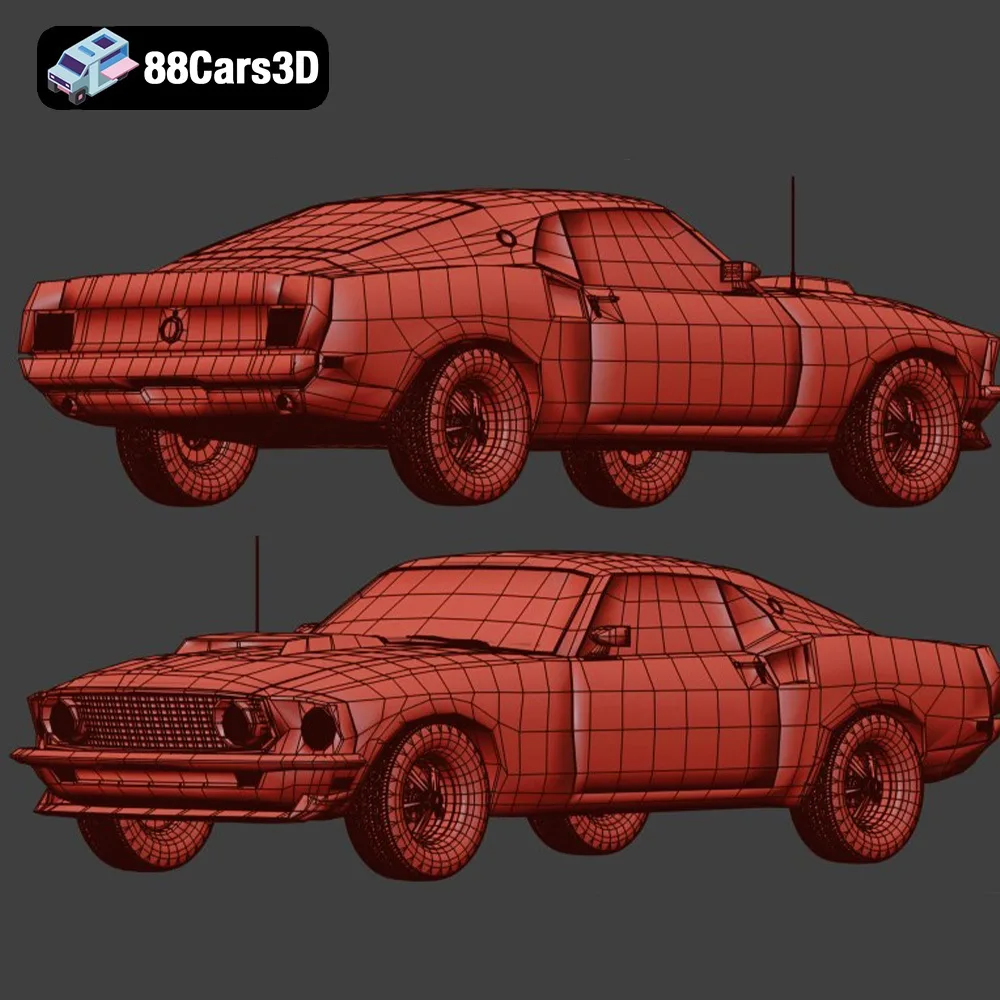
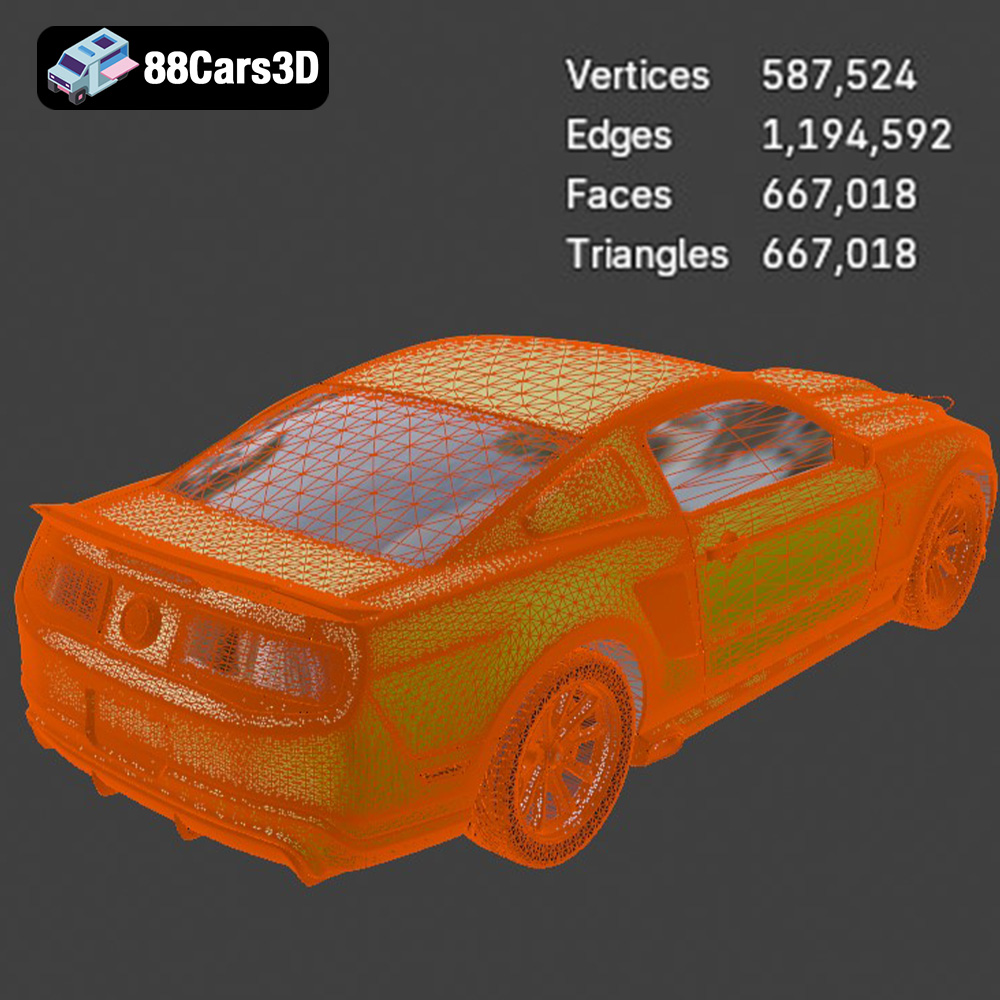
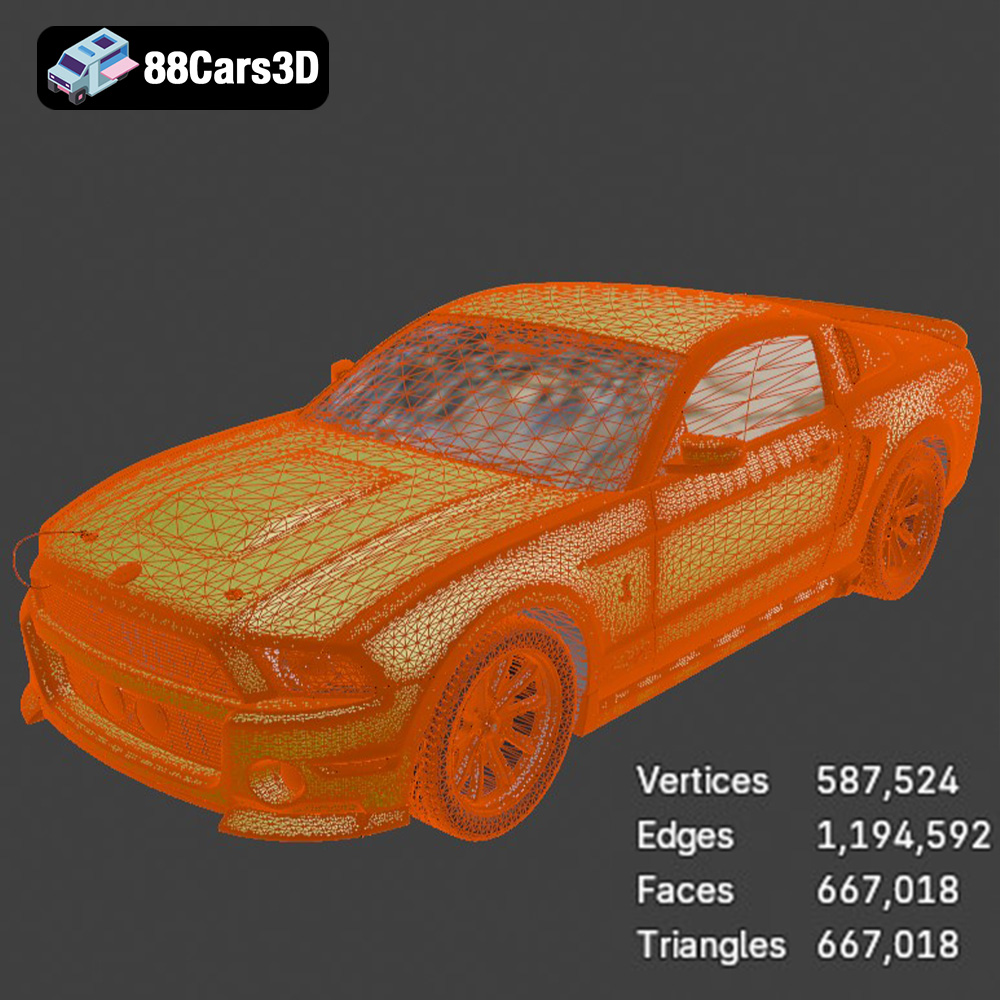
The foundation of any high-quality 3D model is its topology. The cars in this pack feature photorealistic exterior details with flawless modeling of iconic chrome bumpers, aggressive hood scoops, classic taillight bezels, and period-accurate wheels. Crucially, the topology is described as “quad-heavy” and “clean.” This refers to the practice of constructing the mesh primarily with four-sided polygons (quads), which ensures smooth subdivision, prevents shading artifacts, and simplifies UV mapping. Clean topology is essential for close-up renders, animation deformations, and efficient performance in real-time engines. It means fewer headaches from pinching, stretching, or unexpected lighting issues, allowing artists to focus on creative tasks rather than technical fixes.
Beyond static beauty, these models are designed for dynamic interaction. The description highlights “Rigging-Ready” components, specifically mentioning that wheels, doors, and steering components are intelligently separated. This is critical for game development, cinematic VFX, and interactive applications. Proper pivot point setup for all wheels, ready for Unreal Engine 5 (Chaos Vehicles) or Unity, is a testament to their game-ready optimization. This pre-rigged structure vastly accelerates the animation process, allowing developers to quickly integrate driving physics, open/close doors for character interaction, or animate steering for realistic car chases without the time-consuming process of manual rigging from scratch.
Accuracy is paramount in professional 3D production. The models boast 100% Real-world scale accuracy, which is vital for maintaining correct proportions when integrating cars into environments, especially in architectural visualization (ArchViz) or detailed scene building. Furthermore, compatibility with industry-standard ray-traced renderers (V-Ray, Corona, Arnold) implies that the underlying material definitions are robust and designed to respond realistically to advanced lighting models. This means artists can achieve stunning, physically accurate renders with minimal effort, leveraging the power of modern rendering engines to bring out the chrome, paint sheen, and subtle material nuances of these classic beauties.
The versatility of premium 3D car models like those in the American Muscle & Classics Pack makes them invaluable assets across various professional 3D disciplines. Their design, optimization, and format compatibility streamline workflows, enabling artists and developers to achieve stunning results efficiently.
For artists specializing in high-end visualization, the inclusion of the .max format combined with compatibility for renderers like V-Ray, Corona, and Arnold is a game-changer. These renderers are the backbone of photorealistic image creation, and having models that seamlessly integrate means less time spent on setup and more on artistic refinement. A 3ds Max user can open the file, apply studio lighting, refine materials, and render hero shots of the Ford Mustang Eleanor GT500 with its distinctive details or capture the raw power of the 1968 Dodge Charger. The clean quad topology ensures smooth reflections and accurate shading, crucial for automotive paint and chrome surfaces. This enables architects to place a classic muscle car in a modern garage rendering, instantly adding a layer of narrative and luxury to their ArchViz projects.
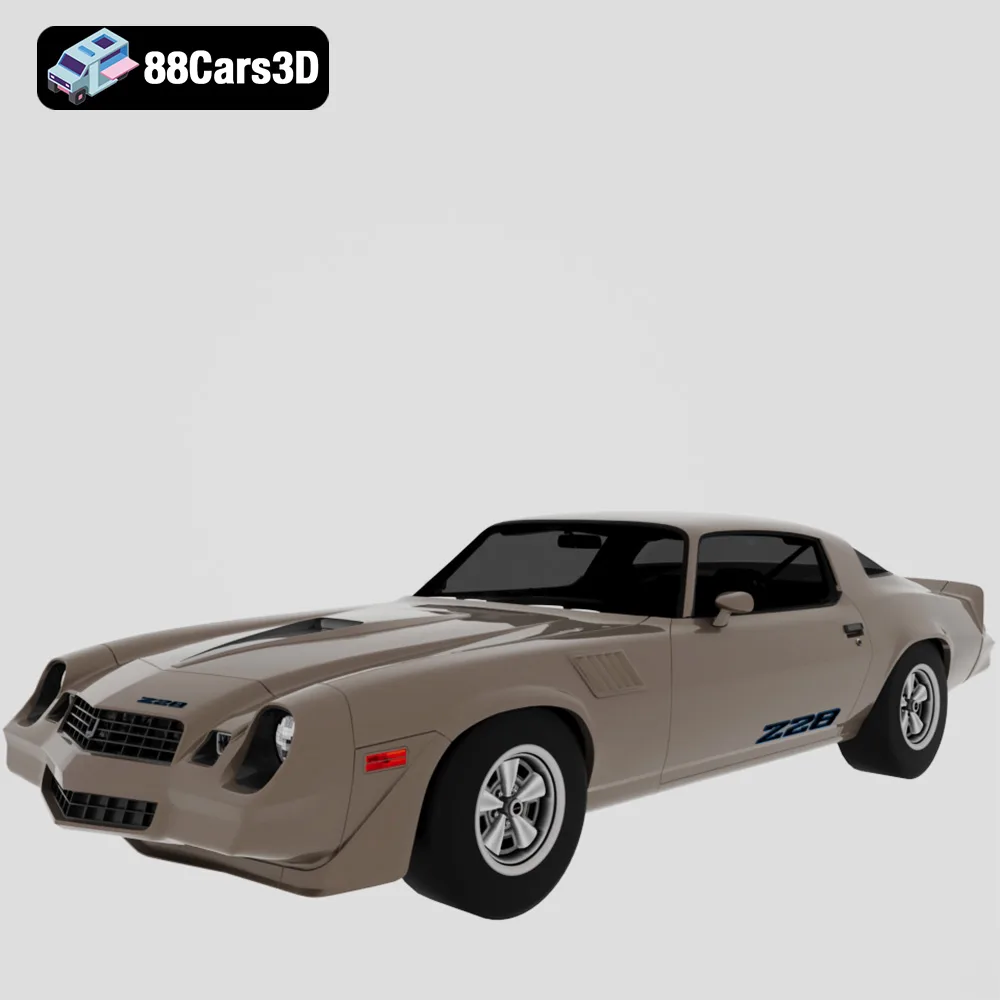
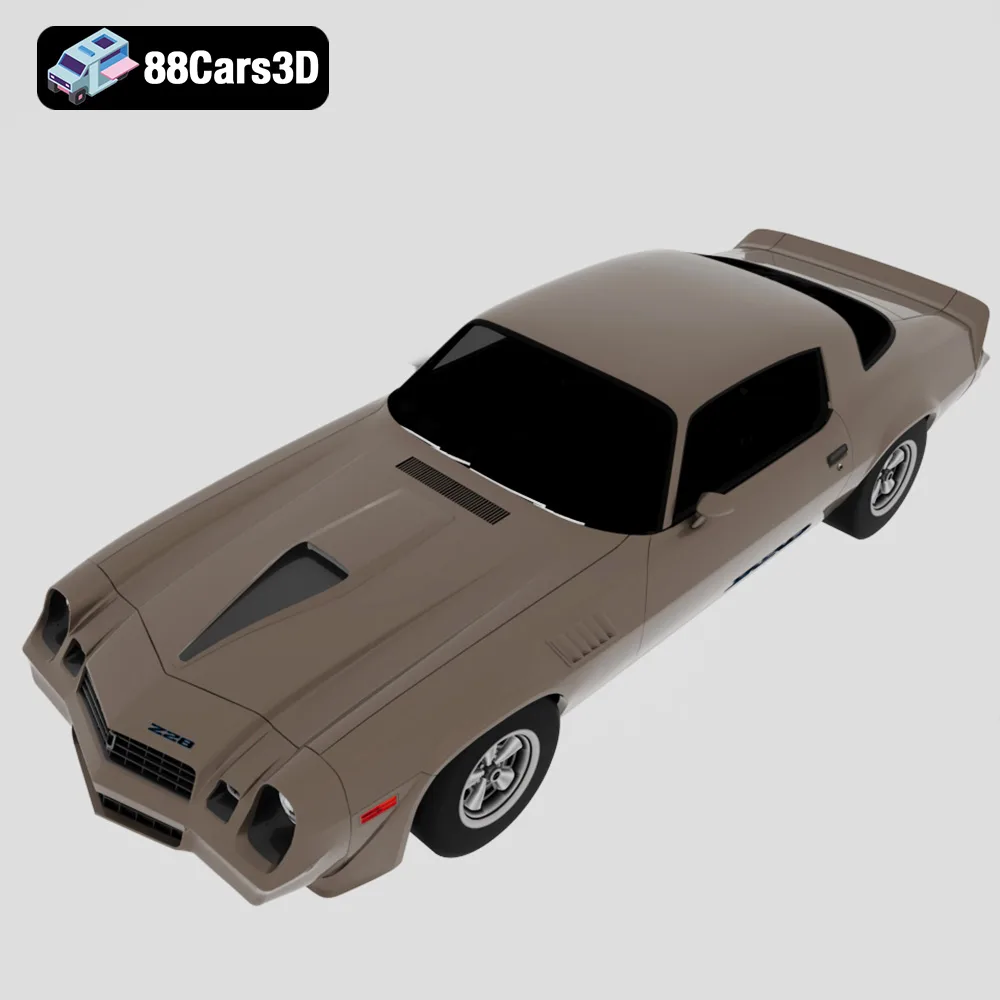
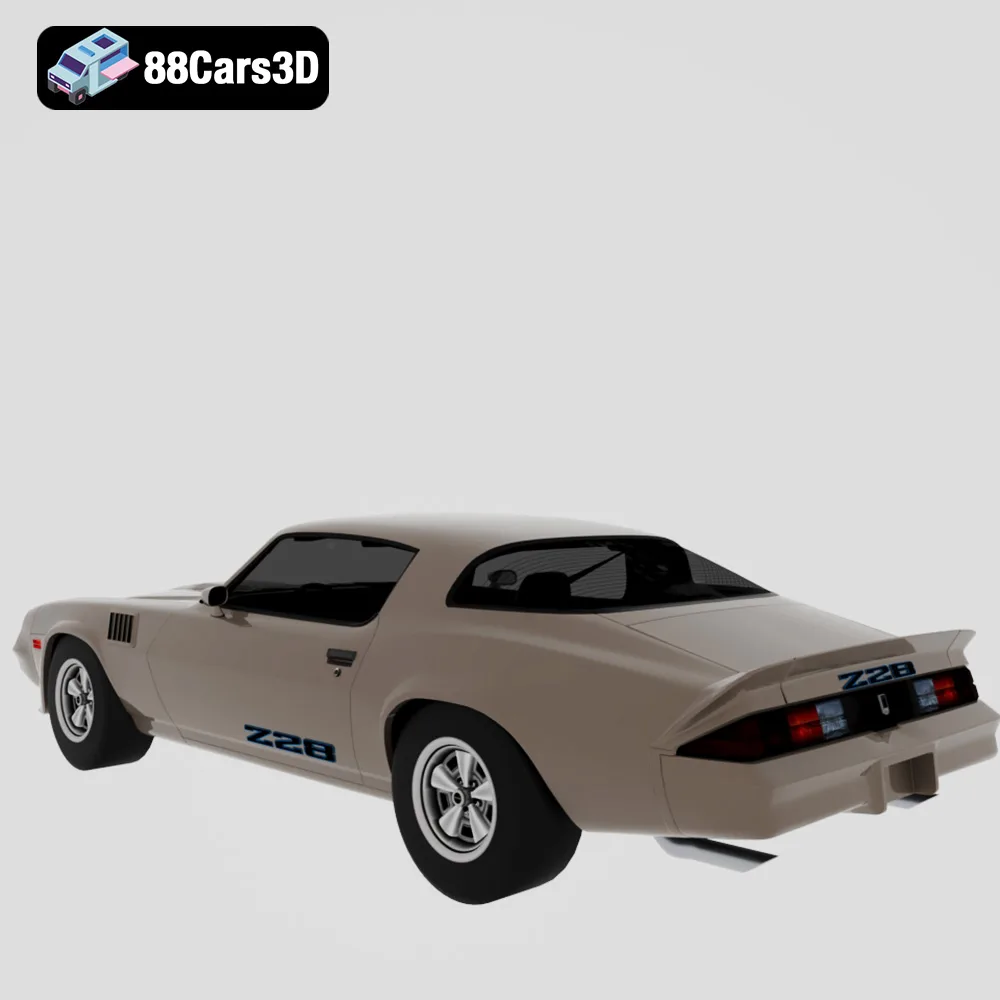
The gaming industry thrives on performance and visual quality. The “Rigging-Ready” nature of these models, with properly set pivot points for wheels, is specifically tailored for real-time engines like Unreal Engine 5 (Chaos Vehicles) and Unity. Game developers can import the .fbx files and almost immediately integrate them into vehicle systems. Imagine creating a retro 1970s street racing game where players can customize a Chevrolet Camaro Z28 1979, or an open-world action title where the custom ’69 Mustang speeds through urban environments. The optimized mesh ensures smooth framerates, while the separated components allow for realistic collision detection, damage modeling, and dynamic vehicle physics, making them ultimate game assets.
The world of cinematic visual effects demands extreme detail and flexibility. For short films, music videos, or CGI commercials, the American Muscle & Classics Pack provides high enough quality to be used as hero cars. The photorealistic exteriors and clean topology are ideal for close-up shots where every curve and reflection must stand out. A VFX artist could use the Ford Mustang Eleanor GT500 for a thrilling chase sequence, leveraging its distinct movie-star appeal. The separated components facilitate complex animations, from precise steering movements to doors opening for character interactions, all while maintaining the integrity of the model for motion blur and depth of field effects. This pack empowers studios to tell compelling stories with iconic vehicles without the prohibitive cost and time of custom model creation.
While digital visualization offers boundless possibilities, there’s a unique satisfaction in holding a physical representation of a legendary vehicle. The inclusion of .stl files in the American Muscle & Classics Pack opens up a tangible dimension for artists, enthusiasts, and collectors, allowing them to bring these digital beauties into the real world through 3D printing.
For diecast builders, miniature collectors, or anyone who appreciates the intricate details of automotive design, 3D printing offers an unparalleled opportunity. Imagine creating your own 1:18 or 1:24 scale replica of the 1968 Dodge Charger or the distinctive ’69 Mustang Restomod. This capability transforms a virtual asset into a physical collectible, perfect for displaying on a shelf, customizing with paint and decals, or even prototyping for manufacturing. It bridges the gap between digital creativity and the enduring appeal of physical artifacts, catering to a niche of hobbyists who value both the digital design and the craftsmanship of a physical model.
The product description specifically recommends SLA/Resin printing for these models, with a suggested layer height of 0.04–0.05 mm. This is a critical technical detail. FDM (Fused Deposition Modeling) printers, while common, struggle with the intricate details required for realistic car models, often leaving visible layer lines. SLA (Stereolithography) or resin printers, by contrast, use light to cure liquid resin, allowing for incredibly fine details, smooth surfaces, and sharp edges – essential for capturing the delicate grilles, classic rims, and crisp body lines of muscle cars. Printing bodies angled backwards is a clever orientation tip to ensure flawless hoods, while printing wheels and spoilers separately allows for better support placement and finer detail on these complex parts.
Achieving a “museum-quality” 3D printed model requires more than just a good print. It involves a meticulous post-processing workflow. After printing, models typically require cleaning (washing off excess resin), curing (further hardening under UV light), and support removal. For a truly professional finish, sanding, priming, and painting are essential. Enthusiasts can apply authentic period-correct colors, weather the models for a “road-worn” look, or customize them with unique liveries. This hands-on process allows for an even deeper connection to the digital model, transforming it into a personalized piece of art. The quality of the underlying .stl file from 88cars3d.com directly impacts the success of these finishing stages, providing a robust and detailed mesh for physical output.
The versatility and high quality of the American Muscle & Classics Pack make these 3D car models ideal for a wide array of professional applications. Let’s explore some illustrative case studies demonstrating how such a bundle can drive innovation and elevate projects.
Imagine a historical documentary or a period-themed game set in the American 1970s. Artists need to populate scenes with era-appropriate elements to maintain authenticity. The Chevrolet Camaro Z28 1979, with its distinct sharp nose and aerodynamic front spoiler, perfectly embodies the late-70s aesthetic. Using this model, environment artists can effortlessly drop it into a virtual street scene, a vintage gas station, or a drive-in theater, instantly lending credibility and atmosphere. The real-world scale and photorealistic details ensure that even in the background, these vehicles contribute significantly to the immersive quality of the environment, making the project feel genuinely retro and engaging.
In the realm of interactive experiences, such as virtual showrooms, product configurators, or VR driving simulators, these classic muscle cars are phenomenal engagement drivers. Consider a car manufacturer creating a virtual heritage museum. Users could walk around a meticulously rendered 1968 Dodge Charger, open its doors, peer into the detailed interior (though the interior isn’t specified in this pack, it could be augmented), and even “start” the engine to hear its roar. For a high-speed racing game, the inclusion of the Ford Mustang ’69 (Modern Custom/Restomod) offers a fantastic blend of classic lines and contemporary performance. Players could race this iconic vehicle, feeling its weight and power through advanced physics simulations, providing an exhilarating and nostalgic gaming experience. The game-ready nature and proper pivot setups are crucial for such interactive fidelity.
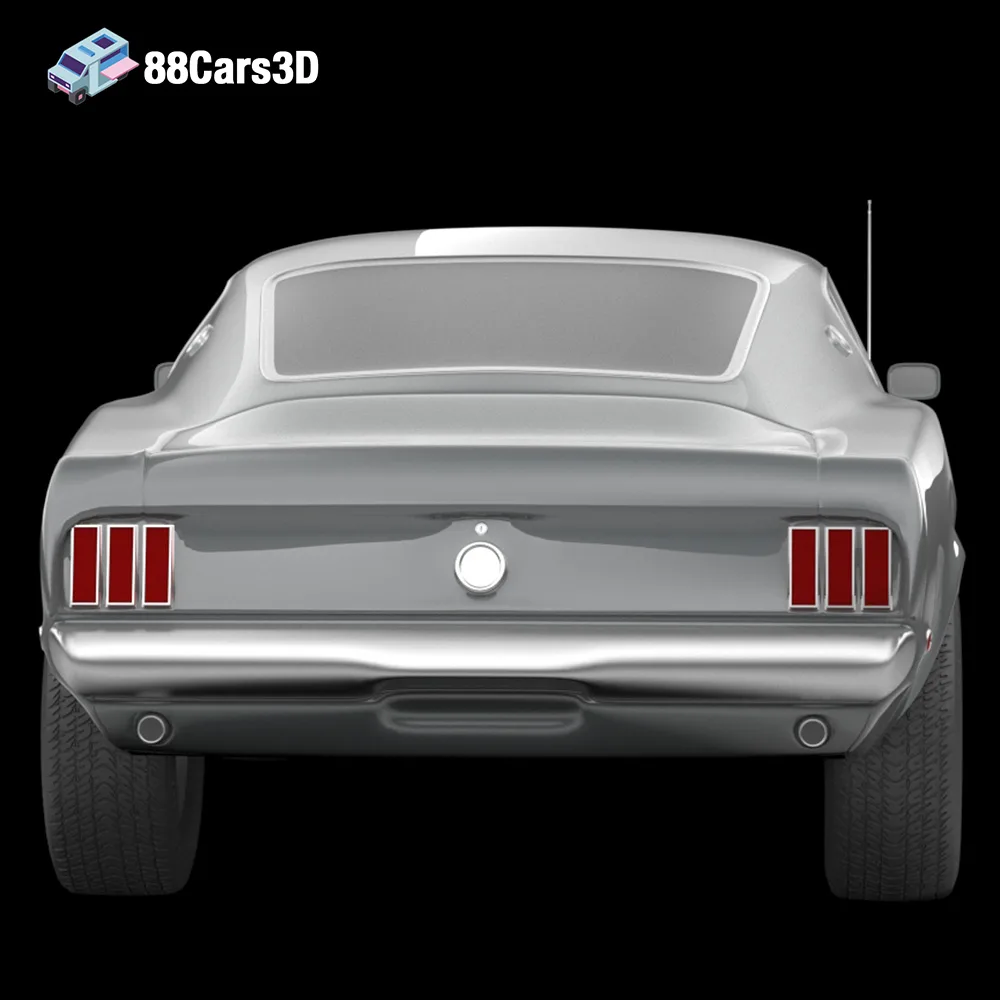
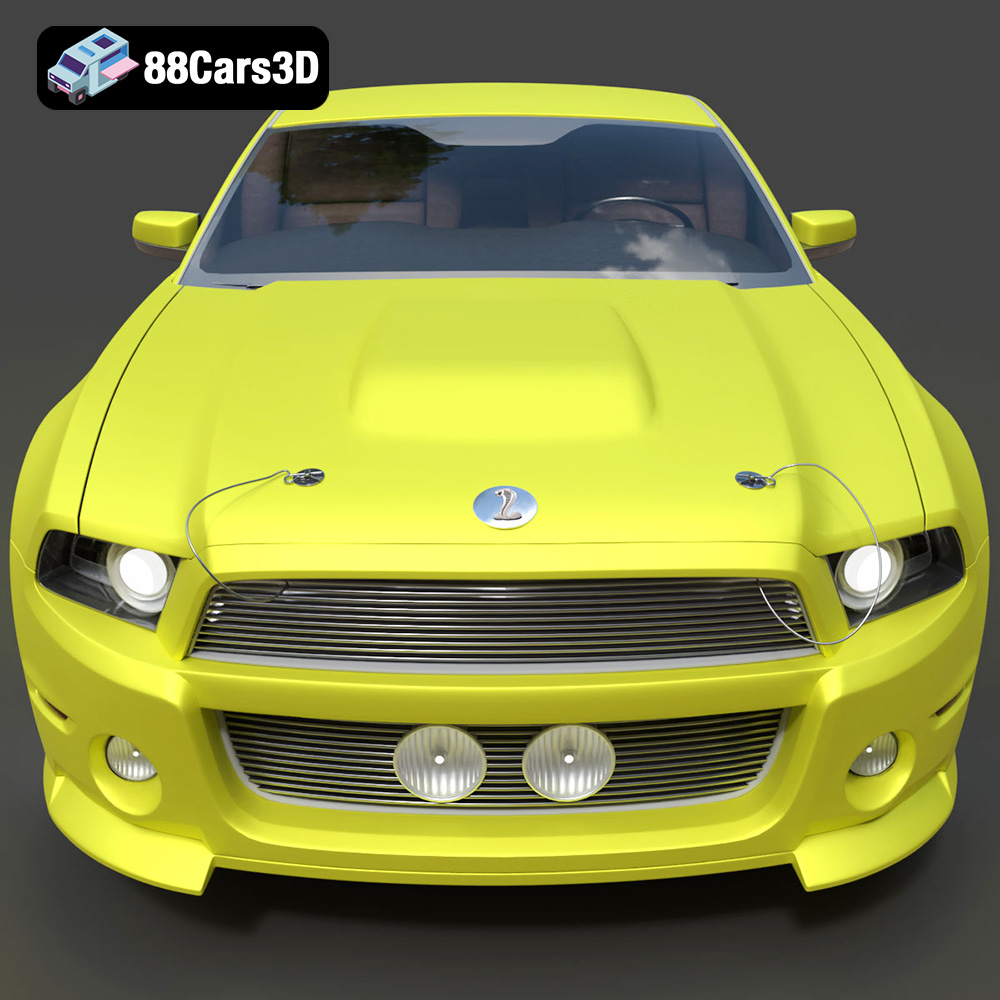
Architectural Visualization (ArchViz) often aims to evoke a lifestyle or emotion beyond just presenting a structure. Parking a legendary vehicle like the Ford Mustang ELEANOR GT500 in a modern, moody garage render or an upscale driveway instantly adds a layer of extreme luxury, personality, and aspiration. The Eleanor, with its distinct front bumper and center-mounted fog lights, becomes a focal point, drawing the viewer’s eye and enhancing the perceived value and sophistication of the architectural design. These cars transform a static environment into a dynamic narrative, suggesting a discerning owner with a passion for automotive excellence. For interior shots, a classic car poster or artwork featuring these vehicles could extend the theme, creating a cohesive and compelling visual story.
The journey through the intricate world of 3D car models reveals the meticulous craftsmanship and technical prowess required to transform iconic vehicles into versatile digital assets. From the fundamental importance of understanding various file formats to the specialized workflows for rendering, game development, and even 3D printing, every aspect contributes to the final output’s quality and utility.
The timeless appeal of American muscle cars, with their bold designs and powerful presence, continues to captivate artists and audiences alike. Whether it’s for a high-octane racing game, a blockbuster cinematic sequence, or a stunning architectural visualization, these vehicles offer unparalleled visual impact and narrative depth. The American Muscle & Classics Pack 4 in 1 Ford Dodge Chevrolet 3D Printable STL stands out as a premium collection that not only celebrates these automotive legends but also provides the robust, optimized, and rigging-ready models essential for professional pipelines. With vehicles like the Dodge Charger ’68, Mustang Eleanor GT500, Camaro Z28 ’79, and a custom ’69 Mustang, this bundle from 88cars3d.com offers an irresistible opportunity to acquire top-tier game assets and rendering resources at a significant value.
For any artist or developer looking to inject raw power and cinematic flair into their projects, investing in high-quality 3D car models is a strategic move. This pack represents a shortcut to excellence, allowing you to focus on your creative vision while resting assured that your digital vehicles are built on a foundation of technical perfection and photorealistic detail. Unleash the legend and drive your projects to new heights with these iconic American muscle cars.
The American Muscle & Cinematic Classics 3D Models Bundle is a high-octane, premium collection built for automotive rendering artists, game developers, and cinematic VFX studios. There is nothing quite like the aggressive stance, bold lines, and nostalgic raw power of classic American muscle cars. Whether you are building a retro 1970s street environment, a high-speed racing game, or a virtual collector’s dream garage, this pack delivers absolute perfection. Instead of hunting down and purchasing these legendary vehicles individually (Total Value: €392.78), this 4-in-1 bundle gives you an irresistible opportunity to own four of the most iconic, highly detailed American muscle cars in digital history at a massive discount.
$149.99
american-muscle-bundle
camaro-z28
car-pack
classic-car-3d
dodge-charger-1968
ford-mustang-69
game-ready-cars
muscle-car-3d-model
mustang-eleanor
retro-cars
vfx-vehicles