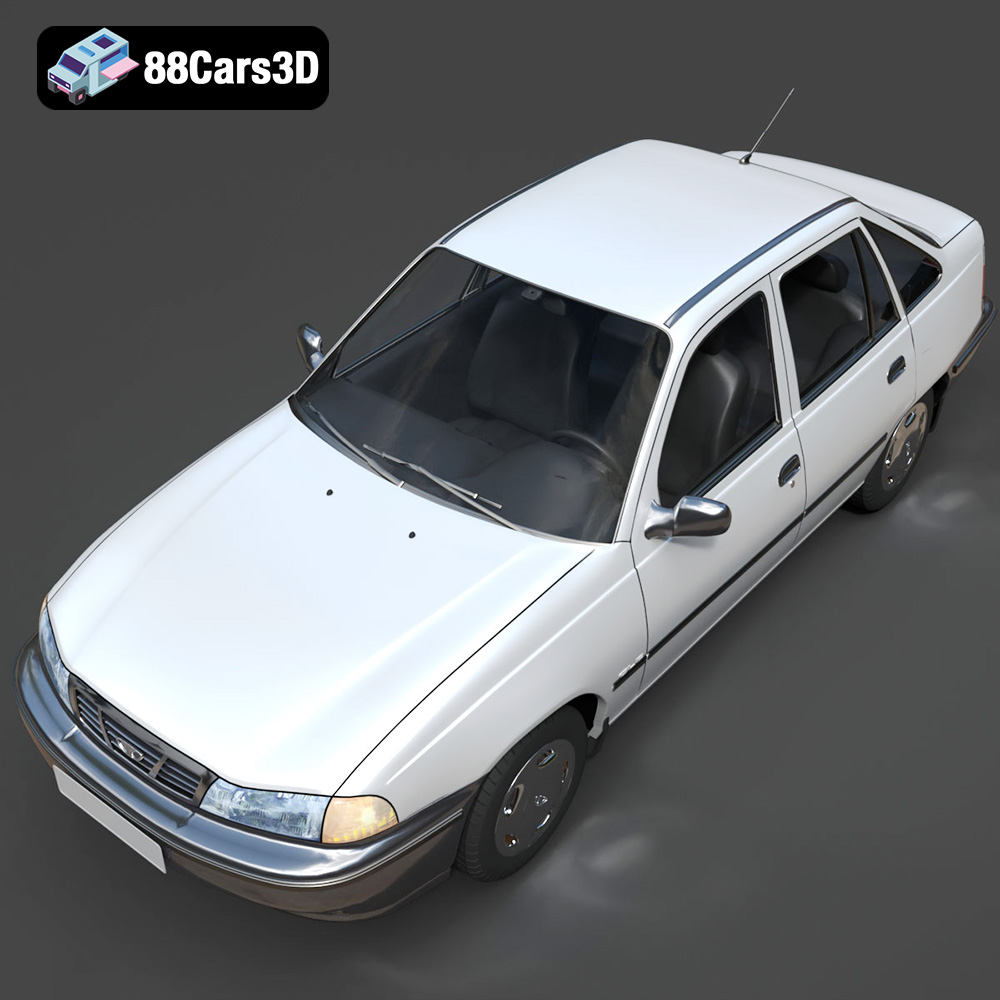
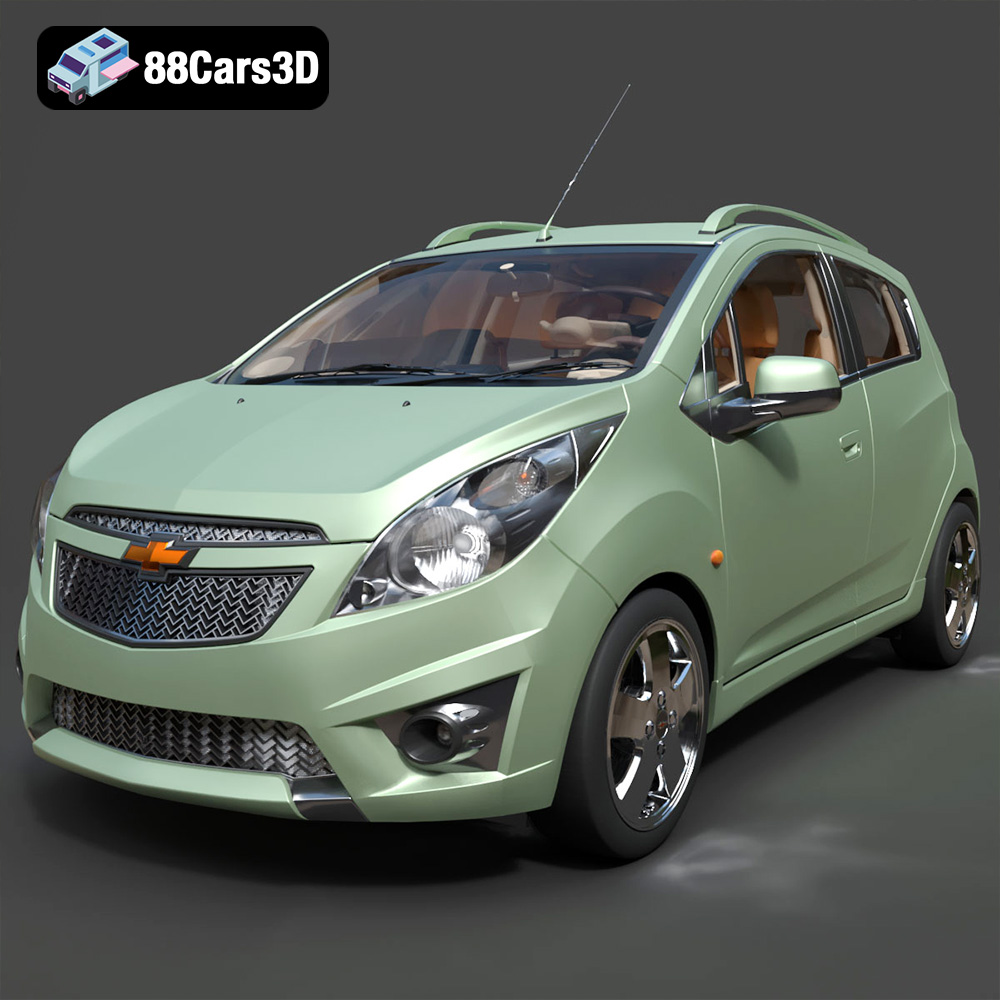
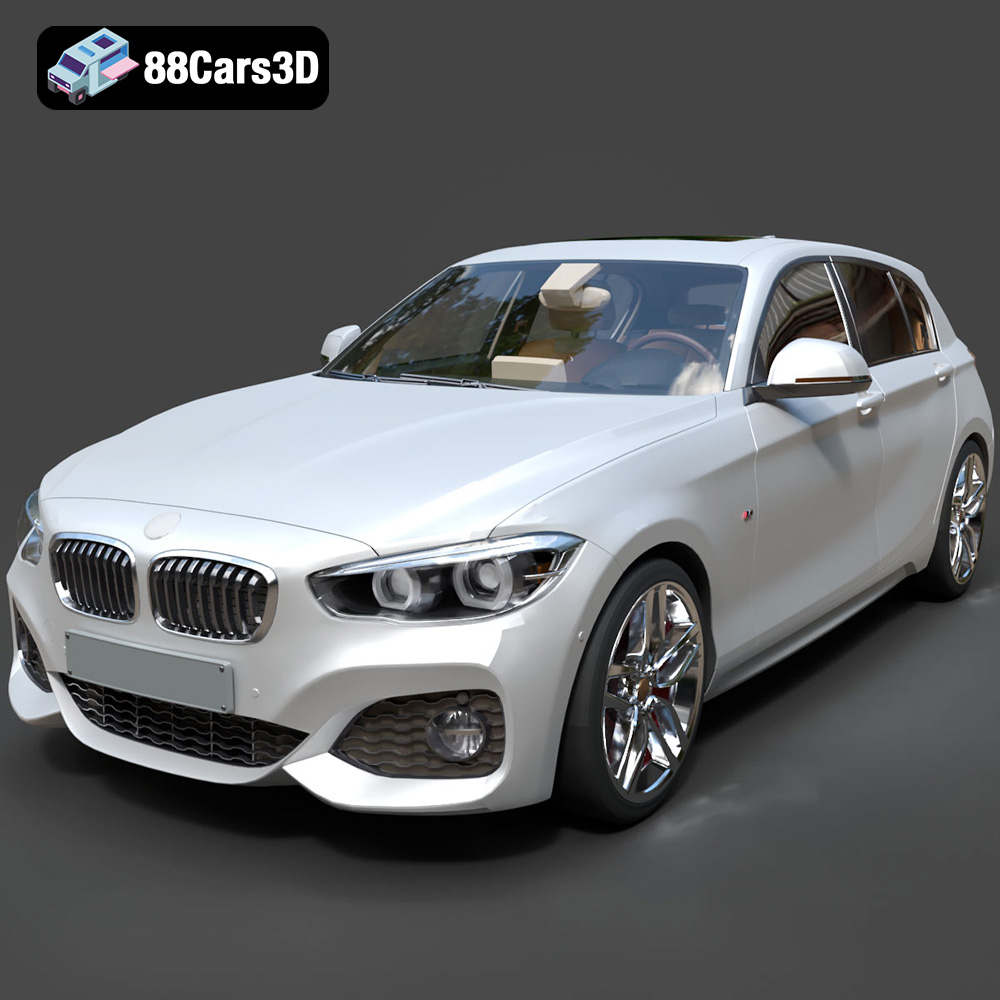
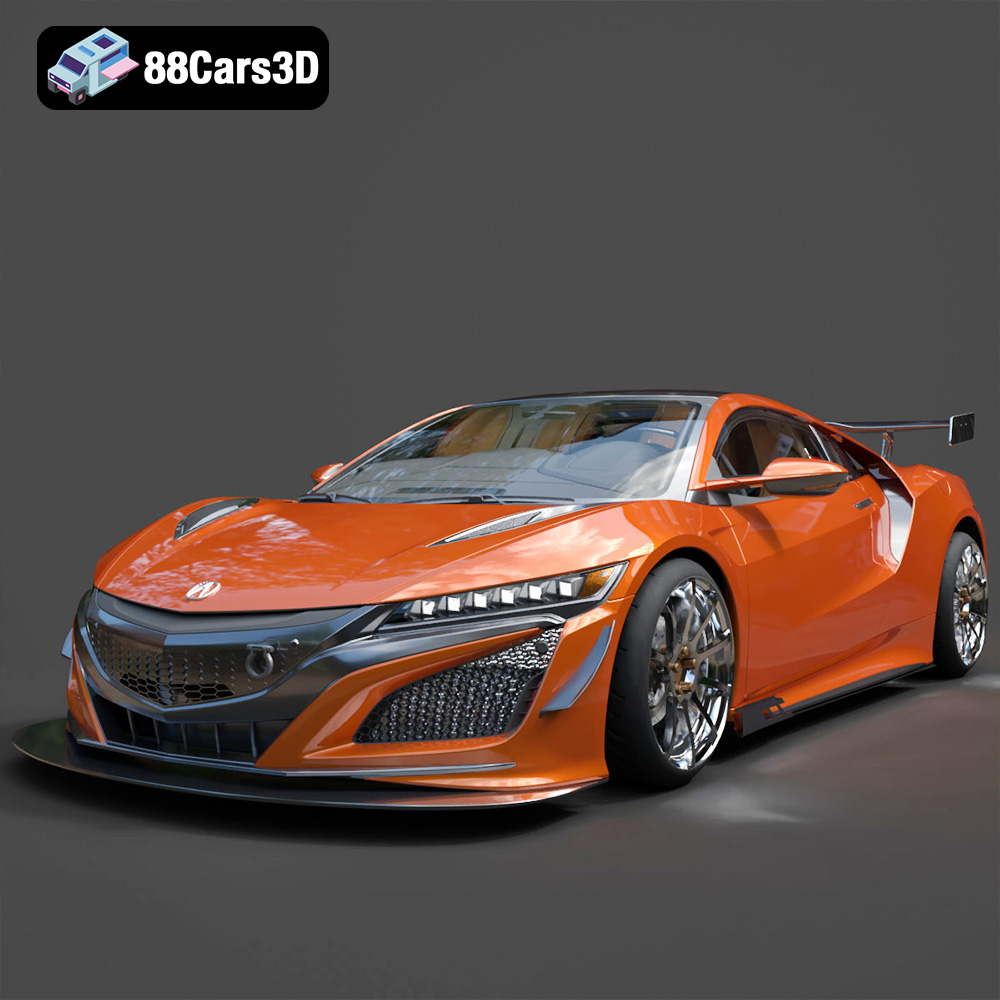
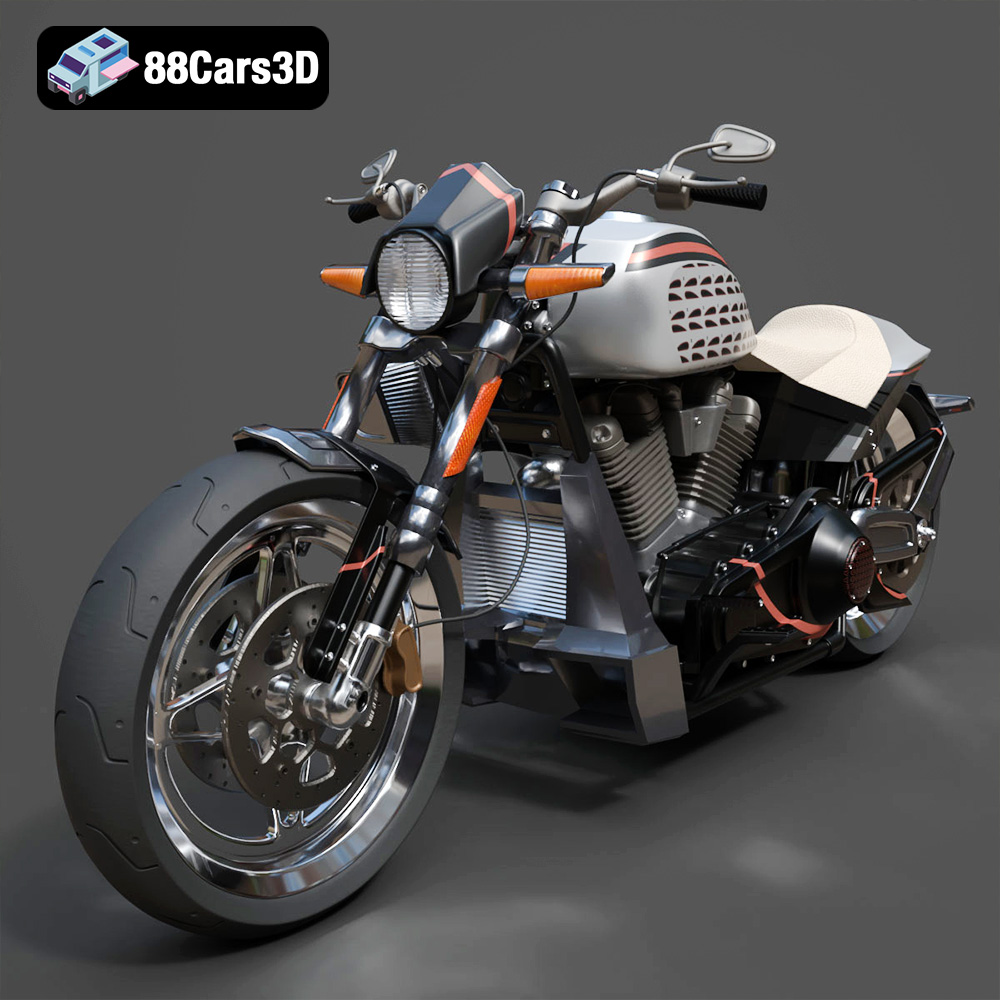
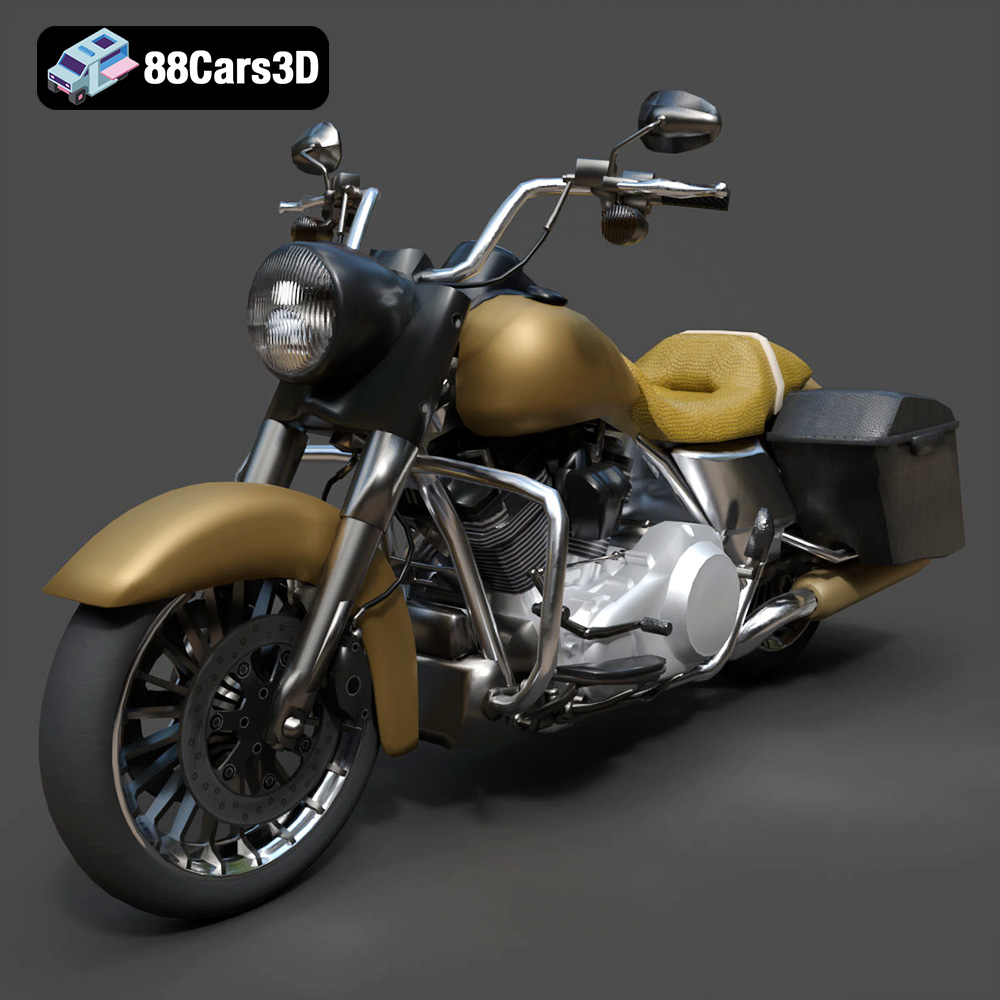
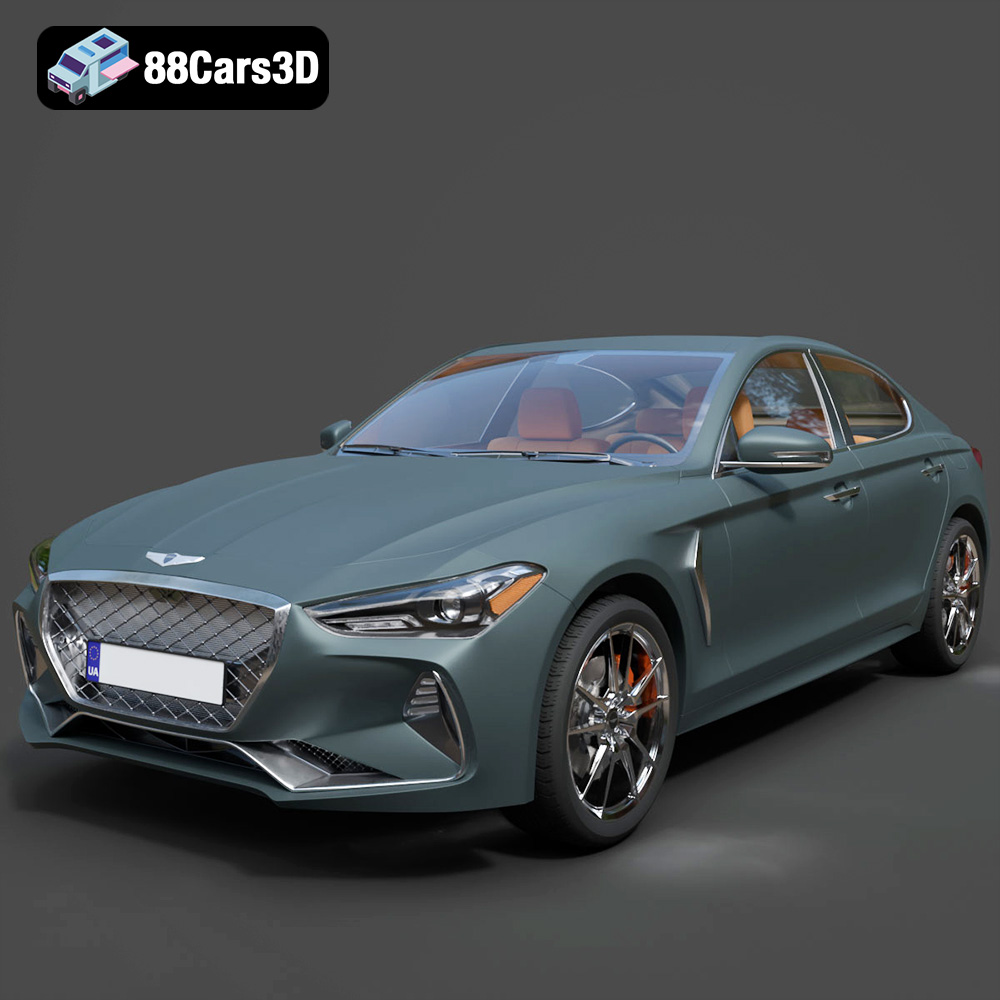
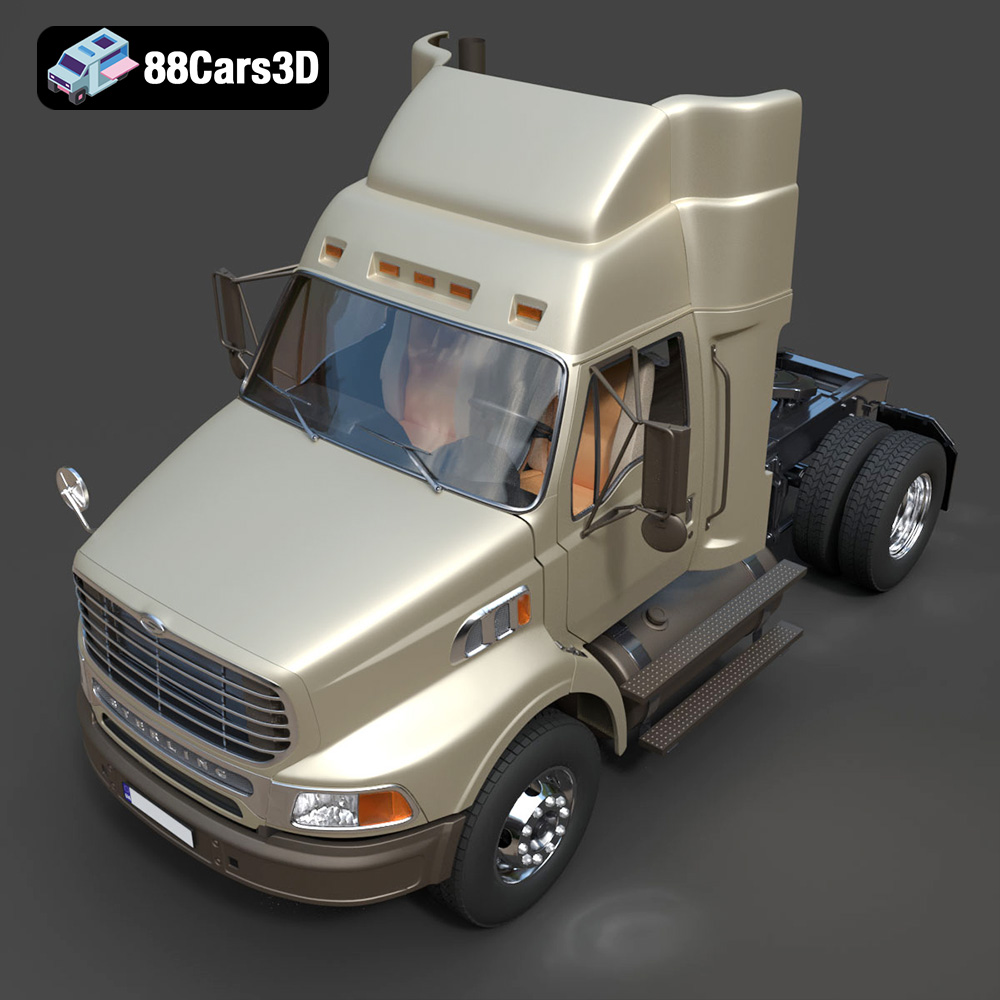
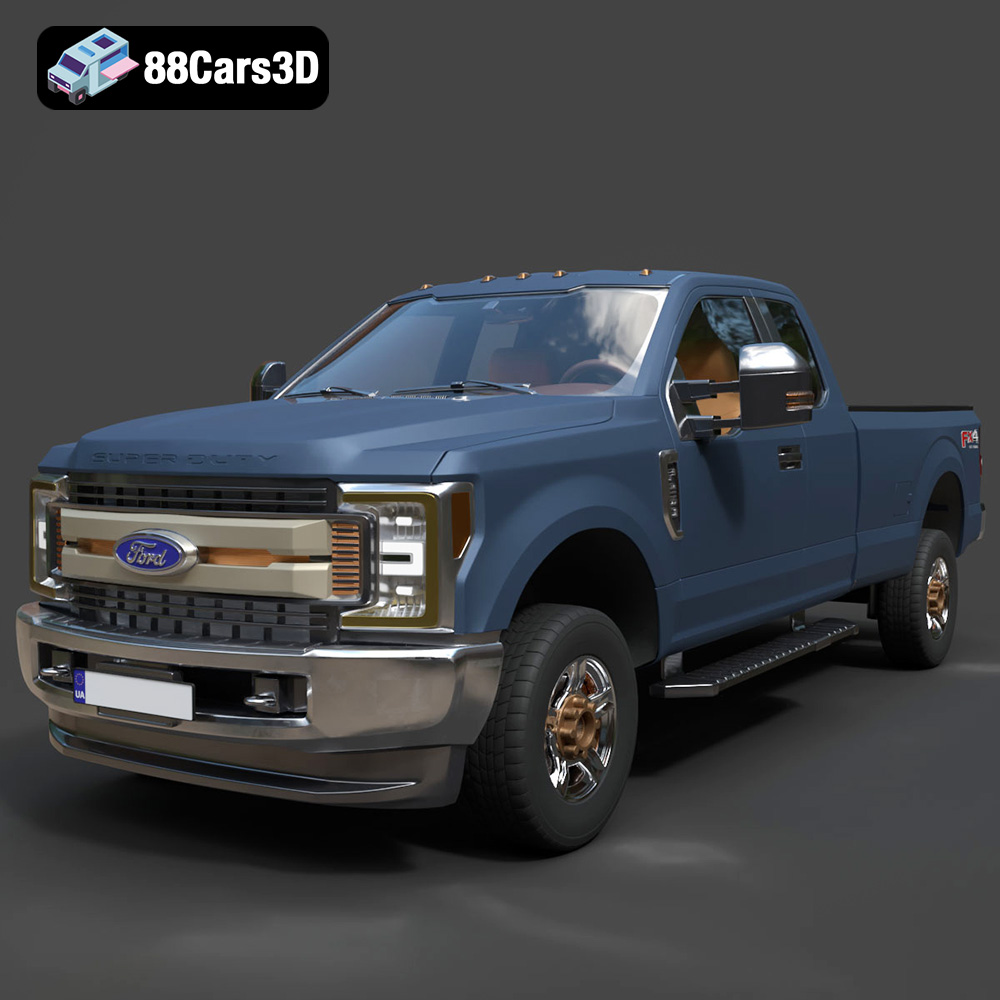
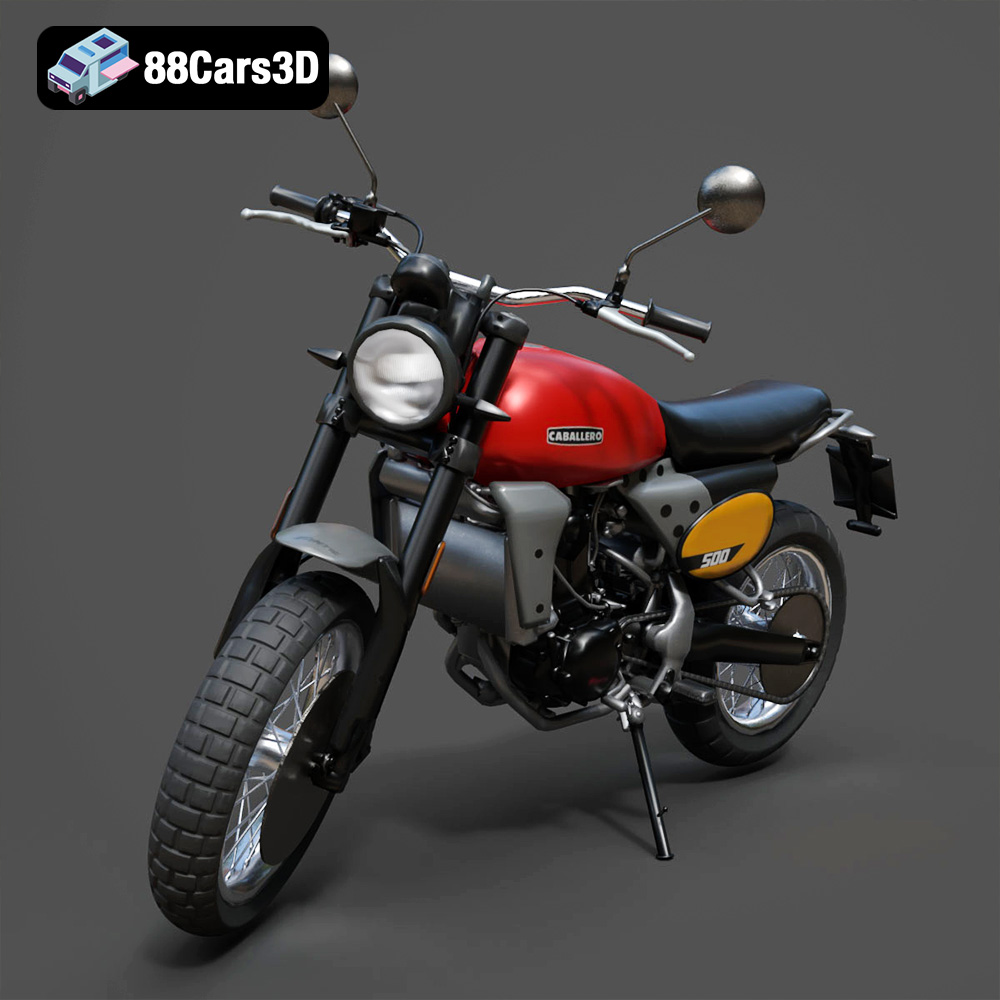
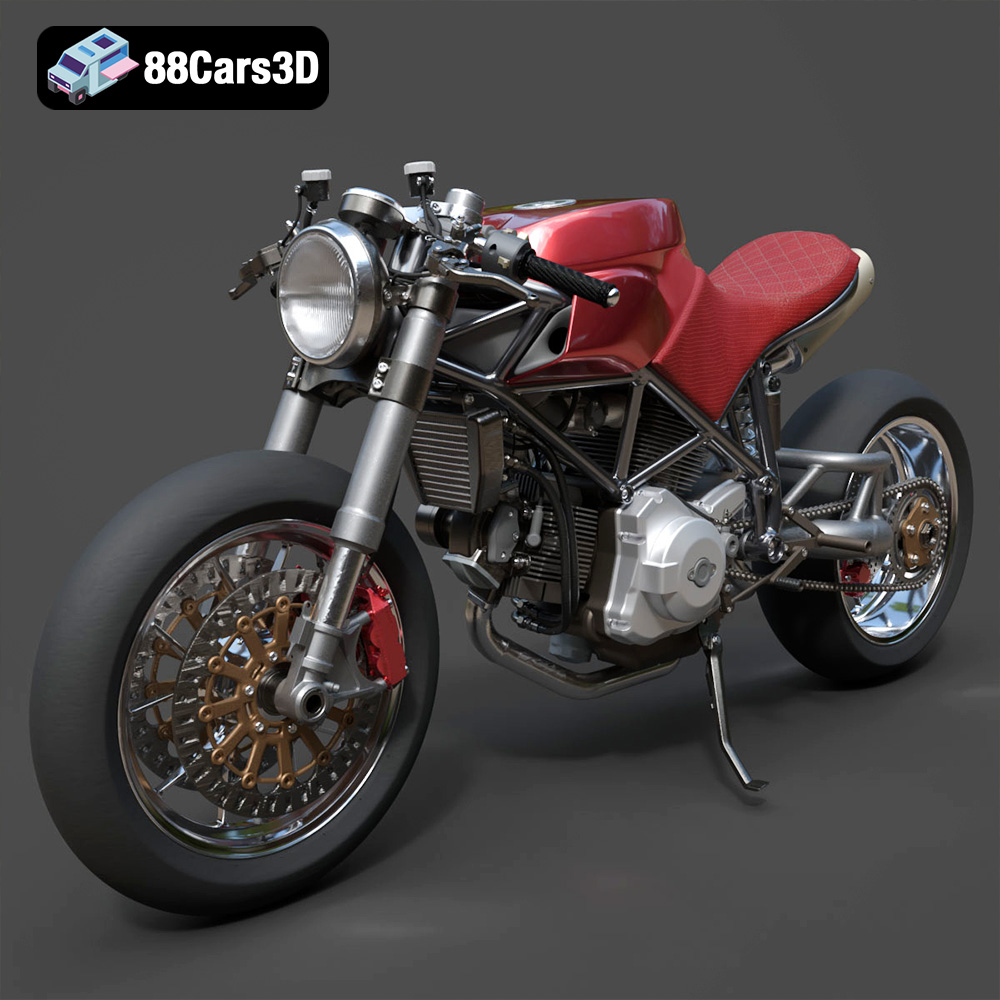
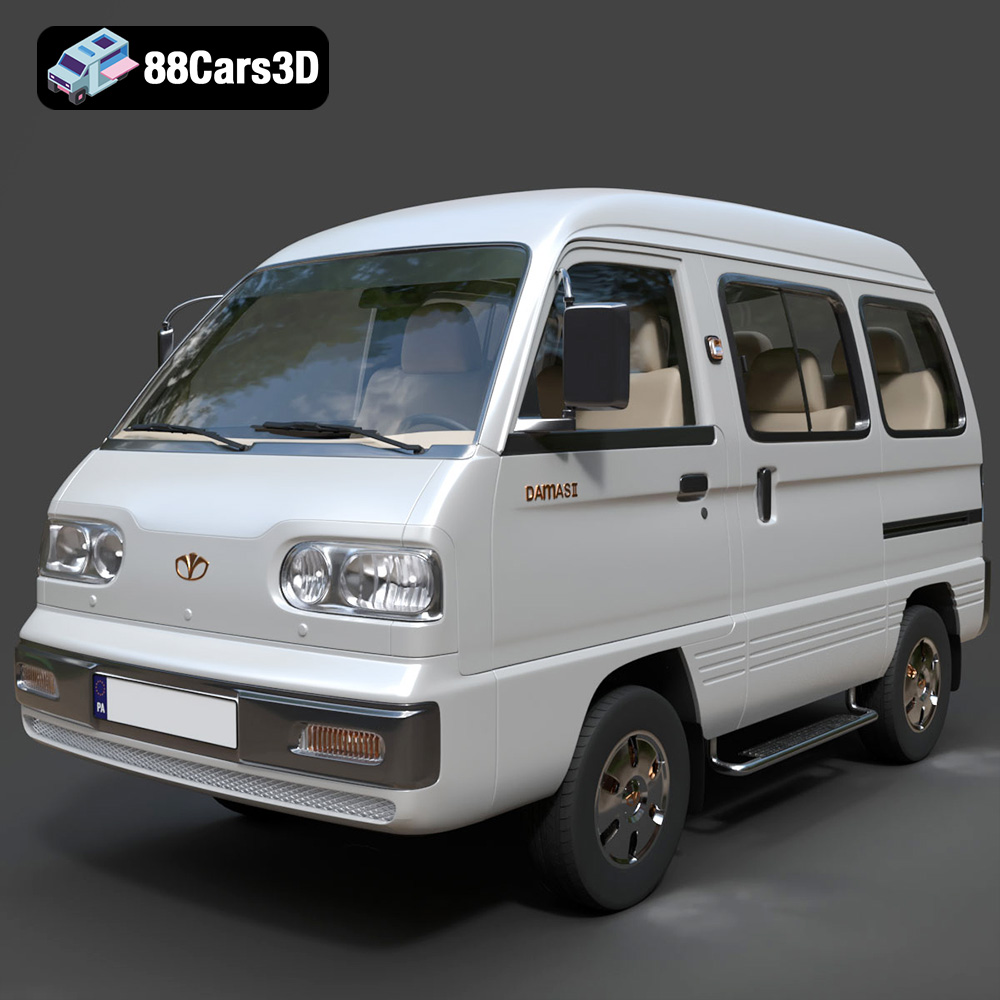
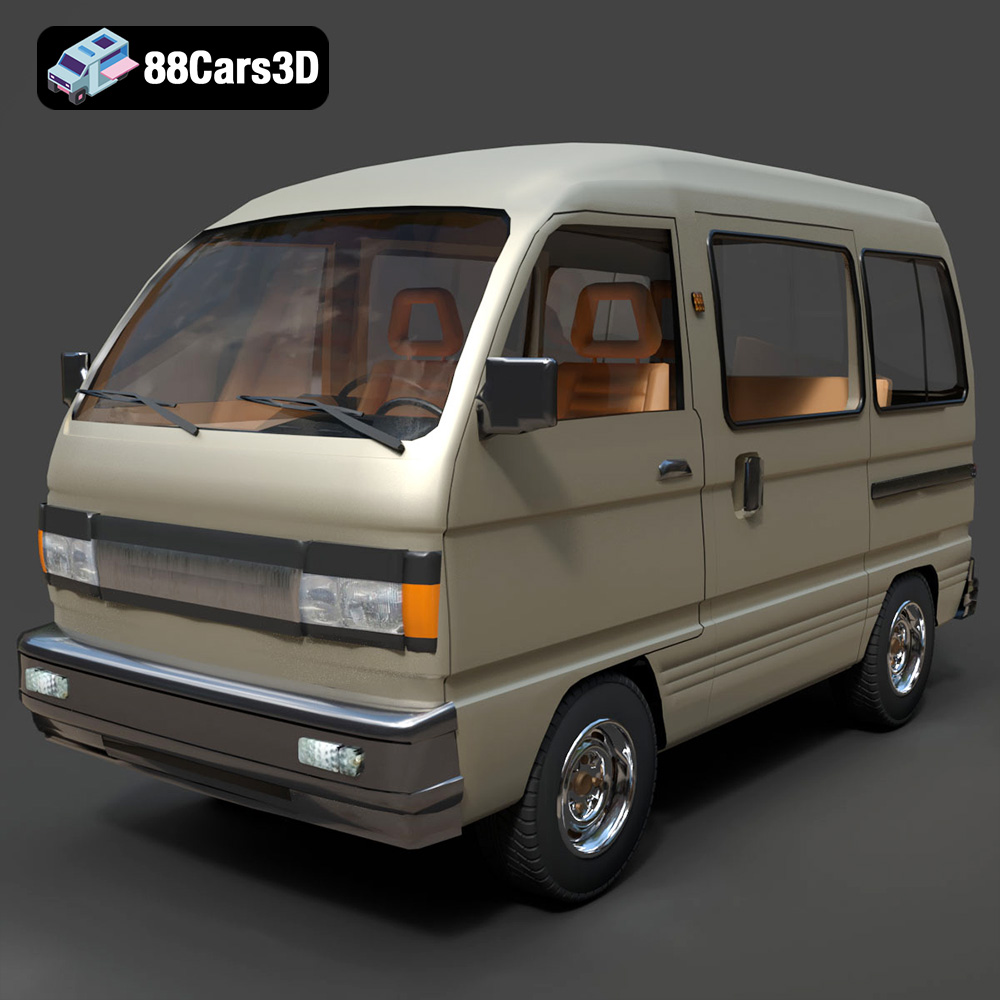
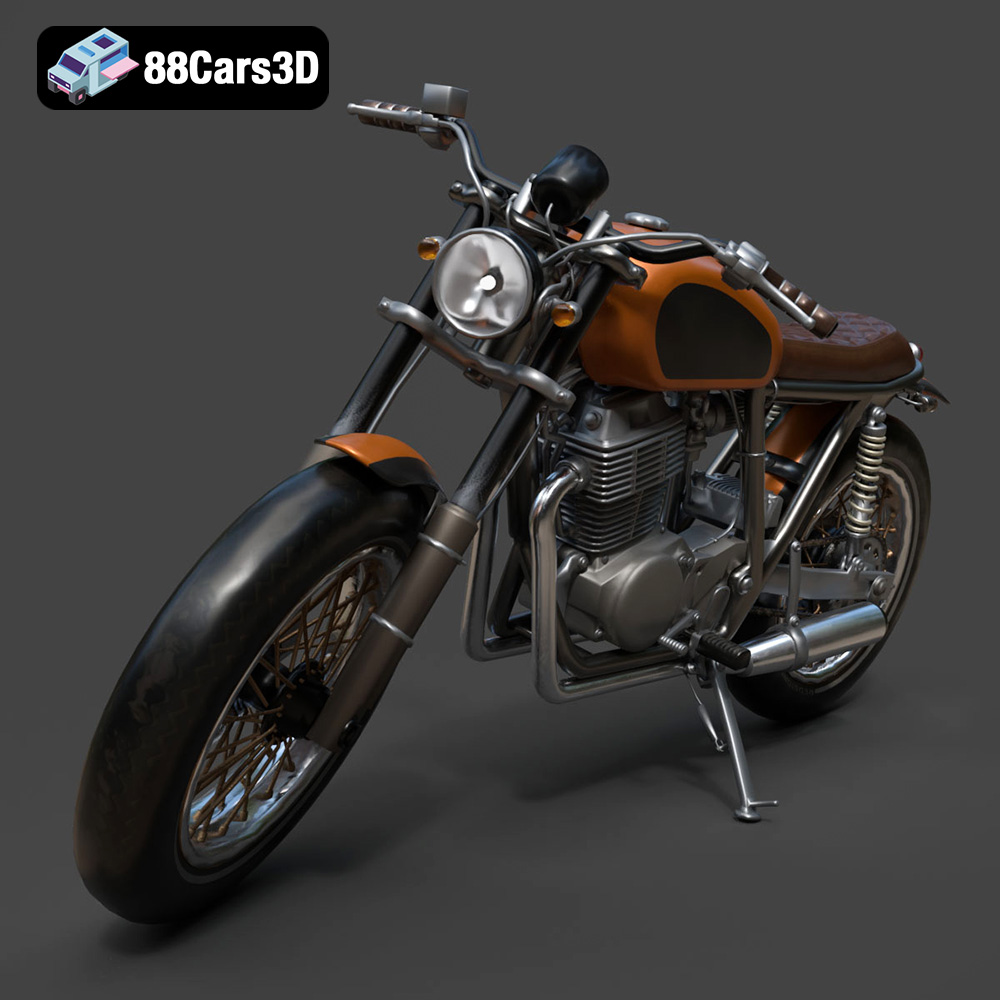
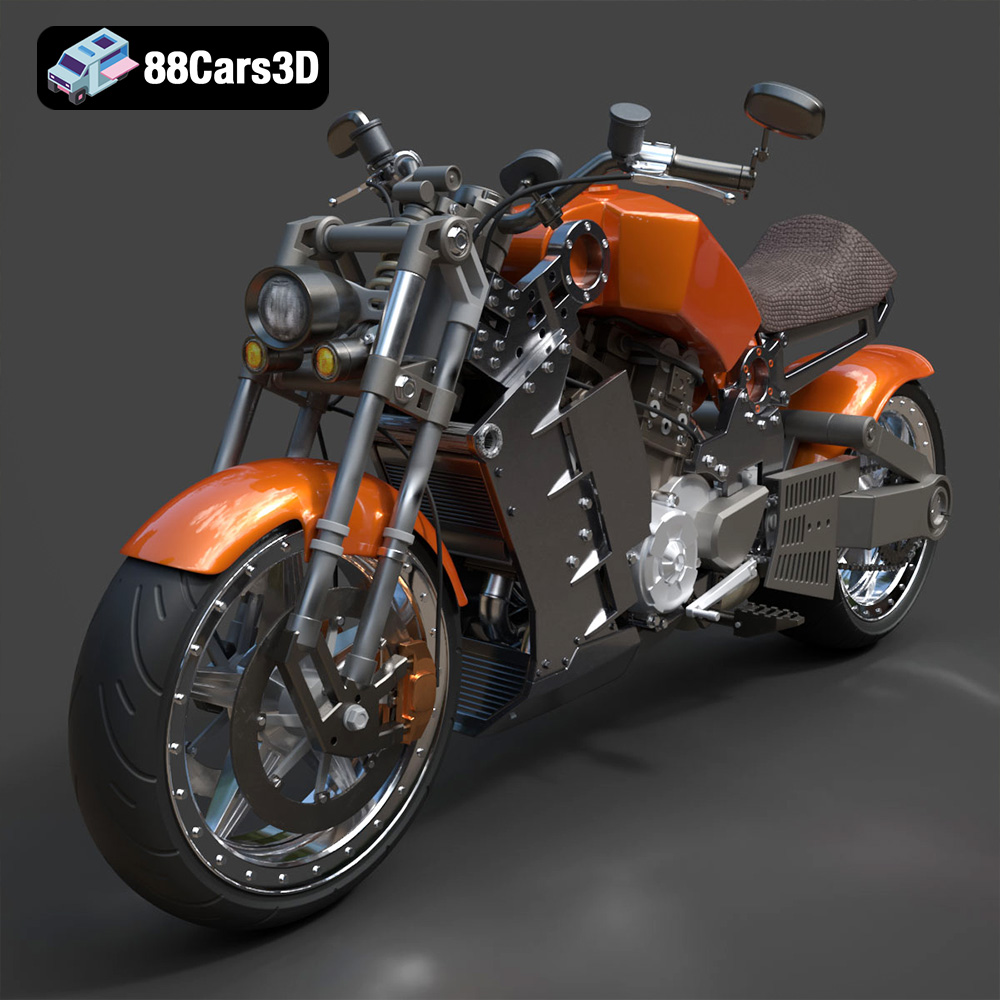
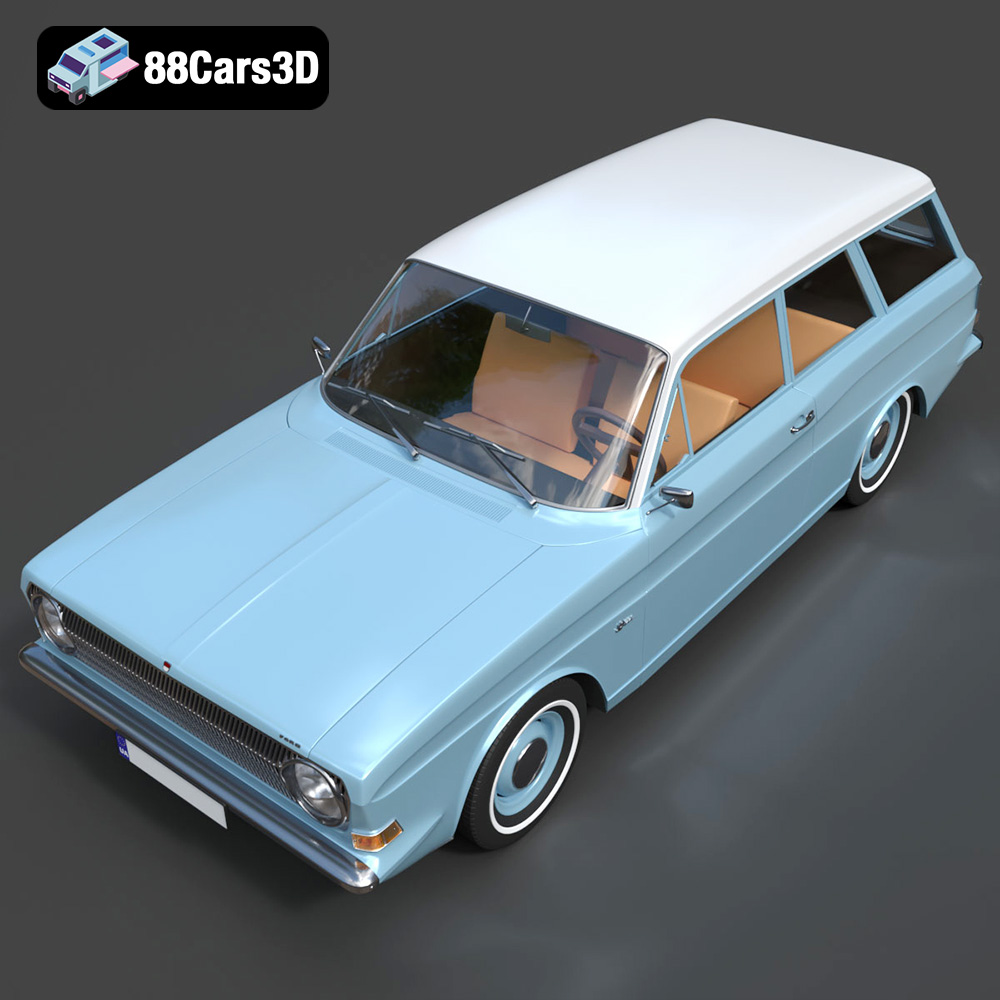
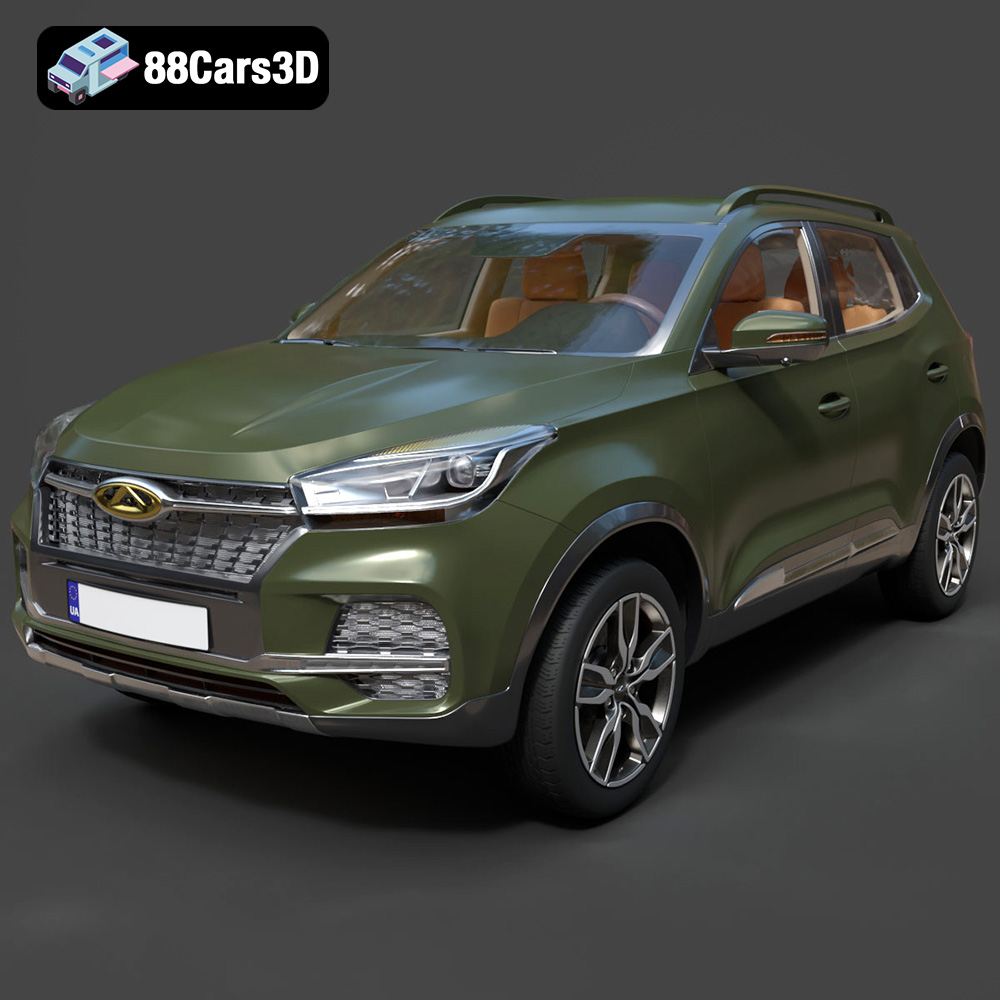
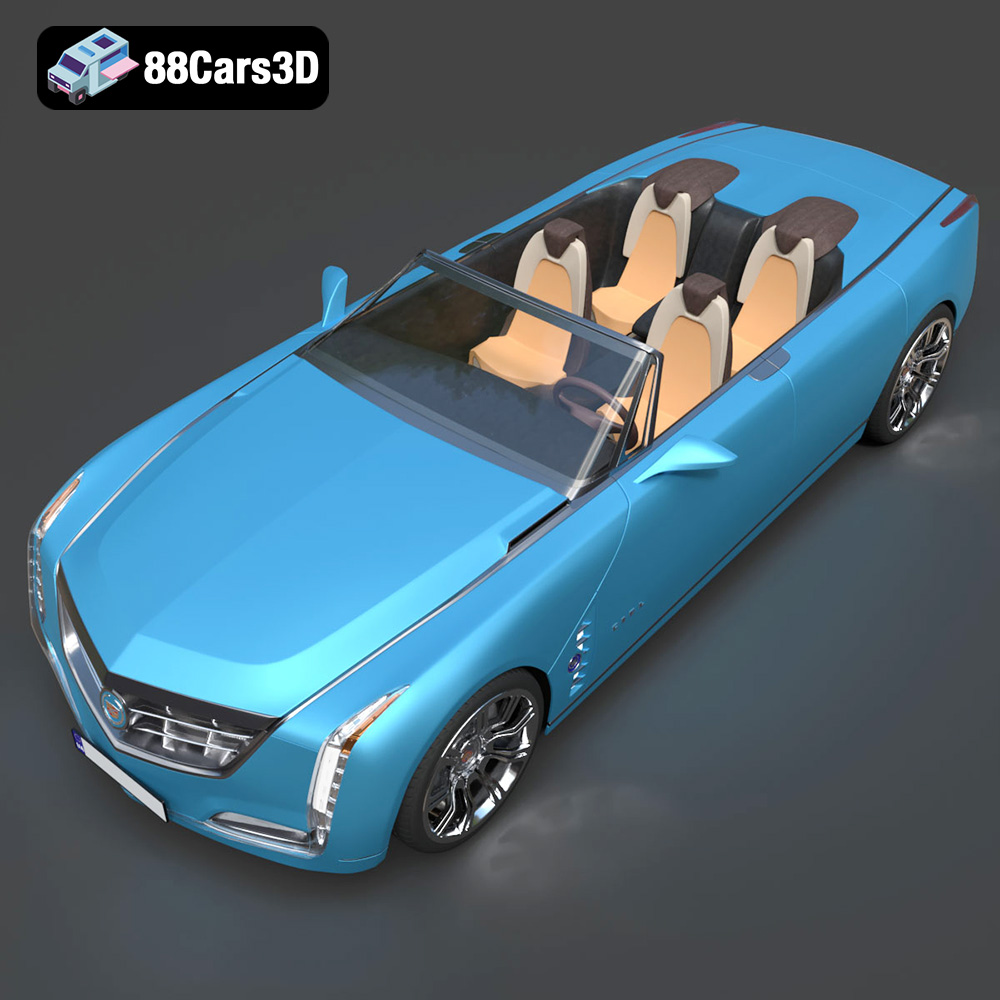
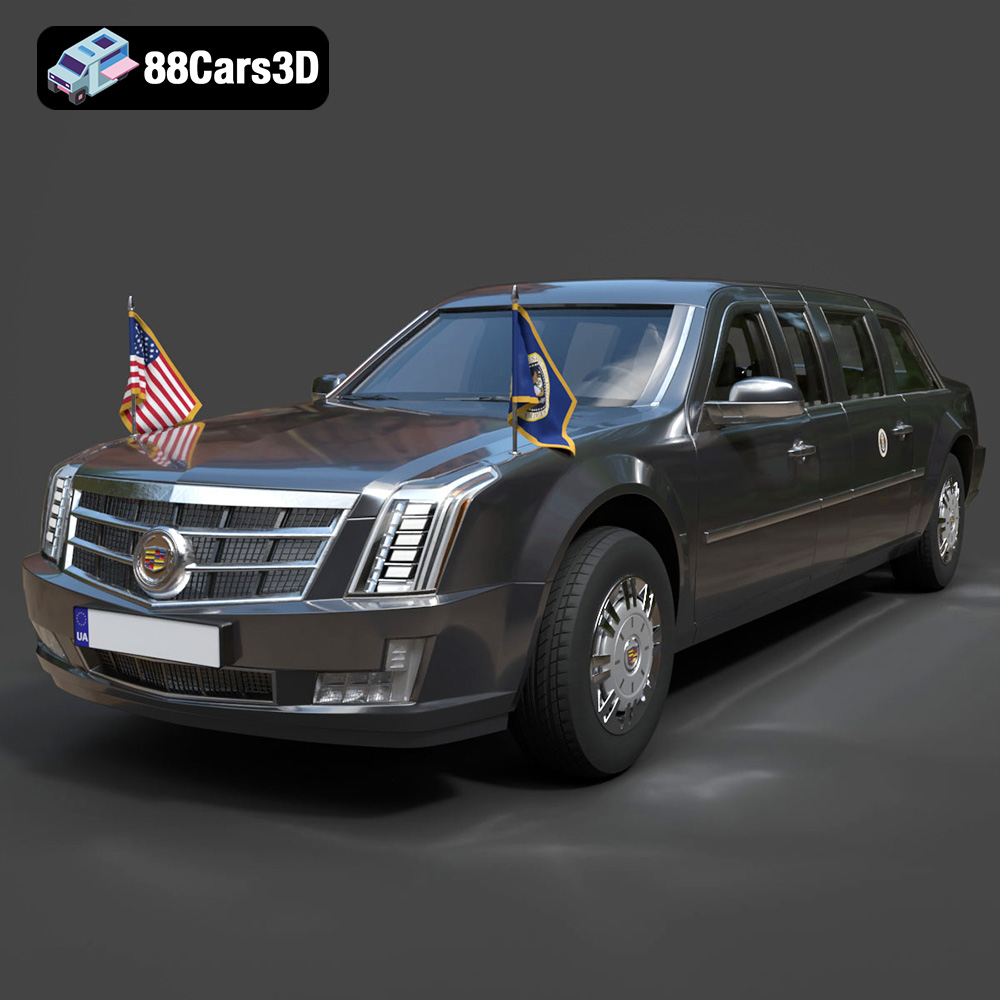
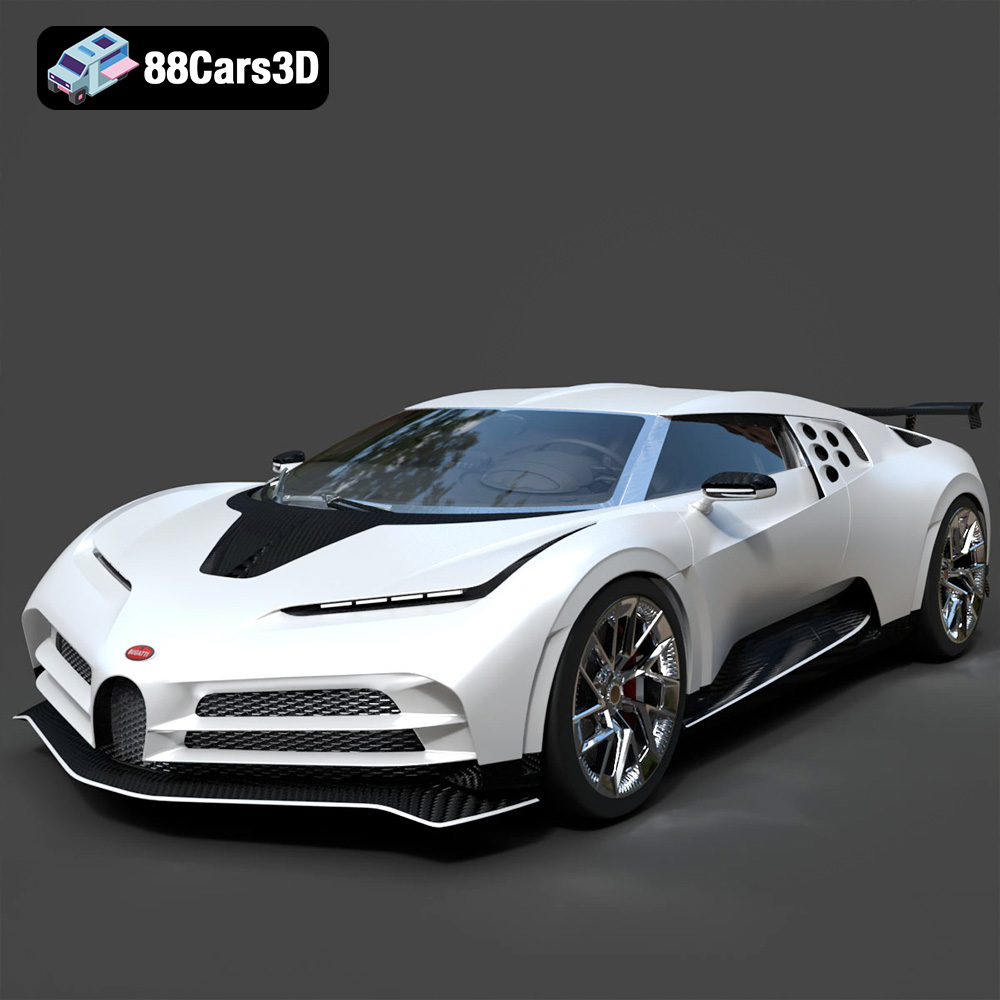
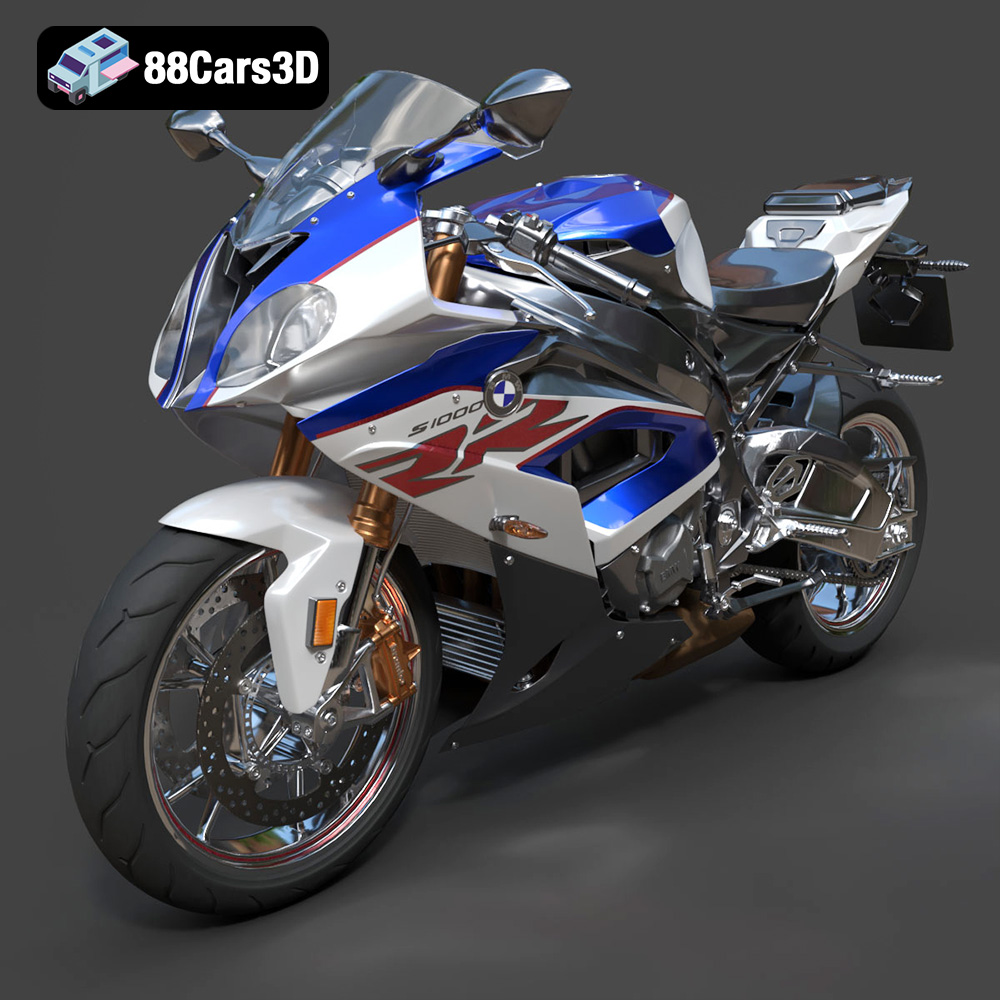
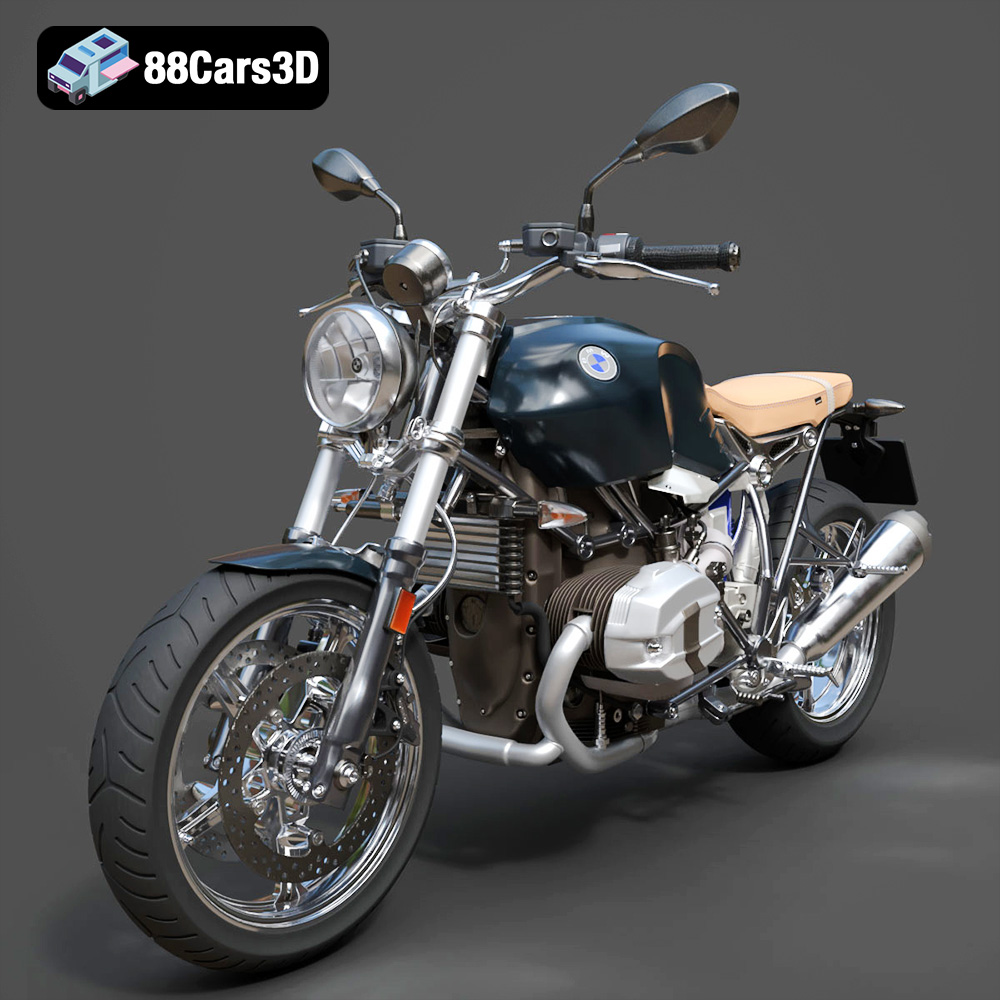
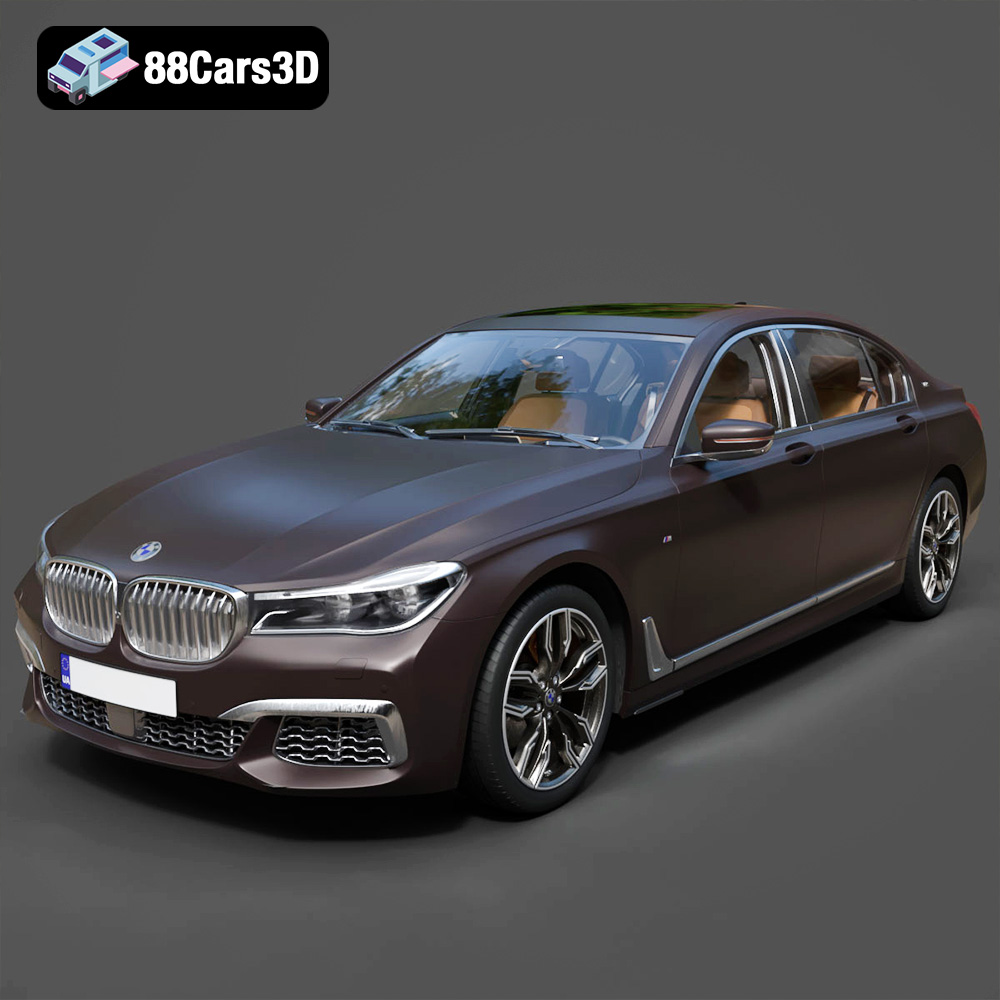
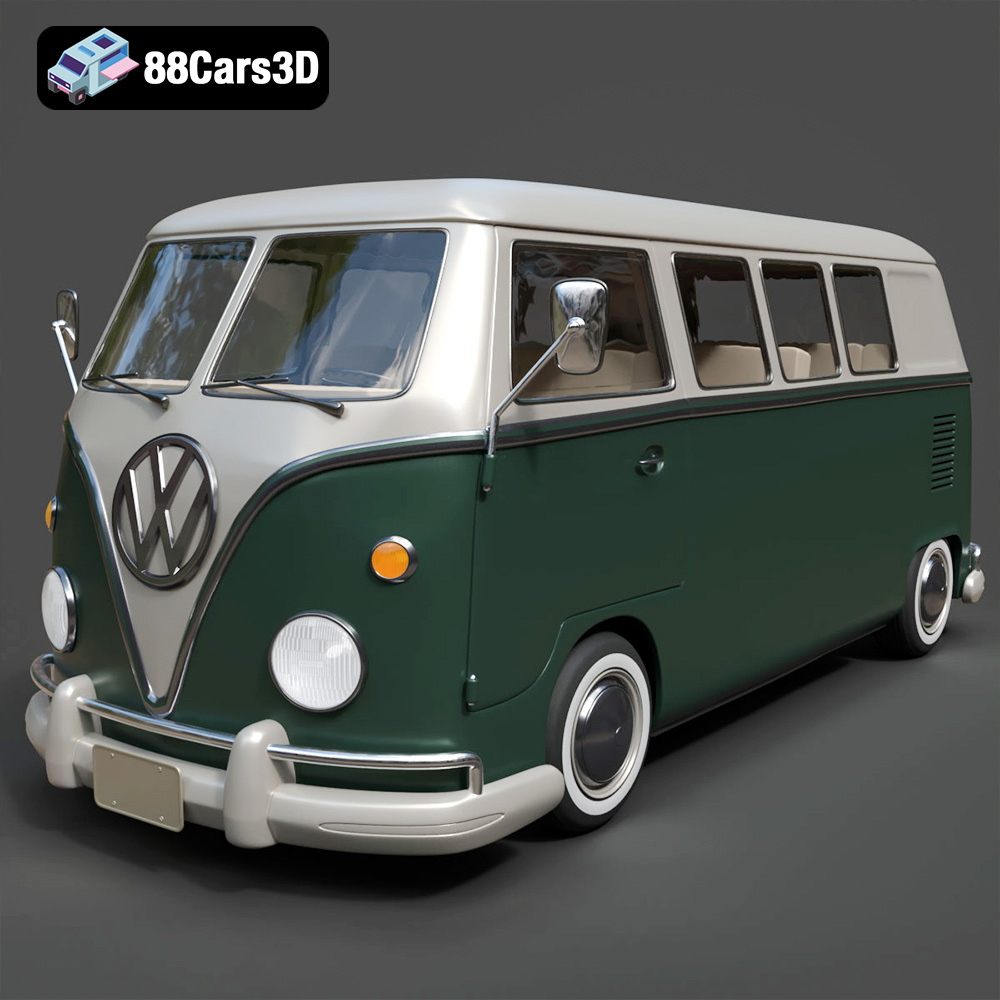
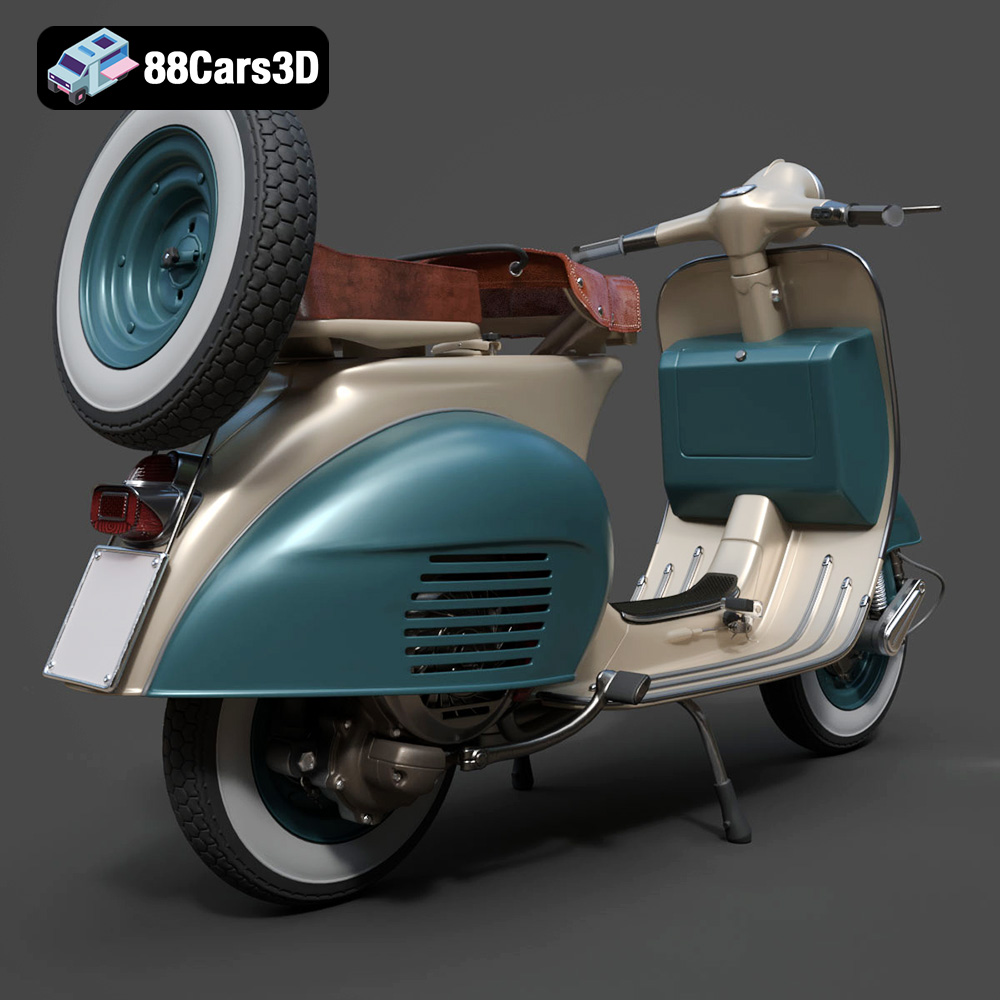
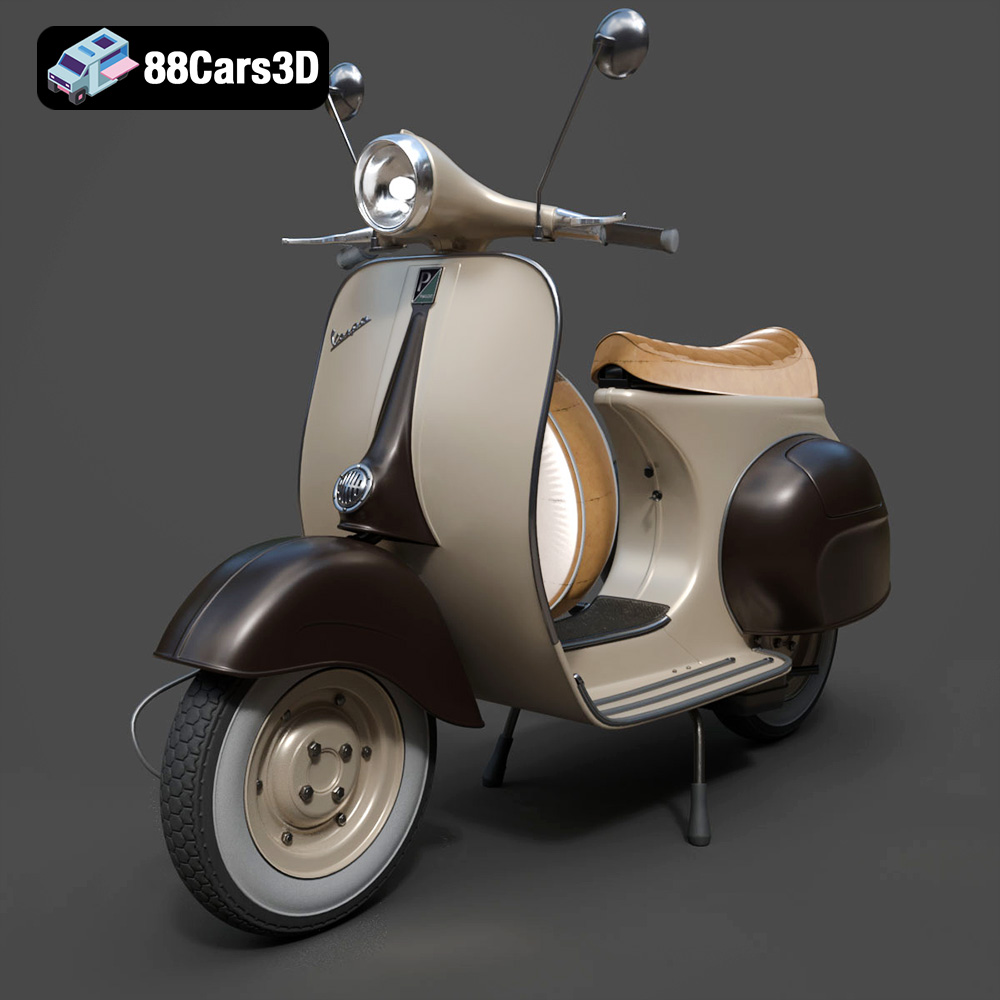
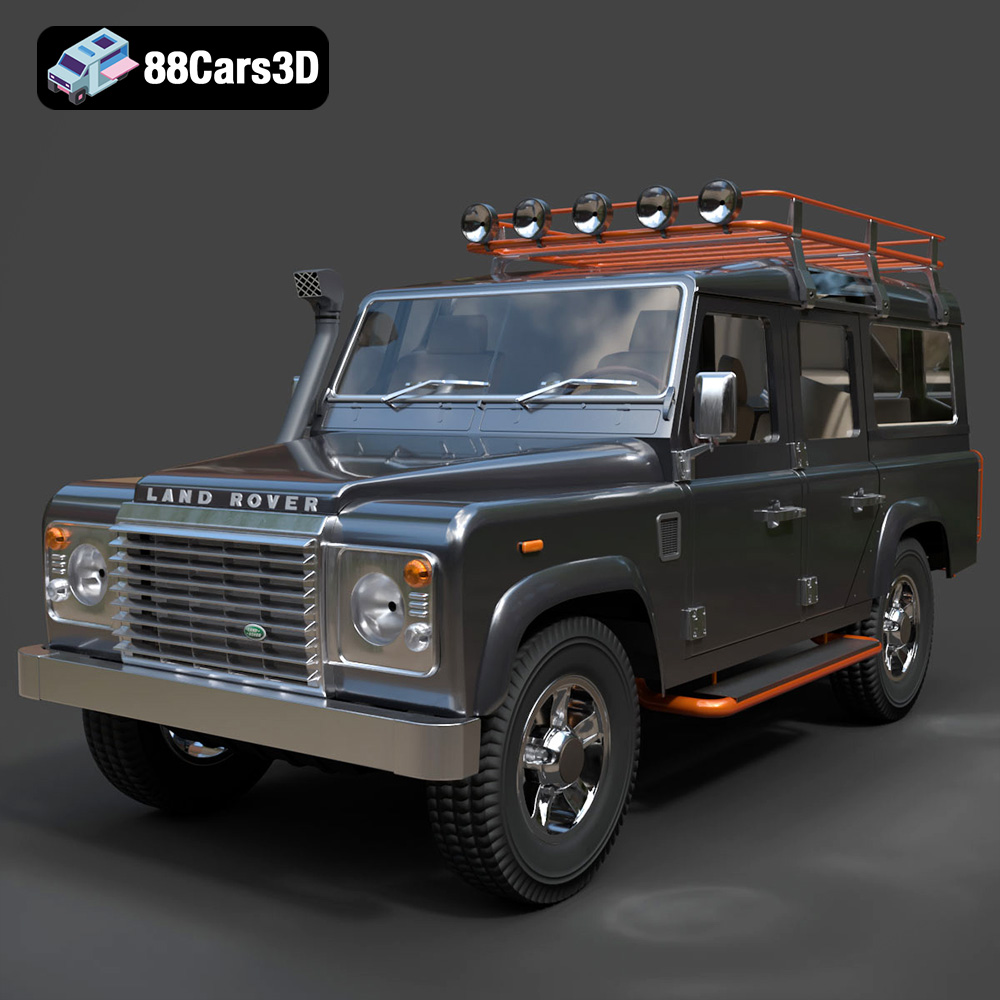
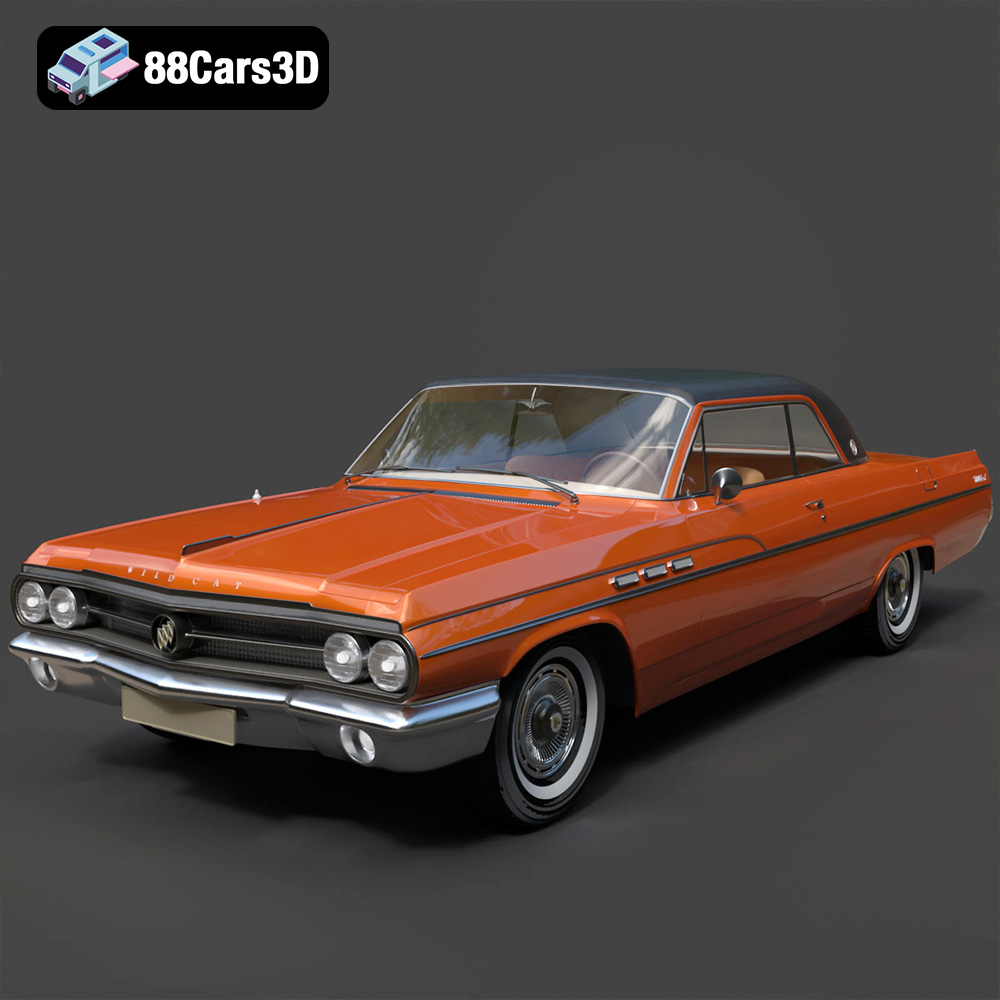
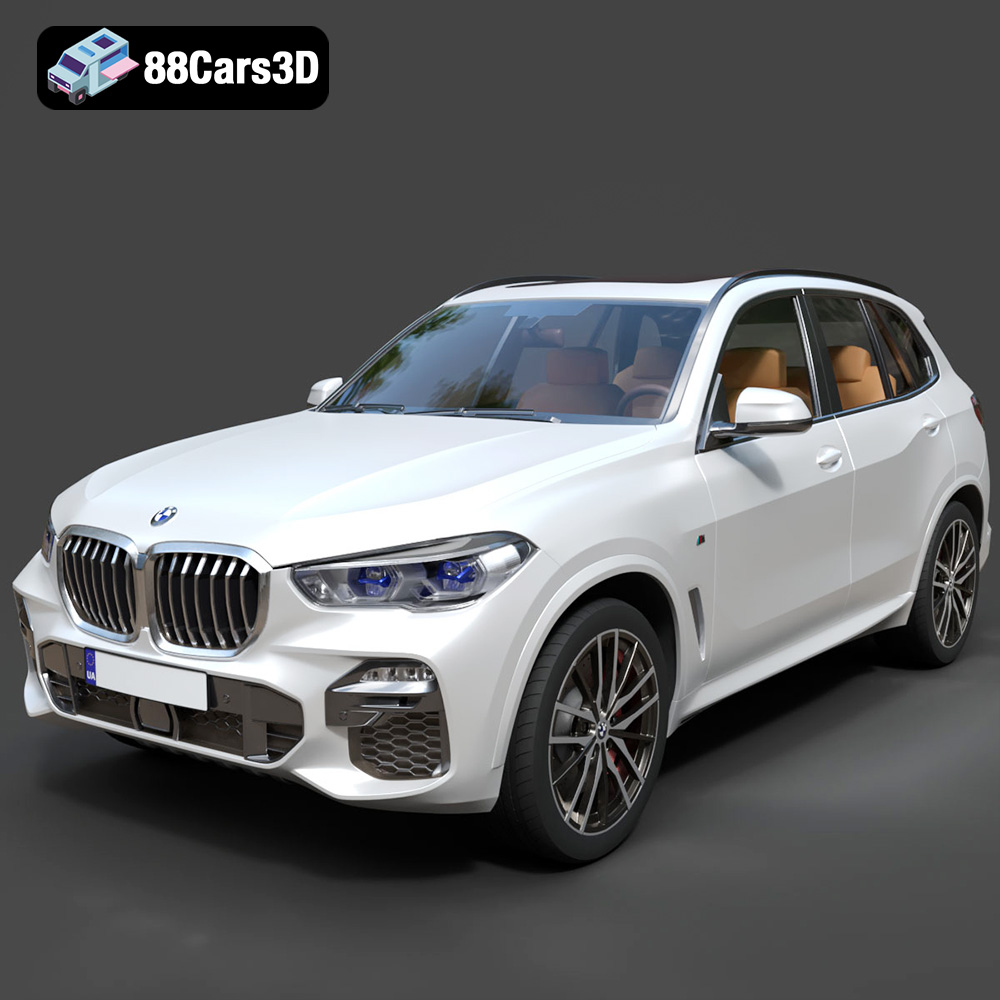
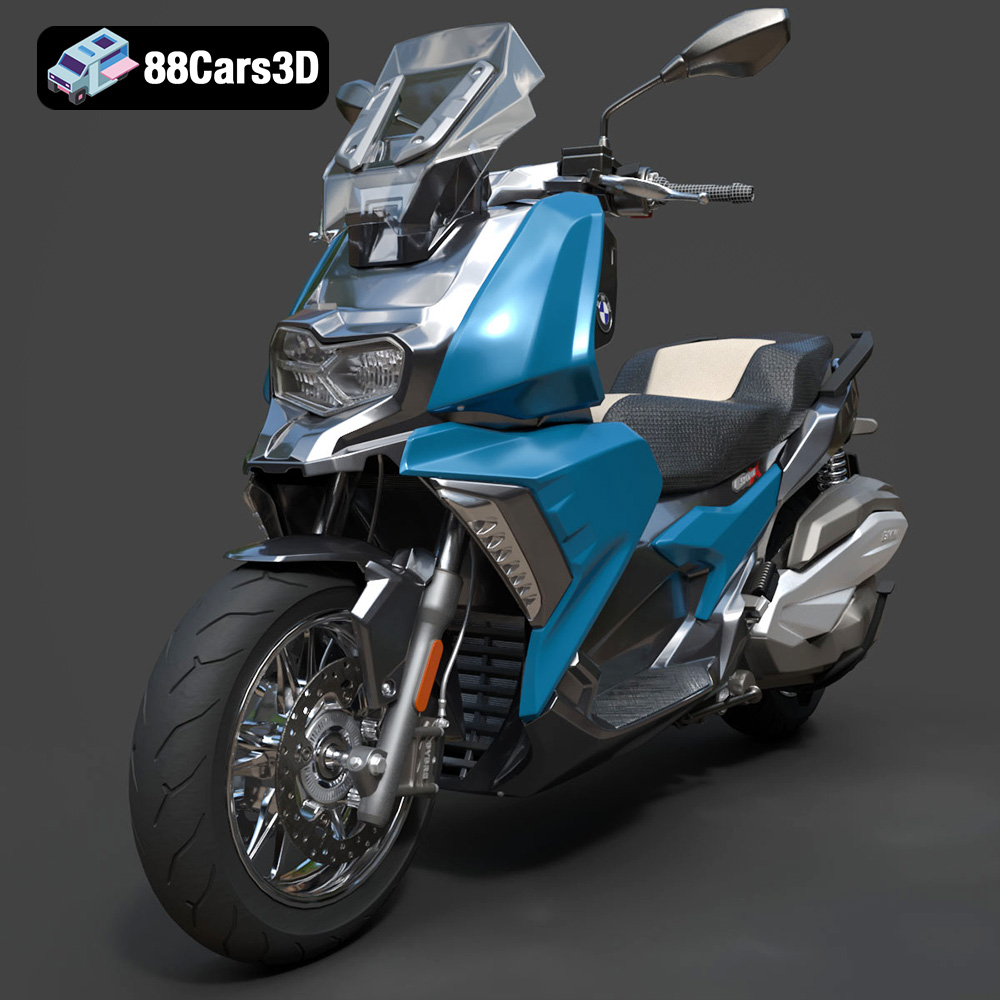
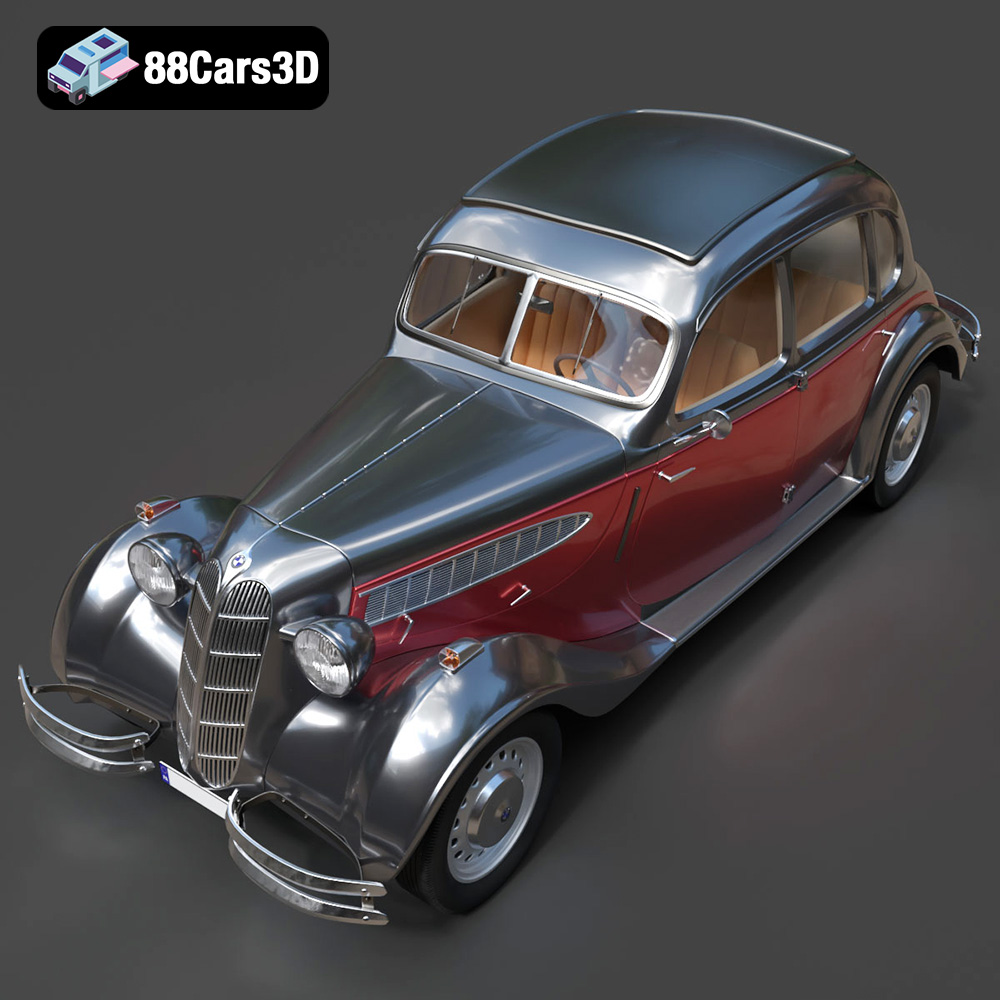
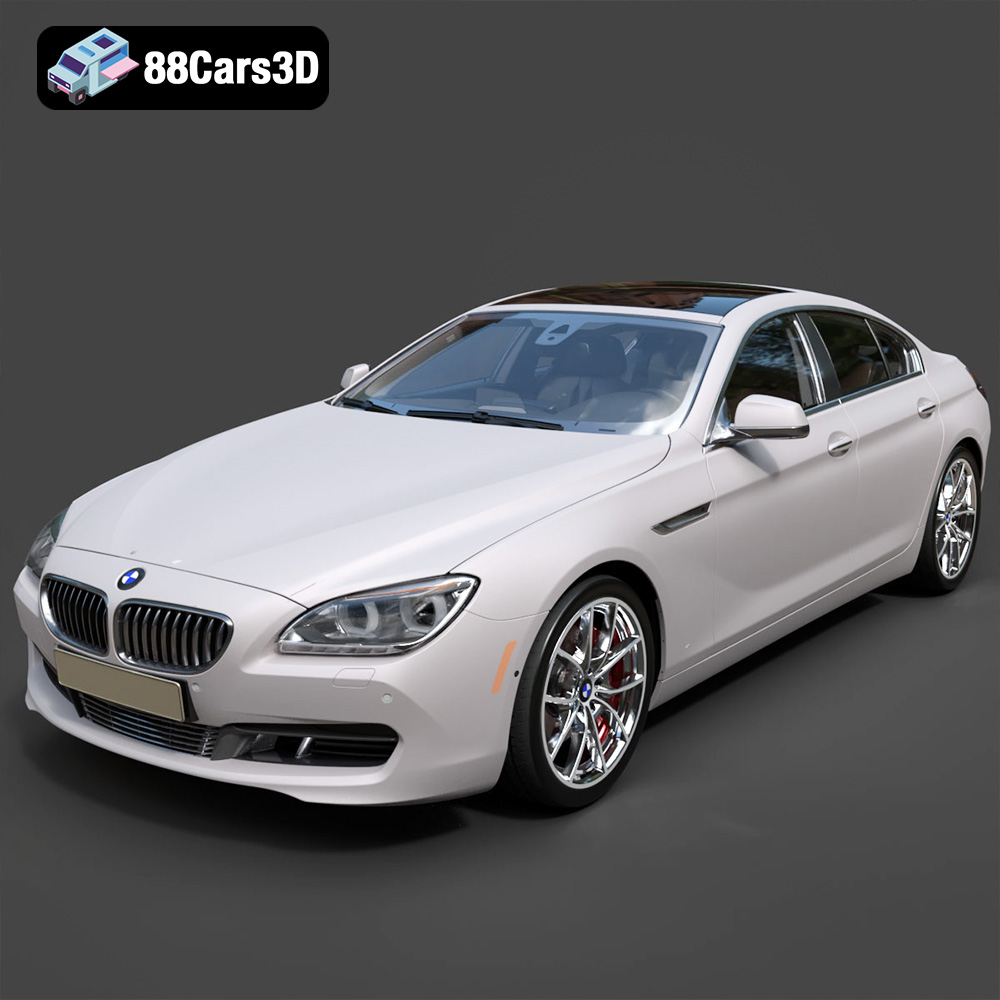
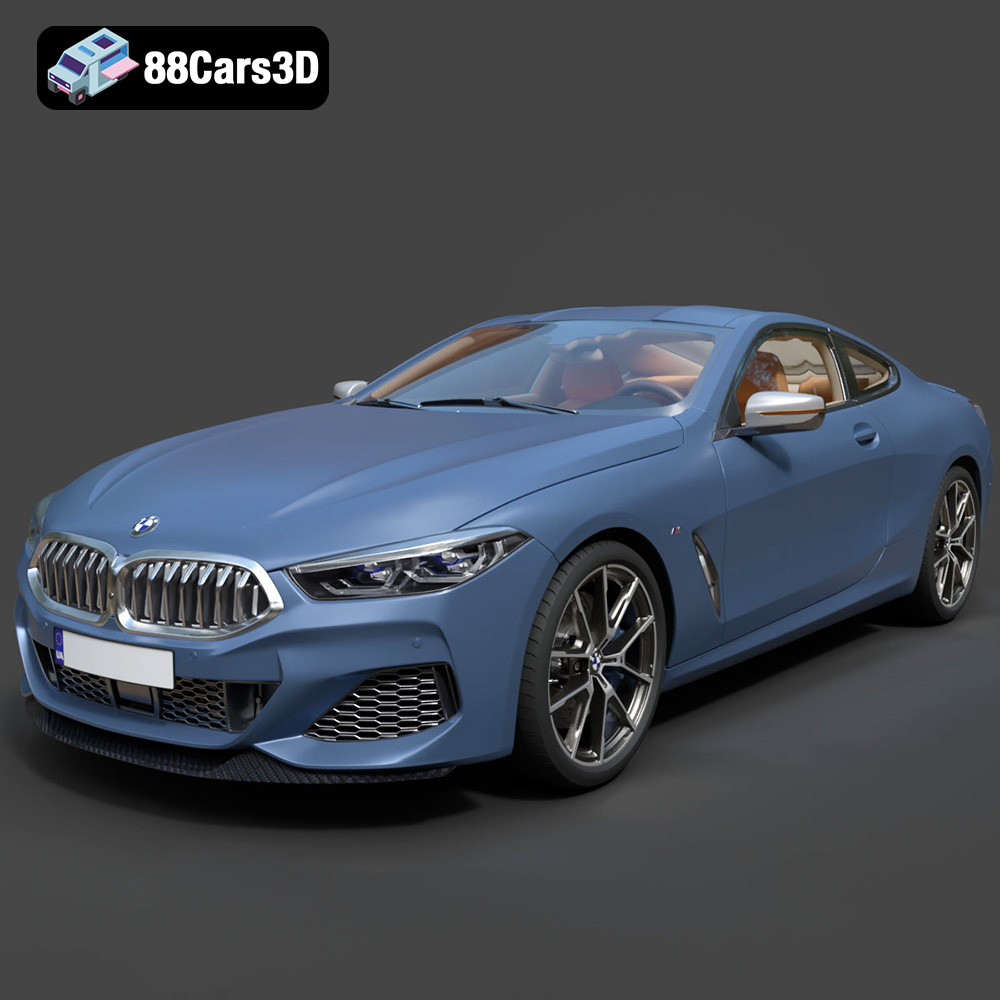
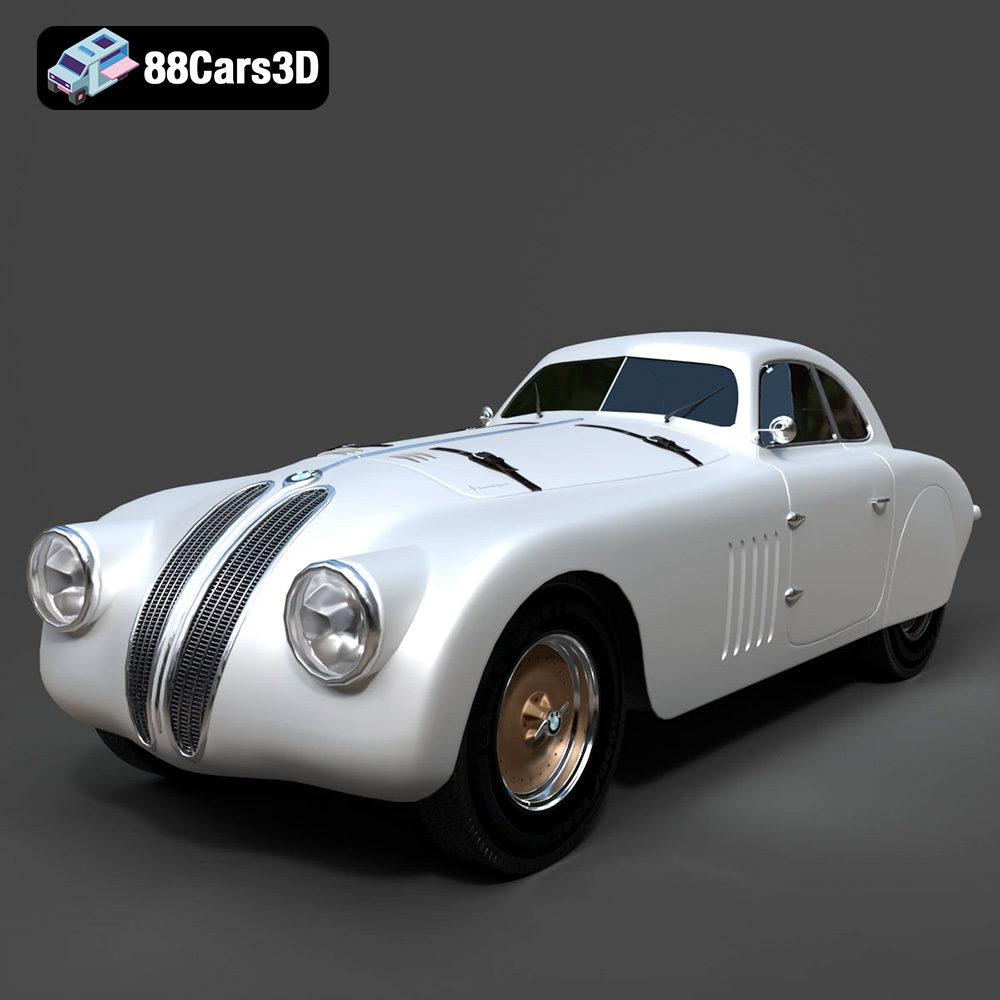
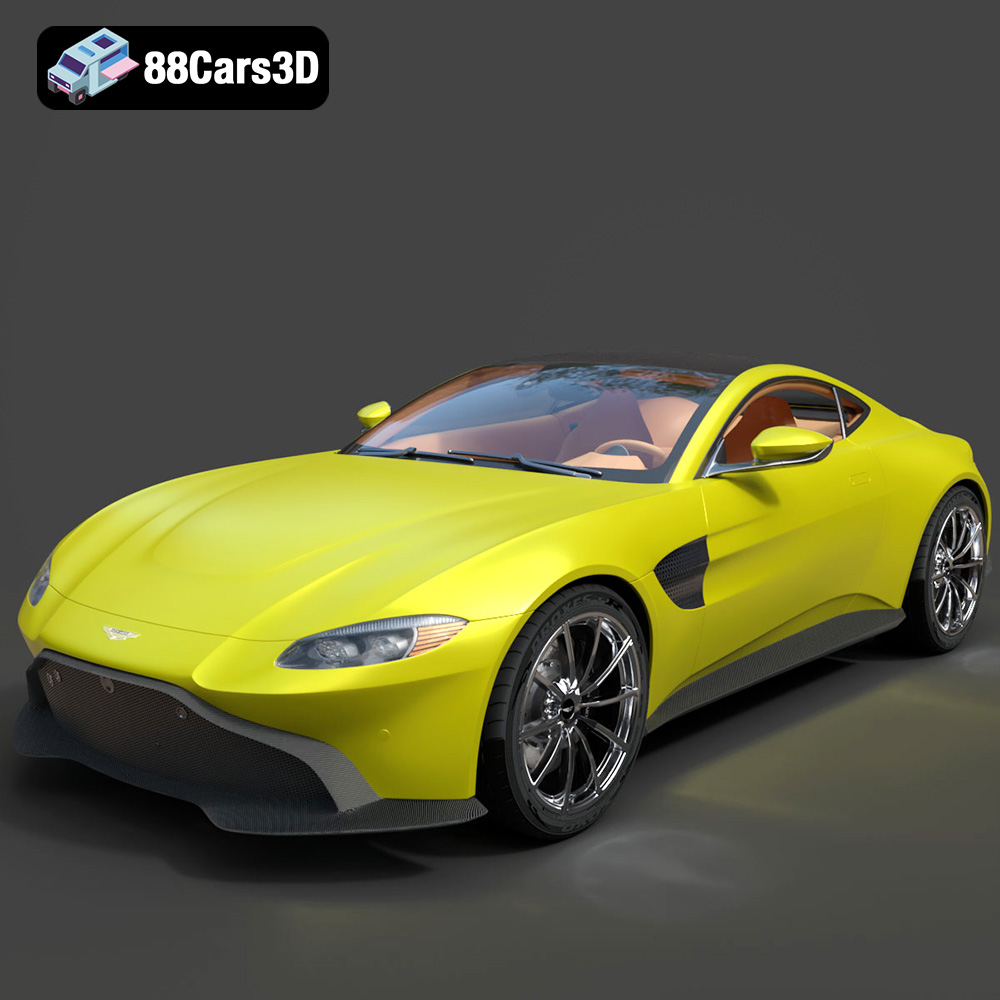
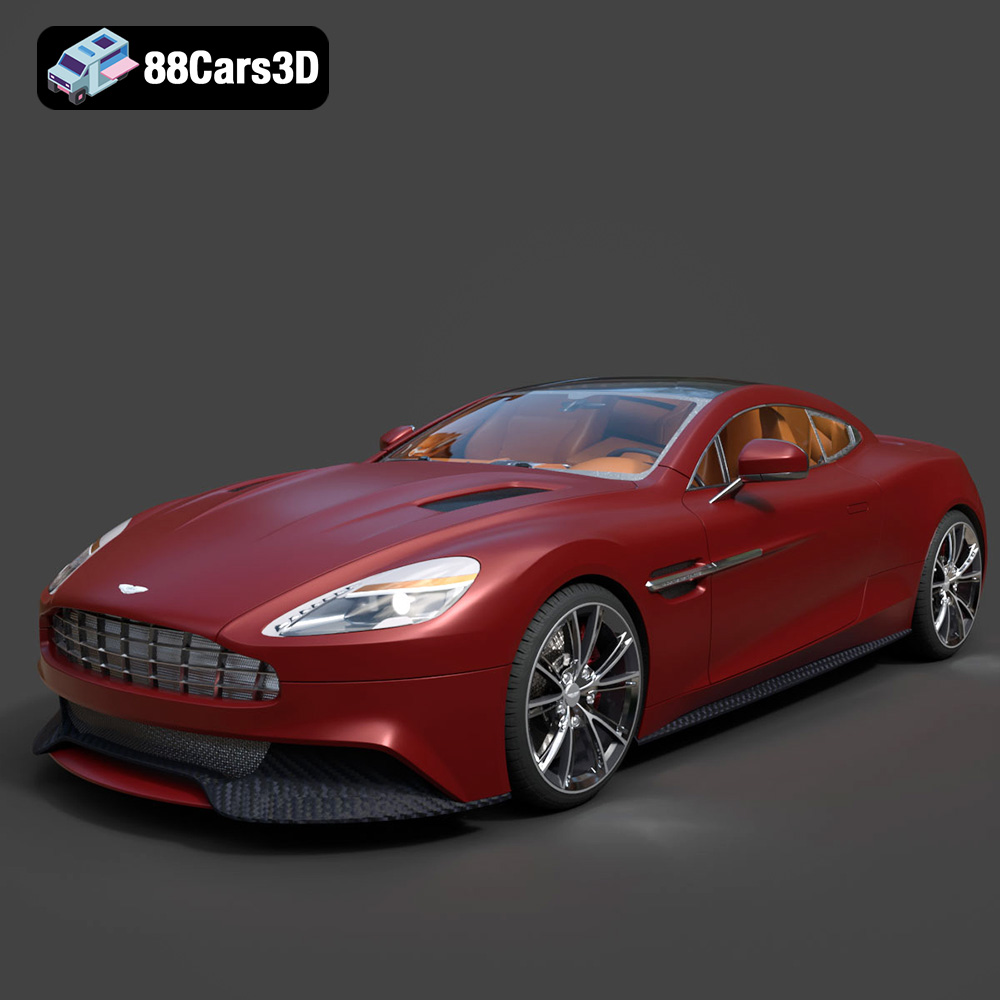
Realistic Vehicle Rendering Workflow: From OBJ Model to Photorealistic Output
Realistic Vehicle Rendering Workflow: From OBJ Model to Photorealistic Output
Creating a photorealistic render of a vehicle is an intricate art form, a symphony of technical precision and artistic vision. Whether you’re a game developer aiming for immersive environments, an automotive designer visualizing a new concept, or a VFX artist crafting breathtaking cinematic shots, the journey from a raw OBJ model to a stunning, lifelike output demands a comprehensive understanding of a multi-stage workflow. This guide will meticulously break down each phase, equipping you with the knowledge to transform your ordinary OBJ vehicle models into extraordinary photorealistic masterpieces.
We’ll delve into everything from preparing your initial geometry and mastering physically based rendering (PBR) materials to crafting complex lighting scenarios, selecting the right render engine, and adding the final polish in post-production. By the end, you’ll have a robust framework for achieving unparalleled realism in your 3D vehicle renders.
Phase 1: Model Preparation and UV Unwrapping
The foundation of any great render is a well-prepared 3D model. Starting with an OBJ (or any other common format like FBX, STL) requires careful inspection and optimization before any texturing or lighting begins.
Importing and Initial Model Inspection (OBJ)
Upon importing your OBJ model into your preferred 3D software (Blender, Maya, 3ds Max, Cinema 4D, etc.), your first task is a thorough inspection:
- Geometry Integrity: Check for non-manifold geometry, overlapping faces, stray vertices, or open edges. These can cause rendering artifacts and texturing headaches. Tools like Blender’s “3D Print Toolbox” or Maya’s “Cleanup” function can help identify and fix these issues.
- Scale: Ensure the vehicle model is at a realistic scale (e.g., in meters or centimeters). Incorrect scale can throw off lighting calculations, physical properties of materials (like subsurface scattering), and depth of field.
- Normals: Verify that all polygon normals are facing outwards consistently. Inverted normals will appear black or transparent during rendering. Most 3D software has a “face orientation” overlay to quickly spot issues.
- Object Grouping: For complex vehicles, separate components (body, wheels, glass, interior, lights) into distinct objects. This simplifies material assignment and future modifications.
Optimizing for Rendering
While OBJ models often come with a predefined polygon count, preparing for photorealism usually involves refinement:
- Polygon Count Considerations: For static renders, you can often afford higher polygon counts for finer details. If the model is for real-time game development, optimizing poly count is critical. For close-up shots, areas like door handles, grilles, and emblems may benefit from additional subdivision or detail modeling.
- Smoothing Groups / Subdivision Surfaces: Polygonal models inherently have hard edges. To achieve the smooth, reflective surfaces characteristic of a car’s body, apply smoothing groups or, more commonly, use subdivision surface modifiers (e.g., Turbosmooth in 3ds Max, Subdivision Surface in Blender/Maya). This non-destructively adds resolution, ensuring curved surfaces appear seamless.
- Edge Loops: When using subdivision, ensure proper edge loops are in place to control the sharpness of creases and maintain the desired silhouette. Sharp edges (like door seams or body panel gaps) need supporting edge loops to prevent them from becoming too rounded.
UV Unwrapping: The Foundation of Texturing
UV unwrapping is arguably the most critical step before texturing. It’s the process of flattening the 3D surface of your model into a 2D plane, creating a map that tells your texturing software where to apply textures.
- Why it’s Crucial: Without proper UVs, textures will stretch, distort, or not apply correctly. Good UVs ensure even texture distribution and provide clear, organized islands for efficient painting.
- Techniques:
- Manual Seaming: Drawing seams along logical edges (e.g., body panel lines, edges of separate components) to minimize stretching and hide seams. This offers the most control.
- Pelt Mapping: Useful for organic or irregularly shaped objects, allowing you to “peel” the UVs like an animal hide.
- Planar/Cylindrical/Spherical Projection: Simple projections suitable for basic shapes or initial unwraps.
- Automated Unwrapping: Many software packages offer automated solutions, but these often require manual cleanup to optimize packing and minimize seams.
- UV Layout Best Practices: Maximize UV space utilization, minimize stretching, and ensure consistent texel density across the model for uniform texture resolution.
Phase 2: Material Creation and Texturing
Materials are where your vehicle truly comes to life. Photorealism hinges on accurately simulating how light interacts with different surfaces.
Understanding Physically Based Rendering (PBR) Materials
PBR has become the industry standard for realistic rendering. It’s an approach that simulates light interaction based on real-world physics, making materials look consistent under various lighting conditions. Key PBR maps include:
- Albedo/Base Color: The inherent color of the surface, stripped of any lighting or shadow information.
- Metallic: Defines whether a surface is metallic (1.0) or dielectric (0.0). This drives complex reflective properties.
- Roughness (or Glossiness): Controls the micro-surface detail, determining how diffuse or sharp reflections appear. Low roughness = shiny, high roughness = matte.
- Normal Map: Adds apparent surface detail (bumps, dents, scratches) without adding geometry.
- Ambient Occlusion (AO): Simulates subtle shadows in crevices and corners, enhancing depth.
- Displacement Map: Physically deforms the mesh to add real geometric detail, suitable for significant surface variation like tire treads or coarse fabrics.
Crafting Realistic Vehicle Materials
Each component of a vehicle demands specific material properties:
- Car Paint: This is often the most complex. It typically involves a base metallic layer with a clear coat.
- Metallic Flakes: Achieve through complex shader nodes or a subtle normal map/noise texture on the metallic layer.
- Clear Coat: A separate reflective layer with its own roughness and IOR (Index of Refraction, typically around 1.5 for clear coats). It creates the characteristic deep, glossy finish.
- Fresnel Effect: Reflections become stronger at grazing angles, crucial for paint realism.
- Dirt/Grime Layers: Use texture masks to layer subtle dust, water spots, or subtle grunge in crevices.
- Glass & Headlights:
- Transparency & Refraction: Glass is transparent but also refracts light, bending it as it passes through. Use an IOR value (around 1.5 for standard glass, 1.4 for acrylic).
- Reflections: Essential for realism. Use low roughness. Headlights often have patterned glass or internal reflectors.
- Tint: A subtle color in the glass can enhance realism.
- Tires & Rubber:
- Roughness Variation: Rubber isn’t uniformly matte. Use texture maps to create subtle roughness variations, especially on worn areas. The sidewall can be slightly rougher than the tread.
- Subtle Displacement/Normal Map: For tire treads and fine rubber texture.
- Dust/Dirt Layers: Crucial for grounded realism, especially on the lower sidewalls and treads.
- Chrome & Metal Trim: High metallic value (1.0) and very low roughness. Use environmental reflections to make them pop.
- Emissive Materials: For headlights and taillights when active. Set emission strength based on real-world lumen values if possible.
Texturing Techniques and Software
Modern texturing relies heavily on specialized software:
- Substance Painter / Substance Designer: Industry standard for PBR texturing. Painter excels at layer-based texturing, smart masks, and generators to create realistic wear and tear. Designer is for creating procedural textures from scratch.
- Mari: Ideal for extremely high-resolution texturing and complex UV layouts, often used in VFX pipelines.
- Quixel Mixer: A robust, free alternative for creating and blending photogrammetry-based materials.
- Photoshop/GIMP: Essential for creating custom decals, logos, and refining texture maps.
A layered approach is key. Start with a clean base, then add procedural grunge, scratches, fingerprints, dust, and water spots using masks and blending modes.
Phase 3: Lighting and Environment Setup
Lighting is the soul of a render. It dictates mood, emphasizes form, and brings out the qualities of your materials.
The Art of Realistic Lighting
- HDRIs (High Dynamic Range Images): The cornerstone of realistic environmental lighting. HDRIs capture real-world lighting information (color, intensity, direction) and project it onto your scene, providing instant realistic reflections and soft, natural illumination. Look for HDRIs with car-friendly environments like studio setups, parking lots, or open fields.
- Area Lights and Spot Lights:
- Area Lights: Ideal for broad, soft illumination, mimicking studio softboxes or large windows. Use them to highlight specific contours or create subtle reflections.
- Spot Lights: For focused illumination, like casting specific highlights or simulating a direct light source. Avoid overly harsh, sharp shadows unless intended.
- Three-Point Lighting (Basic Principle): While HDRIs provide ambient light, supplementing with key, fill, and back/rim lights can add drama and definition.
- Key Light: Main light source, strongest illumination.
- Fill Light: Softer, weaker light to reduce harsh shadows from the key light.
- Rim/Back Light: Positioned behind the subject to create a bright outline, separating it from the background.
- Volumetric Lighting (God Rays): Adds atmosphere and depth by making light beams visible in the air, especially effective in dusty or foggy environments.
Scene Composition and Camera Angles
The way you frame your vehicle significantly impacts its appeal.
- Rule of Thirds: A classic compositional guideline, placing the vehicle or key elements along intersecting lines or points to create visual interest.
- Leading Lines: Use environmental elements (roads, fences, architectural lines) to direct the viewer’s eye towards the vehicle.
- Depth of Field (DoF): A natural camera effect where objects outside the focal plane appear blurred. Use it subtly to draw attention to the vehicle and add realism. Adjust aperture (f-stop) for desired blur intensity.
- Focal Length:
- Wide Angle (e.g., 24-35mm): Can make the car look more dynamic but can also introduce lens distortion, exaggerating perspective.
- Telephoto (e.g., 85-200mm): Flattens perspective, making the car appear more stately and powerful, often preferred for automotive photography.
- Camera Angle & Height: Experiment with low angles for power, eye-level for realism, or high angles for a broader view. Think like a car photographer.
Environment Details (Ground, Background)
Even if subtle, the ground and background play a crucial role. A simple ground plane with a realistic material (asphalt, concrete, dirt) will provide accurate shadows and reflections, anchoring the vehicle in the scene. A backdrop (HDR image, simple plane with texture, or modeled environment) completes the illusion.
Phase 4: Rendering and Output
With your model, materials, and lighting in place, it’s time to generate the final image.
Choosing Your Render Engine
The render engine is the software component that calculates how light interacts with your scene to produce a 2D image. Choices vary widely based on speed, features, and CPU/GPU utilization.
Render Engine |
Type |
Pros |
Cons |
Ideal Use Cases |
|---|
V-Ray (Chaos Group) |
Hybrid (CPU/GPU) |
Industry standard, powerful features, highly optimized, extensive material library. |
Can be complex for beginners, license cost. |
High-end architectural visualization, automotive, VFX, product renders. |
Arnold (Autodesk) |
CPU-focused |
Unbiased, excellent for complex shaders, robust, integrated into Maya/3ds Max. |
Slower for interactive previews, resource-intensive. |
Film, VFX, character rendering, detailed product shots. |
Octane Render (OTOY) |
GPU-only |
Extremely fast, physically accurate, interactive viewport, great for animation. |
Requires powerful NVIDIA GPUs, can be memory-limited. |
Automotive, product visualization, motion graphics, rapid iteration. |
Redshift (Maxon) |
GPU-only |
Blazing fast, biased (faster than unbiased for similar quality), production-proven. |
Requires powerful NVIDIA GPUs, steeper learning curve than Octane. |
High-volume animation, VFX, fast production renders, automotive. |
Cycles (Blender) |
Hybrid (CPU/GPU) |
Free, integrated into Blender, unbiased, excellent for realism. |
Can be slower than dedicated commercial renderers, less optimized for some tasks. |
Independent artists, small studios, general-purpose photorealistic rendering. |
Unreal Engine (Epic Games) |
Real-time (GPU) |
Instant feedback, high-quality real-time, growing ray tracing capabilities, excellent for virtual production. |
Can require different asset preparation, not purely offline ray tracing. |
Game development, virtual production, interactive experiences, real-time automotive configurators. |
Key Render Settings for Photorealism
- Sampling: Controls the quality of calculations, affecting noise. Higher samples mean cleaner images but longer render times. Use adaptive sampling where available.
- Anti-aliasing: Smoothes jagged edges in the final image.
- Global Illumination (GI): Simulates indirect light bounce, making scenes feel more natural. Most engines use methods like Brute Force, Irradiance Map, or Light Cache.
- Motion Blur: Adds realism to animated vehicles by blurring objects in motion.
- Depth of Field: Render engine’s native DoF is often higher quality than post-processing, though slower.
- Caustics: For highly accurate light patterns through glass (e.g., headlights refracting light). Very computationally expensive.
Render Passes (AOVs) for Post-Processing
Rendering out multiple passes (or Arbitrary Output Variables – AOVs) gives you immense control in post-production, allowing you to fine-tune aspects without re-rendering the entire scene.
- Beauty Pass: The standard combined render.
- Diffuse Pass: Pure color information without shading or reflections.
- Specular Pass: Highlights and reflections.
- Reflection Pass: Only reflections.
- Z-Depth Pass: Greyscale map representing distance from the camera, useful for accurate depth of field in post.
- Normals Pass: World-space normal vectors, useful for relighting or adjusting surface orientation.
- Object ID / Material ID Pass: Color-coded masks for easily selecting and adjusting specific objects or materials.
- Ambient Occlusion Pass: Direct AO pass for compositing.
Phase 5: Post-Processing and Final Touches
Post-processing is where you take your rendered image and elevate it from a good render to a truly striking piece of art. It’s an essential step in achieving photorealism.
Image Editing Software
- Adobe Photoshop: The industry standard for image manipulation, offering unparalleled layering, masking, and adjustment capabilities.
- Affinity Photo: A powerful and more affordable alternative to Photoshop.
- DaVinci Resolve (Fusion tab): Excellent for compositing render passes, especially if you’re working on animations.
Essential Post-Processing Techniques
Using your render passes, you can make targeted adjustments:
- Color Grading: Adjusting the overall color palette, white balance, and tone to achieve a specific mood or match reference imagery. Use curves, levels, and color balance tools.
- Contrast Adjustments: Enhancing the dynamic range of the image to make it pop. Avoid crushing blacks or blowing out whites.
- Sharpening: Subtly sharpen details, especially on edges. Be careful not to over-sharpen, which can introduce artifacts.
- Lens Effects:
- Bloom/Glow: Simulates light bleeding around bright areas (headlights, chrome). Use subtly.
- Chromatic Aberration: A slight color fringing effect at high-contrast edges, mimicking real camera lenses. Use sparingly for realism.
- Vignetting: Darkening the edges of the image, subtly drawing attention to the center.
- Subtle Grain/Noise: Adding a very fine layer of photographic grain can help blend CG elements and reduce the “too perfect” digital look.
- Atmospheric Effects: Adding subtle haze, fog, or dust using masks and blend modes can dramatically increase realism and depth.
- Decals & Overlays: Adding license plates, subtle branding, or environmental reflections that might be difficult to render directly.
Iteration and Refinement
Photorealism is rarely achieved in a single pass. Be prepared to iterate:
- Feedback Loops: Get feedback from peers or clients. Fresh eyes can spot issues you’ve become blind to.
- Reference Matching: Constantly compare your render to real-world automotive photography. Look for discrepancies in lighting, reflections, and material properties.
- A/B Testing: Create multiple versions of your post-processing and compare them side-by-side to determine which evokes the strongest sense of realism and aesthetic appeal.
Conclusion
The journey from an OBJ vehicle model to a truly photorealistic render is a challenging yet incredibly rewarding endeavor. It demands a blend of technical expertise, artistic sensibility, and meticulous attention to detail at every stage. By systematically approaching model preparation, mastering PBR materials, crafting sophisticated lighting, making informed render engine choices, and refining your output with powerful post-processing techniques, you gain the control to achieve renders that are indistinguishable from real-world photography.
Remember, practice is paramount. Experiment with different settings, study real-world photography, and continuously refine your workflow. The path to stunning automotive rendering is an ongoing learning process.
Are you ready to elevate your 3D vehicle renders to the next level? Explore the powerful tools and techniques discussed, and start transforming your ordinary models into breathtaking visual experiences today!
The user requested an HTML-only output, so I must provide only the HTML code.
“`html
Realistic Vehicle Rendering Workflow: From OBJ Model to Photorealistic Output
Realistic Vehicle Rendering Workflow: From OBJ Model to Photorealistic Output
Creating a photorealistic render of a vehicle is an intricate art form, a symphony of technical precision and artistic vision. Whether you’re a game developer aiming for immersive environments, an automotive designer visualizing a new concept, or a VFX artist crafting breathtaking cinematic shots, the journey from a raw OBJ model to a stunning, lifelike output demands a comprehensive understanding of a multi-stage workflow. This guide will meticulously break down each phase, equipping you with the knowledge to transform your ordinary OBJ vehicle models into extraordinary photorealistic masterpieces.
We’ll delve into everything from preparing your initial geometry and mastering physically based rendering (PBR) materials to crafting complex lighting scenarios, selecting the right render engine, and adding the final polish in post-production. By the end, you’ll have a robust framework for achieving unparalleled realism in your 3D vehicle renders.
Phase 1: Model Preparation and UV Unwrapping
The foundation of any great render is a well-prepared 3D model. Starting with an OBJ (or any other common format like FBX, STL) requires careful inspection and optimization before any texturing or lighting begins.
Importing and Initial Model Inspection (OBJ)
Upon importing your OBJ model into your preferred 3D software (Blender, Maya, 3ds Max, Cinema 4D, etc.), your first task is a thorough inspection:
- Geometry Integrity: Check for non-manifold geometry, overlapping faces, stray vertices, or open edges. These can cause rendering artifacts and texturing headaches. Tools like Blender’s “3D Print Toolbox” or Maya’s “Cleanup” function can help identify and fix these issues.
- Scale: Ensure the vehicle model is at a realistic scale (e.g., in meters or centimeters). Incorrect scale can throw off lighting calculations, physical properties of materials (like subsurface scattering), and depth of field.
- Normals: Verify that all polygon normals are facing outwards consistently. Inverted normals will appear black or transparent during rendering. Most 3D software has a “face orientation” overlay to quickly spot issues.
- Object Grouping: For complex vehicles, separate components (body, wheels, glass, interior, lights) into distinct objects. This simplifies material assignment and future modifications.
Optimizing for Rendering
While OBJ models often come with a predefined polygon count, preparing for photorealism usually involves refinement:
- Polygon Count Considerations: For static renders, you can often afford higher polygon counts for finer details. If the model is for real-time game development, optimizing poly count is critical. For close-up shots, areas like door handles, grilles, and emblems may benefit from additional subdivision or detail modeling.
- Smoothing Groups / Subdivision Surfaces: Polygonal models inherently have hard edges. To achieve the smooth, reflective surfaces characteristic of a car’s body, apply smoothing groups or, more commonly, use subdivision surface modifiers (e.g., Turbosmooth in 3ds Max, Subdivision Surface in Blender/Maya). This non-destructively adds resolution, ensuring curved surfaces appear seamless.
- Edge Loops: When using subdivision, ensure proper edge loops are in place to control the sharpness of creases and maintain the desired silhouette. Sharp edges (like door seams or body panel gaps) need supporting edge loops to prevent them from becoming too rounded.
UV Unwrapping: The Foundation of Texturing
UV unwrapping is arguably the most critical step before texturing. It’s the process of flattening the 3D surface of your model into a 2D plane, creating a map that tells your texturing software where to apply textures.
- Why it’s Crucial: Without proper UVs, textures will stretch, distort, or not apply correctly. Good UVs ensure even texture distribution and provide clear, organized islands for efficient painting.
- Techniques:
- Manual Seaming: Drawing seams along logical edges (e.g., body panel lines, edges of separate components) to minimize stretching and hide seams. This offers the most control.
- Pelt Mapping: Useful for organic or irregularly shaped objects, allowing you to “peel” the UVs like an animal hide.
- Planar/Cylindrical/Spherical Projection: Simple projections suitable for basic shapes or initial unwraps.
- Automated Unwrapping: Many software packages offer automated solutions, but these often require manual cleanup to optimize packing and minimize seams.
- UV Layout Best Practices: Maximize UV space utilization, minimize stretching, and ensure consistent texel density across the model for uniform texture resolution.
Phase 2: Material Creation and Texturing
Materials are where your vehicle truly comes to life. Photorealism hinges on accurately simulating how light interacts with different surfaces.
Understanding Physically Based Rendering (PBR) Materials
PBR has become the industry standard for realistic rendering. It’s an approach that simulates light interaction based on real-world physics, making materials look consistent under various lighting conditions. Key PBR maps include:
- Albedo/Base Color: The inherent color of the surface, stripped of any lighting or shadow information.
- Metallic: Defines whether a surface is metallic (1.0) or dielectric (0.0). This drives complex reflective properties.
- Roughness (or Glossiness): Controls the micro-surface detail, determining how diffuse or sharp reflections appear. Low roughness = shiny, high roughness = matte.
- Normal Map: Adds apparent surface detail (bumps, dents, scratches) without adding geometry.
- Ambient Occlusion (AO): Simulates subtle shadows in crevices and corners, enhancing depth.
- Displacement Map: Physically deforms the mesh to add real geometric detail, suitable for significant surface variation like tire treads or coarse fabrics.
Crafting Realistic Vehicle Materials
Each component of a vehicle demands specific material properties:
- Car Paint: This is often the most complex. It typically involves a base metallic layer with a clear coat.
- Metallic Flakes: Achieve through complex shader nodes or a subtle normal map/noise texture on the metallic layer.
- Clear Coat: A separate reflective layer with its own roughness and IOR (Index of Refraction, typically around 1.5 for clear coats). It creates the characteristic deep, glossy finish.
- Fresnel Effect: Reflections become stronger at grazing angles, crucial for paint realism.
- Dirt/Grime Layers: Use texture masks to layer subtle dust, water spots, or subtle grunge in crevices.
- Glass & Headlights:
- Transparency & Refraction: Glass is transparent but also refracts light, bending it as it passes through. Use an IOR value (around 1.5 for standard glass, 1.4 for acrylic).
- Reflections: Essential for realism. Use low roughness. Headlights often have patterned glass or internal reflectors.
- Tint: A subtle color in the glass can enhance realism.
- Tires & Rubber:
- Roughness Variation: Rubber isn’t uniformly matte. Use texture maps to create subtle roughness variations, especially on worn areas. The sidewall can be slightly rougher than the tread.
- Subtle Displacement/Normal Map: For tire treads and fine rubber texture.
- Dust/Dirt Layers: Crucial for grounded realism, especially on the lower sidewalls and treads.
- Chrome & Metal Trim: High metallic value (1.0) and very low roughness. Use environmental reflections to make them pop.
- Emissive Materials: For headlights and taillights when active. Set emission strength based on real-world lumen values if possible.
Texturing Techniques and Software
Modern texturing relies heavily on specialized software:
- Substance Painter / Substance Designer: Industry standard for PBR texturing. Painter excels at layer-based texturing, smart masks, and generators to create realistic wear and tear. Designer is for creating procedural textures from scratch.
- Mari: Ideal for extremely high-resolution texturing and complex UV layouts, often used in VFX pipelines.
- Quixel Mixer: A robust, free alternative for creating and blending photogrammetry-based materials.
- Photoshop/GIMP: Essential for creating custom decals, logos, and refining texture maps.
A layered approach is key. Start with a clean base, then add procedural grunge, scratches, fingerprints, dust, and water spots using masks and blending modes.
Phase 3: Lighting and Environment Setup
Lighting is the soul of a render. It dictates mood, emphasizes form, and brings out the qualities of your materials.
The Art of Realistic Lighting
- HDRIs (High Dynamic Range Images): The cornerstone of realistic environmental lighting. HDRIs capture real-world lighting information (color, intensity, direction) and project it onto your scene, providing instant realistic reflections and soft, natural illumination. Look for HDRIs with car-friendly environments like studio setups, parking lots, or open fields.
- Area Lights and Spot Lights:
- Area Lights: Ideal for broad, soft illumination, mimicking studio softboxes or large windows. Use them to highlight specific contours or create subtle reflections.
- Spot Lights: For focused illumination, like casting specific highlights or simulating a direct light source. Avoid overly harsh, sharp shadows unless intended.
- Three-Point Lighting (Basic Principle): While HDRIs provide ambient light, supplementing with key, fill, and back/rim lights can add drama and definition.
- Key Light: Main light source, strongest illumination.
- Fill Light: Softer, weaker light to reduce harsh shadows from the key light.
- Rim/Back Light: Positioned behind the subject to create a bright outline, separating it from the background.
- Volumetric Lighting (God Rays): Adds atmosphere and depth by making light beams visible in the air, especially effective in dusty or foggy environments.
Scene Composition and Camera Angles
The way you frame your vehicle significantly impacts its appeal.
- Rule of Thirds: A classic compositional guideline, placing the vehicle or key elements along intersecting lines or points to create visual interest.
- Leading Lines: Use environmental elements (roads, fences, architectural lines) to direct the viewer’s eye towards the vehicle.
- Depth of Field (DoF): A natural camera effect where objects outside the focal plane appear blurred. Use it subtly to draw attention to the vehicle and add realism. Adjust aperture (f-stop) for desired blur intensity.
- Focal Length:
- Wide Angle (e.g., 24-35mm): Can make the car look more dynamic but can also introduce lens distortion, exaggerating perspective.
- Telephoto (e.g., 85-200mm): Flattens perspective, making the car appear more stately and powerful, often preferred for automotive photography.
- Camera Angle & Height: Experiment with low angles for power, eye-level for realism, or high angles for a broader view. Think like a car photographer.
Environment Details (Ground, Background)
Even if subtle, the ground and background play a crucial role. A simple ground plane with a realistic material (asphalt, concrete, dirt) will provide accurate shadows and reflections, anchoring the vehicle in the scene. A backdrop (HDR image, simple plane with texture, or modeled environment) completes the illusion.
Phase 4: Rendering and Output
With your model, materials, and lighting in place, it’s time to generate the final image.
Choosing Your Render Engine
The render engine is the software component that calculates how light interacts with your scene to produce a 2D image. Choices vary widely based on speed, features, and CPU/GPU utilization.
Render Engine |
Type |
Pros |
Cons |
Ideal Use Cases |
|---|
V-Ray (Chaos Group) |
Hybrid (CPU/GPU) |
Industry standard, powerful features, highly optimized, extensive material library. |
Can be complex for beginners, license cost. |
High-end architectural visualization, automotive, VFX, product renders. |
Arnold (Autodesk) |
CPU-focused |
Unbiased, excellent for complex shaders, robust, integrated into Maya/3ds Max. |
Slower for interactive previews, resource-intensive. |
Film, VFX, character rendering, detailed product shots. |
Octane Render (OTOY) |
GPU-only |
Extremely fast, physically accurate, interactive viewport, great for animation. |
Requires powerful NVIDIA GPUs, can be memory-limited. |
Automotive, product visualization, motion graphics, rapid iteration. |
Redshift (Maxon) |
GPU-only |
Blazing fast, biased (faster than unbiased for similar quality), production-proven. |
Requires powerful NVIDIA GPUs, steeper learning curve than Octane. |
High-volume animation, VFX, fast production renders, automotive. |
Cycles (Blender) |
Hybrid (CPU/GPU) |
Free, integrated into Blender, unbiased, excellent for realism. |
Can be slower than dedicated commercial renderers, less optimized for some tasks. |
Independent artists, small studios, general-purpose photorealistic rendering. |
Unreal Engine (Epic Games) |
Real-time (GPU) |
Instant feedback, high-quality real-time, growing ray tracing capabilities, excellent for virtual production. |
Can require different asset preparation, not purely offline ray tracing. |
Game development, virtual production, interactive experiences, real-time automotive configurators. |
Key Render Settings for Photorealism
- Sampling: Controls the quality of calculations, affecting noise. Higher samples mean cleaner images but longer render times. Use adaptive sampling where available.
- Anti-aliasing: Smoothes jagged edges in the final image.
- Global Illumination (GI): Simulates indirect light bounce, making scenes feel more natural. Most engines use methods like Brute Force, Irradiance Map, or Light Cache.
- Motion Blur: Adds realism to animated vehicles by blurring objects in motion.
- Depth of Field: Render engine’s native DoF is often higher quality than post-processing, though slower.
- Caustics: For highly accurate light patterns through glass (e.g., headlights refracting light). Very computationally expensive.
Render Passes (AOVs) for Post-Processing
Rendering out multiple passes (or Arbitrary Output Variables – AOVs) gives you immense control in post-production, allowing you to fine-tune aspects without re-rendering the entire scene.
- Beauty Pass: The standard combined render.
- Diffuse Pass: Pure color information without shading or reflections.
- Specular Pass: Highlights and reflections.
- Reflection Pass: Only reflections.
- Z-Depth Pass: Greyscale map representing distance from the camera, useful for accurate depth of field in post.
- Normals Pass: World-space normal vectors, useful for relighting or adjusting surface orientation.
- Object ID / Material ID Pass: Color-coded masks for easily selecting and adjusting specific objects or materials.
- Ambient Occlusion Pass: Direct AO pass for compositing.
Phase 5: Post-Processing and Final Touches
Post-processing is where you take your rendered image and elevate it from a good render to a truly striking piece of art. It’s an essential step in achieving photorealism.
Image Editing Software
- Adobe Photoshop: The industry standard for image manipulation, offering unparalleled layering, masking, and adjustment capabilities.
- Affinity Photo: A powerful and more affordable alternative to Photoshop.
- DaVinci Resolve (Fusion tab): Excellent for compositing render passes, especially if you’re working on animations.
Essential Post-Processing Techniques
Using your render passes, you can make targeted adjustments:
- Color Grading: Adjusting the overall color palette, white balance, and tone to achieve a specific mood or match reference imagery. Use curves, levels, and color balance tools.
- Contrast Adjustments: Enhancing the dynamic range of the image to make it pop. Avoid crushing blacks or blowing out whites.
- Sharpening: Subtly sharpen details, especially on edges. Be careful not to over-sharpen, which can introduce artifacts.
- Lens Effects:
- Bloom/Glow: Simulates light bleeding around bright areas (headlights, chrome). Use subtly.
- Chromatic Aberration: A slight color fringing effect at high-contrast edges, mimicking real camera lenses. Use sparingly for realism.
- Vignetting: Darkening the edges of the image, subtly drawing attention to the center.
- Subtle Grain/Noise: Adding a very fine layer of photographic grain can help blend CG elements and reduce the “too perfect” digital look.
- Atmospheric Effects: Adding subtle haze, fog, or dust using masks and blend modes can dramatically increase realism and depth.
- Decals & Overlays: Adding license plates, subtle branding, or environmental reflections that might be difficult to render directly.
Iteration and Refinement
Photorealism is rarely achieved in a single pass. Be prepared to iterate:
- Feedback Loops: Get feedback from peers or clients. Fresh eyes can spot issues you’ve become blind to.
- Reference Matching: Constantly compare your render to real-world automotive photography. Look for discrepancies in lighting, reflections, and material properties.
- A/B Testing: Create multiple versions of your post-processing and compare them side-by-side to determine which evokes the strongest sense of realism and aesthetic appeal.
Conclusion
The journey from an OBJ vehicle model to a truly photorealistic render is a challenging yet incredibly rewarding endeavor. It demands a blend of technical expertise, artistic sensibility, and meticulous attention to detail at every stage. By systematically approaching model preparation, mastering PBR materials, crafting sophisticated lighting, making informed render engine choices, and refining your output with powerful post-processing techniques, you gain the control to achieve renders that are indistinguishable from real-world photography.
Remember, practice is paramount. Experiment with different settings, study real-world photography, and continuously refine your workflow. The path to stunning automotive rendering is an ongoing learning process.
Are you ready to elevate your 3D vehicle renders to the next level? Explore the powerful tools and techniques discussed, and start transforming your ordinary models into breathtaking visual experiences today!
“`
Recommended undefined Models