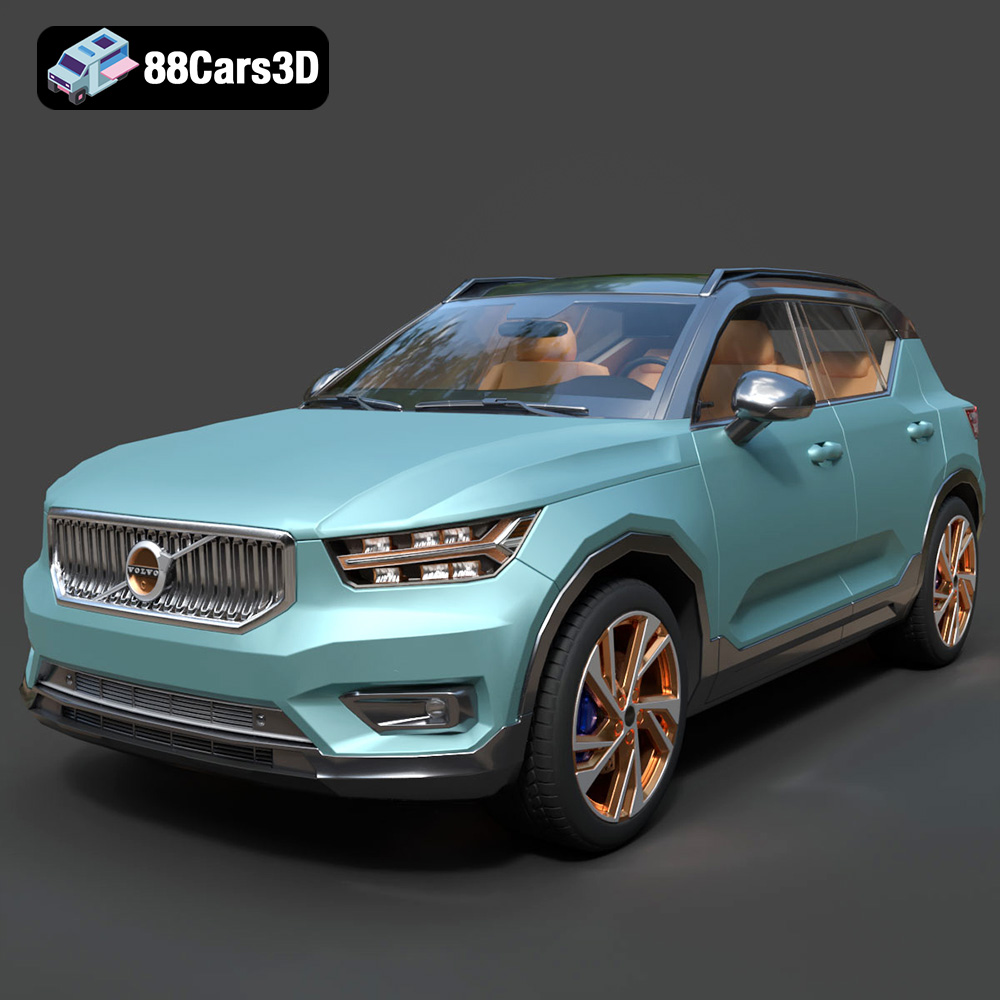
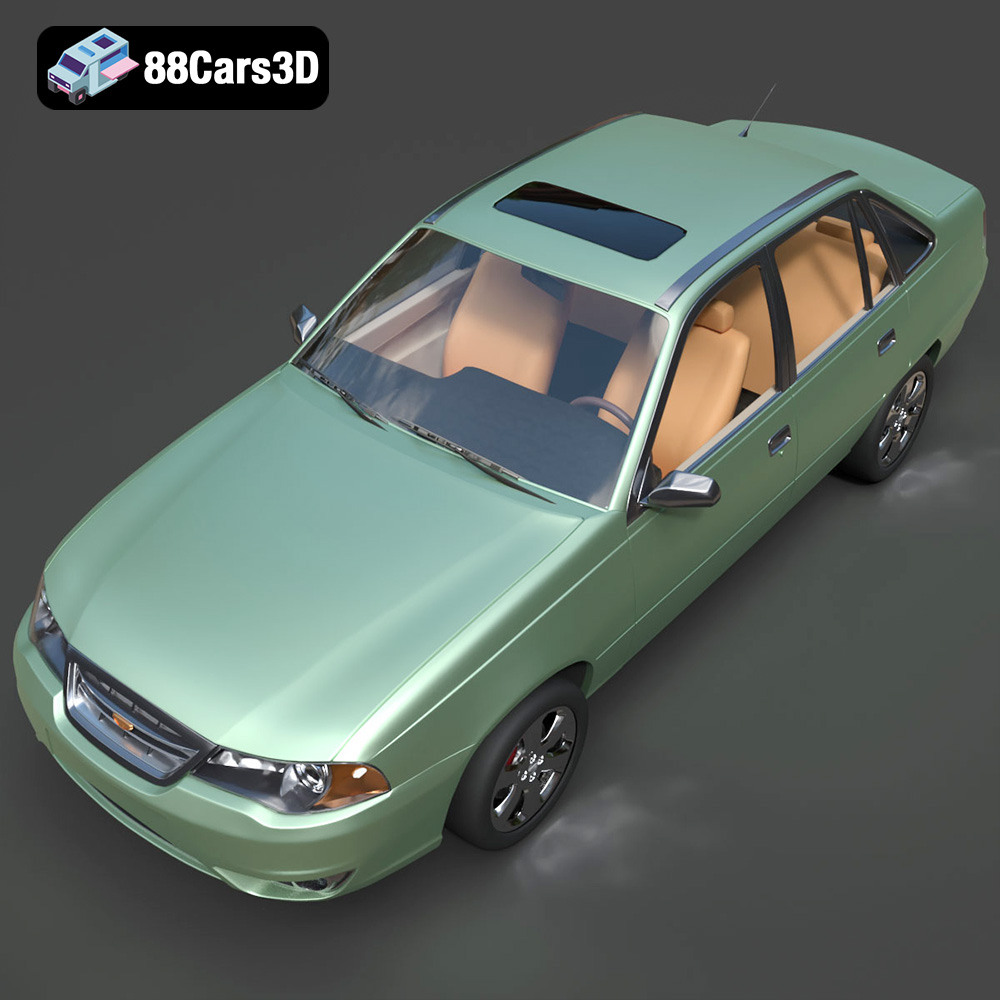
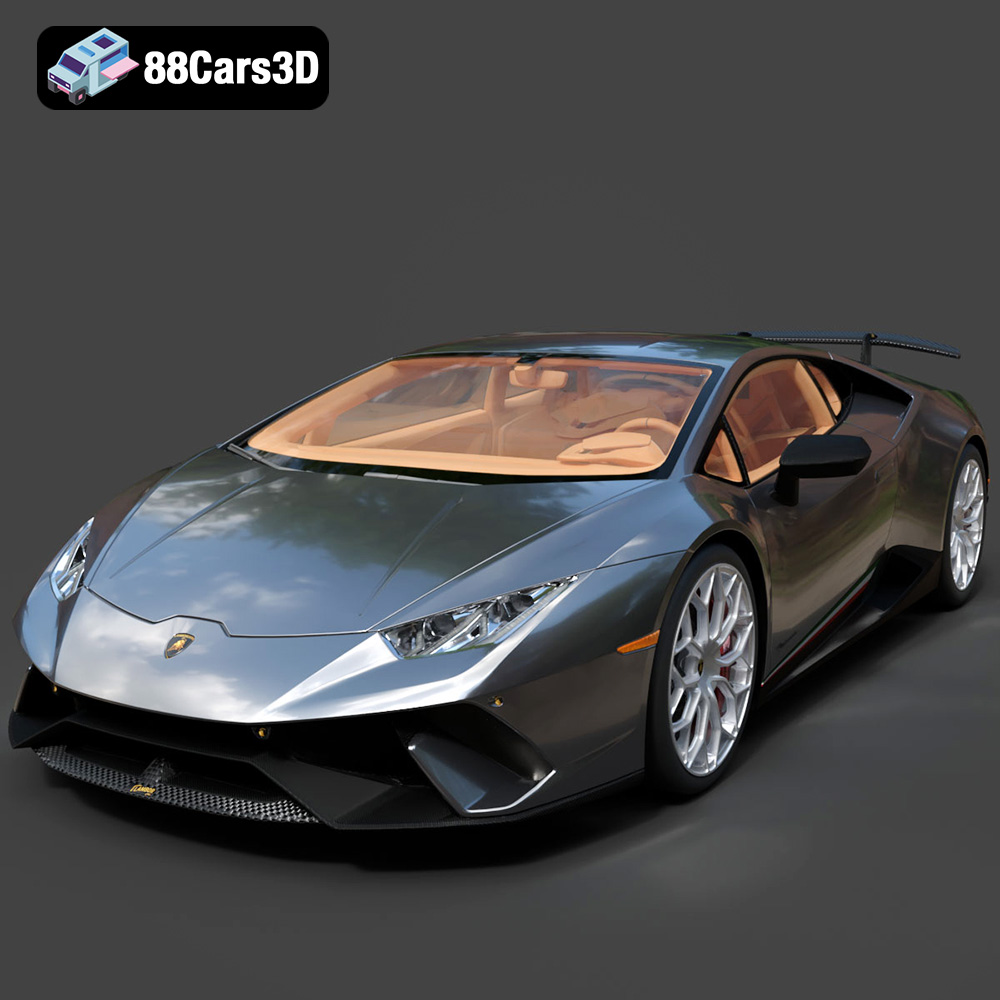
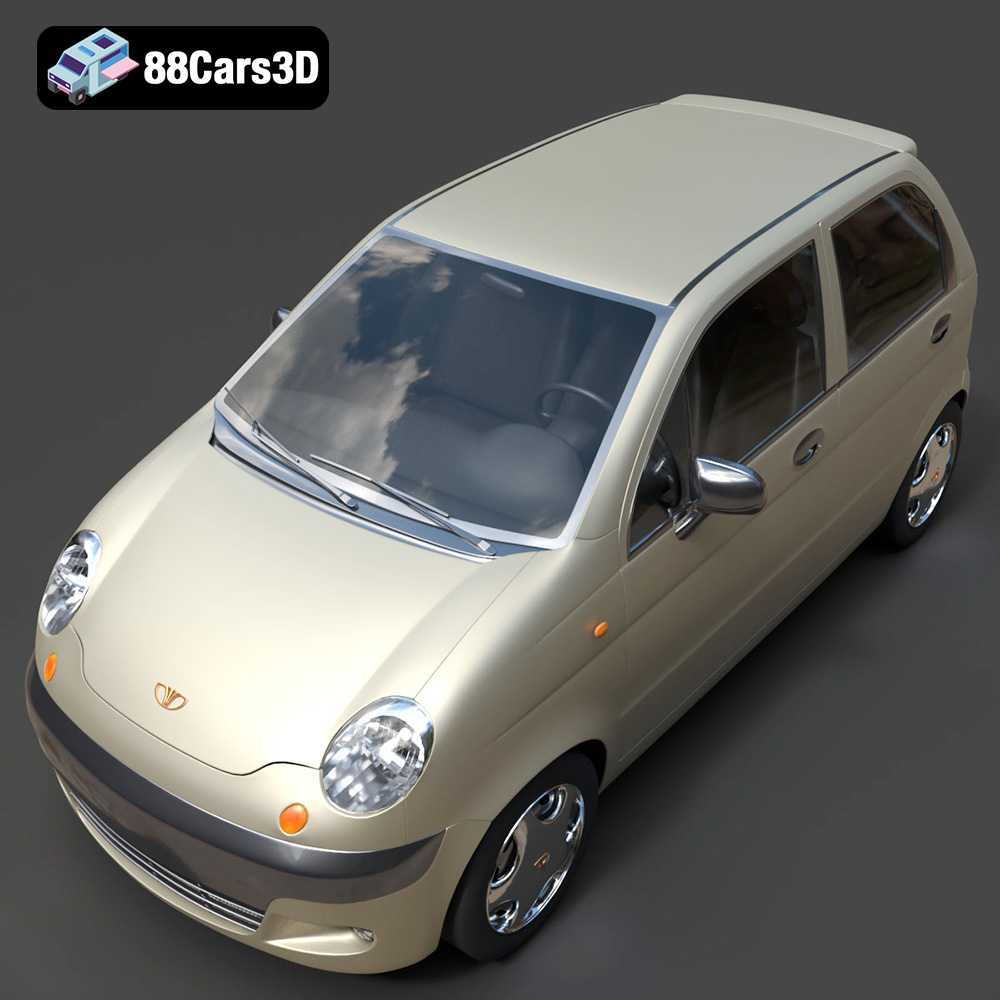
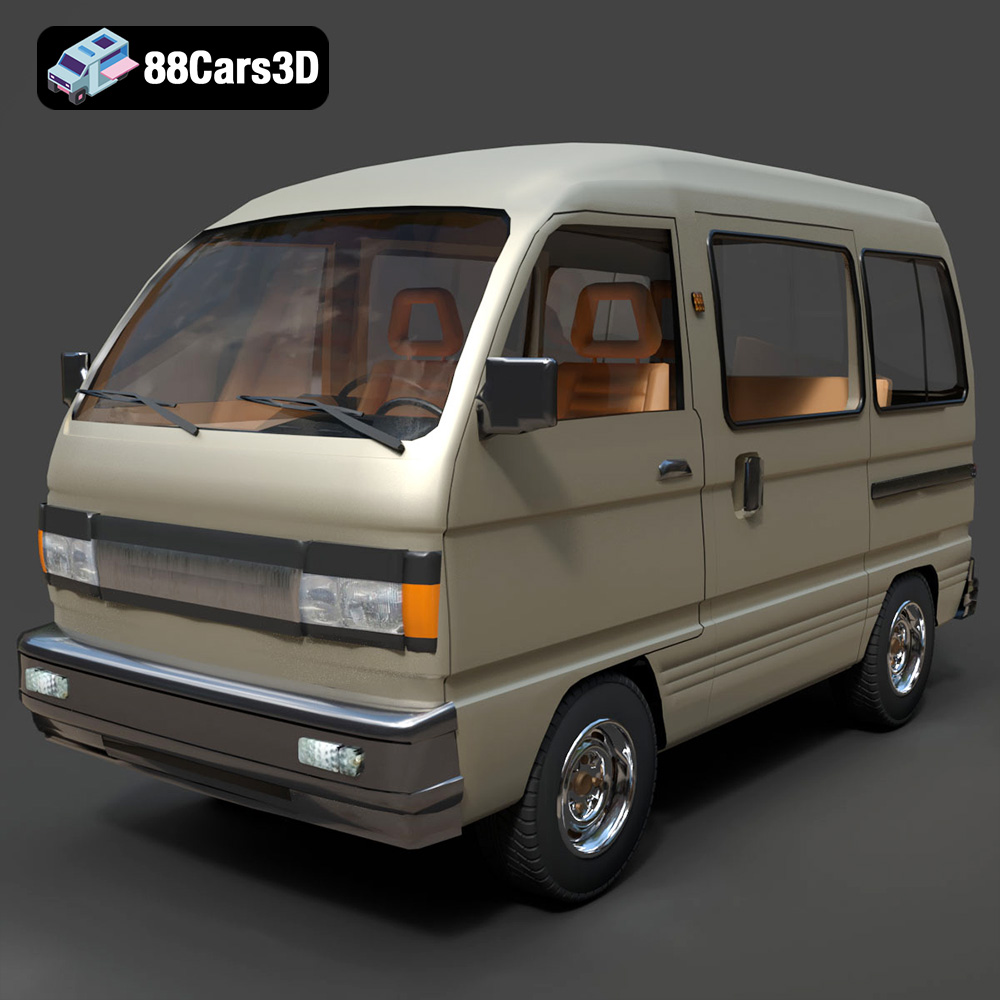
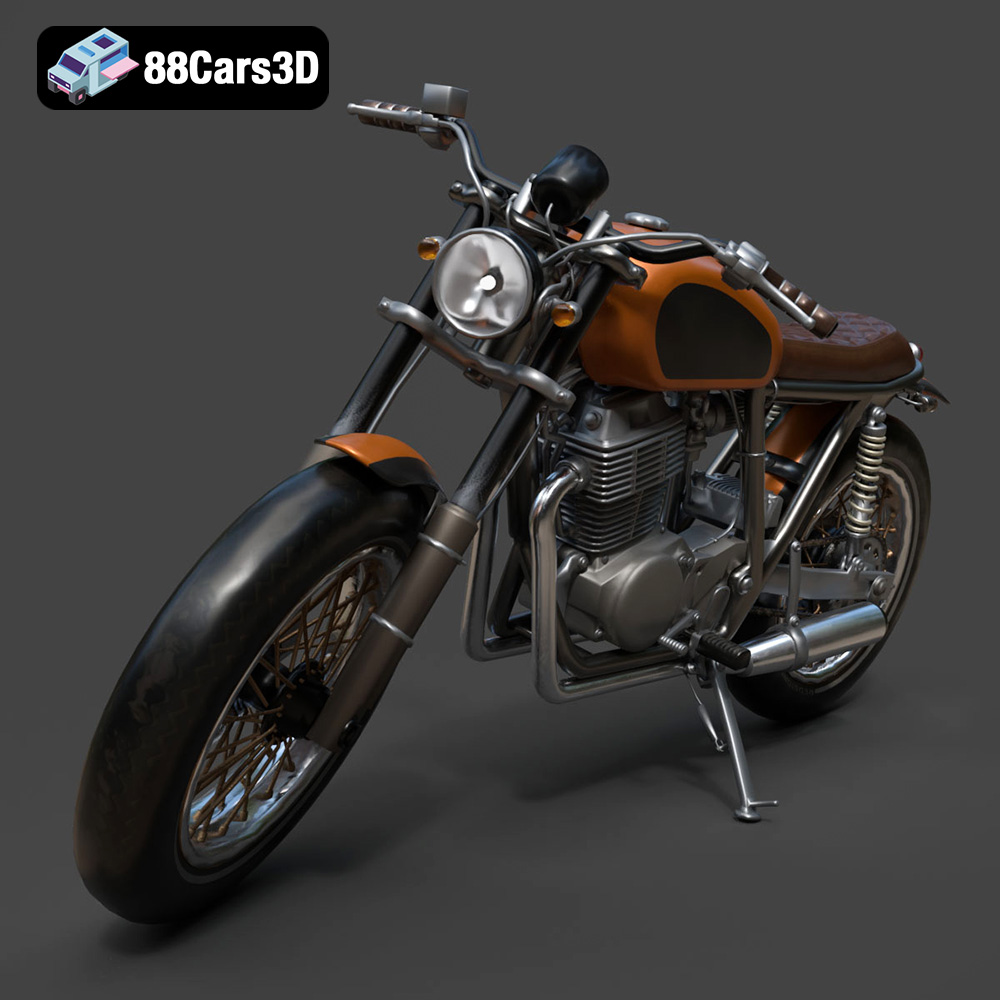
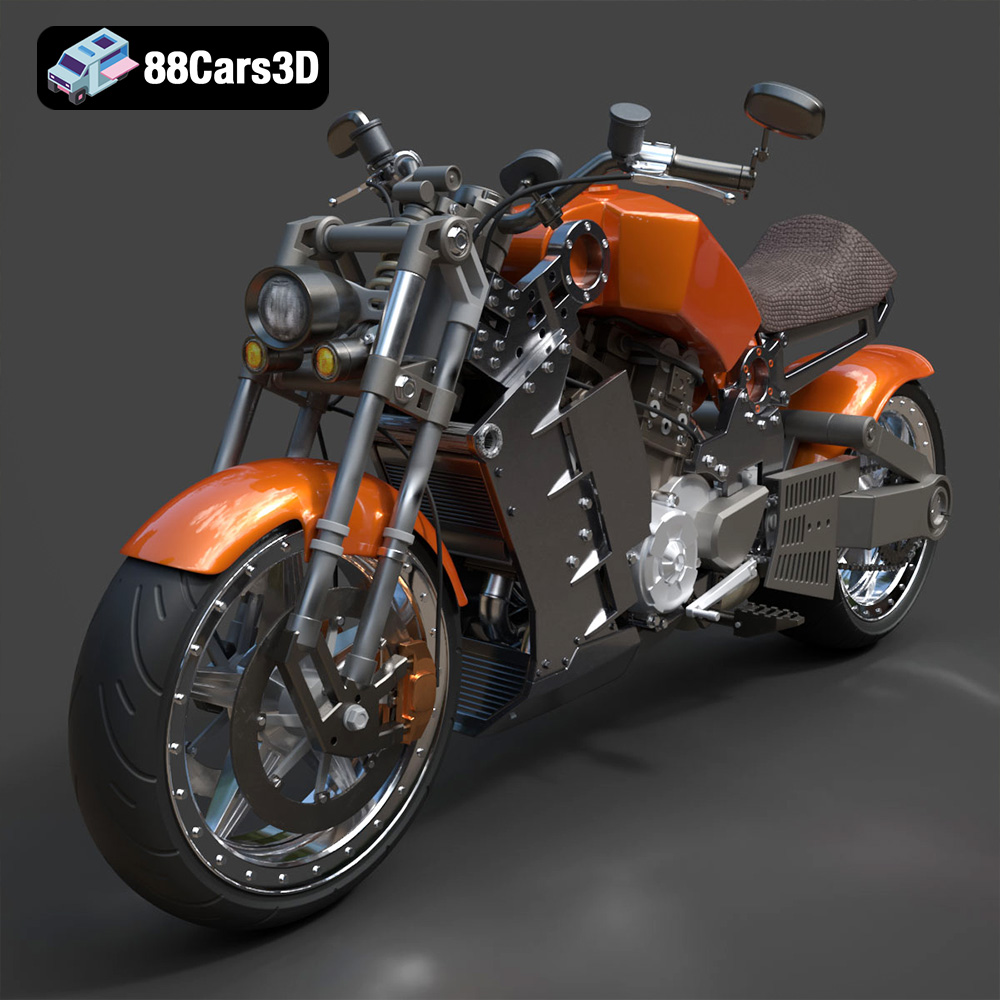
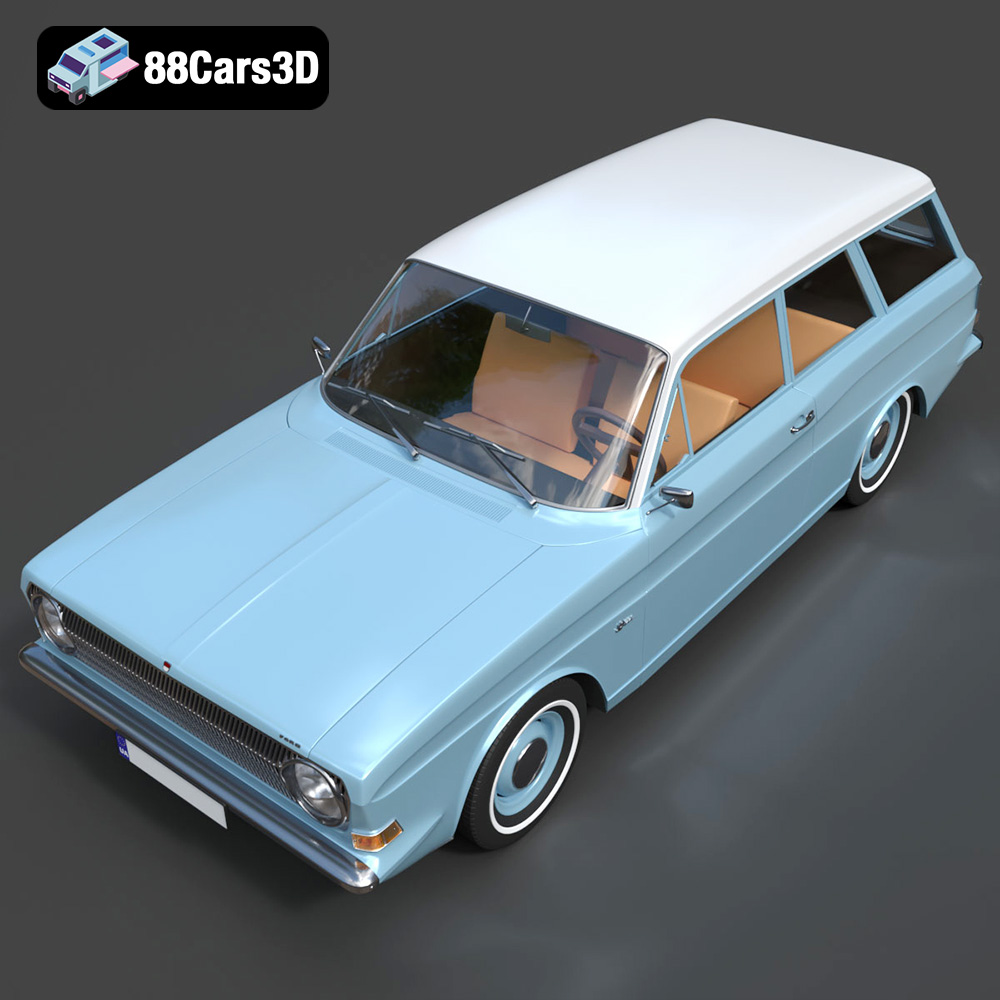
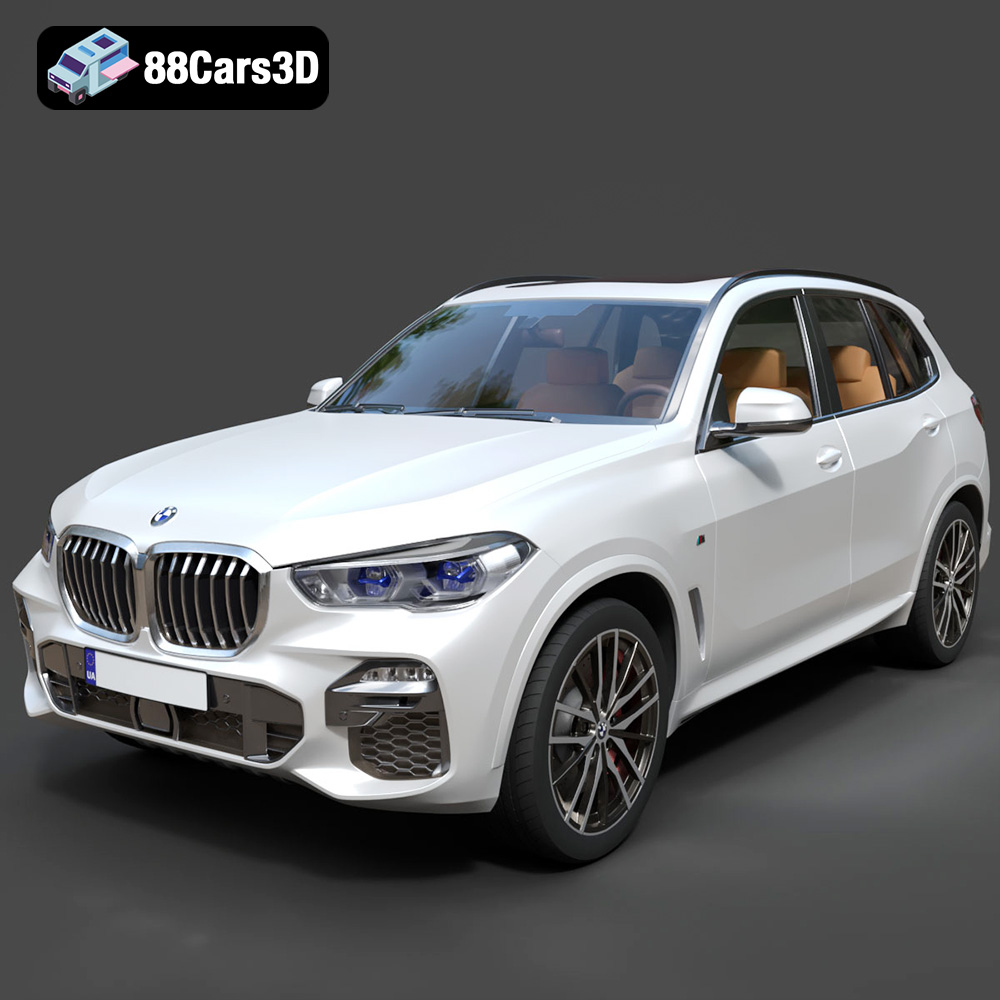
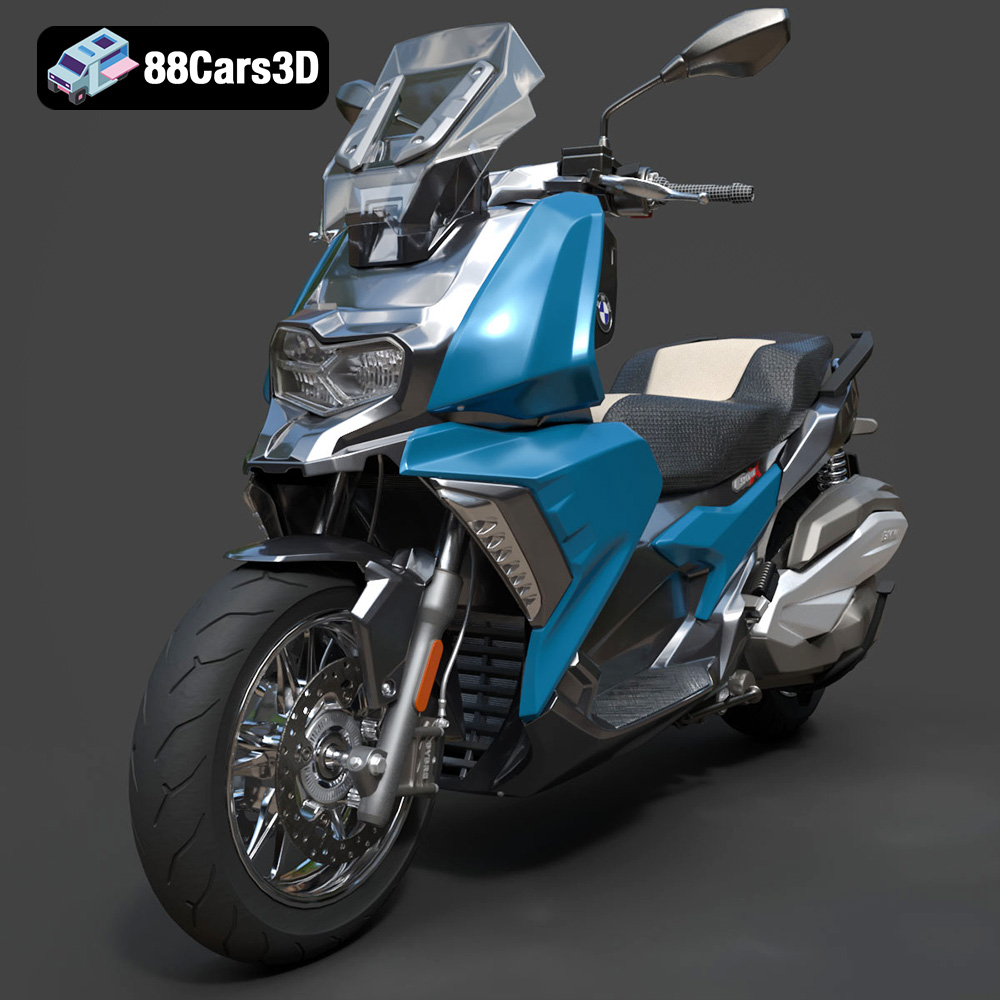
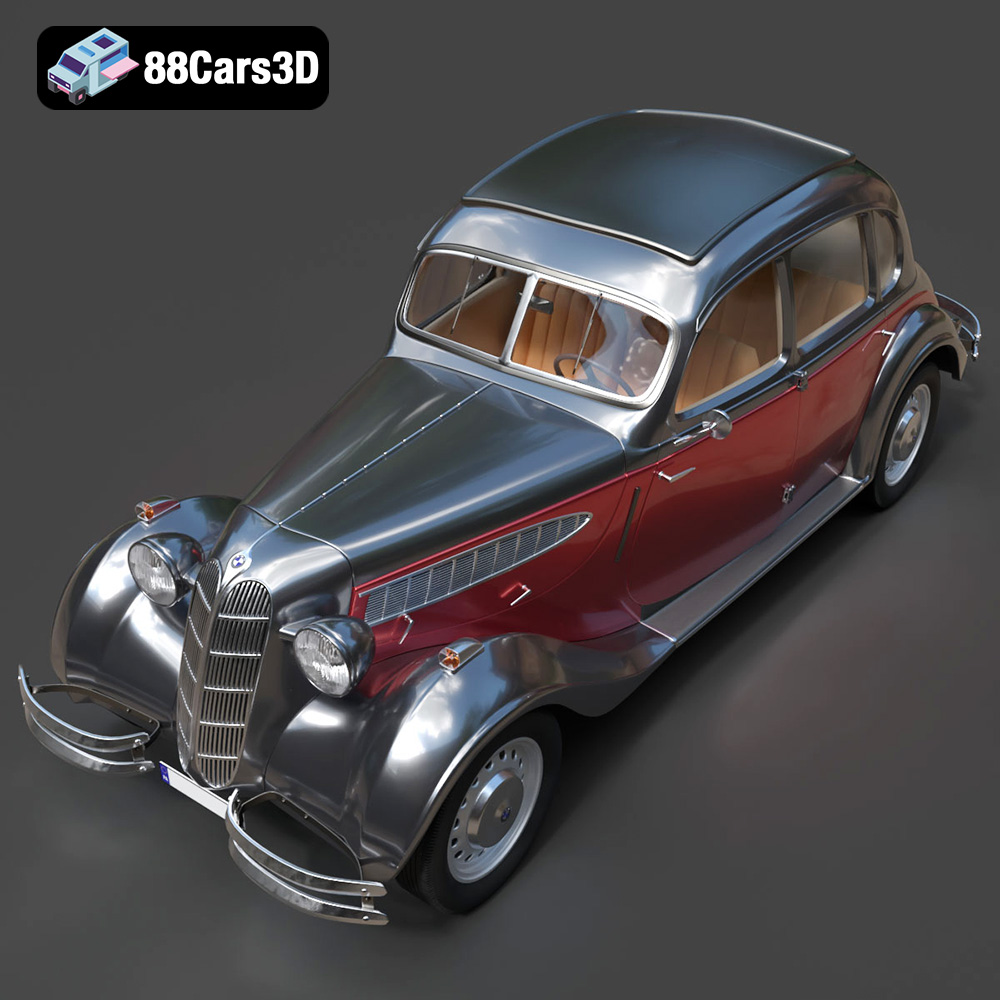
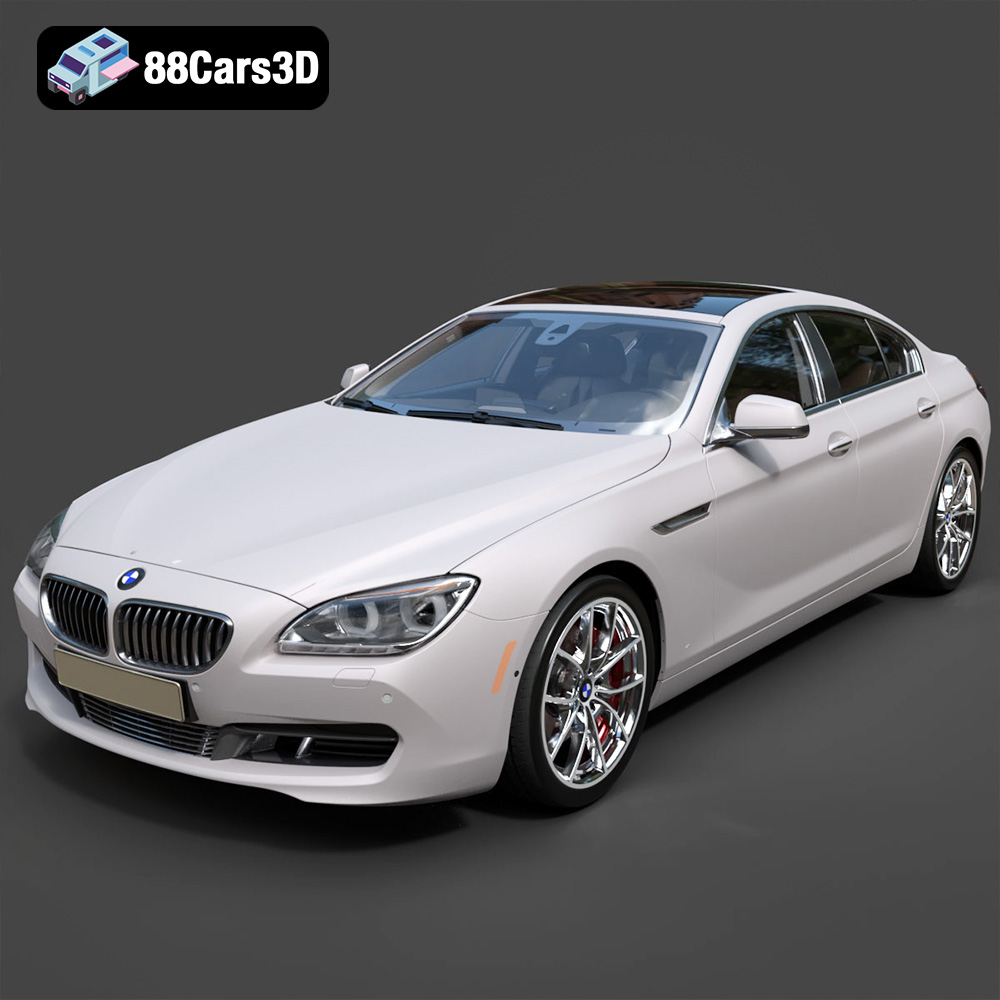
Get 50% OFF All Premium 3D & STL Models!

In the rapidly evolving digital landscape, the demand for realistic and technically precise 3D car models has never been higher. From breathtaking cinematic visuals and immersive virtual reality experiences to high-performance automotive configurators and cutting-edge video games, these digital assets form the backbone of countless modern applications. Creating a truly convincing digital vehicle requires a deep understanding of modeling, texturing, rendering, and optimization – a multidisciplinary craft that blends artistry with rigorous technical specifications.
This comprehensive guide delves into the intricate world of 3D car models, exploring the essential technical aspects, workflows, and considerations for achieving stunning results across various industries. Whether you are an architectural visualization artist seeking unparalleled realism for a showroom, a game developer optimizing performance for real-time environments, or a product designer iterating on future concepts, understanding the nuances of these assets is paramount. We will cover everything from critical file formats to advanced rendering techniques and game engine integration, ensuring you have the knowledge to select, prepare, and deploy high-quality assets effectively.
The journey with any 3D car model often begins with selecting the correct file format. Each format serves specific purposes, offering unique advantages regarding data preservation, software compatibility, and target application. Choosing the right one is crucial for a smooth workflow and optimal results, whether for automotive rendering or integration into game assets.
The .blend file format is native to Blender, the powerful open-source 3D creation suite. A .blend file encapsulates an entire Blender scene, including mesh data, materials (Blender’s Cycles or Eevee shaders), textures, lighting, cameras, animations, and even physics simulations. Its primary advantage is retaining full editability within Blender, making it ideal for users who wish to customize, modify, or animate the model within its native environment. For high-quality 3D car models, a .blend file from a marketplace like 88cars3d.com often provides the most comprehensive starting point for Blender users, offering access to the original scene setup, modifiers, and intricate material networks.
Developed by Autodesk, the .fbx (Filmbox) format has become an industry standard for interoperability, particularly in game development and real-time visualization. It efficiently stores 3D model data, including geometry, materials (often simplified PBR setups), textures, animations, and skeletal rigs. Its strength lies in its ability to transfer complex scene data between different 3D software (like 3ds Max, Maya, Blender, Cinema 4D) and game engines (Unreal Engine, Unity) with high fidelity. When acquiring game assets, .fbx is often the go-to format due to its robust support for animation and its optimized structure for real-time pipelines, making it an excellent choice for converting detailed 3D car models into engine-ready assets.
The .obj (Wavefront Object) format is one of the oldest and most universally supported 3D file formats. It primarily stores geometric data (vertices, normals, texture coordinates) and references external material files (.mtl) for basic shading properties and texture paths. While it doesn’t support advanced features like animation, rigging, or complex material networks natively, its simplicity and widespread compatibility make it an excellent choice for basic mesh exchange between almost any 3D software. For archived 3D car models or when a straightforward mesh transfer is needed, .obj remains a reliable option, though you’ll typically need to re-create advanced materials in your target application.
The .glb (GL Transmission Format Binary) is the binary version of glTF, a royalty-free specification for 3D scenes and models. It is specifically optimized for efficient transmission and loading of 3D content in web browsers, AR (Augmented Reality), and VR (Virtual Reality) applications. A single .glb file can encapsulate mesh data, PBR materials, textures, animations, and scene hierarchy, making it highly self-contained and performant. For interactive web experiences or mobile AR applications featuring 3D car models, .glb is the format of choice due to its compact size and native support in many modern platforms, offering a balance of visual quality and rapid loading times.
The .stl (Stereolithography) format is the standard file type for 3D printing and CAD (Computer-Aided Design) applications. It represents a 3D model as a series of connected triangles (a tessellated surface) without any color, texture, or material information. Its strength lies in its simplicity and widespread adoption in additive manufacturing. When a digital 3D car model is destined for physical fabrication, converting it to .stl is a necessary step, ensuring the geometric integrity required for accurate printing. Precision in mesh quality and manifold geometry are critical considerations when preparing models for .stl export.
The .ply (Polygon File Format) is another format for storing 3D data, particularly useful for scanned models and point cloud data. It can store not only geometry but also color information per vertex, transparency, normals, and even confidence values. While less common for general 3D car models purchased for rendering, it finds niches in scientific visualization, reverse engineering, and applications requiring highly detailed geometric analysis, often originating from 3D scanners. Its extensibility allows for a rich dataset beyond just surface geometry.
While not a direct standalone file format like .fbx or .obj, the term “.unreal” often refers to assets packaged specifically for Unreal Engine. These might be .fbx files optimized for the engine, or native Unreal Engine asset files (.uasset) that include meshes, materials, textures, and blueprints pre-configured within the engine itself. A vendor providing a “.unreal” package for 3D car models typically means it’s an engine-ready asset with PBR materials already set up, collision meshes implemented, and potentially LODs (Levels of Detail) configured. This significantly accelerates the integration process for game developers, offering a plug-and-play solution for high-quality game assets.
Similar to .blend for Blender, the .max file format is native to Autodesk 3ds Max, a leading professional 3D modeling, animation, and rendering software. A .max file contains the complete scene data, including geometry, materials (V-Ray, Corona, Standard Max shaders), lights, cameras, modifiers, and animation. For professionals working in architectural visualization, product design, or high-end automotive rendering, a .max file provides full access to the original scene setup, allowing for comprehensive customization and optimization within the industry-standard environment. High-quality 3D car models available on platforms like 88cars3d.com often include .max files, giving users maximum flexibility for their rendering projects.
Achieving photorealistic automotive rendering is a highly technical discipline, requiring an understanding of advanced shading models, global illumination, and sophisticated lighting setups. It’s about meticulously recreating the way light interacts with various surfaces, from the pristine gloss of a car’s paintwork to the intricate reflections of chrome and glass.
The core of a convincing render lies in its materials. Modern renderers utilize Physically Based Rendering (PBR) workflows, where materials are defined by real-world properties like albedo (base color), roughness, metallic, normal maps, and displacement. For 3D car models, this means accurately representing paint flakes, clear coat layers, rubber textures, leather grain, and intricate headlight details. Utilizing high-resolution PBR texture sets is paramount. For instance, car paint often involves complex multi-layered shaders simulating metallic flakes under a clear coat, while tire rubber demands detailed normal and displacement maps to capture subtle imperfections and tread patterns. Expertly crafted 3D car models from reputable sources like 88cars3d.com come with PBR-ready materials, significantly reducing the setup time for stunning renders.
Lighting is the sculptor of form and emotion in rendering. For automotive rendering, High Dynamic Range Images (HDRIs) are indispensable. An HDRI provides both background imagery and realistic global illumination, bathing the car in light derived from a real-world environment. Combining HDRIs with targeted area lights, spot lights, and photometric lights allows artists to highlight specific features, control reflections, and add dramatic flair. Simulating studio lighting setups with softboxes and light planes is common for promotional shots, while exterior scenes benefit from accurate sun-and-sky systems integrated with the HDRI for natural illumination and shadows. Understanding how to balance these light sources to reveal the car’s contours and materials is a hallmark of professional rendering.
The raw render is rarely the final product. Post-processing in tools like Adobe Photoshop or Affinity Photo is crucial for elevating a render from good to outstanding. This involves color grading, adjusting contrast, adding bloom or lens flare effects, sharpening details, and introducing atmospheric elements like subtle haze or depth of field. Compositing multiple render passes (e.g., reflection pass, shadow pass, ambient occlusion pass) provides granular control over individual elements, allowing for non-destructive adjustments and enhanced realism. The judicious application of these techniques can make a significant difference in bringing a static 3D car model to life, ensuring it sits seamlessly within its rendered environment.
While photorealism is the goal in offline rendering, game development prioritizes performance. Game assets, especially complex ones like 3D car models, must be meticulously optimized to run smoothly in real-time engines without compromising visual quality. This involves a delicate balancing act of poly count, texture resolution, and efficient material setups.
A high-fidelity render model might have millions of polygons, which is unsustainable for a real-time game engine. Game-ready 3D car models require careful poly count management, often ranging from 50,000 to 300,000 triangles for a hero vehicle, depending on the platform and visual target. A crucial technique is using Level of Detail (LODs). This involves creating multiple versions of the same model, each with a progressively lower poly count. As the car moves further from the camera, the engine switches to a lower-detail LOD, saving significant processing power. Proper LOD generation, ensuring smooth transitions and minimal visual popping, is a skill that separates high-quality game assets from unoptimized ones.
Efficient UV mapping is vital for game assets. Each part of the car needs a clean, non-overlapping UV layout to accurately apply textures without distortion. For game assets, PBR (Physically Based Rendering) texture sets (Albedo, Normal, Roughness, Metallic, Ambient Occlusion) are standard. These textures are often baked from high-resolution source models onto the optimized game mesh. Material instancing is another key optimization; instead of creating a unique material for every slightly different part (e.g., various shades of interior plastic), a single master material can be instanced, with parameters adjusted to create variations, reducing draw calls and memory usage in the game engine. Utilizing high-quality 3D car models with well-prepared UVs and PBR textures from marketplaces simplifies this process.
Beyond visual fidelity, 3D car models in games need functional components. Collision meshes, simplified low-polygon representations of the car’s body and wheels, are essential for realistic physics interactions and preventing the car from passing through environmental objects. These are often hidden from rendering but crucial for gameplay. For animated elements like suspension, doors, or steering, the model needs to be properly rigged with a skeletal system. Finally, integrating these assets with the game engine’s vehicle physics system (e.g., Unreal Engine’s Chaos Vehicles or Unity’s Wheel Colliders) requires careful parameter tuning to achieve believable handling and suspension dynamics, transforming a static model into an interactive, driving experience.
The versatility of high-quality 3D car models extends far beyond traditional visualization, impacting various industries and creating new opportunities for innovation. These digital assets are catalysts for creativity and efficiency.
Before a single physical prototype is built, 3D car models are indispensable in the automotive design process. Designers use them to iterate on concepts, refine aerodynamics, and visualize color and trim options in a virtual studio. For marketing, stunning automotive rendering is used to create captivating advertisements, brochures, and online configurators that allow potential buyers to explore vehicles in minute detail. Manufacturers leverage platforms like Unreal Engine to build real-time configurators, offering an immersive experience where customers can change paint colors, wheel designs, and interior finishes instantly. This accelerates the design cycle and significantly enhances the customer experience.
From blockbuster films to high-end virtual reality tours, 3D car models are central to cinematic quality productions. In film and animation, these models are integrated into complex scenes, performing stunts or appearing as background vehicles, often requiring extreme levels of detail and realism for close-up shots. For VR, car manufacturers create interactive showrooms where users can walk around, sit inside, and even “drive” virtual versions of their latest models. This level of immersion, powered by optimized 3D car models and advanced rendering, is transforming how products are showcased and experienced. The detailed assets found on 88cars3d.com are perfectly suited for these demanding applications.
Beyond entertainment, 3D car models are crucial for serious applications. Driving simulators for professional training, autonomous vehicle development, and virtual test drives all rely on highly accurate digital replicas. These simulations can recreate complex scenarios, test safety features, and train drivers in a safe, controlled environment. Interactive configurators, as mentioned, are becoming standard for online sales, allowing customers to customize a vehicle to their exact specifications and view it in real-time 3D, often even placing it in their own driveway via AR. These applications demand not only visually appealing models but also models structured for efficient interaction and performance.
Navigating the journey from acquiring a 3D car model to delivering a polished final output requires a structured approach and a keen eye for technical details. Understanding this workflow is key to maximizing efficiency and achieving desired results, whether your goal is high-end automotive rendering or robust game assets.
Before even downloading a model, thorough research is paramount. Examine the technical specifications provided by the vendor. Key details include the poly count (triangles/vertices), the number and type of materials, texture resolutions, UV mapping status (e.g., unwrapped, overlapping), and included file formats. For automotive rendering, look for models with detailed PBR material setups and high-resolution textures. For game assets, prioritize models with optimized poly counts, clean topology, and ideally, pre-made LODs and collision meshes. Reputable marketplaces like 88cars3d.com provide comprehensive descriptions and multiple preview images to help you make informed decisions, ensuring the model meets your project’s specific technical requirements.
Once acquired, the model needs to be imported into your Digital Content Creation (DCC) software, such as 3ds Max or Blender. If using a native format (.max or .blend), the scene should load with all elements intact. For universal formats like .fbx or .obj, you may need to relink textures and re-create materials, especially if using a renderer different from the source. This customization phase involves scaling the model to real-world dimensions, cleaning up any unnecessary geometry or stray vertices, and refining materials to suit your specific rendering engine (e.g., converting standard materials to V-Ray, Corona, or Cycles shaders). Adjusting texture tiling, adding custom decals, or even minor topological tweaks are common steps to perfectly integrate the model into your scene.
The final step is exporting the refined 3D car model for its intended destination. For game engines like Unreal or Unity, this typically involves exporting as an .fbx, ensuring that meshes are triangulated, normals are correctly oriented, and PBR textures are correctly assigned. You’ll also configure LODs and collision meshes during this export or within the engine. For high-end automotive rendering, you might export a cleaned scene to a render farm, ensuring all assets are packed or correctly linked and render settings are optimized for the target output resolution and quality. For AR/VR and web-based applications, exporting to .glb or glTF formats is crucial, balancing visual quality with file size and performance. Each pipeline has unique requirements, and mastering the export settings is critical to maintaining fidelity and efficiency.
The world of 3D car models is a complex yet incredibly rewarding domain, offering unparalleled opportunities for visualizers, game developers, and designers alike. From the precise technical considerations of choosing the right file format to the artistic mastery required for photorealistic automotive rendering, and the meticulous optimization demanded by real-time game assets, every step in the workflow contributes to the final impact of the digital vehicle.
By understanding the nuances of poly count management, PBR material creation, advanced lighting, and specific pipeline requirements, professionals can unlock the full potential of these sophisticated digital assets. The journey from concept to final output is a testament to the blend of technical expertise and creative vision that defines modern 3D production. As technology continues to advance, the demand for high-quality, meticulously crafted 3D car models will only grow, making platforms like 88cars3d.com invaluable resources for professionals seeking the best assets for their next groundbreaking project.

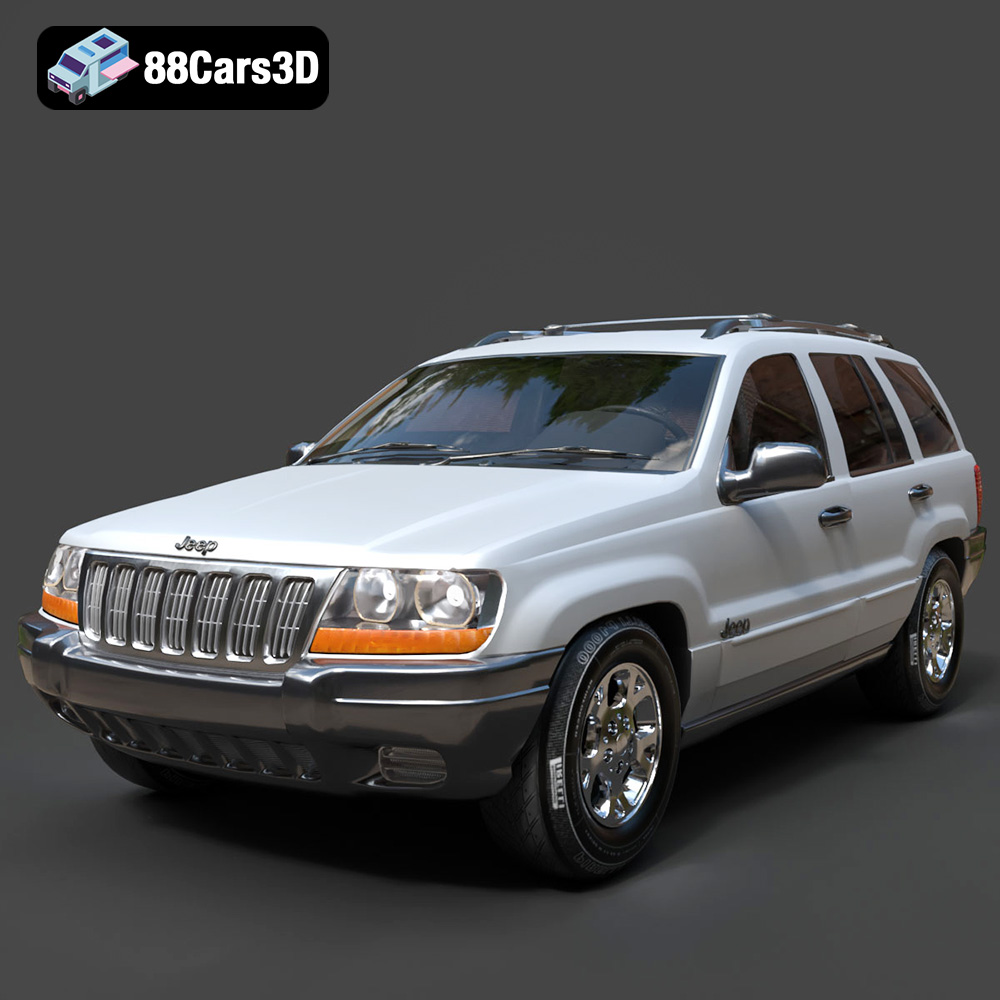
Price: $129.99
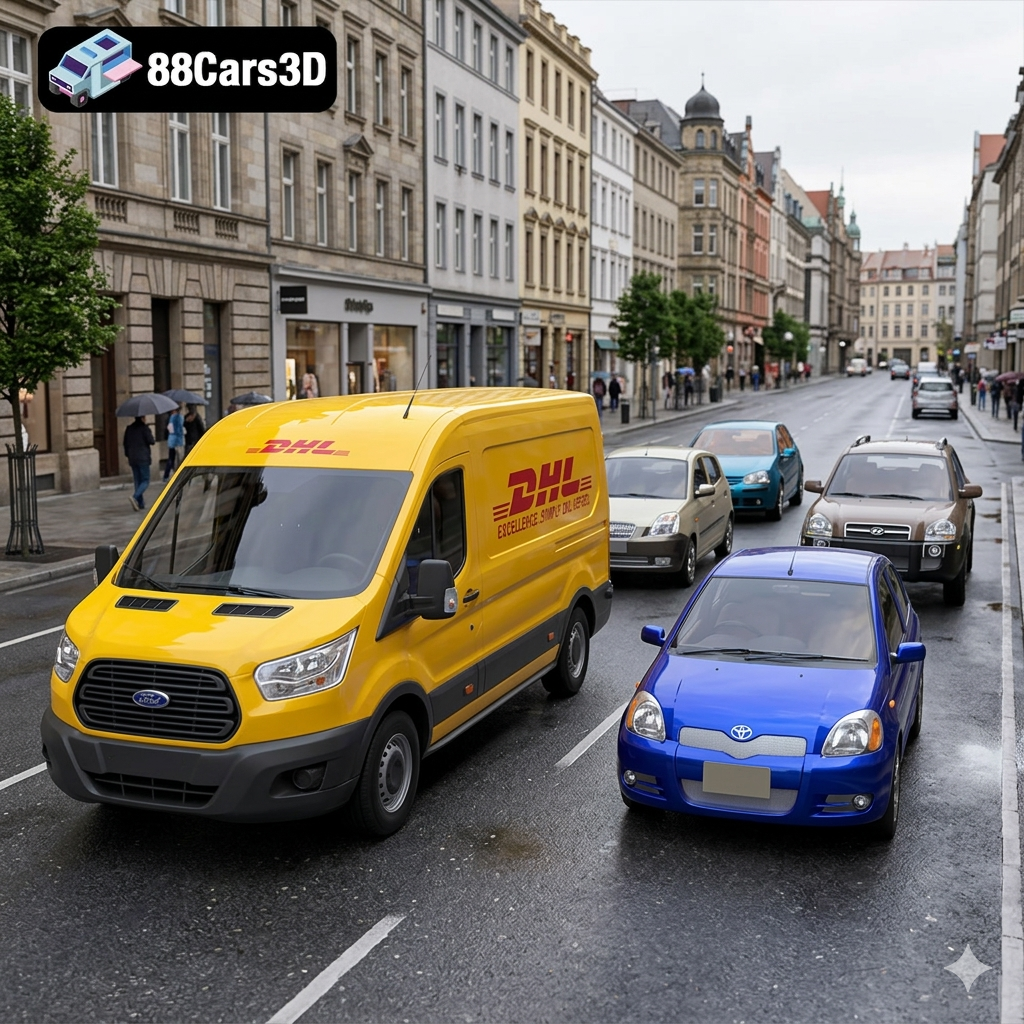
Price: $99.99
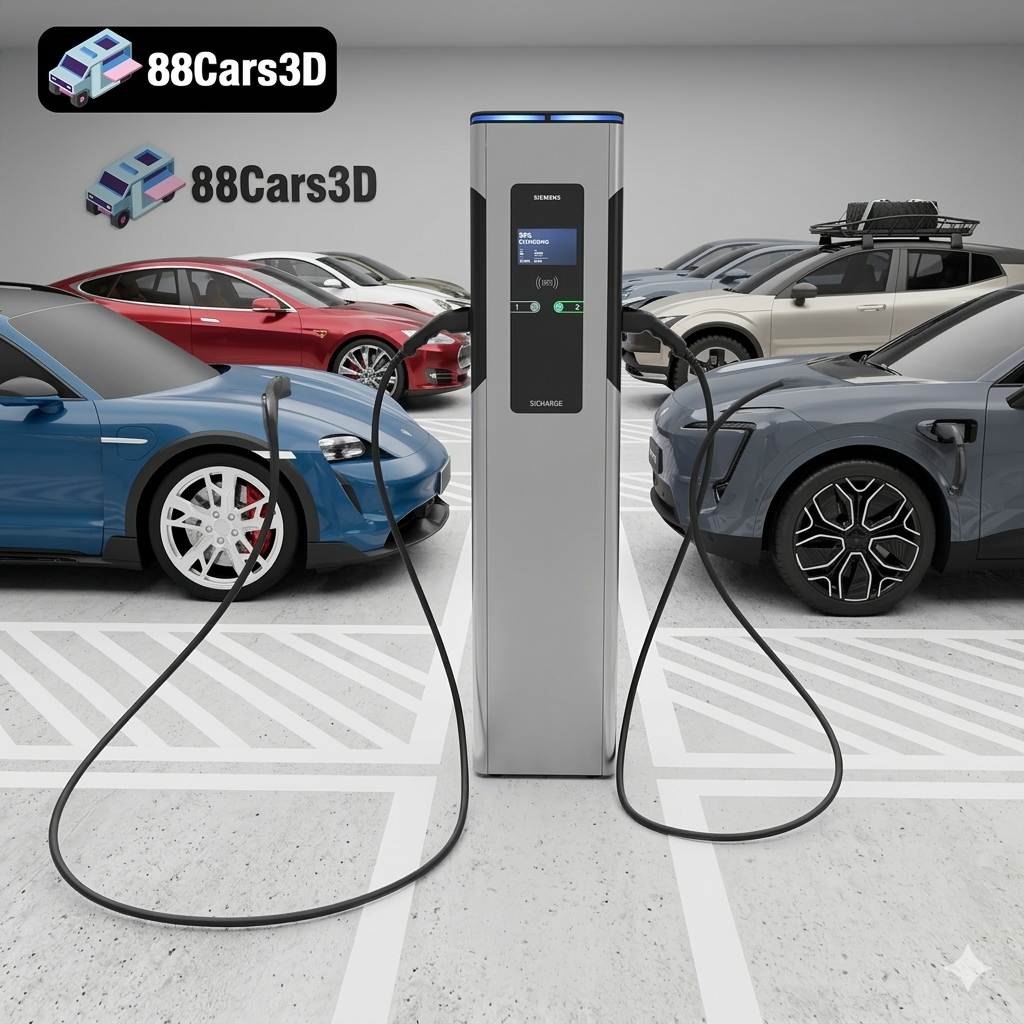
Price: $89.99