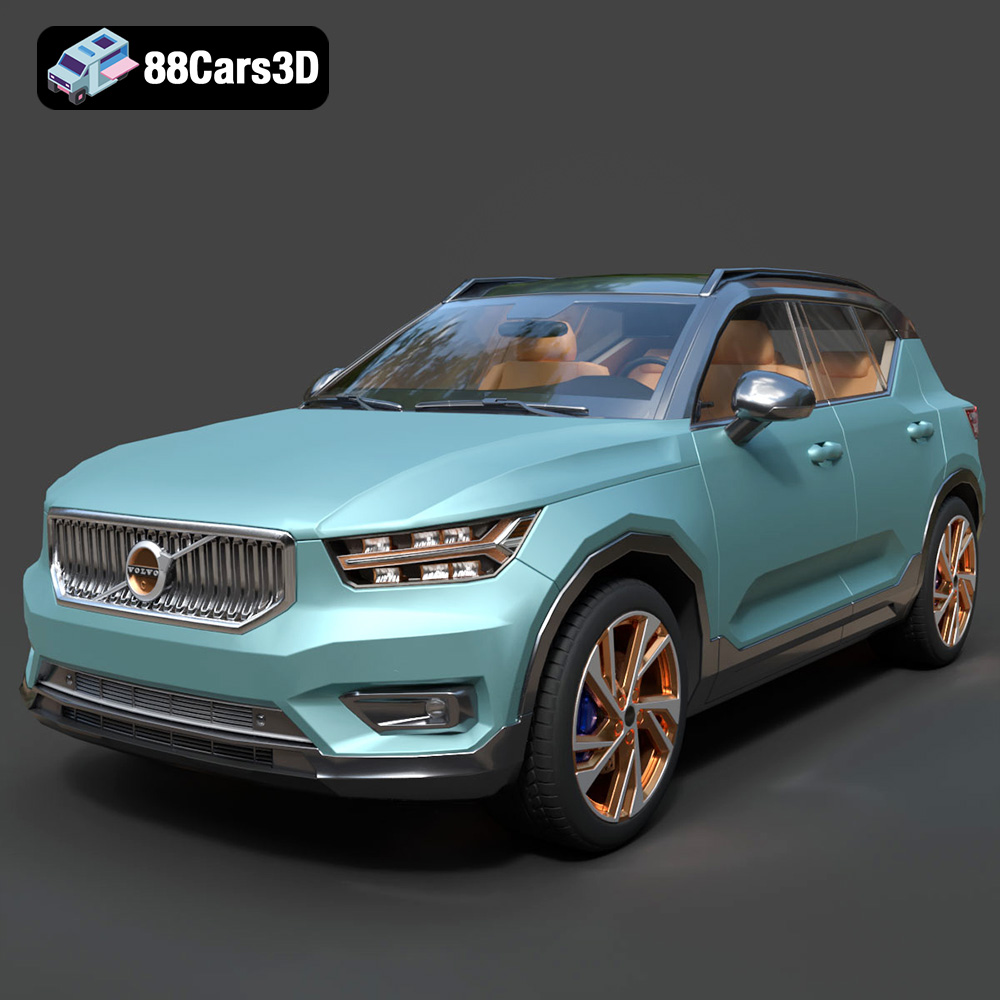
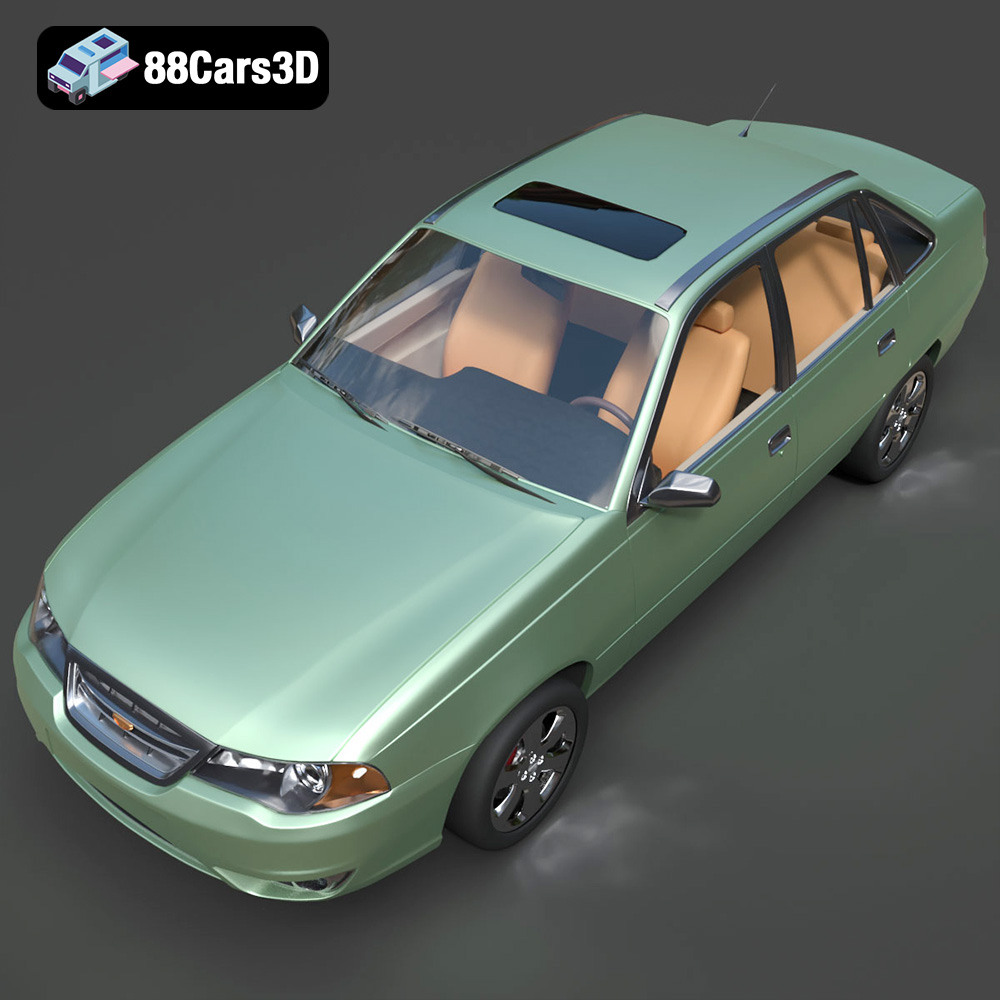
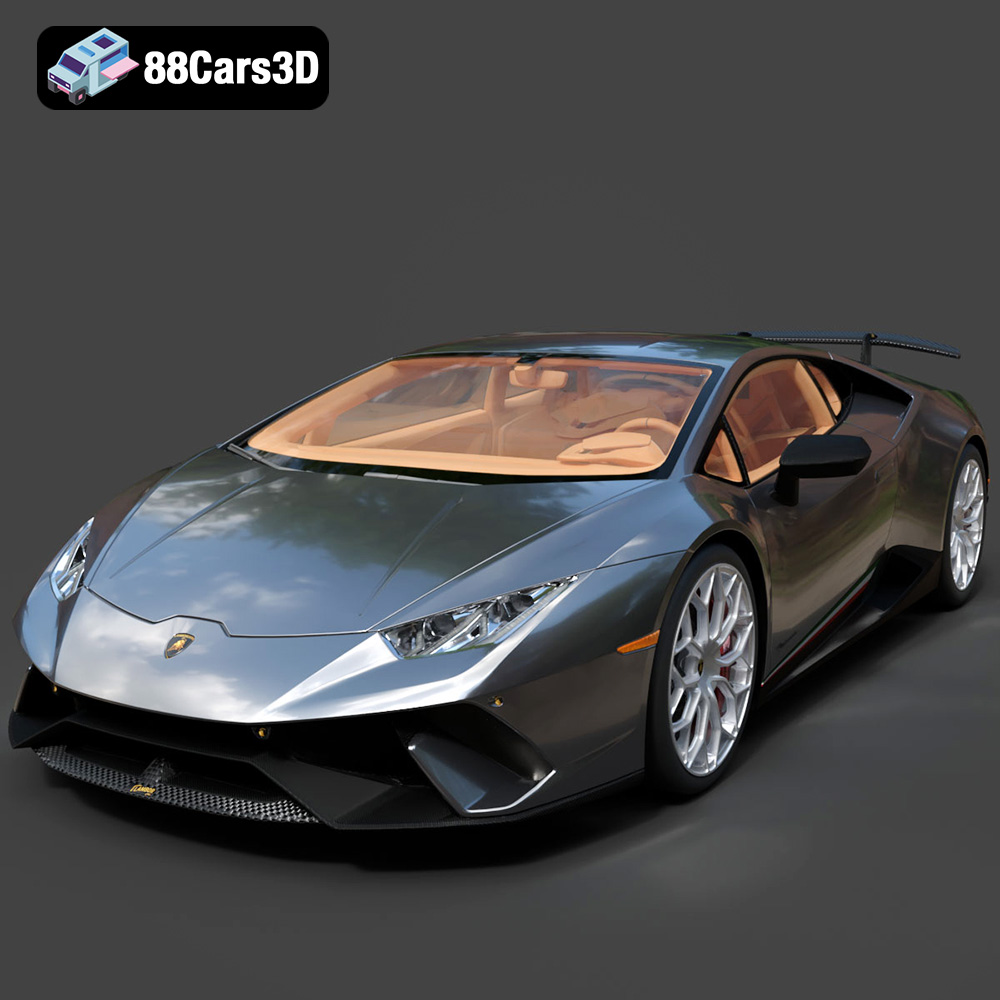
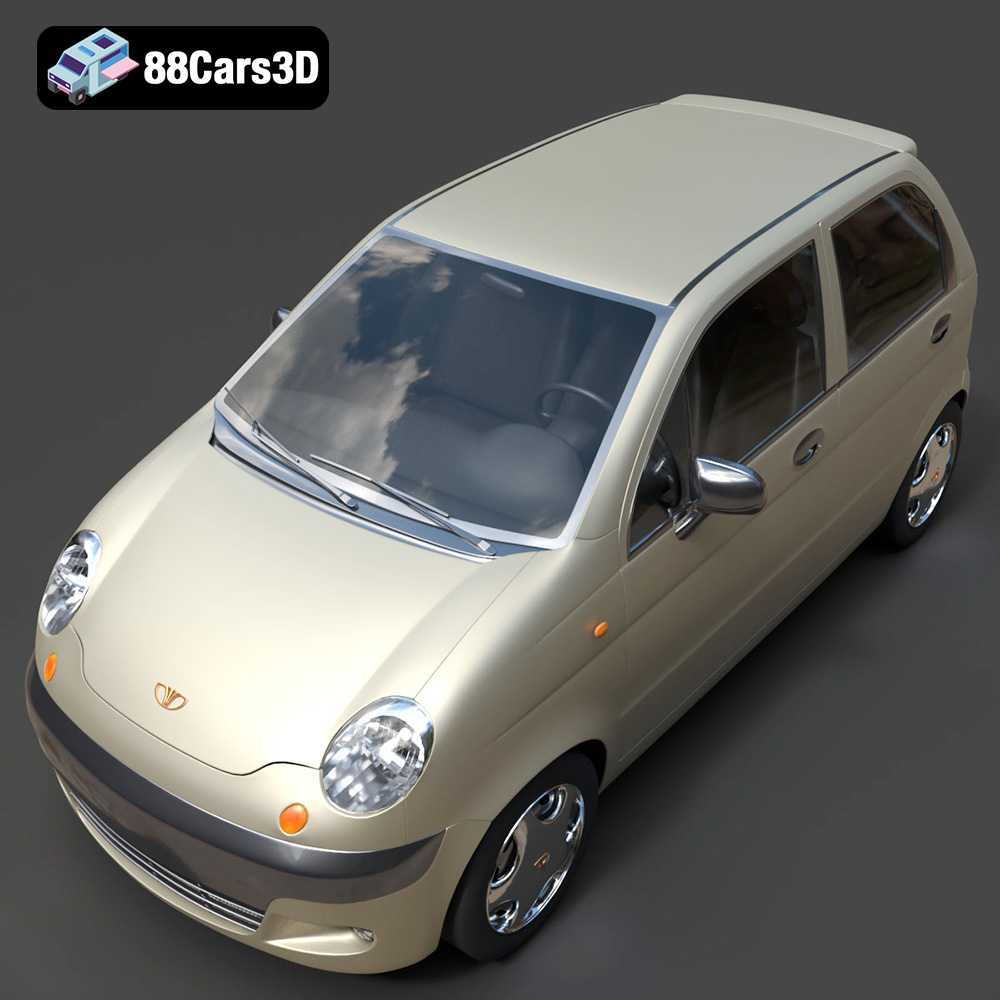
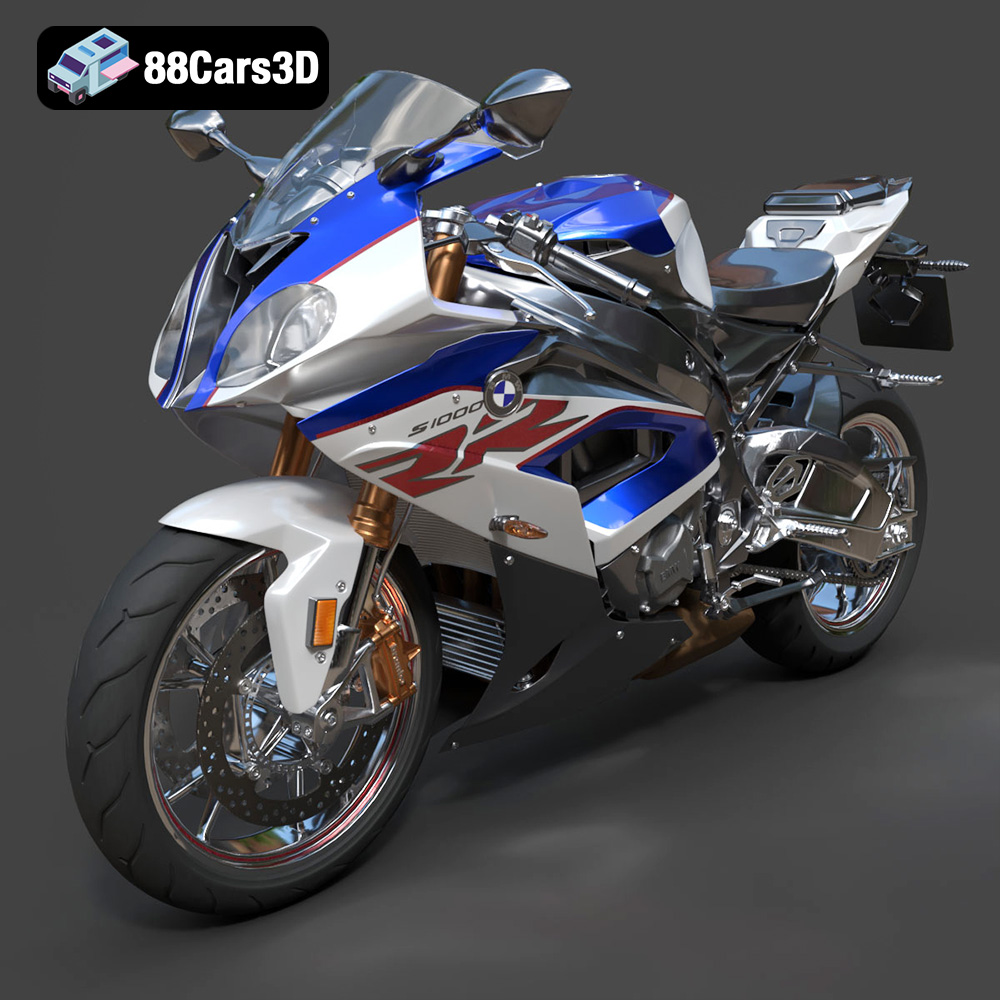
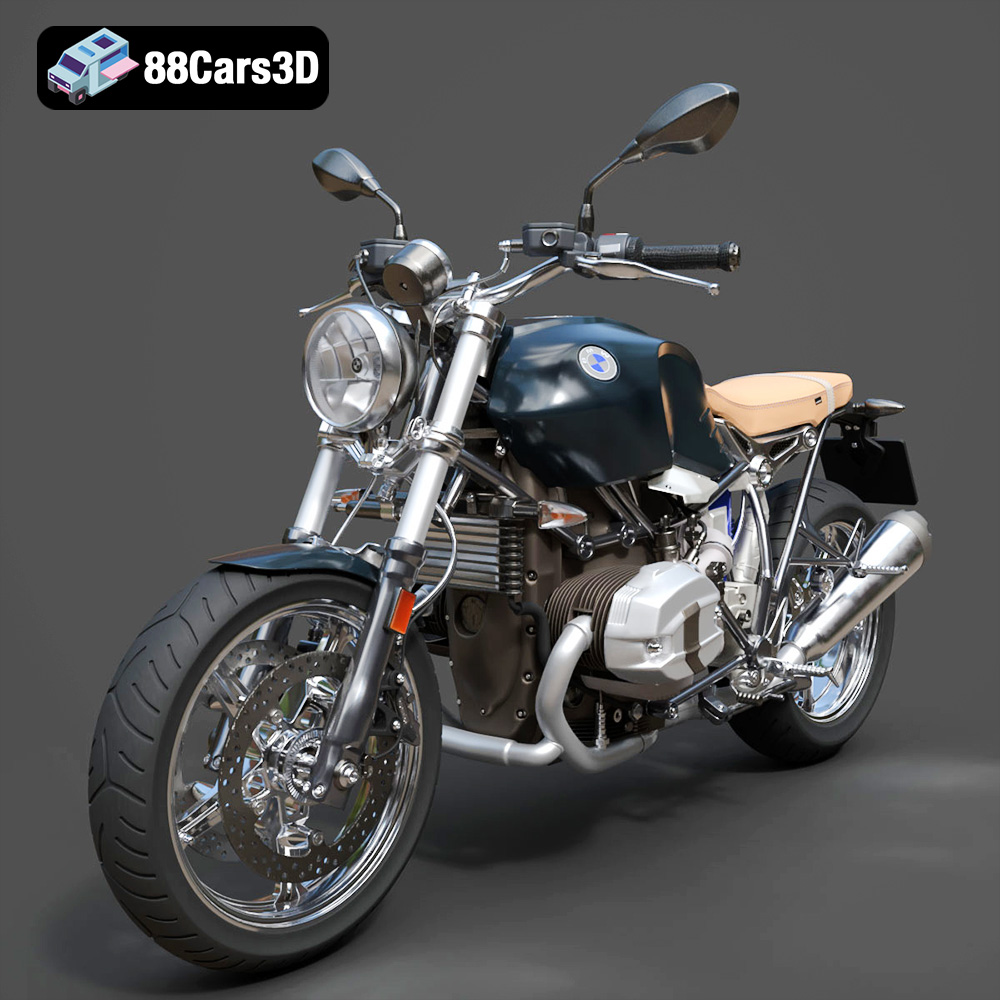
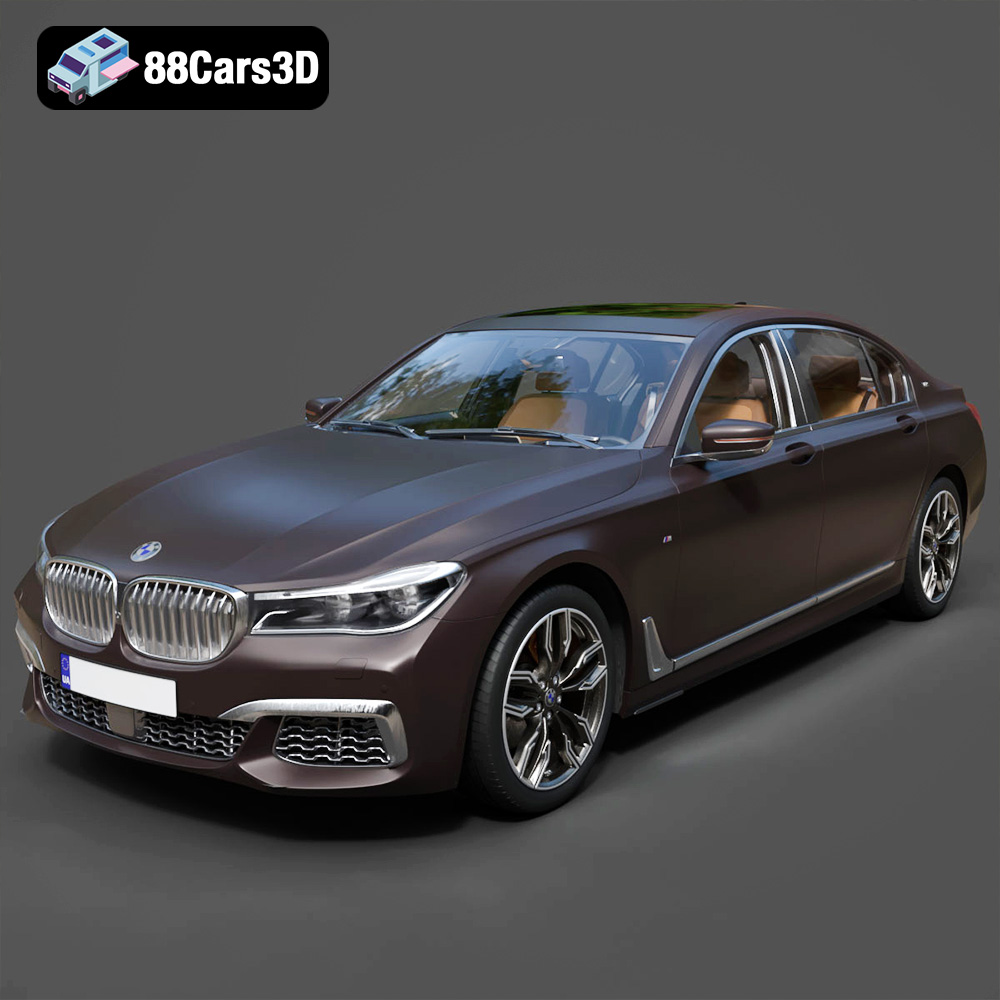
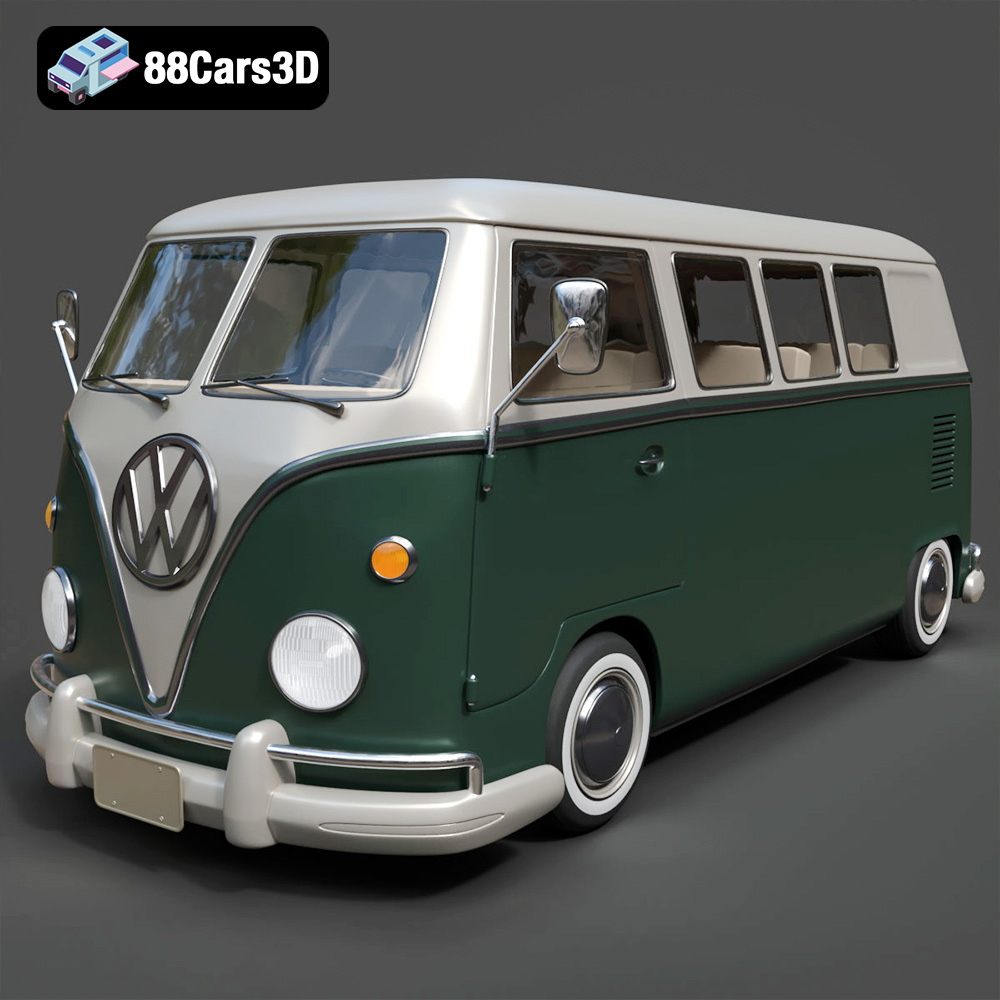
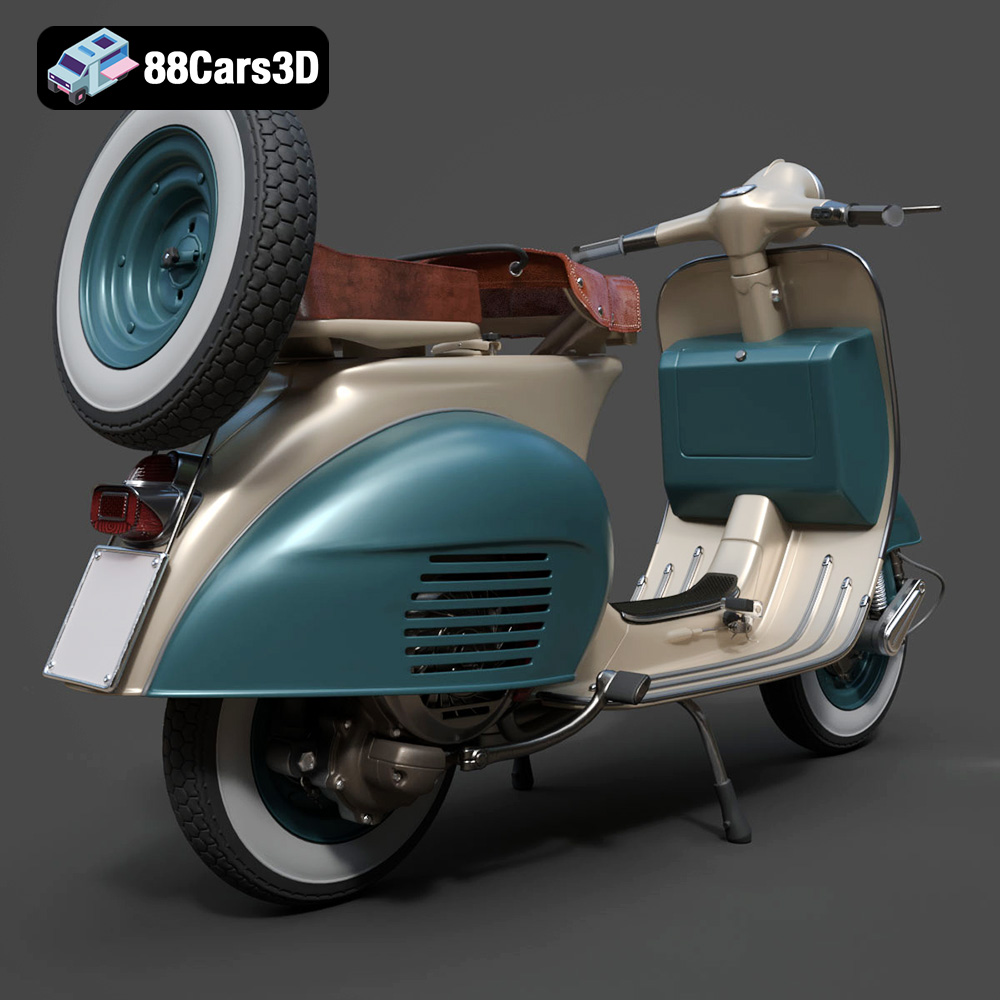
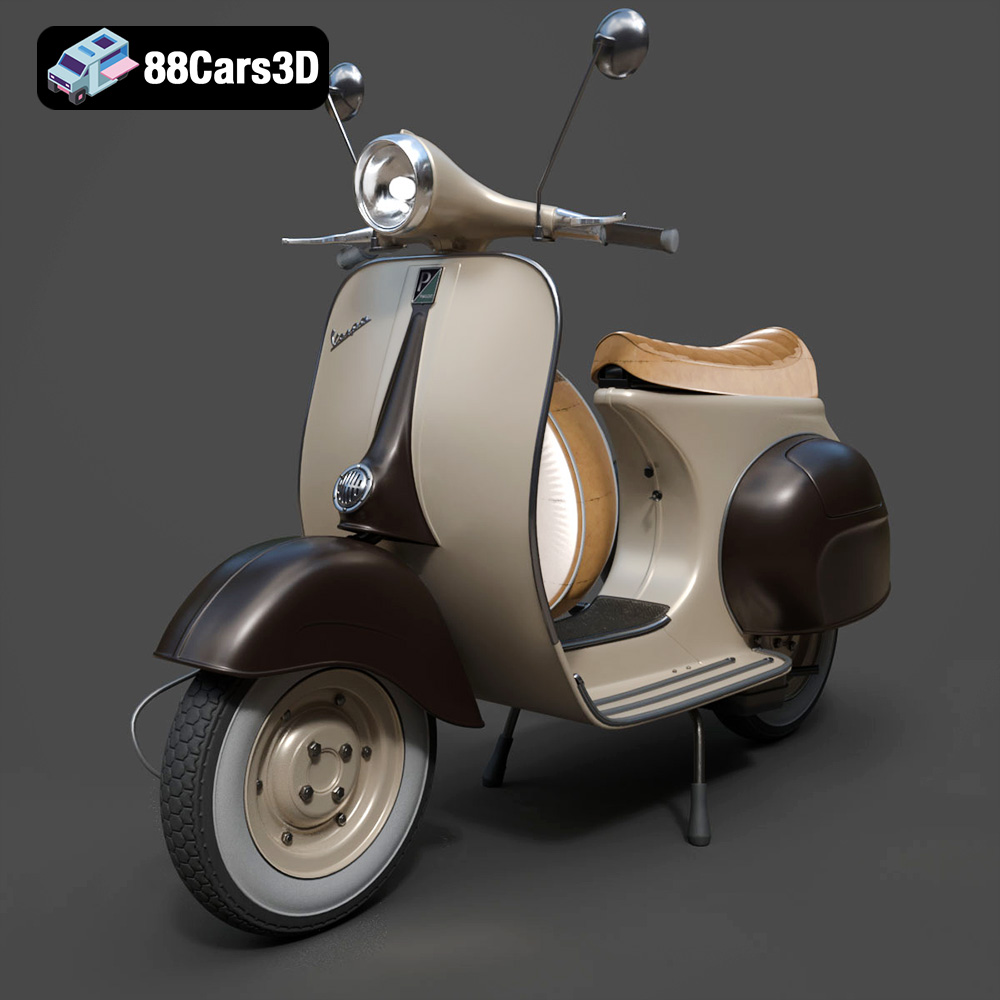
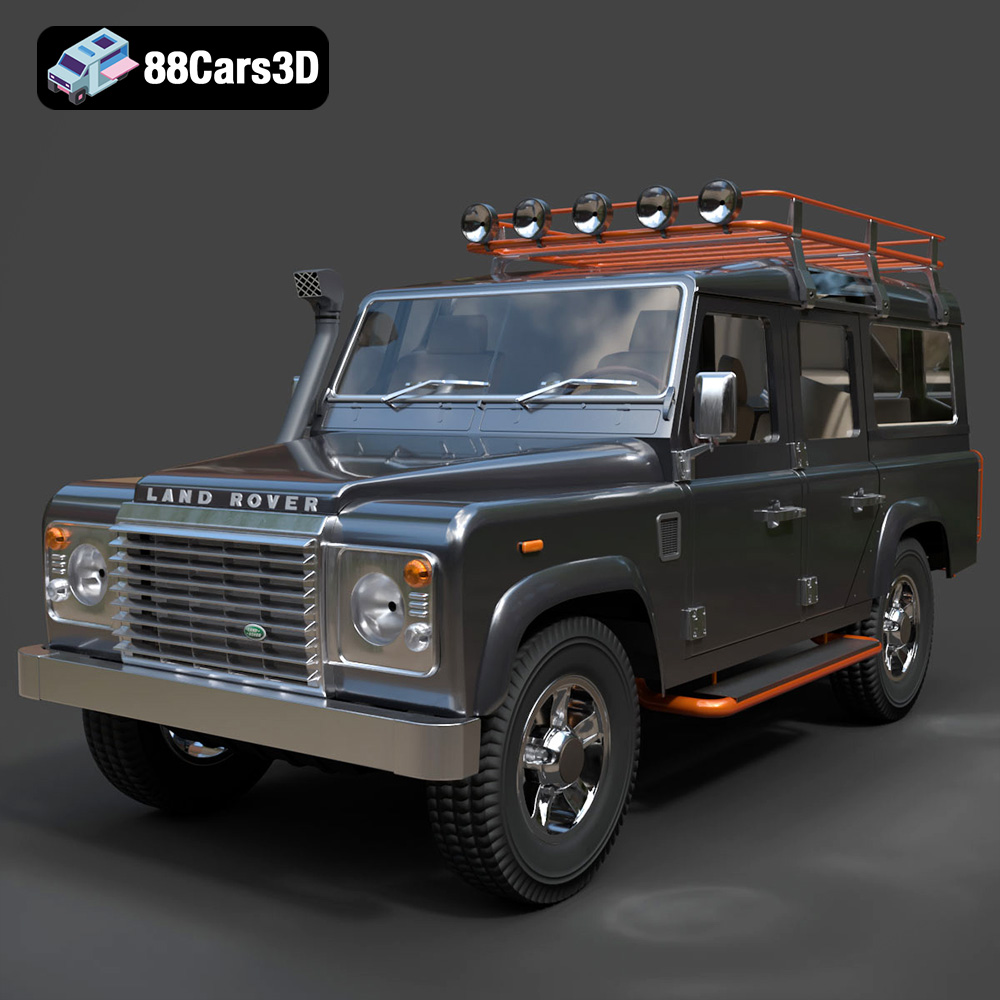
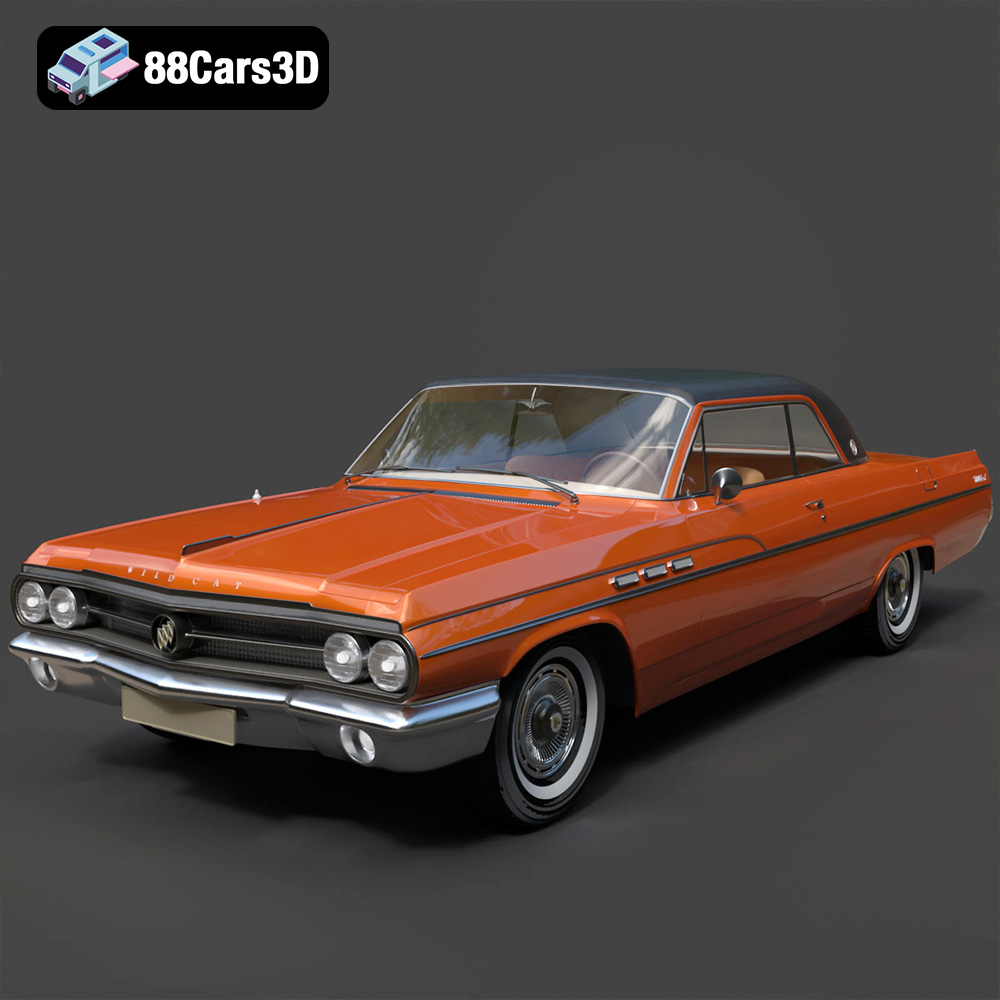
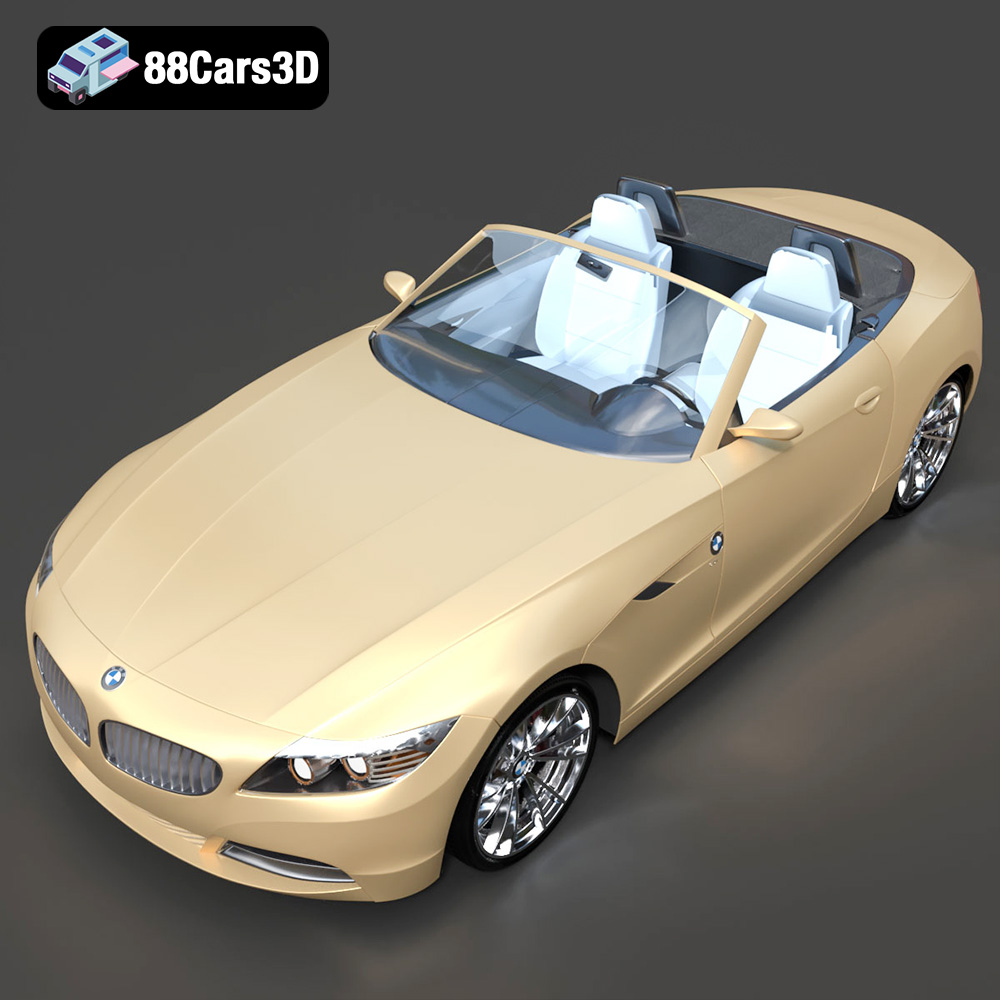
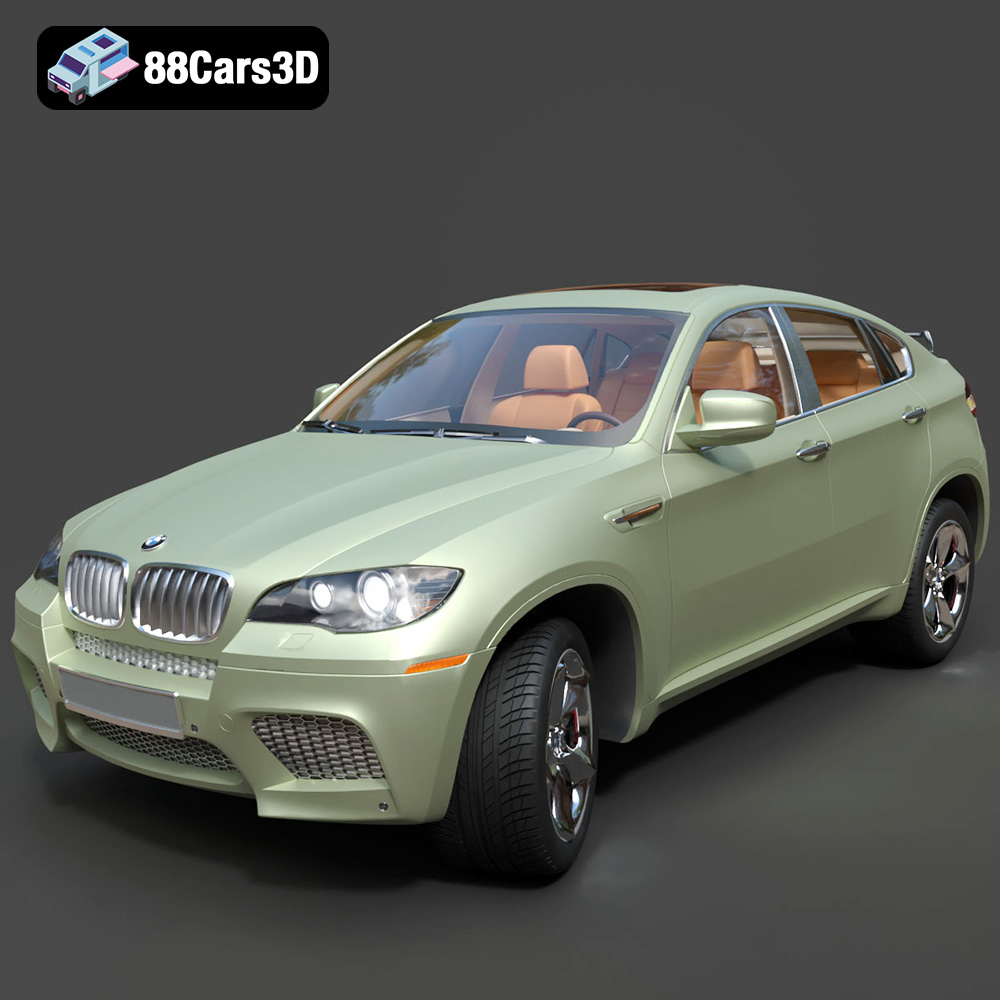
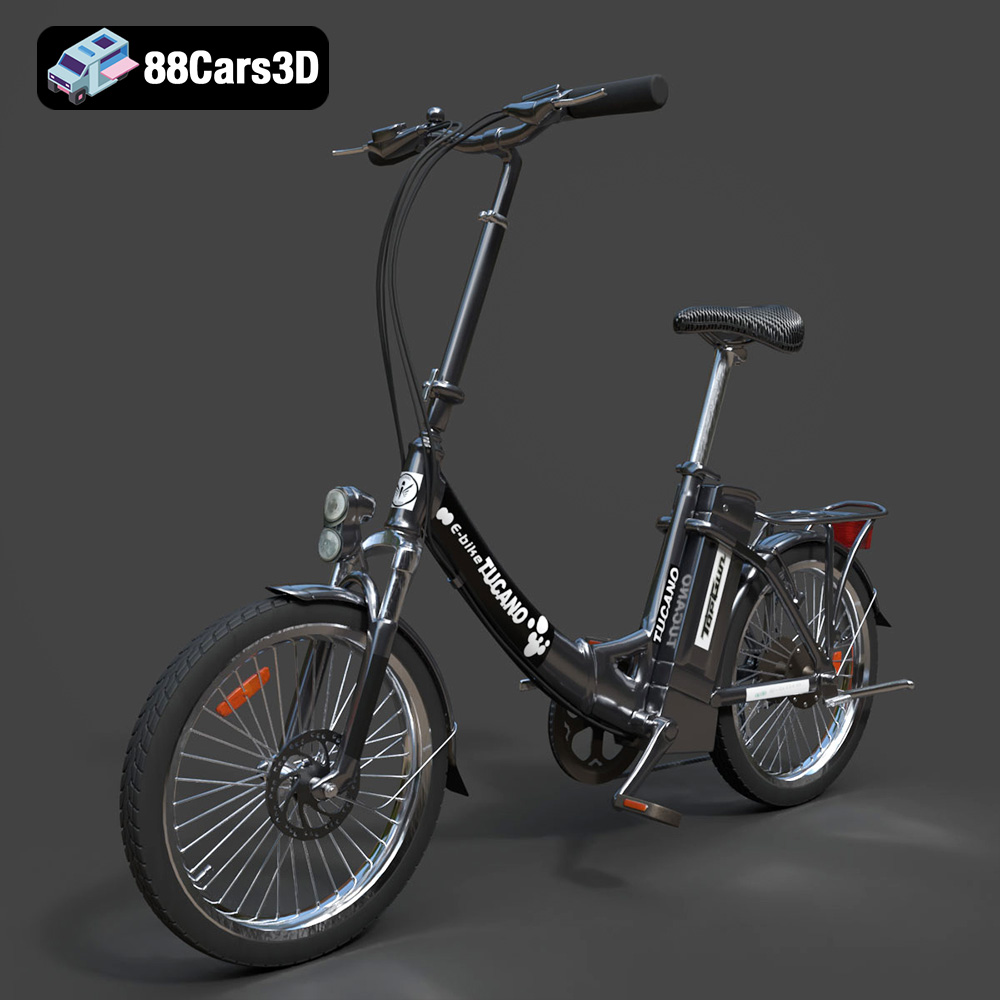
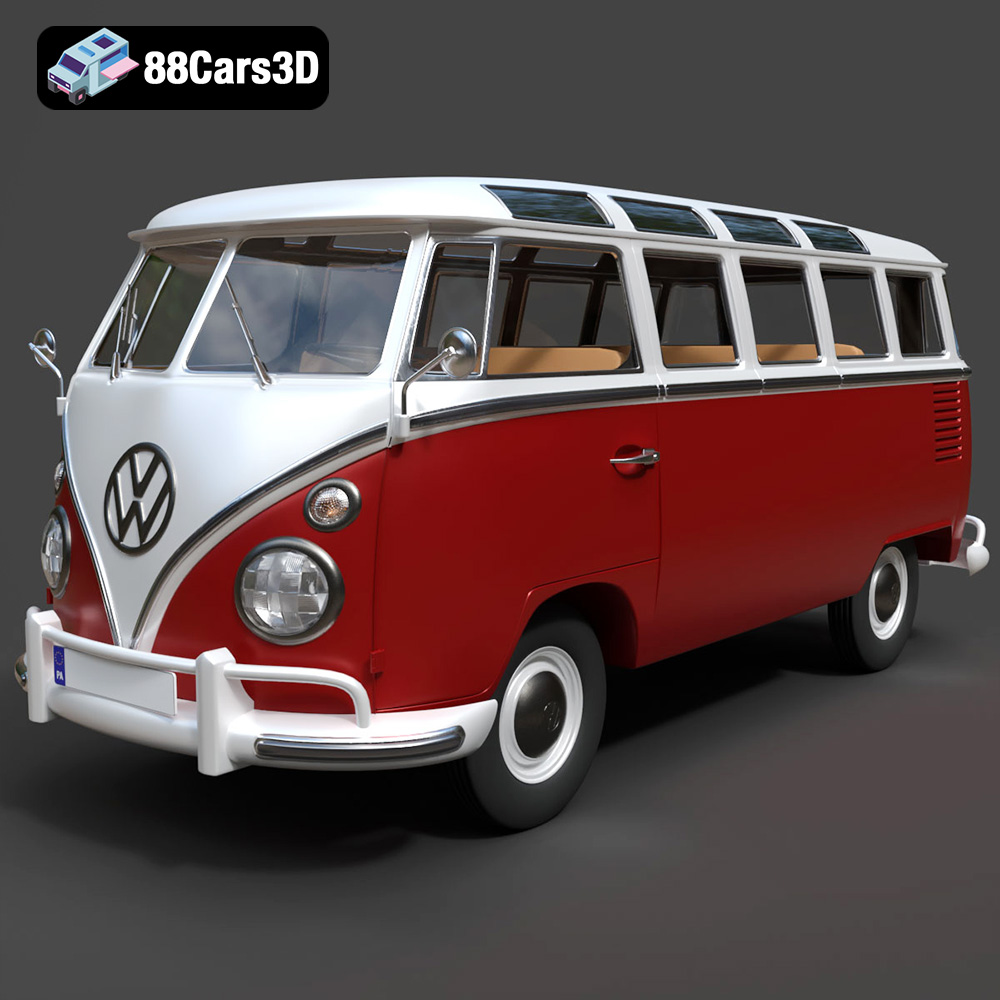
Get 50% OFF All Premium 3D & STL Models!

In the rapidly evolving landscape of digital content creation, high-quality 3D car models have become indispensable assets across a multitude of industries. From captivating cinematic sequences and ultra-realistic automotive configurators to immersive virtual reality experiences and high-performance game environments, the demand for meticulously crafted vehicular assets continues to grow. These digital representations are far more than simple visual elements; they are complex technical constructions that serve as the foundation for visualization, simulation, and interaction. Understanding the intricacies of these models, their various applications, and the technical considerations involved in their deployment is crucial for anyone looking to push the boundaries of digital realism.
At the core of any successful project involving virtual vehicles lies the quality of the 3D model itself. A premium model not only looks stunning but is also optimized for performance, compatible with various software pipelines, and designed with flexibility in mind. Whether you are an architectural visualizer needing a fleet for a street scene, a game developer populating a vast open world, or a marketing agency crafting a compelling advertisement, the right 3D car model can elevate your project from good to exceptional. This post will delve deep into the technical aspects, workflows, and diverse applications of these assets, highlighting how platforms like 88cars3d.com empower creators with access to industry-standard resources.
The choice of file format for a 3D car model is far from trivial; it dictates compatibility, functionality, and the overall efficiency of your workflow. Each format is designed with specific use cases in mind, offering unique advantages regarding data preservation, interoperability, and optimization. Navigating these options effectively is a cornerstone of professional 3D production.
The .blend format is the native file type for Blender, the powerful open-source 3D creation suite. When you acquire a .blend file, you’re not just getting a model; you’re often receiving a fully editable Blender scene. This includes the car model itself, complete with its materials, textures, lighting setups, cameras, and even animation data. For users deeply integrated into the Blender ecosystem, this format offers unparalleled flexibility. You can dissect the model, modify its topology, adjust its PBR (Physically Based Rendering) materials, or reconfigure its lighting. It’s ideal for artists who want complete control and often serves as a master file from which other formats can be exported with tailored settings.
Arguably the most ubiquitous format in 3D content creation, .fbx (Filmbox) is an Autodesk-developed format optimized for interoperability between different 3D software applications and game engines. It’s the go-to choice for transferring models, animations, cameras, and lights between software like 3ds Max, Maya, Cinema 4D, Blender, and game engines like Unreal Engine and Unity. For a 3D car model, an .fbx file will efficiently encapsulate the mesh, UV maps, materials (often as basic properties or references to external texture files), and skeletal rigs if the vehicle is set up for animation. Its robust nature makes it ideal for real-time pipelines where performance and consistent asset transfer are critical. When sourcing models from 88cars3d.com for game development, .fbx is frequently the preferred option due to its broad support and optimization capabilities.
The .obj (Wavefront Object) format is a widely supported, universal standard known for its simplicity and cross-software compatibility. It primarily stores geometric data—vertices, normals, texture coordinates (UVs), and faces—along with references to external .mtl (Material Template Library) files for basic material properties and texture maps. While it doesn’t support animation or rigging directly, its widespread adoption makes it an excellent fallback or starting point for projects requiring maximum compatibility. Many 3D car models are offered in .obj format, ensuring they can be imported into virtually any 3D application for rendering or further modification. It’s a reliable choice for static renders and archival purposes.
The .glb (GL Transmission Format Binary) format is a relatively newer standard specifically designed for efficient transmission and loading of 3D scenes and models in web browsers, AR (Augmented Reality), and VR (Virtual Reality) applications. It’s a binary container that bundles the 3D model, textures, animations, and PBR materials into a single file, reducing HTTP requests and optimizing loading times. For interactive 3D car configurators on a website or displaying vehicles in an AR app on a smartphone, .glb offers superior performance and a streamlined user experience. It’s quickly becoming the standard for lightweight, high-quality 3D content delivery in modern digital experiences.
Standing for “stereolithography,” the .stl format is the industry-standard file type for 3D printing. It represents a 3D model as a series of connected triangles (a triangular mesh), providing only surface geometry without color, texture, or material information. While not used for rendering or game development, an .stl file of a 3D car model is essential if you intend to bring the digital design into the physical world. It’s crucial for rapid prototyping, creating physical scale models, or even manufacturing components. Precision and watertight geometry are paramount when working with .stl files.
The .ply (Polygon File Format or Stanford Triangle Format) is similar to .obj but often used in scientific and engineering fields due to its ability to store a wider range of properties, including color, transparency, normals, texture coordinates, and reliability information for each vertex and face. It’s frequently generated by 3D scanners and used for CAD applications, reverse engineering, and precise measurement. For highly detailed car models where absolute geometric fidelity and additional per-vertex data are critical, .ply can be a powerful format.
While not a traditional standalone file format that you’d typically download, .unreal refers to assets specifically packaged and optimized for use within Unreal Engine. When you see a model designated as “.unreal-ready,” it signifies that the asset has undergone a conversion and optimization process to integrate seamlessly into an Unreal Engine project. This often means textures are correctly formatted (e.g., packed PBR textures), materials are set up using Unreal’s physically based rendering system, collision meshes are pre-generated, and LODs (Levels of Detail) are in place. These assets are critical for maximizing performance and visual quality in interactive real-time environments and come ready for import into the engine’s content browser.
The .max format is the native file type for Autodesk 3ds Max, one of the most widely used 3D modeling, animation, and rendering software packages in the architecture, visualization, and entertainment industries. Like .blend, a .max file provides a complete scene, including the 3D car model, all its modifiers, materials (V-Ray, Corona, Arnold, etc.), lighting setups, cameras, and any animation curves. For studios and artists who rely on 3ds Max for high-fidelity automotive rendering, having the original .max file offers the highest degree of flexibility for adjustments, re-renders, or integration into existing project pipelines. It’s the ultimate editable source for those deeply entrenched in 3ds Max workflows.
Automotive rendering is an exacting discipline that blends artistic vision with technical precision. The goal is often photorealism, creating images so convincing they are indistinguishable from photographs. This process relies heavily on high-quality 3D car models and sophisticated rendering techniques.
The foundation of realistic rendering lies in materials and textures. For car models, this means accurately simulating everything from the metallic flakes in car paint to the subtle reflectivity of chrome trim, the anisotropic weave of carbon fiber, and the nuanced imperfections of leather interiors. Modern rendering workflows utilize PBR (Physically Based Rendering) materials, which accurately simulate how light interacts with surfaces based on real-world physical properties (e.g., roughness, metallic, normal, albedo maps). Expertly crafted PBR textures, often at 4K or 8K resolution, are crucial for conveying fine details and surface quality that bring a digital car to life.
Lighting is arguably the most critical element in achieving photorealism. Just like in real-world photography, the right lighting setup can make or break a render. Techniques involve using HDRI (High Dynamic Range Image) maps for realistic global illumination, creating studio-like setups with area lights and softboxes, or simulating natural outdoor environments. Understanding how light reflects off curved automotive surfaces, creates sharp specular highlights, and defines contours is an art form. Advanced rendering engines like V-Ray, Corona Renderer, and Arnold offer sophisticated tools for physically accurate light simulation, including volumetric effects, caustics, and subsurface scattering for transparent materials like headlights.
Even the most perfect render benefits immensely from post-production. This phase, typically performed in image editing software like Photoshop or compositing tools like Nuke, involves fine-tuning the image to achieve a final, polished look. Common techniques include color grading, adding subtle depth of field (bokeh), lens flares, vignetting, motion blur (for dynamic shots), and atmospheric effects. These adjustments help to enhance mood, draw the viewer’s eye, and often emulate the imperfections and characteristics of real-world camera lenses, pushing the render closer to photographic realism. Many professional automotive rendering artists consider post-production an integral part of their workflow, allowing them to refine and elevate their digital compositions.
Game development places a unique set of demands on 3D car models. While visual fidelity is paramount, it must be balanced with performance to ensure smooth gameplay, especially in real-time environments. Optimizing assets for game engines like Unreal Engine and Unity is a specialized skill.
The number of polygons in a 3D model (poly count) directly impacts performance. While high-end cinematic renders can use millions of polygons, game engines require carefully optimized models. Game-ready 3D car models often feature multiple Levels of Detail (LODs). An LOD0 might have a higher poly count for close-up views, while LOD1, LOD2, and so on progressively reduce geometry for cars further away from the camera, dynamically swapping models to maintain performance without a noticeable drop in quality. Efficient topology, achieved through careful modeling and retopology, ensures that even lower poly counts maintain the car’s silhouette and key details.
Integrating 3D car models into game engines goes beyond simply importing the mesh. It involves setting up collision geometry (simple boxes or convex hulls for physics simulation), creating physically based materials that respond correctly to the engine’s lighting, and often packing textures efficiently (e.g., combining metallic, roughness, and ambient occlusion into a single texture map). For complex vehicles, specific engine features like Unreal Engine’s Chaos Vehicles or Unity’s Wheel Colliders are utilized to achieve realistic suspension, tire grip, and overall driving physics. Assets from 88cars3d.com often come pre-optimized or with specific settings in mind for popular engines, streamlining this integration process.
For playable vehicles, 3D car models need to be rigged and animated. This involves creating a skeletal hierarchy (bones) that allows parts like wheels, steering wheels, doors, and suspension components to move realistically. Rigging for games also includes setting up inverse kinematics (IK) for suspensions and creating control bones for drivers. Animation sequences, such as opening doors, working wipers, or engine components, add another layer of immersion. Even simple idle animations or damage states require careful planning and execution to ensure they blend seamlessly within the game world and react appropriately to player input and environmental factors.
The utility of high-fidelity 3D car models extends far beyond traditional rendering and gaming. Their precision and flexibility enable innovative applications across various sectors, reshaping how we interact with and understand automotive design.
Augmented Reality (AR) and Virtual Reality (VR) platforms are revolutionizing how consumers experience products before purchase. High-quality 3D car models are central to this. Imagine being able to “place” a virtual car in your driveway via an AR app, exploring its interior in full scale, or even changing its paint color and rim options in real-time. VR configurators allow potential buyers to “sit” inside a virtual vehicle, examining every detail as if they were physically present. These interactive showcases offer an unparalleled level of engagement and personalization, driving customer interest and reducing the need for physical prototypes or extensive showrooms. The .glb format, specifically, shines in this domain due to its efficiency for web and mobile deployment.
Before a physical car ever leaves the factory, its design undergoes rigorous digital prototyping and engineering visualization. Automotive designers and engineers use precise 3D models to test aerodynamics, evaluate component fit, analyze ergonomics, and simulate crash scenarios. These models allow for rapid iteration and identification of potential issues at an early stage, significantly reducing development costs and time. Visualization tools help communicate complex engineering data to non-technical stakeholders, bridging the gap between design intent and manufacturing reality. The accuracy and geometric integrity of professional 3D car models are paramount in these demanding applications.
The automotive advertising industry heavily relies on 3D car models to create stunning visuals for print, television commercials, and digital campaigns. Instead of expensive physical photoshoots, which require transporting actual vehicles, setting up elaborate sets, and coordinating complex logistics, marketers can generate an infinite array of scenes and lighting conditions digitally. This provides immense creative freedom, allowing for dynamic camera angles, impossible environments, and seamless integration with other CGI elements. High-quality automotive rendering of 3D car models offers unparalleled flexibility, cost-effectiveness, and consistency, ensuring brand messaging is always delivered with maximum visual impact.
Achieving professional-grade results with 3D car models demands a deep understanding of several critical technical aspects beyond just the raw geometry. These elements are vital for ensuring compatibility, flexibility, and stunning final outputs across various platforms and rendering engines.
UV mapping is the process of unfolding a 3D model’s surface into a 2D plane, much like cutting and flattening a paper box. This 2D layout (the UV map) dictates how 2D textures are applied to the 3D surface. For complex objects like cars, meticulous UV mapping is crucial to avoid stretching or distortion of textures, especially for intricate details like logos, decals, or carbon fiber weaves. Modern PBR (Physically Based Rendering) workflows, common in Blender, 3ds Max, and game engines, rely on multiple texture maps (albedo/base color, metallic, roughness, normal, ambient occlusion) that work in concert. Proper UVs are essential for these maps to align perfectly and create realistic surface properties, from the sheen of paint to the texture of tire rubber.
The topology of a 3D car model refers to the arrangement of its polygons (faces, edges, vertices). Good topology is characterized by clean, evenly distributed quad polygons (four-sided polygons), logical edge loops that follow the natural contours and creases of the car, and minimal artifacts. This precision is critical for several reasons: it ensures smooth deformations during animation (e.g., suspension movement), facilitates easy unwrapping for UV mapping, and produces cleaner subdivision surfaces for high-resolution renders. Poor topology can lead to pinching, unsightly shading artifacts, and difficulties in editing or optimizing the model. Professional 3D car models are built with careful attention to efficient and clean topology, making them robust and adaptable.
Maintaining consistent scale and units throughout a 3D production pipeline is often overlooked but incredibly important. Whether working in meters, centimeters, or inches, ensuring that your 3D car model is built to real-world scale is fundamental. Incorrect scaling can lead to numerous issues: physics simulations behaving erratically in game engines, lighting calculations appearing incorrect in rendering software, or even problems when exporting for 3D printing. Professional 3D artists adhere to real-world measurements, often checking blueprints and reference images, to guarantee that their models integrate seamlessly into any scene or application without requiring tedious rescaling and potential loss of precision.
When embarking on projects that demand high-quality 3D car models, choosing the right source can significantly impact your workflow, final output, and overall project success. Platforms dedicated to premium assets, like 88cars3d.com, offer distinct advantages over generic marketplaces or attempting to model every asset from scratch.
One of the primary benefits of sourcing models from a specialized platform like 88cars3d.com is the assurance of quality. These models are typically crafted by experienced artists with a keen eye for automotive detail and a deep understanding of technical optimization. This means you’re getting models with accurate proportions, meticulous detailing, clean topology, well-organized UV maps, and high-resolution PBR textures. The authenticity extends to precise branding and faithful reproduction of real-world vehicles, which is paramount for marketing, visualization, and game development where realism is key. The commitment to high standards minimizes the need for extensive cleanup or rework, saving valuable production time.
Time is a valuable commodity in any creative project. Acquiring pre-made, production-ready 3D car models dramatically streamlines your pipeline. Instead of spending days or weeks modeling a single vehicle, you can instantly integrate a polished asset into your scene. This allows artists and developers to focus their efforts on higher-level creative tasks, such as scene composition, animation, or interactive logic. For architectural visualization firms needing cars to populate renders, or game studios rapidly prototyping a new level, the efficiency gained from quality pre-made assets is invaluable. It accelerates project timelines and enhances overall productivity.
As discussed, the choice of file format is critical for compatibility and workflow efficiency. A key advantage of platforms like 88cars3d.com is the availability of models in multiple, industry-standard formats. Whether you require a .blend file for deep customization in Blender, an .fbx for seamless integration into Unreal Engine, an .obj for broad compatibility, or a .max file for 3ds Max-centric rendering, having these options readily available ensures that the models fit directly into your existing software ecosystem. This flexibility minimizes conversion headaches, preserves data integrity, and ensures that you have the right version of the asset for your specific application, whether it’s automotive rendering or game asset creation.
The world of 3D car models is a complex, dynamic, and incredibly rewarding space. From the meticulous detail required for photorealistic automotive rendering to the precise optimization necessary for high-performance game assets, these digital vehicles represent a confluence of artistic skill and technical mastery. Understanding the nuances of file formats, the principles of realistic lighting and materials, and the critical considerations for game engine integration are all essential for unlocking their full potential.
As industries continue to embrace digital visualization and interactive experiences, the demand for high-quality 3D car models will only intensify. For professionals and enthusiasts alike, platforms such as 88cars3d.com provide an invaluable resource, offering expertly crafted assets that empower creators to bring their visions to life with unparalleled realism and efficiency. By investing in quality models and understanding the technical underpinnings, you are not just acquiring a digital object; you are gaining a powerful tool to drive innovation, captivate audiences, and elevate your projects to the highest standard.

Price: $129.99

Price: $99.99

Price: $89.99