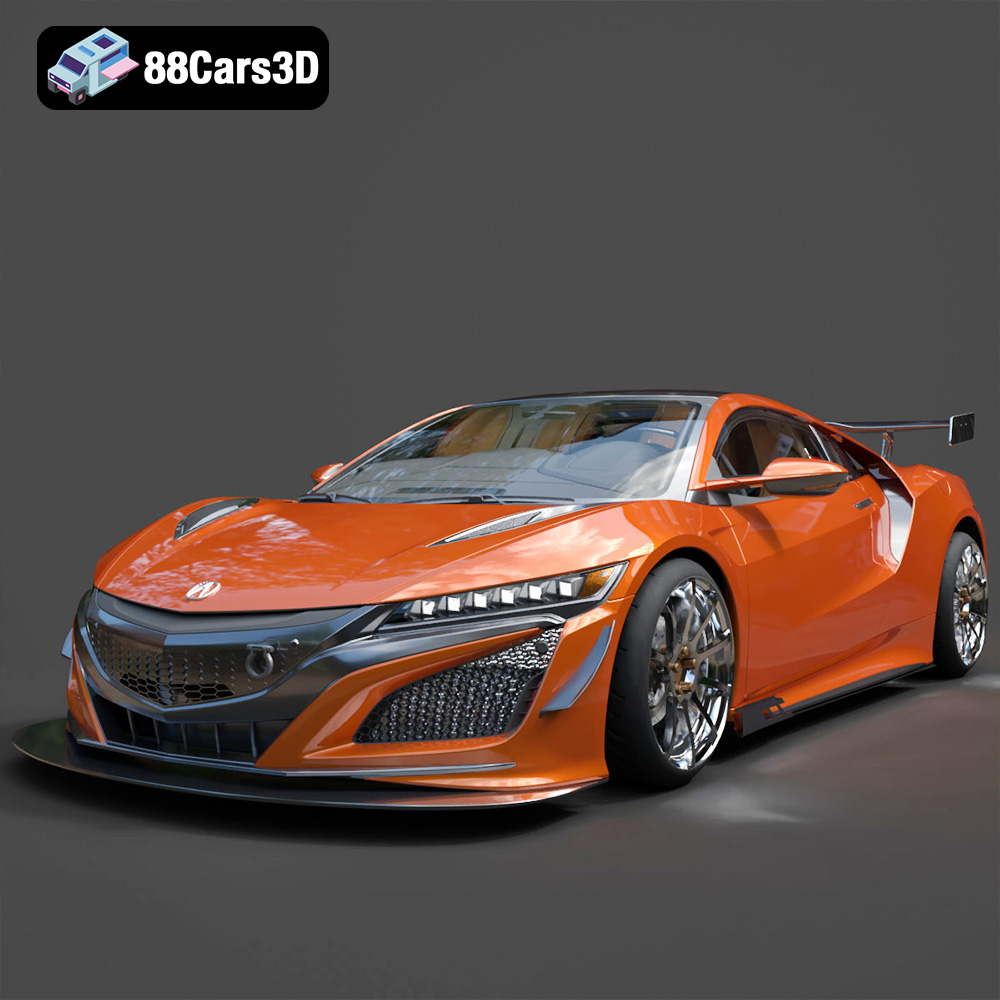
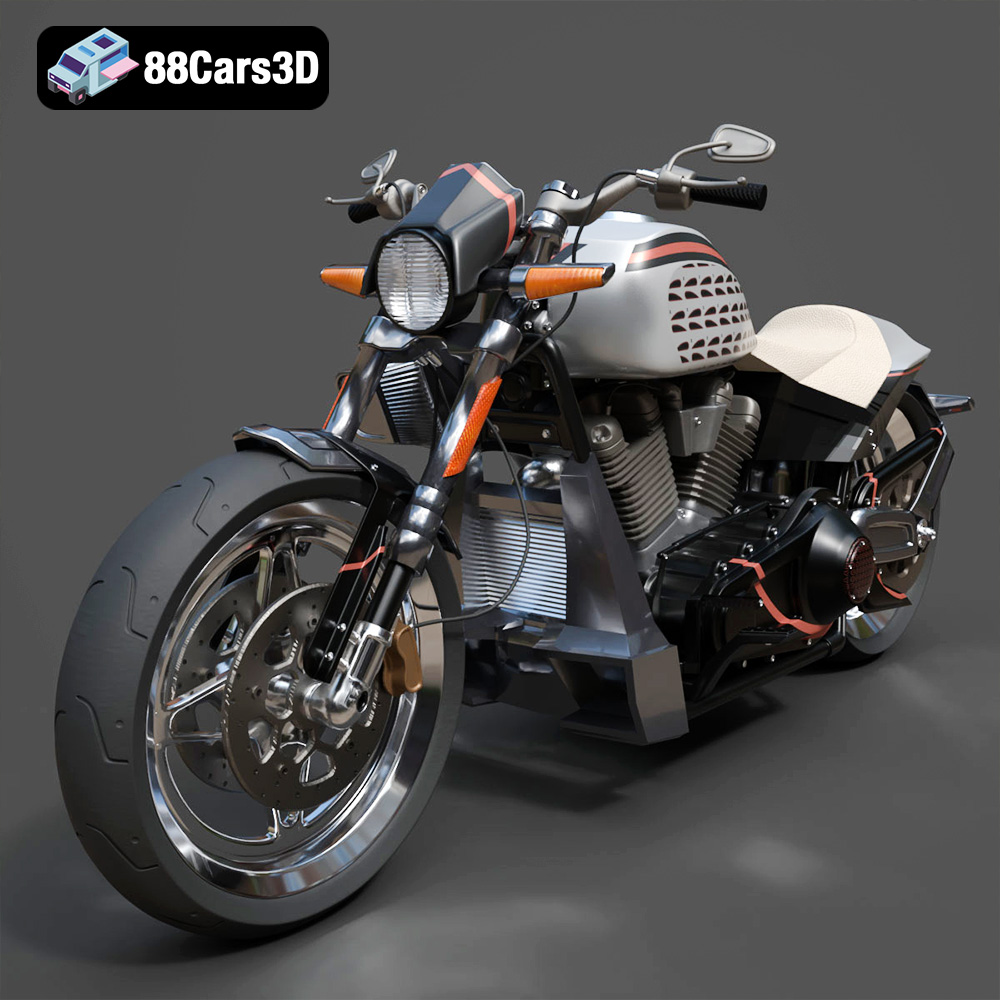
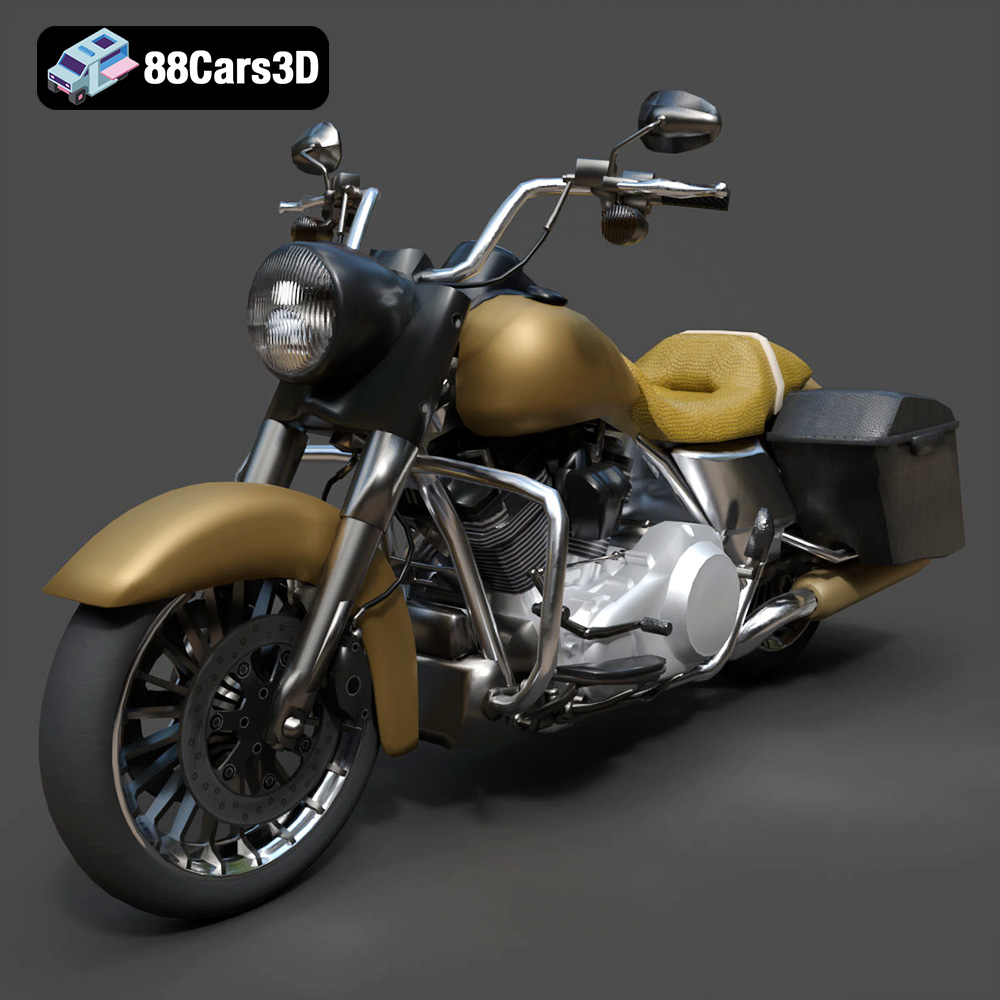
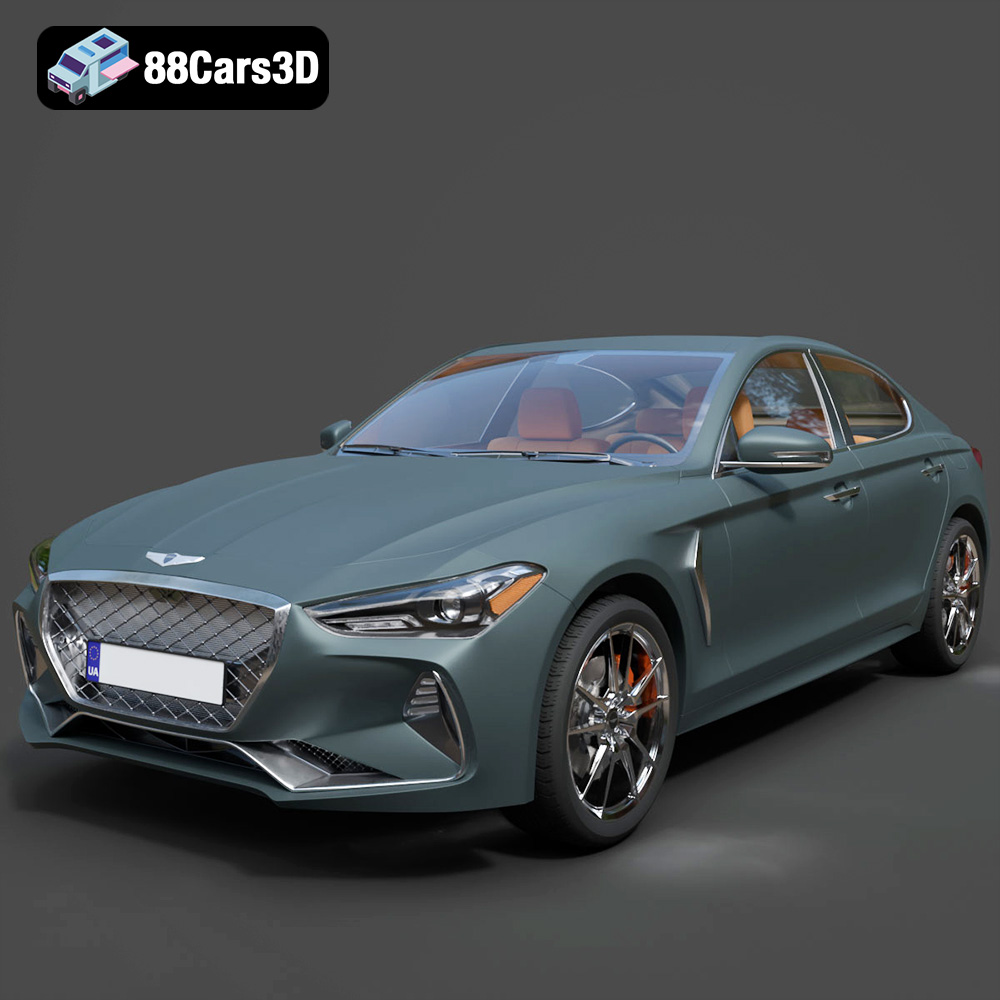
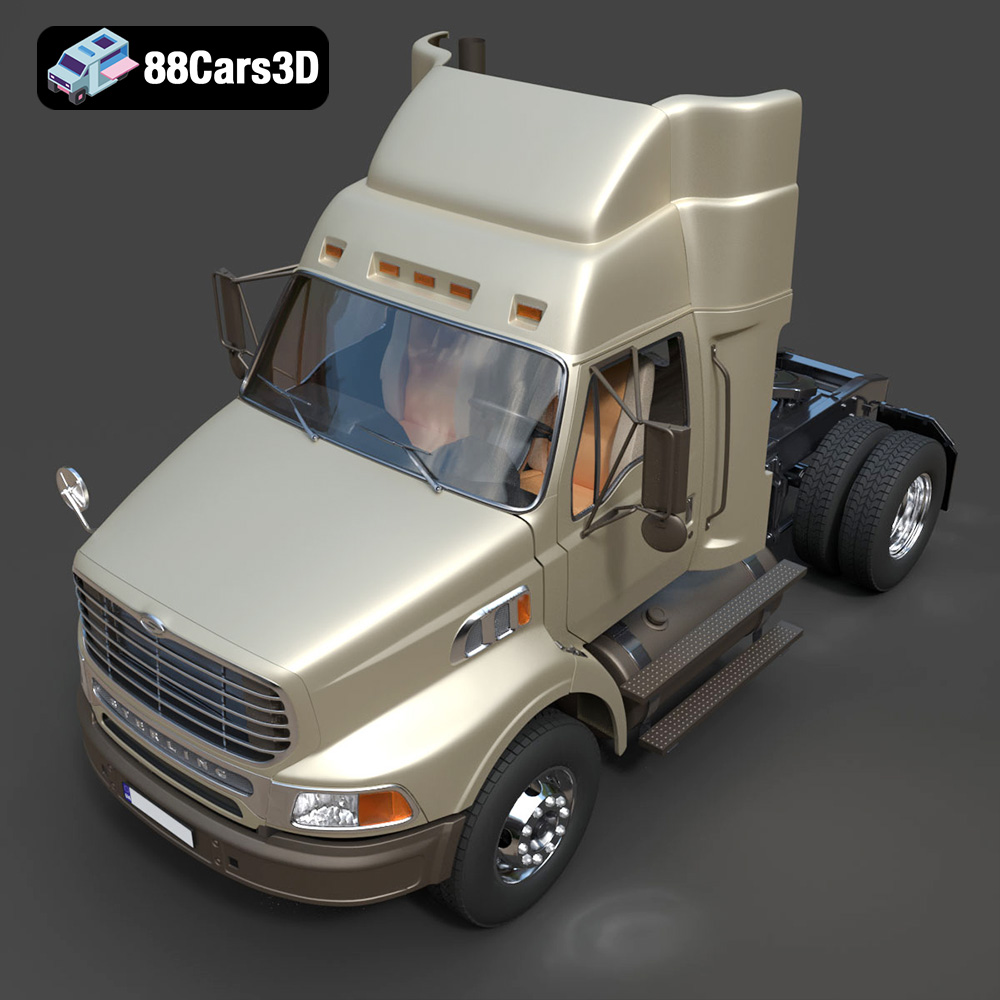
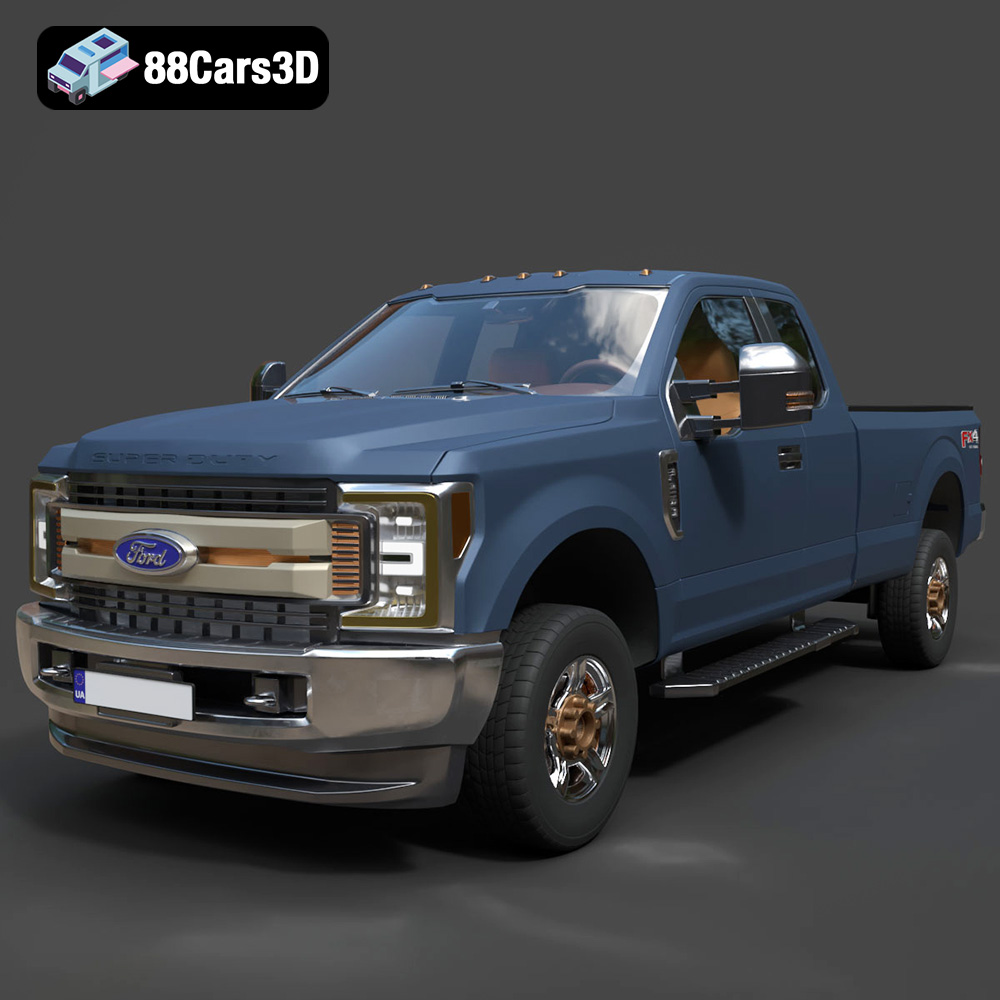
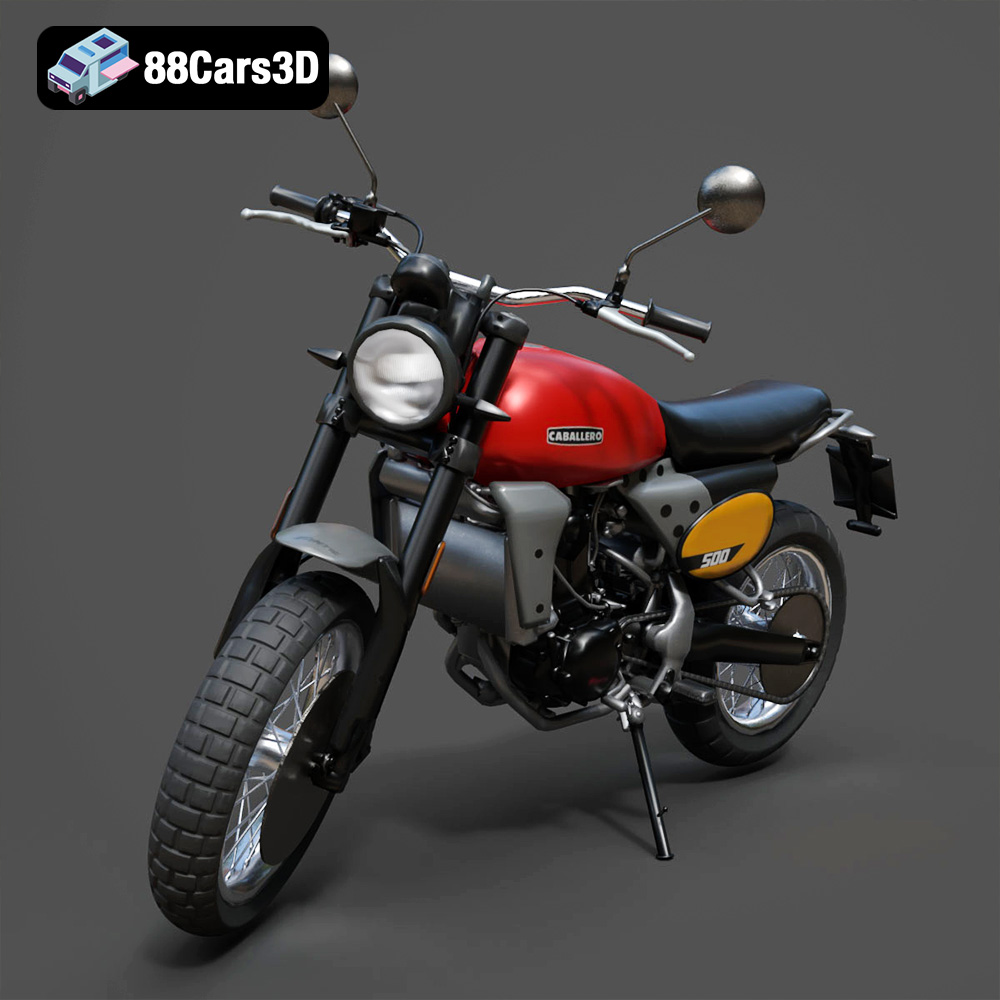
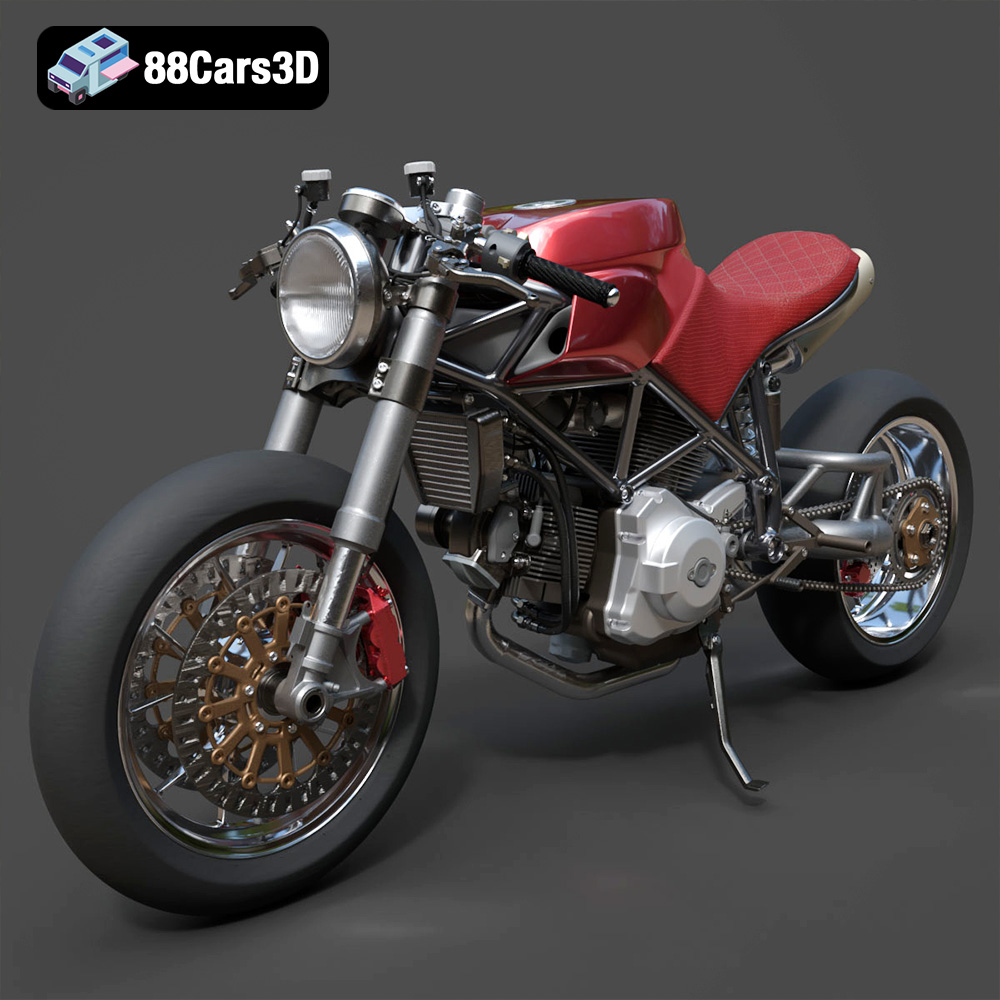
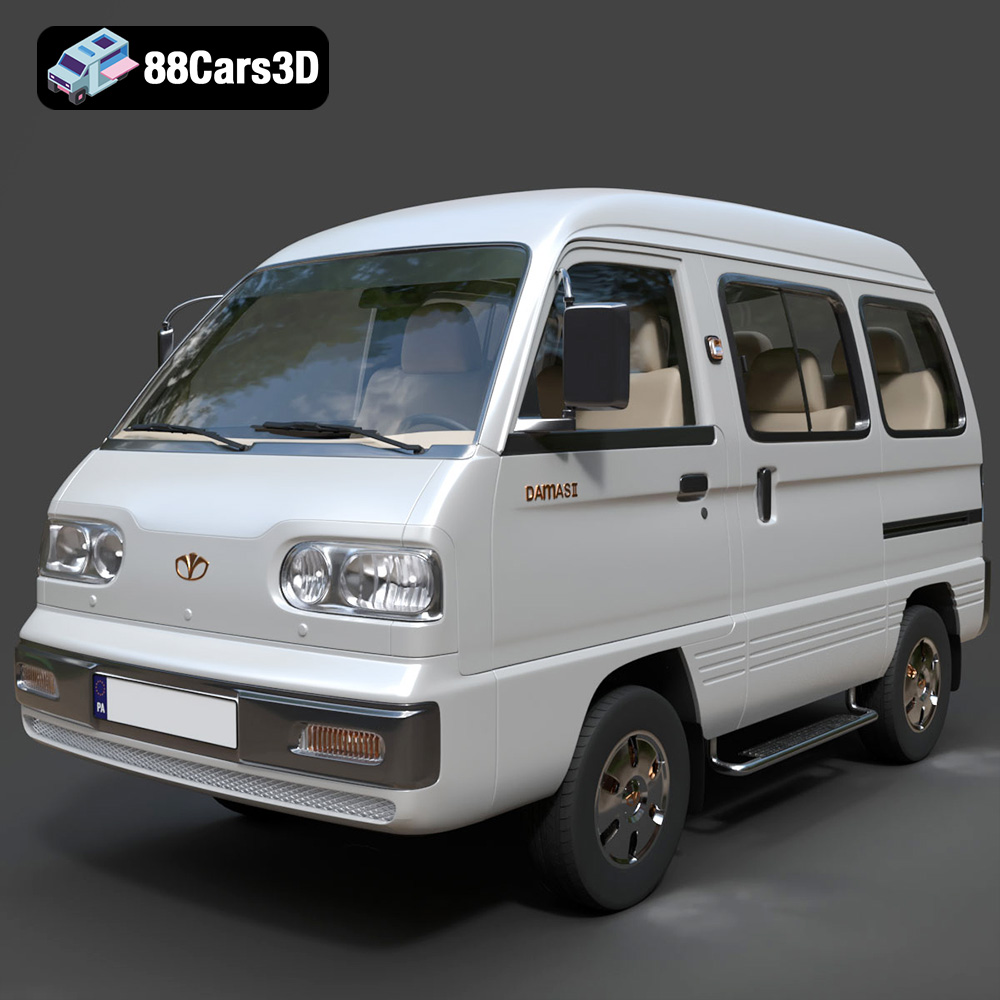
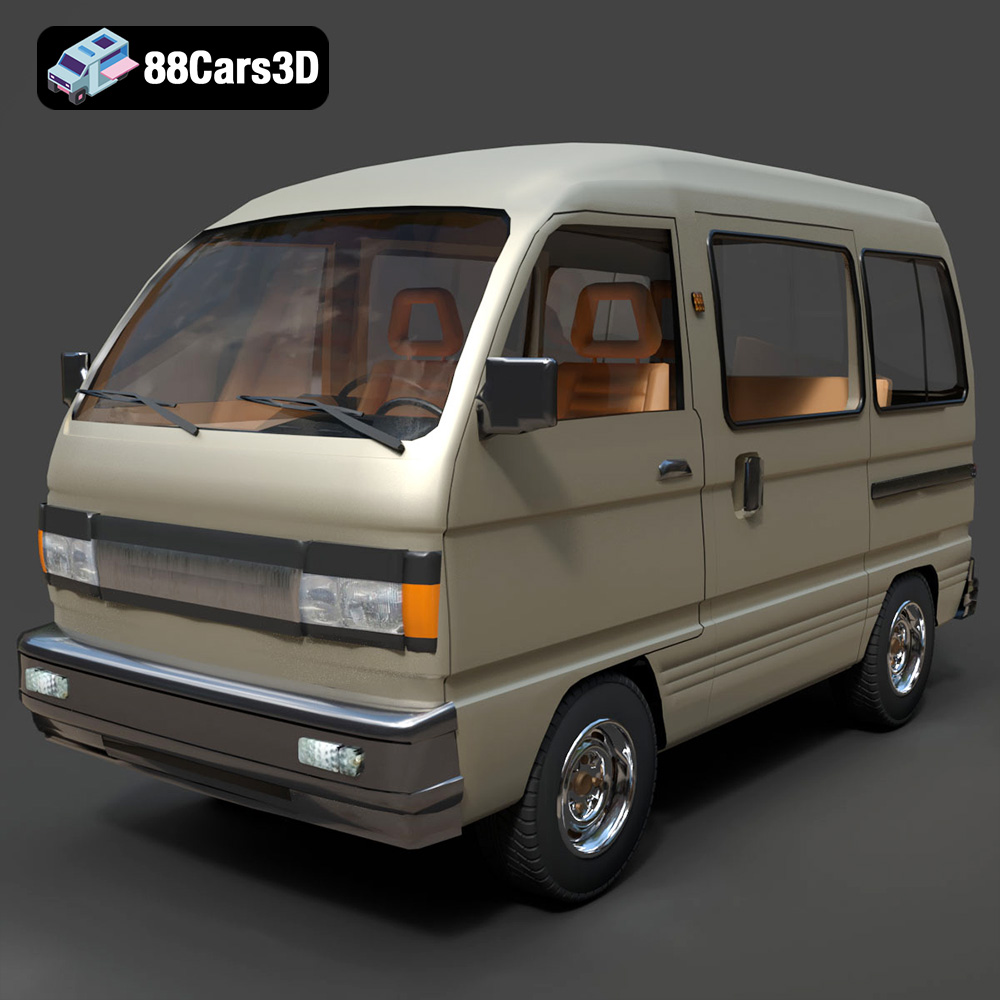
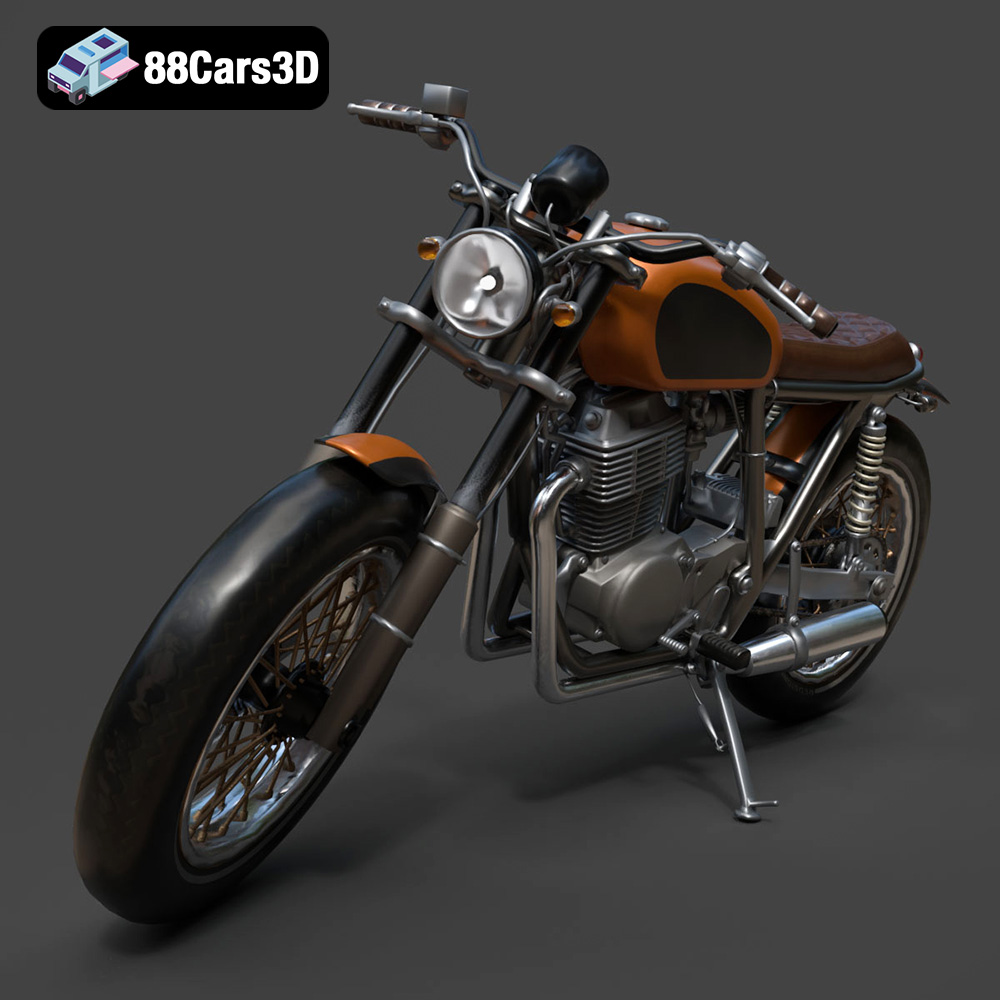
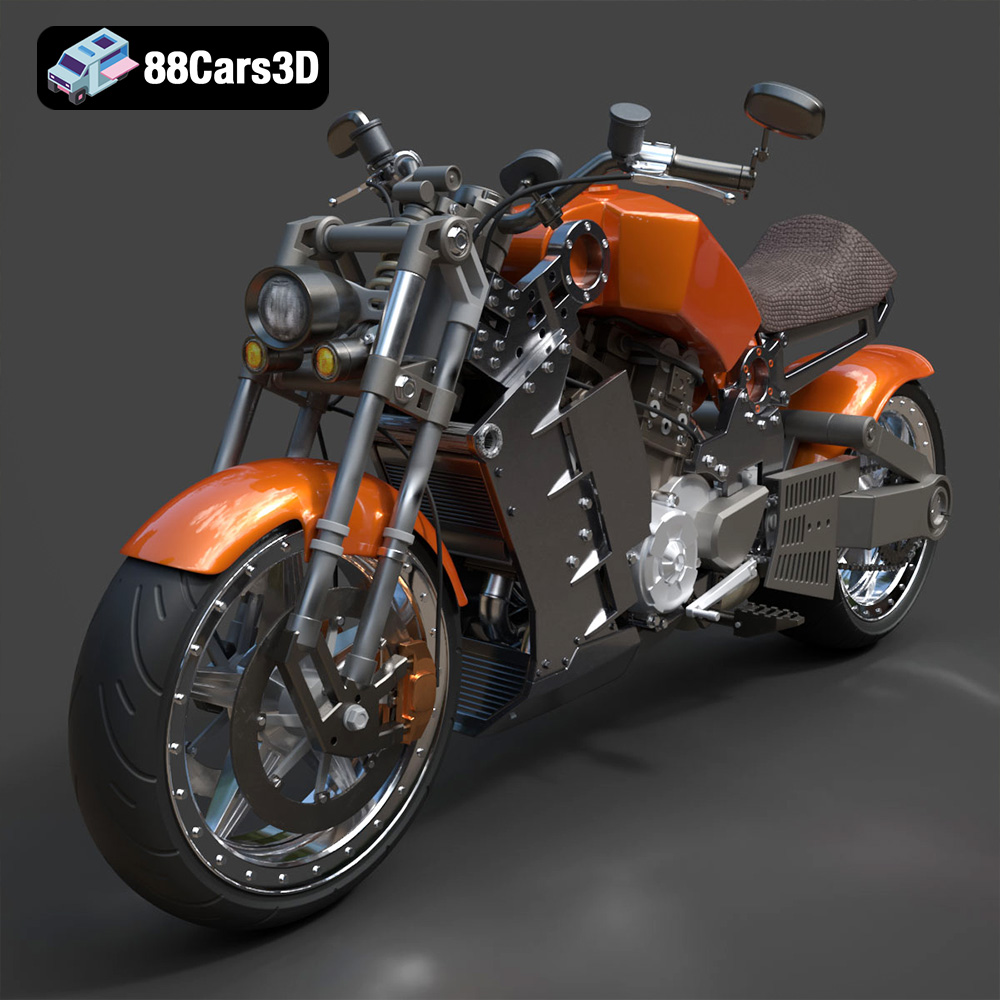
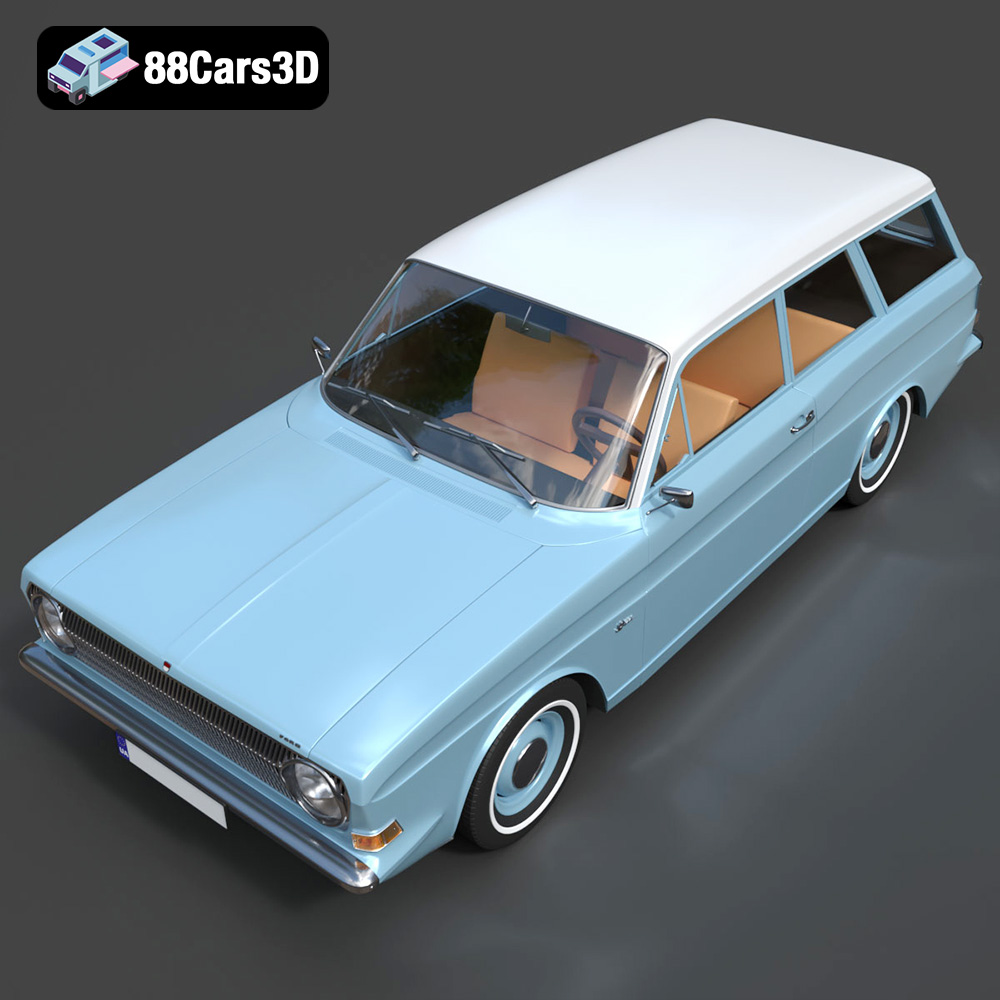
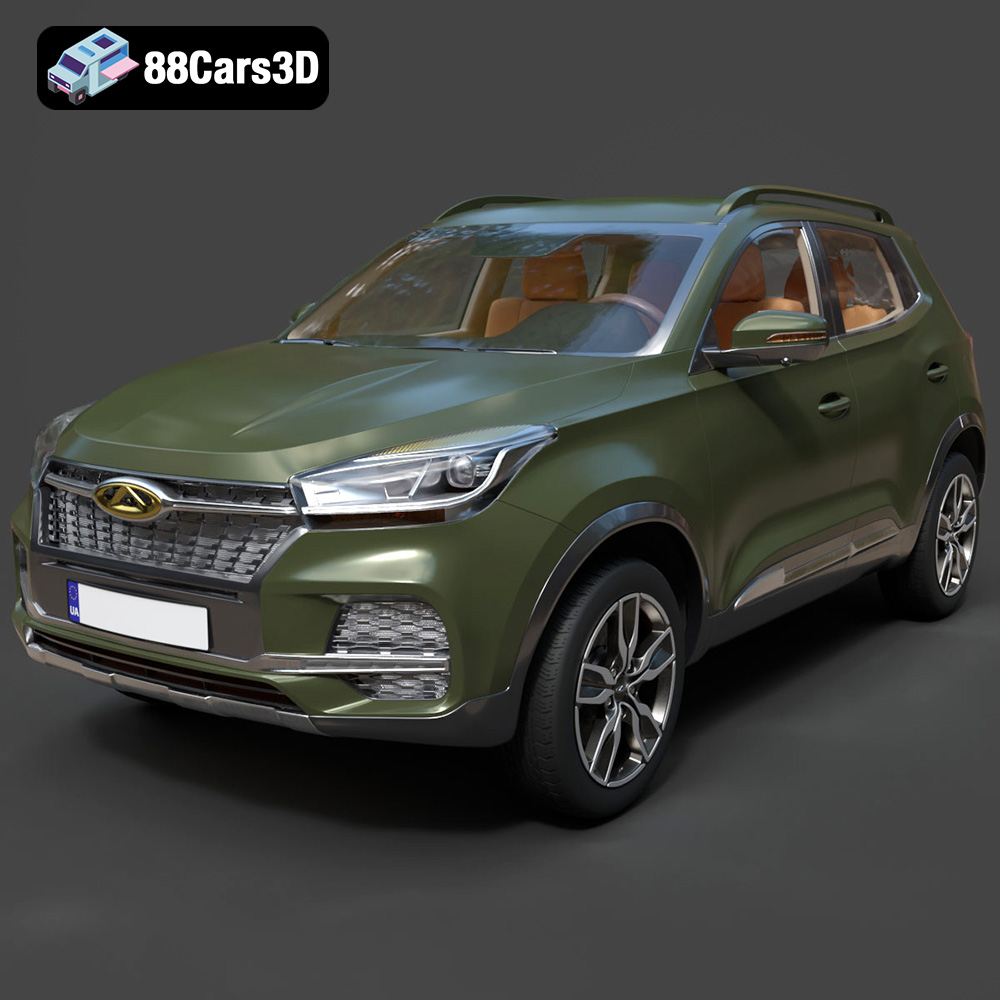
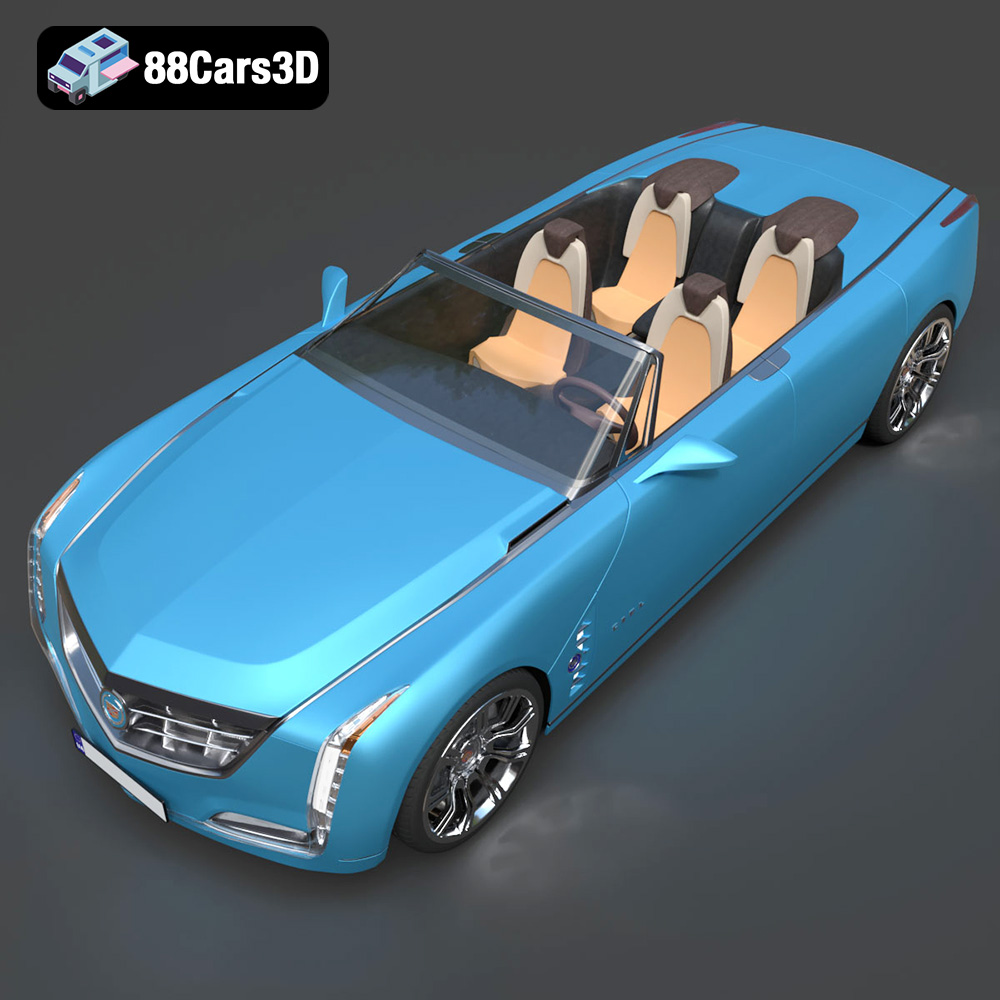
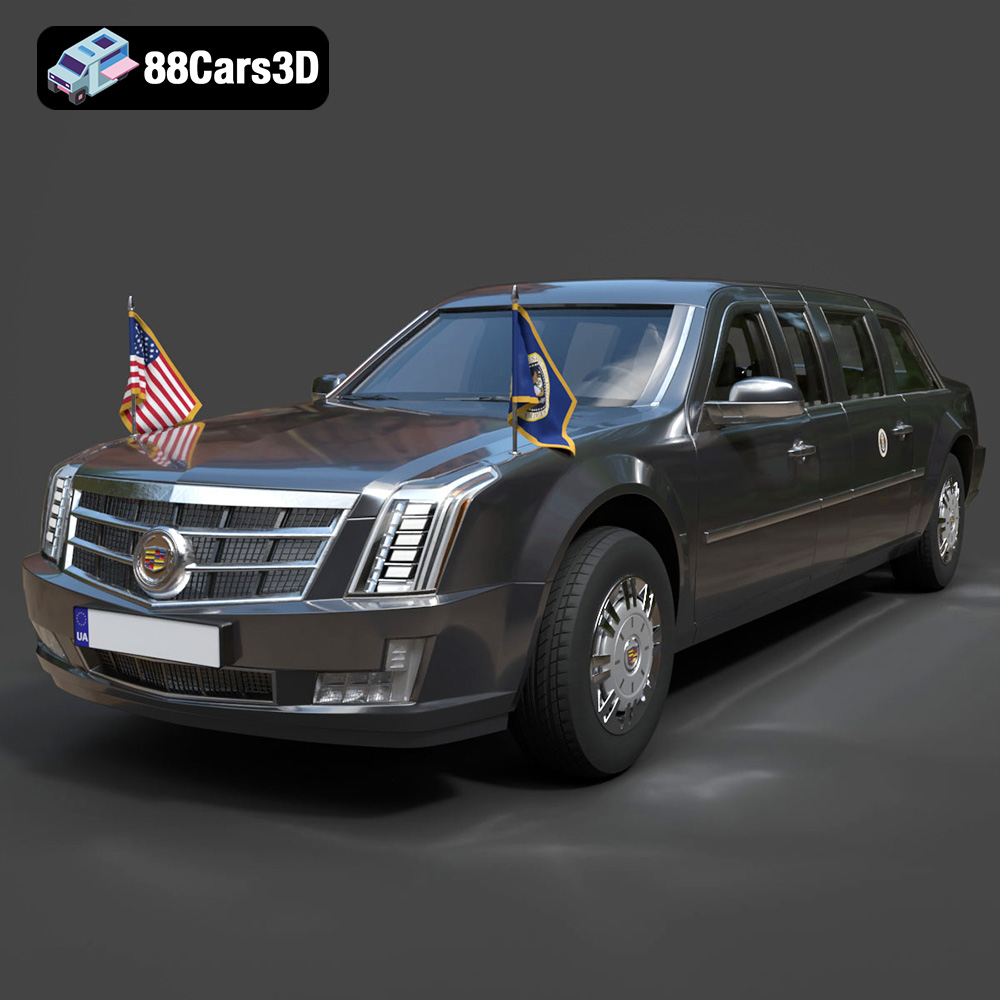
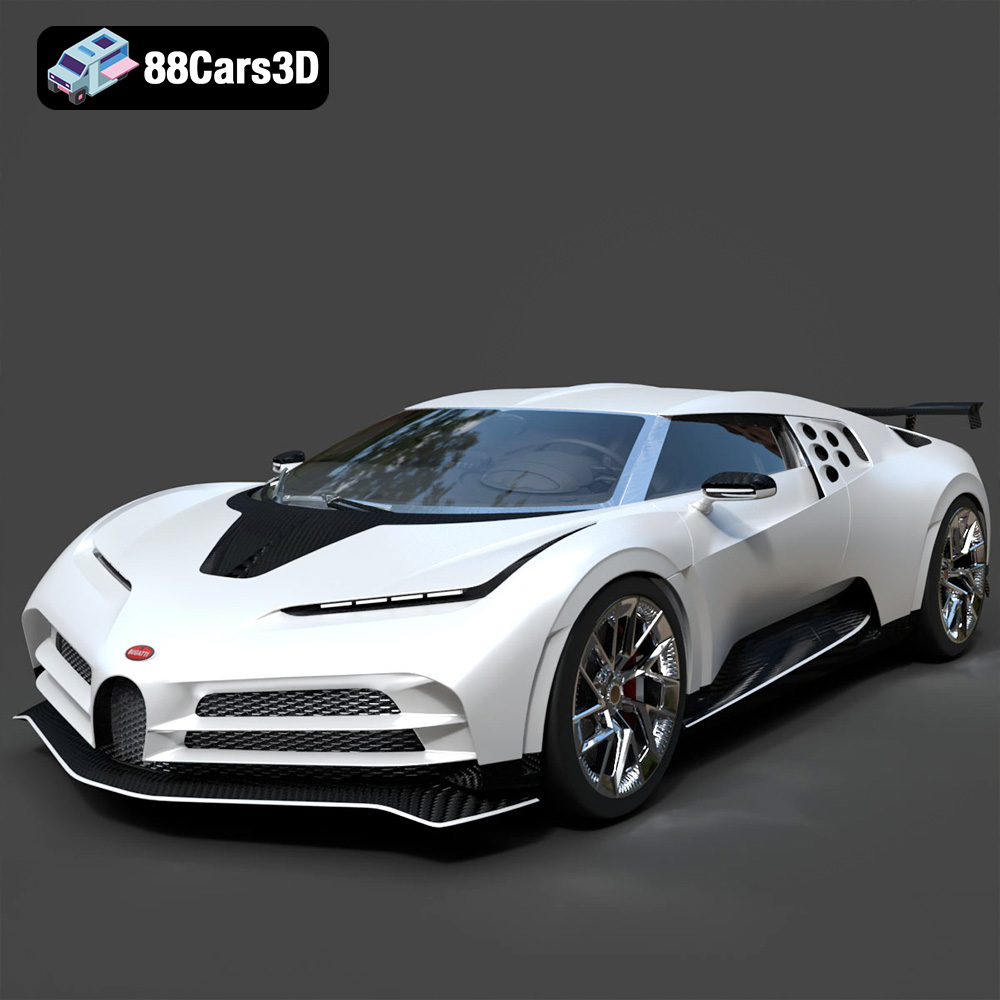
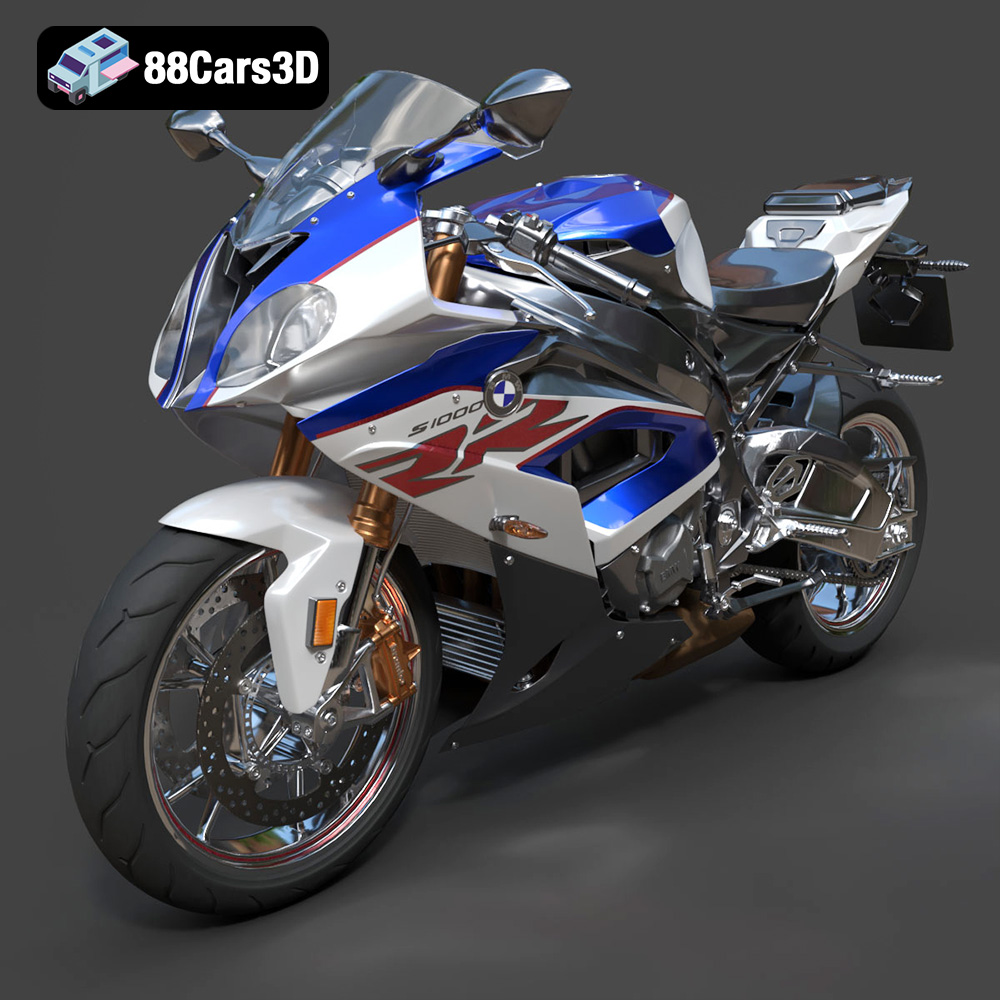
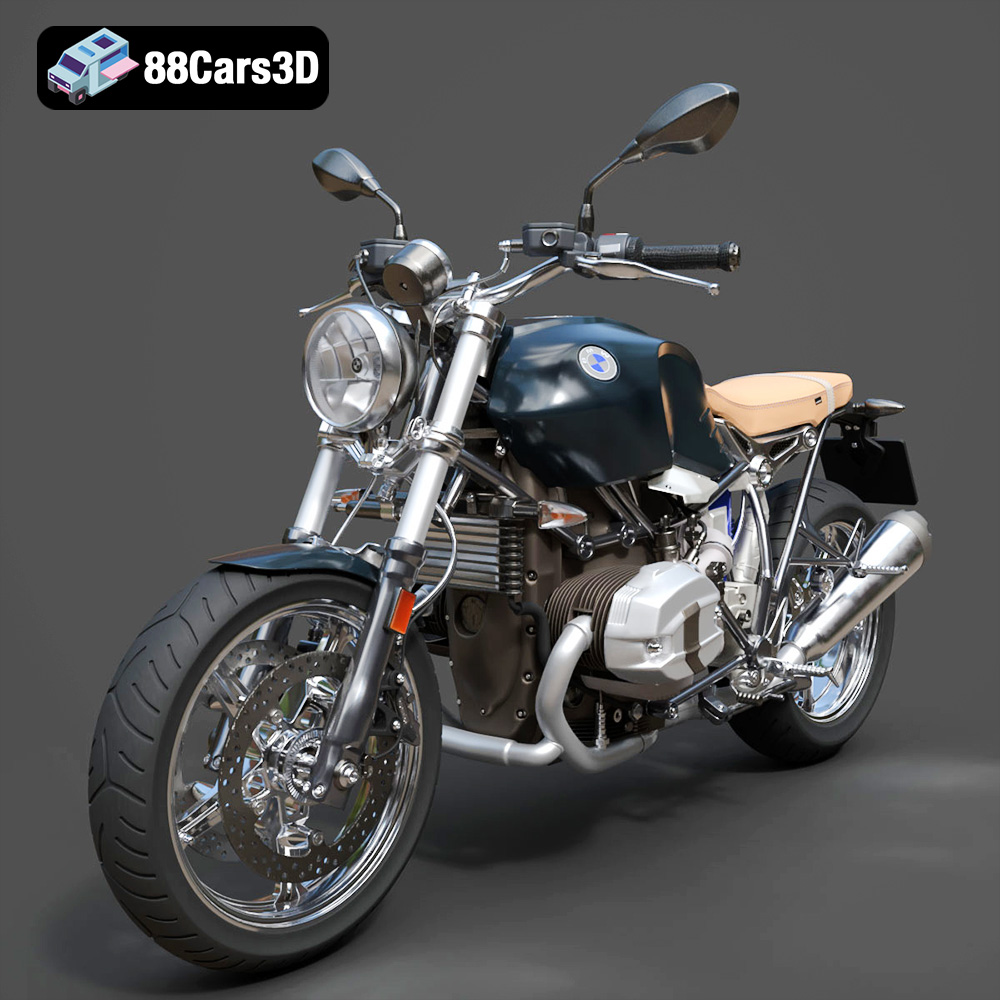
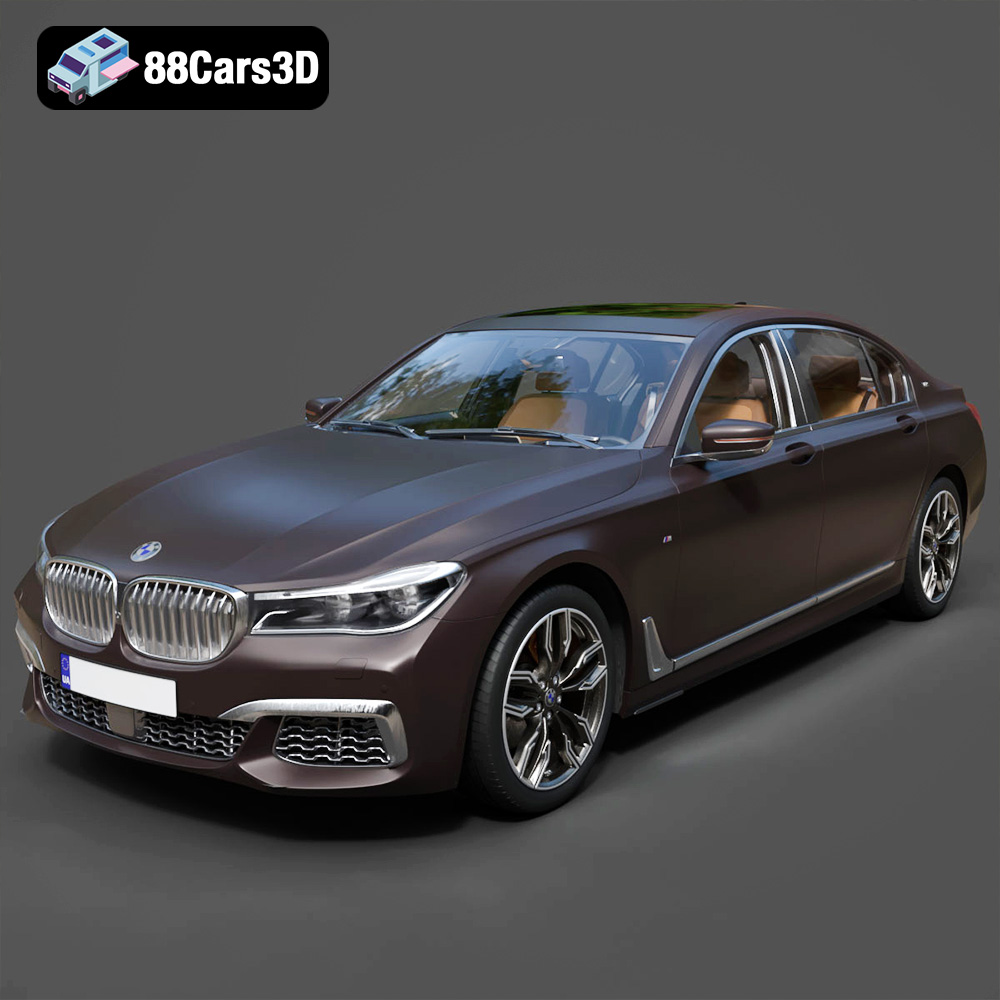
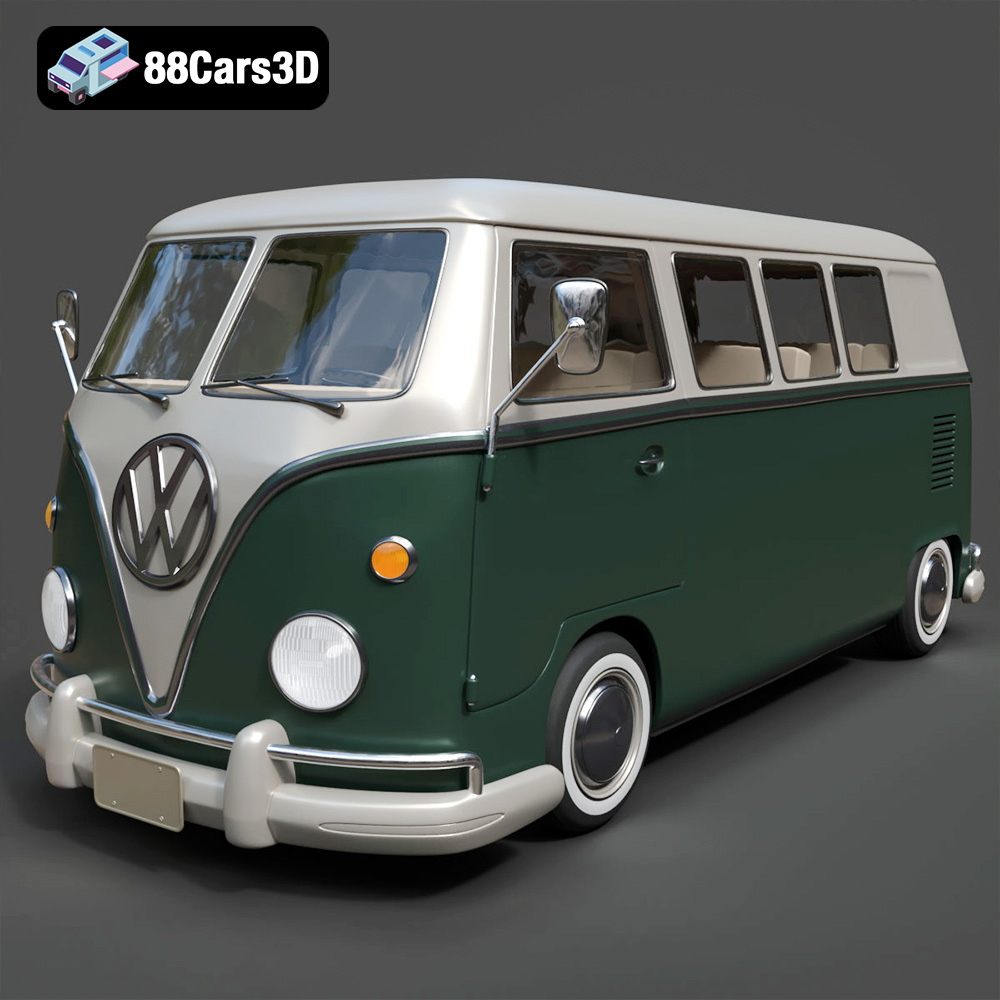
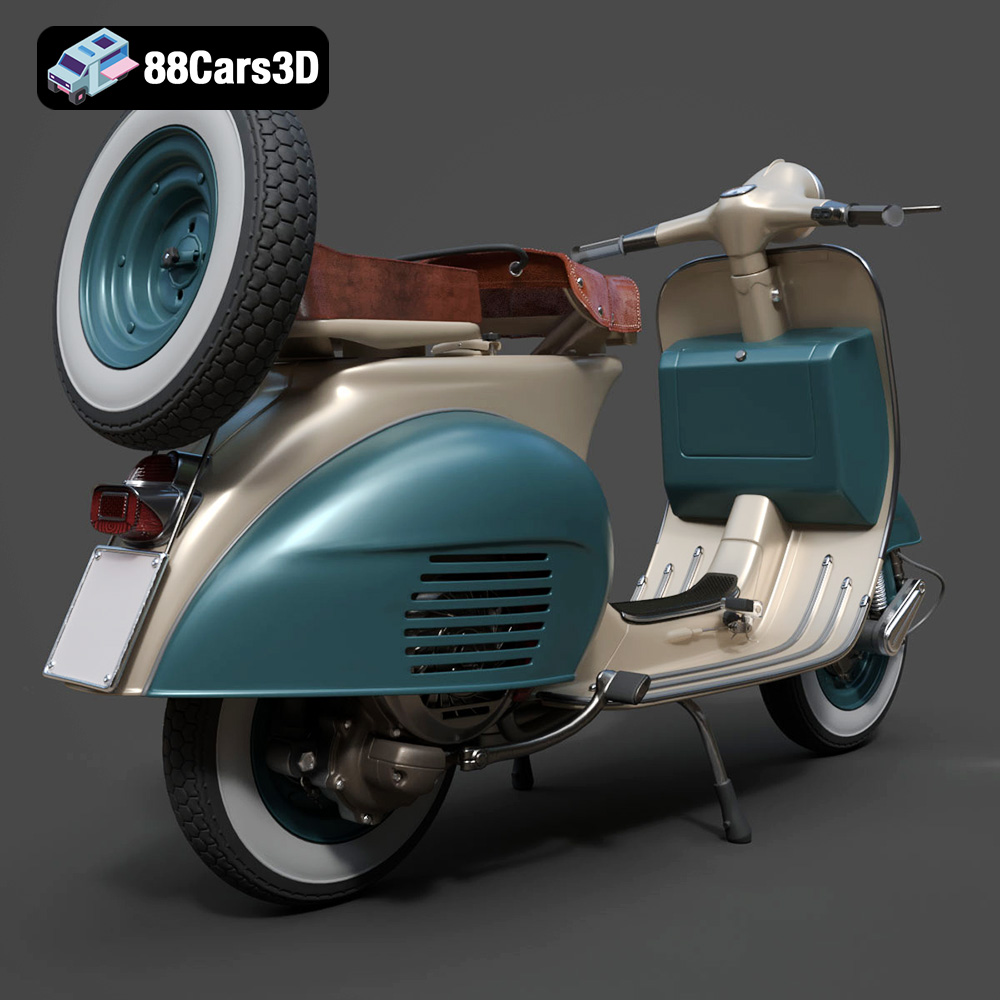
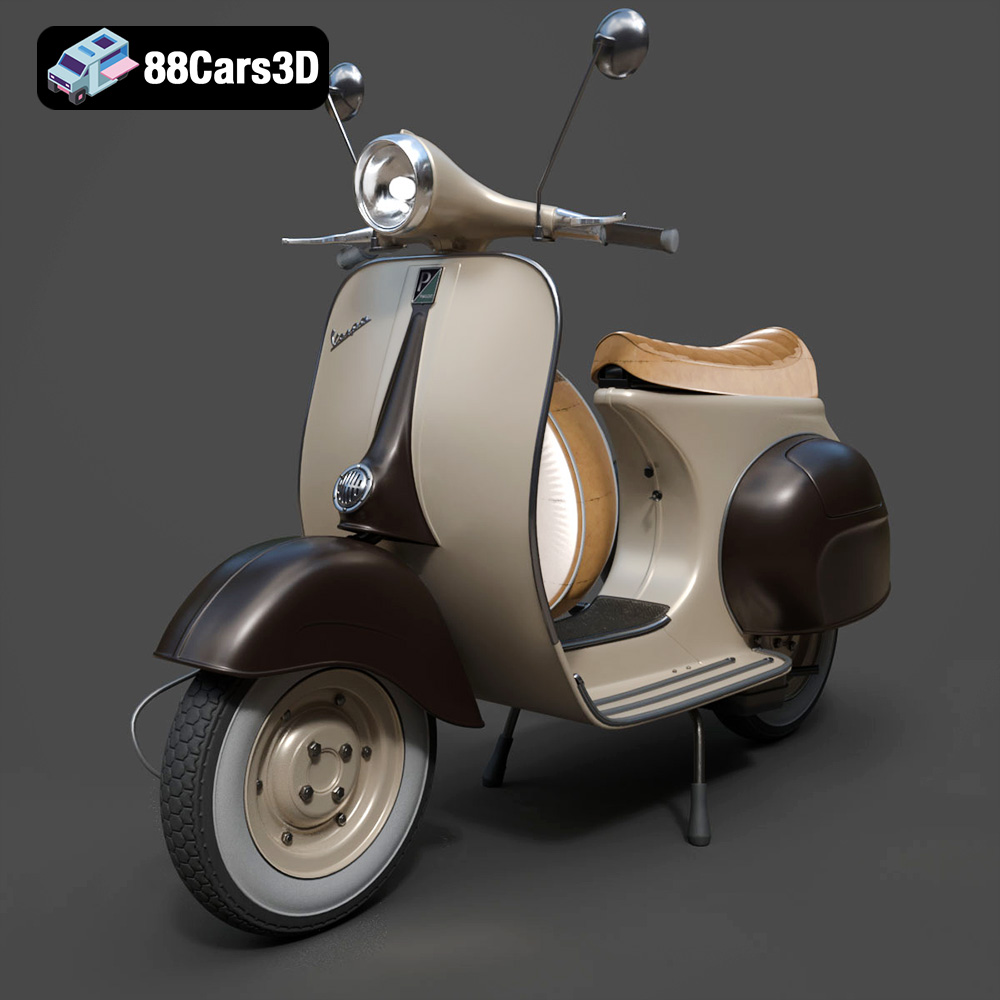
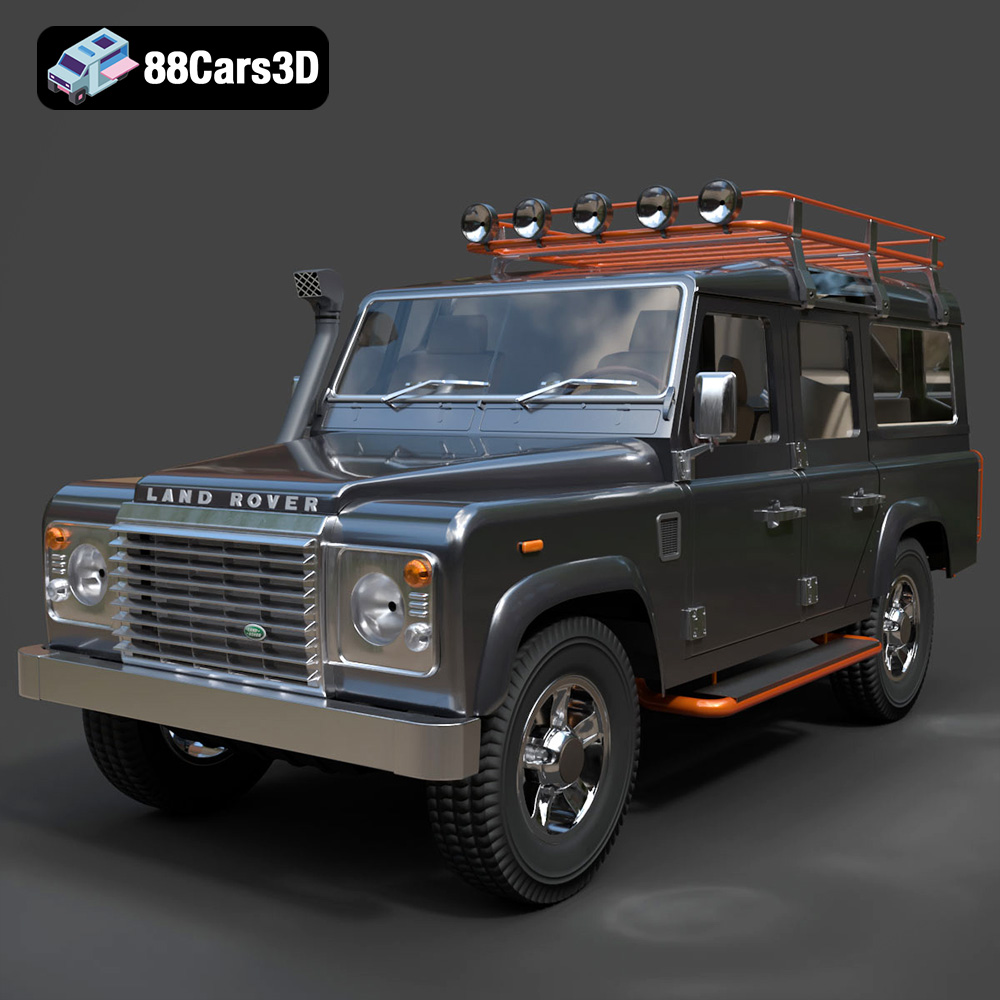
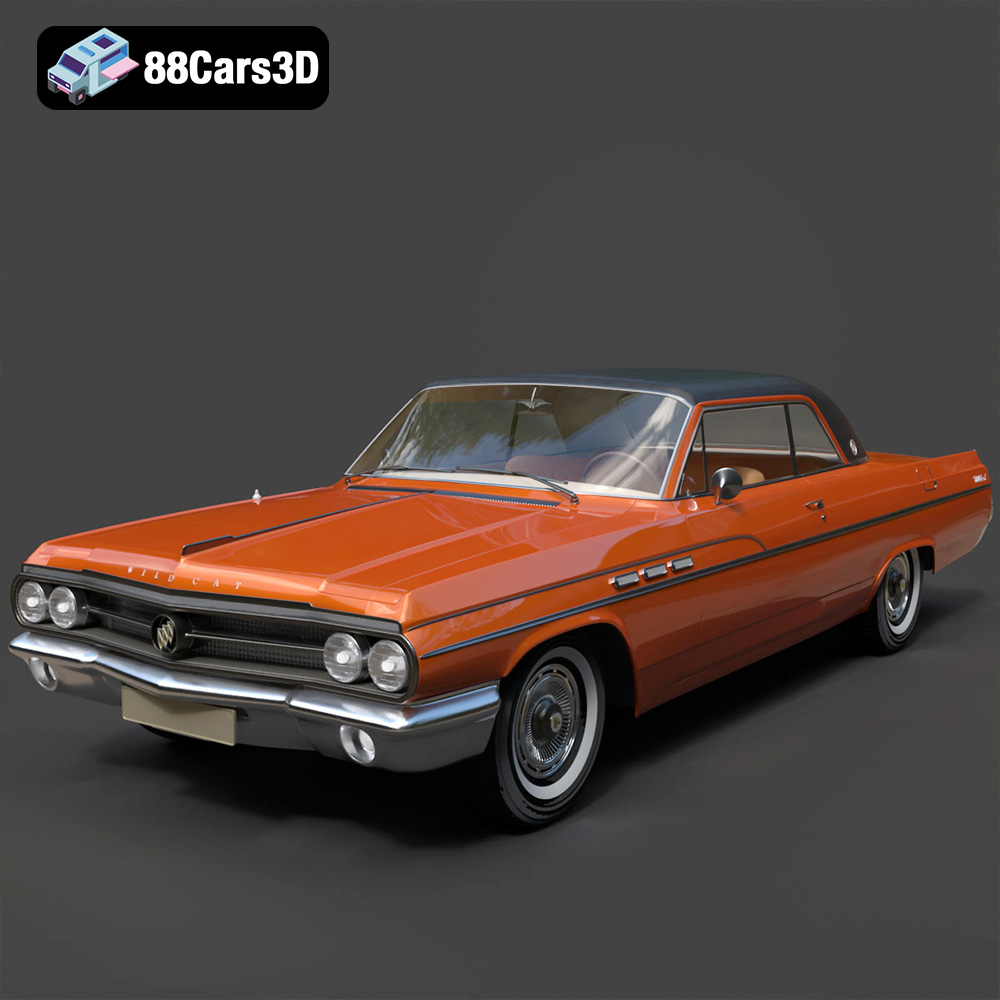
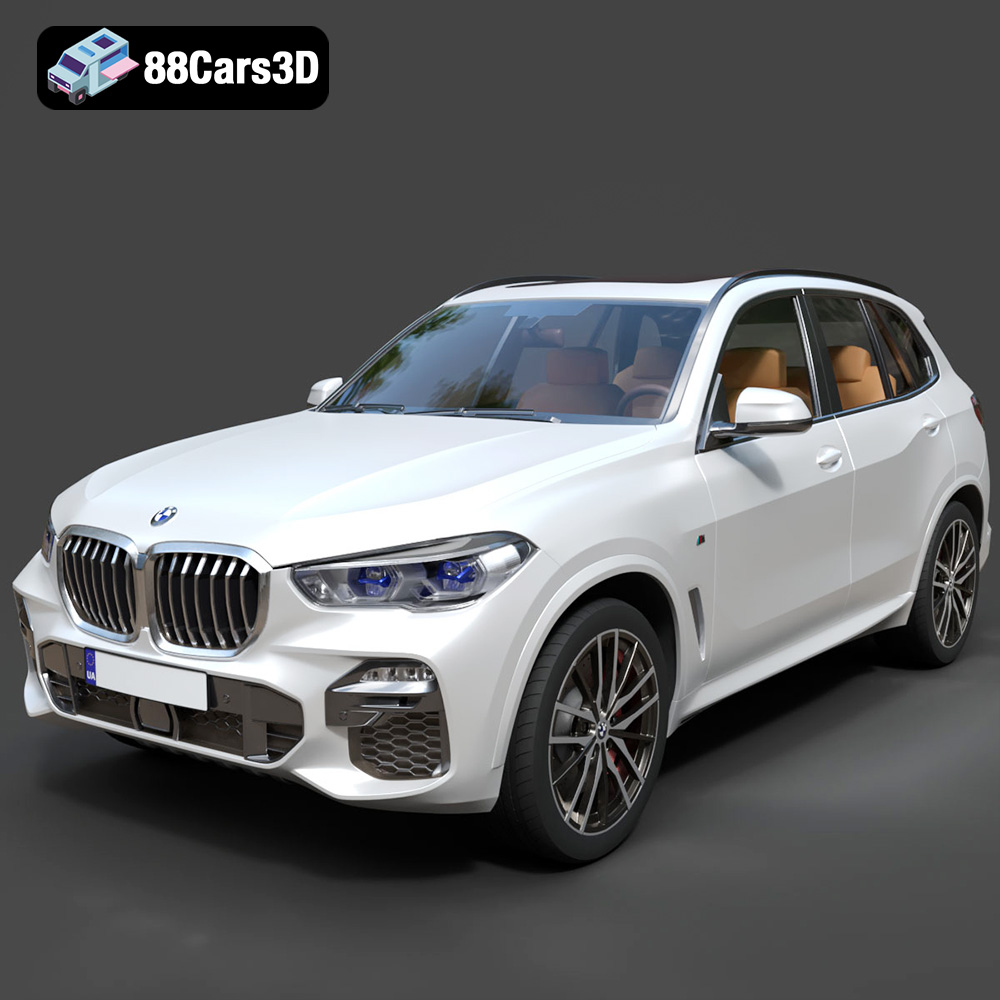
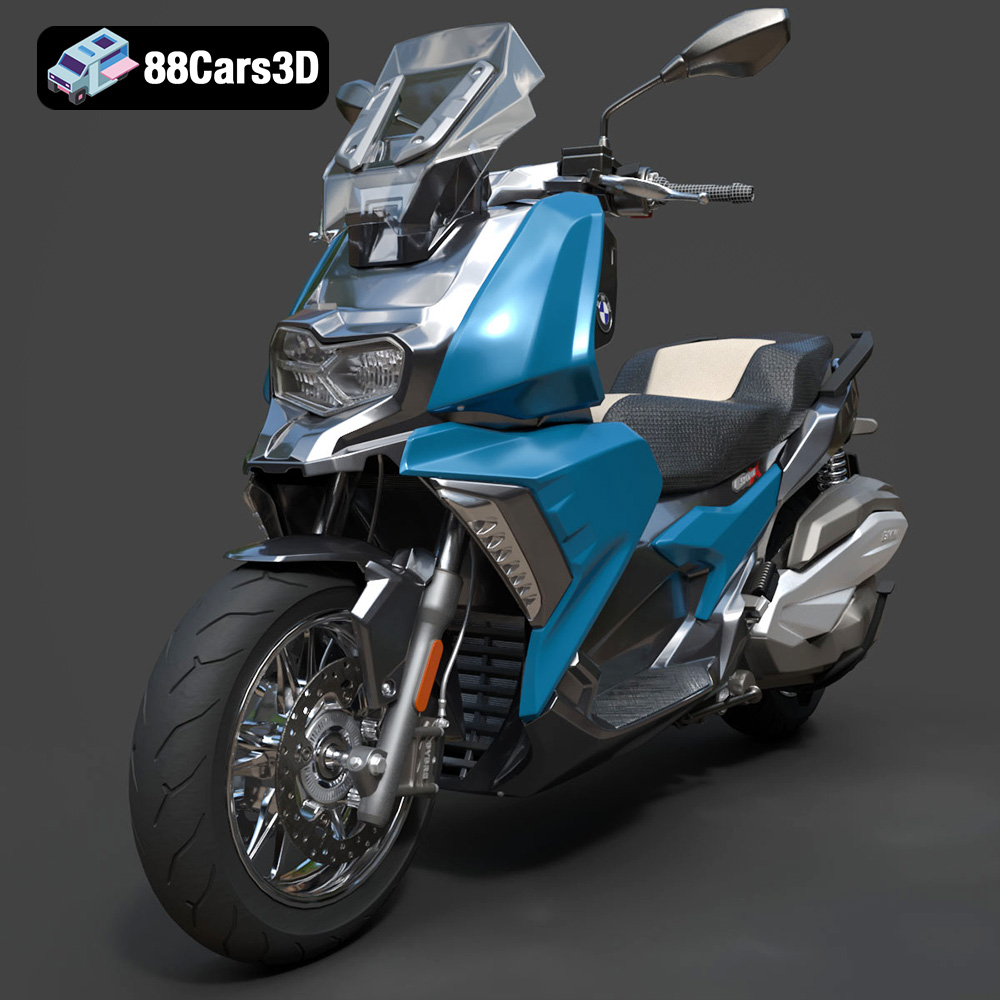
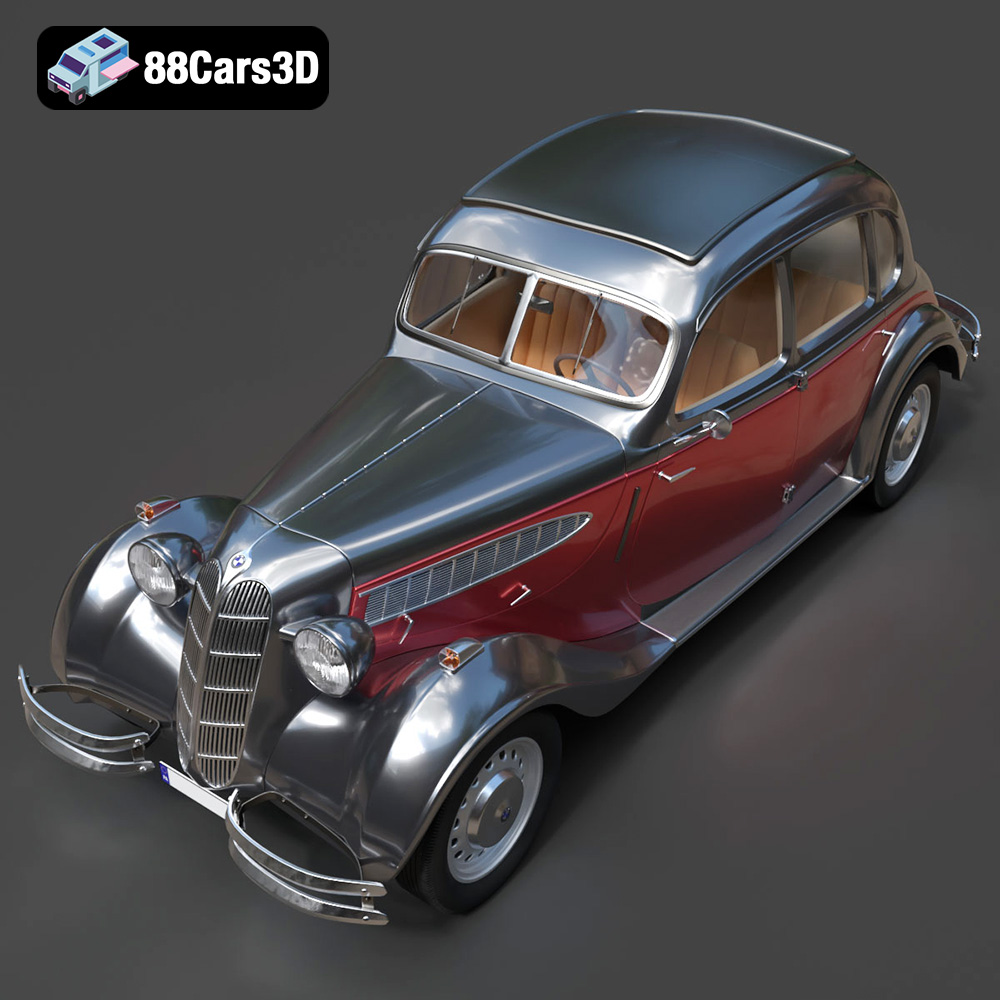
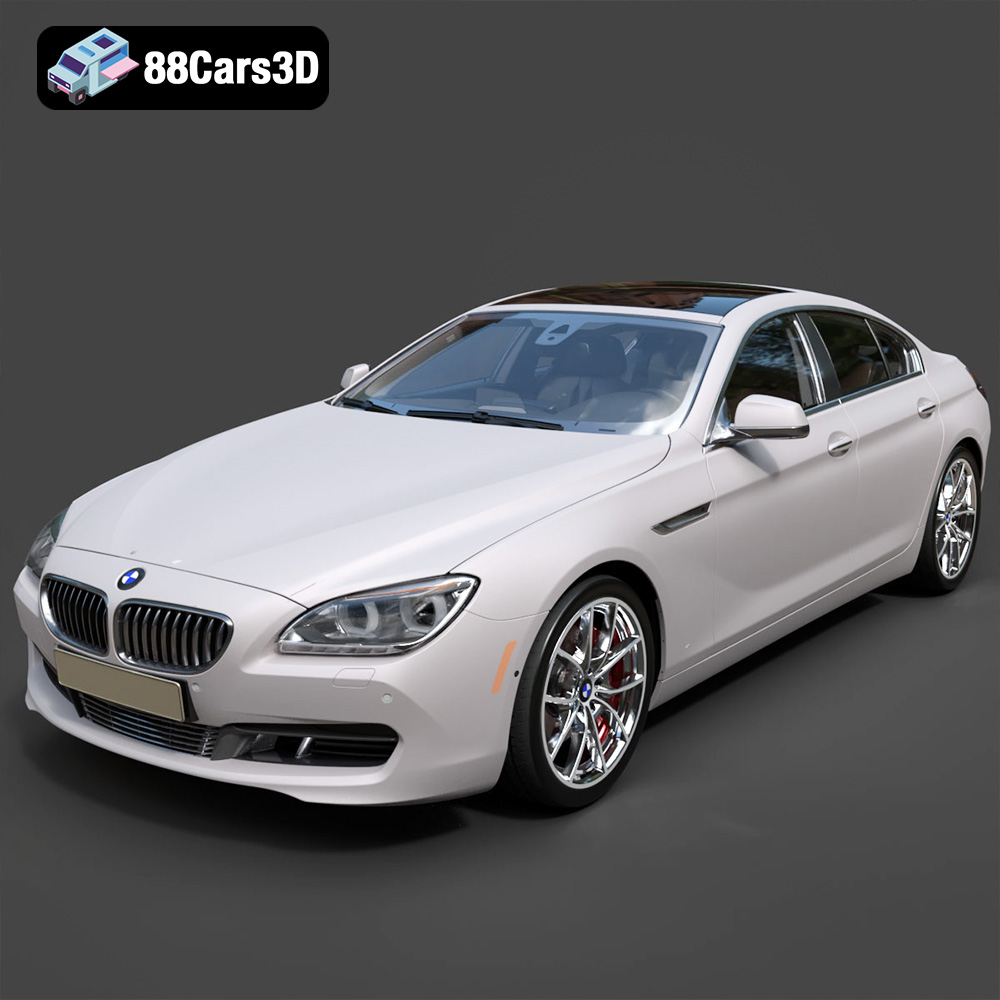
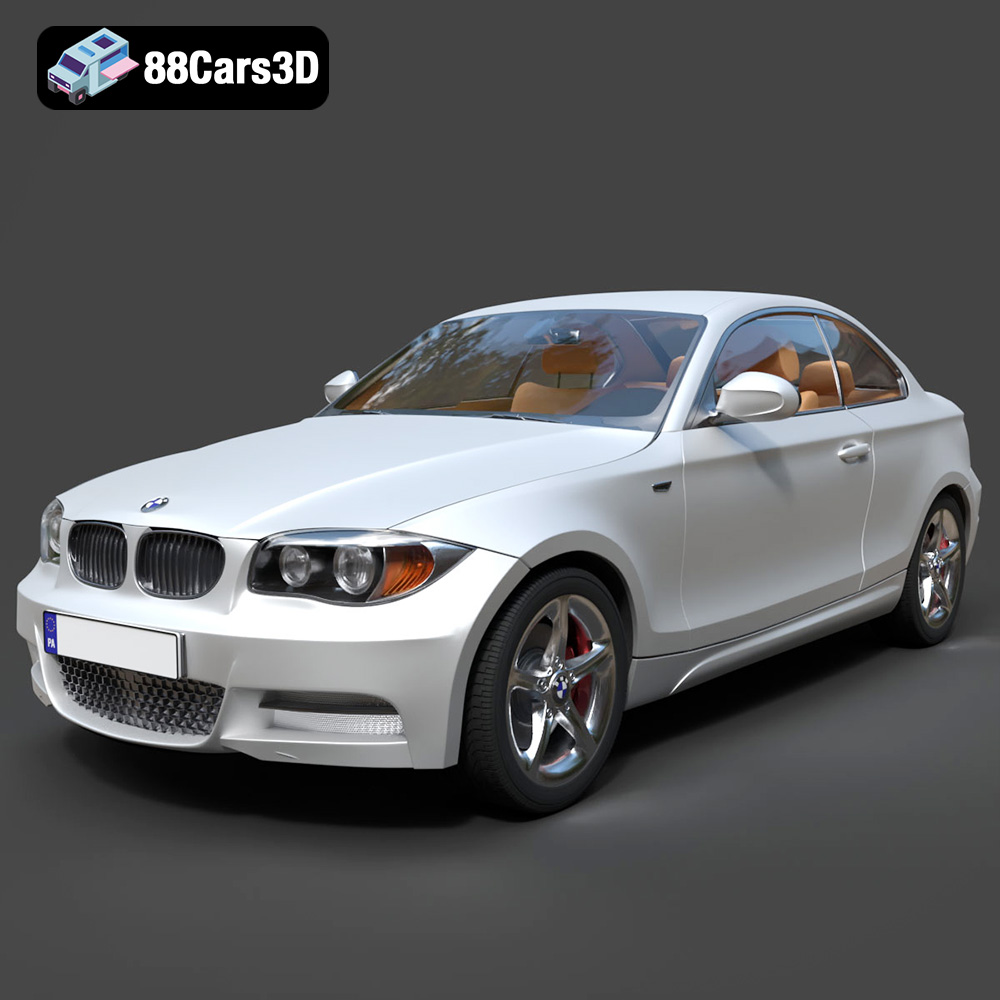
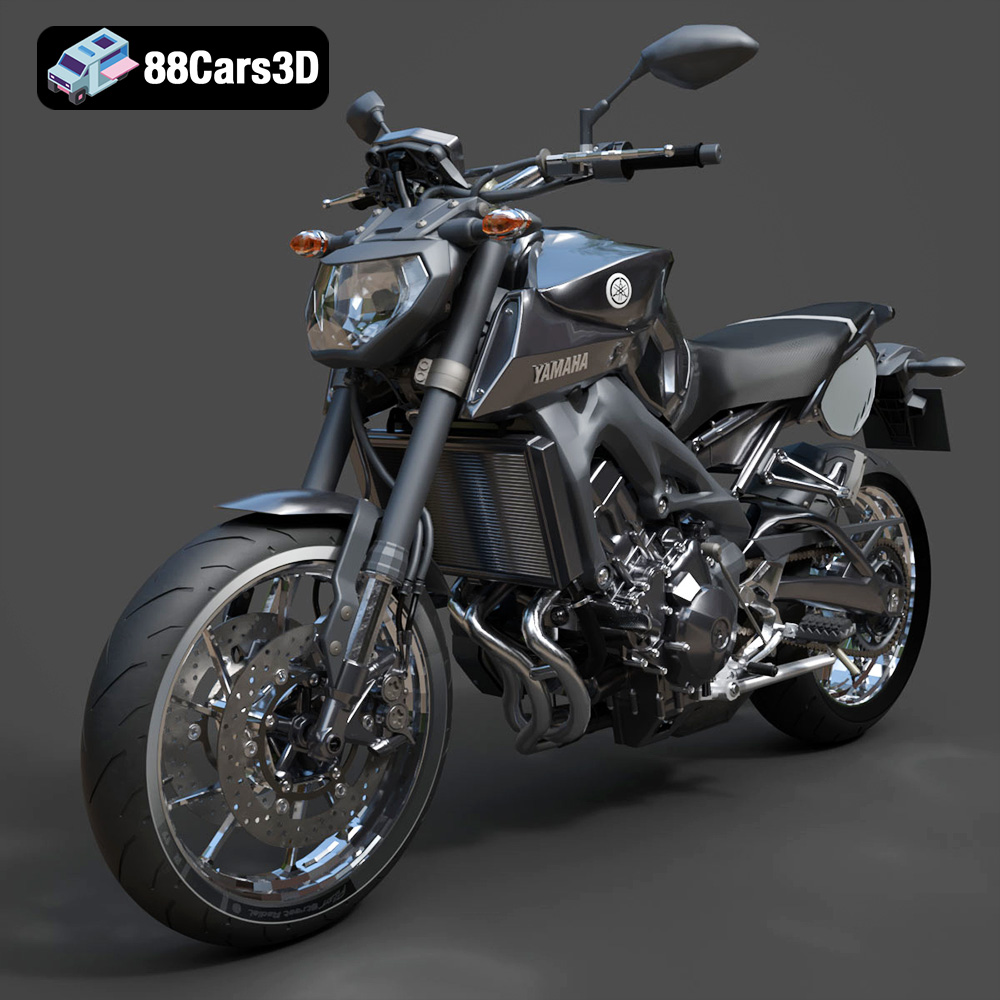
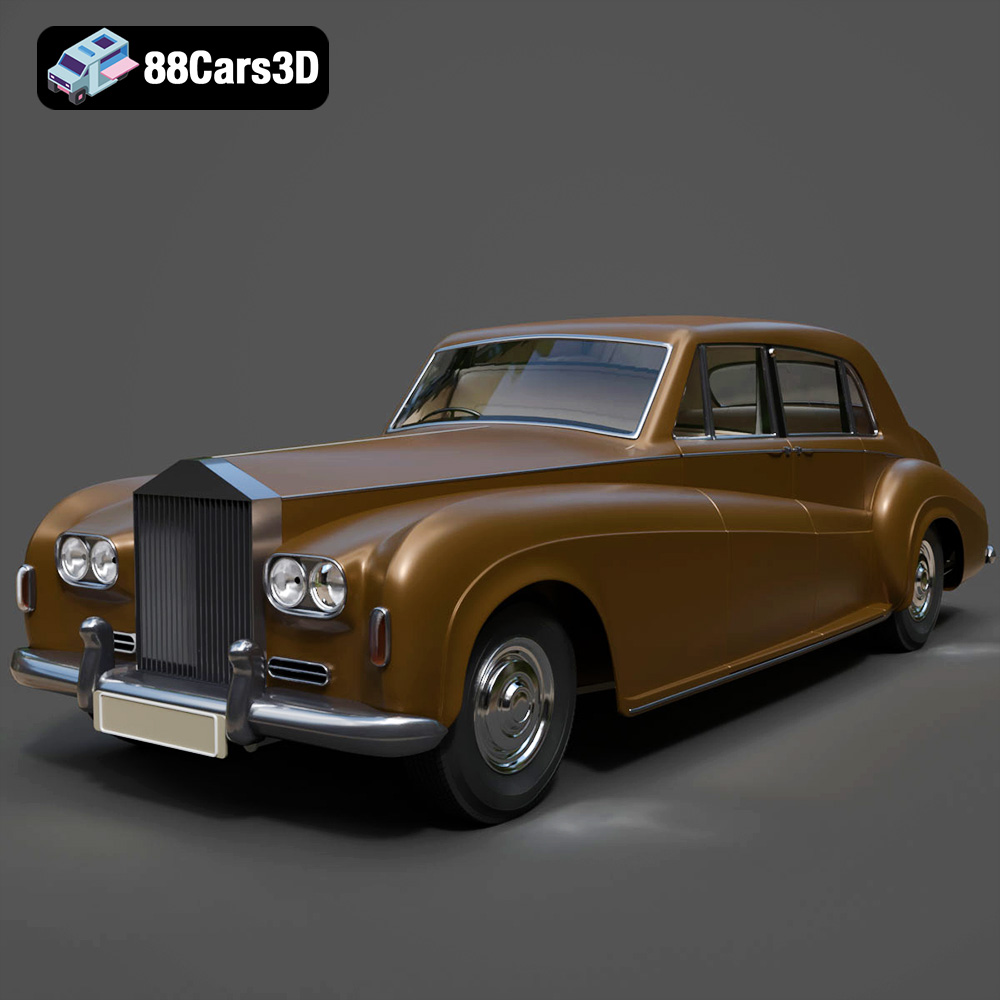
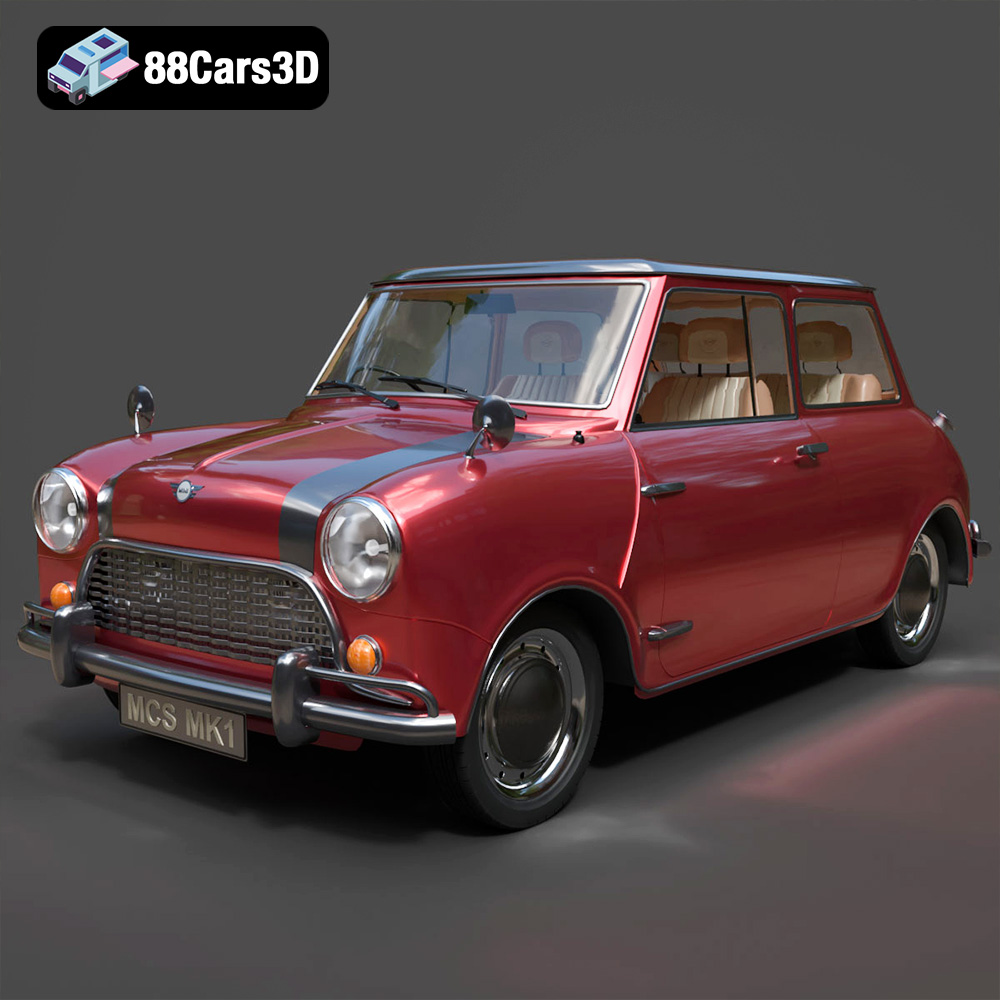
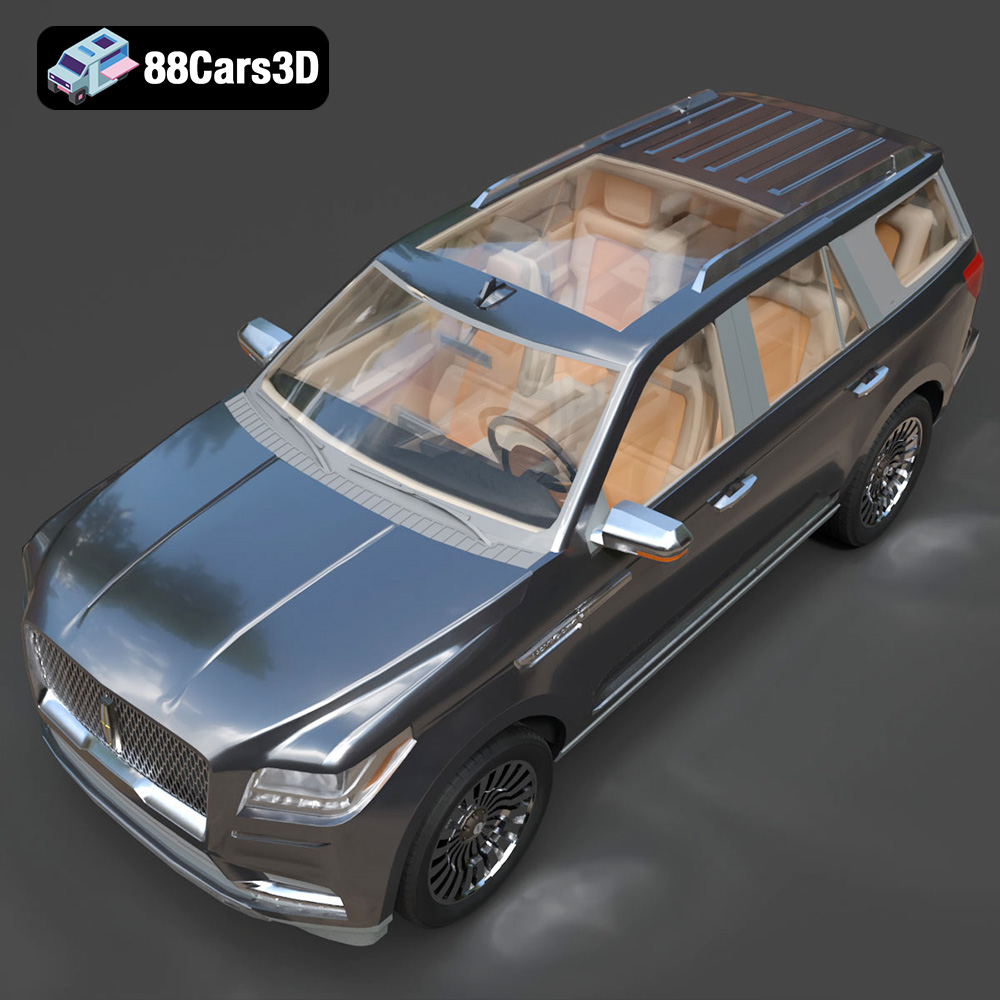
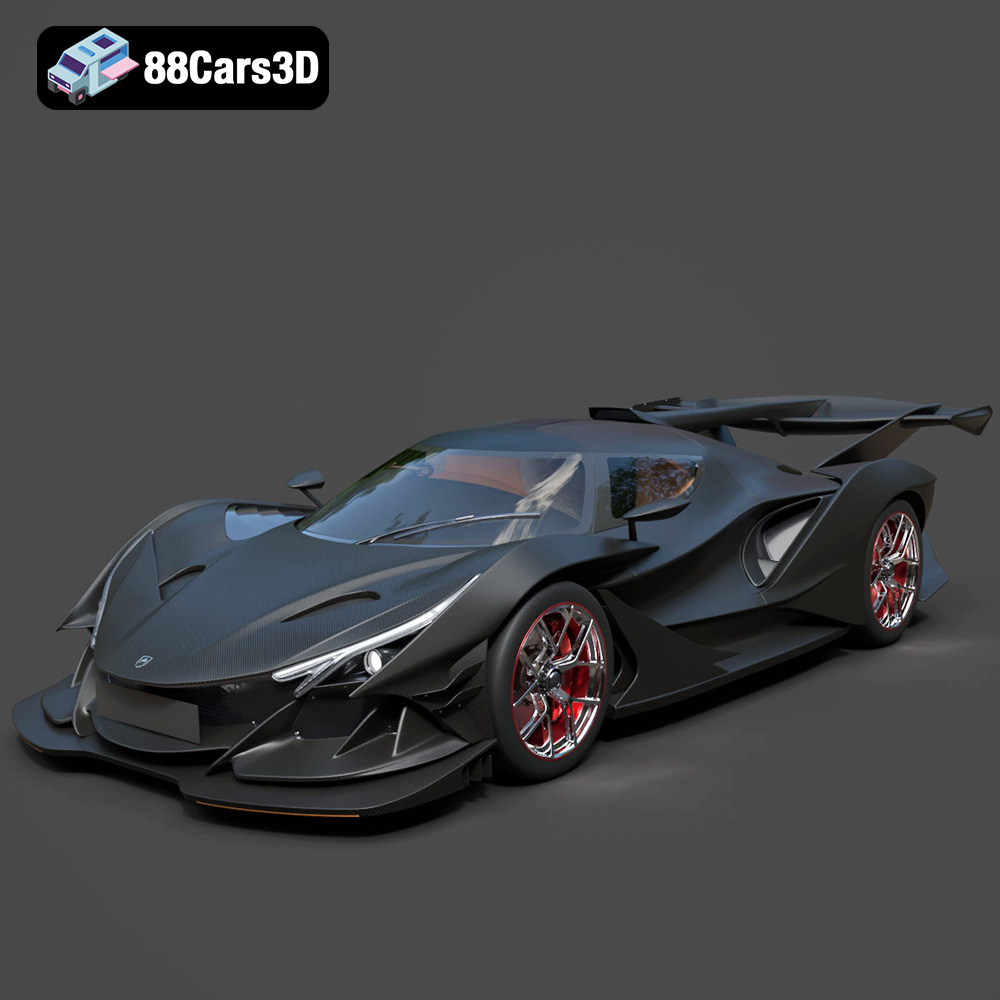
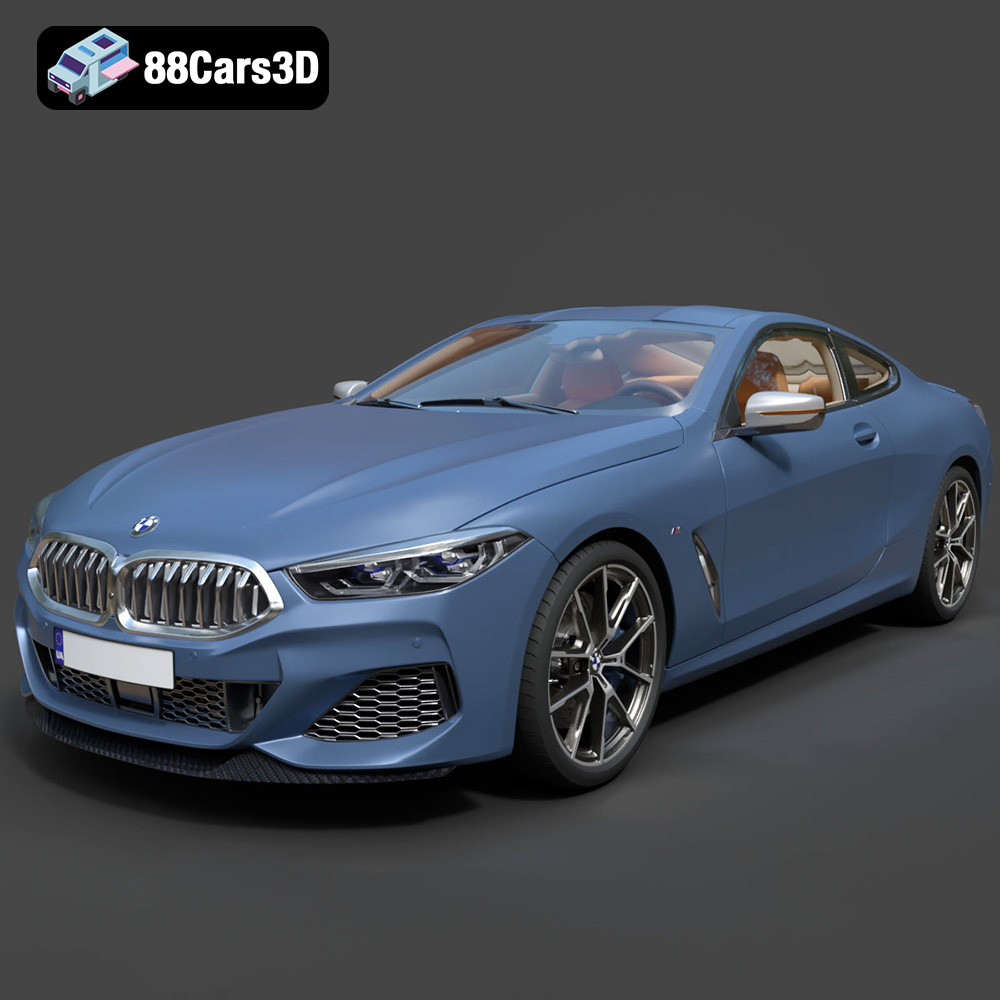
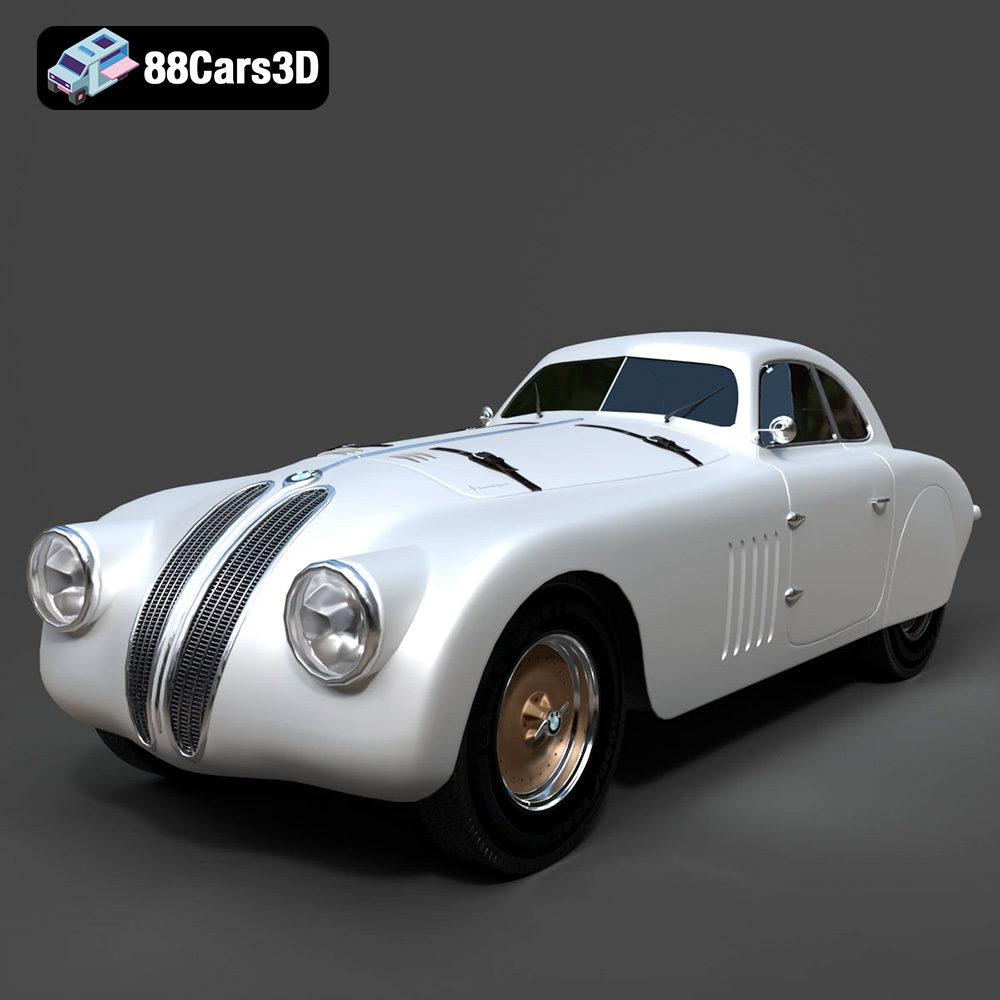
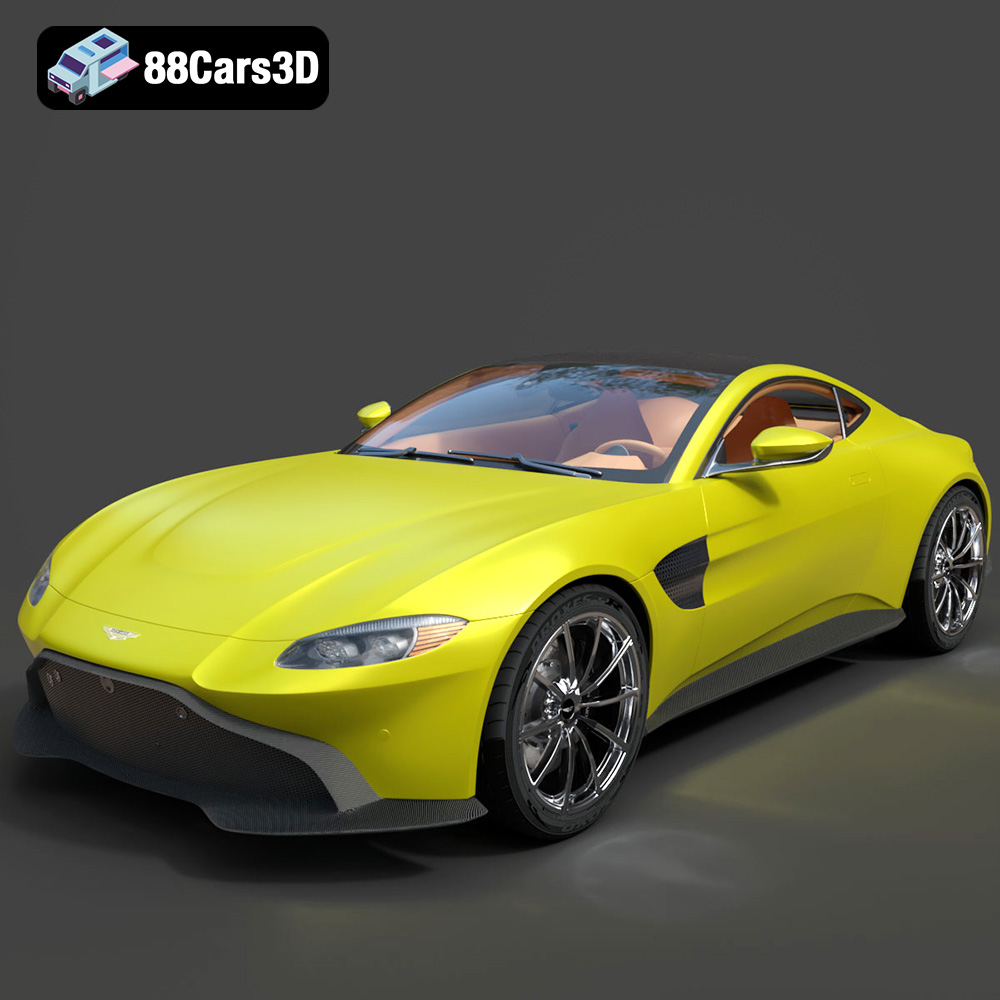
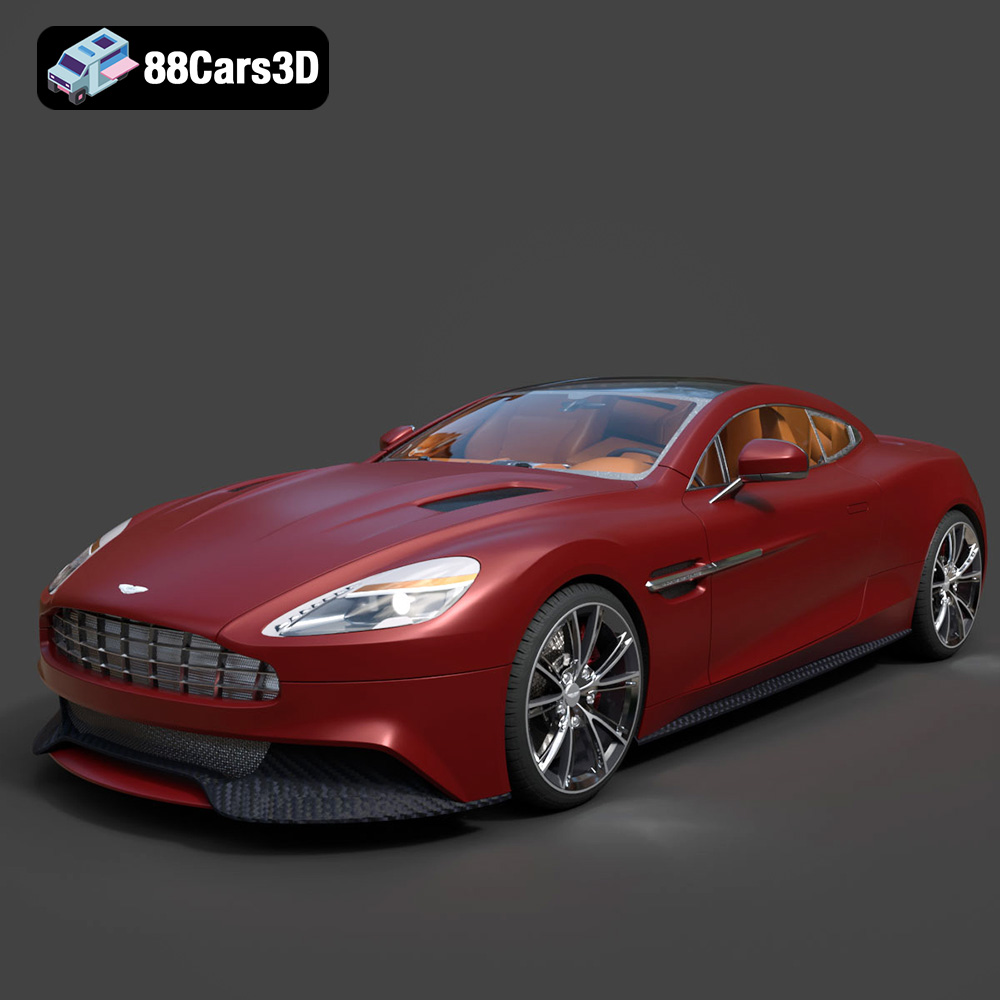
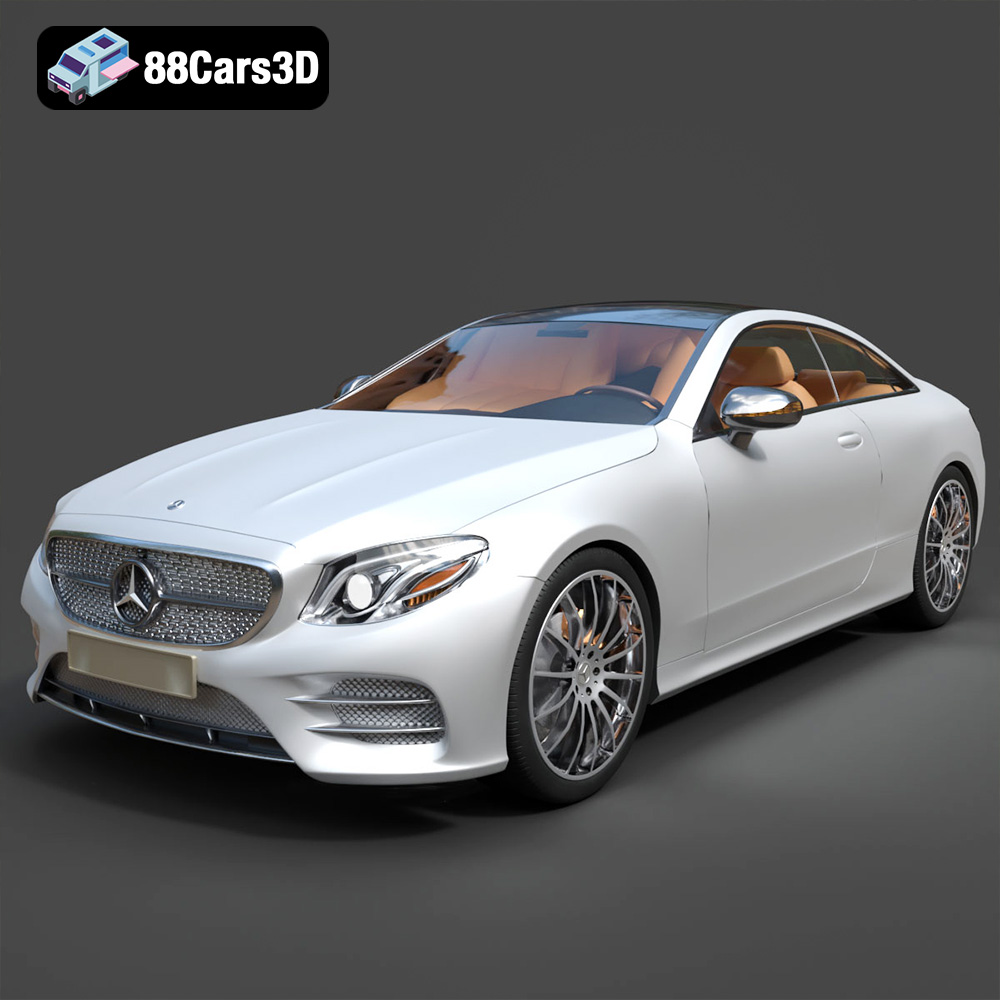
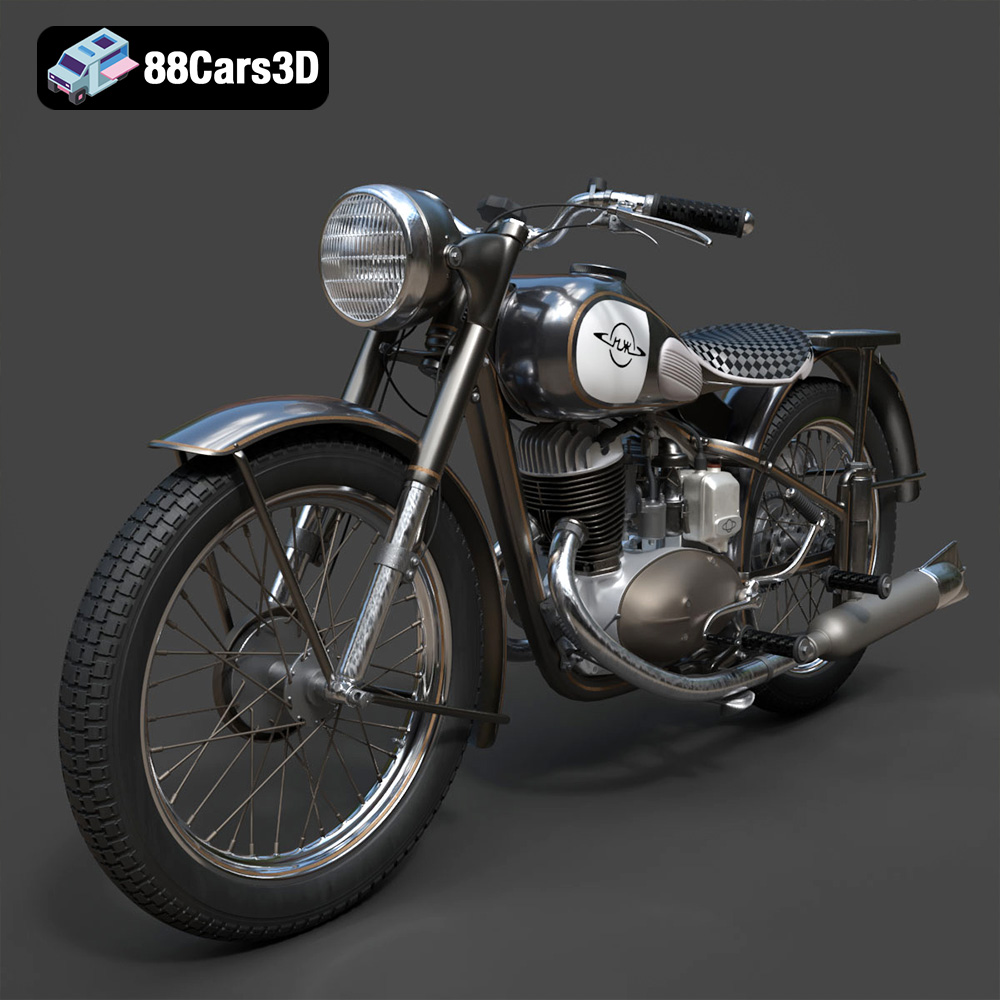
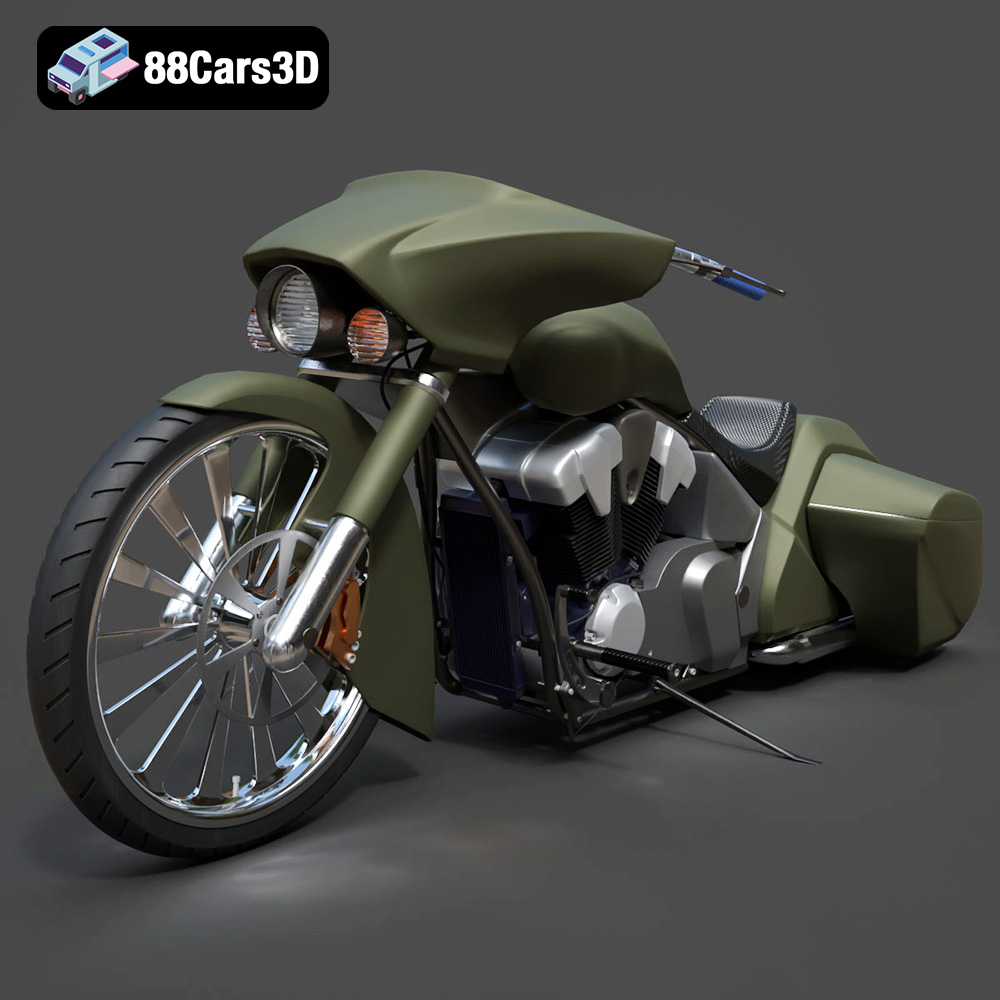
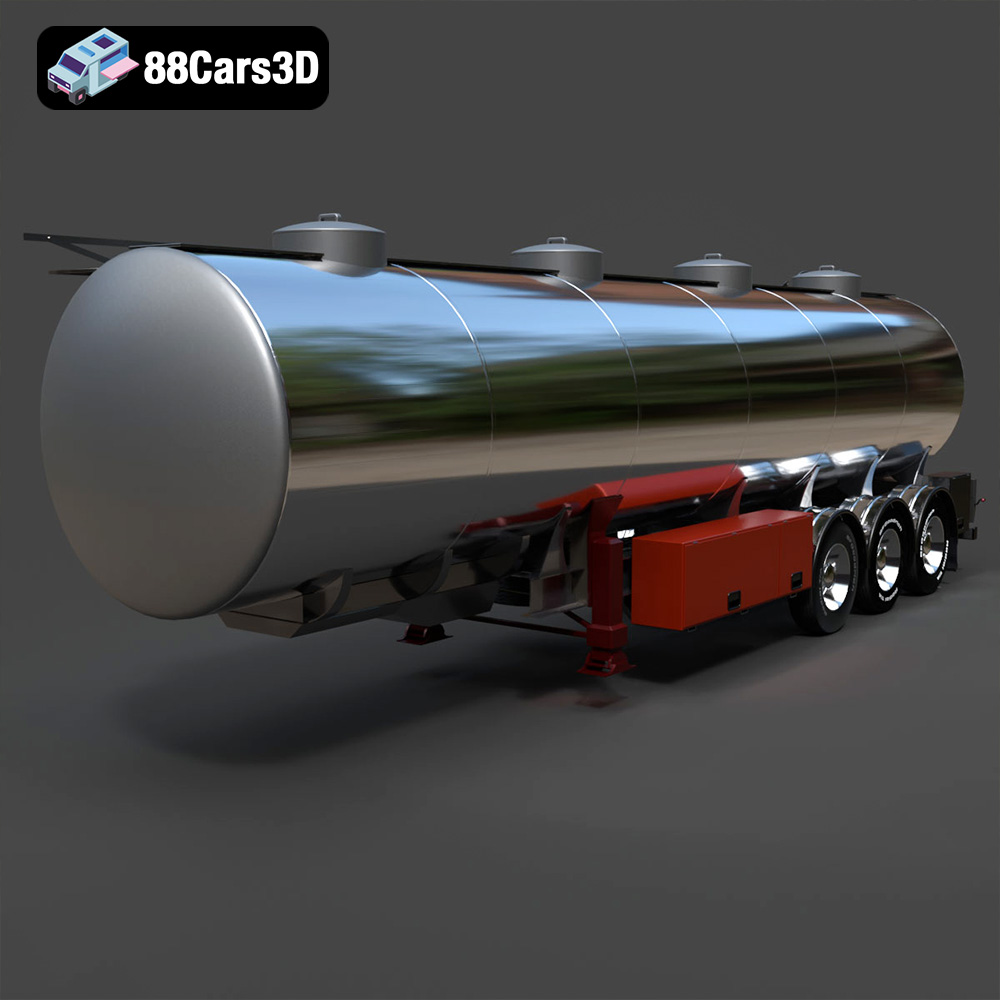
Welcome to the fast lane of digital creativity! Few areas of 3D modeling encapsulate the rapid advancement of technology and artistic skill quite like the rendering of automobiles. From the blocky, pixelated vehicles of early video games to the breathtakingly photorealistic cars seen in modern cinema and interactive experiences, the journey of automotive 3D modeling has been a fascinating evolution. This article will drive you through the history, techniques, and future of creating stunning 3D car models, exploring how artists and engineers have pushed the boundaries of realism.
Whether you’re a budding 3D artist, a game developer, or simply fascinated by the craft, understanding this evolution is key to appreciating the complexity and artistry behind today’s hyper-realistic digital vehicles. We’ll delve into the technical hurdles overcome, the workflows developed, and the software tools that have powered this incredible transformation, ensuring you gain a comprehensive understanding of what it takes to bring a car to life in the digital realm.
The Dawn of Digital Wheels: Early Low-Poly Automotive Models
The genesis of vehicle 3D modeling was a testament to ingenuity under severe constraints. In the early days, hardware limitations dictated an extremely minimalist approach to digital representations.
The Era of Performance Constraints (1990s – Early 2000s)
Imagine a time when a typical home computer had megabytes, not gigabytes, of RAM, and graphics cards were primitive by today’s standards. This era forced 3D artists to be incredibly efficient with every polygon and texture pixel. The term “low poly car” wasn’t just a style choice; it was a necessity.
- Hardware Limitations: CPUs and GPUs struggled with complex geometry and high-resolution textures. Every additional polygon meant a significant hit to performance, especially in real-time applications like video games.
- What is “Low Poly”? Early automotive models featured minimal polygon counts – often just a few hundred or a couple of thousand triangles for an entire vehicle. Details like headlights, grilles, and wheels were often baked into a single texture map, or represented by extremely simplified geometric forms. This resulted in blocky, angular shapes that were recognizable but far from realistic.
- Primary Applications: The most prominent use cases were early racing games like Grand Prix, the foundational titles of the Need for Speed series, and early simulations. These games prioritized frame rates and gameplay over visual fidelity.
- Software and Workflow: Artists primarily used software like early versions of 3D Studio (later 3ds Max) and Softimage. The workflow was direct: model the basic shape, apply a simple texture map, and optimize relentlessly.
These early models, while crude by today’s standards, laid the groundwork for everything that followed, proving that even with limited resources, the essence of an automobile could be captured digitally.
Bridging the Gap: The Rise of Medium-Poly and Incremental Realism
As computing power steadily increased, so did the ambition and capabilities of automotive 3D modeling. The mid-2000s to early 2010s marked a significant period of transition.
Unleashing More Detail (Mid-2000s – Early 2010s)
With more powerful consoles like the PlayStation 2 and Xbox, and improved PC hardware, developers could afford to add more geometric detail and employ more sophisticated rendering techniques.
- Increased Polygon Budgets: Cars could now feature tens of thousands of polygons, allowing for smoother curves, distinct panel gaps, and more detailed components like individual spokes on wheels and separate headlight assemblies.
- The Advent of Normal Maps: This was a game-changer. Normal maps allowed artists to “fake” high-resolution surface details (like bolts, vents, and intricate trim) using a low-polygon mesh. By baking detail from a high-poly sculpt onto a low-poly model, developers could achieve visual complexity without the performance overhead. Specular maps also became common, dictating how light reflected off different surfaces.
- Subdivision Surfaces: Techniques like subdivision modeling became more accessible, enabling artists to create smooth, organic shapes from a base mesh, adding resolution only where needed.
- Better Lighting Models: Per-pixel lighting replaced vertex lighting, leading to more realistic light and shadow interactions on surfaces, enhancing the sense of depth and form.
- Key Applications: This era saw titles like Gran Turismo 3/4, Forza Motorsport 1/2, and the cinematic leaps of early CGI films. Product visualizations also began to adopt higher fidelity, though still largely pre-rendered.
- Software Evolution: Autodesk Maya and 3ds Max became industry standards. ZBrush started gaining traction for high-poly sculpting, facilitating the creation of those crucial normal maps.
This period was crucial for understanding how to balance visual fidelity with performance, a challenge that remains relevant in modern game development 3D assets.
The Pursuit of Perfection: Ultra-Realistic Automotive Assets Today
Today, the pursuit of realism in 3D car design knows few bounds. The goal is often indistinguishable from reality, pushing the boundaries of what’s possible in real-time and offline rendering.
Advanced Geometry and Topology
Modern ultra-realistic 3D car models boast an astounding level of geometric detail.
- High-Poly Modeling Techniques: A single vehicle can easily exceed several million polygons, especially when considering interiors, engines, and undercarriages. Every button, stitch, vent, and individual screw can be modeled geometrically.
- CAD Data Integration: For unparalleled accuracy, many studios now directly integrate or re-topologize original Computer-Aided Design (CAD) data from automotive manufacturers. This ensures millimeter-perfect fidelity to the real-world vehicle.
- Clean Topology: Beyond sheer polygon count, meticulous attention is paid to edge flow and topology, ensuring smooth deformation for animation, clean subdivision results, and optimal UV unwrapping.
- Reference Acquisition: The use of blueprints, extensive photographic reference (inside and out), and increasingly, photogrammetry and LiDAR scans of actual vehicles, ensures unparalleled accuracy in proportions and details.
Sophisticated Materials and Texturing
Material definition is perhaps the single most critical factor in achieving true realism.
- Physically Based Rendering (PBR) Workflows: This has become the industry standard. PBR shaders accurately simulate how light interacts with surfaces based on real-world physical properties. This involves multiple texture maps:
- Albedo/Base Color: The inherent color of the surface without lighting information.
- Roughness: Controls how diffuse or shiny a surface is.
- Metalness: Defines if a surface is metallic or dielectric.
- Normal Map: Adds fine surface detail without extra geometry.
- Ambient Occlusion (AO): Simulates soft shadows where surfaces meet.
- Layered Materials: Car paint, for instance, is often a complex stack of layers – a base coat, metallic flake, a clear coat with varying roughness and reflection properties. Rubber, glass, chrome, carbon fiber, and leather each require unique material definitions.
- Procedural Textures and Substance Tools: Software like Substance Painter and Substance Designer are indispensable for creating highly detailed, customizable, and resolution-independent textures, including realistic wear, dirt, scratches, and even specific branding decals.
- Precise UV Unwrapping: Flawless UV mapping is essential to ensure textures wrap correctly and without distortion over complex surfaces.
Cutting-Edge Rendering and Lighting
The final image quality is heavily dependent on the rendering engine and lighting setup.
- Real-Time Ray Tracing/Path Tracing: Modern game engines and offline renderers now leverage ray tracing to simulate light bounces, reflections, and refractions with astonishing accuracy, creating soft shadows, realistic reflections on car bodies, and true-to-life glass.
- Global Illumination (GI): Simulates the bouncing of light within an environment, illuminating indirect areas and enhancing overall realism. Unreal Engine 5’s Lumen and Nanite technologies are prime examples of real-time GI and highly optimized geometry.
- High Dynamic Range (HDR) Lighting Environments: Using HDR image-based lighting (IBL) allows scenes to be lit by real-world environments, providing highly realistic and naturalistic reflections and illumination.
- Advanced Camera Effects: Depth of field, motion blur, chromatic aberration, and lens flares all contribute to a cinematic and believable final image.
- Renderers: Industry-standard offline renderers include V-Ray, Corona, Redshift, and Arnold. Real-time rendering is dominated by game engines like Unreal Engine and Unity, which increasingly incorporate advanced rendering features.
Integration and Optimization for Different Platforms
The ultimate destination of an automotive 3D model dictates its final presentation and optimization.
- Game Engines (Unreal, Unity): For interactive experiences, optimization is paramount. This involves creating LODs (Levels of Detail) – multiple versions of the model with decreasing polygon counts – to maintain performance at varying distances. Baking high-poly details onto low-poly meshes is still a critical step.
- Film/VFX: Here, the focus is on absolute fidelity, with fewer real-time constraints. Models are often hundreds of millions of polygons for extreme close-ups, rendered on massive render farms.
- Automotive Configurator/Marketing: These require high-fidelity assets, often pre-rendered for pristine imagery or optimized for real-time interactive experiences on web or mobile platforms.
- VR/AR: Balancing fidelity with the demanding performance requirements of virtual and augmented reality is a constant challenge, requiring highly optimized assets and specialized rendering techniques.
Key Techniques and Tools for Modern Automotive 3D Modeling
Creating contemporary VFX vehicles or highly detailed game assets requires a specific skillset and a powerful software arsenal.
Essential Software Suites
- 3D Modeling Software:
- Autodesk Maya & 3ds Max: Industry standards for polygon modeling, animation, and rigging.
- Blender: A powerful, open-source alternative gaining massive traction, offering comprehensive modeling, sculpting, and rendering tools (Cycles).
- Modo: Known for its intuitive modeling tools and clean subdivision workflow.
- SolidWorks/Fusion 360: CAD software often used for initial engineering designs, which can then be converted for polygon modeling.
- Sculpting Software:
- ZBrush: Unrivaled for organic and hard-surface sculpting, often used to create extreme detail that is then baked onto lower-poly models.
- Mudbox: Autodesk’s sculpting solution.
- Texturing Software:
- Substance Painter: The industry go-to for PBR texture painting, offering incredible flexibility and realism.
- Substance Designer: For creating complex procedural materials from scratch.
- Mari: Used for painting extremely high-resolution textures, often in film VFX pipelines.
- Adobe Photoshop: Essential for final texture adjustments and traditional image manipulation.
- Rendering Software/Engines:
- V-Ray, Corona, Arnold, Redshift, Octane: High-end offline renderers.
- Unreal Engine, Unity: Leading real-time game engines with advanced rendering capabilities.
The Importance of Reference and Accuracy
Accuracy is king. Modern automotive 3D modeling relies heavily on:
- Blueprints and Schematics: Essential for establishing correct proportions and dimensions.
- CAD Data: Direct import of engineering data guarantees geometric precision.
- Photogrammetry & LiDAR Scans: Scanning real vehicles provides incredibly accurate 3D data and texture information, forming the basis for highly realistic digital twins.
- Extensive Photography & Observation: Hundreds, sometimes thousands, of reference images are needed for every angle, interior detail, material swatch, and subtle surface imperfection.
From Concept to Production: The Workflow
A typical 3D asset creation workflow for an ultra-realistic car involves several stages:
- Planning & Reference Gathering: Collecting blueprints, photos, and CAD data.
- Blocking Out: Creating the basic shape and proportions.
- High-Poly Modeling/Sculpting: Detailing every component, either directly in a modeling package or sculpting in ZBrush.
- Retopology (if necessary): Creating a clean, animation-friendly, lower-poly mesh from a high-poly sculpt or CAD data.
- UV Unwrapping: Laying out the 2D texture coordinates for the model.
- Texturing: Creating and applying PBR materials and detailed surface textures.
- Rigging & Animation (for interactive models): Setting up joints and controls for doors, wheels, steering, etc.
- Lighting & Rendering: Setting up the scene, lights, and camera to achieve the desired look.
- Optimization & Integration: Creating LODs, baking maps, and exporting for game engines or other platforms.
Decision Framework: Choosing the Right Level of Detail
Not every project requires a 10-million-polygon car. Deciding on the appropriate level of detail (LOD) is a critical decision driven by the application, budget, and performance targets.
Application-Specific Needs
- Game Development: Requires careful balancing. Main player vehicles in AAA racing games might push millions of polygons (with heavy LODs), while background traffic cars could be a few thousand. Performance is paramount.
- Film/VFX: The sky’s the limit for polygon count and texture resolution. If it’s on screen, it needs to be perfect, as there are no real-time constraints during rendering.
- Product Visualization/Marketing: Often high-fidelity, especially for configurators or high-resolution stills. Can be pre-rendered or real-time, depending on interactivity.
- AR/VR: Demands optimization similar to games, but with even stricter performance targets due to the need for high frame rates (90+ FPS) to avoid motion sickness.
Here’s a simplified comparison table to guide your decisions:
| Application |
Typical Poly Count (Main Model) |
Texture Resolution (Body) |
Key Considerations |
| Early Video Games (1990s) |
< 1,000 tris |
256×256 px |
Extreme optimization, basic shapes |
| Mid-Gen Games (PS2/Xbox) |
5,000 – 30,000 tris |
512×512 – 1024×1024 px |
Normal maps, smoother geometry |
| Modern AAA Games (Hero Car) |
100,000 – 500,000 tris (base LOD) |
2048×2048 – 4096×4096 px |
PBR, multiple LODs, interior detail |
| Film/VFX (Hero Car) |
1 Million – 10+ Million tris |
8192×8192 – 32768×32768 px |
Absolute realism, render farms, often CAD-derived |
| Product Viz / Configurator |
500,000 – 5 Million tris |
4096×4096 – 16384×16384 px |
High fidelity, sometimes real-time optimized, sometimes pre-rendered |
Budget and Time Constraints
The more realistic and detailed a model, the higher the cost in terms of artist time, specialized software, and powerful hardware. A photorealistic car can take hundreds of hours, if not thousands, to complete from scratch, requiring highly skilled 3D artists.
The Road Ahead: Future Trends in Automotive 3D Modeling
The evolution is far from over. Future trends promise even more efficiency and realism.
AI and Generative Design
- AI-Assisted Modeling: Tools are emerging that can interpret sketches or basic forms and generate optimized geometry or even entire components, accelerating the initial blocking and detailing phases.
- Procedural Texturing and Material Generation: AI can analyze reference images and generate highly realistic PBR materials, including wear and tear, automatically.
Real-Time Everything
- Further Advancements in Real-Time Ray Tracing: Expect real-time global illumination, reflections, and refractions to become standard across more platforms, reducing the gap between offline and real-time rendering.
- Cloud Rendering: More accessible cloud-based rendering solutions will allow for instant high-quality feedback without requiring massive local hardware investments.
- Instant Digital Twins: Improved photogrammetry and LiDAR scanning will enable even faster and more accurate creation of digital vehicle assets from physical counterparts.
Interactivity and Immersive Experiences
- Metaverse Applications: Hyper-realistic automotive assets will be crucial for creating believable virtual worlds and interactive showrooms within the burgeoning metaverse.
- Autonomous Vehicle Simulation: Highly accurate 3D car models and environments are essential for training and testing AI in autonomous driving systems.
Conclusion
The journey of automotive 3D modeling from basic low-poly shapes to today’s breathtakingly realistic assets is a testament to relentless technological innovation and the incredible artistry of 3D artists. We’ve traversed a path paved with increasing polygon counts, sophisticated texturing techniques, and revolutionary rendering algorithms. What was once a chunky approximation has become a digital twin, often indistinguishable from its physical counterpart.
As hardware continues to advance and software becomes more intelligent, the future promises even more accessible tools, faster workflows, and a blurring line between the real and the virtual. The demand for skilled professionals who can navigate this complex landscape, bringing digital vehicles to life for games, films, marketing, and the metaverse, will only continue to grow.
Ready to Accelerate Your 3D Vision?
Whether you’re looking to develop the next generation of hyper-realistic racing games, create stunning visualizations for an automotive brand, or require custom 3D car models for any project, mastering the art and science of automotive 3D modeling is crucial. Contact us today to discuss your 3D visualization needs or explore our portfolio of high-fidelity vehicle 3D models. Let’s create something extraordinary together!
Recommended undefined Models