Get 50% OFF All Premium 3D & STL Models!

The automotive industry is in a constant state of evolution, driven by innovation not just in engineering, but also in visualization and customer engagement. Gone are the days when static images and pre-rendered videos were sufficient to showcase a vehicle’s intricate details. Today, buyers and designers alike demand immersive, real-time experiences that allow them to explore, customize, and truly connect with a car before it even exists in physical form. This is where Unreal Engine, a powerhouse for real-time rendering and interactivity, steps in, transforming the way we perceive and interact with automotive designs.
Interactive automotive configurators built with Unreal Engine are revolutionizing showrooms, design reviews, and online sales platforms. They offer unparalleled visual fidelity, real-time feedback on customization choices, and a deeply engaging user experience. Imagine changing a car’s paint color, wheel design, interior trim, and even dynamic lighting scenarios, all with instantaneous updates at a photorealistic quality. This comprehensive guide will walk you through the essential steps and advanced techniques for creating such a configurator, leveraging Unreal Engine’s cutting-edge features and industry best practices. We’ll cover everything from project setup and model optimization to advanced lighting, Blueprint scripting for interactivity, and performance tuning, ensuring your automotive visualization projects stand out.
Building a robust automotive configurator in Unreal Engine begins with meticulous project setup and careful asset preparation. The initial steps determine the quality, performance, and scalability of your final application. A well-organized project structure and optimized 3D car models are paramount, especially when aiming for photorealistic real-time rendering. Understanding the intricacies of importing various file formats and configuring your Unreal Engine project specifically for automotive visualization will save immense time and effort down the line. It’s not just about getting models into the engine; it’s about preparing them for a dynamic, interactive environment where every detail matters.
Starting with the right Unreal Engine template is crucial. For automotive visualization, the "Blank" or "Games" templates are often preferred, allowing for a clean slate, but you’ll want to enable specific plugins and project settings. Navigate to Edit > Project Settings and consider the following:
These initial configurations lay the groundwork for a visually rich and performant configurator. For deeper dives into Unreal Engine’s vast capabilities and features, the official Unreal Engine documentation at https://dev.epicgames.com/community/unreal-engine/learning is an invaluable resource.
The quality of your 3D car models is the bedrock of a convincing configurator. Sourcing high-quality, production-ready assets is essential. Platforms like 88cars3d.com offer optimized 3D car models specifically designed for Unreal Engine, featuring clean topology, PBR-ready materials, and UV mapping. When acquiring models, look for:
Pre-optimization in your 3D modeling software (e.g., 3ds Max, Maya, Blender) might involve consolidating materials, ensuring consistent scaling, and simplifying unnecessary geometry before import.
Unreal Engine supports several robust import workflows for 3D car models:
Each method has its strengths, with Datasmith and USD excelling in preserving complex hierarchies and metadata from professional design pipelines, while FBX remains a solid choice for pre-optimized game-ready assets. Experiment with what best fits your source assets and workflow.
The heart of a photorealistic automotive configurator lies in its visual fidelity – how convincingly the car materials reflect light, how realistic the environment looks, and how dynamically the lighting responds to user choices. Achieving this requires a deep understanding of Physically Based Rendering (PBR) materials, advanced real-time global illumination systems like Lumen, and sophisticated post-processing techniques. Every surface, from the car’s metallic paint to the leather interior and glass windows, must react to light in a physically accurate manner to create a truly immersive experience. This section dives into creating compelling visuals that bring your 3D car models to life.
PBR materials are fundamental for achieving photorealistic results. They simulate how light interacts with surfaces in the real world, relying on properties like Base Color, Metallic, Roughness, Specular, Normal, and Ambient Occlusion. For automotive configurators, attention to detail in material creation is paramount:
Organize your materials as instances of master materials to streamline modifications and ensure consistency across your configurator, especially for color variations and different trim levels.
Unreal Engine’s Lumen Global Illumination and Reflections system is a game-changer for real-time automotive visualization. Lumen provides fully dynamic, high-fidelity global illumination that reacts instantly to changes in direct lighting or geometry, making it perfect for interactive configurators where environments or time-of-day might change.
Experiment with light intensity, color temperature, and shadow settings to create different moods and showcase the car effectively. Lumen also requires well-tuned post-processing to truly shine.
Beyond direct lighting, realistic reflections and carefully tuned post-processing are vital for an automotive configurator.
Careful calibration of these settings, especially in conjunction with your lighting, will elevate the visual realism of your automotive configurator significantly. It’s an iterative process of tweaking and observing until the desired aesthetic is achieved.
A truly interactive automotive configurator isn’t just about static visuals; it’s about enabling users to make choices and see immediate, dynamic results. This is where Unreal Engine’s Blueprint Visual Scripting system becomes indispensable. Blueprint allows developers and artists alike to create complex gameplay mechanics and interactive elements without writing a single line of C++ code. For a configurator, this means handling everything from swapping out car parts and changing paint colors to navigating camera views and responding to user interface inputs. Mastering Blueprint is key to delivering a seamless and engaging customization experience.
The fundamental interactivity of any configurator revolves around changing visual attributes. Blueprint provides the perfect framework for this:
Set Visibility or Set Hidden In Game) and then show the newly selected part. For complex scenarios, consider using an Array of Static Meshes and an integer index to manage active components.Set Vector Parameter Value node to update the color. This approach allows for endless color variations without creating numerous unique materials.Consider using a "Data Table" or "Structure" in Blueprint to store all possible customization options (e.g., {Wheel_Name, Wheel_Mesh, Wheel_Price}) for easy management and scalability.
A beautiful configurator needs an intuitive user interface (UI) to drive its interactions. Unreal Engine’s Widget Blueprints (UMG) are perfect for creating responsive UI elements:
Effective UI design ensures a smooth and enjoyable user experience, making the configurator easy to navigate and understand.
Beyond component changes, dynamic camera work enhances the configurator’s appeal.
Set Actor Transform node on your camera or a Lerp (Linear Interpolate) function for smooth transitions between views.Combining Blueprint interactivity with Sequencer’s cinematic capabilities creates a highly polished and engaging user journey through your automotive configurator.
Creating stunning visuals and compelling interactivity is only half the battle; ensuring your automotive configurator runs smoothly across various hardware configurations is equally critical. Real-time rendering of high-fidelity 3D car models is notoriously demanding, making performance optimization a continuous process. Unreal Engine offers a suite of powerful tools designed to manage complexity and maintain high frame rates, from virtualized geometry with Nanite to intelligent Level of Detail (LOD) management. This section focuses on the strategies and techniques to optimize your project for maximum performance and scalability, crucial for delivering a professional-grade experience, whether on a high-end workstation or an AR device.
Nanite, Unreal Engine 5’s virtualized geometry system, is a revolutionary feature that allows artists to import film-quality assets with billions of polygons directly into the engine without noticeable performance degradation. For automotive visualization, where intricate details and smooth surfaces are paramount, Nanite is a game-changer:
By embracing Nanite, artists can focus on artistic fidelity rather than being constrained by polygon budgets, leading to unprecedented visual quality in real-time automotive rendering.
While Nanite handles static mesh complexity, other optimization techniques are still vital, especially for non-Nanite meshes, dynamic objects, and scalability across different hardware.
Intelligent LOD management ensures that your configurator maintains a smooth frame rate even when displaying numerous objects or running on less powerful hardware, providing a scalable solution for various deployment scenarios.
Beyond geometry, textures and rendering overhead are major performance considerations.
Thorough profiling using Unreal Engine’s built-in tools (Stat Unit, Stat GPU, Profiler) is essential to identify bottlenecks and guide your optimization efforts, ensuring your configurator delivers a fluid and responsive experience.
An interactive automotive configurator can go far beyond simple paint and wheel changes. By integrating advanced features like realistic physics simulation, sophisticated cinematic sequences, and versatile deployment options, you can elevate the user experience and expand the application’s utility. Whether for high-fidelity virtual production, immersive AR/VR experiences, or scalable web-based platforms, Unreal Engine provides the tools to push the boundaries of automotive visualization. This section explores how to imbue your configurator with deeper functionality and prepare it for a variety of real-world applications, showcasing the full potential of your 3D car models.
For some automotive configurators, especially those geared towards enthusiasts or engineering reviews, simply changing visuals might not be enough. Integrating realistic physics can add an incredible layer of immersion:
While full-blown driving simulators require significant development, even subtle physics interactions can significantly enhance the perceived realism and interactivity of your automotive configurator, transforming it from a static viewer into a dynamic, explorable virtual vehicle.
The versatility of Unreal Engine means your configurator isn’t confined to a desktop application; it can be deployed across a multitude of platforms:
Consider using the "OpenXR" plugin for cross-platform VR support and "ARCore"/"ARKit" plugins for mobile AR.
These deployment methods extend the reach and impact of your automotive configurator, making it accessible to a broader audience across various interactive mediums.
For high-end automotive presentations, marketing events, or virtual production shoots, integrating your Unreal Engine configurator with LED walls offers a spectacular solution:
This cutting-edge application pushes automotive visualization into the realm of live, interactive experiences, blurring the lines between the digital and physical worlds and offering unparalleled opportunities for immersive marketing and product launches. It represents the pinnacle of real-time rendering in a commercial context.
Creating interactive automotive configurators in Unreal Engine is a journey that blends artistic vision with technical expertise. From the initial meticulous preparation of high-quality 3D car models sourced from marketplaces like 88cars3d.com, through the intricate process of material and lighting design, to the robust implementation of interactivity using Blueprint visual scripting and strategic performance optimization, every step contributes to a polished, professional final product. We’ve explored how cutting-edge features like Nanite and Lumen fundamentally transform what’s possible in real-time rendering, delivering unprecedented visual fidelity.
The ability to dynamically change paint colors, swap out wheel designs, explore interiors, and even simulate vehicle dynamics in a photorealistic environment offers an unparalleled experience for automotive enthusiasts, designers, and potential buyers. Furthermore, the versatility of Unreal Engine allows these configurators to be deployed across a wide spectrum of platforms – from traditional desktop applications to immersive AR/VR experiences, scalable web-based solutions via Pixel Streaming, and even groundbreaking virtual production stages utilizing LED walls. This adaptability ensures your automotive visualization reaches the right audience in the most impactful way.
The automotive industry continues to embrace real-time technology for its efficiency, interactivity, and unparalleled visual quality. By mastering the techniques outlined in this guide, you are not just building a configurator; you are creating an immersive portal to the future of automotive design and sales. Dive into Unreal Engine, experiment with its powerful toolset, and start building your next-generation interactive automotive experience today. The road ahead is open for innovation.

Texture: Yes | Material: Yes | 3D Printable: Yes. Download the Italian Thoroughbreds Bundle featuring 5 iconic 3D models: Lamborghini Huracán Performante, Ferrari 458 Italia, Lamborghini Urus, Diablo SV, and Maserati GT. Optimized for 4K rendering and 3D printing (STL included). Save 50% with this ultimate Italian vehicle collection.
Price: $199.99

Download the Elite Future Mobility Bundle featuring 4 highly optimized 3D models: Tesla Model S, Avatr 11, Li L9, and Zoox Robotaxi. Perfect for ArchViz, Smart City renders, and game dev. Optimized for Unreal Engine and Blender. Includes .fbx, .obj, and .max formats.
Price: $99

🚗 5 Iconic German Cars (BMW M4 G82, M5 CS, X3, 1 Series & Mercedes E-Class). ✅ Optimized for ArchViz: Ready for Corona & V-Ray. 💰 Save €71 with this limited-time collection! 🚀 Instant Download after purchase.
Price: $119

Download the Extreme Off-Road & Survival 3D Models Bundle! Includes the Brabus 800 Adventure, Dodge Ram Bigfoot, Spec Truck, and a Caravan. Save over €210 on this premium 4-in-1 off-grid vehicle pack for ArchViz and game development.
Price: $149.99

Download the Heavy Duty & Commercial Logistics 3D Models Bundle! Includes the Ford Sterling, Caterpillar CT680, Mercedes Citaro Bus, and Vito Van. Save over €130 on this massive, game-ready 4-in-1 industrial vehicle pack.
Price: $109.99

Download the Ultimate Custom Motorcycles 3D Models Bundle. Includes a Custom Chopper, Ducati 916 Café Fighter, Harley XR1200X, and BMW K100. Perfect premium props for luxury ArchViz garages. Save over €250 today!
Price: $159.99

Download the ultimate JDM Street Racing 3D Models Bundle! Includes the Nissan GT-R, Toyota Supra, Mazda RX-7, Lancer Evo IX, and Honda NSX. Save big on this highly optimized, game-ready 5-in-1 Japanese legend car pack.
Price: $129.99

Download the ultimate American Muscle & Cinematic Classics 3D Models Bundle! Includes the Dodge Charger ’68, Mustang Eleanor GT500, Camaro Z28 ’79, and a custom ’69 Mustang. Save over €240 on this game-ready, premium 4-in-1 pack.
Price: $149.99
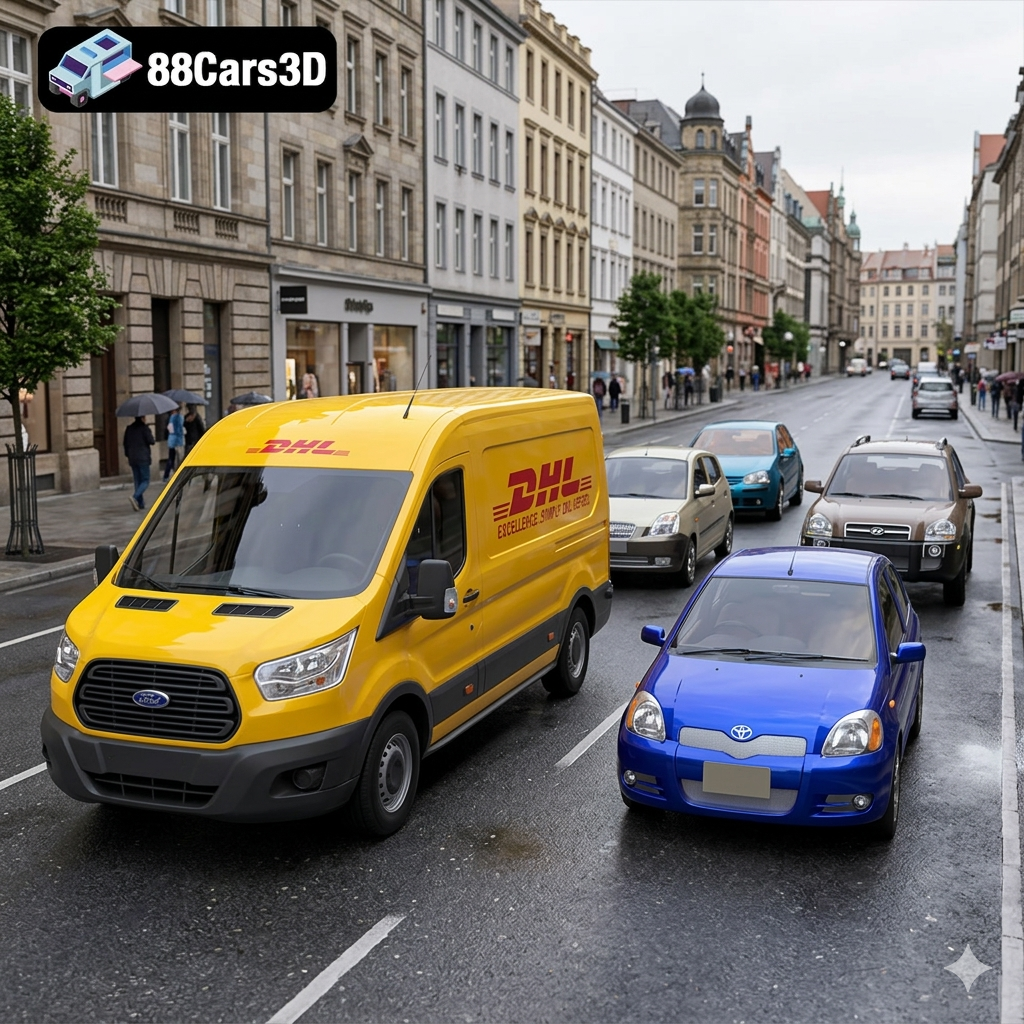
Download the Everyday City Traffic 3D Models Bundle. Includes the VW Golf, Kia Picanto, Hyundai Tucson, Toyota Yaris, and a DHL Ford Transit Van. Save big on this 5-in-1 pack, perfectly optimized for realistic ArchViz streets and game traffic.
Price: $99.99
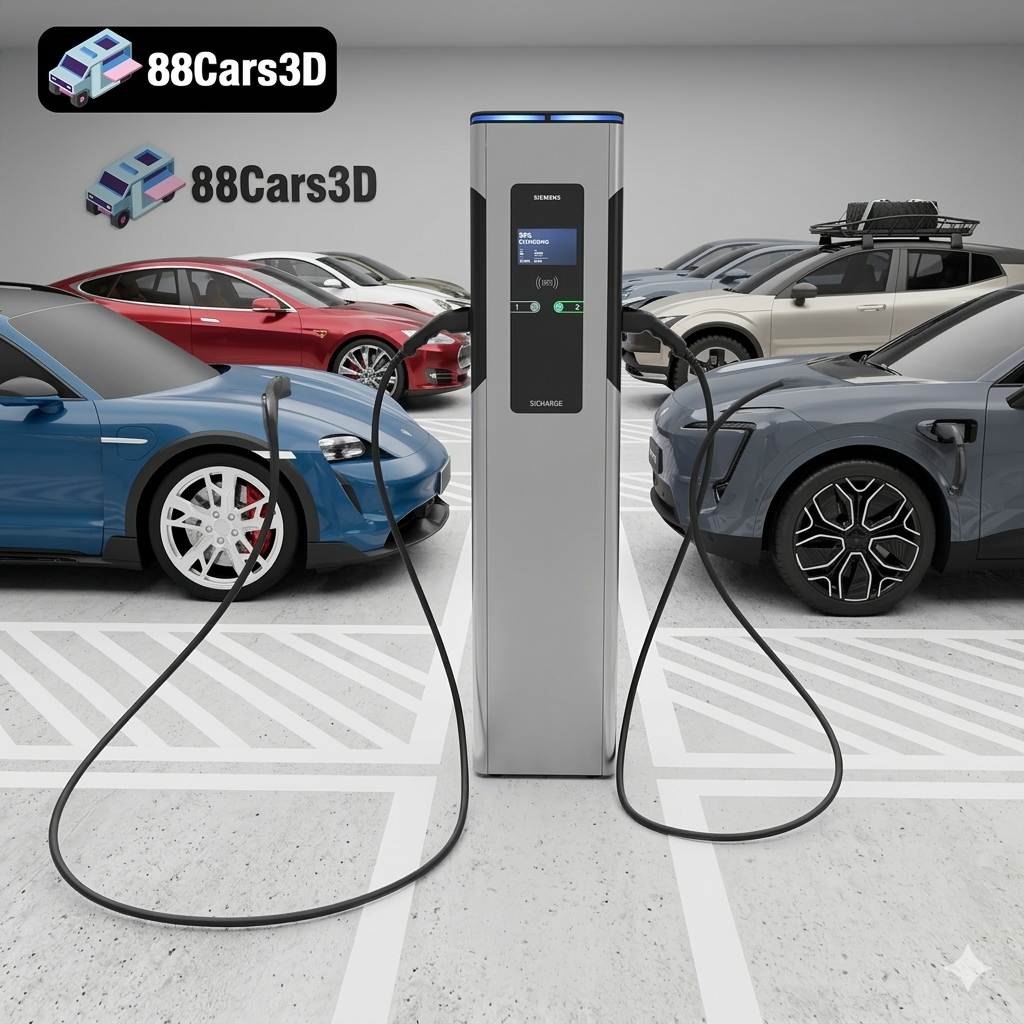
Download the Future of Mobility EV 3D Models Bundle. Includes the Volvo EX30, Tesla Model S, AVATR 11, Porsche Taycan, and a Siemens EV Charger. Save big on this highly optimized 5-in-1 pack for ArchViz and game development!
Price: $89.99

