Get 50% OFF All Premium 3D & STL Models!

The automotive industry has always been at the forefront of design and engineering innovation. In the digital realm, this translates to breathtaking advancements in how vehicles are envisioned, prototyped, marketed, and experienced. Central to this transformation is automotive 3D modeling, a discipline that has evolved dramatically from rudimentary, blocky representations to photorealistic digital twins. This journey, from low-polygon approximations to highly detailed, ultra-realistic assets, is a testament to the relentless march of technological progress in computing power, software capabilities, and artistic techniques.
Whether you’re a game developer striving for immersive racing experiences, a product designer visualizing the next concept car, or a marketer creating captivating advertisements, understanding this evolution is crucial. In this comprehensive guide, we’ll delve into the historical milestones, technical breakthroughs, and current methodologies that define modern automotive 3D modeling, providing insights into its past, present, and future.
The early days of automotive 3D modeling were characterized by severe technical limitations. Computing hardware had minimal processing power and memory compared to today’s machines, dictating a highly efficient, yet visually constrained, approach to digital car creation.
This era saw the rise of legendary arcade racing games where low poly car 3D models became instantly recognizable. Titles like Ridge Racer, the original Gran Turismo, and early installments of Need for Speed, though visually simple by today’s standards, offered exhilarating experiences that defined a generation of gamers. These games demonstrated that even with limited detail, compelling virtual vehicles could be created, prioritizing gameplay and performance over raw visual fidelity. Early CGI for commercials also began, but was very basic, often looking distinctly artificial.
As computing hardware rapidly advanced, so too did the potential for more detailed and realistic vehicle modeling. This period marked a significant leap, moving beyond the severe constraints of low poly towards a more balanced approach.
The PlayStation 2, Xbox 360, and PlayStation 3 generations pushed the boundaries of in-game realism. Racing titles like Forza Motorsport and later Gran Turismo entries showcased game asset creation with far greater detail, improved textures, and more sophisticated lighting. Cutscenes began to blur the line between real-time and pre-rendered visuals. Beyond games, automotive configurators and basic marketing visuals started to leverage these more detailed models, giving consumers a better glimpse of their potential purchases. Software like 3ds Max, Maya, and the increasingly popular Blender became industry standards.
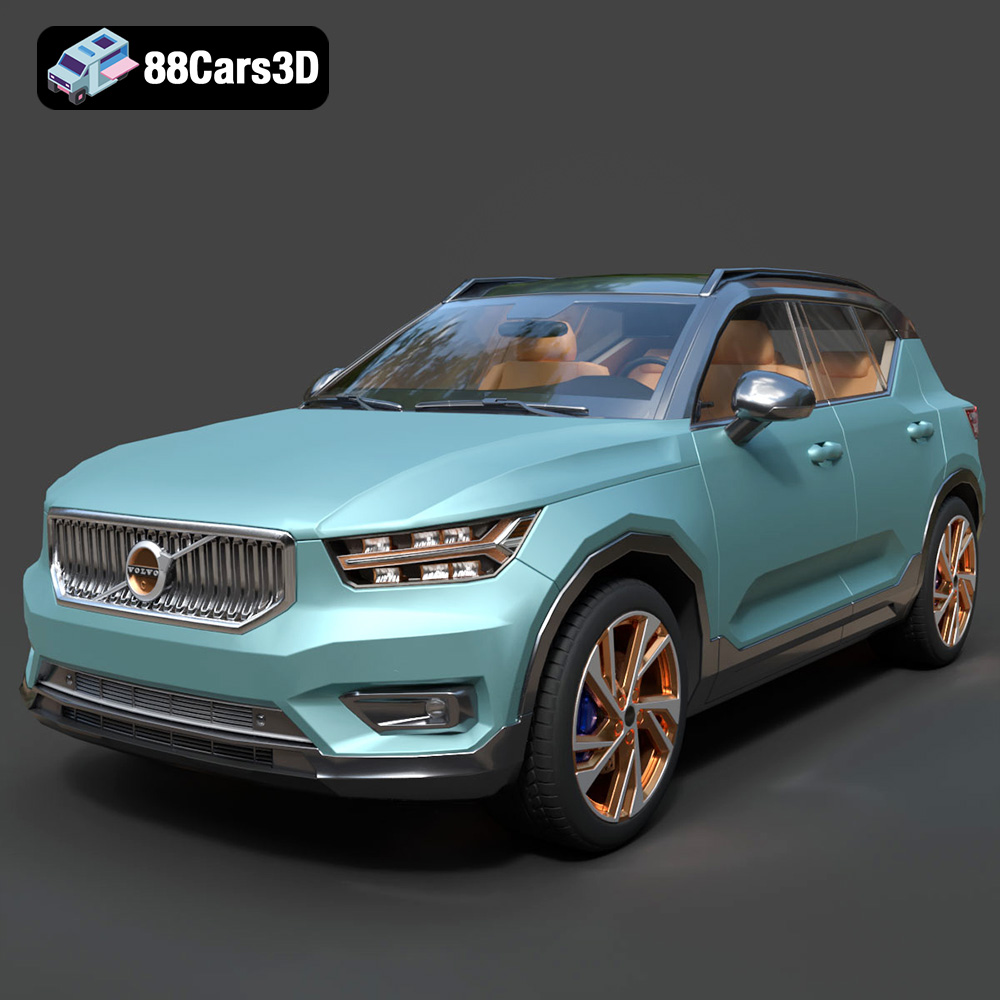
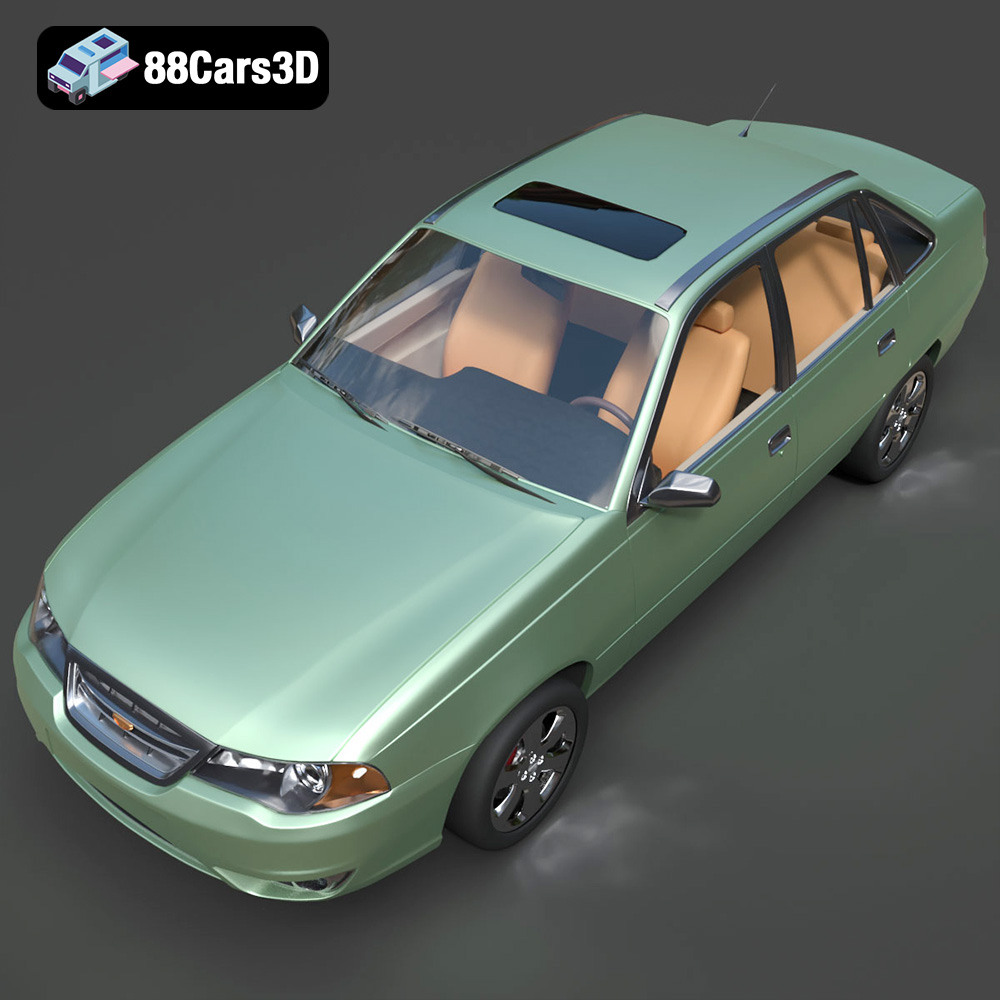
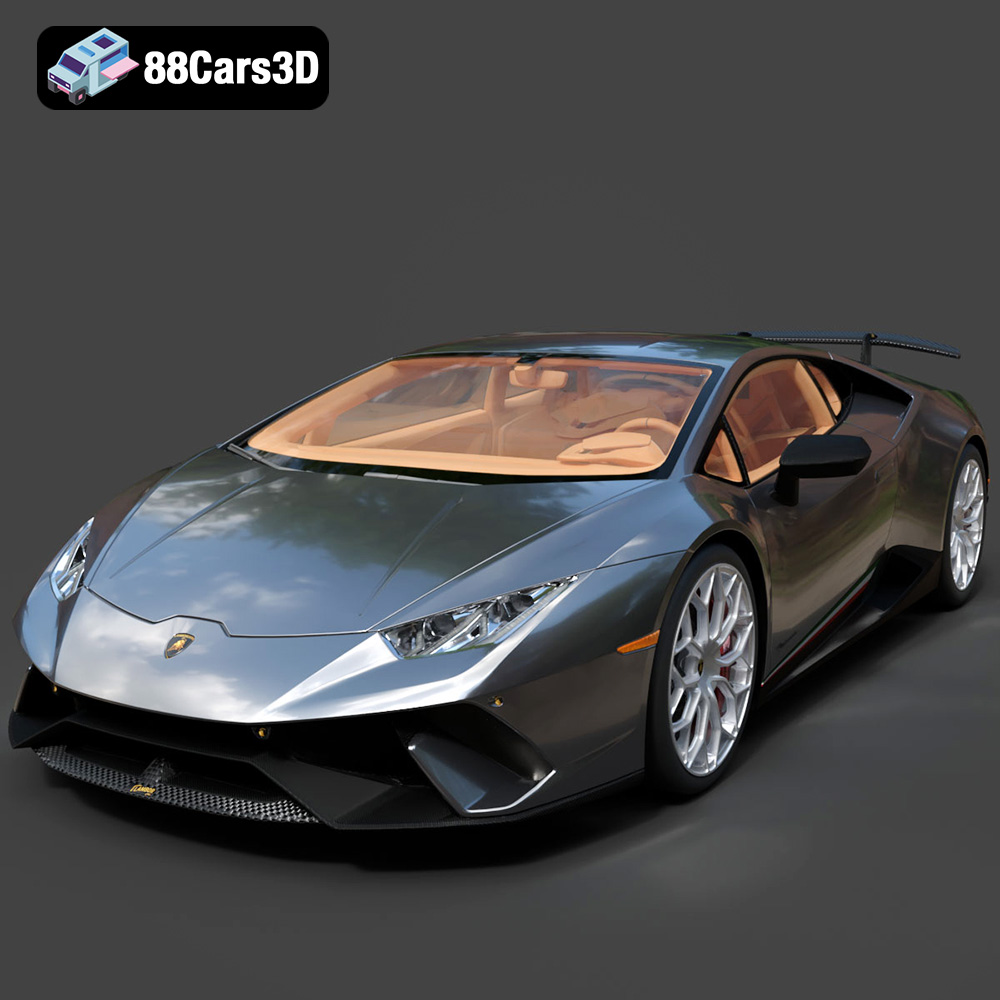
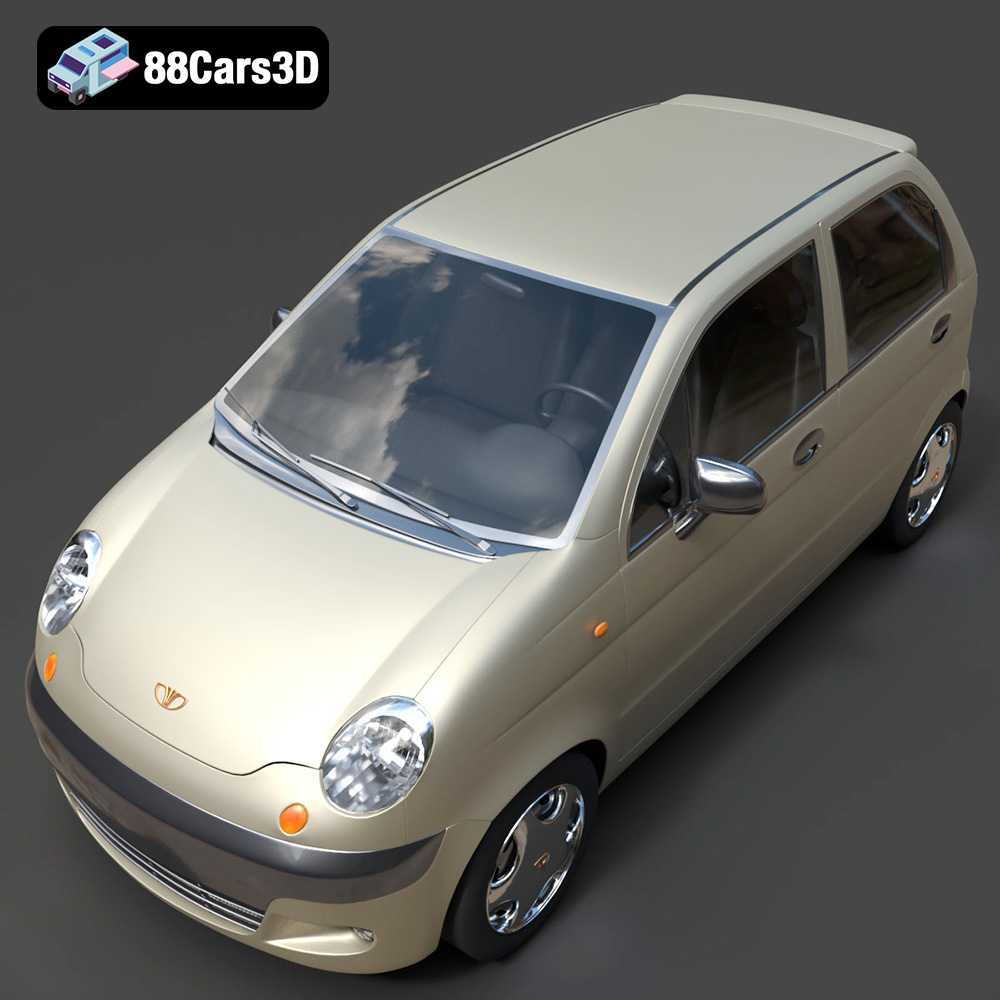
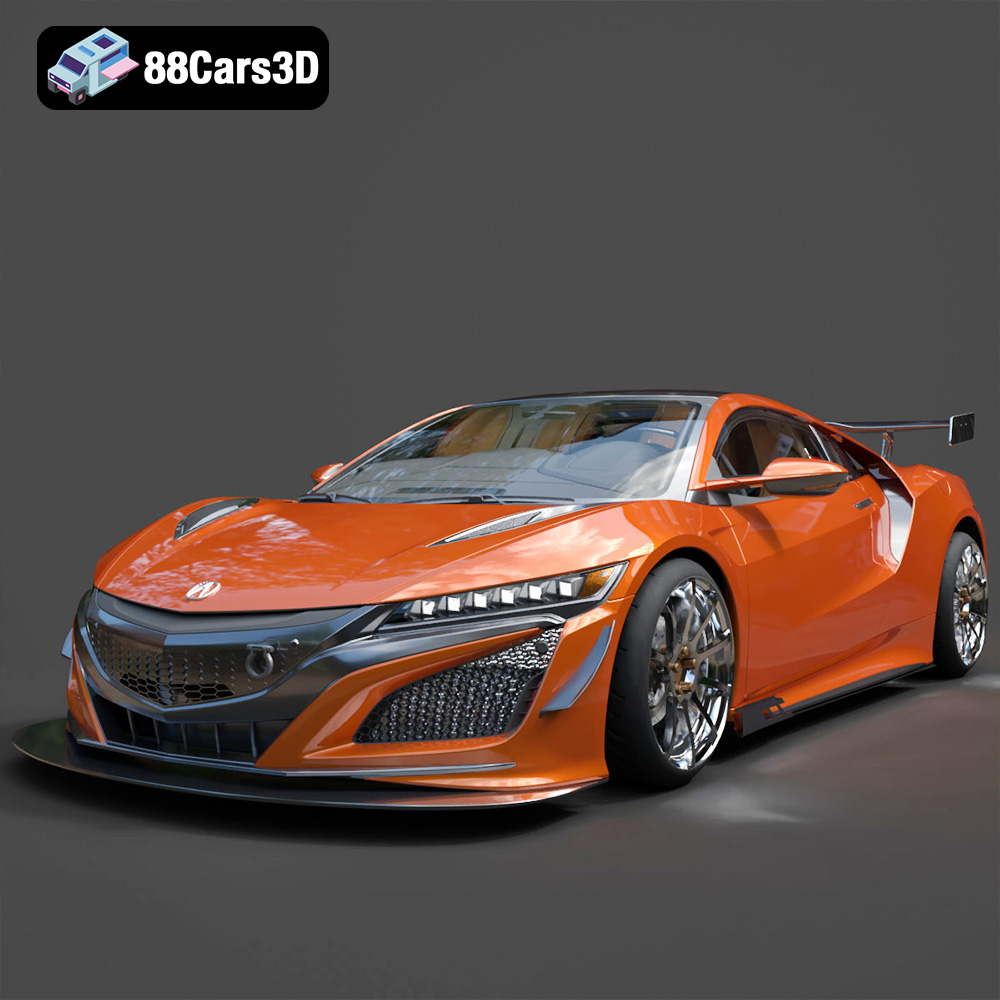
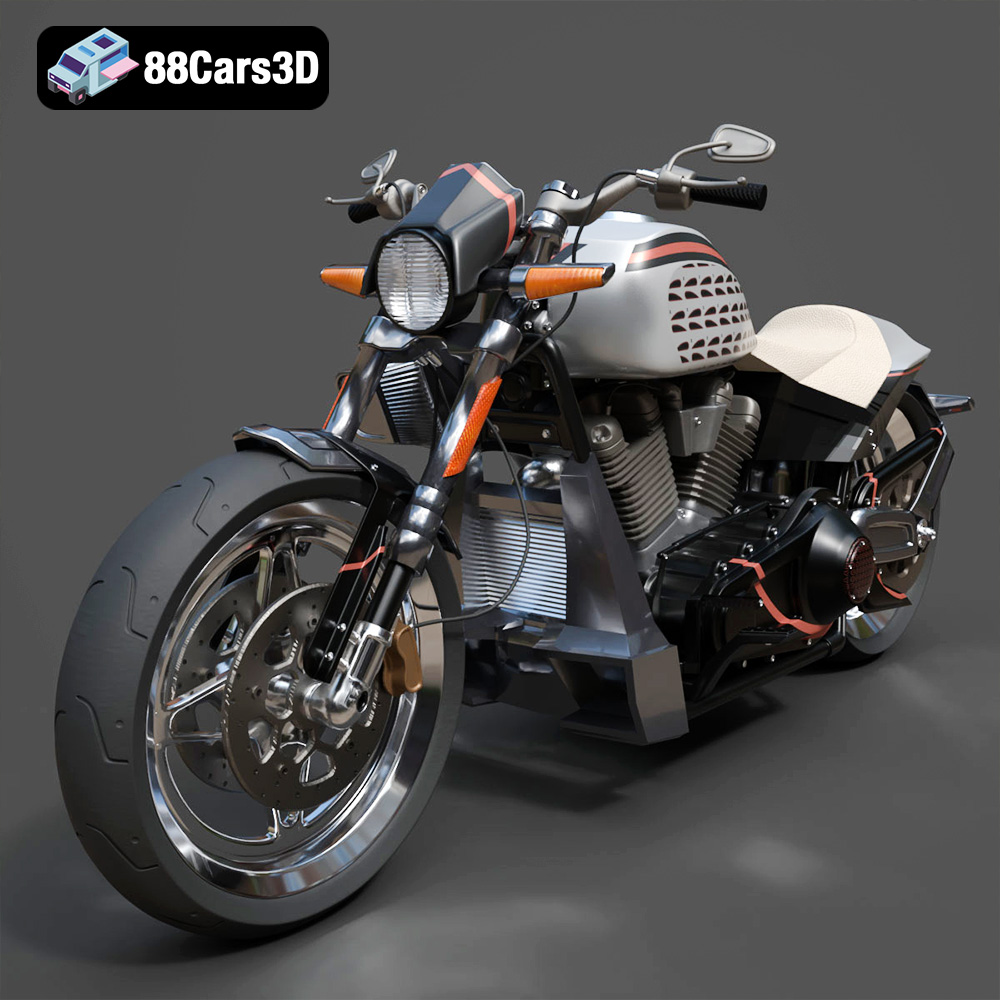
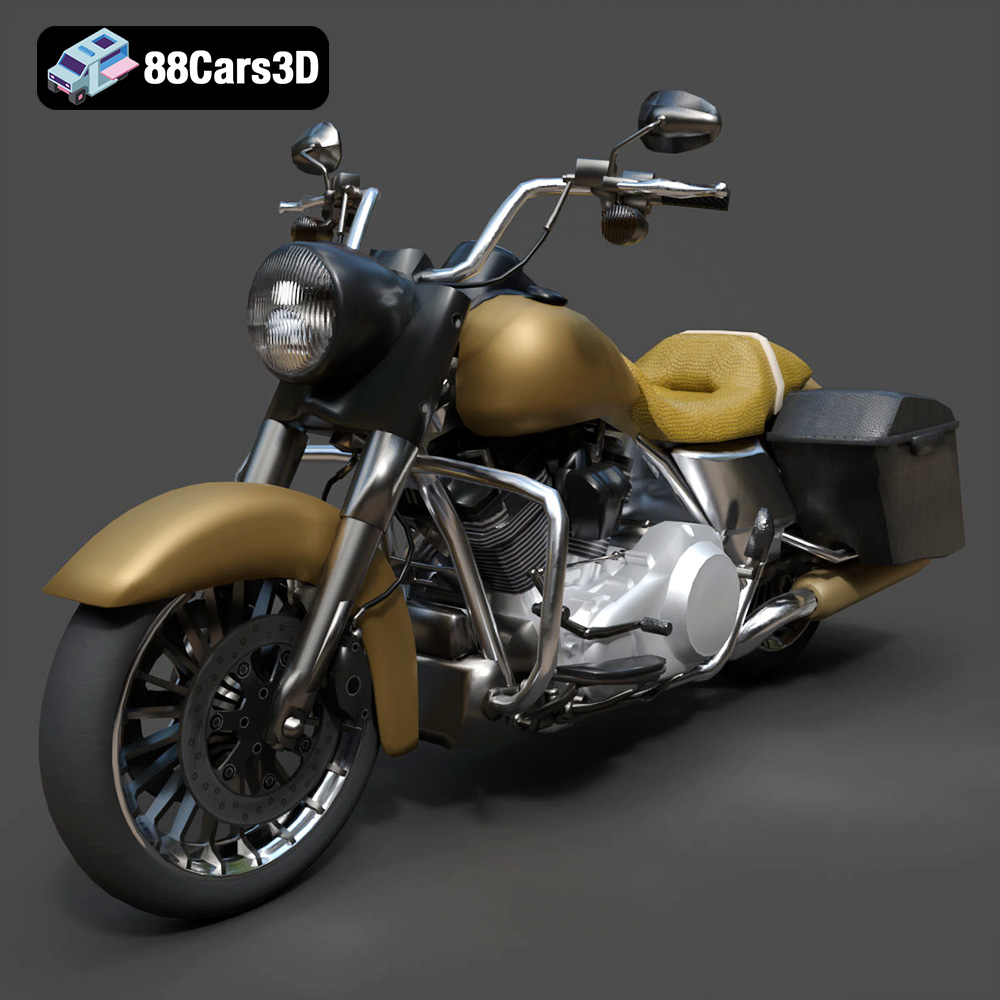
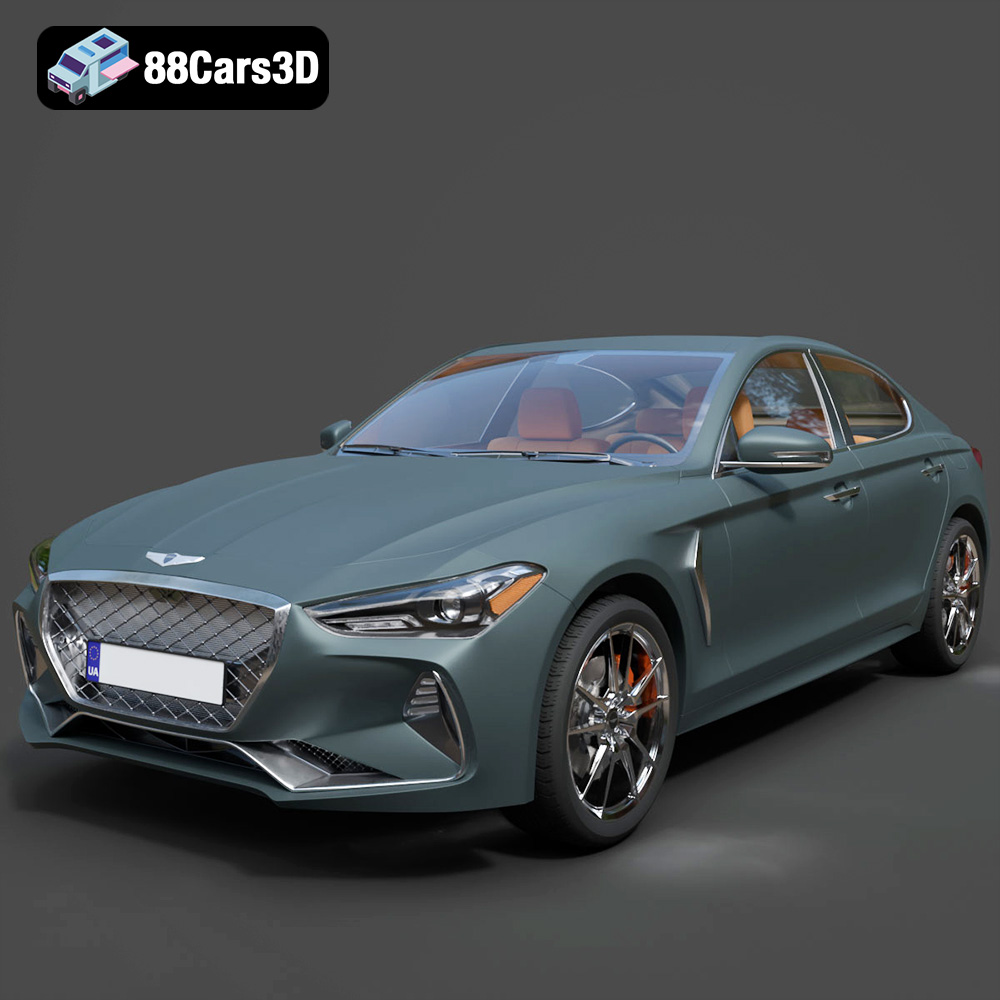
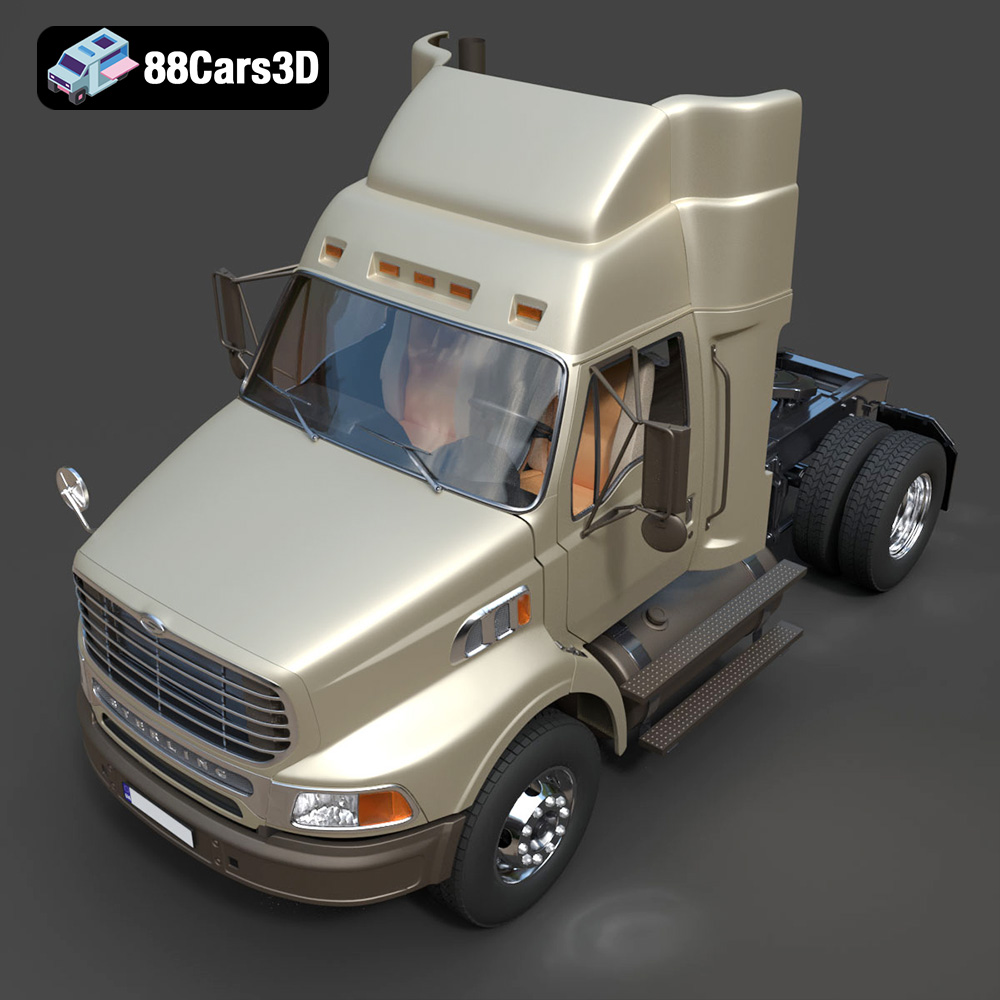
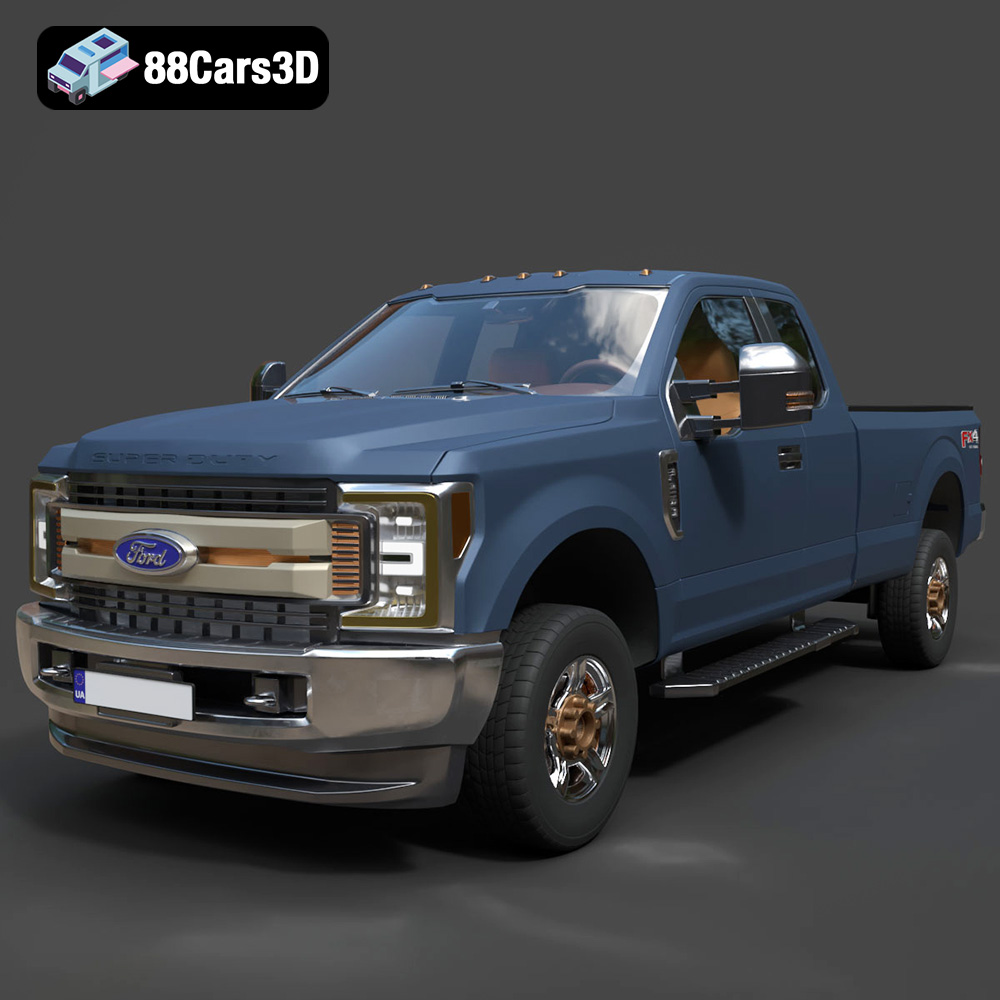
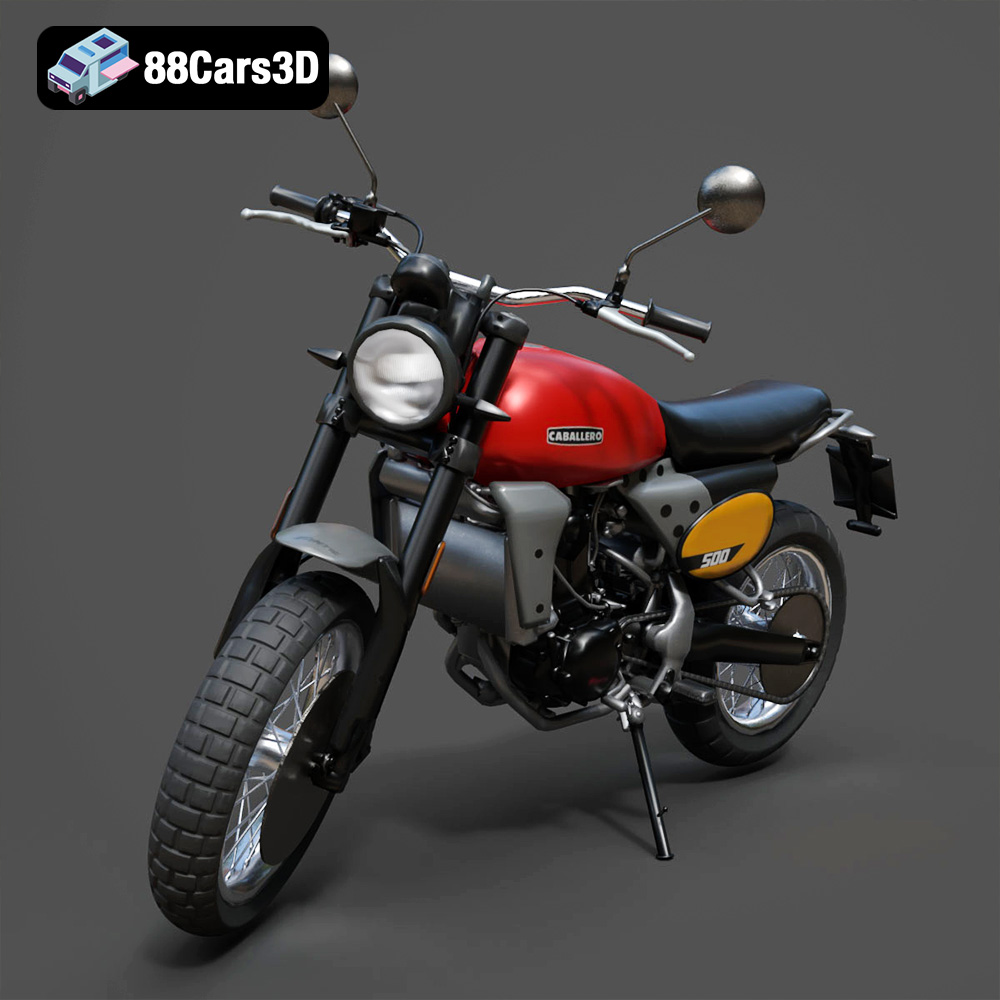
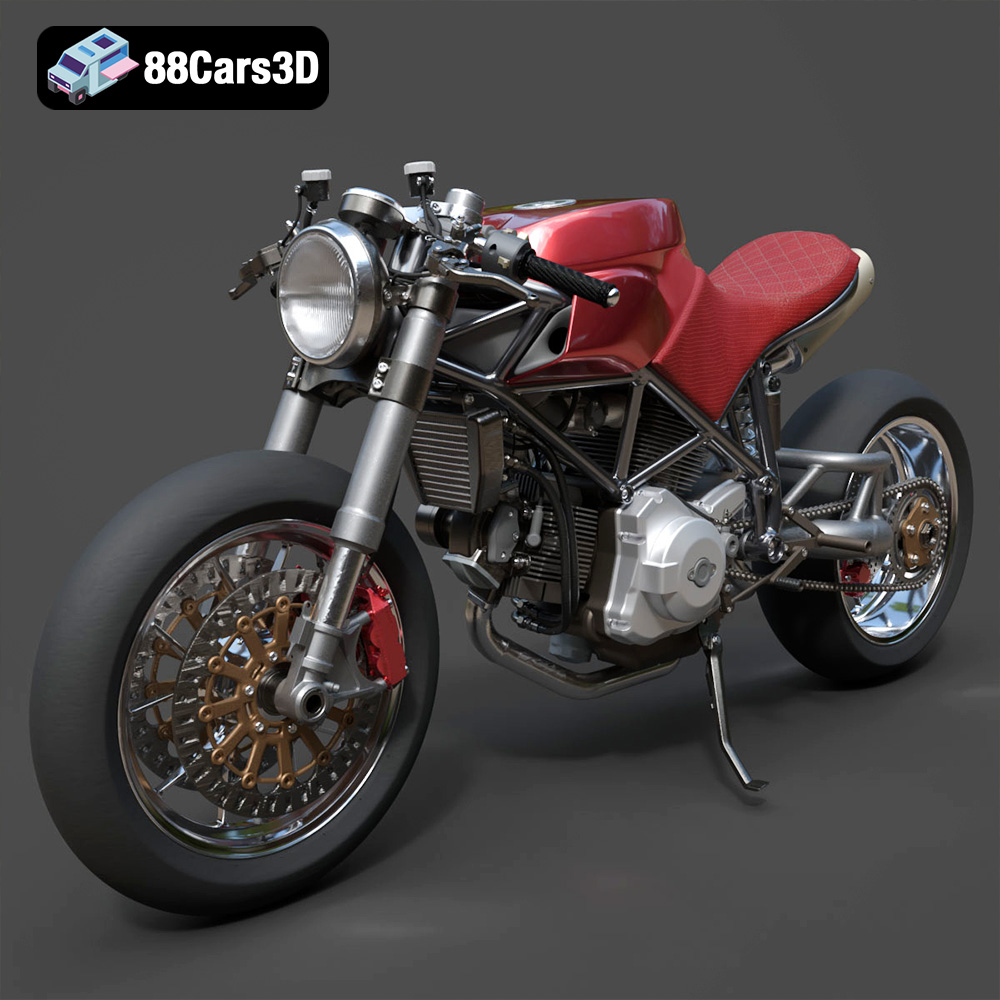
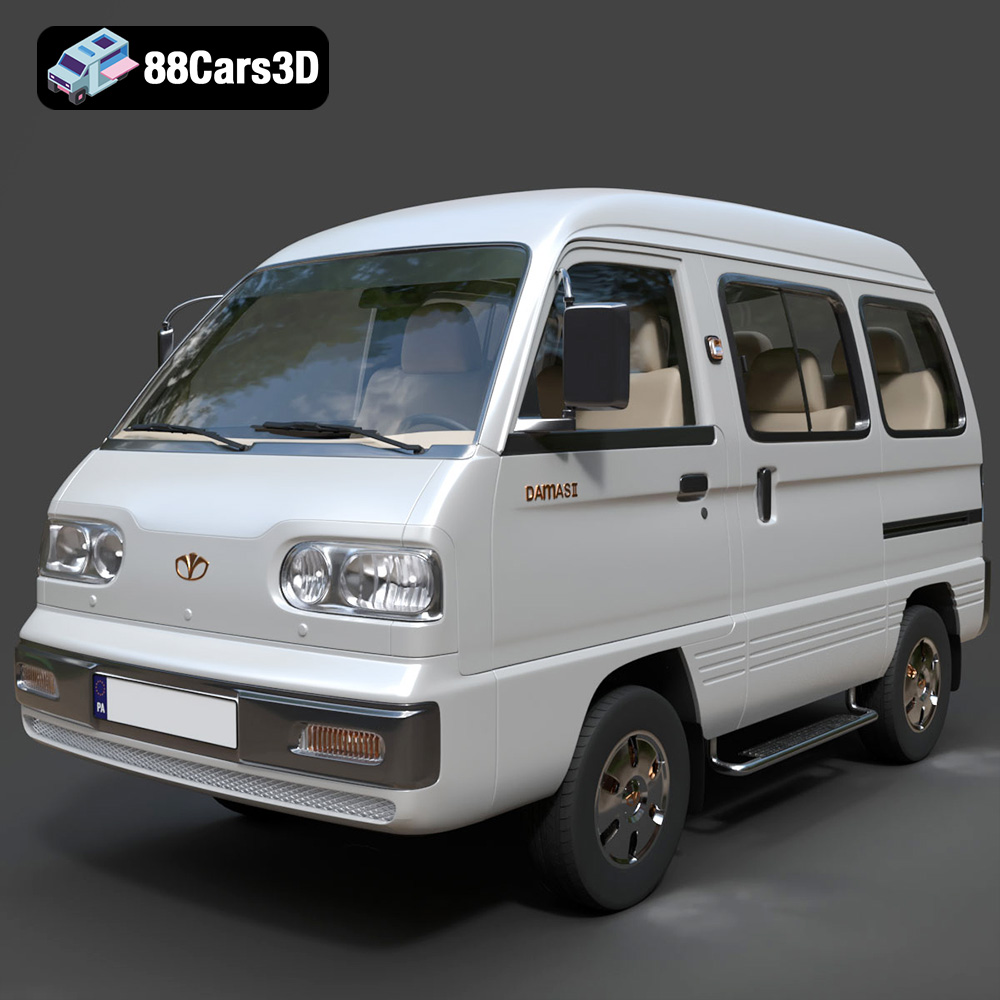
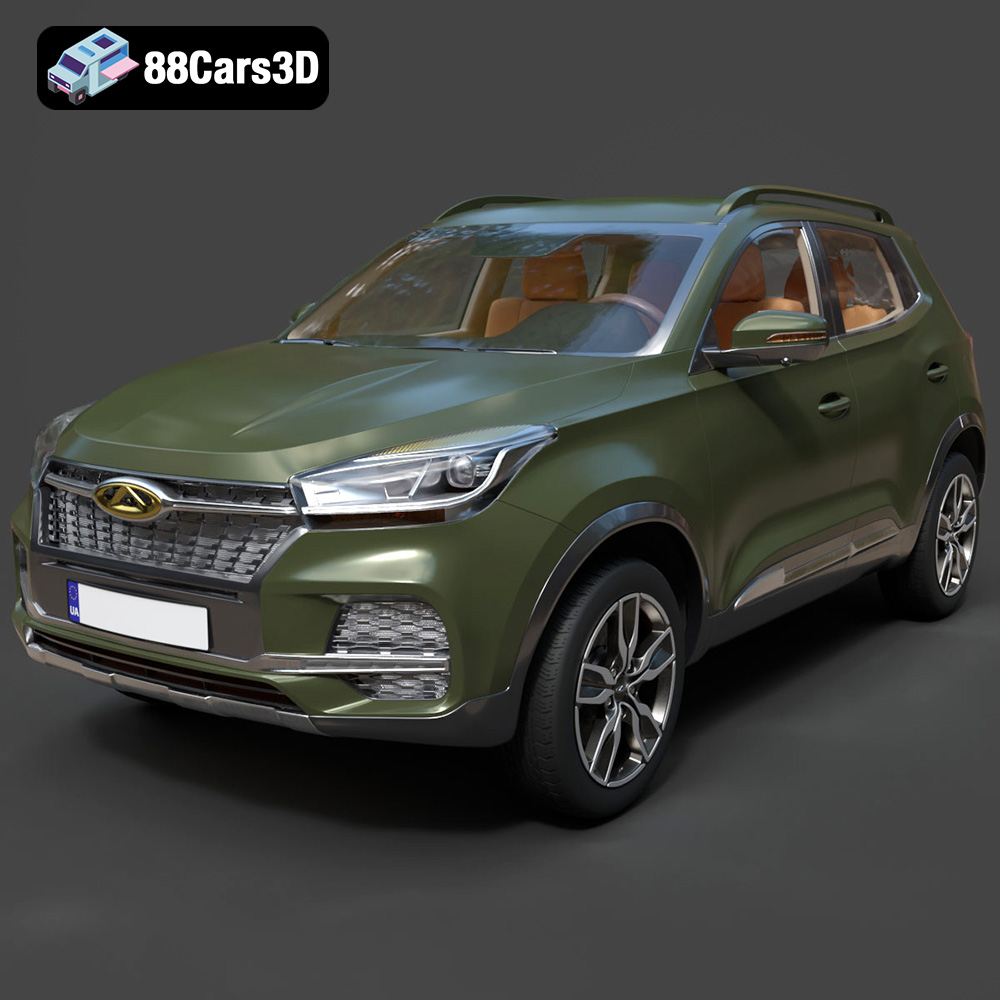
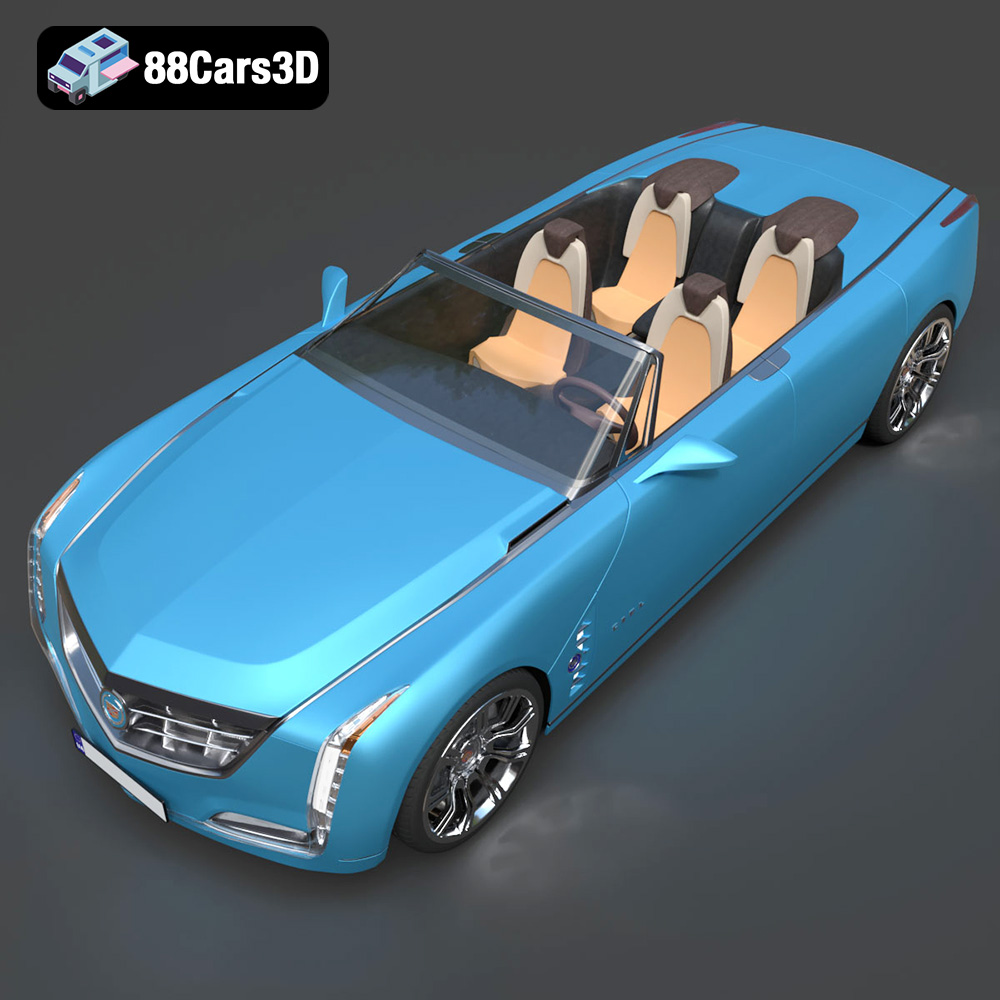
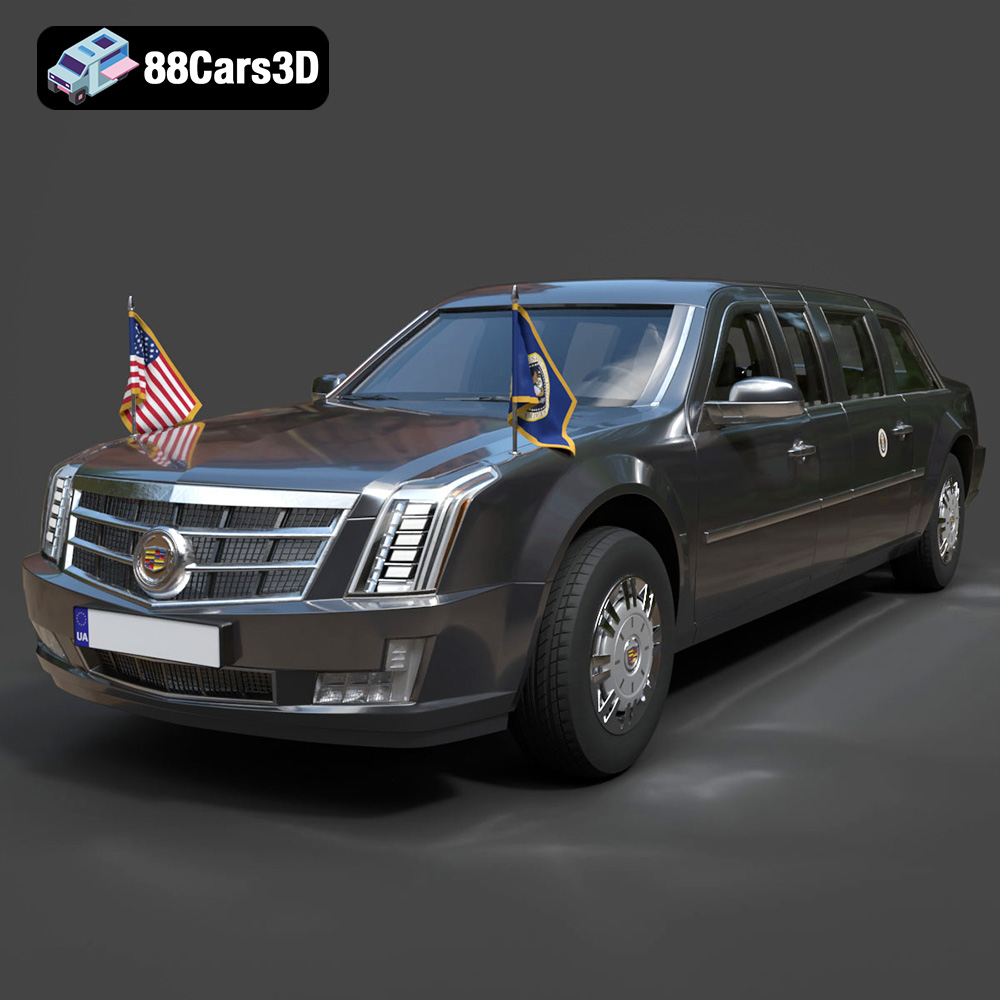
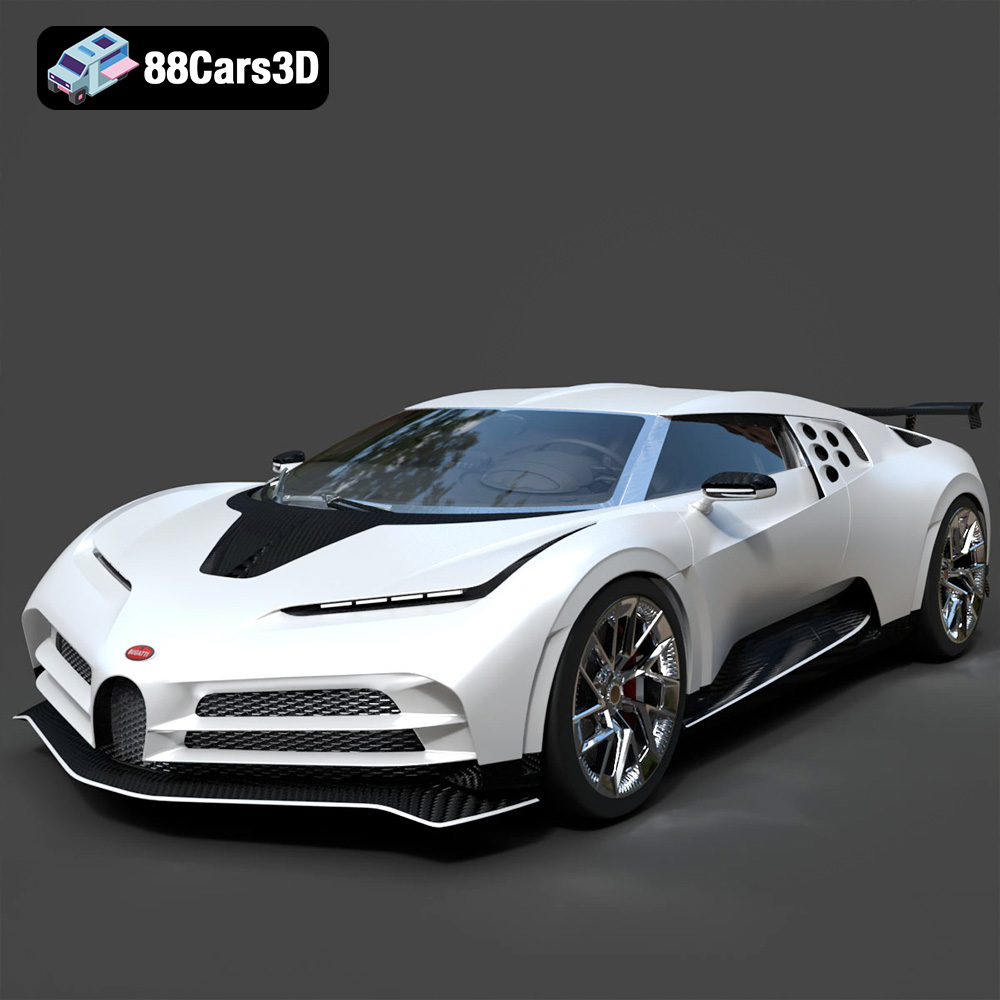
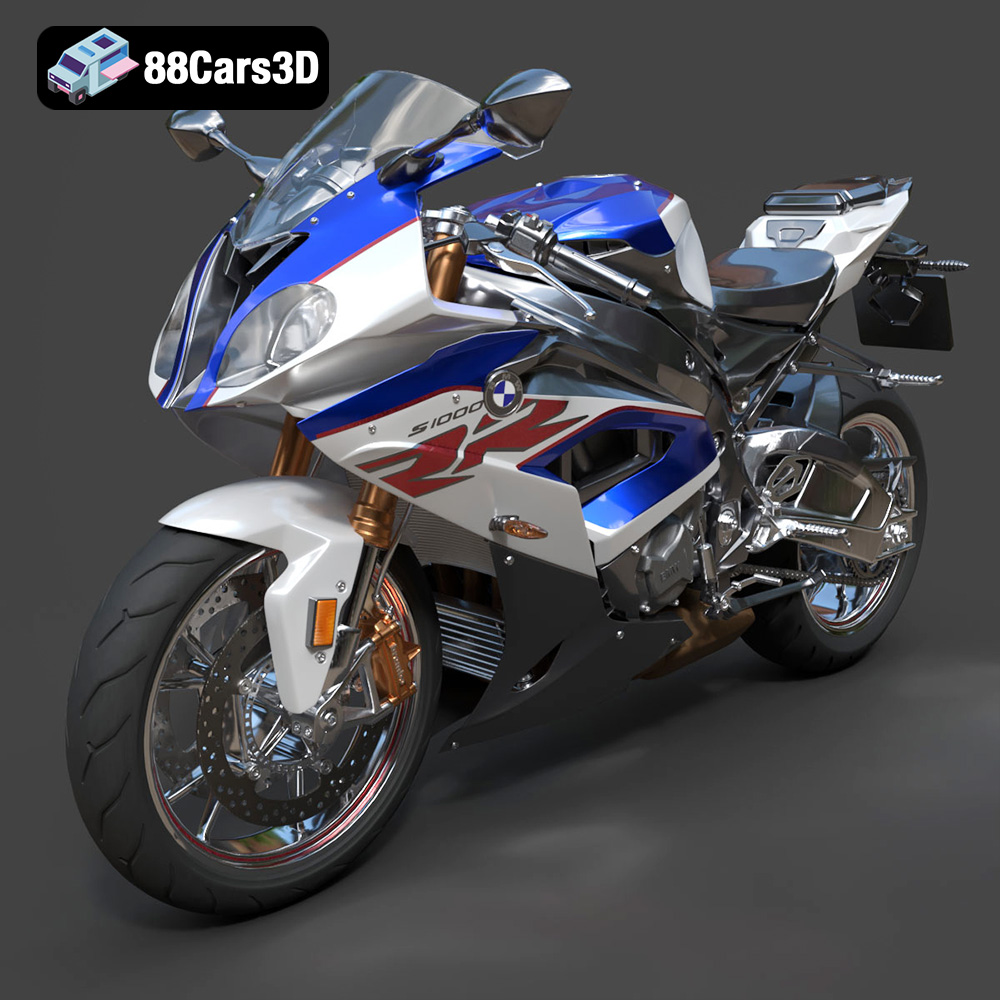
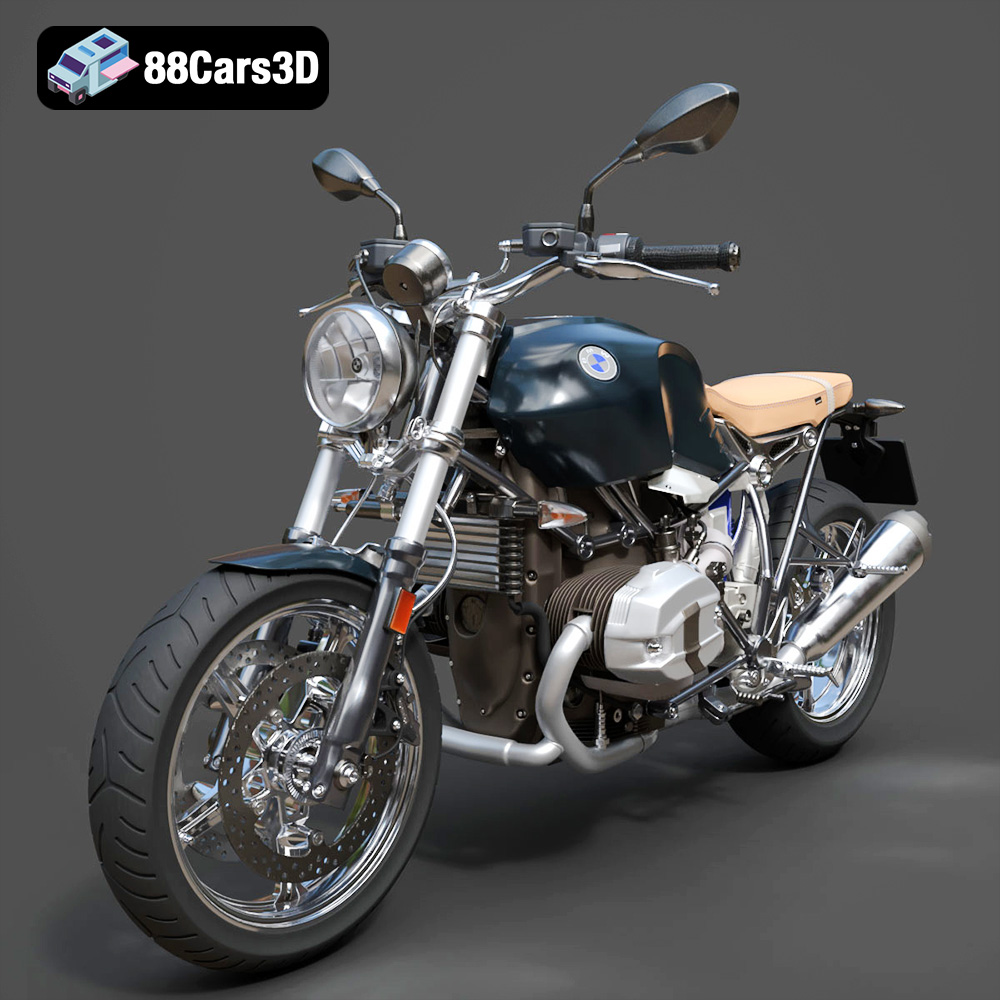
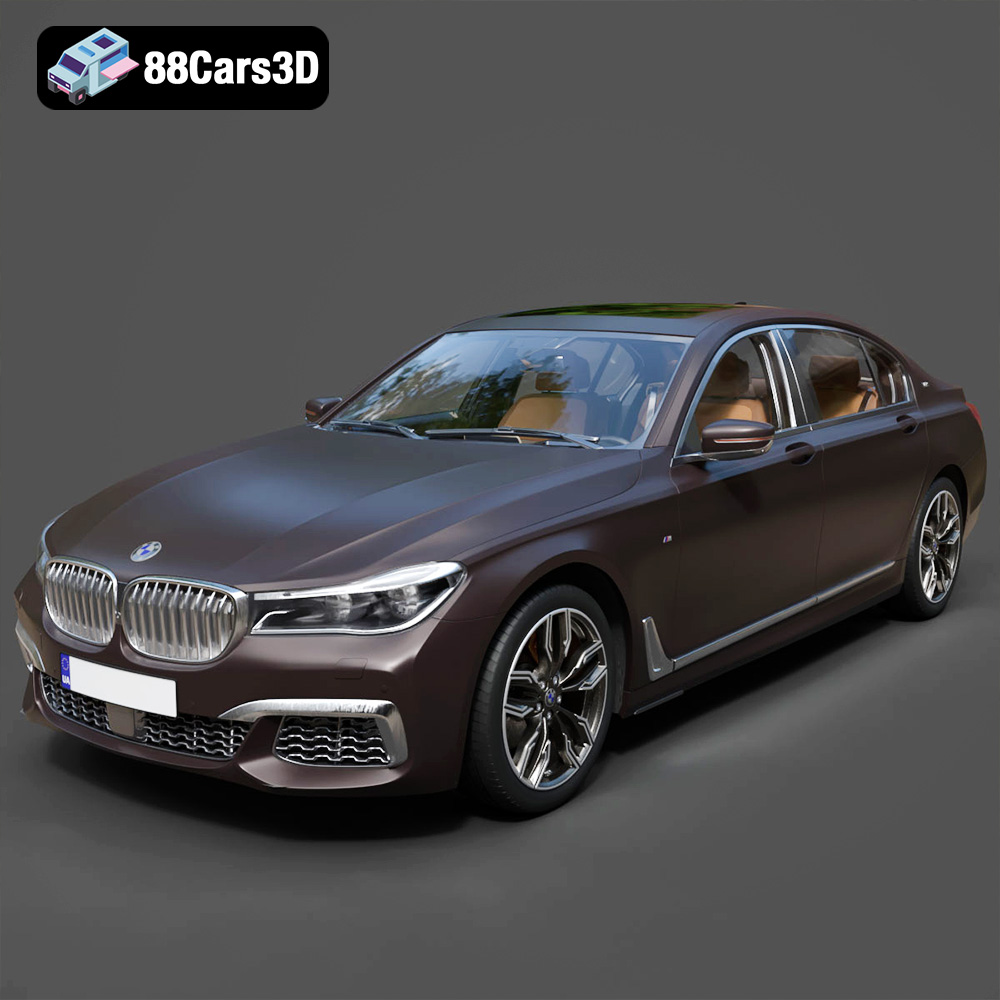
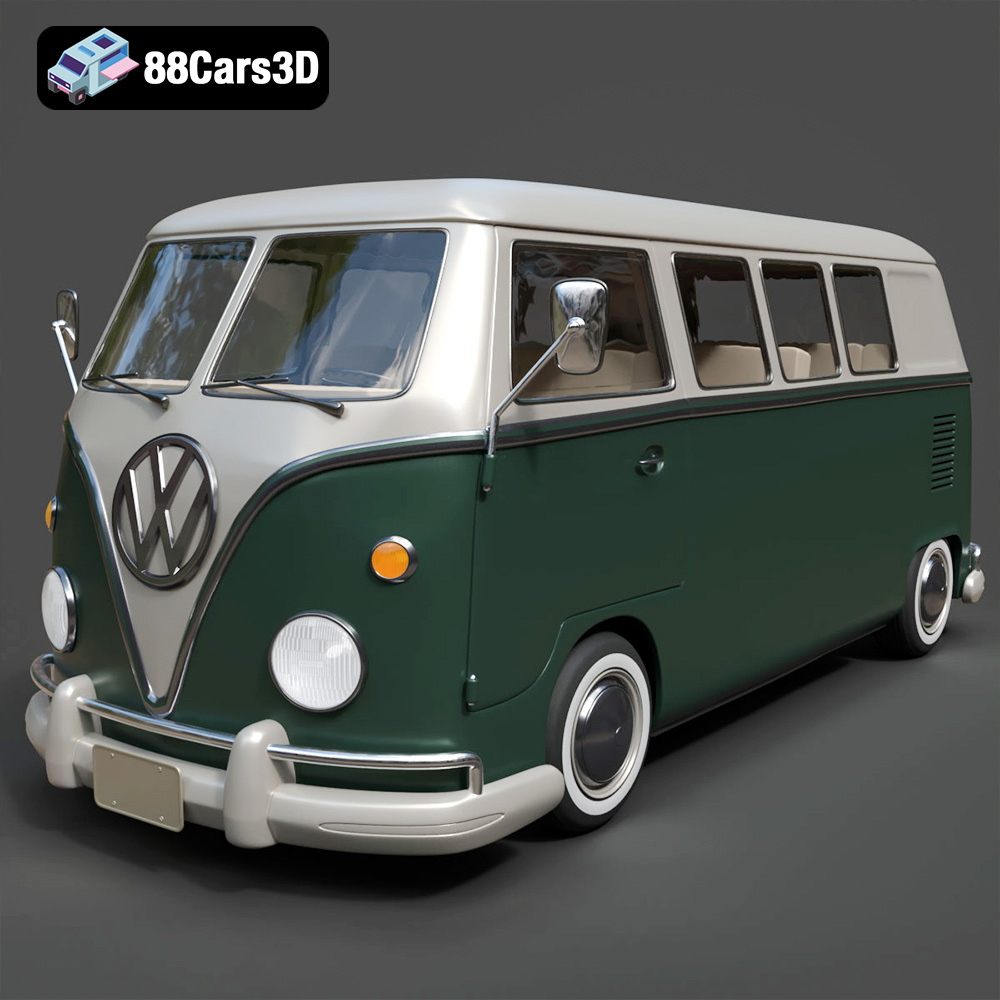
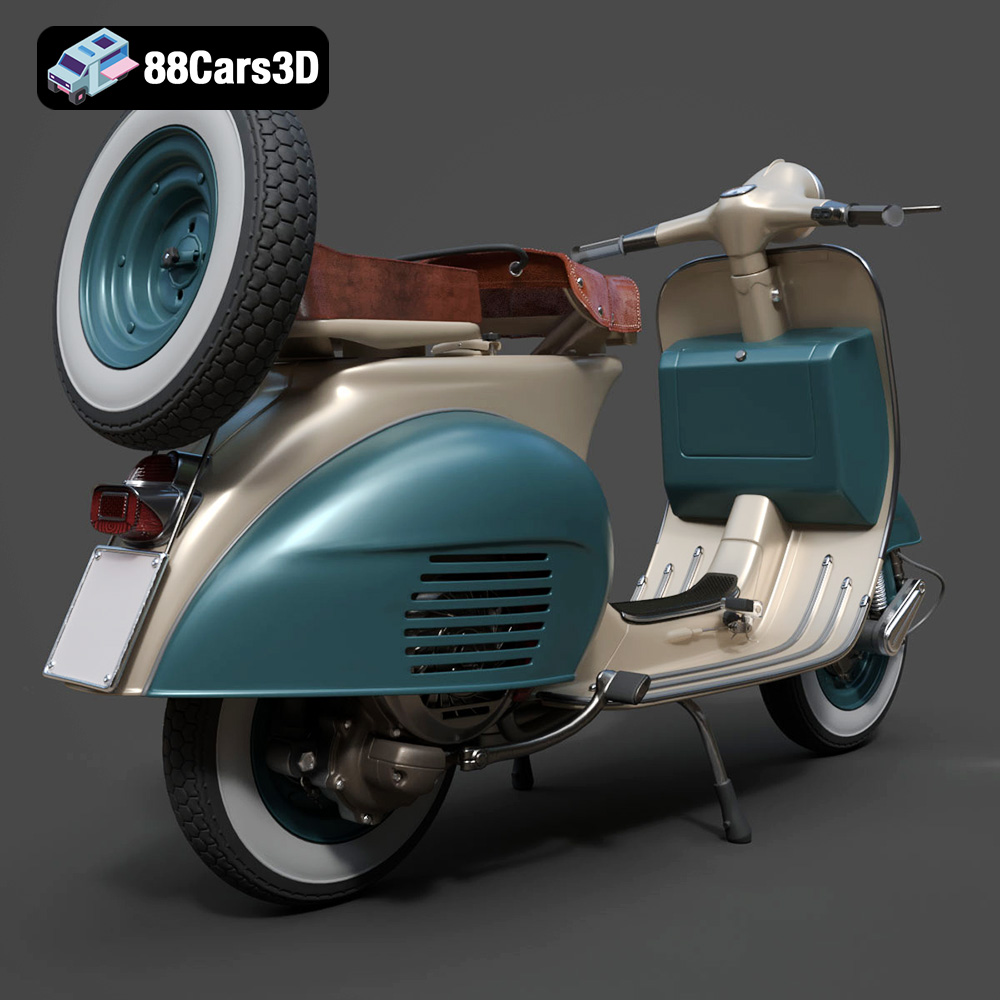
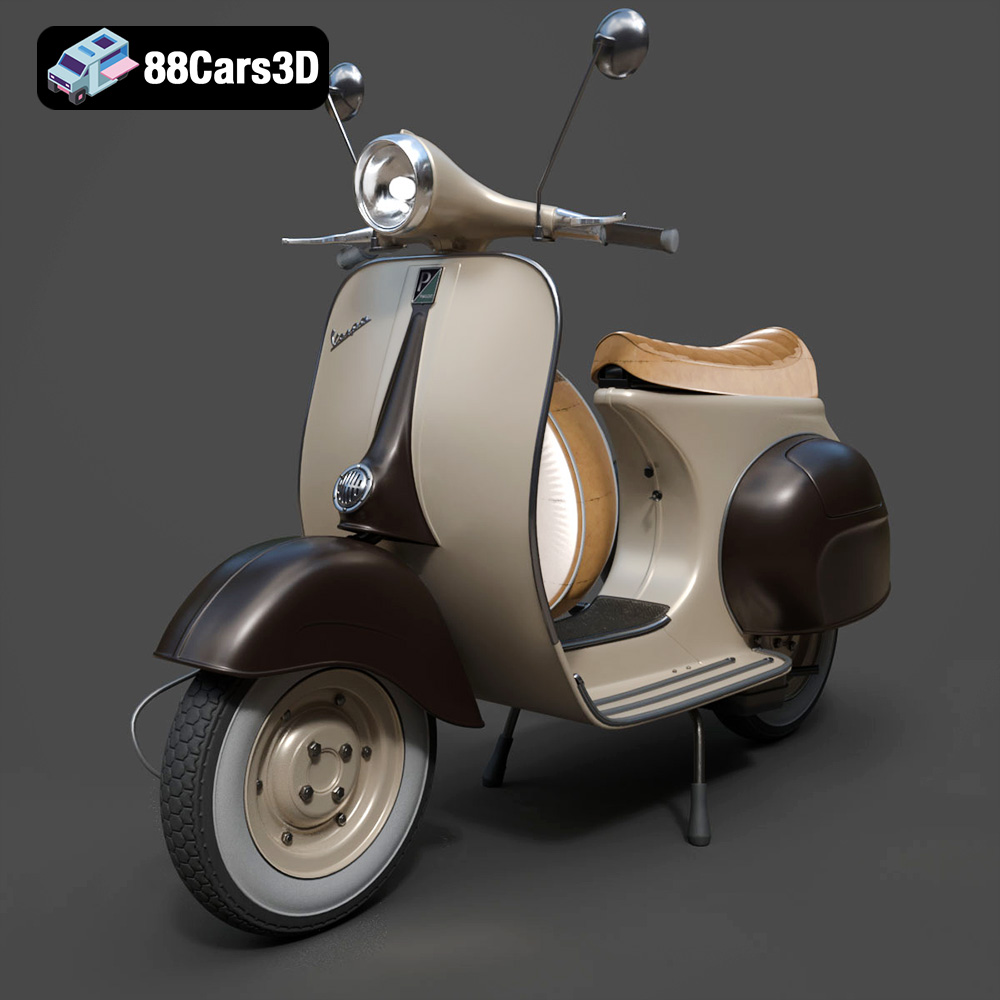
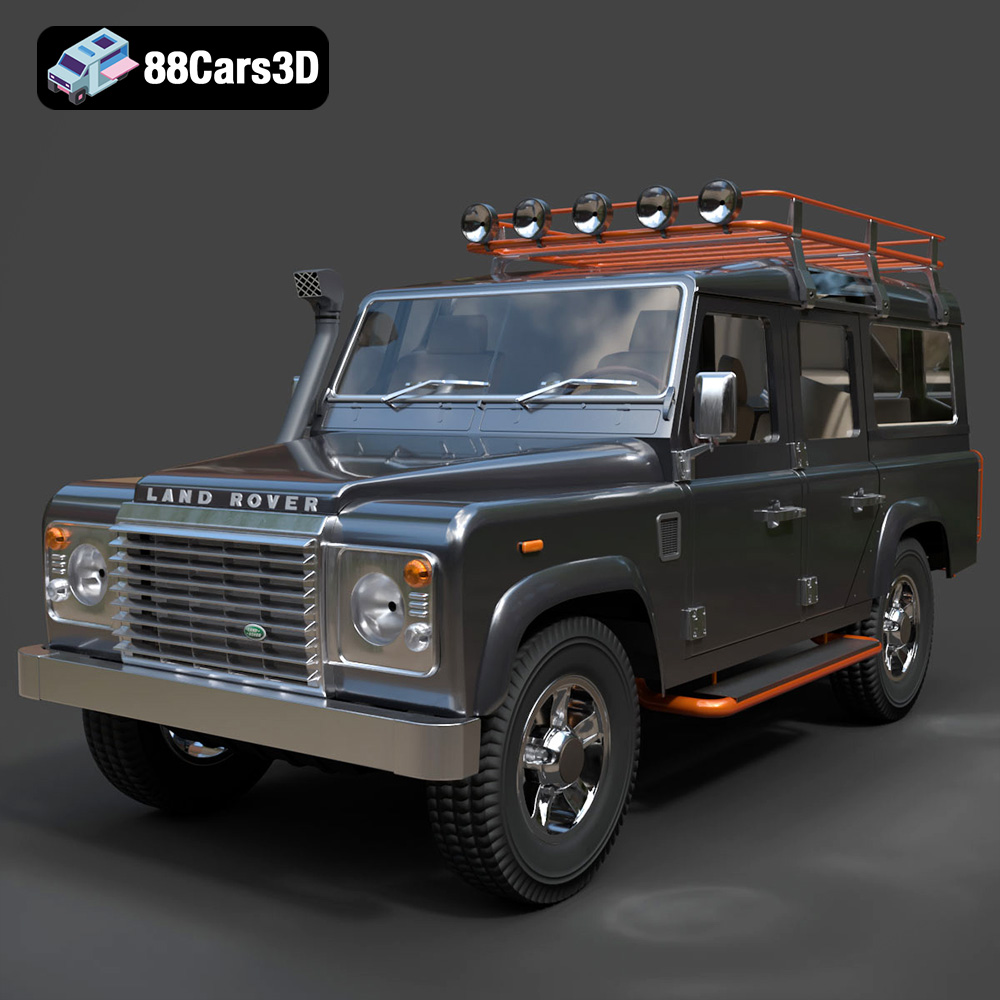
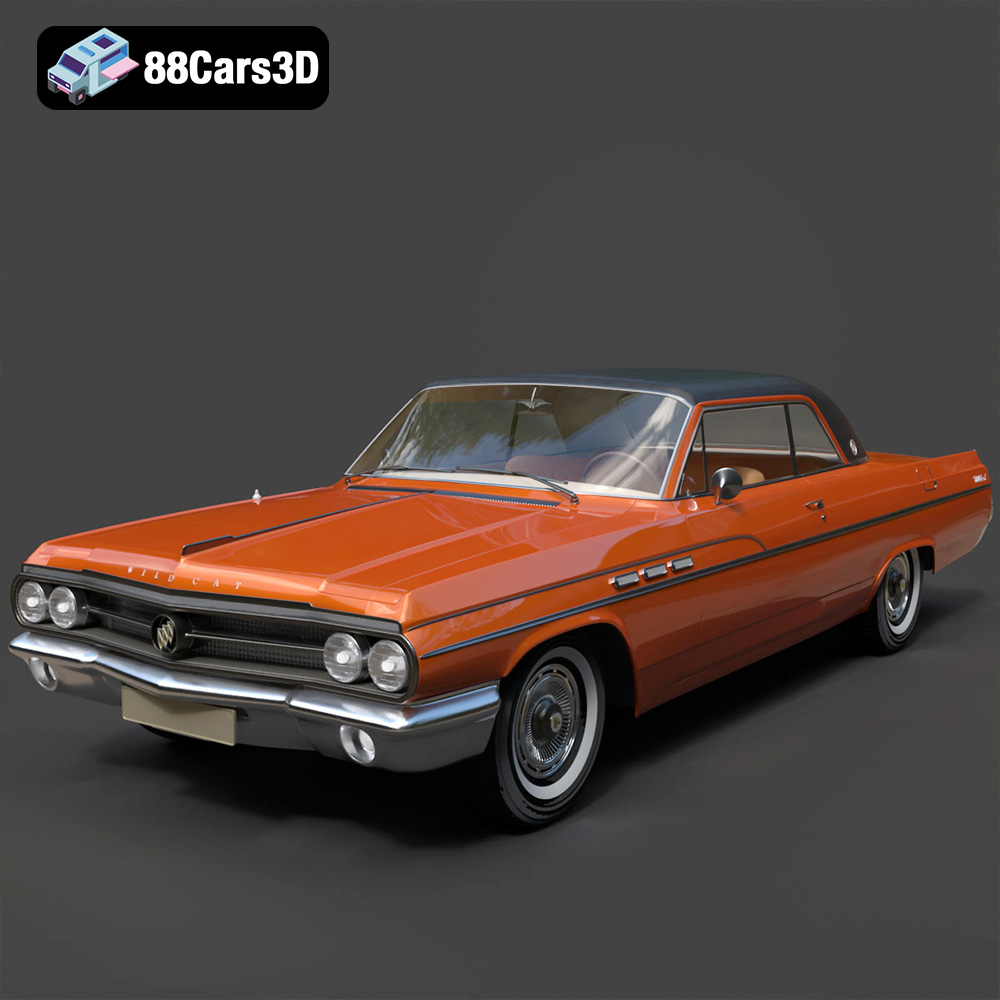
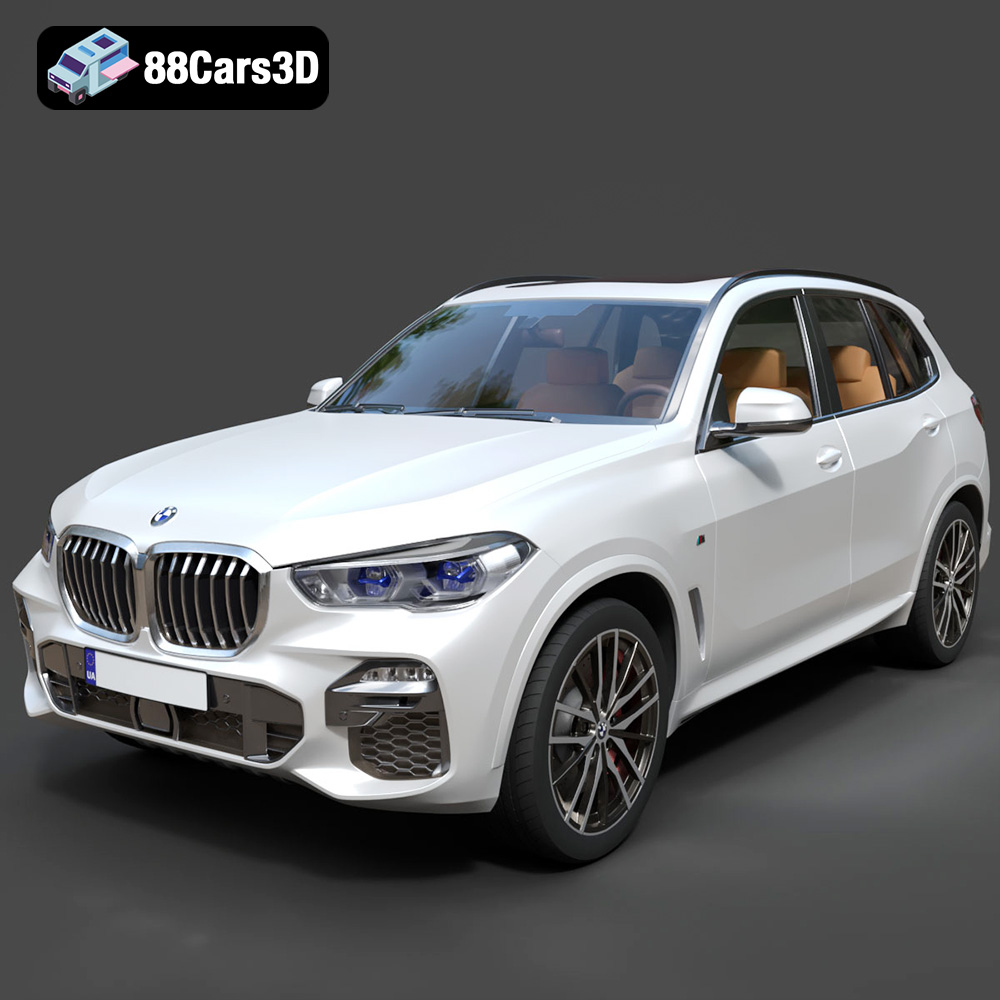
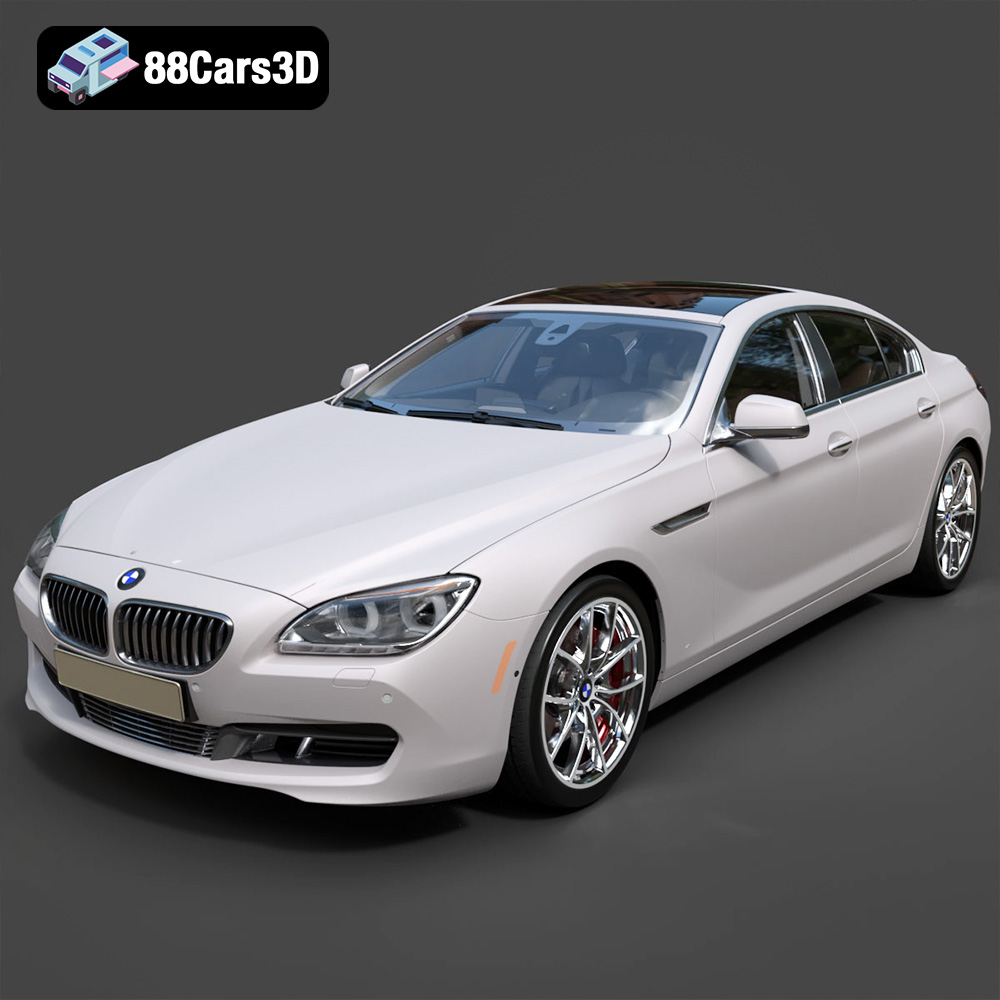
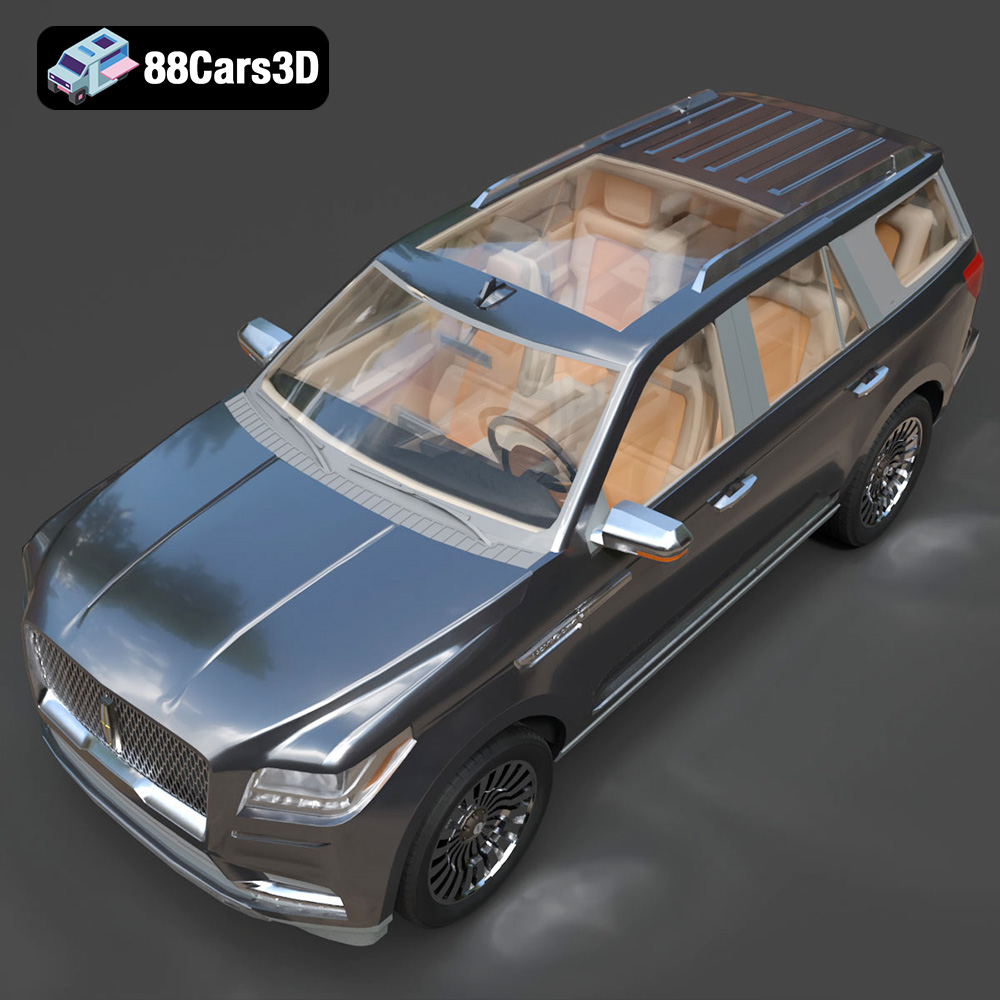
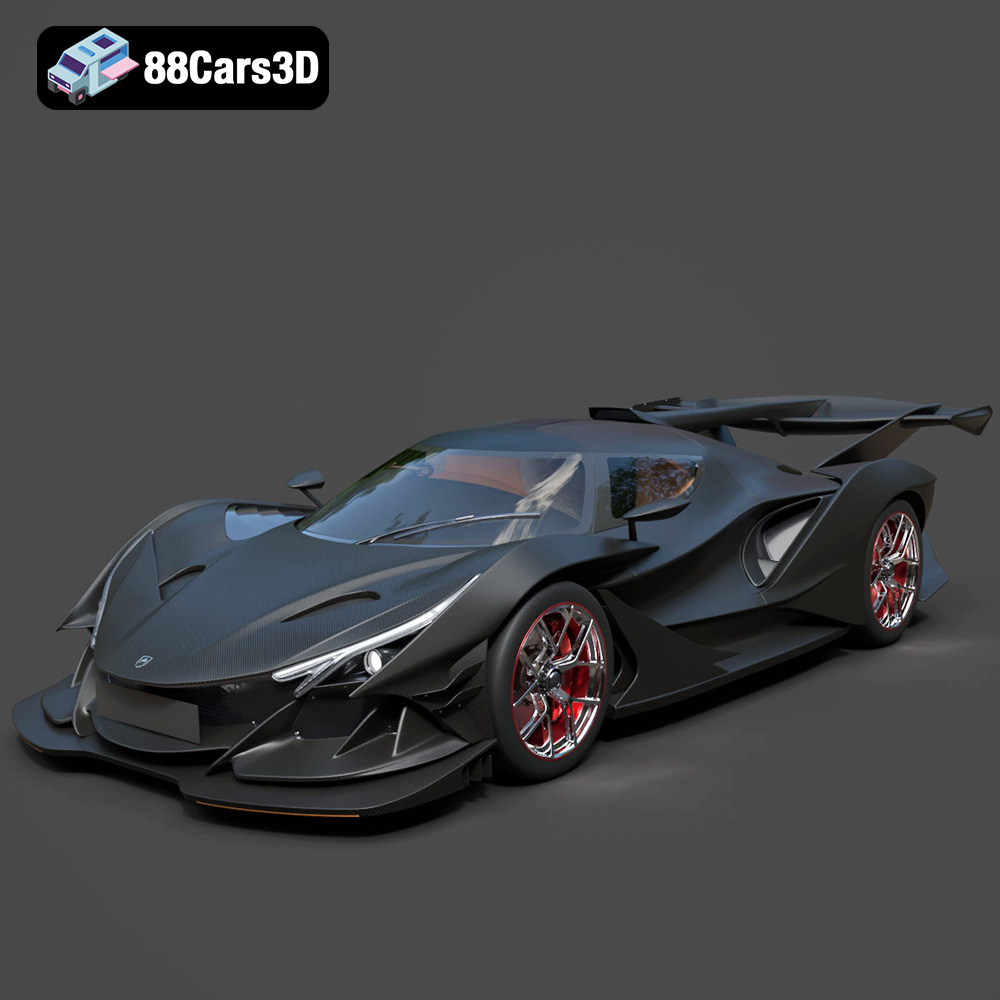
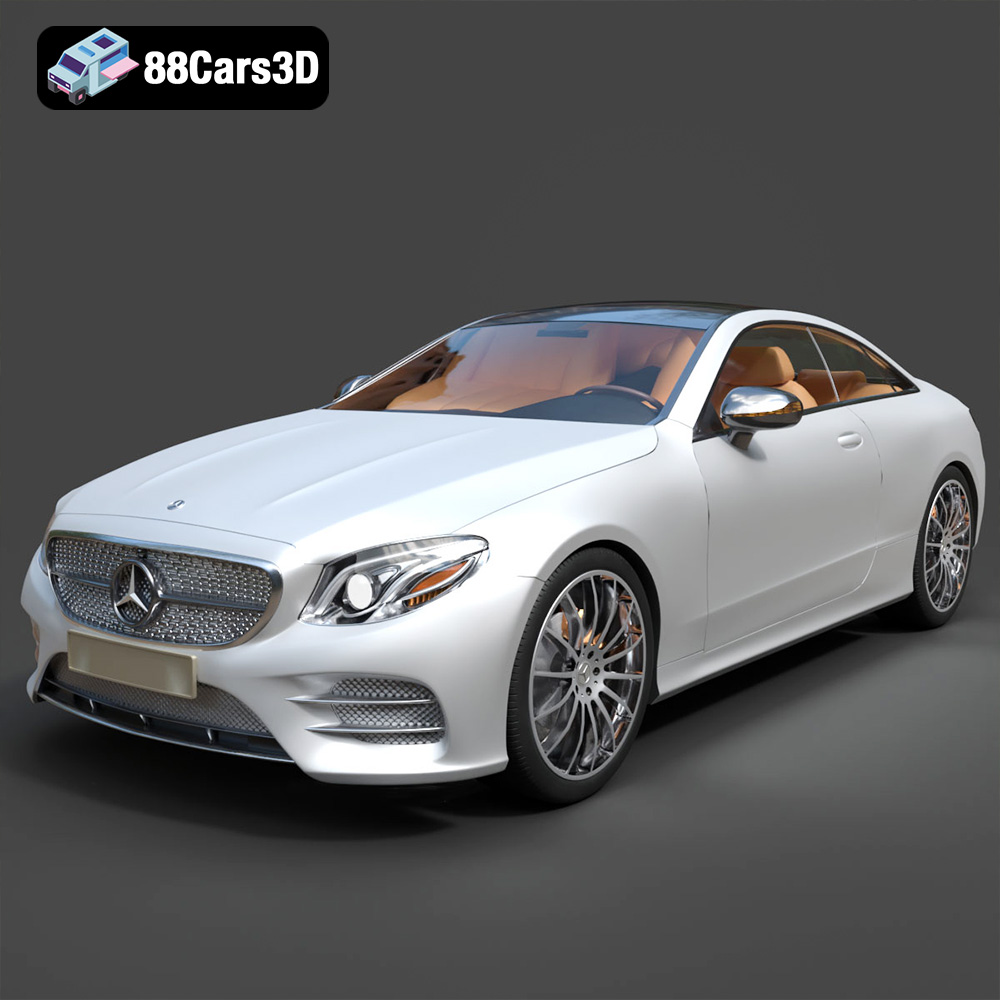
Today, the goal is often nothing less than absolute photorealism. The pursuit of perfect digital replicas has led to an explosion of detail, advanced rendering techniques, and specialized workflows that make distinguishing a ultra-realistic 3D car from a photograph incredibly challenging.
The demand for hyper-realistic automotive models spans numerous industries. In next-gen games like Forza Horizon and Gran Turismo 7, the vehicles are the stars, rendered with breathtaking fidelity. Film VFX and advertising rely heavily on CGI automotive models for commercials, product reveals, and even feature films.
In industrial design, automotive design studios translate CAD data (Computer-Aided Design) directly into visualization assets for virtual prototyping, design reviews in VR/AR, and early concept evaluation. Virtual showrooms and interactive marketing tools now allow customers to customize and explore vehicles in stunning detail before they even hit the production line. Leading software includes Maya, 3ds Max, Blender, Substance Painter (for PBR texturing), ZBrush (for fine details), KeyShot, V-Ray, and real-time engines like Unreal Engine and Unity.
Achieving today’s level of realism in automotive 3D modeling is a complex interplay of specialized techniques and powerful software.
Directly importing and converting engineering CAD data (from software like SolidWorks, Catia, or Alias) is fundamental for accuracy. This data provides the precise blueprint of the vehicle, ensuring every measurement and curve is exact. The challenge then becomes optimizing this dense, often triangulated, engineering data for artistic rendering or real-time applications through retopology.
For artists starting from scratch or refining CAD data, subdivision modeling is crucial. It allows for the creation of incredibly smooth, curvature-continuous surfaces from a low-polygon cage, perfect for the flowing lines of a car body.
Beyond the main body, intricate mechanical parts, interior components, and engine details require precise hard surface modeling techniques. This involves careful edge flow, clean topology, and Boolean operations to create sharp, mechanical forms without compromising mesh integrity.
Meticulous UV unwrapping is essential to lay out the 3D model’s surfaces flat for PBR texturing. Tools like Substance Painter and Mari allow artists to paint directly onto the model, generating a multitude of maps (albedo, normal, roughness, metallic, etc.) that define the vehicle’s material properties and surface imperfections.
Often, high-resolution sculpts or dense CAD imports are unsuitable for animation, rigging, or game engines due to excessive polygon counts or messy topology. Retopology is the process of building a clean, optimized, and animation-friendly mesh over a high-detail source, projecting the detail through normal maps.
For capturing existing vehicles or specific parts, photogrammetry (creating 3D models from photographs) and Lidar scanning (using laser pulses to measure distance and create point clouds) offer powerful ways to generate highly accurate, real-world data that can then be processed into 3D models.
The advent of powerful real-time engines like Unreal Engine and Unity has democratized hyper-realistic visualization. These engines, with features like Lumen (Unreal’s GI solution) and hardware ray tracing, allow for interactive, cinematic-quality rendering previously only achievable with offline renderers.
While ultra-realism is often the aspiration, the “best” approach depends entirely on the project’s specific needs, constraints, and goals. Here’s a comparison and a decision framework to guide your choices.
| Attribute | Low Poly | Ultra-Realistic |
|---|---|---|
| Polygon Count | Low (e.g., <5k triangles) | Very High (e.g., 500k-Millions of triangles) |
| Texture Detail | Basic diffuse maps, limited resolution | PBR workflows (Albedo, Normal, Roughness, Metallic, Height, etc.), high resolution (4K-8K+) |
| Material Fidelity | Simple colors, basic reflections | Physically accurate materials, complex shaders (clear coat, anisotropic, SSS) |
| Render Time / Performance | Fast to render, high real-time performance | Slow (offline rendering) / Very demanding (real-time engines with ray tracing) |
| Primary Use Cases | Mobile games, older console games, stylized art, VR/AR performance-critical apps, distant objects in large scenes | AAA games (hero assets), film VFX, high-end advertising, product visualization, design review, virtual showrooms |
| Required Skill Set | Fundamental modeling, strong optimization, silhouette design | Advanced modeling, PBR texturing, advanced rendering, lighting, CAD translation, attention to microscopic detail |
To make an informed decision, consider these factors:
The trajectory of automotive 3D modeling points towards even greater automation, immersion, and fidelity.
The journey of automotive 3D modeling, from humble low-polygon beginnings to today’s stunning ultra-realistic assets, reflects an incredible fusion of artistic skill and technological innovation. Each era has presented unique challenges and opportunities, pushing the boundaries of what’s possible in digital representation. While the pursuit of photorealism continues, the value of optimized, efficient low poly models remains undiminished for specific applications. Understanding this rich evolution is key to navigating the complex landscape of 3D content creation and leveraging the right techniques for your specific needs. The road ahead promises even more groundbreaking advancements, continuing to redefine how we interact with and perceive digital vehicles.
Are you inspired to create your own stunning 3D car designs, integrate CAD data into visualizations, or develop breathtaking game development assets? Whether you’re a beginner eager to learn vehicle modeling or a professional seeking to master advanced PBR workflows and real-time rendering, the resources are abundant.
Explore: Dive into tutorials for 3ds Max, Maya, Blender, Substance Painter, and Unreal Engine to start your journey.
Connect: Share your thoughts on the evolution of automotive visualization and what excites you most about the future of CGI automotive.
Collaborate: If you’re an automotive manufacturer, game studio, or marketing agency looking for expert automotive 3D modeling services to bring your vision to life, contact us today to discuss your project!