Get 50% OFF All Premium 3D & STL Models!

The rumble of a finely tuned engine, the gleam of perfectly polished paint under neon lights, the adrenaline of a precision drift – these are the hallmarks of Japanese Domestic Market (JDM) street racing culture. For automotive enthusiasts, designers, game developers, and artists, capturing this essence in the digital realm requires more than just passion; it demands precision, technical excellence, and perfectly crafted 3D assets. High-quality 3D car models are the bedrock of immersive game environments, breathtaking cinematic renders, realistic simulations, and even detailed 3D printed collectibles.
In the fast-paced world of digital production, efficiency and quality are paramount. Sourcing individual models, each requiring meticulous checks for topology, scale, and compatibility, can be a time-consuming and costly endeavor. This is where curated bundles, like the **Japanese Legends: JDM Street Racing 3D Models Bundle (5-in-1 Pack)**, become invaluable. This collection brings together five of the most iconic Japanese sports cars, offering a robust foundation for a myriad of projects, from underground street racing games to photorealistic studio renders. Let’s delve into the technical intricacies that make such bundles essential for professional workflows, exploring everything from file formats to advanced rendering and 3D printing applications.
The journey of a 3D model, from its creation in a digital sculptor’s hands to its final deployment in a game engine or a physical 3D print, is heavily influenced by the file format chosen. Each format serves a specific purpose, excelling in different scenarios due to its underlying structure and the data it can store. For professionals working with 3D car models, understanding these nuances is crucial for seamless integration and optimal performance. The Japanese Legends bundle from 88cars3d.com provides a comprehensive range of these formats, ensuring maximum compatibility.
The .blend file format is native to Blender, the powerful open-source 3D creation suite. A .blend file isn’t just a mesh; it’s an entire scene package. This includes not only the geometric data of the car model but also materials, textures, lighting setups, cameras, animations, rigging information, and even physics simulations. For artists working primarily within Blender, this format offers unparalleled flexibility. You can open the file and immediately have access to all the original creator’s setups, making modifications, re-texturing, or integrating the car into an existing Blender scene incredibly efficient. It’s the ideal format for deep customization and leveraging Blender’s robust toolset.
Autodesk’s .fbx (Filmbox) format has become an unofficial industry standard for exchanging 3D data between different software applications. It’s particularly favored for game development and VFX pipelines because it can store a vast array of information beyond just meshes, including animations (skeletal and blend shapes), cameras, lights, and materials. When working with complex animated characters or vehicles, .fbx is often the go-to choice. For assets destined for Unreal Engine or Unity, a well-exported .fbx with proper pivot points and scaling is critical for a smooth import process, ensuring elements like wheels are correctly recognized for physics simulations.
The .obj (Wavefront OBJ) format is one of the oldest and most universally supported 3D file formats. It’s a simple, text-based format primarily designed to store geometric data (vertices, normals, texture coordinates, and faces) and references to external material files (.mtl). While it doesn’t support animation or complex scene data like .fbx or .blend, its widespread compatibility makes it an excellent choice for static mesh exchange between virtually any 3D software. If you need a reliable, clean mesh that can be opened anywhere, .obj is often the safest bet.
.glb (GL Transmission Format Binary) is a relatively newer format gaining significant traction, especially in web-based 3D applications, augmented reality (AR), and virtual reality (VR). It’s designed for efficient transmission and loading of 3D scenes and models. Unlike .obj which references external texture files, .glb embeds all assets (meshes, materials, textures, animations) into a single binary file. This self-contained nature and optimization make it perfect for displaying 3D car models directly in web browsers, AR viewers, or compact mobile applications without requiring complex loading processes.
The .stl (Stereolithography) format is the undisputed king of 3D printing. It represents a 3D object as a collection of unconnected triangular facets, defining only the surface geometry of a model. Crucially, .stl files do not contain color, texture, or material information. Their primary function is to describe the watertight, manifold geometry necessary for a 3D printer to understand how to build the physical object layer by layer. For enthusiasts looking to 3D print the legendary JDM cars from the bundle, the .stl format is absolutely essential, ensuring printability and accuracy.
The .ply (Polygon File Format) is another format focused on describing the geometry of objects, often used in scientific applications, 3D scanning, and CAD/CAM workflows. Unlike .stl, .ply can store a wider range of properties, including color information per vertex or face, transparency, surface normals, and even data about confidence and properties like reflectivity. This makes it suitable for applications requiring more detailed mesh data or when working with models derived from 3D scans, where precise point cloud or polygonal data is paramount for analysis or reverse engineering.
While “.unreal” isn’t a standalone file *format* in the same vein as .fbx or .obj, it refers to a 3D asset that has been meticulously prepared and optimized for direct import and immediate use within Unreal Engine. This typically means an .fbx file that has been correctly scaled, had its pivot points set for vehicle physics, includes collision meshes, and has appropriately structured materials to seamlessly integrate with Unreal’s Physically Based Rendering (PBR) system. When a model is described as “unreal-ready,” it signifies that the laborious preparation work has been done, allowing developers to drag and drop the asset into their scene and begin working with it instantly, often leveraging Unreal’s Chaos Vehicles system or custom blueprints without extensive setup.
The .max file format is native to Autodesk 3ds Max, one of the most widely used 3D modeling, animation, and rendering software packages in professional studios. Similar to .blend, a .max file stores an entire scene, including complex object hierarchies, modifiers, animation curves, character rigs, particle systems, lighting setups, and specific renderer configurations (like V-Ray, Corona, or Arnold). For artists working within 3ds Max, this format provides full access to the original creation process, enabling deep modifications, scene integration, and high-fidelity rendering without any loss of data integrity that can occur during format conversions.
The inclusion of these diverse formats in the **Japanese Legends: JDM Street Racing 3D Models Bundle** underscores its versatility, making it a powerful resource for any 3D artist or developer, regardless of their preferred software or final application.
The allure of JDM culture lies in its unique blend of performance, style, and customization. This 5-in-1 bundle from 88cars3d.com doesn’t just offer generic car models; it provides meticulously crafted digital representations of genuine automotive legends, each with specific attributes that make them perfect for particular creative endeavors.
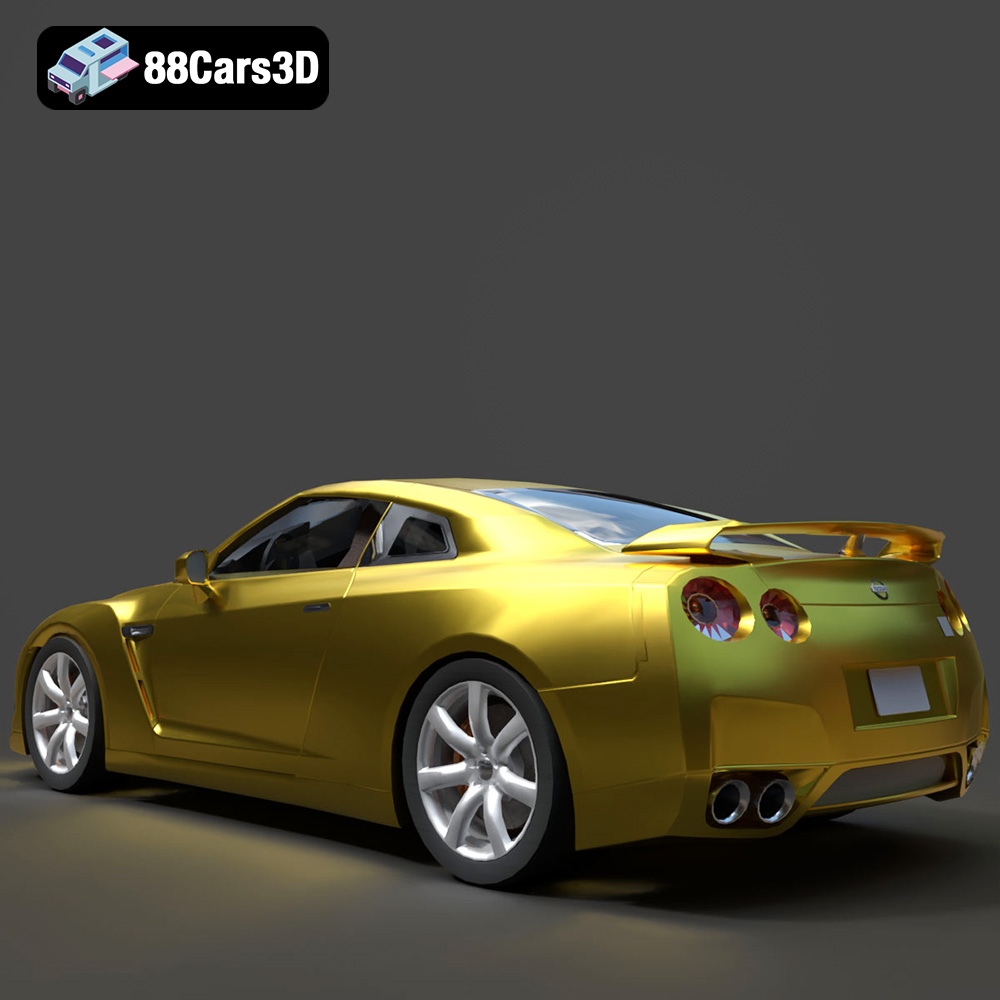
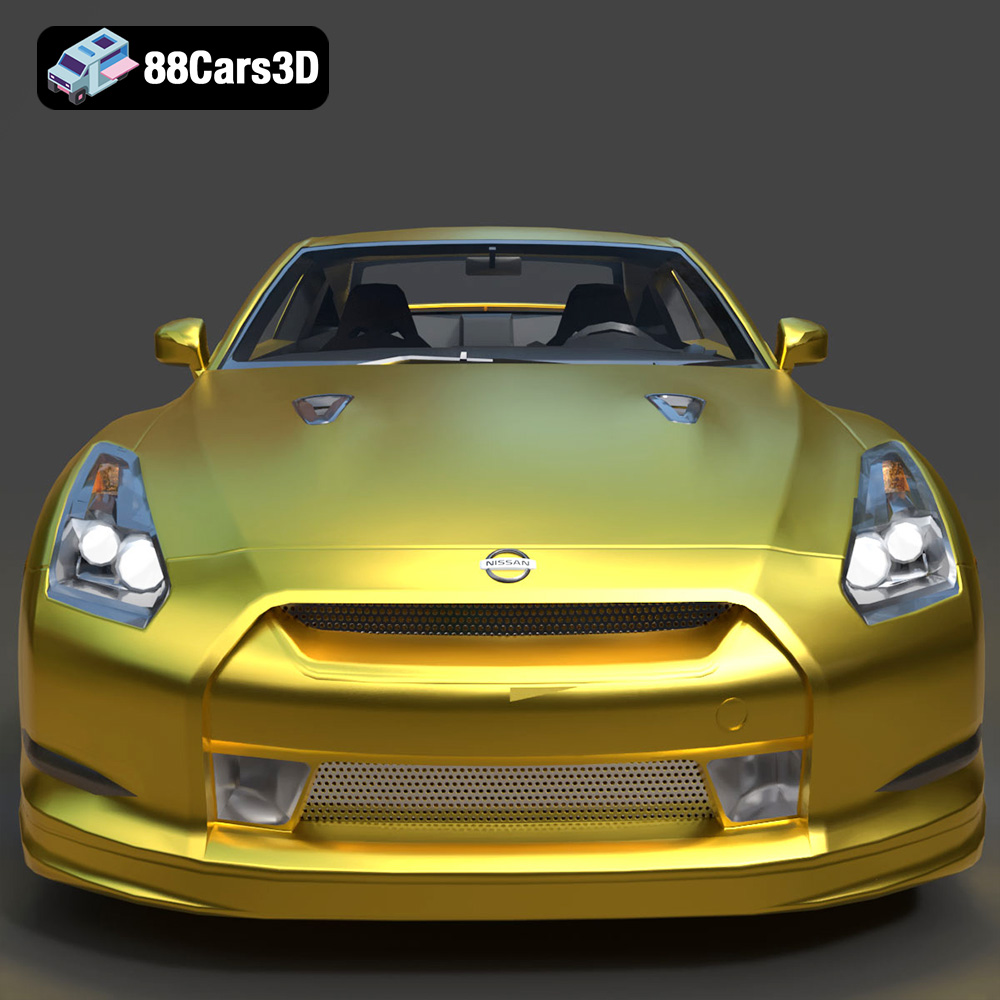
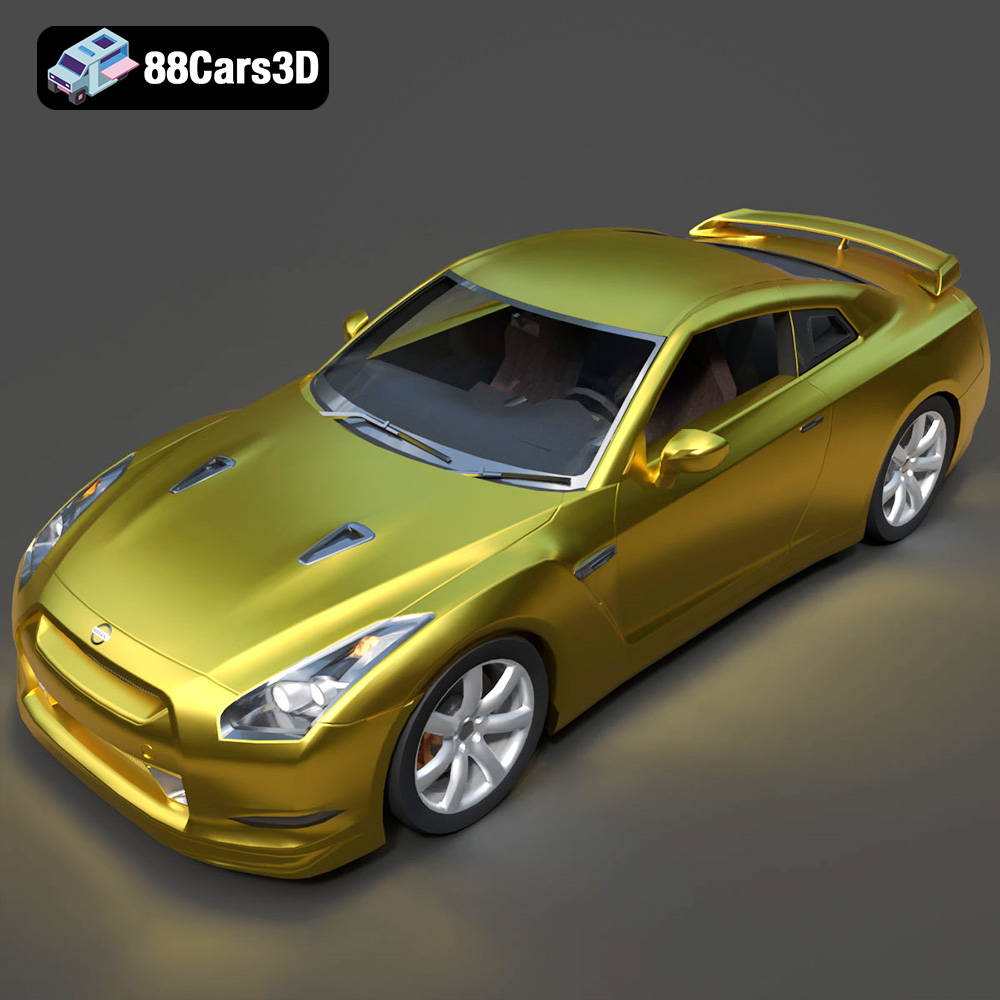
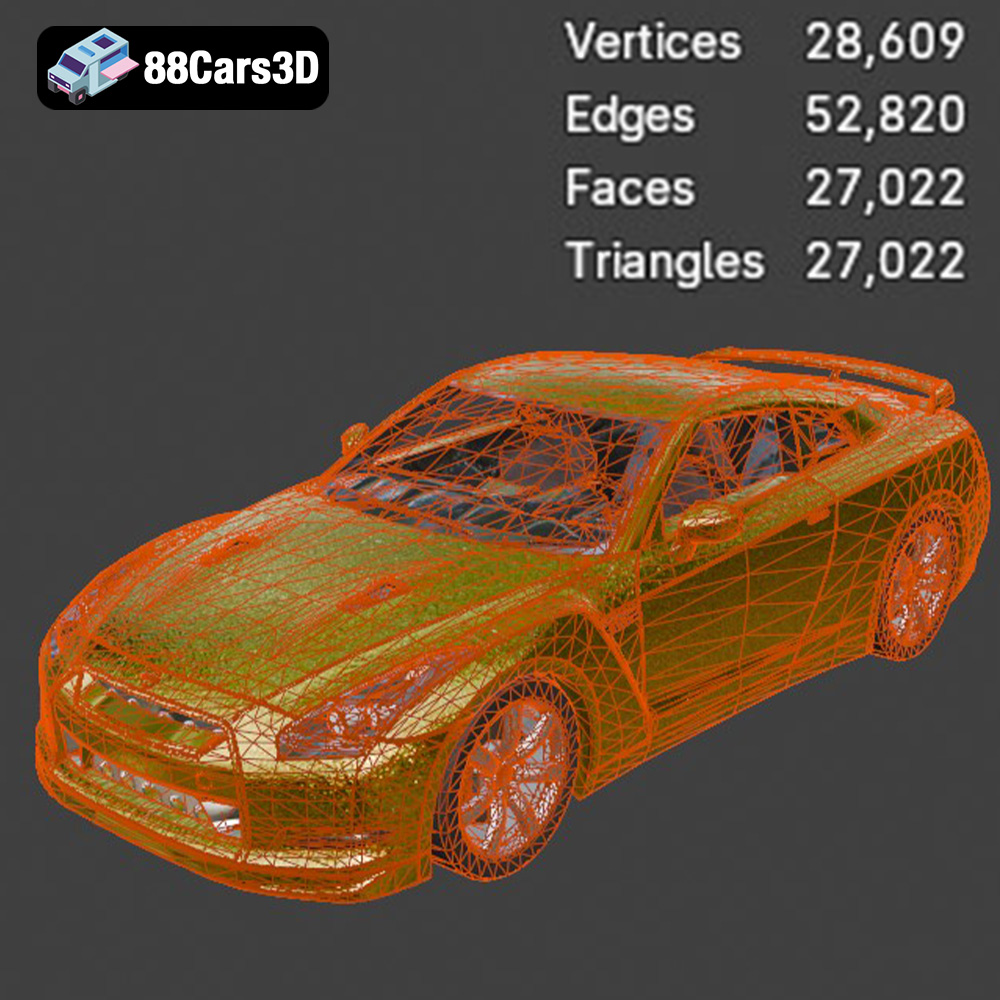
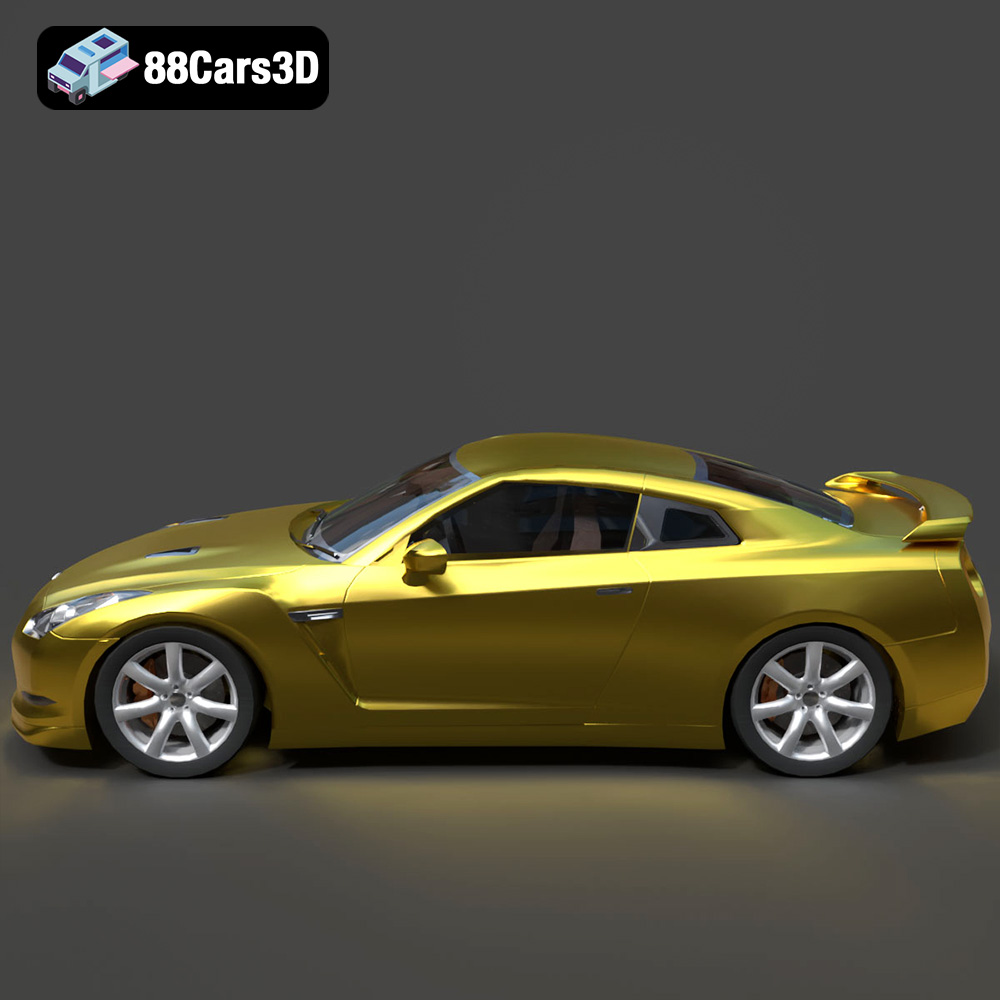
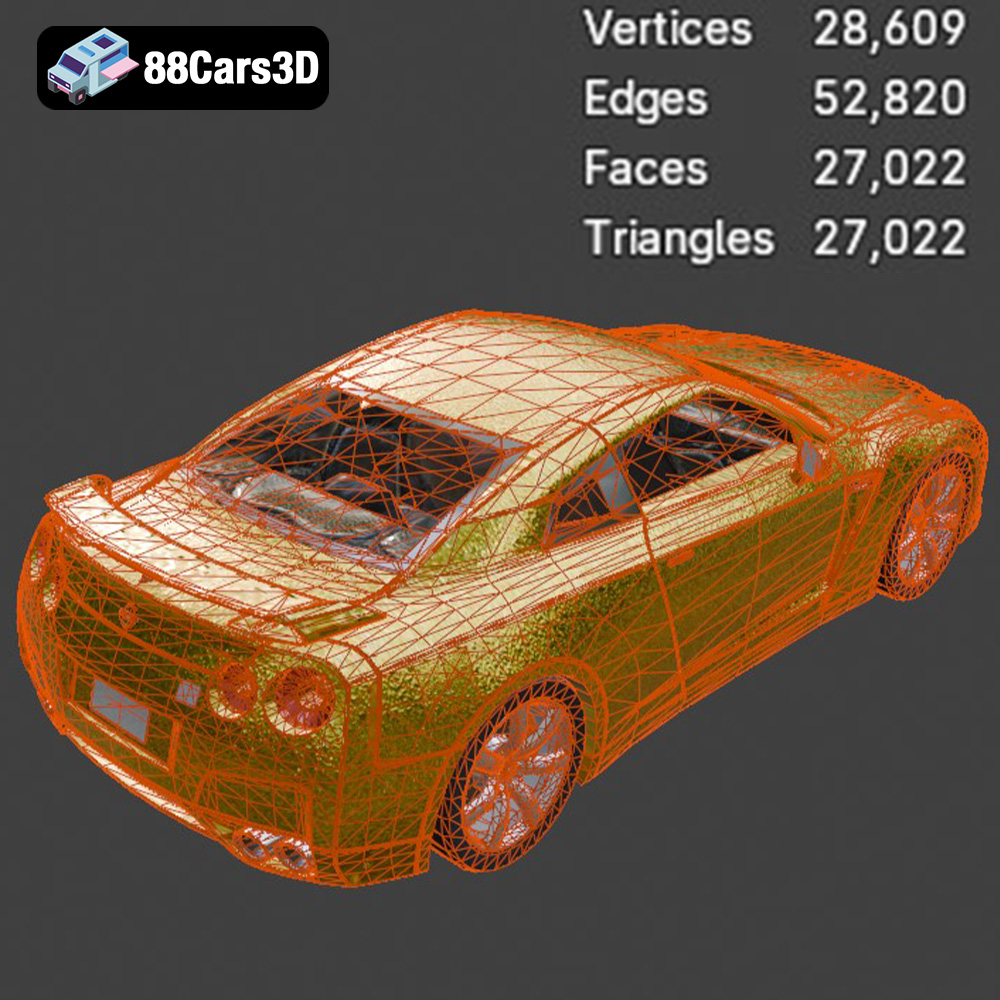
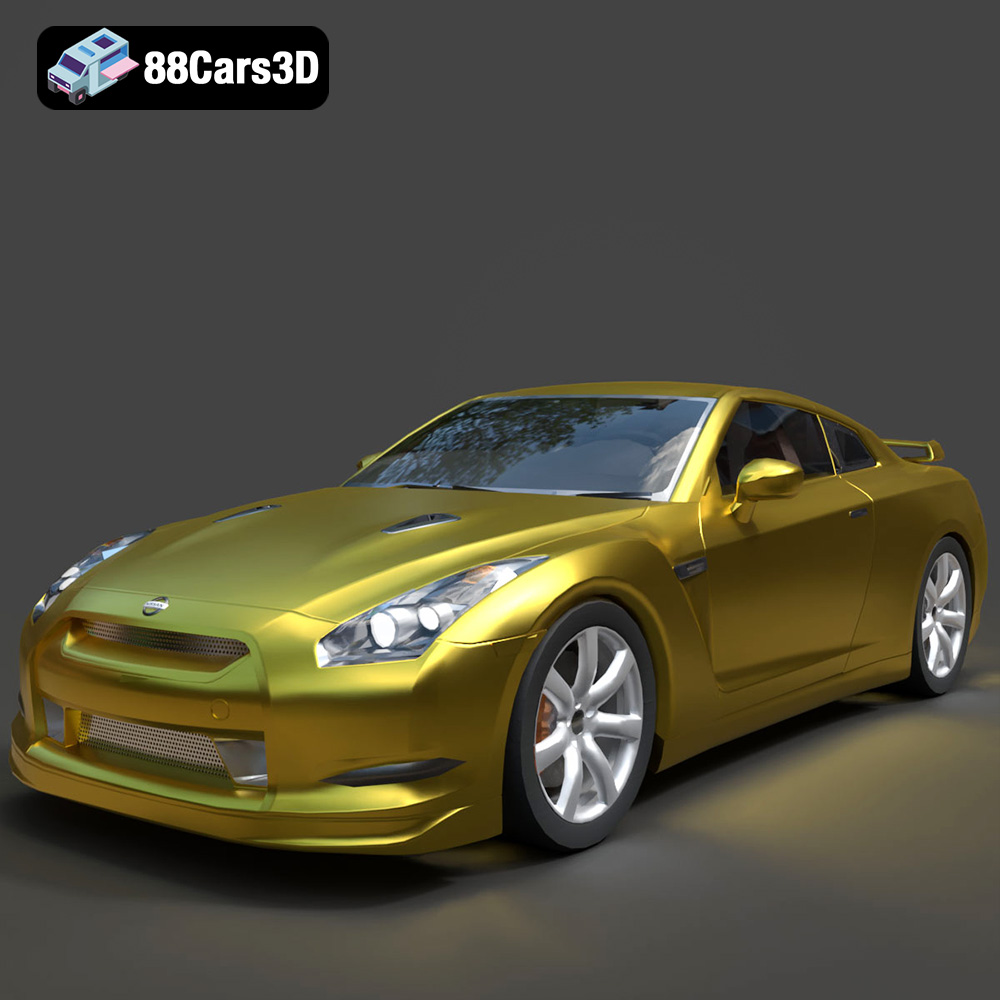
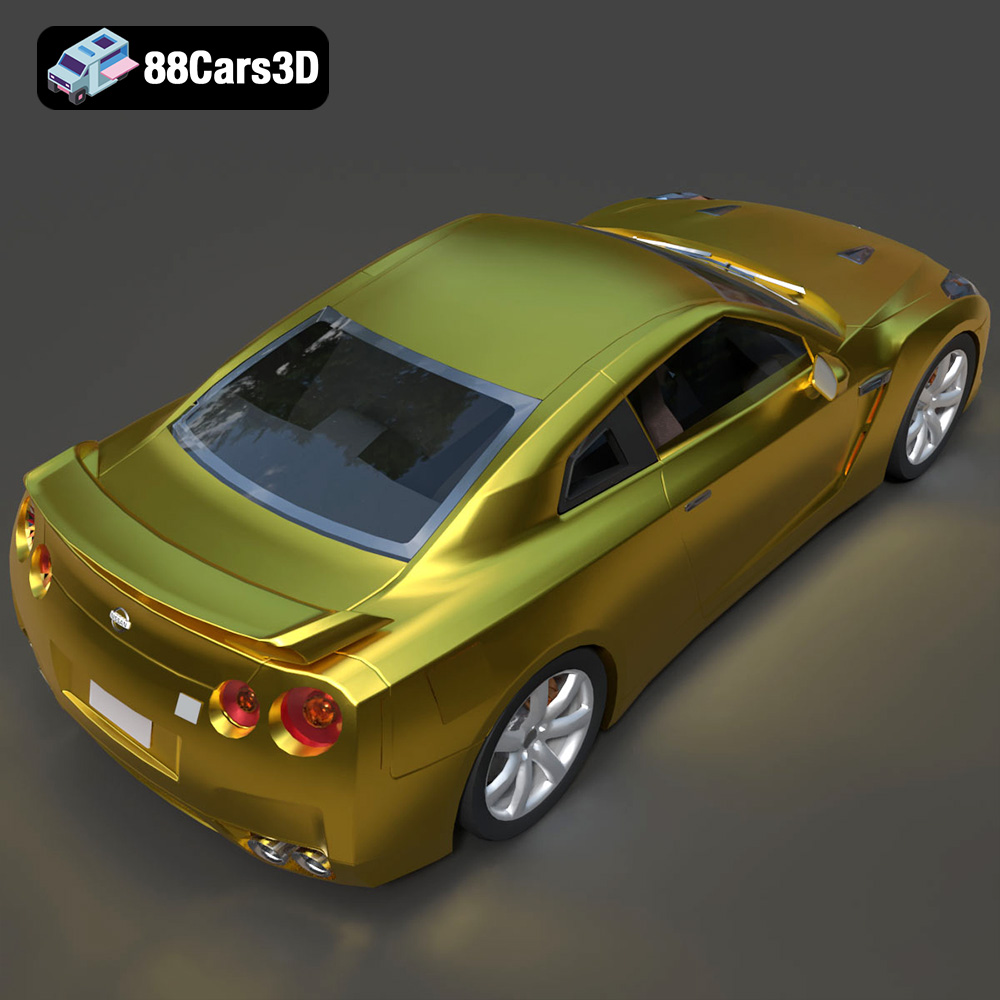
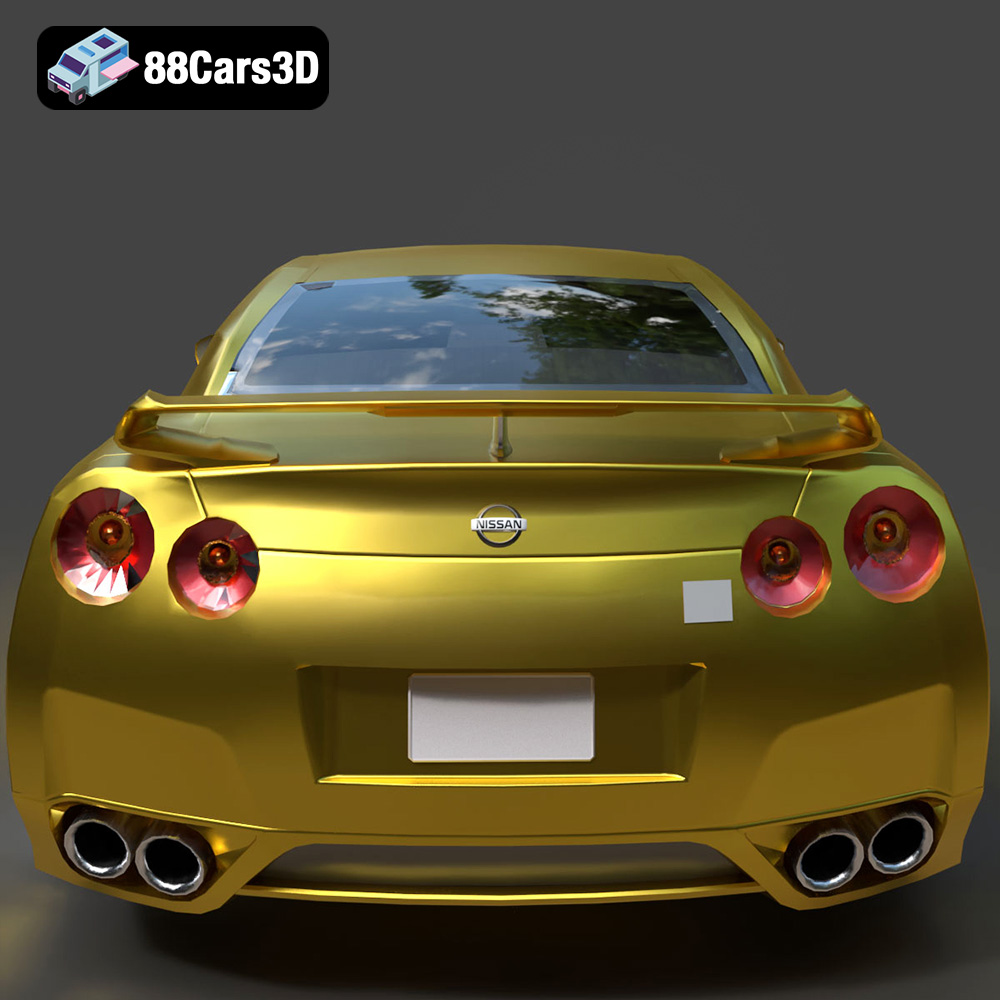
The Nissan GT-R, affectionately known as “Godzilla,” is synonymous with raw power and technological prowess. The 2008 model in this bundle is described as having a “flawlessly modeled aggressive front fascia” and “signature quad round taillights.” Technically, this implies a high-polygon count focused on capturing every subtle curve and sharp edge, crucial for close-up automotive studio renders. A high-poly topology ensures that reflections on the car’s paintwork, especially when using advanced renderers like V-Ray or Arnold, appear crisp and realistic, without jagged edges or faceted surfaces. This model is ideal for creating stunning hero shots or cinematic sequences where every detail matters.
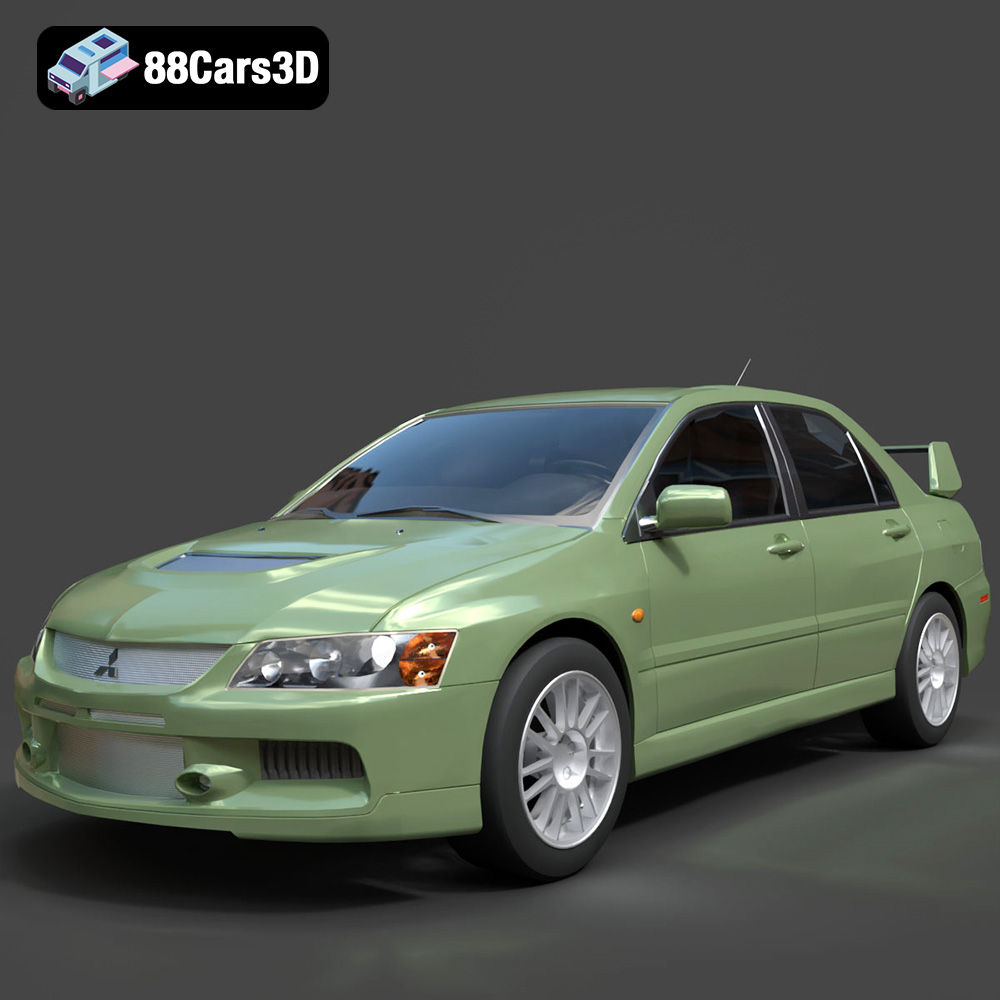
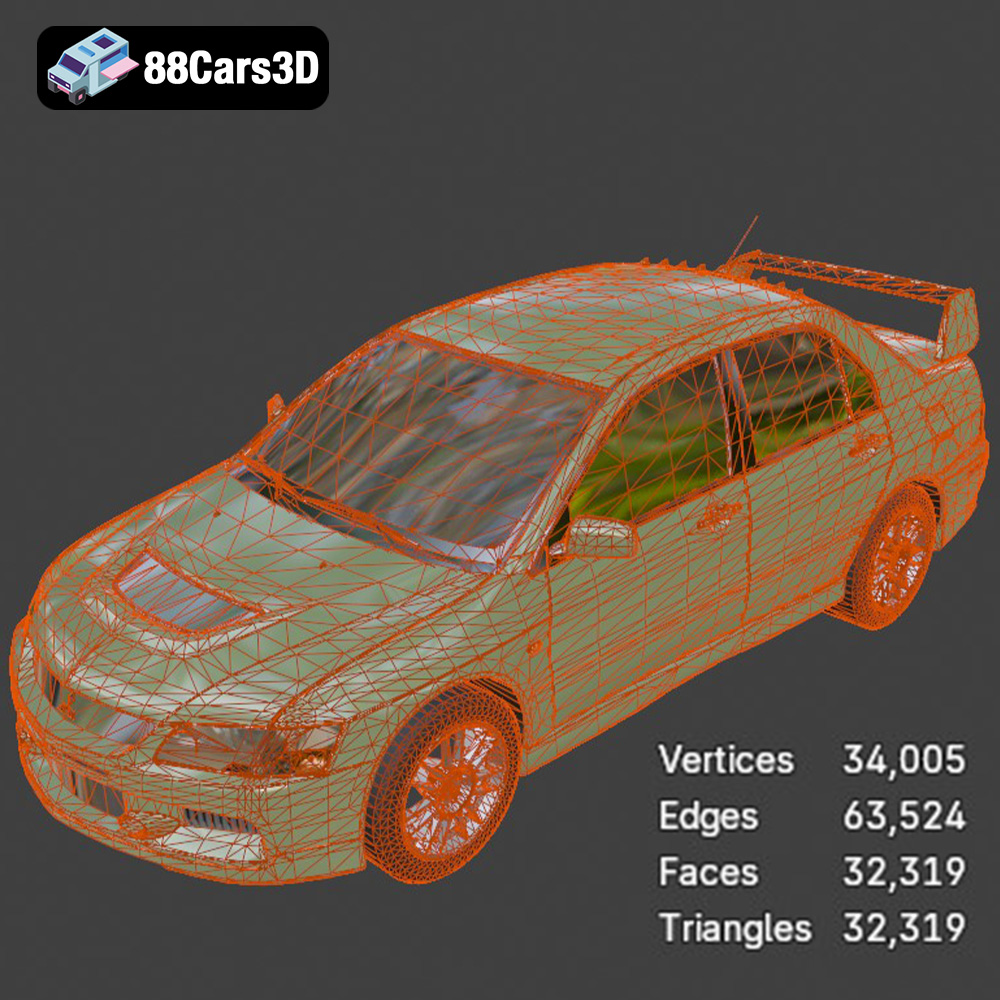
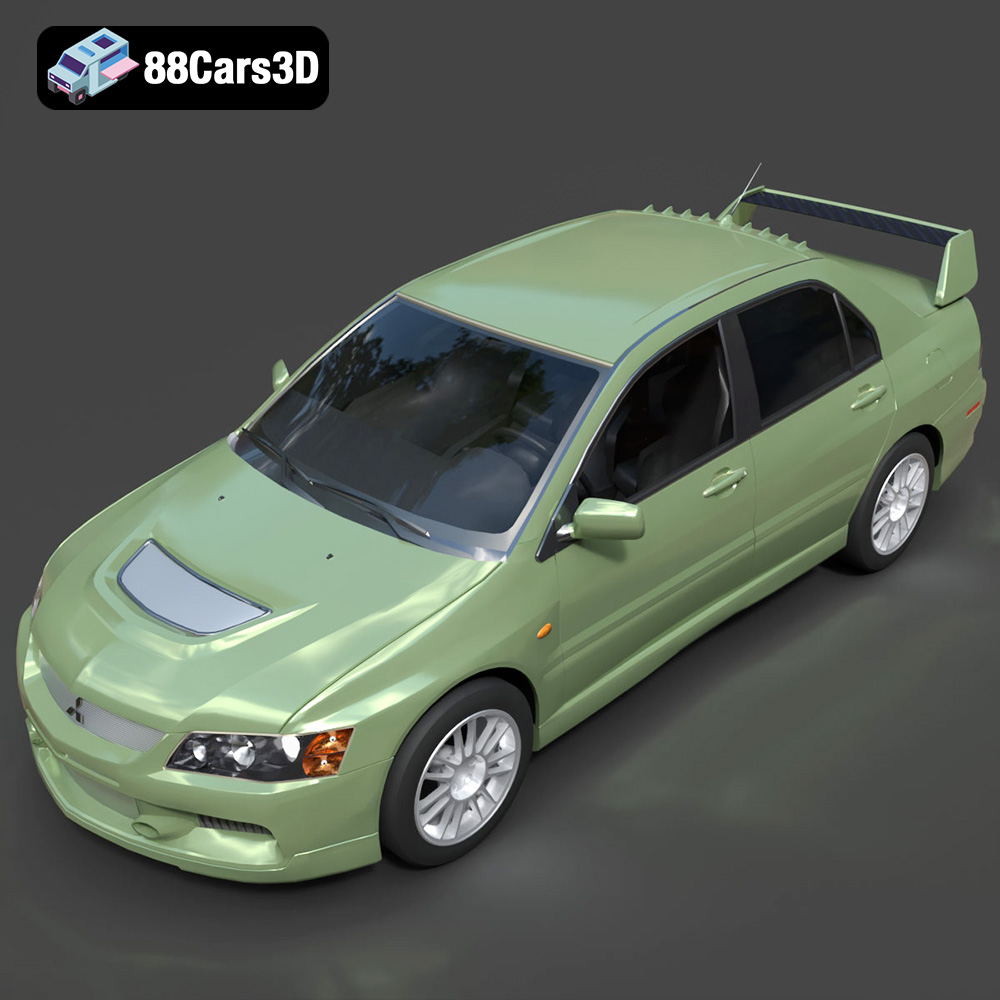
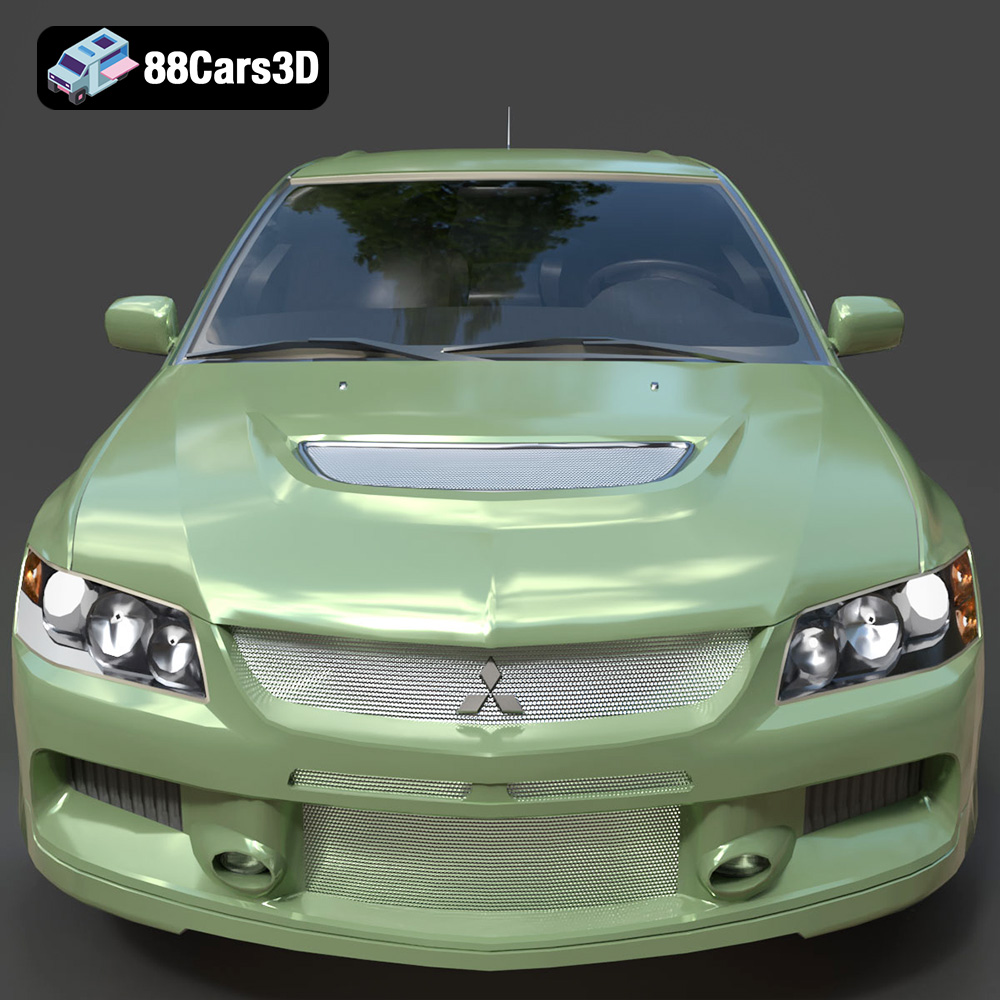
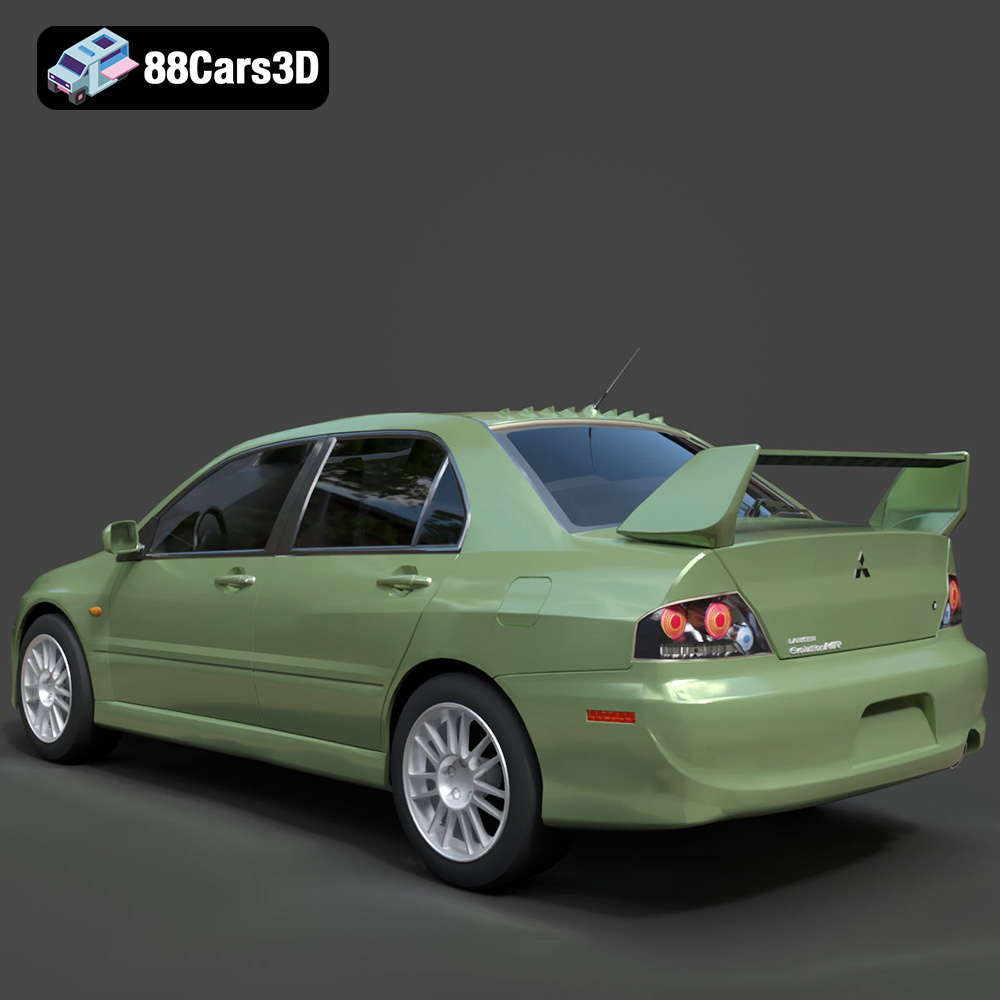
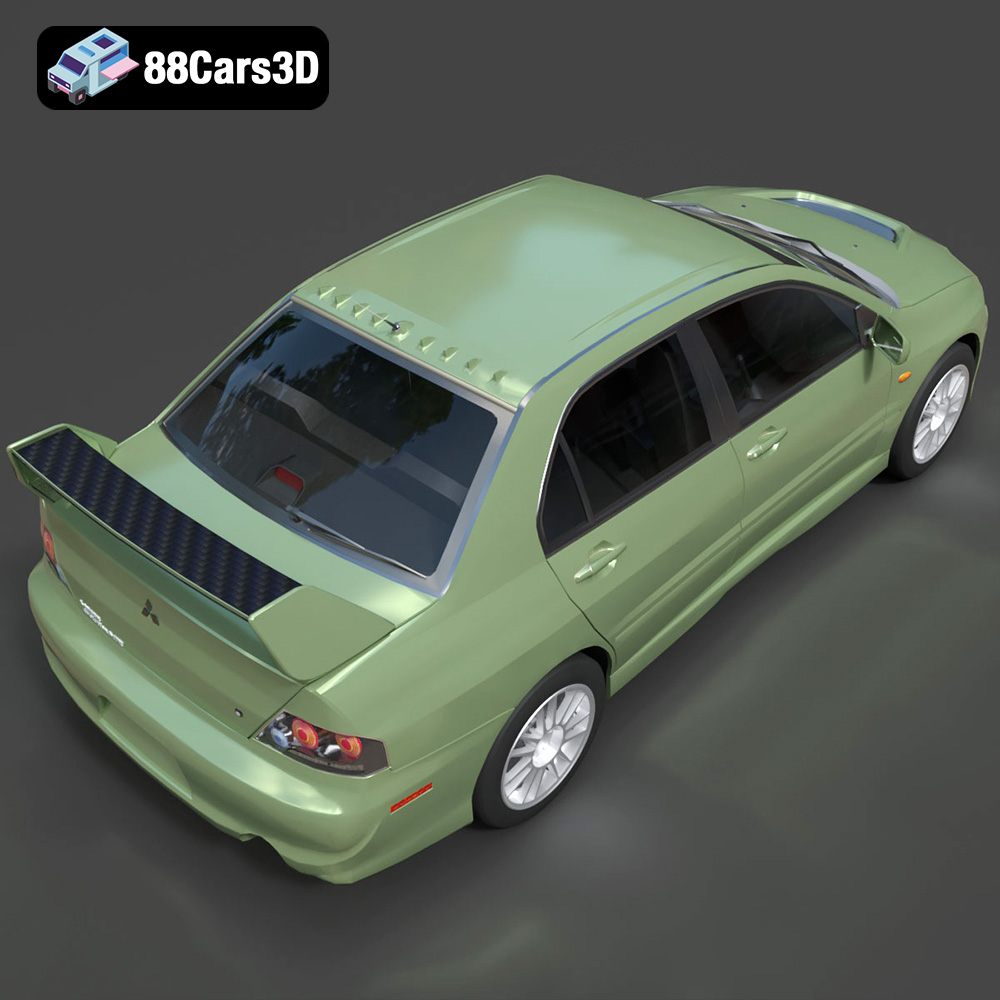
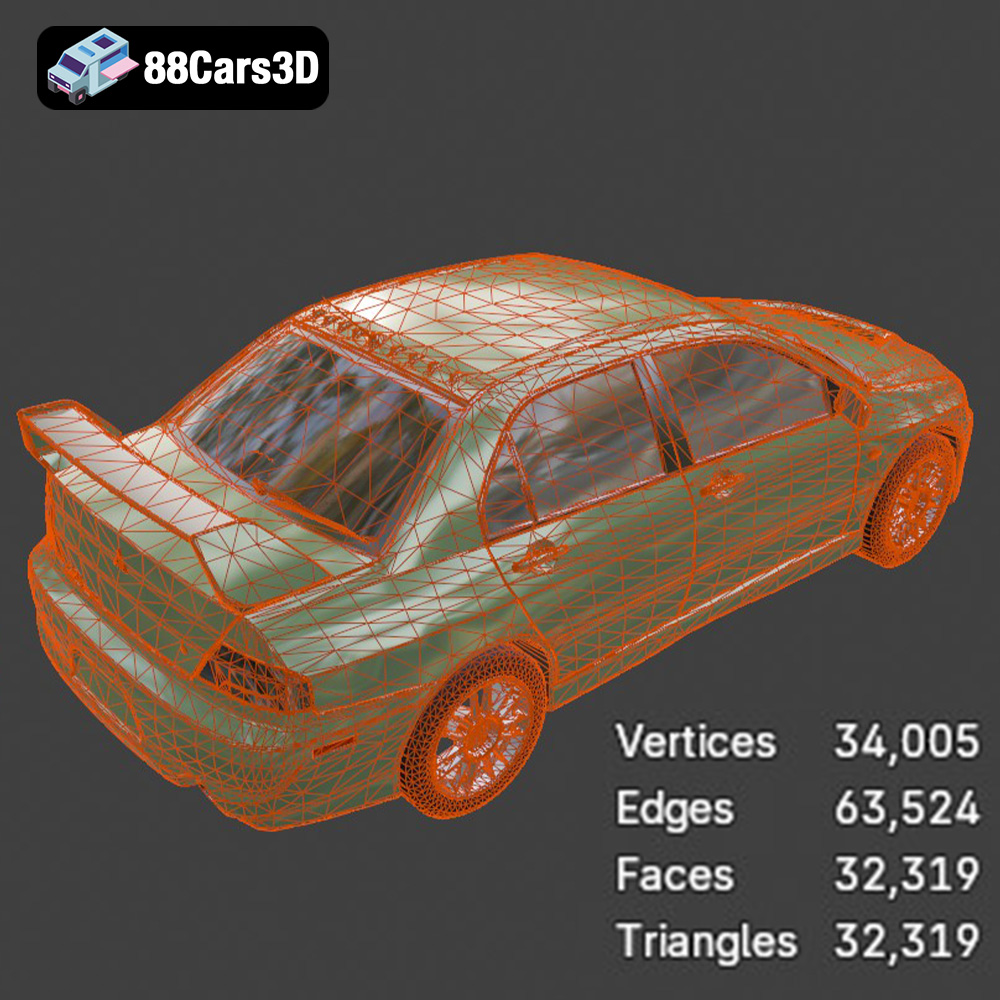
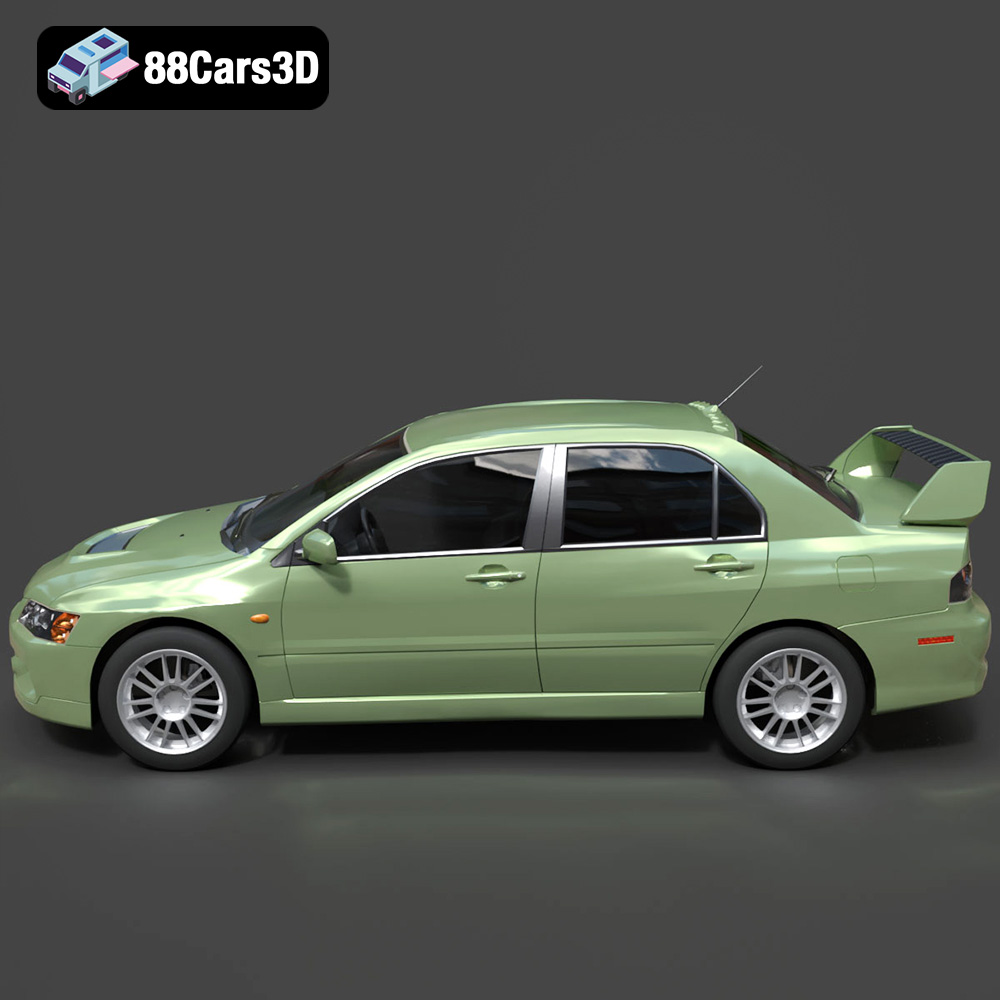
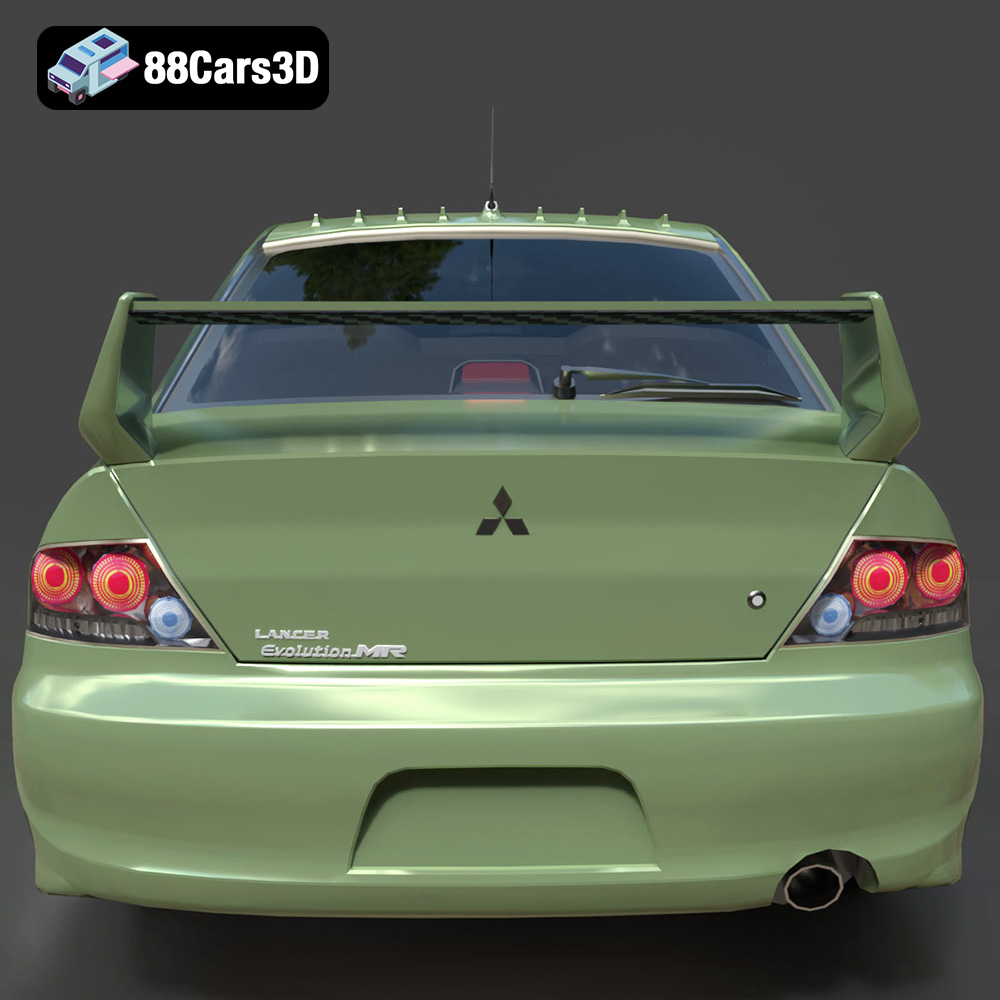
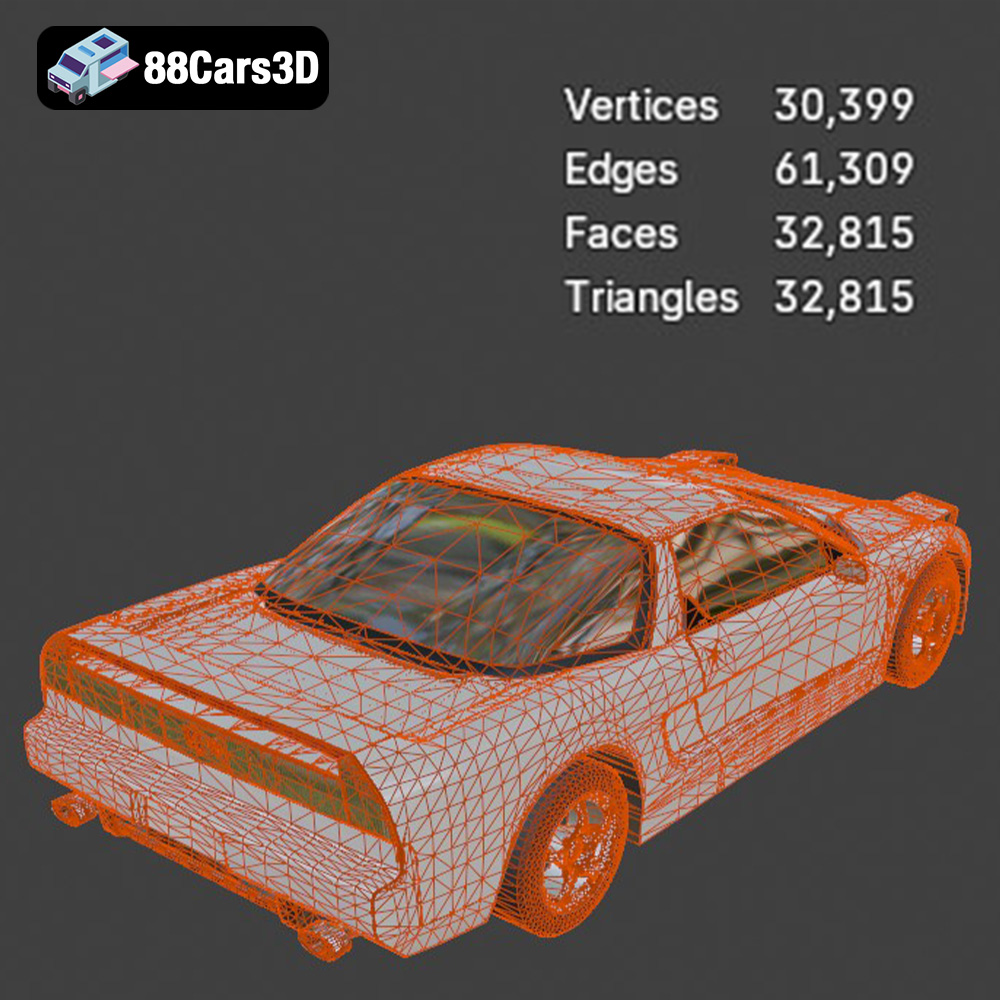
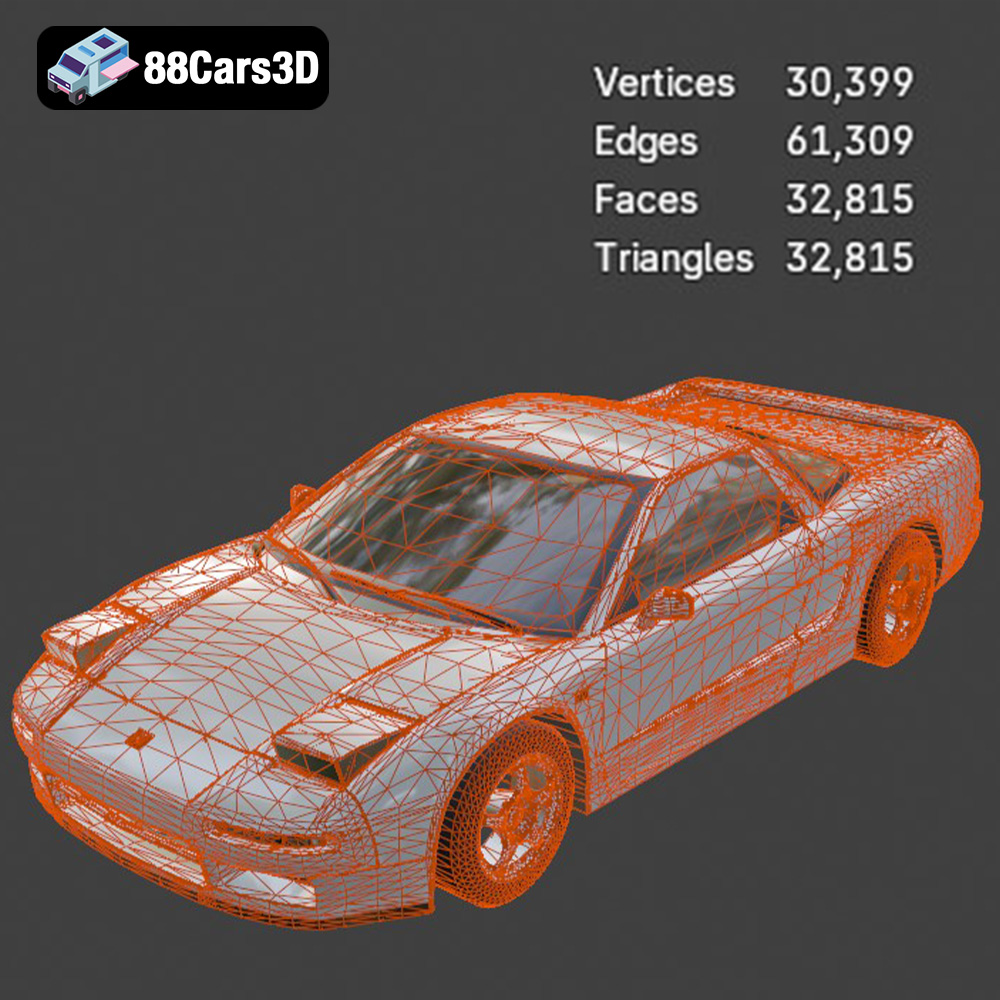
The Lancer Evolution IX is a beast born on the rally stages and refined for the street. Its distinctive aggressive hood vents, dynamic front bumper, and large rear spoiler are iconic. For game development, a model like this needs clean, optimized topology to ensure smooth performance while retaining visual fidelity. The “Optimized Topology” mentioned for the bundle, with its “quad-heavy geometry,” is vital here. Quads (four-sided polygons) are preferred over triangles for better deformation during animation, easier UV unwrapping, and smoother subdivision, which is key for real-time engines that may apply dynamic tessellation or for artists who wish to add further detail without introducing artifacts.
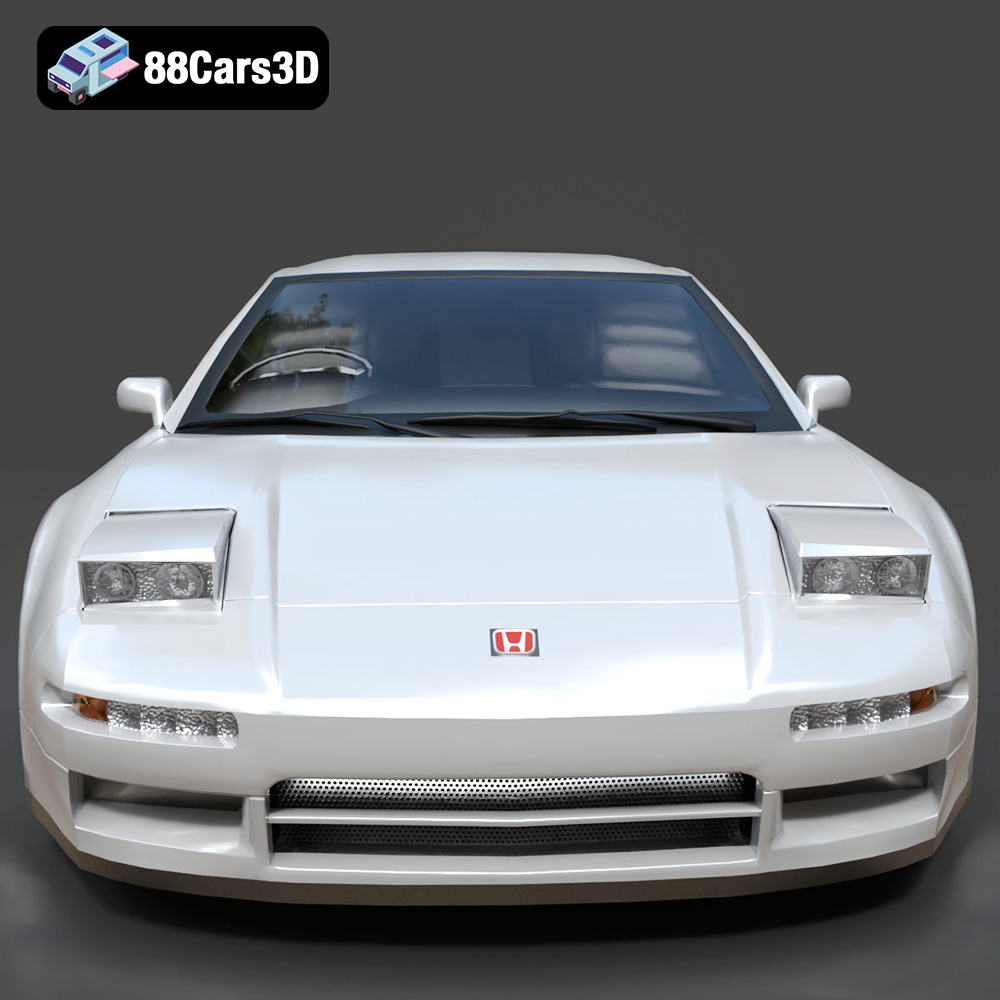
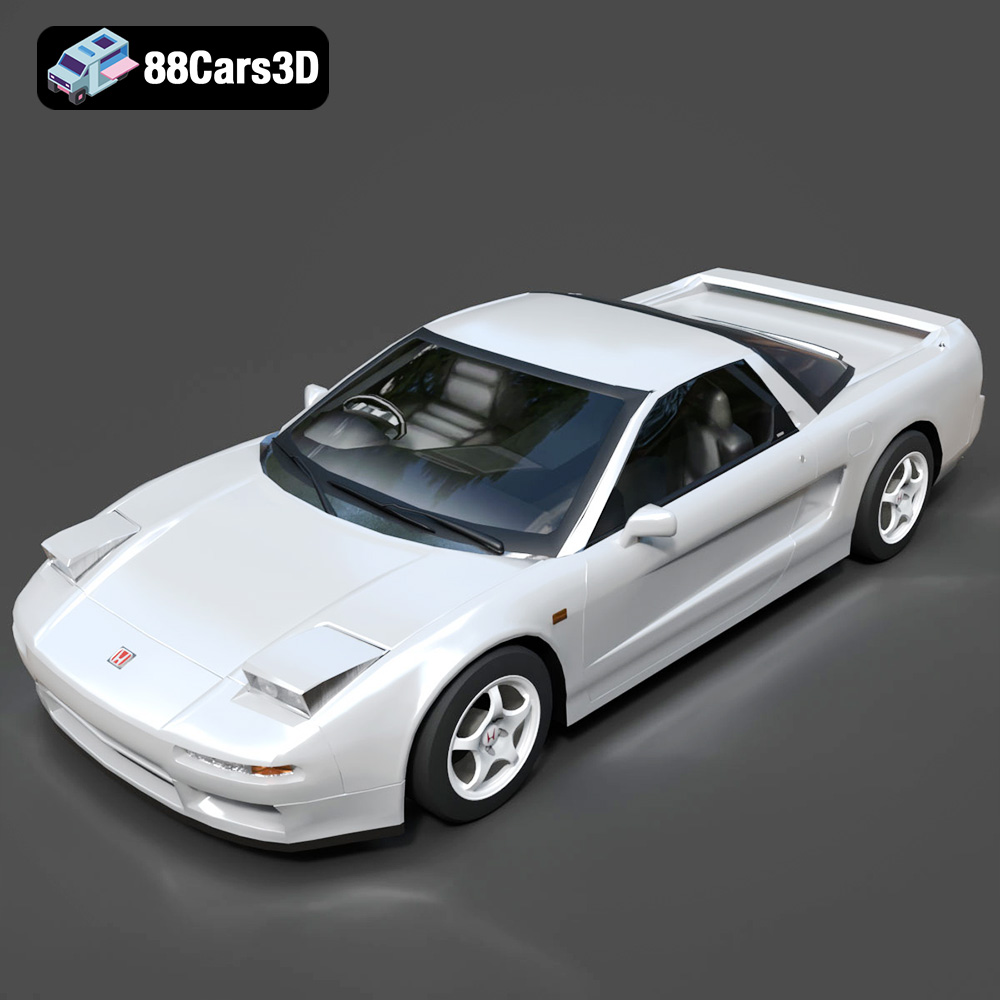
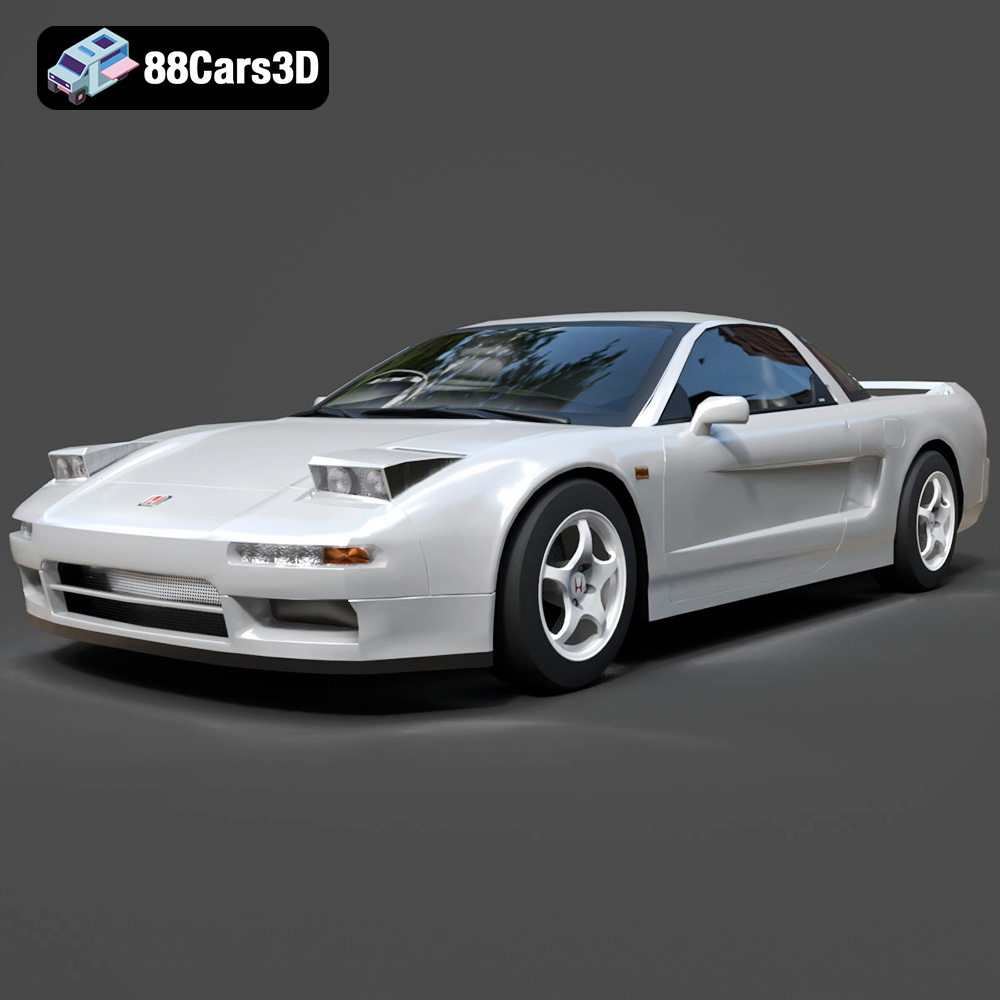
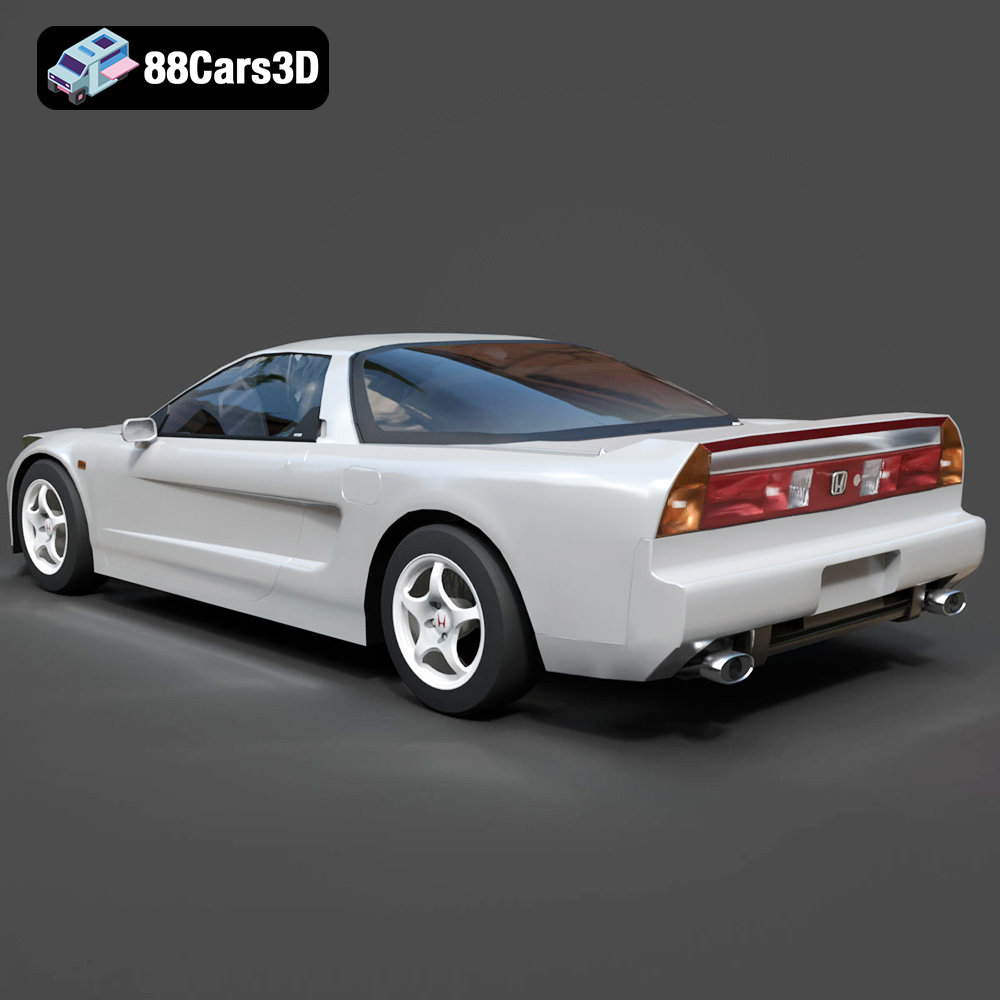
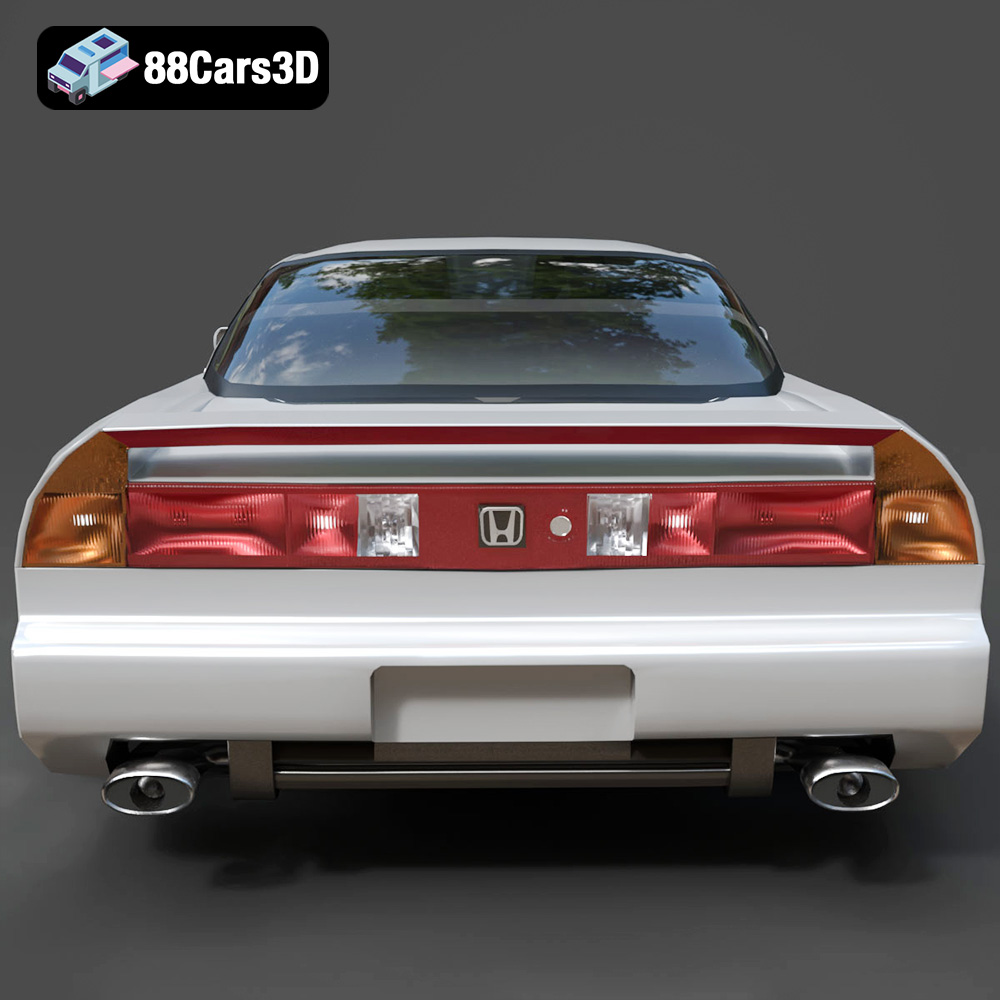
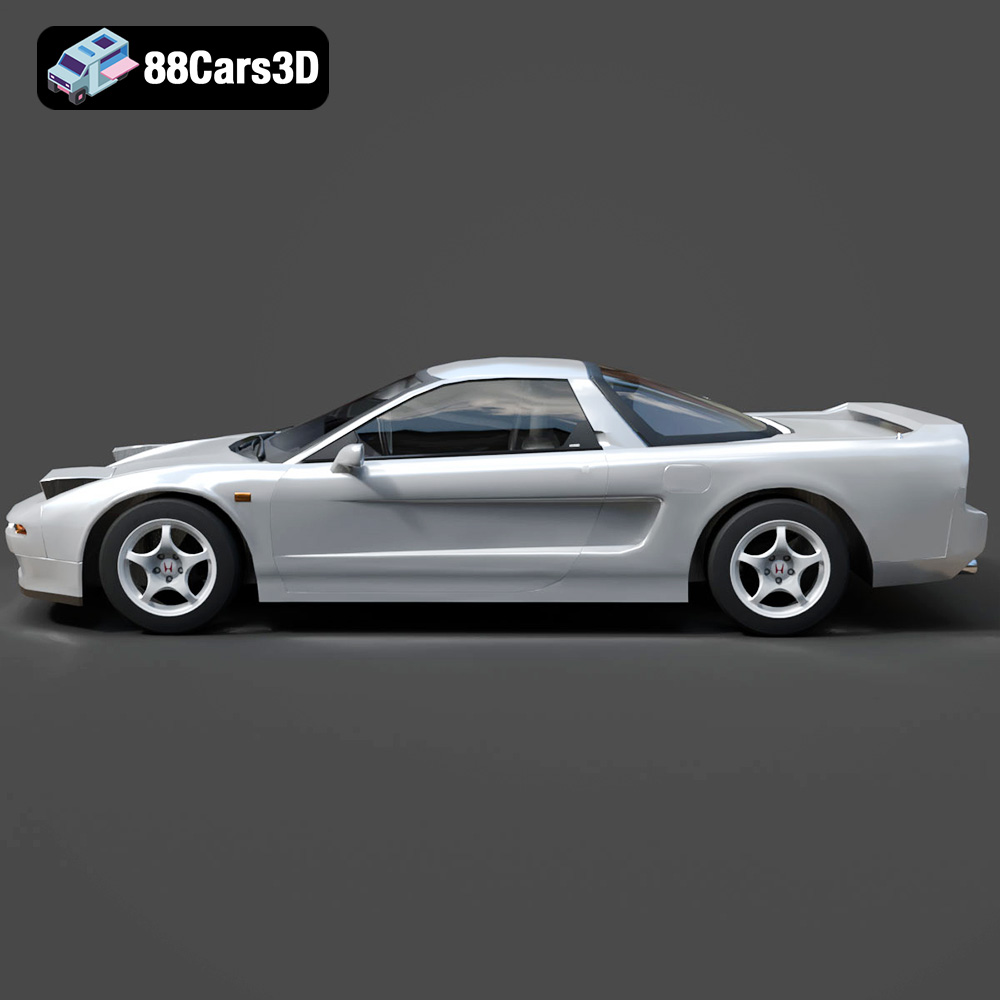
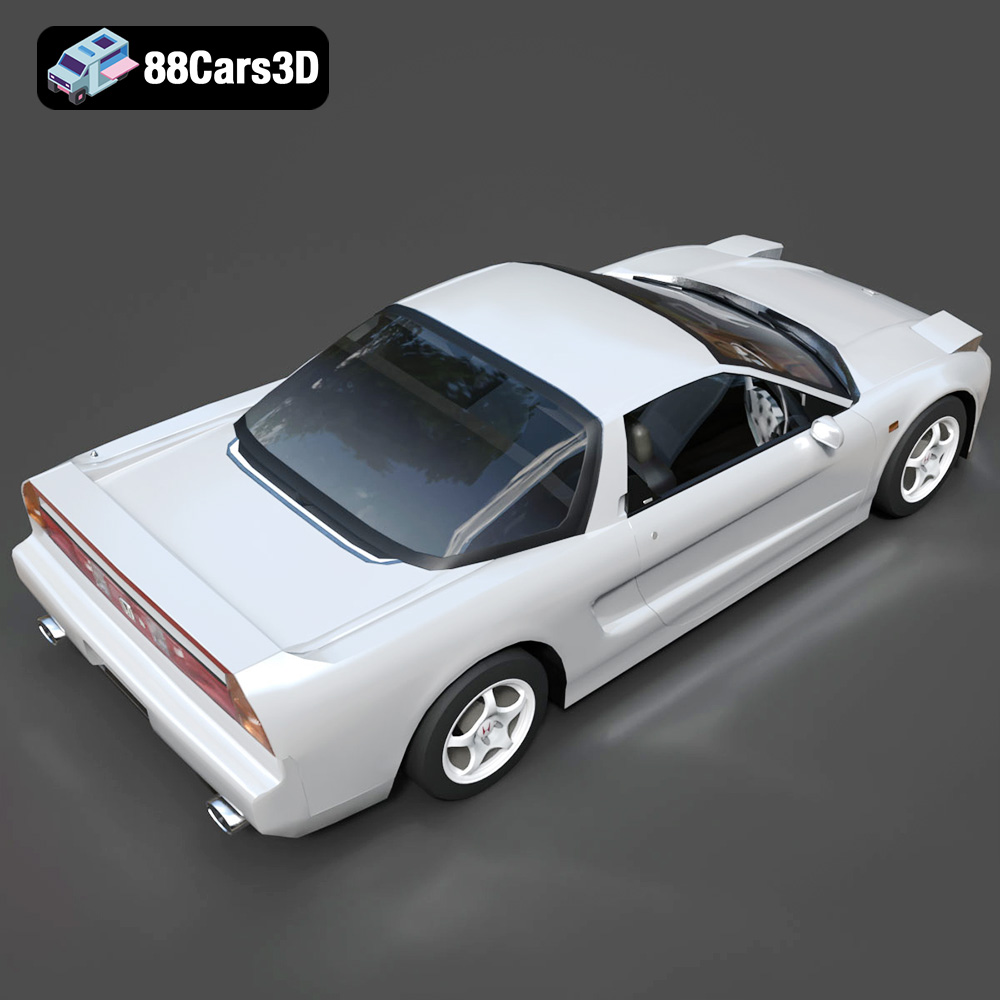
The Honda NSX-R, particularly the 1992 model with its iconic pop-up headlights, represents a bygone era of pure, driver-focused supercars. Capturing its “mid-engine proportions” and “timeless aerodynamic wedge design” requires precise modeling. This model’s inclusion provides a perfect canvas for nostalgic renders, perhaps set in a stylized 90s Tokyo or a classic car meet scene. The separated parts – wheels, doors, and steering components – are a significant advantage, enabling artists to easily animate these elements for opening doors, rotating wheels, or adjusting steering in a virtual environment.
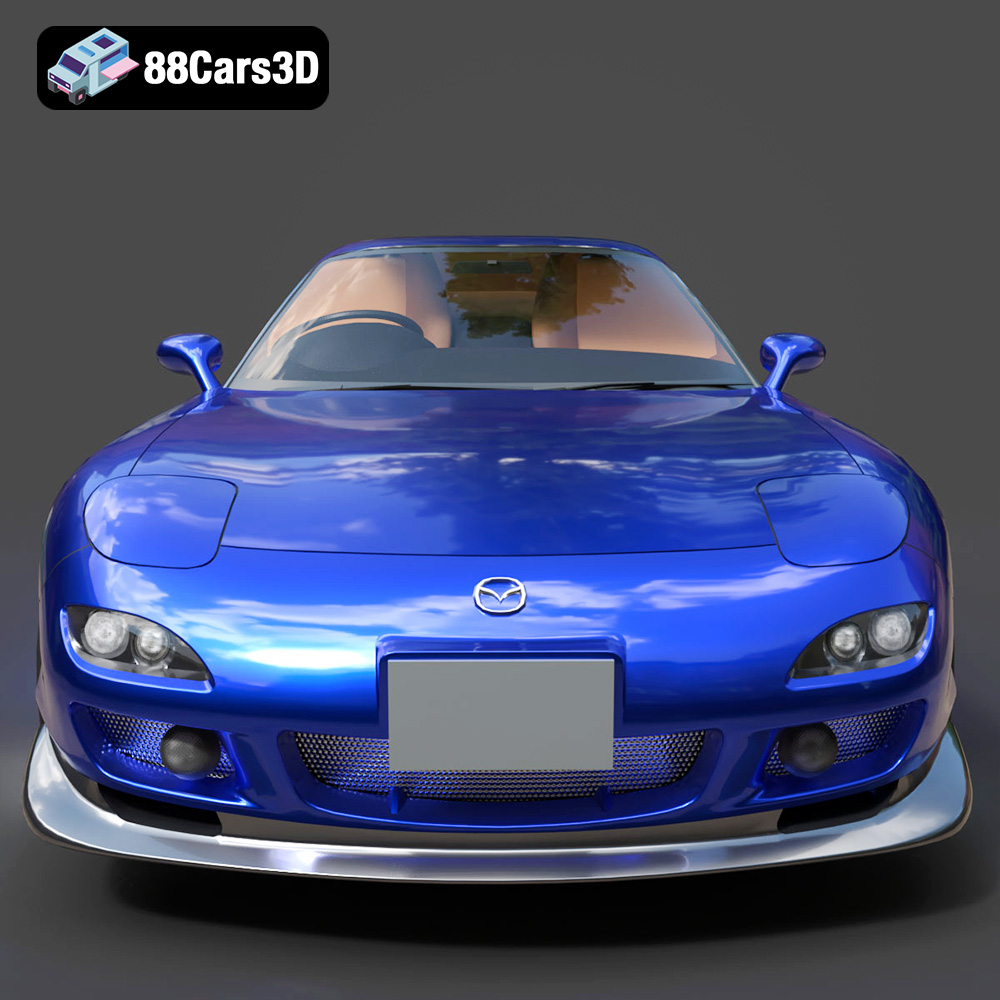
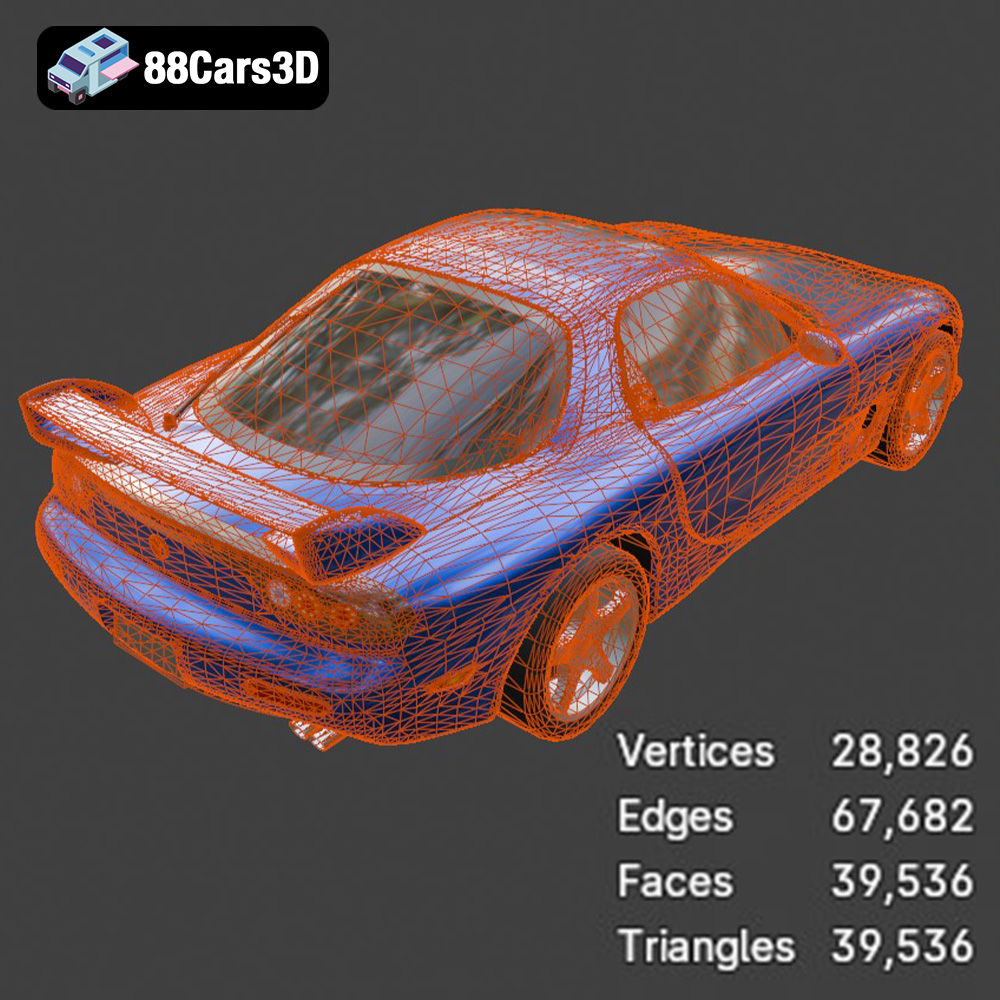
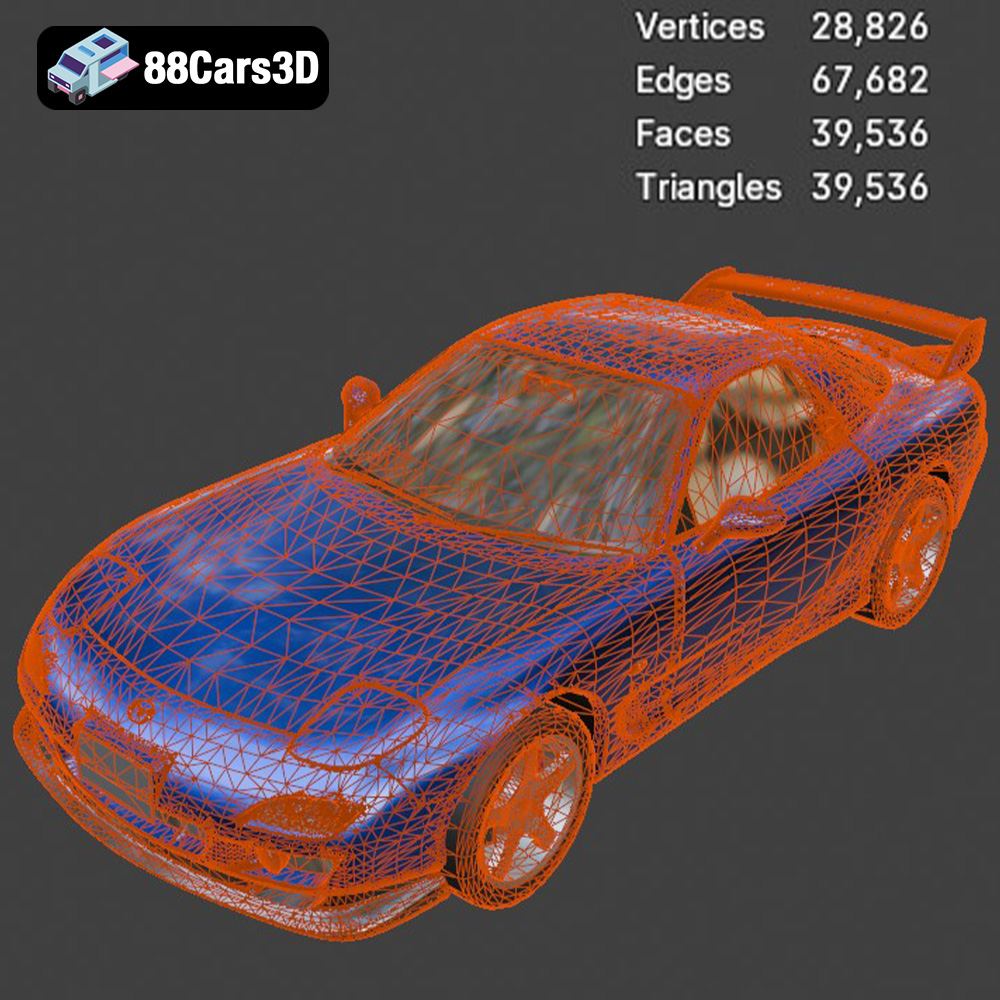
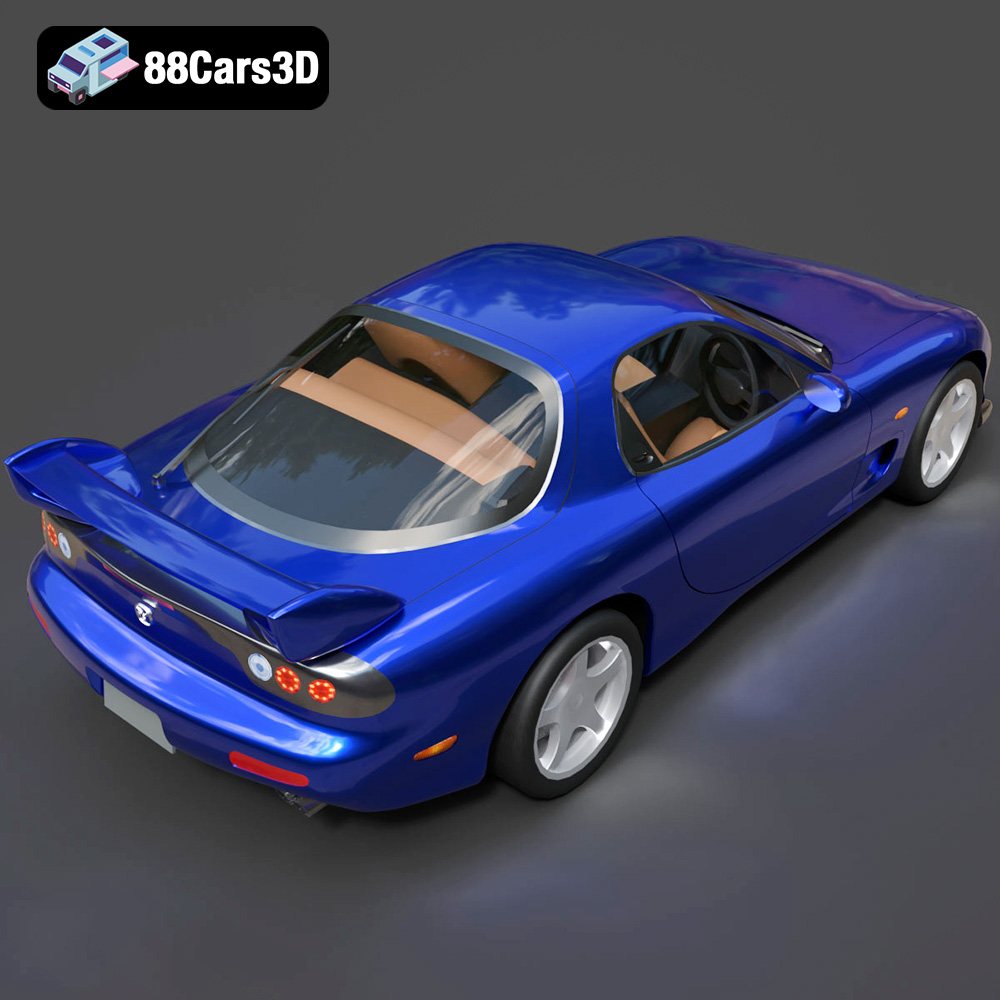
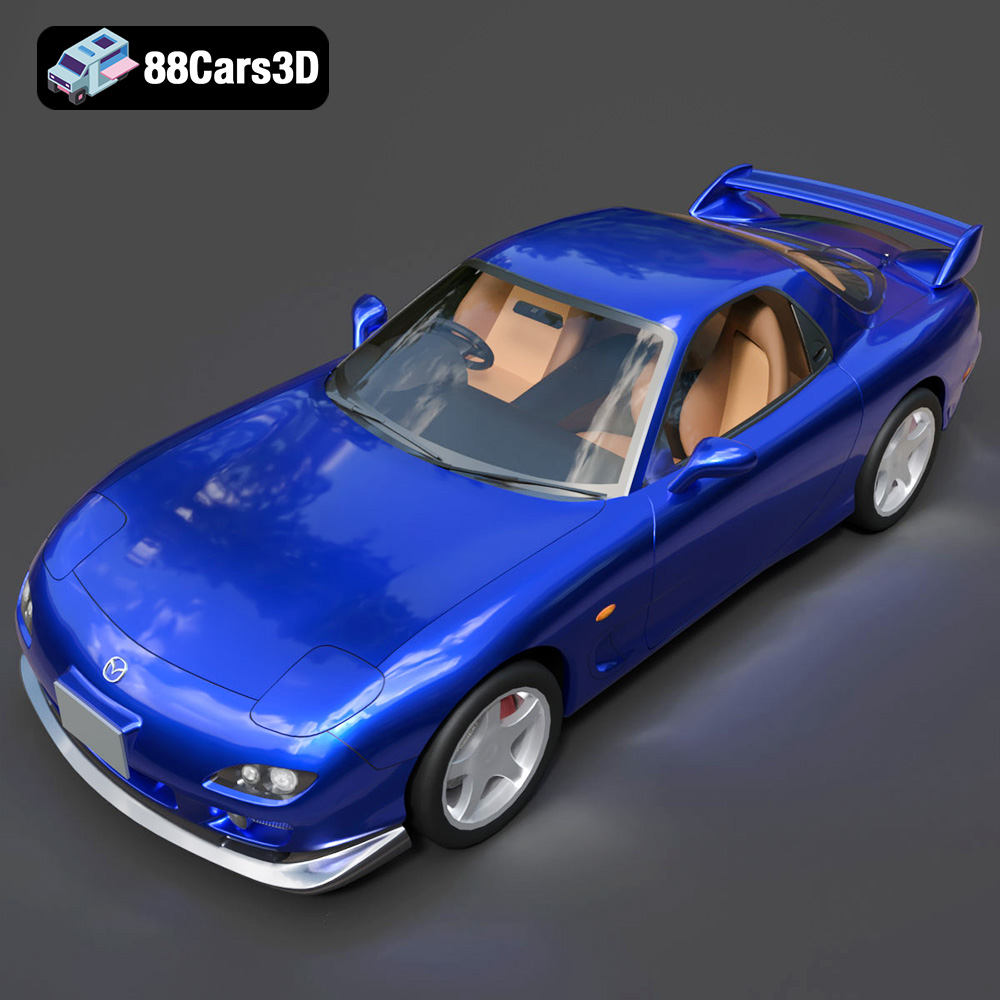
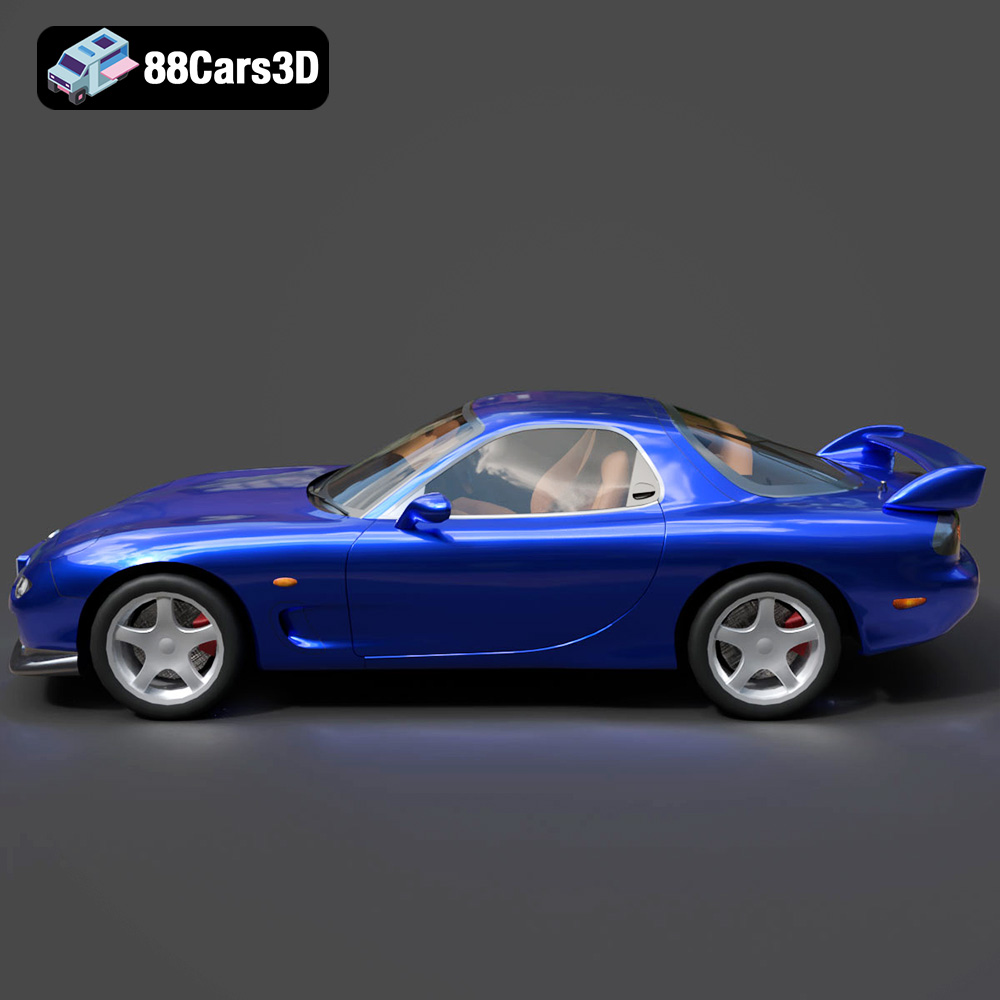
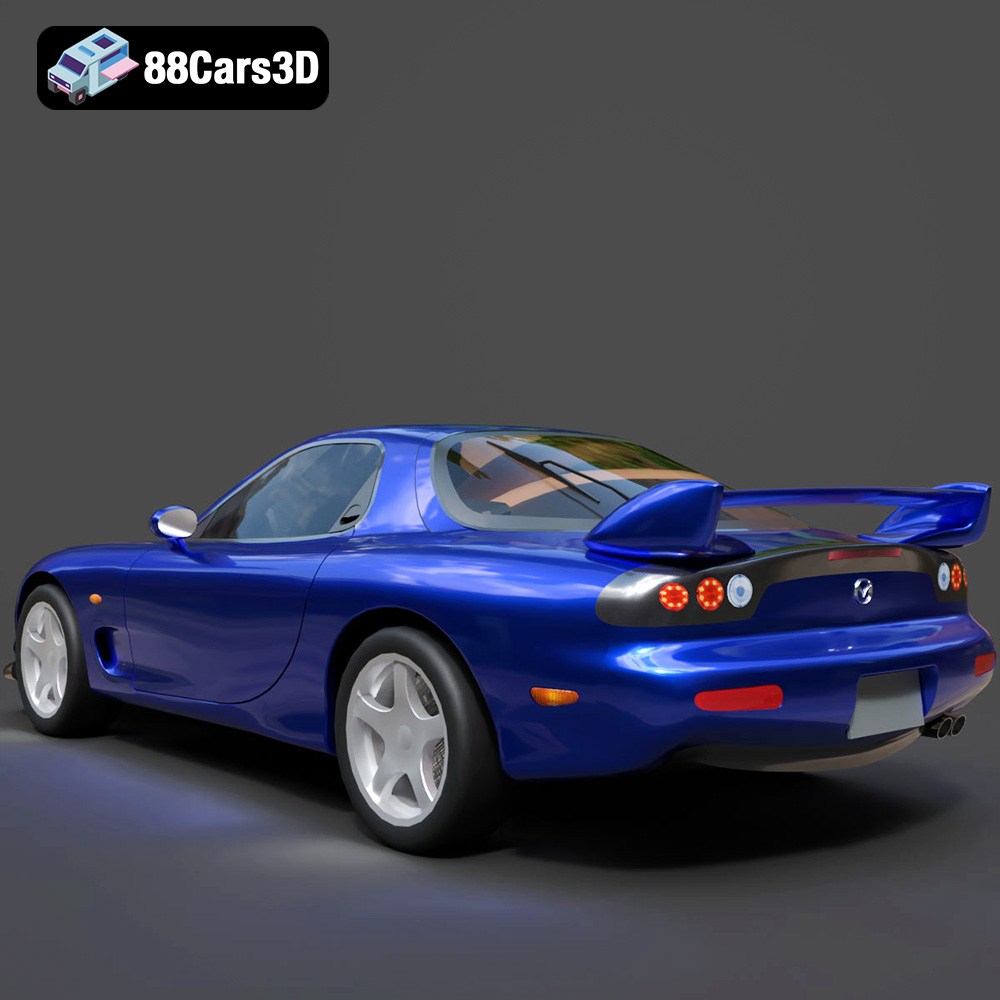
The FD-generation Mazda RX-7 is celebrated for its rotary engine and incredibly smooth, flowing aerodynamic curves, making it a favorite for drifting. The bundle’s RX-7 model features these “famous smooth, flowing curves and pop-up headlights.” For drifting scenes in games or animations, proper pivot point setup for the wheels is non-negotiable. The product description explicitly mentions “Proper pivot point setup for all wheels, ready for Unreal Engine (Chaos Vehicles) or Unity,” which dramatically streamlines the process of integrating the car into a real-time physics simulation, allowing for realistic tire spin and steering dynamics right out of the box.
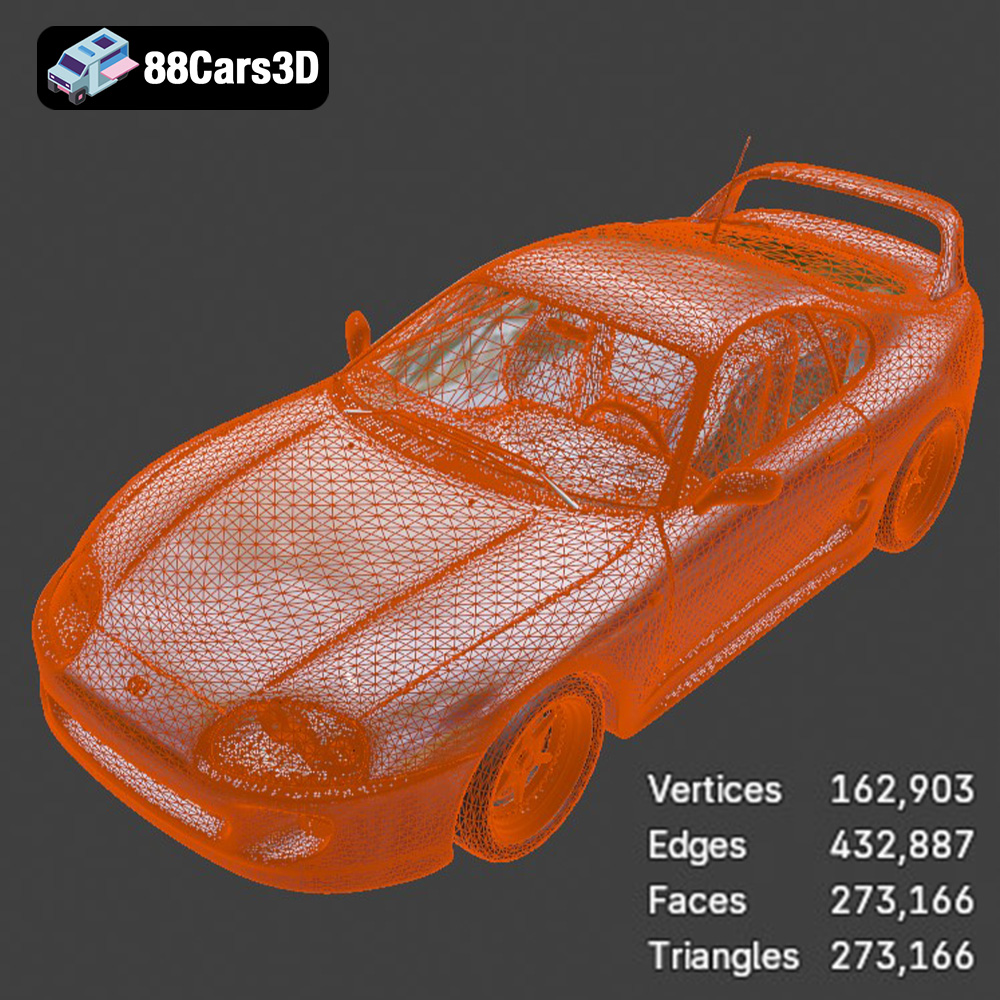
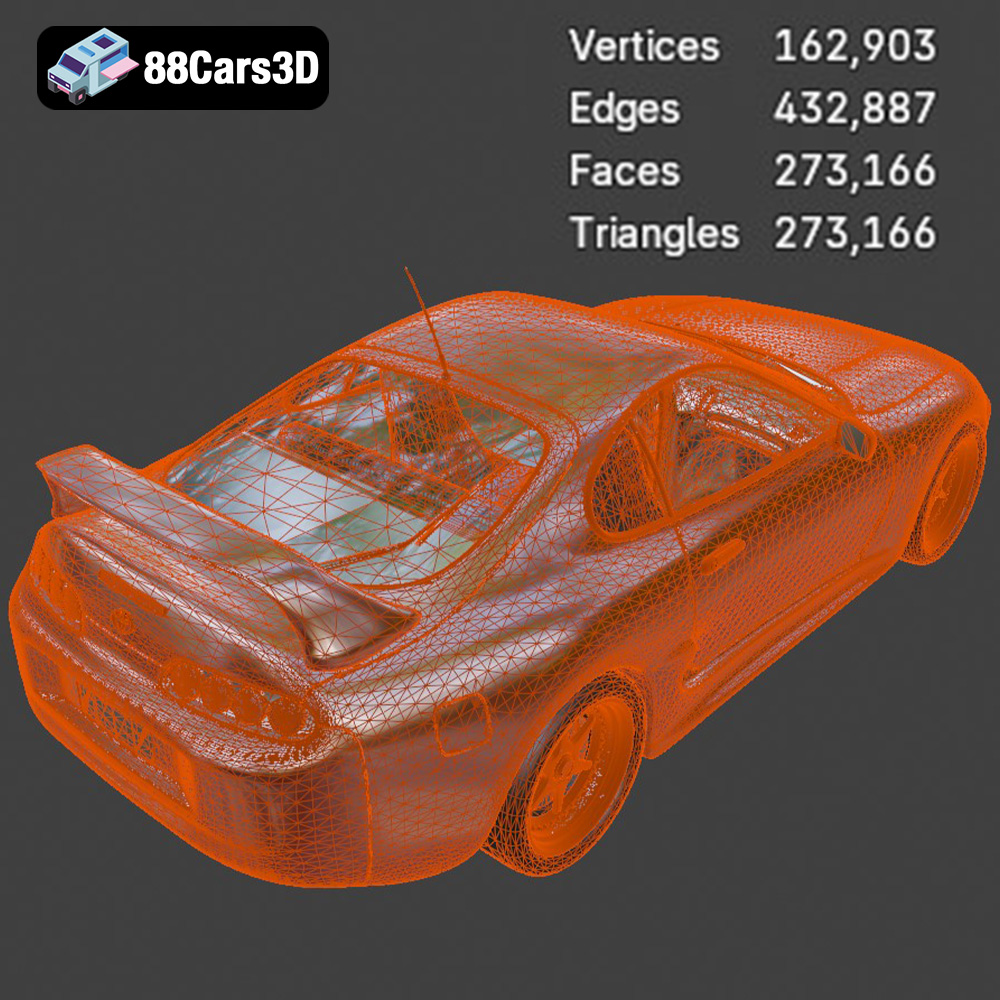
The modern A90 Toyota Supra brings aggressive contemporary aerodynamics and sharp LED lighting to the JDM lineup. This model “perfectly captures the aggressive modern aerodynamics, distinct double-bubble roof, and sharp LED headlight signature.” Its inclusion allows for projects that blend classic JDM spirit with modern aesthetics, perhaps in a futuristic cityscape or alongside other modern performance vehicles. The “Tuning Ready” aspect, with “clean geometry making it easy for 3D artists to modify,” is crucial for this car, as the Supra is often heavily customized in real life, and artists will want the flexibility to add widebody kits, custom spoilers, or aftermarket rims in their digital renditions.
The journey of these JDM 3D car models extends far beyond mere static representation. Professionals across various industries leverage them in sophisticated workflows, demanding specific technical considerations and seamless compatibility with industry-standard software. The **Japanese Legends: JDM Street Racing 3D Models Bundle** is designed with these rigorous demands in mind.
For cinematic quality visuals and marketing imagery, automotive rendering is an art form. Using software like 3ds Max or Blender, artists strive for photorealism. The bundle’s “Optimized Topology” is vital here, ensuring that reflections on the car’s paintwork, often the most challenging aspect, appear flawless. A quad-heavy mesh prevents unsightly pinching or artifacts when subdivision surfaces are applied or when complex PBR materials are layered. Compatibility with renderers like V-Ray, Corona, and Arnold means that artists can plug these models directly into their existing rendering pipelines, knowing that the geometry will hold up under intense light scrutiny. In a 3ds Max workflow, the included .max file allows full control over scene settings, modifiers, and animation, while Blender users benefit from the native .blend file with pre-configured elements.
Game developers require assets that are not only visually appealing but also highly optimized for real-time performance. The “game-engine ready” features of this bundle significantly accelerate development. The “Separated Parts” (wheels, doors, steering) with “Proper pivot point setup” are critical for Unreal Engine’s vehicle physics systems, such as Chaos Vehicles. Developers can import the .fbx file, which accurately transfers mesh data and pivot information, then quickly configure the vehicle’s physics constraints without needing extensive manual adjustments to each component. This saves countless hours in the development pipeline.
For visual effects and animation projects, these JDM models offer the fidelity needed for action-packed cinematic chase sequences or highly stylized music videos. The “high-poly topology” and “tuning ready” geometry allow animators to push the boundaries of realism or creative modification. Whether it’s animating the pop-up headlights of an NSX-R or a drift sequence with the RX-7, the clean mesh and separated parts provide maximum control. The real-world scale accuracy ensures that the cars interact believably with other elements in a scene, from digital environments to live-action footage.
The utility of high-quality 3D models extends beyond digital realms, offering a tangible connection to the designs through 3D printing. The **Japanese Legends: JDM Street Racing 3D Models Bundle** includes .stl files, specifically tailored for bringing these digital legends into the physical world as scale models or collectibles.
The .stl file format is the gold standard for 3D printing. It describes an object’s surface geometry using a mesh of triangles. For a successful print, the .stl model must be “manifold,” meaning it has no holes, inversed normals, or intersecting geometry – a completely watertight mesh that defines a clear inside and outside. Models from a reputable source like 88cars3d.com are typically checked for this, preventing common printing errors.
While FDM (Fused Deposition Modeling) printers can produce larger, more robust prints, achieving the intricate details of a car model, such as sharp body lines, subtle spoilers, or fine grilles, often requires the precision of resin (SLA/DLP) printing. The product description’s recommendations are critical for achieving professional results:
In the competitive landscape of 3D content creation, the quality of your base assets can make or break a project. Investing in high-quality 3D car models like those found in the **Japanese Legends: JDM Street Racing 3D Models Bundle** from 88cars3d.com offers significant advantages that extend beyond aesthetic appeal.
Creating a highly detailed, topologically clean, and game-ready 3D car model from scratch is an incredibly time-consuming and expensive process, often requiring hundreds of hours from skilled artists. By providing pre-made, optimized assets, the bundle allows artists and developers to bypass this initial hurdle, instantly providing a robust foundation. This allows teams to allocate their resources more efficiently, focusing on customization, game mechanics, or scene composition rather than foundational modeling.
The “Key Features Across All Models” – such as “Tuning Ready,” “Separated Parts,” and “Optimized Topology” – are not merely buzzwords; they represent a commitment to technical excellence. This consistency across multiple models in a bundle means less integration headache. Artists can expect similar file structures, scaling, and pivot point setups, which significantly streamlines workflow when populating a scene with multiple vehicles or creating a diverse car roster for a game. The guaranteed compatibility with major renderers and real-time engines further reinforces this reliability.
A well-structured model provides a stable platform for creative exploration. “Clean geometry” that is “tuning ready” empowers artists to add custom widebody kits, massive spoilers, or aftermarket rims without battling messy topology or needing extensive mesh repair. This flexibility is crucial for designers who want to imbue each digital car with a unique personality. For game developers, a high-quality base allows for easier creation of car customization systems, expanding gameplay possibilities. For AR/VR and VFX, the fidelity ensures that even close-up interactions or slow-motion sequences maintain a high level of realism.
The diverse file format support, from .blend and .max for comprehensive studio work to .fbx for game engines, .glb for web/AR/VR, and .stl for 3D printing, means that these models are not confined to a single application. This versatility opens up new possibilities for artists and businesses, allowing them to leverage their assets across multiple platforms and mediums, maximizing their investment. Whether you’re building a new game, designing a marketing campaign, or creating physical prototypes, this bundle provides the necessary tools.
The world of 3D automotive design and production is a demanding one, requiring a blend of artistic vision and technical prowess. From the intricate details of a photorealistic render to the demanding optimizations for real-time game engines, every aspect of a 3D car model must be meticulously crafted. The **Japanese Legends: JDM Street Racing 3D Models Bundle (5-in-1 Pack)** stands out as an exemplary resource for professionals and enthusiasts alike.
By offering a curated collection of iconic JDM vehicles, meticulously prepared with clean, optimized geometry, precise pivot points, and a comprehensive suite of file formats, this bundle addresses the core technical requirements of modern 3D workflows. It empowers creators to focus on their artistic expression and narrative, rather than grappling with foundational asset creation. Whether you are developing the next hit street racing game, rendering breathtaking cinematic sequences, or bringing these automotive legends to life through detailed 3D prints, this bundle from 88cars3d.com provides the robust, high-quality assets you need to accelerate your projects and realize your creative vision with unparalleled efficiency and fidelity. Dive into the world of JDM excellence and transform your digital garage today.
The Japanese Legends: JDM Street Racing 3D Models Bundle is the ultimate digital garage for automotive artists, game developers, and drifting enthusiasts. Japanese Domestic Market (JDM) cars have created a massive, devoted culture worldwide. Whether you are creating an underground street racing game, a neon-lit Tokyo cinematic animation, or custom tuning renders, this pack gives you the most iconic Japanese sports cars ever built.
$129.99
car-bundle
game-ready-cars
honda-nsx
jdm-3d-model
lancer-evo
mazda-rx7
nissan-gtr-3d
street-racing-cars
tokyo-drift
toyota-supra-3d
tuning-cars