Get 50% OFF All Premium 3D & STL Models!

In the rapidly evolving world of digital visualization, the demand for incredibly detailed and accurate 3D models of vehicles has never been higher. From breathtaking cinematic renders and immersive game environments to intricate architectural visualizations and even physical 3D prints, high-fidelity automotive assets are the backbone of many creative and technical projects. At the intersection of artistry and engineering, these digital creations empower professionals to bring their visions to life with unparalleled realism.
Today, we’re going to explore the critical aspects of working with premium 3D car models, focusing on their technical intricacies, diverse applications, and how they integrate into various professional workflows. We’ll delve into the specific advantages offered by a meticulously crafted model, such as the exquisite Rolls-Royce Phantom V 3D Model available on 88cars3d.com. This iconic vehicle, a symbol of luxury and heritage, serves as a perfect case study to illustrate the power and versatility of top-tier automotive assets in a digital landscape.
The Rolls-Royce Phantom V, produced between 1959 and 1968, is more than just a car; it’s a statement of unparalleled luxury, handcrafted refinement, and historical significance. Associated with royalty, heads of state, and the global elite, this ultra-luxury limousine embodies a bygone era of automotive grandeur. Recreating such an icon in the digital realm requires an acute attention to detail, a deep understanding of automotive design, and a mastery of 3D modeling techniques.
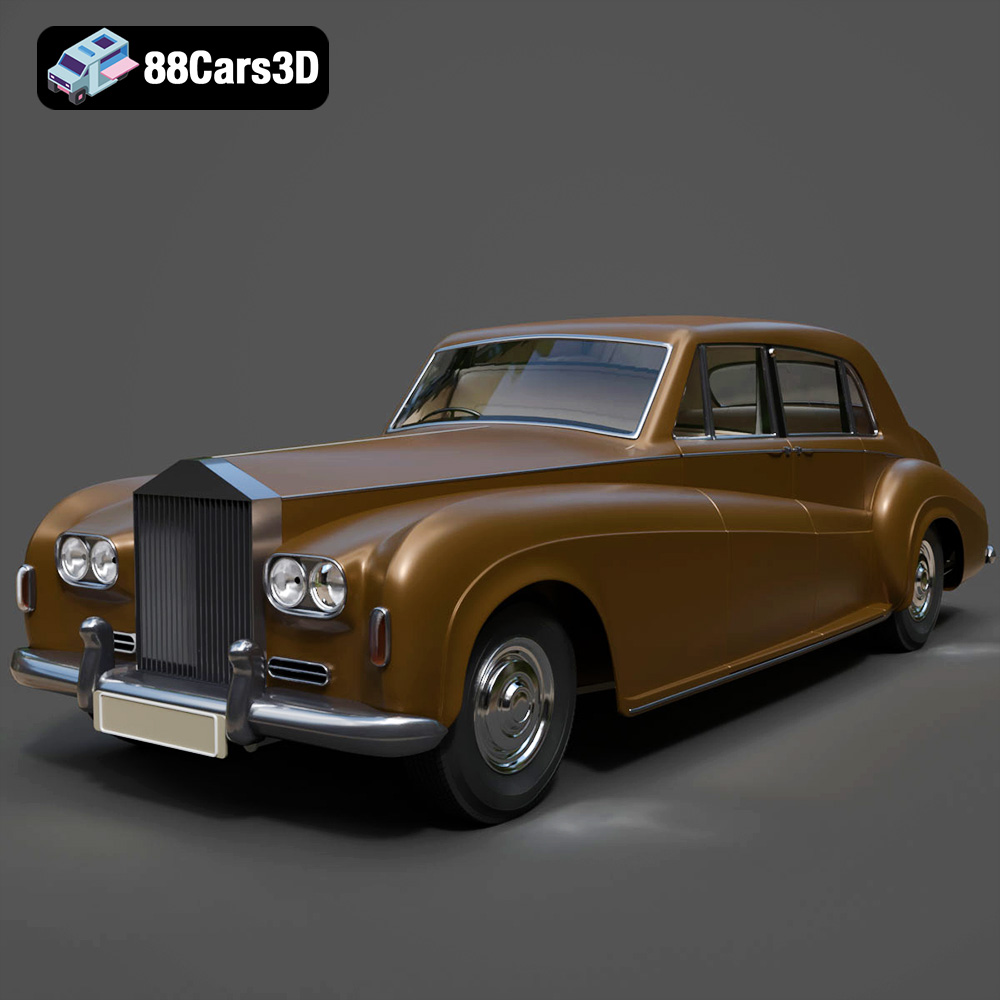
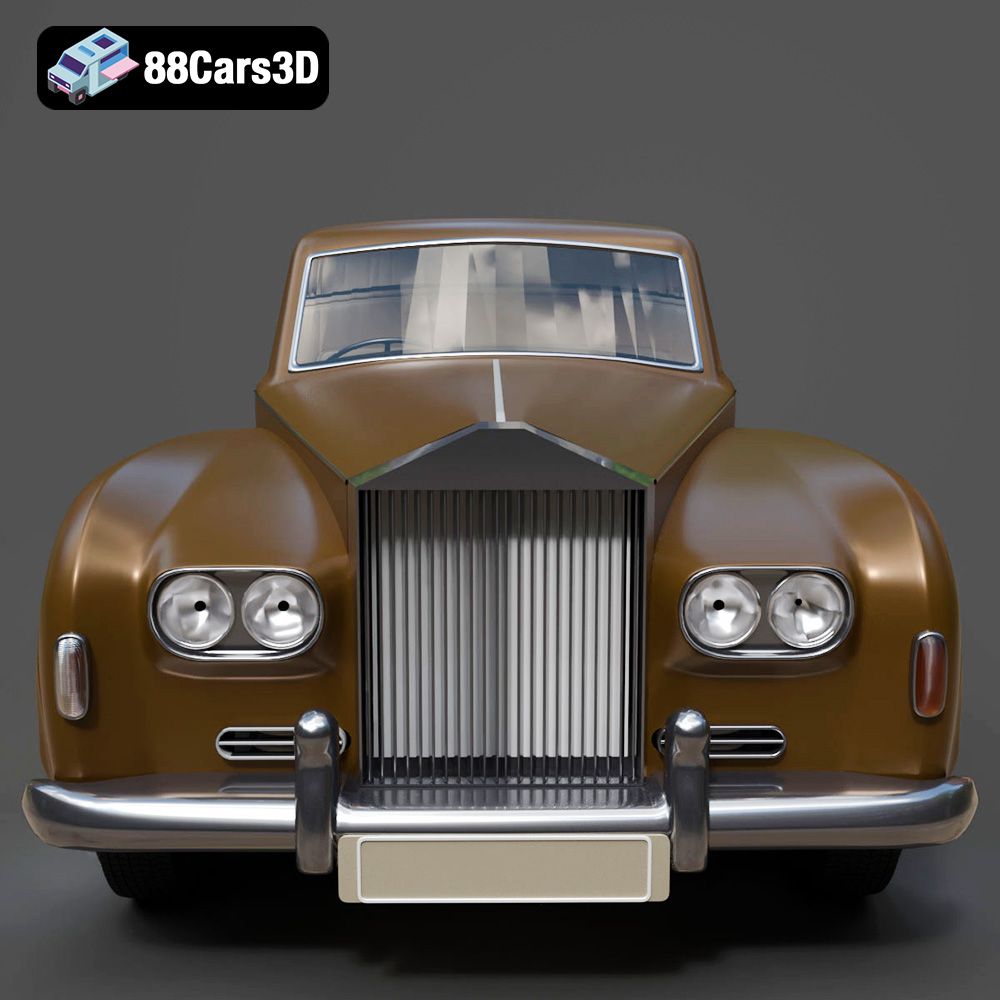
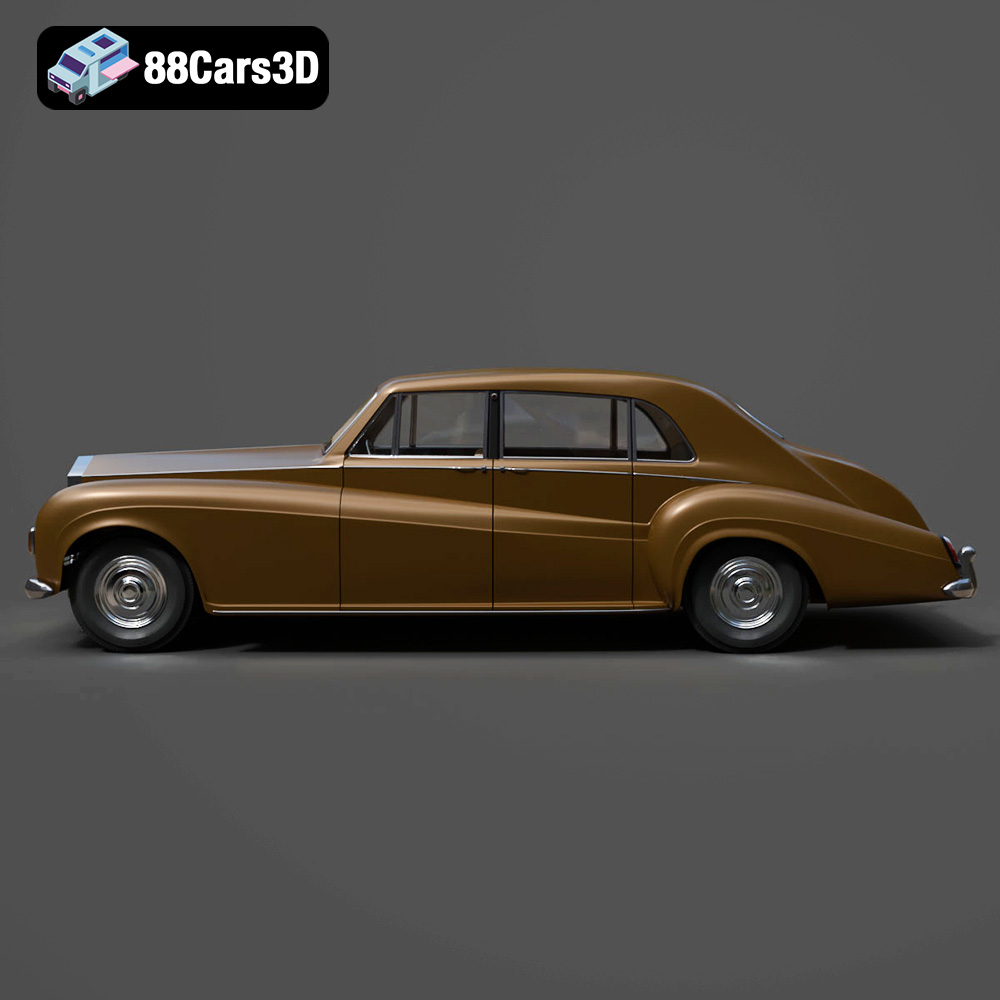
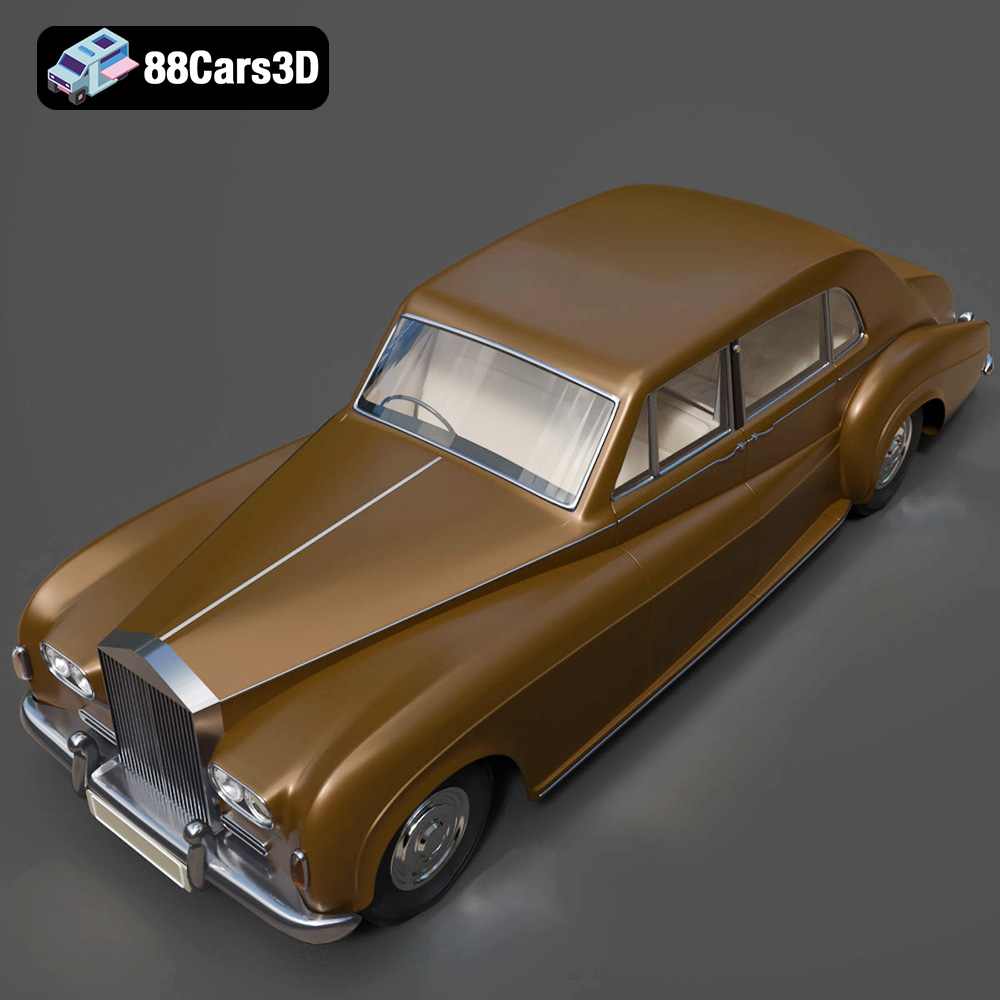
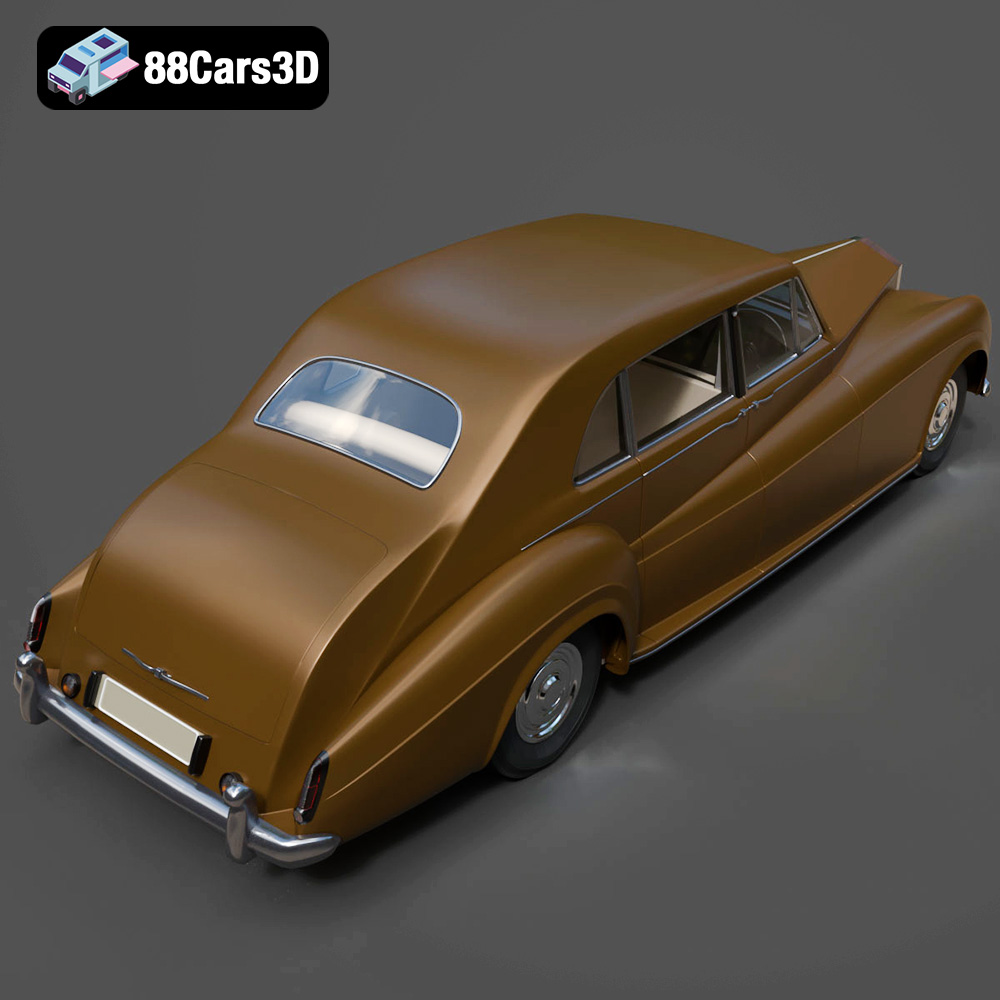
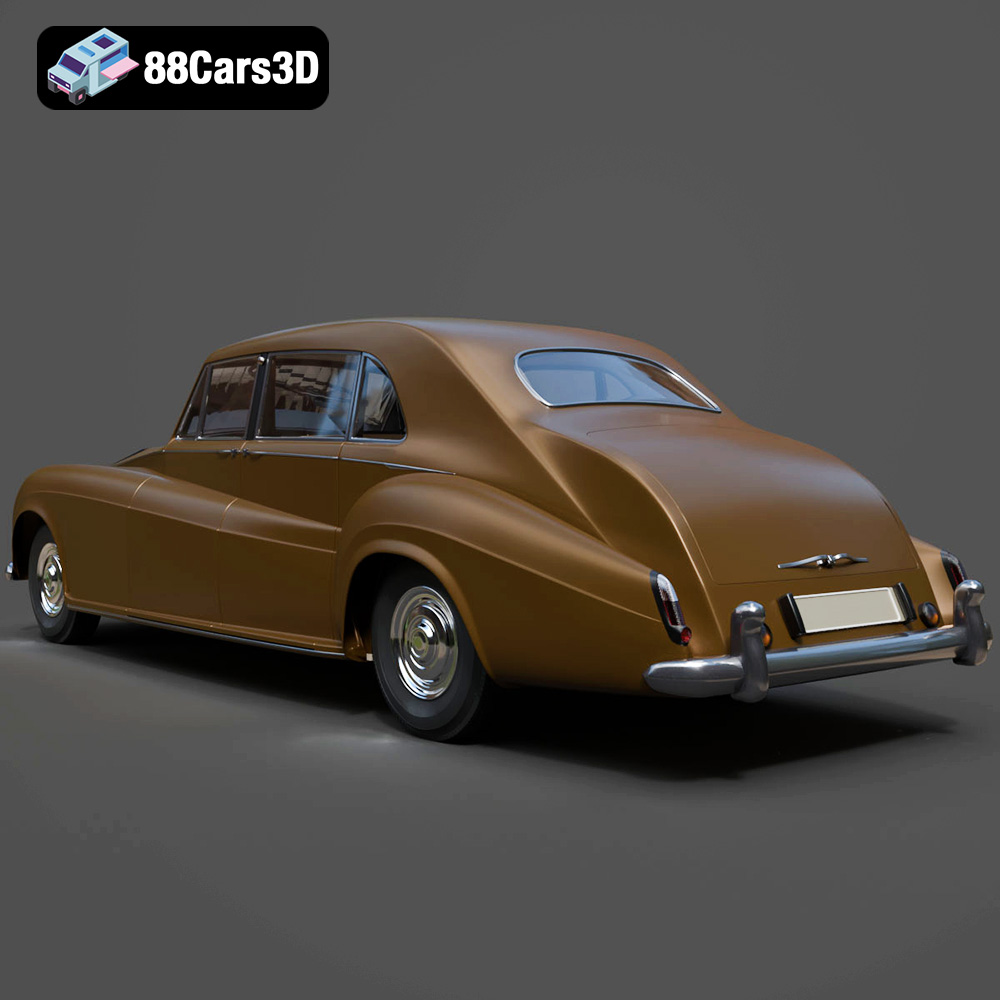
A truly exceptional 3D model of the Phantom V goes beyond surface-level aesthetics. It meticulously replicates the vehicle’s stately proportions, from its imposing long-wheelbase limousine body to the distinct upright chrome grille and the elegant Spirit of Ecstasy hood ornament. Every curve, every chrome accent, and every period-correct element, such as the dual round headlamps and the distinctive rear-hinged coach doors, must be accurately translated into polygons. This fidelity ensures that whether the model is placed in a realistic render or a historical game environment, its authenticity shines through, instantly recognizable to enthusiasts and casual observers alike.
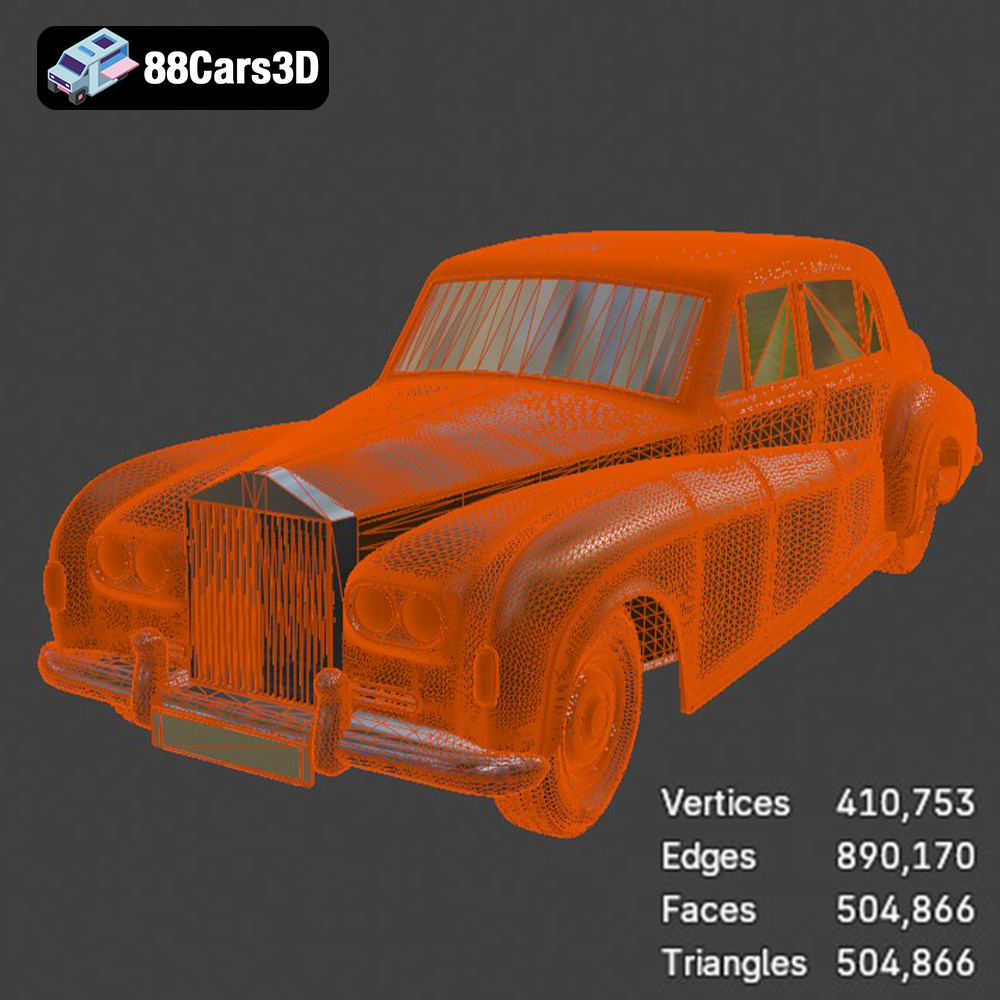
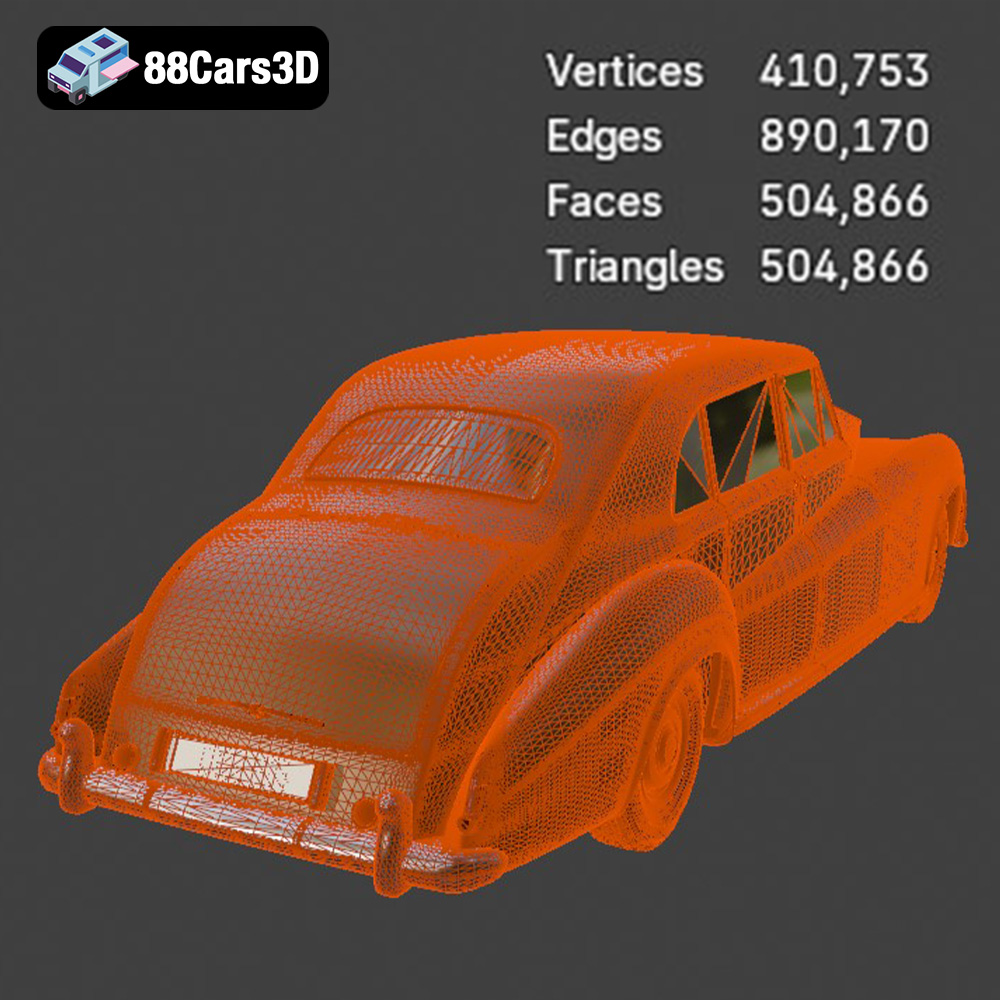
The Rolls-Royce Phantom V 3D Model exemplifies what designers look for in a premium asset. Its exterior features are a masterclass in precision, including separate wheels and steering components, crucial for realistic animation. On the interior, the vintage luxury dashboard layout, large classic steering wheel, and the opulent rear passenger limousine seating configuration are all present, complete with wood veneer trim detailing and chrome accents on the door panels. Beyond visual accuracy, the technical underpinnings are equally important: clean and well-organized mesh structure, real-world scale accuracy, and proper pivot setups for dynamic elements ensure that the model is not just beautiful but also highly functional for a multitude of applications. Optimized polygon flow means it balances visual quality with performance, making it suitable for both high-end automotive rendering and real-time environments.
Navigating the world of 3D assets requires a solid understanding of the various file formats and their specific applications. Each format is designed with particular strengths, catering to different software ecosystems, project requirements, and stages of a production pipeline. The Rolls-Royce Phantom V 3D Model from 88cars3d.com wisely includes a comprehensive array of formats, ensuring maximum compatibility and utility across diverse professional workflows. Let’s break down these essential formats.
The .blend format is the native file type for Blender, a powerful open-source 3D creation suite. When you receive a .blend file, you’re getting a fully editable Blender scene, complete with materials, textures, lighting, cameras, animation data, and even scene organization. This format is ideal for artists and studios that primarily use Blender, offering the most comprehensive access to the model’s construction. It allows for advanced customization, rigging, animation, and rendering directly within the Blender environment without any loss of data or fidelity.
.fbx (Filmbox) is an industry-standard proprietary file format developed by Autodesk, widely used for exchanging 3D data between different software applications. Its strength lies in its ability to store not just geometry, but also materials, textures, rigging, animation, and even cameras and lights in a single file. This makes .fbx invaluable for game development (Unreal, Unity), animation pipelines, and general interoperability between major DCC (Digital Content Creation) tools like 3ds Max, Maya, and Blender. It’s often the go-to format for exporting animated character models or complex scene elements due to its robust support for various data types.
The .obj (Wavefront OBJ) format is one of the oldest and most universally supported 3D file formats. It primarily stores geometry (vertices, normals, texture coordinates, and faces) and can reference external .mtl (material) files for basic material properties. While it doesn’t typically support animation or rigging, its simplicity and wide compatibility make it an excellent choice for static mesh exchange between virtually any 3D software. For simple asset transfer or when a clean mesh is the primary concern, .obj remains a reliable option.
.glb (GL Transmission Format Binary) is the binary version of glTF, a royalty-free specification for the efficient transmission and loading of 3D scenes and models by applications. Optimized for real-time applications, particularly AR, VR, and web-based displays, .glb packages all necessary data (geometry, materials, textures, animations) into a single, compact file. This “all-in-one” characteristic makes it perfect for quick loading and deployment in interactive experiences and online viewers, ensuring a consistent visual appearance across different platforms.
.stl (Stereolithography) is the de facto standard file format for 3D printing. It represents a 3D model as a collection of unconnected triangular facets, defining only the surface geometry without any color, texture, or material information. While simplistic, its ubiquity in the 3D printing world means that any model intended for physical manufacturing or prototyping will almost certainly need to be converted to .stl. The Rolls-Royce Phantom V 3D Model is specifically optimized for this, making it ideal for creating collectible scale limousine models and display miniatures.
The .ply (Polygon File Format or Stanford Triangle Format) is another format for storing 3D data, particularly useful for scanned data and high-precision meshes. It can store various properties for each vertex and face, including color, transparency, normals, texture coordinates, and even material properties. While less common in general DCC pipelines than .fbx or .obj, it’s highly valued in scientific, engineering, and CAD applications where precise geometric data, often from laser scanners or photogrammetry, is critical for analysis and reconstruction.
While not a universal file extension in the traditional sense, the term .unreal often refers to assets that are pre-configured or specifically optimized for direct import and use within Unreal Engine. This could involve an .fbx file with optimized materials, collision meshes, LODs (Levels of Detail), and proper pivot points already set up to take advantage of Unreal’s real-time rendering capabilities. Having an “Unreal-ready” asset like the Rolls-Royce Phantom V 3D Model significantly accelerates game development and real-time visualization workflows by minimizing conversion and setup time within the engine.
The .max format is the native file type for Autodesk 3ds Max, a leading software for 3D modeling, animation, rendering, and visualization. Similar to .blend, a .max file encapsulates an entire 3ds Max scene, including geometry, modifiers, materials, textures, lighting, cameras, animation, and plugins. For users of 3ds Max, this format offers the highest level of control and editability, making it ideal for detailed automotive rendering projects, complex animations, and advanced scene building where the full power of 3ds Max is required.
The inclusion of such a diverse range of formats with the Rolls-Royce Phantom V 3D Model underscores its versatility and the foresight of its creators. This allows designers, animators, and developers to seamlessly integrate this high-quality asset into virtually any production pipeline, whether for high-fidelity renders, interactive experiences, or physical outputs.
A high-quality 3D asset like the Rolls-Royce Phantom V isn’t just a static object; it’s a dynamic tool that empowers diverse professional applications. Its technical advantages — clean mesh, real-world scale, optimized polygon flow, and proper pivot setups — make it incredibly adaptable across various industries.
For high-end automotive rendering, 3ds Max remains a stalwart in the industry, often paired with render engines like V-Ray or Corona. The .max format for the Phantom V means artists can open the model directly, preserving all its scene data, materials, and hierarchy. Imagine a luxury automotive studio needing to produce visuals for a heritage marketing campaign. They can place the Phantom V in a sophisticated virtual environment, adjust lighting to replicate a golden hour glow, and fine-tune materials for photorealistic chrome and glossy paint. The model’s clean topology allows for smooth subdivision for close-up shots, while accurate proportions ensure the vehicle looks correct from every angle. This workflow is crucial for advertising, product showcases, and high-impact cinematic productions, where every detail matters.
The inclusion of an .unreal-ready asset or a robust .fbx file simplifies integration into game engines like Unreal Engine. For a game developer creating an open-world city game or a historical simulation, the Rolls-Royce Phantom V serves as a perfect piece of environmental flair or even a drivable asset. Its optimized geometry ensures it runs efficiently in real-time without sacrificing visual quality. Artists can quickly import the model, apply PBR (Physically Based Rendering) materials, set up collision meshes, and even create LODs (Levels of Detail) to ensure optimal performance across different viewing distances. This is vital for maintaining high frame rates and immersive experiences in interactive environments, making the Phantom V an excellent game asset for projects demanding historical accuracy and luxury appeal.
Blender’s .blend format provides full access to the Phantom V model for animation and scene assembly. Consider a freelance animator working on a ceremonial scene for a film or a luxury-themed commercial. They can import the Phantom V, rig its wheels and steering with ease thanks to the pre-set pivots, and animate it driving through a grand street or pulling up to an opulent mansion. Blender’s comprehensive toolset allows for advanced texture painting, custom lighting setups, and even integration with crowd simulation for populated scenes. The editable nature of the .blend file means the animator has complete creative freedom to modify, optimize, or adapt the model to specific project requirements, making it a highly flexible asset for dynamic storytelling.
One of the most exciting advancements in 3D modeling is the ability to transform digital assets into tangible objects. The Rolls-Royce Phantom V 3D Model is explicitly designed with 3D printing in mind, opening up a whole new dimension of applications for enthusiasts and professionals alike.
The .stl format, included with the Phantom V model, is the universal gateway to 3D printing. An STL file defines the geometry of a 3D object using a mesh of interconnected triangles, creating a manifold (watertight) surface that slicing software can interpret. For a detailed model like the Phantom V, ensuring manifold geometry is crucial to prevent errors during slicing. This process essentially prepares the digital model for a physical manifestation, allowing it to move from the virtual showroom to a real-world display cabinet.
To achieve the best results when 3D printing the Rolls-Royce Phantom V, specific settings are recommended. A scale of 1:32, 1:24, 1:18, or 1:12 provides a good balance between detail and printability. For FDM printers, a layer height of 0.08–0.16 mm and a wall thickness of 1.5–2.5 mm are ideal, with an infill of 15–25% for structural integrity. Supports will be necessary for delicate overhangs like the mirrors, hood ornament, and bumper. Printing the body angled and wheels separately helps achieve a smoother finish and finer detail. Post-processing, including sanding, priming, and applying a gloss black or two-tone finish with chrome detailing, can elevate the printed model to a true collectible piece, showcasing the craftsmanship of both the digital and physical creation.
For collectors and hobbyists, the ability to 3D print a highly detailed Rolls-Royce Phantom V offers an unparalleled opportunity to create custom scale models. This goes beyond off-the-shelf plastic kits; it allows for unique finishes, personalized modifications, and the satisfaction of building a bespoke luxury replica. Architectural firms might even use 3D printed versions of the Phantom V to populate physical scale models of proposed developments, adding a touch of realism and luxury to their presentations. The versatility of the model in .stl format makes it a valuable asset for anyone looking to bridge the gap between digital design and physical reality.
A premium 3D model isn’t just about out-of-the-box quality; it’s also about the freedom it offers for customization. The Rolls-Royce Phantom V 3D Model provides an excellent foundation for designers to tailor the vehicle to specific project needs, transforming it from a general asset into a unique piece of their creative vision.
The ability to change the body color or apply a classic two-tone luxury scheme instantly alters the model’s presence. Imagine rendering a Phantom V in a period-correct paint scheme for a historical documentary, or giving it a modern, dramatic matte finish for a conceptual art piece. Adding custom license plates or ceremonial flags can contextualize the vehicle for specific events or nationalities. Modifying the wheel finish, from classic chrome to a more subdued, elegant metal, can subtly shift the car’s overall character. These adjustments, facilitated by the model’s clean materials and organized geometry, allow artists to imprint their unique style onto the asset.
Consider a project requiring the Phantom V to appear in a formal event scene. The ability to configure lighting for such a scenario, perhaps adding subtle internal illumination or specific external spotlights, enhances the atmosphere. For an AR/VR experience of a vintage showroom, a developer might customize the interior upholstery colors or add bespoke rear compartment details to offer a truly personalized virtual tour. Furthermore, the capacity to add chauffeur detailing elements, such as specific uniforms or accessories, can bring an added layer of narrative to cinematic or simulation projects. This level of customization ensures that the Rolls-Royce Phantom V 3D Model remains relevant and adaptable across a broad spectrum of creative endeavors, consistently delivering on the promise of high-quality 3D car models.
The journey through the intricate world of high-quality 3D car models, exemplified by the Rolls-Royce Phantom V, reveals the profound impact these assets have on modern digital production. From enabling stunning automotive rendering and immersive game environments to facilitating tangible 3D prints, a meticulously crafted model is an invaluable resource. Its inherent technical advantages, coupled with broad file format compatibility, ensure seamless integration into virtually any professional workflow, be it in 3ds Max, Blender, or Unreal Engine.
Whether you are a visualization artist, game developer, animator, or a 3D printing enthusiast, investing in a premium asset like the Rolls-Royce Phantom V 3D Model from 88cars3d.com provides not just a detailed object, but a powerful foundation for creativity and realism. It stands as a testament to how digital artistry can faithfully preserve and reimagine automotive heritage, pushing the boundaries of what’s possible in the digital realm. Elevate your projects with assets that truly deliver on detail, performance, and versatility.
The Rolls-Royce Phantom V 3D Model is a high-detail digital recreation of the ultra-luxury limousine produced between 1959 and 1968. Renowned for its stately proportions, hand-crafted refinement, and association with royalty and world leaders, the Phantom V represents one of the most prestigious classic luxury vehicles ever built. This 3D model accurately captures the long-wheelbase limousine body, upright chrome grille, Spirit of Ecstasy hood ornament, round headlamps, chrome bumpers, rear-hinged coach doors, and elegant body lines. Designed with clean topology and real-world scale accuracy, it is ideal for rendering, animation, automotive visualization, game development, and AR/VR experiences. Perfect for heritage automotive showcases, ceremonial scenes, luxury-themed projects, cinematic productions, and classic car simulations.
$39.99
.arvr
.automotive
.blend
.britishluxury
.car3dmodel
.classiclimousine
.fbx
.gameasset
.glb
.luxurycar
.max
.obj
.phantomv
.ply
.rendering
.rollsroyce
.simulation
.stl
.unreal
.vintagecar