Get 50% OFF All Premium 3D & STL Models!

In the vast landscape of automotive design, few vehicles command the same level of respect and recognition as the Mercedes-Benz G-Class. An icon of rugged luxury, the G-Wagen, particularly the 2013 iteration, embodies a unique blend of military-inspired durability and unparalleled premium comfort. Its distinctive boxy silhouette, powerful stance, and timeless appeal make it a dream subject for artists and developers working in the 3D realm.
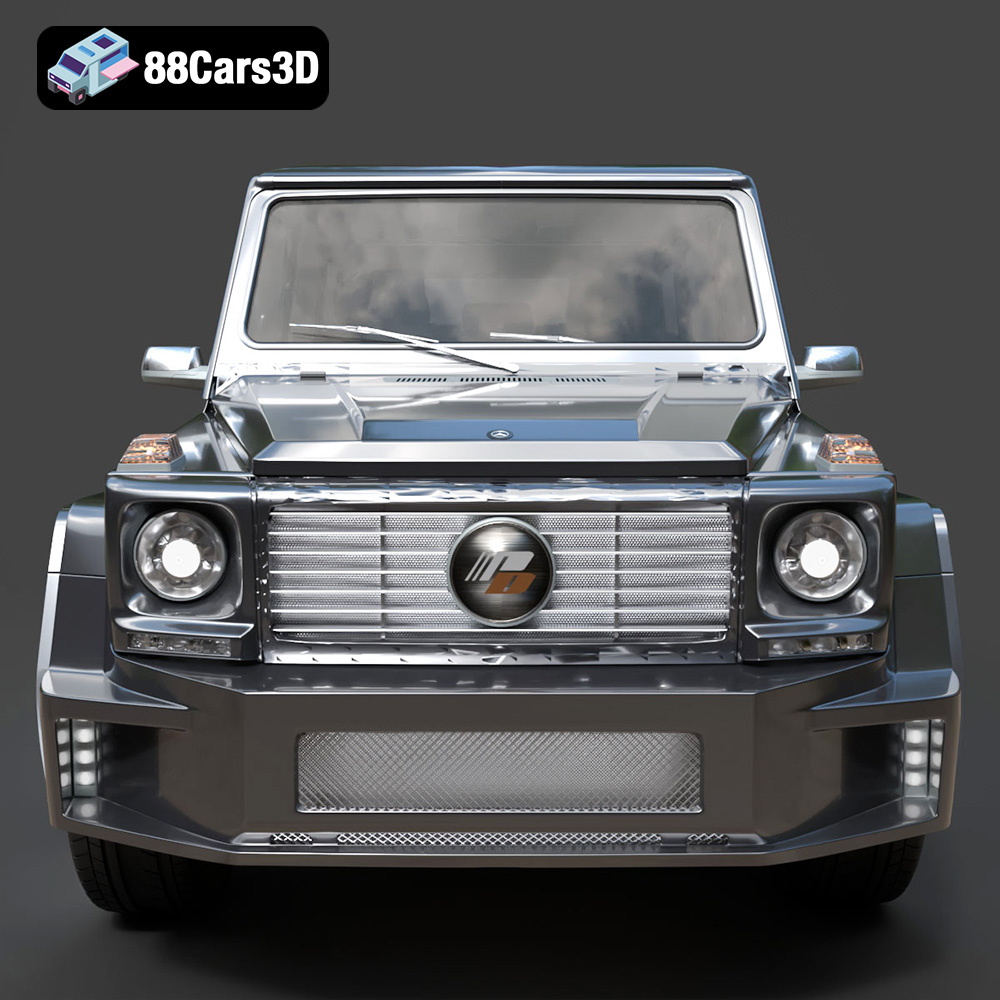
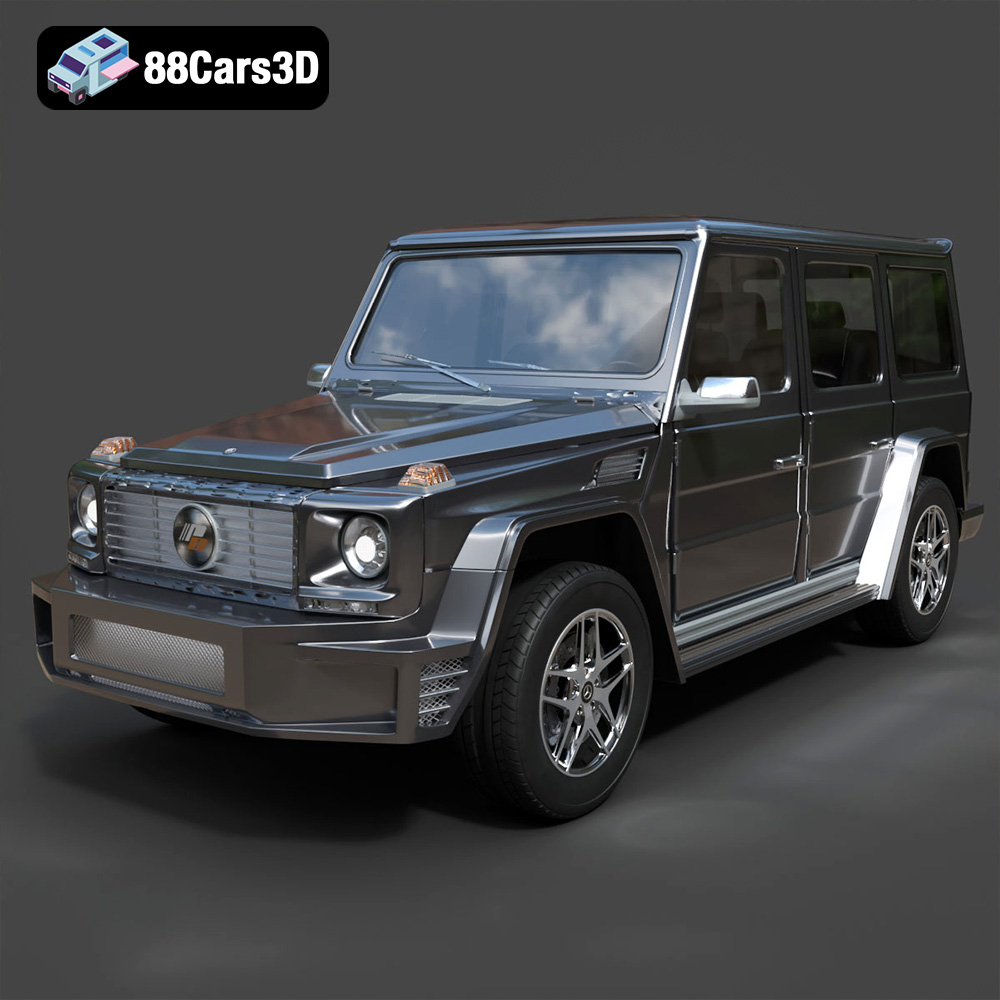
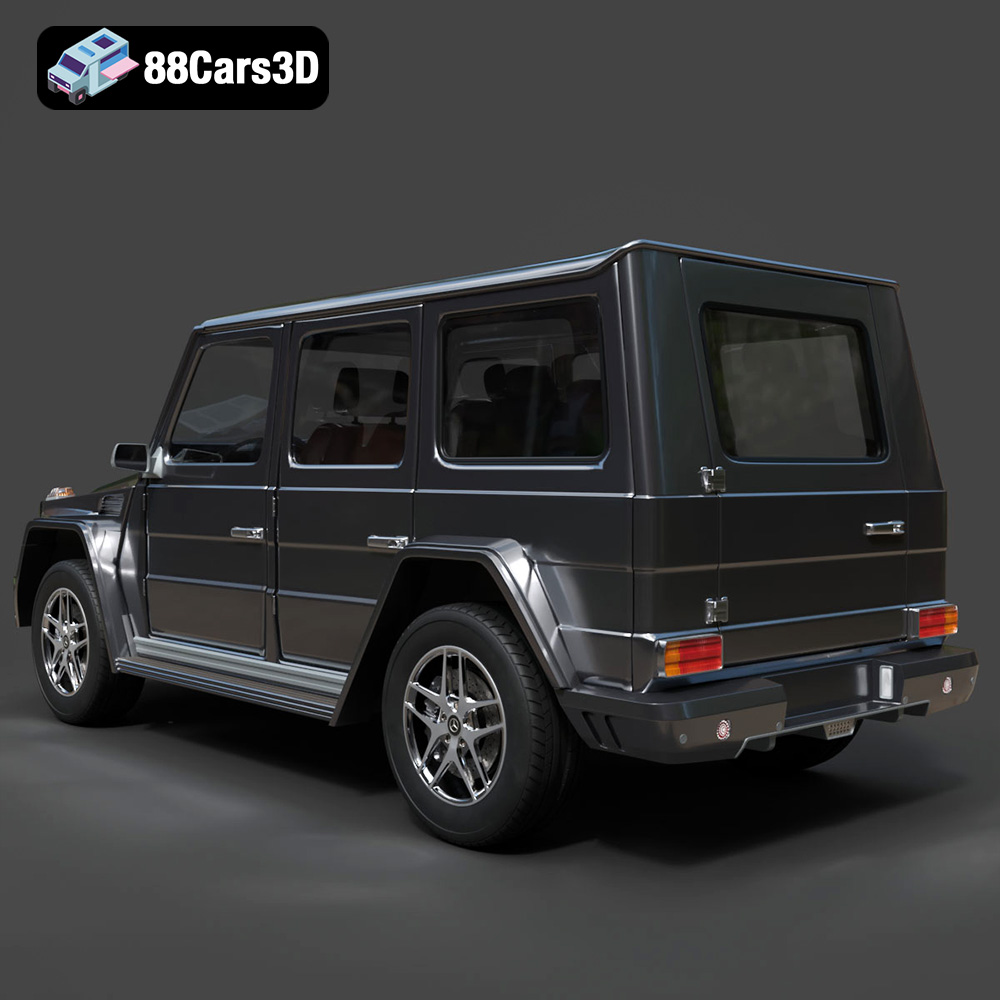
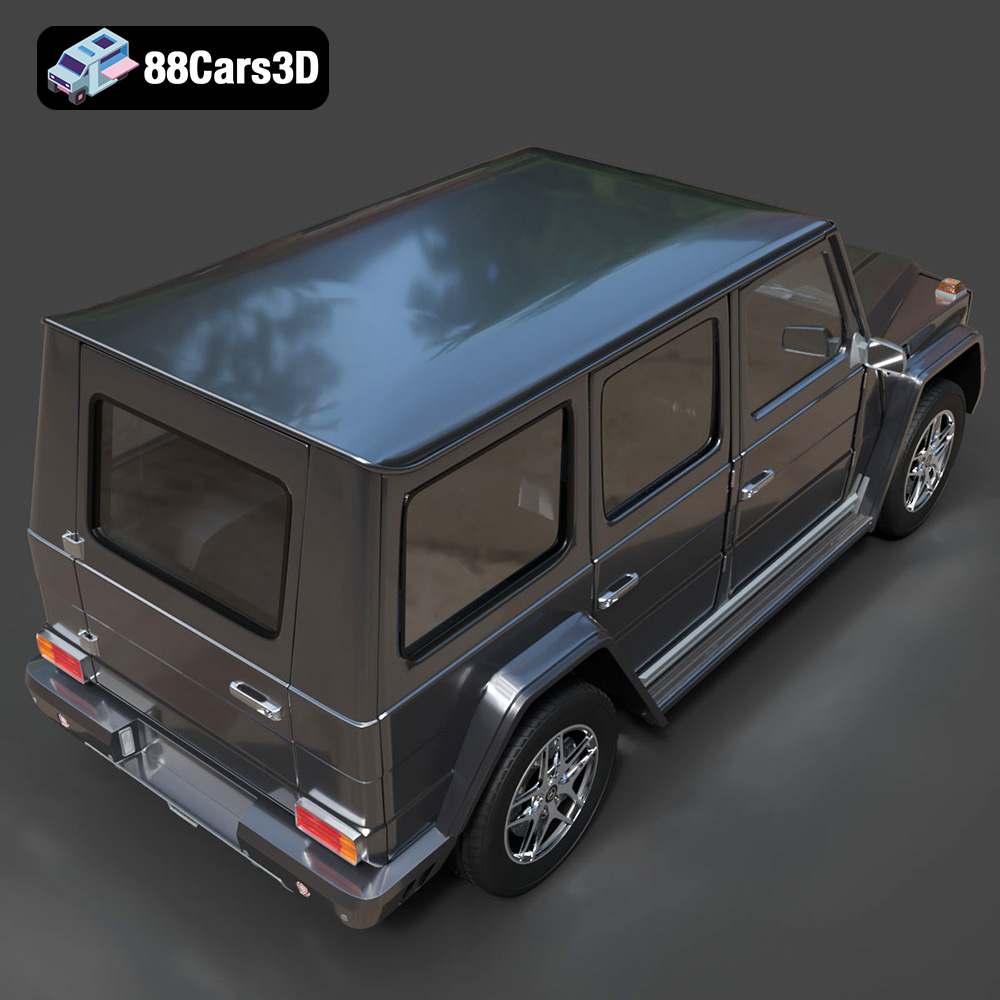
The creation of high-fidelity 3D car models is a meticulous process, demanding an acute understanding of both artistic nuance and technical precision. For professionals seeking to integrate this legendary vehicle into their projects, a meticulously crafted digital asset is indispensable. This is precisely where the Mercedes-Benz G Class 2013 3D Model from 88cars3d.com stands out. It’s not merely a representation; it’s a digital twin, engineered for versatility across a spectrum of applications from breathtaking automotive rendering to immersive game environments and even physical 3D prints.
The G-Class’s journey from a military vehicle to a luxury status symbol is a testament to its enduring design and engineering prowess. The 2013 model year, in particular, retained the classic aesthetic while incorporating modern refinements, making it a pivotal point in its evolution. For 3D artists, capturing this essence means painstakingly reproducing every curve, every panel line, and every unique feature – from its exposed door hinges to the iconic spare wheel mount. Such attention to detail is crucial for projects aiming for authenticity and visual impact, whether it’s a high-stakes advertising campaign or a detailed simulation.
In today’s interconnected digital world, the demand for sophisticated 3D assets has never been higher. Industries such as film, gaming, advertising, architecture, and product design rely heavily on accurate and performant 3D models. A premium model like the Mercedes-Benz G Class 2013 isn’t just a static object; it’s a dynamic tool ready for animation, interactive experiences, and even tangible creation. Its robust design lends itself perfectly to various digital environments, providing a solid foundation for diverse creative ventures, pushing the boundaries of what’s possible in digital visualization and physical production.
The utility and versatility of any 3D model are intrinsically tied to its supported file formats. A comprehensive set of formats ensures compatibility across various software platforms and caters to different stages of a production pipeline. The Mercedes-Benz G Class 2013 3D Model from 88cars3d.com is exemplary in this regard, offering a wide array of formats, each optimized for specific use cases. Understanding these formats is crucial for professionals to leverage the model effectively within their chosen workflows.
The availability of such a diverse range of formats for the Mercedes-Benz G Class 2013 3D Model underscores its readiness for virtually any professional application, from the highest quality renders to interactive real-time experiences and physical manufacturing.
Automotive visualization is a specialized field that demands an exquisite blend of artistic flair and technical mastery. It’s about transforming raw 3D data into compelling, photorealistic imagery that can evoke emotion, highlight design intricacies, and ultimately, sell a vision. The Mercedes-Benz G Class 2013 3D Model provides a robust foundation for achieving these high standards, particularly when paired with industry-standard rendering software.
The pursuit of photorealism in automotive rendering hinges on several critical elements. First, the 3D model itself must possess clean, optimized geometry and accurate proportions, which this G-Class model delivers. Beyond the mesh, the magic happens with materials and textures. Physically Based Rendering (PBR) workflows are standard, requiring textures for diffuse color (albedo), roughness, metallicness, normal maps for fine surface detail, and often displacement maps for subtle bumps and contours. Crafting realistic car paint, intricate chrome details, rubber tires, and leather interiors demands meticulous texture work and sophisticated shader networks. The G-Class model’s design, with its distinct panels and luxury elements, offers a perfect canvas for artists to demonstrate their skill in material definition, bringing the vehicle to life with stunning accuracy.
Integrating the G-Class model into professional rendering pipelines typically involves software like 3ds Max or Blender, combined with powerful renderers such as V-Ray, Corona Renderer, or Cycles. A common workflow begins with importing the model, applying or refining PBR materials, and then setting up the lighting environment. For studio shots, this might involve an HDR (High Dynamic Range) image for global illumination, complemented by area lights to sculpt reflections and highlight specific features. For environmental scenes, the G-Class can be placed in a dynamic landscape – an urban setting, a rugged off-road trail, or a desert simulation – with realistic skies, foliage, and atmospheric effects. The model’s “proper pivot setup for steering and wheel rotation” is invaluable here, allowing for dynamic posing in action shots, enhancing the realism and narrative of the visualization. This asset’s versatility makes it ideal for luxury automotive marketing and dealership visuals, providing high-impact promotional media.
The demand for high-quality vehicle assets extends far beyond static renders into interactive real-time environments. Game development, augmented reality (AR), and virtual reality (VR) experiences require 3D models that are not only visually appealing but also highly optimized for performance. The Mercedes-Benz G Class 2013 3D Model is designed with these rigorous requirements in mind, making it an excellent choice for game assets and immersive applications.
When bringing a vehicle like the G-Class into a game engine such as Unreal Engine or Unity, optimization is paramount. While the model boasts “clean and well-organized mesh structure” and “optimized polygon flow,” further steps are often taken for large-scale game environments. This typically involves creating Levels of Detail (LODs) – progressively simpler versions of the model that are swapped in based on the camera’s distance, ensuring smooth performance without sacrificing visual quality up close. Collision meshes are also essential, defining the physical boundaries of the vehicle for accurate interactions within the game world. The inclusion of an “.unreal” file format suggests the model is already prepped, or at least highly compatible, with Unreal Engine’s asset pipeline, potentially streamlining the integration process. This makes the G-Class perfect for open-world driving games, off-road simulators, and creating premium SUV environments where realism and performance are key.
Augmented Reality and Virtual Reality offer unique opportunities to showcase the Mercedes-Benz G-Class 2013 in interactive ways. Imagine a virtual showroom where prospective buyers can walk around, open doors, and even “sit” inside the G-Wagen, exploring its luxurious interior and distinctive exterior features from any angle. The .glb file format, optimized for AR/VR and browser-based display, is particularly valuable here. It allows for efficient streaming and rendering of the model on various devices, from high-end VR headsets to mobile phones. The model’s “real-world scale accuracy” is critical for believable AR/VR experiences, ensuring the vehicle appears at its true size, enhancing immersion. These applications are not just for marketing; they extend to training simulations, offering an interactive platform for vehicle visualization and driving practice.
The journey of a 3D model doesn’t always end on a screen. For enthusiasts, collectors, or even design validation, the ability to transform a digital asset into a physical object is a powerful capability. The Mercedes-Benz G Class 2013 3D Model is specifically designed with 3D printing in mind, offering a pathway to creating tangible scale models of this iconic SUV.
The cornerstone of 3D printing is the .stl (Stereolithography) file format. This format describes only the surface geometry of a 3D object as a series of connected triangles, making it the universal language for 3D printers. A successful 3D print relies on “manifold geometry,” meaning the model must be watertight with no gaps, inverted normals, or self-intersecting surfaces. The G-Class model’s “clean and well-organized mesh structure” is a strong indicator of its readiness for conversion to a manifold .stl, ensuring a smooth transition from digital to physical. The product description explicitly states its convertibility to .stl, confirming its suitability for creating collectible SUV scale models and display miniatures. This allows designers to move beyond virtual presentations and hold a physical representation of their digital work, offering a unique tactile experience.
3D printing opens up a world of customization. The provided print settings offer a solid starting point for bringing the G-Class to life: recommended scales (1:32, 1:24, 1:18, 1:14), layer height, wall thickness, and infill percentages are crucial for achieving desired print quality and structural integrity. Supports are recommended for complex overhangs like mirrors and the spare wheel housing, ensuring these delicate details are accurately reproduced. Once printed, the physical model can be further enhanced through post-processing techniques. This includes sanding for a smooth surface finish, applying primer for better paint adhesion, and then painting with gloss or matte finishes to mimic real-world automotive aesthetics. Adding chrome detailing, custom decals, or even modifying the stance by adjusting suspension height, as suggested in the customization options, allows for a truly personalized miniature G-Wagen. This combination of digital precision and physical craftsmanship provides immense satisfaction for hobbyists and professionals alike.
The true value of a premium 3D asset lies not just in its visual fidelity but also in its underlying technical quality and how seamlessly it integrates into diverse professional workflows. The Mercedes-Benz G Class 2013 3D Model from 88cars3d.com embodies these principles, offering a meticulously engineered asset that streamlines production and enhances creative potential.
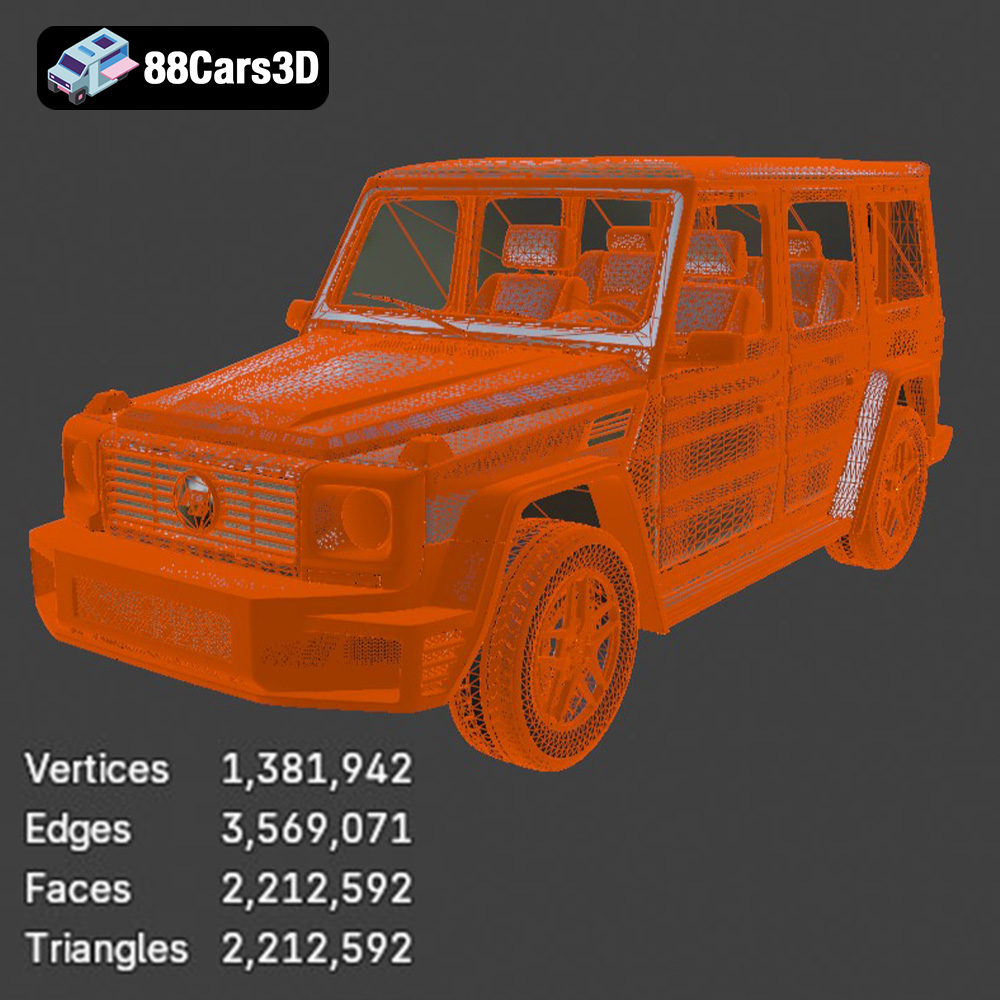
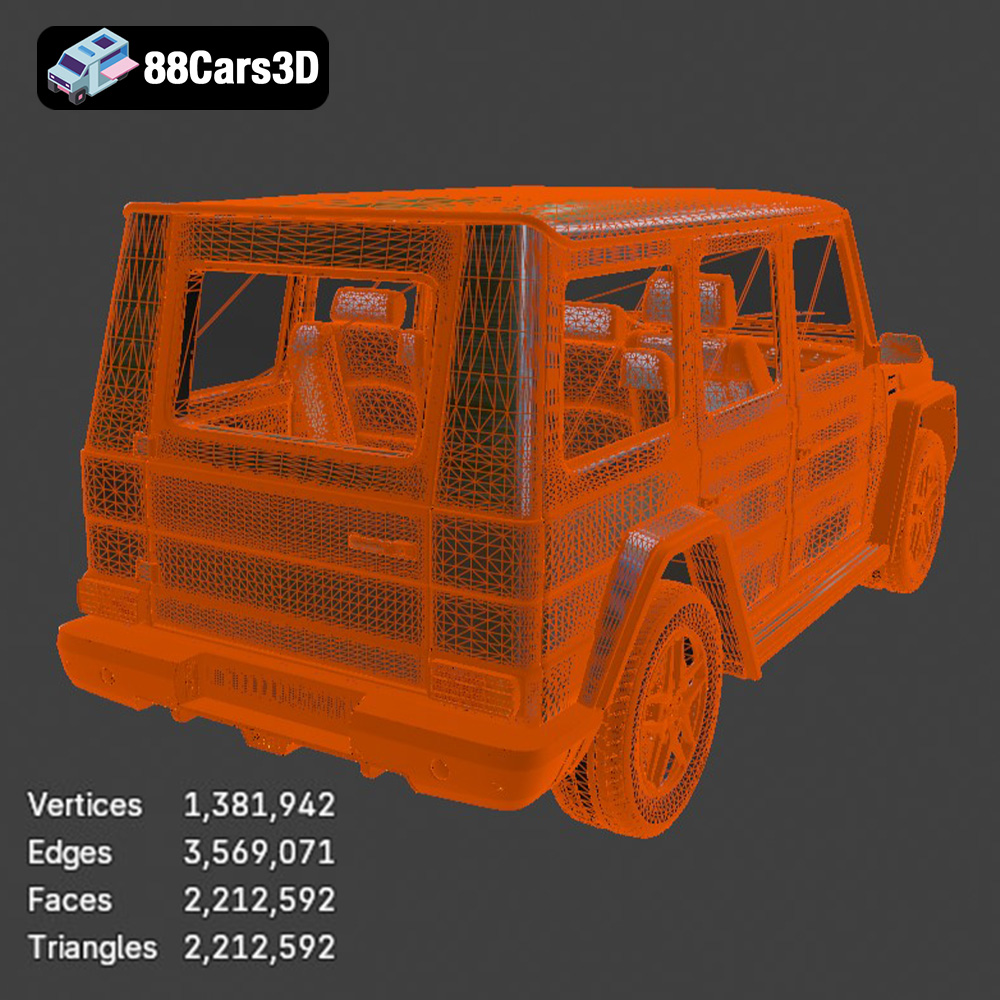
At the core of any high-quality 3D model is its mesh topology. The G-Class model boasts a “clean and well-organized mesh structure” with “optimized polygon flow.” This means the polygons are arranged efficiently, avoiding unnecessary density where details aren’t needed, and providing sufficient resolution for smooth curves and sharp edges where they are. Clean topology is critical for several reasons: it facilitates easy UV unwrapping for texturing, ensures smooth deformations during animation, and reduces rendering times. Coupled with “real-world scale accuracy,” the model adheres to industry standards, eliminating guesswork and ensuring consistent proportions whether it’s placed in an architectural visualization, a game level, or a cinematic sequence. This foundational quality saves countless hours in cleanup and optimization, allowing artists to focus on creative execution rather than technical fixes.
The comprehensive nature of this 3D model extends to its thoughtful setup for animation and customization. The “proper pivot setup for steering and wheel rotation” is a small but significant detail that dramatically improves workflow for animators and game developers. It means wheels will rotate correctly around their central axis, and steering will function intuitively without complex rigging adjustments. Furthermore, the explicit inclusion of separate wheels and steering components further simplifies the animation process. The provided customization options – changing body color, adding accessories, modifying wheel styles, and adjusting suspension height – encourage creative freedom without requiring significant re-modeling. This versatility, combined with the wide array of included file formats, positions the Mercedes-Benz G Class 2013 3D Model as a highly efficient and adaptable resource, ready to be dropped into virtually any project pipeline and tailored to specific artistic visions. It truly exemplifies a premium asset designed for professional use.
The Mercedes-Benz G-Class 2013 is more than just a vehicle; it’s a statement. And in the digital realm, its representation demands a 3D model that captures every facet of its iconic design and robust presence. The Mercedes-Benz G Class 2013 3D Model featured on 88cars3d.com is precisely such an asset – a meticulously crafted digital recreation engineered for exceptional performance across a multitude of applications.
We’ve explored how this model, with its clean topology, real-world scale, and detailed interior/exterior features, serves as an invaluable tool for professional automotive rendering, delivering stunning photorealistic visualizations. Its optimization for real-time environments, coupled with flexible file formats like .fbx and .unreal, makes it a prime candidate for engaging game assets and immersive AR/VR experiences. Furthermore, its suitability for 3D printing in the .stl format opens avenues for creating tangible, collectible scale models, bridging the gap between digital artistry and physical craftsmanship.
From the nuances of understanding diverse file formats like .blend, .max, .obj, .glb, and .ply, to the intricate workflows of professional visualization and game development, this G-Class model demonstrates unparalleled versatility. It’s a testament to the fact that high-quality 3D car models are fundamental to pushing the boundaries of creativity and innovation in today’s digital landscape. Whether you’re a seasoned professional or an aspiring artist, investing in premium assets like this Mercedes-Benz G-Class 3D Model from 88cars3d.com ensures that your projects achieve the highest standards of realism and technical excellence. Elevate your next project with an asset that truly reflects the prestige and power of the G-Wagen.
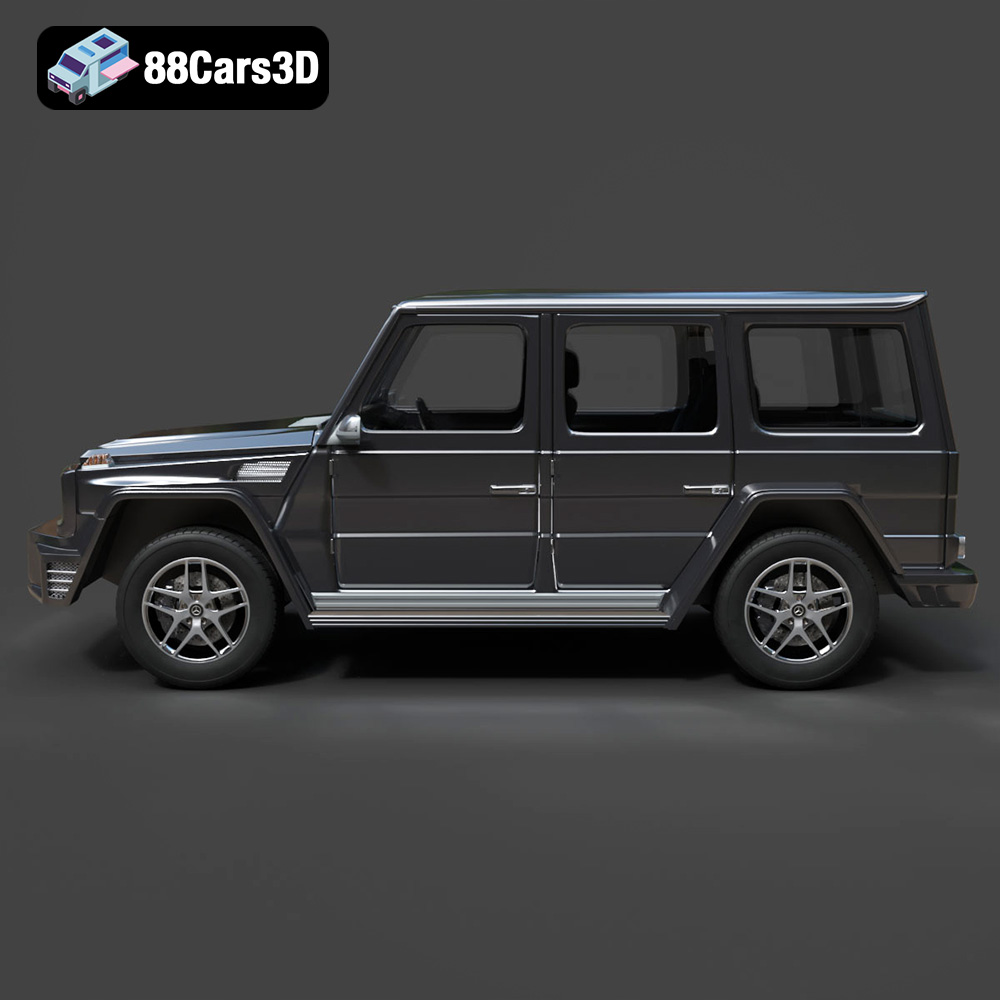
The Mercedes-Benz G Class 2013 3D Model is a high-detail digital recreation of the iconic luxury off-road SUV known for its boxy design, rugged capability, and premium craftsmanship. The 2013 G-Class blends military-inspired durability with refined interior comfort, making it a timeless symbol of performance and prestige. This 3D model accurately represents the distinctive squared body shape, bold front grille, round headlights, exposed door hinges, roof rails, spare wheel rear mount, and elevated ground clearance. Designed with clean topology and real-world scale accuracy, it is ideal for rendering, animation, automotive visualization, game development, and AR/VR experiences. Perfect for urban luxury scenes, off-road environments, desert simulations, cinematic projects, and SUV driving games.
$60