Unleashing Digital Power: The Harley-Davidson FXDR 114 3D Model in Professional Workflows
In the dynamic world of 3D visualization, the demand for authentic, high-fidelity assets is constant. Whether crafting breathtaking automotive renders, developing immersive game worlds, or designing precision prototypes for 3D printing, the foundational element remains a meticulously crafted 3D model. Few vehicles capture the essence of raw power and rebellious spirit quite like a Harley-Davidson. Its distinctive rumble and iconic silhouette translate into a powerful visual statement, making it a coveted subject for digital artists and developers.
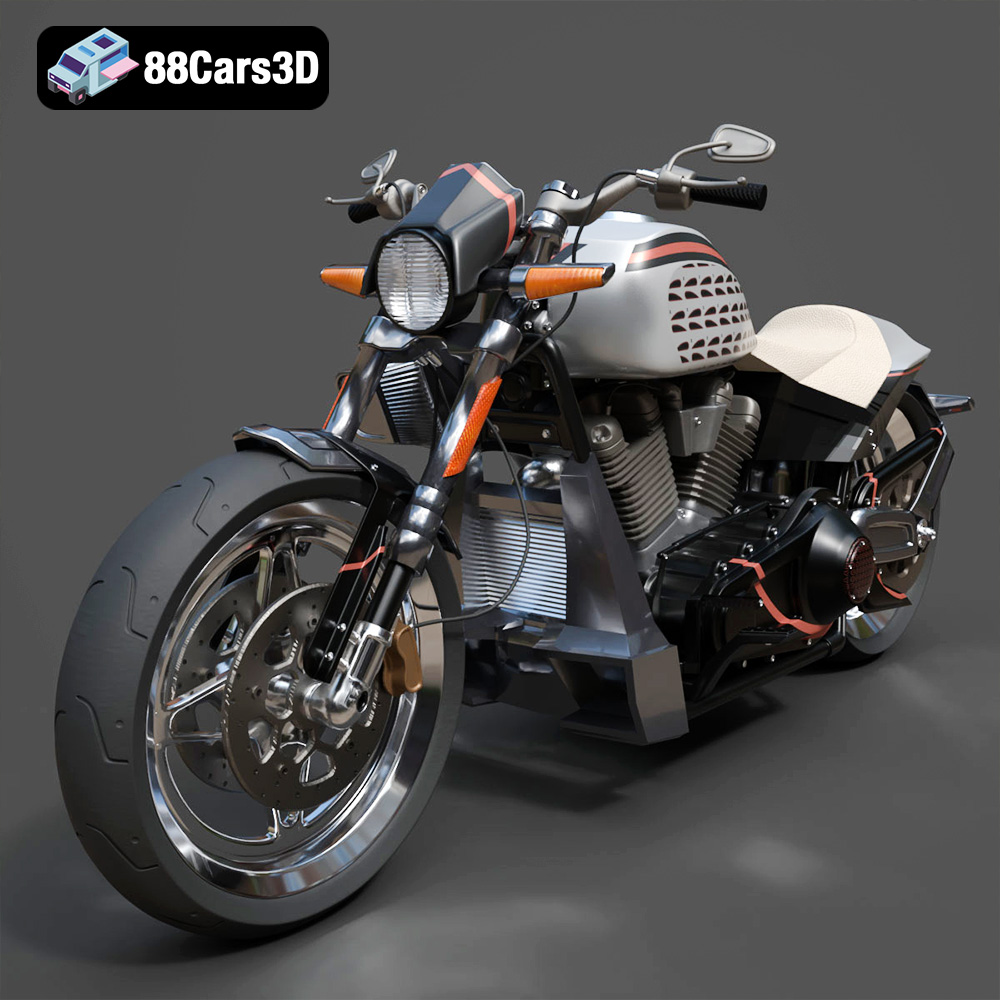
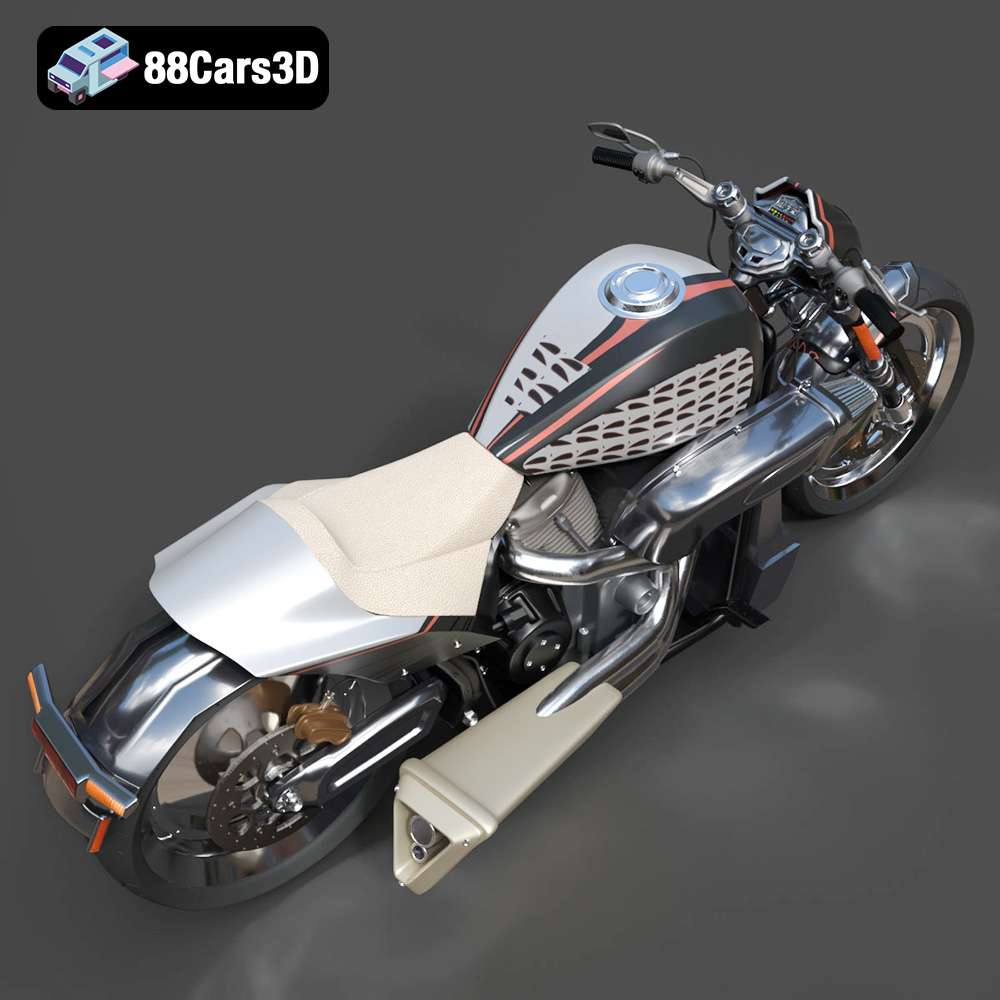
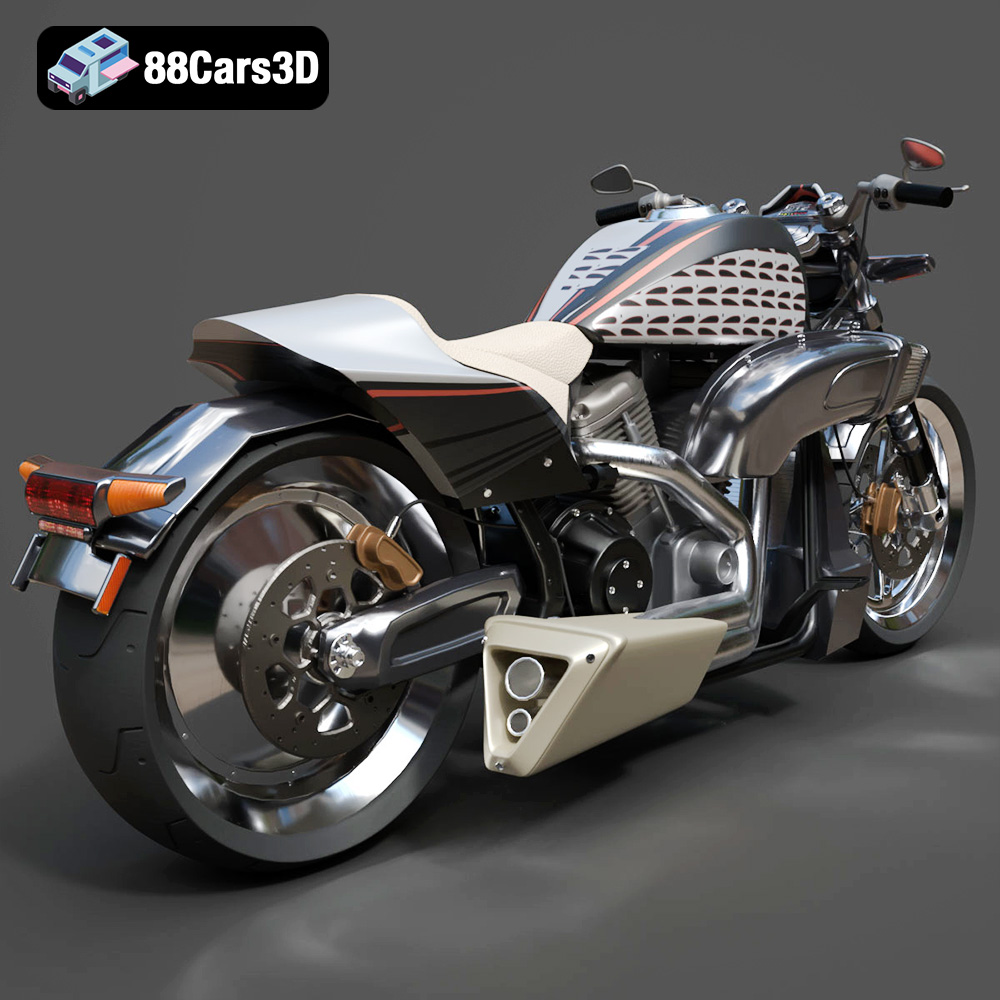
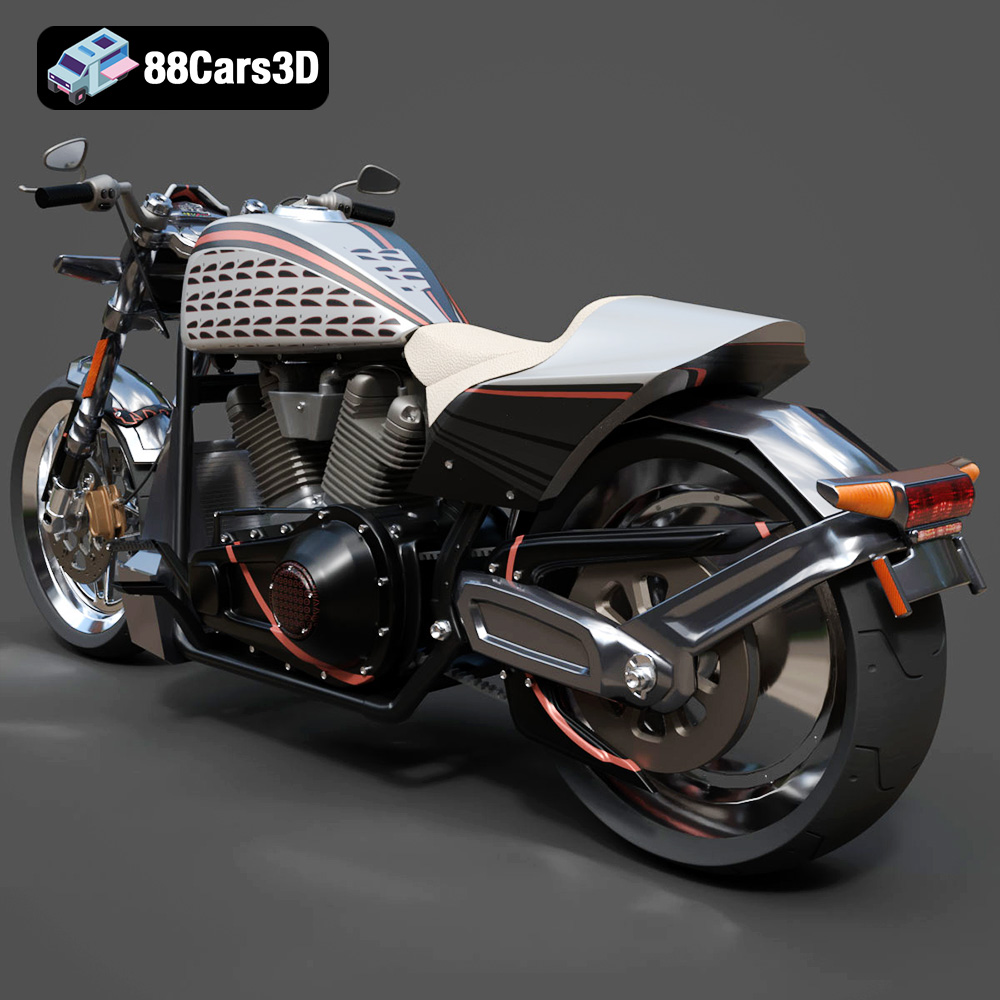
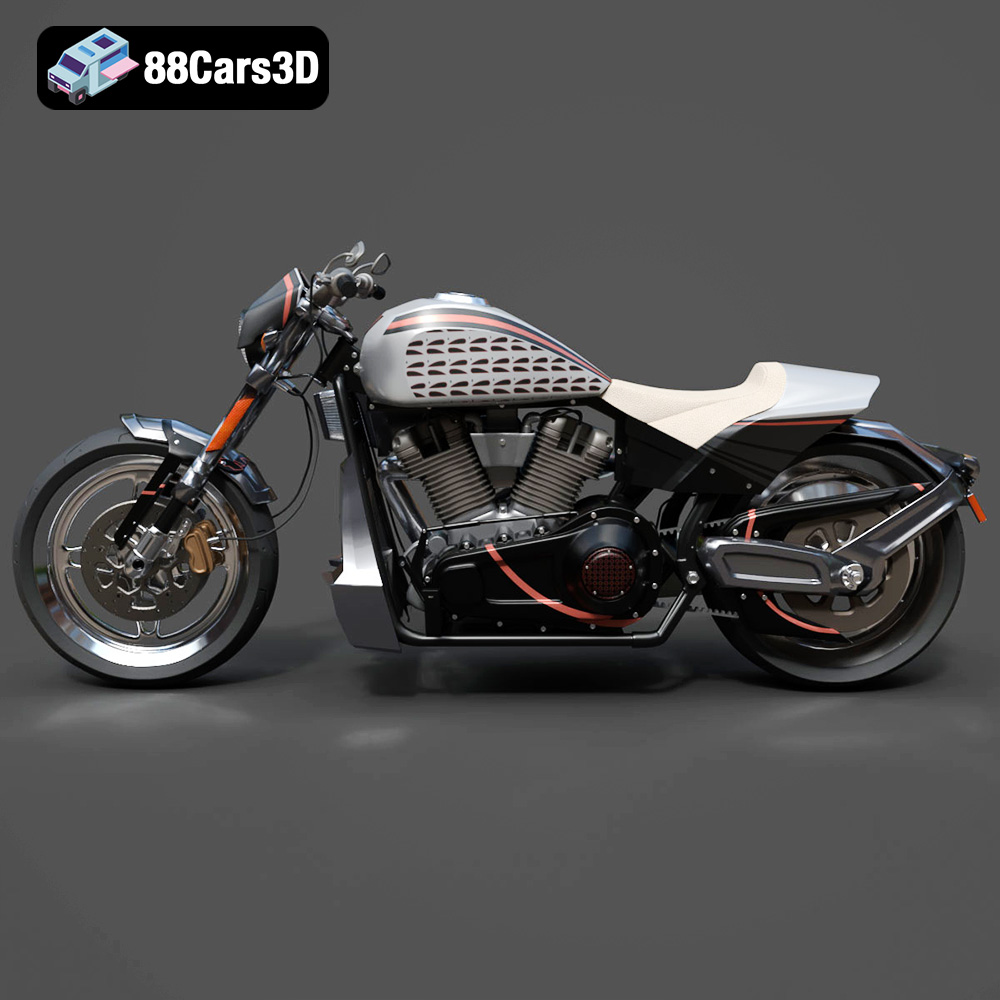
Today, we’re diving deep into the technical prowess and versatile applications of a prime example: the Harley-Davidson FXDR 114 3D Model. This isn’t just any digital replica; it’s a high-detail recreation of Harley-Davidson’s aggressive, drag-inspired power cruiser, engineered for seamless integration into diverse professional pipelines. From its massive Milwaukee-Eight 114 V-Twin engine to its clipped tail and formidable 240mm rear tire, every aspect of this digital asset has been carefully considered to deliver both visual impact and technical efficiency. Join us as we explore how this exceptional 3D model from 88cars3d.com can elevate your projects, offering a perfect blend of fidelity and performance for rendering, game development, AR/VR experiences, and even physical fabrication.
Understanding 3D Model File Formats
The versatility of a 3D model is often determined by the range and quality of its available file formats. Each format serves a specific purpose, optimized for different software, engines, or end-use applications. Understanding these distinctions is crucial for anyone working with 3D car models or any complex digital asset. The Harley-Davidson FXDR 114 3D Model exemplifies this versatility by offering a comprehensive suite of formats, ensuring it can seamlessly integrate into virtually any professional workflow.
The Powerhouse: Native Software Formats
- .blend – Fully Editable Blender Scene with Materials: The native format for Blender, a powerhouse open-source 3D creation suite. A .blend file typically contains not just the mesh geometry, but also materials, textures, lighting, camera setups, animation data, and even physics simulations. For artists primarily working in Blender, this format offers the most flexibility for modifications, rigging, and rendering within the Blender ecosystem. The Harley-Davidson FXDR 114 in .blend format provides a complete, ready-to-render scene, allowing artists to immediately dive into customization and scene composition without external imports.
- .max – Editable 3ds Max Project for Animation and Rendering: As the native file format for Autodesk 3ds Max, this format provides full editability within one of the industry’s leading professional 3D modeling, animation, and rendering software packages. Like .blend, a .max file includes everything from geometry and materials to lights, cameras, and animation tracks. For studios and artists reliant on 3ds Max, this format ensures complete creative control over the Harley-Davidson FXDR 114 3D Model, facilitating advanced rendering setups, complex animations, and detailed scene integration.
The Interoperability Masters: Exchange Formats
- .fbx – Ideal for Unreal, Unity, and Real-Time Pipelines: Developed by Autodesk, FBX is arguably the most widely adopted exchange format in the 3D industry, particularly for game development. It can store a vast array of 3D data, including geometry, materials, textures, animations, and skeletal data. Its robust support across major 3D software (like 3ds Max, Maya, Blender) and game engines (Unreal Engine, Unity) makes it indispensable. For the Harley-Davidson FXDR 114 3D Model, the .fbx format ensures a smooth transition into real-time environments, maintaining material assignments and hierarchical structures critical for game assets and interactive experiences.
- .obj – Universal Format for Cross-Software Compatibility: The Wavefront .obj format is one of the oldest and most universally supported 3D file formats. It primarily stores geometric data (vertices, normals, texture coordinates) and references external material files (.mtl) for surface properties. While it doesn’t store animation data, its simplicity and widespread compatibility make it an excellent choice for straightforward mesh exchange between virtually any 3D software. When maximum compatibility is required for the FXDR 114, .obj is a reliable fallback.
- .ply – Precision Mesh Format for CAD or Analysis: The Polygon File Format (PLY) is often used for storing 3D data from 3D scanners or for CAD (Computer-Aided Design) and scientific visualization. It can store polygons, vertices, normals, color, and other data for each vertex. PLY files are known for their precision and ability to represent complex geometries accurately, making them suitable for technical analysis or reverse engineering applications where the Harley-Davidson FXDR 114’s intricate details need to be preserved with high fidelity.
Specialized Solutions: Real-time and Fabrication
- .glb – Optimized for AR, VR, and Browser-Based Display: GLB is the binary version of glTF (GL Transmission Format), designed for efficient transmission and loading of 3D scenes and models by applications. It’s particularly popular for augmented reality (AR), virtual reality (VR), and web-based 3D viewers due to its compact size and efficiency. The .glb version of the Harley-Davidson FXDR 114 is perfect for showcasing the model interactively on websites or deploying it within lightweight AR/VR applications, offering a balance of quality and performance.
- .stl – Suitable for 3D Printing Output: The Stereolithography (STL) format is the de facto standard for 3D printing. It represents a 3D model as a series of connected triangles, describing only the surface geometry without color, texture, or material information. The Harley-Davidson FXDR 114 3D Model’s availability in .stl format is a significant advantage for hobbyists and professionals looking to physically manifest the digital design. With recommended scales and print settings, users can transform this digital cruiser into a tangible display piece.
- .unreal – Engine-Ready Asset for Real-time Environments: While not a standalone file format in the traditional sense, a “.unreal” file typically refers to an asset package specifically prepared and optimized for direct import and use within Unreal Engine. This often implies a tailored .fbx or .gltf import with correctly configured materials, collision meshes, LODs, and other engine-specific optimizations. For the Harley-Davidson FXDR 114 3D Model, the provision of an Unreal-ready asset means reduced setup time and immediate deployability within a sophisticated game development environment like Unreal Engine 5.
This diverse range of formats ensures that the Harley-Davidson FXDR 114 3D Model is not just a static asset but a versatile tool, ready for any challenge across the digital spectrum, from high-end visualization to physical prototyping, showcasing 88cars3d.com’s commitment to delivering comprehensive solutions.
Deconstructing the Digital Muscle: The Harley-Davidson FXDR 114 3D Model
The true value of a premium 3D model lies in its meticulous construction and faithful adherence to the source material. The Harley-Davidson FXDR 114 3D Model stands as a testament to this principle, digitally capturing the raw, unapologetic muscle and distinctive styling of its real-world counterpart. This section dissects the technical and aesthetic choices that make this model an outstanding asset for any project.
Precision in Geometry and Topology
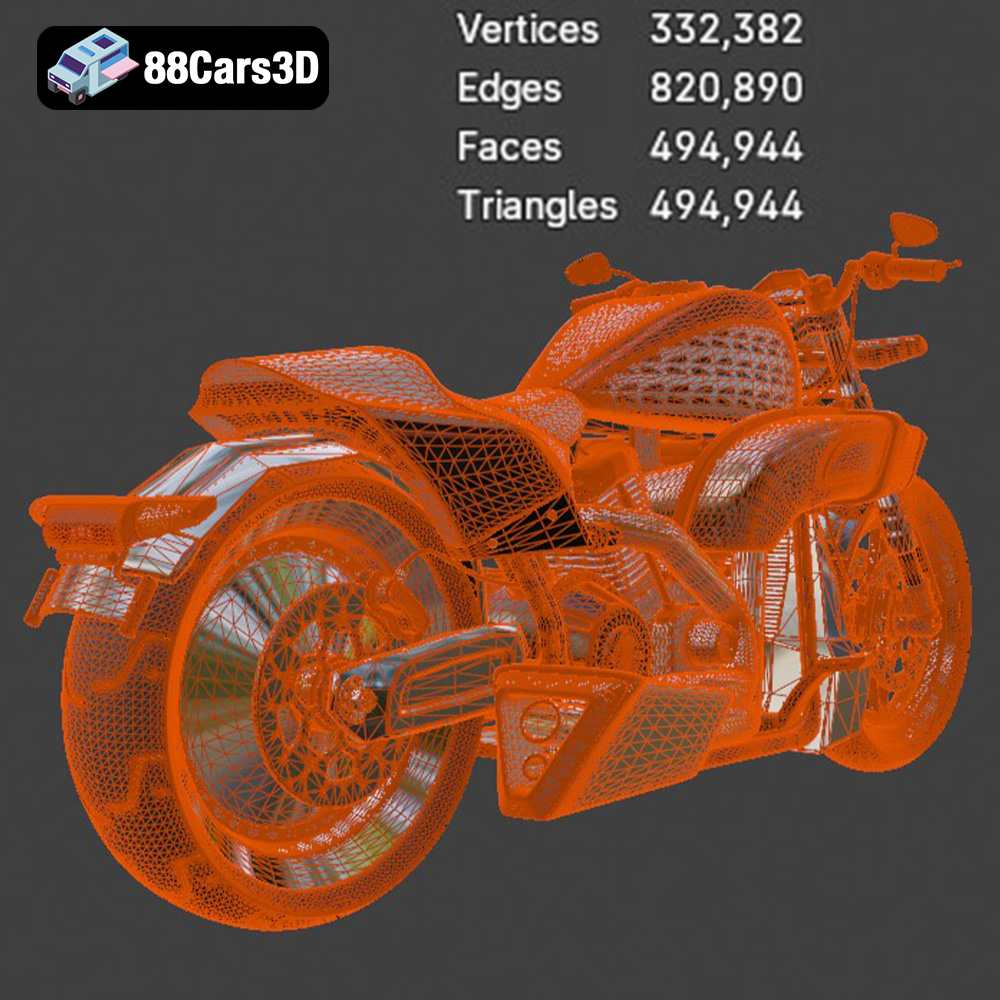
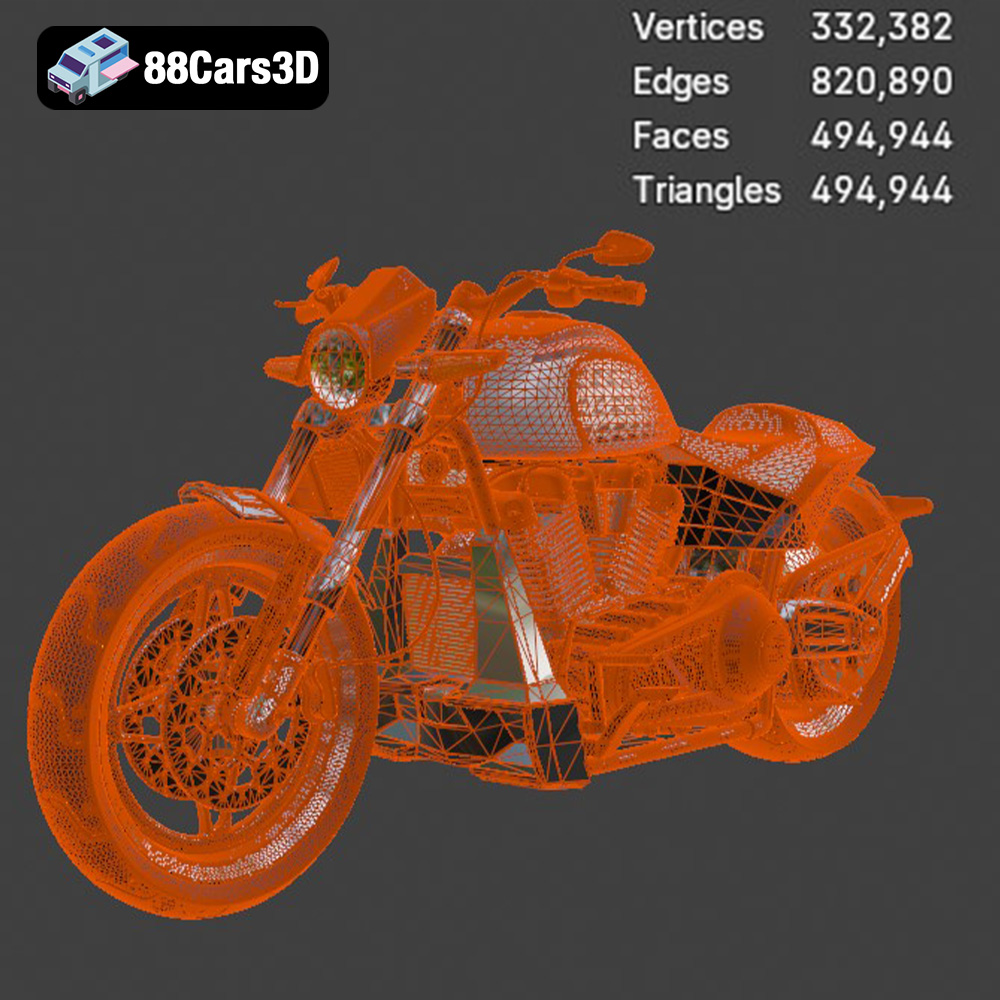
At the heart of any high-quality 3D model is its geometry and topology. The FXDR 114 model is built with an optimized mid-to-high polygon topology, striking a fantastic balance that few 3D car models achieve. With 332,382 Vertices, 820,890 Edges, and 494,944 Faces/Triangles, it offers a sweet spot:
- Premium Visual Fidelity: Just under 500k triangles provides exceptional detail for extreme close-up rendering. Every curve of the frame, the intricate cooling fins of the Milwaukee-Eight engine, and the precise stitching on the saddle are rendered with clarity, eliminating the need for excessive normal map baking for primary forms.
- Manageable Performance: While detailed, its polygon count is far from the multi-million polygon assets that can cripple real-time engines. This “perfectly balanced topology” makes it highly suitable as a “hero” drivable vehicle for current-gen console and PC games, offering high detail with manageable optimization. This thoughtful approach ensures that the model can be integrated into scenes without crushing engine load, a critical consideration for game assets.
Beyond poly count, the model boasts real-world scale accuracy, based on the FXDR Softail chassis, guaranteeing authentic proportions and dimensions for realistic scene composition. Furthermore, proper pivot setup for steering, wheel rotation, and kickstand articulation is implemented, a crucial technical detail for animating the motorcycle realistically.
Authentic Design Replication
The Harley-Davidson FXDR 114 is instantly recognizable, and this 3D model diligently replicates its defining characteristics:
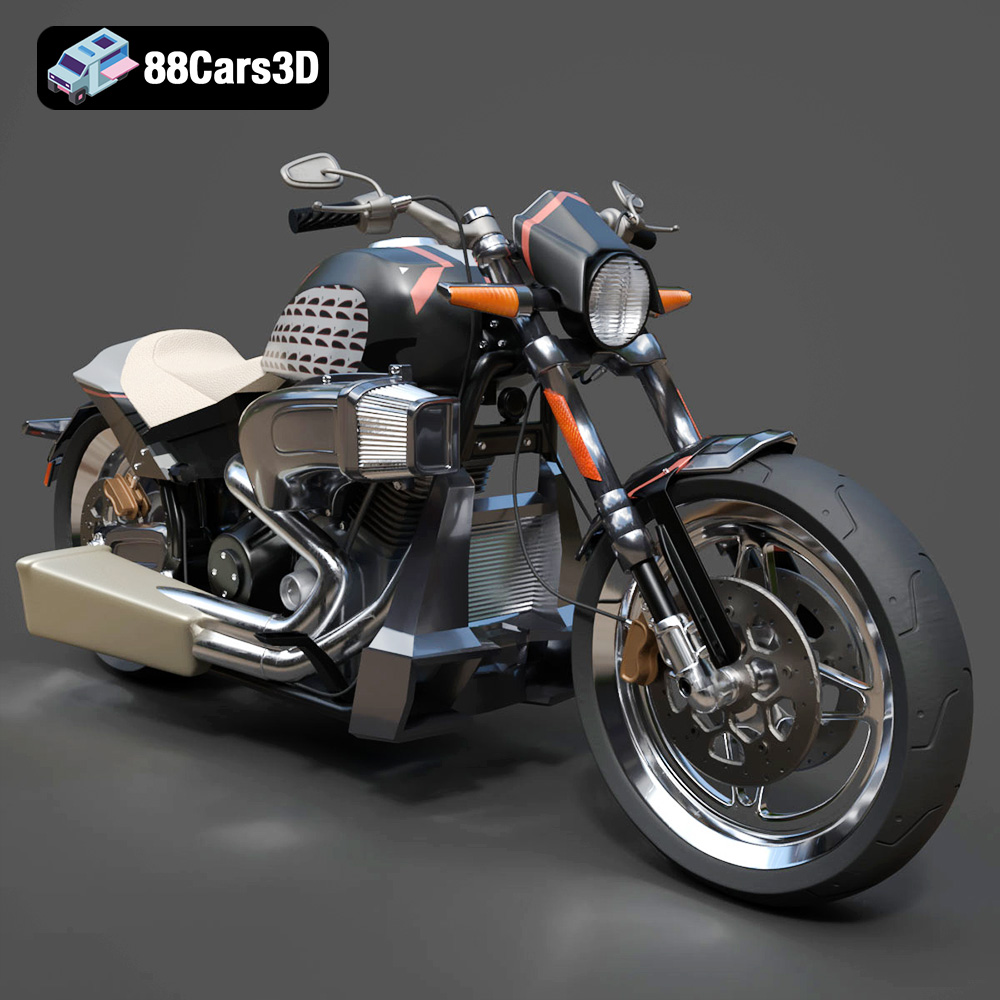
- Exterior Features: The model accurately reflects the FXDR 114’s aggressive drag-bike proportions, including the highly detailed Milwaukee-Eight 114 V-Twin engine block, primary drive, and signature forward-reaching air intake. The performance 2-into-1 exhaust system, massive 240mm rear tire, lightweight cast-aluminum swingarm geometry, and distinctive LED Daymaker headlight assembly are all faithfully recreated. Aggressive inverted front forks and detailed disc brake assemblies further enhance its visual realism. Importantly, separate wheels, steering components, and suspension are provided for advanced animation capabilities, making it a truly versatile asset.
- Cockpit & Rider Interface Features: The rider’s perspective is equally considered, with a deep, drag-style solo saddle geometry, forward-reaching aluminum clip-on style handlebars, and a minimalist digital riser gauge cluster. Authentic forward foot control and peg placements complete the setup, making the optimized geometry suitable for immersive first-person POV in gaming or VR.
This level of detailed replication ensures that the Harley-Davidson FXDR 114 3D Model is not just a visually appealing asset but a technically robust foundation for a wide array of professional applications.
Professional Workflows: From Studio Render to Game Engine
A truly professional 3D model is one that integrates seamlessly into diverse creative pipelines. The Harley-Davidson FXDR 114 3D Model, available at 88cars3d.com, is engineered to excel in both high-fidelity rendering and performance-critical real-time environments, making it a valuable asset for any studio working with 3D car models or other complex vehicles.
Automotive Rendering Excellence
For artists focused on visualization and marketing, the FXDR 114 3D Model offers an exceptional foundation for stunning automotive rendering. Its mid-to-high polygon topology provides the necessary detail for extreme close-ups without the geometric overhead of CAD models, streamlining the rendering process.
- Software Agnostic High-Fidelity: Whether you’re working in 3ds Max, Blender, or other leading rendering software, the model’s clean geometry and structured UVs (implicit in high-quality assets) enable efficient material assignment and texture application. PBR (Physically Based Rendering) workflows can be fully leveraged, allowing for realistic interactions of light with surfaces—from the metallic sheen of the engine components to the deep gloss of the paintwork and the subtle texture of the saddle.
- Dynamic Lighting and Composition: The FXDR 114 is ideal for creating moody, gritty urban street scenes or showcasing its form under a crisp studio lighting setup. Artists can experiment with dramatic rim lighting to highlight its aggressive silhouette, or softbox lighting to emphasize its engineering details. Its detailed features, such as the LED Daymaker headlamp and the intricate V-Twin engine, become focal points in compelling lifestyle brand campaigns and product showcases.
Optimizing for Real-time Game Development
The gaming industry demands assets that are both visually impressive and highly optimized. The Harley-Davidson FXDR 114 3D Model is perfectly positioned as a “hero” drivable vehicle for current-gen console and PC games, bridging the gap between high detail and manageable performance, crucial for realistic game assets.
- Engine-Ready Integration: With its optimized polygon count and availability in .fbx and .unreal formats, this model is prepared for direct import into major game engines like Unreal Engine 5 and Unity HDRP. The clean topology minimizes artifacts and simplifies the process of creating LODs (Levels of Detail), ensuring smooth performance across various distances from the player camera.
- Interactive and Immersive Gameplay: The proper pivot setup for steering, wheel rotation, and kickstand articulation is a critical advantage for game developers. This allows for realistic physics simulations and fluid animation, enhancing the player experience. Its optimized geometry is also suitable for immersive first-person POV in gaming or VR, allowing players to truly feel connected to the powerful machine as they navigate virtual open worlds or engage in thrilling street races. Collision meshes can be easily generated, and material instances can be tweaked within the engine for dynamic paint jobs or wear-and-tear effects, adding layers of realism and customization to the game.
Beyond the Screen: AR/VR and 3D Printing Applications
The utility of a robust 3D model extends far beyond traditional rendering and game development. The Harley-Davidson FXDR 114 3D Model demonstrates remarkable adaptability for cutting-edge interactive experiences and the tangible realm of physical fabrication, showcasing the multifaceted potential of high-quality 3D car models.
Immersive Experiences with AR/VR
Augmented Reality (AR) and Virtual Reality (VR) platforms demand efficient yet detailed 3D assets to create convincing and engaging experiences. The FXDR 114 3D Model is ideally suited for this burgeoning field, particularly with its .glb format offering.
- Virtual Showrooms and Configurators: Imagine stepping into a virtual Harley-Davidson showroom, able to walk around, inspect every detail of the FXDR 114, and even customize its colors or components in real-time. This model’s balanced topology and authentic replication make it perfect for high-end virtual motorcycle showrooms or interactive part configurators, allowing potential buyers or enthusiasts to explore the bike’s features in an unprecedented way. The .glb format ensures fast loading and smooth interaction within web-based AR/VR applications, making it accessible across various devices.
- Training and Simulation: For specialized applications, the model can be integrated into VR training simulations for mechanics or riders, providing a safe and interactive environment to learn about the bike’s mechanics or handling characteristics. The detailed engine and chassis components allow for accurate visual representation, enhancing the educational value.
Bringing Digital to Physical: 3D Printing
One of the most exciting aspects of a well-structured 3D model is its potential for physical manifestation. The Harley-Davidson FXDR 114 3D Model is not just a digital asset; it’s also designed to be 3D printable, making it a valuable resource for custom motorcycle hobbyists and collectors.
- Precision for Fabrication: Supplied in .stl format, the model is convertible for display-scale custom motorcycle hobbyists. The product description provides highly specific 3D print settings, ensuring successful and detailed physical output:
- Recommended scale: 1:12 / 1:10 / 1:8, allowing for various display sizes.
- Layer height: 0.04–0.08 mm (Resin printing highly recommended), crucial for preserving fine details like engine cooling fins and wheel spokes.
- Wall thickness: 1.2–2.0 mm and Infill: 20–30%, for structural integrity.
- Supports: Required for delicate overhangs such as the forward air intake, handlebars, exhaust pipes, and kickstand.
- Print orientation: Frame printed angled for structural integrity; wheels and exhaust printed separately, optimizing for cleaner prints and easier assembly.
- Post-processing: Recommendations for sanding, primer, and color schemes (Vivid Black, Industrial Gray Denim, bronze/matte metallic finishes) guide the user in achieving a professional-looking finished model.
- Tangible Collectibles: For enthusiasts, printing this detailed FXDR 114 model offers the unique satisfaction of owning a physical replica, a true collectible that celebrates the iconic Harley-Davidson design. It transforms a digital asset into a tangible piece of art, showcasing the full spectrum of its versatility.
Customization and Creative Freedom
The true mark of a superior 3D asset lies not just in its initial quality, but also in the creative freedom it offers to artists and developers. The Harley-Davidson FXDR 114 3D Model provides an excellent base for extensive customization, allowing professionals to tailor it precisely to their project’s unique vision.
Tailoring Visuals for Unique Projects
The FXDR 114 model is built with an intelligent structure that facilitates aesthetic modifications, ensuring that it can fit into a multitude of visual narratives:
- Dynamic Color Schemes: Artists can easily change the fuel tank and tail cowl colors, experimenting with classic Harley-Davidson finishes like Vivid Black, Rawhide Denim, or Black Denim. This flexibility is essential for creating varied looks for different characters or environments in a game, or for client-specific branding in visualization projects.
- Modular Component Swaps: The distinct separation of components, such as the massive 2-into-1 exhaust, means it can be swapped out for custom aftermarket pipes. This is invaluable for creating unique vehicle variants, personalizing a rider’s bike, or showcasing design alternatives in a configurator. The ability to add custom baked normal maps allows for simulating even higher-poly engine casing details, pushing visual fidelity without increasing poly count.
- Environmental Adaptation: Beyond the bike itself, the model adapts beautifully to diverse lighting conditions. Artists can adapt lighting for moody, neon-lit cyberpunk streets, showcasing the bike’s aggressive stance under artificial glow, or for bright canyon carving runs, highlighting its sleek lines under natural sunlight. This adaptability makes it a truly versatile asset for any scene.
The Value of a Versatile Base Asset
In professional pipelines, time is a critical resource. Starting with a high-quality, pre-modeled 3D car model like the Harley-Davidson FXDR 114 from 88cars3d.com significantly accelerates production. Artists don’t need to spend countless hours modeling complex components from scratch, allowing them to focus on creative direction, scene composition, animation, or optimization specific to their project.
This model is more than just a static object; it’s a foundation that empowers designers to explore and innovate. Its balance of detail, performance, and structural integrity ensures that whether it’s destined for a blockbuster game, a high-impact advertising campaign, or a personal 3D print project, it will perform reliably and look exceptional, validating the investment in a premium digital asset.
Conclusion
The journey through the technical specifications and broad applications of the Harley-Davidson FXDR 114 3D Model underscores its standing as an indispensable asset for creative professionals. From its meticulously balanced mid-to-high polygon topology, designed for both extreme close-up rendering and efficient real-time game integration, to its faithful replication of the iconic power cruiser’s aggressive styling, every aspect has been crafted with precision.
We’ve seen how its comprehensive suite of file formats (.blend, .fbx, .obj, .glb, .stl, .ply, .unreal, .max) ensures seamless compatibility across diverse professional workflows, empowering artists in automotive rendering, game development, AR/VR experiences, and even the intricate world of 3D printing. The ability to customize paint, swap components, and adapt lighting further enhances its utility, making it a versatile canvas for unique creative visions.
Ultimately, the Harley-Davidson FXDR 114 3D Model is more than just a digital representation; it’s a testament to the power of well-engineered 3D car models. It provides a robust, highly detailed, and performance-optimized foundation that saves countless hours of development, allowing artists and studios to focus on bringing their most ambitious projects to life. For those seeking premium 3D models that deliver on both fidelity and functionality, 88cars3d.com remains a trusted source for exceptional assets like this magnificent Harley-Davidson FXDR 114.
Featured 3D Model
Harley-Davidson FXDR 114 3D Model 3D Printable STL
The Harley-Davidson FXDR 114 3D Model is a high-detail digital recreation of the aggressive, drag-inspired power cruiser. Built to represent raw, unapologetic muscle, the FXDR 114 combines the massive torque of the Milwaukee-Eight 114 V-Twin engine with weight-saving aluminum components, a clipped tail, and a massive 240mm rear tire. This 3D model accurately captures the drag-strip attitude of the original bike, featuring the signature forward-reaching air intake, 2-into-1 tuned exhaust, lightweight cast aluminum swingarm, and the sleek LED Daymaker headlamp surround. Built with an optimized mid-to-high polygon topology (just under 500k triangles), it strikes a fantastic balance between premium visual fidelity for close-up rendering and manageable performance for modern current-gen game engines as a hero asset. Perfect for gritty urban street-racing scenes, biker lifestyle campaigns, modern open-world video games, and automotive visualization.
$44.99
View This Model
Related Tags
.blend
.fbx
.obj
.rendering
.stl
car-3d-model
drag-bike
fxdr
fxdr-114
game asset
harley-davidson
mid-poly
milwaukee-eight
motorcycle-3d-model
power-cruiser
softail
VR/AR