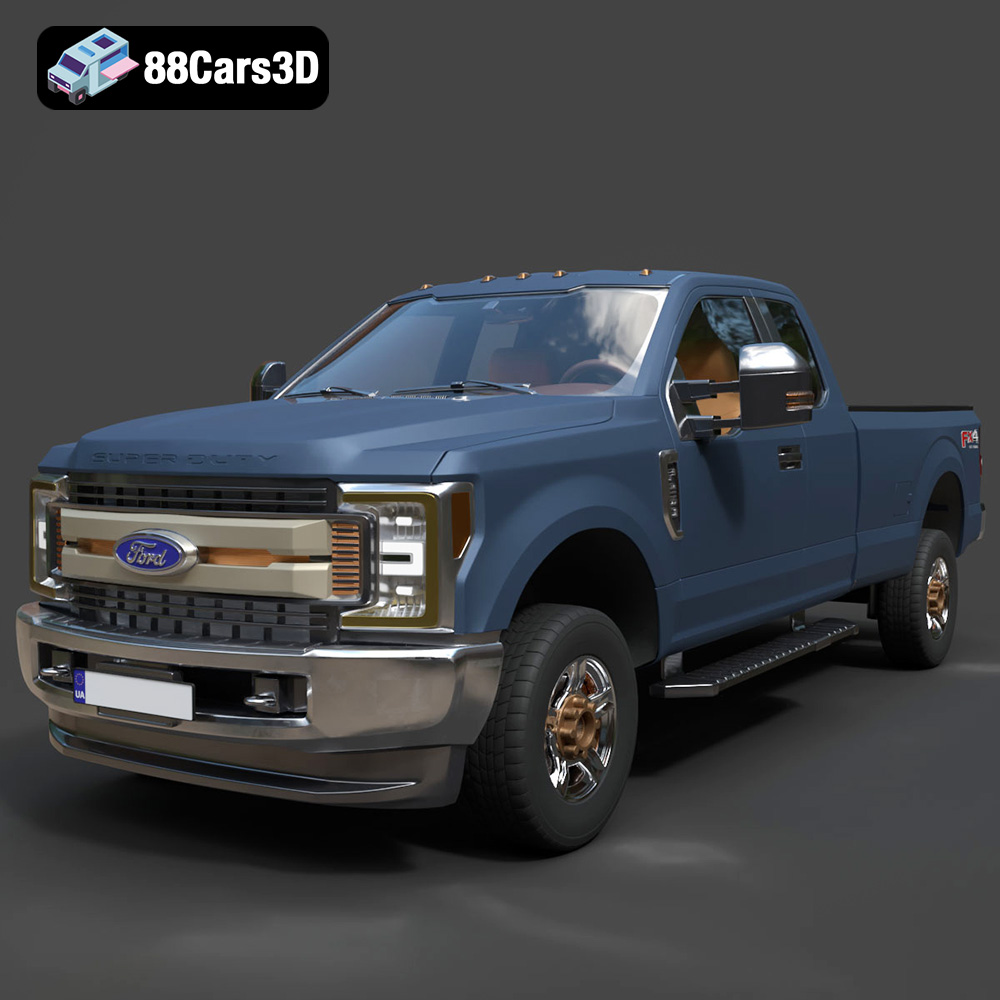
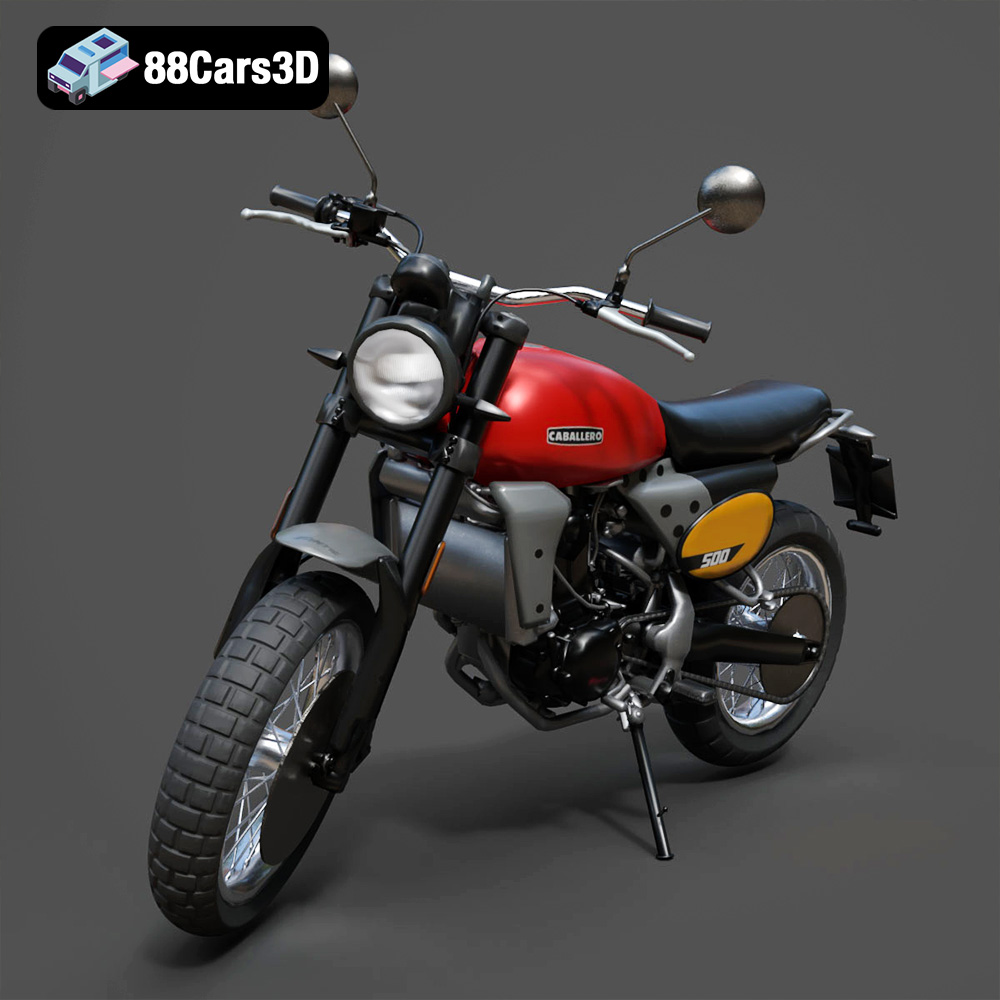
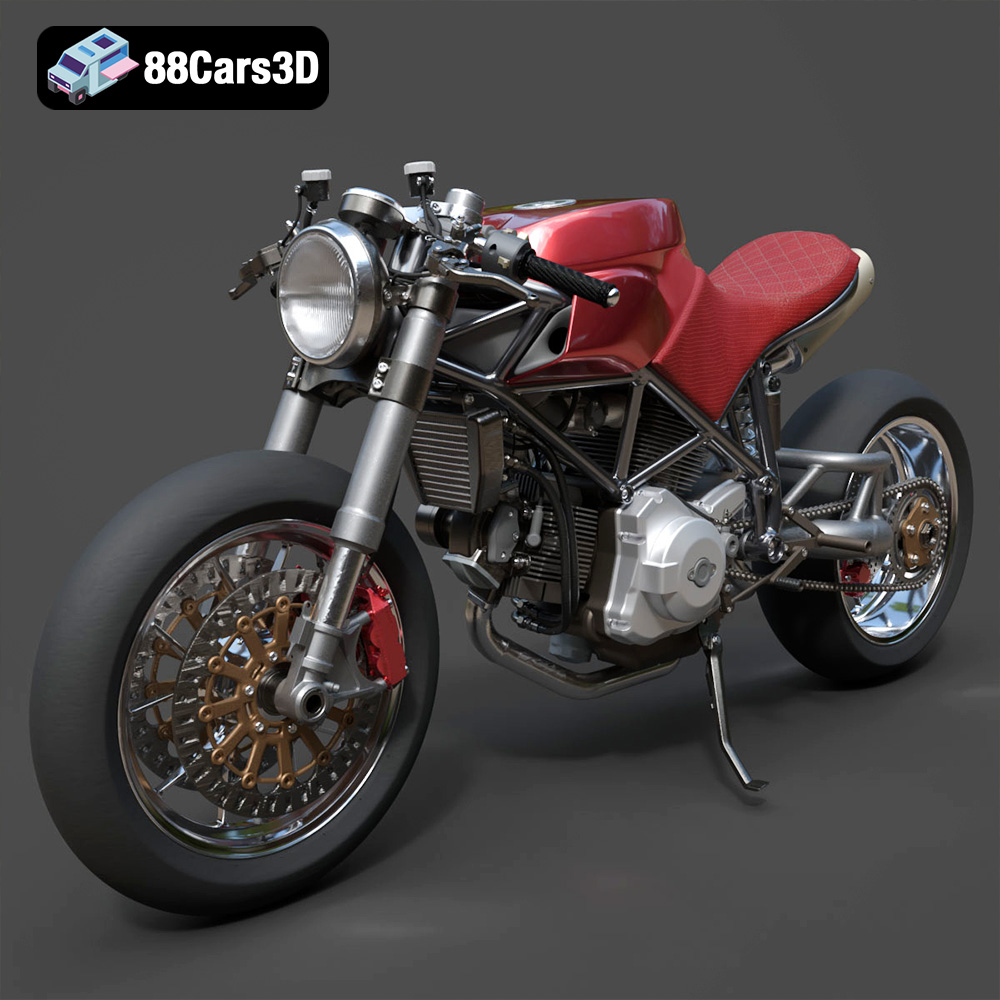
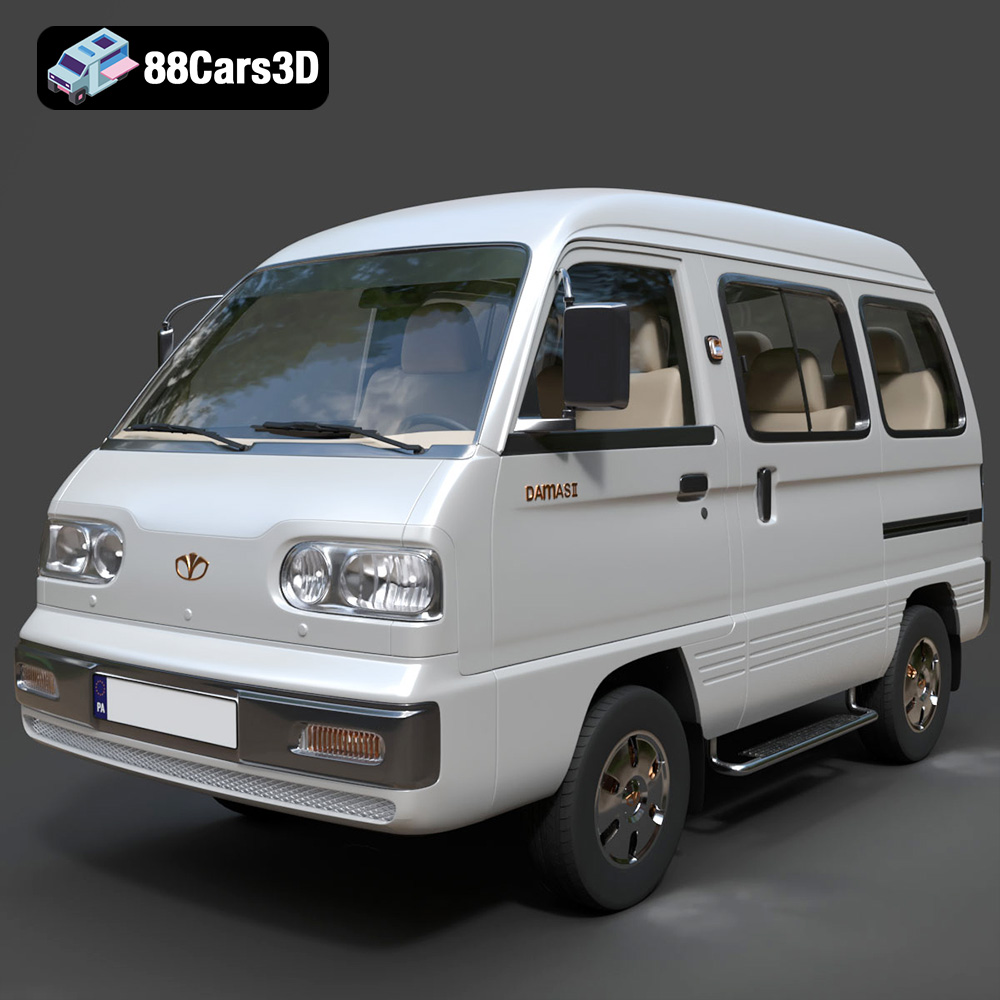
The Automotive Rendering Pipeline: From Polygon Count to Final HDRI Setup
Creating photorealistic images of vehicles is a cornerstone of modern automotive design, marketing, and visualization. From showcasing concept cars to generating marketing collateral, a meticulously crafted automotive rendering pipeline is essential. This intricate process transforms raw 3D data into stunning, lifelike visuals, blending technical precision with artistic vision. It’s a journey that demands expertise in 3D modeling, texturing, lighting, and post-production.
In this comprehensive guide, we’ll peel back the layers of the car rendering workflow, guiding you through each critical stage. Whether you’re an aspiring 3D artist, a game developer, or a seasoned professional looking to refine your process, understanding this pipeline is key to producing high-quality realistic rendering that captivates and converts. We’ll explore everything from the initial CAD data import and polygon count management to advanced HDRI lighting and the final polish in post-production.
The Foundation: From CAD Data to High-Poly Modeling
Every exceptional automotive render begins with a solid 3D model. This foundational stage involves meticulous preparation and optimization to ensure the vehicle’s geometry is ready for the demands of photorealistic rendering.
Starting Point: CAD Data Import and Preparation
The vast majority of automotive designs originate in Computer-Aided Design (CAD) software like CATIA, SolidWorks, or Rhino. These programs utilize Non-Uniform Rational B-Splines (NURBS) – mathematical representations of 3D geometry that offer unparalleled precision for engineering and manufacturing. However, NURBS are not directly renderable by most 3D rendering engines, which typically operate on polygonal meshes.
- Tessellation and Conversion: The first step involves converting these NURBS surfaces into polygons, a process known as tessellation. This converts smooth, mathematically defined curves into a series of flat facets (polygons). The resolution of this tessellation is crucial: too low, and the car will appear blocky; too high, and you’ll generate an unnecessarily heavy mesh.
- Mesh Cleanup: CAD data, while precise for manufacturing, often translates into messy polygon meshes for rendering. This can include non-manifold geometry, overlapping faces, un-welded vertices, and reversed normals. Thorough mesh cleanup is imperative to prevent rendering errors, shading artifacts, and issues with UV mapping. Tools within 3D software (Maya, 3ds Max, Blender) are used to fix these topological discrepancies.
Practical Tip: Always inspect your imported CAD mesh carefully using wireframe and normal display modes. A clean mesh at this stage saves hours of troubleshooting later.
The polygon count refers to the total number of polygons (typically triangles or quads) that make up your 3D model. It’s a critical factor in both visual fidelity and rendering performance.
- High-Poly vs. Low-Poly:
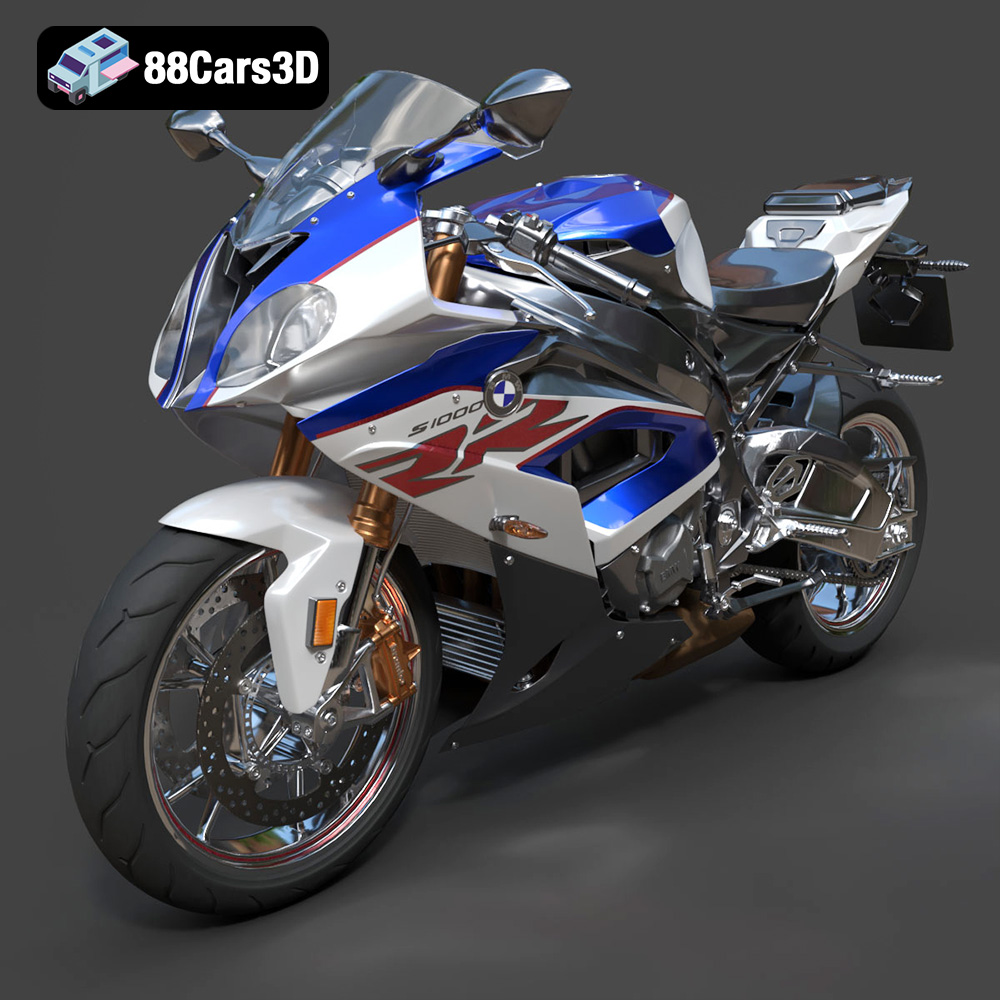
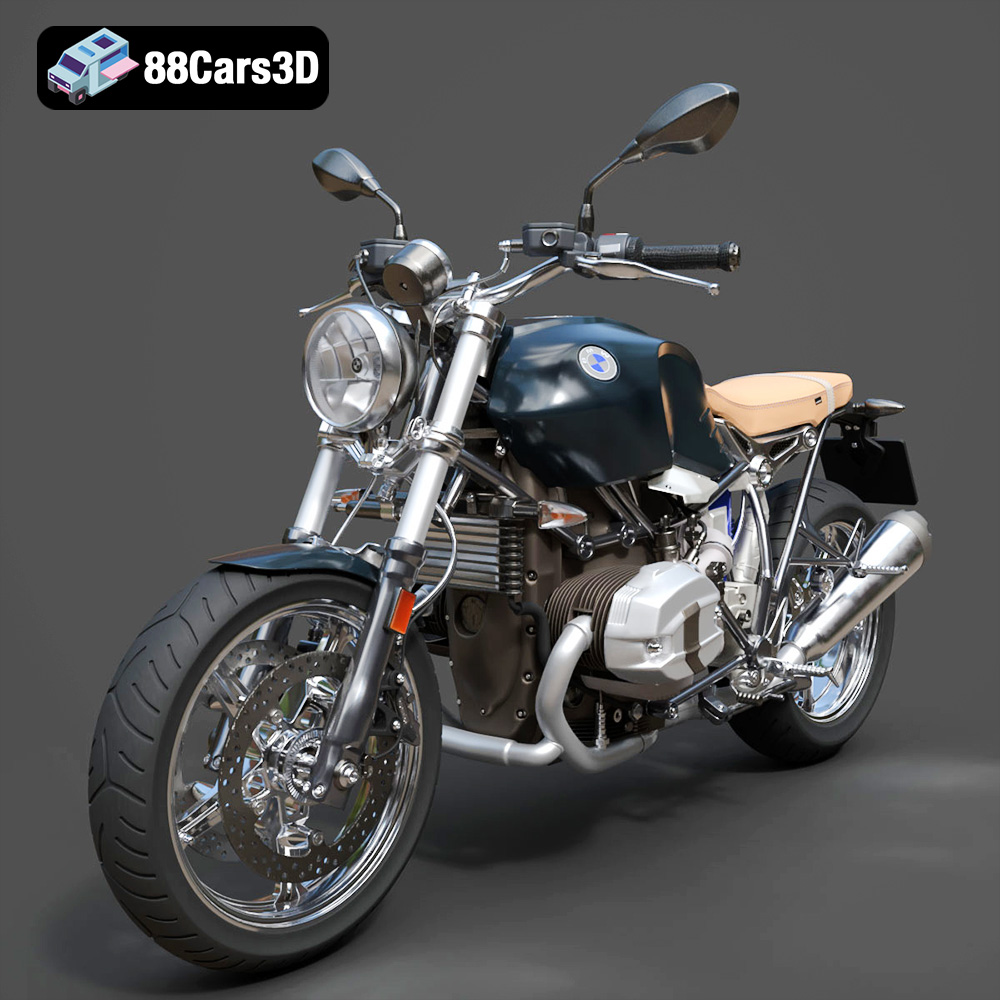
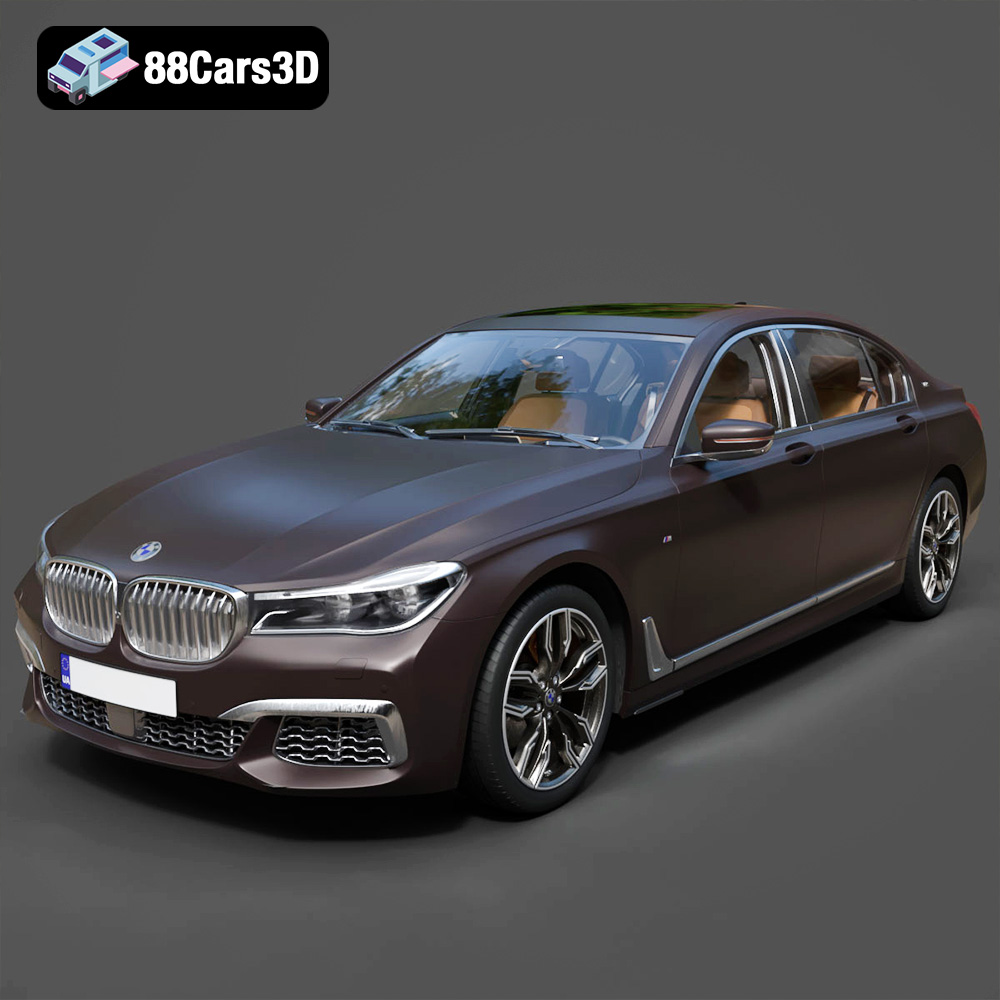
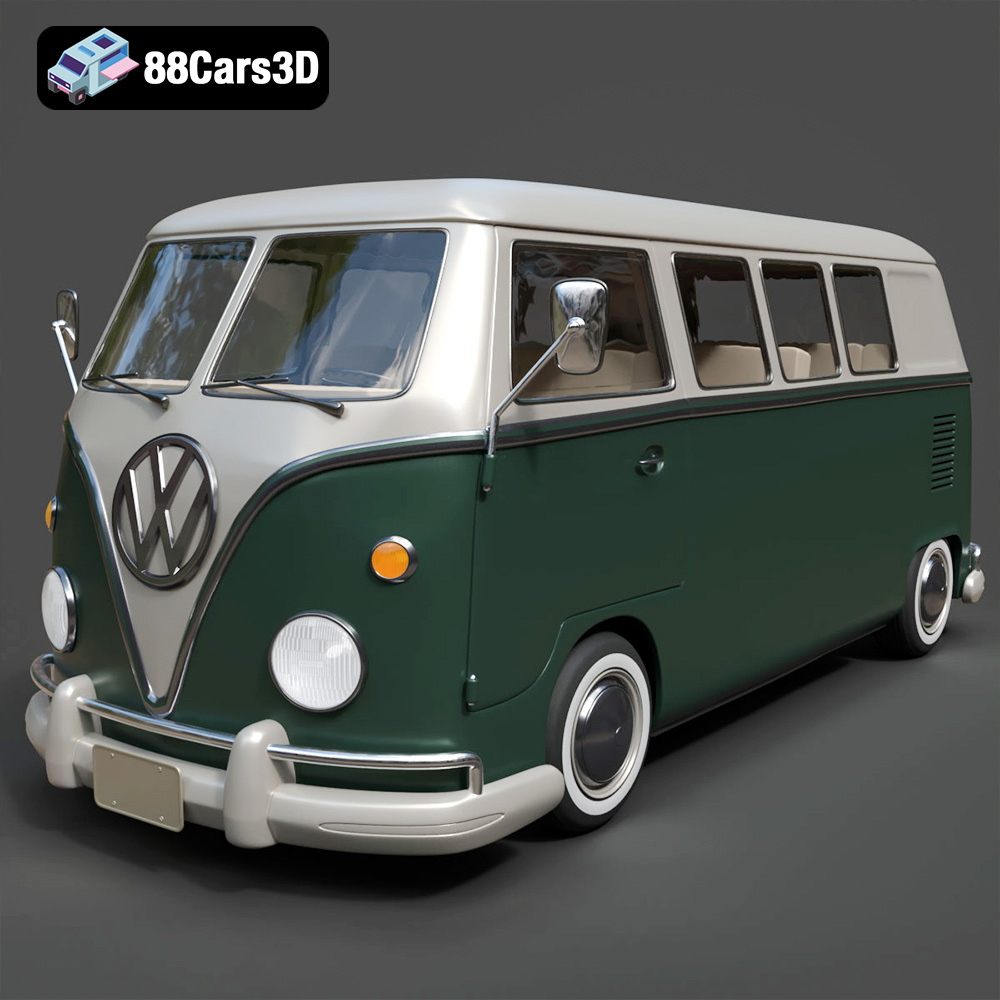
- High-Poly Modeling: For hero shots, product visualization, and close-up renders, a high-poly model with millions of polygons is often desired. This allows for incredibly smooth surfaces, sharp edges, and detailed panel gaps that contribute to photorealism. Think of the intricate details on a car’s emblem or the subtle curvature of its body panels.
- Low-Poly Modeling: In contrast, low-poly models are optimized for real-time rendering applications like video games or VR experiences. They prioritize performance by drastically reducing polygon count, often relying on normal maps to fake high-resolution details.
- The Trade-off: Higher polygon counts result in more detailed geometry but demand more memory and significantly increase render engine processing time. For still images and animations, the focus is on maximizing visual quality, while for interactive experiences, optimization is paramount.
Decision Framework: Optimizing Polygon Count
| Application |
Polygon Count Strategy |
Key Considerations |
| High-Res Stills / Product Shots |
High-poly (2M+ polygons) for hero car, moderate for background. |
Maximum detail, smooth curves, no visible facets. Render time is less of a concern. |
| Animations / Cinematics |
High-poly, but consider LOD for distant elements. |
Consistent detail across frames, efficient scene management. Motion blur helps hide minor imperfections. |
| Real-time (Games, VR) |
Aggressive low-poly (50K-200K per car), heavy use of LOD and normal maps. |
Target frame rate, memory footprint. Focus on silhouette and primary forms. |
Retopology and UV Mapping: Crafting Clean Meshes
Even with clean CAD data, the resulting tessellated mesh might not be ideal for texturing and animation. This is where retopology comes in.
- Retopology: The process of rebuilding or optimizing the topology of a mesh to create a clean, organized, and deformation-friendly quad-based mesh. For automotive models, this ensures:
- Smooth deformation during animation (e.g., suspension, steering).
- Clean polygon flow for applying subdivision surfaces (e.g., using a TurboSmooth modifier) without pinching artifacts.
- Optimal surface for UV mapping.
- UV Mapping: Crucial for applying 2D textures to a 3D model. UV unwrapping creates a flattened 2D representation of your 3D model’s surface, onto which textures are painted or applied. Proper UVs are essential for:
- Preventing texture stretching or distortion.
- Efficient use of texture space.
- Baking ambient occlusion, normal maps, and other detail maps.
Practical Tip: Aim for consistent texel density across your UVs. This ensures textures appear uniform in resolution across different parts of the car.
Texturing and Shading: Bringing Materials to Life
Once the geometry is perfect, the next stage involves applying realistic materials. This is where the car truly begins to take on its lifelike appearance, from the metallic shimmer of its paint to the subtle reflections in its glass.
PBR Texturing: The Science of Realistic Materials
Physically Based Rendering (PBR) has become the industry standard for achieving realistic materials. PBR shaders simulate how light interacts with surfaces in the real world, producing consistent and accurate results under any lighting condition.
Key PBR maps include:
- Albedo/Base Color: Defines the base color of the surface without any lighting information.
- Metallic: Determines if a surface is metallic (0 = dielectric/non-metal, 1 = metal). This dramatically changes how reflections and diffuse light are handled.
- Roughness (or Glossiness): Controls the microscopic imperfections on a surface. Low roughness means sharp, clear reflections (like polished chrome); high roughness means diffuse, blurry reflections (like matte paint or rubber).
- Normal Map: Adds fine surface detail (like subtle bumps or scratches) without increasing polygon count, by faking surface angles.
- Ambient Occlusion (AO): Simulates soft shadows where surfaces are close together, adding depth and realism.
Practical Example: A car paint shader uses a low roughness value for the clear coat to create sharp reflections, while an underlying metallic map defines the metallic flake effect.
Automotive Shader Development: Beyond Basic Materials
Automotive surfaces are notoriously complex. Generic PBR materials often aren’t enough to capture the nuances of high-end car finishes. Advanced automotive shader development is crucial:
- Multi-Layer Car Paint: This is a complex shader typically comprising:
- Base Coat: The primary color, often with metallic or pearl flakes.
- Clear Coat: A highly reflective, transparent layer that provides gloss and depth, often with unique light absorption and scattering properties.
- Flake Layer: For metallic paints, a separate layer of shimmering flakes beneath the clear coat, responding to light direction.
- Glass Shaders: Accurate glass shaders require careful control over refraction (how light bends), tint, dispersion (splitting of light into colors), and subtle reflections.
- Other Materials: Tire rubber (specific roughness, subtle displacement), chrome (highly metallic, very low roughness), interior leathers, plastics, and fabrics all demand bespoke PBR setups.
Decals and Emblems: Fine Details that Matter
Logos, stripes, and badges are crucial details that define a vehicle’s identity. These are typically applied using decals or texture layering techniques:
- Texture Blending: Alpha maps or mask textures are used to blend decal textures seamlessly over the base paint.
- Geometry: For raised emblems, actual geometry (modeled details) combined with specific metallic/roughness maps will yield the most realistic results.
Lighting and Environment: The Art of Illumination
Lighting is arguably the most critical component in achieving photorealism. It shapes the car, highlights its contours, and sets the mood. A perfectly modeled and textured car will look flat without compelling lighting.
The Power of HDRI: Global Illumination at its Best
High Dynamic Range Images (HDRI) are indispensable for modern automotive rendering. An HDRI is a 360-degree panoramic image that captures a wide range of light intensities from a real-world location.
- Image-Based Lighting (IBL): When an HDRI is used as an environment map, it acts as a primary light source, illuminating the scene with realistic global illumination, ambient light, and highly accurate reflections on the car’s surfaces. This is why car renders using HDRIs look so convincing – the environment is literally reflecting in the paint.
- Mood and Context: The choice of HDRI dictates the mood and context of your render. A studio HDRI provides clean, controlled lighting, while an outdoor HDRI (e.g., a cloudy sky, a sunset, an urban street) naturally integrates the car into a believable scene.
Practical Tip: Rotate your HDRI to find the most flattering angle of light and reflections on your car’s contours. Subtle adjustments can make a huge difference.
Supplementary Lighting: Shaping the Scene
While an HDRI provides excellent base lighting, supplementary lights are often needed to sculpt the car and add artistic flourishes.
- Area Lights: Used to create soft, broad illumination, ideal for simulating studio softboxes or large light sources.
- Spot Lights / Point Lights: For focused illumination, highlighting specific details, or creating rim lights along edges to separate the car from the background.
- Mesh Lights: Emissive objects (e.g., LED strips or headlights) can act as lights, directly contributing to illumination.
- Three-Point Lighting: A classic setup involving a key light (main light), fill light (softens shadows), and back/rim light (creates separation). This can be adapted for automotive scenes.
Camera Setup and Composition: Framing the Masterpiece
Just like in photography, the camera setup and composition are paramount for a compelling render.
- Focal Length:
- Wide-Angle (e.g., 24-35mm): Can exaggerate perspective, making cars look powerful and dynamic, but can also distort proportions if not used carefully.
- Telephoto (e.g., 85-135mm): Compresses perspective, making cars look sleek and elegant, often preferred for head-on or side profiles.
- Depth of Field (DoF): Adjusting the aperture can create a shallow depth of field, blurring the background and drawing attention to the car.
- Compositional Rules: Apply principles like the Rule of Thirds, leading lines, and negative space to create visually balanced and dynamic shots. Emulate real-world automotive photography for authentic results.
Rendering and Post-Production: The Final Polish
With the model, materials, and lighting in place, it’s time to generate the final image and apply the necessary artistic enhancements.
Choosing Your Render Engine: CPU vs. GPU
The render engine is the software that calculates how light interacts with your scene, producing the final image. There are two primary types:
- CPU Rendering: Utilizes the computer’s central processing unit. Often known for precision and handling complex scenes with high memory demands. Examples: V-Ray (hybrid), Corona Renderer, Arnold.
- GPU Rendering: Leverages the graphics processing unit. Generally faster for many tasks due to parallel processing capabilities, ideal for iterative workflows. Examples: Octane Render, Redshift, Cycles (Blender), Unreal Engine (Path Tracer).
Decision Guide: Render Engine Selection
| Engine Type |
Pros |
Cons |
Best For |
| CPU (e.g., Corona, Arnold) |
Highly accurate, handles large scenes/geometries well, less reliant on specific hardware. |
Can be slower, longer iteration times. |
Arch-viz, high-fidelity product renders, scenes with complex global illumination. |
| GPU (e.g., Octane, Redshift, Cycles, UE Path Tracer) |
Very fast, interactive rendering, excellent for real-time visualization, often more affordable. |
Requires powerful GPUs, can be memory-limited for extremely complex scenes. |
Automotive visualization, product shots, motion graphics, real-time applications, rapid iteration. |
Render Passes and Compositing: Unleashing Creative Control
Instead of rendering a single “beauty” image, professional workflows utilize render passes (also known as AOVs – Arbitrary Output Variables). These are separate image layers that isolate different components of the render.
Common passes include:
- Beauty Pass: The full rendered image.
- Albedo/Diffuse Pass: Pure color without lighting.
- Reflection Pass: Only reflective components.
- Refraction Pass: For transparent materials like glass.
- Specular Pass: Highlights from direct light sources.
- Normal Pass: Encodes surface normal directions for re-lighting.
- Z-Depth Pass: Stores depth information for applying accurate depth of field in post.
- Alpha Pass: Transparency mask for isolating the car.
These passes are then brought into a compositing software (like Photoshop, Nuke, or Affinity Photo) where they can be adjusted non-destructively. This allows for immense creative control without re-rendering the entire scene.
Color Grading and Final Touches: The Art of the ‘Look’
The final stage is where the render truly comes alive. Color grading and post-processing are essential for achieving the desired aesthetic and making the image pop.
- Color Correction & Contrast: Adjusting exposure, white balance, contrast, and color balance to enhance the visual appeal and correct any inconsistencies.
- Sharpening & Noise Reduction: Enhancing fine details and removing any render noise.
- Lens Effects: Adding subtle lens flares, chromatic aberration, or vignetting can simulate realistic camera optics.
- Atmospheric Effects: Adding subtle haze or volumetric light can enhance depth.
- Glows & Glints: Emphasizing bright areas or reflections.
This stage is where the render transitions from a technically perfect image to an emotionally resonant piece of art, mirroring the high standards of professional automotive photography.
Beyond Stills: Animation and Real-Time Automotive Rendering
While this article primarily focuses on still renders, the principles extend to automotive animation and real-time rendering for interactive configurators or game engines. Animation introduces challenges like motion blur, consistent lighting across frames, and significantly higher render times. Real-time rendering requires even more aggressive polygon count optimization, texture baking, and leveraging the capabilities of advanced game engines like Unreal Engine 5 or Unity.
Conclusion
The 3D rendering pipeline for automotive visualization is a complex yet incredibly rewarding journey. From the meticulous precision of CAD data preparation and high-poly modeling to the artistic mastery of PBR texturing, HDRI lighting, and advanced post-production, each stage plays a vital role in crafting a truly stunning car rendering.
Mastering this workflow requires a blend of technical expertise, an eye for detail, and a deep understanding of light and materials. By adhering to these best practices, you can consistently produce realistic renders that not only showcase a vehicle’s design but also evoke its power, elegance, and desirability. The tools and techniques are constantly evolving, but the core principles of creating compelling imagery remain timeless.