Get 50% OFF All Premium 3D & STL Models!

In the dynamic worlds of automotive design, cinematic rendering, and immersive game development, the quality of a 3D car model can be the linchpin of a project’s success. From conveying the sleek curves of a concept vehicle to populating a vast open-world game, detailed and optimized 3D car models are indispensable. They serve as the digital blueprint, enabling artists, designers, and developers to bring their visions to life with unparalleled realism and performance. This comprehensive guide explores the technical intricacies, workflows, and diverse applications of high-quality 3D car models, offering insights for professionals aiming to achieve photorealistic renders or seamless game integration. Whether you’re an experienced 3D artist or an aspiring game developer, understanding the foundational elements and advanced techniques is crucial for leveraging these powerful assets.
Choosing the correct file format for your 3D car models is a critical decision that impacts workflow efficiency, software compatibility, and final output quality. Each format is designed with specific use cases and technical considerations in mind. Understanding these distinctions ensures smooth asset integration and optimal performance across various pipelines, from intricate automotive rendering to real-time game development environments.
The .blend format is the native file type for Blender, an incredibly versatile open-source 3D creation suite. A .blend file encapsulates an entire Blender scene, including mesh data, materials, textures, lighting, animation data, camera setups, and even physics simulations. Its primary advantage lies in its comprehensive nature, allowing for full editability and non-destructive workflows within Blender. When you acquire a .blend model, you gain access to the original creator’s setup, which can be invaluable for learning, customizing, or repurposing elements. For artists heavily invested in the Blender ecosystem for modeling, rigging, texturing, and rendering, this format offers the most flexibility and control over their 3D car models.
.fbx (Filmbox) stands as one of the most widely adopted proprietary file formats for 3D data exchange, particularly within the game development and visual effects industries. Developed by Autodesk, it excels at storing not just mesh data but also crucial elements like animation, rigging, skinning, lights, cameras, and material properties (though material definitions can sometimes be simplified during export). Its strength lies in its excellent compatibility with major 3D software packages (e.g., 3ds Max, Maya, Blender) and game engines (Unreal Engine, Unity). For seamless integration into real-time pipelines or complex animation projects, .fbx is often the go-to choice due to its robust support for animation and hierarchy.
The .obj (Wavefront Object) format is a fundamental and widely supported geometry definition file format. Its simplicity is its greatest asset and, at times, its limitation. An .obj file primarily stores vertex positions, UV coordinates, normals, and polygon connectivity (faces). It can reference an accompanying .mtl (Material Template Library) file for basic material properties like color and texture maps. While it doesn’t support animation, rigging, or advanced shader networks, its universality makes it ideal for basic mesh interchange between virtually any 3D application. For static 3D car models or when you only need the raw geometry for further processing, .obj remains a reliable and highly compatible option.
.glb (GL Transmission Format Binary) is the binary version of glTF, a royalty-free specification for the efficient transmission and loading of 3D scenes and models by applications. Its primary advantage is its “all-in-one” nature, embedding all assets (geometry, textures, animations, skinning) into a single file, making it exceptionally lightweight and fast to load. This optimization makes .glb the format of choice for web-based 3D applications, augmented reality (AR), virtual reality (VR) experiences, and general browser-based display. For showcasing 3D car models interactively on a website or deploying them in mobile AR applications, .glb offers superior performance and integration.
.stl (STereoLithography) is the de facto standard file format for 3D printing and CAD software. It describes only the surface geometry of a 3D object using a tessellated mesh of triangles, without any color, texture, or material information. While not suitable for rendering or game development due to its lack of visual data, .stl is absolutely essential for transforming digital 3D car models into physical prototypes or products via 3D printers. The precision of its triangular mesh representation ensures accurate physical reproduction, making it invaluable for automotive prototyping and design validation.
The .ply (Polygon File Format, or Stanford Triangle Format) is a versatile format often used to store 3D data from 3D scanners. It can store a wide range of properties for each vertex and face, including color, transparency, normals, texture coordinates, and confidence values. While less common for general 3D model distribution than .fbx or .obj, .ply excels when precision and rich data capture are paramount, such as in reverse engineering, quality inspection, or scientific visualization. For certain CAD workflows or when dealing with highly detailed scanned vehicle components, .ply offers a robust solution for data integrity.
While not a direct standalone file format in the same vein as .fbx or .obj, “.unreal” refers to the native asset structure within Unreal Engine itself. When you import an .fbx or other compatible format into Unreal, the engine processes and converts it into its internal, optimized .uasset format. This process includes generating LODs, collision meshes, material instances, and other engine-specific data. An .unreal asset (or .uasset) is highly optimized for the engine’s rendering pipeline and real-time performance, allowing artists and developers to work directly with game-ready 3D car models within the Unreal editor. This streamlined integration is crucial for maintaining performance and fidelity in interactive experiences.
The .max format is the native file type for Autodesk 3ds Max, a powerful software widely used in architectural visualization, product design, and cinematic animation. Similar to .blend, a .max file contains a complete scene, including geometry, modifiers, materials, textures, lighting, cameras, animation, and rendering settings. It offers full editability and access to all parameters within 3ds Max. For studios and artists who rely on 3ds Max for their primary modeling, rigging, animation, and automotive rendering workflows, the .max file provides the most comprehensive and flexible starting point for highly detailed and complex projects.
Understanding these formats empowers you to make informed decisions, ensuring your 3D car models are not only visually stunning but also technically robust and workflow-compatible across diverse applications. Websites like 88cars3d.com often provide models in multiple formats to cater to a wide range of professional needs.
Creating a truly high-quality 3D car model is a meticulous process that blends artistic vision with technical precision. It goes far beyond simply replicating shapes; it involves a deep understanding of surface continuity, material behavior, and optimization strategies. The goal is to produce assets that look indistinguishable from reality in a render and perform flawlessly in a real-time engine.
Topology refers to the arrangement of polygons (usually quads for cleaner deformations) that make up a 3D mesh. Excellent topology is fundamental for smooth shading, believable deformations during animation, and efficient UV mapping. For 3D car models, this means carefully constructing surfaces to avoid pinching, undesirable artifacts, or excessively dense areas where detail isn’t required. A clean, efficient topology ensures that subdivisions (like those used in ZBrush or for render smoothing) work optimally.
Poly count, or polygon count, dictates the geometric detail of a model. While high poly counts allow for incredible detail, they come with a performance cost. For high-end automotive rendering, a poly count in the millions (often achieved through subdivision surfaces) is common to capture every subtle curve and reflection. For game assets, however, a balanced approach is crucial. Game-ready models typically use significantly lower poly counts, often leveraging techniques like normal maps to bake high-detail information onto a low-poly mesh. For instance, a vehicle for a modern AAA game might have a base mesh of 50,000-200,000 polygons, with multiple LODs (Levels of Detail) further reducing this to just a few thousand for distant views. Understanding this balance is key to creating models that excel in their intended environment.
UV mapping is the process of unwrapping the 3D surface of a model onto a 2D plane, creating a set of coordinates (UVs) that tell a rendering engine how to apply 2D textures. Flawless UV mapping is non-negotiable for high-quality 3D car models. Poor UVs can lead to distorted textures, visible seams, or inefficient texture usage. Professional models feature clean, organized UV layouts with minimal stretching and overlapping, making it easy for artists to paint and apply textures seamlessly.
Texture fidelity refers to the resolution and quality of the texture maps applied to the model. This includes diffuse (color), normal (surface detail), roughness (micro-surface imperfections), metallic (specular reflection), and opacity maps, among others. High-resolution PBR (Physically Based Rendering) texture sets (e.g., 4K or 8K) are standard for modern renders, accurately simulating how light interacts with different materials like paint, glass, rubber, and chrome. The combination of expert UV mapping and high-fidelity, physically accurate textures is what breathes life into a digital car, making it appear tangible and realistic.
Beyond textures, the true magic of photorealism lies in the sophistication of material shaders. A shader is a program that tells a renderer how to calculate the color, reflectivity, and other surface properties of a material under various lighting conditions. For automotive rendering, advanced shaders are crucial for accurately replicating the complex interplay of light on car paint (often multi-layered with clear coats and metallic flakes), glass (refraction, reflection, tint), tires (subtle rubber textures, scuffs), and various interior materials. Using physically based rendering (PBR) shaders is now the industry standard, ensuring that materials react to light in a predictable and realistic manner, regardless of the lighting environment. This includes accurate fresnel reflections, microfacet details, and subsurface scattering for translucent materials, all contributing to an authentic visual experience.
Automotive rendering is an art form focused on creating images and animations of vehicles that are indistinguishable from photographs or live-action footage. It demands a sophisticated understanding of lighting, materials, and camera techniques, pushing the boundaries of what 3D car models can achieve.
The cornerstone of a compelling render is its lighting. For automotive subjects, a realistic and evocative lighting setup is paramount. This often involves a combination of HDRI (High Dynamic Range Image) environment maps for global illumination and realistic reflections, coupled with targeted area lights or spotlights to highlight specific features or create dramatic shadows. Studio lighting setups, reminiscent of professional photography studios, use large softboxes and reflectors to illuminate the car evenly, revealing its form and detail. Outdoor scenes demand careful consideration of sun position, sky color, and ambient light. The goal is not just to illuminate the model but to articulate its form, convey its material properties, and set a specific mood or narrative. Software like 3ds Max with V-Ray or Corona Renderer, and Blender with Cycles, offer powerful tools for achieving these complex lighting scenarios.
Modern renderers leverage advanced techniques like ray tracing and global illumination (GI) to achieve ultimate realism. Ray tracing simulates the path of light rays as they interact with objects in a scene, calculating reflections, refractions, and shadows with incredible accuracy. This is particularly important for metallic car paints, reflective chrome elements, and transparent glass. Global illumination, on the other hand, accounts for indirect light bounced off surfaces, creating soft, natural ambient lighting and color bleeding that are essential for convincing indoor or overcast outdoor renders. Physically Based Rendering (PBR) material systems work hand-in-hand with these techniques to ensure that materials react correctly to the simulated light. Artists often spend significant time fine-tuning render settings, sampling rates, and denoisers to achieve a clean, artifact-free image while managing render times for complex 3D car models.
Even the most stunning raw render benefits immensely from post-production. This stage involves using image editing software (like Adobe Photoshop or Affinity Photo) or compositing software (like Adobe After Effects or Nuke) to enhance the image. Common post-production tasks include color grading to adjust mood and tone, adding atmospheric effects like depth of field or lens flares, subtle glow effects, sharpening details, and correcting any minor imperfections. Multi-pass rendering, where different elements (e.g., reflections, refractions, direct light, ambient occlusion) are rendered into separate layers, provides maximum flexibility in post-production. This allows artists to finely tune each aspect of the image without re-rendering the entire scene, pushing the photorealism of the 3D car models to its absolute peak.
While cinematic rendering prioritizes visual fidelity above all else, game development demands a delicate balance between visual quality and real-time performance. High-quality game assets, particularly complex ones like 3D car models, require significant optimization to run smoothly on various hardware.
Levels of Detail (LODs) are crucial for managing polygon counts in real-time environments. An LOD system automatically switches between different versions of a model – a high-detail mesh for close-up views and progressively lower-detail meshes for objects further from the camera. For a 3D car model, this might mean a full interior and engine for LOD0, a simplified interior and no engine for LOD1, and just a basic shell for LOD2. This dramatically reduces the number of polygons the GPU has to process, improving frame rates. Complementary to LODs is culling, which prevents objects or parts of objects from being rendered if they are outside the camera’s view frustum (frustum culling) or occluded by other objects (occlusion culling). Together, LODs and culling ensure that only necessary geometry is processed at any given moment, making complex scenes with many vehicles manageable.
For vehicles in games, a separate, simplified mesh called a collision mesh is essential. Unlike the visual mesh, the collision mesh does not need to look good; it only needs to accurately represent the physical boundaries of the car for interaction with the game world and other objects. This mesh is typically much lower poly than even the lowest LOD, as it’s only used for physics calculations. For more advanced physics, a physics asset (or rigid body system) is created, defining individual components of the car (e.g., body, wheels, suspension) as separate rigid bodies connected by joints. This allows for realistic car deformation, suspension simulation, and destructible environments. Implementing accurate collision meshes and physics assets is vital for creating believable vehicle dynamics and interactive gameplay, preventing vehicles from clipping through terrain or reacting unnaturally to impacts.
Integrating 3D car models into a game engine like Unreal Engine involves a structured workflow. First, the optimized model (typically an .fbx file with baked normal maps and simplified materials) is imported. Unreal Engine processes this, converting it into its native .uasset format. Materials are then reconstructed using Unreal’s PBR shader graph (e.g., creating Master Materials for car paint, glass, and tires, and then Instance Materials for color variations). LODs are configured, and the collision mesh is generated or imported. For drivable vehicles, a C++ or Blueprint class is created, leveraging Unreal’s Chaos Vehicle physics system. This involves setting up wheels, suspension, engine parameters, and input controls. Animating doors, lights, or wipers would use Skeletal Meshes and Animation Blueprints. This comprehensive integration ensures the game assets are fully functional, optimized, and ready for deployment in the interactive environment.
The utility of high-quality 3D car models extends far beyond traditional rendering and game development, impacting various industries and opening new avenues for creativity and interaction.
With the rise of VR and AR technologies, 3D car models are playing a pivotal role in creating immersive and interactive experiences. In VR, users can “step inside” a virtual car, explore its interior, customize its features, and even “test drive” it in simulated environments. This is invaluable for automotive manufacturers offering virtual showrooms or designers conducting ergonomic studies. For AR, 3D car models can be overlaid onto the real world using a smartphone or AR headset, allowing potential buyers to visualize a car in their driveway or parking space, change colors, or inspect details before purchase. The .glb format, optimized for web and mobile performance, is particularly relevant here, facilitating lightweight, high-fidelity visualization of these complex models in real-time AR/VR applications.
While digital models are central to visualization, 3D car models also serve as the blueprint for physical creation. Using formats like .stl or .ply, these digital assets can be converted into instructions for 3D printers, enabling the rapid prototyping of car components, scale models, or even full-size concept car panels. This allows designers to quickly test physical forms, check fit and finish, and validate ergonomic considerations without committing to expensive traditional manufacturing processes. From intricate engine parts to aerodynamic body kits, 3D printing from precise digital models accelerates the design iteration cycle in the automotive industry, blending the digital and physical realms seamlessly.
In architectural visualization, 3D car models are essential for populating scenes, adding realism, scale, and a sense of life to renders of buildings, streetscapes, and urban environments. A beautifully rendered architectural scene often features strategically placed, high-quality vehicles to enhance the overall aesthetic and contextualize the design. Similarly, in broader product design, 3D cars can be integrated into renders of garages, showrooms, or driveways to demonstrate how new products (e.g., charging stations, smart home devices, urban furniture) interact with or complement vehicles. The presence of detailed cars elevates the visual narrative, making the scene more convincing and engaging for clients and stakeholders.
The journey through the world of high-quality 3D car models reveals a complex yet fascinating interplay of artistry, technical precision, and strategic optimization. From the foundational choice of file formats that dictates workflow and compatibility to the meticulous crafting of topology, materials, and lighting for photorealistic automotive rendering, every detail contributes to the final impact. For game developers, the challenge lies in balancing visual fidelity with the rigorous demands of real-time performance, utilizing techniques like LODs and physics assets to create engaging and interactive experiences.
Beyond these primary applications, the versatility of 3D car models continues to expand, driving innovation in AR/VR, 3D printing, and architectural visualization. The consistent thread through all these applications is the demand for accuracy, detail, and technical robustness. For professionals seeking to elevate their projects with premium assets, resources like 88cars3d.com provide a curated selection of 3D car models that meet these exacting standards, ready to be integrated into your next groundbreaking render, immersive game, or visionary design project.

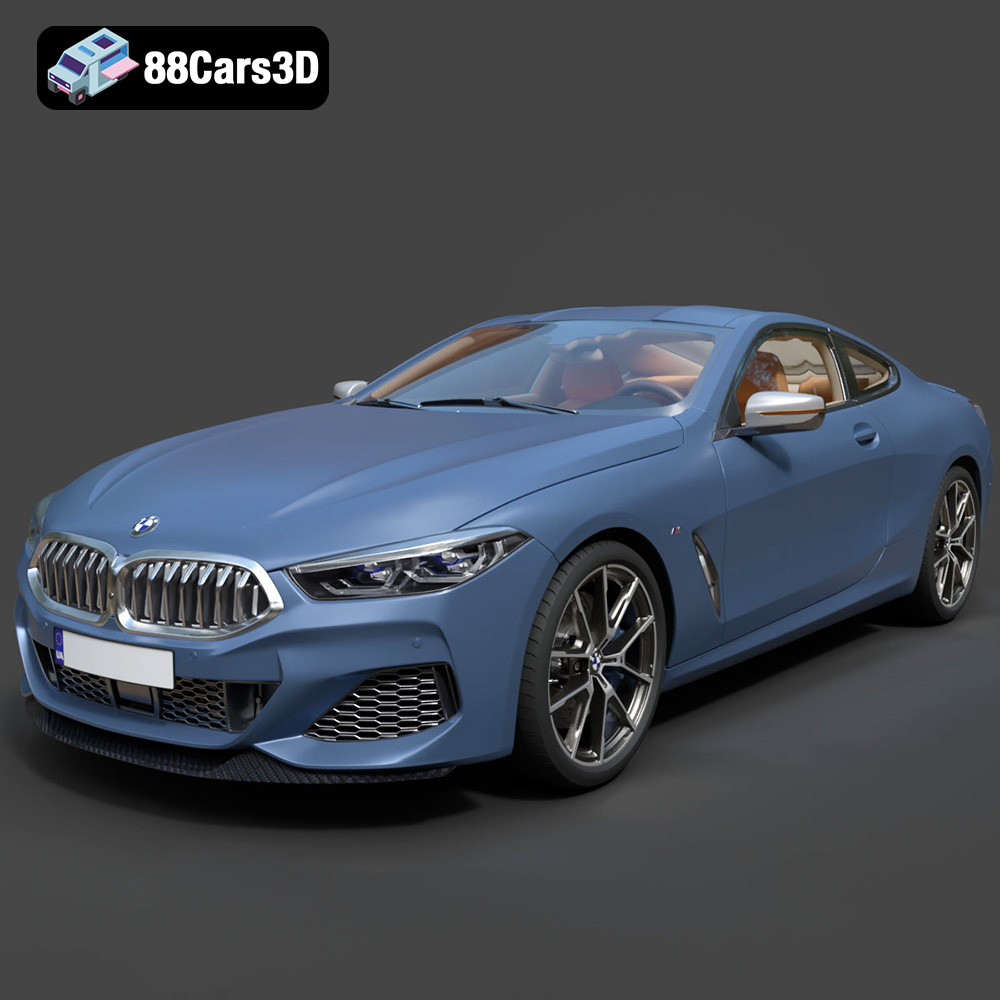
Price: $129.99

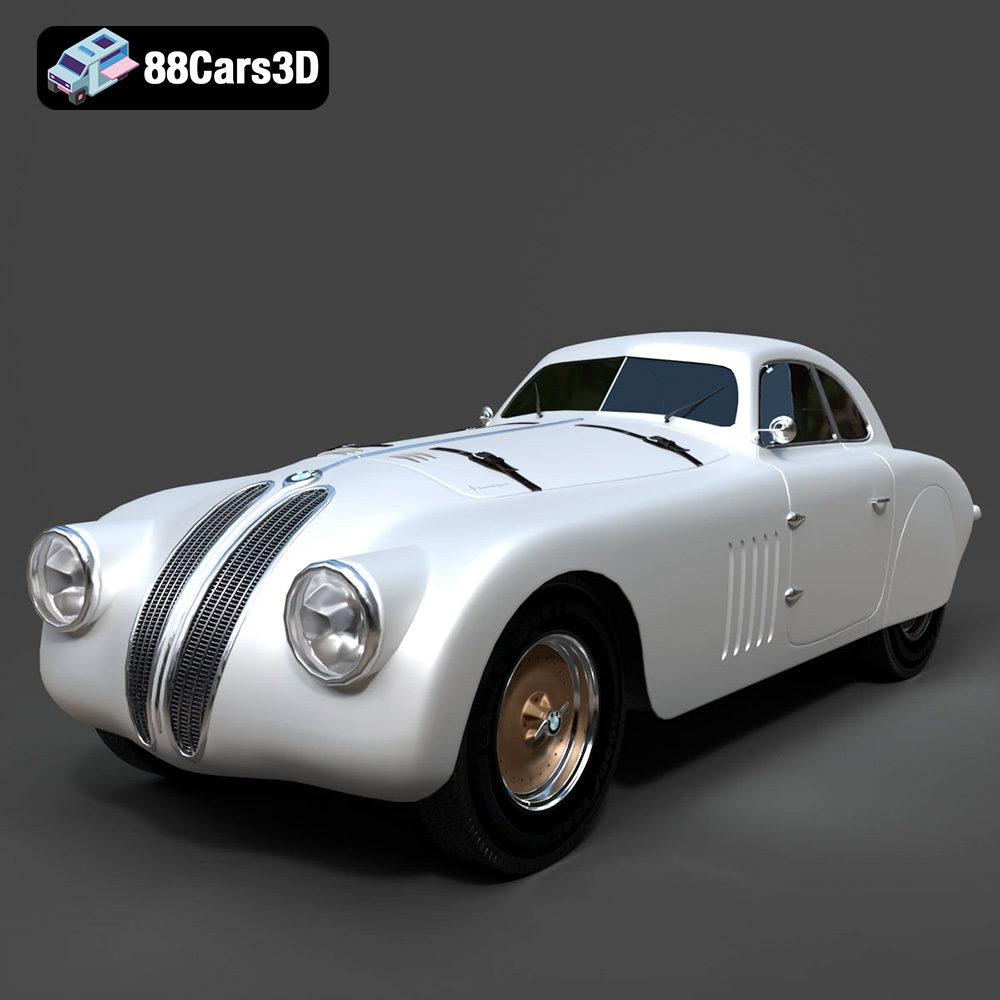
Price: $99.99

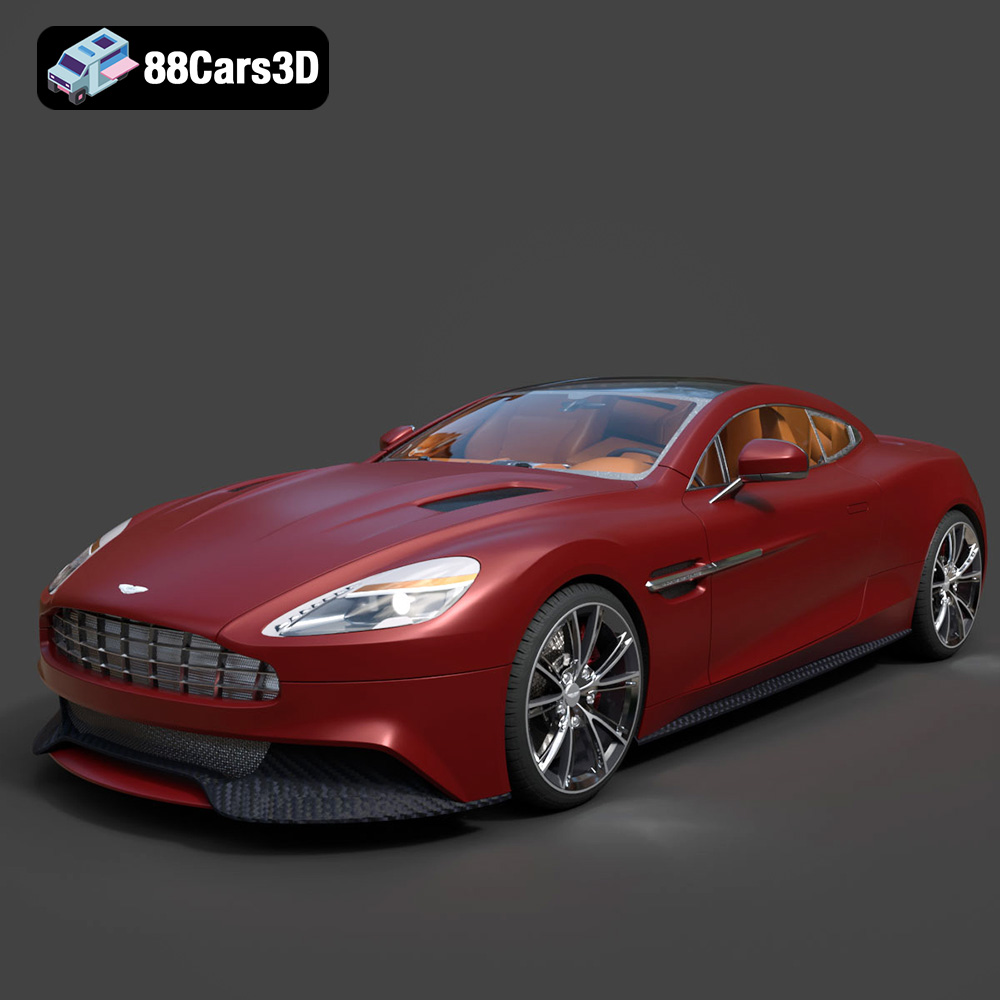
Price: $89.99