<!DOCTYPE html>
<html lang="en">
<head>
    <meta charset="UTF-8">
    <meta name="viewport" content="width=device-width, initial-scale=1.0">
    <title>Top 10 Most Popular Car 3D Models for Game Developers in 2025</title>
    <meta name="description" content="Discover the top 10 most popular car 3D models for game developers in 2025. Learn what makes a car asset game-ready, where to find high-quality vehicle 3D models, and key factors for choosing the best assets for your Unity or Unreal Engine projects. Drive your game forward with optimized, realistic car models.">
    <meta name="keywords" content="Car 3D models for games, game development car models, 3D car assets, popular car 3D models 2025, high-quality car models, realistic car 3D models, low poly car models, game-ready car models, vehicle 3D models, game asset marketplace, Unity car models, Unreal Engine car models, PBR car textures, optimized car models, car animation rigging, licensing 3D models, 3D vehicle assets for games, best car models for game development">
</head>
<body>

    <h1>Top 10 Most Popular Car 3D Models for Game Developers in 2025: Driving Your Game Forward</h1>

    <p>
        In the fast-evolving landscape of game development, realistic and high-performance <strong>car 3D models</strong> are no longer just an aesthetic choice; they are a fundamental component that can make or break a player's immersion. Whether you're crafting a hyper-realistic racing simulator, an expansive open-world adventure, or a gritty post-apocalyptic survival game, the quality of your <strong>vehicle 3D models</strong> is paramount. As we approach 2025, the demand for <strong>game-ready car models</strong> that balance visual fidelity with optimal performance has never been higher.
    </p>
    <p>
        This comprehensive guide delves into the <strong>top 10 most popular car 3D models for game developers in 2025</strong>, focusing not just on specific brands, but on the archetypes and characteristics that define the most sought-after <strong>3D car assets</strong> in the industry. We'll explore what makes these models popular, what technical considerations are crucial for their integration into modern game engines like <strong>Unity</strong> and <strong>Unreal Engine</strong>, and how to choose the perfect <strong>high-quality car models</strong> to bring your virtual worlds to life.
    </p>

    <h2>Key Factors When Choosing Car 3D Models for Game Development</h2>

    <p>
        Before we dive into the most popular types of <strong>car 3D models for games</strong>, it’s crucial to understand the technical and creative criteria that distinguish an excellent asset from a problematic one. Game developers must consider several factors to ensure their chosen <strong>3D car assets</strong> integrate seamlessly and perform optimally.
    </p>

    <h3>Optimization and Performance (Poly Count, LODs)</h3>
    <p>
        A visually stunning car model is useless if it cripples your game's framerate. <strong>Optimized car models</strong> are essential. This means evaluating the <strong>poly count</strong> (number of polygons) and ensuring the model includes <strong>Levels of Detail (LODs)</strong>. LODs are different versions of the model with varying polygon counts, allowing the engine to swap to lower-detail versions when the car is far from the camera, significantly improving performance. For realistic car models, a high-detail LOD0 might range from 80k-200k triangles, while LOD2 or LOD3 could be as low as 5k-15k.
    </p>

    <h3>Realism and Detail (Texturing, PBR Materials, Interiors)</h3>
    <p>
        Modern games demand <strong>realistic car 3D models</strong>. This is achieved through high-resolution textures, often utilizing <strong>Physically Based Rendering (PBR) materials</strong>. PBR textures (Albedo, Normal, Metallic, Roughness, AO maps) accurately simulate how light interacts with surfaces, resulting in believable paint, glass, rubber, and metal. Detailed interiors, even for first-person views, and intricate undercarriages contribute significantly to immersion.
    </p>

    <h3>Animation Readiness (Wheels, Doors, Suspension, Damage)</h3>
    <p>
        A truly <strong>game-ready car model</strong> comes with proper <strong>car animation rigging</strong>. This includes separate meshes and pivots for wheels, steering wheel, doors, hood, trunk, and sometimes even suspension components. For games featuring combat or collisions, models with pre-defined damage states or easily adaptable mesh structures for dynamic damage are highly advantageous.
    </p>

    <h3>Licensing and Usage Rights</h3>
    <p>
        This is perhaps the most critical, yet often overlooked, factor. Real-world vehicle brands are heavily protected by trademarks and copyrights. Using recognizable real-world car models without proper <strong>licensing for 3D models</strong> can lead to significant legal issues. Most <strong>3D car assets</strong> sold on marketplaces are either generic designs or come with specific usage rights for personal or commercial projects. Always read the license agreement carefully.
    </p>

    <h3>Versatility and Genre Suitability</h3>
    <p>
        Consider if the car model fits your game's genre and art style. A sleek sports car might be perfect for a racer but out of place in a medieval fantasy game. Models offering various customization options (paint jobs, decals, body kits) enhance their versatility.
    </p>

    <h3>Customization Potential</h3>
    <p>
        For games where player customization is key, look for models that are modular or have easily swappable parts (spoilers, wheels, bumpers) and robust material setups for easy color changes.

    <h2>The Top 10 Most Popular Car 3D Models for Game Developers in 2025</h2>

    <p>
        While specific brand-name cars are subject to complex licensing, the following list outlines the <strong>most popular car 3D model</strong> archetypes that consistently dominate <strong>game asset marketplaces</strong> and are vital for modern game development. These categories represent the diverse needs of various game genres and player expectations.
    </p>

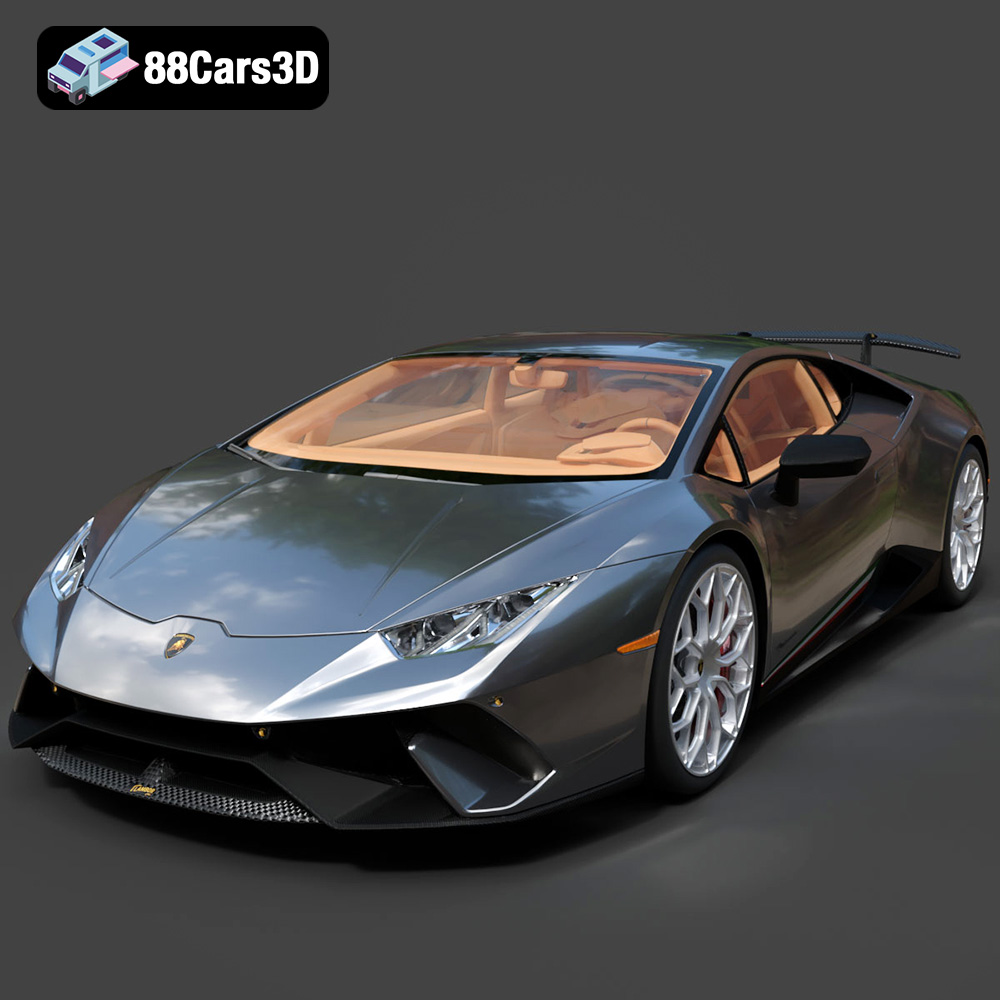
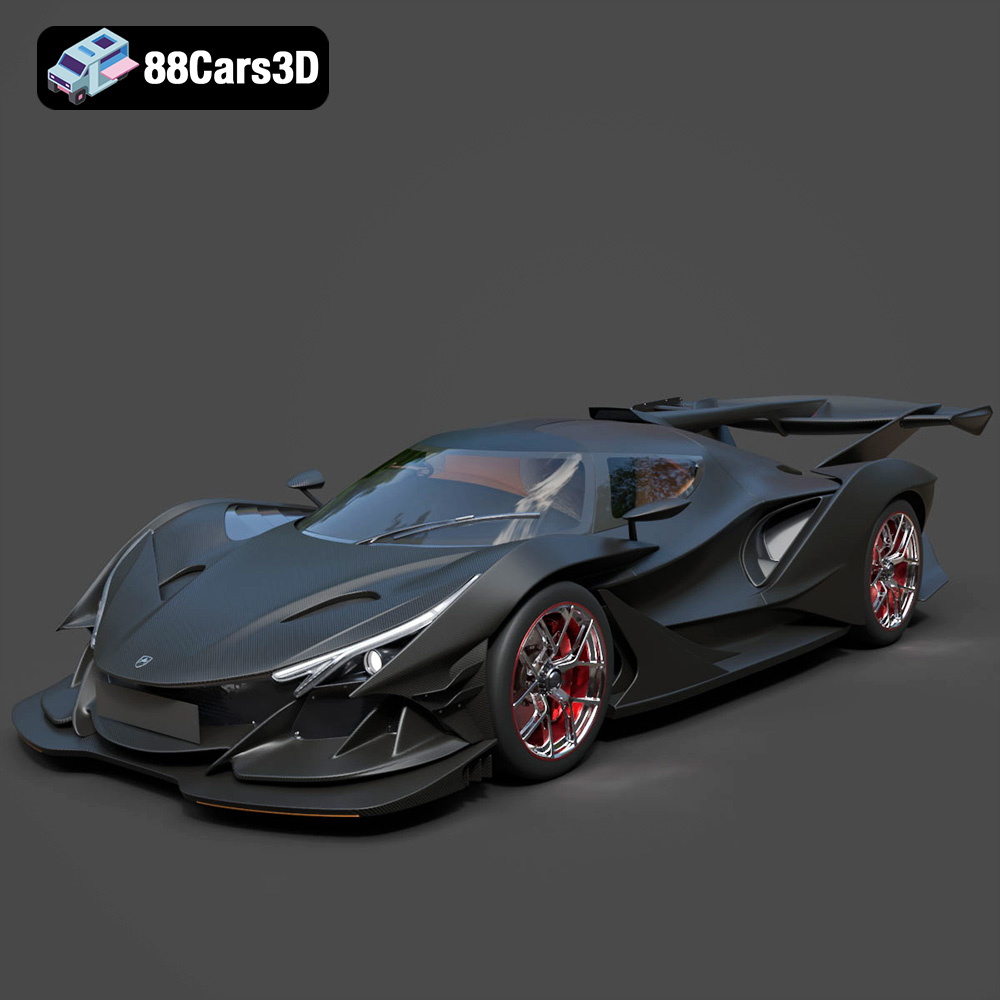
    <h3>1. The Urban Racer (e.g., "Velocity X-22 Hypercar")</h3>
    <p>
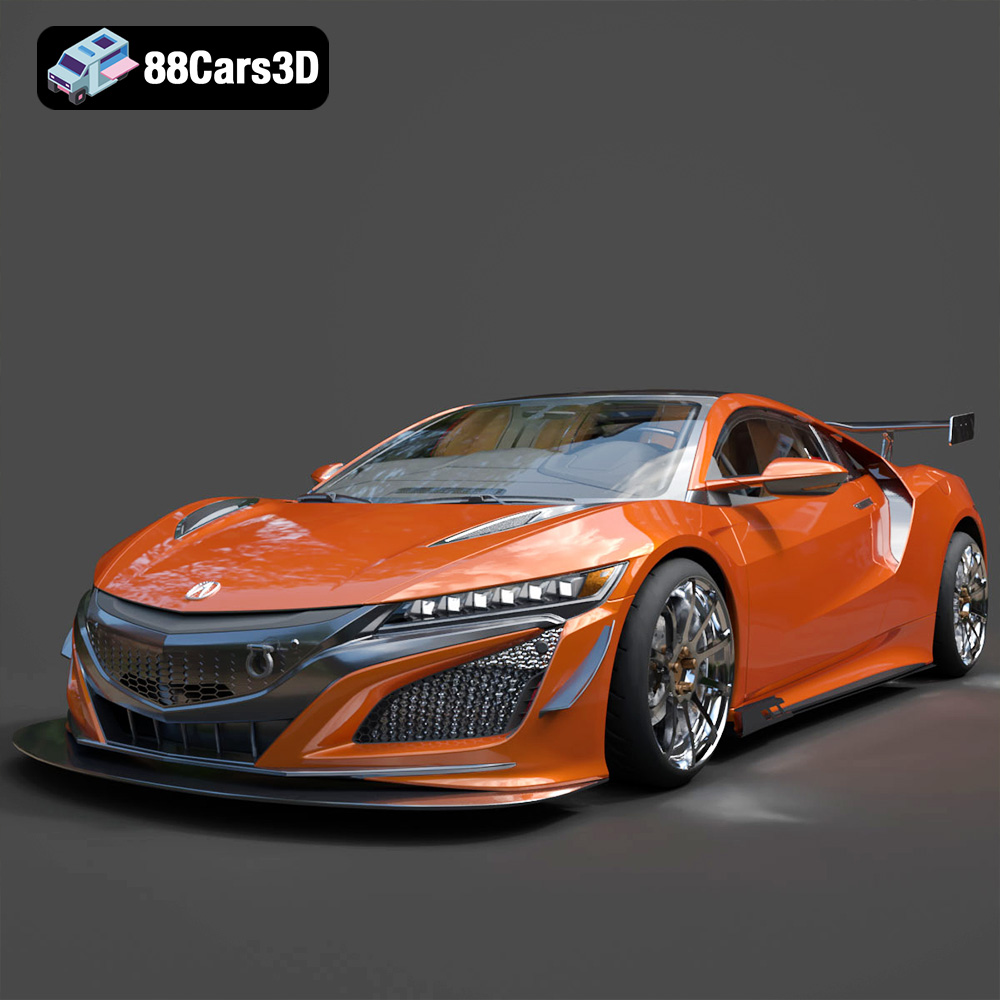
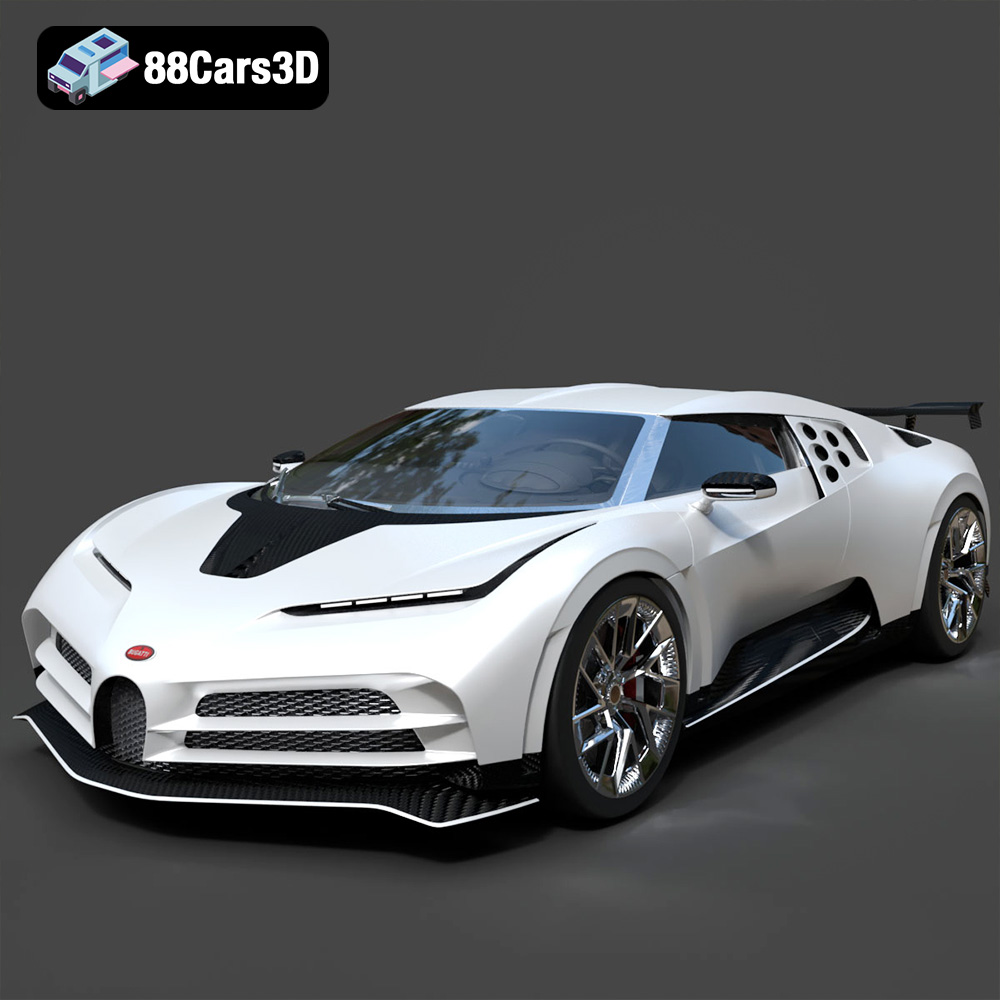
        <strong>Description:</strong> Sleek, high-performance sports cars and hypercars designed for speed and aggressive aesthetics. Think aerodynamic lines, powerful engines, and a low profile.
        <strong>Why Popular:</strong> Essential for racing games, street driving simulations, and as prestigious player vehicles in open-world titles. Their visual appeal instantly communicates speed and excitement.
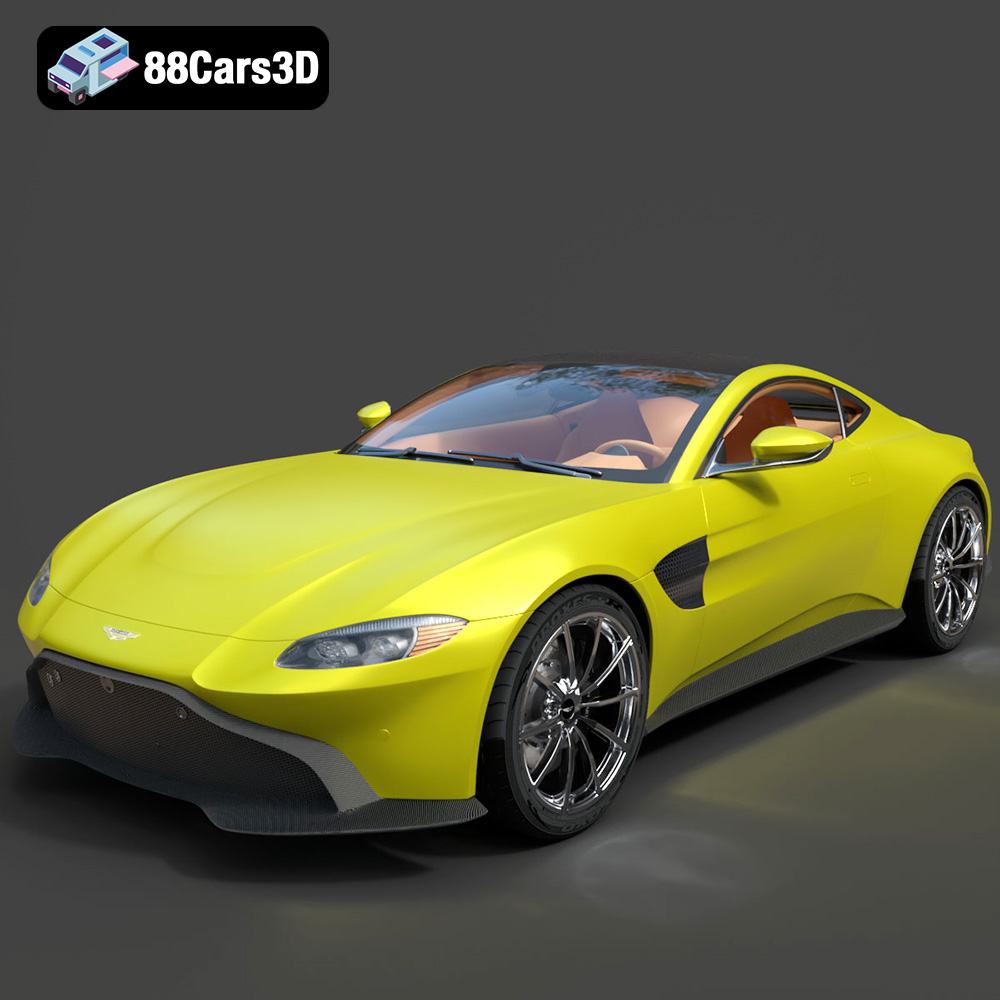
        <strong>Key Features:</strong> Extremely <strong>high-quality car models</strong> with detailed exteriors, intricate brake calipers, realistic light setups, and often highly detailed cockpits. Expect PBR textures and robust rigging for animations.
    </p>

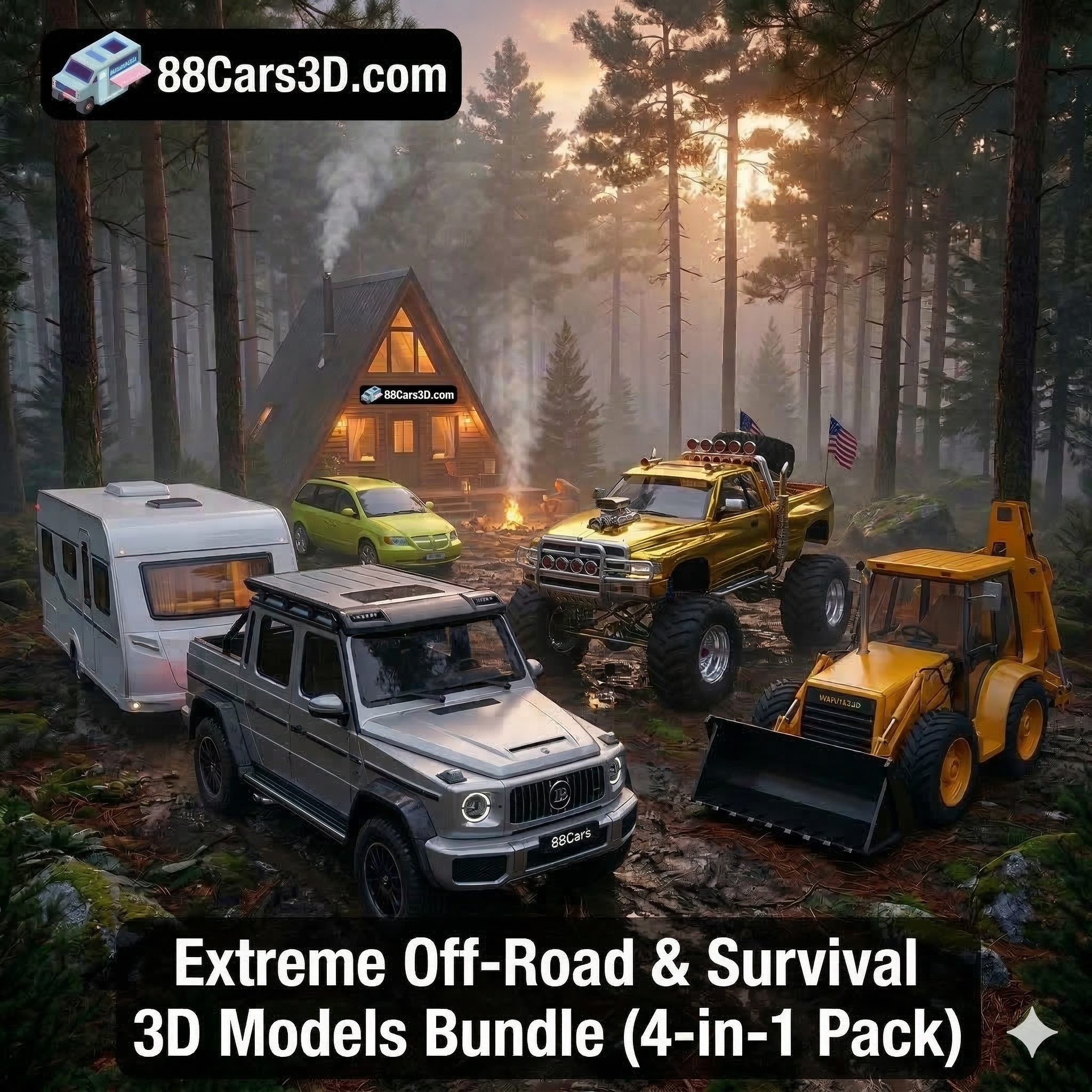
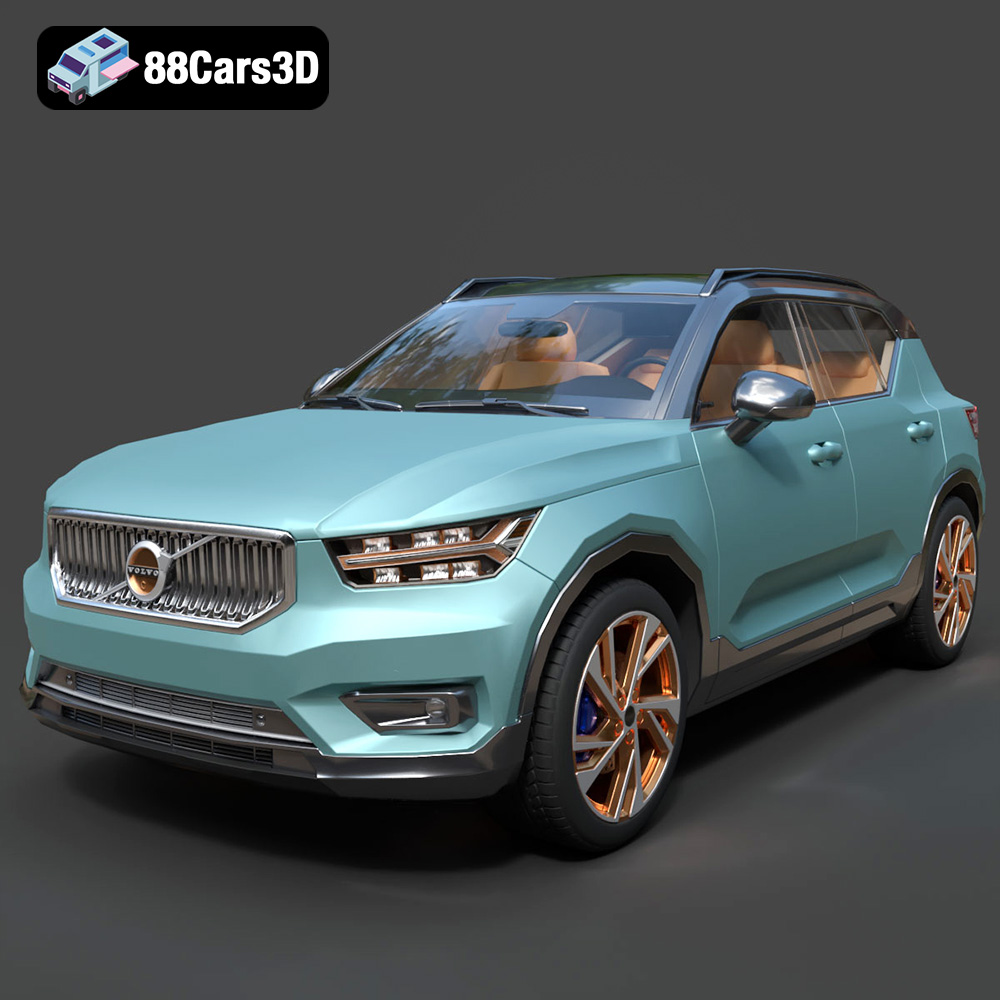
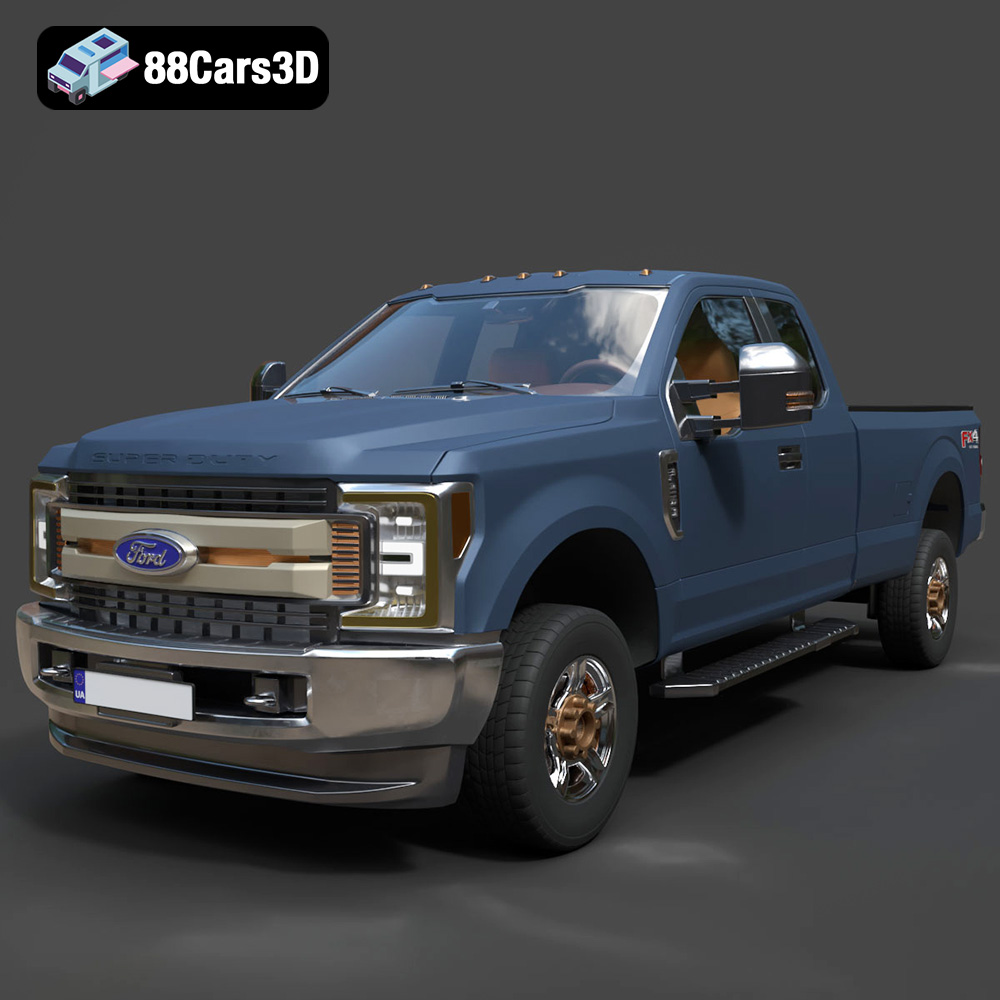
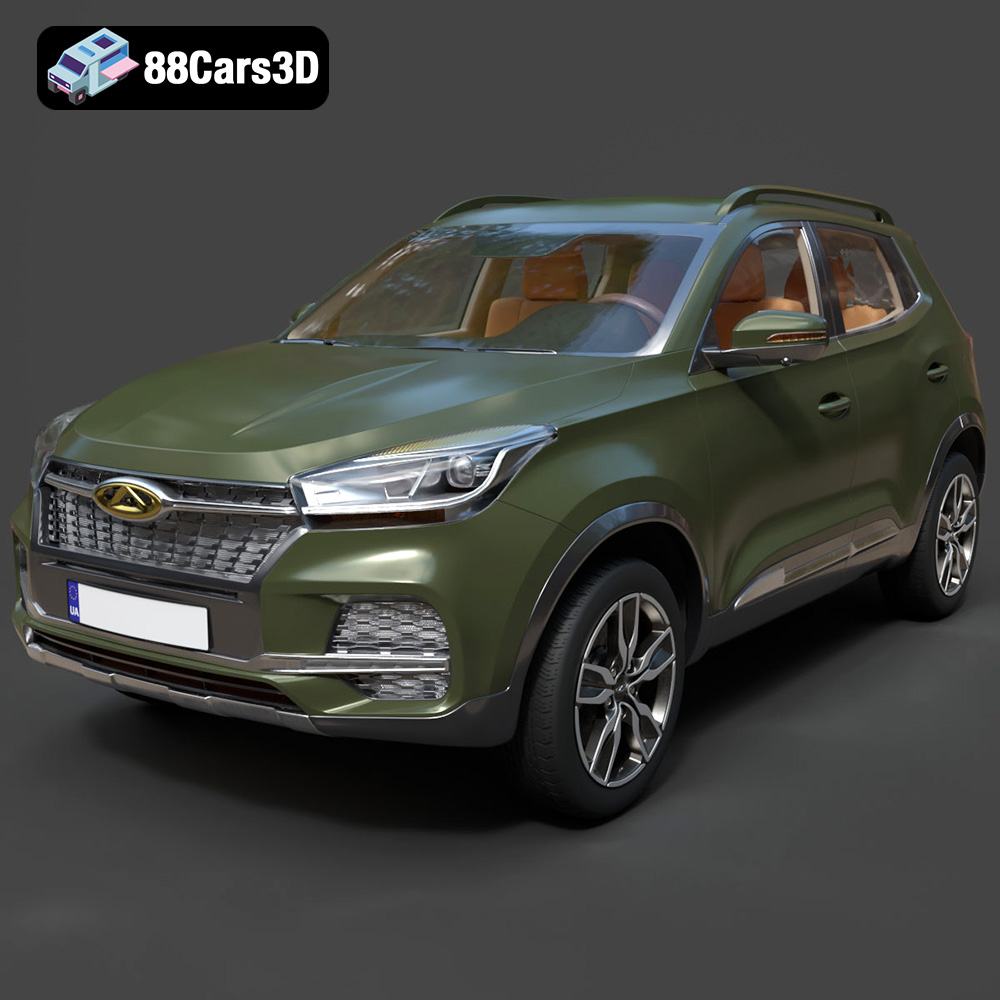
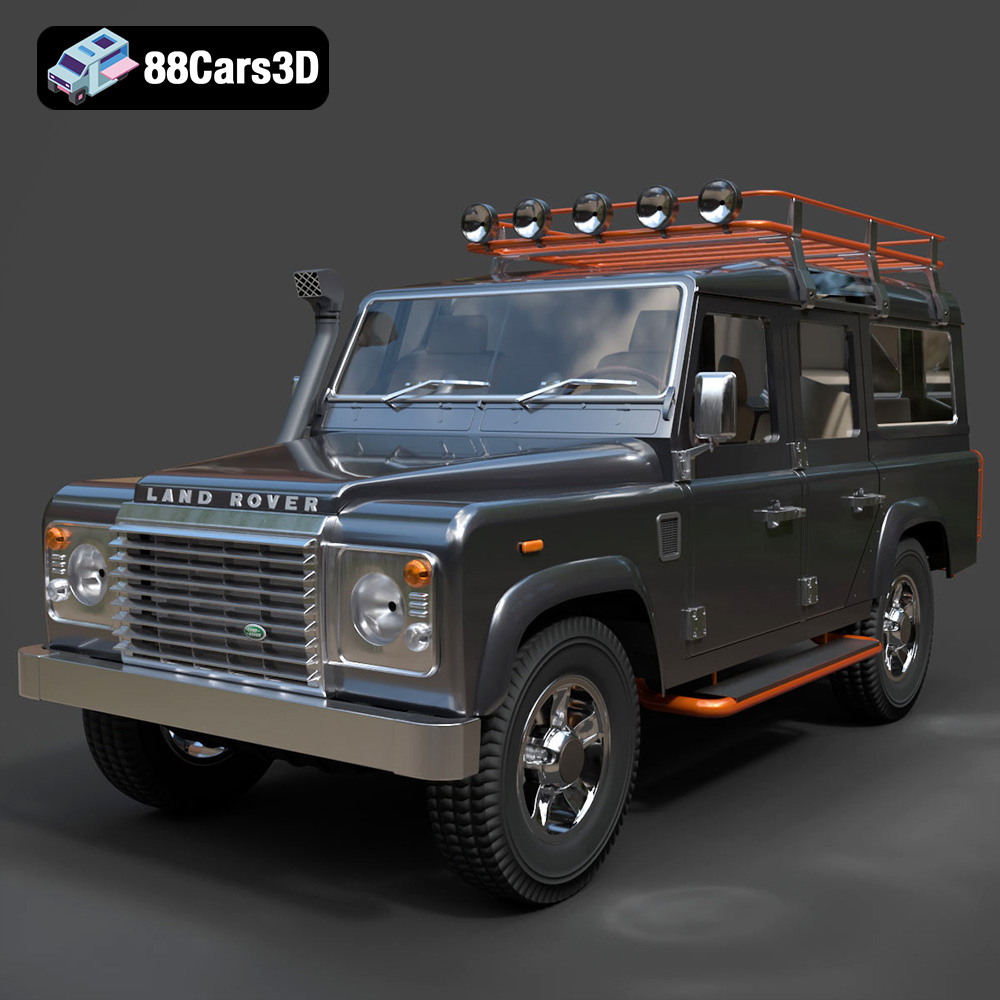
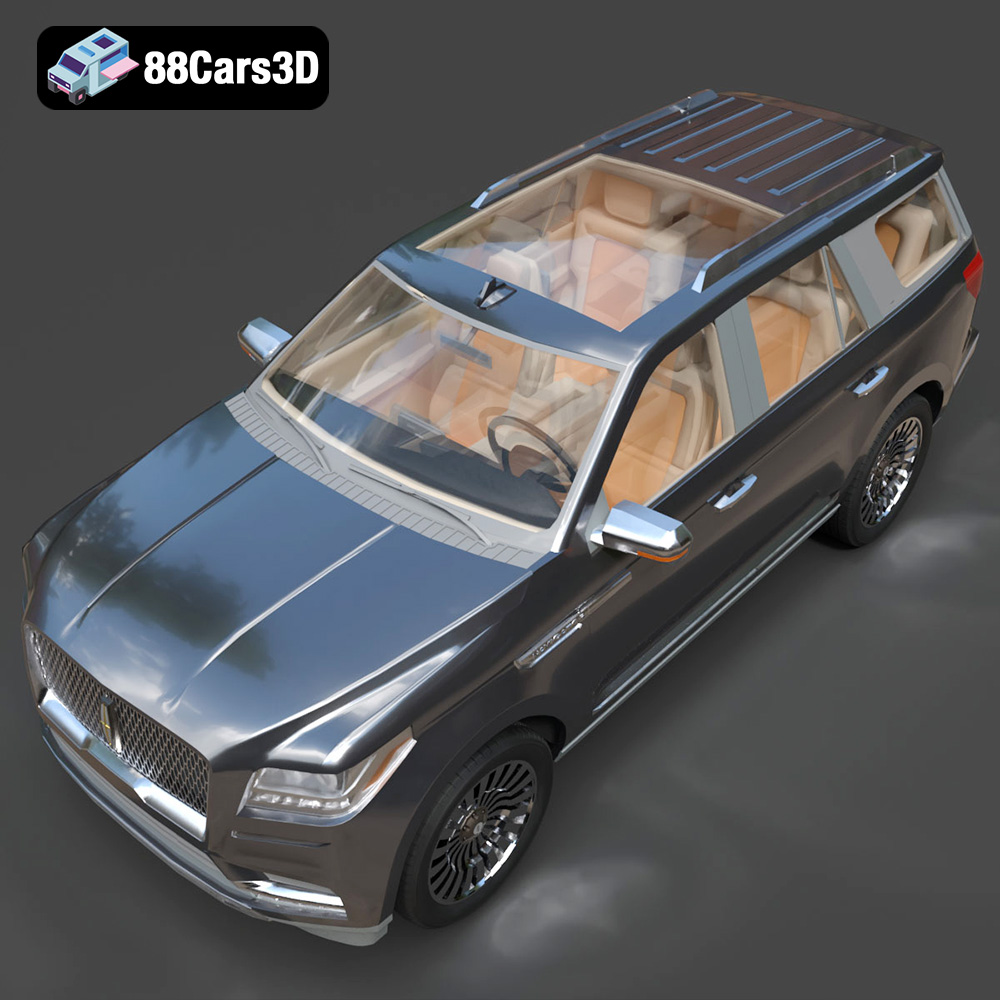
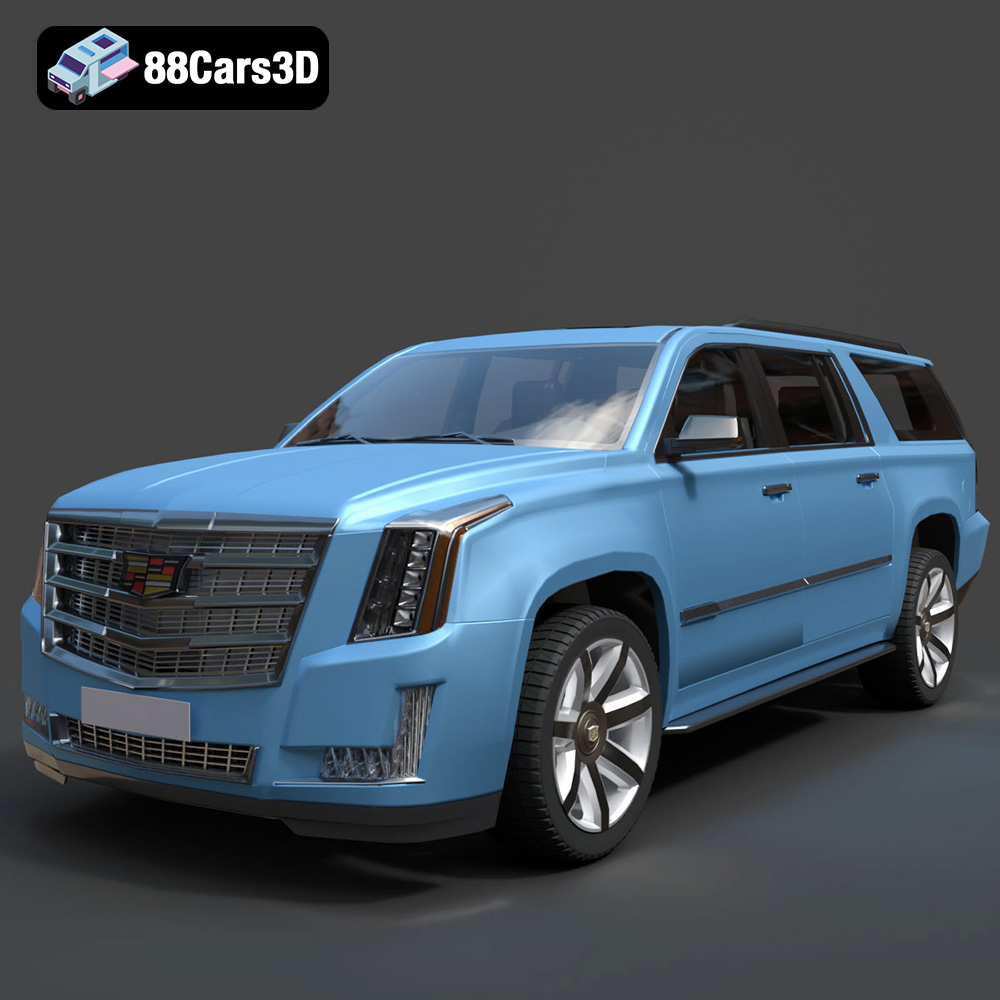
    <h3>2. The Robust Off-Roader (e.g., "Terra-Conqueror SUV")</h3>
    <p>
        <strong>Description:</strong> Rugged SUVs, 4x4s, and jeeps built for tackling rough terrain. Characterized by high ground clearance, large tires, and often exterior accessories like roof racks, winches, and protective bars.
        <strong>Why Popular:</strong> Indispensable for adventure games, survival genres, off-road racing, and exploration-focused open-world games. They convey durability and freedom.
        <strong>Key Features:</strong> Strong suspension rigging, dirt/mud texture variants, modular accessories, and often more robust <strong>damage models</strong> compared to their urban counterparts.
    </p>

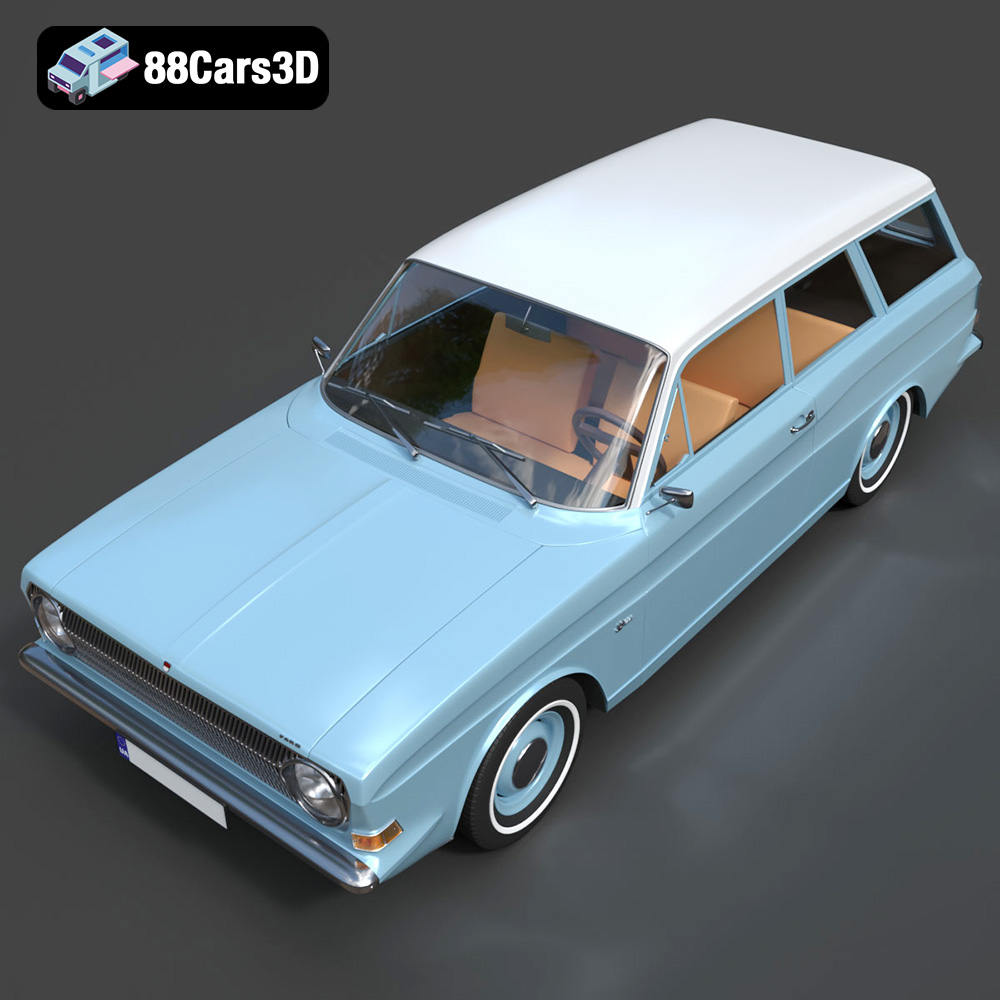
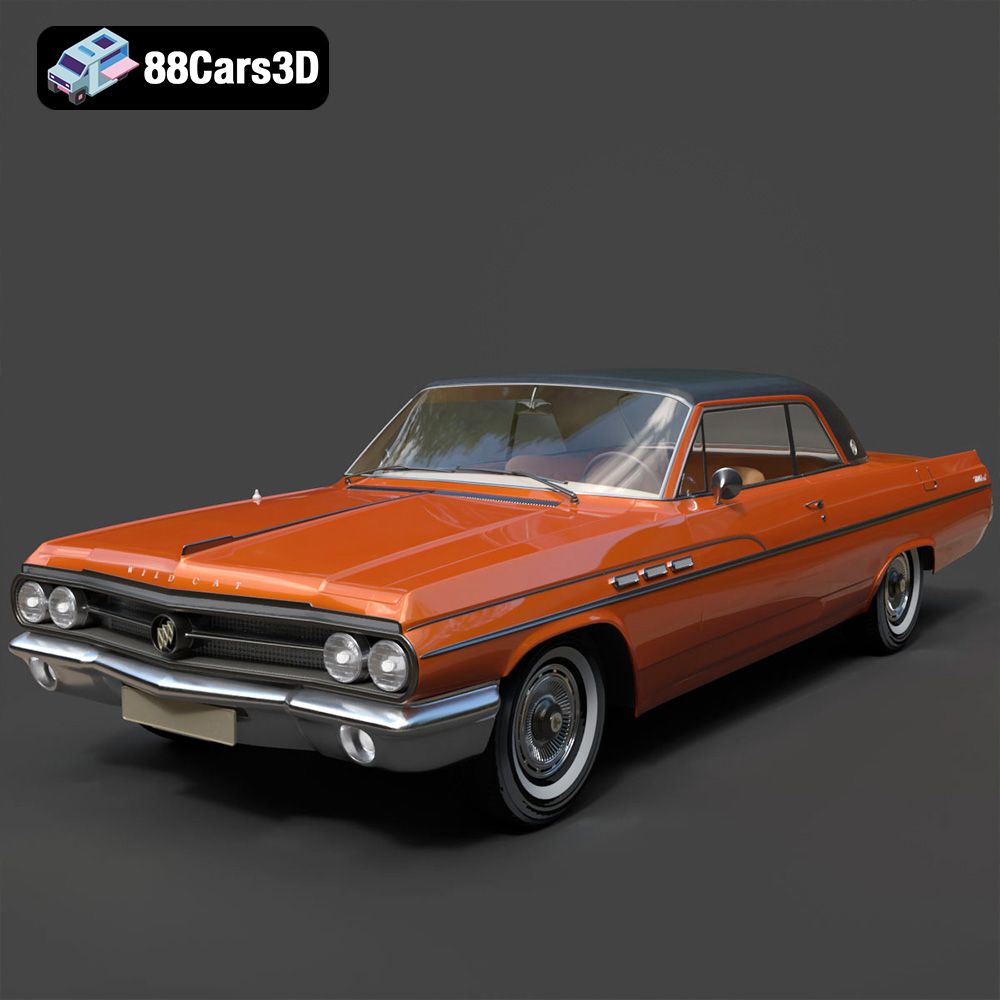
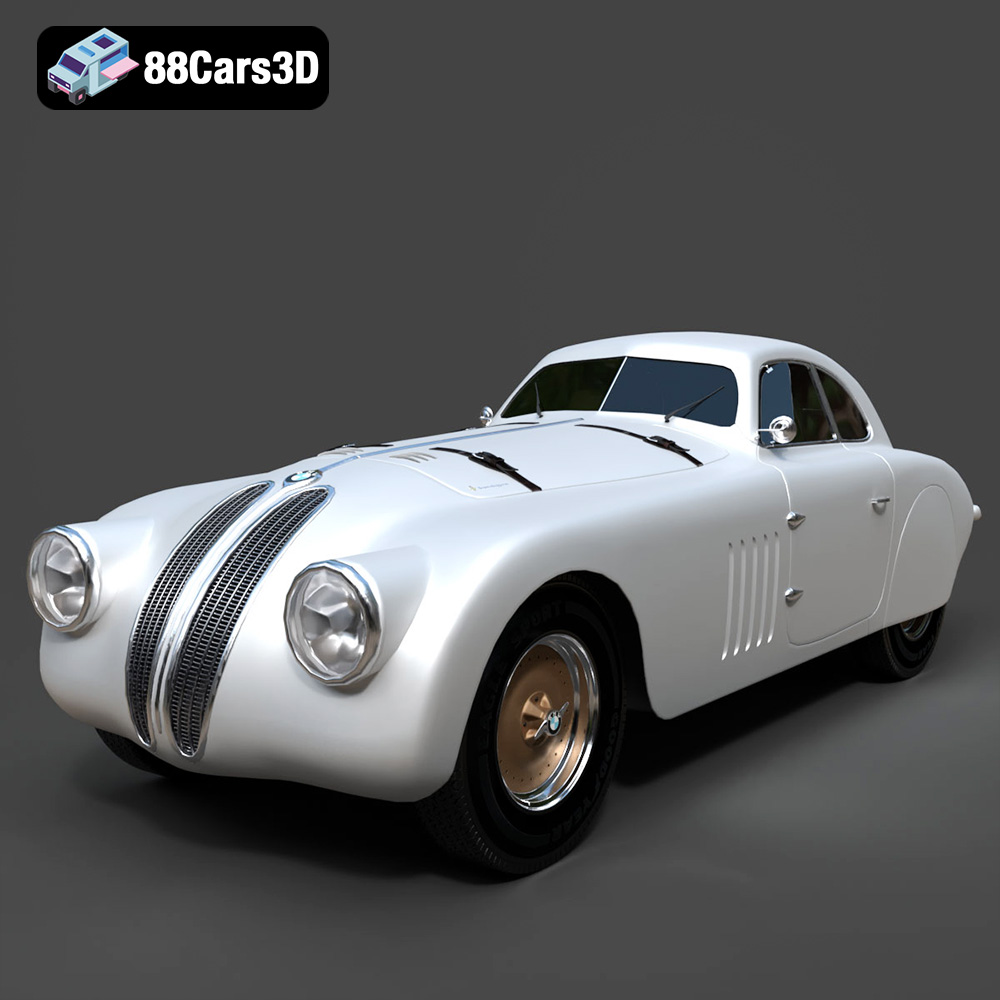
    <h3>3. The Classic Muscle Car (e.g., "V-8 Dominator '70")</h3>
    <p>
        <strong>Description:</strong> Iconic American-style muscle cars from the 60s, 70s, or 80s. Defined by their powerful presence, V8 engines, and often aggressive, boxy designs.
        <strong>Why Popular:</strong> Beloved for retro racing games, criminal underworld simulations, and as highly customizable vehicles for players who appreciate vintage power. They evoke nostalgia and raw power.
        <strong>Key Features:</strong> Distinctive historical design, often detailed engine bays, chrome accents, and sometimes options for wear and tear or customization (e.g., superchargers).
    </p>

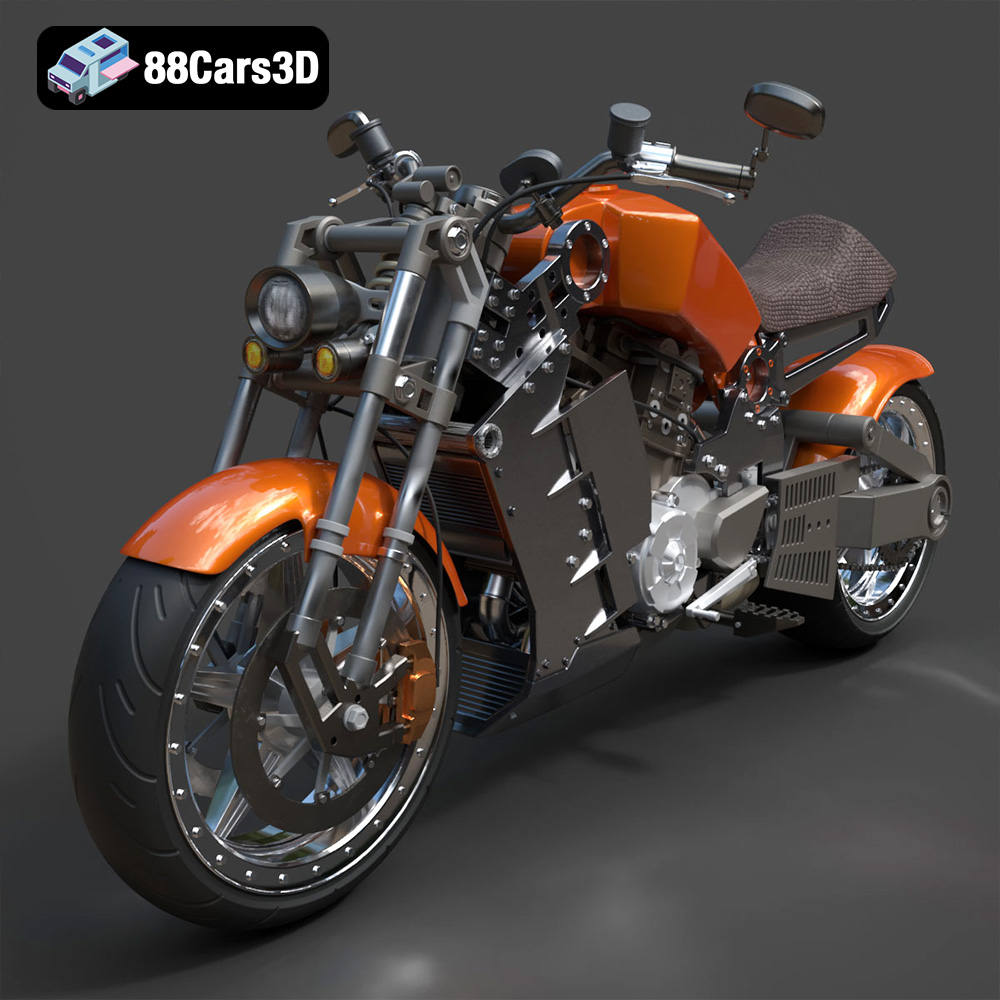
    <h3>4. The Futuristic Concept (e.g., "Aero-Drive 2077")</h3>
    <p>
        <strong>Description:</strong> Sci-fi inspired vehicles, often electric or hovering, with innovative designs that push conventional boundaries. They might feature unique lighting, holographic displays, or unconventional propulsion systems.
        <strong>Why Popular:</strong> Crucial for cyberpunk games, futuristic racers, space exploration titles, and any game aiming for a non-contemporary setting. They define the aesthetic of a future world.
        <strong>Key Features:</strong> Advanced material setups for glowing parts, unique animations for entry/exit, often modular components for different configurations (e.g., flying mode).
    </p>

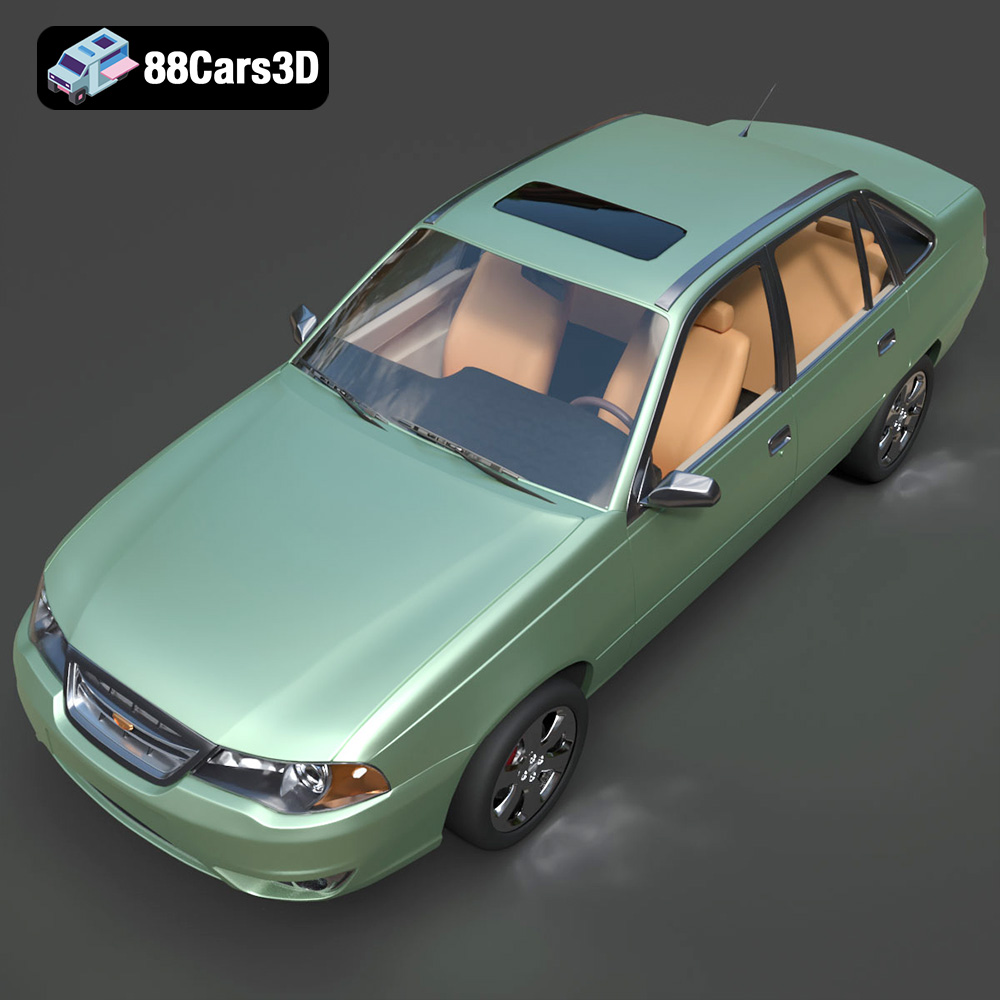
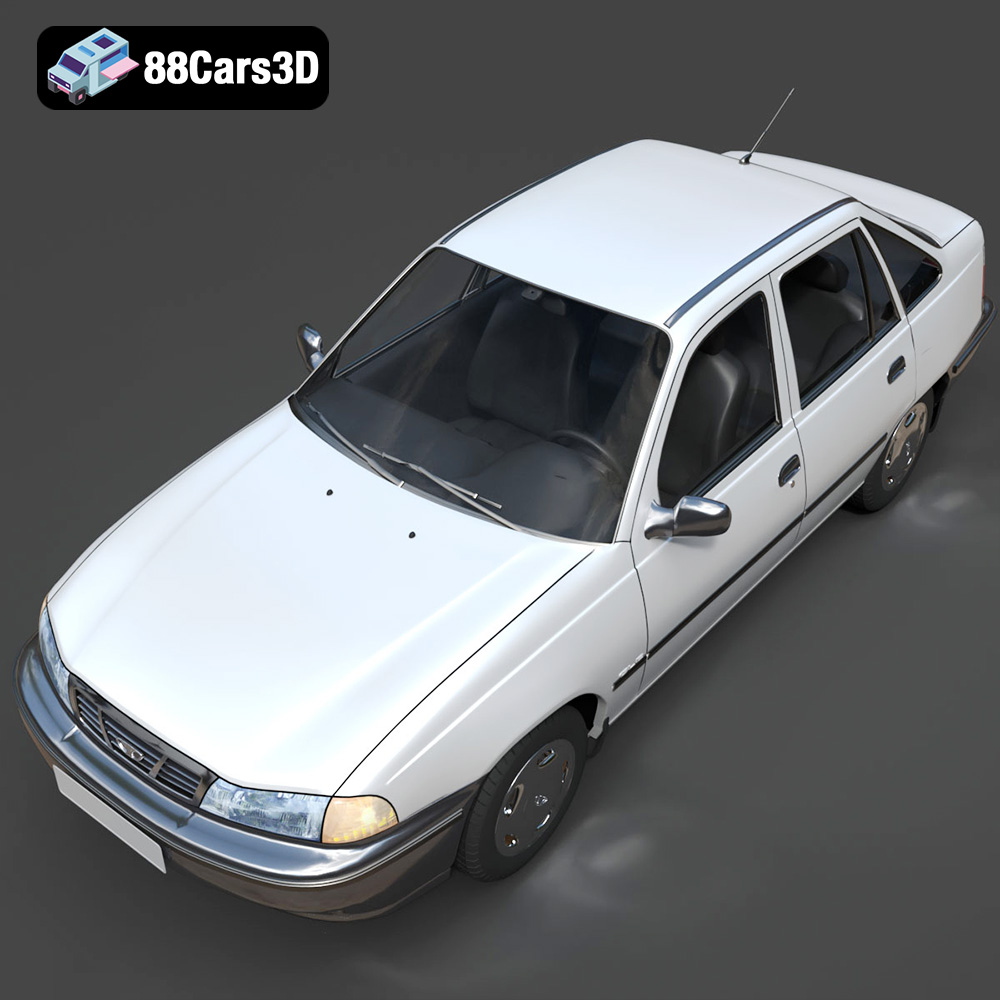
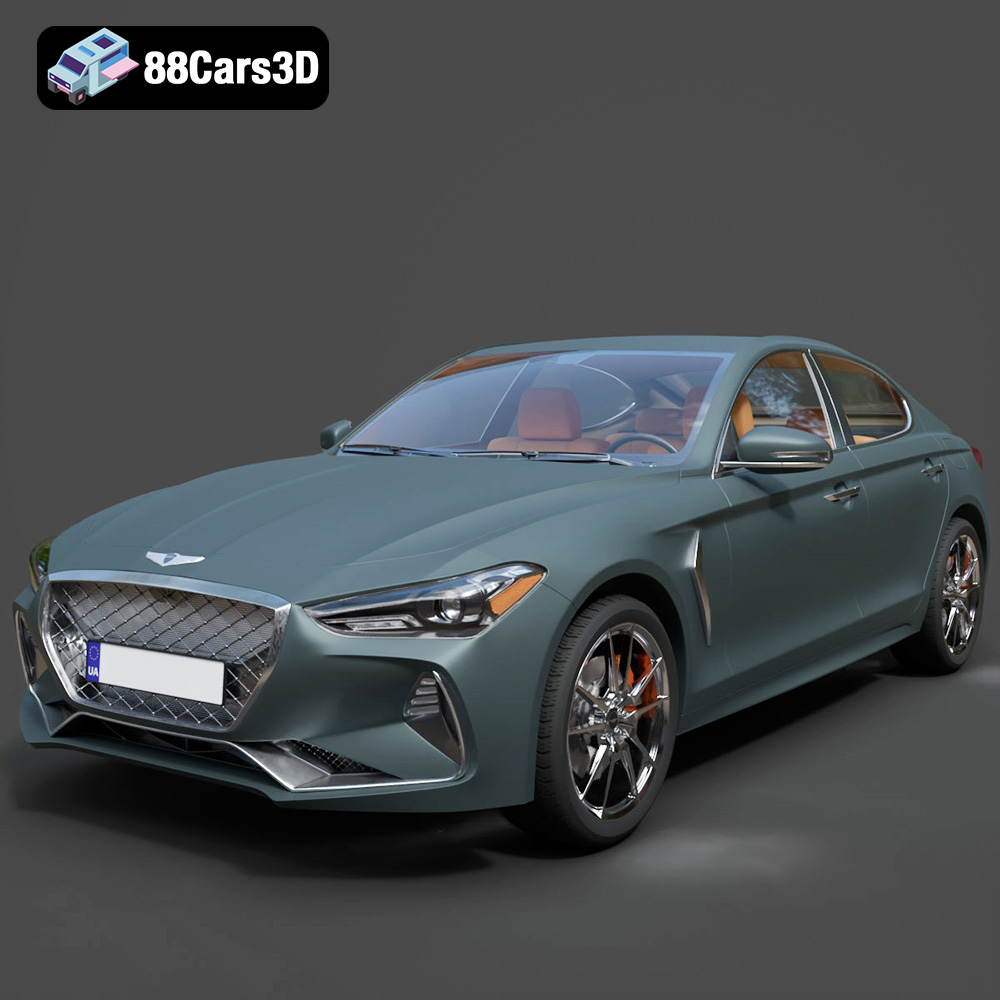
    <h3>5. The Everyday Sedan (e.g., "Standard Commuter Pro")</h3>
    <p>
        <strong>Description:</strong> Common, civilian cars that populate cities and towns. These are the workhorses of virtual traffic, designed to blend into the background rather than stand out.
        <strong>Why Popular:</strong> Essential for creating believable urban environments, populating traffic in open-world games, and for simulation titles. They provide environmental realism without drawing attention.
        <strong>Key Features:</strong> Often <strong>low-to-mid poly car models</strong> for performance, various color options, and simplified interiors sufficient for NPC visibility.
    </p>

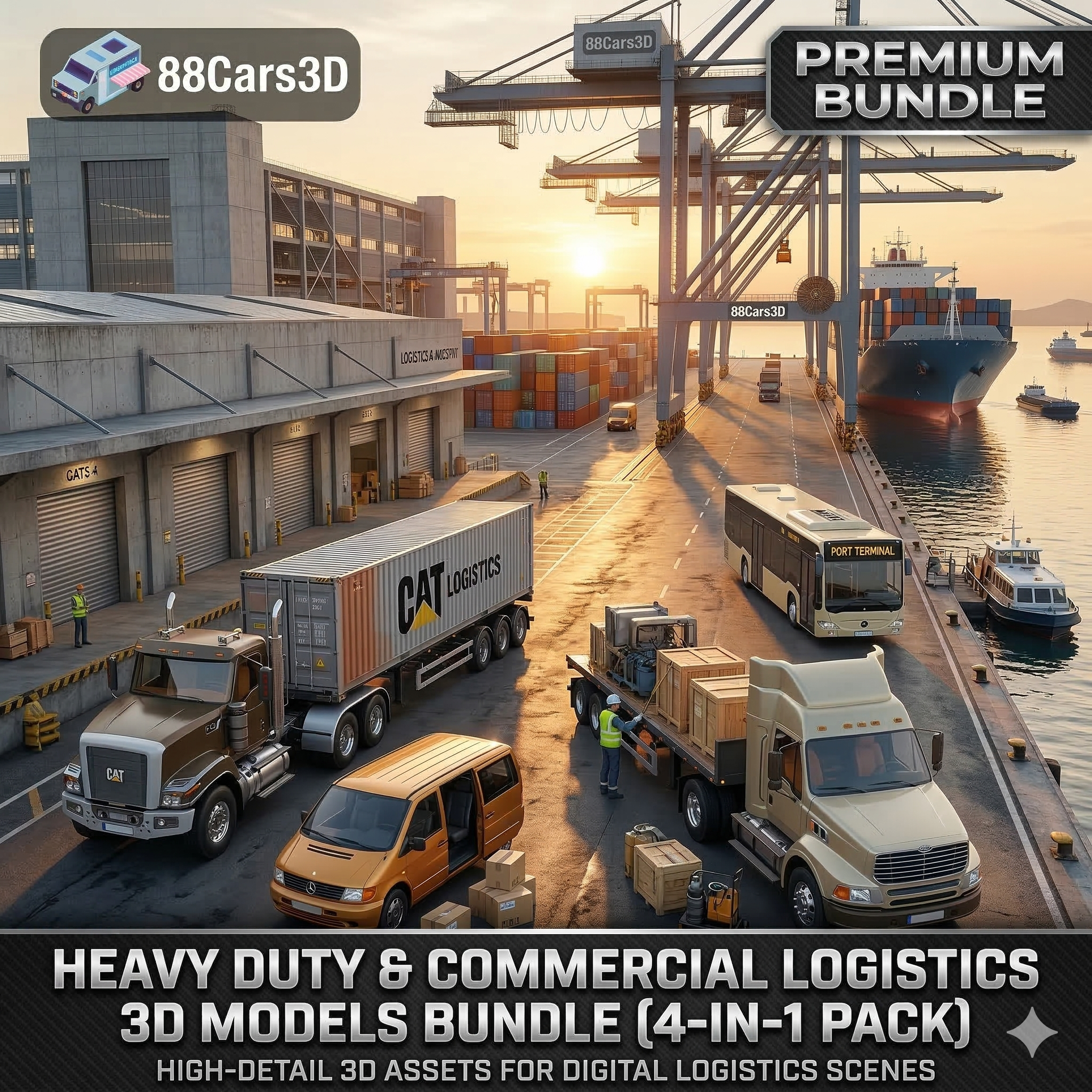
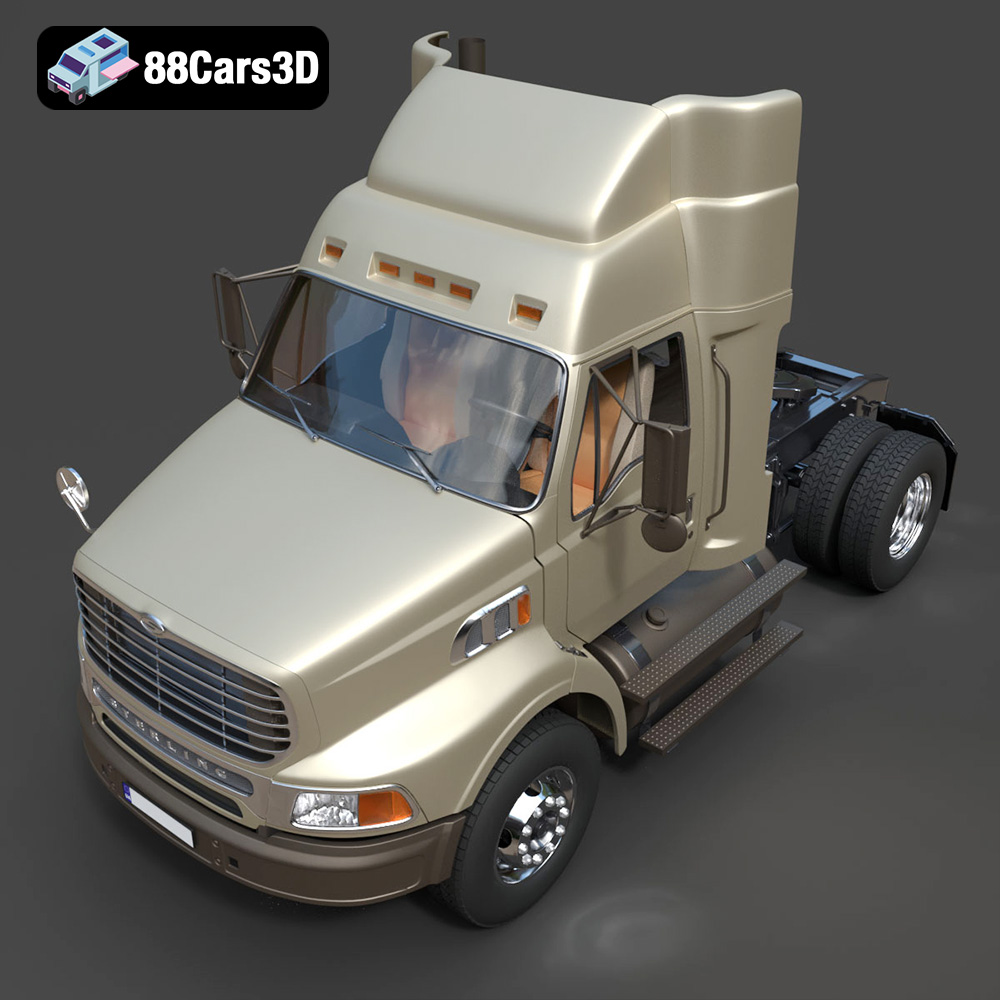
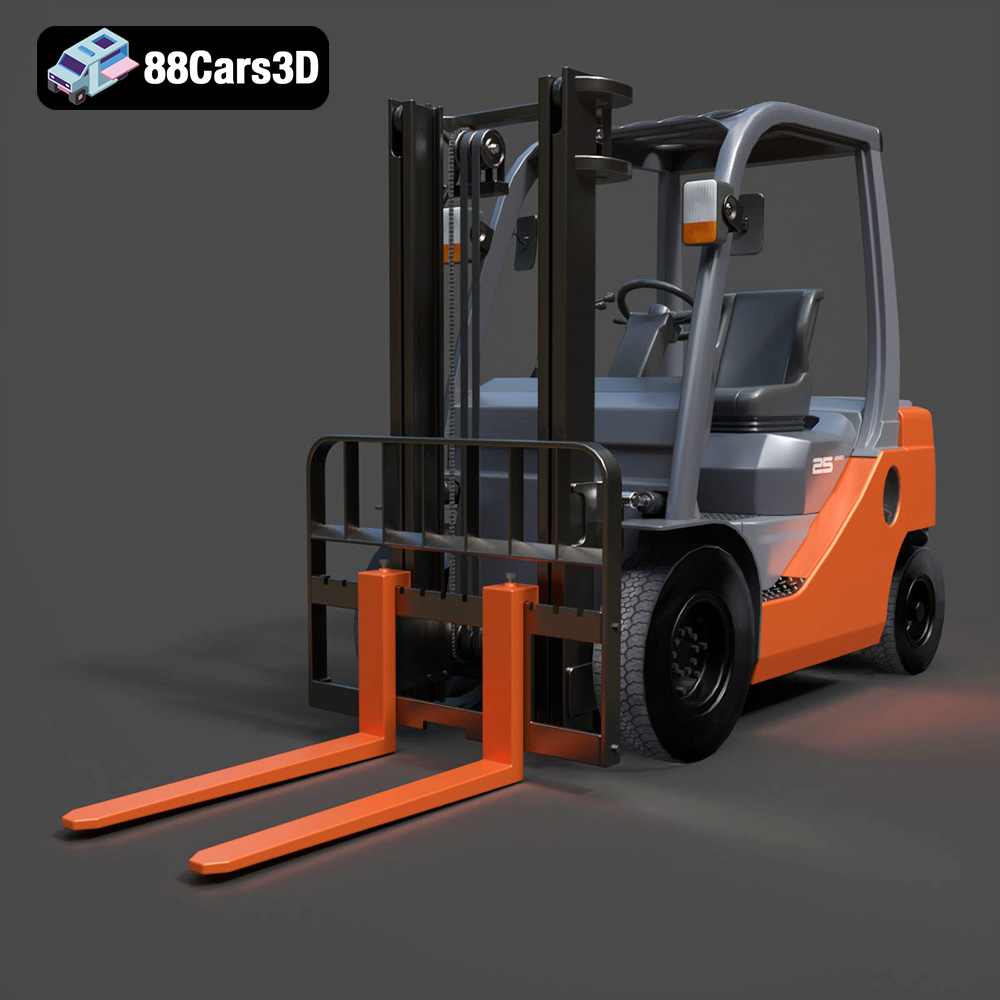
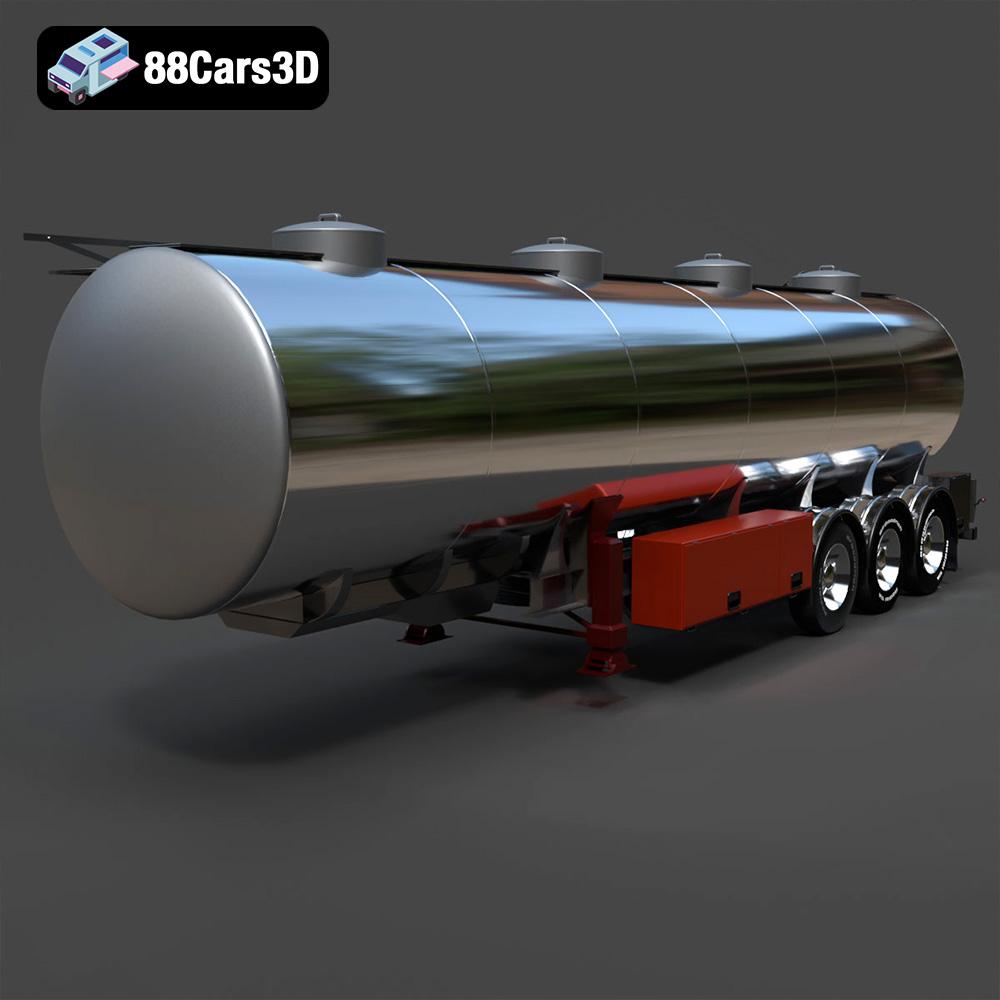
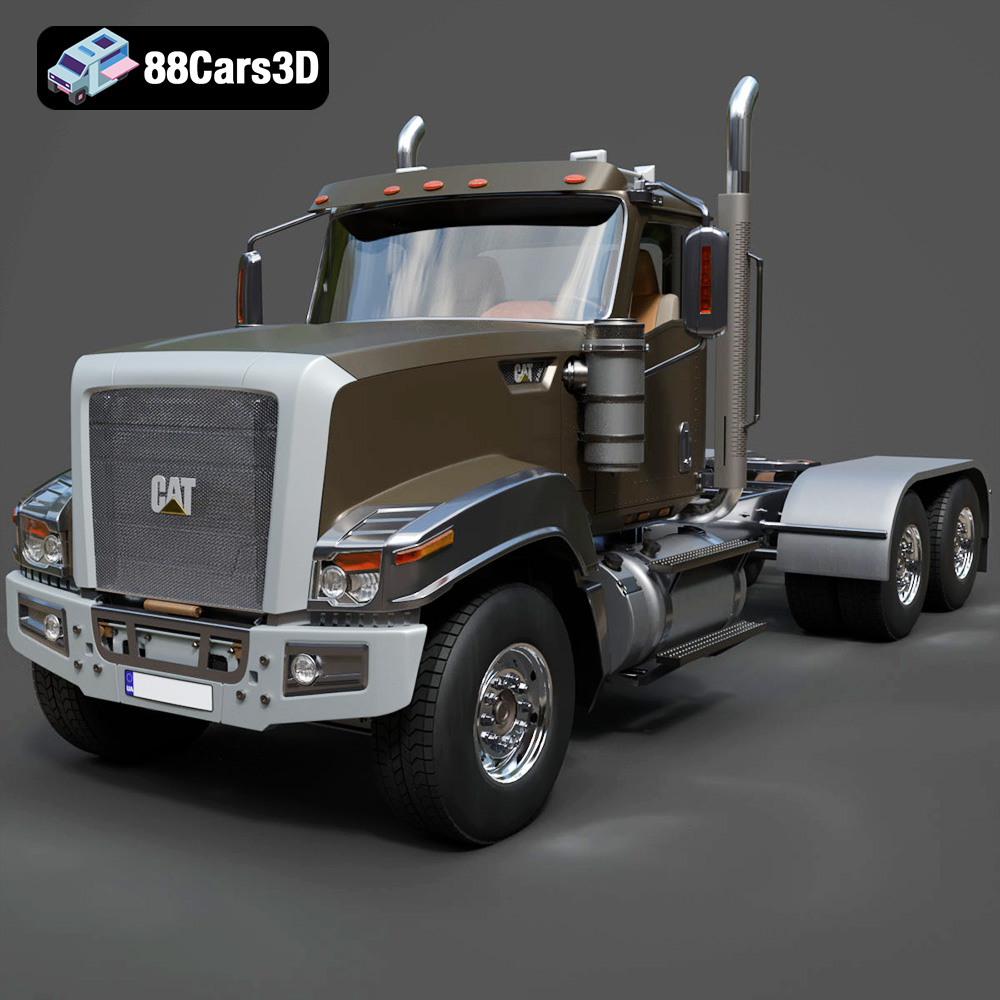
    <h3>6. The Heavy Duty Truck (e.g., "Titan Hauler 3000")</h3>
    <p>
        <strong>Description:</strong> Large commercial vehicles like semi-trucks, big rigs, and heavy construction equipment. Built for utility and carrying massive loads.
        <strong>Why Popular:</对着<strong>game development car models</strong> for logistics simulations, trucking games, and as imposing background elements or mission vehicles in open-world settings.
        <strong>Key Features:</strong> Articulated parts (trailer connections), detailed cabin interiors, multiple cargo options, and often robust physics setups for weight distribution.
    </p>

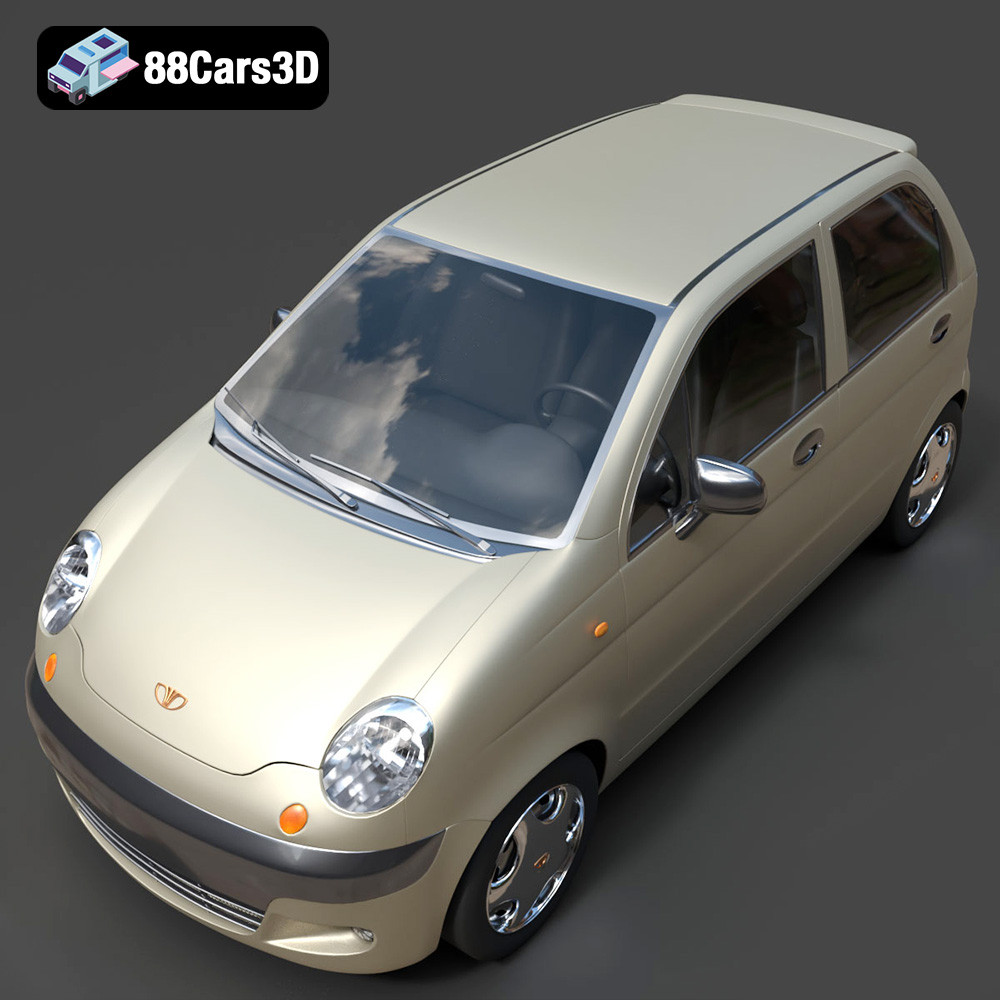
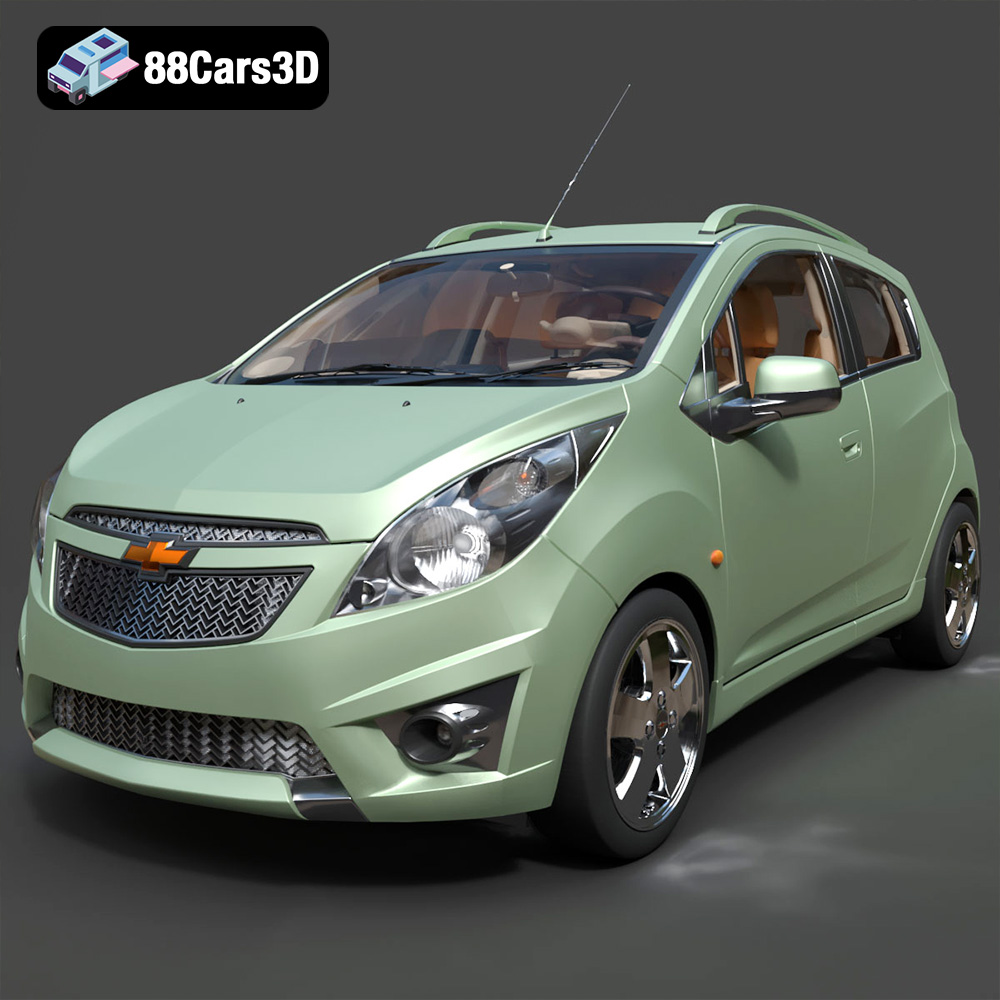
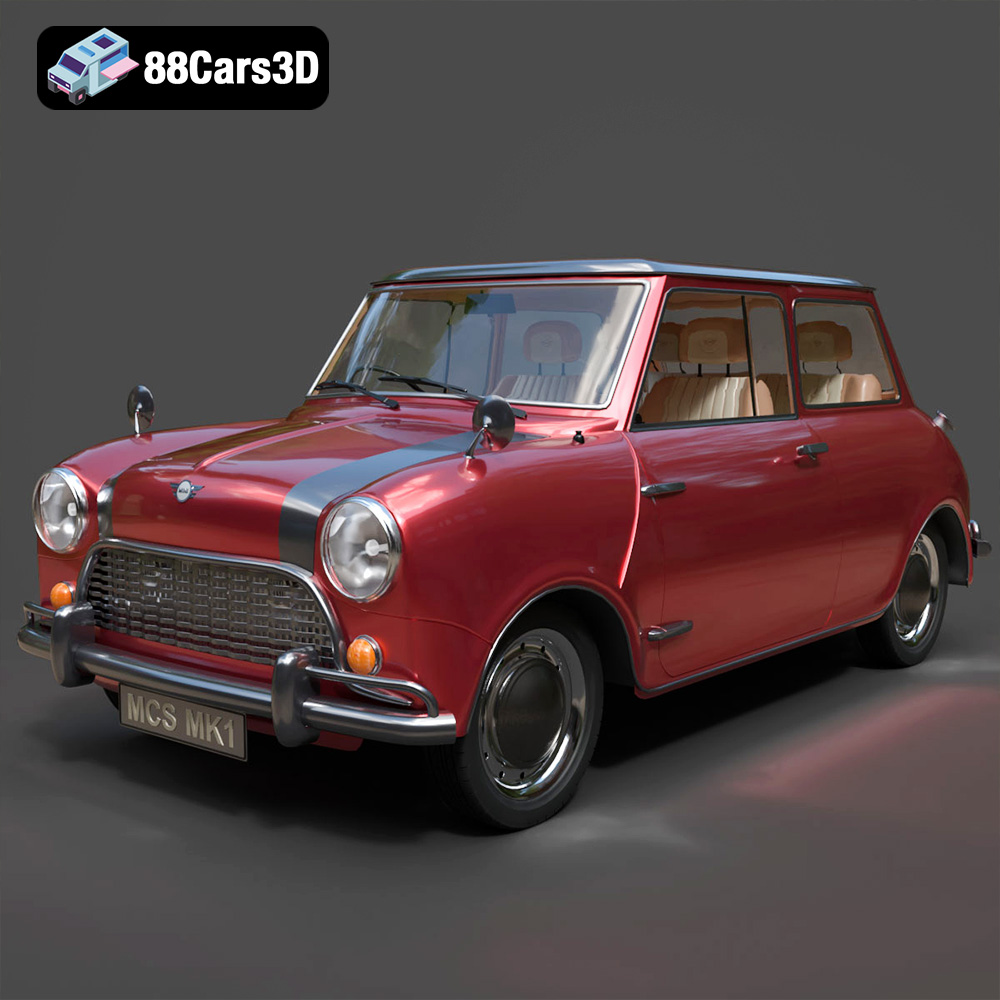
    <h3>7. The Compact Hatchback (e.g., "City Hopper Mini")</h3>
    <p>
        <strong>Description:</strong> Small, efficient, and agile city cars. These are typically front-wheel drive and designed for urban maneuverability and fuel economy.
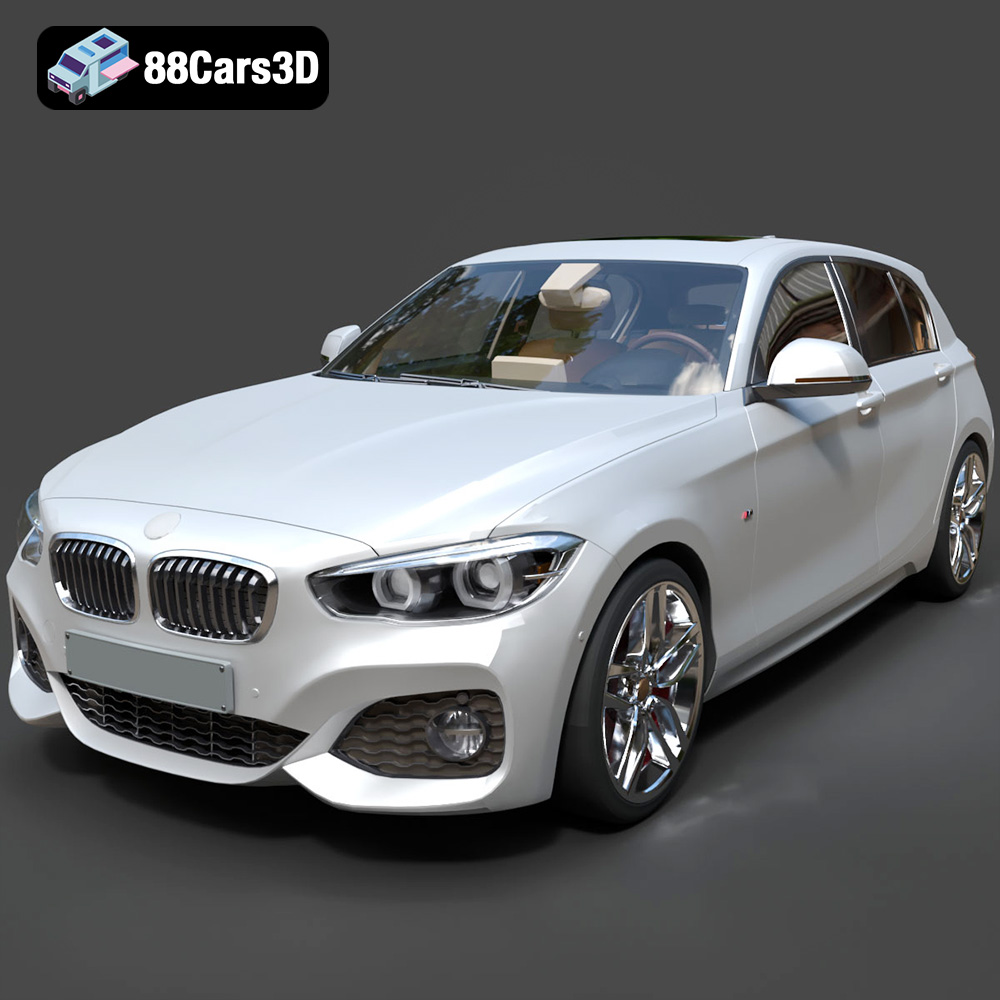
        <strong>Why Popular:</strong> Ideal for urban exploration games, economy-focused simulation titles, and as accessible starting vehicles for players. They represent practicality and city life.
        <strong>Key Features:</strong> Highly <strong>optimized car models</strong> for performance, various trim levels or minor visual differences, and often vibrant color options.
    </p>

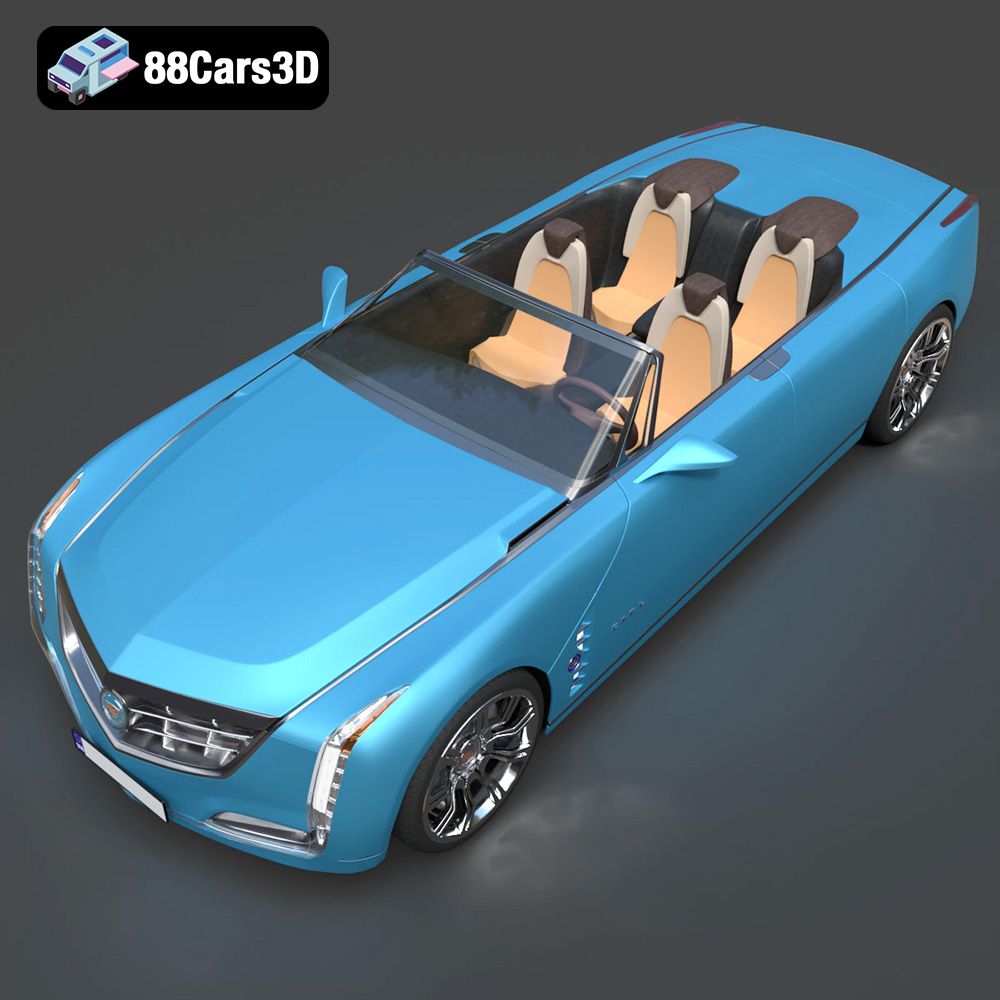
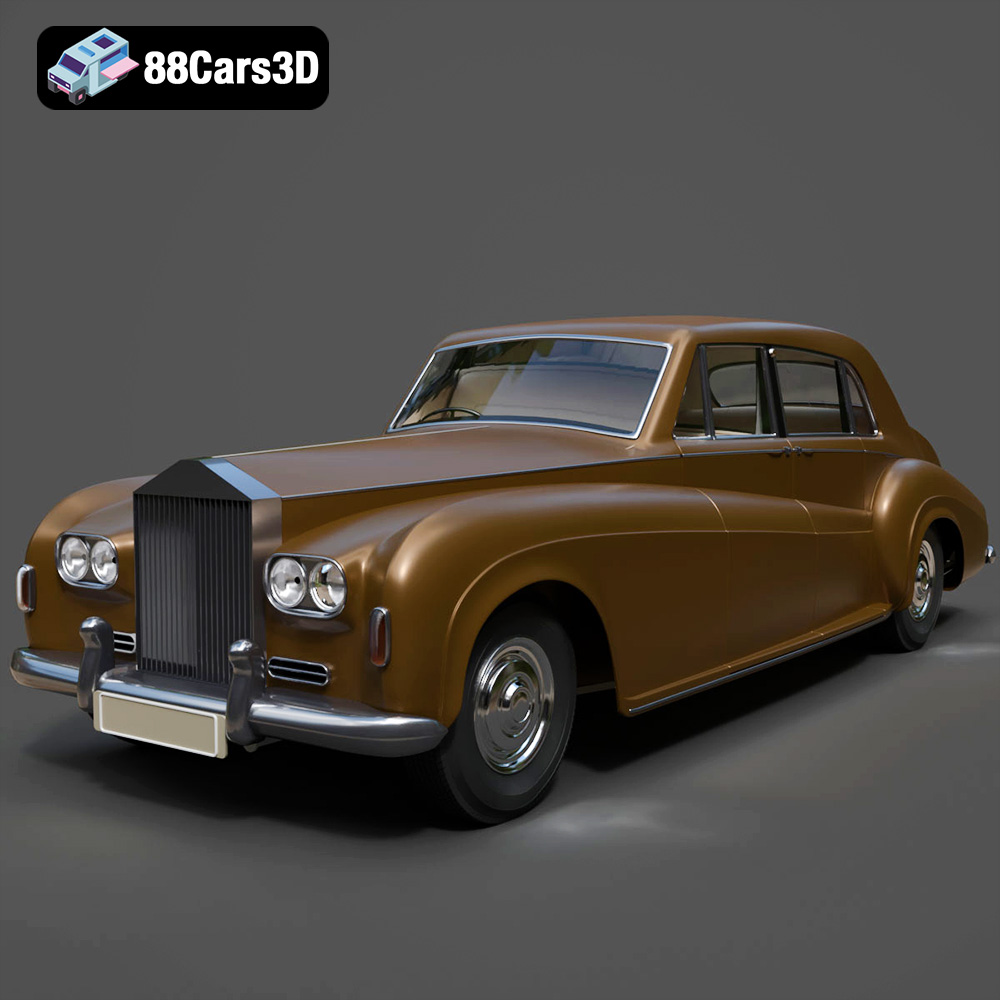
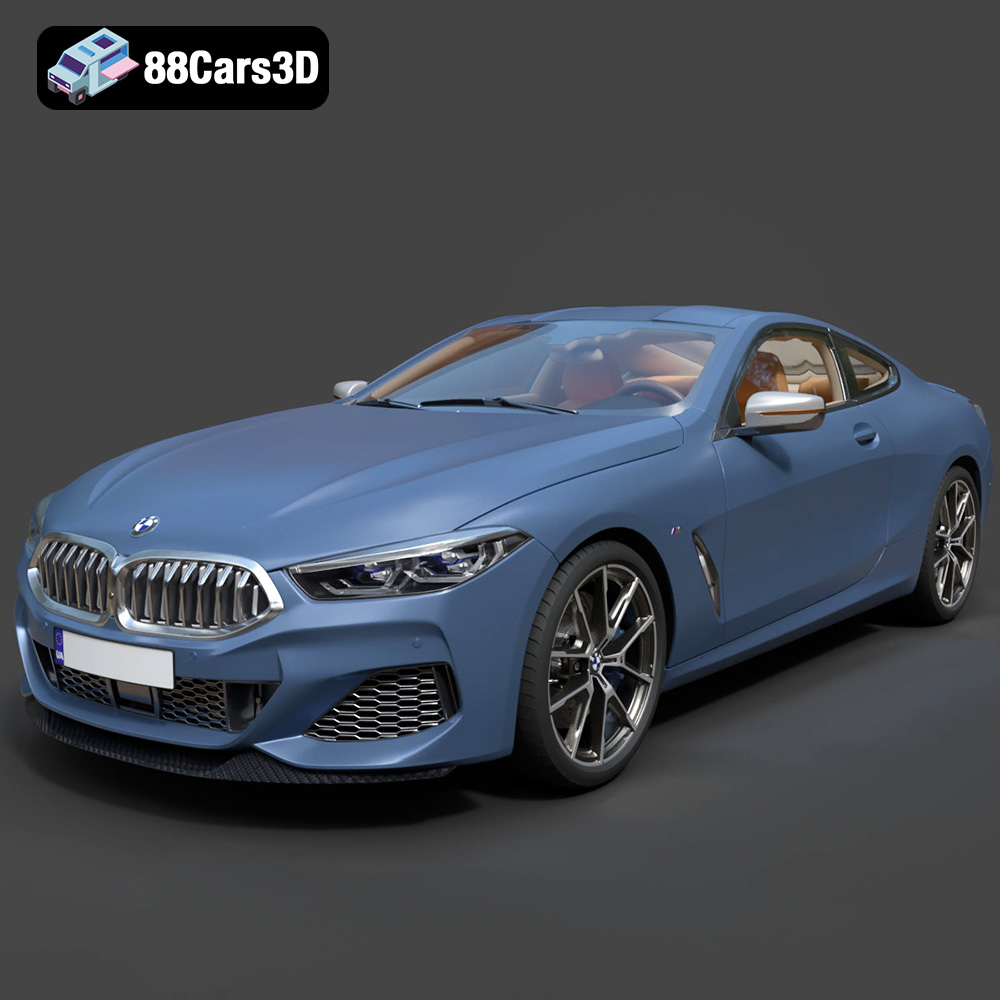
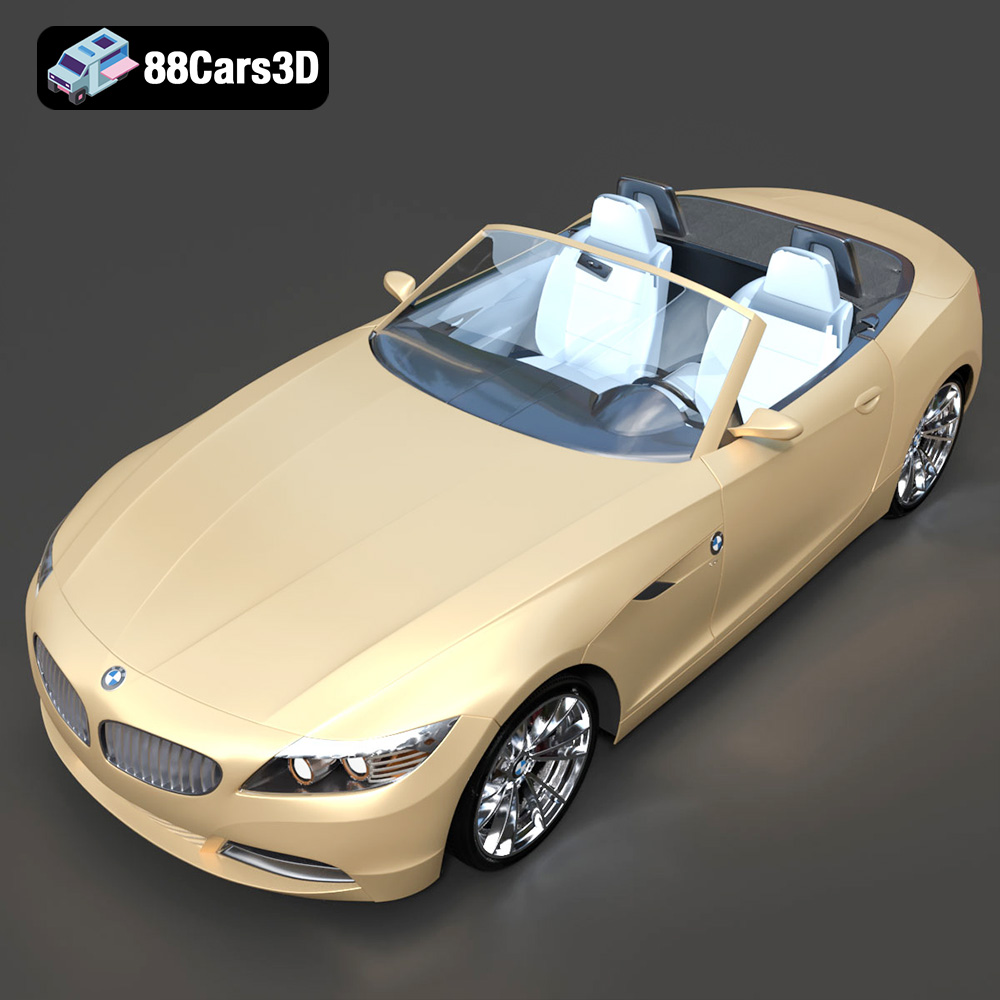
    <h3>8. The Luxury Grand Tourer (e.g., "Elegance GT-X")</h3>
    <p>
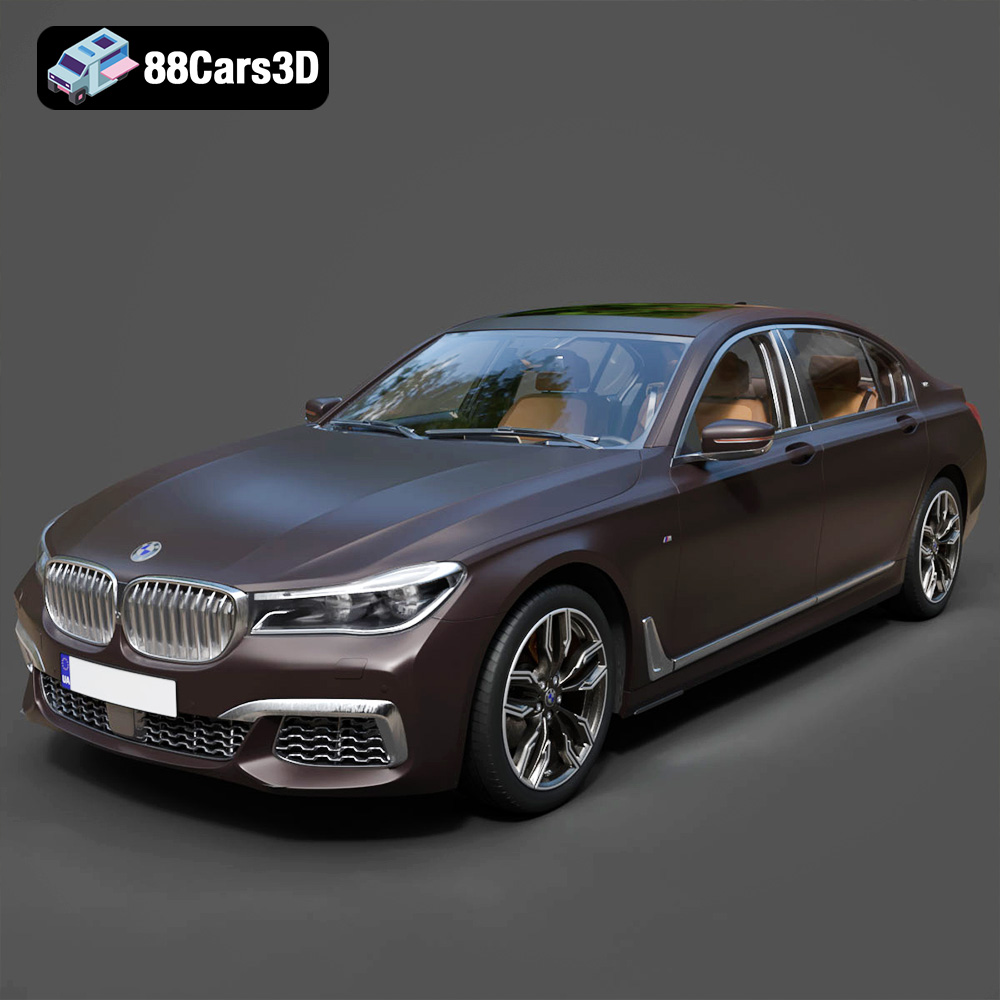
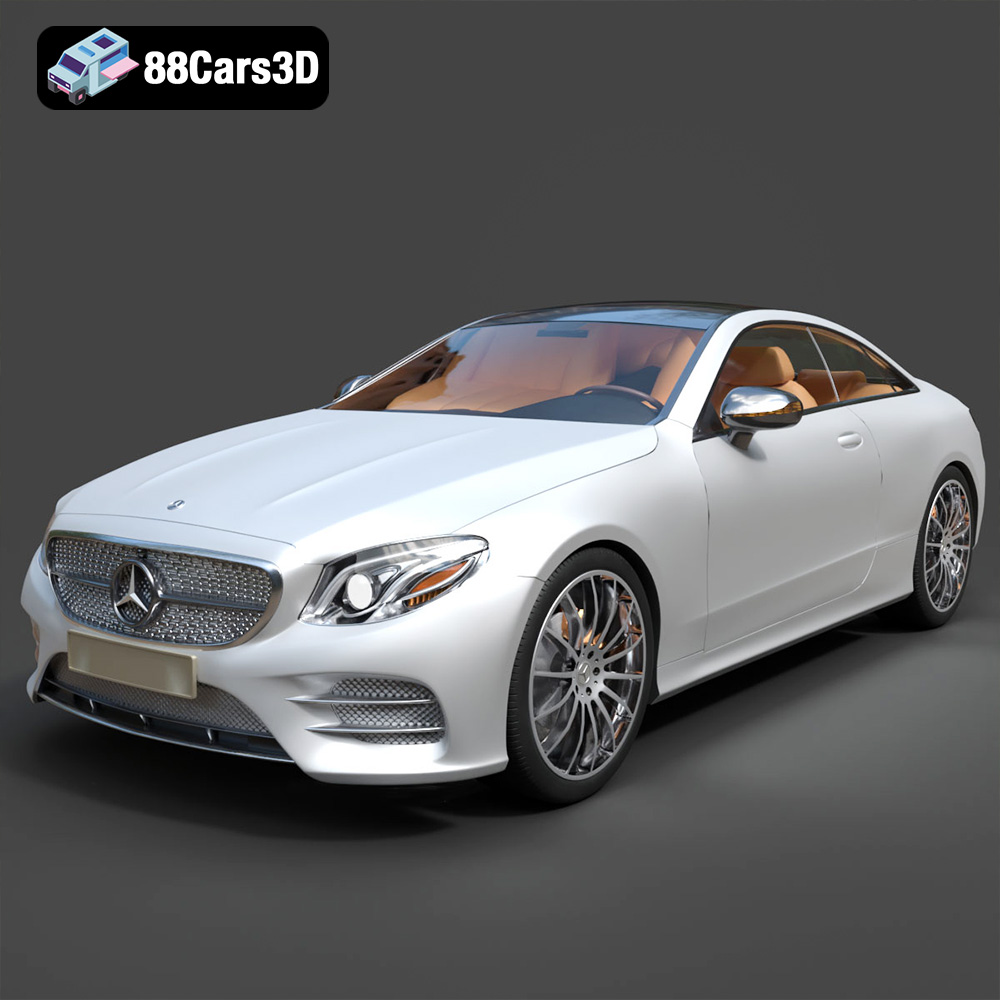
        <strong>Description:</strong> High-end, sophisticated vehicles combining performance with opulent comfort. They feature elegant designs, premium materials, and often powerful engines.
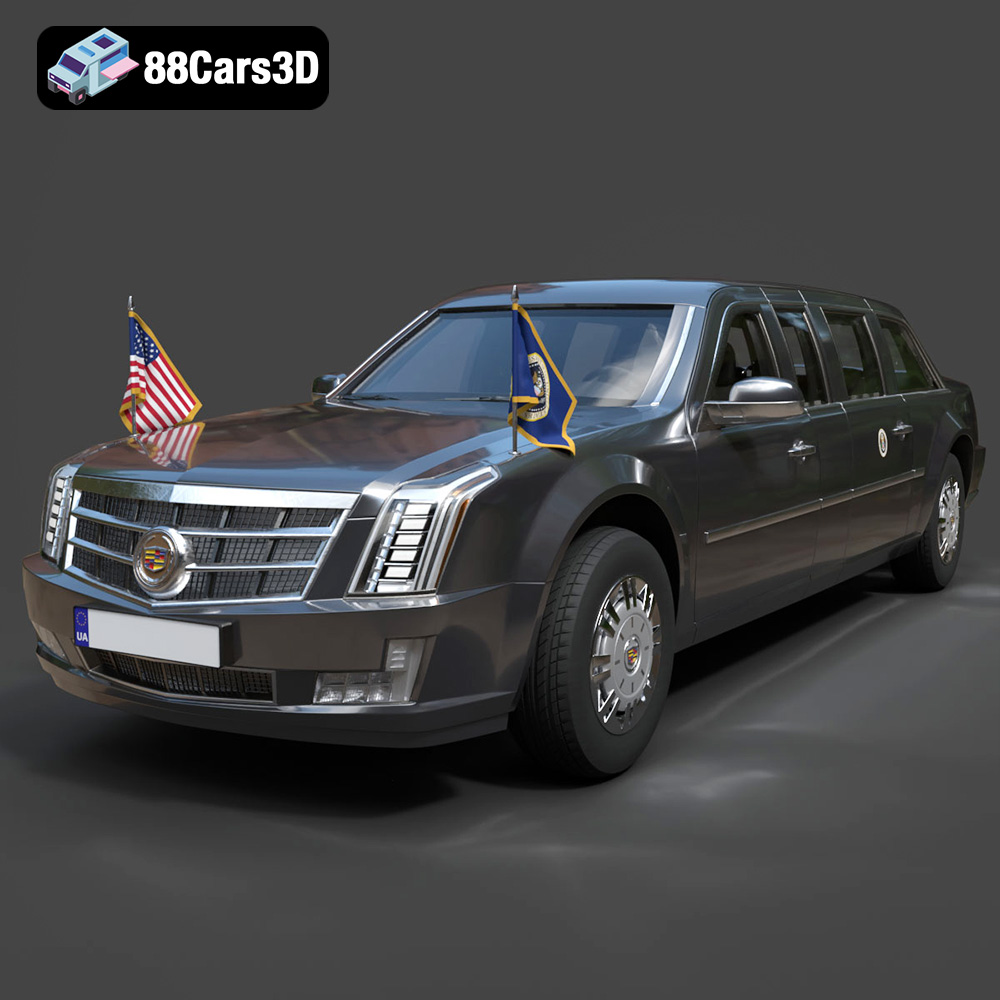
        <strong>Why Popular:</strong> Perfect for prestigious settings, high-stakes racing, or as aspirational player vehicles in life simulation or open-world games. They exude status and refinement.
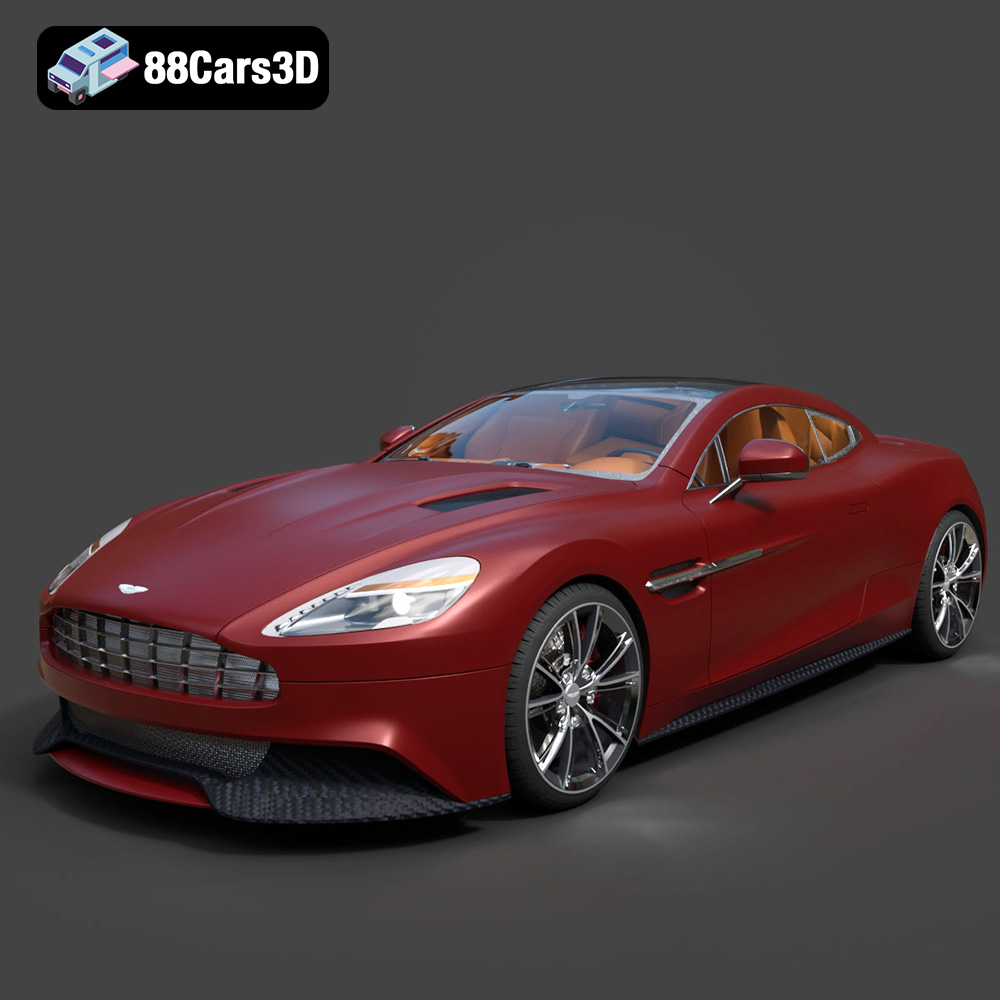
        <strong>Key Features:</strong> Exquisite attention to detail on both interior and exterior, high-gloss finishes, advanced lighting setups, and often complex animation sequences for luxury features.
    </p>

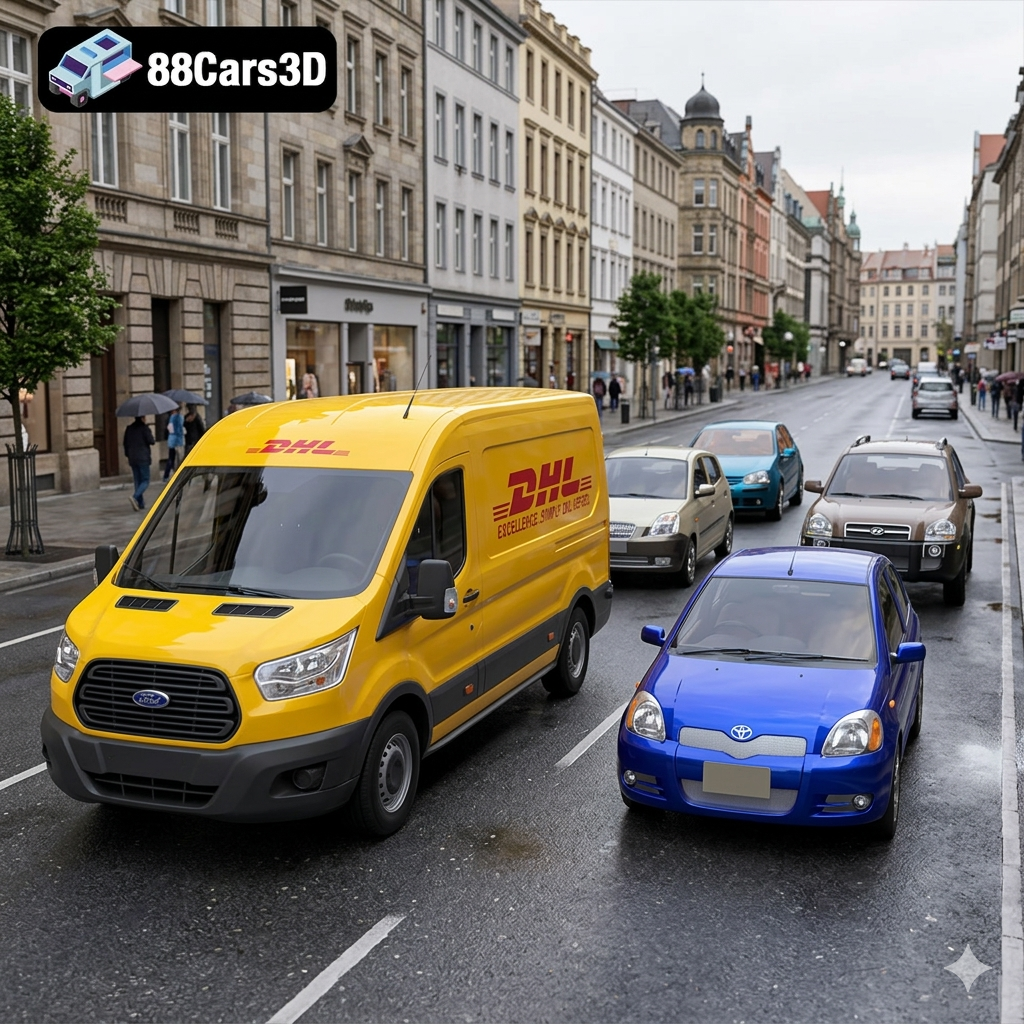
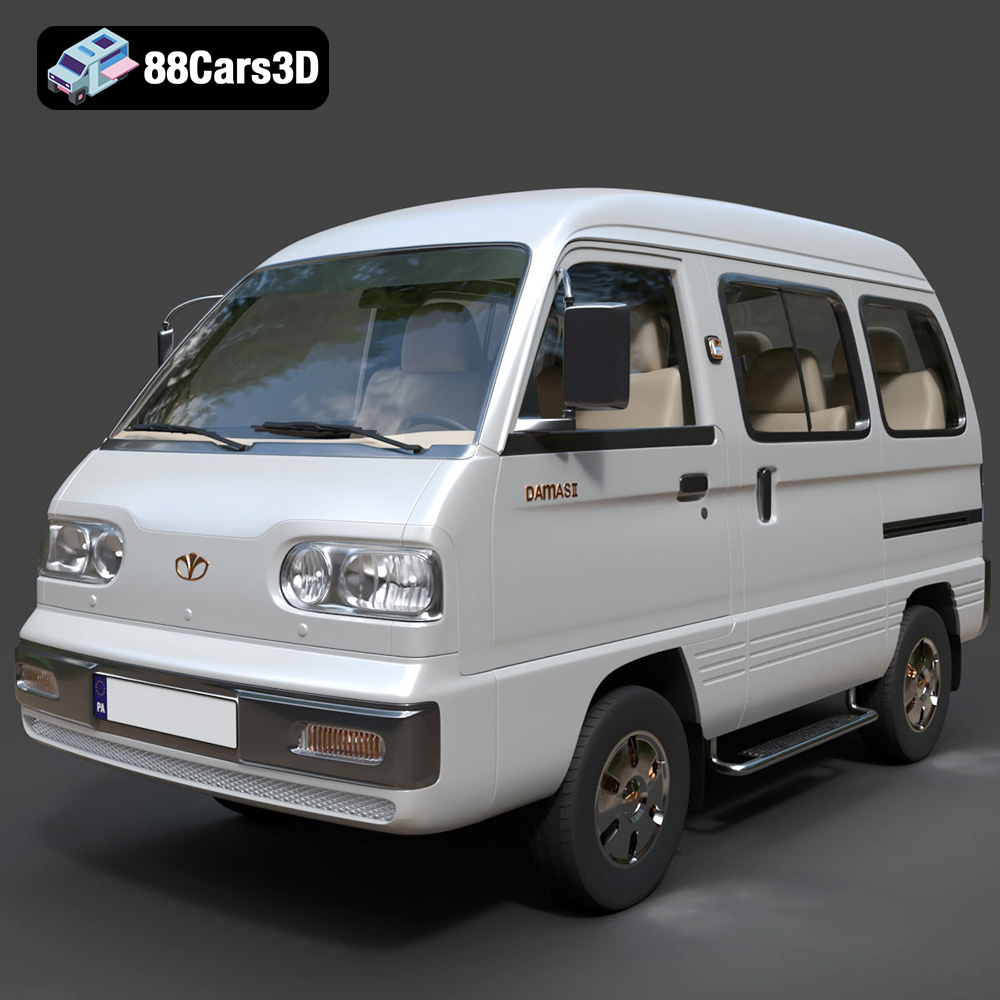
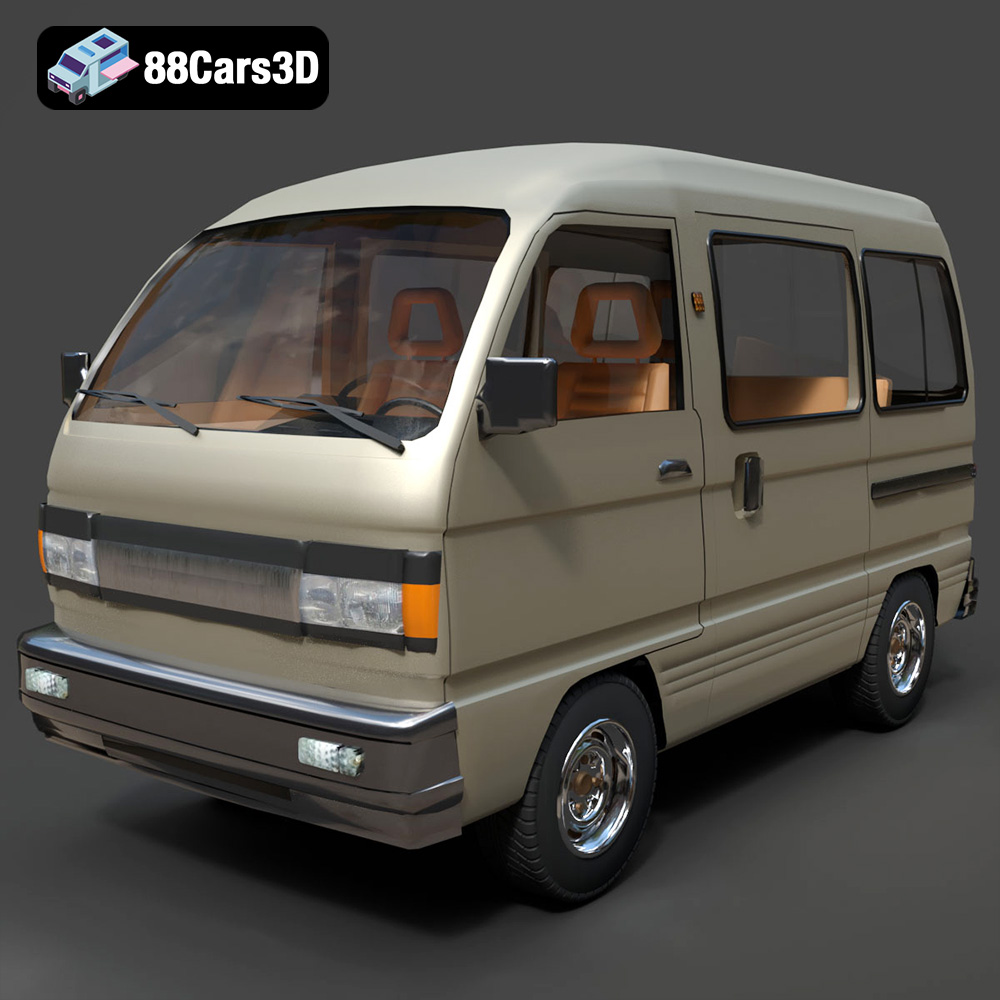
    <h3>9. The Utility Van/Bus (e.g., "Service Master Van")</h3>
    <p>
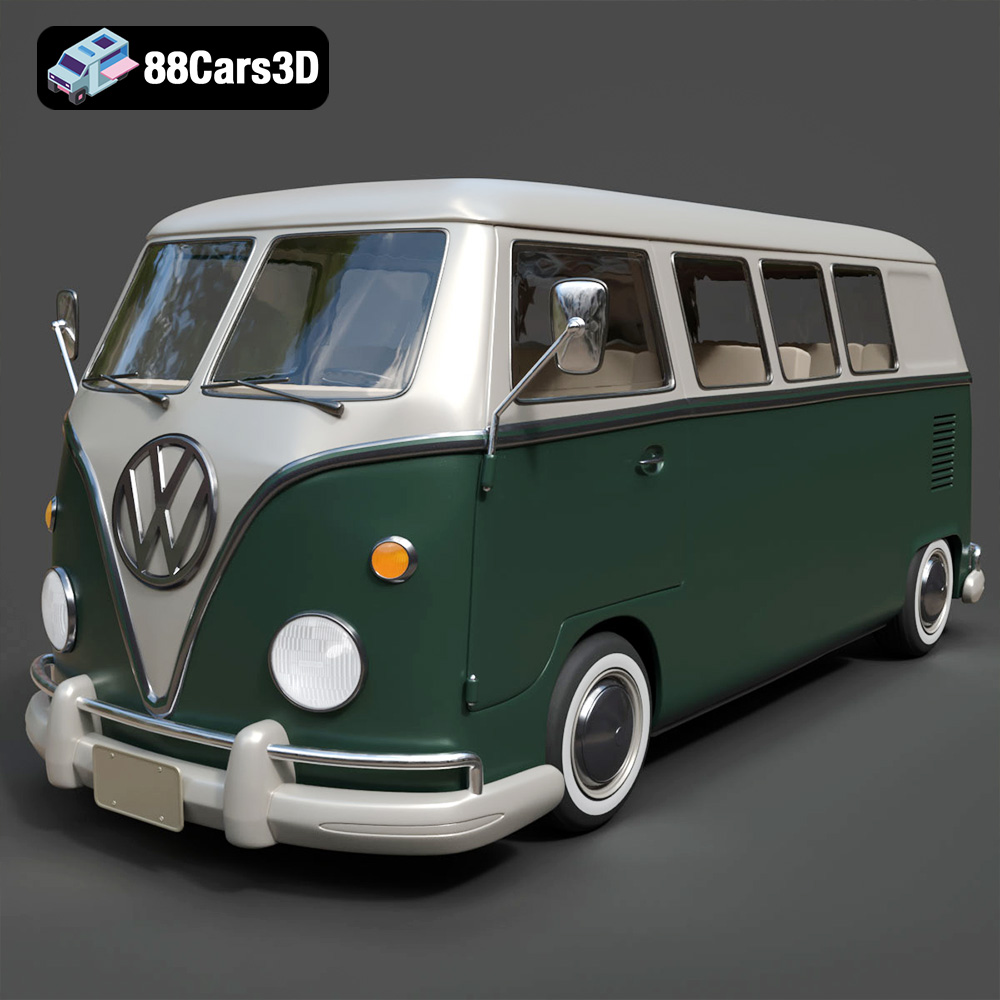
        <strong>Description:</strong> Commercial vans, delivery vehicles, and passenger buses. These utilitarian vehicles are designed for transport and service roles.
        <strong>Why Popular:</strong> Essential for public transport simulators, delivery games, and to fill out urban and suburban environments with functional background traffic.
        <strong>Key Features:</strong> Modular configurations (e.g., passenger vs. cargo van), detailed interiors with seating, and functional doors (sliding, articulated).
    </p>

    <h3>10. The Post-Apocalyptic Survivor (e.g., "Wasteland Warrior Mk.III")</h3>
    <p>
        <strong>Description:</strong> Heavily modified, armored, and often damaged vehicles designed for hostile environments. They feature improvised armor, weapon mounts, and a general air of rugged functionality.
        <strong>Why Popular:</strong> The backbone of survival games, combat racers, and dystopian open-world titles. They communicate a world where resources are scarce and danger is ever-present.
        <strong>Key Features:</strong> Modular armor pieces, dirt/rust/grime textures, exposed components, and often attachment points for weapons or other survival gear.
    </p>

    <h2>Where to Find High-Quality Car 3D Models for Game Development</h2>

    <p>
        Acquiring the right <strong>3D vehicle assets for games</strong> involves knowing where to look. Developers have several excellent options, each with its own advantages.
    </p>

    <table border="1" style="width:100%; border-collapse: collapse;">
        <thead>
            <tr>
                <th style="padding: 8px; text-align: left; background-color: #f2f2f2;">Source</th>
                <th style="padding: 8px; text-align: left; background-color: #f2f2f2;">Pros</th>
                <th style="padding: 8px; text-align: left; background-color: #f2f2f2;">Cons</th>
                <th style="padding: 8px; text-align: left; background-color: #f2f2f2;">Best For</th>
            </tr>
        </thead>
        <tbody>
            <tr>
                <td style="padding: 8px; border: 1px solid #ddd;"><strong>Online Asset Marketplaces</strong></td>
                <td style="padding: 8px; border: 1px solid #ddd;">Vast selection, often <strong>game-ready car models</strong>, competitive pricing, direct integration for Unity/Unreal.</td>
                <td style="padding: 8px; border: 1px solid #ddd;">Quality can vary, strict licensing (read carefully), may require some optimization or adjustments.</td>
                <td style="padding: 8px; border: 1px solid #ddd;">Indie developers, quick prototyping, filling out game worlds, specific car archetypes.</td>
            </tr>
            <tr>
                <td style="padding: 8px; border: 1px solid #ddd;"><em>Examples:</em> <strong>Unity Asset Store</strong>, <strong>Unreal Engine Marketplace</strong>, TurboSquid, Sketchfab, CGTrader.</td>
                <td style="padding: 8px; border: 1px solid #ddd;"> </td>
                <td style="padding: 8px; border: 1px solid #ddd;"> </td>
                <td style="padding: 8px; border: 1px solid #ddd;"> </td>
            </tr>
            <tr>
                <td style="padding: 8px; border: 1px solid #ddd;"><strong>Custom Development/Contract Artists</strong></td>
                <td style="padding: 8px; border: 1px solid #ddd;">Tailored to exact specifications, unique designs, full control over IP/licensing, perfect art style match.</td>
                <td style="padding: 8px; border: 1px solid #ddd;">More expensive, longer development time, requires clear communication and management.</td>
                <td style="padding: 8px; border: 1px solid #ddd;">AAA studios, games requiring unique or branded vehicles, specific art direction, highly customized experiences.</td>
            </tr>
            <tr>
                <td style="padding: 8px; border: 1px solid #ddd;"><strong>Open-Source/Community Assets</strong></td>
                <td style="padding: 8px; border: 1px solid #ddd;">Often free or very low cost, good for learning and hobby projects, active communities.</td>
                <td style="padding: 8px; border: 1px solid #ddd;">Licensing can be confusing (e.g., Creative Commons), quality varies wildly, may require significant cleanup/optimization.</td>
                <td style="padding: 8px; border: 1px solid #ddd;">Beginner developers, personal projects, educational purposes, exploring new techniques.</td>
            </tr>
        </tbody>
    </table>

    <h2>Decision Framework: Choosing the Right Car Model for Your Game</h2>

    <p>
        Making an informed decision about your <strong>game development car models</strong> involves more than just picking what looks good. Use this framework to guide your selection process:
    </p>
    <ul>
        <li><strong>Project Scope & Budget:</strong> Are you an indie developer with limited funds, or a studio with a substantial budget? This dictates whether you buy off-the-shelf <strong>3D car assets</strong> or invest in custom models.</li>
        <li><strong>Target Platform & Performance Needs:</strong> Developing for mobile, PC, or next-gen consoles? This will heavily influence the acceptable <strong>poly count</strong> and the necessity for LODs and rigorous optimization. Always prioritize <strong>optimized car models</strong>.</li>
        <li><strong>Art Style & Aesthetic Cohesion:</strong> Does the car model fit your game's overall art direction? A hyper-realistic car might clash with a stylized, cartoonish game. Look for consistency in texturing, lighting, and geometric detail.</li>
        <li><strong>Licensing & Future-Proofing:</strong> Verify the licensing terms for commercial use, especially if your game might be sold or monetized. Avoid legal pitfalls by sticking to generic designs or properly licensed assets.</li>
        <li><strong>Modifiability & Scalability:</strong> How much do you need to customize the car? Are multiple variations necessary? Choose models that allow for easy texture changes, material swaps, or modular attachments.</li>
    </ul>

    <h2>Looking Ahead: Car 3D Model Trends for 2025 and Beyond</h2>

    <p>
        The future of <strong>3D vehicle assets for games</strong> is exciting. We expect to see continued advancements driven by new technologies:
    </p>
    <ul>
        <li><strong>Increasing Photorealism:</strong> With engines like Unreal Engine 5 leveraging Nanite and Lumen, and Unity's High Definition Render Pipeline (HDRP) evolving, <strong>realistic car 3D models</strong> will become even more indistinguishable from real life.</li>
        <li><strong>Modular & Customizable Systems:</strong> Expect more assets to be built with modularity in mind, allowing developers and players to easily swap out parts, modify body kits, and create unique vehicles on the fly.</li>
        <li><strong>AI-Driven Content Creation:</strong> AI tools will assist in generating variations of textures, materials, and even base meshes, speeding up the asset creation pipeline for <strong>car 3D models for games</strong>.</li>
        <li><strong>Advanced Physics-Based Damage:</strong> Real-time, highly detailed damage modeling that genuinely affects vehicle performance and appearance will become a standard expectation.</li>
        <li><strong>Electrification & Autonomous Designs:</strong> Reflecting real-world automotive trends, futuristic <strong>3D car assets</strong> will increasingly feature electric powertrains, sleek minimalist designs, and concepts for autonomous driving systems.</li>
    </ul>

    <h2>Conclusion</h2>

    <p>
        Choosing the right <strong>car 3D models for game developers</strong> is a critical decision that impacts your game's visual appeal, performance, and overall player experience. By understanding the key technical considerations, exploring the diverse archetypes of <strong>popular car 3D models in 2025</strong>, and utilizing a robust decision framework, you can equip your game with the perfect <strong>vehicle 3D models</strong>. Always strive for a balance between stunning visuals, optimal performance, and sound <strong>licensing for 3D models</strong> to ensure your project's success.
    </p>

    <h2>Drive Your Game Forward Today!</h2>

    <p>
        Ready to accelerate your game development? Explore the vast libraries of <strong>game asset marketplaces</strong> like the <strong>Unity Asset Store</strong> and <strong>Unreal Engine Marketplace</strong> for high-quality, <strong>game-ready car models</strong> that fit your vision. If your project demands unparalleled uniqueness, consider partnering with experienced 3D artists for custom-designed <strong>3D vehicle assets</strong>. Start implementing the <strong>best car models for game development</strong> into your next masterpiece and captivate your players with realistic and optimized virtual rides!
    </p>

</body>
</html>
Recommended undefined Models