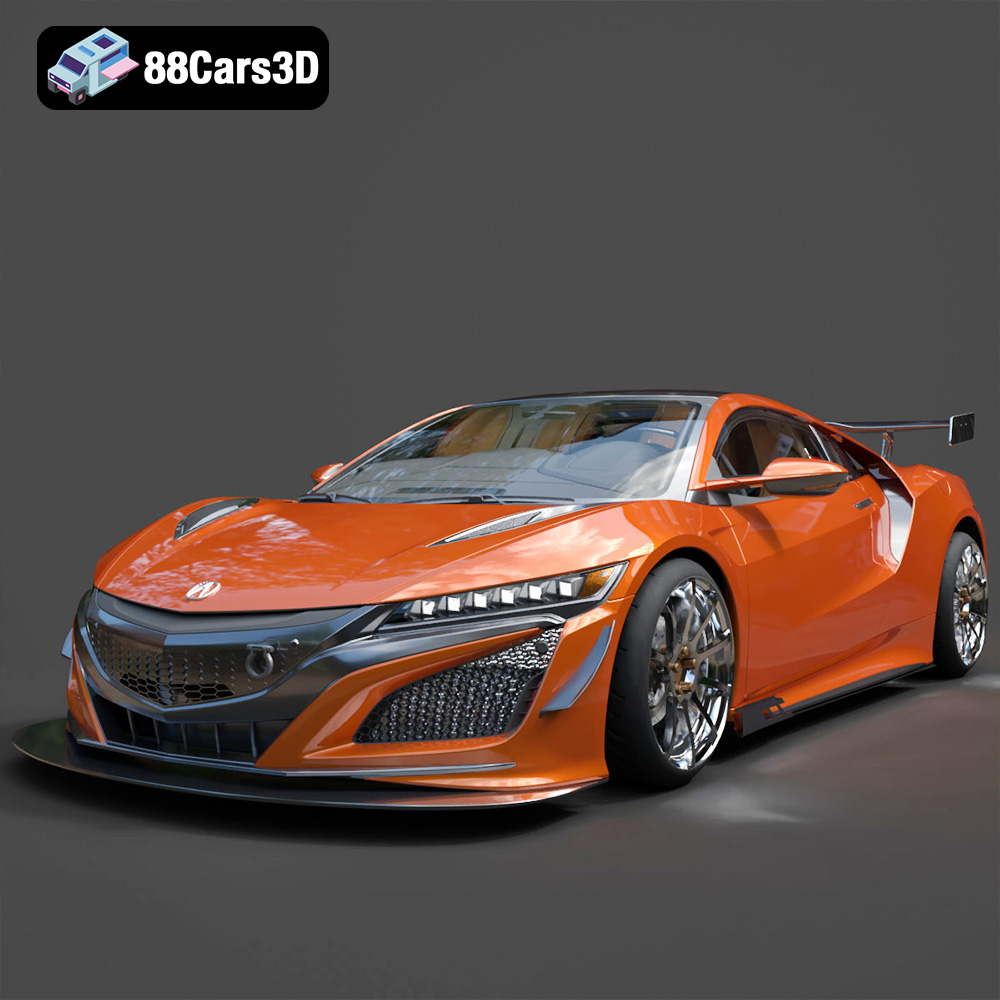
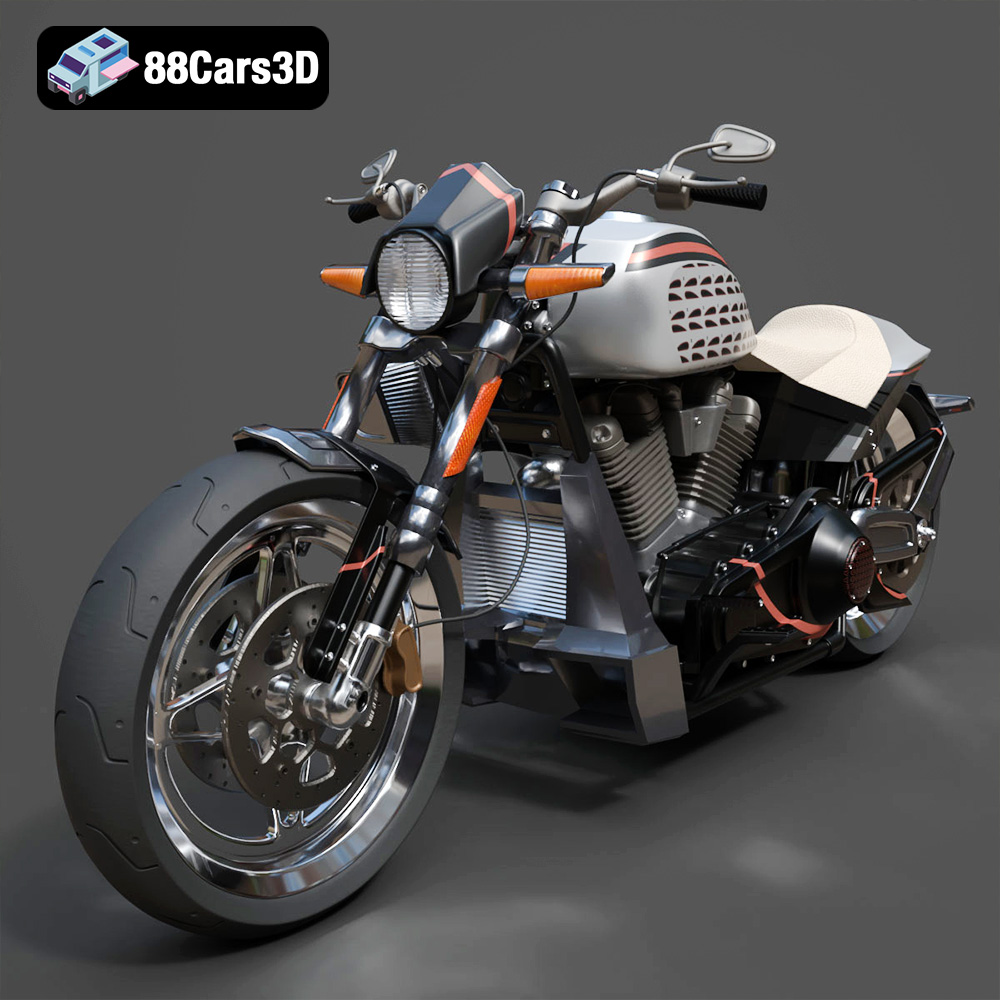
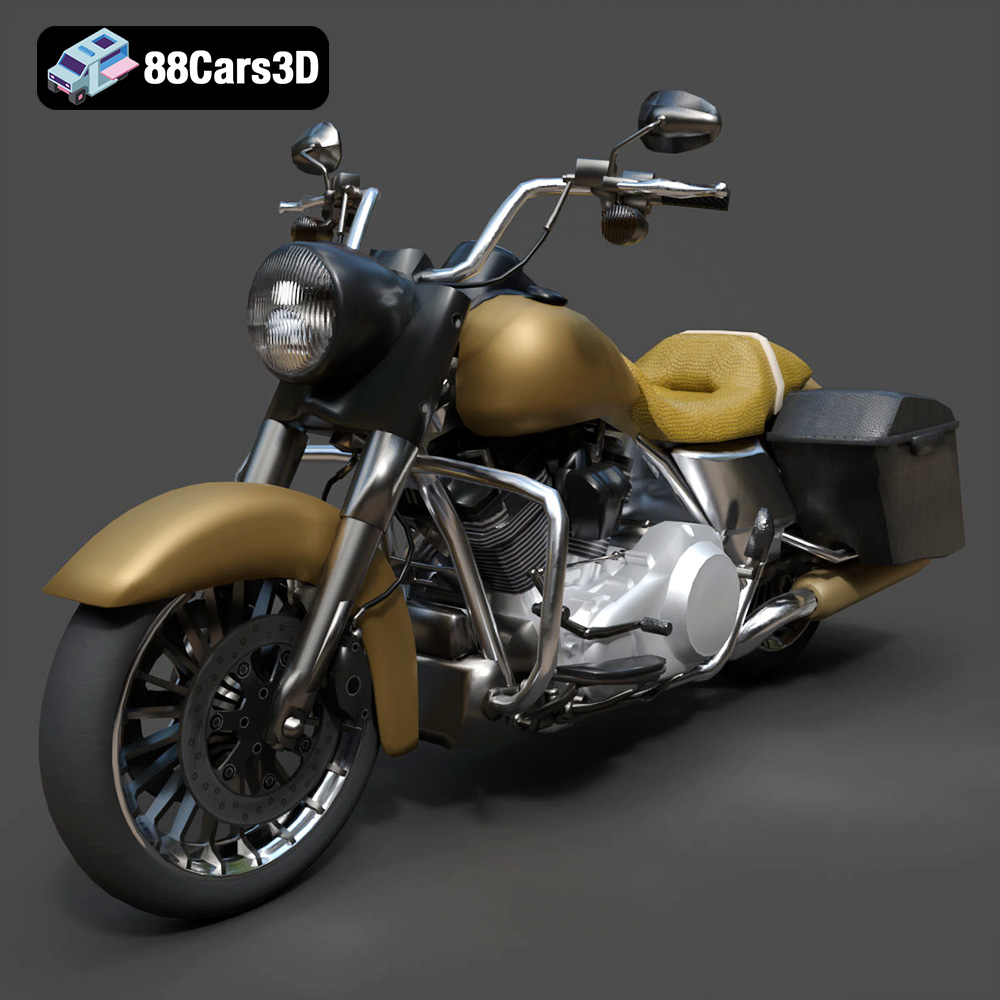
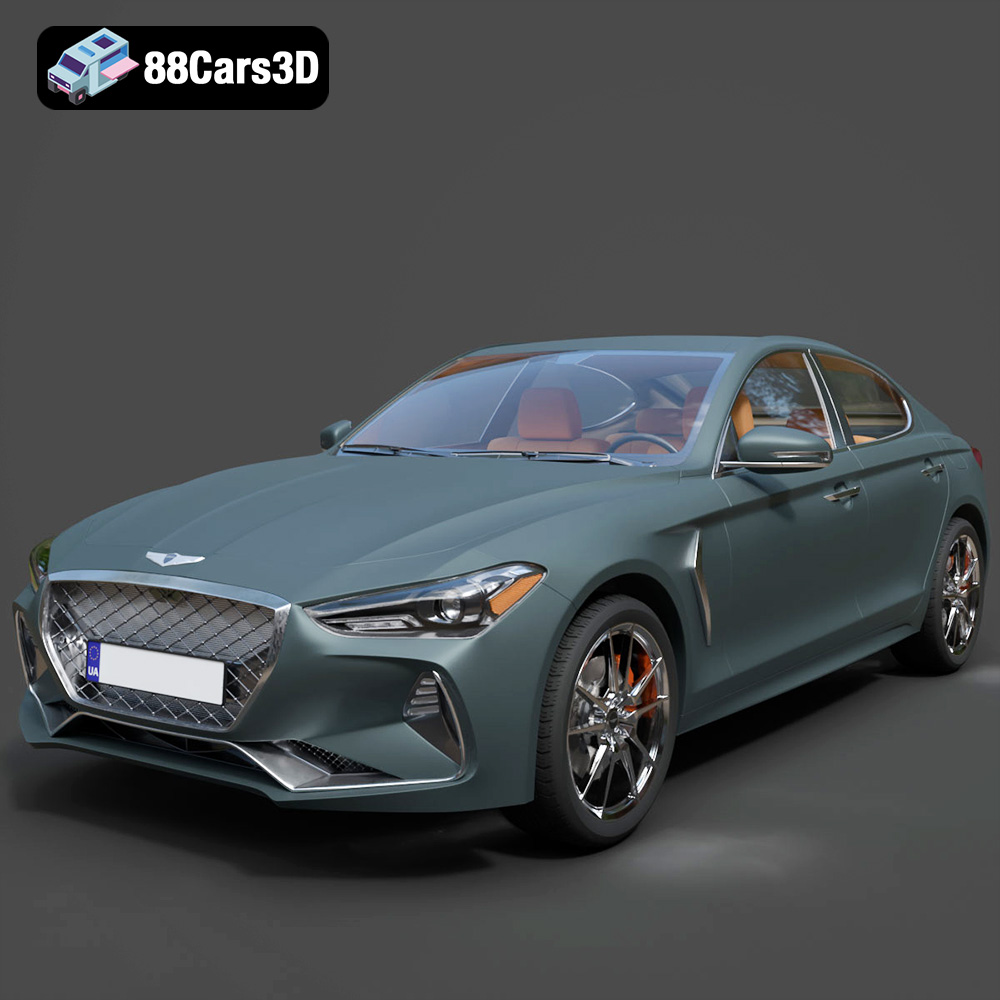
Get 50% OFF All Premium 3D & STL Models!

In the expansive realm of digital visualization and interactive experiences, the humble automobile has transcended its physical form to become a critical asset across numerous industries. From breathtaking cinematic sequences and ultra-realistic automotive configurators to immersive open-world games and precise engineering simulations, high-quality 3D car models are the foundational building blocks. Achieving true fidelity and versatility requires a deep understanding of modeling precision, material science, and technical optimization – disciplines that combine artistry with rigorous technical expertise.
This comprehensive guide delves into the intricate world of 3D car models, exploring the meticulous processes of their creation, their diverse applications, and the technical considerations essential for their deployment in various pipelines, including advanced automotive rendering and seamless integration as game assets. Whether you’re a seasoned professional seeking to refine your workflow or a newcomer eager to understand the core principles, prepare to navigate the digital garage with a focus on quality, performance, and real-world utility. For those seeking top-tier assets, curated marketplaces like 88cars3d.com offer a gateway to a vast collection of meticulously crafted vehicles, ready to be driven into your next project.
The journey to a photorealistic or game-ready 3D car model begins long before any textures are applied or lights are placed. It starts with precision modeling, a painstaking process that dictates the final quality, flexibility, and performance of the asset.
Creating an accurate car model often involves several sophisticated techniques. Many professional assets start with CAD data, which provides unparalleled dimensional accuracy straight from the manufacturer. This data, typically in formats like STEP or IGES, is then converted into polygon meshes. This conversion requires careful triangulation and optimization to maintain curvature while reducing poly count. Alternatively, artists might employ subdivision surface modeling, building a low-polygon cage that, when subdivided, smoothly approximates complex curved surfaces. This method offers excellent control over topology and surface flow, crucial for deformation and animation. Blueprint matching, using reference images from all angles, guides the initial blocking out and ensures correct proportions, especially for iconic vehicles where every curve is instantly recognizable.
Clean topology is paramount for any 3D model, but especially for cars, which feature numerous intricate surfaces and sharp creases. A well-constructed mesh consists primarily of quads (four-sided polygons), ensuring smooth deformation during animation and predictable subdivision. For real-time applications, polygon count is a critical factor. While a high-end rendering model might comfortably exceed several million polygons to capture every detail, a game asset needs to be aggressively optimized, often ranging from 50,000 to 200,000 polygons for a hero vehicle, sometimes with multiple Levels of Detail (LODs) to further reduce complexity as the camera moves away. This optimization involves judiciously removing unnecessary edge loops while preserving crucial silhouette details and hard edges, often achieved through careful retopology.
Once the geometry is solidified, the next crucial step is UV mapping – unwrapping the 3D surface into a 2D plane so that textures can be applied without distortion. Professional 3D car models demand clean, non-overlapping UV layouts, maximizing texture resolution and minimizing seams. For extremely high-detail models, artists often utilize UDIMs (UV Tile Multi-Material), which allow for multiple texture maps to be applied across different UV tiles, effectively bypassing the resolution limits of a single texture map. This is particularly beneficial for large, intricate models like car bodies, where 4K or 8K textures might not be sufficient for all details. The texture preparation itself often follows a Physically Based Rendering (PBR) workflow, involving maps such as Albedo (Base Color), Normal, Roughness, Metallic, and Ambient Occlusion, each precisely defining how light interacts with the material’s surface.
Navigating the diverse landscape of 3D software and engines necessitates a thorough understanding of various file formats. Each format serves specific purposes, offering different levels of data retention, compatibility, and optimization. Choosing the correct format is crucial for maintaining model integrity, facilitating workflow efficiency, and ensuring optimal performance across different platforms. For professionals acquiring 3D car models, knowing which format to choose directly impacts their project’s success.
For artists working with particular software or needing maximum flexibility, certain formats are indispensable:
.blend file is a complete scene package, containing not just the 3D mesh but also materials, textures (packed within the file or linked), lighting, cameras, animation data, and even modifiers and procedural setups. It offers full editability within Blender, making it ideal for users deeply integrated into the Blender ecosystem who require full control over every aspect of the asset..blend, the .max format is the proprietary scene file for Autodesk 3ds Max. It stores comprehensive scene information, including geometry, materials, lighting, animation, and scene settings. It’s the go-to format for 3ds Max users, providing maximum fidelity and editability within that software. Professionals using 3ds Max for high-end automotive rendering or animation often prefer to start with .max files to leverage all of 3ds Max’s features..obj file primarily stores geometric data (vertices, normals, UVs, faces) and references to external material files (.mtl). While it doesn’t support animation or advanced scene data, its simplicity and widespread compatibility make it an excellent choice for transferring static meshes between almost any 3D software. For simple 3D car models that primarily require geometry exchange, .obj remains a reliable option, though texture setup often needs to be reapplied in the target software.For interactive and web-based applications, specialized formats prioritize efficiency and accessibility:
.unreal refers to assets that have been specifically prepared and optimized for direct integration into Unreal Engine. This often means models have undergone specific material setups, LOD generation, collision mesh creation, and potentially Blueprint scripting within the engine. When acquiring an “Unreal-ready” asset, it implies it’s been through this engine-specific optimization pipeline, offering seamless drag-and-drop functionality for real-time environments and game development.Some formats cater to very specific niche applications:
.stl is the format of choice, ensuring geometric integrity for manufacturing processes.Understanding these formats allows creators to make informed decisions, ensuring their 3D car models are not only visually stunning but also technically sound for their intended use. For developers and artists, 88cars3d.com provides high-quality models often available in multiple formats to suit various production pipelines.
Bringing a 3D car model to life through rendering is where technical precision meets artistic vision. The goal of automotive rendering is to create images so compelling they are indistinguishable from photographs, or to achieve a specific stylized look. This involves meticulous attention to materials, lighting, and post-processing.
The realism of a 3D car model hinges significantly on its materials. Modern rendering relies heavily on Physically Based Rendering (PBR), which accurately simulates how light interacts with surfaces based on real-world material properties. Car paint, for instance, is a complex material that requires layered shaders to capture its distinctive metallic flake, clear coat reflections, and Fresnel effects. Glass demands accurate refraction, absorption, and caustics, while rubber needs subtle surface imperfections and a specific level of roughness. These materials are built using a combination of texture maps (Albedo, Normal, Roughness, Metallic, etc.) and procedural shaders, carefully calibrated to react believably to light.
Effective lighting is the soul of any render. For automotive scenes, High Dynamic Range Images (HDRIs) are indispensable, providing realistic environmental lighting and reflections that instantly ground the car in its setting. Studio lighting setups, often mimicking real-world automotive photography studios, employ an array of area lights, spotlights, and softboxes to highlight specific contours and generate appealing reflections. Understanding the interplay between key lights, fill lights, and rim lights is crucial. Furthermore, modern renderers leverage advanced global illumination techniques (such as path tracing or photon mapping) to simulate how light bounces around the scene, creating soft shadows, color bleeding, and overall environmental realism that is critical for photorealistic automotive rendering.
Even the most perfect render can be enhanced through post-processing and compositing. This final stage involves refining the image in software like Photoshop or Nuke. Techniques include color grading to set the mood, adding subtle depth of field to focus the viewer’s eye, incorporating lens flares or bloom for visual interest, and applying motion blur for dynamic shots. Often, renders are output as multi-pass EXR files, separating elements like reflections, refractions, shadows, and ambient occlusion, allowing for non-destructive manipulation and greater artistic control during the compositing phase. This stage is where many projects achieve their final, polished look, often mimicking the techniques used in professional photography and film.
The demands of real-time rendering in game engines like Unreal Engine and Unity are significantly different from offline rendering. Here, performance is paramount, and every asset must be meticulously optimized to maintain high frame rates without sacrificing visual quality. High-quality game assets like those found on 88cars3d.com are built with this balance in mind.
For 3D car models destined for games, aggressive optimization is key. This includes creating multiple Levels of Detail (LODs) – progressively lower polygon versions of the model that automatically switch based on camera distance. This dramatically reduces the GPU load for objects far from the player. Efficient texture atlasing, where multiple smaller textures are combined into one larger map, minimizes draw calls. Collision meshes, which are simplified proxy meshes for physics calculations and player interaction, are also essential. These are often convex hulls or simple primitive shapes (boxes, spheres) rather than the detailed visual mesh, ensuring collision detection is efficient and robust.
While the PBR principles remain, their implementation within game engines requires specific setup. In Unreal Engine 5 (UE5), for example, materials are built using a node-based editor, allowing artists to connect texture maps (Albedo, Normal, Roughness, Metallic, AO) to specific material inputs. UE5’s Nanite virtualized geometry system allows for unprecedented polygon counts for static meshes, but animated or deformable parts still require traditional optimization. For transparent elements like glass, careful consideration of transparency methods (e.g., masked, translucent, or additive) is needed to balance visual quality with performance. Often, material instances are created, allowing artists to quickly tweak color variations or material properties without duplicating the base material, saving memory and speeding up iterations.
Beyond visual fidelity, 3D car models in games need to behave believably. This involves setting up robust vehicle physics. Game engines provide frameworks (like Unreal Engine’s Chaos Vehicles or Unity’s Wheel Colliders) that simulate wheel friction, suspension, engine power, and drivetrain behavior. Properly defining the pivot points, wheel locations, and center of mass for the 3D model is critical for accurate physics simulation. Furthermore, animation can include simple wheel rotations, suspension compression, and more complex elements like opening doors or deformable crash models. These animations are often driven by physics or player input, requiring careful rigging and integration with the engine’s animation systems.
The utility of high-quality 3D car models extends far beyond static renders and interactive games. They are integral to groundbreaking technologies and provide powerful tools across diverse industries, from marketing to engineering.
Augmented Reality (AR) and Virtual Reality (VR) platforms are transforming how consumers interact with automotive brands. High-fidelity 3D car models enable immersive AR experiences where users can place a virtual car in their driveway via their smartphone, inspect it from all angles, and even “step inside.” VR applications take this a step further, offering fully immersive test drives or virtual showrooms. Interactive configurators, often built using real-time engines and deployed on web or mobile, allow potential buyers to customize every aspect of a vehicle – paint color, wheel design, interior trim – and see the changes reflected instantly. This level of engagement significantly enhances the pre-purchase experience, reducing the need for physical prototypes and showrooms, and models from sites like 88cars3d.com are perfectly suited for these dynamic applications.
The digital blueprints of 3D car models can also be brought into the physical world through 3D printing. For automotive designers, rapid prototyping with 3D printers allows for quick iteration on design concepts, producing physical models that can be evaluated for ergonomics, aesthetics, and fit. This significantly speeds up the design cycle. Beyond industrial applications, enthusiasts and collectors can 3D print highly detailed scale models of their favorite vehicles. The transition from digital to physical requires models with watertight geometry and appropriate wall thickness, ensuring structural integrity for the printing process. Formats like .stl are specifically designed for this purpose, bridging the gap between virtual and tangible.
In highly specialized fields, 3D car models form the core of advanced training simulators and “digital twin” initiatives. Driving simulators for professional drivers, emergency services, or military personnel rely on ultra-realistic vehicle models integrated into sophisticated physics engines to replicate real-world conditions. These simulators provide safe, controlled environments for training and skill development. The concept of a digital twin involves creating a precise virtual replica of a physical vehicle, allowing engineers to monitor its performance, test modifications, predict maintenance needs, and simulate scenarios without impacting the real-world asset. This data-rich virtual representation, built upon accurate 3D models, is revolutionizing product lifecycle management and operational efficiency.
With a plethora of options available, selecting the ideal 3D car model is a critical decision that impacts project timelines, budget, and final output quality. It requires careful consideration of technical specifications, intended use, and the reliability of the source.
When evaluating a 3D car model, look beyond just the appealing preview image. Dive into the technical specifications:
A high-quality model will usually provide clear answers to these questions, giving you confidence in your purchase.
Before integrating any 3D car model into your project, thoroughly understand the licensing terms. Licenses dictate how you can use the model – for personal projects, commercial work, editorial use, or specific media like games or advertisements. Some licenses restrict modification or resale, while others offer broad commercial rights. Always ensure the license aligns with your project’s scope and legal requirements to avoid potential infringement issues down the line. Reputable marketplaces provide transparent licensing information, empowering creators to make informed decisions.
Acquiring pre-made 3D car models can significantly accelerate production timelines and reduce costs compared to modeling every asset from scratch. This is where specialized marketplaces excel. A platform like 88cars3d.com distinguishes itself by offering a curated selection of professionally modeled vehicles. This means models are often checked for technical quality, consistency, and adherence to industry standards. Buyers benefit from a streamlined search process, reliable asset quality, and clear licensing, enabling them to quickly find and integrate the perfect 3D car model for their next automotive rendering, game development, or visualization project without compromising on technical excellence.
The journey from concept to a fully realized 3D car model is a testament to the intricate blend of artistic vision and technical mastery. From the initial precise polygon modeling and meticulous UV mapping to the complexities of physically based rendering and the stringent optimization demands of game engines, every stage requires a deep understanding of 3D pipelines. The versatility of these digital assets continues to grow, powering everything from photorealistic marketing campaigns and immersive AR/VR experiences to critical training simulators and digital twins.
As the digital landscape evolves, the demand for high-quality, technically sound 3D car models will only intensify. Understanding the nuances of file formats, material science, and optimization techniques is not just an advantage, but a necessity for anyone serious about creating compelling visual content. For those seeking to elevate their projects with premium automotive assets that meet the highest industry standards, destinations like 88cars3d.com provide a trusted source for meticulously crafted 3D car models, ready to drive your creative endeavors forward.

Price: $129.99
Price: $99.99
Price: $89.99