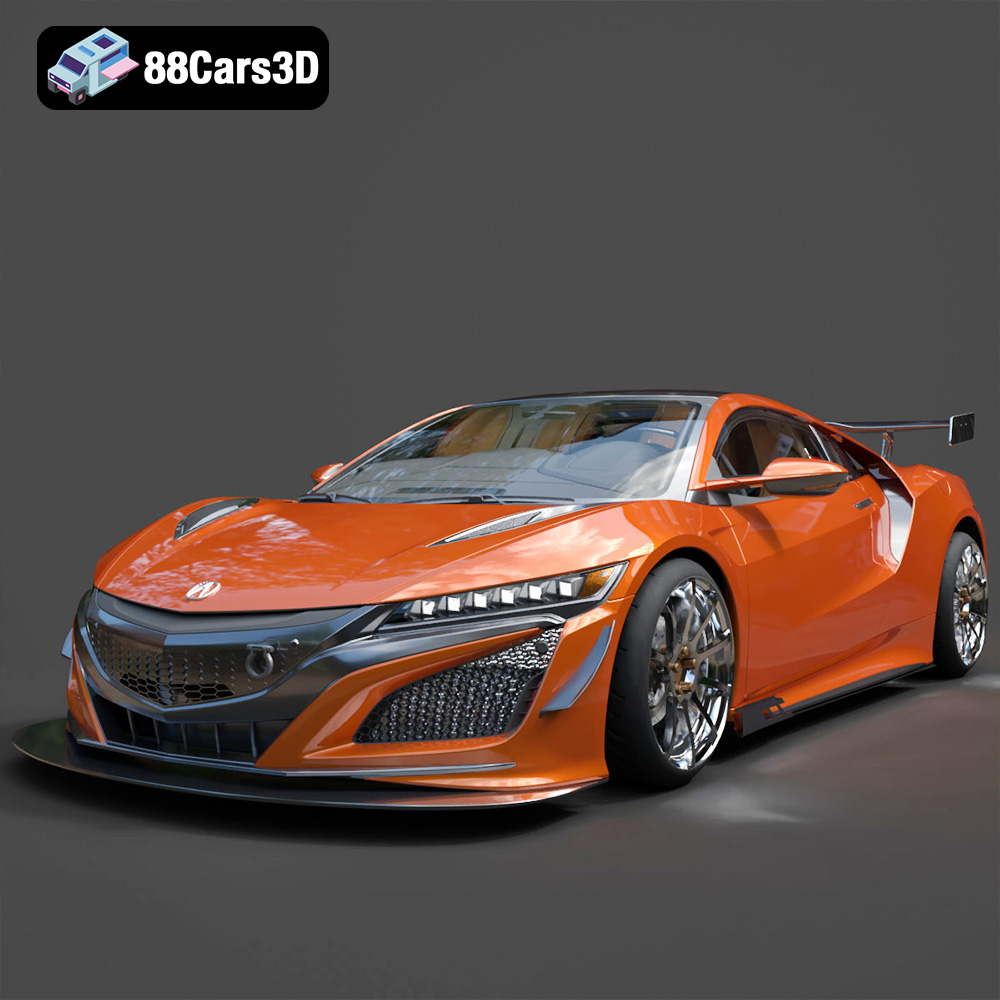
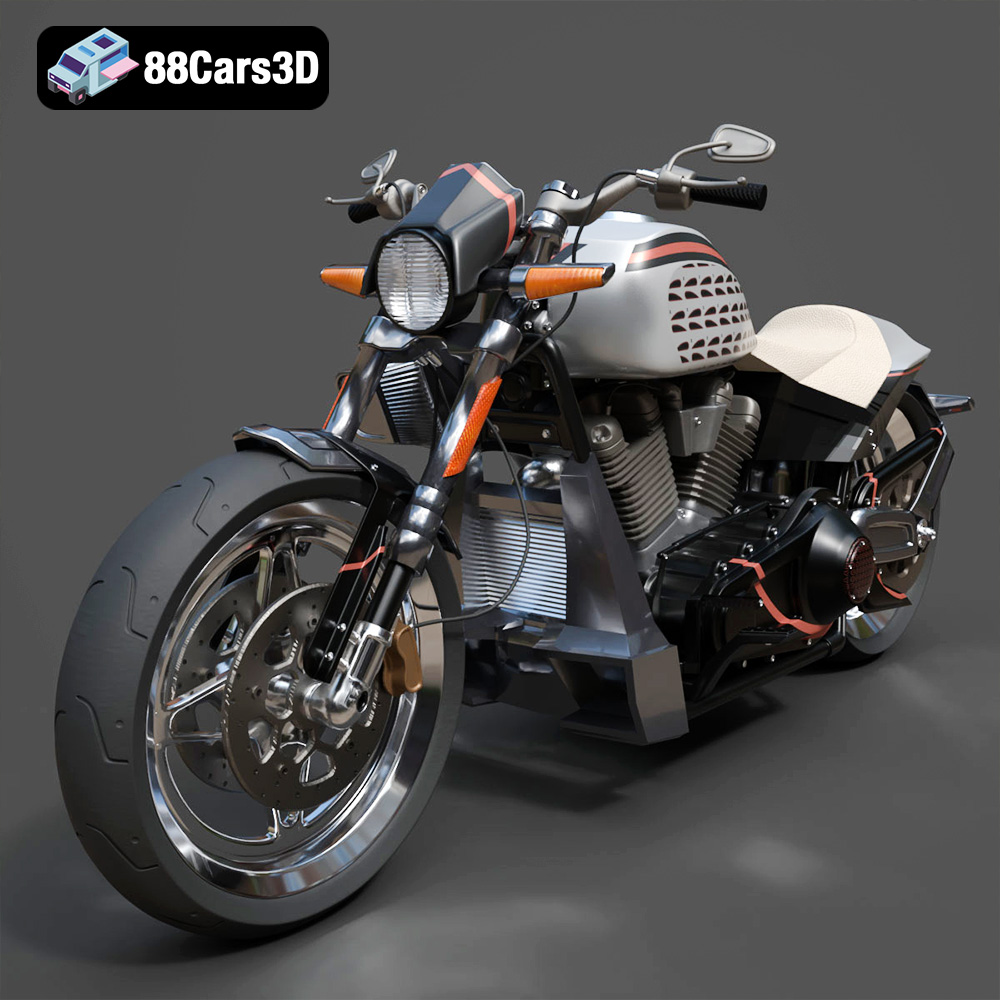
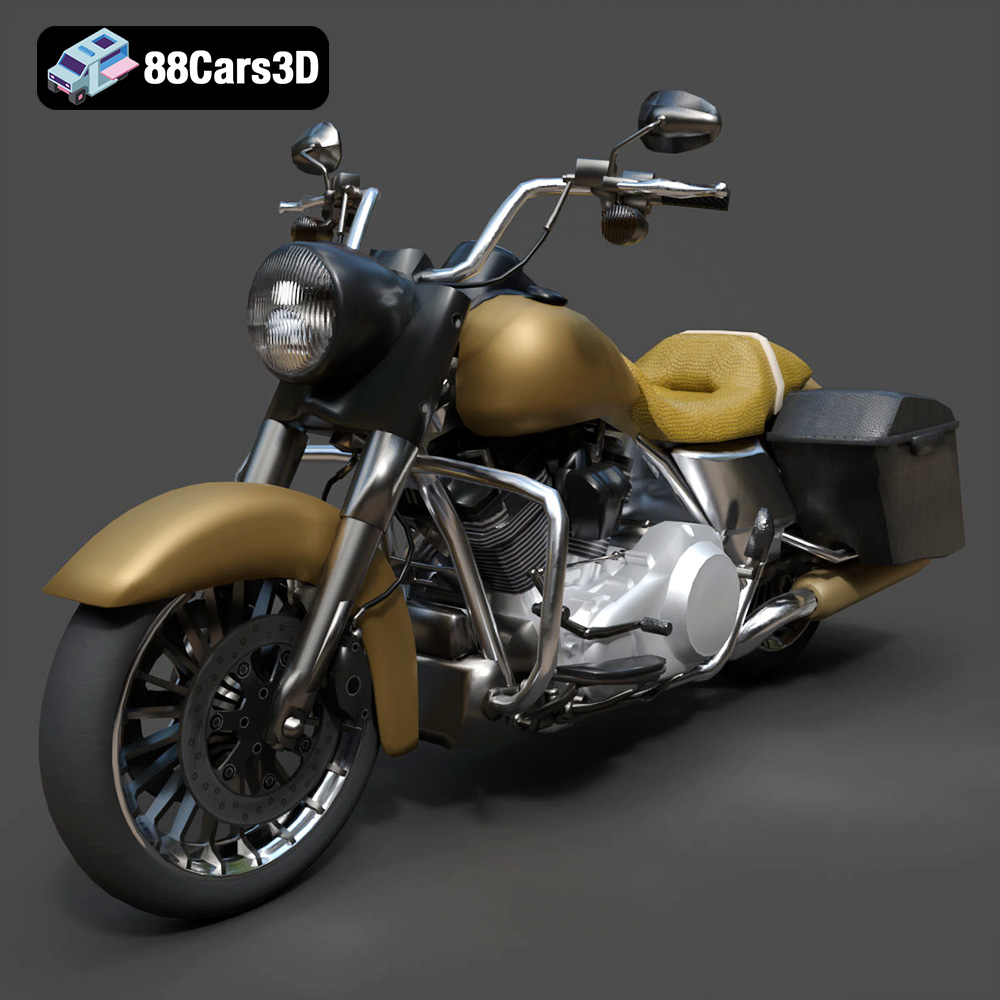
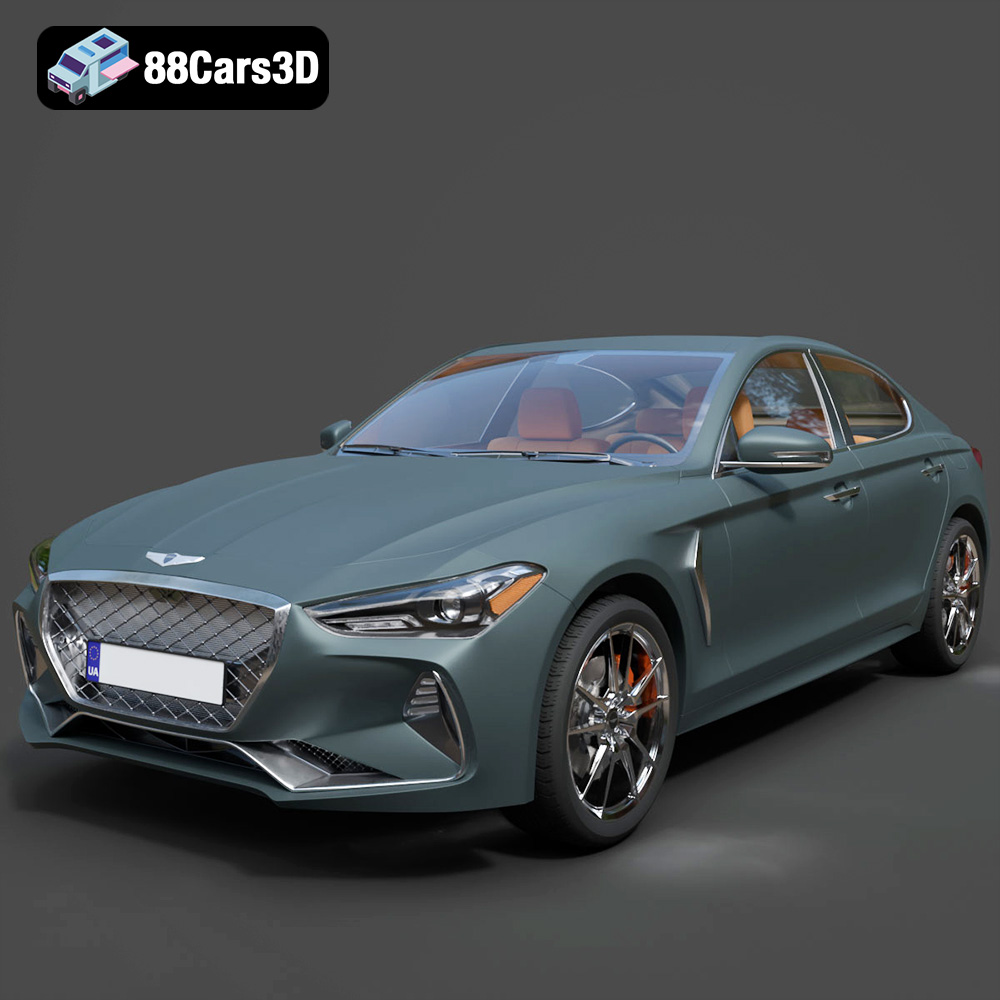
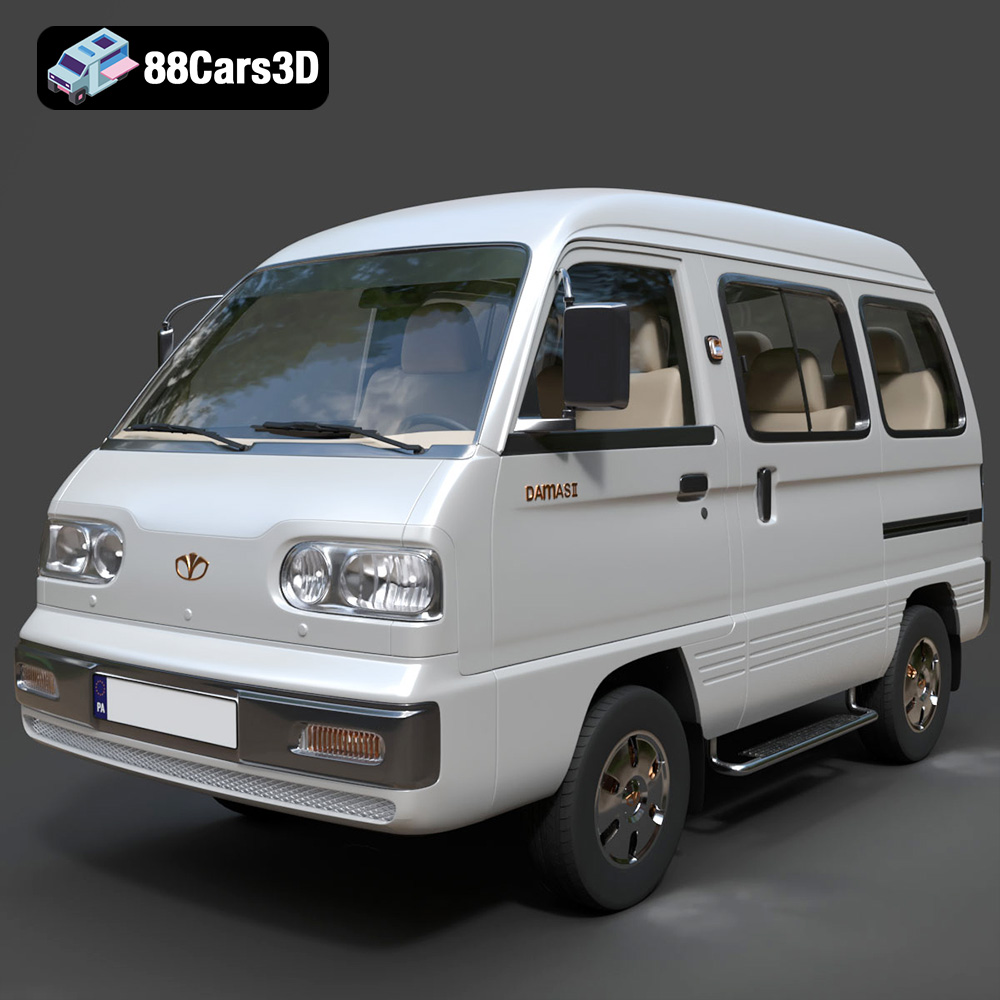
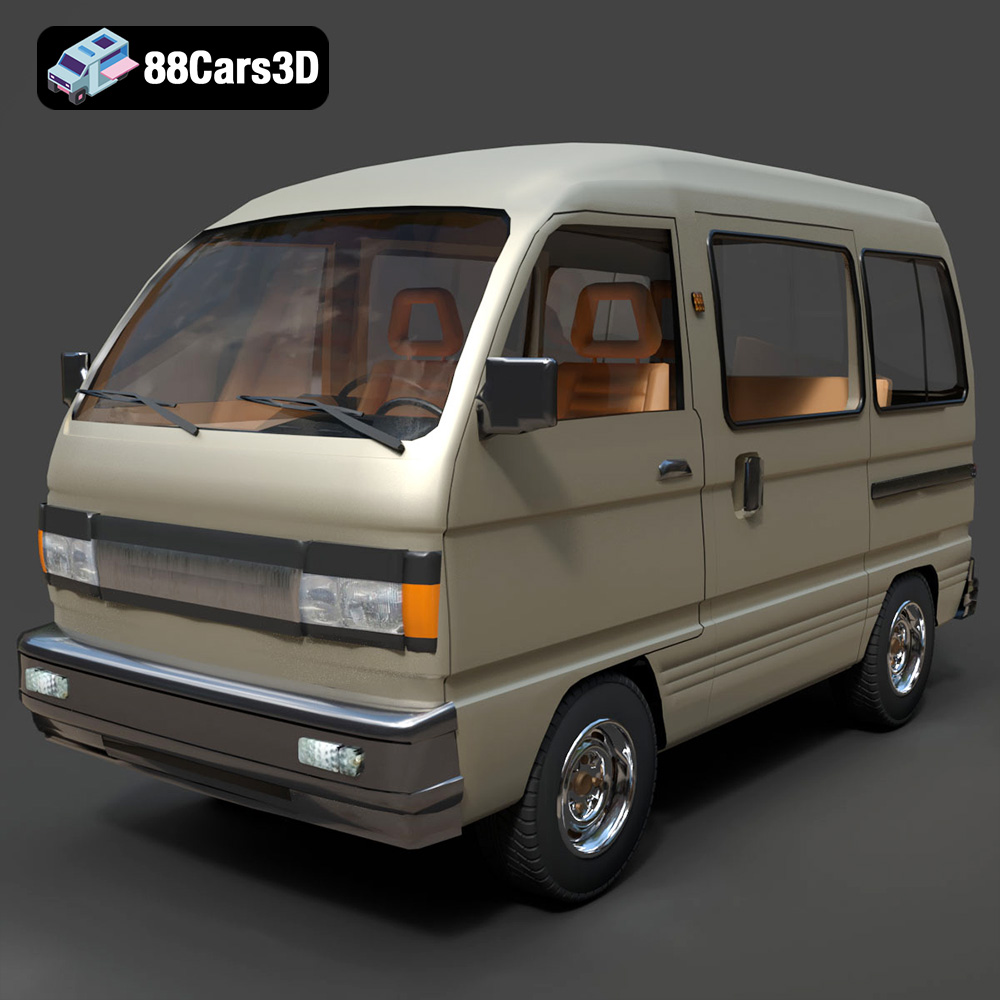
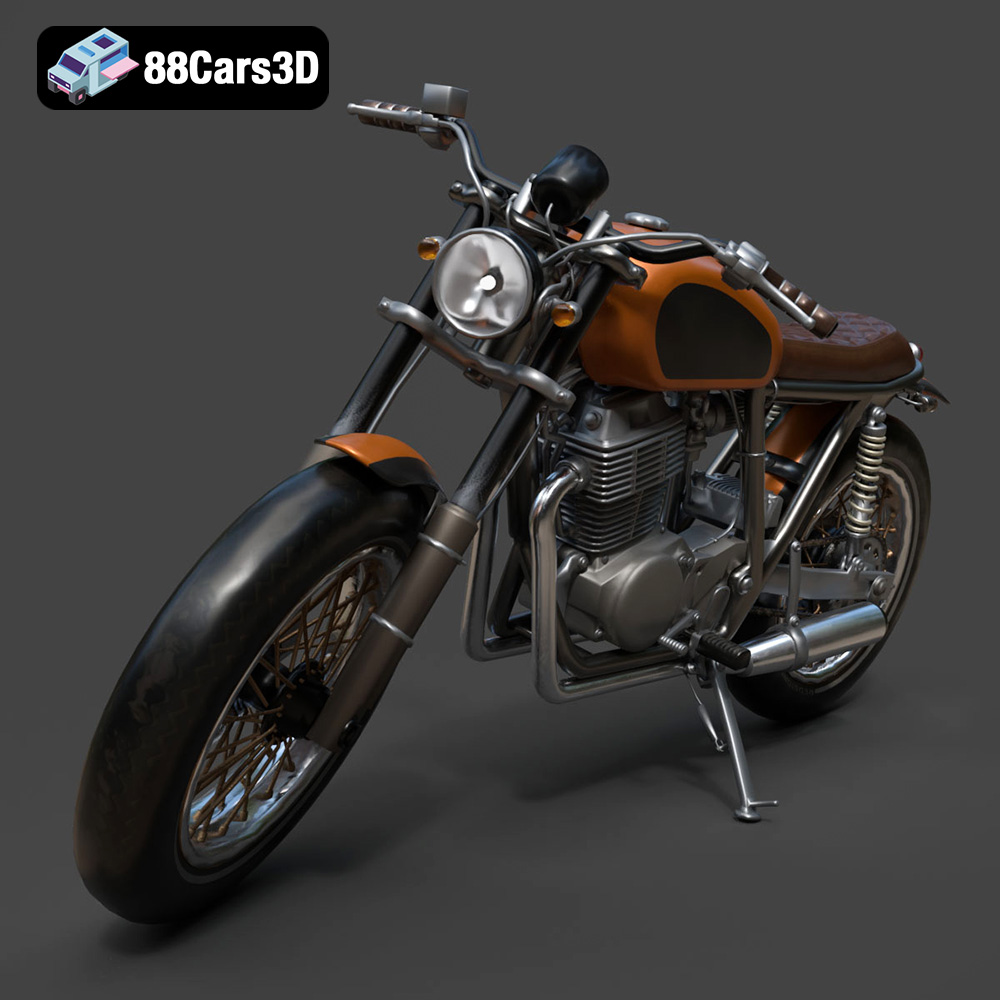
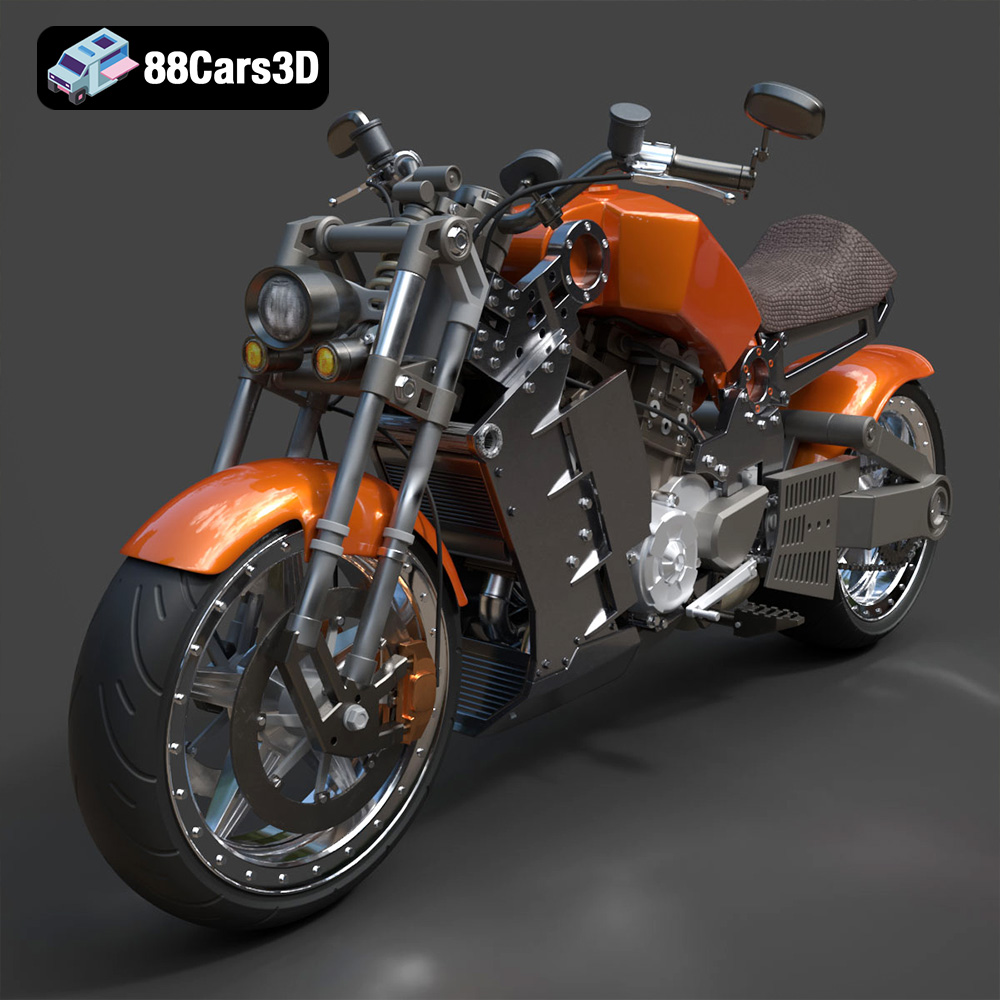
Get 50% OFF All Premium 3D & STL Models!

In today’s visually driven world, the demand for sophisticated and realistic digital representations of vehicles has never been higher. From the captivating realism of automotive advertising to the immersive experiences of cutting-edge video games and the precision required for engineering visualization, high-quality 3D car models are the foundational assets that power these diverse applications. These digital constructs are more than just static images; they are intricate data sets representing form, function, and aesthetic down to the smallest detail. As industries continually push the boundaries of visual fidelity and interactive experiences, the underlying quality of these assets becomes paramount.
Whether you’re an architect integrating a vehicle into a scene, a game developer crafting a new racing title, or a product designer visualizing a new concept, the fidelity of your 3D models directly impacts the professionalism and effectiveness of your output. At 88cars3d.com, we understand this critical need, offering a curated selection of meticulously crafted 3D car models designed to meet the rigorous demands of professional workflows. This article delves into the technical intricacies, diverse applications, and best practices surrounding these essential digital tools, guiding you through the landscape of modern 3D automotive asset creation and utilization.
The quest for realism in digital media begins with the source asset. A poorly constructed 3D car model, even with advanced rendering techniques, will always fall short. High-quality models are characterized by their precision, detail, and optimization, ensuring they perform flawlessly across various platforms and pipelines.
For designers and engineers, 3D car models serve as virtual prototypes, allowing for meticulous examination of every curve, panel gap, and component. High-polygon models, often derived from CAD data or painstakingly sculpted, provide the geometric accuracy necessary for detailed design reviews. This precision is crucial for visualizing concepts, evaluating aerodynamics, and even planning manufacturing processes long before any physical material is cut. The ability to manipulate lighting, apply diverse materials, and view the model from any angle in a virtual environment accelerates design iteration and reduces costly physical prototyping.
From initial sketches to final production, high-quality 3D car models act as the consistent visual anchor throughout the entire development lifecycle. In automotive marketing, these models are the backbone of stunning configurators, interactive showrooms, and cinematic advertisements. They allow manufacturers to showcase vehicles in environments that might be impractical or impossible to film, and with perfect lighting conditions every time. The consistency in visual fidelity across all marketing channels, powered by robust 3D assets, builds a strong brand image and effectively communicates the vehicle’s unique selling propositions.
While acquiring premium 3D car models might seem like an upfront investment, the long-term benefits are substantial. High-quality assets save countless hours in rework, optimization, and bug fixing. They come with clean topology, properly unwrapped UVs, and often PBR (Physically Based Rendering) ready textures, making them immediately usable in professional pipelines. This translates to faster project turnaround times, higher client satisfaction, and a more polished final product across all sectors, from architectural visualization to high-end games. Choosing reliable sources for your 3D assets ensures your projects start on a strong, professional footing.
The world of 3D modeling relies heavily on specific file formats, each designed with particular use cases, software compatibility, and data integrity in mind. Understanding these formats is crucial for anyone working with 3D car models, ensuring smooth workflows and optimal performance across different applications. At 88cars3d.com, we provide models in a variety of these essential formats to cater to diverse professional needs.
Choosing the correct file format for your 3D car models depends entirely on your project’s requirements, target software, and desired level of editability. A comprehensive understanding of these options empowers you to select the most efficient and effective pathway for your digital endeavors.
Automotive rendering is an art form that blends technical mastery with an artistic eye. The goal is not just to create a pretty picture, but to evoke emotion, communicate design intent, and present a vehicle in its most appealing and realistic light. Achieving photorealism demands a deep understanding of materials, lighting, and camera techniques.
Physically Based Rendering (PBR) has revolutionized the way materials are created and rendered, bringing unprecedented realism and consistency across different rendering environments. For 3D car models, this means meticulously crafted textures for paint, glass, chrome, rubber, and interior fabrics. PBR workflows utilize maps such as albedo (base color), roughness (microsurface detail), metallic (metallic vs. dielectric), normal (surface bumps), and ambient occlusion. These maps accurately simulate how light interacts with different surfaces, from the glossy reflection of a showroom floor to the subtle imperfections on a brushed metal trim. Understanding how to author and apply these maps correctly is critical for believable results.
Lighting is arguably the most crucial element in achieving stunning automotive renders. High Dynamic Range Images (HDRIs) are indispensable, providing realistic environmental lighting that captures real-world light data, reflections, and ambient color. Supplementing HDRIs with strategic area lights, spot lights, and rim lights allows for precise control over highlights, shadows, and mood. Techniques like simulating studio lighting setups with softboxes and light cards can dramatically enhance the perceived quality and depth of the vehicle. Careful placement and intensity adjustments are vital to define contours, emphasize design features, and avoid harsh, unnatural lighting.
While a strong render forms the foundation, post-processing is where the image truly comes to life. Software like Adobe Photoshop or compositing tools like Nuke allow artists to refine color grading, add subtle lens flares, implement depth of field effects, and introduce atmospheric elements like fog or haze. Chromatic aberration, subtle grain, and vignette effects can further enhance the cinematic quality. The key is to enhance, not overpower, the realism achieved in the render, ensuring the final image is polished, professional, and visually captivating, ready for high-resolution marketing materials or editorial features.
The gaming industry is a primary driver for the demand for high-quality 3D car models. From racing simulators to open-world adventures, vehicles play a pivotal role in player experience. However, unlike static rendering, game assets must balance visual fidelity with real-time performance, demanding specialized optimization techniques.
To maintain smooth frame rates, especially in complex game environments, 3D car models must be heavily optimized. This includes creating multiple Levels of Detail (LODs). An LOD0 might be a high-polygon model visible up close, while LOD1, LOD2, and further LODs are progressively lower-polygon versions that swap in as the car moves further from the camera. This ensures that the engine only renders the necessary detail, saving computational resources. Effective polygon reduction, efficient UV packing, and careful material instancing are also critical steps for game engine performance, particularly in engines like Unreal Engine and Unity.
Beyond visual representation, game vehicles require accurate collision detection and realistic physics. Custom collision meshes, often simplified convex hulls or precise custom-built collision geometry, are essential for interaction with the environment and other vehicles. These are typically separate, much lower-polygon meshes that define the physical boundaries of the car. Integrating these with a physics engine requires careful setup of mass, friction, suspension, and center of gravity to ensure the car behaves realistically during acceleration, braking, and cornering, providing an immersive driving experience.
Modern games often allow players extensive vehicle customization. This necessitates modular 3D car models, where components like wheels, spoilers, bumpers, and interior elements can be easily swapped out. This requires a well-planned asset structure, consistent naming conventions, and sometimes even a system for dynamic material changes or decal application. For developers, this modularity provided by high-quality assets from sources like 88cars3d.com allows for rapid iteration and a vast array of player choices without needing to create entirely new models for every variation.
The utility of high-quality 3D car models extends far beyond traditional rendering and gaming. As technology advances, these versatile assets are finding new and innovative applications across numerous sectors, proving their indispensable value.
Augmented Reality (AR) and Virtual Reality (VR) are transforming how we interact with products. 3D car models are at the heart of immersive AR/VR experiences, allowing potential buyers to explore a vehicle’s interior and exterior in a virtual showroom, change colors and trims, or even place a digital car in their driveway using AR on a smartphone. This level of interactive engagement provides a richer, more informative experience than static images or videos, bridging the gap between online browsing and physical interaction, and becoming a powerful sales and marketing tool for automotive brands.
While often associated with screen-based visualization, 3D car models are also crucial for physical prototyping and manufacturing. Engineers and designers use these models to generate STL or PLY files for 3D printing, creating scale models, concept prototypes, or even functional components. This rapid prototyping capability allows for quick validation of designs, aerodynamic testing (on scale models), and ergonomic assessments, significantly accelerating the product development cycle and reducing costs associated with traditional manufacturing methods.
In architectural visualization, the context surrounding a building is just as important as the structure itself. High-quality 3D car models provide essential environmental realism, populating street scenes, parking lots, and driveways. The type of vehicle chosen can profoundly influence the perceived status, setting, and even the narrative of an architectural rendering. A classic car might evoke a sense of heritage, while a modern electric vehicle signals sustainability and innovation. These models help to ground a rendered building in reality, making the entire scene more believable and relatable to the viewer.
To truly leverage the power of 3D car models, understanding advanced workflows and best practices is essential. This ensures that your assets are not only visually stunning but also optimized for efficiency and interoperability across different software and platforms.
When bringing a 3D car model into Unreal Engine, several steps ensure optimal performance and functionality. The model should be imported as a Static Mesh, with care taken to set up collision meshes and generate appropriate LODs. PBR materials need to be properly configured, often using Material Instances to allow for easy color changes or texture swaps without recompiling shaders. For interactive elements, such as opening doors or rotating wheels, Blueprints can be used to add functionality, allowing artists to create complex interactions without writing code. Clean UV maps are crucial for lightmapping and texture application within the engine.
Whether you’re using Blender or 3ds Max, preparing your 3D car models for export to other software or game engines involves key best practices. This includes ensuring clean geometry, consolidating objects where appropriate, applying all transformations (scale, rotation), and freezing transforms. Proper naming conventions for meshes and materials are vital for organization. UV maps should be unwrapped efficiently, utilizing as much texture space as possible without stretching. Before export, verify that all textures are packed or referenced correctly, and consider converting complex procedural materials to baked textures for broader compatibility, especially for .fbx or .obj exports.
Maintaining visual consistency across various platforms—from high-end cinematic renders to real-time game engines and web-based AR experiences—is a significant challenge. This involves adhering to PBR standards for materials, using consistent texture resolutions where possible, and carefully optimizing geometry for different targets. Utilizing a robust asset management system helps track model versions and ensures that any updates are propagated correctly. When sourcing models, such as from 88cars3d.com, ensure they come with clean topology, well-defined UVs, and PBR-ready textures to minimize conversion efforts and guarantee a consistent, high-quality look regardless of the final destination.
The landscape of digital visualization, game development, and interactive experiences is continuously evolving, with 3D car models standing as central pillars of innovation. From precision engineering visualization and compelling automotive rendering to immersive game assets and cutting-edge AR/VR applications, the demand for high-quality, meticulously crafted digital vehicles is undeniable. These assets are not mere decorations; they are the workhorses that drive efficiency, enhance realism, and enable groundbreaking creative endeavors across a multitude of industries.
Understanding the technical nuances of file formats, optimization techniques, and advanced rendering workflows empowers professionals to unlock the full potential of these digital assets. By investing in premium 3D models and adopting best practices, studios, designers, and developers can achieve unparalleled levels of visual fidelity and interactive performance.
At 88cars3d.com, we are dedicated to providing the industry with a comprehensive library of exceptional 3D car models, designed to integrate seamlessly into professional pipelines and elevate your projects. Explore our collection today and experience the difference that true quality makes in driving your vision forward.

Price: $129.99

Price: $99.99
Price: $89.99