Get 50% OFF All Premium 3D & STL Models!

In the fast-paced world of digital creation, the demand for realistic, high-fidelity 3D assets continues to soar. From architects visualizing opulent driveways to game developers crafting immersive open-world environments, the ability to integrate stunningly accurate vehicles is paramount. Automotive rendering and game asset development are fields where compromise simply isn’t an option. Artists and studios constantly seek efficiency without sacrificing quality, demanding 3D car models that are not only beautiful but also technically robust and workflow-ready.
This quest for excellence often leads to specialized marketplaces offering curated collections. One such standout is the German Luxury & Performance Bundle, a meticulously crafted collection available at 88cars3d.com. This bundle represents the zenith of digital automotive artistry, combining aggressive sport aesthetics, executive elegance, and everyday versatility from iconic BMW and Mercedes-Benz models. It’s designed as the ultimate “drag-and-drop” solution for professionals, promising both breathtaking visuals and optimal performance across a multitude of applications. Let’s delve into the technical intricacies that make such bundles indispensable for any serious 3D artist.
The versatility of a 3D model asset bundle, like the German Luxury & Performance Bundle, is heavily reliant on the range and quality of its
included file formats. Each format serves a specific purpose, catering to different software, pipelines,
and end-use cases. Understanding these nuances is crucial for any professional working with 3D car models,
ensuring seamless integration and optimal performance.
The .blend format is native to Blender, the powerful open-source 3D
creation suite. When you receive a .blend file, you’re getting a fully editable Blender scene. This
means all the model’s geometry, materials, textures, lighting, cameras, animations, modifiers, and even
the scene’s entire setup are preserved. For artists deeply integrated into the Blender ecosystem, this
format offers unparalleled flexibility. You can dissect the model’s construction, adjust every material
parameter, modify topology, or even re-rig components with ease. It’s ideal for those who wish to
customize the asset extensively or render it directly within Blender’s Cycles or Eevee engines.
Perhaps the most ubiquitous format in 3D production, .fbx (Filmbox)
is a proprietary file format developed by Autodesk for interoperability between 3D software applications.
It’s a robust container that can store not just mesh data, but also materials (though often simplified),
textures, animations, cameras, and even skeletal information. For game development, especially with Unreal
Engine and Unity, .fbx is the go-to. It efficiently transfers complex data with minimal loss, making it
perfect for importing 3D car models into real-time pipelines where performance and consistent asset
behavior are critical. When assets are described as “Unreal-ready,” it often implies they are provided in
optimized .fbx formats, with correct scale, pivot points, and UVs for game engine use.
The .obj (Wavefront OBJ) format is a simple, widely supported geometry
definition file format. It primarily stores vertex positions, UV coordinates, normals, and polygon
information. While it doesn’t typically store complex material setups or animation data directly within the
file (materials are usually referenced in an accompanying .mtl file), its universality makes it an
excellent choice for cross-software compatibility. Almost every 3D application can import and export .obj
files, making it a reliable fallback for transferring mesh data when other formats might cause issues. It’s
particularly useful for basic mesh exchange or for those who prefer to re-create materials from scratch
within their target software.
The .glb (GLB-a-JSON) format is the binary version of glTF (GL Transmission Format),
a royalty-free specification for the efficient transmission and loading of 3D scenes and models by
applications. GLB bundles textures and other assets directly into a single file, making it incredibly
convenient for web-based 3D viewing, augmented reality (AR), and virtual reality (VR) applications. Its
optimization for compact size and rapid loading times makes it ideal for interactive experiences where
performance is paramount, such as showcasing 3D car models directly in a browser or within a mobile AR app.
The .stl (STereoLithography) format is the industry standard for 3D printing. It
describes only the surface geometry of a 3D object using a collection of interconnected triangles. While it
lacks color or texture information, its simplicity and widespread adoption by slicing software and 3D
printers make it indispensable for manufacturing physical objects from digital models. The German Luxury &
Performance Bundle, with its mention of “3D Printable STL,” indicates that these high-fidelity models can
also be brought into the physical world as miniature collectibles or prototypes.
The .ply (Polygon File Format, or Stanford Triangle Format) is designed to store 3D
data from 3D scanners. It supports properties such as color, transparency, normals, texture coordinates,
and can store both polygonal and point cloud data. While less common for general 3D asset exchange, it’s
highly valued in applications requiring precision mesh data, such as CAD (Computer-Aided Design), scientific
visualization, or analysis. It allows for a more detailed representation of surfaces compared to .obj,
making it suitable for specific engineering or reverse-engineering workflows.
Like .blend for Blender, the .max format is the native file type for Autodesk 3ds
Max. A .max file contains the complete 3ds Max scene, including all models, modifiers, materials, lights,
cameras, animations, and render settings. For artists using 3ds Max for automotive rendering, particularly
with renderers like Corona and V-Ray (for which these models are “Render-Ready”), the .max file provides
the most comprehensive and editable starting point. It allows full control over every aspect of the scene,
making it perfect for detailed ArchViz, cinematic shots, and complex animations.
The .mb (Maya Binary) format is the native file type for Autodesk Maya, another
industry-leading 3D software for animation, modeling, simulation, and rendering. Similar to .max, an .mb
file contains the entire Maya scene, offering full editability of geometry, materials, rigging, and animation
data. For VFX and film production pipelines that often rely heavily on Maya, providing models in .mb
format ensures maximum compatibility and the ability to leverage Maya’s powerful toolset for further
refinement, rigging, or integration into complex scenes.
The provision of this diverse array of formats in the German Luxury & Performance Bundle
ensures that these premium 3D car models are truly versatile, ready to be dropped into virtually any
professional workflow, from real-time game engines to high-end cinematic renderers and even 3D printers.
Creating truly premium 3D car models goes far beyond simply matching exterior shapes. It involves a meticulous blend of artistic skill and technical precision. The German Luxury & Performance Bundle exemplifies this, offering assets crafted to an exacting standard that supports both visual realism and computational efficiency. The description highlights several key technical advantages that set these models apart.
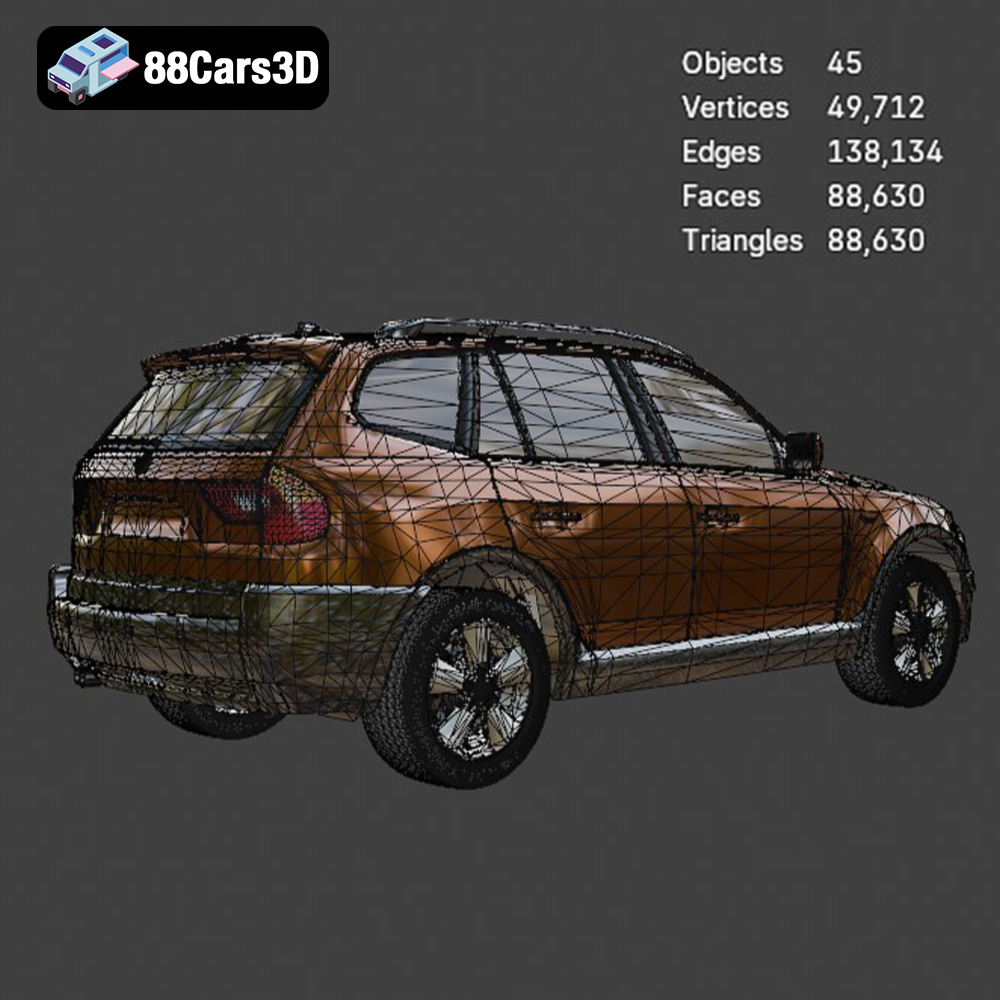
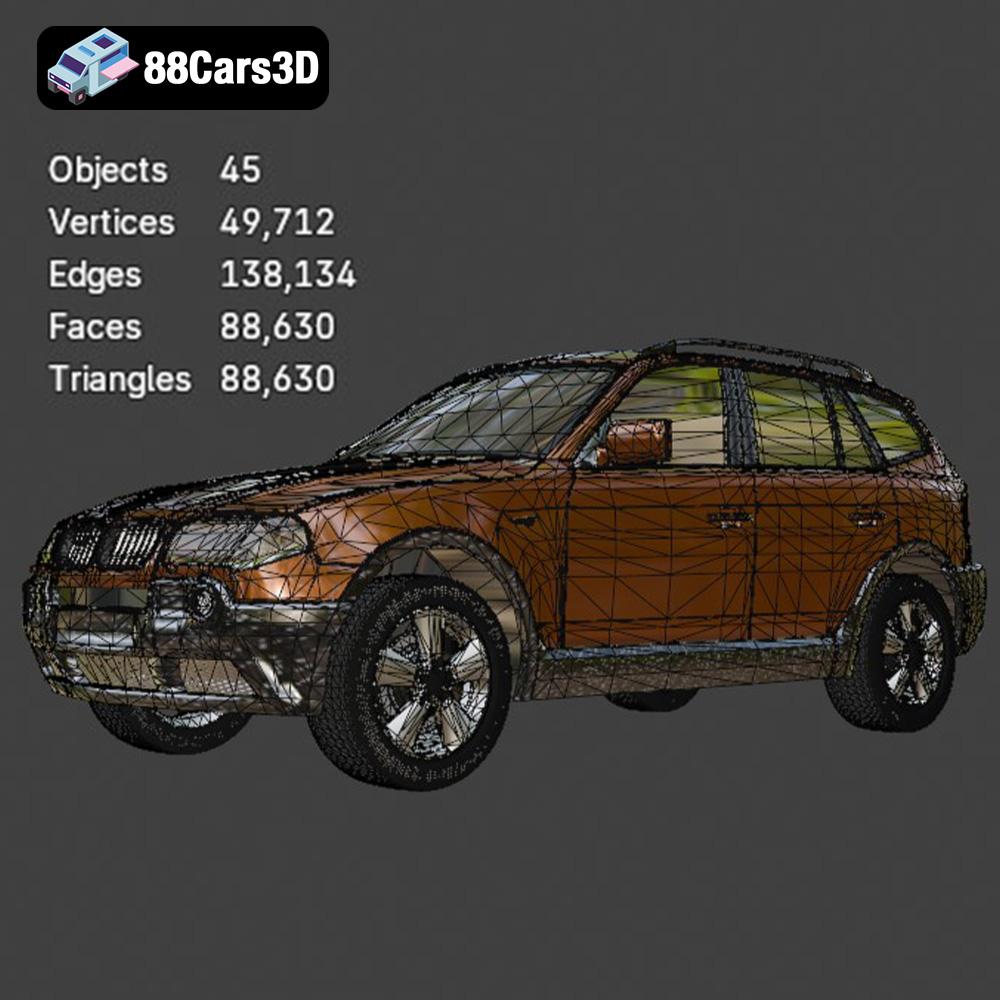
The phrase “quad-heavy, optimized structure” and “clean-mid-poly topology” are not just buzzwords; they represent a fundamental aspect of professional 3D asset creation. A quad-heavy mesh (composed primarily of four-sided polygons) is preferred because it deforms more predictably during animation and is easier to subdivide for higher detail without introducing artifacts. This clean topology ensures the models hold up beautifully in close-up 4K renders, where subtle surface imperfections and reflections would otherwise expose poor modeling. Concurrently, “optimized” and “mid-poly” mean these models strike a perfect balance: detailed enough for hero shots, yet light enough to be used in dense traffic populations for game development or large-scale ArchViz scenes without crippling performance. This thoughtful optimization prevents unnecessary polygon counts while maintaining visual fidelity.
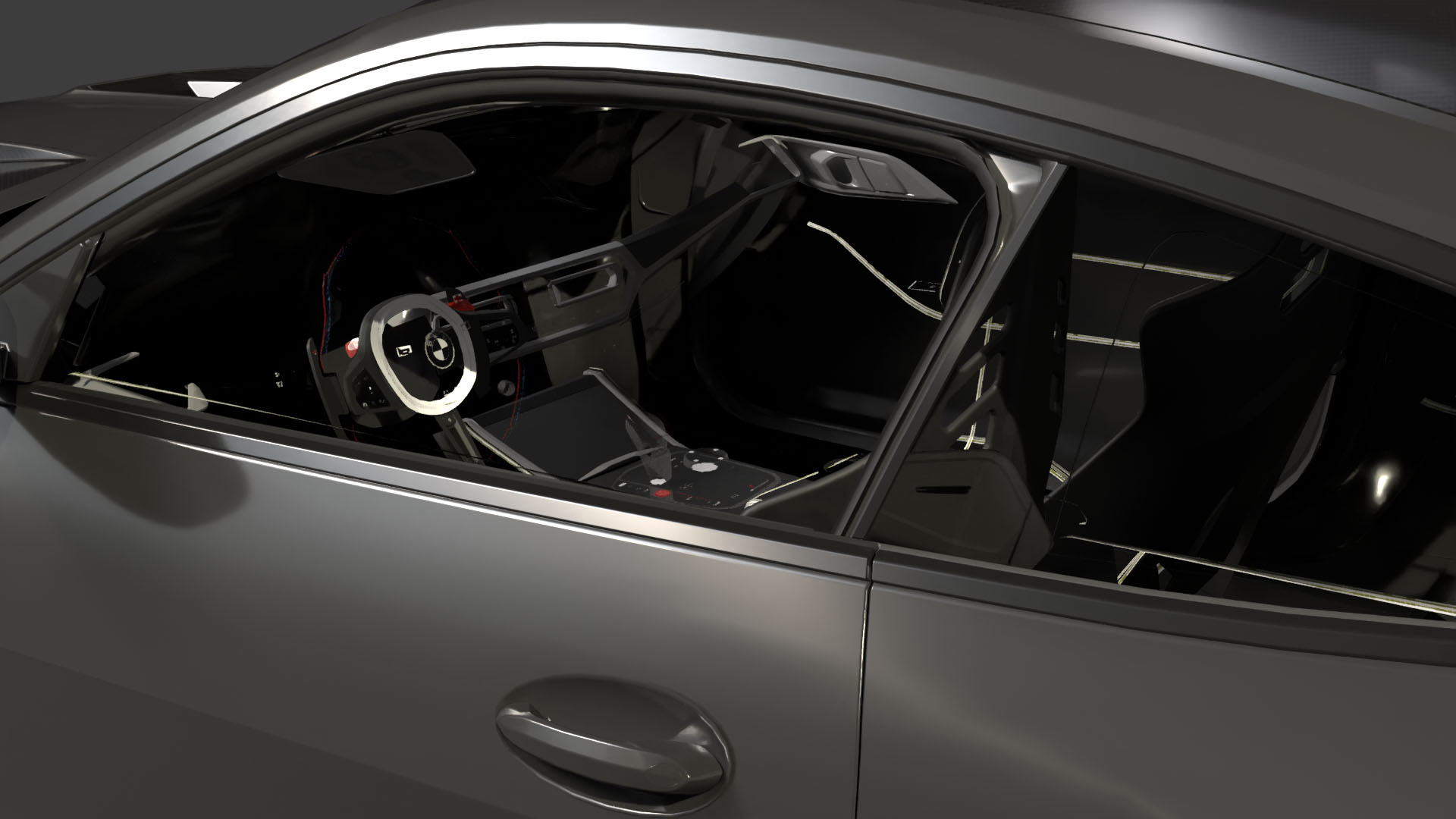
“Real-World Scale” is a critical requirement, especially for architectural visualization and simulation. Each vehicle in the German Luxury & Performance Bundle is built to exact factory dimensions, ensuring seamless integration into architectural scenes without the need for manual scaling, which can introduce errors or inconsistencies. Furthermore, the “Scandinavian & German Precision” refers to the meticulous detailing of components like accurate light clusters (incorporating LED/Laser tech designs) and optimized interiors that are visible through glass. These seemingly small details contribute immensely to the overall photorealism, making the vehicles appear truly integrated into their environment rather than simply placed upon it.
The separation and pivoting of components like wheels, steering, and doors is a testament to the bundle’s professional-grade preparation. This modularity is essential for any workflow involving animation, whether it’s a simple car door opening in an ArchViz walkthrough or complex vehicle dynamics in a game engine. Pre-set pivots significantly reduce the setup time for rigging artists, allowing for quick and accurate animation sequences without tedious manual adjustments. This “plug-and-play” capability enhances the versatility of these 3D car models, saving valuable production time.
The true value of a premium 3D asset bundle like the German Luxury & Performance Collection lies in its adaptability across diverse professional pipelines. Designed to be a universal solution, these models seamlessly integrate into various projects, delivering consistent, high-quality results.
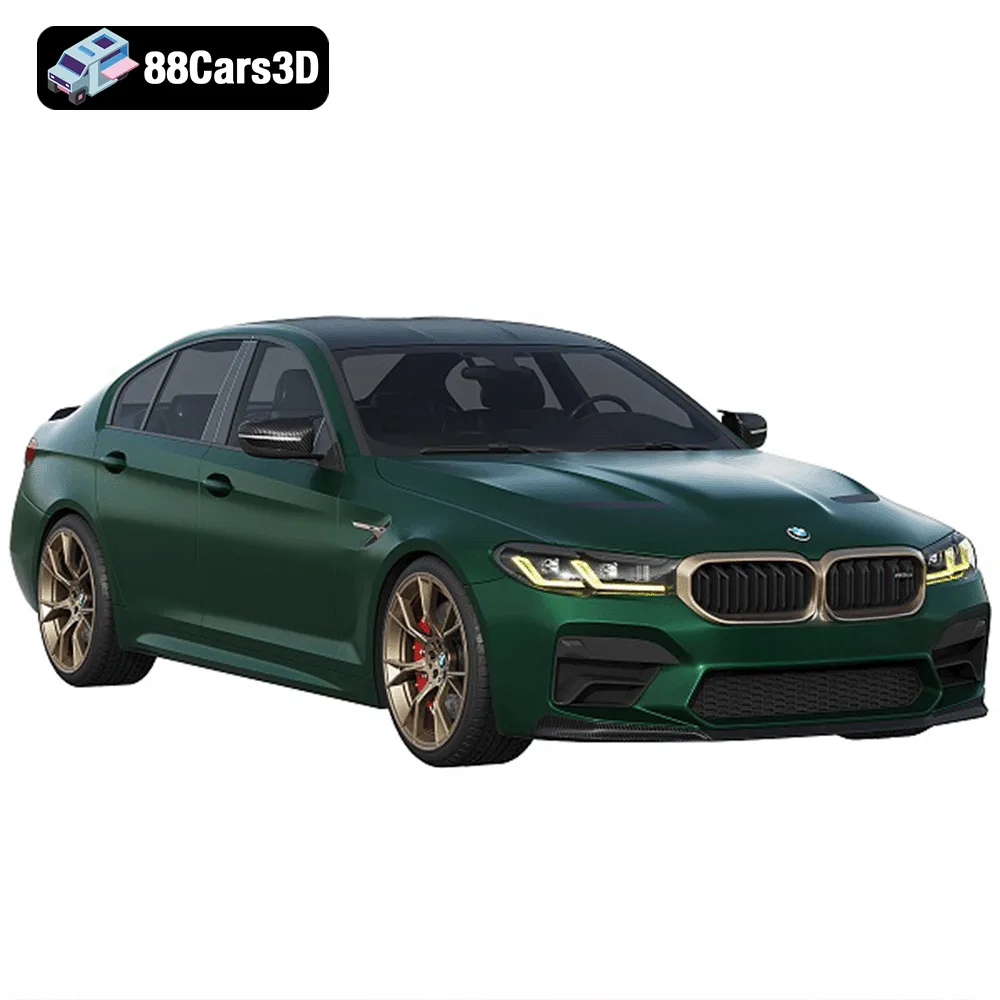
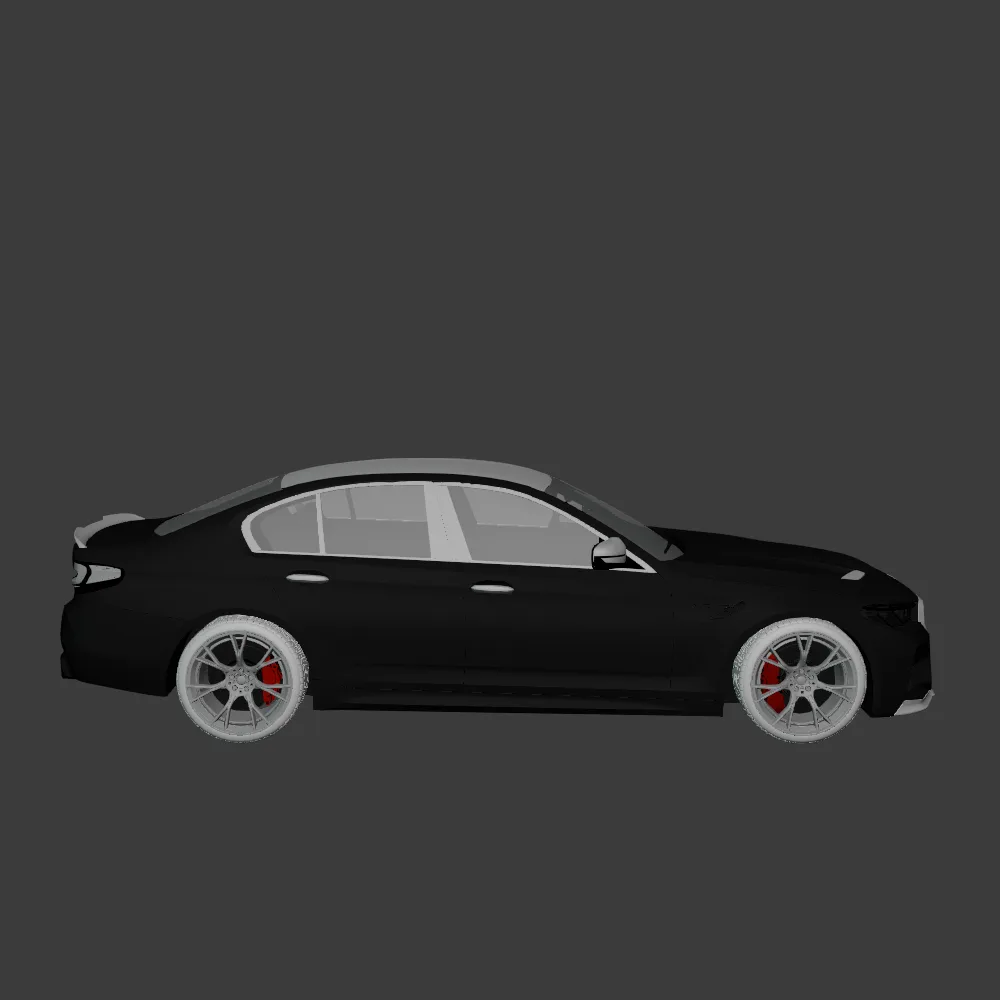
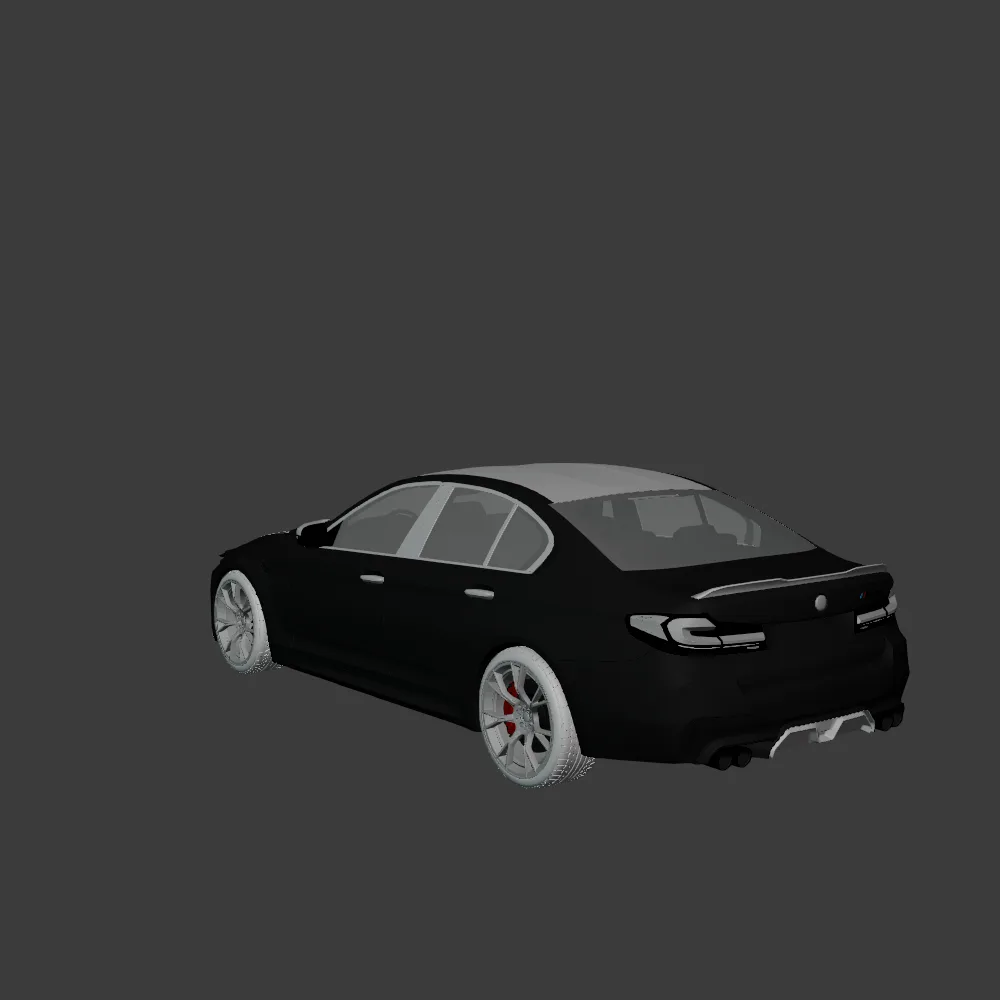
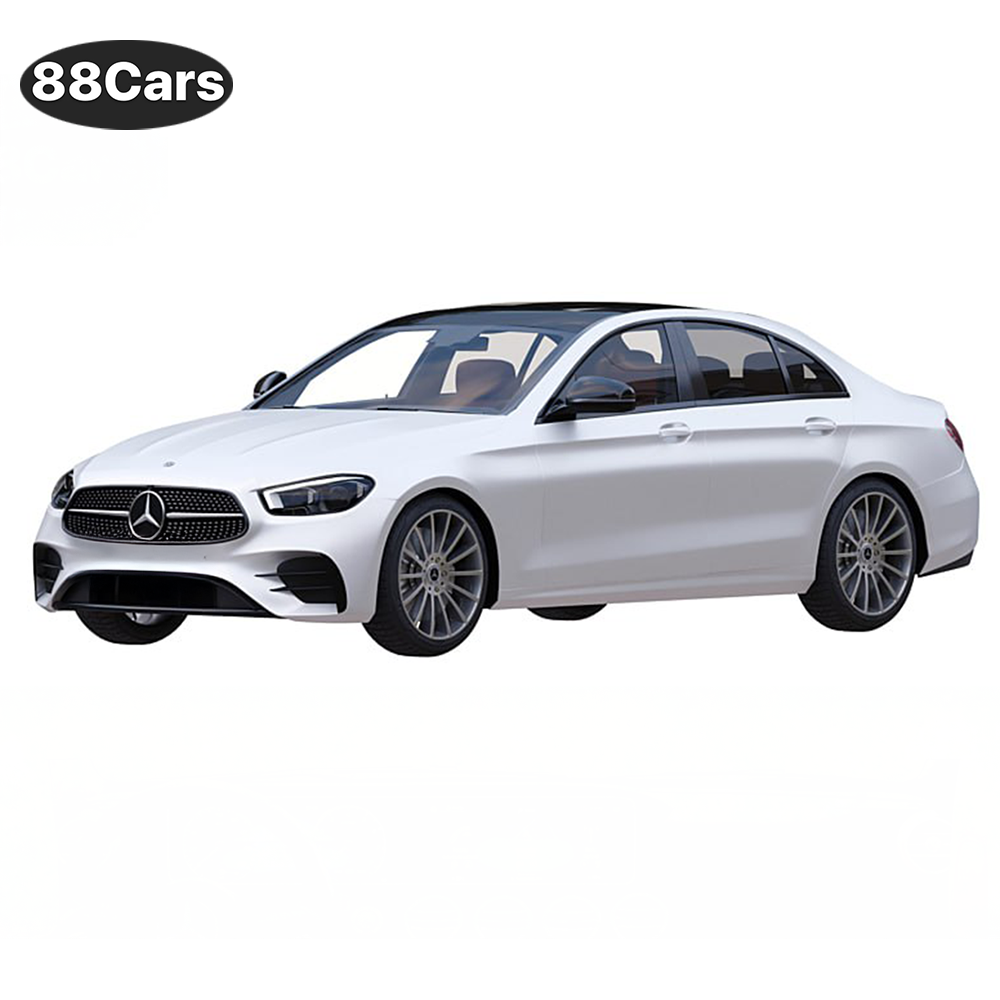
In architectural visualization (ArchViz), the goal is to create photorealistic renderings that breathe life into designs. The German Luxury & Performance Bundle is an ideal asset for this. Imagine a sleek BMW M5 CS parked elegantly in the driveway of a modern luxury home, or a Mercedes-Benz E-Class AMG Line gracing the entrance of a corporate building. These models, with their real-world scale and detailed exteriors, instantly add prestige and a sense of lived-in reality to high-end residential or commercial projects. Their “Render-Ready” setup for Corona and V-Ray means artists can achieve stunning, physically accurate lighting and reflections with minimal setup time, transforming a static scene into a captivating narrative.
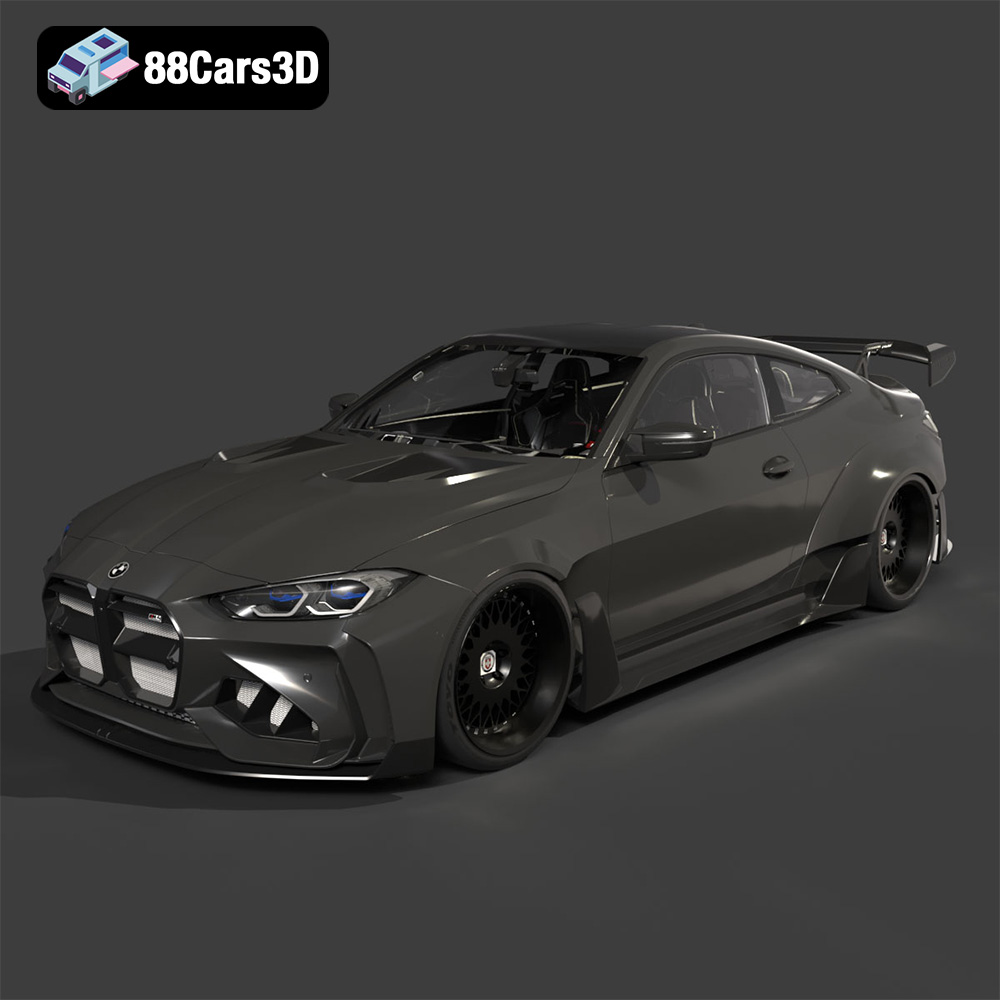
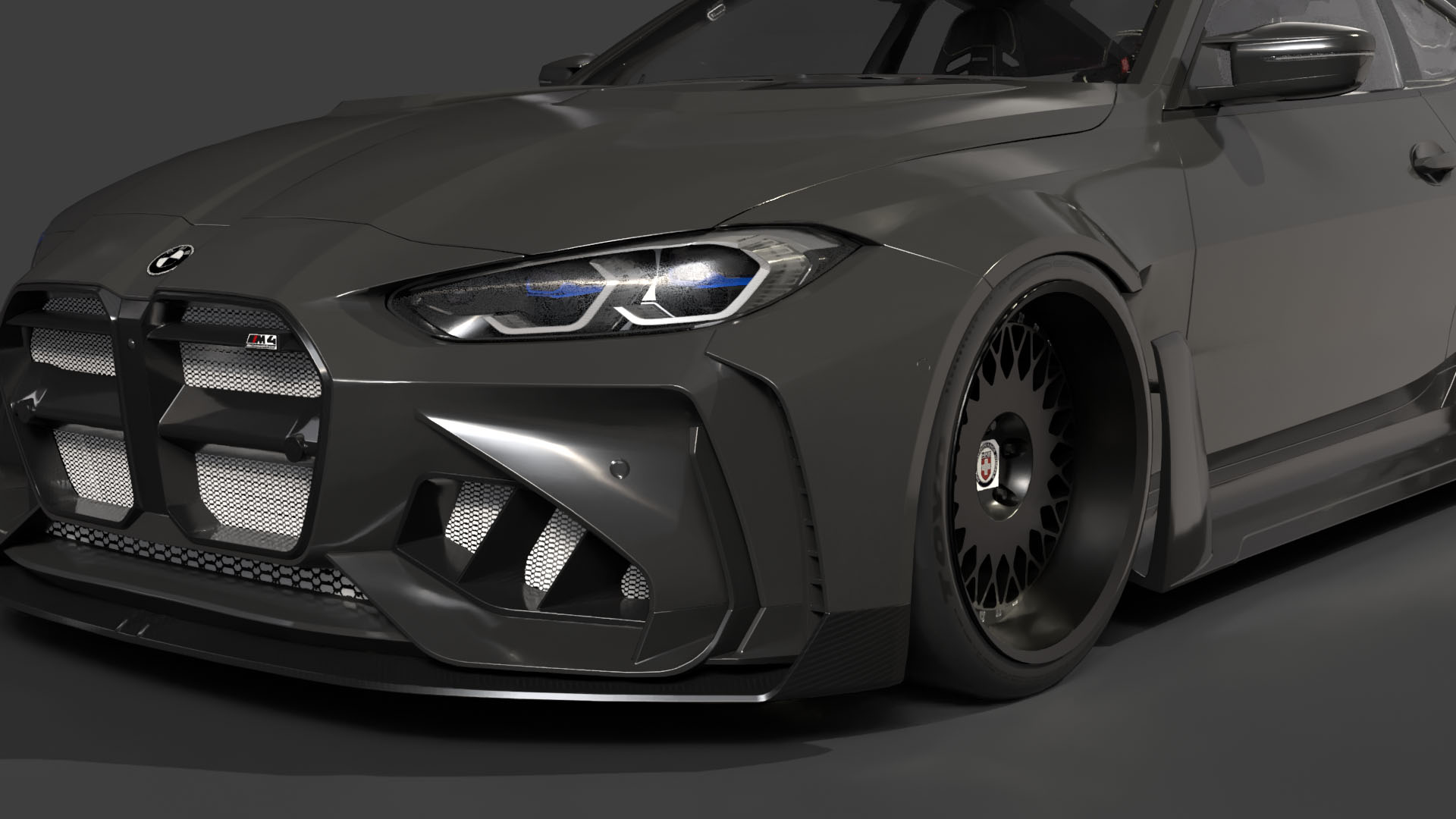
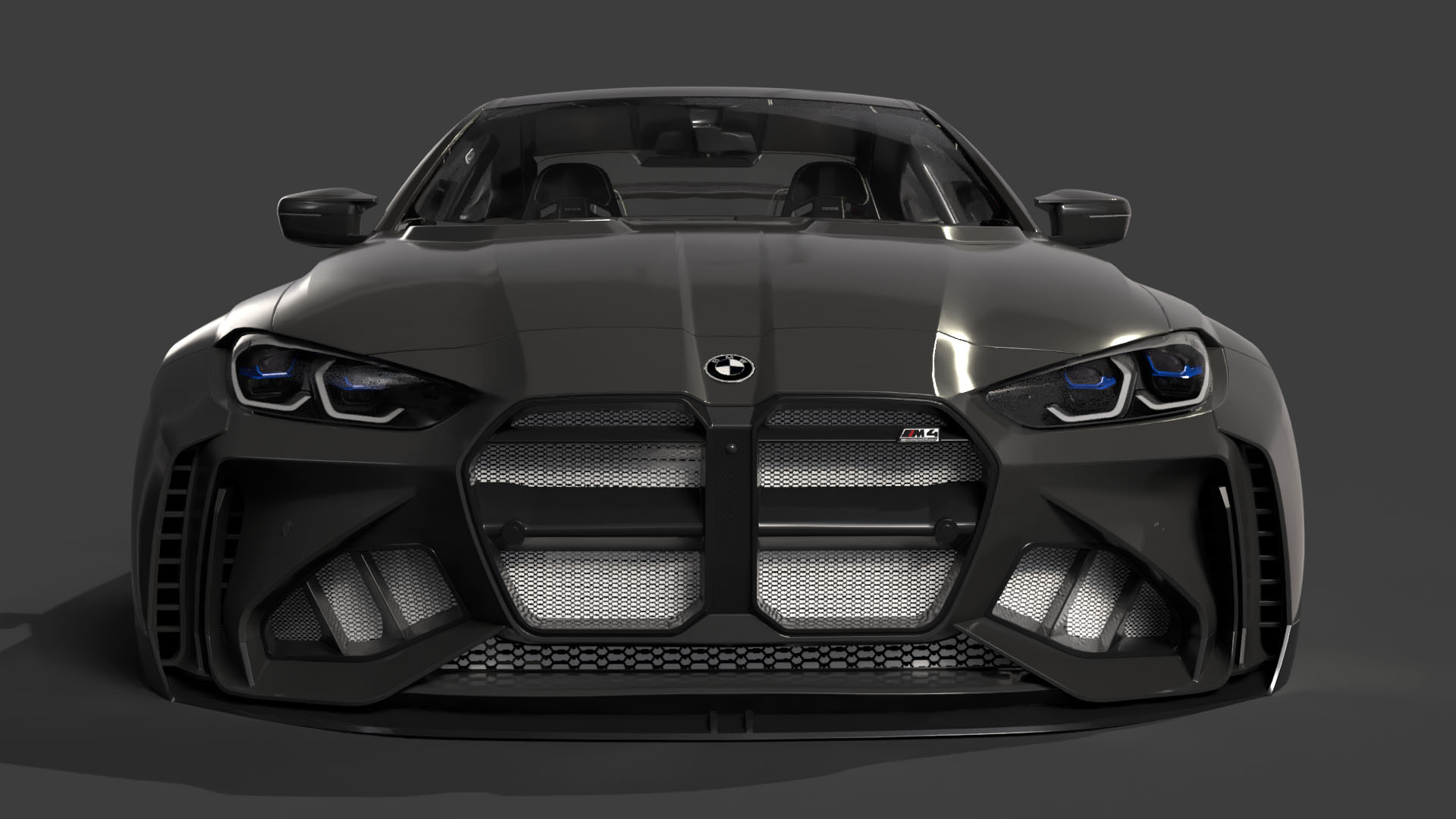
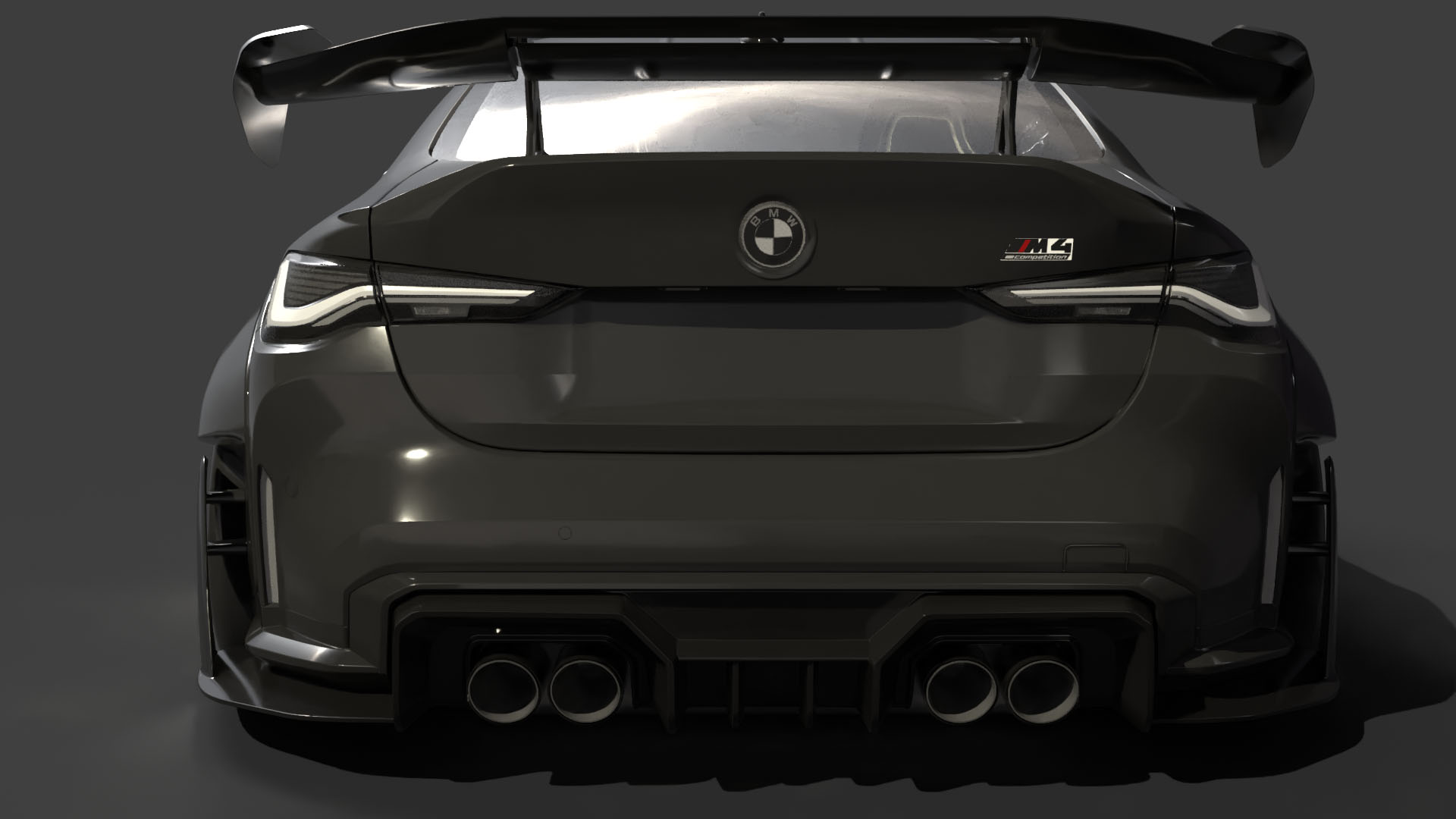
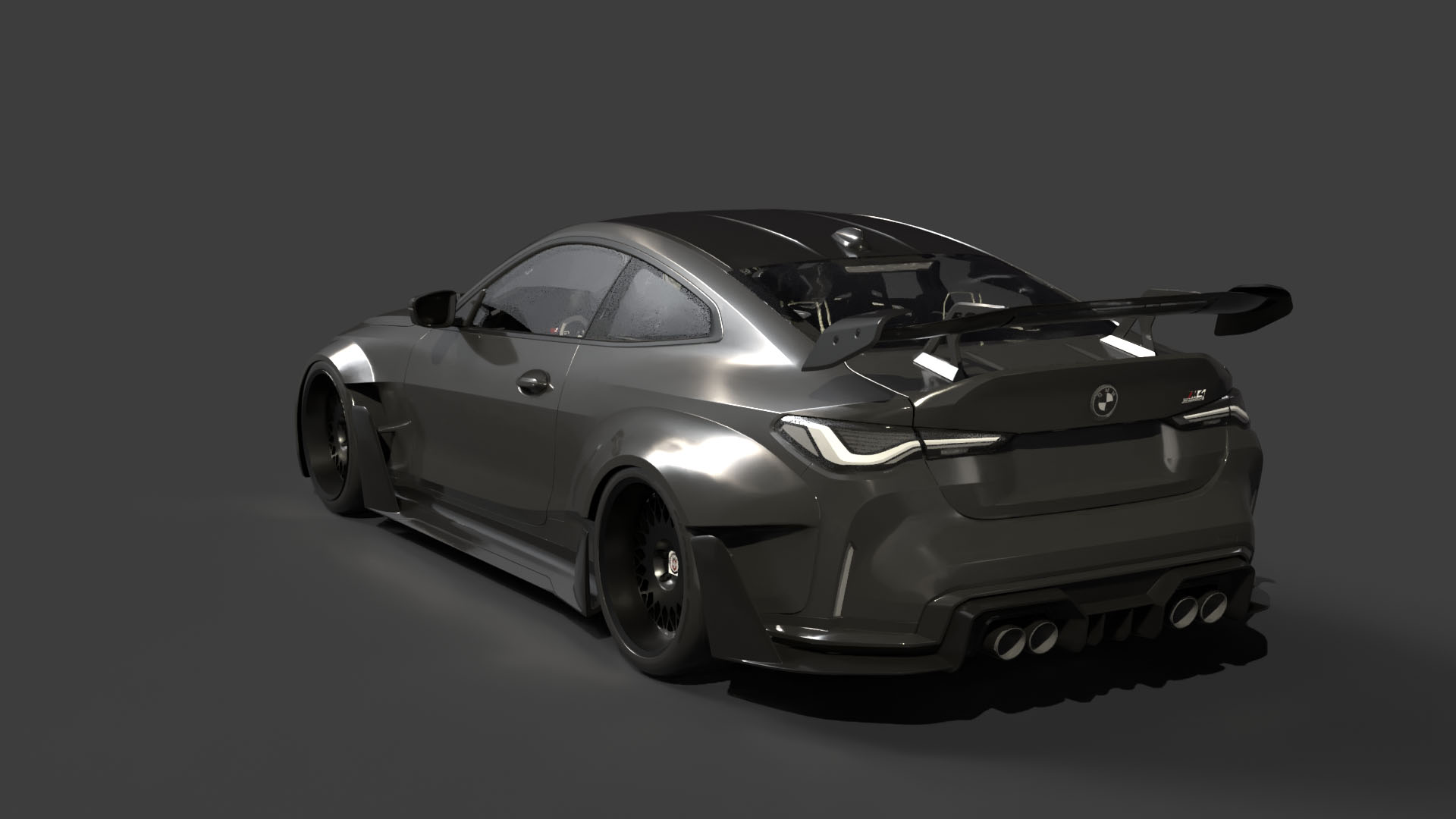
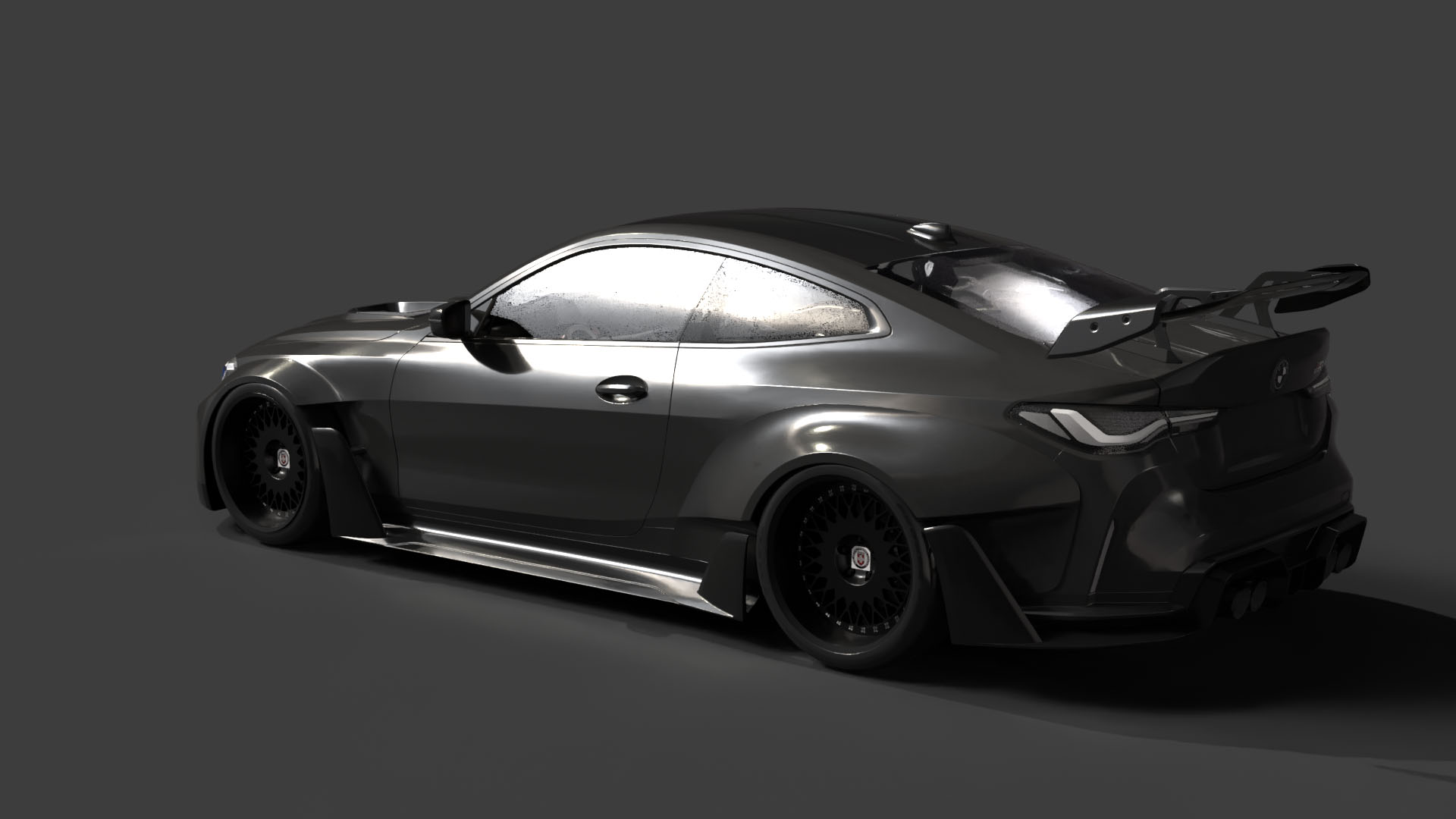
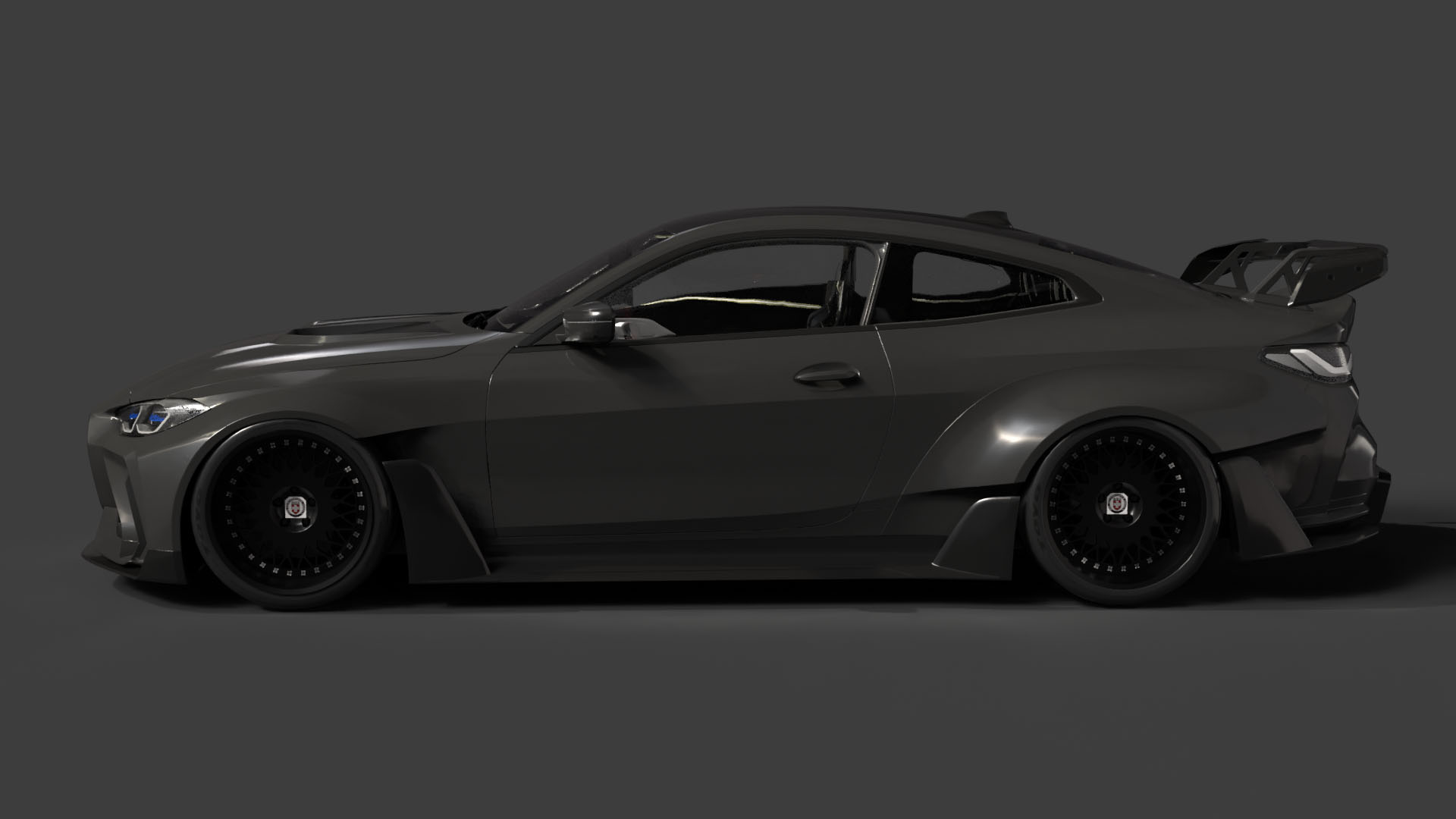
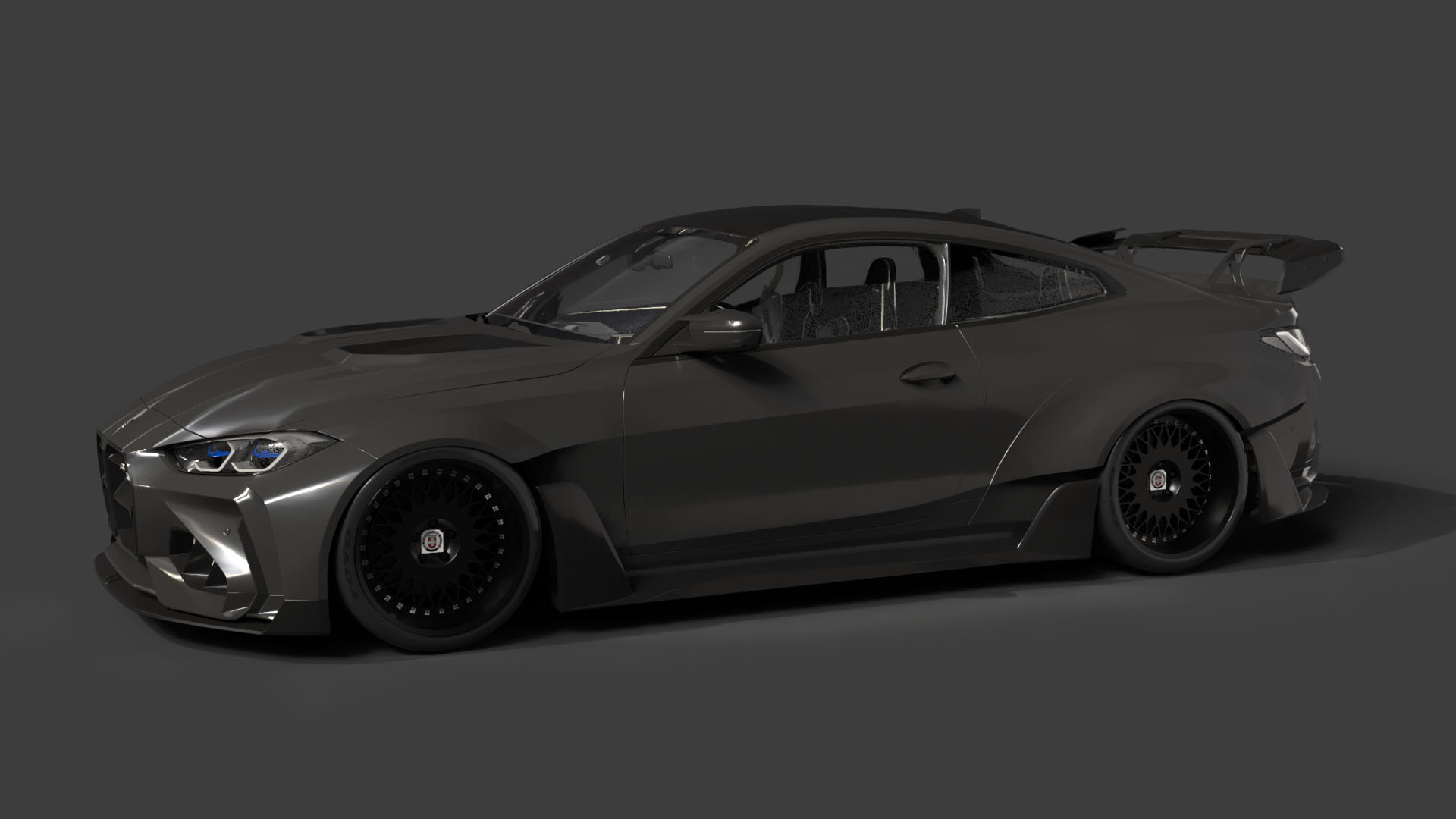
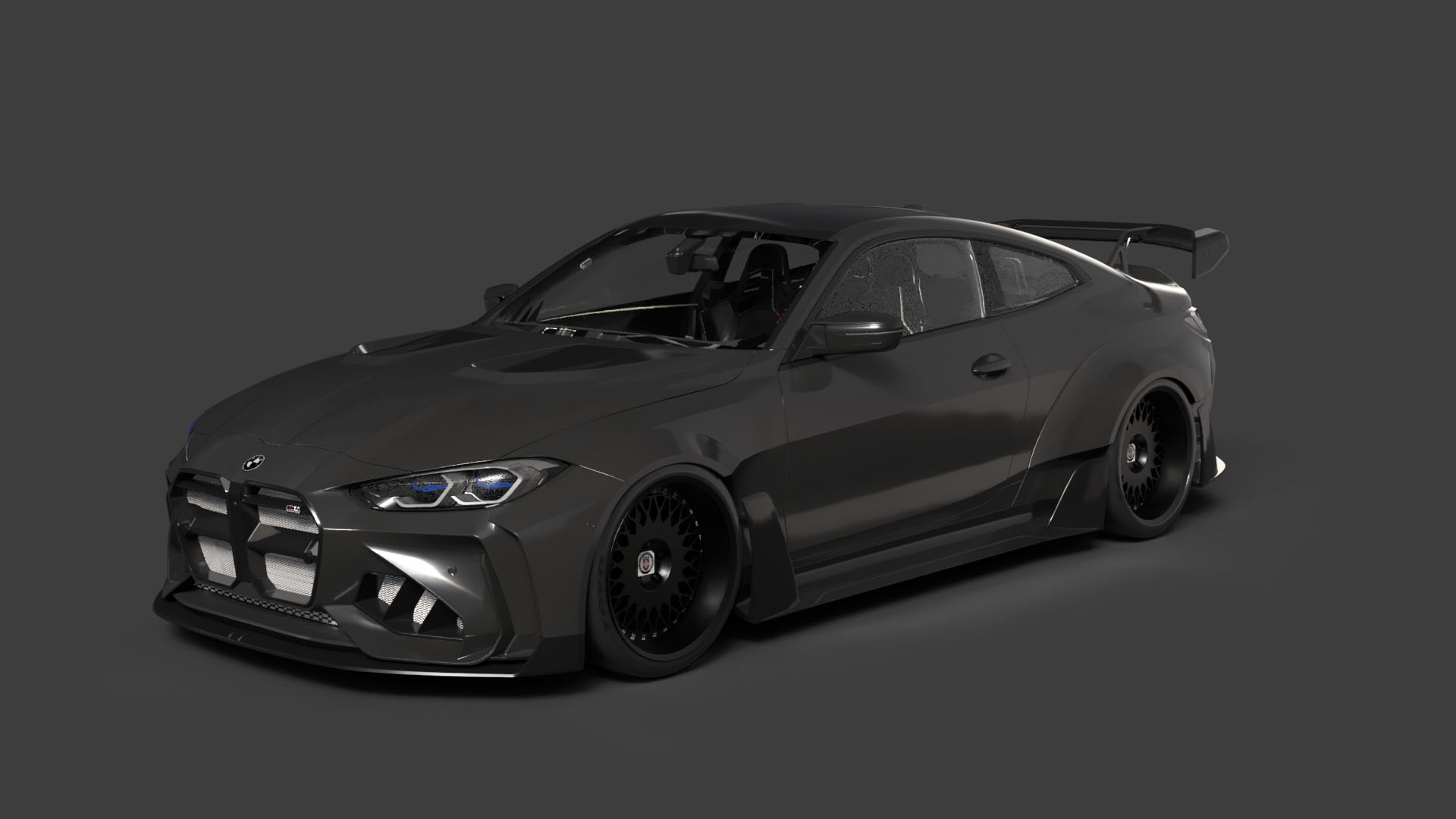
For visual effects (VFX) and cinematic productions, the demand for realism is absolute. The clean topology of the models in this bundle is crucial for these applications. It allows for beautiful, artifact-free light reflections and enables smooth motion blur during high-speed chase sequences, which are paramount for convincing vehicle shots. Whether it’s a BMW G82 M4 with its custom wide-body kit tearing down a digital street or a more subtle background vehicle adding depth to an urban scene, these 3D car models provide the fidelity required for seamless integration into live-action plates or fully CG environments, making them perfect for automotive commercial mockups and other high-stakes cinematic scenarios.
Game development, particularly for PC and console projects, thrives on high-quality assets that balance visual appeal with performance. The German Luxury & Performance Bundle offers precisely this. These vehicles can serve as “Hero” assets for racing games, allowing players to experience the thrill of German engineering with stunning visual fidelity. Alternatively, their optimized “mid-poly” nature makes them perfect for populating realistic urban traffic or creating elite background elements in open-world games. The included file formats like .fbx ensure easy integration into game engines like Unreal Engine and Unity, where efficiency and detailed assets are key to creating immersive and believable virtual worlds.
The art of automotive rendering is all about capturing the intricate interplay of light, material, and form to create images indistinguishable from reality. The German Luxury & Performance Bundle is specifically engineered for this, boasting full setup for industry-leading renderers like Corona and V-Ray with advanced material mapping.
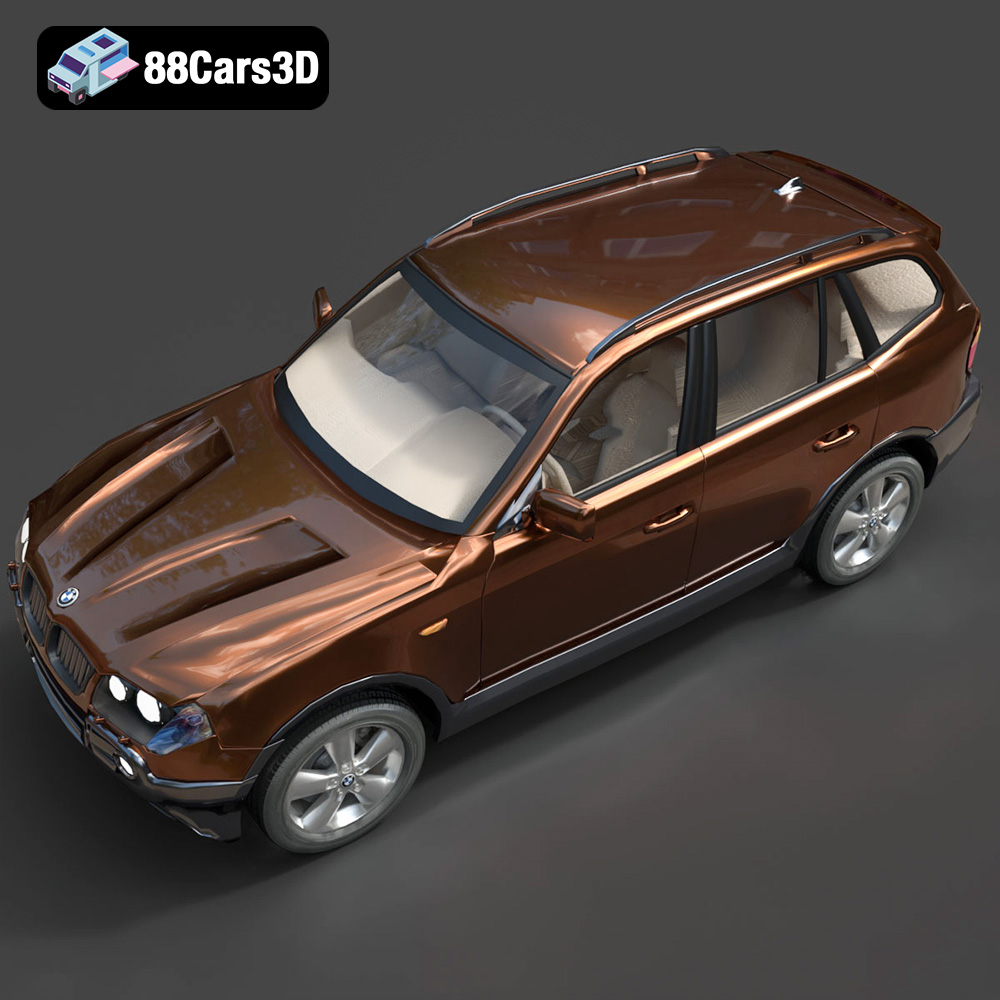
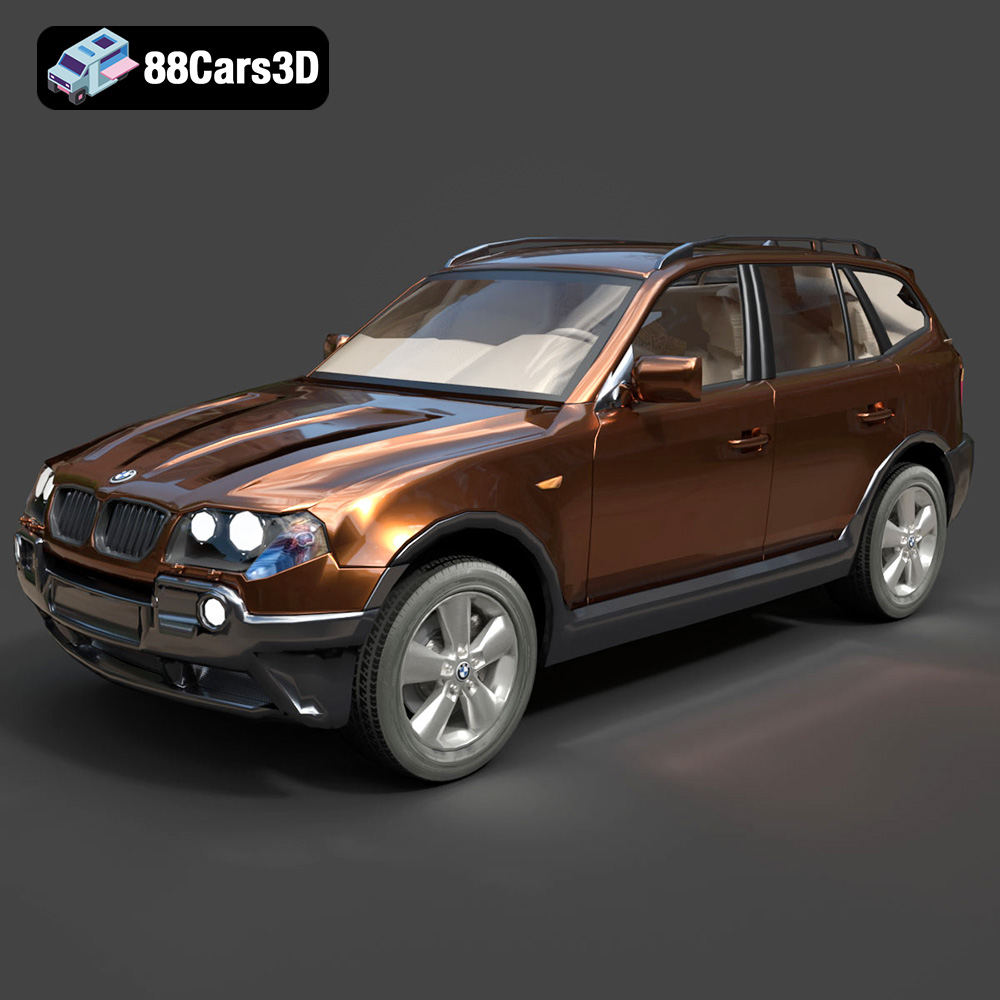
At the heart of photorealistic rendering are physically based rendering (PBR) materials. These models come pre-configured, meaning their car paint, glass, tire rubber, and metallic accents already possess the correct PBR properties – diffuse, roughness, metallic, normal maps, and more. This “advanced material mapping” ensures that when light interacts with the digital surfaces, it behaves just as it would in the real world. Reflections on the M4 G82’s custom bodykit will have the appropriate amount of gloss and metallic flake, while the subtle texture of the BMW X3 SUV’s interior trim will be accurately represented, even in close-up shots. This pre-calibration saves artists countless hours of setup, allowing them to focus on composition and lighting rather than tedious material tweaking.
With render-ready materials, the focus shifts to lighting. For automotive rendering, key techniques include studio-style HDRI (High Dynamic Range Image) lighting for realistic environmental reflections, or physical sky systems for outdoor scenes. The precision of the vehicle models, particularly their accurate light clusters (LED/Laser tech), means that lighting effects will interact correctly, casting realistic glows and reflections. V-Ray and Corona Renderer excel at handling these complex lighting scenarios, producing stunning global illumination and realistic reflections on the glossy surfaces of the BMW M5 CS or the Mercedes-Benz E-Class AMG Line. The careful optimization of the mesh ensures that these complex calculations are processed efficiently, allowing for quick iterations and breathtaking final renders.
While the primary application for high-quality 3D car models is digital visualization, the German Luxury & Performance Bundle also extends its utility into the physical realm, offering models suitable for 3D printing. This capability opens up exciting new avenues for collectors, designers, and hobbyists alike.
The inclusion of 3D printable STL files transforms these exquisite digital representations into physical objects. Imagine holding a perfectly scaled miniature of the aggressive BMW G82 M4 with its custom bodykit, or a sophisticated Mercedes-Benz E-Class AMG Line, rendered in plastic or resin. This process converts the manifold geometry of the digital model into a format that 3D printers can interpret, layer by layer, bringing the design to life. It’s a fantastic way to create automotive collectibles, tabletop displays, or even rapid prototypes for physical design iterations.
The product description provides excellent guidelines for 3D printing, recommending scales like 1:24, 1:32, or 1:43. Smaller scales often benefit greatly from resin printing (SLA/DLP) due to its ability to capture finer details, such as the intricate Thor’s Hammer headlights mentioned for some luxury vehicles (though the bundle specifically mentions German cars, the principle applies to fine details). FDM printers, while more common, might require slightly larger scales and careful attention to layer height and infill for optimal results. Crucial details like wall thickness, infill density, and support structures (for areas like side mirrors, wheel arches, and subtle spoilers) are vital for successful prints. Post-processing steps like sanding, priming, and painting are often necessary to achieve a factory-like finish, mimicking modern automotive colors and clear coats. This capability truly makes the German Luxury & Performance Bundle a versatile asset, bridging the gap between virtual and physical creation.
The true measure of a valuable asset bundle lies in its ability to streamline and enhance professional workflows. The German Luxury & Performance Bundle is designed precisely for this, offering a ready-to-use solution that maximizes efficiency without compromising on quality.
The “drag-and-drop” nature of these models is a significant advantage. With multiple professional file formats like .blend, .fbx, .obj, .max, and .mb, artists can quickly import these vehicles into their preferred 3D software or game engine. The pre-setup materials for Corona and V-Ray in .max files mean less time spent on shader creation and more time on artistic direction and rendering. For game developers, the optimized topology and separated components in .fbx format mean quicker rigging and animation setup, leading to faster iteration cycles and more efficient game asset development. This streamlined integration allows studios to meet tight deadlines while maintaining a high standard of visual excellence for their 3D car models.
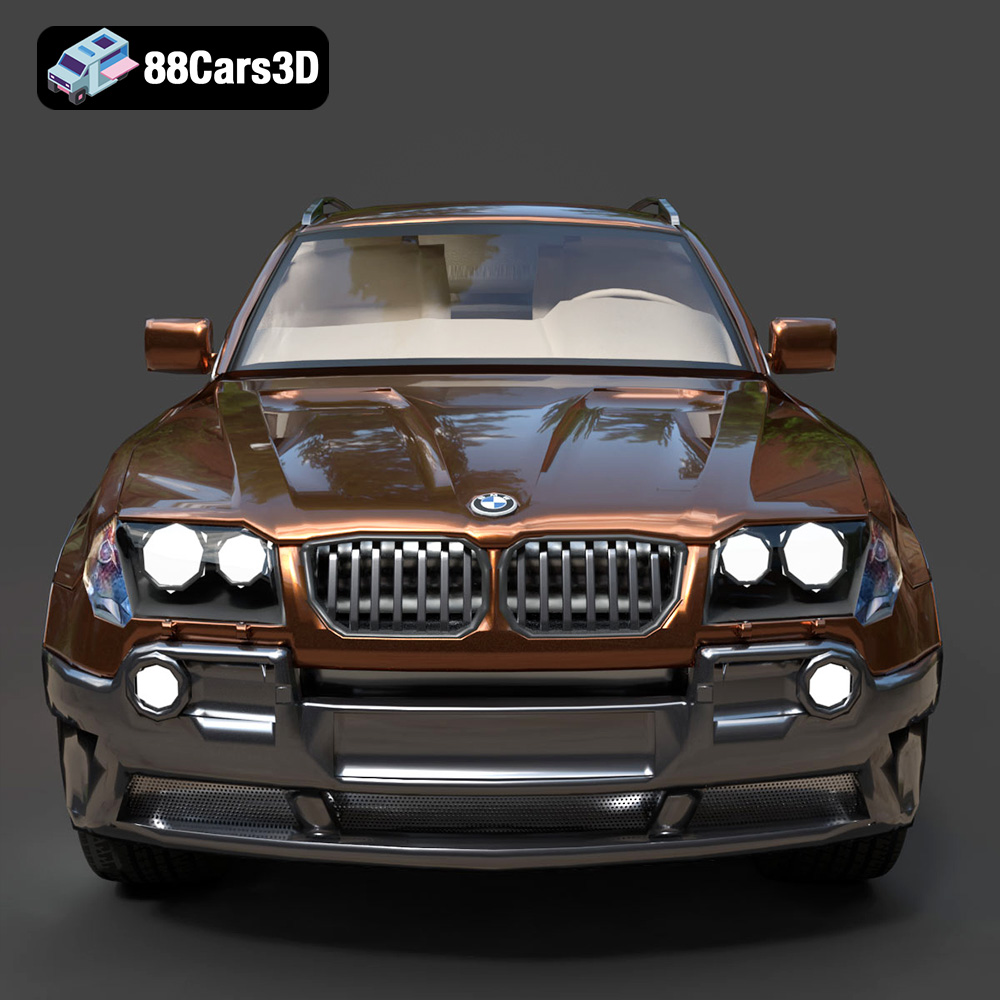
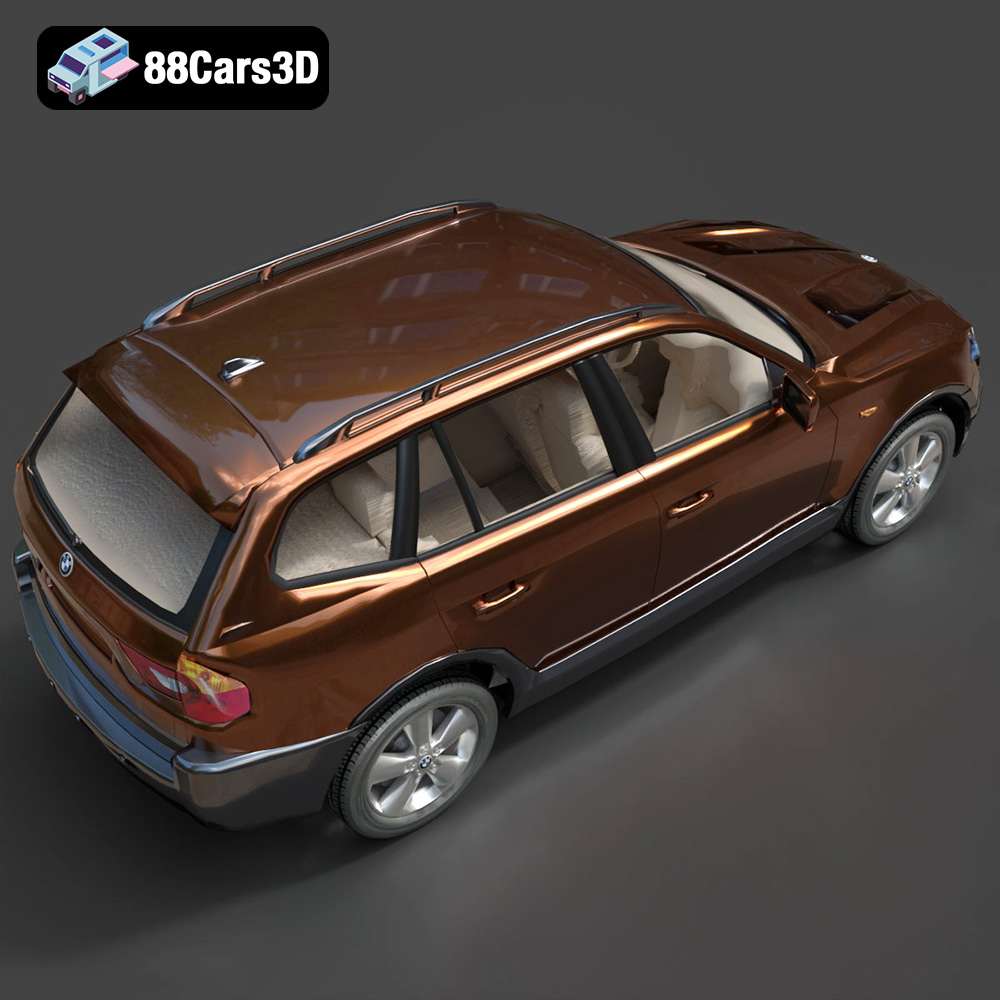
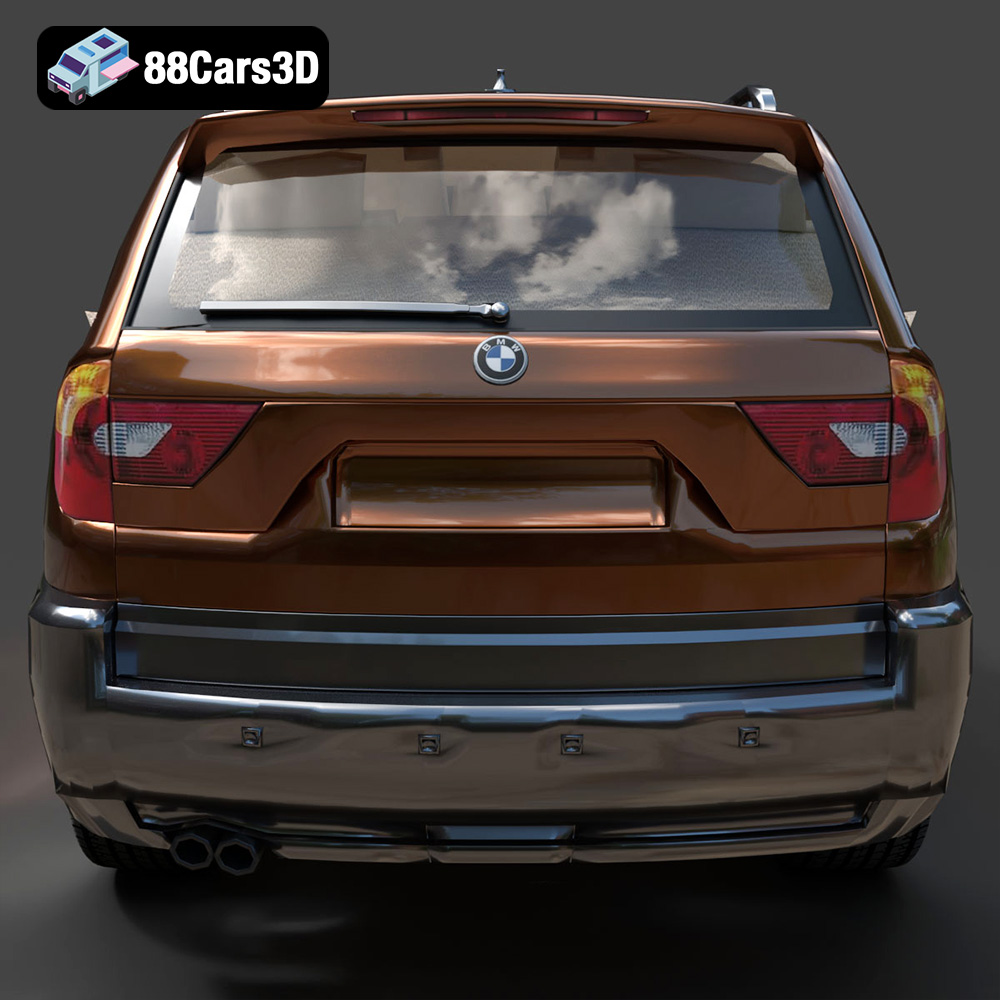
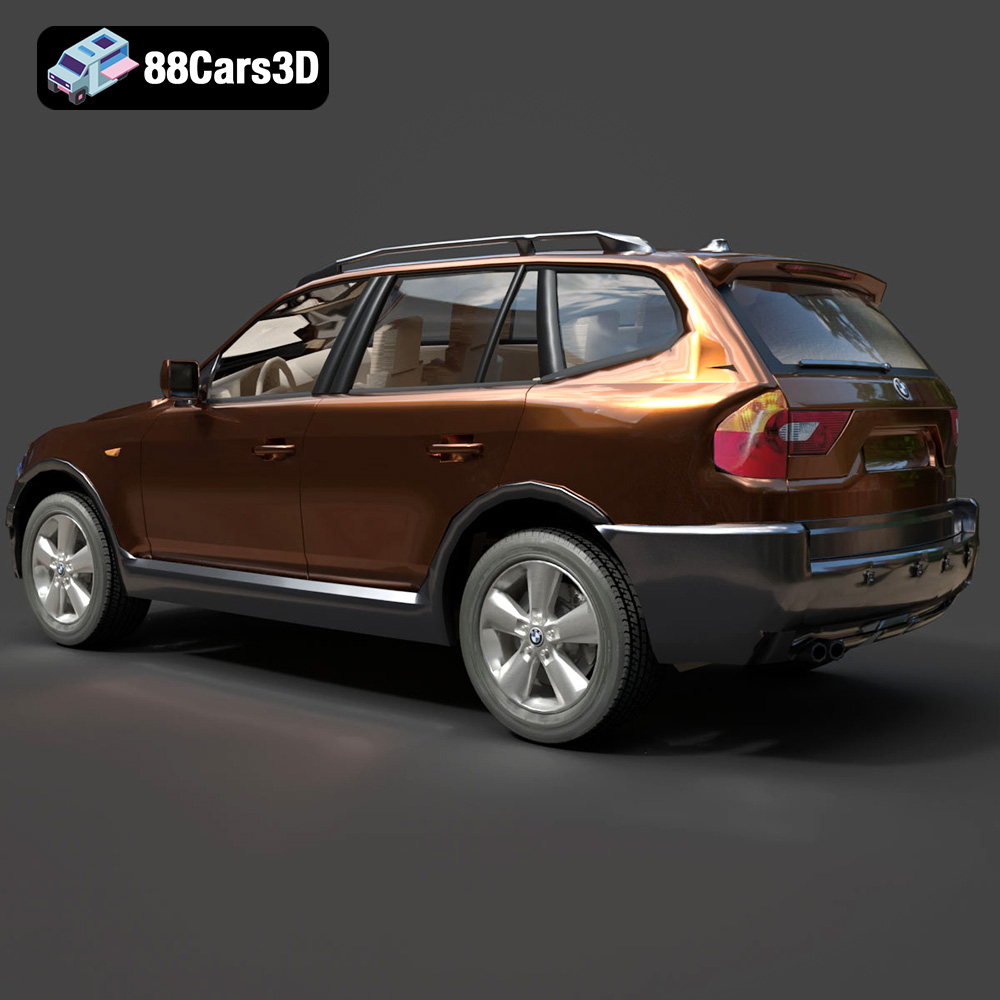
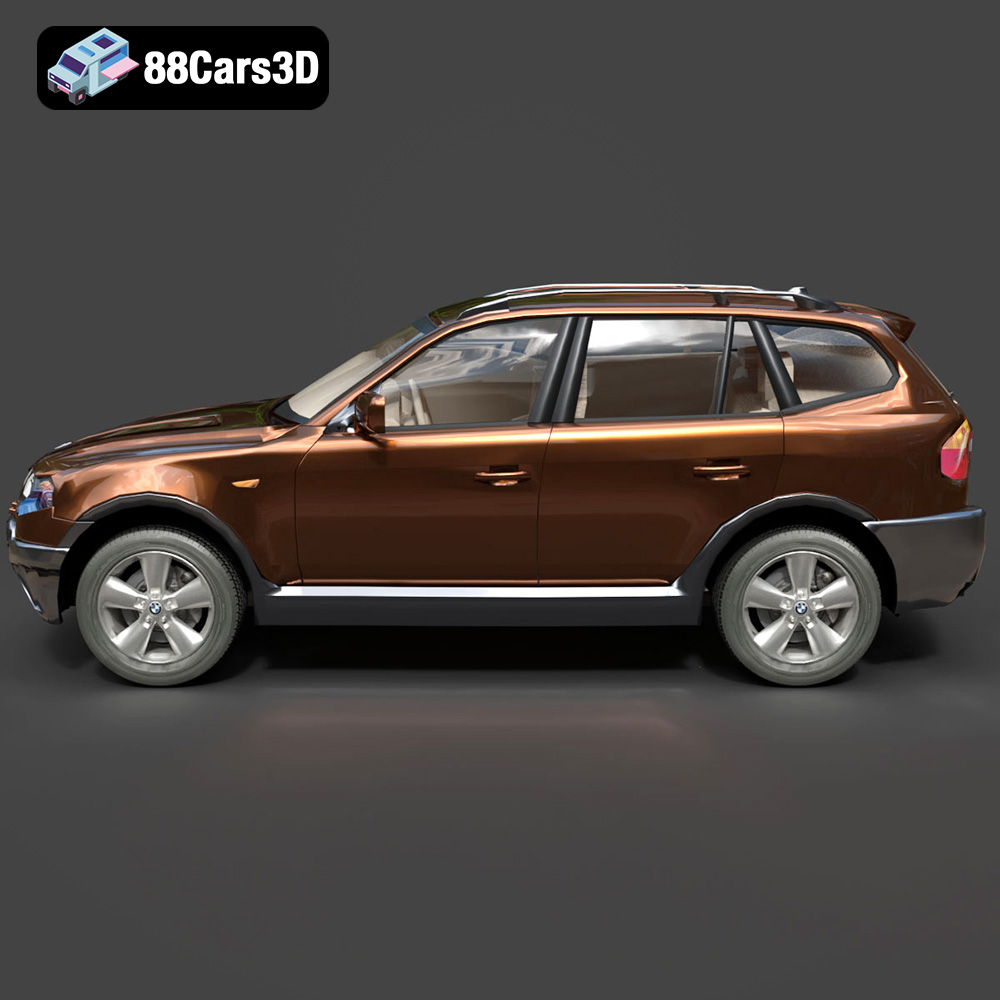
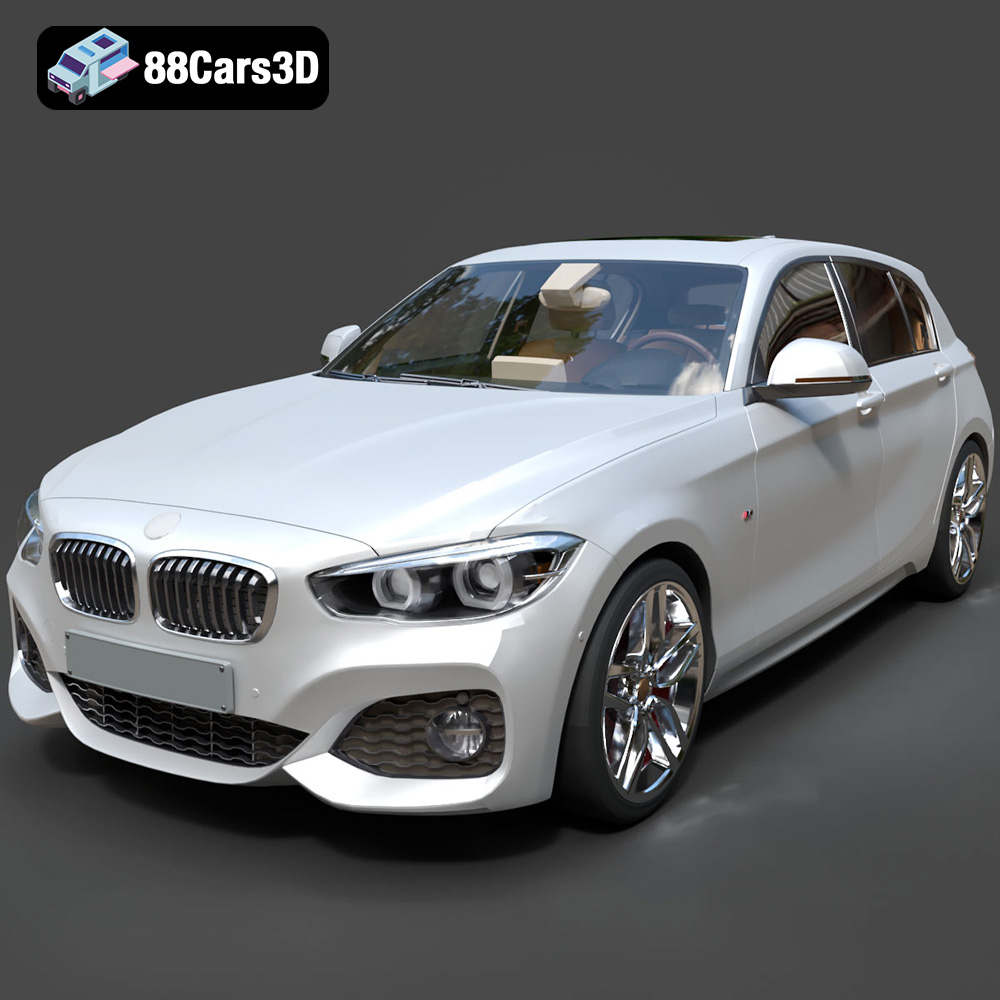
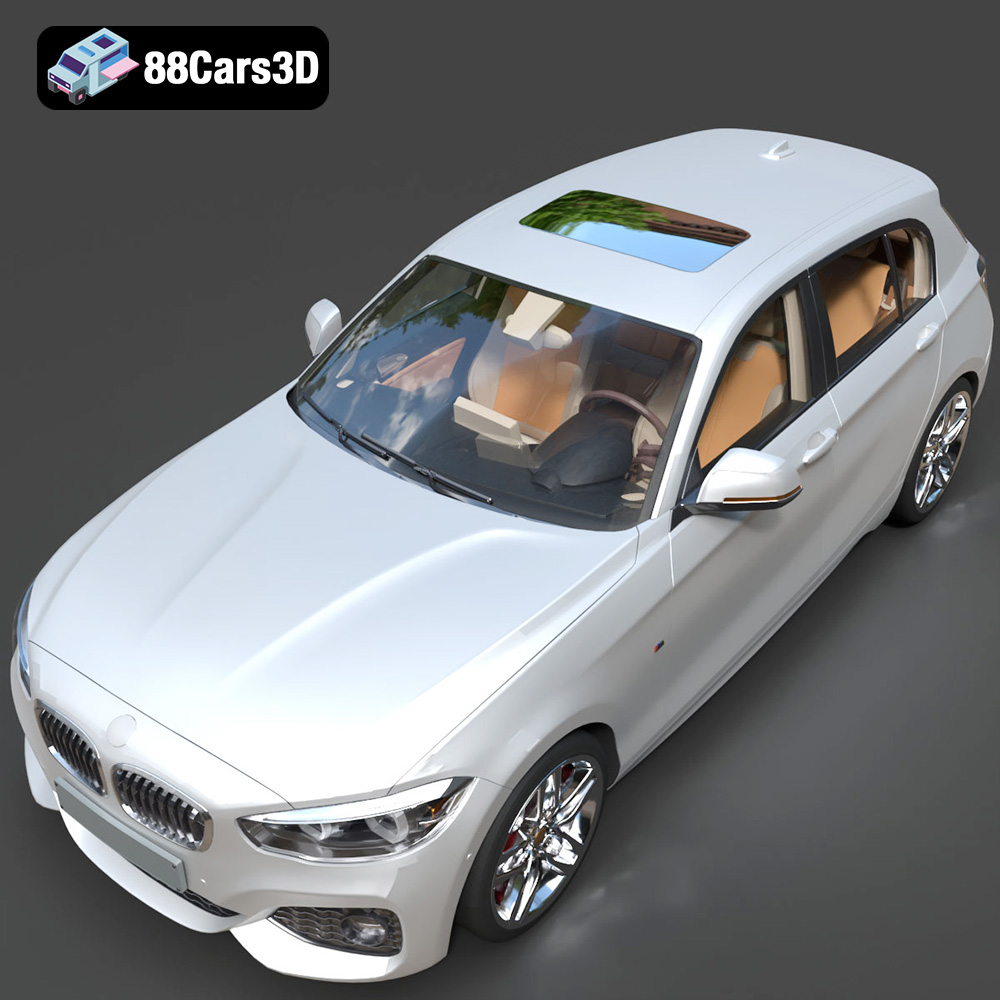
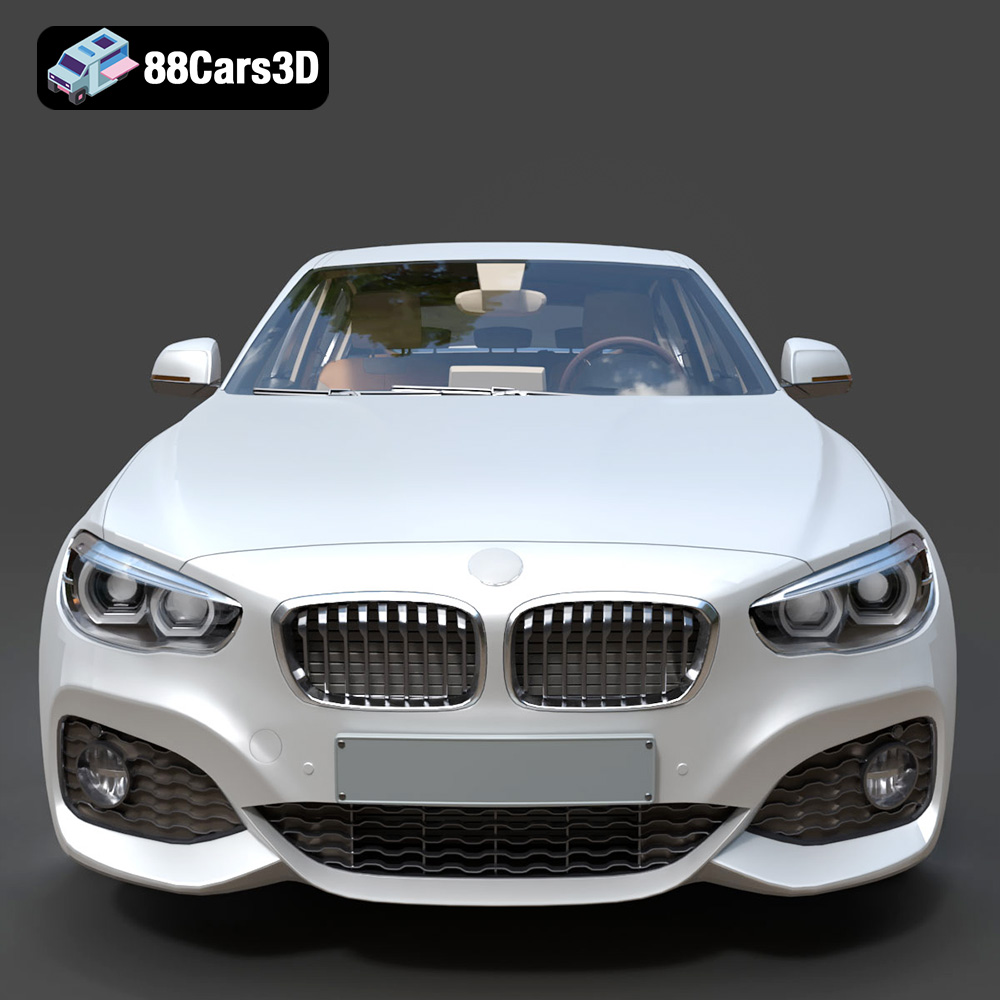
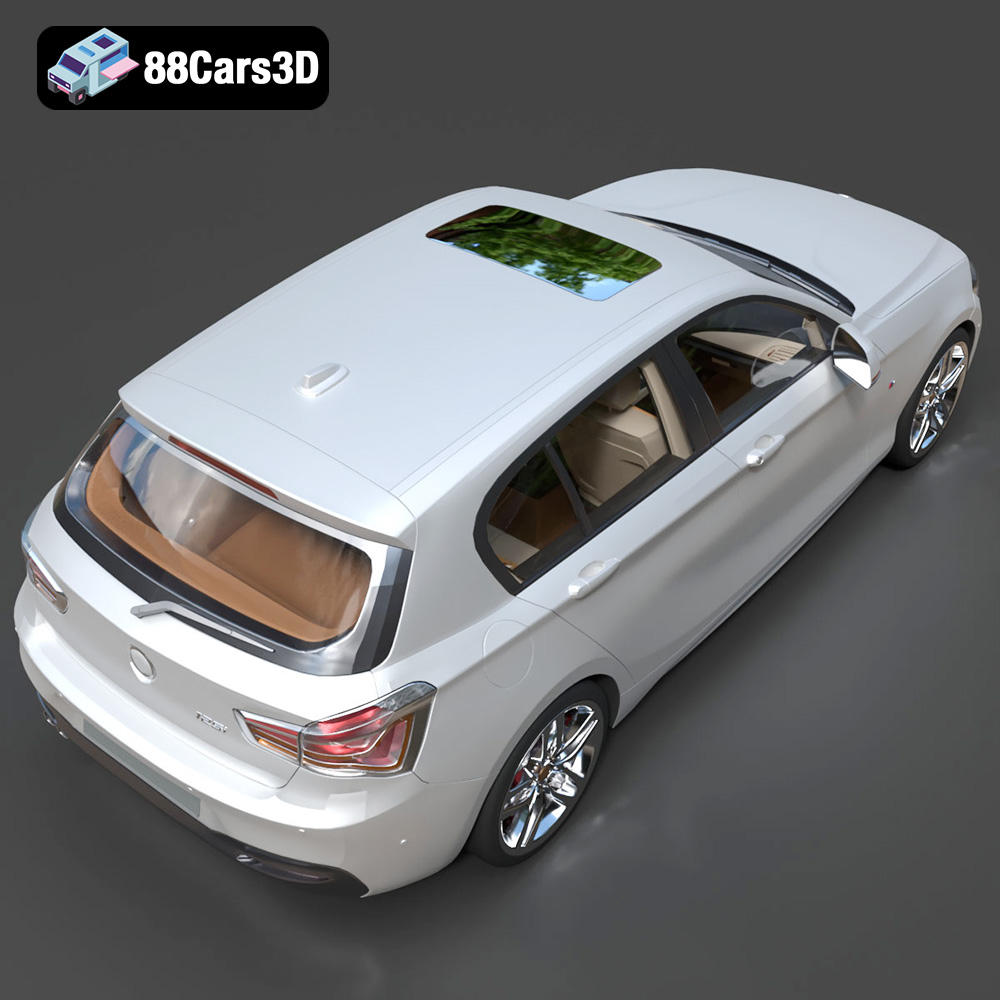
Beyond individual model quality, the bundle offers a curated selection of vehicles that perfectly complement each other. From the aggressive BMW G82 M4 with its custom bodykit, to the executive Mercedes-Benz E-Class AMG Line, the versatile BMW X3 SUV, the luxurious BMW M5 CS, and the practical BMW 1 Series, this collection provides a diverse range of German automotive icons. This variety is invaluable for creating realistic scenes, whether it’s populating a luxury residential complex with appropriate vehicles, simulating urban traffic scenarios, or crafting a comprehensive lineup for an automotive showcase. Investing in such a bundle from a trusted source like 88cars3d.com not only saves time but also ensures consistency in quality and style across all assets, making it an economically smart choice for any studio or independent artist.
In the competitive landscapes of automotive rendering, architectural visualization, and game development, the foundation of success lies in the quality of your assets. The demand for realistic, optimized, and versatile 3D car models is constant, and meeting this demand efficiently is key to delivering exceptional results. The German Luxury & Performance Bundle stands as a prime example of what professional-grade 3D assets can offer.
From its meticulous quad-heavy topology and real-world scale to its comprehensive file format support and render-ready materials, every aspect of this collection is engineered for peak performance and visual fidelity. Whether you’re enhancing a high-end ArchViz project, crafting cinematic sequences for a commercial, or populating an immersive game world, these German luxury and performance vehicles provide the perfect blend of elegance and power. The added benefit of 3D printable STL files further extends its utility, bridging the gap between digital artistry and tangible collectibles. By choosing expertly crafted 3D car models from a reputable source like 88cars3d.com, you’re not just acquiring assets; you’re investing in a streamlined workflow and an undeniable competitive edge for all your digital creations.
The German Luxury & Performance Bundle is a masterfully curated collection of Germany’s most iconic and sought-after vehicles. This bundle brings together the perfect synergy of aggressive sport aesthetics, executive elegance, and everyday versatility. Featuring a selection of industry-leading models from BMW and Mercedes-Benz, this collection is designed specifically for artists who refuse to compromise between high-fidelity detail and engine performance. Each model in this bundle has been meticulously crafted to capture the soul of German engineering—from the fierce, track-ready lines of the M4 G82 to the sophisticated presence of the E-Class AMG Line. These assets are built with professional-grade, clean-mid-poly topology, making them the ultimate “drag-and-drop” solution for high-end ArchViz driveways, urban simulation environments, and cinematic automotive renders.
$119
.bmw
.bodykit
.e-class
.mercedes
3d-car-bundle
archviz-cars
automotive-design
corona-renderer
game-ready-cars
german-cars
luxury-sedan
m4-g82
m5-cs
SUV
vray-ready