Get 50% OFF All Premium 3D & STL Models!

“`html
3D printing has revolutionized the way we create, prototype, and manufacture objects. At the heart of this technology lies the STL file format – the lingua franca of 3D printing. However, simply having an STL file isn’t enough. To transform a digital model into a physical object, you need to slice it properly. Slicing is the process of converting the STL file into a series of instructions (G-code) that your 3D printer can understand. This process involves defining parameters such as layer height, infill density, print speed, and support structures. Mastering the art of slicing is crucial for achieving high-quality prints, reducing printing time, and minimizing material waste. In this comprehensive guide, we’ll delve into the intricacies of slicing, exploring the best practices, troubleshooting common issues, and providing actionable tips to elevate your 3D printing game. Whether you’re printing detailed car models sourced from platforms like 88cars3d.com or functional parts for engineering projects, understanding slicing is paramount.
Before diving into slicing, it’s essential to understand the underlying structure of STL files. STL (Stereolithography) files represent 3D models as a collection of interconnected triangles, forming a mesh. The density and arrangement of these triangles directly impact the model’s accuracy and the resulting print quality. Issues like non-manifold geometry, flipped normals, and gaps in the mesh can lead to printing errors. Therefore, inspecting and repairing STL files is a critical first step.
The density of the triangular mesh determines the level of detail captured in the STL file. A higher density (more triangles) results in a more accurate representation of the model’s curves and surfaces, but it also increases the file size and processing time. Conversely, a lower density reduces file size but may lead to faceted or blocky appearances, especially on curved surfaces. When dealing with intricate car models from 88cars3d.com, a balance must be struck to ensure both detail and manageable file sizes. Aim for a resolution that captures the essential features without excessive polygon counts. For automotive models, consider a mesh density that accurately represents curves and small details such as grills and lights.
Common STL file errors include non-manifold geometry (edges shared by more than two triangles), flipped normals (triangles facing the wrong direction), and gaps in the mesh. These errors can cause slicing problems and printing failures. Software like Meshmixer, Netfabb, and Blender offer tools for detecting and repairing these issues.
Before slicing, always run your STL file through a mesh repair tool to ensure a clean and printable model. A healthy mesh is the foundation for a successful print.
Slicing software acts as the bridge between your STL file and your 3D printer. It translates the 3D model into a series of 2D layers that the printer can build upon. The slicing process involves configuring various parameters that significantly influence the print’s quality, strength, and speed. Understanding these parameters and how they interact is crucial for achieving the desired results.
Layer height is arguably the most critical slicing parameter. It determines the thickness of each printed layer. Lower layer heights (e.g., 0.1mm or 100 microns) result in smoother surfaces and finer details, but they also increase print time significantly. Higher layer heights (e.g., 0.3mm or 300 microns) offer faster print times but at the expense of surface finish. For detailed car models, especially those with curved surfaces, a lower layer height is generally recommended. For example, a layer height of 0.12mm to 0.16mm can provide a good balance between detail and print time for a 1:24 scale car model.
Infill refers to the internal structure of the 3D printed object. It’s expressed as a percentage, representing the amount of material used to fill the interior. A higher infill density (e.g., 100%) results in a solid, strong object, while a lower infill density (e.g., 15%) creates a hollow object with internal support. The infill pattern also plays a crucial role. Common patterns include rectilinear, grid, honeycomb, and gyroid.
For automotive models that require structural integrity, such as chassis components, a higher infill density (25-50%) and a robust infill pattern like honeycomb or gyroid are recommended. For purely aesthetic models, a lower infill density (10-20%) with a rectilinear pattern may suffice to save material and time.
Support structures are essential for printing overhanging features and complex geometries. They provide a foundation for the printer to build upon, preventing sagging and ensuring accurate reproduction of the model. However, generating and removing supports can be challenging, especially for intricate designs. Choosing the right support settings and employing effective removal techniques are crucial for achieving clean and aesthetically pleasing prints.
Slicing software offers various support types, each with its advantages and disadvantages. Common options include:
The choice of support type depends on the model’s geometry and the desired surface finish. For car models with complex curves and intricate details, tree supports are often preferred due to their minimal impact on the surface. For simpler overhangs, linear supports can be used. Experimenting with different support types is key to finding the best solution for your specific print.
Several slicing parameters influence the ease of support removal.
Optimizing these settings is a delicate balancing act. Aim for a balance that provides sufficient support without making removal excessively difficult. Consider using a dissolvable support material (e.g., PVA for PLA prints) for complex geometries, especially when printing on dual-extrusion printers.
The choice of material and the corresponding printer settings are crucial for achieving optimal print quality. Different materials have different properties, requiring specific temperature settings, print speeds, and bed adhesion techniques. Matching the material to the printer and fine-tuning the settings are essential for successful 3D printing.
FDM (Fused Deposition Modeling) and resin printing (SLA/DLP) are the two most common 3D printing technologies. FDM uses filaments of thermoplastic material, while resin printing uses liquid resin cured by light.
For car models from 88cars3d.com, the choice between FDM and resin depends on the desired level of detail and the intended use. Resin printing excels at producing highly detailed and smooth surfaces, making it ideal for display models. FDM is a more practical choice for larger, functional models or when printing multiple parts for assembly.
Each material requires specific printer settings to achieve optimal results. Key parameters include:
Refer to the material manufacturer’s recommendations and perform test prints to fine-tune these settings. Temperature towers and retraction tests are valuable tools for calibrating your printer for specific materials. Regularly calibrate your printer to maintain consistent print quality. This includes leveling the bed, cleaning the nozzle, and checking the belts and pulleys.
Even with careful planning and precise slicing, printing failures can still occur. Understanding the common causes of these failures and knowing how to troubleshoot them is essential for becoming a proficient 3D printer. Early detection and prompt intervention can save time, material, and frustration.
Warping occurs when the printed object detaches from the build plate during printing, typically due to uneven cooling or poor bed adhesion. This is more common with materials like ABS that have a higher thermal expansion coefficient.
Stringing occurs when the nozzle oozes material while traveling between sections of the print, leaving thin strands of plastic. Blobs are excess material deposited on the surface of the print.
Post-processing is the final stage of the 3D printing workflow. It involves refining the printed object to achieve the desired appearance and functionality. Common post-processing techniques include support removal, sanding, filling, priming, and painting. Mastering these techniques can transform a raw print into a polished and professional-looking product.
Sanding is used to smooth the surface of the print, removing layer lines and imperfections. Start with coarse sandpaper (e.g., 220 grit) to remove major imperfections and gradually move to finer grits (e.g., 400, 600, 800, 1000 grit) for a smooth finish. Wet sanding (using sandpaper with water) can help to reduce dust and prevent the sandpaper from clogging. For intricate areas, use small sanding tools or flexible sanding sheets. Applying a filler primer after sanding can help to fill any remaining imperfections and create a uniform surface for painting.
Painting is used to add color and enhance the aesthetic appeal of the print.
For car models, consider using automotive paints and techniques to achieve a realistic finish. Decals and other detailing elements can further enhance the model’s appearance.
Mastering the art of slicing is essential for achieving high-quality 3D prints. By understanding STL file structure, optimizing slicing parameters, choosing the right materials and printer settings, and employing effective post-processing techniques, you can transform digital models into tangible objects with stunning detail and accuracy. Remember to inspect and repair STL files before slicing, experiment with different support types and settings, and calibrate your printer for each material. When downloading models from marketplaces such as 88cars3d.com, take advantage of the pre-optimized STL files and adjust the slicing parameters to your specific printer and material. By continuously learning and experimenting, you can unlock the full potential of 3D printing and create truly exceptional results. Start experimenting with different settings in your slicing software today and witness the transformation of your 3D printing projects.
“`
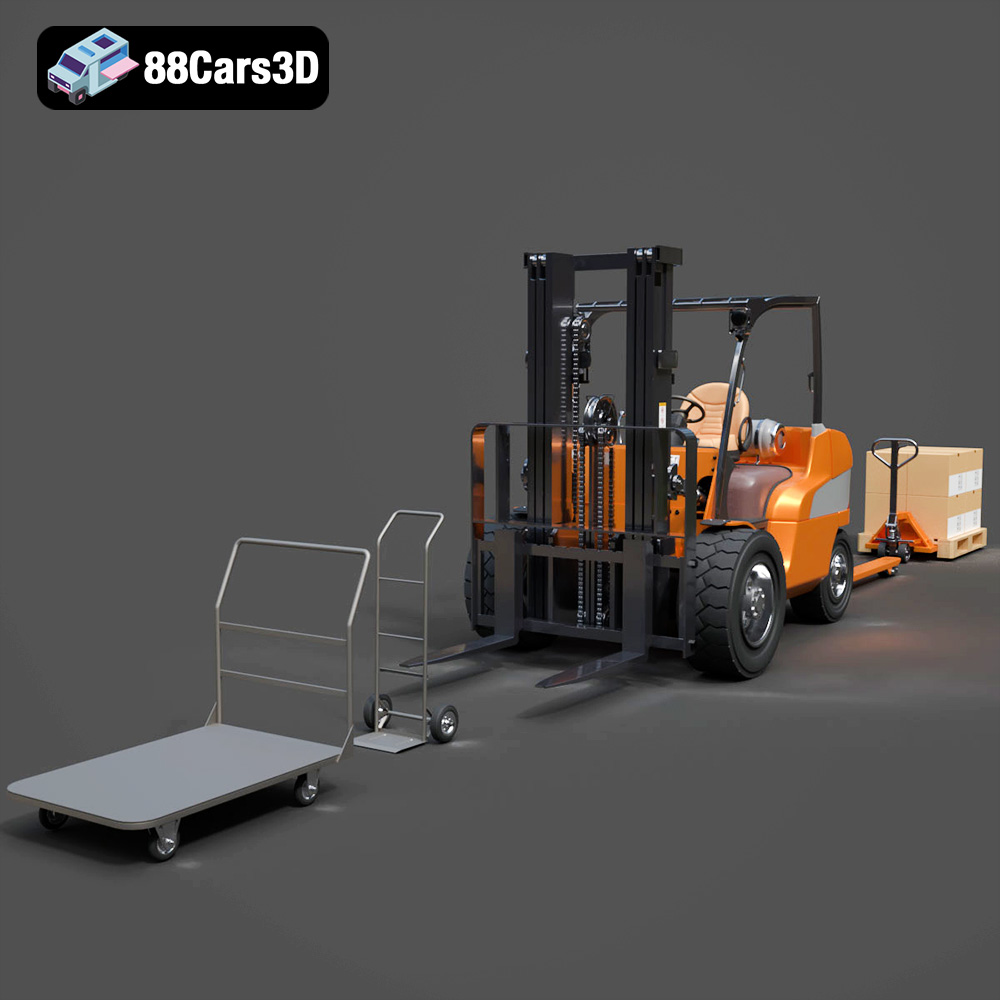
Texture: Yes | Material: Yes Download the highly detailed CAT Manual Loader & Warehouse Carts Kit 3D Model (2.4M Triangles). Features a macro-detailed hydraulic pallet jack, heavy-duty forks, and transport carts. Perfect for industrial ArchViz, factory rendering, and logistics simulations. Includes .blend, .fbx, .obj, .glb, .stl, and .max formats.
Price: $19.99

Texture: Yes | Material: Yes
Download the highly optimized Mazda CX-5 2014 3D Model (294k Triangles). Features the dynamic Kodo design language, signature grille, and a clean interior. Perfectly balanced for ArchViz, background traffic, and game development. Includes .blend, .fbx, .obj, .glb, .stl, and .max formats.
Price: $19.99
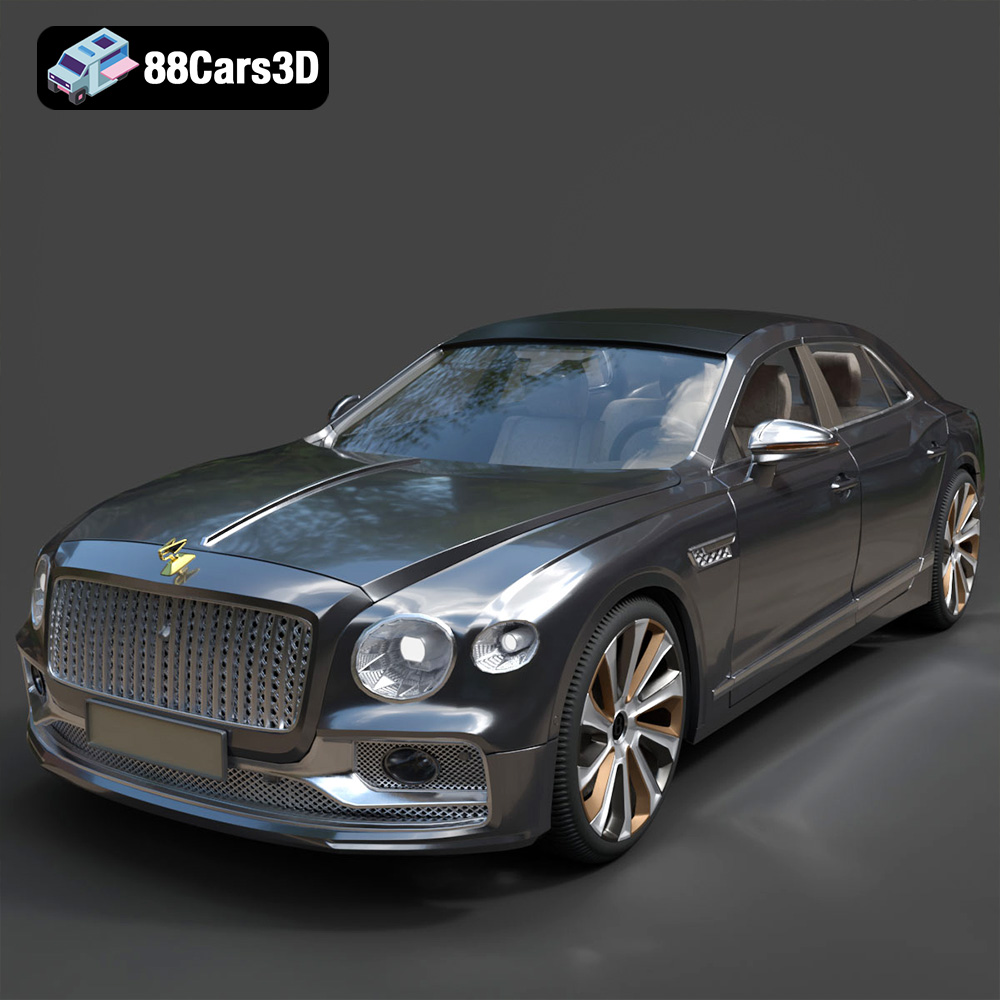
Texture: Yes | Material: Yes Download the ultra-high-detail Bentley Flying Spur Mulliner 2022 3D Model (2.94M Triangles). Features the bespoke Double Diamond grille, a fully modeled diamond-quilted interior, and exquisite luxury styling. Perfect for high-end ArchViz, VFX, and cinematic rendering. Includes .blend, .fbx, .obj, .glb, .stl, and .max formats.
Price: $19.90

Texture: Yes | Material: Yes | 3D Printable: Yes. Download the Ultimate Creators’ Showcase featuring 5 premium 3D models: Lamborghini Huracan, ZAV Concept Motorcycle, Sukhoi SU-26, Presidential Limousine, and Daewoo Damas. Optimized for 4K CGI rendering and 3D printing. Save massive with this exclusive multi-category bundle!
Price: $99.99

Texture: Yes | Material: Yes | 3D Printable: Yes. Download the Italian Thoroughbreds Bundle featuring 5 iconic 3D models: Lamborghini Huracán Performante, Ferrari 458 Italia, Lamborghini Urus, Diablo SV, and Maserati GT. Optimized for 4K rendering and 3D printing (STL included). Save 50% with this ultimate Italian vehicle collection.
Price: $199.99

Download the Elite Future Mobility Bundle featuring 4 highly optimized 3D models: Tesla Model S, Avatr 11, Li L9, and Zoox Robotaxi. Perfect for ArchViz, Smart City renders, and game dev. Optimized for Unreal Engine and Blender. Includes .fbx, .obj, and .max formats.
Price: $99

🚗 5 Iconic German Cars (BMW M4 G82, M5 CS, X3, 1 Series & Mercedes E-Class). ✅ Optimized for ArchViz: Ready for Corona & V-Ray. 💰 Save €71 with this limited-time collection! 🚀 Instant Download after purchase.
Price: $119

Download the Extreme Off-Road & Survival 3D Models Bundle! Includes the Brabus 800 Adventure, Dodge Ram Bigfoot, Spec Truck, and a Caravan. Save over €210 on this premium 4-in-1 off-grid vehicle pack for ArchViz and game development.
Price: $149.99

Download the Heavy Duty & Commercial Logistics 3D Models Bundle! Includes the Ford Sterling, Caterpillar CT680, Mercedes Citaro Bus, and Vito Van. Save over €130 on this massive, game-ready 4-in-1 industrial vehicle pack.
Price: $109.99

Download the Ultimate Custom Motorcycles 3D Models Bundle. Includes a Custom Chopper, Ducati 916 Café Fighter, Harley XR1200X, and BMW K100. Perfect premium props for luxury ArchViz garages. Save over €250 today!
Price: $159.99

