Get 50% OFF All Premium 3D & STL Models!

In the vast landscape of digital creation, where imagination meets technical precision, the demand for high-fidelity 3D assets continues to soar. Whether for cinematic masterpieces, immersive game environments, or detailed architectural visualizations, the foundation of any compelling project lies in its assets. For aviation enthusiasts, historians, and digital artists alike, the ability to accurately recreate iconic aircraft from history offers unparalleled creative opportunities. It’s a journey into the past, rendered with the tools of the future, enabling us to explore the triumphs of engineering and the stories they tell.
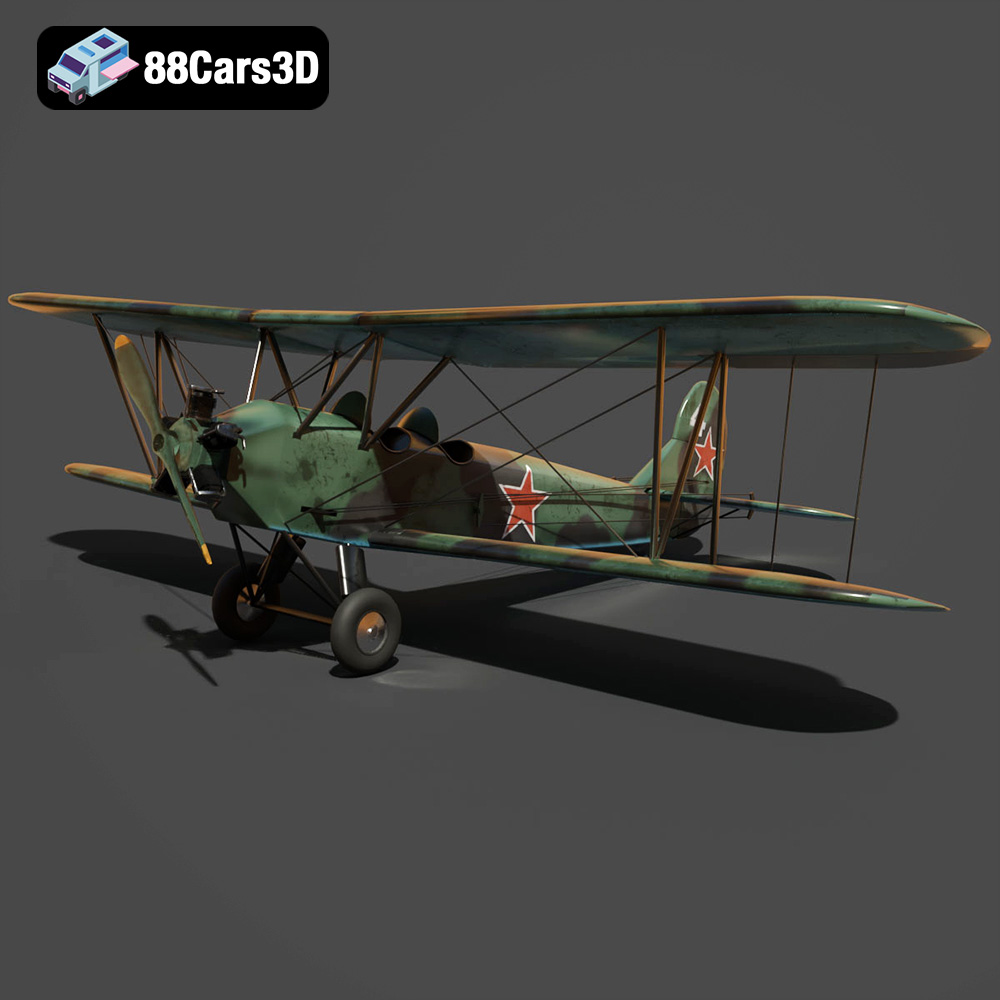
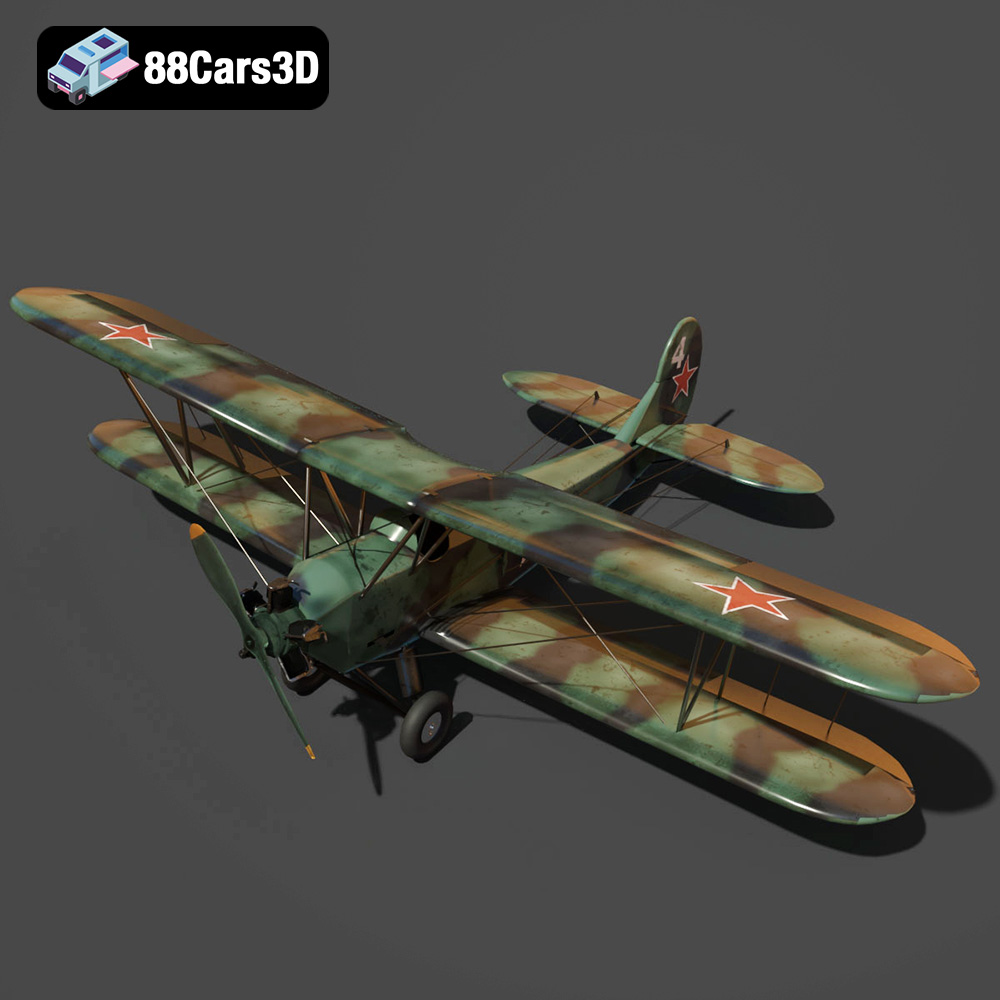
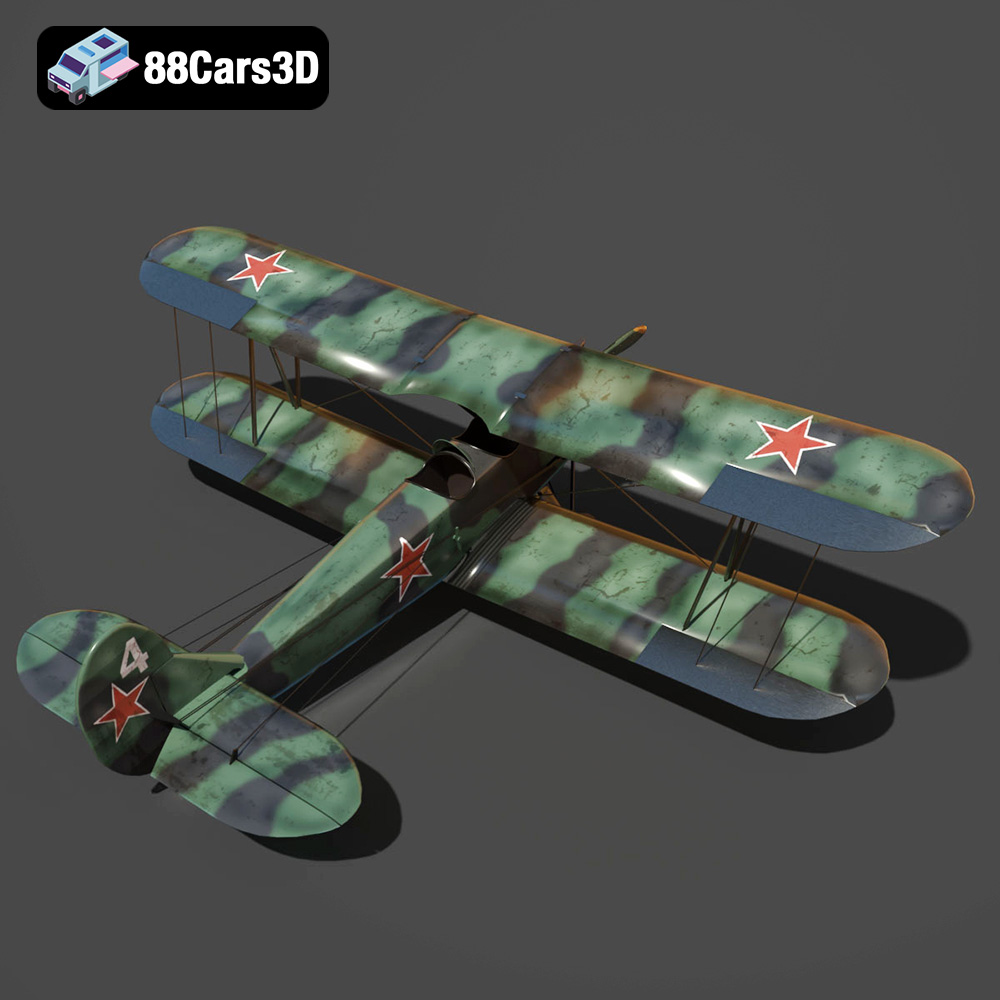
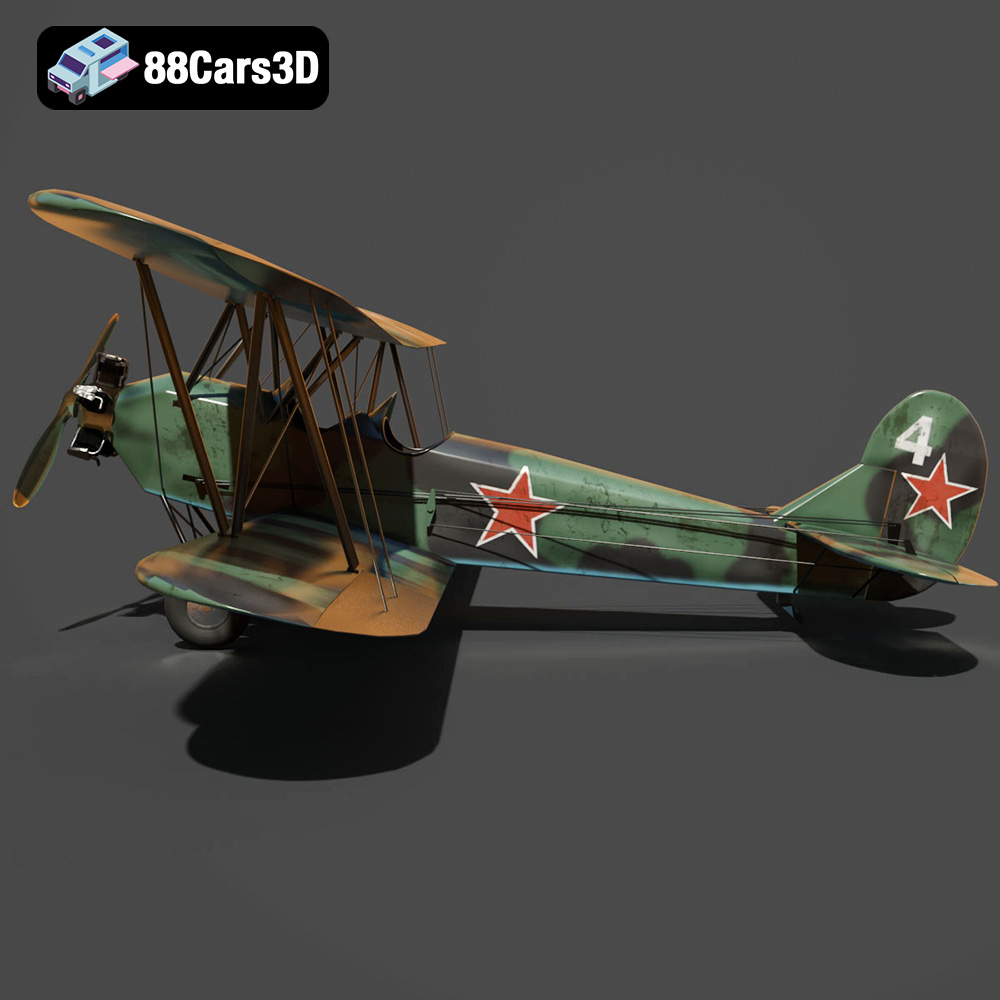
One such captivating example that perfectly embodies this blend of historical reverence and digital artistry is the Polikarpov Po-2 3D Model. This exceptional asset, available on 88cars3d.com, is not just a digital replica; it’s a meticulously crafted piece of history, ready to be integrated into a myriad of professional workflows. From its distinctive biplane wings to its open cockpit, every detail of this legendary Soviet multi-role aircraft has been captured, making it an invaluable addition for anyone working in rendering, animation, historical visualization, simulation, game development, or even 3D printing.
Historical aircraft possess a timeless appeal, representing eras of innovation, conflict, and human endeavor. Bringing these machines into the digital realm allows for unprecedented levels of study, recreation, and interaction. A high-quality 3D model transcends static images, offering a dynamic platform for storytelling and education.
The Polikarpov Po-2, affectionately known as the “Kukuruznik” (corn duster), was an extraordinary aircraft, revered for its simplicity, robustness, and versatility. Serving from the 1920s through the mid-20th century, it played crucial roles in training, reconnaissance, and even as a light night bomber, famously piloted by the “Night Witches.” Its lightweight wooden structure and fabric-covered wings made it an engineering marvel of its time. The Polikarpov Po-2 3D Model is a testament to this legacy, capturing its essence with remarkable fidelity. The model accurately represents the aircraft’s dual-wing configuration, the intricate strut-supported wing assembly, the characteristic radial engine housing, fixed landing gear, and the iconic open cockpit layout. Even the tailwheel structure and fabric-textured control surfaces are rendered with attention to detail, providing a true-to-life representation that will satisfy even the most discerning aviation historian.
The translation of such a historically significant aircraft into a digital format serves multiple purposes. For educational institutions and aviation museums, it offers a dynamic way to present complex historical information and engineering principles. In entertainment, it provides game developers and animators with authentic assets for historical reconstructions and captivating narratives. Imagine a virtual reality experience where users can “sit” in the open cockpit of a Po-2, or a cinematic sequence depicting a night bombing run during WWII. The precision and realism of the Polikarpov Po-2 3D Model make these scenarios not just possible, but genuinely immersive. It allows creators to bridge the gap between archival footage and interactive experiences, fostering a deeper connection with history.
When acquiring 3D models, especially complex ones like aircraft, understanding the various file formats available is paramount. Each format is designed with specific use cases and software compatibility in mind, influencing everything from editability to real-time performance. The Polikarpov Po-2 3D Model is offered in a comprehensive range of formats, ensuring its versatility across diverse professional pipelines.
The .blend format is the native file type for Blender, a powerful and widely-used open-source 3D creation suite. When you download the Polikarpov Po-2 in .blend format, you’re getting a complete Blender scene. This means not only the mesh data but also all materials, textures, lighting setups, camera positions, and even animation data are preserved. For artists who primarily use Blender, this offers maximum flexibility for editing, re-texturing, rigging, or further developing the model without any loss of information. It’s ideal for projects requiring deep customization and iterative design directly within the Blender environment, from detailed rendering to complex animation sequences.
The .fbx (Filmbox) format is a proprietary file format developed by Autodesk, primarily used for interoperability between various 3D applications. It’s an industry standard for exchanging 3D models, animations, and scenes. FBX files can store not just geometry, but also materials, textures, rigging, and animation data, making them incredibly versatile. For game developers, .fbx is the go-to format for importing assets into real-time engines like Unreal Engine and Unity. Its robust support for skeletal animations and blend shapes makes it perfect for game assets, ensuring that elements like the Polikarpov Po-2’s propeller or control surfaces can be easily animated and controlled within the game engine. Its binary nature also contributes to efficient file sizes and faster import times compared to some ASCII-based formats.
The .obj (Wavefront OBJ) format is one of the most widely supported and universal 3D file formats. It’s a non-proprietary, text-based format that defines geometry (vertices, normals, texture coordinates, and faces) and can reference external material files (.mtl). While .obj does not support animation or rigging, its widespread compatibility makes it an excellent choice for transferring static mesh data between virtually any 3D software. If you need to import the Polikarpov Po-2 into a less common 3D application or simply require a clean mesh without complex scene data, .obj is often the most reliable option. It’s also frequently used as a base for 3D printing preparation when only the raw mesh data is needed.
The .glb (GL Transmission Format Binary) is the binary version of glTF, a royalty-free specification for the efficient transmission and loading of 3D scenes and models by applications. GLB files package all assets – models, textures, animations, and shaders – into a single binary file, making them highly optimized for web-based 3D, augmented reality (AR), and virtual reality (VR) applications. For interactive presentations of the Polikarpov Po-2 3D Model in a browser or an AR experience on a mobile device, the .glb format offers superior performance and ease of integration. Its compact nature ensures quick loading times while maintaining visual quality, crucial for real-time interactive environments.
The .stl (STereoLithography) format is the standard file type for 3D printing. It represents the surface geometry of a 3D object using a collection of interconnected triangles, creating a manifold mesh. STL files do not contain color, texture, or material information, focusing solely on the object’s shape. When converting the Polikarpov Po-2 3D Model for physical replication, the .stl format is essential. It provides the necessary data for slicer software to generate toolpaths for FDM, SLA, or other 3D printing technologies. Ensuring the original model has clean, watertight geometry is crucial before exporting to .stl for a successful print.
The .ply (Polygon File Format or Stanford Triangle Format) is another common file format for storing 3D data, particularly from 3D scanners or for CAD applications. Unlike .stl, PLY files can store more complex attributes, including color, transparency, surface normals, and even confidence values for each polygon. This makes it a powerful format for scientific applications, reverse engineering, and precise measurement. For detailed analysis or high-fidelity reproduction of the Polikarpov Po-2’s geometry, especially if it were to undergo further digital sculpting or engineering studies, the .ply format offers a robust and comprehensive representation of the mesh.
While not a standard generic file extension, “.unreal” typically refers to assets specifically packaged or optimized for direct import into Unreal Engine projects. This might involve a specific folder structure, material setup, or asset pipeline designed to leverage Unreal’s features, such as LODs (Levels of Detail), collision meshes, and specific shader graphs. For the Polikarpov Po-2 3D Model, an “.unreal” file implies an asset that is pre-configured to drop seamlessly into an Unreal Engine project, saving developers significant setup time and ensuring optimal performance within the engine’s real-time rendering environment. This is a testament to the model’s professional readiness for game development and interactive experiences.
The .max format is the native file type for Autodesk 3ds Max, another industry-leading 3D modeling, animation, and rendering software. Similar to .blend files, a .max file contains the complete 3ds Max scene, including geometry, materials, textures, lights, cameras, modifiers, and animation data. For professionals working within the 3ds Max ecosystem, the .max version of the Polikarpov Po-2 allows for full editability, enabling artists to modify the model, create custom animations, or render high-quality stills and cinematic sequences directly within their preferred software environment. This offers the highest level of creative control for complex visualization and animation projects.
The versatility of a well-structured 3D model is best showcased in its application across various professional workflows. The Polikarpov Po-2 3D Model is designed with professional use in mind, making it an excellent foundation for diverse projects.
For high-end rendering and animation, the Polikarpov Po-2 model shines. Its clean topology and real-world scale accuracy ensure that it behaves predictably under various lighting conditions and camera angles. In 3ds Max or Blender, artists can easily set up complex scenes, integrating the Po-2 into historical dioramas, aerial sequences, or museum-style presentations. The model’s separate propeller and control surfaces, coupled with proper pivot points, are a huge advantage. This allows animators to quickly rig and animate these components for realistic take-offs, landings, and in-flight maneuvers. Imagine dynamic camera shots tracking the spinning propeller or the subtle adjustments of the ailerons during a turn. High-resolution textures, when applied, bring out the fabric details and weathering, resulting in stunning, photorealistic renders perfect for marketing visuals or archival content.
Optimized for both performance and realism, the Polikarpov Po-2 3D Model is an ideal game asset. Its polygon flow is meticulously crafted to ensure efficient rendering in real-time engines like Unreal Engine and Unity without sacrificing visual fidelity. Developers can easily import the .fbx or .unreal formats, which often come with pre-configured materials and hierarchies. For flight simulators, the accurate dimensions and articulated parts allow for precise flight physics and authentic visual feedback. In WWII-themed games or historical open-world environments, the Po-2 can serve as an immersive background element, an interactive vehicle, or a target for combat scenarios. Implementing collision meshes, setting up simple physics, and integrating engine particle effects (like exhaust fumes) can transform this static model into a dynamic, interactive element within any digital experience.
One of the most exciting applications of high-quality 3D models is their translation into physical objects through 3D printing. The Polikarpov Po-2 3D Model is perfectly suited for this, allowing enthusiasts to bring a piece of aviation history into their homes or offices.
Converting a digital 3D model into a 3D printable format, typically .stl, requires careful consideration of manifold geometry and scale. The Po-2 model’s clean mesh structure ensures a smooth transition to the printing process. For optimal results, understanding the recommended print settings is crucial. The product suggests scales like 1:72, 1:48, 1:32, or 1:24, offering flexibility depending on the desired size and detail. A layer height between 0.08–0.16 mm ensures a good balance of detail and print time. Essential supports are required for delicate features such as the wing struts, landing gear, and the propeller assembly to prevent sagging during printing. Printing the fuselage horizontally and wings separately often yields the best structural integrity and surface finish, minimizing visible layer lines and allowing for easier assembly.
For scale modelers and collectors, a 3D printable Polikarpov Po-2 offers unique opportunities for customization. Once printed, post-processing techniques like sanding and priming prepare the surface for painting. A matte military paint finish, perhaps with historical weathering effects, can bring the model to life, reflecting its operational history. Optional historical decals, such as squadron markings or victory stars, add another layer of authenticity. This process allows hobbyists to create highly detailed, personalized collectible aircraft models that stand out from mass-produced kits. It also empowers educators to create tangible, hands-on learning tools for history and engineering, demonstrating the physical form of this iconic biplane.
The true value of a premium 3D asset, whether for automotive rendering or aviation visualization, lies in its underlying technical quality. The Polikarpov Po-2 3D Model exemplifies this commitment to excellence, ensuring it meets the rigorous demands of professional production pipelines.
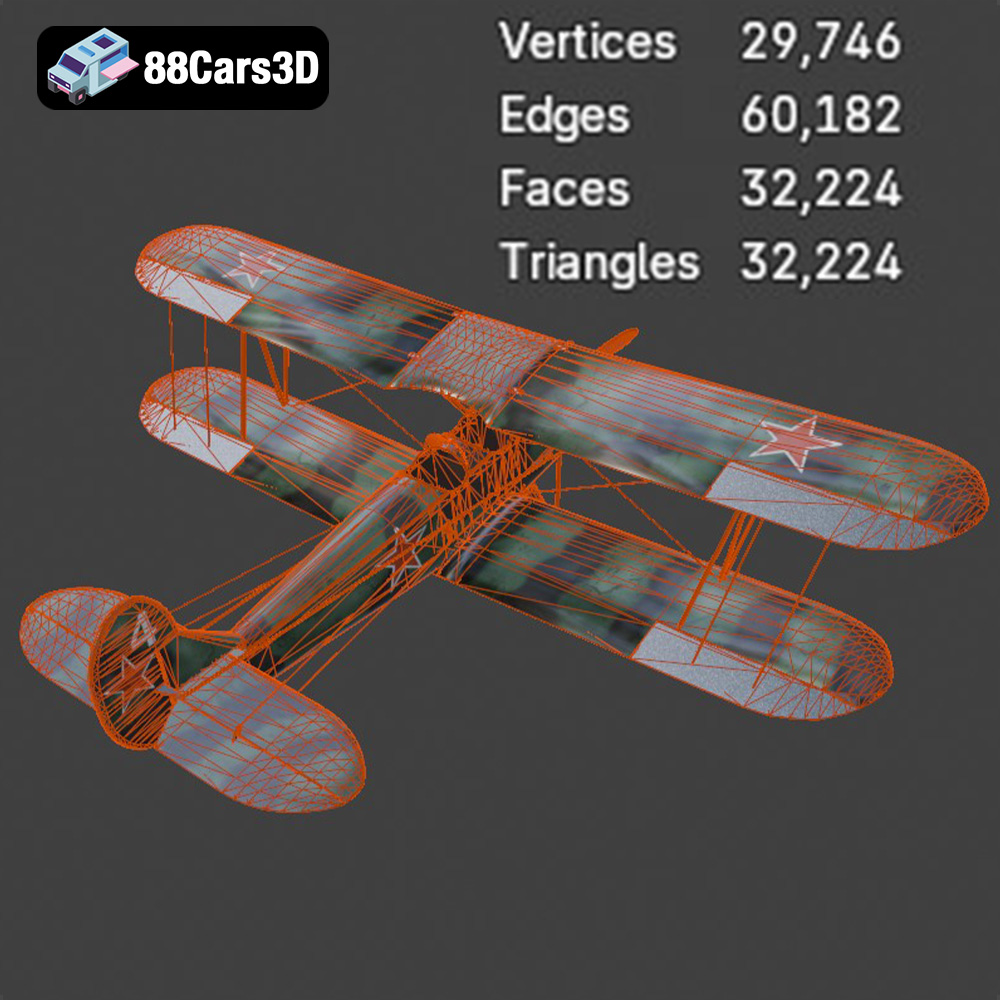
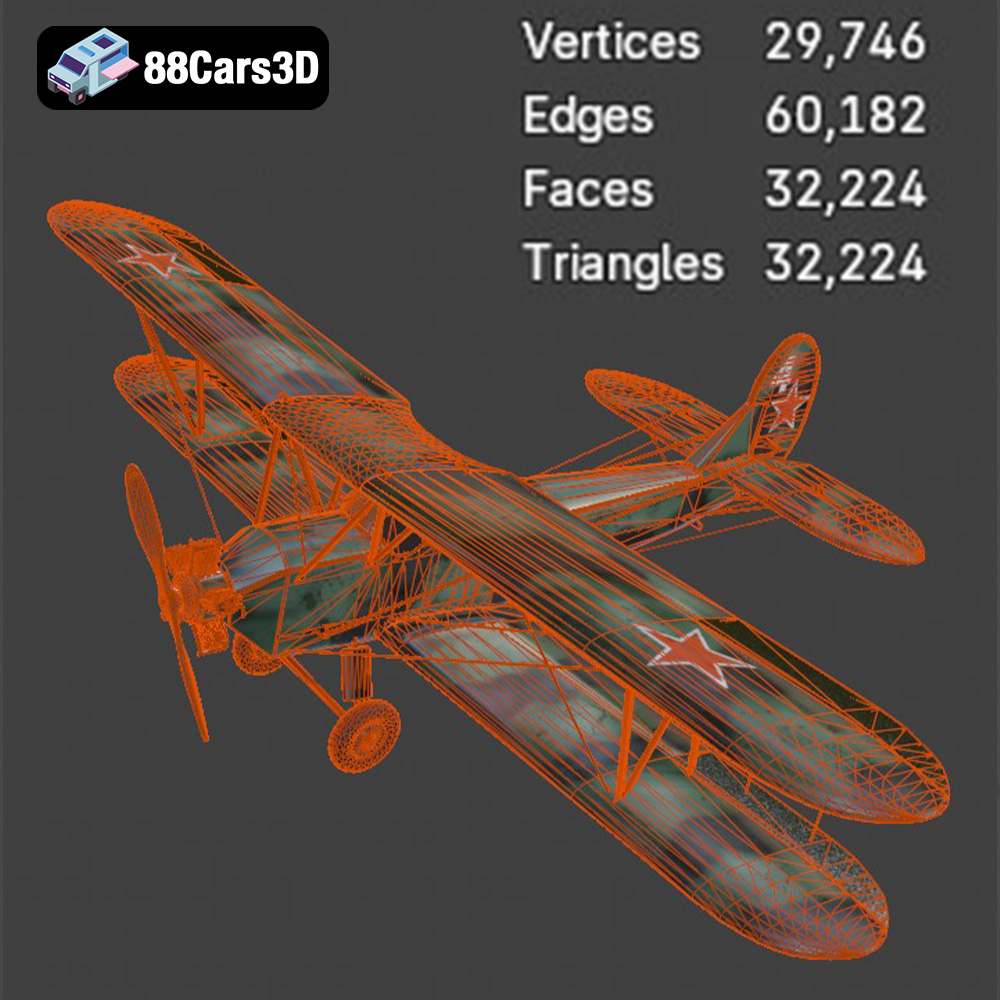
A “clean and well-organized mesh structure” is the backbone of any high-quality 3D model. This means efficient polygon count, logical edge flow, and minimal non-manifold geometry. Such clean topology is crucial for several reasons: it allows for smooth subdivision for high-resolution renders, simplifies UV unwrapping for texturing, and ensures predictable deformation during rigging and animation. The Polikarpov Po-2’s optimized mesh structure means fewer headaches for artists downstream, ensuring that it can be easily modified, textured, and animated without encountering common technical glitches. This attention to detail reflects a professional approach to 3D asset creation, offering a solid foundation for any project.
Accuracy in scale and proportion is non-negotiable for historical assets. The Polikarpov Po-2 3D Model adheres to real-world scale accuracy, ensuring that it integrates seamlessly into projects requiring precise measurements, such as flight simulators, engineering visualizations, or scale-accurate historical reconstructions. When combining multiple assets in a scene, consistent scaling is vital for visual harmony and technical correctness. For example, placing the Po-2 next to other WWII aircraft or within a historically accurate airfield scene would immediately reveal any scaling discrepancies. This model eliminates such concerns, providing a reliable and accurate representation of the biplane’s true dimensions.
Animation can be a time-consuming process, but a well-prepared model significantly streamlines the workflow. The Polikarpov Po-2 model includes “proper pivot setup for propeller rotation and control surface animation.” This seemingly small detail is a huge time-saver. Correctly placed pivot points mean that the propeller can be rotated accurately around its central axis, and control surfaces like ailerons, rudder, and elevators can pivot precisely around their respective hinges. Animators don’t need to spend precious time adjusting pivot origins; they can immediately begin keyframing. This level of preparation ensures that the model is truly “animation-ready,” fostering efficient production and enabling fluid, realistic movement in any animated sequence or interactive simulation.
The inherent flexibility of a meticulously crafted 3D model means its potential applications extend far beyond its initial design brief. The Polikarpov Po-2 3D Model offers creators a rich canvas for innovation across multiple sectors.
Beyond traditional rendering, the Polikarpov Po-2 excels in interactive environments. For AR/VR experiences, its optimized geometry and authentic details create immersive aviation demonstrations. Imagine exploring a virtual museum where you can walk around, examine, and even “board” a Po-2, learning about its history in an engaging, hands-on manner. In simulation and training, the model is invaluable for educational aviation projects, allowing students and pilots to visualize the aircraft’s components and flight characteristics in a safe, digital environment. It’s useful for demonstrating historical flight procedures or the mechanics of biplane aerodynamics, providing a powerful visual aid that transcends static textbooks.
No two projects are exactly alike, and the ability to customize an asset is paramount. The Polikarpov Po-2 3D Model offers extensive customization options. Artists can easily change the camouflage patterns to reflect different historical periods or operational theaters, or apply a distinct training livery. Adding historical insignia, squadron markings, or even damage decals can personalize the aircraft for specific narrative purposes. The propeller pitch angle can be modified for various flight conditions, and realistic weathering effects—from subtle dirt and grime to battle damage—can be adjusted to enhance operational realism. Furthermore, configuring lighting setups to mimic a sunrise airfield, a stormy sky, or a moonlit night scene can dramatically alter the mood and impact of any visual. This adaptability ensures the model remains relevant and versatile for a wide array of creative visions.
The journey from historical document to digital asset is a meticulous process, demanding technical prowess and a deep appreciation for detail. The Polikarpov Po-2 3D Model stands as a shining example of this craftsmanship, offering an exceptionally detailed and versatile asset that caters to a broad spectrum of creative and technical professionals. Its accurate representation of the legendary Soviet biplane, combined with optimized geometry and broad file format support, makes it an invaluable resource for anyone engaged in aviation rendering, game development, AR/VR, 3D printing, or historical visualization.
Whether you’re a seasoned professional or an aspiring digital artist, integrating such a high-quality asset into your workflow can significantly enhance the realism, efficiency, and impact of your projects. From animating dramatic aerial sequences in Blender or 3ds Max to crafting immersive flight simulators in Unreal Engine, or even producing intricate scale models through 3D printing, this Polikarpov Po-2 model is designed to excel. Discover this exceptional piece of digital history and explore a wide range of other high-quality 3D car models and more at 88cars3d.com, your trusted source for premium digital assets.
The Polikarpov Po-2 3D Model is a high-detail digital recreation of the legendary Soviet multi-role biplane widely used for training, reconnaissance, and light bombing missions during the mid-20th century. Known for its lightweight wooden structure and fabric-covered wings, the Po-2 became one of the most produced biplanes in aviation history. This 3D model accurately represents the aircraft’s dual-wing configuration, strut-supported wing assembly, radial engine housing, fixed landing gear, open cockpit layout, tailwheel structure, and fabric-textured control surfaces. Designed with clean topology and real-world scale accuracy, it is ideal for rendering, animation, historical visualization, simulation, and game development.
$4.99
.aircraft3dmodel
.arvr
.aviation
.biplane
.blend
.fbx
.flightsimulator
.gameasset
.glb
.historicalaircraft
.max
.obj
.ply
.po2
.polikarpov
.rendering
.simulation
.stl
.unreal
.wwiiaircraft