Get 50% OFF All Premium 3D & STL Models!

Crafting immersive and visually stunning environments in Unreal Engine is a cornerstone of successful real-time projects, especially when showcasing high-fidelity 3D automotive models. For industries ranging from game development and architectural visualization to virtual production and interactive configurators, the quality of your level design directly impacts user engagement and the perceived realism of your assets. It’s not just about placing objects; it’s about creating a cohesive, performant, and believable world that tells a story and highlights the intricate details of your 3D car models.
This comprehensive guide delves into the best practices for level design in Unreal Engine, focusing on techniques that elevate the presentation of automotive assets. We’ll explore everything from initial project setup and efficient asset integration to advanced lighting, interactivity, and crucial performance optimization strategies. Whether you’re a seasoned Unreal Engine developer or just starting your journey into real-time automotive visualization, this article will equip you with the knowledge and actionable insights to build breathtaking scenes that captivate your audience and truly bring your digital vehicles to life.
Before diving into asset placement and intricate details, a robust foundation is paramount for any Unreal Engine project. Proper project setup and an effective blockout methodology save countless hours down the line, ensuring scalability, performance, and a clear vision for your level. This initial phase sets the stage for how efficiently you can integrate and display premium automotive assets, like those found on platforms such as 88cars3d.com.
Starting with the right project template and settings is crucial. For automotive visualization or cinematic experiences, the “Blank” or “Film, Television, and Live Events” templates often provide the cleanest starting point, allowing you to build up without unnecessary game-specific baggage. Once the project is created, immediately address scalability settings. Navigate to Settings > Engine Scalability Settings to define your target hardware profile (e.g., Cinematic, Epic, High, Medium, Low). This dictates default quality levels for features like shadows, anti-aliasing, and view distance, offering a baseline for performance targets. Furthermore, consider the default map and game mode in Project Settings. A dedicated ‘Master’ or ‘Persistent’ level is often a good practice, with other levels streamed in for modularity. Always maintain a consistent asset naming convention (e.g., SM_Car_Sport_01, T_CarPaint_Normal) to ensure project organization, especially in larger teams or when importing assets from various sources. Ensuring your project is configured correctly from the start allows for a smoother development process as you integrate complex scenes and high-fidelity automotive models.
The blockout phase, often referred to as whiteboxing or greyboxing, is where the level’s core layout, scale, and flow are established using simple primitive shapes. This iterative process allows designers to rapidly prototype ideas, test spatial relationships, and assess gameplay or viewing angles without the burden of high-fidelity assets. For automotive visualization, this means defining showroom sizes, road layouts, track environments, or studio backdrops. Use basic BSP brushes or simple static meshes (cubes, cylinders) to represent main structures, obstacles, and interactive elements. Focus on accurate scale—a car model from 88cars3d.com, for instance, should fit naturally within the blocked-out garage or on the greyboxed road. Test camera movements, vehicle pathways, and lighting scenarios in this simplified environment. This stage is about function over form, ensuring the fundamental experience is solid before investing time in detailed art. Early iterations allow for quick adjustments to proportions, sightlines, and overall composition, preventing costly reworks later when detailed assets are in place. For more on core Unreal Engine workflows, the official documentation at dev.epicgames.com/community/unreal-engine/learning is an excellent resource.
The star of any automotive visualization project is undoubtedly the vehicle itself. Integrating high-quality 3D car models and accompanying automotive assets into Unreal Engine requires a meticulous approach to ensure visual fidelity and optimal performance. This section focuses on the technical processes of bringing these sophisticated models into your scene, making them shine, and ensuring they perform efficiently.
When you acquire a high-quality 3D car model, for example, from a marketplace like 88cars3d.com, it typically comes in formats like FBX or USD. Importing these into Unreal Engine involves several critical steps. First, ensure your model has clean geometry, proper UV mapping, and correctly assigned material IDs. During import, enable options like “Combine Meshes” if you want the car to be a single static mesh, or disable it if you plan to rig individual parts (doors, wheels). For high-polygon models, Unreal Engine’s Nanite virtualized geometry system is a game-changer. Enable Nanite on import or convert existing static meshes (right-click asset > Nanite > Enable) to handle millions of polygons with minimal performance impact, allowing for incredible detail without traditional LOD constraints. Set appropriate collision meshes – either simple primitive collisions (box, sphere, capsule) or a more complex “UCX_” prefixed mesh for accurate physics. Always check the asset’s scale upon import and adjust if necessary, ensuring it matches your world’s units (Unreal Engine typically uses 1 unit = 1 cm). Clean topology and optimized UVs are fundamental, regardless of Nanite, for correct material application and lighting.
Photorealistic rendering of cars relies heavily on Physically Based Rendering (PBR) materials. In Unreal Engine’s Material Editor, you’ll combine various texture maps to define the surface properties of your car models. Car paint, in particular, is complex, often requiring a layered material approach. Start with base color (Albedo) textures, then add roughness, metallic, and normal maps to define the surface’s interaction with light. Automotive paint typically features a metallic base layer with a clear coat. This can be simulated using a blend of two PBR materials: one for the metallic flake layer and another for the transparent, reflective clear coat. You can achieve this using the “Clear Coat” input in your master material or by blending two distinct material functions. Glass materials require specific settings, often with low roughness, high metallic (for reflections), and proper blend modes (Translucent or Alpha Composite) to allow light to pass through while maintaining reflectivity. Material instances are crucial for efficient iteration; create a master material and then derive instances for different colors or finishes, allowing you to adjust parameters (like color, flake density, roughness values) without recompiling shaders for every change. This modularity not only saves time but also optimizes performance by reusing common shader instructions.
Level design for automotive scenes extends beyond just the car. The environment must complement and elevate the vehicle’s presentation. Modular environment design utilizes reusable assets (walls, floors, columns, road sections) to build complex scenes efficiently. This approach not only speeds up development but also improves performance by allowing Unreal Engine to optimize draw calls for identical meshes. When placing props, consider composition, visual hierarchy, and environmental storytelling. A showroom might feature display pedestals, brand signage, and subtle background elements that hint at the car’s legacy. A realistic garage scene could include tools, spare parts, and oil stains. Platforms like Quixel Megascans offer an extensive library of high-quality PBR-ready props that seamlessly integrate into Unreal Engine, enhancing realism. Use the “Align to Surface” and “Snap to Grid” features during placement for precision. The goal is to create a believable context that frames the car, draws the viewer’s eye, and adds depth to the scene, making the automotive model feel like a natural part of its surroundings.
Beyond technical integration, true level design artistry lies in constructing worlds that resonate and engage. For automotive visualization, this means creating environments that not only look spectacular but also effectively communicate the car’s identity, mood, and intended use. This section focuses on environmental design principles, advanced world-building techniques, and how they contribute to visual storytelling.
Effective environmental design relies on fundamental art principles. Composition guides the viewer’s eye, often using leading lines, framing, and the rule of thirds to highlight the automotive asset. Think about the scene as a photographer would: what is the focal point? How do surrounding elements draw attention to it? Visual hierarchy ensures that the most important elements (the car) stand out, while secondary elements provide context without distracting. Color palettes and mood are also crucial; a sleek, futuristic car might be presented in a minimalist, high-tech environment with cool tones, while a rugged off-road vehicle might sit in a dusty, natural landscape with earthy hues. Consider negative space around the vehicle to give it breathing room and emphasize its form. Utilize the environment to tell a story: a track car might be shown on a race circuit with pit lane elements, implying speed and competition, whereas a luxury sedan could be placed in a serene, upscale urban setting, conveying elegance and comfort. Each design choice should be intentional, reinforcing the narrative and enhancing the automotive model’s appeal.
For outdoor automotive scenes, Unreal Engine’s Landscape system provides powerful tools for creating vast, realistic terrains. You can sculpt mountains, valleys, and roads directly within the engine, applying multiple material layers (grass, dirt, rock, asphalt) using weight painting for seamless blending. The Foliage tool allows for efficient scattering of trees, bushes, and grass, enabling the creation of dense vegetation with performance in mind. When setting up foliage, configure instances to use static or dynamic lighting appropriately, and consider implementing wind effects for added realism using a simple material node setup. Optimize foliage for performance by using efficient meshes, reducing polygon counts for distant elements, and leveraging LODs (Levels of Detail). For example, a sparse forest for a rallying scene or a detailed roadside environment for a drive-through experience. Be mindful of density; too much foliage can quickly impact frame rates. Utilize culling distances and cluster settings to manage complexity. A well-designed landscape, populated with thoughtfully placed foliage, creates a compelling backdrop that elevates the realism and immersion of your automotive visualization.
Level design can extend beyond static beauty to incorporate dynamic, interactive elements that enrich the user experience. Unreal Engine’s Blueprint visual scripting system is ideal for creating these without writing a single line of code. For automotive showrooms, you might implement Blueprint logic for opening/closing garage doors, activating rotating display platforms, or triggering environmental effects like spotlights turning on when a car approaches. Consider an interactive configurator where pressing a button changes the car’s color or opens its doors – all controlled via Blueprint events. Environmental props like traffic lights, animated billboards, or even simple wind turbines can be driven by Blueprint to add life and movement to your scene. These dynamic elements not only make the environment more engaging but can also serve to highlight specific features of the car being showcased. For instance, a light sequence that follows the contours of a vehicle, or a dynamic weather system that demonstrates the car’s performance in different conditions. Thoughtful application of Blueprint can transform a static scene into a dynamic, responsive showcase, allowing users to interact with the environment and the vehicle in meaningful ways.
Lighting is the single most critical factor in achieving photorealism in any real-time scene, especially for showcasing the intricate surfaces and reflections of automotive models. Coupled with sophisticated post-processing, it can transform a well-built scene into a stunning visual experience. This section explores Unreal Engine’s advanced lighting solutions and post-process effects to push visual fidelity to its limits.
Unreal Engine 5’s Lumen global illumination and reflections system has revolutionized real-time lighting. Lumen dynamically calculates indirect lighting, allowing light to bounce realistically between surfaces, resulting in highly convincing illumination for both static and dynamic objects. For automotive visualization, this means your car models will integrate seamlessly into their environments, picking up accurate color bounce from surrounding walls or the ground. Enable Lumen in your Project Settings (Rendering > Global Illumination) and ensure your primary light sources (Directional Light for sun, Skylight for ambient environment lighting) are properly configured. Experiment with different light sources: Spot Lights for focused highlights on bodywork, Point Lights for interior illumination, and Rect Lights for softbox studio setups. Emissive materials on objects within your scene will also contribute to Lumen’s indirect lighting, adding subtle, realistic glows. While Lumen is powerful, be mindful of performance. Adjust settings like “Lumen Scene Lighting Quality” and “Final Gather Quality” in your Post Process Volume to balance fidelity and frame rate. Traditional baked lighting (Lightmass) can still be useful for static elements in specific scenarios, offering highly optimized lighting for unchanging parts of your scene, but Lumen provides unparalleled flexibility for dynamic and interactive experiences.
Beyond global illumination, achieving convincing reflections is paramount for metallic and glass surfaces typical of car models. Unreal Engine offers various reflection solutions: Screen Space Reflections (SSR) are good for basic reflections but limited to what’s on screen. Lumen reflections provide dynamic, accurate reflections across the scene. For ray-traced reflections (if using an RTX-capable GPU), enable hardware ray tracing in Project Settings. Combine these with Reflection Captures for static, spherical reflections in key areas to enhance glossiness where dynamic solutions might fall short. The Sky Atmosphere component simulates a realistic planetary atmosphere, providing accurate sky colors, scattering, and volumetric effects based on the sun’s position. This is crucial for outdoor automotive scenes, creating believable horizons, sunsets, and sunrises. Pair it with Volumetric Clouds (using the Volumetric Cloud actor) to add dynamic, realistic cloud formations that interact with your lighting, casting shadows and influencing ambient light. Furthermore, Volumetric Fog can add depth and mood, especially in environments with light sources piercing through the atmosphere, such as car headlights cutting through mist. These elements collectively contribute to a sense of realism and immersion, making your car models feel grounded within a living, breathing world.
The Post Process Volume is your final creative tool for global visual adjustments and cinematic color grading. Placed within your level, it allows you to control a vast array of visual effects that apply to the camera’s view. Key settings to tweak include Exposure (for overall brightness), Bloom (for light sources to glow), and Depth of Field (to simulate camera focus and bokeh, drawing attention to the car). Adjust Ambient Occlusion to add subtle contact shadows and enhance perceived depth. Color grading, via a Lookup Table (LUT) or direct color wheels, allows you to define the overall mood and aesthetic – from vibrant and punchy to muted and cinematic. Vignette can subtly darken image edges, guiding the eye towards the center. Motion Blur adds a sense of speed to moving vehicles or camera pans. For automotive visualization, the Post Process Volume is indispensable for achieving that “finished look,” refining contrast, saturation, and overall visual tone to create a compelling, professional presentation that aligns with your brand or artistic vision. Mastering these settings allows for incredible artistic control and helps elevate the aesthetic quality of your rendered scenes.
Modern automotive visualization goes beyond static images; it embraces interactivity and dynamic storytelling. Unreal Engine provides powerful tools to create engaging user experiences, from interactive configurators to stunning cinematic sequences. This section delves into leveraging Blueprint, Sequencer, and UI/UX best practices to create compelling automotive showcases.
Blueprint visual scripting empowers developers to create complex interactive systems without writing code. For automotive configurators, Blueprint is indispensable. Imagine a showroom where a user can walk up to a car, click on different parts (wheels, paint, interior), and instantly see changes. This can be achieved by setting up Blueprint events that communicate with material instances (to change colors), skeletal meshes (to open doors), or even swap out entire components (like wheel sets). You can create custom player controllers for specialized camera movements, such as orbiting around the car, driving through a scene, or snapping to predefined “hero shots.” Implement triggers that, when activated, display information about specific car features or initiate a cinematic sequence. Blueprint also facilitates creating menu systems, input handling, and even simple physics interactions. The flexibility of Blueprint allows you to design custom user flows that guide the viewer’s journey, highlighting the unique selling points and design intricacies of each vehicle in a dynamic and engaging manner.
Unreal Engine’s Sequencer is a powerful non-linear editor for creating high-quality cinematic sequences, animations, and camera movements. For automotive visualization, Sequencer is invaluable for crafting marketing videos, product reveals, and detailed feature breakdowns. You can animate your car models (opening doors, rotating wheels, moving through a scene), choreograph multiple cameras, keyframe lighting changes, and even trigger environmental effects. Import camera data from DCC applications or create cinematic cameras directly in Sequencer, meticulously controlling focal length, aperture, and depth of field. Use track sections to manage different elements like static meshes, skeletal meshes, audio, and special effects. Sequencer is also central to virtual production workflows, where real-time Unreal Engine scenes are displayed on LED walls, allowing physical cameras to capture vehicles against dynamic digital backgrounds. This enables filmmakers and marketers to produce stunning in-camera visual effects with unparalleled flexibility. By mastering Sequencer, you can produce polished, professional-grade cinematic content that effectively communicates the beauty and engineering of your 3D car models.
A great interactive automotive demo isn’t just about visuals; it’s also about a seamless and intuitive User Interface (UI) and User Experience (UX). Unreal Engine’s Widget Blueprints allow you to design custom UI elements like buttons, sliders, text overlays, and health bars. For automotive configurators or interactive showrooms, a clean, minimal UI is key. Avoid cluttering the screen with too many options. Consider a radial menu for quick access to customization options, or an elegant side panel that slides in and out. Provide clear feedback to the user, such as highlighting a selected option or playing a subtle sound effect. Text should be legible, and iconography intuitive. For AR/VR automotive applications, special UI considerations are necessary, often involving spatial UI that feels integrated into the 3D environment rather than a flat overlay. Think about consistent navigation patterns and clear calls to action. A well-designed UI/UX guides the user effortlessly through the experience, allowing them to focus on the vehicle itself rather than struggling with cumbersome controls, ultimately enhancing the overall impact of your automotive showcase.
High-fidelity automotive models and detailed environments can quickly push hardware to its limits. Achieving a smooth, consistent frame rate is critical for any real-time application, especially in interactive experiences or virtual production. This section covers essential optimization strategies to ensure your Unreal Engine levels run efficiently without compromising visual quality.
Effective performance optimization begins with managing scene complexity. Levels of Detail (LODs) are crucial: these are simpler versions of your meshes that are swapped in at greater distances from the camera. Unreal Engine can generate automatic LODs, but manual creation offers greater control, particularly for complex assets like car models where specific components (e.g., brake calipers) might be culled or simplified at certain distances. For example, a car model sourced from 88cars3d.com might come with pre-configured LODs. Culling systems (Occlusion Culling, Frustum Culling, Distance Culling) prevent rendering objects that are not visible to the camera or are too far away. Ensure these are enabled and working effectively. Level Streaming is indispensable for large open worlds or complex multi-room environments. Instead of loading the entire level at once, segments of the level are loaded and unloaded dynamically as the player moves. This drastically reduces memory footprint and improves initial load times. Organize your level into logical streamed sub-levels (e.g., ‘CityCenter_Level’, ‘Highway_Level’) and use Blueprint to manage their loading and unloading based on proximity or triggers. For automotive applications, this might mean streaming in different sections of a test track or various showroom environments as the user navigates.
Textures and materials are often significant contributors to performance overhead. Implement strict texture resolution management; ensure textures are power-of-two (e.g., 256×256, 1024×1024, 2048×2048) and use the appropriate resolution for their screen size importance. Don’t use a 4K texture for a small, distant detail. Enable texture compression and streaming for all textures. For materials, aim for efficiency. Create complex master materials and then use Material Instances for variations (e.g., different car paint colors) rather than duplicating entire material graphs. This reduces shader complexity and compilation times. Utilize material functions to encapsulate reusable portions of your material graphs. Be mindful of expensive material nodes, such as complex blending, ray tracing effects, or excessive shader instructions. Use the “Shader Complexity” view mode (Show > Visualize > Shader Complexity) to identify and optimize costly materials. Green areas are efficient, red indicates high complexity. Reducing draw calls and optimizing shader instructions are key to maintaining a smooth frame rate.
Identifying performance bottlenecks requires effective profiling. Unreal Engine offers several built-in tools. The `stat unit` command (typed into the console) provides basic frame time metrics (Game Thread, Draw Thread, GPU). `stat fps` shows frames per second. For more detailed analysis, `stat rhi` gives insights into rendering hardware interface calls. The GPU Visualizer (accessible via `stat gpu` or the console command `VisualizeGPU`) breaks down GPU frame time by passes, allowing you to pinpoint whether shadows, post-processing, or specific draw calls are the bottleneck. For deeper CPU-side analysis, Unreal Insights is a powerful standalone profiler that visualizes CPU and GPU activity across multiple cores and threads, providing invaluable data for optimizing game logic, rendering, and loading times. Regularly profiling your scene throughout the development cycle is crucial. Common issues include excessive draw calls, overdraw (where pixels are rendered multiple times), too many dynamic lights, or unoptimized materials. Use these tools to systematically identify, address, and verify improvements, ensuring your automotive visualizations run smoothly on target hardware.
As Unreal Engine continues to evolve, so do the possibilities for automotive visualization. Embracing advanced features and forward-thinking workflows can future-proof your levels, ensuring they remain at the forefront of real-time rendering technology. This section explores some of these cutting-edge concepts.
Unreal Engine 5’s Nanite virtualized geometry system, mentioned earlier for importing high-poly models, deserves further emphasis for its transformative impact on level design. With Nanite, you can import cinematic-quality 3D car models and environmental assets (e.g., detailed architectural elements, scanned props) with millions of polygons directly into your scene, without manually creating LODs or worrying about draw call limits. Nanite automatically handles mesh simplification and streaming at render time, allowing for unprecedented geometric detail. Complementing Nanite are Virtual Shadow Maps (VSM), which provide highly detailed and accurate shadows across vast distances, perfectly suiting the high-fidelity geometry. VSMs resolve many traditional shadow mapping limitations, offering sharp, consistent shadows even from intricate geometry. When utilizing models from marketplaces like 88cars3d.com, which often feature meticulous detail, enabling Nanite and VSMs means you can display every curve and component of the vehicle with breathtaking clarity, dramatically enhancing the realism of your automotive presentations. This combination allows artists to focus on artistic expression without being constrained by polygon budgets.
The immersive nature of Augmented Reality (AR) and Virtual Reality (VR) makes them ideal platforms for automotive visualization, offering unparalleled engagement for configurators and virtual showrooms. However, AR/VR demand extremely high and stable frame rates (typically 60-90 FPS per eye), requiring aggressive optimization. Key strategies include:
These optimizations ensure a smooth and comfortable experience, crucial for preventing motion sickness and maximizing immersion in AR/VR automotive applications.
Universal Scene Description (USD) is gaining significant traction as an interchange format for 3D content, promoting collaborative workflows and future-proofing asset pipelines. Unreal Engine has robust USD support, allowing for seamless import and export of scene data, including geometry, materials, animations, and even variants. For automotive projects, USD is invaluable for teams where designers might use CAD software, artists use DCC tools like Maya or Blender, and engineers work in Unreal Engine. USD acts as a “single source of truth,” allowing multiple departments to contribute to and reference the same automotive model data without destructive conversion. This non-destructive, layered approach to scene description means changes can be made at any stage and merged, facilitating iterative design and complex version control. Embracing USD for your automotive assets, especially when integrating detailed CAD-derived models, fosters a more efficient, collaborative, and scalable pipeline, preparing your projects for the evolving landscape of real-time production.
Mastering level design in Unreal Engine for automotive visualization is a nuanced blend of technical prowess and artistic vision. From the foundational steps of project setup and efficient asset integration to the sophisticated layers of lighting, interactivity, and meticulous optimization, every decision contributes to the final impact of your scene. We’ve explored how to leverage cutting-edge features like Nanite and Lumen to achieve unparalleled visual fidelity for your 3D car models, and how Blueprint and Sequencer empower you to create engaging, cinematic experiences.
Remember that good level design is an iterative process. Start with a solid blockout, continuously test, profile, and refine your environment. Always prioritize performance without sacrificing the visual integrity that showcases the incredible detail of your automotive assets. By applying these best practices, you’re not just building a level; you’re crafting an immersive narrative that brings your digital vehicles to life and captivates your audience.
Ready to embark on your next automotive visualization project? Explore the extensive library of high-quality, Unreal Engine-ready 3D car models and assets available at 88cars3d.com to kickstart your journey into creating stunning, real-time automotive experiences.
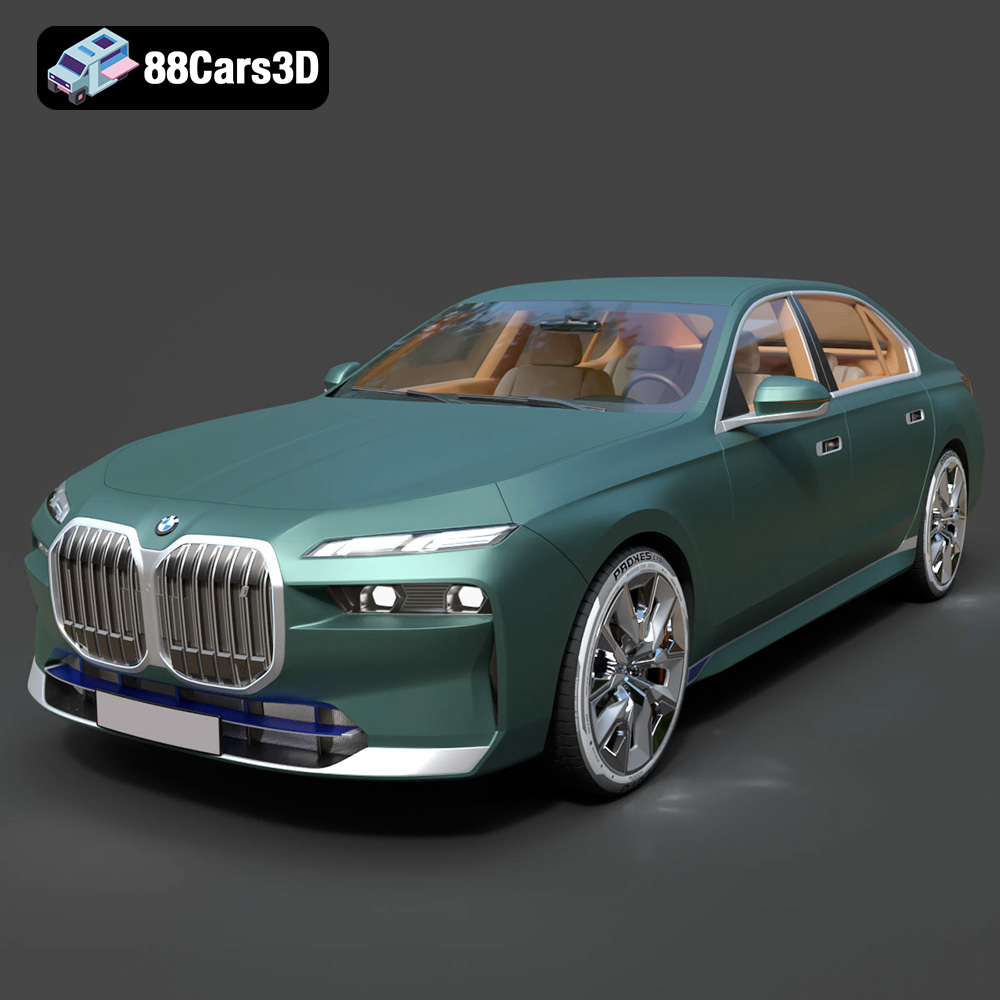
Texture: Yes | Material: Yes Download the ultra-high-detail BMW i7 (2023) 3D Model (4.14M Triangles). Features the illuminated kidney grille, split crystal headlights, fully modeled Theatre Screen interior, and monolithic luxury styling. Perfect for ArchViz, VFX, and cinematic rendering. Includes .blend, .fbx, .obj, .glb, .stl, and .max formats.
Price: $19.99
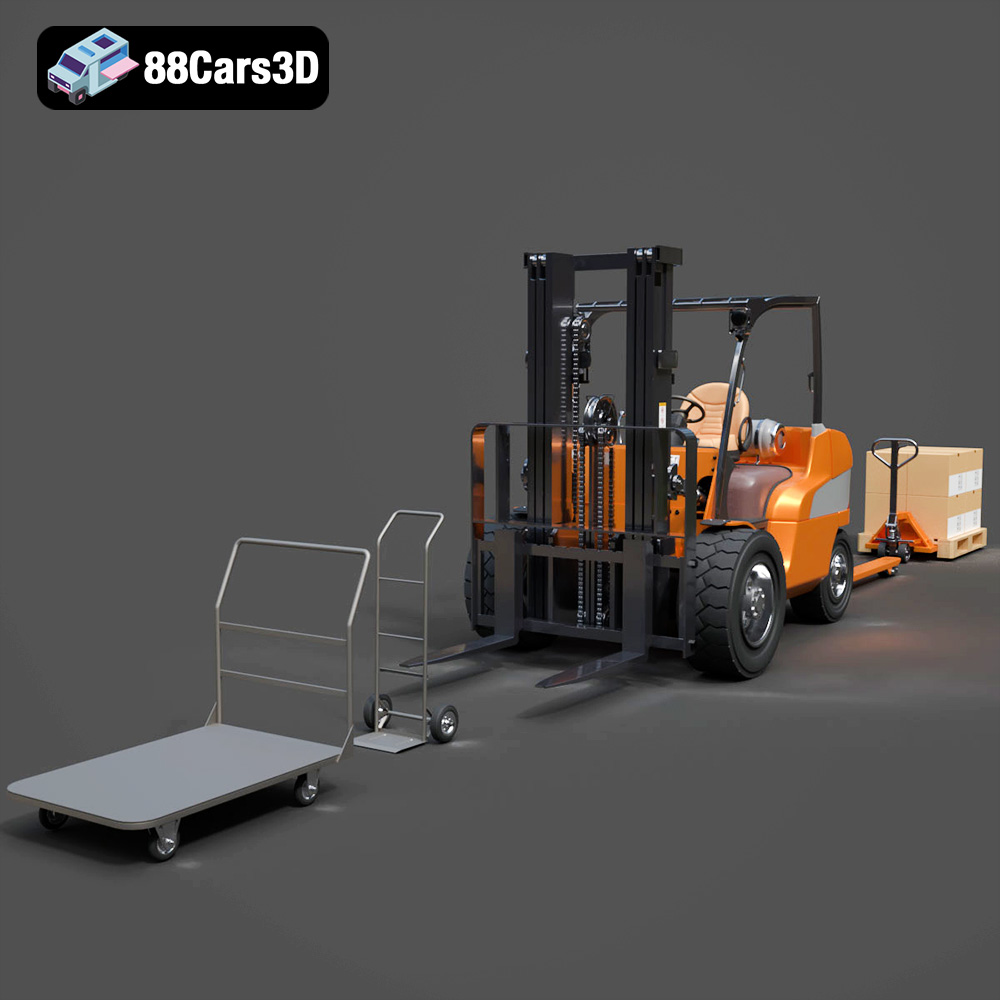
Texture: Yes | Material: Yes Download the highly detailed CAT Manual Loader & Warehouse Carts Kit 3D Model (2.4M Triangles). Features a macro-detailed hydraulic pallet jack, heavy-duty forks, and transport carts. Perfect for industrial ArchViz, factory rendering, and logistics simulations. Includes .blend, .fbx, .obj, .glb, .stl, and .max formats.
Price: $19.99
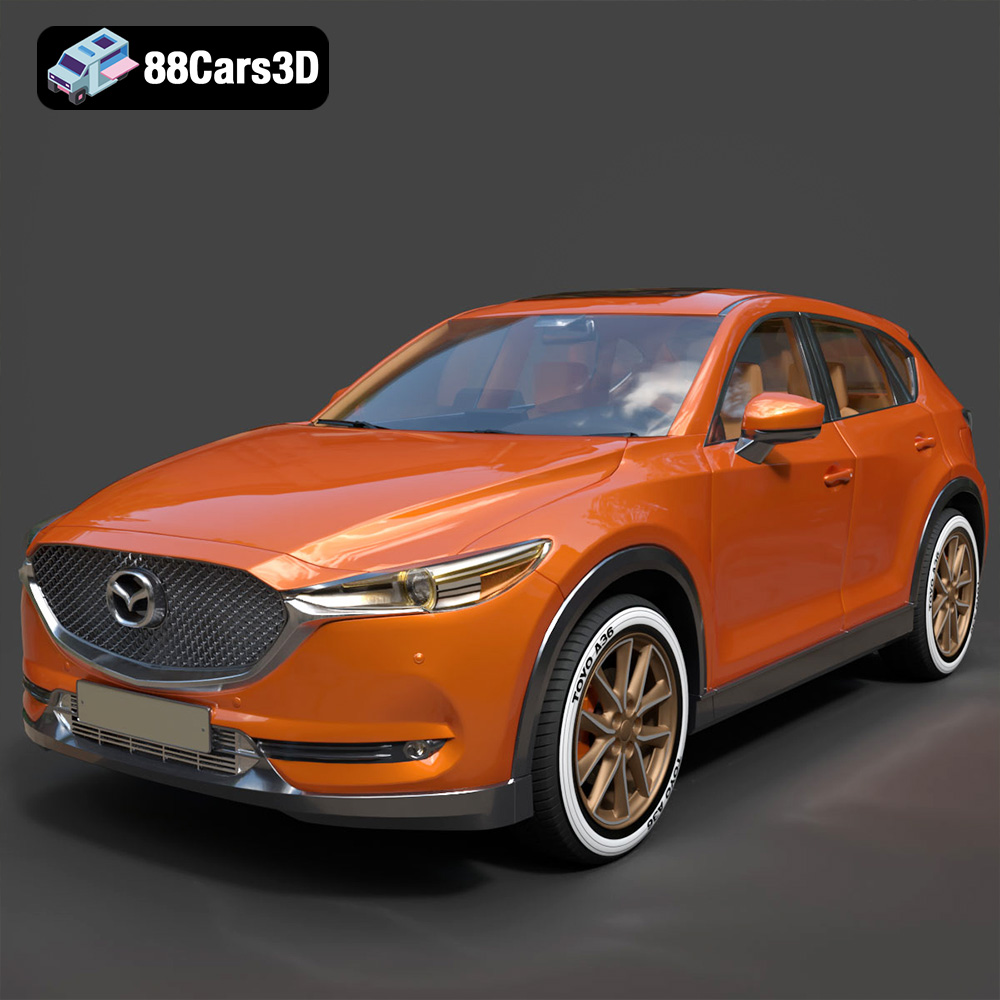
Texture: Yes | Material: Yes
Download the highly optimized Mazda CX-5 2014 3D Model (294k Triangles). Features the dynamic Kodo design language, signature grille, and a clean interior. Perfectly balanced for ArchViz, background traffic, and game development. Includes .blend, .fbx, .obj, .glb, .stl, and .max formats.
Price: $19.99
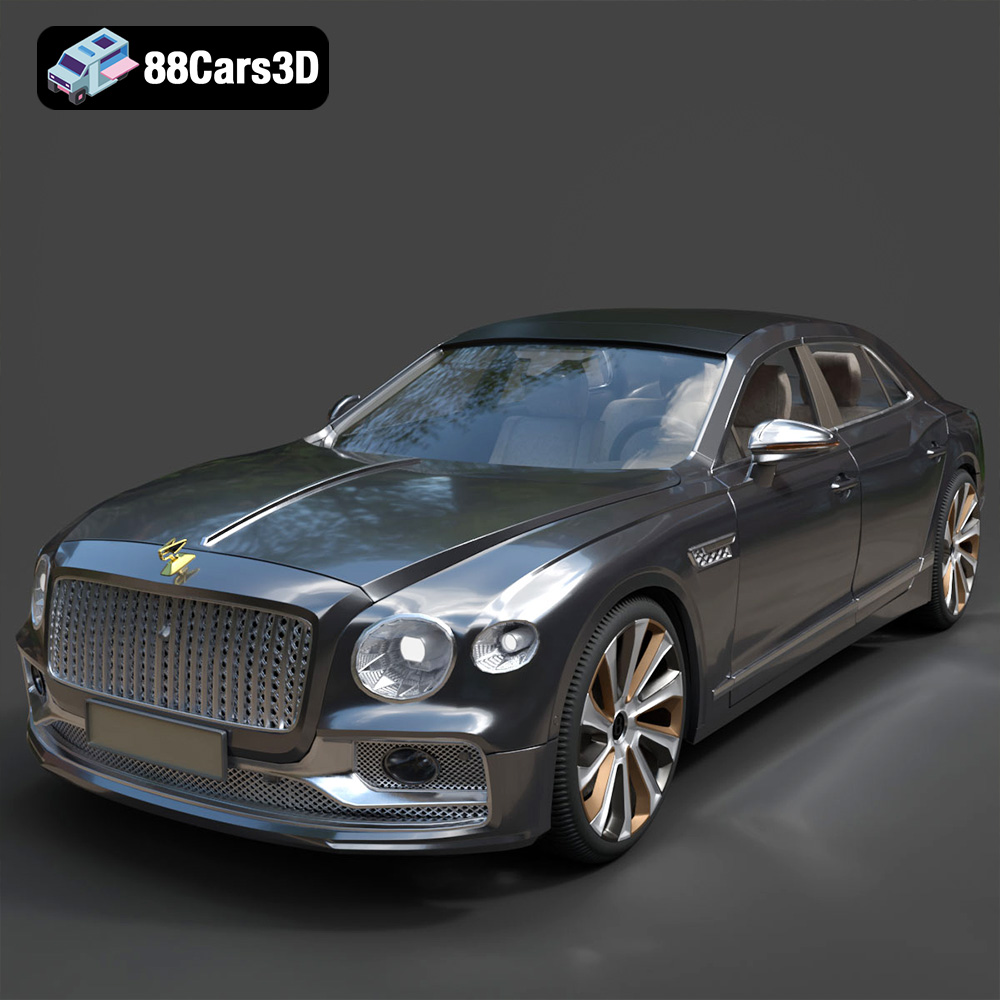
Texture: Yes | Material: Yes Download the ultra-high-detail Bentley Flying Spur Mulliner 2022 3D Model (2.94M Triangles). Features the bespoke Double Diamond grille, a fully modeled diamond-quilted interior, and exquisite luxury styling. Perfect for high-end ArchViz, VFX, and cinematic rendering. Includes .blend, .fbx, .obj, .glb, .stl, and .max formats.
Price: $19.90
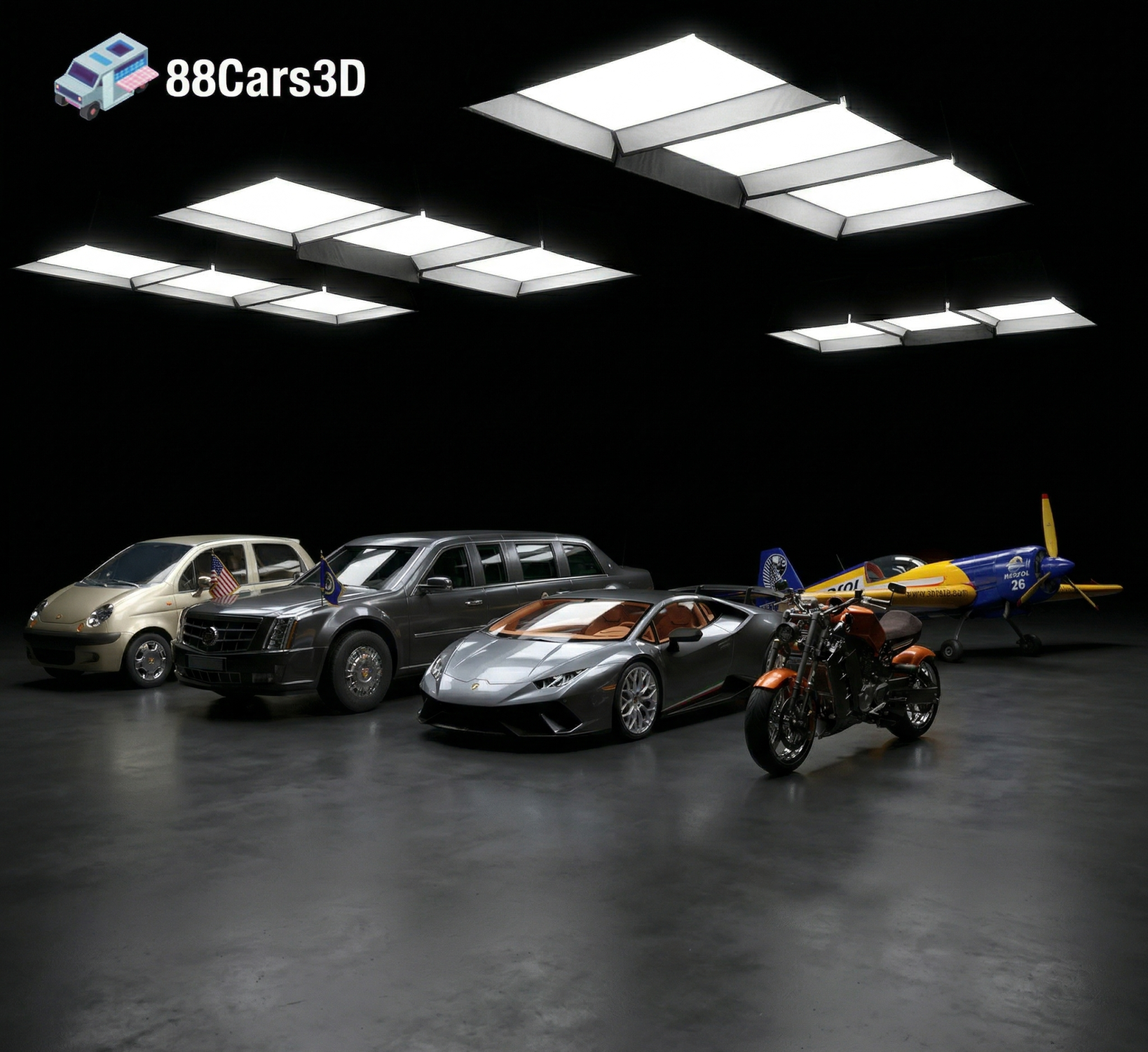
Texture: Yes | Material: Yes | 3D Printable: Yes. Download the Ultimate Creators’ Showcase featuring 5 premium 3D models: Lamborghini Huracan, ZAV Concept Motorcycle, Sukhoi SU-26, Presidential Limousine, and Daewoo Damas. Optimized for 4K CGI rendering and 3D printing. Save massive with this exclusive multi-category bundle!
Price: $99.99

Texture: Yes | Material: Yes | 3D Printable: Yes. Download the Italian Thoroughbreds Bundle featuring 5 iconic 3D models: Lamborghini Huracán Performante, Ferrari 458 Italia, Lamborghini Urus, Diablo SV, and Maserati GT. Optimized for 4K rendering and 3D printing (STL included). Save 50% with this ultimate Italian vehicle collection.
Price: $199.99

Download the Elite Future Mobility Bundle featuring 4 highly optimized 3D models: Tesla Model S, Avatr 11, Li L9, and Zoox Robotaxi. Perfect for ArchViz, Smart City renders, and game dev. Optimized for Unreal Engine and Blender. Includes .fbx, .obj, and .max formats.
Price: $99

🚗 5 Iconic German Cars (BMW M4 G82, M5 CS, X3, 1 Series & Mercedes E-Class). ✅ Optimized for ArchViz: Ready for Corona & V-Ray. 💰 Save €71 with this limited-time collection! 🚀 Instant Download after purchase.
Price: $119

Download the Extreme Off-Road & Survival 3D Models Bundle! Includes the Brabus 800 Adventure, Dodge Ram Bigfoot, Spec Truck, and a Caravan. Save over €210 on this premium 4-in-1 off-grid vehicle pack for ArchViz and game development.
Price: $149.99

Download the Heavy Duty & Commercial Logistics 3D Models Bundle! Includes the Ford Sterling, Caterpillar CT680, Mercedes Citaro Bus, and Vito Van. Save over €130 on this massive, game-ready 4-in-1 industrial vehicle pack.
Price: $109.99

