Get 50% OFF All Premium 3D & STL Models!

The allure of automobiles extends far beyond their functional purpose. Their sleek lines, powerful presence, and technological marvels captivate designers, engineers, gamers, and enthusiasts alike. In the digital realm, this fascination translates into a high demand for meticulously crafted 3D car models. These virtual representations serve as crucial assets in automotive rendering, game development, virtual reality experiences, and even 3D printing. Whether you’re visualizing a futuristic concept car or recreating a classic roadster for a racing game, the quality of your 3D car model is paramount. This article delves into the intricate world of 3D car models, exploring their applications, technical considerations, and the workflows involved in creating and utilizing them effectively.
Choosing the right file format for your 3D car model is crucial for ensuring compatibility, efficiency, and optimal performance across different software and platforms. Each format has its strengths and weaknesses, making some more suitable for specific applications than others. Here’s a detailed breakdown of common 3D model file formats used in the automotive industry and beyond:
.blend is the native file format for Blender, the popular open-source 3D creation suite. It stores the entire Blender scene, including the model’s geometry, materials, textures, lighting, cameras, and animation data. The primary advantage of .blend is its full editability within Blender. You can easily modify the model’s shape, tweak materials, adjust lighting, and refine animations. However, .blend files are generally not directly compatible with other 3D software packages, requiring export to a more universal format for broader use.
.fbx (Filmbox) is a widely adopted exchange format developed by Autodesk. It’s designed to facilitate the transfer of 3D data between different applications, making it an excellent choice for game development pipelines. .fbx supports geometry, textures, materials, animation, and skeletal rigging. Its ability to retain animation data and skinning information makes it particularly well-suited for importing 3D car models into game engines like Unreal Engine and Unity. .fbx offers good compatibility across various 3D software packages and is generally optimized for real-time performance.
.obj (Wavefront Object) is a simple, text-based format that stores the basic geometric data of a 3D model, including vertices, faces, and UV coordinates. It also supports material definitions via a separate .mtl file. While .obj is a universal format supported by virtually all 3D software, it has limitations. It doesn’t store animation data, skeletal rigs, or complex material properties. As a result, .obj is best used for transferring static 3D car models between applications where animation or advanced material features are not required. It’s a great baseline format for import and export.
.glb (GL Transmission Format Binary) is a relatively new format gaining popularity for its efficiency in displaying 3D models in augmented reality (AR), virtual reality (VR), and web-based applications. .glb is a binary format that packages the 3D model, textures, and animations into a single file, reducing file size and improving loading times. It’s designed to be easily streamed and rendered on various devices, including mobile phones, tablets, and web browsers. .glb is often the preferred format for displaying 3D car models in interactive online configurators or AR/VR experiences.
.stl (Stereolithography) is a format primarily used for 3D printing. It represents the surface geometry of a 3D model as a collection of triangles. .stl files do not store color, texture, or material information; they only define the shape of the object. When preparing a 3D car model for 3D printing, converting it to .stl is a common practice. However, it’s crucial to ensure that the model is manifold (watertight) and free of errors before exporting to .stl to avoid printing problems.
.ply (Polygon File Format) is designed for storing 3D data acquired from 3D scanners and other digitizing devices. It stores vertex coordinates, face definitions, and optionally, color, normal vectors, and other properties. The PLY format is more flexible than STL because it allows for the storage of additional data associated with each vertex, such as color or normal information. This format is used for reverse engineering or geometric analysis.
.unreal is not technically a file format, but represents a directory structure and asset package optimized for direct use within the Unreal Engine. This often contains .uasset files and other support documents. When you import a 3D car model into Unreal Engine, the engine typically converts it into its internal format, optimizing it for real-time rendering and performance. An “engine-ready” asset typically means that the model is properly scaled, UV unwrapped, textured, and potentially rigged for animation within the Unreal Engine environment. This may also contain collision meshes.
.max is the native file format for 3ds Max, a professional 3D modeling, animation, and rendering software package. Similar to .blend for Blender, .max files store the entire 3ds Max scene, including the model’s geometry, materials, textures, lighting, cameras, and animation data. The main benefit of .max is complete control over the scene within 3ds Max. However, direct compatibility with other software is limited, necessitating export to a format like .fbx or .obj for broader application.
3ds Max is a powerhouse for creating photorealistic automotive renderings. Its robust modeling tools, advanced material options, and powerful rendering engines make it a favorite among automotive designers and visualization artists. Here’s a typical workflow for creating stunning automotive renderings in 3ds Max:
Begin by importing or creating a high-resolution 3D car model. Pay close attention to the accuracy and detail of the model’s surfaces, as these will be crucial for achieving a realistic rendering. Use polygon modeling techniques, subdivision surfaces, or NURBS to create smooth, flowing curves and sharp edges. Add details such as panel gaps, door handles, and badges to enhance realism.
Realistic materials are essential for convincing automotive renderings. 3ds Max offers a wide range of material types, including standard materials, physically based rendering (PBR) materials, and specialized car paint materials. Experiment with different material properties, such as color, glossiness, reflectivity, and roughness, to accurately simulate the appearance of paint, chrome, glass, and other surfaces. Use high-resolution textures to add surface detail and imperfections.
Lighting plays a critical role in shaping the mood and realism of your rendering. Use a combination of direct lighting, such as spotlights and area lights, and indirect lighting, such as global illumination and ambient occlusion, to create a balanced and natural-looking scene. Experiment with different lighting setups to achieve the desired effect. Create a realistic environment to complement the car model, such as a studio backdrop, a city street, or a scenic landscape.
Unreal Engine is a leading game engine widely used for creating visually stunning and immersive gaming experiences. Incorporating high-quality 3D car models into Unreal Engine can significantly enhance the realism and excitement of racing games and other automotive-themed projects. Here’s a typical workflow for creating game-ready 3D car assets for Unreal Engine:
Game engines have strict performance requirements, so it’s crucial to optimize the 3D car model for real-time rendering. Reduce the polygon count of the model while preserving its overall shape and detail. Use decimation tools or retopology techniques to simplify the geometry. Carefully UV unwrap the model to ensure proper texture mapping. Pay attention to UV seams and distortion to avoid visual artifacts.
Create realistic textures for the 3D car model using a PBR workflow. Generate albedo (base color), normal, roughness, metallic, and ambient occlusion maps to define the surface properties of the materials. Import the textures into Unreal Engine and create materials using the engine’s material editor. Connect the textures to the appropriate material inputs to achieve the desired look. Use material instances to create variations of the same material without duplicating the texture data.
Create collision meshes for the 3D car model to enable realistic physics interactions within Unreal Engine. Simple box or capsule colliders can be used for basic collisions, while more complex convex hulls can be used for more accurate collisions. Rig the model for animation, adding bones for the wheels, suspension, steering wheel, and other moving parts. Create animations for driving, braking, and other actions.
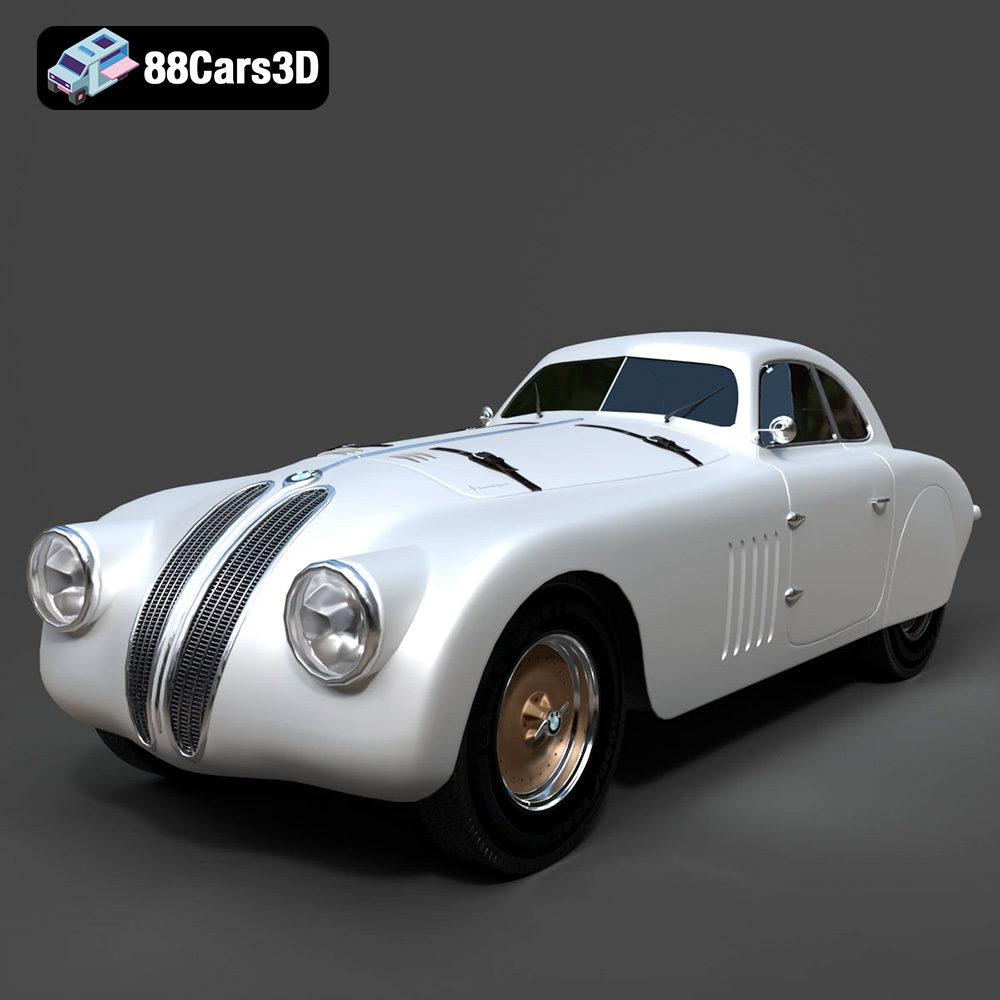
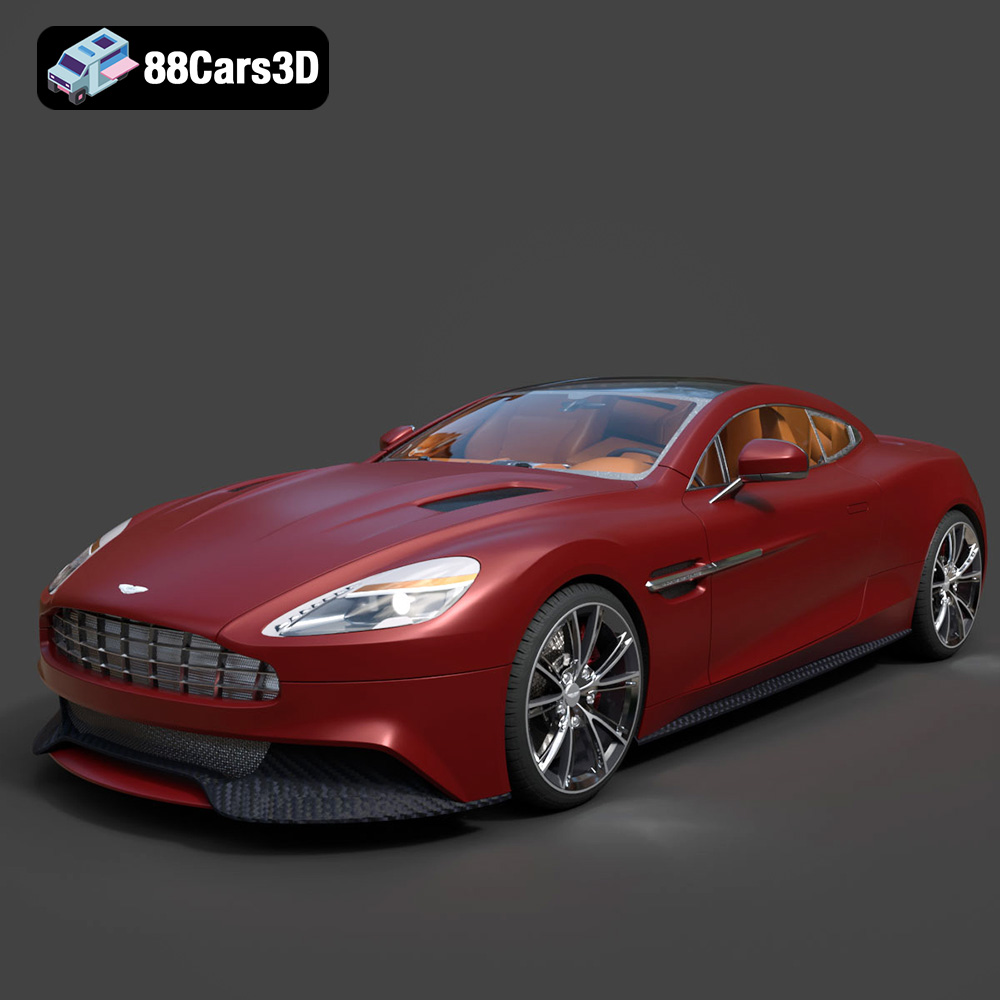
88cars3d.com offers a vast library of high-quality 3D car models suitable for various applications, including automotive visualization. A recent marketing campaign employed a meticulously crafted 3D model of a classic sports car from their collection. The model, available in .max and .fbx formats, was used to create a series of photorealistic renderings showcasing the car’s design and features in various environments. The high level of detail and accuracy of the 3D model, combined with skillful lighting and compositing, resulted in visually compelling images that effectively communicated the car’s brand identity and generated significant interest among potential customers. The use of 3D car models allowed for greater flexibility and control over the visualization process compared to traditional photography, enabling the creation of custom scenes and showcasing specific features in a way that would not have been possible otherwise.
Virtual reality (VR) offers an immersive and interactive way to experience automobiles. High-quality 3D car models are essential for creating realistic and engaging VR experiences, allowing users to explore vehicle interiors, customize designs, and even test drive virtual cars in simulated environments.
VR applications demand high frame rates to avoid motion sickness. Optimize 3D car models specifically for VR by reducing polygon counts, using efficient materials, and employing level-of-detail (LOD) techniques. LOD allows you to switch between different versions of the model with varying levels of detail based on the user’s distance from the object, improving performance without sacrificing visual quality.
Design interactive elements and a user interface (UI) that allow users to explore the 3D car model in VR. Implement controls for opening doors, adjusting seats, changing colors, and viewing different components. Use VR controllers or motion tracking to enable users to interact with the virtual environment intuitively. Ensure that the UI is clear, concise, and easy to use within the VR environment.
3D printing offers a unique opportunity to bring your favorite automobiles to life in the physical world. 88cars3d.com provides 3D car models suitable for 3D printing, allowing enthusiasts to create scale models, prototypes, or even custom car parts.
Before 3D printing a 3D car model, it’s crucial to prepare it properly. Ensure that the model is manifold (watertight) and free of any errors or gaps. Use a mesh repair tool to fix any issues. Orient the model in the optimal printing position to minimize support structures and maximize print quality. Consider hollowing out the model to reduce material consumption and printing time.
Select the appropriate 3D printing technology and materials based on the desired size, detail, and strength of the printed car model. Fused deposition modeling (FDM) is a common and affordable option for creating larger models, while stereolithography (SLA) and selective laser sintering (SLS) offer higher resolution and detail for smaller, more intricate models. Experiment with different materials, such as PLA, ABS, resin, and nylon, to achieve the desired aesthetic and mechanical properties.
3D car models have become indispensable tools for designers, engineers, marketers, and enthusiasts in the automotive industry and beyond. From creating photorealistic renderings to developing immersive VR experiences and even 3D printing scale models, the applications of 3D car models are vast and diverse. By understanding the different file formats, mastering the workflows for various software packages, and optimizing models for specific applications, you can unlock the full potential of 3D car models and achieve stunning results. Platforms like 88cars3d.com offer a great marketplace to acquire quality assets. Whether you’re visualizing a futuristic concept car or recreating a classic roadster, the world of 3D car models offers endless possibilities for creativity and innovation.

Price: $129.99

Price: $99.99

Price: $89.99