Get 50% OFF All Premium 3D & STL Models!

The automotive industry is undergoing a monumental transformation, shifting gears from fossil fuels to electric power, and from human-driven to autonomous systems. This paradigm shift isn’t just happening on our roads; it’s profoundly influencing the digital realm of 3D design, visualization, and interactive experiences. As smart cities rise and eco-conscious design becomes paramount, the demand for authentic, high-fidelity 3D car models of electric vehicles (EVs) has surged. Artists, architects, game developers, and animators are constantly seeking assets that not only look stunning but also reflect the cutting-edge technology and aesthetic of modern mobility.
This need for precision, relevance, and versatility is exactly what “The Future of Mobility: Smart City EV 3D Models Bundle” addresses. This comprehensive 5-in-1 package is meticulously crafted to empower digital creators, offering a curated collection of contemporary electric vehicles and an essential EV charging station. From architectural visualizations that envision eco-friendly urban landscapes to immersive game environments that simulate near-future metropolises, this bundle provides the indispensable tools to bring those visions to life with unparalleled realism and technical fidelity. Let’s delve into why these premium 3D car models are not just an asset, but a strategic investment for any serious digital project.
In the world of 3D modeling, the choice of file format is as critical as the model itself. Each format serves a specific purpose, catering to different software, pipelines, and end-use applications. Understanding these distinctions is crucial for seamless integration and optimal performance of your 3D car models, especially when working with diverse teams and complex projects. “The Future of Mobility: Smart City EV 3D Models Bundle” is designed with this versatility in mind, offering a range of formats to ensure maximum compatibility and utility.
The .blend format is native to Blender, a powerful open-source 3D creation suite. When you acquire a model in .blend format, you’re not just getting the mesh; you’re often getting a fully editable Blender scene. This includes materials, textures, lighting setups, animation rigs, and even physics properties, all preserved within the file. For artists working primarily in Blender, this format offers the highest degree of flexibility for modifications, retopology, custom rigging, or adapting the model’s materials to specific rendering pipelines like Cycles or Eevee. It’s the ideal choice for deep customization and leveraging Blender’s extensive toolset.
FBX (Filmbox) is arguably the most widely adopted 3D exchange format, especially within the game development and animation industries. Developed by Autodesk, it excels at preserving complex data such as animations, rigging, skinning, blend shapes, cameras, and lights, alongside the mesh and materials. This makes .fbx files ideal for transferring models between different 3D software packages like 3ds Max, Maya, Blender, and directly into game engines like Unreal Engine and Unity. For the EV models in the bundle, the .fbx format ensures that separated parts (like wheels and doors) and proper pivot points are maintained, facilitating easy rigging and integration into real-time environments for drivable game assets or animated sequences.
The .obj (Wavefront OBJ) format is a venerable and highly compatible format, often considered the “lingua franca” of 3D modeling. It stores basic geometry information (vertices, normals, UV coordinates, and faces) and can reference external material files (.mtl) for colors and textures. While it doesn’t support rigging or animations, its simplicity and widespread support across virtually every 3D software make it an excellent choice for basic mesh transfer. If you need a clean mesh to start fresh with materials in a new environment, or for general cross-software compatibility where advanced features aren’t required, .obj is a reliable option.
.glb (GLB, GL Transmission Format Binary) is an increasingly important format, particularly for real-time applications, augmented reality (AR), virtual reality (VR), and web-based 3D. It’s a binary version of glTF (GL Transmission Format), which bundles all necessary assets (geometry, materials, textures, animations) into a single, compact file. This self-contained nature and optimization for efficient loading make .glb perfect for quickly displaying 3D models in browsers, mobile AR apps, or interactive virtual showrooms without significant performance overhead. For showcasing “The Future of Mobility” EVs in a web configurator or an AR experience, .glb offers superior performance and ease of deployment.
The .stl (stereolithography) format is the undisputed standard for 3D printing. Unlike other formats that store surface data using polygons, .stl represents a 3D model as a series of connected triangles that define its surface geometry. Crucially, .stl files must represent “manifold” geometry, meaning the model must be watertight and have no gaps or inversed normals, ensuring it can be physically manufactured. The EV models in the bundle, provided in .stl, are pre-prepared for physical output, allowing diecast enthusiasts to bring these futuristic designs into the tangible world. This format is critical for creating physical scale models of the Volvo EX30 or the Porsche Taycan.
.ply (Polygon File Format, or Stanford Triangle Format) is another format primarily used for storing 3D scanner data and meshes, often with more complex properties than .obj. It can store not only geometry but also color, transparency, normals, texture coordinates, and even properties like confidence values for each data point. While less common for general 3D model distribution, it’s valuable in scientific visualization, reverse engineering, and CAD applications where precise mesh data for analysis or direct manipulation is needed. For detailed inspection or modification of the complex surfaces of these modern EVs, .ply can be a powerful format.
While not a universal file extension in the same vein as .fbx or .obj, “unreal” typically refers to assets specifically configured and optimized for direct import and use within Unreal Engine. This might involve specific naming conventions, asset structuring, collision meshes, LOD (Level of Detail) variations, and PBR (Physically Based Rendering) material setups that adhere to Unreal’s best practices. When models are labeled as “.unreal” or “engine-ready,” it signifies that they’ve been prepared to drop straight into an Unreal Engine project, often saving countless hours of optimization and setup time. The EV models from 88cars3d.com are designed with this in mind, streamlining development for smart-city game environments.
The .max format is the native file type for Autodesk 3ds Max, one of the leading software packages for 3D modeling, animation, and rendering. A .max file contains the entire scene data, including geometry, materials, textures, lighting, cameras, animation keyframes, modifiers, and plugin-specific data. For 3ds Max users, this format offers full editability and access to all the original scene settings, making it ideal for high-fidelity architectural visualization or cinematic rendering. If you aim to customize the lighting, apply specific V-Ray or Corona materials, or integrate the EVs into a complex scene with 3ds Max, the .max format provides the most comprehensive starting point.
The inclusion of these diverse formats in “The Future of Mobility: Smart City EV 3D Models Bundle” underscores its commitment to professional versatility, ensuring that whatever your workflow or desired output, you have the right tool for the job. You can find more details and download options for these specific formats on 88cars3d.com.
The true value of “The Future of Mobility: Smart City EV 3D Models Bundle” lies in its carefully curated selection of premium assets, each designed with meticulous attention to detail and technical precision. This isn’t just a random collection; it’s a strategically assembled toolkit for professionals operating at the forefront of digital design.
Each vehicle within this bundle represents a pinnacle of modern electric automotive design, captured with an impressive level of fidelity.
These models are not mere approximations; they are accurate digital twins, ready to enhance the realism and cultural relevance of your projects.
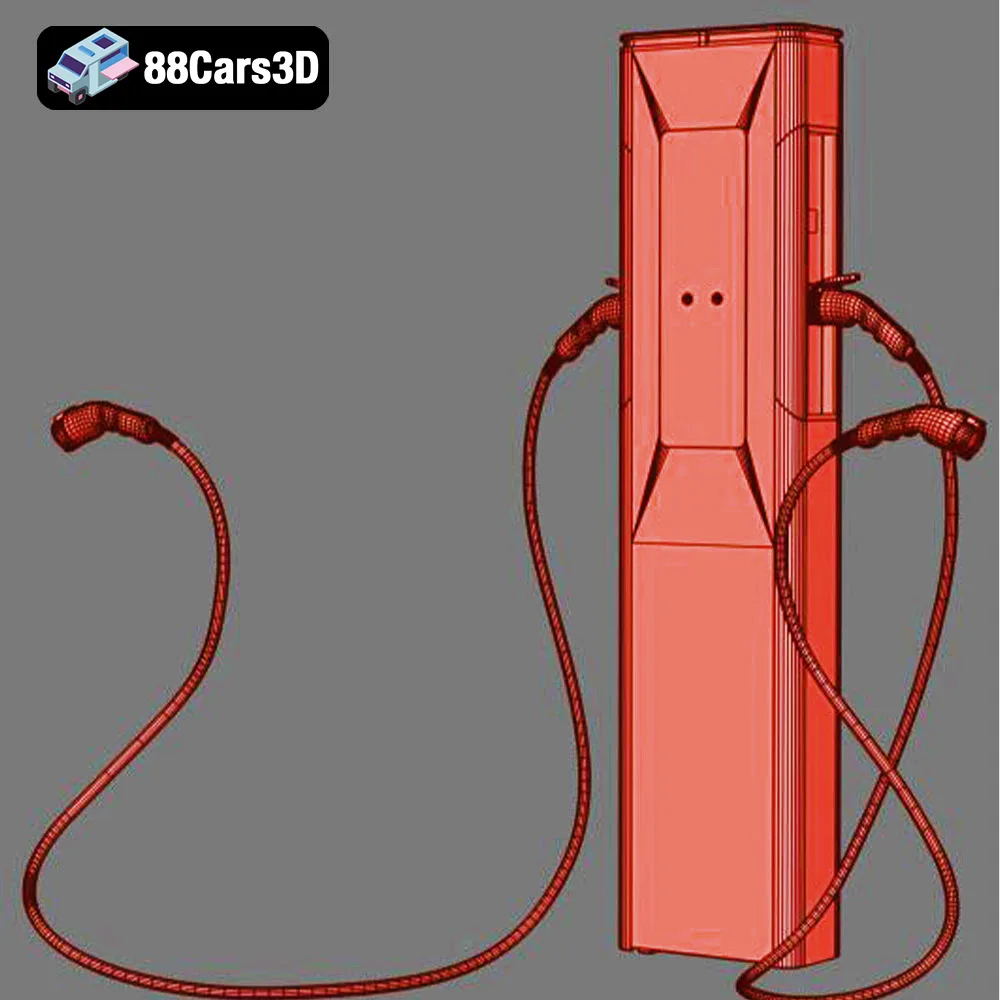
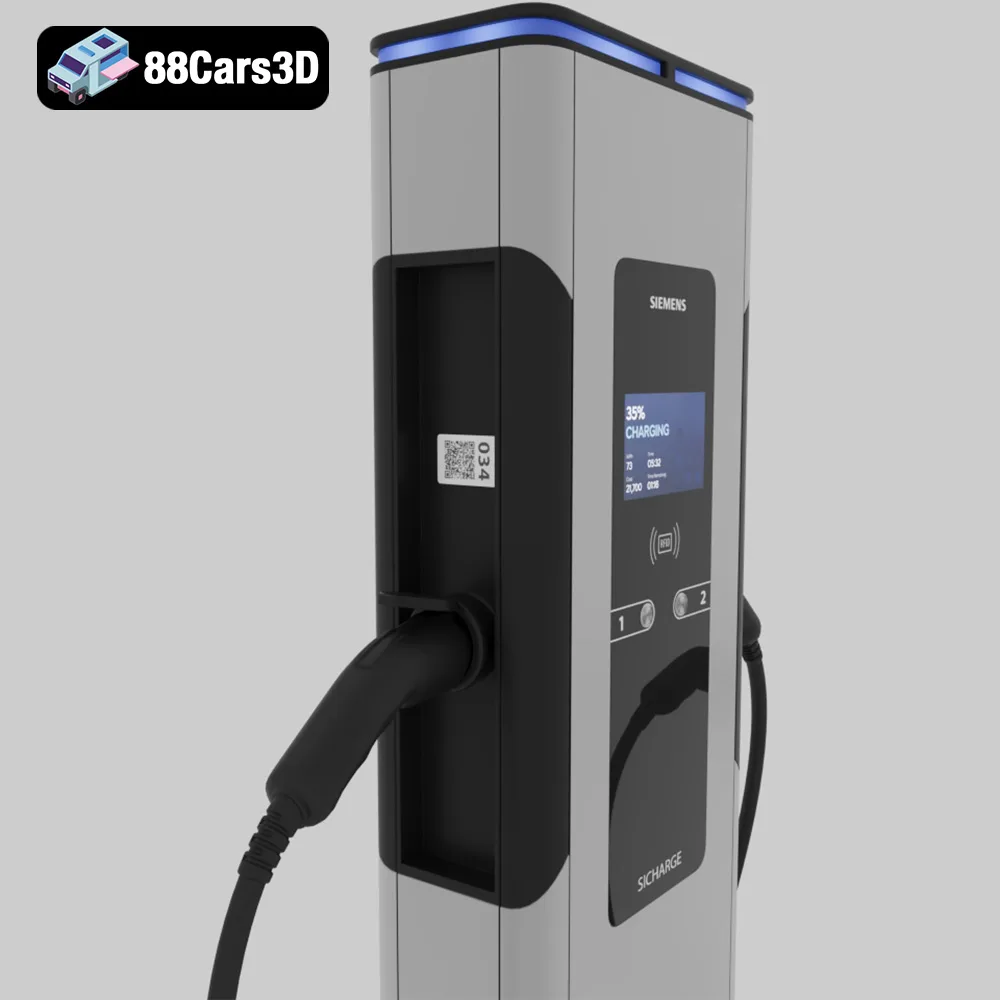
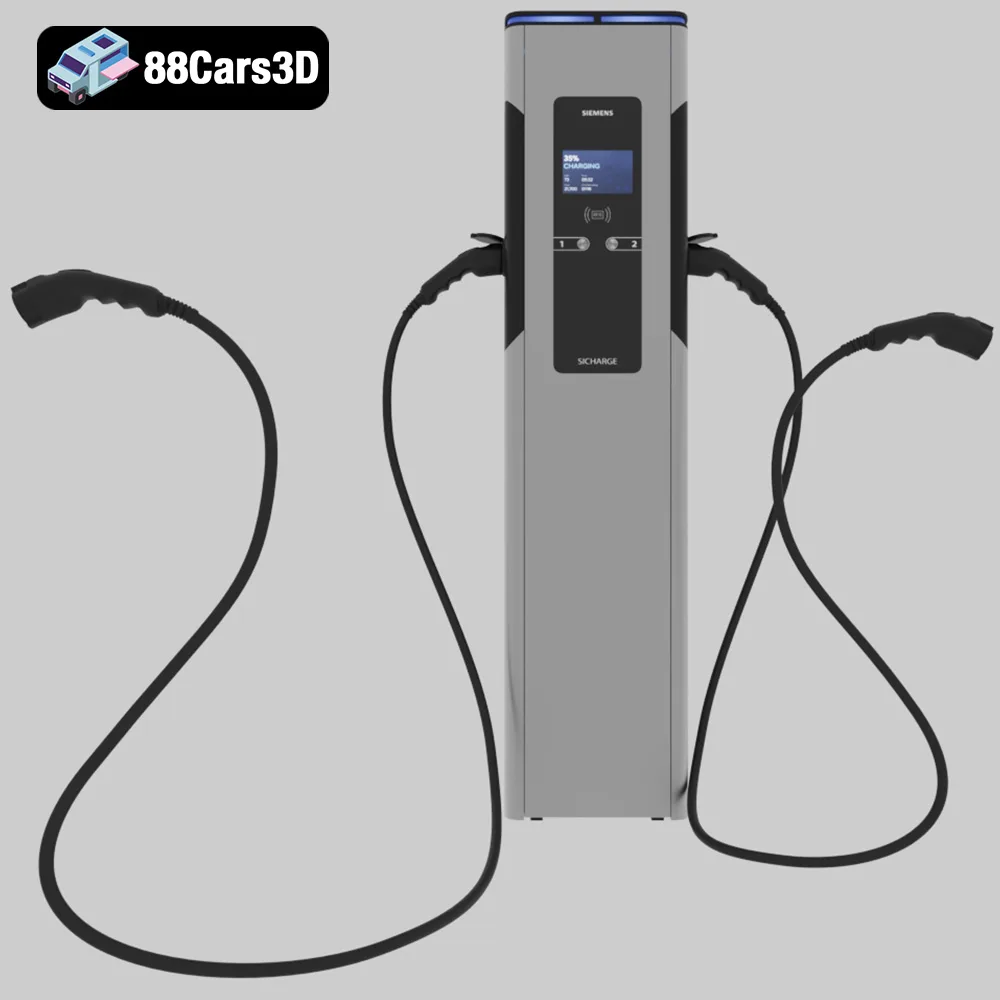
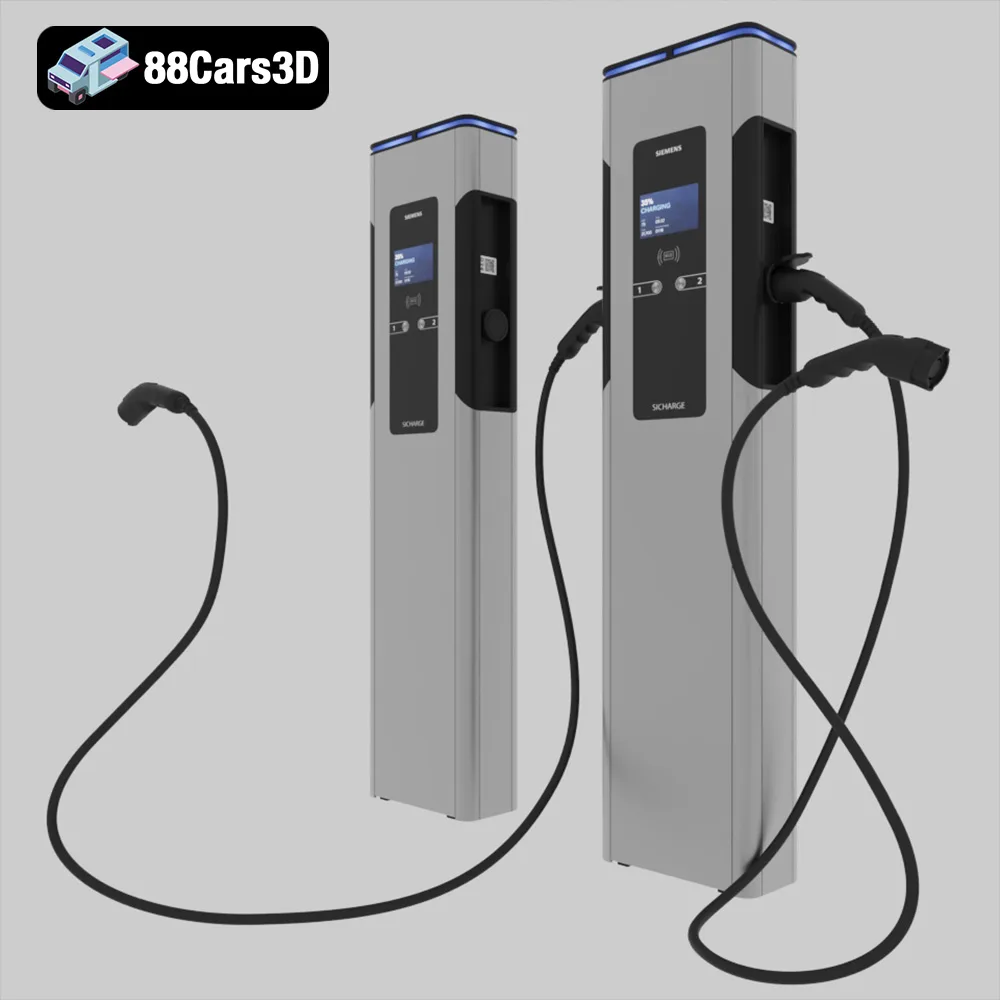
While the vehicles themselves are stars, the inclusion of the Siemens SiCharge EV Charging Station is a testament to the bundle’s comprehensive approach to realism. A smart city isn’t just about electric cars; it’s about the infrastructure that supports them. This ultra-detailed charging station is the missing piece that grounds your renders in authenticity. Placing it in a virtual garage, parking lot, or streetscape instantly communicates a modern, eco-conscious environment, elevating the credibility of architectural visualizations and game worlds alike. It’s these thoughtful additions that transform a collection of models into a truly professional resource.
Beyond visual appeal, the technical underpinnings of these 3D car models are paramount for professional use:
These technical specifications ensure that “The Future of Mobility: Smart City EV 3D Models Bundle” isn’t just aesthetically pleasing, but also robust and production-ready for a variety of demanding applications.
The versatility of “The Future of Mobility: Smart City EV 3D Models Bundle” truly shines in its applicability across various professional digital production pipelines. Whether you’re an architect, a game developer, or a visual effects artist, these 3D car models are designed to integrate seamlessly into your established workflows.
For high-end automotive rendering, precision and aesthetic appeal are paramount. Both 3ds Max and Blender, equipped with powerful render engines like V-Ray, Corona, Cycles, or Octane, are ideal platforms for showcasing these EV models.
Game developers require highly optimized yet visually rich assets, a balance “The Future of Mobility: Smart City EV 3D Models Bundle” strikes effectively.
As interactive experiences become more prevalent, these 3D car models are perfectly poised for AR, VR, and virtual production environments.
The adaptability of “The Future of Mobility: Smart City EV 3D Models Bundle” across these diverse workflows underscores its utility and value for professionals seeking top-tier 3D car models.
Beyond digital screens, “The Future of Mobility: Smart City EV 3D Models Bundle” offers an exciting avenue for bringing these futuristic vehicles into the physical world through 3D printing. For diecast enthusiasts, collectors, or even automotive designers looking for physical prototypes, the provided .stl files open up a realm of possibilities. This process, however, requires a precise understanding of 3D printing principles.
The .stl format is universally recognized by 3D printers because it simplifies the complex 3D surface into a mesh of triangles. The key here is “manifold geometry” – ensuring the model is completely solid, without any holes or intersecting faces that would confuse a printer. The models in this bundle are pre-configured for this, simplifying the user’s task.
The choice of 3D printing technology significantly impacts the final quality, especially for highly detailed automotive models.
3D printing is often just the beginning. To truly achieve a showroom-quality miniature, post-processing is indispensable.
The theoretical applications of high-quality 3D car models are vast, but their real impact is best understood through practical examples and case studies. “The Future of Mobility: Smart City EV 3D Models Bundle” isn’t just a collection; it’s a catalyst for professional excellence in diverse fields.
In the competitive world of architectural visualization (ArchViz), the details make all the difference. Clients aren’t just looking for buildings; they’re looking for lifestyle and context.
For game developers, realism and performance are often in a delicate balance. High-quality 3D car models are crucial for building immersive open-world environments.
As marketing and sales embrace digital platforms, interactive 3D experiences are becoming the norm for showcasing products, especially high-value items like electric vehicles.
These case studies highlight how “The Future of Mobility: Smart City EV 3D Models Bundle” serves as a fundamental resource, driving innovation and elevating the quality of digital content across various professional domains.
The digital landscape is continually evolving, demanding ever-greater realism, relevance, and technical precision from 3D assets. As the world accelerates towards an electrified future and the concept of smart cities takes root, the need for high-quality 3D car models of electric vehicles has never been more critical. Whether you are crafting a breathtaking architectural visualization, developing an immersive game world, designing a cutting-edge AR/VR experience, or even bringing miniature models to life through 3D printing, the quality of your foundational assets directly dictates the success and impact of your project.
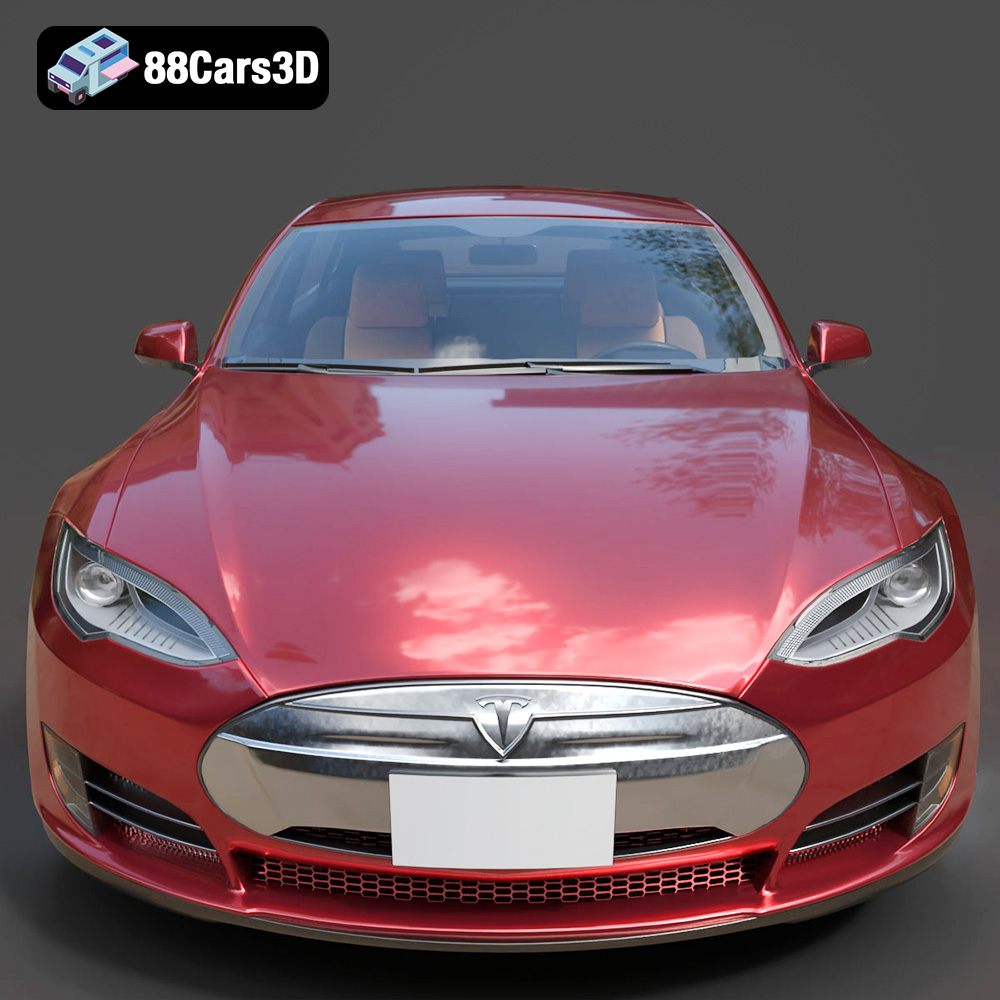
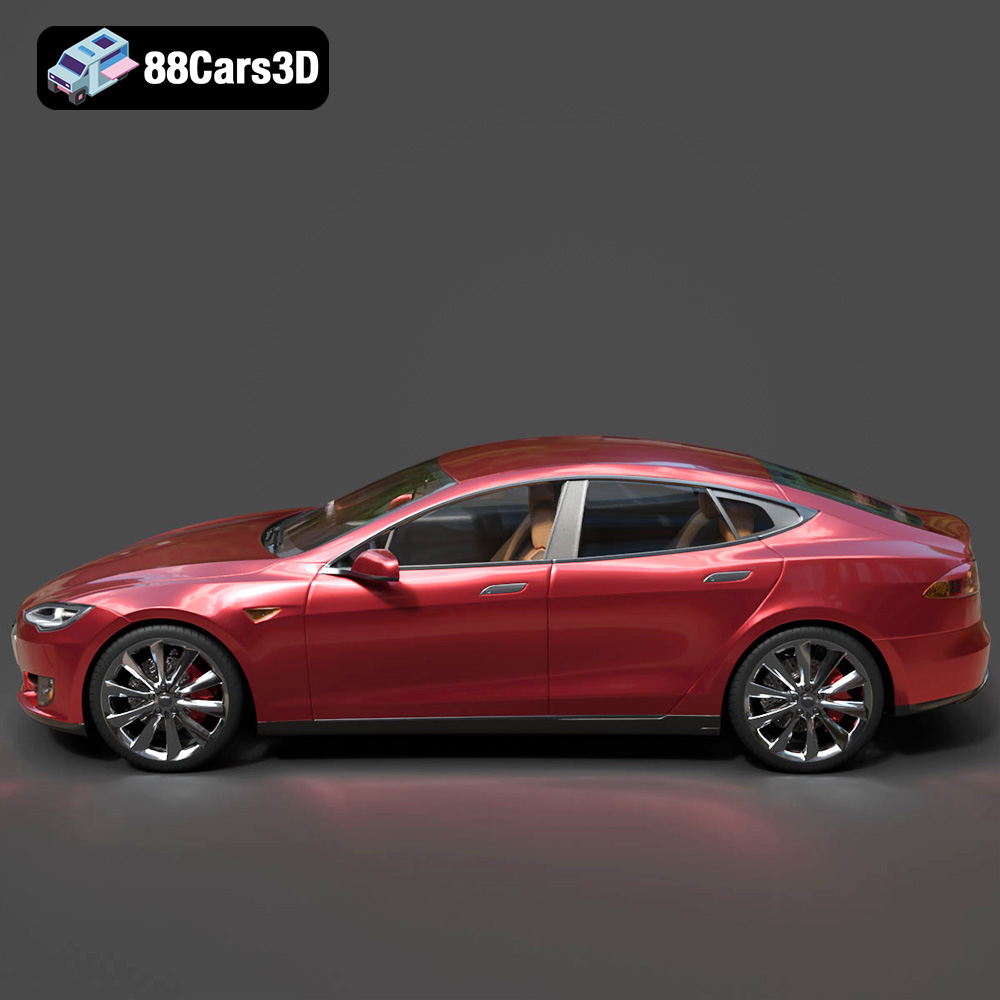
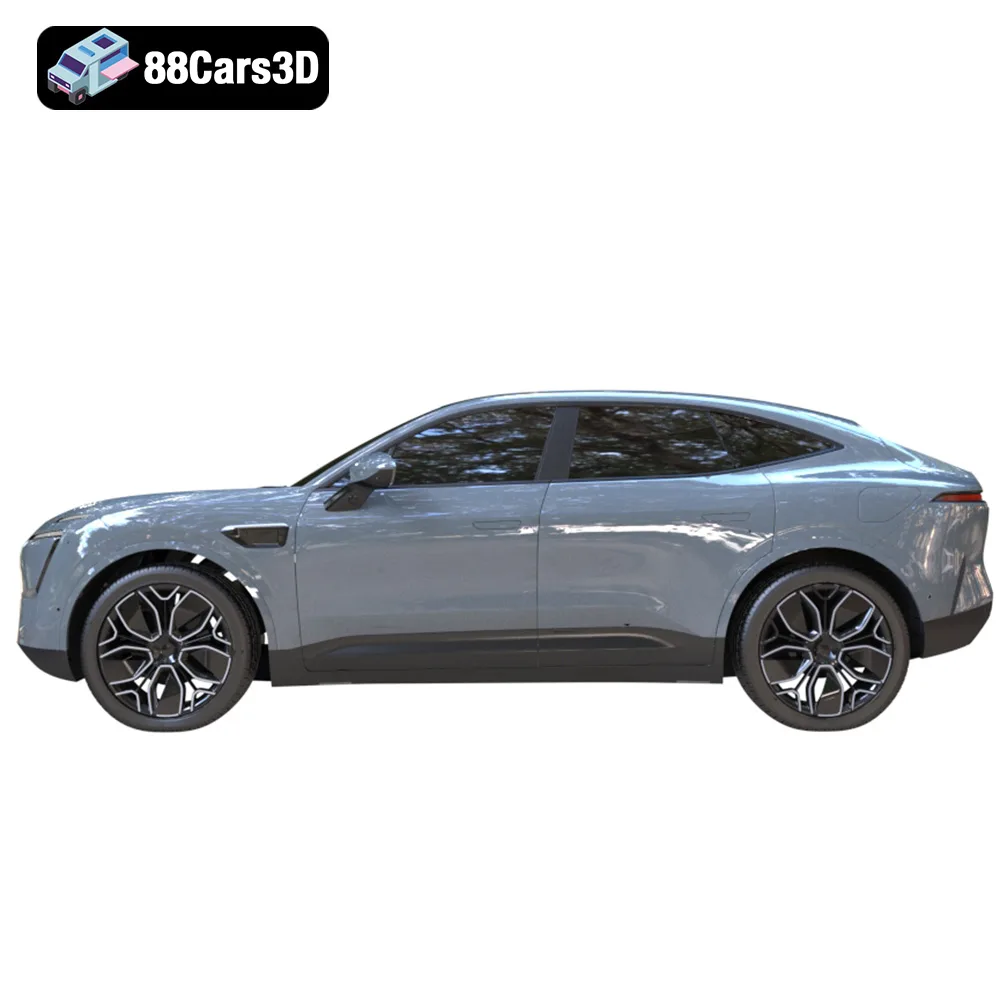
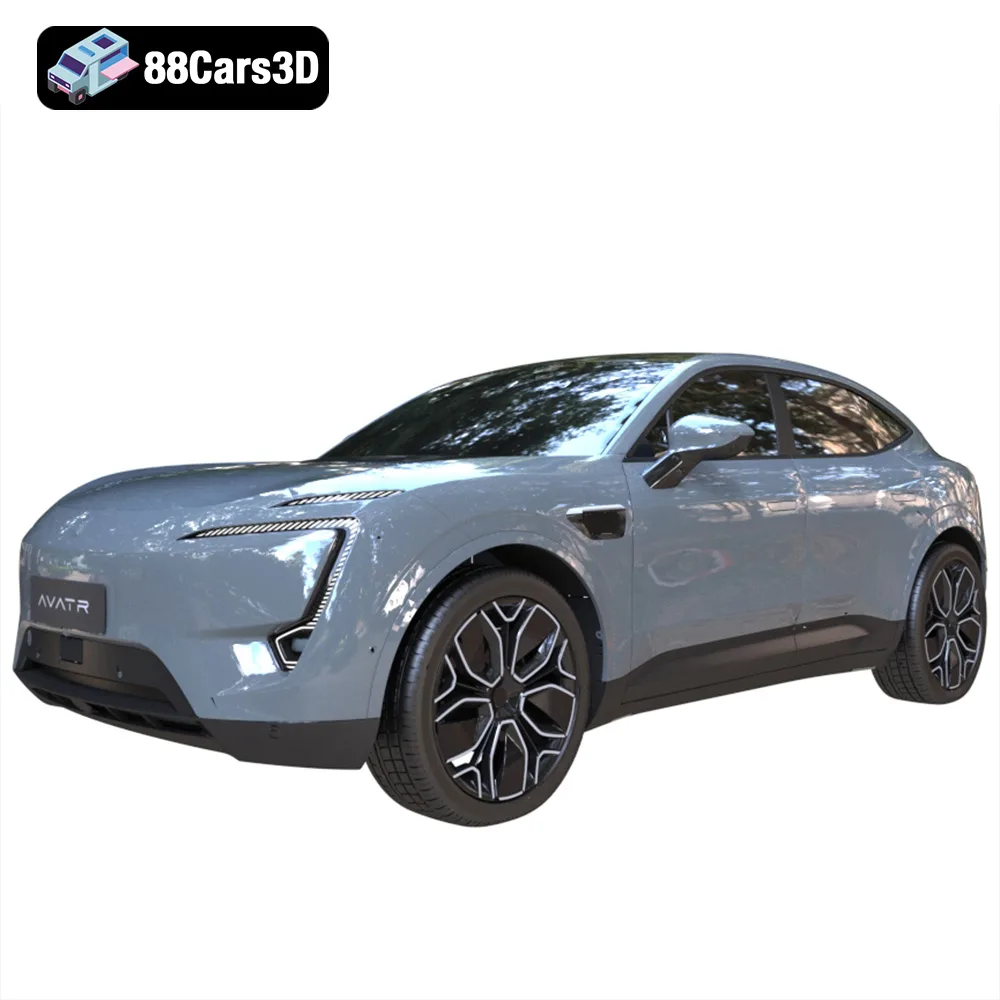
“The Future of Mobility: Smart City EV 3D Models Bundle” stands as a testament to this principle. It provides not just a collection of stunning vehicles – including the iconic Volvo EX30, Tesla Model S, AVATR 11, and Porsche Taycan – but also the essential infrastructure prop of a Siemens SiCharge EV Charging Station. Each model is engineered with meticulous attention to clean topology, real-world scale, and flexible formats, ensuring seamless integration into any professional workflow, from 3ds Max and Blender rendering to Unreal Engine development and precision 3D printing. This comprehensive pack truly offers a strategic advantage, saving invaluable time and delivering uncompromised quality.
By investing in premium 3D car models like those found in this bundle, artists and developers are not just acquiring assets; they are unlocking new creative possibilities and ensuring their work remains at the forefront of digital innovation. Explore this exceptional collection and other high-quality 3D car models to elevate your projects to the next level, exclusively available at 88cars3d.com.
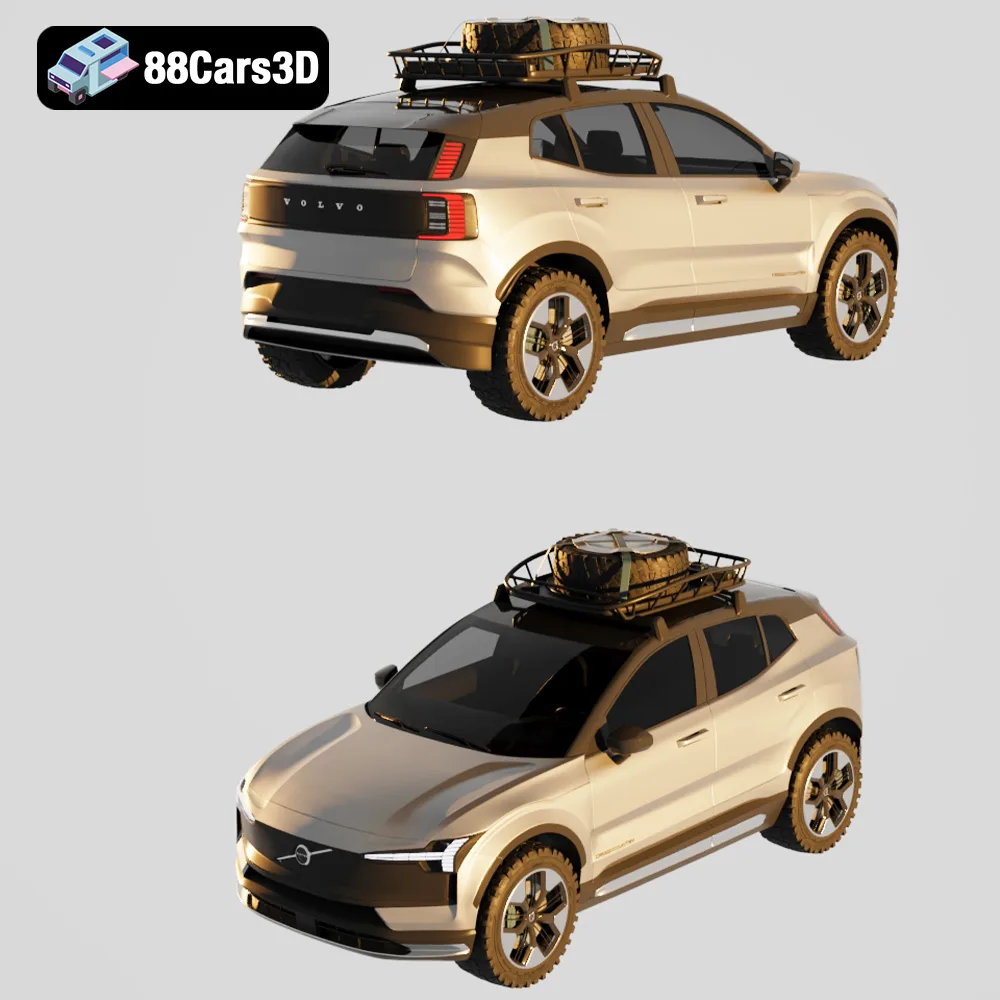
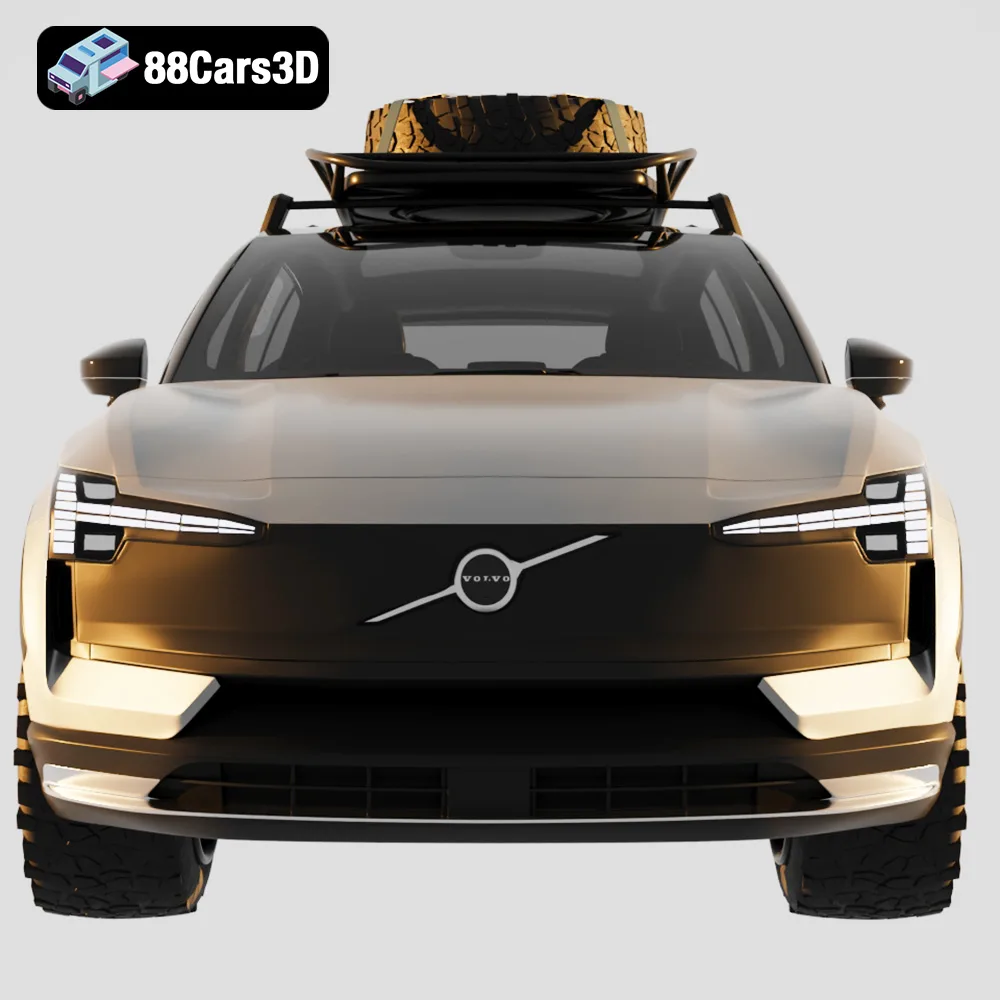
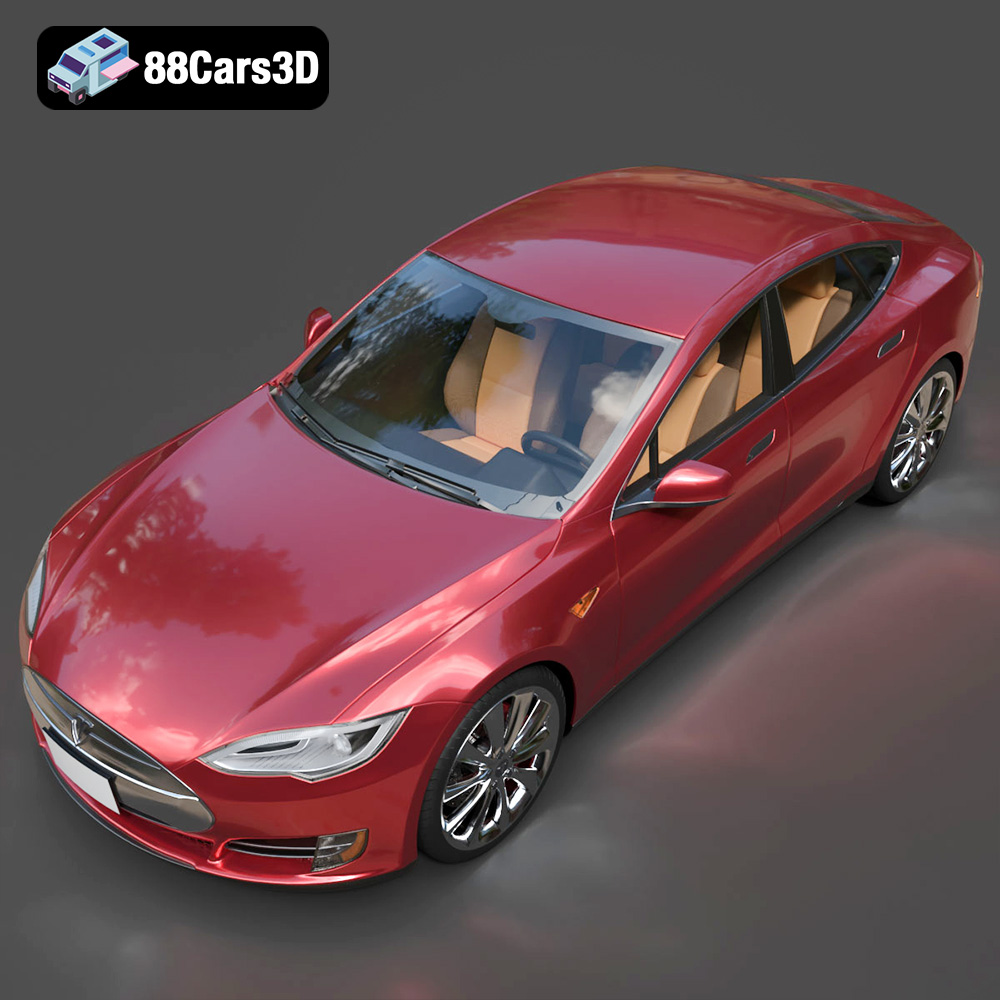
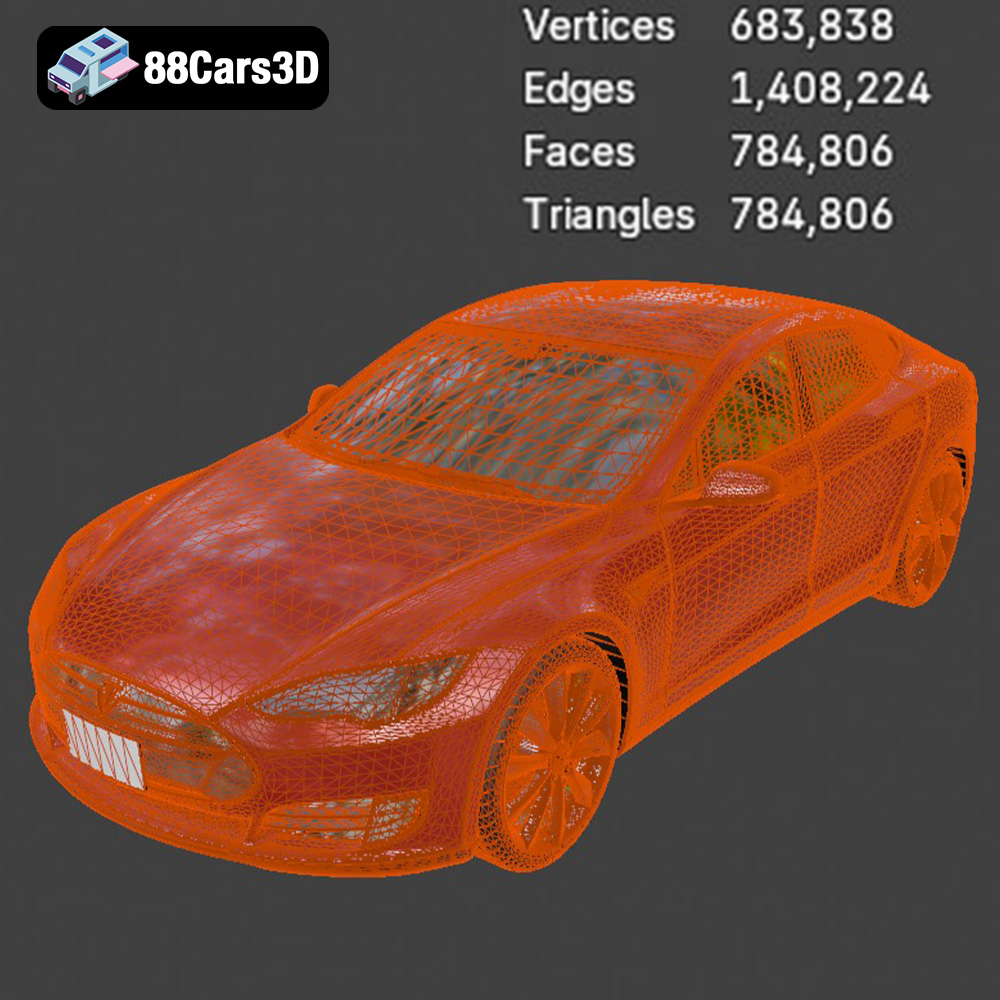
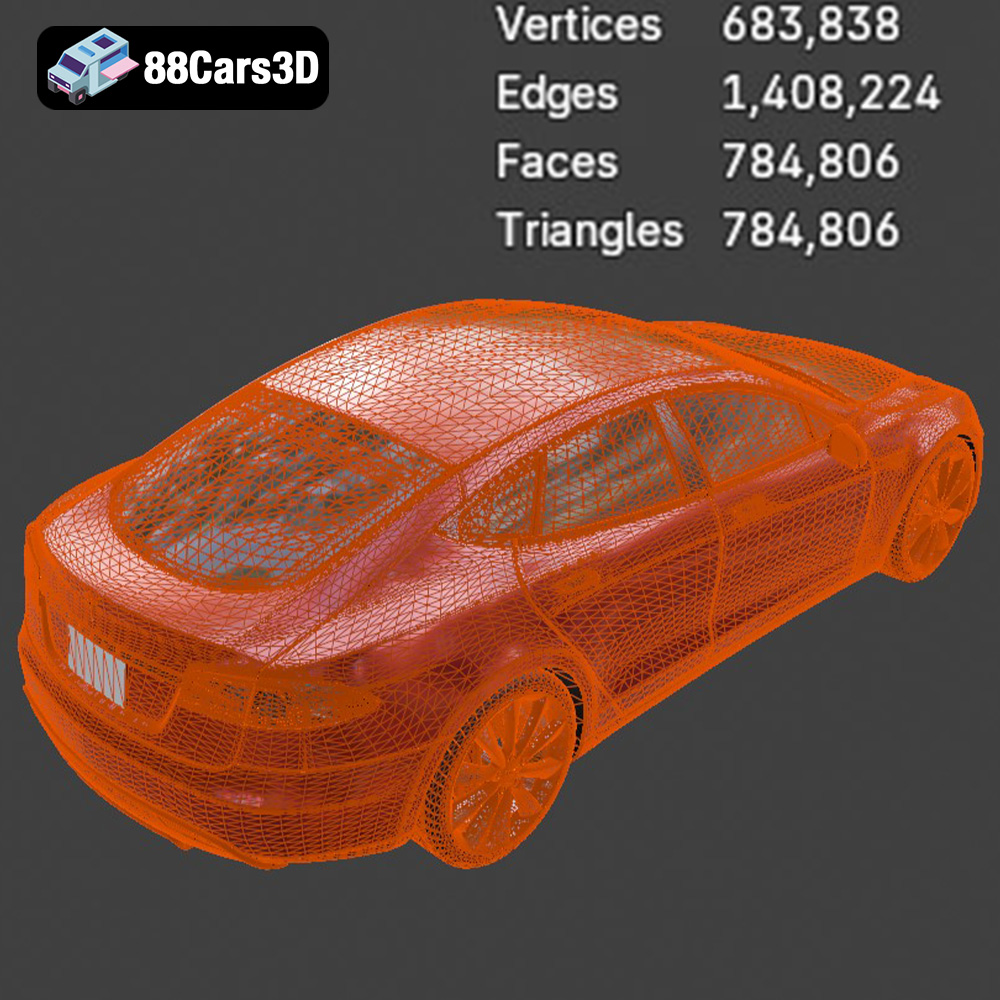
The Future of Mobility 3D Models Bundle is the ultimate, eco-conscious collection designed for modern architectural visualization (ArchViz), smart-city game environments, and forward-thinking digital showrooms. As the world transitions to electric vehicles, 3D artists need premium, realistic EV assets to make their renders culturally relevant and visually striking. This comprehensive 5-in-1 package provides exactly that. Instead of sourcing these high-quality models individually (Total Value: €184.95), this bundle gives you four of the most recognizable modern electric vehicles plus a highly detailed EV charging station at an unbeatable discount. What’s Included in the Bundle? 1. Volvo EX30 Cross Country Electric Crossover (Individual Value: €59.99) The epitome of modern Scandinavian design. This rugged yet futuristic crossover features Volvo’s signature closed-off grille, Thor’s Hammer LED headlights, and an optimized mid-poly geometry perfect for architectural driveways. 2. Tesla Model S (Individual Value: €49.99) The pioneer of the EV revolution. A sleek, aerodynamic luxury sedan boasting fluid lines, flush door handles, and a flawless exterior topology that reflects light beautifully in ray-traced rendering engines. 3. AVATR 11 Electric SUV (Individual Value: €24.99) A cutting-edge, next-generation electric SUV with bold, sci-fi-inspired proportions, ultra-slim LED light bars, and an aggressive stance. Perfect for setting a futuristic tone in any virtual city. 4. Porsche Taycan Turbo S Cross Turismo 2021 (Individual Value: €24.99) The absolute pinnacle of electric performance and luxury. Captures the iconic Porsche silhouette blended with a practical, shooting-brake wagon design and aggressive aerodynamic wheels. 5. Siemens SiCharge EV Charging Station (Individual Value: €24.99) The missing piece for a truly realistic scene! Drop this ultra-detailed electric vehicle charger into your garage, parking lot, or streetscape renders to give your project an authentic, smart-city feel. Key Features Across All Models: • EV-Specific Details: Accurate representation of electric vehicle features, including closed grilles, futuristic LED light clusters, and distinct aerodynamic wheel designs. • Separated Parts: Wheels, doors, and steering components are intelligently separated, allowing for easy rigging and interaction in game engines. • Clean Topology: Highly optimized, quad-heavy geometry ensures smooth subdivisions and zero shading artifacts. Beautifully balanced for both foreground hero shots and dense background traffic. Technical Specifications & Advantages: • Scale: 100% Real-world scale accuracy based on factory dimensions. • Pivots: Proper pivot point setup for wheels and steering, ready for vehicle physics controllers. • Environment Ready: Whether you are building an Unreal Engine 5 metropolis or a Corona-rendered eco-villa, these assets drop in perfectly without overloading your poly count. Applications: • ArchViz: Instantly upgrade your architectural renders by parking a Taycan or EX30 next to the Siemens SiCharge station in a modern smart-home driveway. • Game Development: Excellent as drivable vehicles or high-quality traffic in open-world, near-future city simulators. • Virtual Production: Ideal for automotive commercials, VFX shots, and interactive VR EV configurators. 3D Print Setting (For Diecast Enthusiasts): • Recommended scale: 1:24 / 1:32 / 1:43 • Layer height: 0.04–0.05 mm (SLA/Resin printing recommended to capture intricate EV details and rims). • Orientation: Print bodies at an angle to ensure smooth roofs; print wheels and the charging station separately. Included File Formats: .blend, .fbx, .obj, .glb, .stl, .max (Varies slightly per model, but universal exchange formats are guaranteed).
$89.99
archviz-pack
avatr-11
car-bundle
eco-friendly
electric-vehicle-3d-model
ev-bundle
ev-charger-3d
game-ready
porsche-taycan
smart-city
tesla-model-s
volvo-ex30