Get 50% OFF All Premium 3D & STL Models!

In the dynamic worlds of architectural visualization, game development, and virtual production, the difference between good and exceptional often lies in the details. A meticulously crafted 3D model can transform a static scene into a living, breathing environment, grounding it in realism and elevating its emotional impact. Nowhere is this more evident than with automotive assets, where the sleek lines, intricate engineering, and aspirational allure of luxury vehicles play a pivotal role in setting the tone and conveying prestige.
Today’s professional artists demand nothing less than perfection. They need models that are not only visually stunning but also technically robust, optimized for diverse applications from ray-traced renders to real-time engine integration, and even ready for physical production through 3D printing. It’s this confluence of aesthetic brilliance and technical precision that defines the Ultimate German Luxury ArchViz Pack – a collection that brings together four iconic German masterpieces to empower creators with unparalleled quality and versatility. This bundle is more than just a set of models; it’s a strategic investment for anyone looking to inject a touch of high-octane sophistication into their projects, from the opulent driveways of ArchViz scenes to the bustling streets of an open-world game.
Navigating the landscape of 3D model file formats is crucial for any professional artist or developer. The choice of format dictates not only compatibility across software but also the type of data preserved and its suitability for specific workflows. Understanding these nuances ensures seamless integration, optimal performance, and the preservation of crucial asset fidelity. The Ultimate German Luxury ArchViz Pack, for instance, offers a range of formats to suit various needs, ensuring maximum utility.
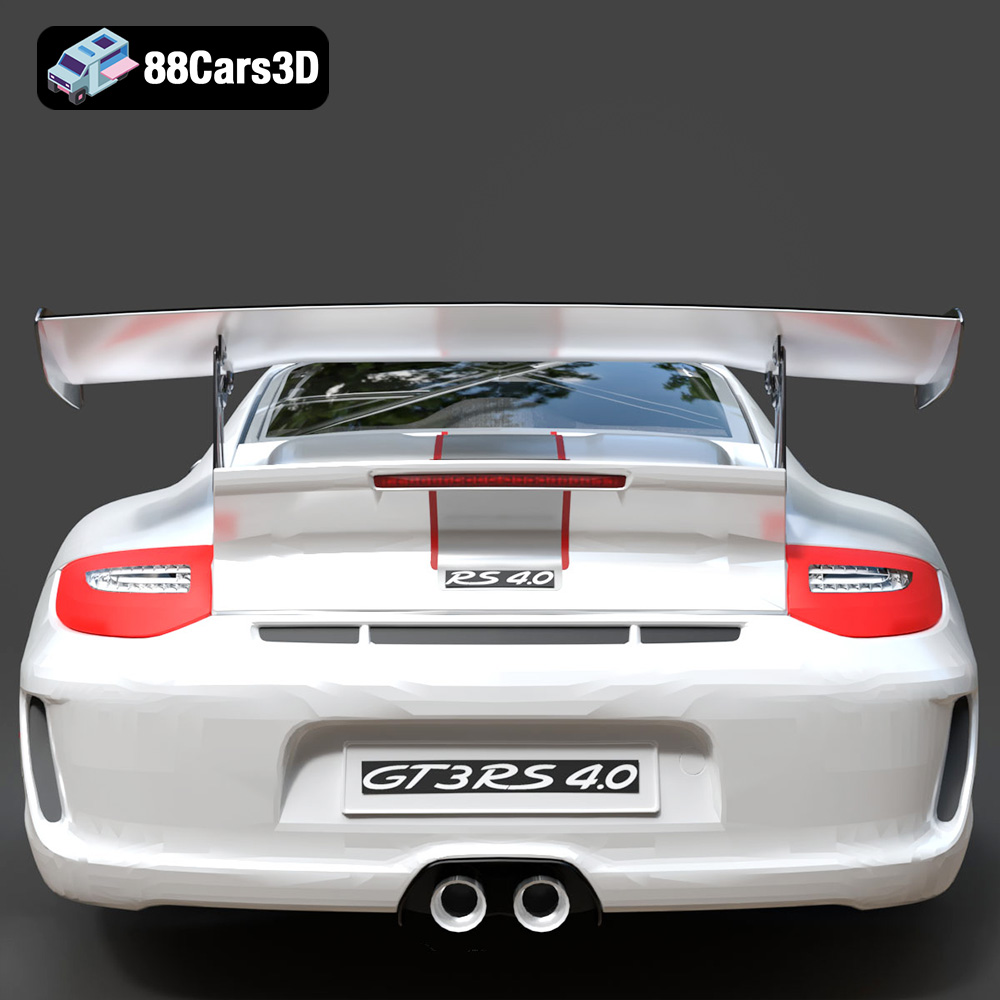
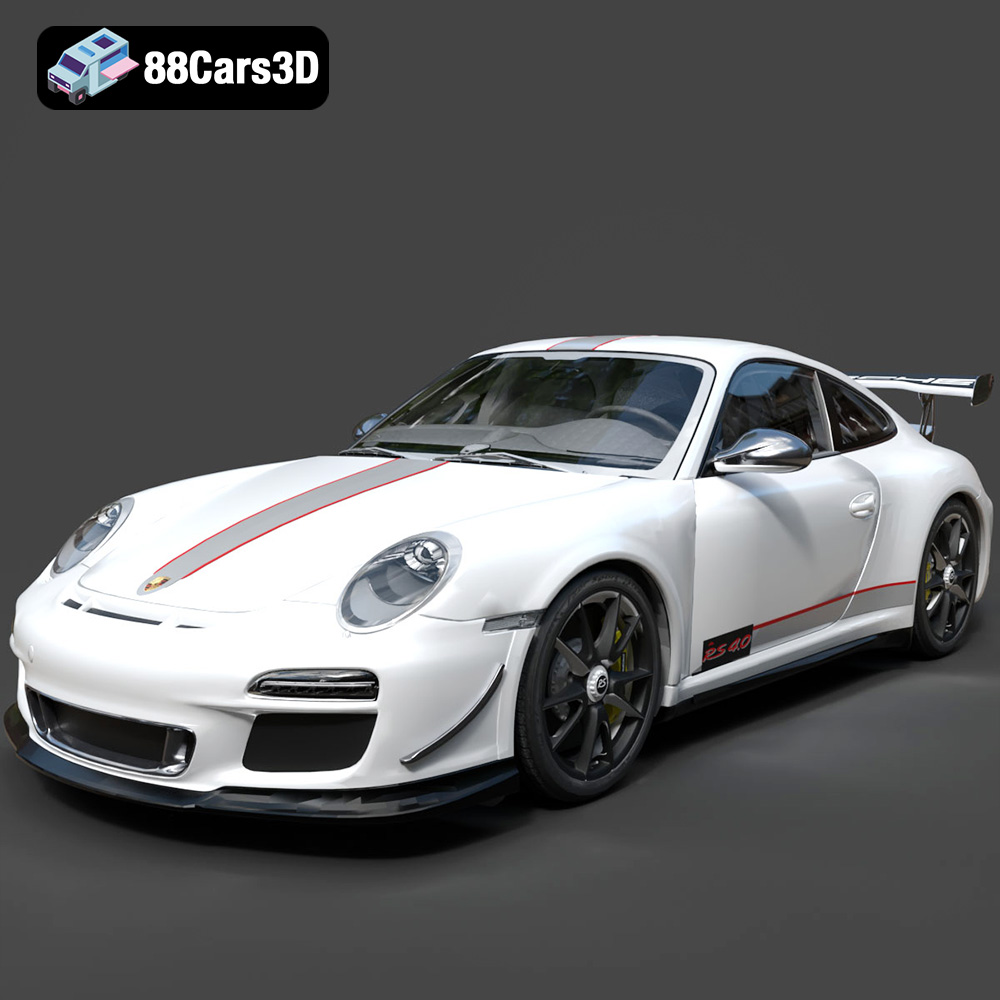
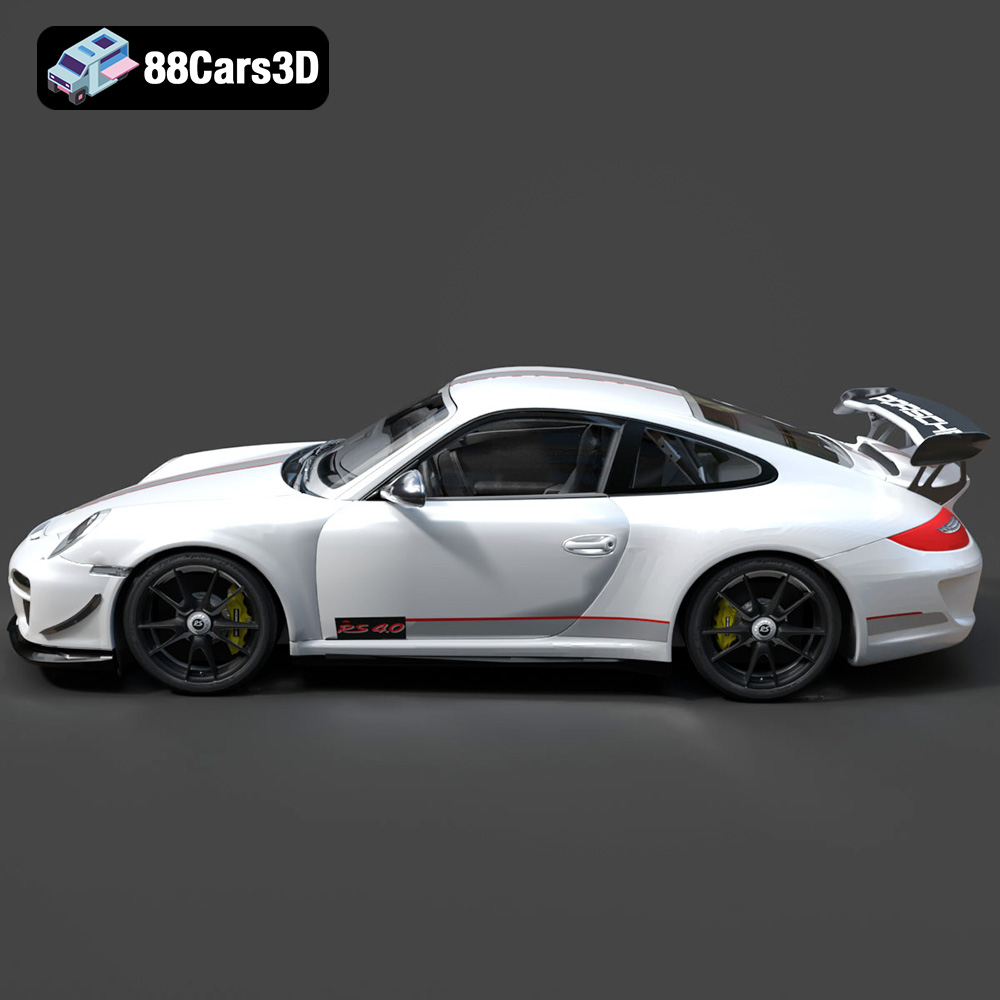
The .blend format is Blender’s native file type. It encapsulates an entire Blender scene, including geometry, materials, textures, lighting, cameras, animation data, and even custom scripts. This makes it an incredibly powerful and self-contained format for Blender users. For artists working primarily within Blender, using the .blend file provides the most editable and complete scene, allowing full control over every aspect of the model. It’s ideal for deep customization, complex rigging, and leveraging Blender’s Cycles or Eevee render engines. The Porsche 911 997 GT3 from the German Luxury Pack would be perfectly at home in a .blend file, ready for intricate studio lighting setups.
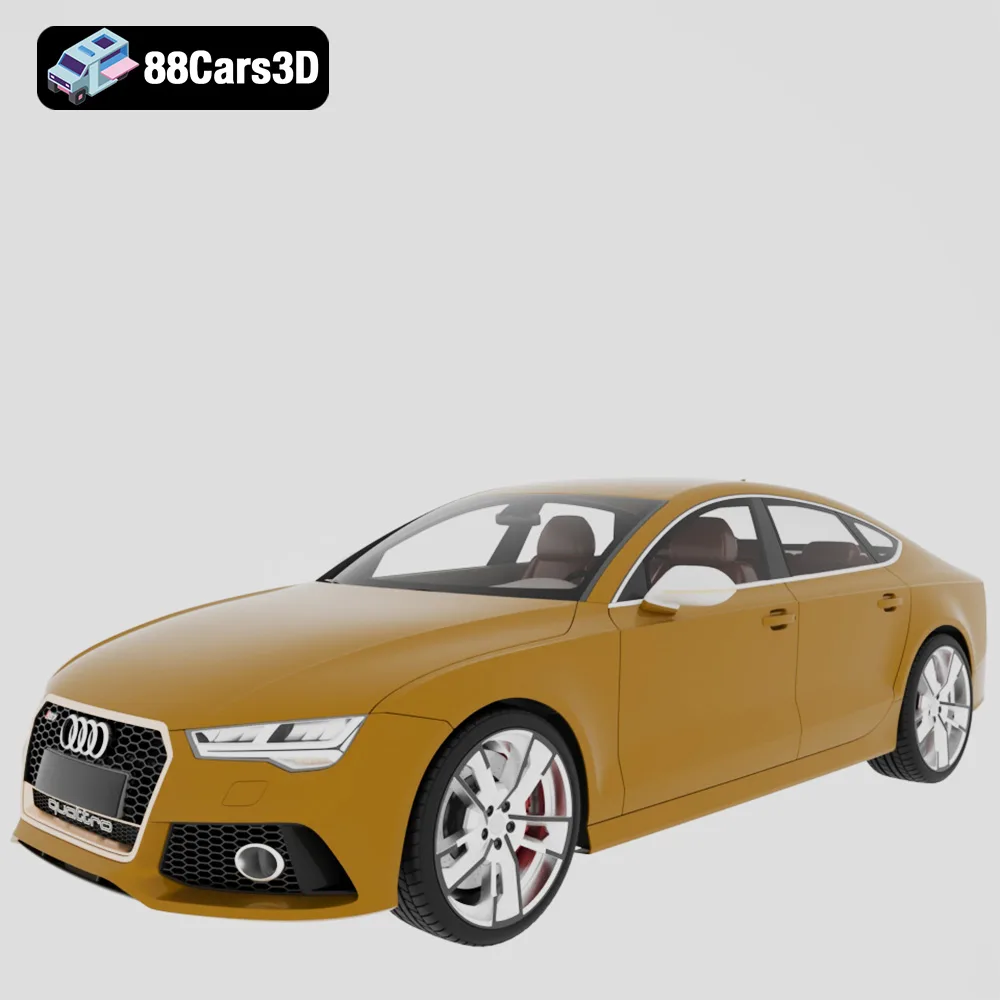
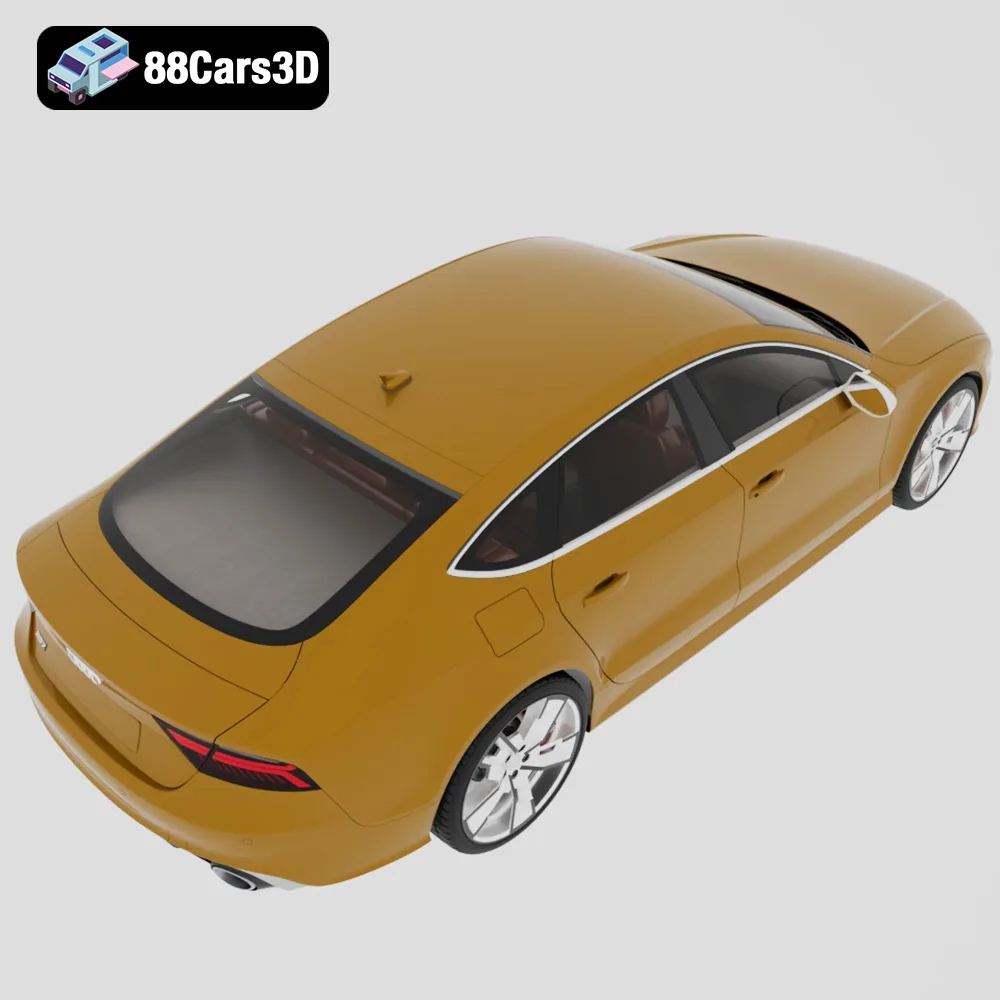
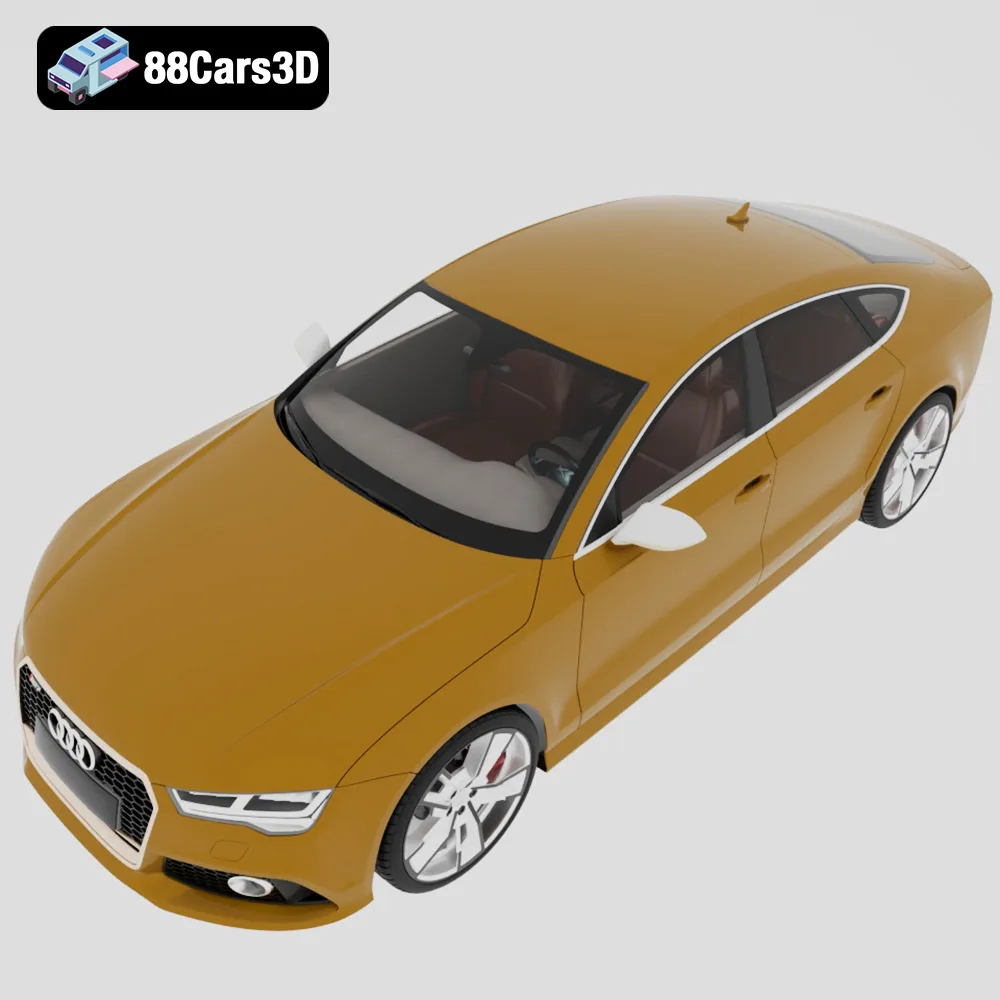
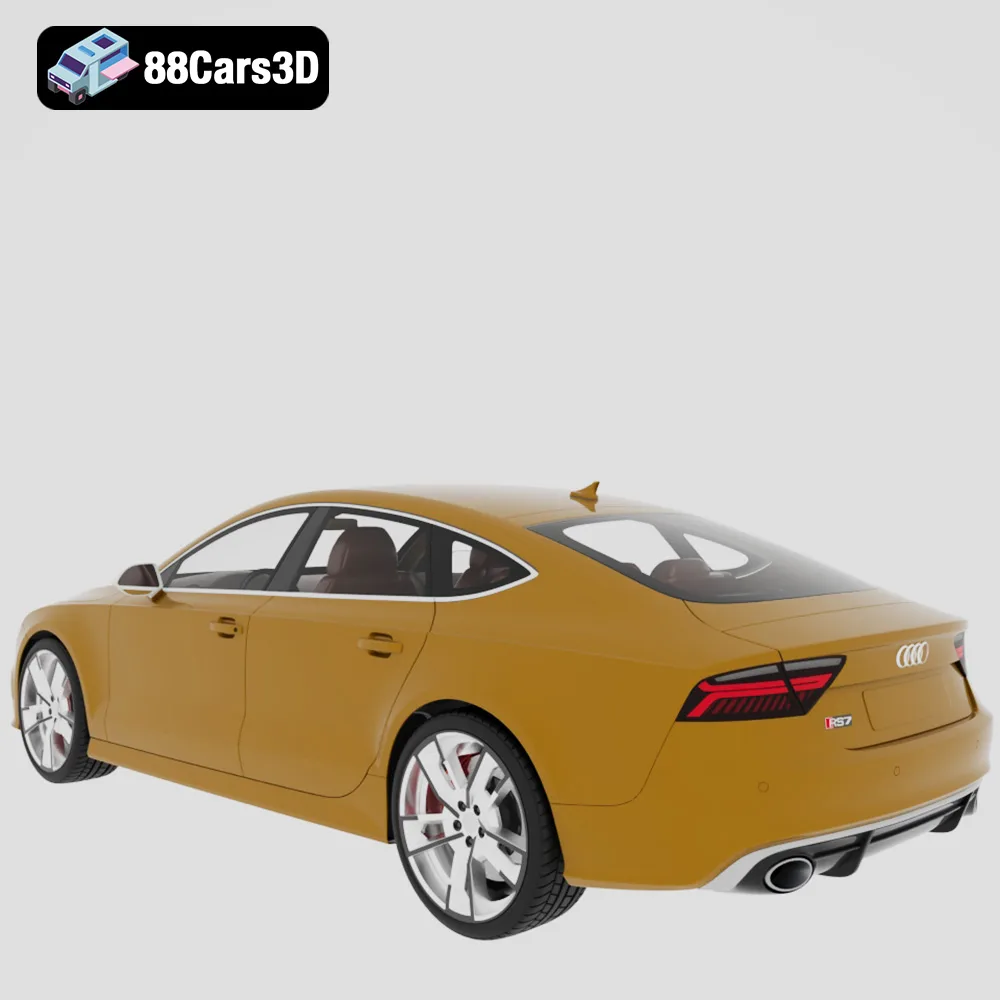
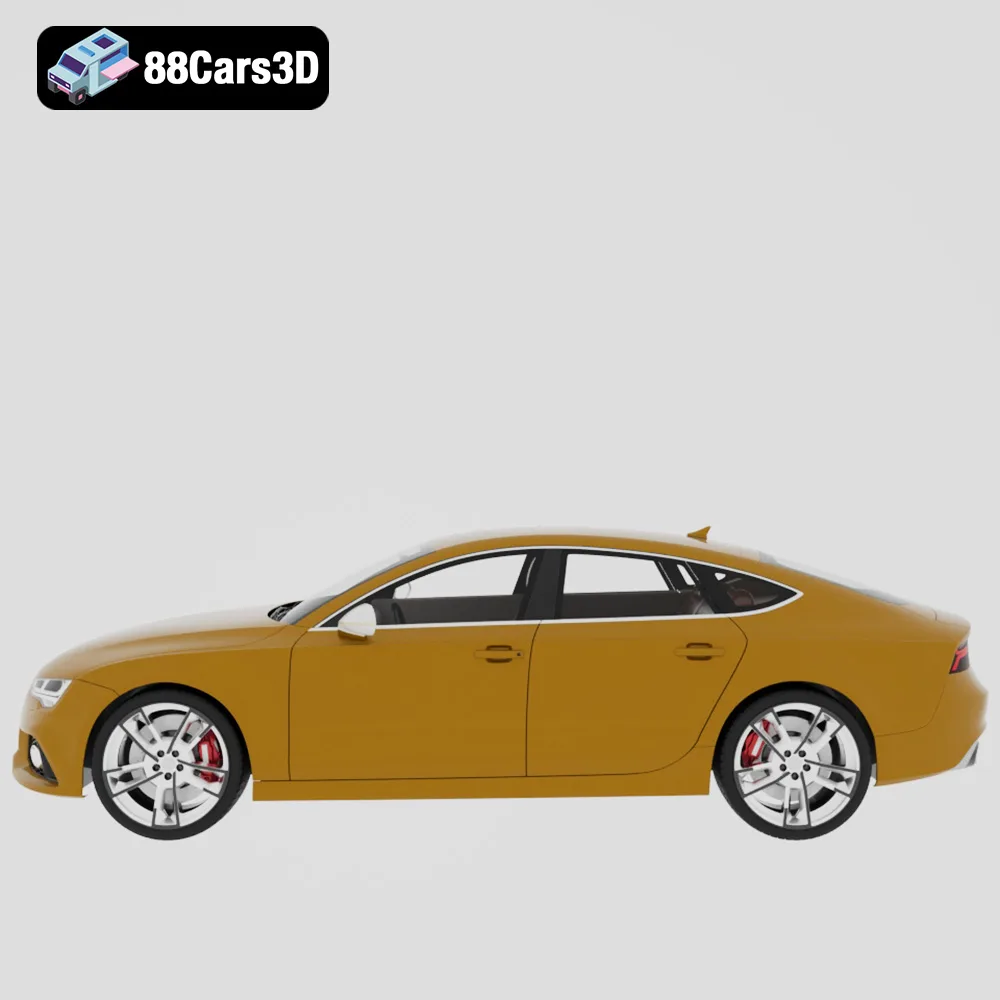
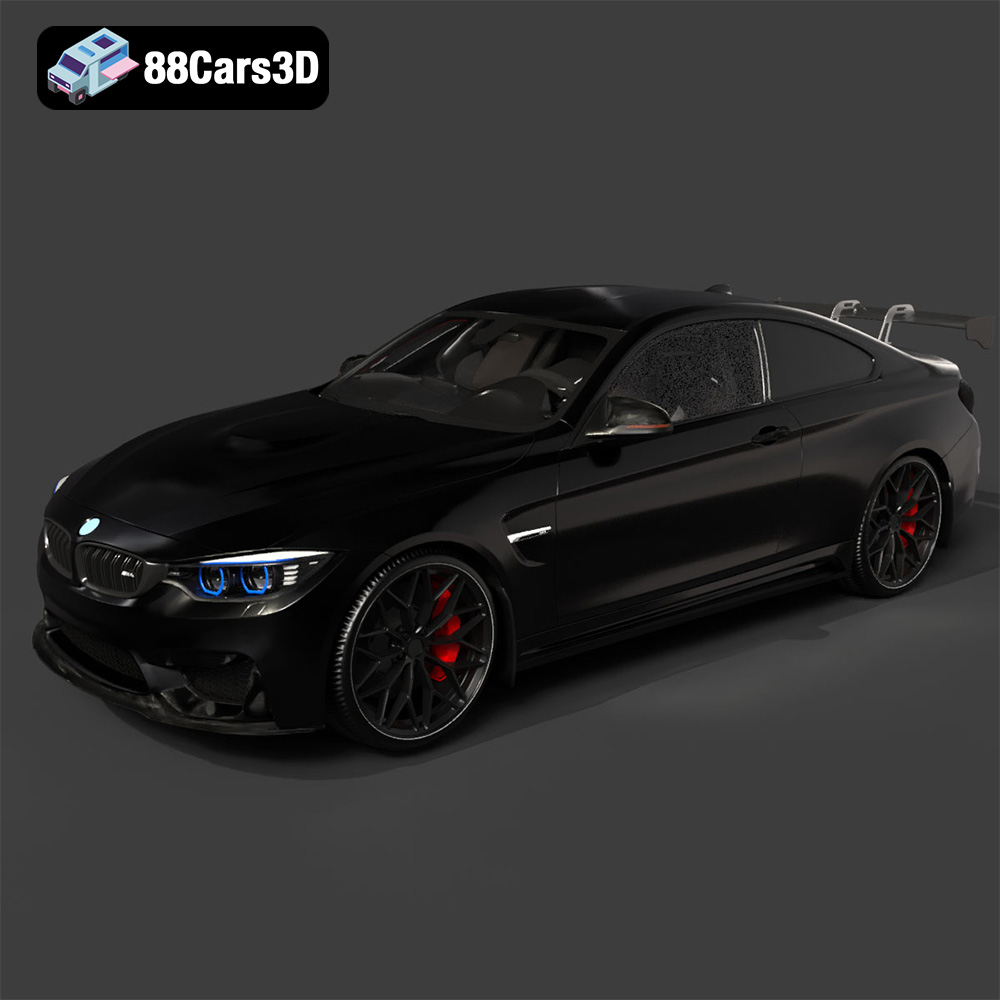
.fbx (Filmbox) is arguably the most widely adopted proprietary 3D file format for exchanging data between various 3D applications, especially in game development and animation pipelines. Developed by Autodesk, .fbx supports geometry, animation, skinning, camera, lighting, and material data. It’s the go-to format for exporting models to game engines like Unreal Engine and Unity, due to its robust support for skeletal animations and complex scene hierarchies. While it can preserve a lot of data, material interpretation can sometimes vary between software, requiring some setup post-import. For models like the Audi RS7 Sportback or BMW M4, .fbx ensures that separated parts like wheels and doors remain distinct for easy rigging in a game engine.
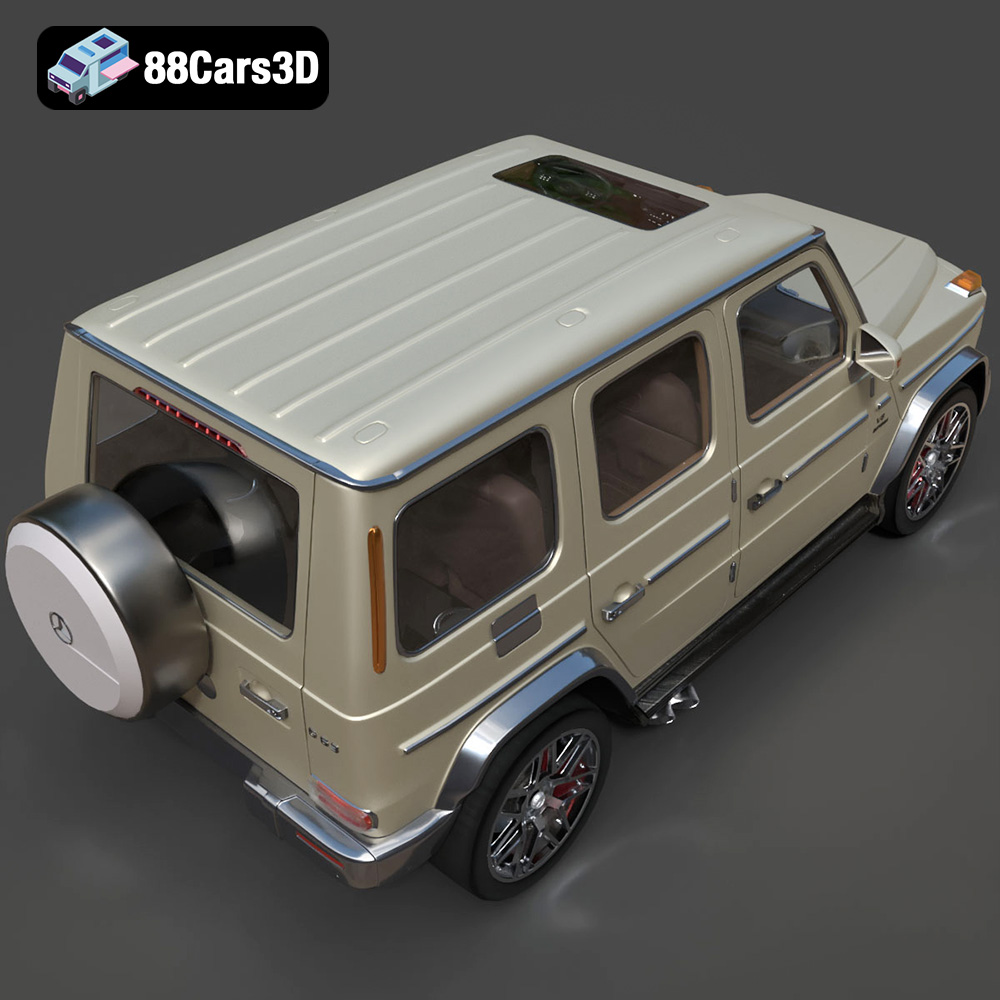
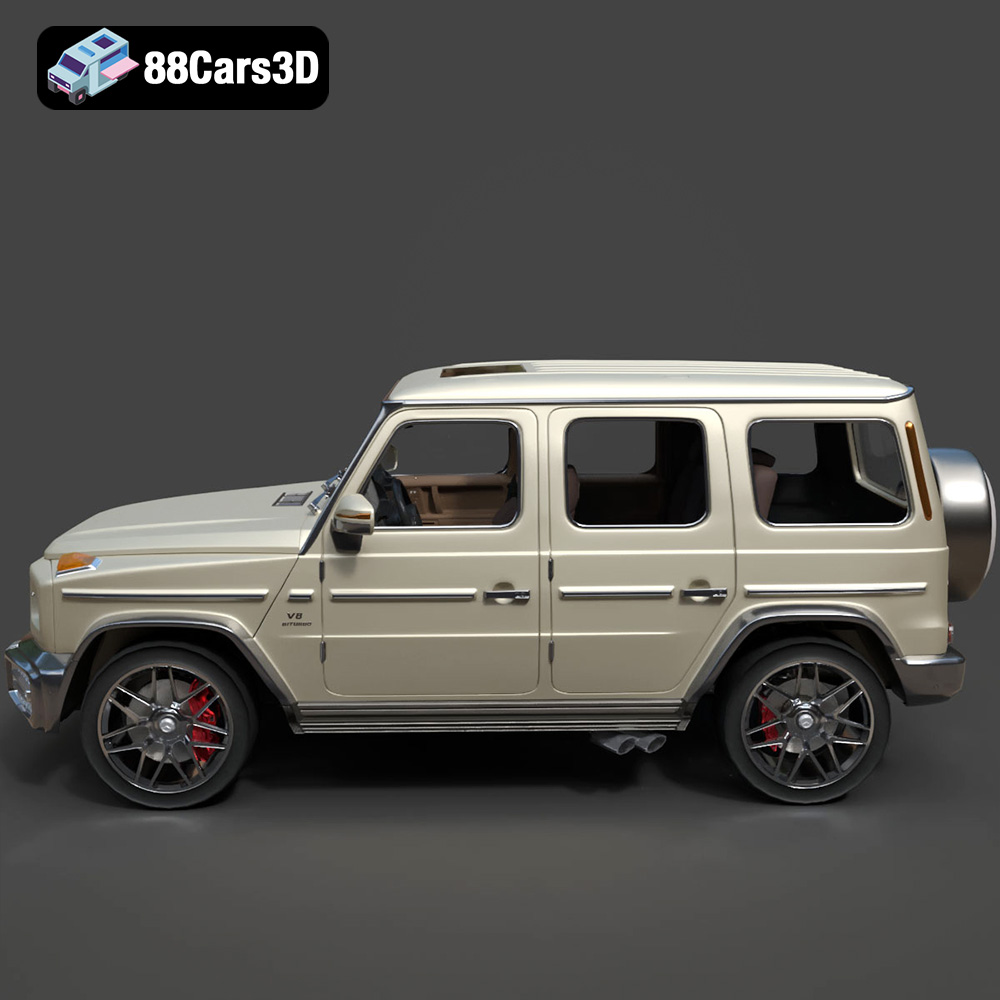
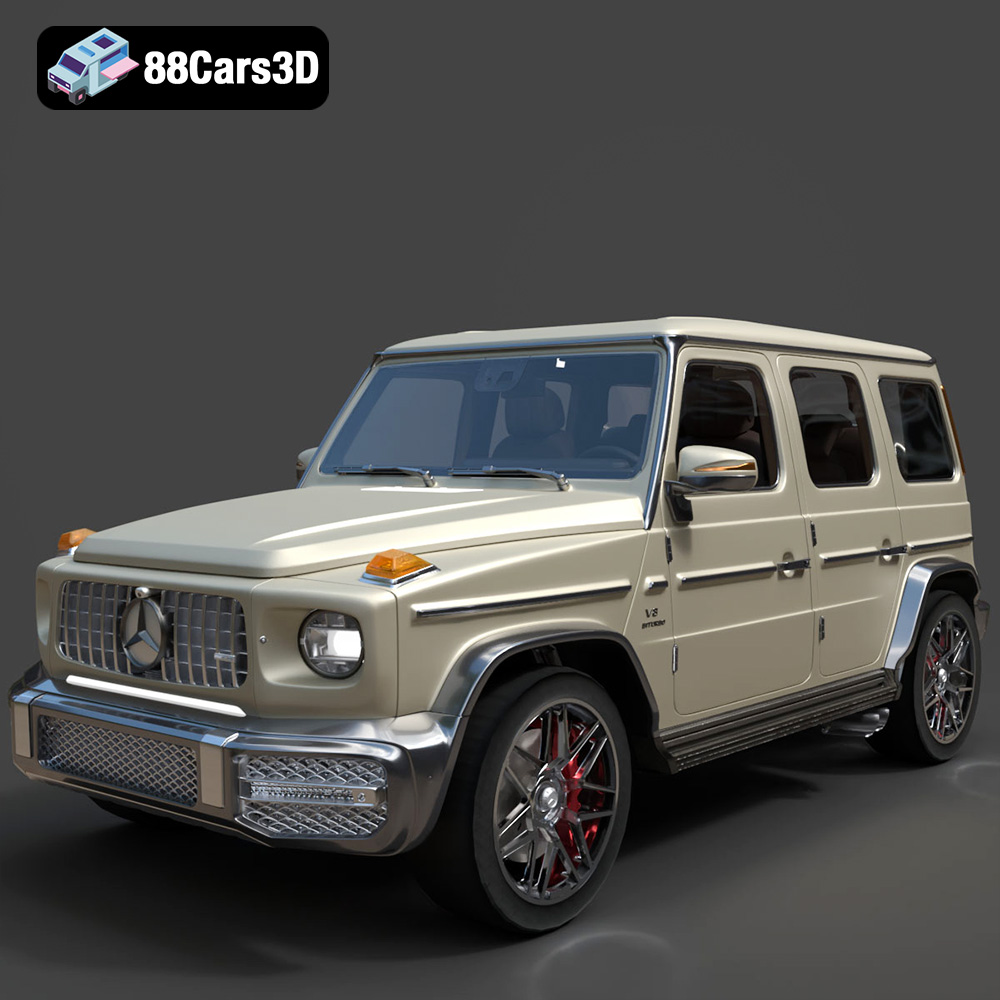
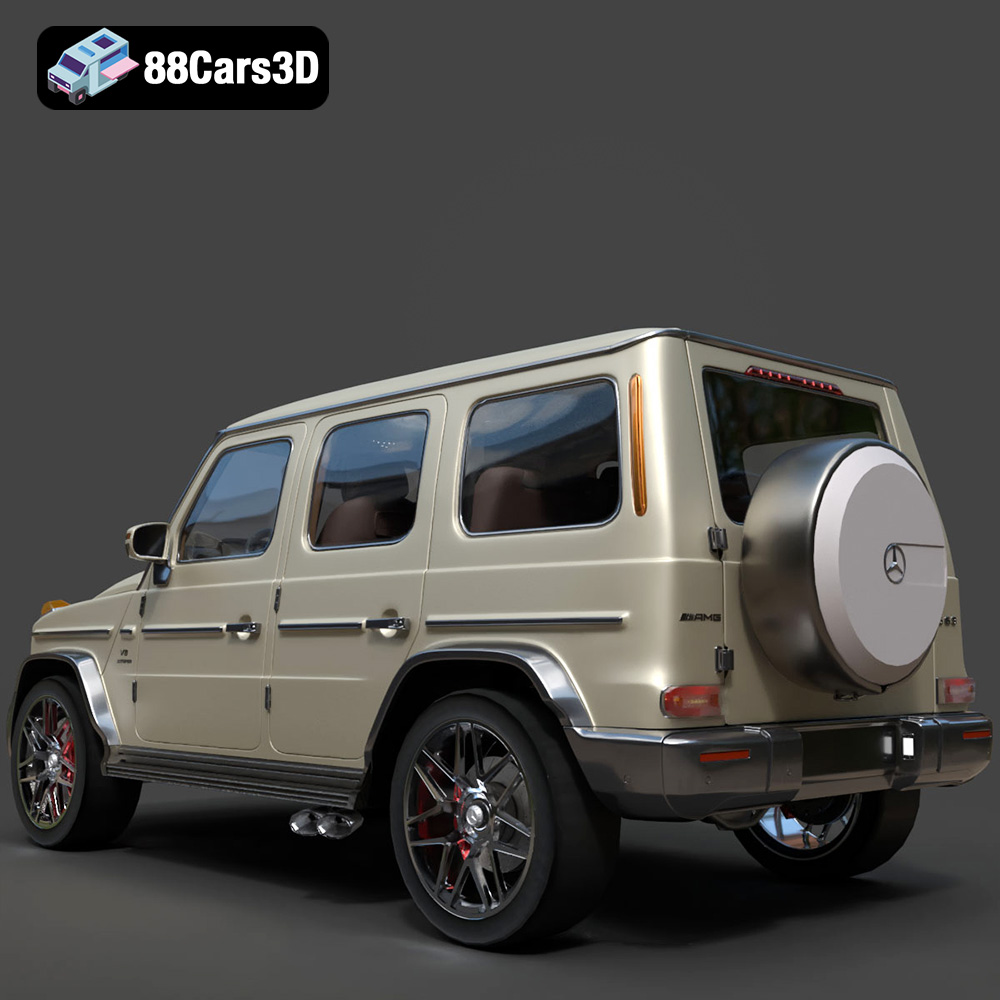
The .obj (Wavefront OBJ) format is a simple, non-proprietary geometric data format. It defines the geometry of a 3D model (vertices, normals, texture coordinates, and faces) and can also reference external material files (.mtl) for basic shading information. Its universality makes it an excellent choice for broad compatibility across almost any 3D software. However, .obj does not natively support animation, rigging, or advanced material properties, making it less suitable for complex animated scenes but perfect for static mesh transfer. When you need a clean, basic mesh for something like the Mercedes-Benz G63 AMG for a quick ArchViz scene in a less common renderer, .obj is a reliable choice.
.glb (GL Transmission Format Binary) is the binary version of glTF, a royalty-free specification for the efficient transmission and loading of 3D scenes and models by applications. .glb packages all necessary assets (geometry, materials, textures, animations) into a single, compact file, making it ideal for web-based 3D viewers, augmented reality (AR), and virtual reality (VR) applications where file size and quick loading times are paramount. Its PBR (Physically Based Rendering) material support ensures consistent visual fidelity across different platforms. Imagine showcasing the Ultimate German Luxury ArchViz Pack models interactively on a website – .glb would be the format of choice.
.stl (Stereolithography) is the most common file format used for 3D printing. It represents a 3D model as a series of connected triangles (a triangular mesh) without any color, texture, or material information. Its simplicity makes it universally compatible with 3D printers and slicing software. However, it lacks advanced geometric data, so for detailed renders or game assets, other formats are preferred. The Ultimate German Luxury ArchViz Pack specifically includes .stl files, acknowledging the growing trend of creating physical scale models of these magnificent vehicles, perfect for enthusiasts who want to 3D print a miniature Porsche 911 GT3.
.ply (Polygon File Format or Stanford Triangle Format) is another format for storing 3D data, particularly useful for scanned data, CAD, and scientific applications. It can store various properties beyond just geometry, such as color, transparency, surface normals, texture coordinates, and even reliability information for each vertex. While less common for general 3D asset exchange than .fbx or .obj, its ability to store detailed property information makes it valuable for specific technical or analytical workflows where high precision is key.
While not a direct file *format* in the same vein as .fbx or .obj, “.unreal” typically refers to assets that have been specifically prepared, optimized, and often packaged within the Unreal Engine environment itself. This might mean an .fbx file that has been imported, had its materials set up with Unreal’s PBR shaders, textures correctly assigned, collisions generated, and potentially even blueprint logic or vehicle physics configured. When an asset is described as “.unreal” ready, it implies it’s optimized for immediate drag-and-drop use within an Unreal Engine project, minimizing setup time for developers. The high-quality models in the German Luxury ArchViz Pack are designed with this level of integration in mind, ready for immediate use in Unreal Engine 5.
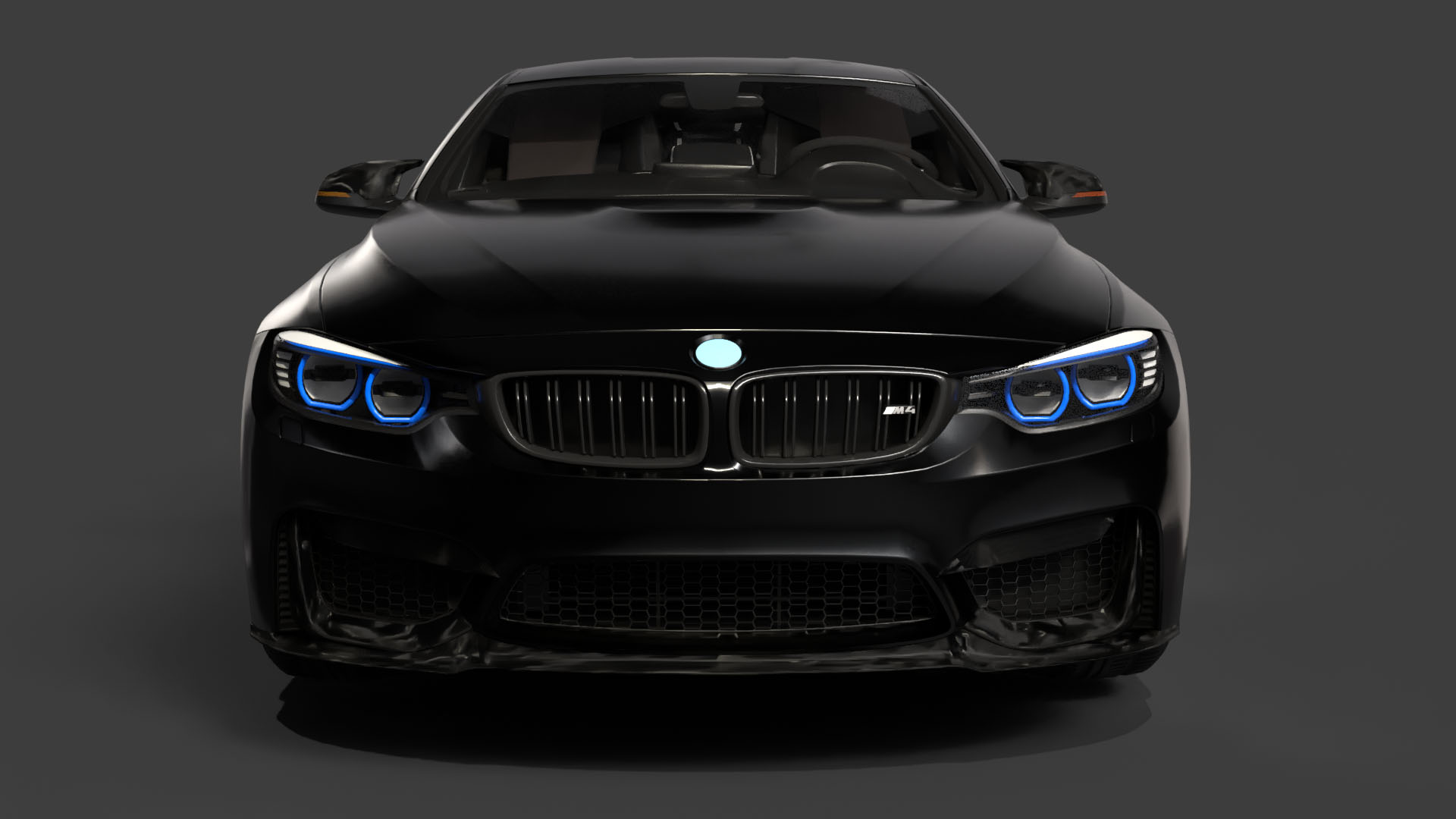
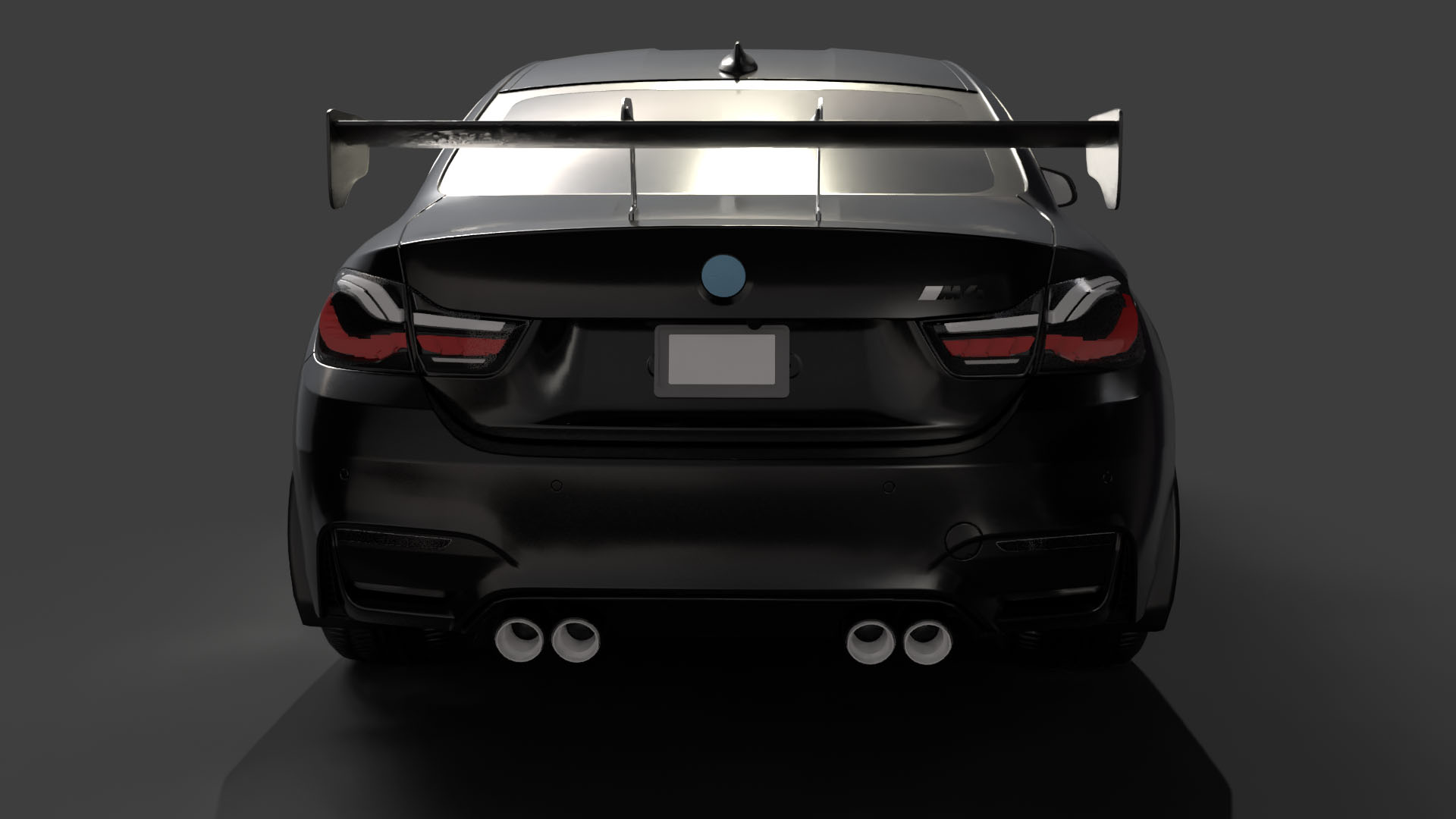
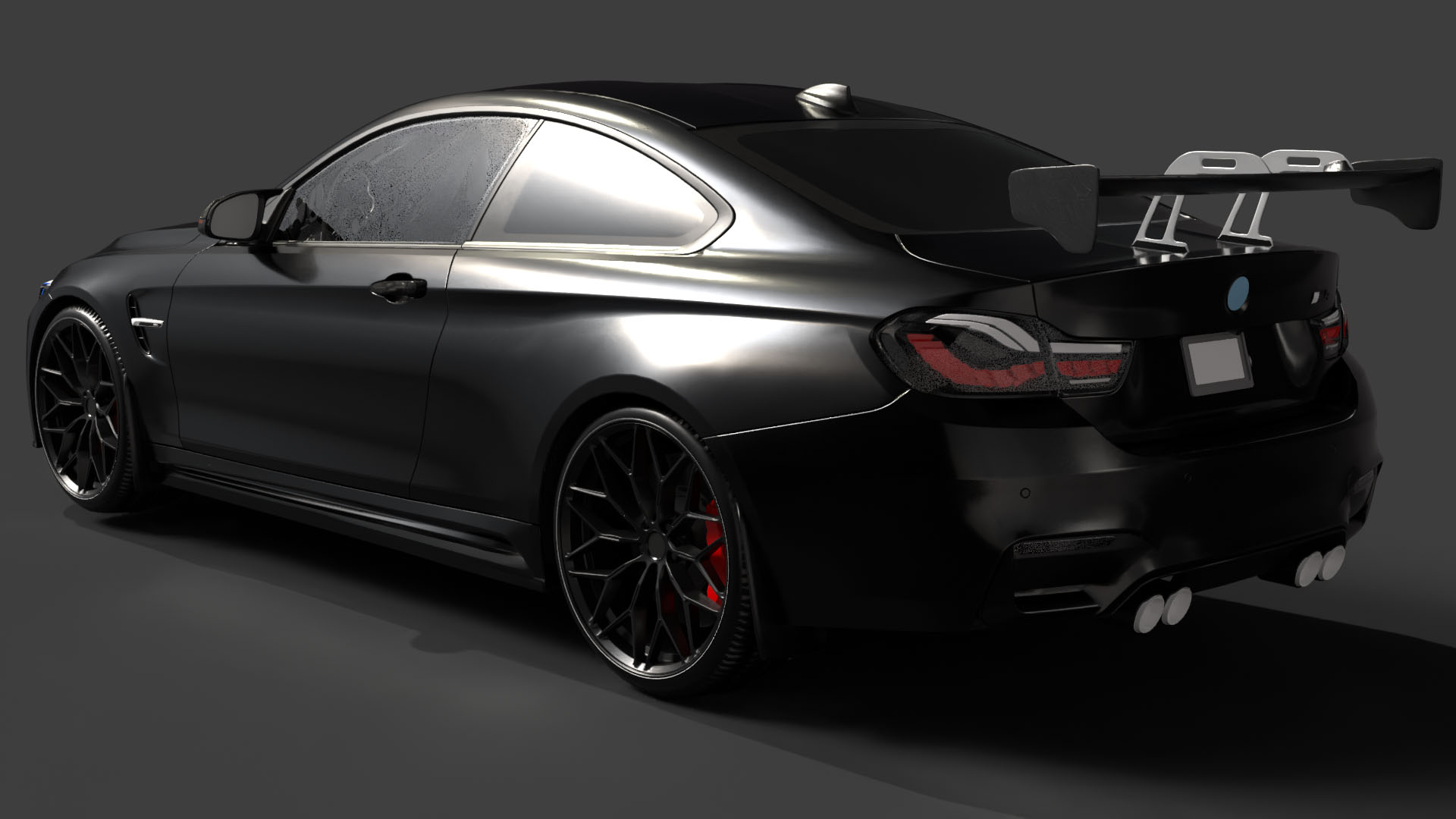
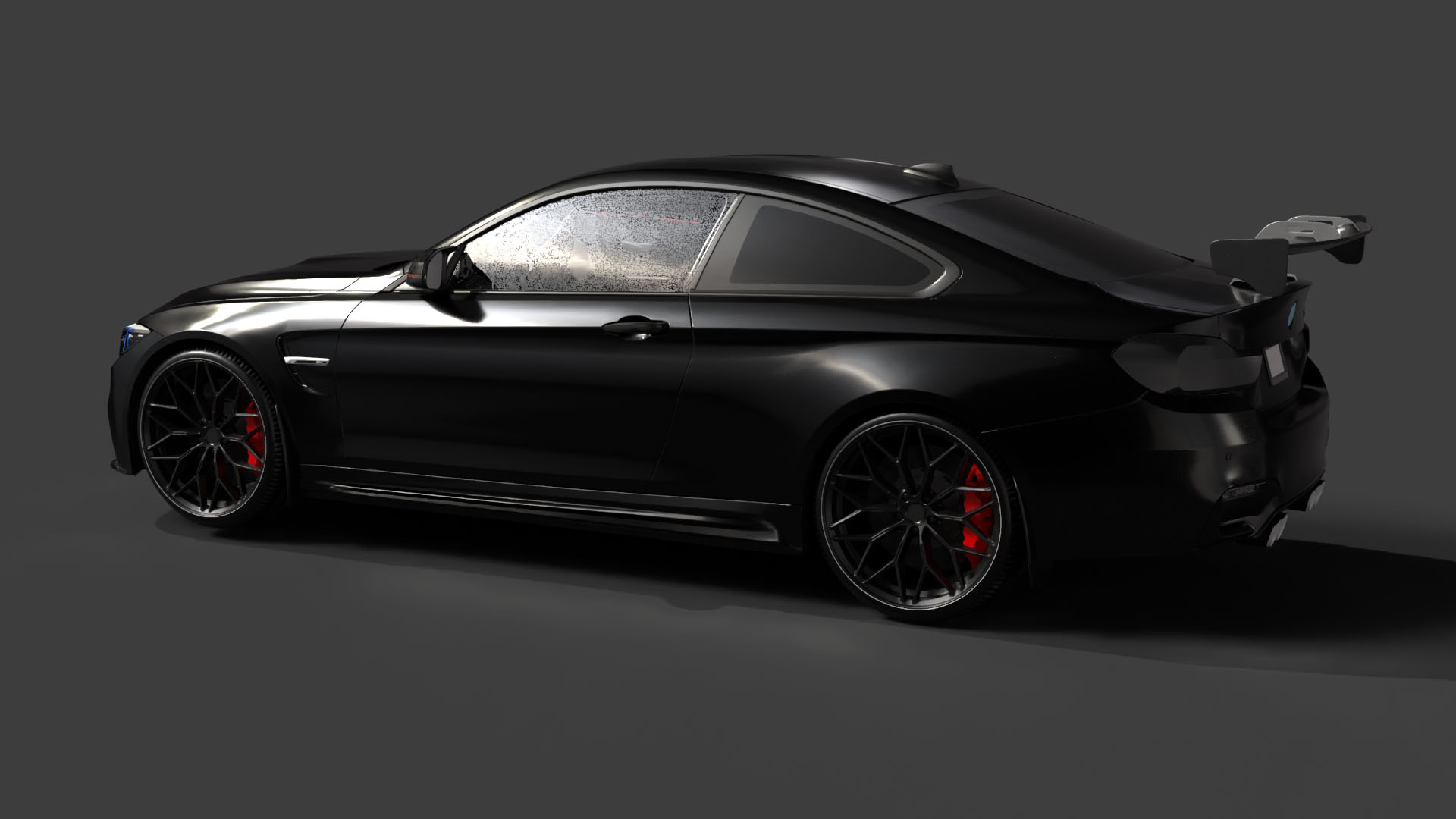
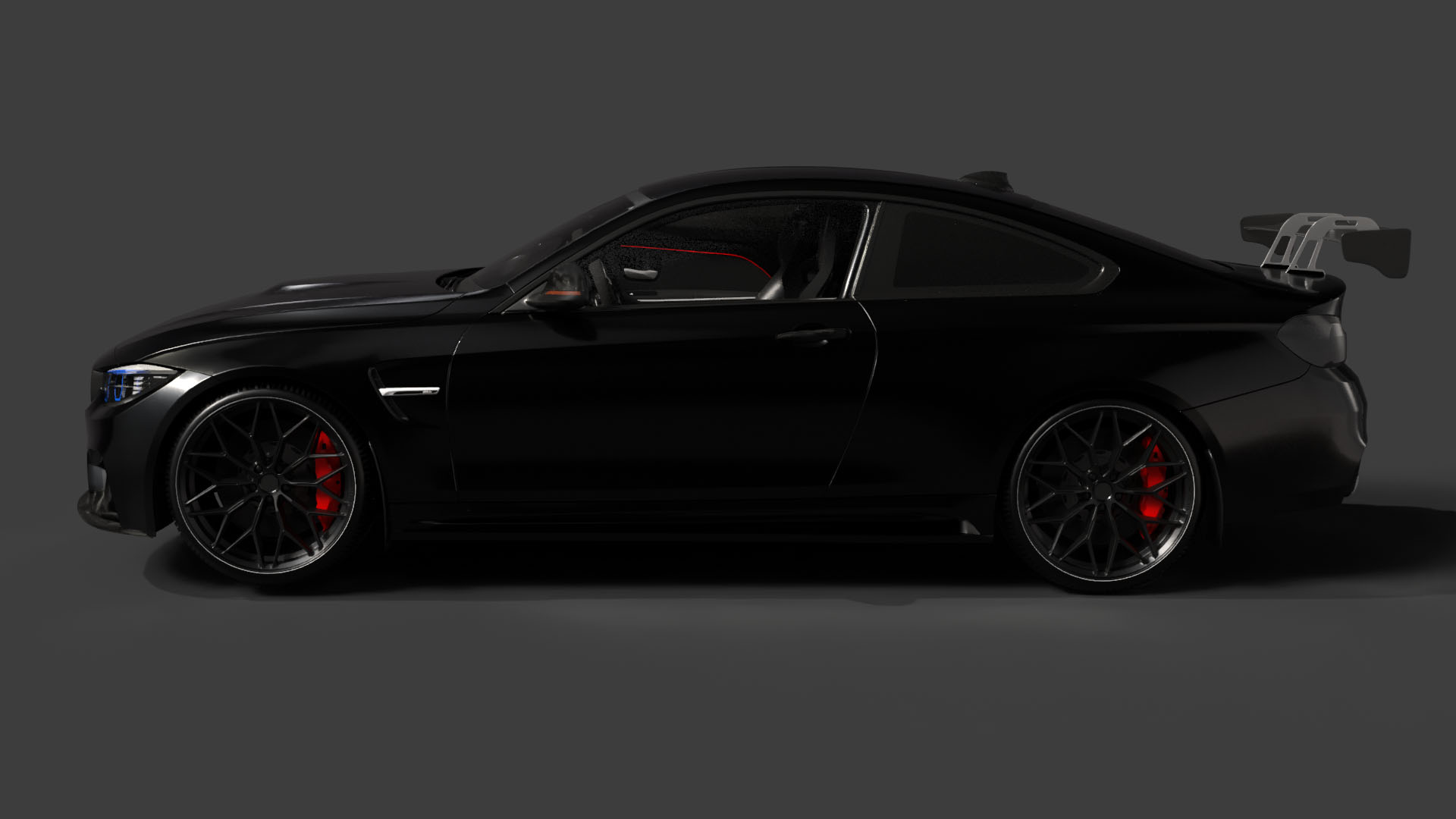
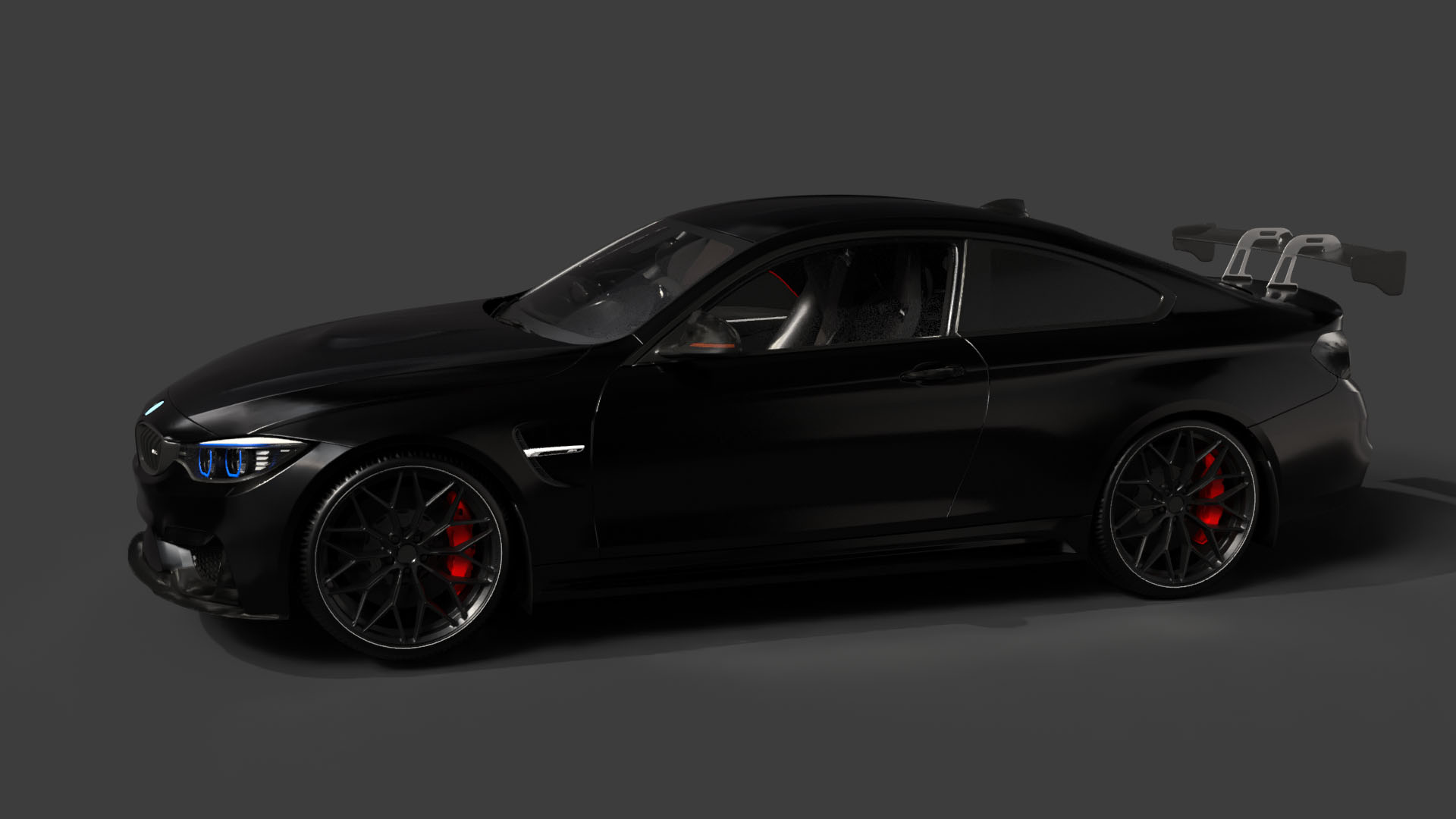
Similar to .blend for Blender, .max is the native file format for Autodesk 3ds Max. It stores a complete 3ds Max scene, including geometry, materials, textures, lighting, cameras, animations, modifiers, and all scene hierarchy. For professionals working within 3ds Max, this format offers the most comprehensive and editable scene data, allowing full leverage of 3ds Max’s powerful modeling, animation, and rendering toolset, often alongside V-Ray or Corona Renderer. The BMW M4 F82, when provided in .max format, ensures artists can fully customize its appearance and integrate it seamlessly into complex ArchViz scenes.
Choosing the right format depends on the specific project requirements. For flexibility and broad compatibility, formats like .fbx and .obj are essential. For deep artistic control within a specific software, native formats like .blend and .max are invaluable. And for specialized applications like 3D printing or web display, .stl and .glb provide targeted solutions. The comprehensive offering of the Ultimate German Luxury ArchViz Pack underscores its versatility for any professional pipeline.
Architectural Visualization (ArchViz) thrives on realism and atmosphere. A stunning building render can often be enhanced dramatically by the subtle inclusion of contextual elements – and few elements convey luxury, lifestyle, and aspiration as effectively as high-end automobiles. The Ultimate German Luxury ArchViz Pack is specifically tailored to be an ArchViz artist’s secret weapon, providing the perfect blend of detail and optimization.
In ArchViz, every pixel contributes to the narrative. A modern mansion feels more lived-in and aspirational when a Mercedes-Benz G63 AMG is parked in its sleek driveway. A minimalist garage design is instantly elevated by the presence of a meticulously rendered Porsche 911 GT3. These vehicles aren’t just background elements; they are crucial components in storytelling, anchoring the architectural design in a believable, high-end context. The models in this pack feature highly detailed exteriors, from accurate headlights and taillights to factory-correct alloy wheels and realistic street tires. This level of detail ensures that even in close-up renders, the vehicles hold up to scrutiny, preventing any “fake” or low-quality look that can undermine an otherwise perfect ArchViz project.
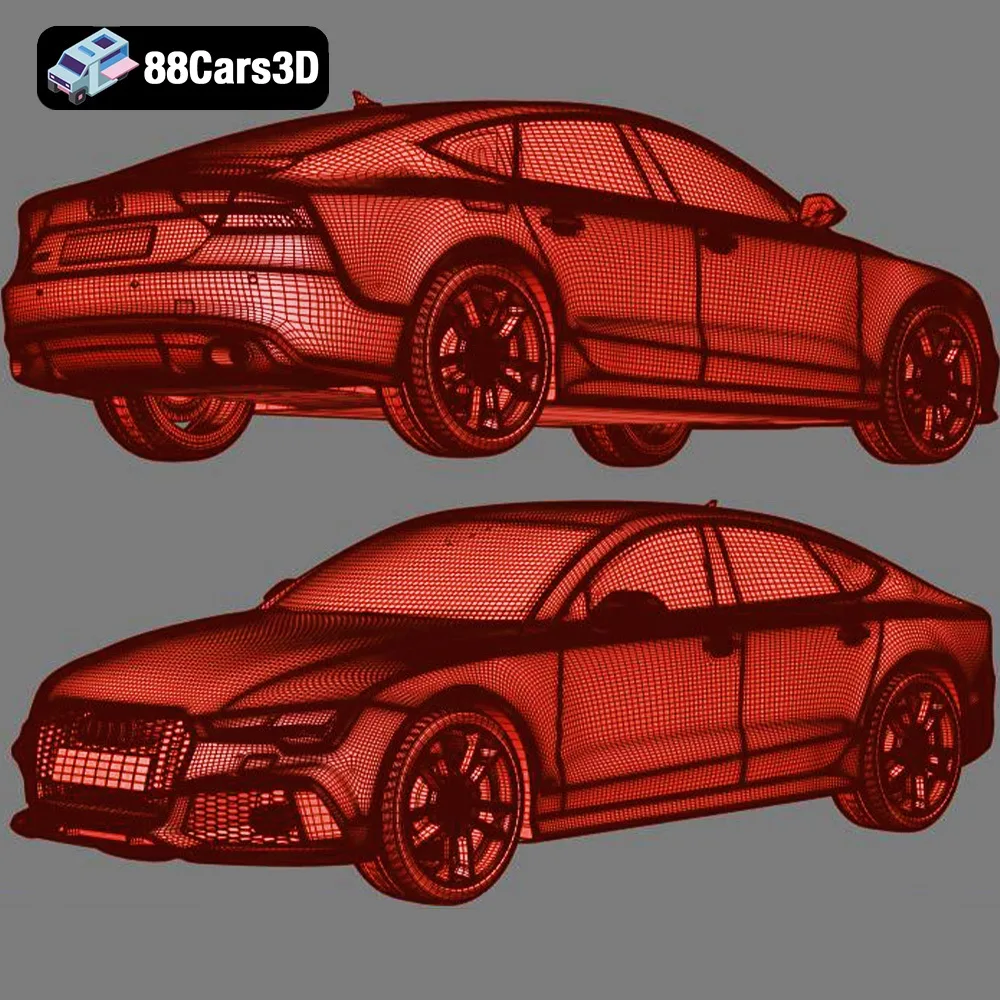
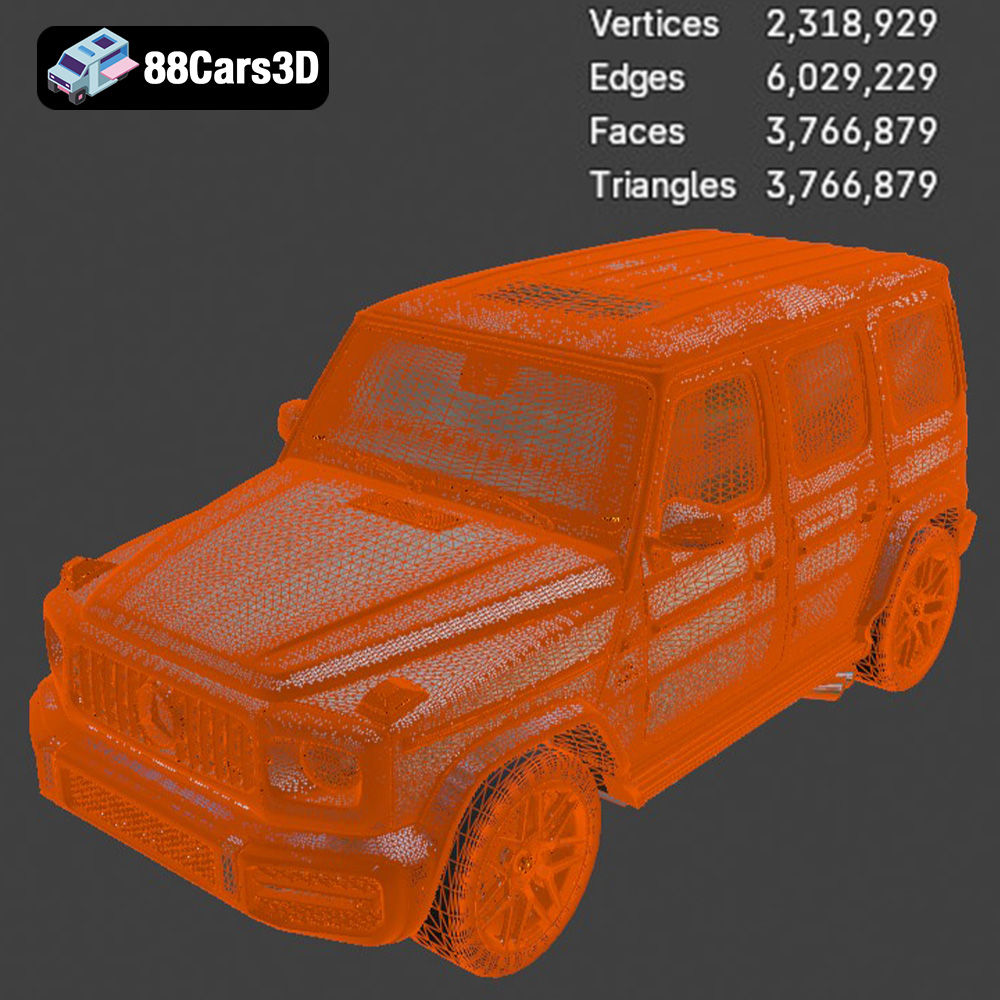
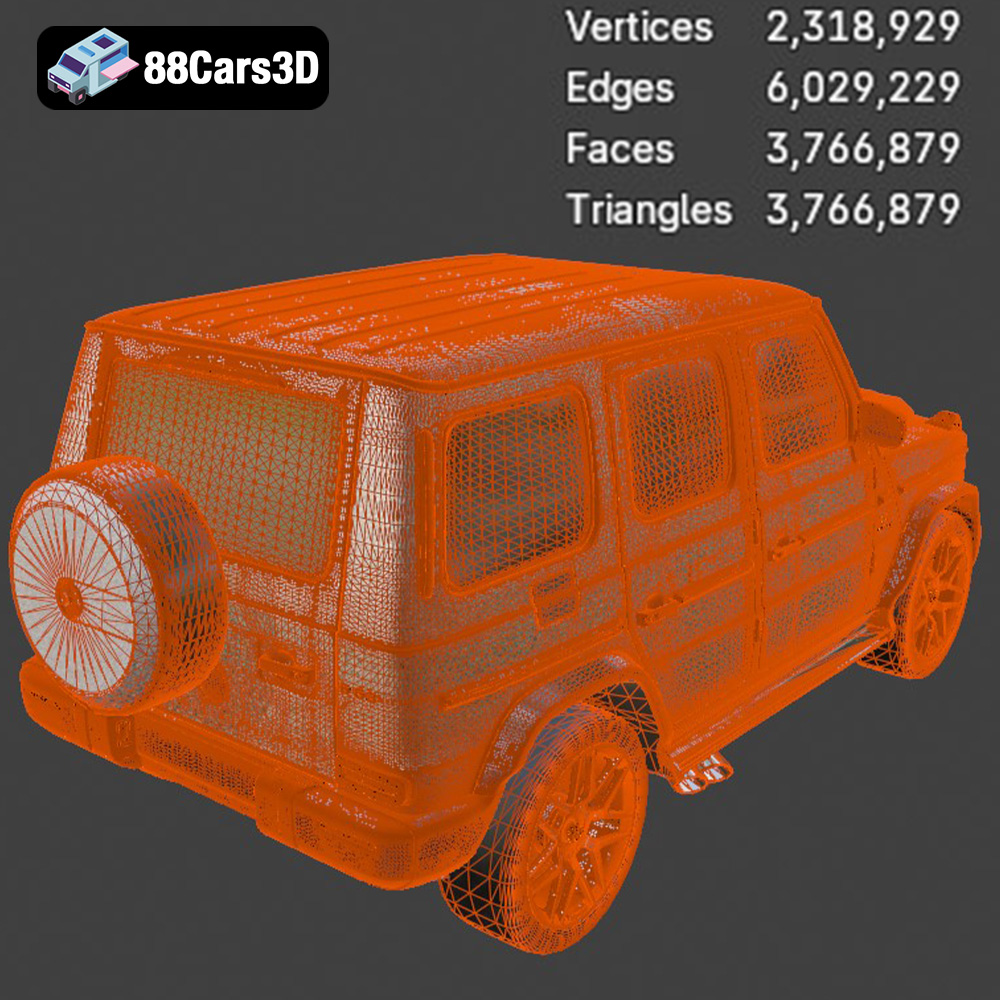
While detail is paramount, an ArchViz scene can quickly become bogged down by overly complex models. The Ultimate German Luxury ArchViz Pack strikes a perfect balance: its models are detailed enough for 4K ray-traced rendering, yet optimized so they won’t crash a scene when populating a dense city environment. This is achieved through clean, quad-based topology, which allows for smooth subdivisions while minimizing polygon count where possible. Artists can confidently place multiple luxury vehicles – perhaps an Audi RS7 Sportback cruising down a virtual street or a BMW M4 F82 parked outside a high-rise apartment – without worrying about crippling render times or scene instability. This optimization is critical for meeting tight deadlines in professional ArchViz studios.
The demand for realism in modern video games, especially in open-world titles and racing simulations, means that 3D car models must be not only visually impressive but also fully functional and optimized for real-time performance. The German Luxury ArchViz Pack provides game developers with assets that are ready for the demanding environment of game engines like Unreal Engine and Unity.
Game assets need to be lean and efficient. The models in this pack are built with optimized geometry, ensuring smooth performance without compromising visual fidelity. The “clean topology” and “efficient polygon counts” mentioned in the product description are vital for maintaining high frame rates. Crucially, features like “separated parts” (wheels, doors, steering components) are not just a convenience; they are a necessity for game development. This separation allows developers to easily rig the vehicles for realistic physics, animation, and damage systems. Imagine the Porsche 911 GT3 as a drivable hero car, its wheels independently animated, or the Mercedes-Benz G63 AMG as a VIP escort vehicle with functioning doors for cinematic sequences.
For a game-ready vehicle, proper rigging is fundamental. The pack’s models come with proper pivot point setup for all four wheels, making them immediately compatible with vehicle physics controllers found in game engines. This means less time spent on tedious setup and more time on gameplay implementation and fine-tuning. Whether it’s simulating the suspension of the BMW M4 F82 as it takes a corner or demonstrating the robust handling of the Audi RS7 Sportback, the foundational technical work is already done. These assets can serve as high-quality background traffic, detailed NPC vehicles, or even fully drivable player vehicles, contributing significantly to the immersion and production value of any AAA title.
The utility of 3D car models extends far beyond digital screens. For automotive enthusiasts, collectors, and prototyping professionals, the ability to transform a digital model into a physical object through 3D printing opens up a new realm of possibilities. The Ultimate German Luxury ArchViz Pack embraces this by offering 3D printable STL files, making these exquisite vehicles tangible assets.
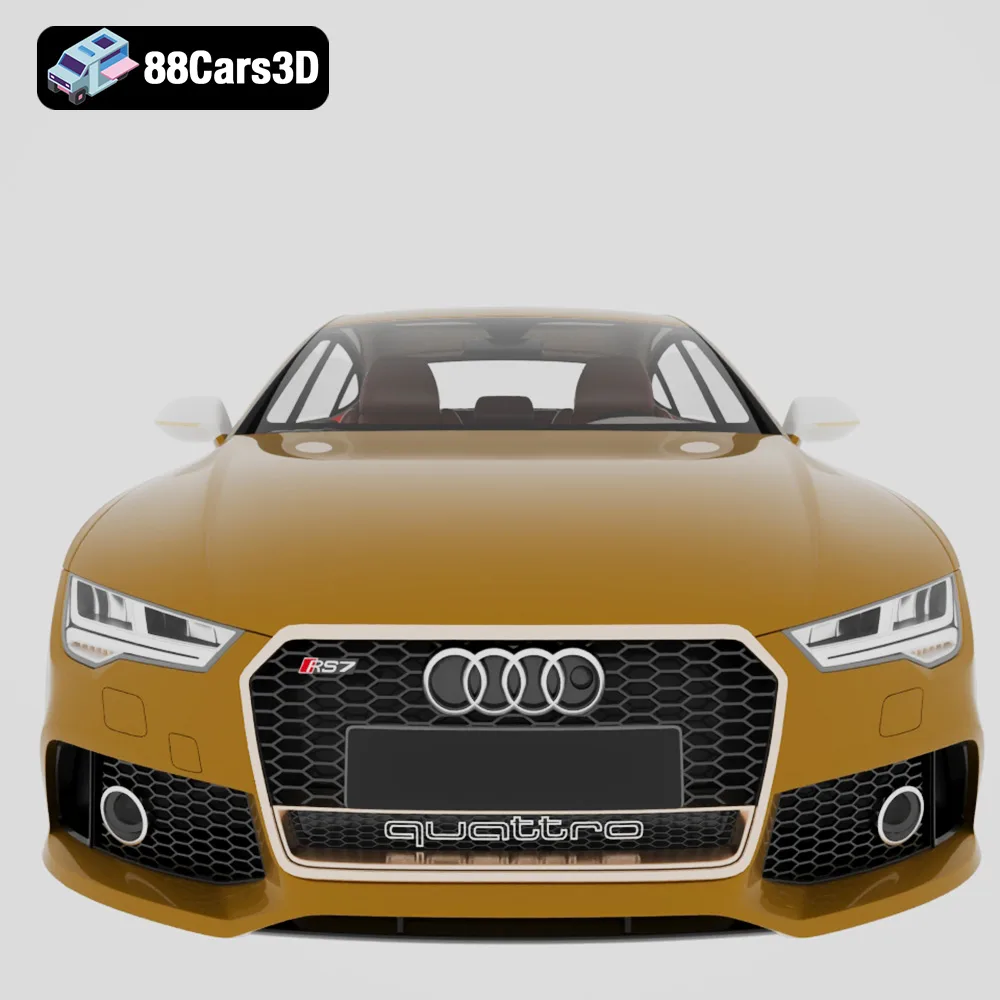
3D printing these highly detailed models requires careful consideration of technology. The product description explicitly recommends SLA/Resin printing over FDM for the “intricate grilles and rims” of these luxury cars. Resin printing offers superior resolution and finer detail, which is crucial for accurately reproducing the aggressive aerodynamic profile of the Porsche 911 GT3 or the massive honeycomb grille of the Audi RS7 Sportback. While FDM printers can produce larger models more affordably, the nuanced curves, subtle panel gaps, and delicate interior elements that define luxury vehicles are best captured by the precision of resin-based systems.
Successfully 3D printing a car model involves more than just hitting ‘print’. The pack provides specific recommendations:
Post-processing is equally vital. Sanding, priming, and painting are necessary steps to achieve a flawless, factory-accurate finish. Imagine painting a 3D printed BMW M4 F82 in a custom M-series color or replicating the iconic matte finish of a Mercedes-Benz G63 AMG. These physical models become unique collectibles, prototypes for customization, or even educational tools for studying automotive design.
The true value of a comprehensive 3D asset bundle lies in its adaptability across a multitude of professional workflows. From high-fidelity marketing renders to interactive virtual reality experiences and cinematic virtual production, the Ultimate German Luxury ArchViz Pack is designed to integrate seamlessly into diverse pipelines.
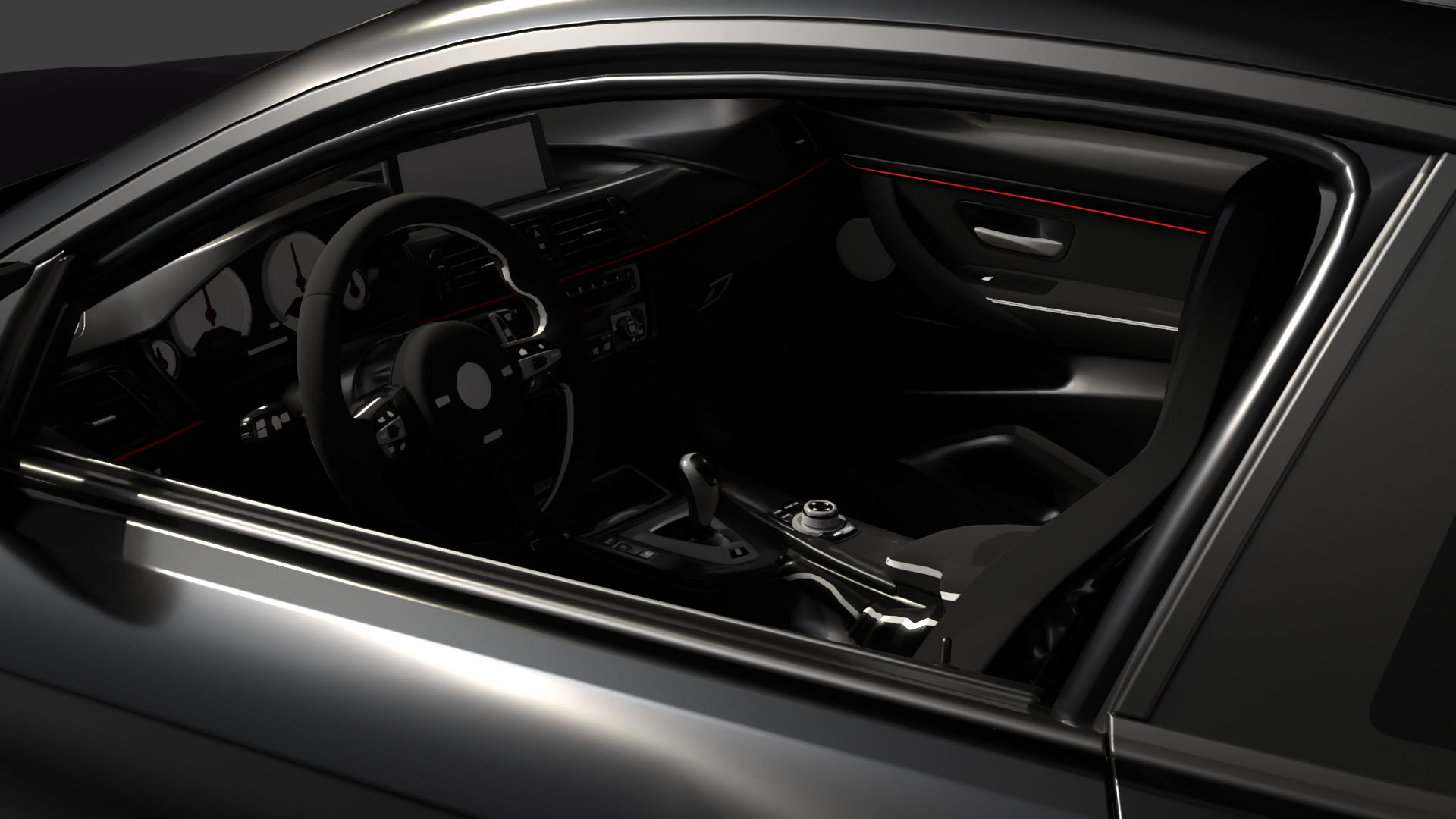
The pack’s broad compatibility is a significant advantage. With included formats like .max for 3ds Max and .blend for Blender, artists can harness the full power of their preferred modeling and animation software. The models are fully compatible with industry-standard renderers such as V-Ray, Corona, and Arnold. This means artists can achieve stunningly realistic automotive rendering, capturing every subtle reflection on the Porsche 911 GT3’s paintwork or the intricate textures of the Audi RS7 Sportback’s interior (where applicable). The clean topology of these models ensures they subdivide smoothly, allowing for perfect reflections and minimal artifacts even under extreme close-ups, critical for high-end marketing materials and visual effects.
Achieving photorealism involves more than just a good model. It requires expertise in lighting, material creation, and rendering. The high-quality base meshes of the German Luxury ArchViz Pack provide an excellent foundation. Artists can apply complex car paint shaders with clear coats, metallic flakes, and subtle imperfections. They can set up dynamic studio lighting, recreate realistic HDR environments, or integrate the vehicles into photographic backplates. The separated parts also facilitate advanced animation techniques, such as opening doors or rotating wheels for a “rolling shot” effect, enhancing the realism of any render or animation. Consider a virtual production scenario where a real-time rendered BMW M4 F82 needs to integrate perfectly with live-action footage; the pack’s optimized assets streamline this complex process.
Beyond static renders, these assets are primed for interactive and real-time applications. For virtual production, where high-fidelity 3D assets are rendered in real-time alongside live actors and sets, the optimized nature of these models is invaluable. They can be used for high-end commercials, VFX shots, or even interactive VR car configurators. Imagine a client exploring the Mercedes-Benz G63 AMG in a virtual showroom, changing colors and inspecting details in a fully immersive VR environment – the detailed exteriors and efficient geometry of these models make such experiences feasible and impactful. The ability to quickly iterate and render these assets in real-time engines like Unreal Engine 5 further solidifies their role in cutting-edge virtual production pipelines.
In the competitive landscape of 3D production, time is money, and quality is king. While individual models can be purchased, investing in a meticulously curated bundle like the Ultimate German Luxury ArchViz Pack from 88cars3d.com offers significant, often unseen, advantages that extend beyond just the immediate cost savings.
The most immediate benefit of a bundle is the substantial financial saving. Instead of purchasing the Porsche 911 GT3, Audi RS7, BMW M4 F82, and Mercedes-Benz G63 AMG individually, this 4-in-1 pack offers these premium models at a massive discount. Beyond the monetary savings, there’s an immense saving in time. Sourcing, evaluating, and cleaning up individual models can be a time-consuming process. A bundle guarantees consistent quality, scale, and technical specifications across all assets, ensuring they work together harmoniously within a scene. This eliminates compatibility headaches and allows artists to focus on creative tasks rather than technical troubleshooting.
High-quality assets are an investment in a studio’s future. Models like those in the German Luxury ArchViz Pack are built with longevity in mind: clean, quad-based topology, real-world scale accuracy, and compatibility with leading software and renderers. This means they will remain useful and relevant for years to come, even as software evolves. For studios working on multiple projects, having a library of consistently high-quality 3D car models readily available streamlines production, ensures brand consistency across visualizations, and elevates the overall standard of work. It’s about building a robust foundation of assets that will serve a professional pipeline effectively and efficiently.
The realm of 3D visualization is constantly pushing the boundaries of realism and interactivity. Whether it’s crafting an awe-inspiring architectural rendering, developing an immersive game world, or producing captivating virtual content, the quality of 3D assets remains a foundational pillar of success. The demands placed on these digital models – from meticulous detail and accurate scale to efficient optimization and broad compatibility – are met with precision by specialized collections.
The Ultimate German Luxury ArchViz Pack stands as a testament to this commitment to excellence. By bringing together iconic vehicles like the Porsche 911 GT3, Audi RS7, BMW M4 F82, and Mercedes-Benz G63 AMG, it provides professionals with an invaluable toolkit. From the intricacies of file formats like .blend and .fbx that facilitate seamless integration into 3ds Max, Blender, or Unreal Engine, to the specific considerations for 3D printing tangible models with .stl, this bundle covers a vast spectrum of creative and technical needs. It’s more than just a collection of 3D car models; it’s an accelerator for workflows, a guarantee of visual fidelity, and an enabler of truly impactful digital experiences. Investing in such premium assets from trusted sources like 88cars3d.com empowers artists and developers to not just meet, but exceed, the ever-rising expectations of their respective industries.
The Ultimate German Luxury Cars 3D Models Bundle is an elite collection featuring the pinnacle of European automotive engineering. Designed for high-end architectural visualization (ArchViz), AAA game development, and photorealistic rendering, this 4-in-1 premium package provides everything a 3D artist needs to populate luxury driveways, urban streetscapes, and virtual showrooms.
$129.99
.corona
3d-assets
archviz-pack
audi-rs7
bmw-m4
car-collection
game-ready
german-cars-bundle
luxury-car-3d-model
mercedes-g63
porsche-911-gt3
vehicle-bundle
vray