Get 50% OFF All Premium 3D & STL Models!

The roar of a finely-tuned engine, the glint of chrome under neon city lights, and the unmistakable silhouette of a Japanese sports car sliding through a corner – these are the iconic images that have defined a generation of automotive enthusiasts. The Japanese Domestic Market (JDM) has cultivated a global culture, celebrated for its unique blend of performance, engineering precision, and distinctive aesthetic. For 3D artists, game developers, animators, and visualization experts, translating this passion into digital reality requires assets that not only look authentic but are also technically robust and workflow-ready.
Creating high-quality, game-ready 3D car models from scratch is an incredibly time-consuming and skill-intensive endeavor. It demands hundreds of hours of modeling, UV unwrapping, texturing, and optimization to meet the exacting standards of modern rendering and real-time engines. This is where a meticulously crafted asset bundle becomes invaluable. Today, we delve into the world of digital automotive mastery, exploring how the Japanese Legends: JDM Street Racing 3D Models Bundle from 88cars3d.com empowers creators to bring the spirit of JDM street racing to life with unparalleled efficiency and quality.
The allure of JDM cars extends far beyond the asphalt. In the digital realm, these vehicles are central to numerous creative projects, from blockbuster video games to cinematic animations and immersive virtual reality experiences. Capturing their essence requires a profound understanding of their design, their cultural significance, and the technical demands of 3D production.
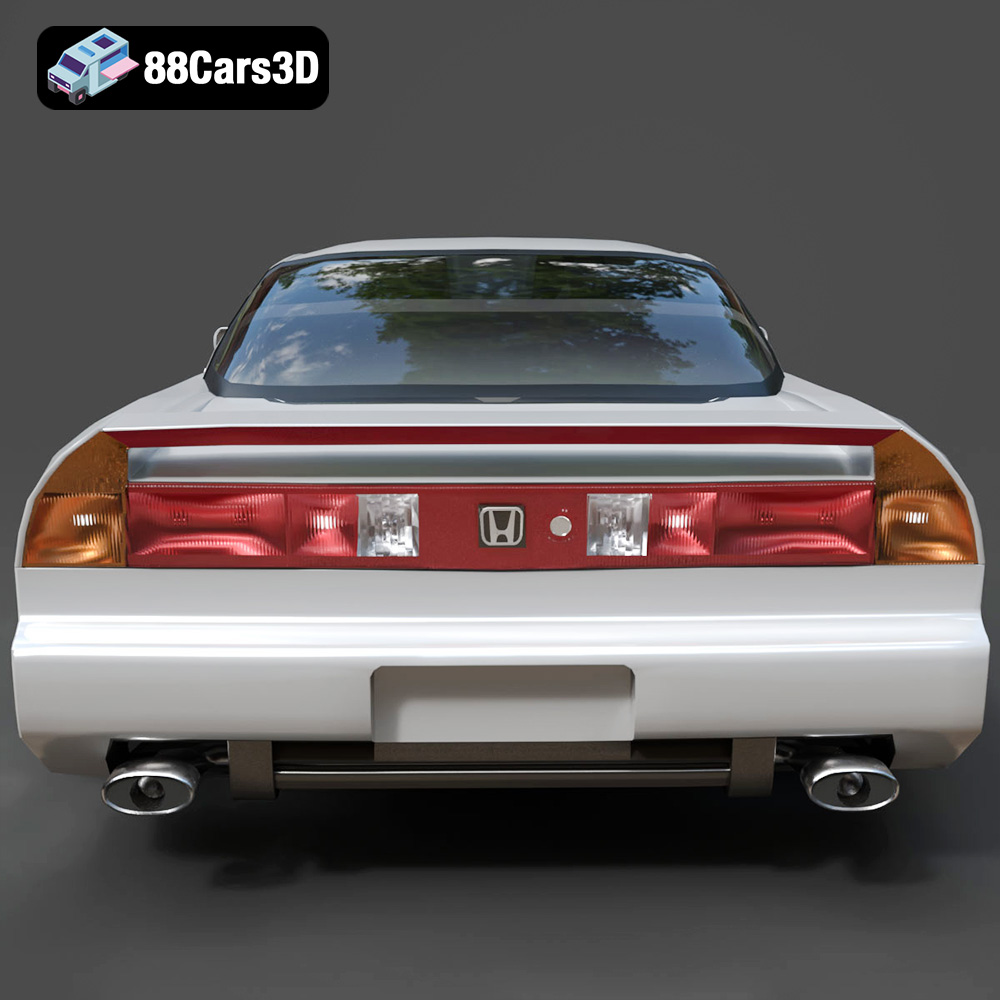
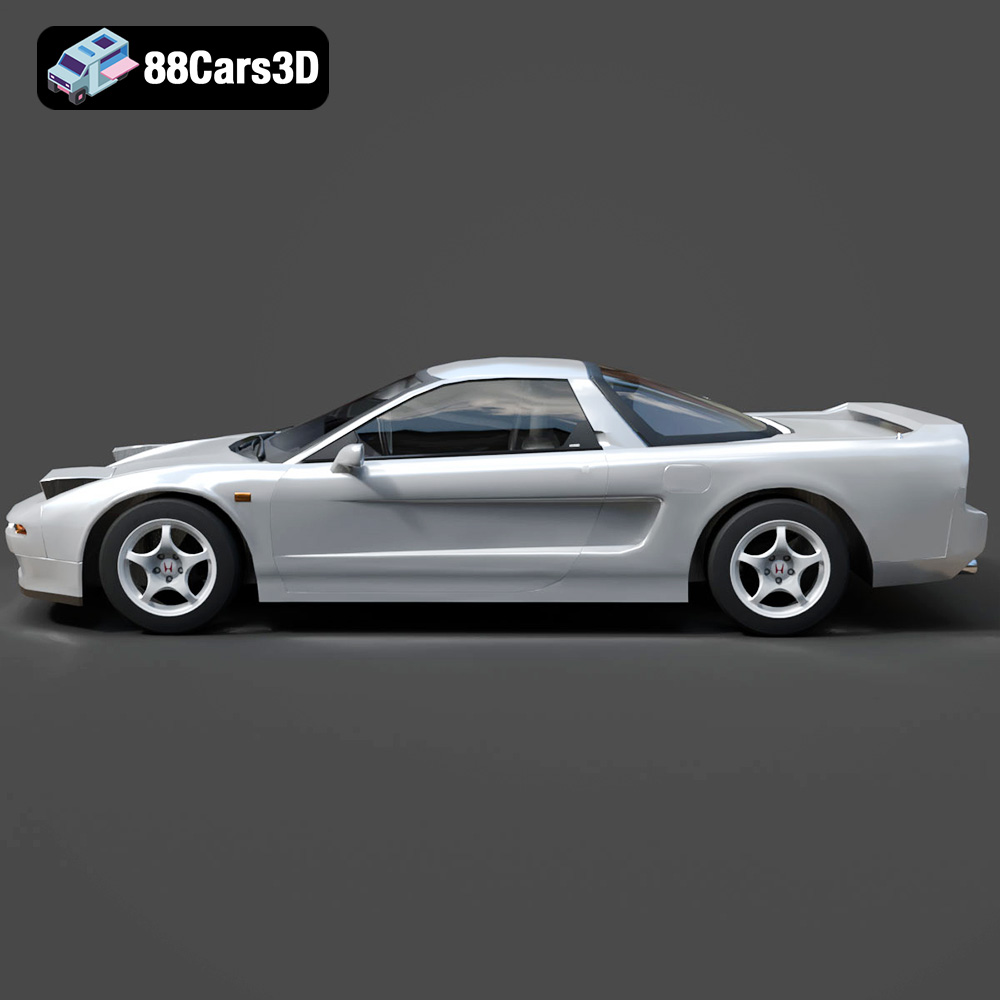
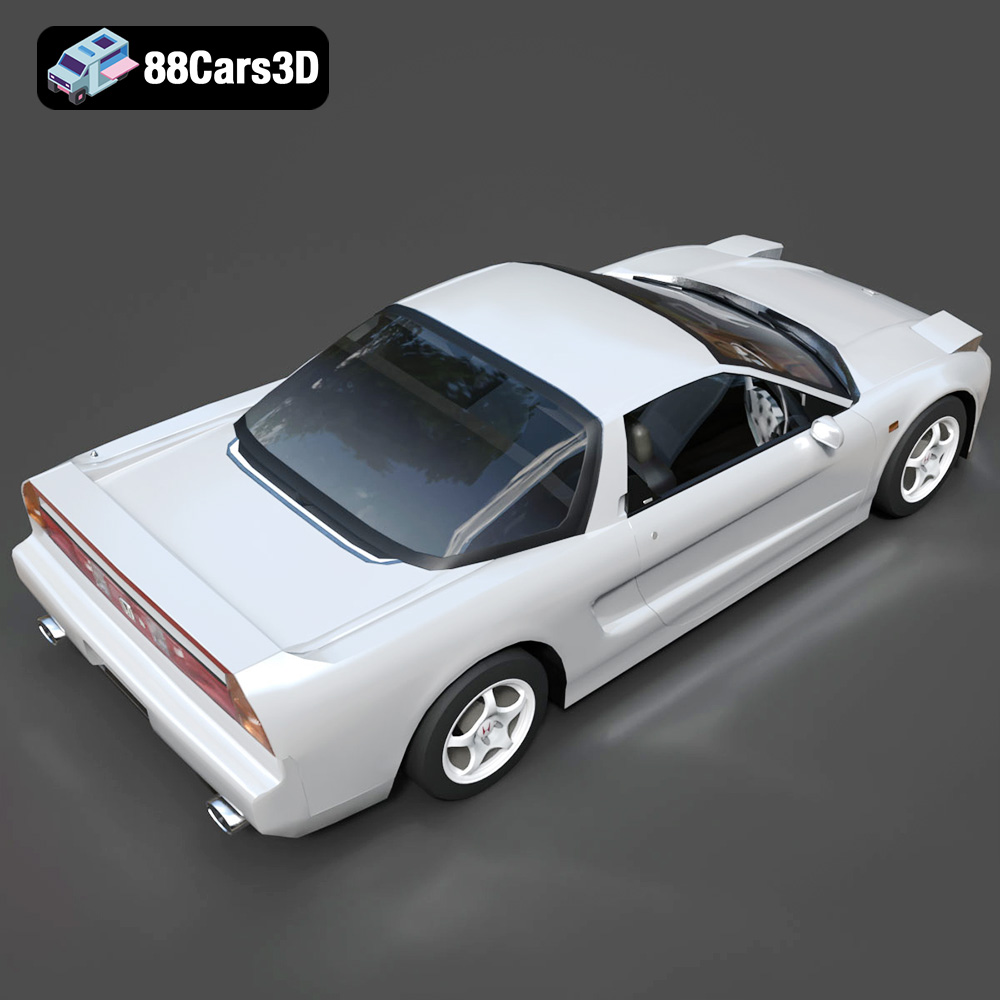
Authenticity is paramount when recreating real-world vehicles in 3D. It’s not just about getting the shape right; it’s about conveying the character, the aggressive stance of a Nissan GT-R, the rally-bred lines of a Mitsubishi Lancer Evolution IX, or the timeless elegance of a Honda NSX-R. Each curve, vent, and headlight contributes to the vehicle’s identity. High-quality 3D car models must reflect this attention to detail, featuring accurate proportions, intricate panel gaps, and a topology that supports photorealistic material application, ensuring reflections behave naturally and shadows fall correctly. The Japanese Legends bundle offers precisely this level of detail across its five iconic models, making it a cornerstone for any project demanding true JDM fidelity.
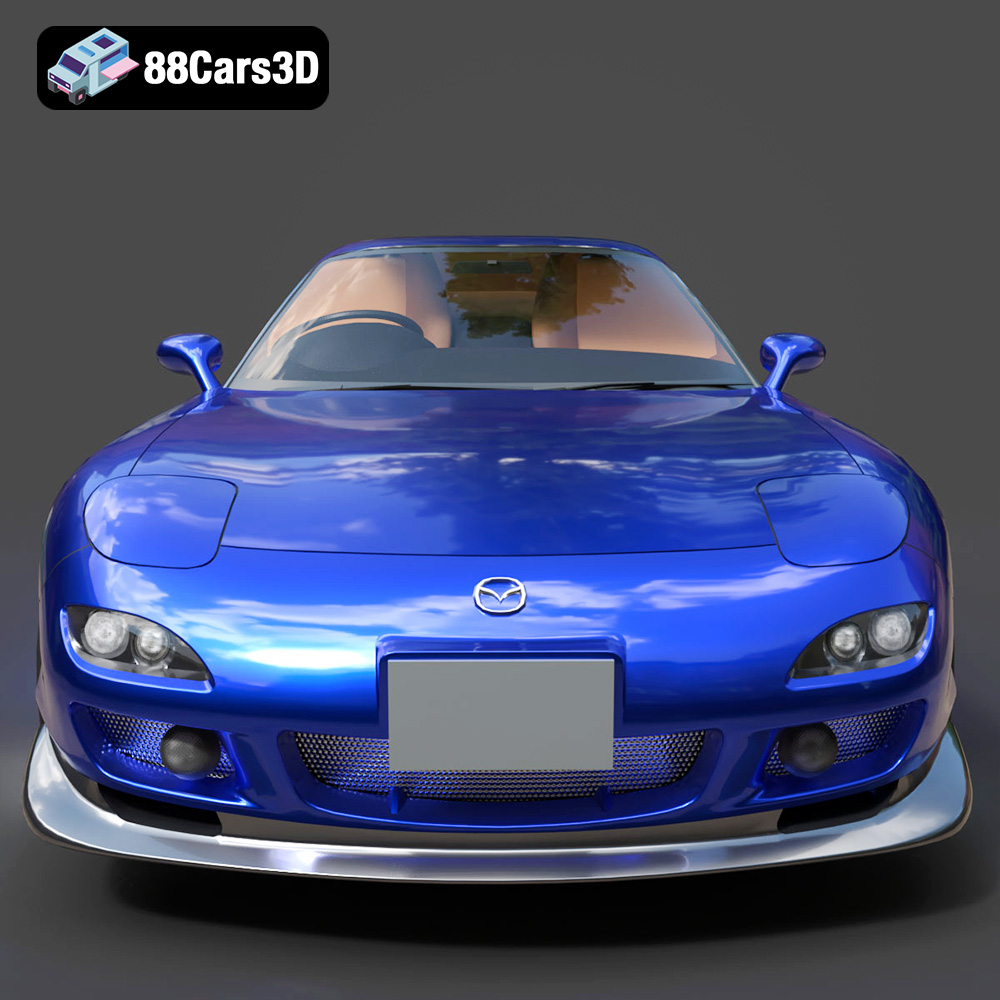
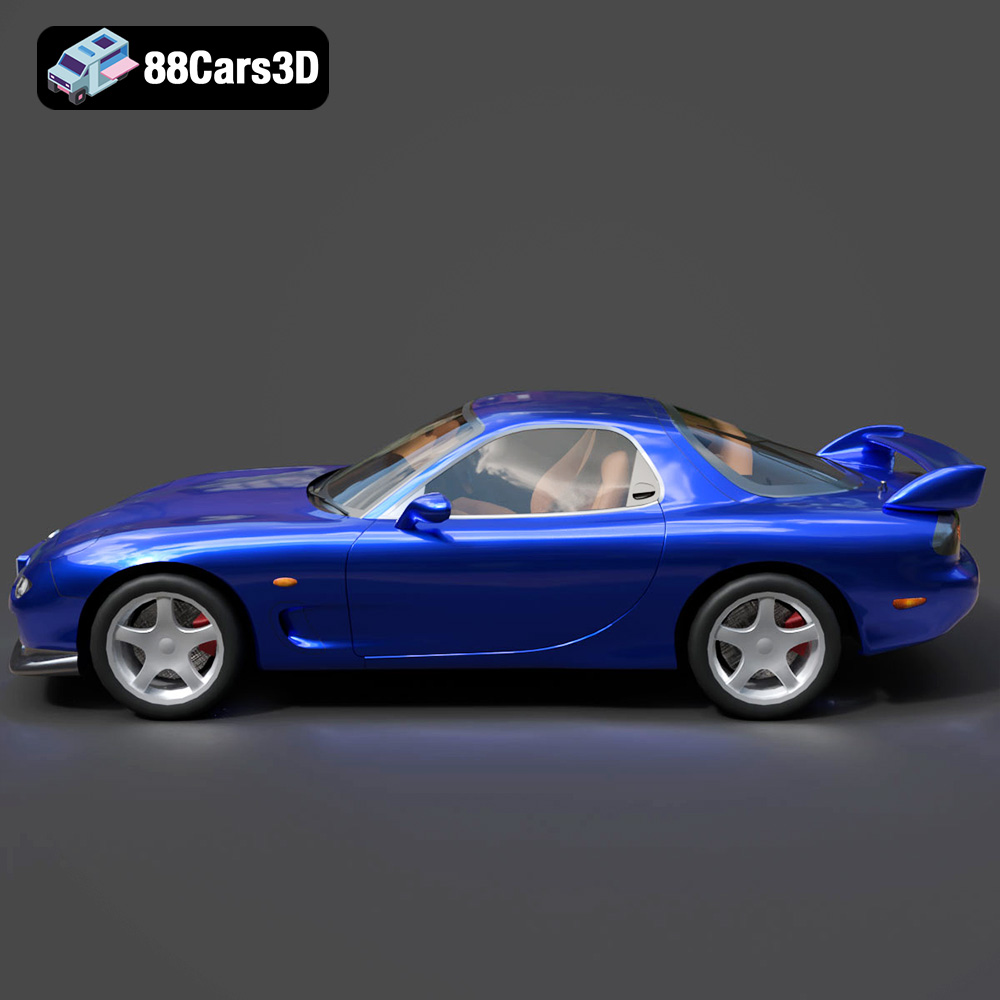
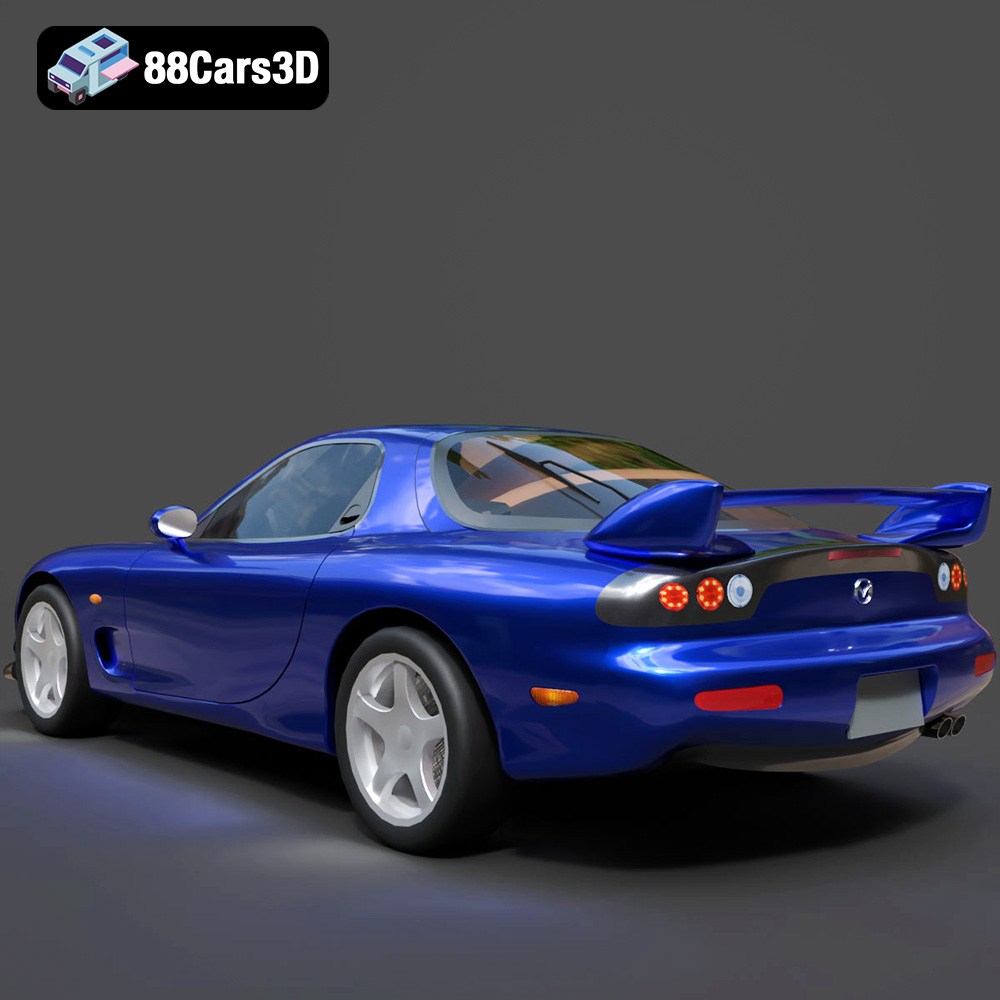
JDM culture has deeply influenced the gaming world, spawning entire franchises built around street racing, drifting, and car customization. For game developers, having access to pre-optimized, game-ready versions of these beloved vehicles drastically reduces development time and costs. Similarly, in automotive visualization and marketing, these models provide a powerful tool for showcasing vehicle concepts, creating stunning renders for advertising campaigns, or even developing interactive configurators. The bundle’s inclusion of legends like the Mazda RX-7, famed for its drifting prowess, and the modern Toyota Supra 2020, ensures that creators have the assets needed to tap into the vibrant pulse of JDM enthusiasm.
Choosing the right file format is a critical decision in any 3D workflow, impacting compatibility, data integrity, and overall project efficiency. The Japanese Legends: JDM Street Racing 3D Models Bundle addresses this by offering a comprehensive suite of universal and software-specific formats, ensuring seamless integration into virtually any professional pipeline. Understanding the nuances of each is key to leveraging these assets effectively.
The .blend format is Blender’s native file type, retaining all scene data including meshes, materials, textures, animations, and even physics simulations. For artists primarily working within Blender, this offers the most complete and editable version of the 3D car models. It’s ideal for making extensive modifications, setting up custom render scenes using Cycles or Eevee, or diving deep into the node-based material system to achieve highly specific automotive paint finishes. Having the original .blend files provides the ultimate flexibility for creative exploration and customization, especially for adding widebody kits or unique livery designs.
FBX (Filmbox) is arguably the most widely adopted exchange format in the 3D industry, particularly for game development and animation pipelines. It excels at transferring 3D models along with complex data such as animations, skeletal rigs, skinning, and material assignments (though often simplified). The .fbx versions of the JDM models are perfect for importing into game engines like Unreal Engine and Unity, or 3D applications like Maya, 3ds Max, and Cinema 4D. Its robust nature ensures that pivot points, hierarchical structures (like separated wheels and doors), and basic material definitions are preserved, making it an excellent choice for real-time asset integration.
OBJ (or Wavefront OBJ) is a universal 3D geometry definition file format that supports vertices, faces, UV coordinates, and normal vectors. It’s known for its simplicity and wide compatibility across almost all 3D software. While it doesn’t typically carry animation or complex material definitions (these are often stored in an accompanying .mtl file), the .obj format is an excellent choice for straightforward mesh transfer. It’s particularly useful when you need a clean, unencumbered mesh for sculpting, retopology, or when moving between different software environments where other formats might introduce compatibility issues. For the JDM models, the .obj files provide a robust foundation for any 3D application.
GLB (GL Transmission Format Binary) is an increasingly important format optimized for efficient transmission and loading of 3D scenes and models in web browsers, augmented reality (AR), and virtual reality (VR) applications. It packs all the necessary data—geometry, materials, textures, and even animations—into a single binary file. This self-contained nature and compact size make the .glb versions of the JDM cars ideal for interactive web experiences, AR visualizations of vehicles in real-world environments, or streamlined asset delivery for lightweight XR applications, enhancing accessibility and performance.
STL (STereoLithography) is the de facto standard file format for 3D printing. It represents 3D surfaces using a series of connected triangles, defining the model’s geometry without color, texture, or other CAD attributes. For JDM enthusiasts who want to bring these digital legends into the physical world as scale models, the .stl files are indispensable. The models in the bundle are designed to be “manifold,” meaning they are watertight and ready for slicing, ensuring successful prints. This format enables hobbyists and professionals to produce accurate 1:24 scale replicas of the Nissan GT-R or Mazda RX-7 using resin or FDM printers.
PLY (Polygon File Format, or Stanford Triangle Format) is primarily used to store 3D data from 3D scanners, but also works well for general 3D applications. It can store a variety of properties including color, transparency, surface normals, and texture coordinates, often with more precision than simpler formats. While less common for direct asset exchange than FBX or OBJ, .ply is valuable for applications requiring highly accurate geometric representation, scientific visualization, or when precise mesh data needs to be preserved for reverse engineering or complex CAD workflows. It offers another layer of versatility for specialized projects.
While .unreal isn’t a direct export format in the traditional sense for raw 3D models, assets optimized for Unreal Engine are often packaged and presented in a way that minimizes setup. Typically, models are imported via .fbx and then configured within the engine. When an asset is described as “.unreal-ready” or including “.unreal” elements, it often implies pre-configured Blueprints, material setups, or even scene files tailored for Unreal Engine’s workflow, such as the proper pivot point setup for Chaos Vehicles. This significantly streamlines the integration process, allowing game developers to drop these JDM models directly into their projects with minimal additional work on physics assets, collisions, and materials.
The .max format is the native file type for Autodesk 3ds Max, a powerful 3D modeling, animation, and rendering software. Similar to .blend, it preserves all scene information, including complex modifiers, lighting setups, render settings, and V-Ray or Corona materials. For artists working in 3ds Max, having the native .max files provides the highest level of editability and control. This is particularly beneficial for high-end automotive rendering projects, where precise control over materials, lighting, and animation sequences is crucial. The .max files from the Japanese Legends bundle ensure that users of this industry-standard software can immediately access and manipulate these assets within their preferred environment.
The true value of high-quality 3D car models lies in their ability to seamlessly integrate into diverse professional workflows. The Japanese Legends: JDM Street Racing 3D Models Bundle is designed with this versatility in mind, offering features that cater to the demanding requirements of game development, automotive rendering, and visual effects.
For game developers, efficiency and performance are paramount. The JDM bundle’s assets are meticulously crafted to be “game-engine ready.” Key features like “separated parts” (wheels, doors, steering components) are crucial. This allows developers to easily rig the vehicles, set up realistic driving and drifting physics, and implement interactive elements such as opening doors or rotating wheels without time-consuming preparation. The proper pivot point setup for all wheels is a game-changer, especially for modern physics systems like Unreal Engine’s Chaos Vehicles, enabling realistic suspension and turning behavior right out of the box. Imagine populating your open-world racing game with a fleet of iconic JDM machines, each with robust collision models and optimized poly counts, ready for intense street races or custom garage tuning scenarios.
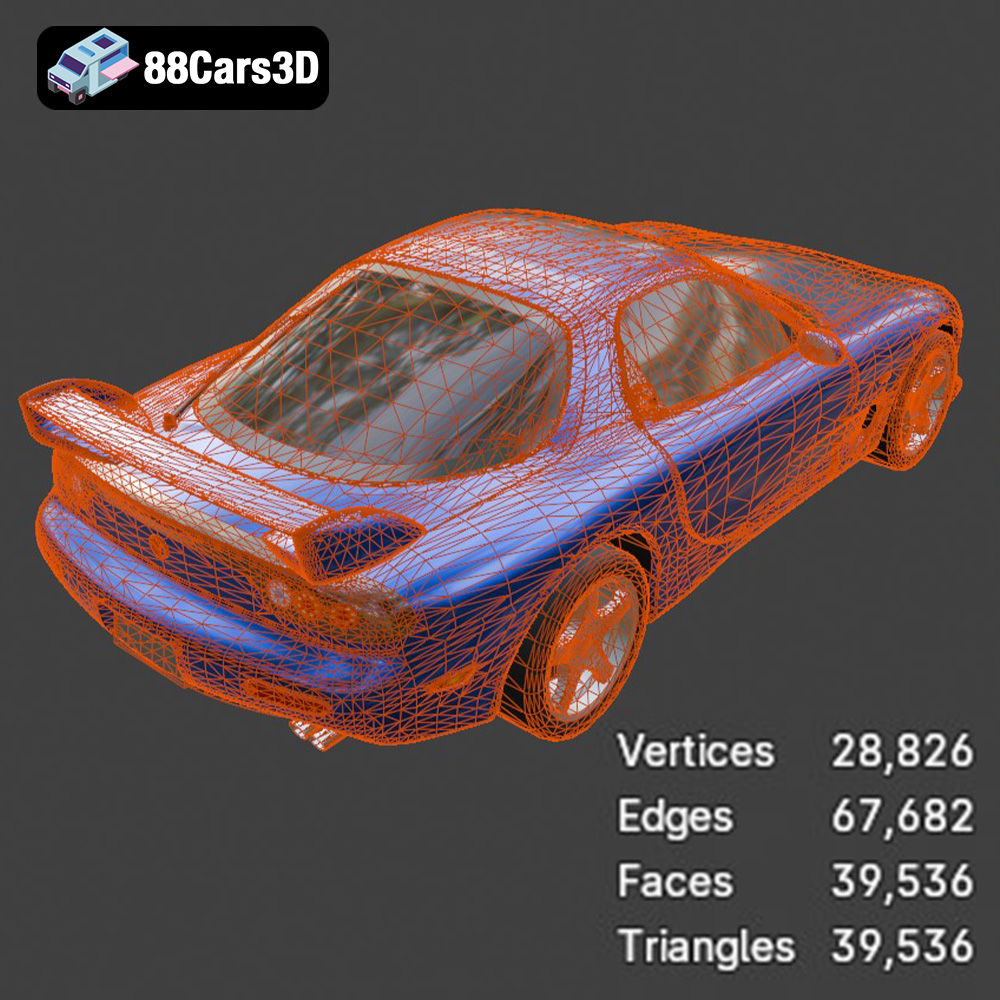
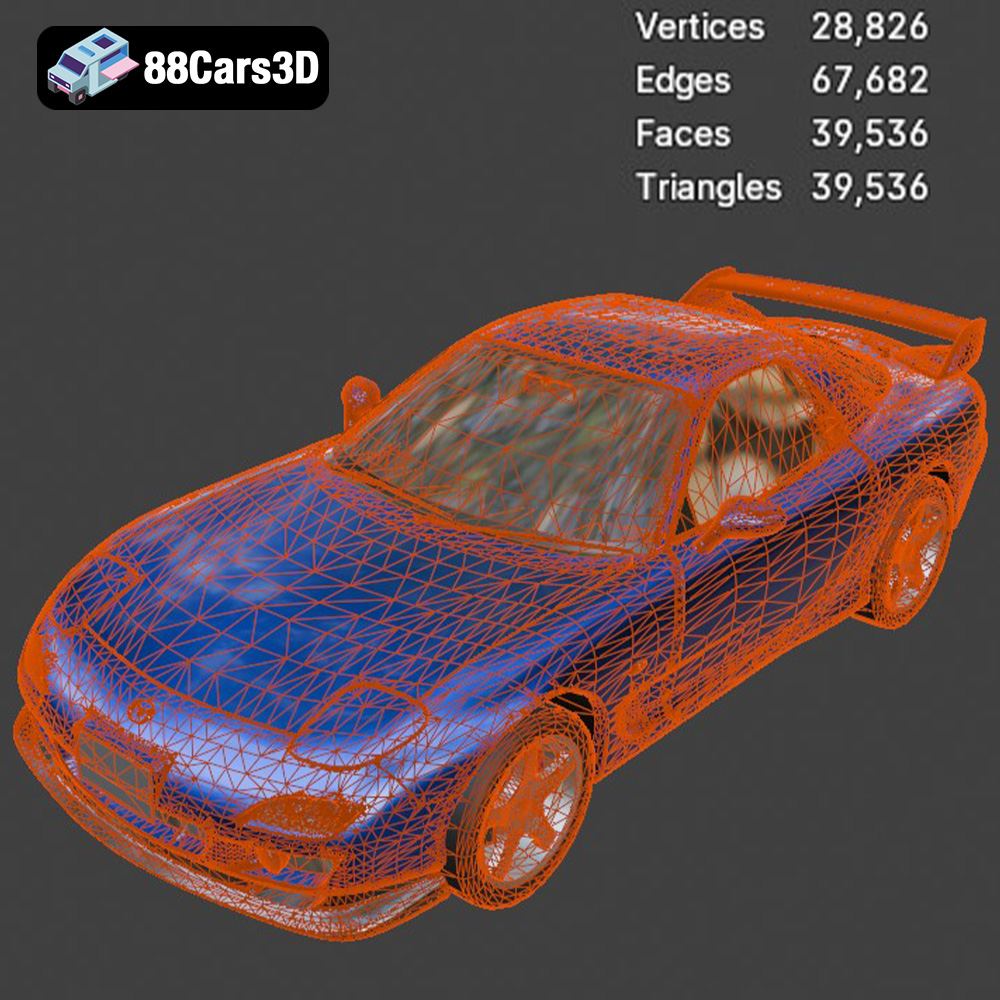
Photorealistic automotive rendering demands perfection. The “optimized topology” of these 3D car models, characterized by quad-heavy geometry, ensures pristine reflections and smooth surface shading crucial for glossy automotive paints. Clean geometry means fewer artifacts and easier UV unwrapping for texture artists. Whether you’re using V-Ray, Corona, Arnold, or even Blender’s Cycles/Eevee, these models integrate flawlessly. Artists can focus on crafting stunning material definitions – from multi-layered clear coats and metallic flake effects to realistic tire rubber and interior details. Envision a dramatic scene with the Nissan GT-R parked under a vibrant neon sign in a Tokyo alley, its metallic paint reflecting the light with breathtaking accuracy, or the classic lines of the Honda NSX-R bathed in the soft glow of a studio render, showcasing every subtle curve.
In visual effects and animation, the ability to manipulate and animate vehicles quickly is essential. The separated parts and clean hierarchy of the JDM models simplify the rigging process, allowing animators to set up complex motion paths, camera tracking, and dynamic interactions with ease. Imagine a high-octane cinematic chase sequence featuring the nimble Mazda RX-7 drifting around corners, or a powerful Mitsubishi Lancer Evolution IX tearing through a dusty rally track. The “100% Real-world scale accuracy” ensures that these vehicles will integrate seamlessly into live-action footage or larger digital environments, maintaining true spatial relationships and contributing to overall realism in action-packed scenes.
Beyond broad application, the true quality of a 3D asset bundle lies in the technical execution of each individual model and the collective features designed for maximum utility.
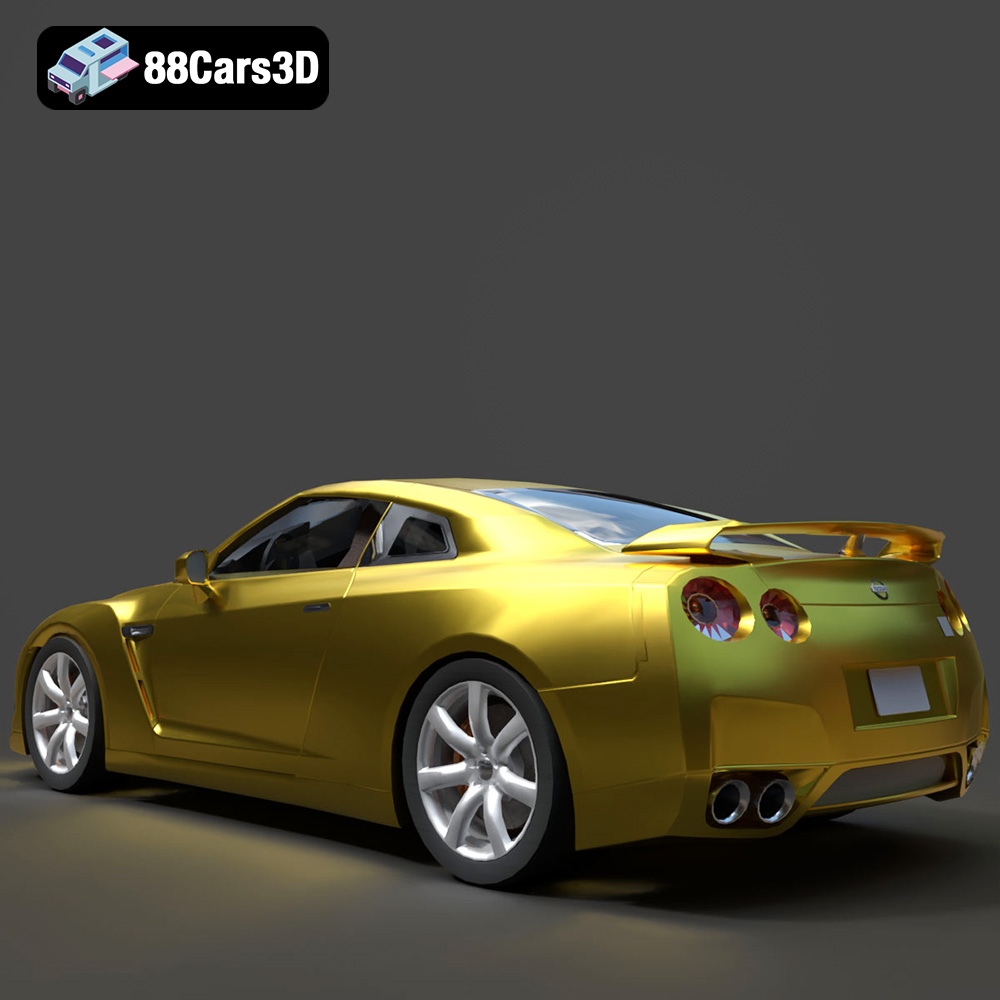
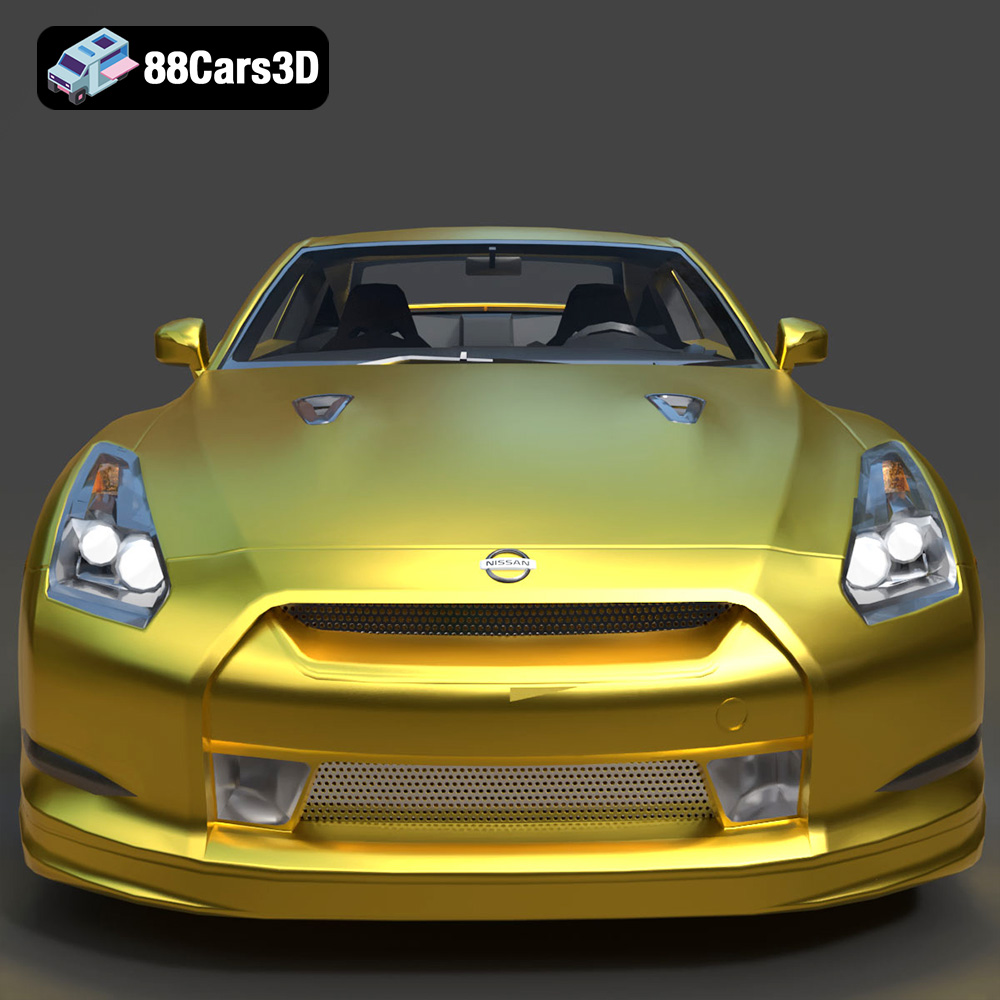
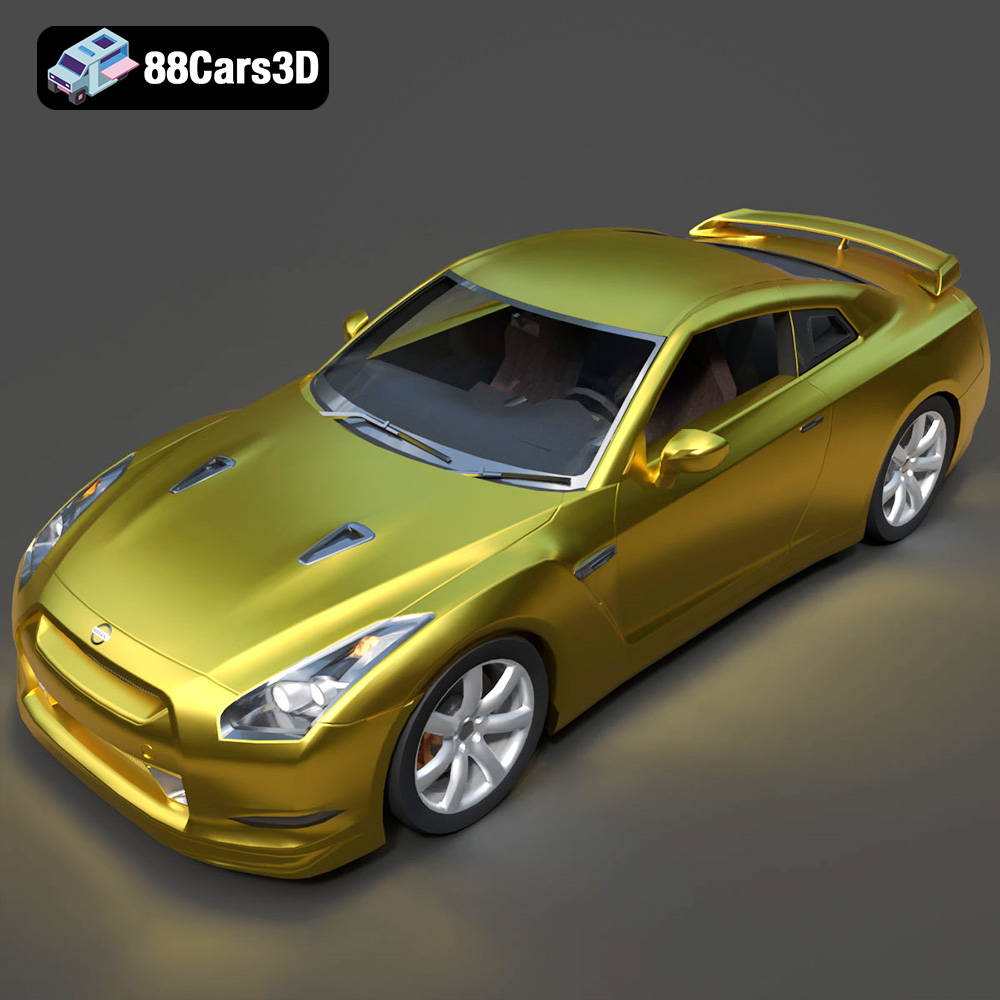
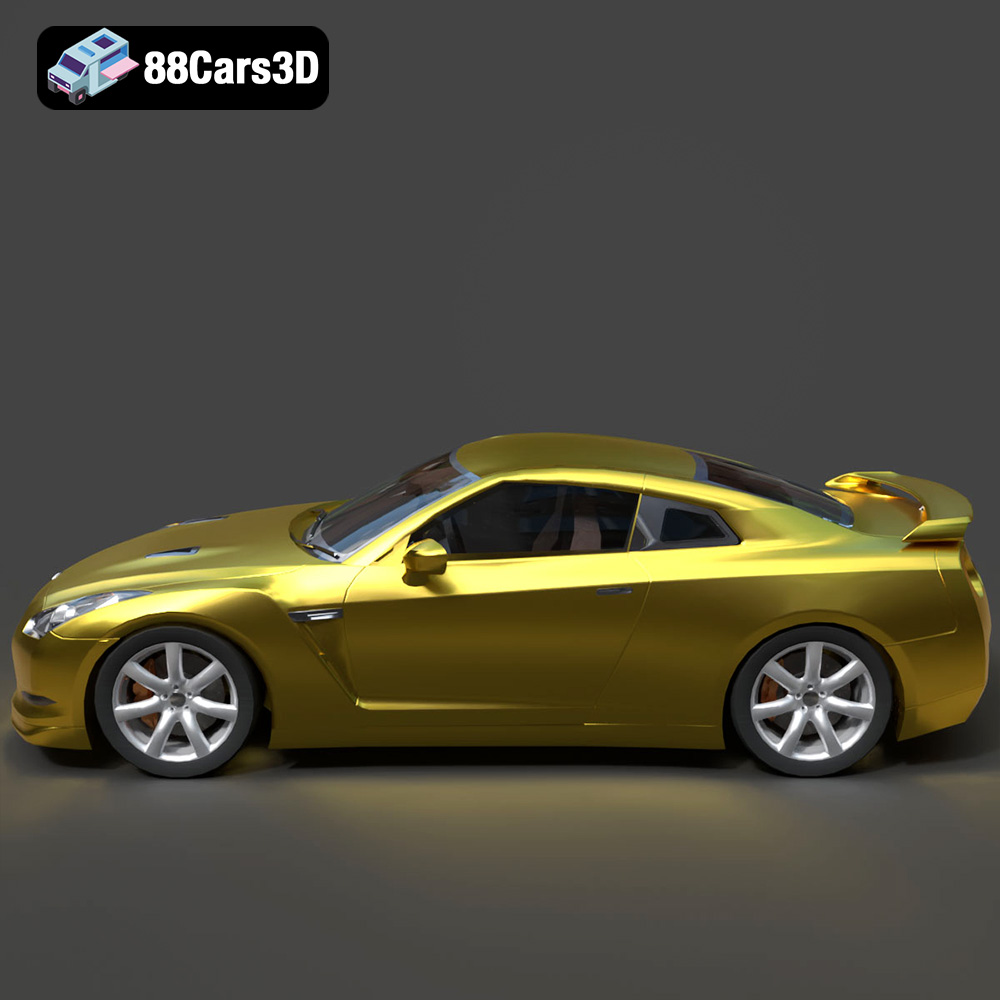
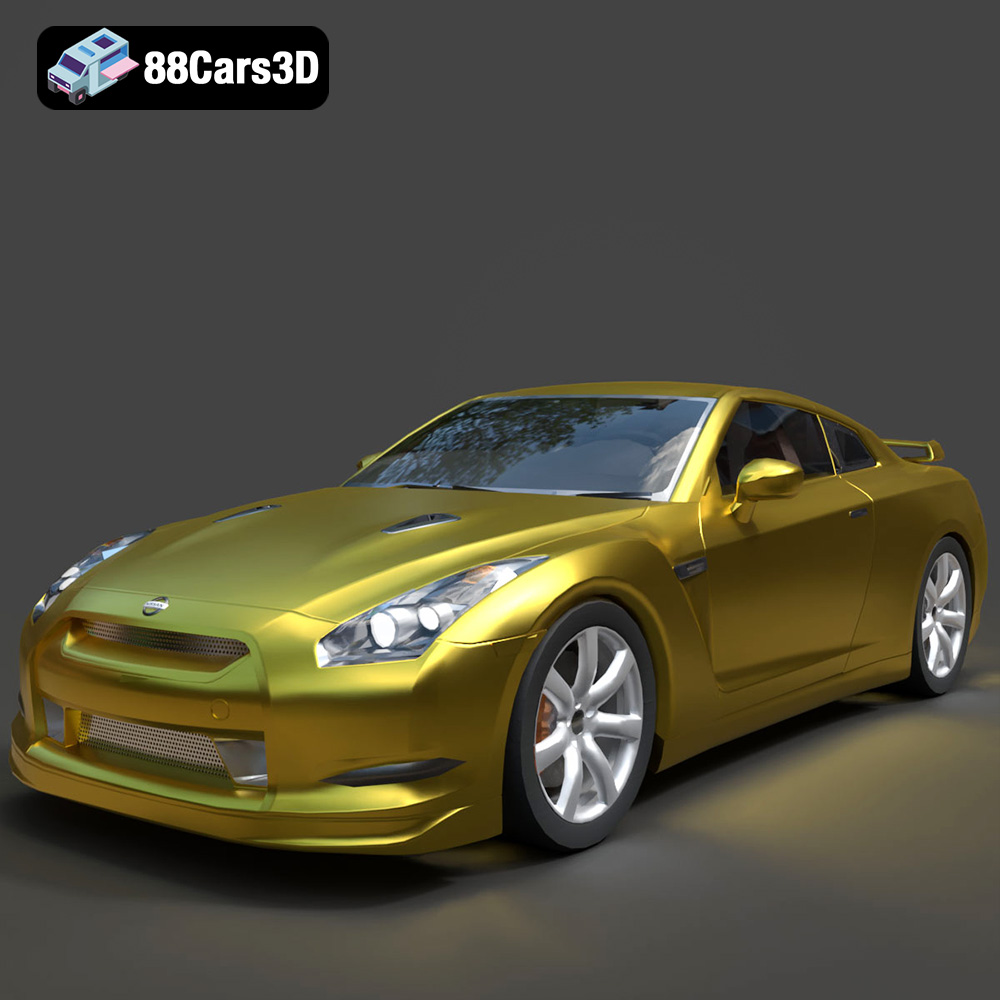
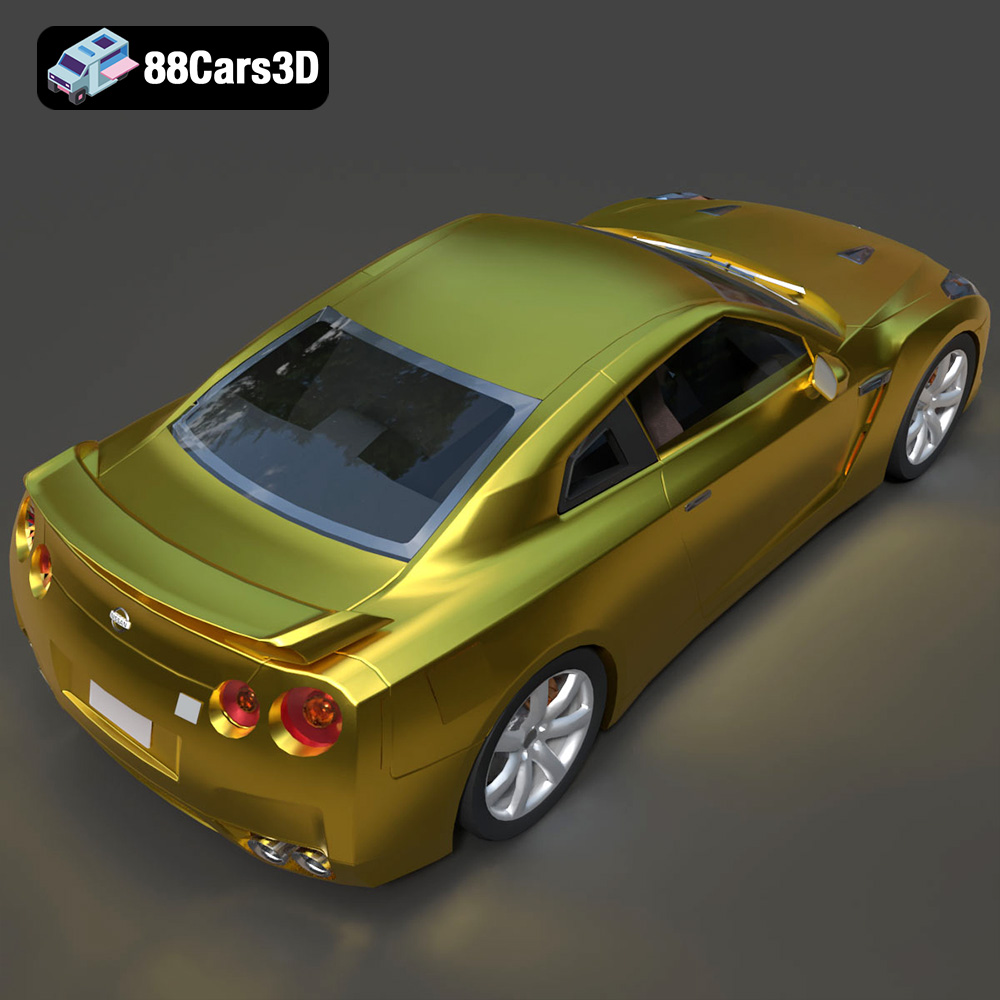
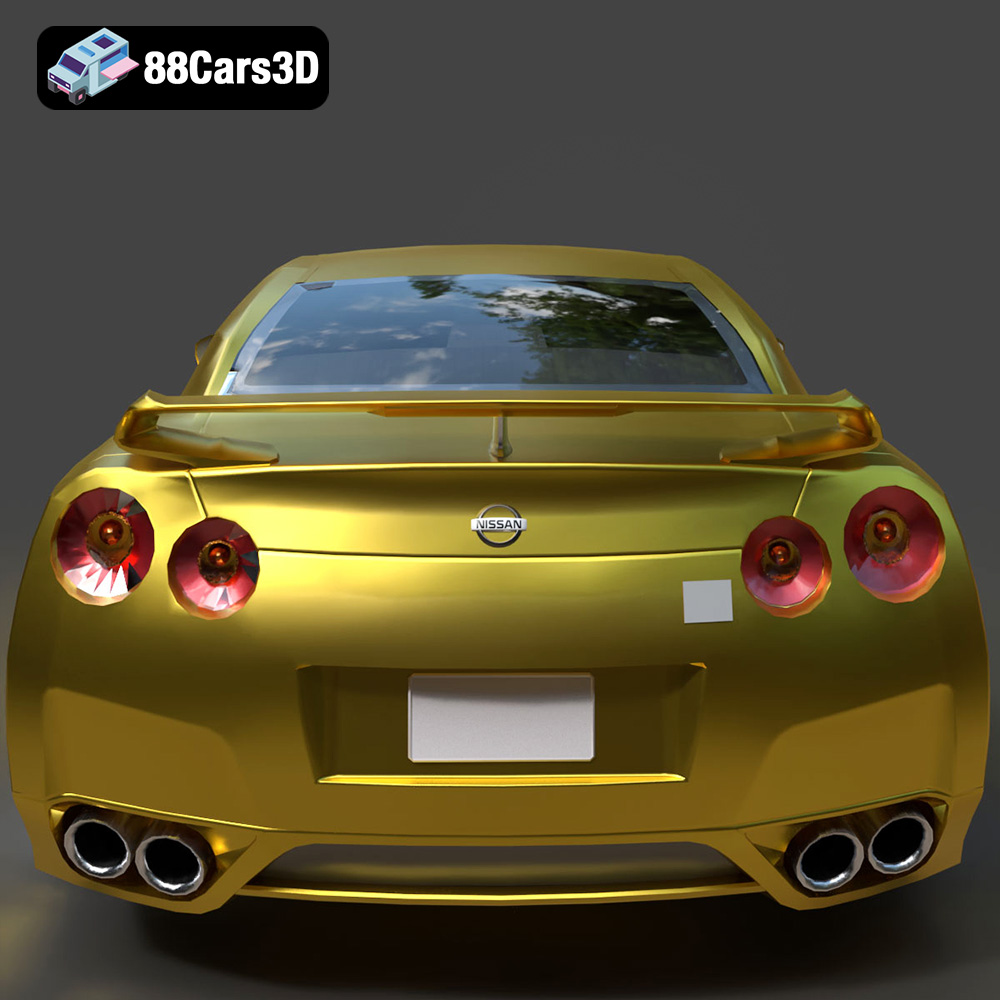
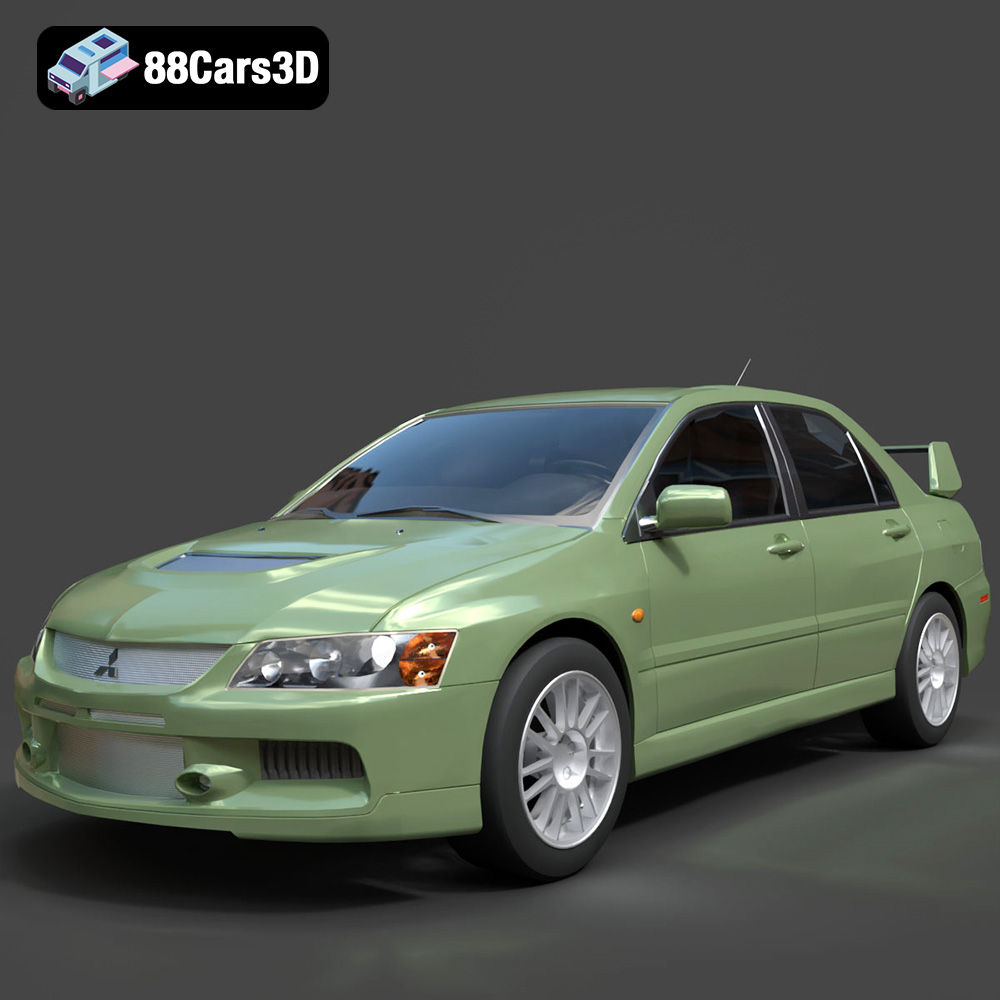
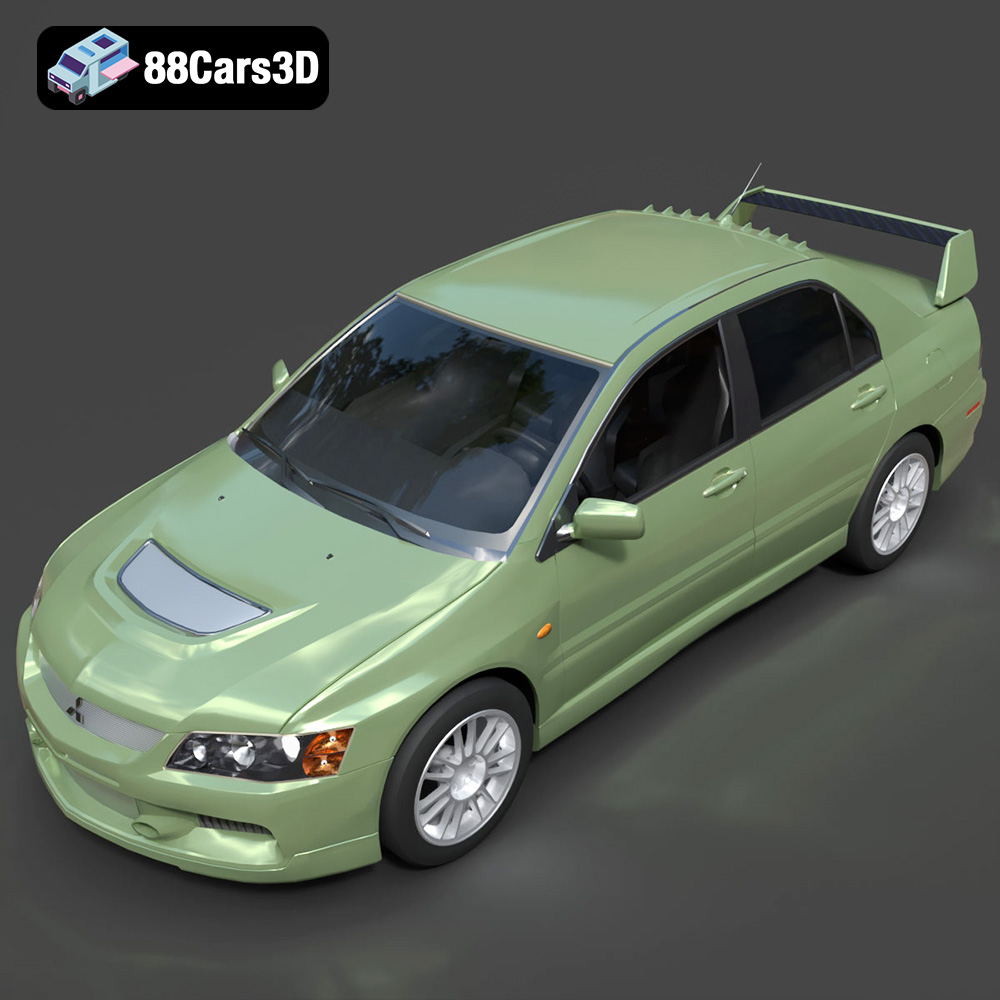
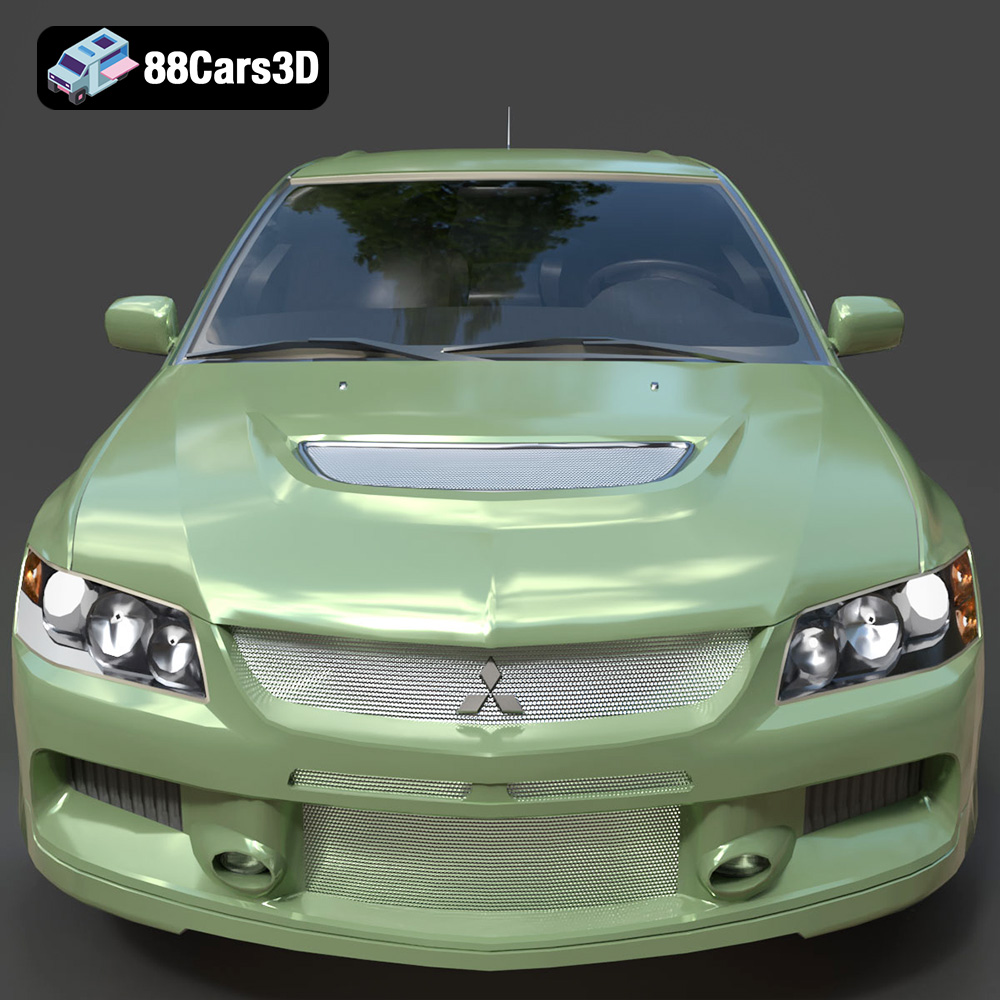
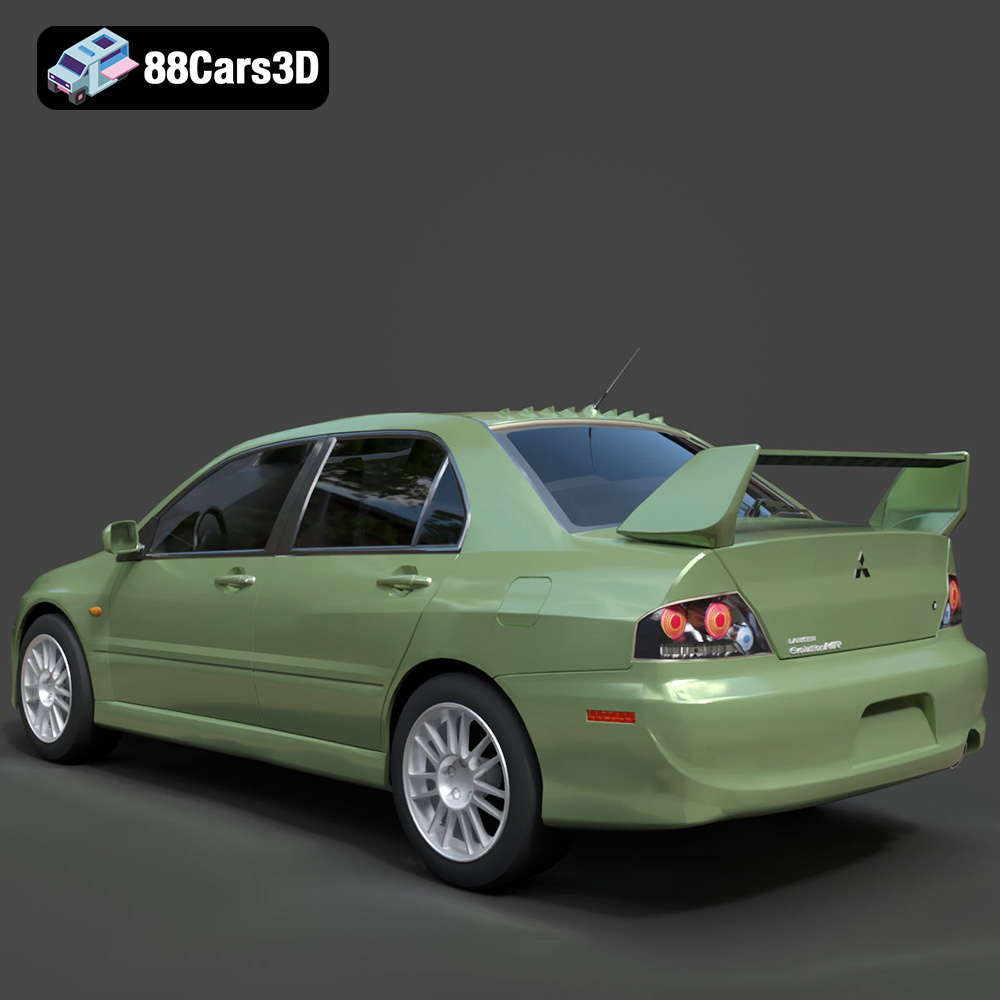
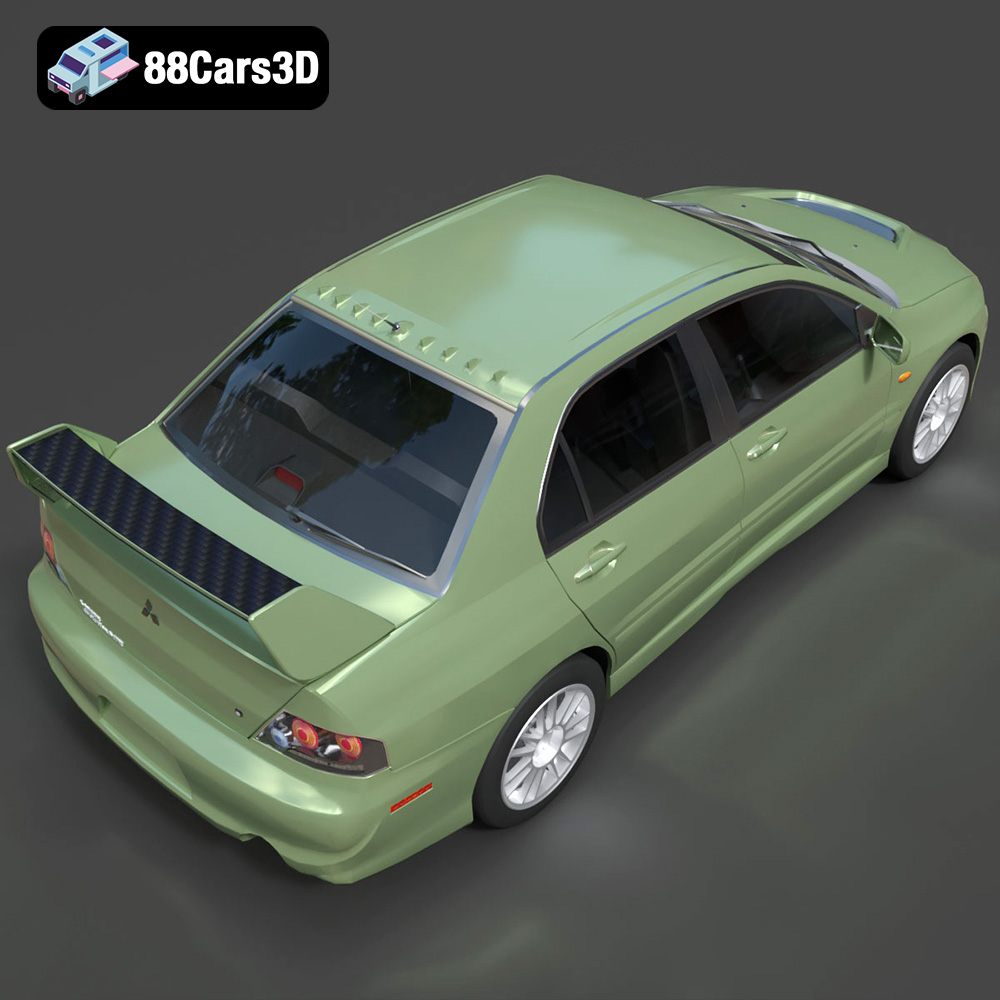
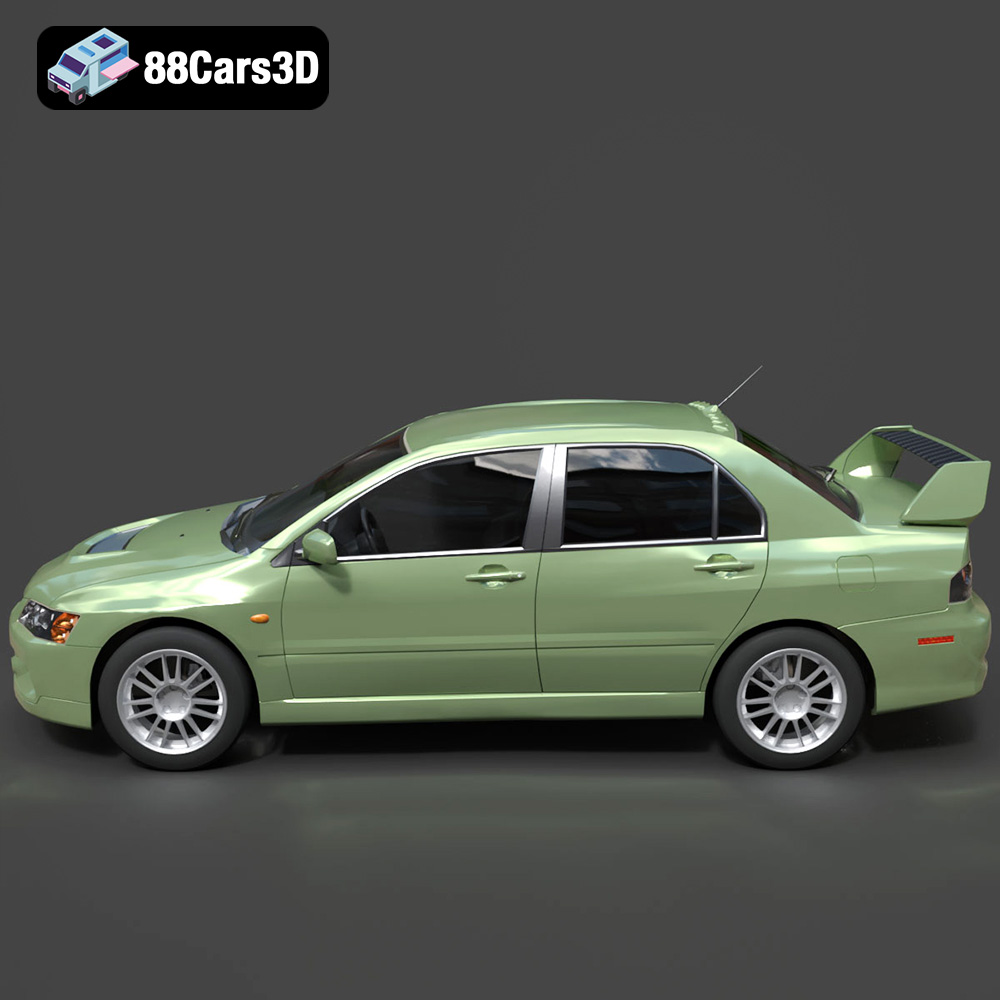
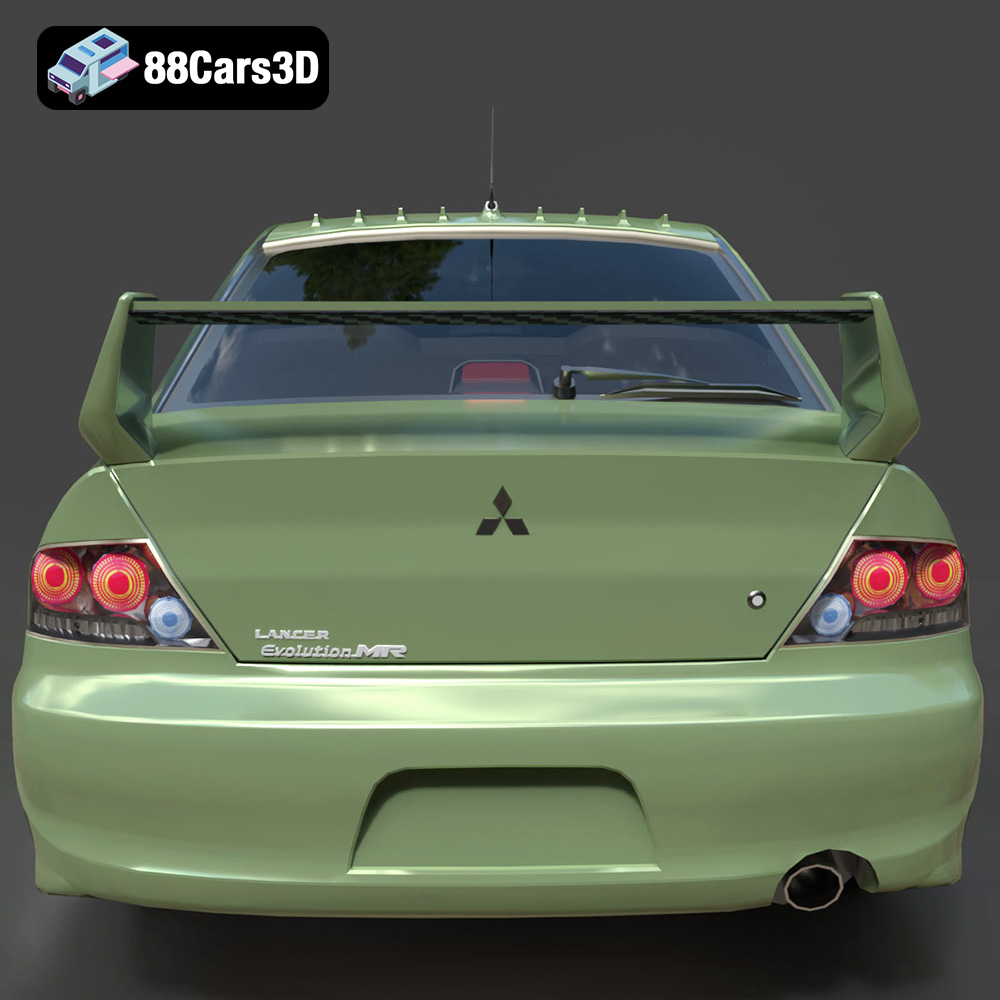
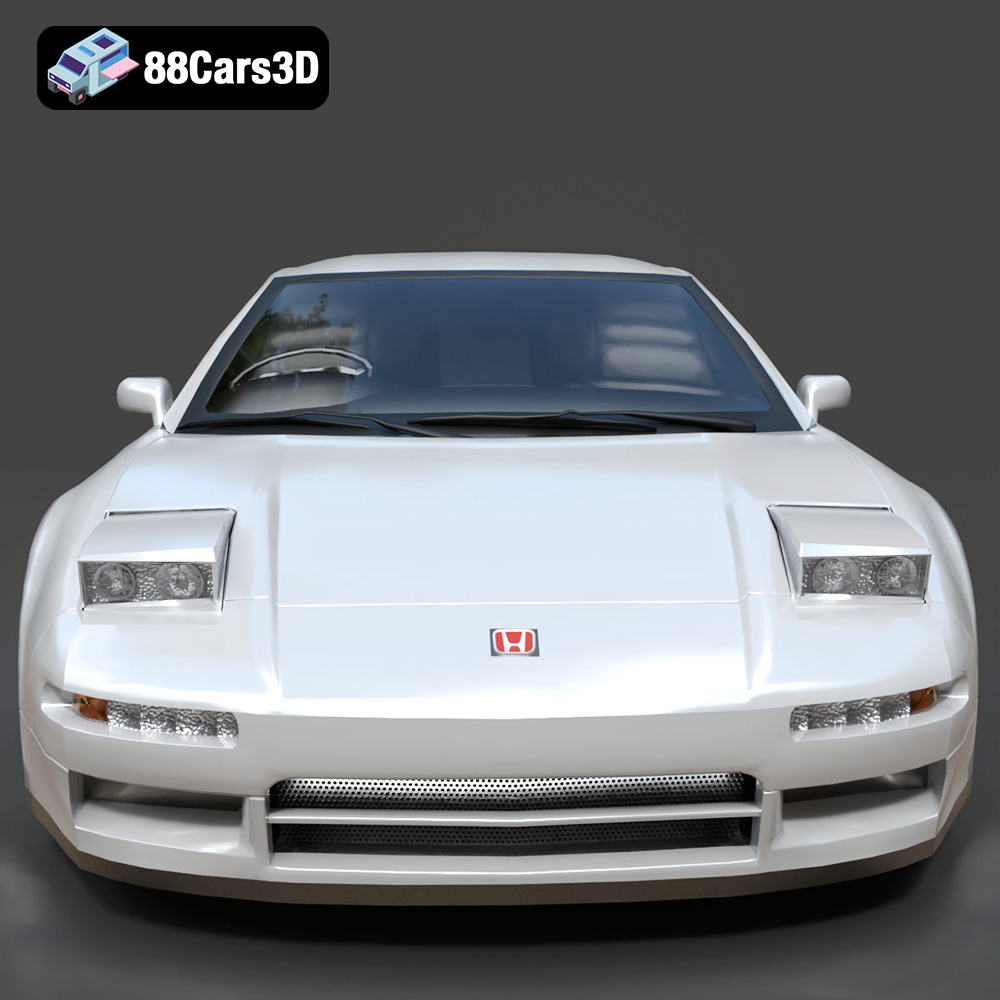
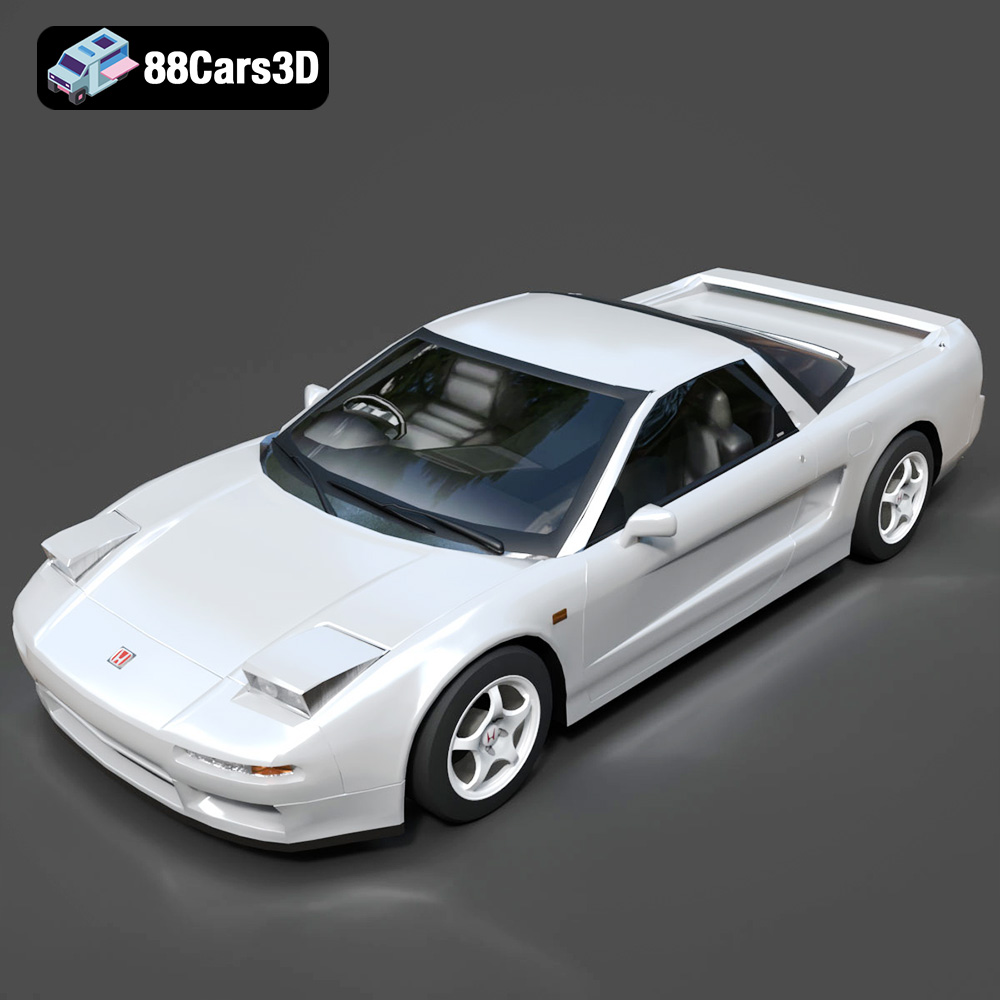
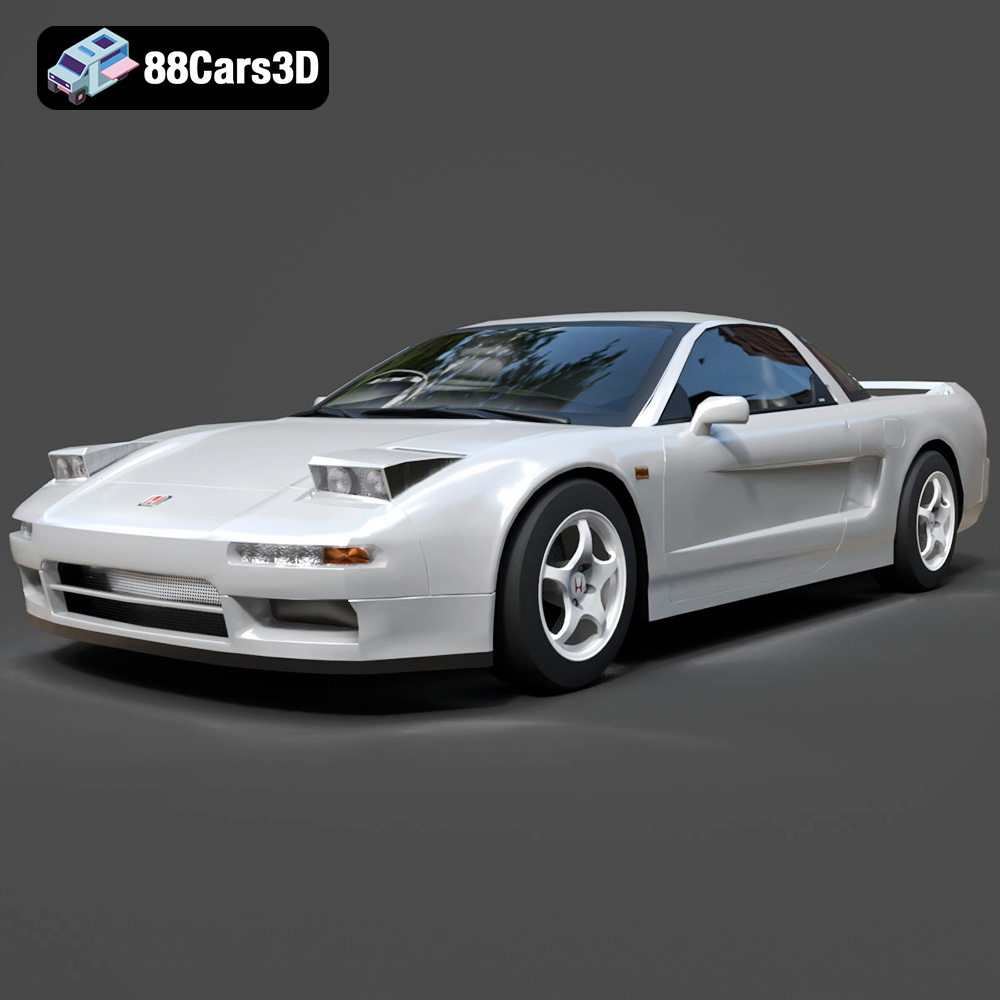
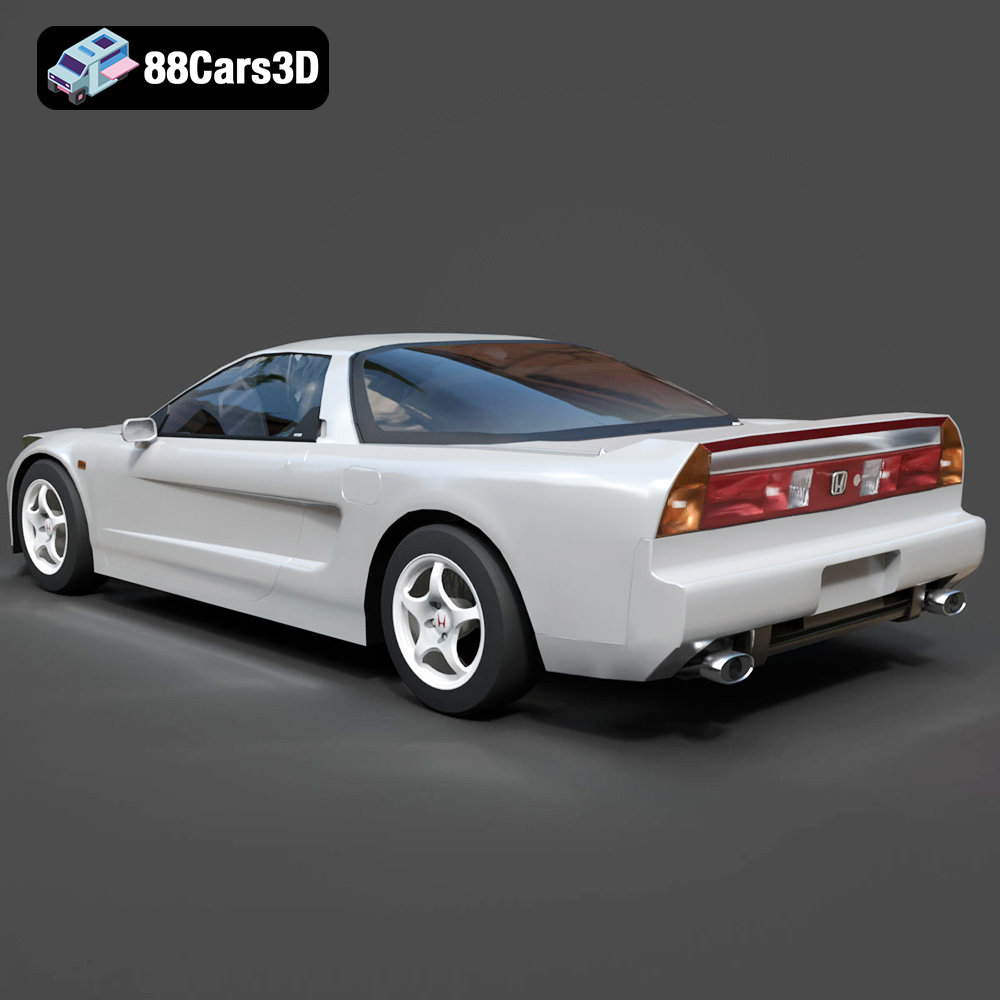
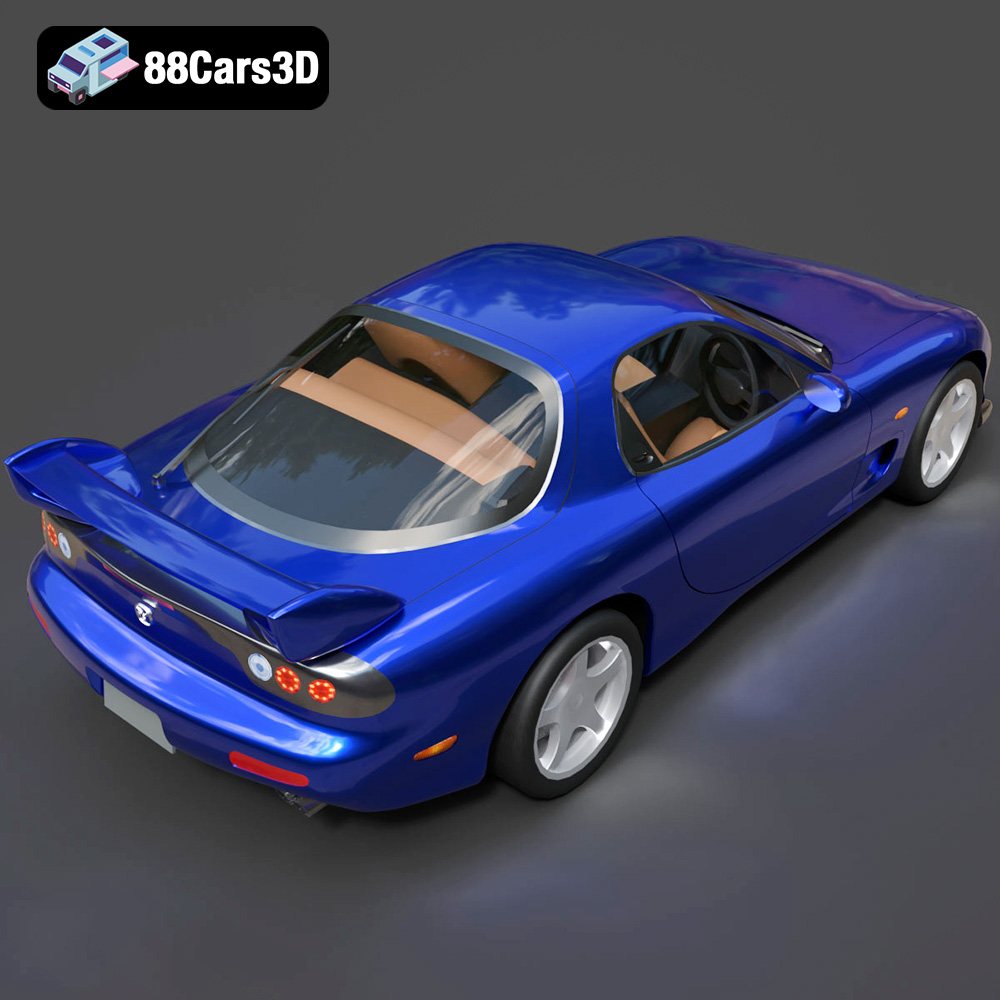
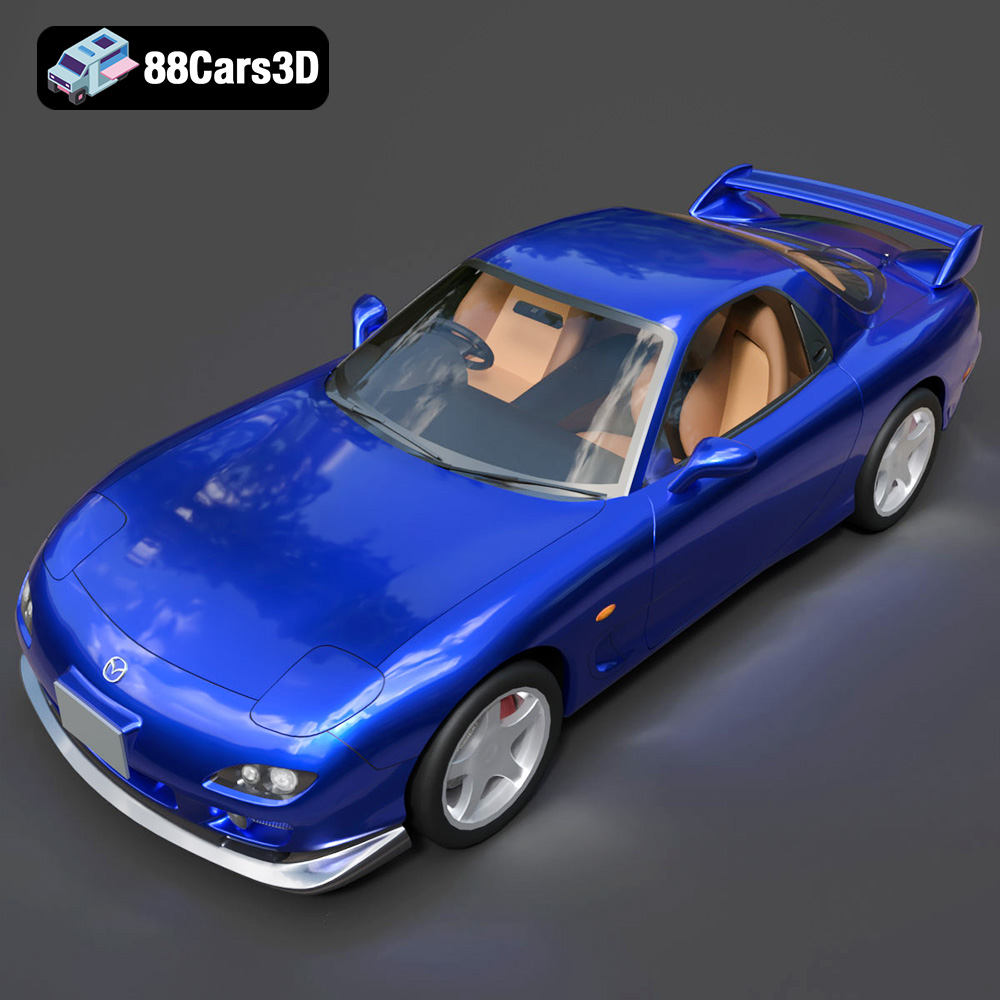
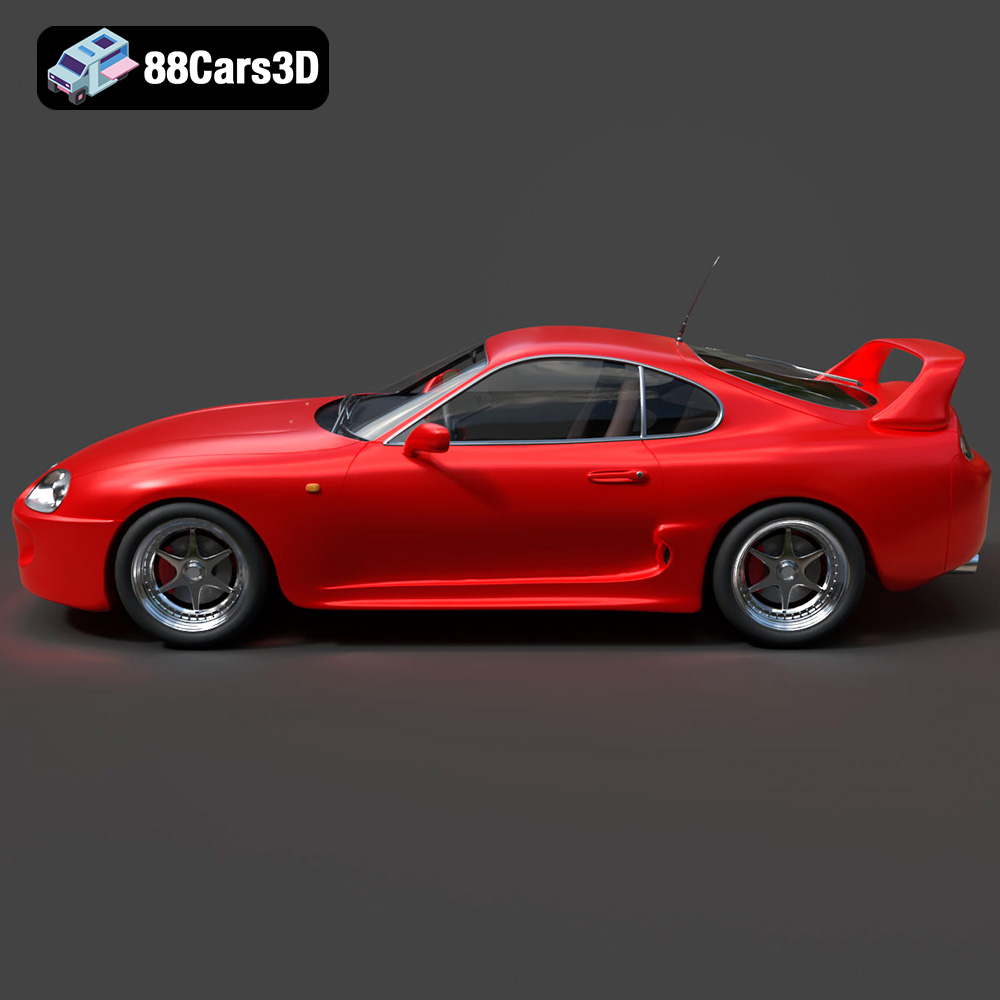
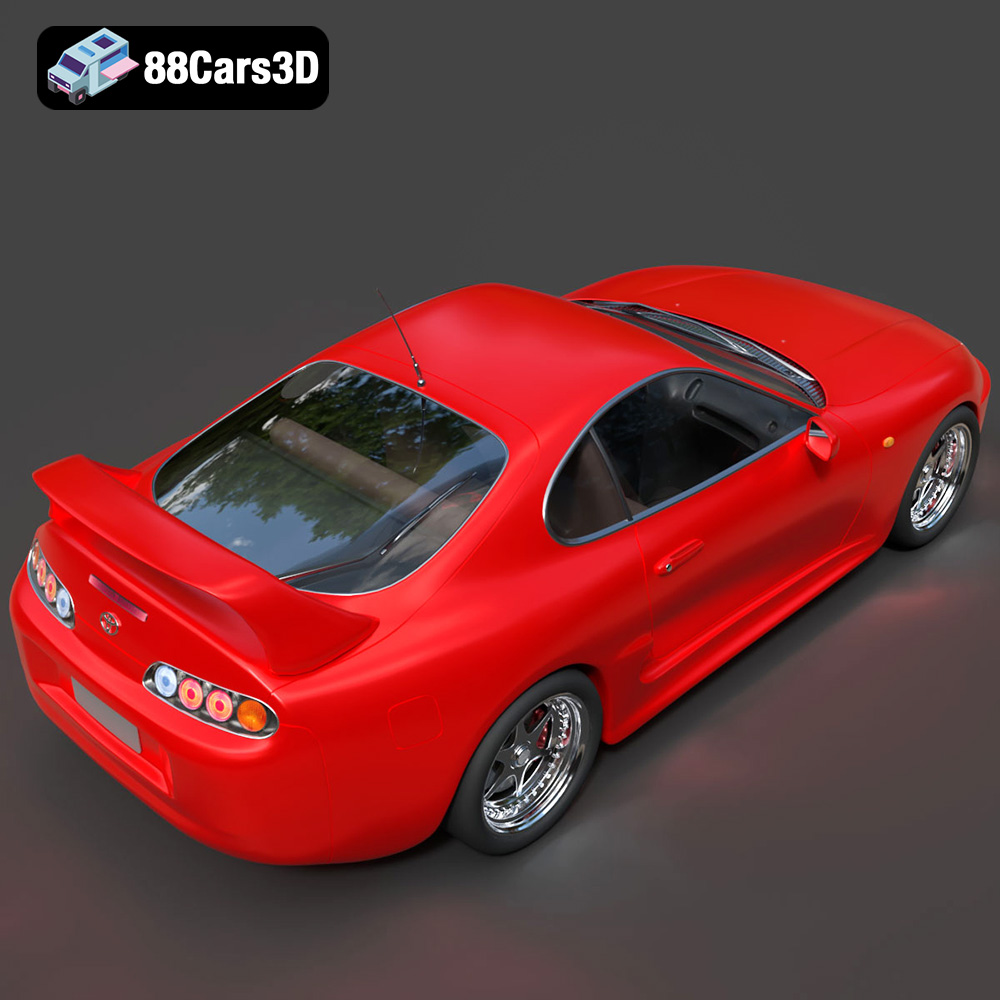
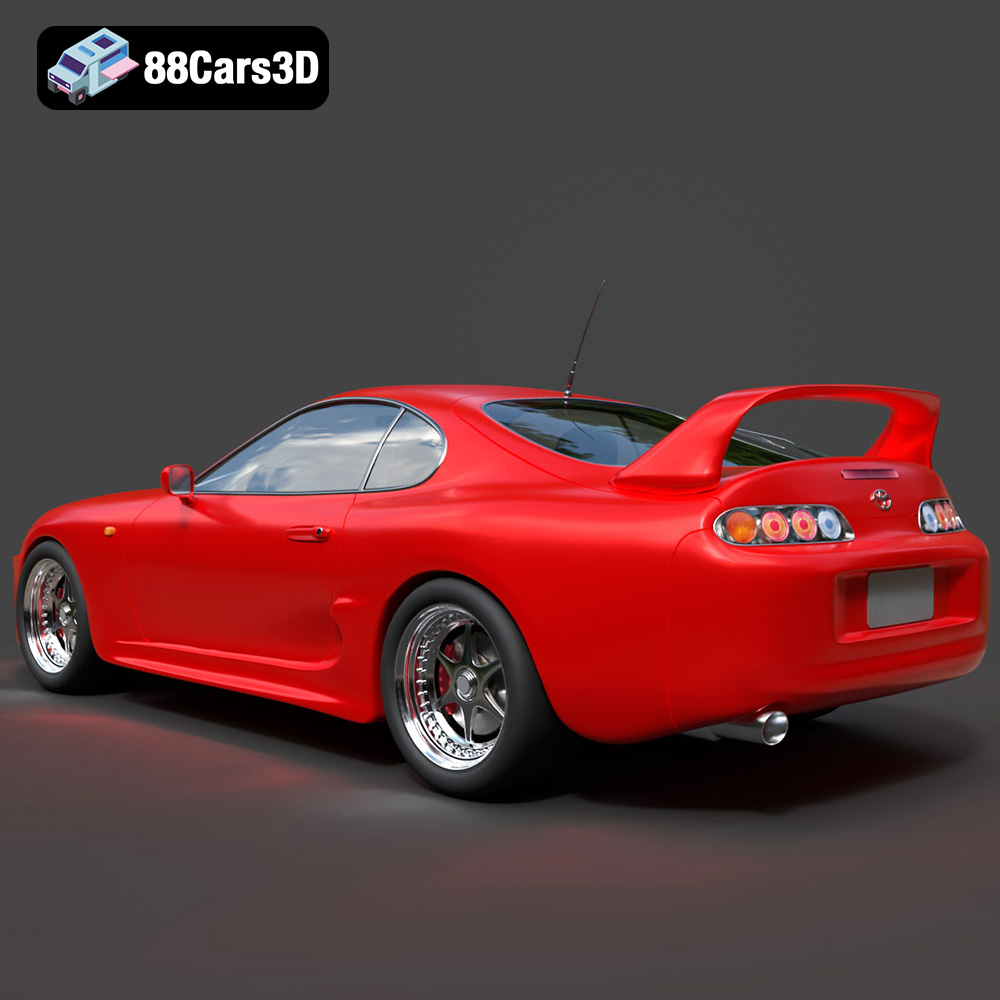
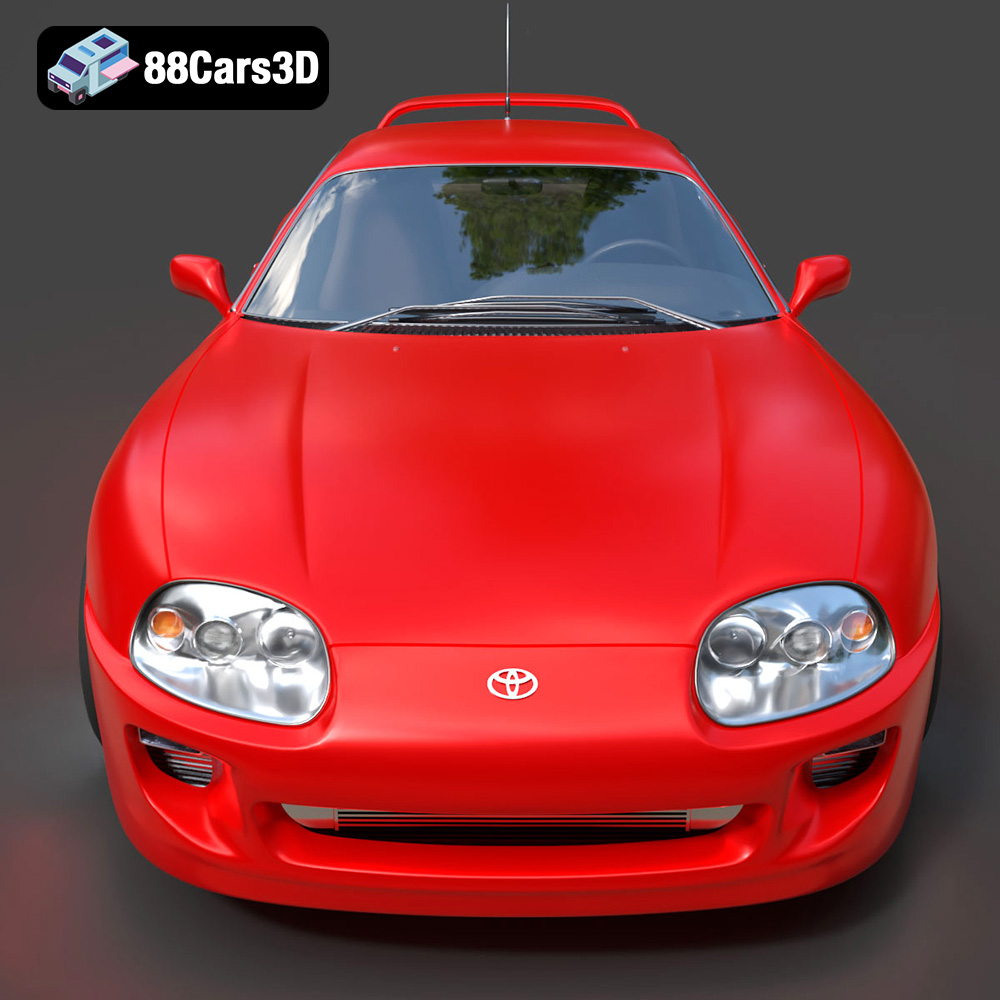
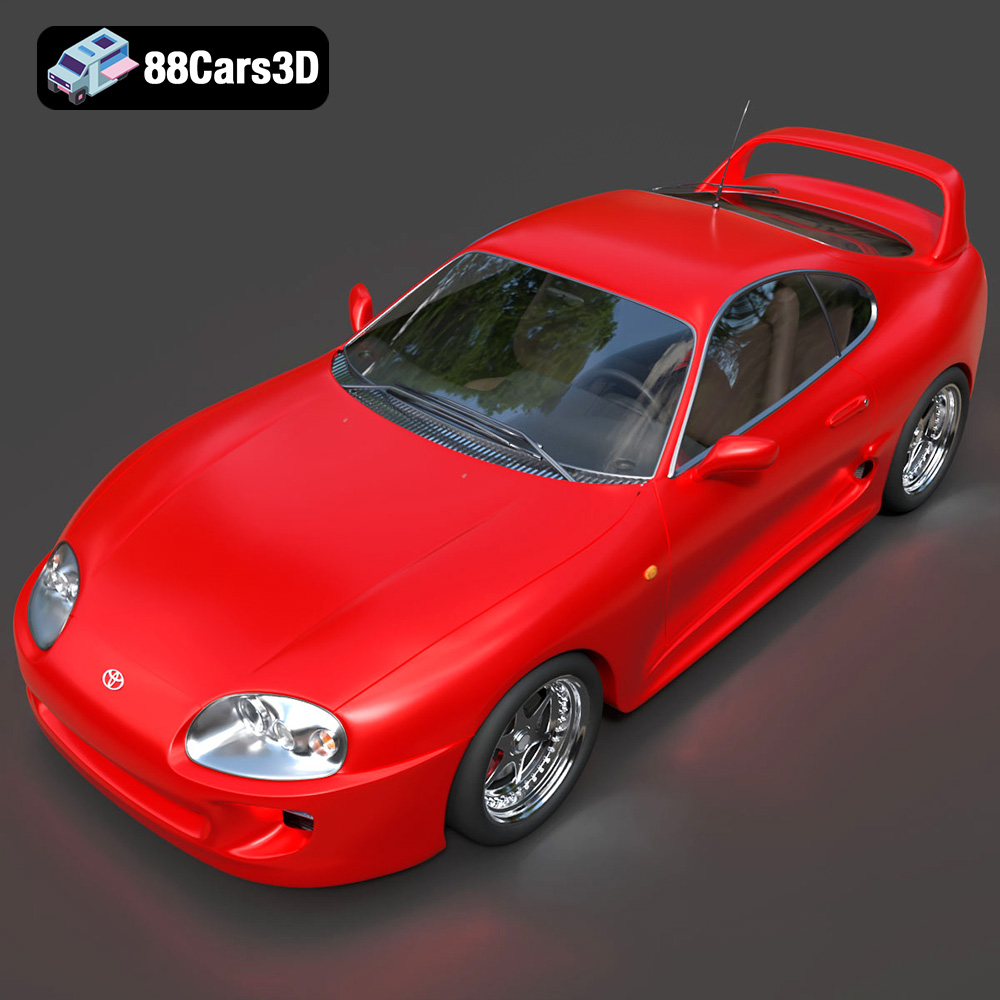
This bundle isn’t just a collection; it’s a curated selection of JDM royalty. The Nissan GT-R 2008, known as “Godzilla,” exemplifies raw power, with its aggressive fascia and signature quad taillights flawlessly modeled for photorealistic renders. The Mitsubishi Lancer Evolution IX captures the essence of a rally-bred street warrior, complete with iconic hood vents and a large rear spoiler that defines its aggressive stance. The Honda NSX-R 1992 is a beautifully nostalgic nod to a pure Japanese supercar, featuring its mid-engine proportions and iconic pop-up headlights. For drifting enthusiasts, the Mazda RX-7 offers smooth, flowing curves and those memorable pop-up headlights, making it a dream for dynamic action shots. Finally, the Toyota Supra 2020 brings modern aerodynamics and sharp LED signatures, representing the exciting revival of a legend. Each car is a character in its own right, rendered with a level of detail that honors its real-world counterpart.
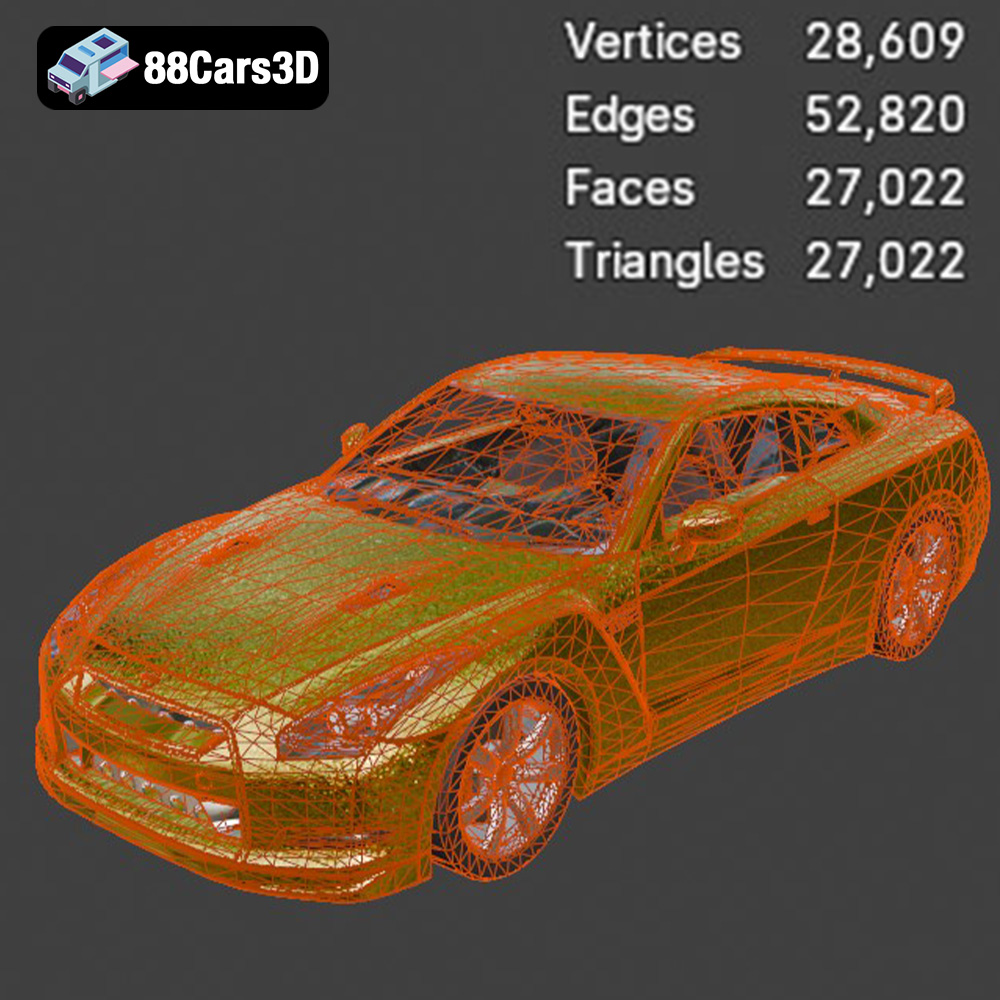
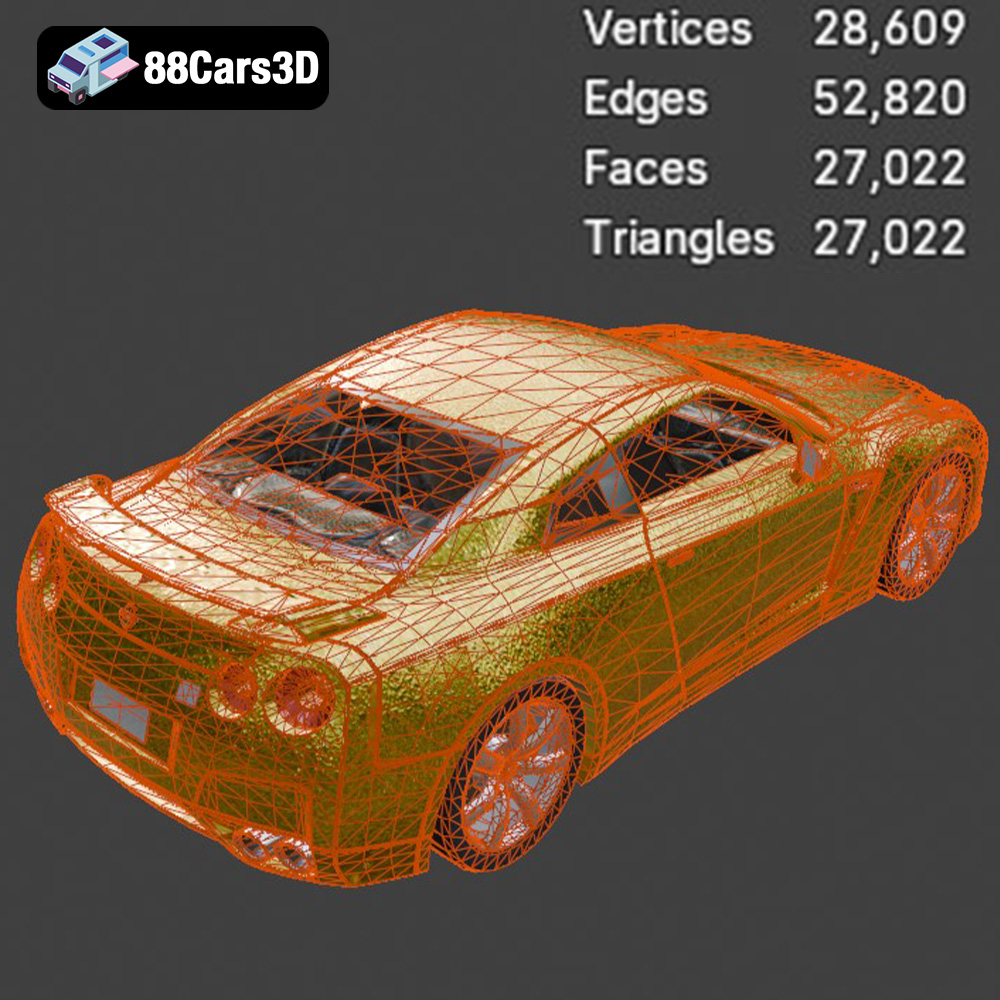
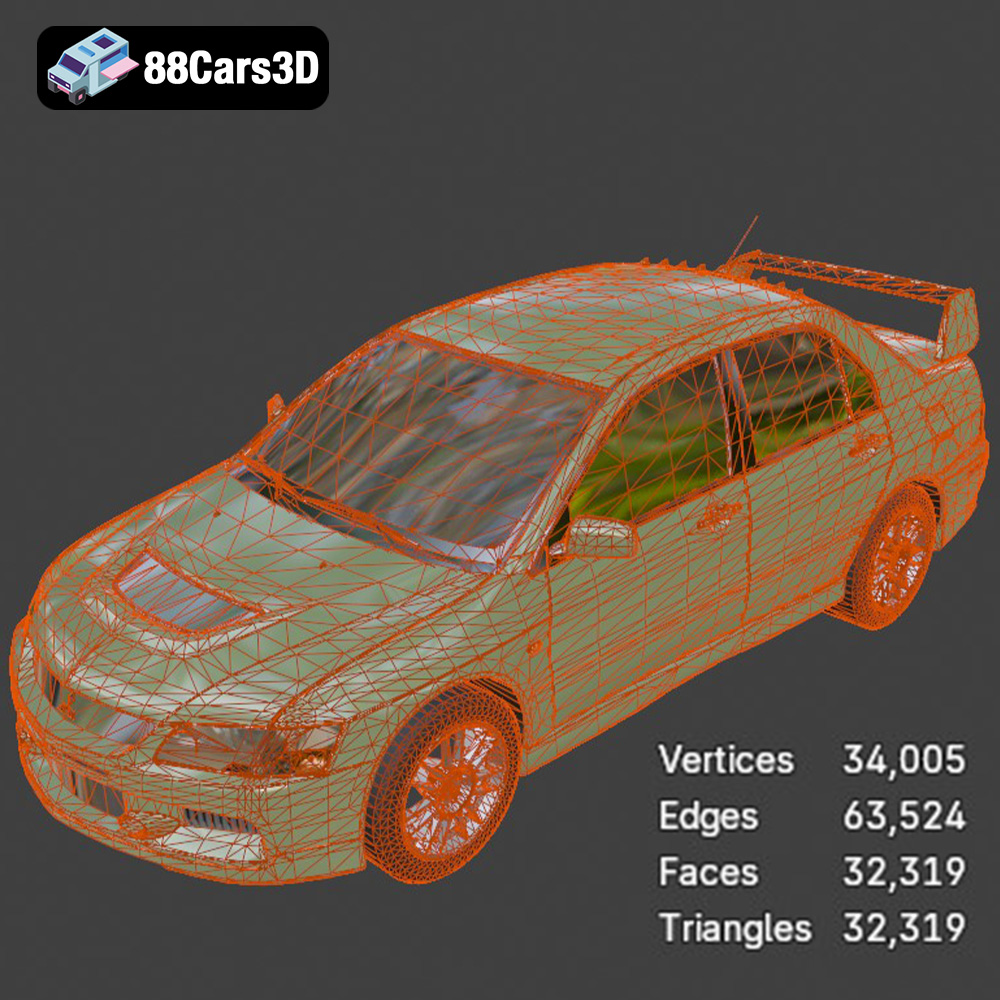
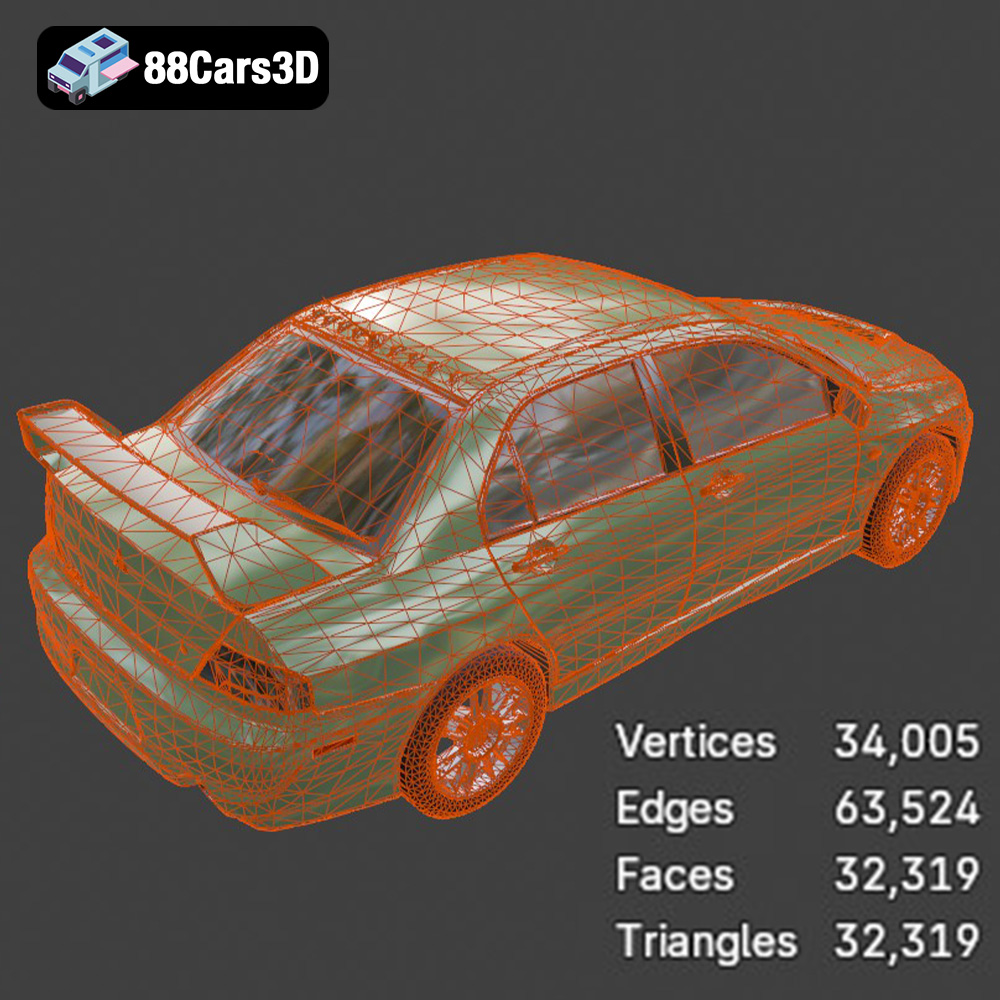
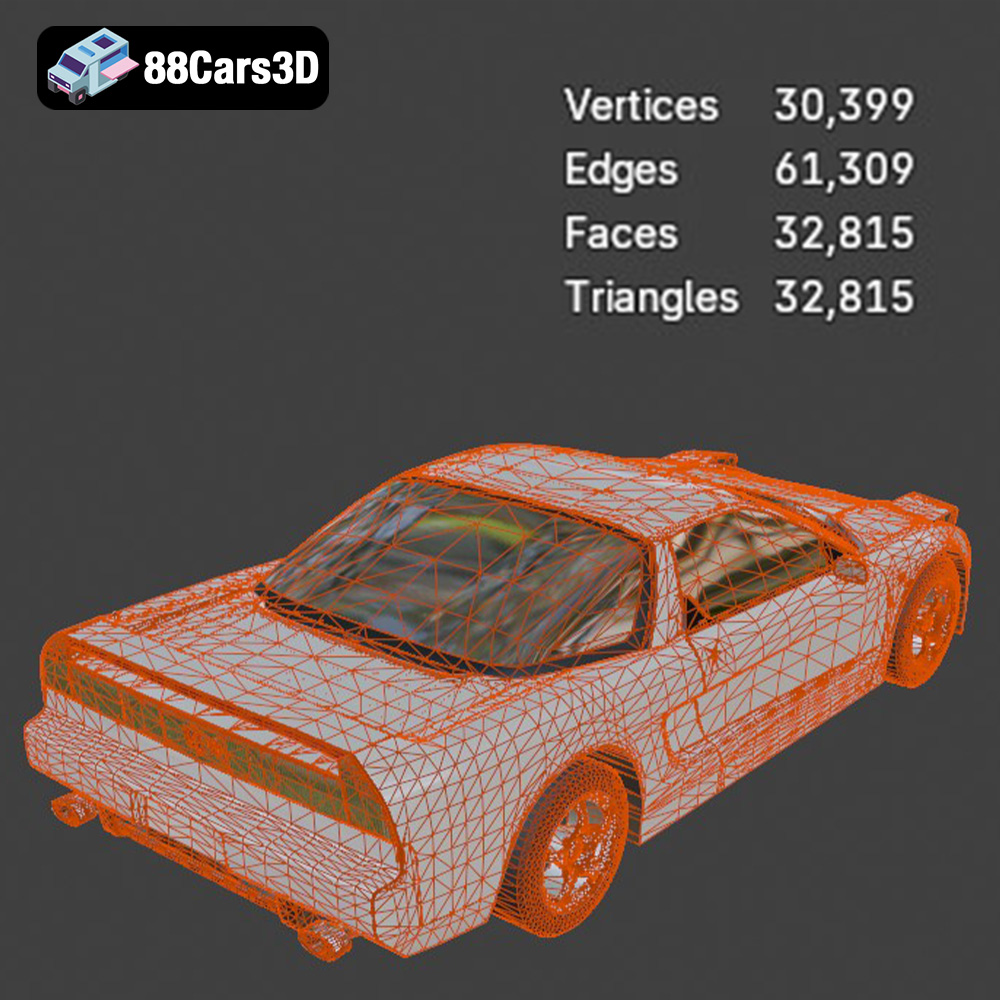
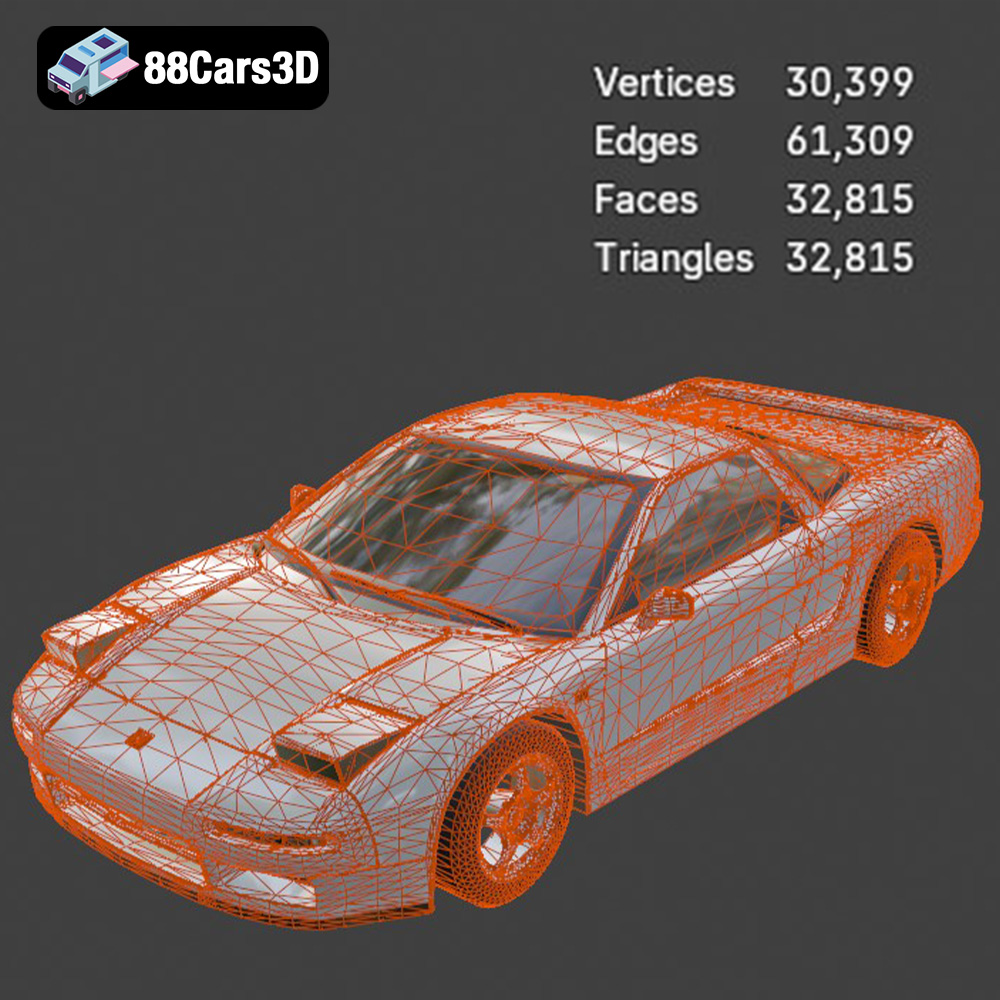
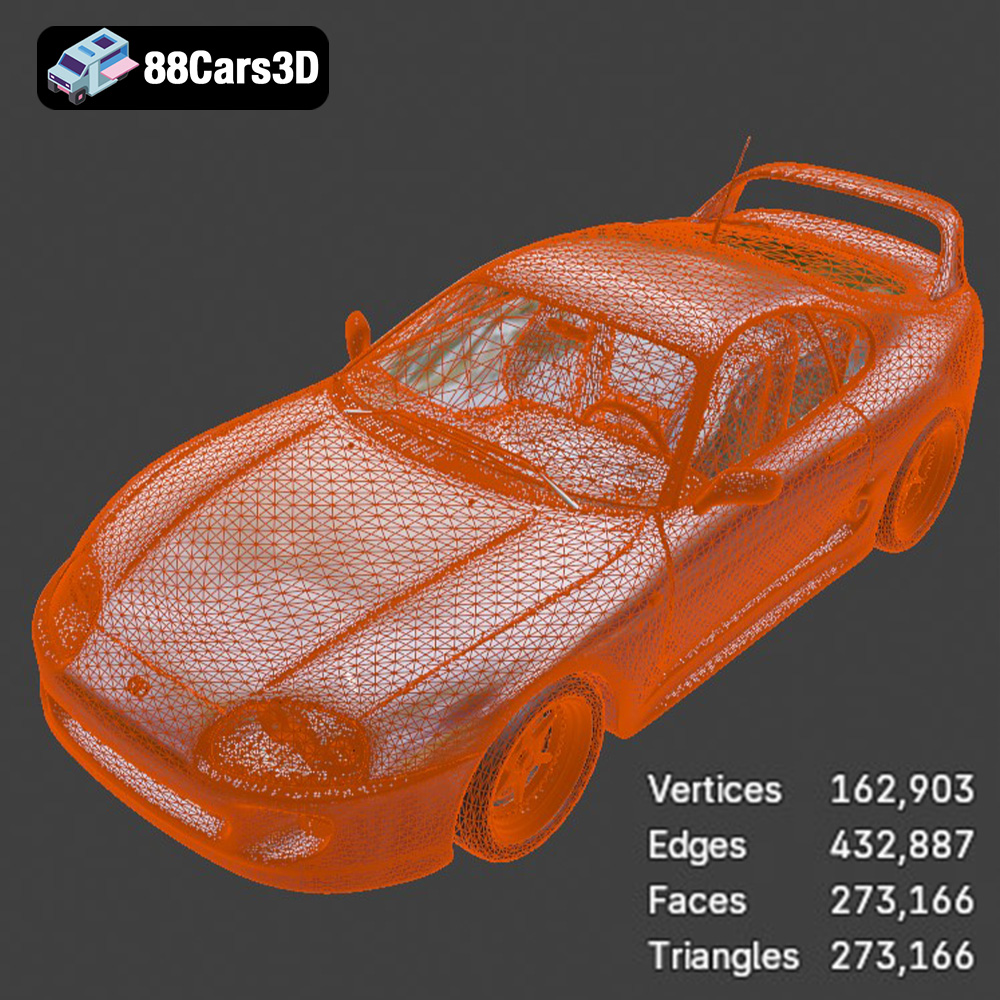
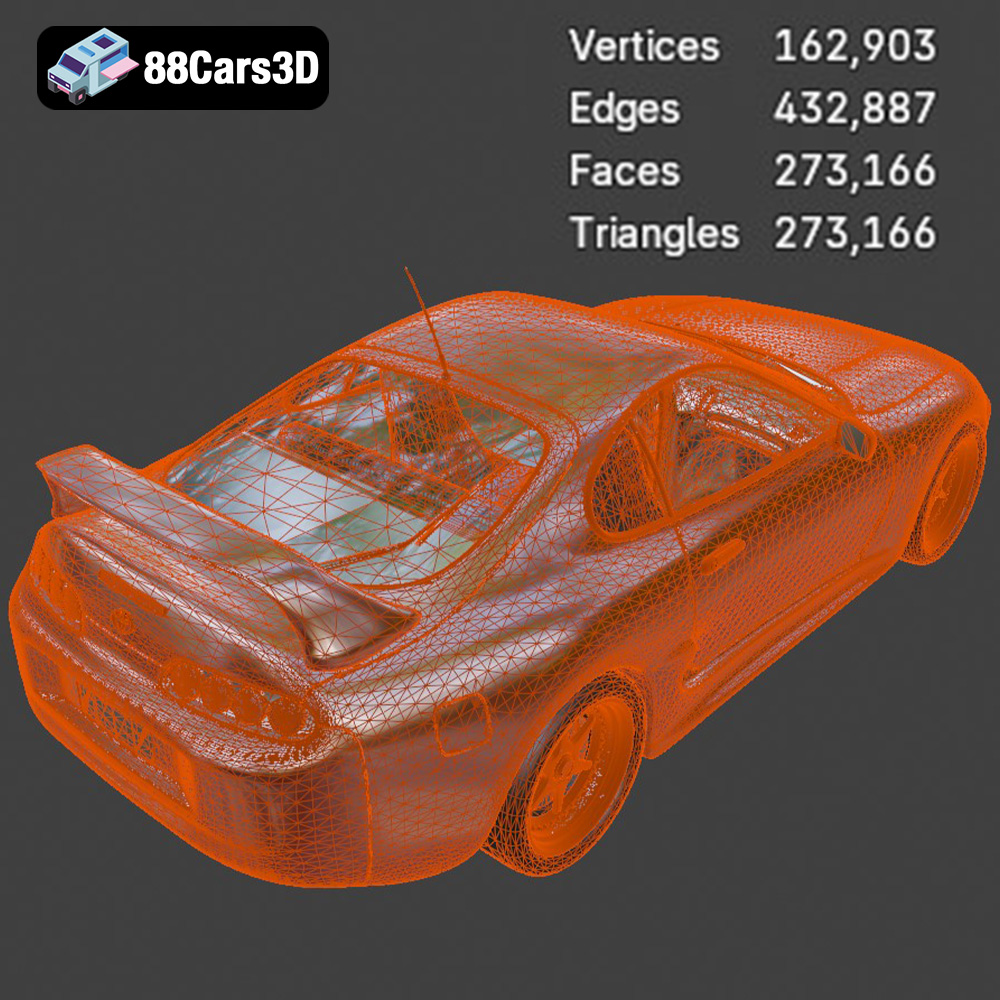
The phrase “optimized topology” is not just a buzzword; it’s a promise of clean, quad-heavy geometry. This is critical for two reasons: firstly, it ensures smooth subdivision, which is vital for creating high-resolution renders without unsightly pinching or distortions. Secondly, it provides an excellent base for UV unwrapping, making texture application (especially PBR textures for realistic materials) straightforward and efficient. While specific poly counts aren’t listed, the promise of “crisp reflections in automotive paint materials without crashing your render engine” suggests a well-balanced mesh suitable for both high-end cinematic quality and efficient game development. The “100% Real-world scale accuracy” ensures that shadows, lighting, and environmental interactions behave predictably, essential for consistent results across different platforms and renderers.
JDM culture is synonymous with customization and tuning. The bundle embraces this with “tuning ready” geometry. This means the models are structured to allow 3D artists to easily modify them. Want to add a custom widebody kit to the GT-R? Or perhaps massive aftermarket spoilers and unique rims to the Evo? The clean base meshes and separated parts provide an ideal foundation for such modifications. This flexibility is invaluable for creators building a car customization game, developing personalized renders, or experimenting with unique stylistic interpretations. The ability to seamlessly integrate custom parts without extensive remodeling makes these models incredibly versatile.
The versatility of the Japanese Legends bundle extends beyond digital screens, venturing into the tactile world of 3D printing. For enthusiasts and model makers, converting these digital assets into physical collectibles opens up an entirely new dimension of appreciation.
The inclusion of the .stl format, specifically optimized for 3D printing, transforms these high-quality 3D car models into blueprints for physical replicas. Imagine holding a perfectly scaled model of the iconic Mazda RX-7 or the modern Toyota Supra 2020 in your hands. This allows JDM fans to create bespoke scale models, desk ornaments, or even prototypes for custom parts. The manifold geometry of these models ensures they are watertight and ready for slicing, minimizing potential printing errors and maximizing detail retention. It’s a bridge between the virtual garage and the real-world display cabinet.
To achieve the best results when 3D printing these intricate JDM cars, specific techniques are recommended. The bundle suggests a recommended scale of 1:24, which aligns with standard Japanese model car kits, allowing for integration with existing collections or aftermarket parts. For optimal detail, especially for intricate elements like headlights and body lines, “Resin printing is strictly recommended” with a layer height of 0.04–0.05 mm. This fine layer height dramatically reduces visible layer lines, resulting in a smoother finish. Proper “orientation” is also crucial, with bodies often printed at a 45-degree angle to minimize support marks on visible surfaces and ensure clean finishes for subsequent painting and post-processing. Strategic use of supports for delicate areas like side mirrors and spoilers, followed by careful post-processing (sanding, priming, and painting), will yield museum-quality scale models that truly capture the spirit of these Japanese legends.
In the fast-paced world of 3D production, time is a precious commodity. The Japanese Legends: JDM Street Racing 3D Models Bundle represents not just a collection of assets, but a significant investment in efficiency and quality for any creator.
Instead of scouring various marketplaces for individual models, risking inconsistent quality or incompatible file structures, 88cars3d.com offers a curated bundle of five highly sought-after JDM legends. This ensures a uniform level of quality, consistent technical specifications, and a comprehensive selection of file formats (.blend, .fbx, .obj, .glb, .stl, .max) ready for any professional pipeline. This cohesiveness is invaluable for projects requiring multiple vehicles that look and feel like they belong together, such as a racing game roster or a series of renders.
Acquiring these five iconic models individually would entail a significantly higher cost. The bundle provides an “irresistible opportunity” to own them at a massive discount, making it a smart financial decision for studios and individual artists alike. This isn’t merely about saving money; it’s about investing in a foundational set of assets that will serve countless projects across game development, automotive rendering, VFX, and even 3D printing. The versatility and technical excellence of these 3D car models mean they will remain relevant and valuable in your creative arsenal for years to come, consistently delivering professional-grade results.
The allure of JDM street racing cars is undeniable, a potent blend of engineering prowess, cultural significance, and raw visual appeal. For anyone looking to tap into this rich automotive legacy within the 3D space, the quality and versatility of their assets are paramount. The Japanese Legends: JDM Street Racing 3D Models Bundle provides an unparalleled solution, offering five meticulously crafted, game-ready, and render-optimized 3D car models of legendary status.
From the precise, quad-heavy topology that ensures breathtaking photorealistic renders to the thoughtfully separated parts and accurate pivot points vital for real-time game engines, this bundle is engineered for professional performance. The comprehensive range of included file formats – from .blend and .max for native software flexibility, to .fbx for universal exchange, .obj for broad compatibility, .glb for web and XR, and .stl for tangible 3D prints – guarantees seamless integration into virtually any workflow imaginable. Whether you’re animating a high-octane chase, designing a custom car game, or crafting a hyper-realistic studio shot, these JDM models deliver the authenticity and technical robustness required.
As a curated offering from 88cars3d.com, this bundle represents not just a collection of stunning vehicles but a strategic investment in efficiency and creative potential. It empowers artists and developers to bypass the arduous process of building complex car models from scratch, allowing them to focus their energy on innovation and storytelling. Elevate your projects and bring the legends of JDM street racing to life with this exceptional collection.
The Japanese Legends: JDM Street Racing 3D Models Bundle is the ultimate digital garage for automotive artists, game developers, and drifting enthusiasts. Japanese Domestic Market (JDM) cars have created a massive, devoted culture worldwide. Whether you are creating an underground street racing game, a neon-lit Tokyo cinematic animation, or custom tuning renders, this pack gives you the most iconic Japanese sports cars ever built. Instead of acquiring these highly sought-after tuner cars individually (Total Value: €282.95), this 5-in-1 bundle gives you an irresistible opportunity to own five absolute legends of the street racing scene at a massive discount.
$129.99
car-bundle
game-ready-cars
honda-nsx
jdm-3d-model
lancer-evo
mazda-rx7
nissan-gtr-3d
street-racing-cars
tokyo-drift
toyota-supra-3d
tuning-cars