In the competitive world of 3D visualization, where photorealism is the ultimate goal, the quality of your 3D car renders can make or break a project. While a meticulously crafted 3D car model with clean topology, accurate UV mapping, and realistic PBR materials forms the foundation, it is the lighting that truly breathes life into your scene. Imagine a beautifully sculpted luxury vehicle; without proper studio lighting, it might look flat, unappealing, and fail to convey its intricate design and material richness. This comprehensive guide will take you on a deep dive into the art and science of setting up professional studio lighting for automotive renders within 3ds Max, empowering you to create stunning, magazine-quality visuals. We’ll explore everything from fundamental lighting principles and essential 3ds Max tools to advanced techniques, optimization strategies, and real-world applications, ensuring your automotive rendering projects stand out.
The Art and Science of Automotive Studio Lighting
Effective studio lighting for 3D car models is a delicate balance between technical precision and artistic vision. It’s not just about illuminating the vehicle; it’s about shaping its form, highlighting its curves, revealing material properties, and evoking a desired mood. A well-lit car render should guide the viewer’s eye, emphasize key design elements, and make the vehicle feel tangible and desirable. Understanding the fundamental qualities of light is the first step towards mastering this craft.
Understanding Light Qualities: Direction, Intensity, Color, Softness
- Direction: The angle from which light strikes the car dramatically impacts how its form is perceived. Frontal lighting can flatten details, while side lighting emphasizes contours and creates dramatic shadows. Backlighting can create beautiful rim lights, separating the car from the background.
- Intensity: This refers to the brightness of the light. Proper intensity ensures that areas are neither blown out (overexposed) nor lost in darkness (underexposed). It’s crucial for establishing contrast and realism.
- Color: Light isn’t just white; it has color temperature. Warm lights (yellow, orange) evoke coziness or sunset, while cool lights (blue) suggest daylight, sterile environments, or nighttime. Subtle color variations can greatly enhance mood and realism, mimicking real-world studio conditions where different light sources might have slightly varying color temperatures.
- Softness/Hardness: The size of a light source relative to the subject determines the sharpness of its shadows and the quality of its reflections. Small light sources create hard, crisp shadows and sharp, distinct reflections. Large light sources (like a softbox or a large studio window) produce soft, diffused shadows and broader, smoother reflections, which are often highly desirable for capturing the elegant curves of an automobile. This is often achieved using area lights or diffusion panels in 3D.
Classic Studio Setups for Vehicles: Infinite White, Black Void, Reflective Floor
Several tried-and-true studio lighting setups form the backbone of professional automotive rendering:
- Infinite White Studio: This classic setup utilizes a seamless white cyclorama (a curved background) and often multiple large, soft lights to create an evenly lit, high-key render with minimal harsh shadows. It’s excellent for showcasing the car’s design without distractions, making it perfect for product shots and configurators. The goal is often pure white reflections and a sense of cleanliness.
- Black Void Studio: In contrast, the black void uses dark or black surroundings to absorb light, emphasizing reflections and creating a dramatic, high-contrast look. This setup often relies heavily on subtle rim lighting and specific highlights to define the car’s form against the darkness. It’s ideal for conveying luxury, power, or mystery.
- Reflective Floor Studio: Many automotive renders feature a glossy, reflective floor that mirrors the car and its lighting. This adds depth, elegance, and grounds the vehicle within the scene. Careful placement of lights is needed to ensure reflections are appealing and don’t introduce distracting elements. Often, subtle lighting panels below the car can enhance this effect, making the reflections more dynamic.
Each setup requires a tailored approach to light placement and intensity, and understanding their inherent qualities will enable you to choose the perfect environment to highlight your 3D car model, whether sourced from a marketplace like 88cars3d.com or custom-built.
Mastering 3ds Max Lighting Tools
3ds Max offers a robust suite of lighting tools, especially when coupled with powerful renderers like V-Ray or Corona Renderer. Harnessing these tools effectively is paramount for achieving professional automotive renders. The choice of light type often depends on the desired effect, realism, and rendering engine being used.
Photometric Lights: Precision and Realism
Built into 3ds Max, Photometric Lights are designed to simulate real-world light fixtures with physical accuracy. They use industry-standard IES (Illuminating Engineering Society) photometric web files to describe the distribution and intensity of light emitted from a source. This is incredibly powerful for recreating the exact behavior of specific studio lights, spotlights, or architectural fixtures.
- Target Light: Offers precise control over the light’s direction and target. Great for spotlights and focused illumination.
- Free Light: Emits light in a specified direction but without a target. Useful when you need to position lights freely without locking them onto a specific point.
- Web Files (.ies): The magic of Photometric Lights lies in their ability to load IES files. These files contain data about how a real-world light fixture distributes its light. By loading an appropriate IES file, you can accurately simulate the light falloff, intensity, and shape of a professional studio PAR can or softbox, adding a layer of authenticity to your scene that generic lights often miss. Websites like IES Library offer vast collections of these files.
Using photometric lights requires a physically accurate renderer to interpret their data correctly, ensuring realistic light decay and intensity based on real-world measurements.
V-Ray and Corona Lights: Planars, Spheres, Mesh Lights, and Dome Lights
When working with industry-standard renderers like V-Ray or Corona, their native light sources offer unparalleled flexibility and integration for automotive rendering.
- V-Ray/Corona Plane Lights: These are the workhorses of studio lighting. A planar light simulates a rectangular or square light panel, perfect for creating softboxes, strip lights, or large windows. Adjusting their size, intensity, and color temperature allows for precise control over reflections and shadow softness on the car’s surface. Larger plane lights produce softer shadows and broader reflections, ideal for car paint.
- V-Ray/Corona Sphere Lights: Emit light uniformly in all directions from a spherical shape. Useful for omnidirectional light sources or subtle fill lighting.
- V-Ray/Corona Mesh Lights: This powerful feature allows you to turn any 3D mesh object into a light source. This is incredibly versatile for custom light shapes, light-emitting objects within the scene, or even turning existing studio equipment models into actual lights. Imagine a glowing sign or a complex light fixture acting as a light source.
- V-Ray/Corona Dome Lights: Essential for HDRI-based lighting. A Dome Light wraps an HDRI (High Dynamic Range Image) around your scene, using the image’s lighting information to illuminate the entire environment. This creates incredibly realistic global illumination, natural reflections, and nuanced shadows, mimicking real-world photographic studios or outdoor environments.
Both V-Ray and Corona offer similar functionalities, with subtle differences in their parameters and rendering approach. Familiarity with your chosen renderer’s specific light types and their settings (e.g., intensity units, color temperature, sampling) is crucial for efficient and high-quality results.
HDRI Environments: Global Illumination and Reflections
High Dynamic Range Images (HDRIs) are indispensable for realistic automotive rendering. An HDRI is a 360-degree panoramic image that captures a full range of light intensities, from the brightest highlights to the deepest shadows. When used with a Dome Light in V-Ray or Corona, it provides:
- Global Illumination: The HDRI accurately illuminates the scene with light from all directions, producing natural ambient lighting, subtle color bounces, and realistic shadow gradients.
- Reflections: Crucially for car models, HDRIs provide incredibly realistic reflections on glossy surfaces like car paint, chrome, and glass. The reflections accurately capture the environment’s details, adding immense depth and realism. A good HDRI can instantly elevate a flat render into a convincing photograph.
When selecting an HDRI, consider its dynamic range, resolution, and the lighting scenario it represents. Studio HDRIs, often captured in professional car photography studios, are excellent for creating a controlled, high-end look, while outdoor HDRIs provide realistic environmental lighting for scenes set in nature or urban settings. Combining HDRIs with planar lights for specific highlights and shadow control offers the best of both worlds.
A Step-by-Step Workflow for Stunning Car Renders
Creating a compelling car render involves more than just throwing lights into a scene. It requires a methodical, step-by-step approach that builds realism and visual appeal. This workflow focuses on practical application within 3ds Max, aiming for a professional studio look.
Scene Preparation: Camera, Car Model, and Environment Setup
- Import Your 3D Car Model: Start by importing your high-quality 3D car model. Ensure it has clean topology, proper UV mapping, and well-defined PBR materials. Models from platforms like 88cars3d.com are typically optimized for this stage. Scale the model correctly to real-world units (e.g., centimeters or meters) within 3ds Max.
- Camera Placement: This is arguably as important as lighting. A good camera angle enhances the car’s form and tells a story. Experiment with different focal lengths (often 85mm-135mm for automotive photography, mimicking telephoto lenses) and angles. Use a “Target Camera” for easy aiming and adjust the “Field of View” for perspective control. Consider the rule of thirds or other compositional guidelines.
- Basic Environment Setup: For studio renders, create a simple ground plane and a seamless backdrop (a cyclorama) using a curved plane or a simple “Box” primitive with softened edges. Apply a neutral grey or white material to these elements initially. This provides surfaces for light to interact with and for shadows to fall upon.
- Initial Render Settings: Set up your chosen renderer (V-Ray or Corona) with basic, fast-preview settings. This allows for quick iterations as you adjust lighting without waiting for long render times.
The Three-Point Lighting Principle Applied to Cars: Key, Fill, Rim
The classic three-point lighting system is a fundamental principle that applies beautifully to automotive rendering:
- Key Light: This is your primary light source, typically the brightest and most dominant. For cars, a large planar light (V-Ray Plane Light or Corona Light) positioned slightly to the front-side of the car and above it (e.g., 45 degrees to the side and 30-45 degrees above) works well. Its purpose is to define the car’s main form, establish the primary reflections, and cast the main shadows. Adjust its size for desired shadow softness.
- Fill Light: Placed opposite the key light, the fill light is softer and less intense. Its role is to soften the shadows cast by the key light, reveal details in darker areas, and reduce contrast without eliminating shadows entirely. Often, a large planar light with lower intensity or a diffuse HDRI serves as an excellent fill.
- Rim/Back Light: Positioned behind or to the side of the car, this light creates a bright outline along the edges of the vehicle, separating it from the background and enhancing its silhouette. Rim lights are crucial for making the car pop and adding visual depth, especially in darker studio setups. Using a strip light or a narrow planar light can create elegant highlights along the car’s contours.
Experiment with intensity ratios. A common starting point is a key light 2-3 times brighter than the fill light. The rim light’s intensity depends on how pronounced you want the highlight to be.
Crafting Reflective Surfaces: Enhancing Car Paint and Chrome
The magic of a car render lies in its reflections. Car paint and chrome are highly reflective surfaces that mirror their environment, including your light sources. Thoughtful light placement directly impacts the quality of these reflections:
- Large, Soft Light Sources: For car paint, utilize large planar lights. These will create broad, smooth, and aesthetically pleasing reflections (often called “light streaks” or “highlights”) that gracefully curve along the car’s body panels, emphasizing its design. Multiple large softboxes are common in real-world automotive photography for this reason.
- Strategic Light Placement for Highlights: Position your planar lights to create intentional highlights that follow the car’s creases and curves. Observe how light interacts with real car surfaces and try to replicate those patterns. Move lights around and render frequently to see their impact.
- Reflective Floor: If using a reflective floor, ensure your primary lights also contribute to its illumination, creating realistic reflections of the car itself and the surrounding lights. Sometimes, a dedicated subtle light below the car can brighten floor reflections without directly affecting the car’s main body.
- Controlling Specular vs. Diffuse: Remember that PBR materials define how light interacts. Ensure your car paint PBR materials have appropriate roughness/glossiness maps and metallic values to achieve convincing specular reflections and accurate color representation under different lighting.
The goal is to sculpt the car’s form using light, making its surfaces appear rich, smooth, and highly detailed through their interaction with light sources.
Advanced Techniques for Visual Storytelling
Once you’ve mastered the fundamentals, advanced lighting techniques allow you to inject personality, drama, and a unique artistic vision into your automotive rendering projects. These methods go beyond mere illumination, turning light into a storytelling element.
GoBos and Light Gels: Adding Texture and Mood
GoBos (Goes Before Optics) and light gels are powerful tools for creating specific lighting patterns and color effects, simulating real-world theatrical and photographic techniques:
- GoBos: In 3D, a GoBo is essentially a texture map applied to a light source to project a pattern onto surfaces. Imagine projecting window blinds, tree shadows, or a custom logo onto the ground or background around your car. This can add immense visual interest, suggest a specific environment, or even subtly reinforce branding. You can use a bitmap texture in the “Projection” slot of many light types (e.g., V-Ray Light, Corona Light) to achieve this. High-contrast black and white images work best for sharp patterns, while grayscale images can create softer, more diffused projections.
- Light Gels: Gels are colored filters used in real life to change the color of a light beam. In 3ds Max, you can change the color of your light sources directly (using temperature or RGB values) or, more subtly, by applying a colored texture map to the light. This allows for fine-tuned color grading of specific lights, enabling you to introduce warm sunbeams, cool moonlight, or dramatic accent colors that enhance the car’s appeal or integrate it into a specific scene’s mood.
Careful application of GoBos and gels can transform a generic studio render into a scene brimming with atmosphere and narrative.
Volumetric Lighting: Atmosphere and Drama
Volumetric lighting, also known as “god rays” or “light shafts,” is an effect where light beams become visible as they pass through atmospheric particles like dust, fog, or smoke. This adds a dramatic and cinematic quality to renders, especially effective in slightly darker or moodier studio setups.
- Implementing Volumetric Effects: In 3ds Max, volumetric lighting is typically achieved through environment settings in your renderer. In V-Ray, you might use “V-Ray Environment Fog” or “V-Ray Aerial Perspective.” In Corona, “Corona Volume Mtl” applied to the environment or a specific volume object can create realistic atmospheric scattering.
- Key Considerations: For realistic volumetric effects, ensure your light sources have appropriate intensity and direction. A strong, focused light beam cutting through a subtle fog can create stunning visuals. Be mindful of render times, as volumetric effects can be computationally intensive. Use them subtly for atmosphere, rather than overpowering the subject. They are excellent for suggesting motion or an ethereal quality around a 3D car model.
Interacting with PBR Materials and Shader Networks
The realism of your lighting is intrinsically linked to the quality and setup of your PBR materials. Physically Based Rendering (PBR) materials simulate how light interacts with surfaces in the real world, based on properties like albedo, roughness, metallic, and normal maps. For professional automotive rendering, understanding PBR is non-negotiable.
- Accurate Material Properties: Ensure your car paint, glass, chrome, and tire materials are accurately set up with PBR workflows. This means using realistic values for roughness (or glossiness), metallic, and IOR (Index of Refraction) for transparent materials. Incorrect PBR values will break the realism regardless of how good your lighting is.
- Shader Networks: Advanced car materials, especially complex car paints with clear coats, flakes, and pearlescent effects, often involve intricate shader networks. These networks layer different material properties and textures to achieve specific visual responses to light. Understanding how light passes through layers (e.g., clear coat over a metallic base) is key.
- Impact of Lighting: PBR materials react predictably to light. A rough surface will scatter light more diffusely, while a smooth, metallic surface will have sharp, mirror-like reflections. Your lighting setup should be designed to showcase these material properties effectively. For instance, broad, soft lights enhance the smoothness of car paint, while crisp highlights can define the metallic flakes within it. For deeper dives into PBR material principles and how they interact with lighting across different software, the Blender 4.4 documentation offers excellent general explanations on shader nodes and material properties that are universally applicable to PBR workflows.
The synergy between precise lighting and meticulously crafted PBR materials is what elevates a render from good to outstanding. Always review how your materials look under your proposed lighting, making adjustments to both as needed.
Optimization and Post-Processing for Professional Results
Achieving a stunning car render isn’t just about good lighting and materials; it also involves optimizing your render settings for efficiency and quality, followed by careful post-processing to refine the final image. These steps bridge the gap between a raw render and a polished, production-ready visual.
Efficient Render Settings in V-Ray/Corona
Render settings can significantly impact both the quality of your output and the time it takes to achieve it. Balancing these two aspects is crucial for production workflows.
- Sampling and Noise Threshold: In V-Ray, adjust the “Image Sampler” (e.g., Progressive) and “Noise Threshold.” Lowering the noise threshold produces a cleaner image but increases render time. Find a balance that meets your quality requirements without excessive rendering. Corona Renderer also uses a noise threshold, often combined with a render time limit.
- Light Subdivisions/Samples: For individual lights, increasing their subdivisions (V-Ray) or samples (Corona) reduces noise generated by that specific light source, particularly in shadows. However, higher values increase render time. Only increase for lights that are major contributors to noise.
- Global Illumination (GI) Settings: For realistic lighting, GI engines like Irradiance Map/Light Cache (V-Ray) or Path Tracing/Photon Map (Corona) are essential. Adjusting their settings (e.g., “Hemisphere Subdivisions” for Irradiance Map, “Sample Count” for Light Cache) can control GI quality and speed. For studio setups, often a relatively high-quality Light Cache combined with Brute Force GI (V-Ray) or Path Tracing (Corona) provides excellent results.
- Raytracing Depths: Parameters like “Max Ray Depth,” “Max Reflection Depth,” and “Max Refraction Depth” control how many times light rays can bounce or pass through transparent objects. For complex scenes with many reflective and refractive surfaces (like a car with multiple glass layers), these values might need to be increased, but higher values also increase render time.
Always start with lower settings for test renders and gradually increase them for the final output. Understand what each setting does and its impact on your specific scene.
Light Linking, Exclusion, and Render Layers
For fine-tuned control over your lighting, 3ds Max and renderers like V-Ray/Corona offer advanced options:
- Light Linking: This allows you to specify which lights illuminate which objects. For instance, you might want a specific rim light to only affect the car body and not the floor, or a fill light to only illuminate the interior. This prevents unwanted lighting effects and gives you precise control over highlights and shadows on individual components of your 3D car models.
- Light Exclusion: The inverse of light linking, exclusion allows you to prevent a light from illuminating specific objects. This is useful for preventing lights from “bleeding” onto elements where they’re not desired or for isolating a light’s effect to a narrow area.
- Render Layers/Elements: Professional automotive rendering often utilizes render layers or elements. These are separate passes rendered alongside your beauty pass, containing specific information like reflections, refractions, direct light, indirect light, ambient occlusion, z-depth, and more.
- Benefits: Render layers provide immense flexibility in post-production. You can adjust the intensity of reflections, change the color of direct lighting, or enhance ambient occlusion in a 2D image editing software without re-rendering the entire scene. This is a non-destructive workflow that saves significant time and allows for creative experimentation.
- Common Passes: For cars, essential passes include: Reflection Pass, Specular Pass, Diffuse Pass, Z-Depth Pass (for depth of field), ID Pass (for easy selection of different car parts), and Alpha Pass.
The Power of Post-Processing: Exposure, Color Grading, and Glare
Post-processing is the final crucial step, where you polish your raw render into a masterpiece. Most of this work is done in image editing software like Adobe Photoshop or dedicated compositing tools.
- Exposure and Contrast: Even with perfect lighting, renders can sometimes benefit from slight adjustments to overall exposure and contrast to make them “pop.” Use non-destructive adjustment layers.
- Color Grading: This involves adjusting the color balance, saturation, and overall mood of the image. Use color lookup tables (LUTs), curves, and color balance tools to give your render a cinematic feel, match a brand’s aesthetic, or enhance the existing lighting scheme.
- Glare and Bloom: These effects simulate lens phenomena, adding bright halos around intense light sources (bloom) and star-shaped flares (glare). They can significantly enhance realism and visual appeal, especially on chrome and highly reflective surfaces. Many renderers have built-in post-effects for this, but more control is often found in compositing.
- Vignetting and Chromatic Aberration: Subtle vignetting (darkening of image corners) can draw attention to the car, and a hint of chromatic aberration (color fringing at high-contrast edges) can add to the photographic realism, mimicking real camera lenses.
Always work non-destructively, using adjustment layers and smart objects, and save your original render passes. Post-processing can often correct minor lighting issues or enhance subtle details without the need for time-consuming re-renders.
Beyond Still Renders: Versatile Applications and Best Practices
The principles of studio lighting for 3D car models extend far beyond static images. Understanding how to adapt your lighting for various mediums and adhering to industry best practices will make you a more versatile and in-demand 3D artist. The skills honed in 3ds Max are highly transferable across different visualization disciplines.
From Print Ads to AR/VR: Adapting Lighting for Different Mediums
- Print & Web Advertising: High-resolution, meticulously lit renders are paramount. Focus on perfect reflections, sharp details, and brand-consistent color grading. The lighting often needs to be clear and bright to showcase the car’s design unambiguously.
- Interactive Configurators: For real-time applications, lighting often needs to be baked into textures (lightmaps) to ensure fast loading and smooth performance. While dynamic lighting is possible, baked lighting provides consistent quality across various user systems. Consider light probes for global illumination contributions.
- AR/VR Experiences: This is perhaps the most challenging. Lighting in AR/VR needs to be highly optimized. Techniques like Baked Global Illumination (BGI), Light Probes, and efficient light sources are critical. Often, hybrid approaches combining baked static lights with a few dynamic lights for user interaction are employed. The goal is to maintain realism and performance, often using simpler light setups or leveraging the device’s real-world lighting capabilities in AR.
- Game Asset Development: For game assets, the focus shifts heavily towards optimization. This involves creating various Levels of Detail (LODs) for your car model, optimizing topology and UV mapping, and extensively using baked lighting. Real-time lights are used sparingly due to performance impact. The lighting setup needs to complement the game engine’s PBR workflow (e.g., Unity’s HDRP/URP or Unreal Engine’s Physically Based Shading).
Each medium imposes different technical constraints and demands specific lighting strategies. Your ability to adapt your studio lighting knowledge to these varied contexts makes your 3D car models and visualizations incredibly versatile.
Common Pitfalls and Troubleshooting Your Lighting Setups
Even seasoned professionals encounter lighting challenges. Knowing how to identify and resolve common issues can save you hours of frustration:
- Flat, Undefined Form: Often caused by too much frontal lighting or insufficient contrast between key and fill lights. Try moving your key light to the side, reducing fill light intensity, or adding rim lights.
- Lack of Depth: If the car appears to float in space, check your shadow quality. Soft, subtly diffused shadows that transition gradually are often more realistic than hard, crisp ones. Also, ensure your reflective floor is working as intended, grounding the car.
- Muddy or Overexposed Reflections: This can be due to overly bright light sources, too many reflective surfaces, or incorrect material roughness values. Adjust light intensities, soften light sources, or refine your PBR materials.
- Noisy Renders: The most common issue with raytraced renderers. Increase light subdivisions/samples, global illumination settings, or render time/noise threshold in your renderer settings. Check for very small, intense light sources, which can be noise generators.
- Unnatural Color Shifts: Ensure your light colors (temperature) are consistent with the intended mood. Check for unintended color bounces from highly saturated objects in the scene.
Always work iteratively, making small adjustments and rendering often. Use the “Region Render” feature in 3ds Max to quickly preview changes to specific areas of your image without rendering the entire frame.
Leveraging High-Quality 3D Car Models
A fundamental truth in 3D rendering is that garbage in equals garbage out. No matter how brilliant your lighting setup, it cannot fully compensate for a poorly made 3D car model. High-quality models provide:
- Clean Topology: Essential for smooth reflections and accurate deformation, especially important for capturing the subtle curves of a car’s body panels.
- Accurate UV Mapping: Allows for seamless texture application and precise placement of details like decals or carbon fiber patterns.
- Realistic PBR Materials: Pre-calibrated materials that correctly respond to light are a massive head start, allowing you to focus on the lighting itself.
When sourcing models for your projects, whether for visualization, game assets, or 3D printing preparation, prioritize quality. Platforms such as 88cars3d.com specialize in providing high-fidelity 3D car models that serve as an excellent foundation for any professional automotive rendering project. Starting with a solid model ensures that your lighting efforts are maximized, resulting in truly exceptional final images.
Conclusion
Mastering studio lighting for 3D car models in 3ds Max is a journey that combines technical understanding with artistic sensibility. From comprehending the fundamental qualities of light and the nuanced capabilities of 3ds Max’s lighting tools to executing a methodical workflow and refining your renders with post-processing, every step is crucial for achieving photorealistic and captivating automotive rendering. We’ve explored how to leverage Photometric Lights, V-Ray/Corona’s powerful offerings, and the magic of HDRIs to sculpt light and shadow, define form, and reveal the intricate details of a vehicle. We also delved into advanced techniques like GoBos and volumetric lighting, and stressed the critical interplay between lighting and PBR materials.
The ultimate goal is to move beyond simply illuminating a scene; it’s about using light to tell a story, evoke emotion, and make your visualization projects truly resonate. Remember that practice is key, and continuous experimentation with light placement, intensity, and color will refine your eye and elevate your results. By following these comprehensive guidelines, you are well-equipped to create breathtaking car renders that stand out in any professional portfolio. Continue to learn, observe real-world lighting, and never stop pushing the boundaries of what’s possible in 3D. The world of high-quality 3D car models, like those available on 88cars3d.com, truly comes alive under the expert hand of a skilled lighting artist.
Featured 3D Car Models
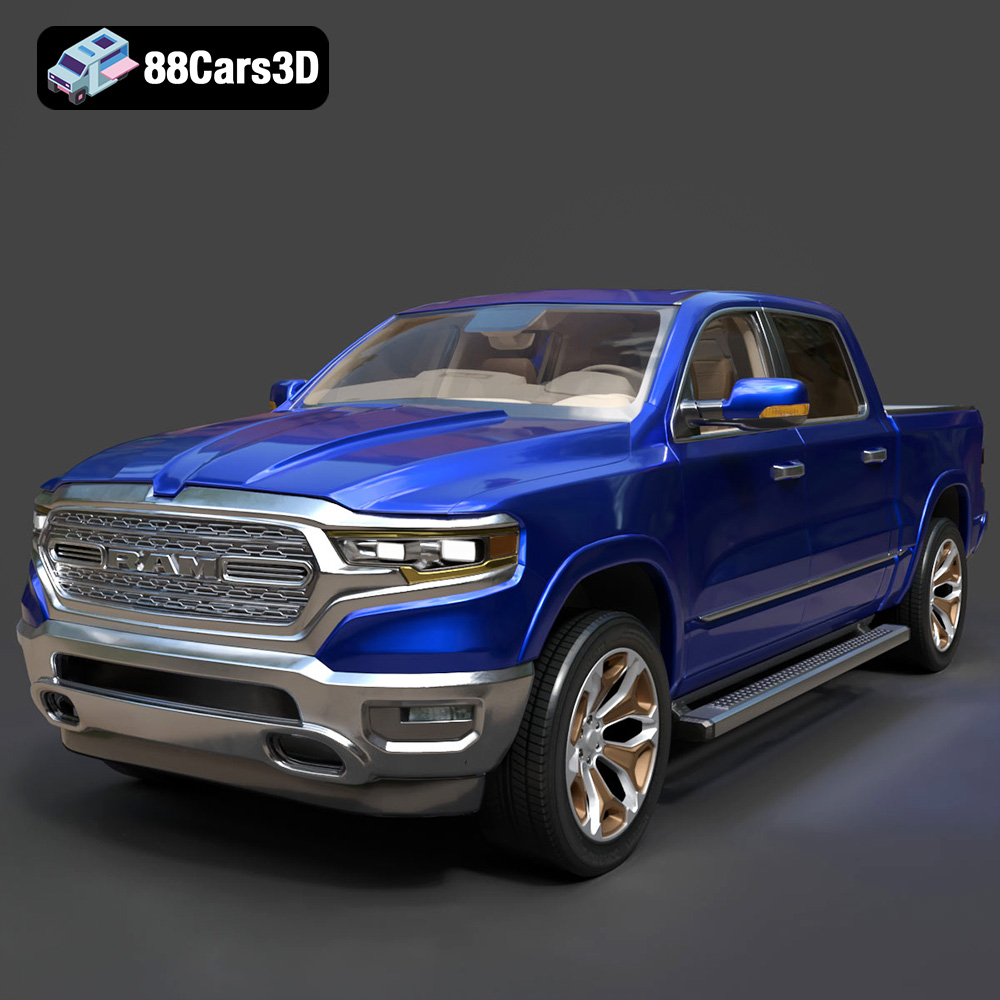
Texture: Yes
Material: Yes
Download the Dodge RAM 2019 3D Model featuring clean geometry, realistic detailing, and a fully modeled interior. Includes .blend, .fbx, .obj, .glb, .stl, .ply, .unreal, and .max formats for rendering, simulation, and game development.
Price: $19.99
View Product
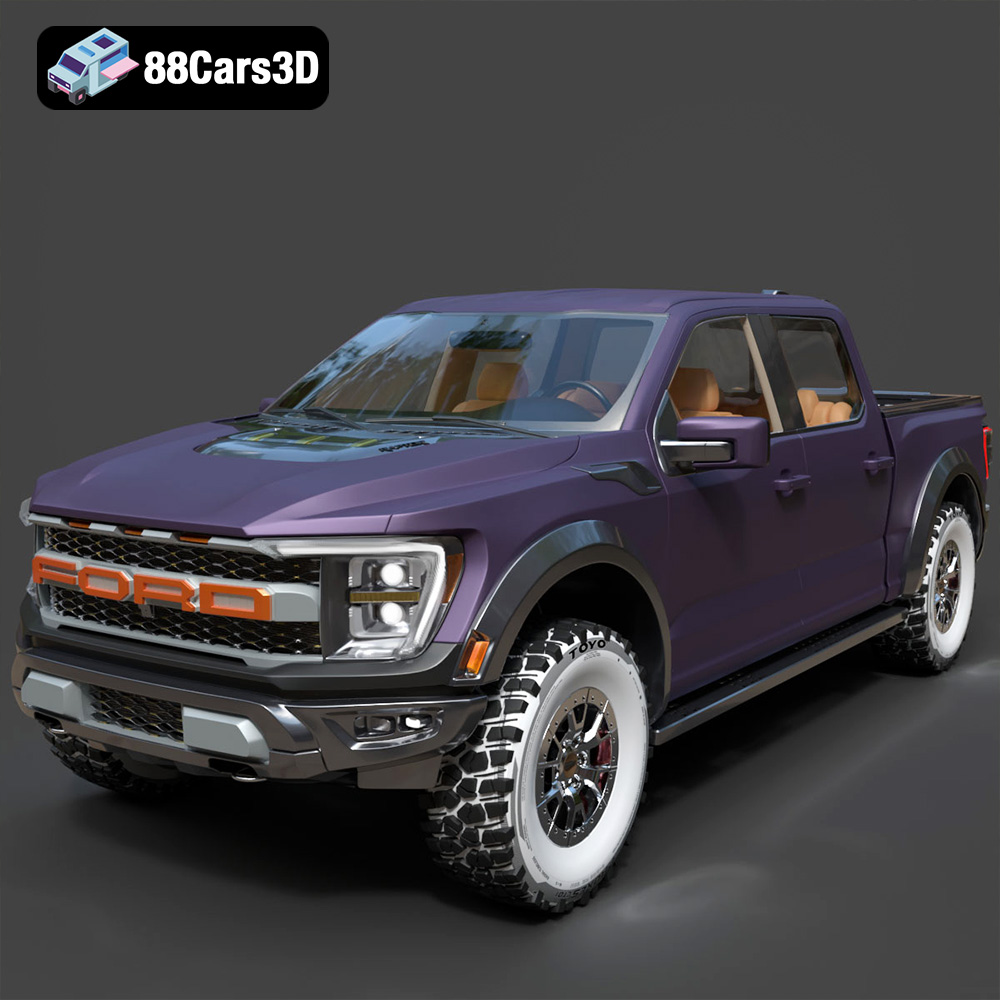
Texture: Yes | Material: Yes Download the ultra-high-detail Ford F-150 Raptor 2021 3D Model (8.73M Triangles). Features uncompromised widebody styling, fully modeled Fox Live Valve suspension, 37-inch tires, and interior. Perfect for premium VFX, cinematic rendering, and ArchViz. Includes .blend, .fbx, .obj, .glb, .stl, and .max formats.
Price: $29.99
View Product
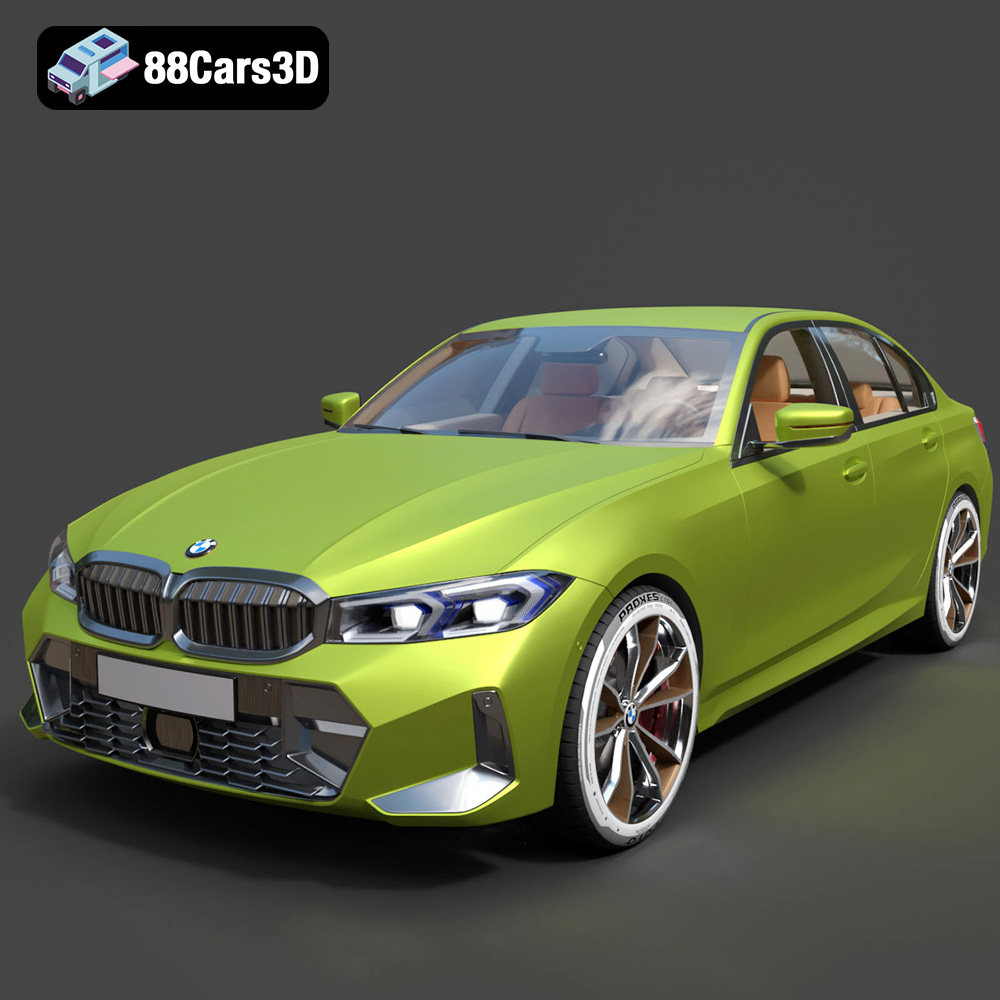
Texture: Yes | Material: Yes Download the ultra-high-detail BMW 3 Series Limousine (2022) 3D Model (4.16M Triangles). Features the modernized G20 LCI exterior, the all-new BMW Curved Display interior, and ultra-dense topology. Perfect for ArchViz, VFX, and cinematic rendering. Includes .blend, .fbx, .obj, .glb, .stl, and .max formats.
Price: $19.99
View Product
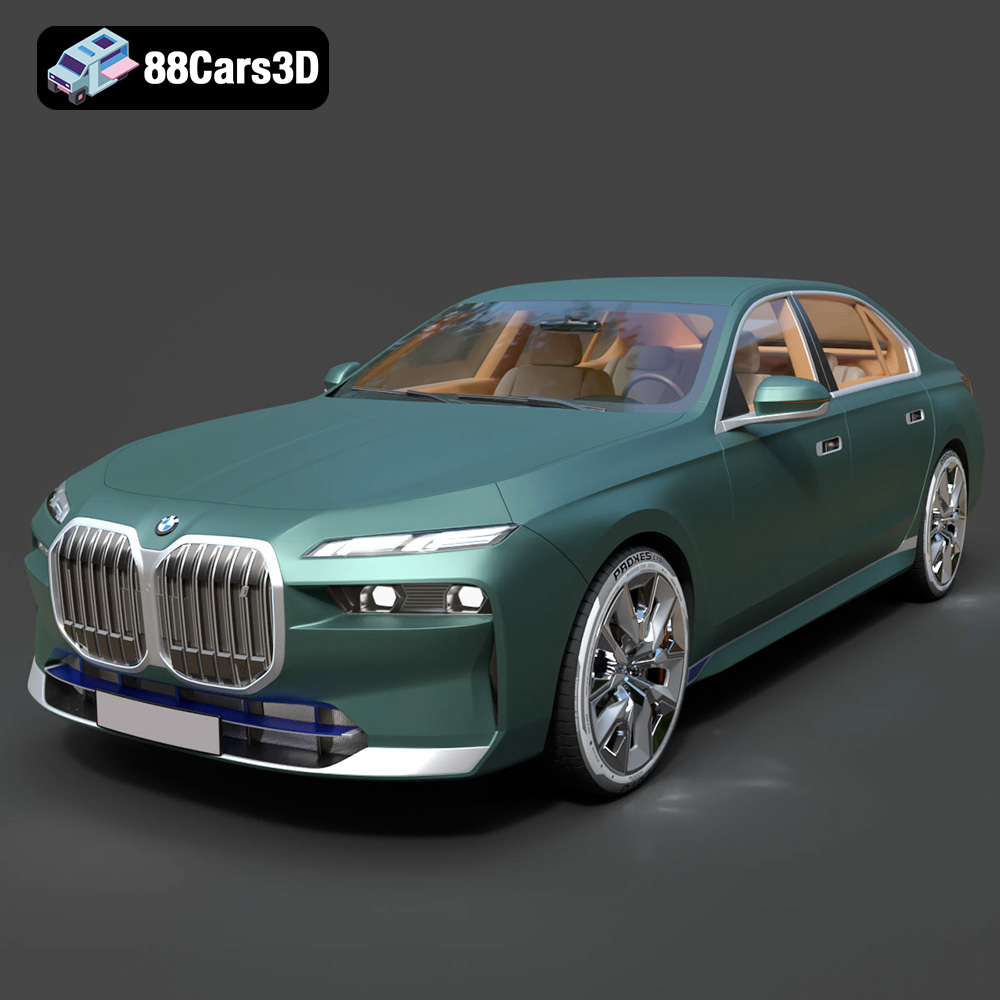
Texture: Yes | Material: Yes Download the ultra-high-detail BMW i7 (2023) 3D Model (4.14M Triangles). Features the illuminated kidney grille, split crystal headlights, fully modeled Theatre Screen interior, and monolithic luxury styling. Perfect for ArchViz, VFX, and cinematic rendering. Includes .blend, .fbx, .obj, .glb, .stl, and .max formats.
Price: $19.99
View Product
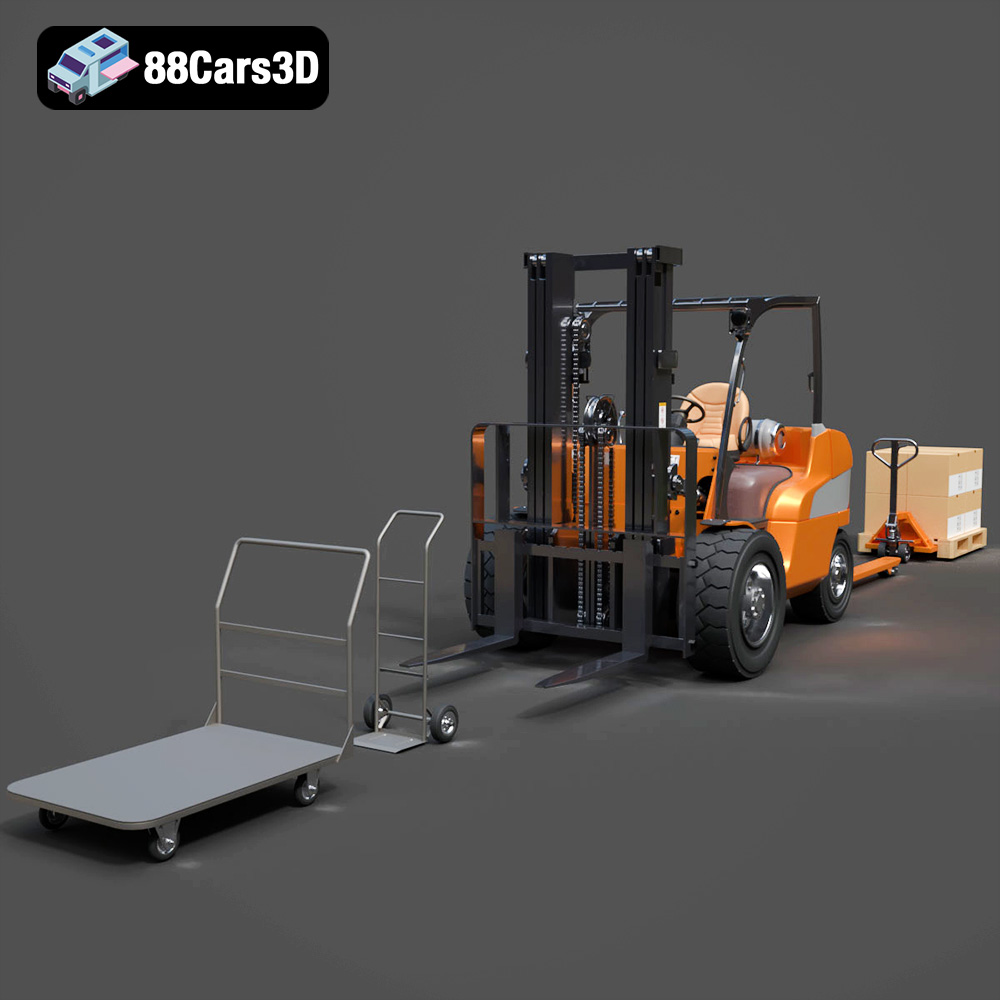
Texture: Yes | Material: Yes Download the highly detailed CAT Manual Loader & Warehouse Carts Kit 3D Model (2.4M Triangles). Features a macro-detailed hydraulic pallet jack, heavy-duty forks, and transport carts. Perfect for industrial ArchViz, factory rendering, and logistics simulations. Includes .blend, .fbx, .obj, .glb, .stl, and .max formats.
Price: $19.99
View Product
Texture: Yes | Material: Yes
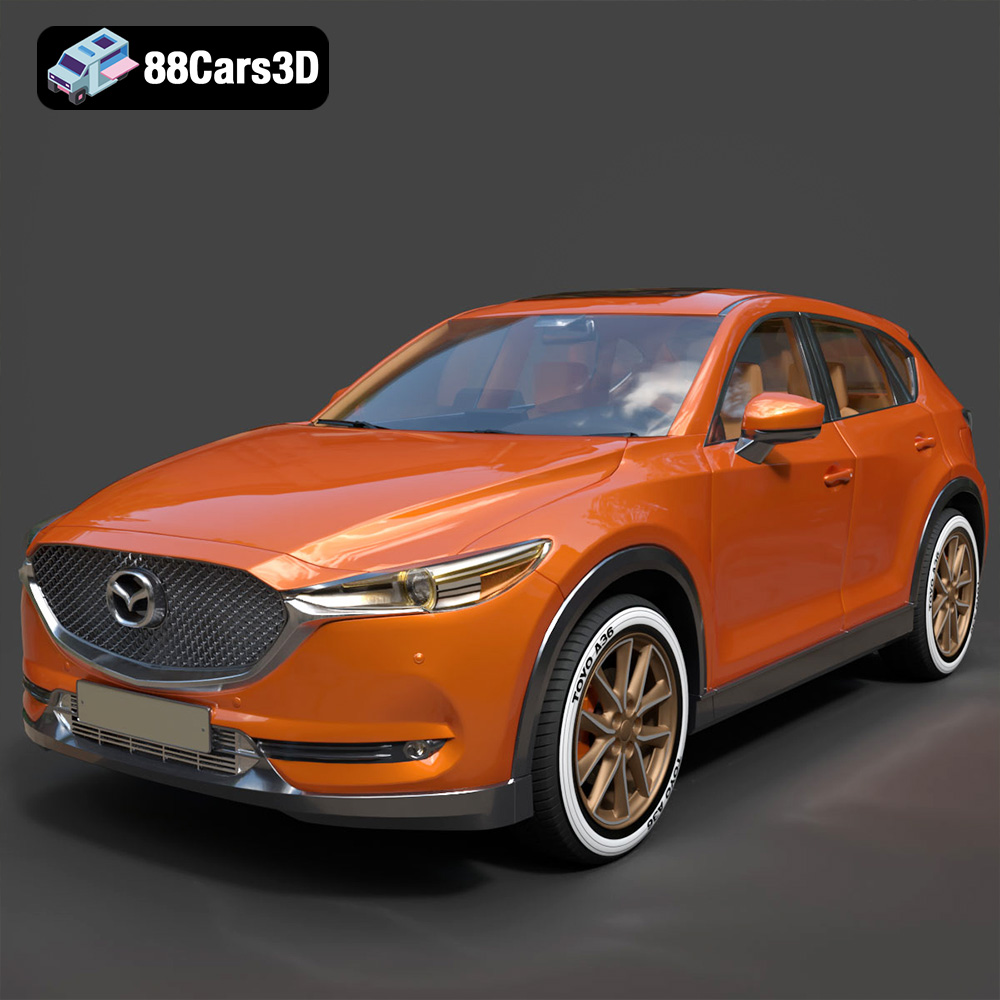
Download the highly optimized Mazda CX-5 2014 3D Model (294k Triangles). Features the dynamic Kodo design language, signature grille, and a clean interior. Perfectly balanced for ArchViz, background traffic, and game development. Includes .blend, .fbx, .obj, .glb, .stl, and .max formats.
Price: $19.99
View Product
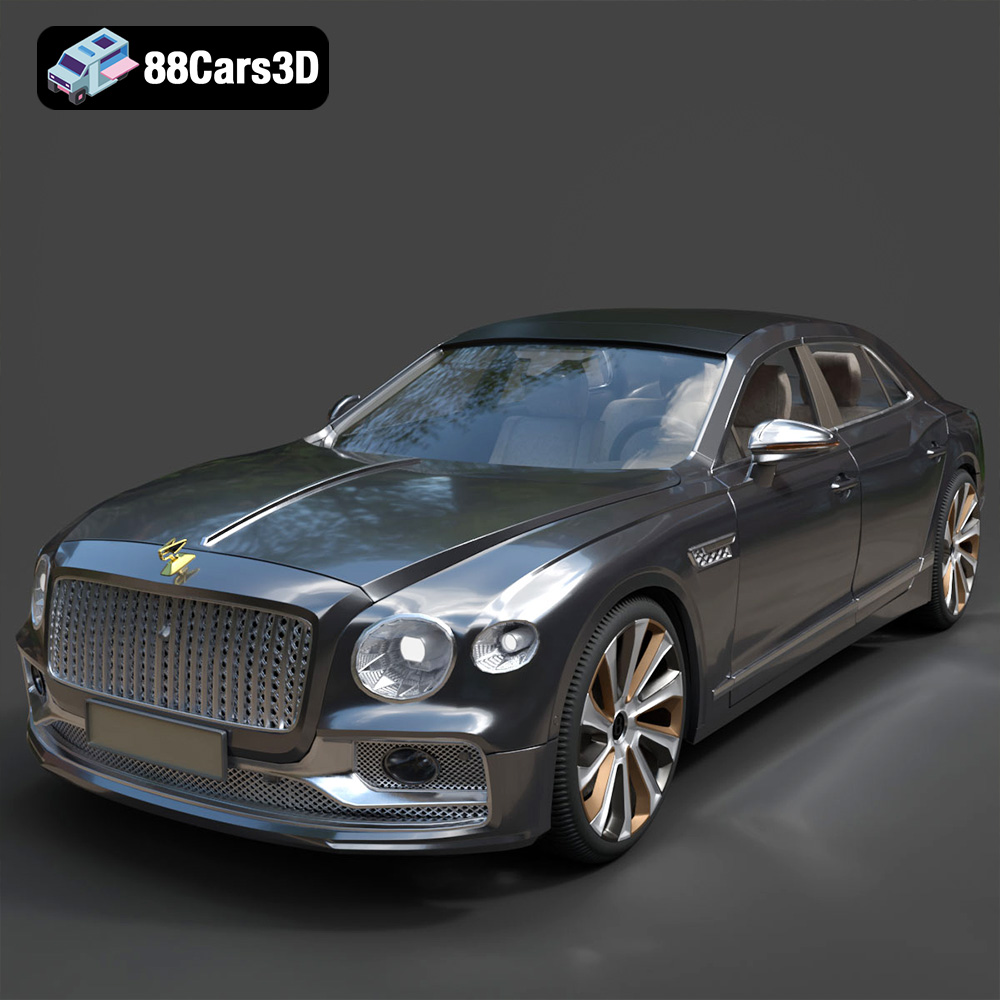
Texture: Yes | Material: Yes Download the ultra-high-detail Bentley Flying Spur Mulliner 2022 3D Model (2.94M Triangles). Features the bespoke Double Diamond grille, a fully modeled diamond-quilted interior, and exquisite luxury styling. Perfect for high-end ArchViz, VFX, and cinematic rendering. Includes .blend, .fbx, .obj, .glb, .stl, and .max formats.
Price: $19.90
View Product
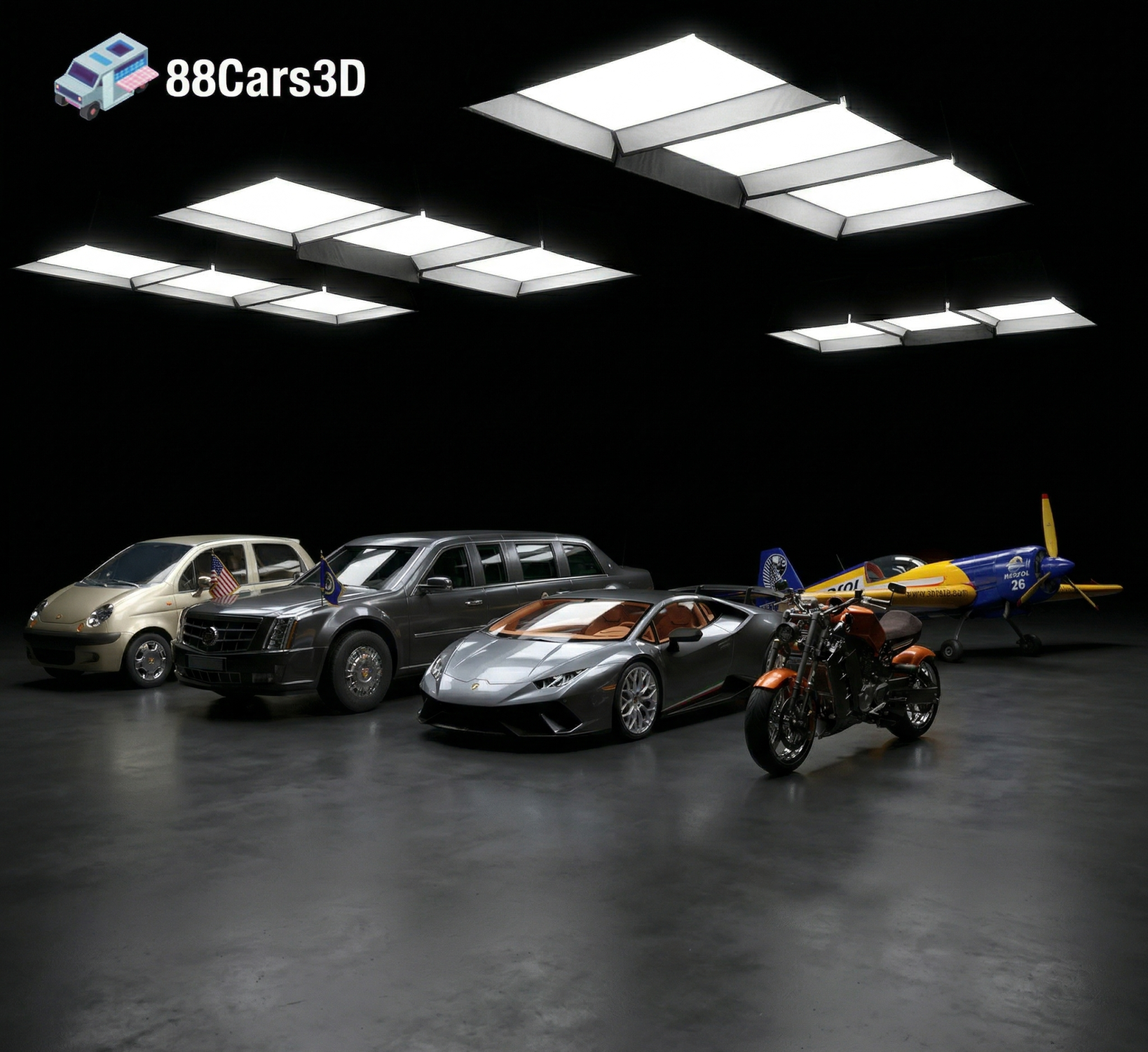
Texture: Yes | Material: Yes | 3D Printable: Yes. Download the Ultimate Creators’ Showcase featuring 5 premium 3D models: Lamborghini Huracan, ZAV Concept Motorcycle, Sukhoi SU-26, Presidential Limousine, and Daewoo Damas. Optimized for 4K CGI rendering and 3D printing. Save massive with this exclusive multi-category bundle!
Price: $99.99
View Product

Texture: Yes | Material: Yes | 3D Printable: Yes. Download the Italian Thoroughbreds Bundle featuring 5 iconic 3D models: Lamborghini Huracán Performante, Ferrari 458 Italia, Lamborghini Urus, Diablo SV, and Maserati GT. Optimized for 4K rendering and 3D printing (STL included). Save 50% with this ultimate Italian vehicle collection.
Price: $199.99
View Product

Download the Elite Future Mobility Bundle featuring 4 highly optimized 3D models: Tesla Model S, Avatr 11, Li L9, and Zoox Robotaxi. Perfect for ArchViz, Smart City renders, and game dev. Optimized for Unreal Engine and Blender. Includes .fbx, .obj, and .max formats.
Price: $99
View Product


