Get 50% OFF All Premium 3D & STL Models!

“`html
The world of 3D printing has become increasingly accessible, opening doors for hobbyists, model makers, and automotive enthusiasts to bring their visions to life. Platforms like 88cars3d.com offer a treasure trove of printable car models in STL format, ready to be transformed into tangible objects. However, choosing the right 3D printer can be daunting, especially for beginners on a budget. This comprehensive guide will explore some of the top budget-friendly 3D printers perfect for printing STL files, focusing on their strengths, weaknesses, essential settings, and tips for achieving optimal results. Whether you’re looking to create detailed car models or explore the possibilities of additive manufacturing, this guide will provide you with the knowledge to make an informed decision and embark on your 3D printing journey.
Before diving into printer recommendations, it’s crucial to grasp the fundamentals of STL files and the 3D printing process. STL (Stereolithography) is a file format that represents the surface geometry of a 3D object as a collection of triangles. These files are the standard input for most 3D printers. The printer reads the STL data and builds the object layer by layer, using materials like PLA, PETG, or resin.
The printing process involves several steps: slicing, printing, and post-processing. Slicing software (Cura, PrusaSlicer, Simplify3D) converts the STL file into a series of instructions (G-code) that the printer can understand. These instructions dictate the movement of the print head, the amount of material to extrude, and other essential parameters. After printing, post-processing may involve removing support structures, sanding, painting, and assembling multiple parts.
Two primary 3D printing technologies dominate the budget-friendly market: Fused Deposition Modeling (FDM) and Resin printing (specifically, Masked Stereolithography or MSLA). Understanding their differences is crucial for selecting the ideal printer for your needs, especially when printing detailed car models.
FDM printers work by extruding molten filament layer by layer. They are generally more affordable, easier to maintain, and offer a wider range of material options (PLA, PETG, ABS, TPU). However, FDM prints typically have lower resolution and visible layer lines, which may require more post-processing for a smooth finish. FDM is excellent for larger models and functional parts that require durability. Consider using a nozzle size of 0.4mm or 0.25mm for finer details, but remember smaller nozzles require slower print speeds and can clog more easily.
Resin printers use liquid resin cured by UV light. They offer significantly higher resolution and can produce incredibly detailed models with smooth surfaces. This makes them perfect for intricate car models and miniatures. However, resin printers are generally more expensive, require more involved post-processing (washing and curing), and use potentially hazardous materials. Ventilation is crucial when working with resin. Look for printers with a build volume suitable for your desired car model size. Smaller models will benefit most from the higher resolution.
For beginners looking to print STL car models, several FDM printers offer excellent value and performance. These printers provide a good balance of affordability, ease of use, and print quality.
The Creality Ender 3 V2 is a highly popular and affordable option known for its large community support and extensive upgrade potential. The Ender 3 V3 SE is a newer variant that offers auto-leveling and faster printing speeds out of the box. Both are excellent starting points. Consider adding a glass bed for improved bed adhesion and a direct drive extruder for better performance with flexible filaments.
The Anycubic Kobra Go stands out with its auto-leveling feature, which simplifies the bed leveling process and ensures consistent first layers. It’s a great option for beginners who want a hassle-free experience. Its direct drive extruder enables printing with a wider range of materials like TPU with the proper settings.
If your priority is achieving exceptional detail and smooth surfaces, a resin printer is the way to go. Here are two budget-friendly options that deliver impressive results.
The Elegoo Mars series has consistently offered excellent value for resin printing. The Mars 3 and Mars 4 feature high-resolution LCD screens, delivering incredibly detailed prints. They are easy to set up and use, making them ideal for beginners. Remember to invest in proper safety gear, including gloves and a respirator, when working with resin.
The Anycubic Photon Mono 4K offers a balance of speed and precision. Its monochrome LCD screen allows for faster curing times, reducing overall print time. The 4K resolution ensures detailed prints. It’s a robust and reliable printer, perfect for those looking to produce high-quality car models.
Regardless of the 3D printer you choose, mastering slicing techniques and support structures is essential for successful car model prints. Slicing parameters significantly impact print quality, strength, and overall aesthetics.
Experimenting with slicing parameters allows you to fine-tune your prints for optimal results. Lower layer heights (e.g., 0.1mm) produce finer details but increase print time. Infill density affects the strength and weight of the model. For car models, 15-25% infill is usually sufficient. Print speed influences print quality; slower speeds generally produce smoother surfaces and more accurate dimensions. Slower speeds often translate to better adhesion and less warping, especially with larger models. A good starting point is 50-60mm/s for FDM printers and 40-50mm/s for the initial layers.
Support structures are essential for printing overhangs and complex geometries. Both FDM and resin printers require support structures, but the type and placement differ. In FDM printing, consider using tree supports or customizable supports for easier removal and reduced material waste. In resin printing, carefully orient the model to minimize the area requiring support. Use thinner support tips for easier removal and reduced surface blemishes. When downloading models from marketplaces such as 88cars3d.com, check if they include pre-supported files to simplify the printing process.
Post-processing is an essential step in transforming a raw 3D print into a finished product. Sanding, painting, and assembly enhance the appearance and functionality of your car models.
Sanding removes layer lines and imperfections, creating a smooth surface for painting. Start with coarse sandpaper (e.g., 220 grit) and gradually move to finer grits (e.g., 400, 600, 800 grit). Wet sanding can help reduce dust and improve the smoothness of the surface. Consider using a filler primer to fill in any remaining imperfections before painting. This helps create a uniform surface and ensures better paint adhesion.
Painting adds color and realism to your car models. Use acrylic paints or spray paints specifically designed for plastics. Apply multiple thin coats for a smooth and even finish. Consider using masking tape to create clean lines and separate different color areas. After painting, apply a clear coat to protect the paint and add a glossy or matte finish. Clear coats also provide UV protection and prevent fading over time.
Even with the best equipment and settings, 3D printing can sometimes be challenging. Here are some common issues and their solutions.
Warping occurs when the corners of the print lift off the bed due to uneven cooling. Ensure the bed is properly leveled and heated. Use a brim or raft to increase the contact area with the bed. An enclosure can help maintain a consistent temperature and prevent warping, especially with materials like ABS. Clean the bed surface with isopropyl alcohol to remove any oils or debris that may impede adhesion.
Stringing occurs when the extruder leaks filament during travel moves. Increase retraction distance and speed. Lower the printing temperature. Ensure the filament is dry. Blobs are small clumps of filament that accumulate on the surface of the print. Reduce the extrusion multiplier and increase the travel speed. Coasting can also reduce blobs by cutting off the filament flow just before the end of a perimeter.
With the right budget 3D printer, careful attention to slicing parameters, and effective post-processing techniques, you can create stunning 3D printed car models from STL files available on platforms like 88cars3d.com. Embrace the learning process, experiment with different settings and materials, and enjoy the rewarding experience of bringing your automotive visions to life.
“`
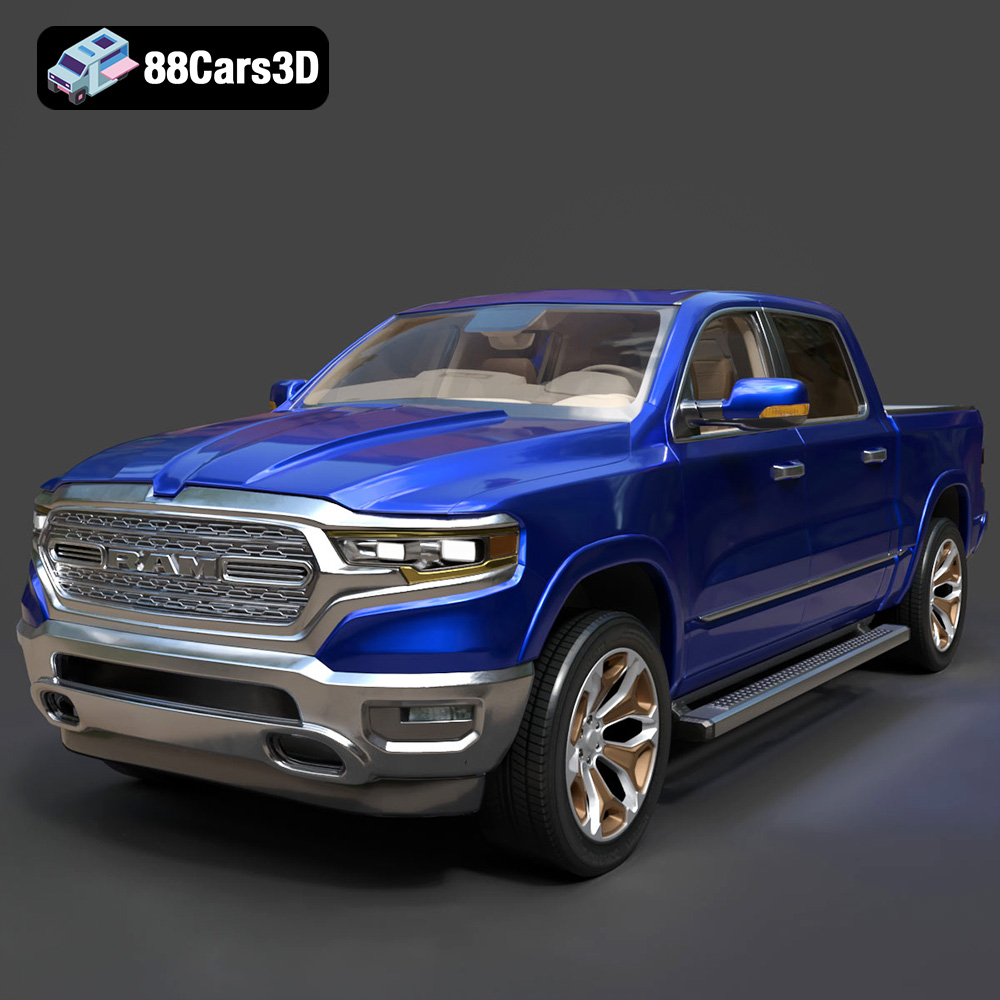
Texture: Yes
Material: Yes
Download the Dodge RAM 2019 3D Model featuring clean geometry, realistic detailing, and a fully modeled interior. Includes .blend, .fbx, .obj, .glb, .stl, .ply, .unreal, and .max formats for rendering, simulation, and game development.
Price: $19.99
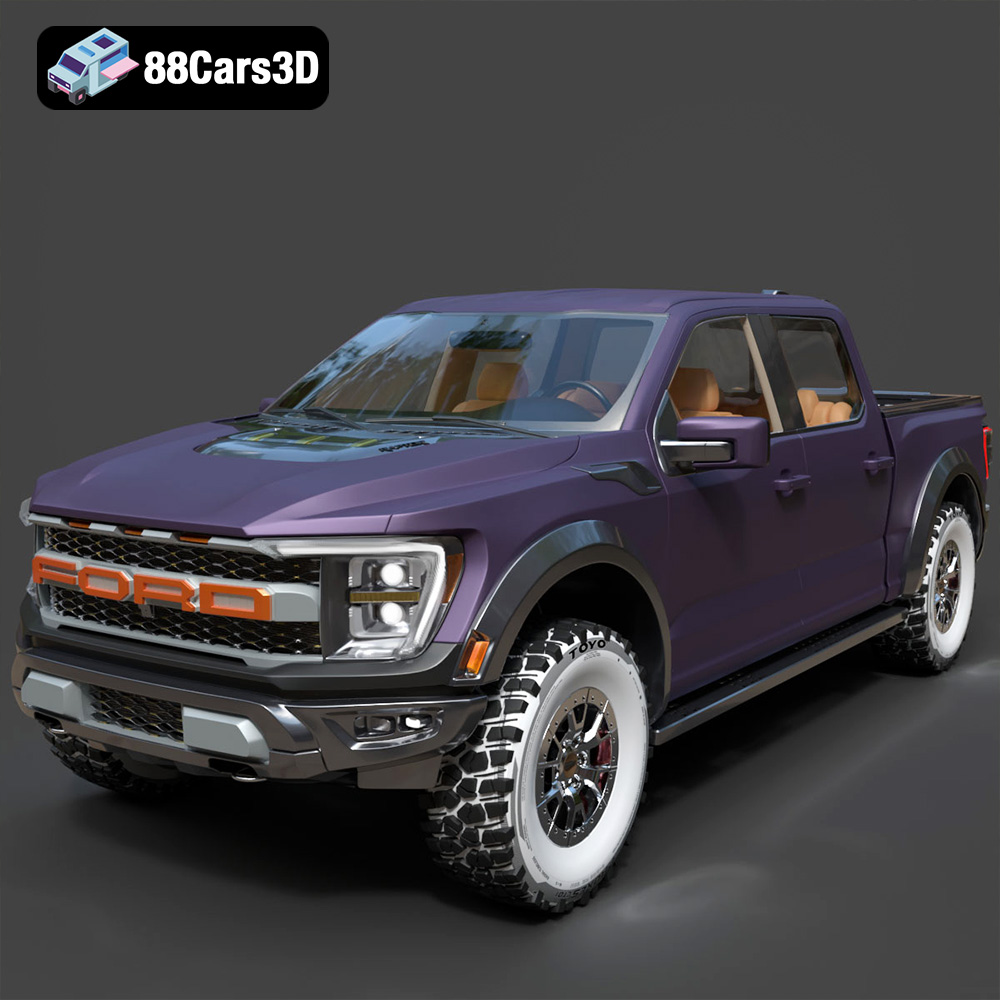
Texture: Yes | Material: Yes Download the ultra-high-detail Ford F-150 Raptor 2021 3D Model (8.73M Triangles). Features uncompromised widebody styling, fully modeled Fox Live Valve suspension, 37-inch tires, and interior. Perfect for premium VFX, cinematic rendering, and ArchViz. Includes .blend, .fbx, .obj, .glb, .stl, and .max formats.
Price: $29.99
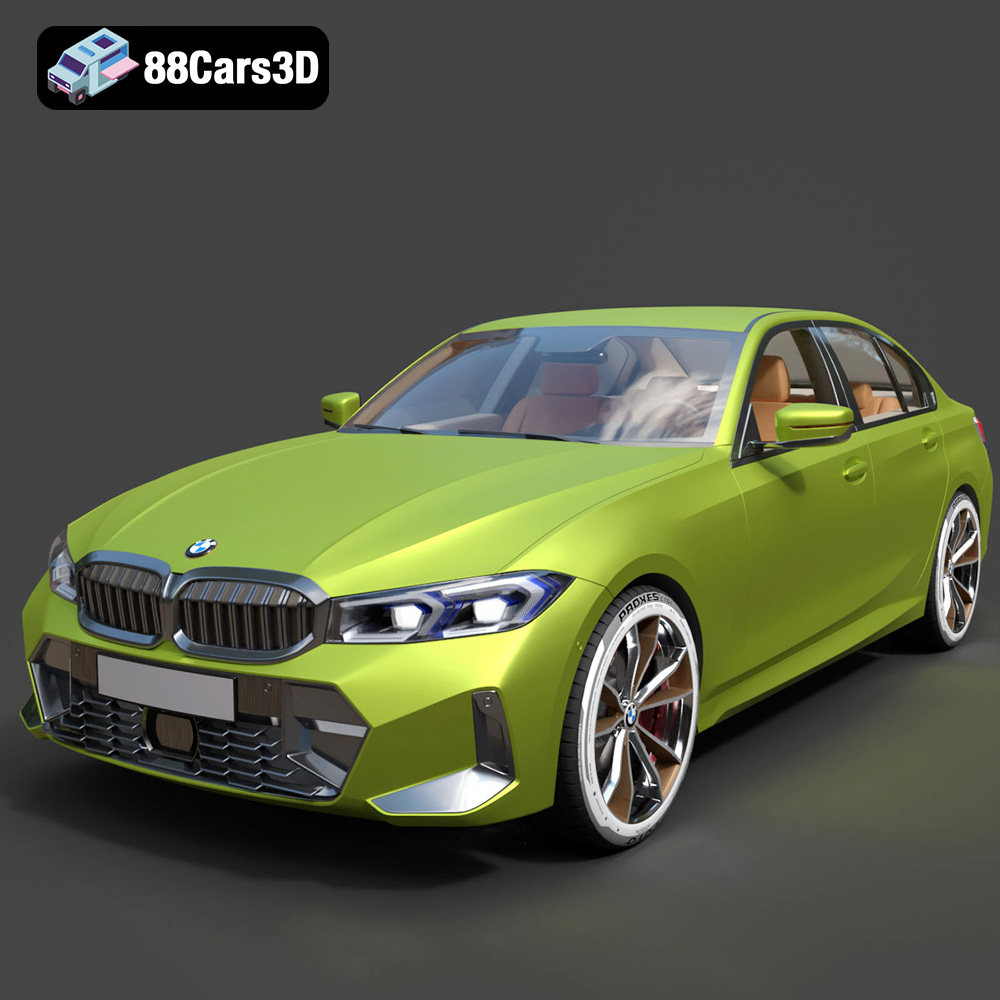
Texture: Yes | Material: Yes Download the ultra-high-detail BMW 3 Series Limousine (2022) 3D Model (4.16M Triangles). Features the modernized G20 LCI exterior, the all-new BMW Curved Display interior, and ultra-dense topology. Perfect for ArchViz, VFX, and cinematic rendering. Includes .blend, .fbx, .obj, .glb, .stl, and .max formats.
Price: $19.99
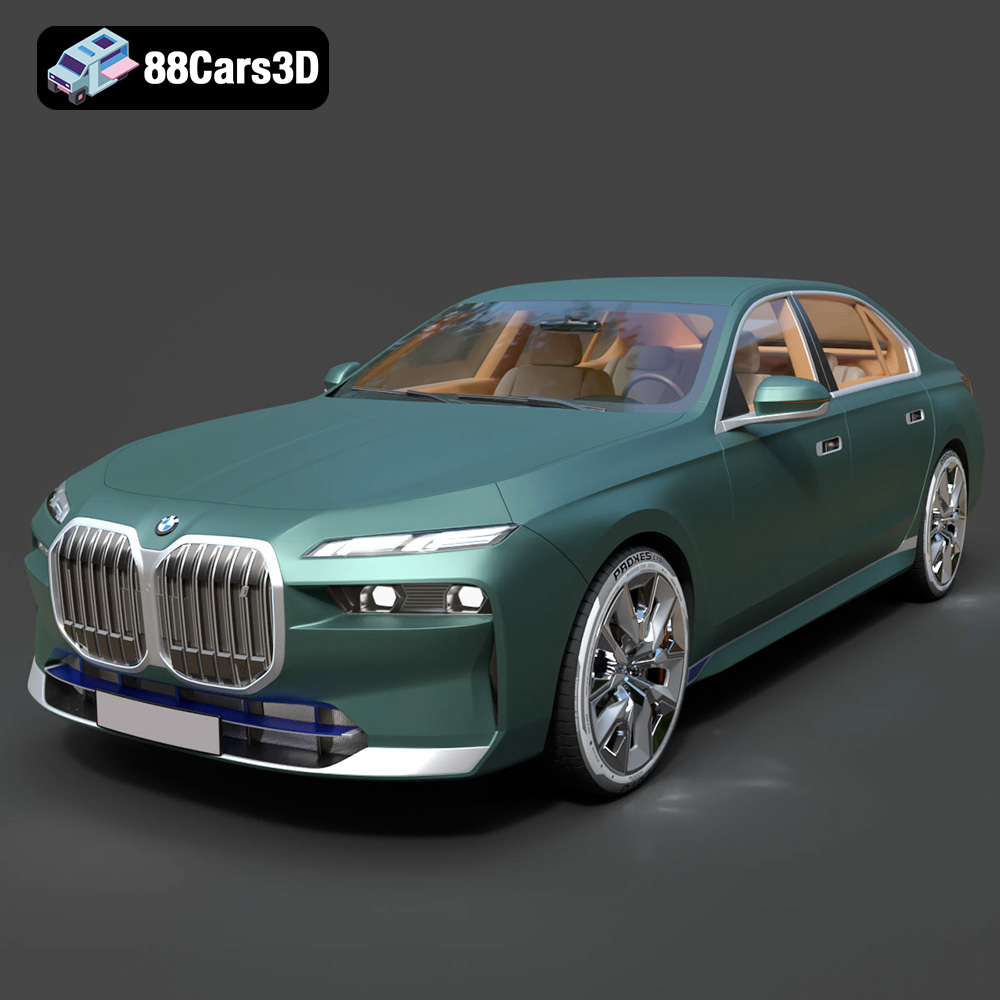
Texture: Yes | Material: Yes Download the ultra-high-detail BMW i7 (2023) 3D Model (4.14M Triangles). Features the illuminated kidney grille, split crystal headlights, fully modeled Theatre Screen interior, and monolithic luxury styling. Perfect for ArchViz, VFX, and cinematic rendering. Includes .blend, .fbx, .obj, .glb, .stl, and .max formats.
Price: $19.99
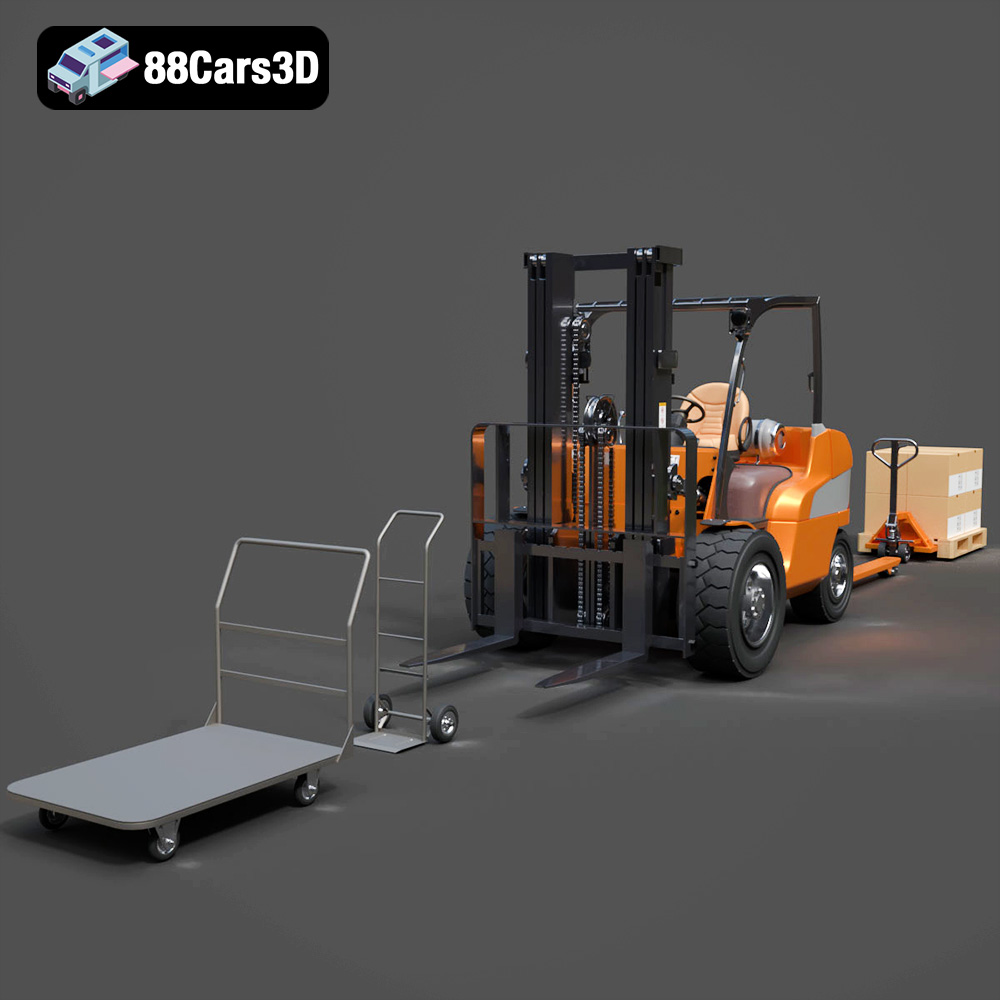
Texture: Yes | Material: Yes Download the highly detailed CAT Manual Loader & Warehouse Carts Kit 3D Model (2.4M Triangles). Features a macro-detailed hydraulic pallet jack, heavy-duty forks, and transport carts. Perfect for industrial ArchViz, factory rendering, and logistics simulations. Includes .blend, .fbx, .obj, .glb, .stl, and .max formats.
Price: $19.99
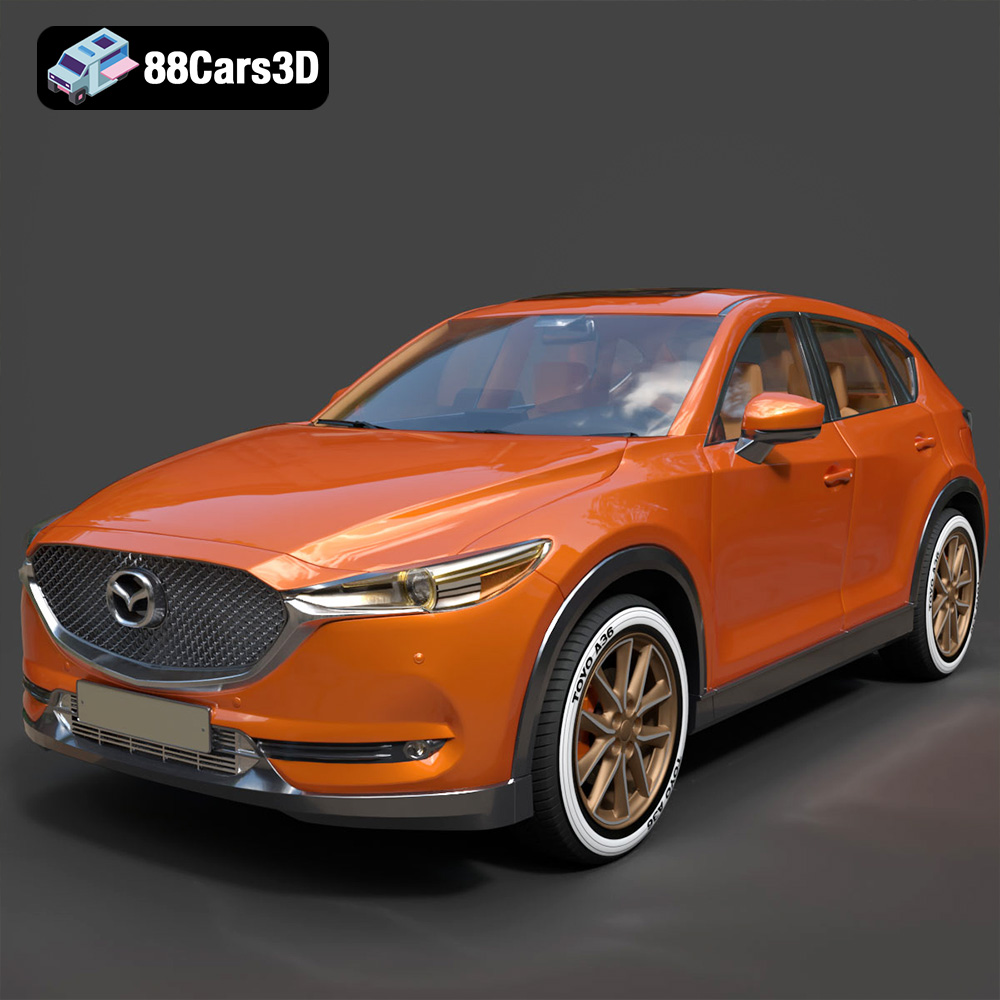
Texture: Yes | Material: Yes
Download the highly optimized Mazda CX-5 2014 3D Model (294k Triangles). Features the dynamic Kodo design language, signature grille, and a clean interior. Perfectly balanced for ArchViz, background traffic, and game development. Includes .blend, .fbx, .obj, .glb, .stl, and .max formats.
Price: $19.99
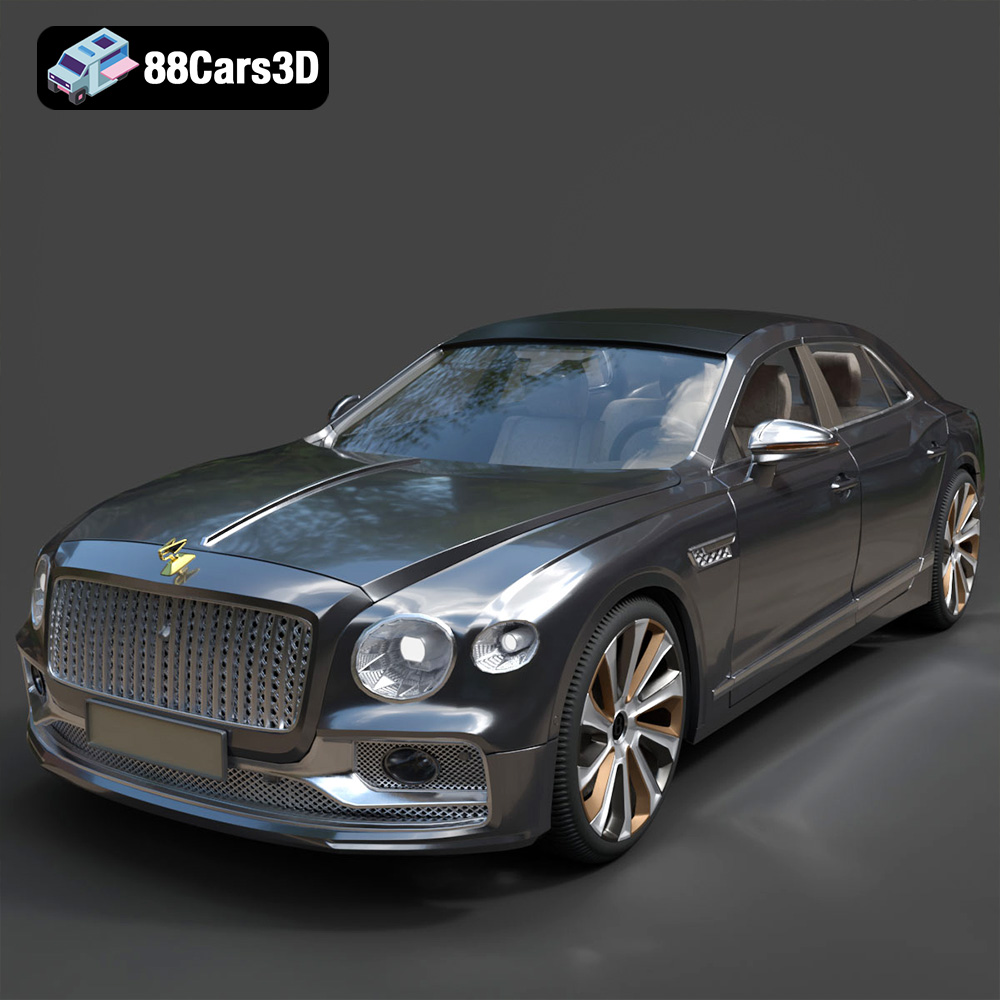
Texture: Yes | Material: Yes Download the ultra-high-detail Bentley Flying Spur Mulliner 2022 3D Model (2.94M Triangles). Features the bespoke Double Diamond grille, a fully modeled diamond-quilted interior, and exquisite luxury styling. Perfect for high-end ArchViz, VFX, and cinematic rendering. Includes .blend, .fbx, .obj, .glb, .stl, and .max formats.
Price: $19.90
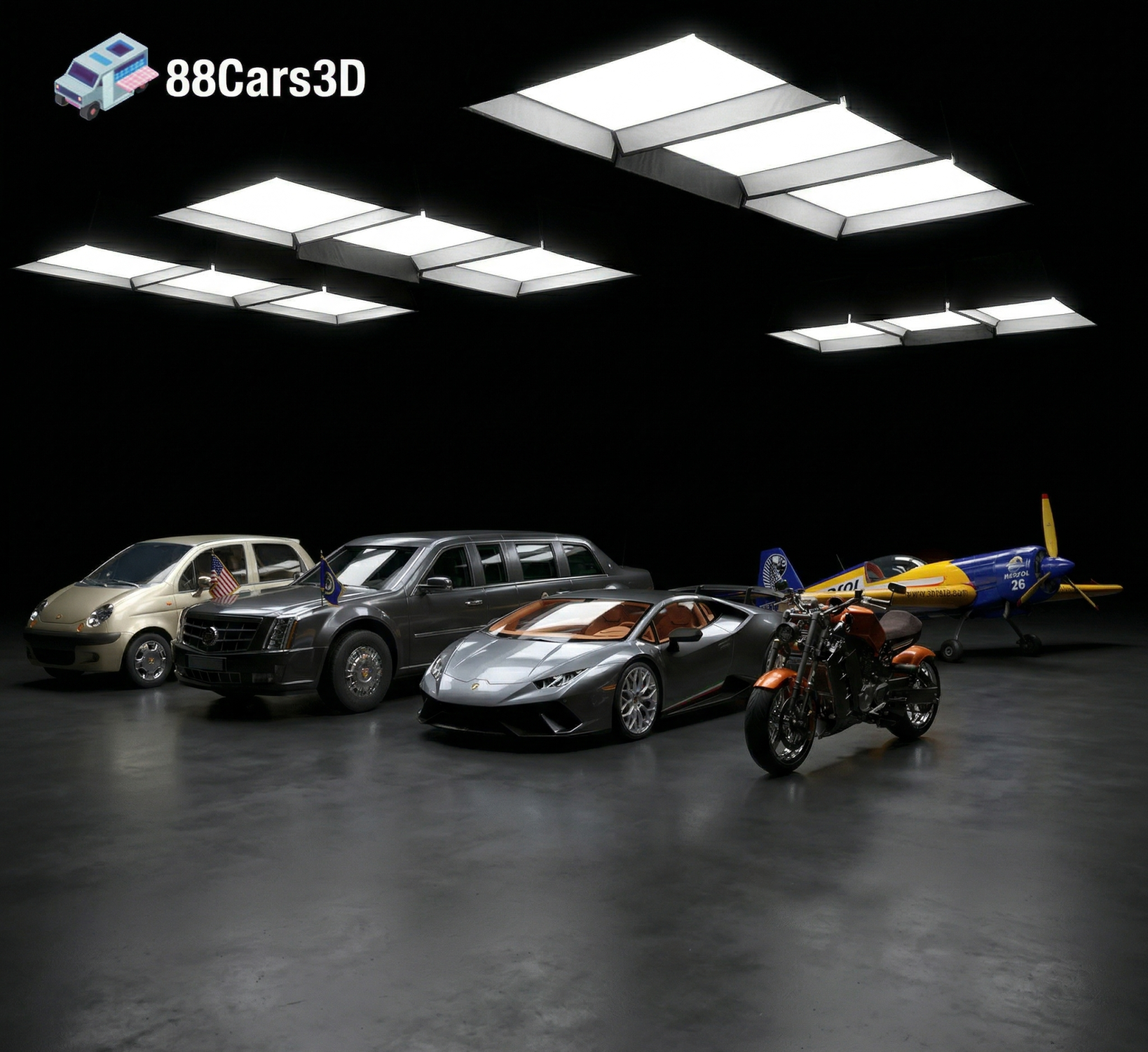
Texture: Yes | Material: Yes | 3D Printable: Yes. Download the Ultimate Creators’ Showcase featuring 5 premium 3D models: Lamborghini Huracan, ZAV Concept Motorcycle, Sukhoi SU-26, Presidential Limousine, and Daewoo Damas. Optimized for 4K CGI rendering and 3D printing. Save massive with this exclusive multi-category bundle!
Price: $99.99

Texture: Yes | Material: Yes | 3D Printable: Yes. Download the Italian Thoroughbreds Bundle featuring 5 iconic 3D models: Lamborghini Huracán Performante, Ferrari 458 Italia, Lamborghini Urus, Diablo SV, and Maserati GT. Optimized for 4K rendering and 3D printing (STL included). Save 50% with this ultimate Italian vehicle collection.
Price: $199.99

Download the Elite Future Mobility Bundle featuring 4 highly optimized 3D models: Tesla Model S, Avatr 11, Li L9, and Zoox Robotaxi. Perfect for ArchViz, Smart City renders, and game dev. Optimized for Unreal Engine and Blender. Includes .fbx, .obj, and .max formats.
Price: $99

