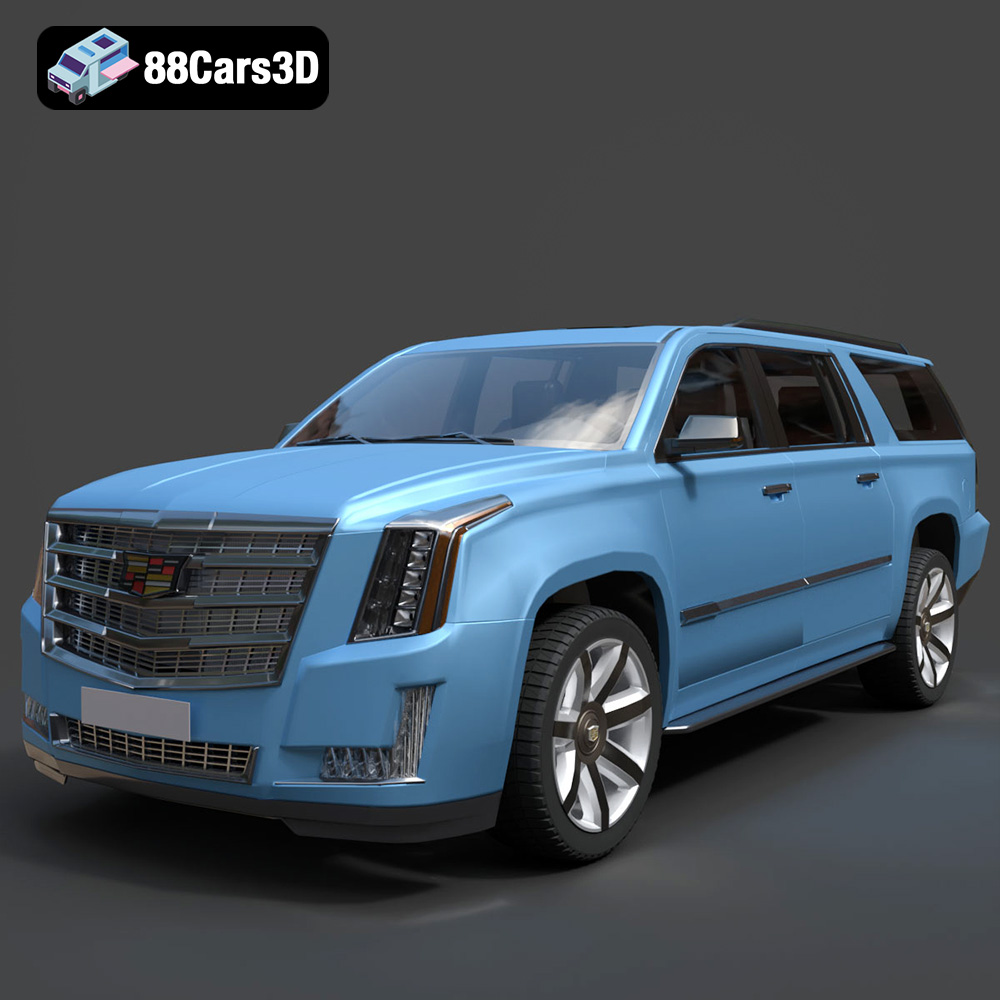
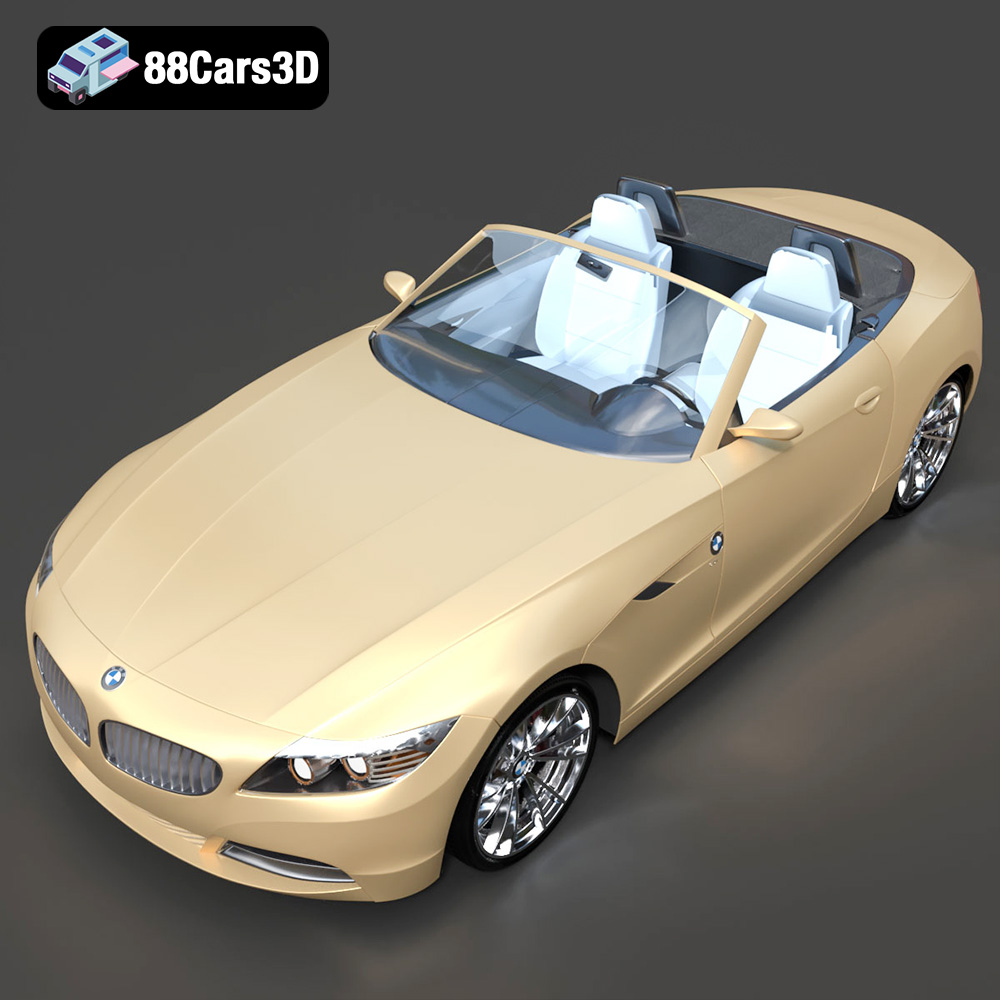
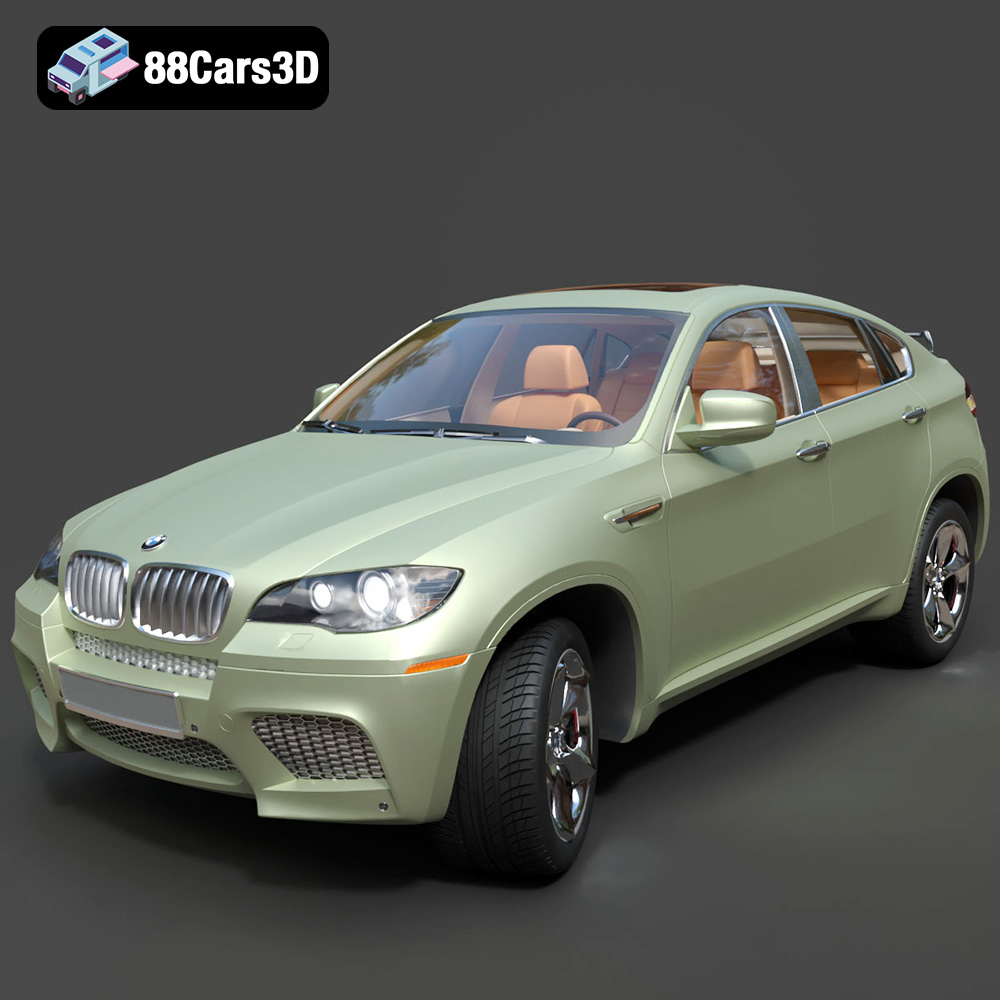
Get 50% OFF All Premium 3D & STL Models!

The world of 3D car models has exploded in recent years, driven by advancements in computer graphics, the increasing demand for realistic visuals, and the accessibility of powerful software. Whether you’re an automotive designer, a game developer, an architect visualizing a parking lot, or a hobbyist creating stunning renders, high-quality 3D car models are an indispensable asset. This article explores the key areas of working with 3D car models, from understanding file formats and optimizing for different platforms to choosing the right models and integrating them into your projects. Let’s delve into the technical intricacies and unlock the potential of these virtual vehicles.
Choosing the right file format is paramount when working with 3D car models. Each format has its strengths and weaknesses, impacting compatibility, file size, and the preservation of crucial data like materials, textures, and animation rigs. Understanding these nuances will save you time and frustration. Below is a detailed overview of common 3D model file formats and their optimal use cases.
The .blend format is the native file type for Blender, a free and open-source 3D creation suite. It stores the entire Blender scene, including geometry, materials, textures, lighting, animation, and modifiers. This makes it ideal for projects developed entirely within Blender, allowing for seamless editing and manipulation of the car model. The .blend format can be quite large due to its comprehensive nature, but its ability to preserve complex Blender-specific features makes it invaluable for Blender users.
Filmbox (.fbx) is a proprietary file format developed by Autodesk, designed for interoperability between different 3D software packages, including 3ds Max, Maya, and Blender. More importantly, it’s the workhorse for game engine integration. FBX efficiently stores geometry, textures, materials, animations, and skeletal rigs. It’s the preferred format for importing 3D car models into game engines like Unreal Engine and Unity because it preserves essential information for real-time rendering. FBX supports different versions, so ensuring compatibility between your software and the engine is crucial. Pay close attention to export settings within your modeling software to guarantee proper scaling, orientation, and material interpretation within the game engine.
Wavefront .obj is a widely supported, open file format that stores only the basic geometry of a 3D model – vertices, faces, and texture coordinates. It’s a text-based format, making it relatively easy to read and edit manually. While .obj files typically don’t include material or animation data (materials are often stored in a separate .mtl file), its universality makes it a valuable format for transferring 3D car models between different software packages where detailed material information isn’t critical or can be easily recreated. It’s also a good archival format, guaranteeing that the basic model geometry will be accessible even if other, more complex formats become obsolete. OBJ files often require manual setup of materials in the target application.
.glb (GL Transmission Format Binary) is a binary file format based on the glTF (GL Transmission Format) standard. It’s specifically designed for efficient delivery of 3D models on the web and in AR/VR applications. A .glb file encapsulates the entire 3D scene, including geometry, textures, materials, and animations, into a single, self-contained file. This simplifies deployment and improves loading times. The glTF standard is maintained by the Khronos Group and is rapidly becoming the industry standard for web-based 3D content. When optimizing your 3D car models for AR/VR, .glb is a strong choice.
Stereolithography (.stl) is a file format primarily used for 3D printing. It represents the surface geometry of a 3D model as a collection of triangles. STL files do not contain any color, texture, or material information; they only define the shape of the object. For 3D printing 3D car models, .stl is essential. Prior to exporting to .stl, ensure your model is manifold (watertight) and free of intersecting faces or non-manifold edges. Resolution during export (adjusting the number of triangles) directly impacts print quality. Higher resolution increases detail but results in larger file sizes and longer print times.
The Polygon File Format (.ply), also known as the Stanford Triangle Format, is designed for storing 3D data from scanners and other sources. While it can store color and other properties, its primary strength lies in its ability to represent complex mesh data with high precision. It’s often used in CAD applications and for analyzing 3D scanned data. When working with 3D car models scanned from real-world vehicles or needing to exchange precise mesh data with CAD software, .ply is a suitable format.
The .unreal format is not a direct 3D model format but rather a container used by Unreal Engine to store assets. When importing a 3D car model into Unreal Engine, it’s converted into internal Unreal Engine assets, often stored within .uasset files. These assets include static meshes, skeletal meshes, materials, and textures. Working directly with .unreal files requires familiarity with the Unreal Engine content browser and asset management system. Optimizing your car model within Unreal involves creating LODs (Levels of Detail), setting up collision meshes, and configuring materials for optimal performance and visual fidelity.
The .max format is the native file format for Autodesk 3ds Max. Similar to Blender’s .blend, it stores the entire 3ds Max scene, including geometry, materials, textures, lighting, animation, and modifiers. This makes it ideal for projects developed entirely within 3ds Max, allowing for seamless editing and manipulation of the car model. The .max format is crucial for accessing all the features utilized during the model’s creation in 3ds Max. However, compatibility issues can arise between different versions of 3ds Max, so using the same version throughout a project is recommended.
High-quality automotive rendering demands meticulously detailed 3D car models and optimized workflows. Achieving photorealistic results requires careful attention to detail, from polygon count and surface accuracy to material setup and lighting.
The polygon count directly impacts rendering performance. A high polygon count yields greater detail but can bog down the rendering process, especially in complex scenes. Optimizing polygon count involves reducing unnecessary polygons while preserving the model’s essential shape and details. Level of Detail (LOD) techniques are crucial for optimizing performance in real-time applications and large-scale scenes. LODs involve creating multiple versions of the same car model with progressively lower polygon counts. The game engine or rendering software automatically switches to lower-resolution versions as the car moves further away from the camera, reducing the rendering workload. Tools within 3ds Max and Blender allow for the efficient generation of LODs.
Realistic materials are paramount for automotive rendering. Modern rendering engines rely on physically based rendering (PBR) workflows, which simulate how light interacts with different surfaces. Accurate material creation involves setting up parameters such as base color, metallic, roughness, and normal maps. These maps define the surface’s color, reflectivity, smoothness, and fine details, respectively. Software like Substance Painter and Quixel Mixer are invaluable for creating high-quality PBR materials. The proper use of car paint shaders and realistic reflections is key to achieving convincing automotive visuals.
Developing 3D car assets for games requires a different set of considerations than rendering. Performance optimization is paramount, as game engines need to render numerous objects in real-time while maintaining a smooth frame rate. This necessitates a balance between visual fidelity and computational efficiency.
UV unwrapping is the process of unfolding a 3D model’s surface onto a 2D plane, allowing for the application of textures. Efficient UV unwrapping is crucial for minimizing texture distortion and maximizing texture resolution. Game assets often utilize texture atlases, which combine multiple textures into a single image file to reduce the number of draw calls. When creating UV layouts, minimize seams and ensure consistent texel density. Texturing for games often involves baking details from high-polygon models onto low-polygon models, capturing fine details like panel lines and rivets in normal maps.
Rigging is the process of creating a skeletal structure and binding it to the 3D car model, allowing it to be animated. This involves creating joints (bones) and assigning them to specific parts of the car. Proper rigging is essential for creating realistic animations, such as steering, suspension movement, and door opening. Game engines typically use inverse kinematics (IK) to simplify animation workflows. For example, an IK system can be used to automatically adjust the wheels’ rotation as the car moves, ensuring realistic traction.
Architectural visualization frequently incorporates 3D car models to add realism and context to scenes. Adding cars to parking lots, streetscapes, or driveways can significantly enhance the overall visual appeal of an architectural rendering.
When integrating 3D car models into architectural visualizations, scale and perspective are critical. Ensure that the car models are accurately scaled relative to the buildings and other objects in the scene. Pay attention to lighting and shadows, as these elements play a crucial role in creating a convincing integration. Consider using HDR environments to create realistic reflections and ambient lighting. Adjusting the car materials to match the overall aesthetic of the architectural rendering is also important. For example, a sleek, modern building might be complemented by a high-end sports car, while a more traditional building might be better suited to a classic sedan.
Large-scale architectural visualizations can contain numerous 3D car models, which can significantly impact rendering performance. Utilizing LODs is crucial for optimizing performance in these environments. Use lower-resolution versions of the car models for vehicles in the background and reserve the highest-resolution models for vehicles closer to the camera. Consider using instancing techniques, which allow you to render multiple copies of the same car model without significantly increasing the memory footprint. Optimizing the scene’s lighting and shadows can also improve performance. Bake static lighting where possible to reduce the rendering workload.
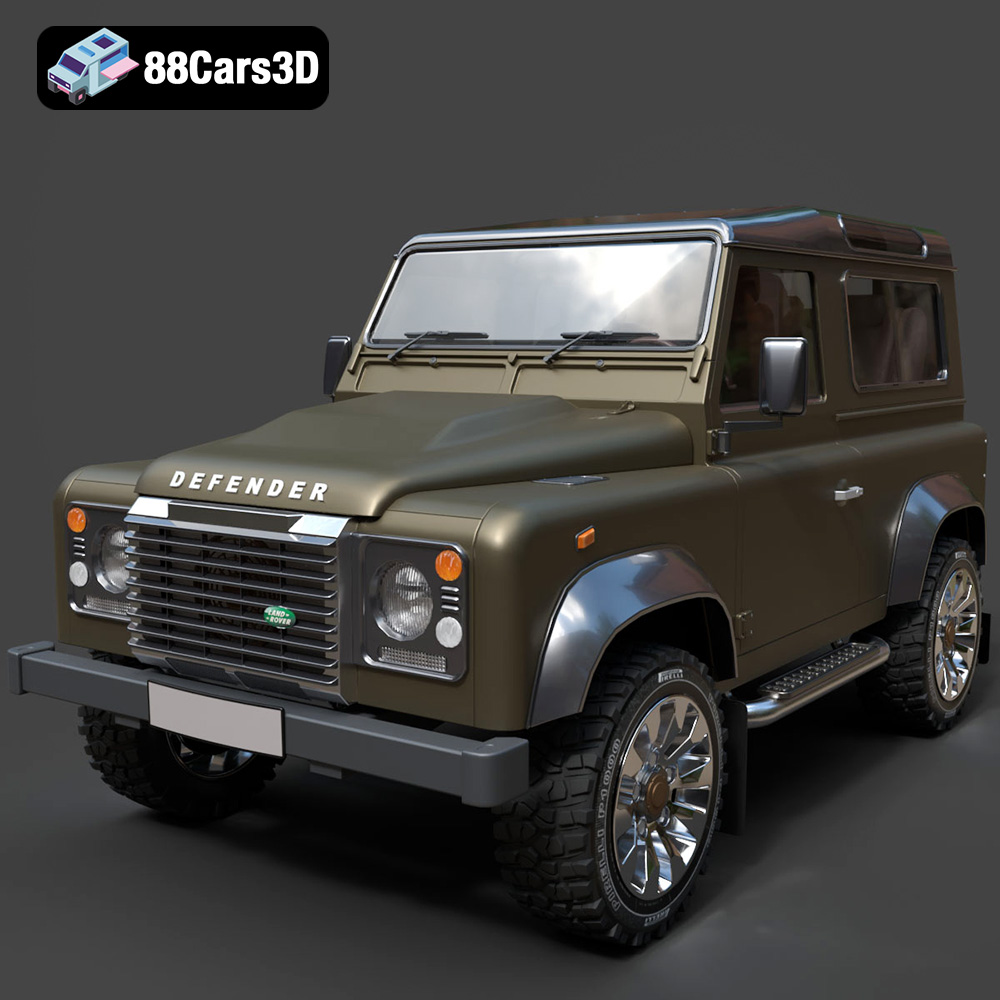
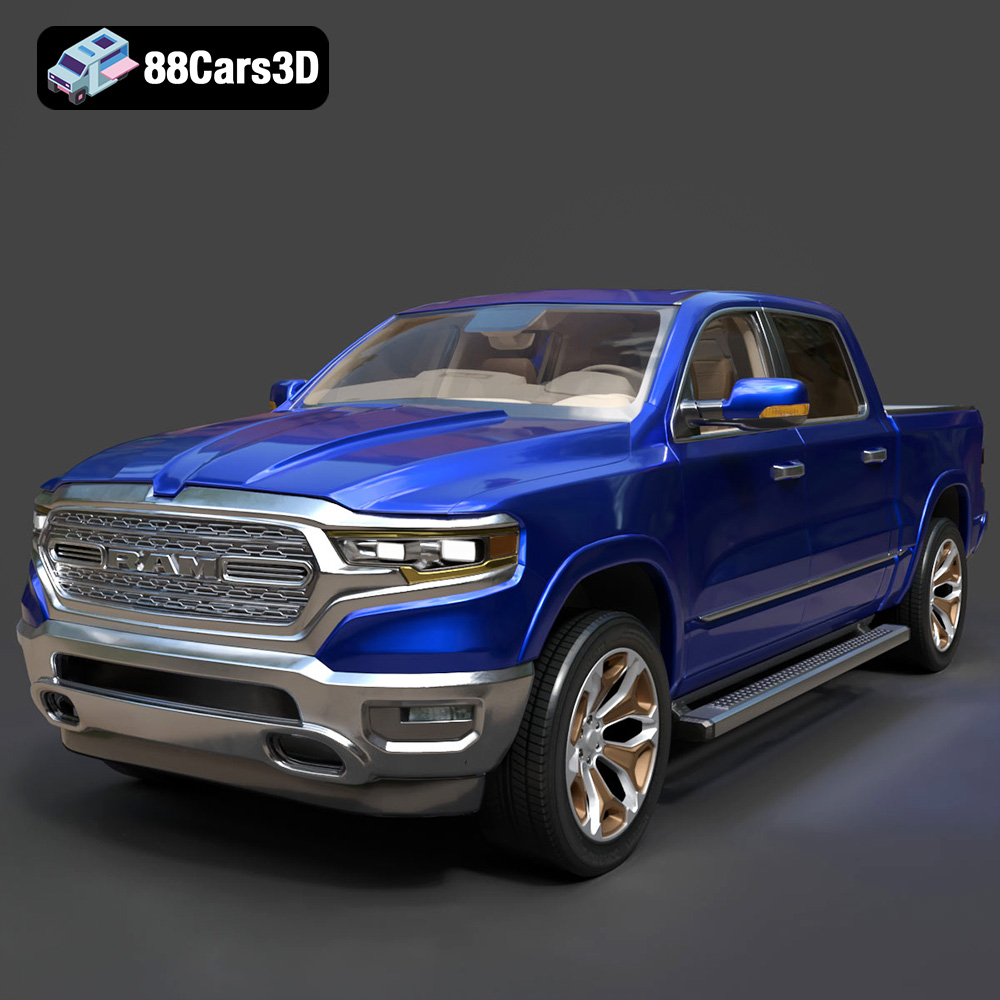
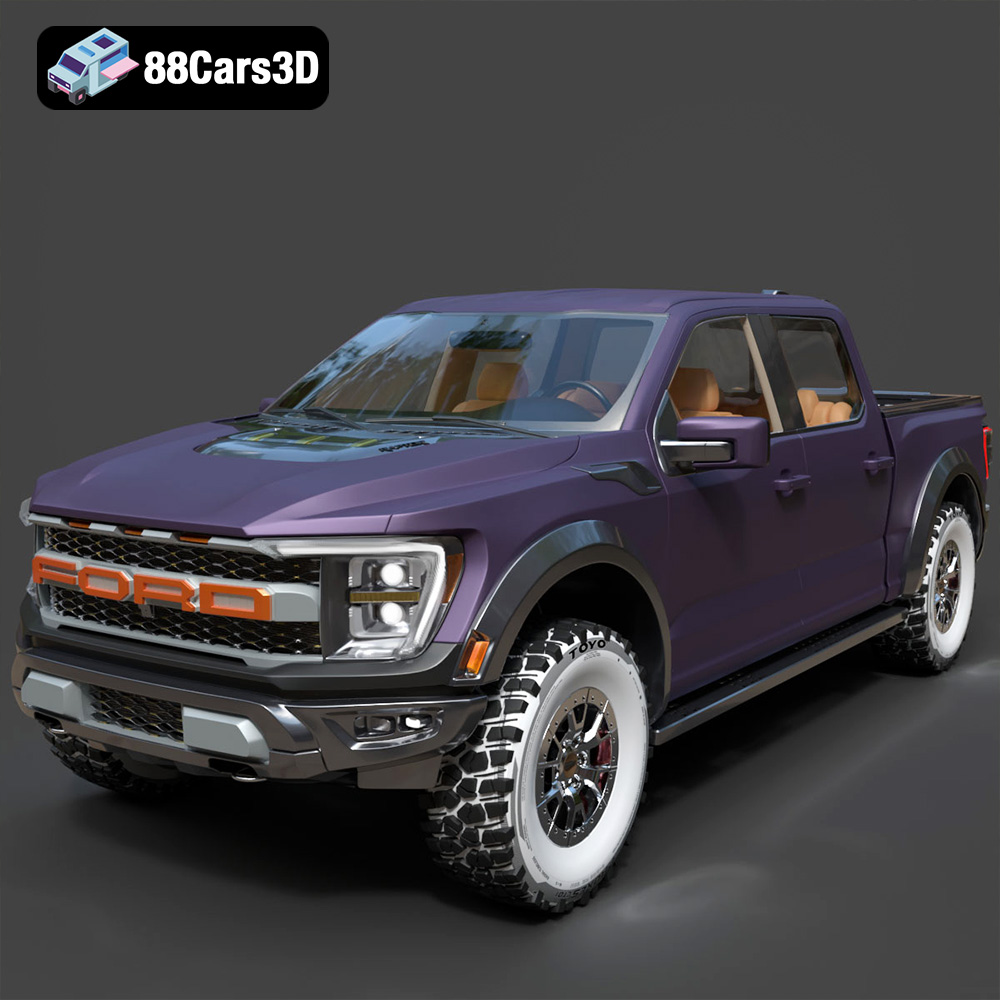
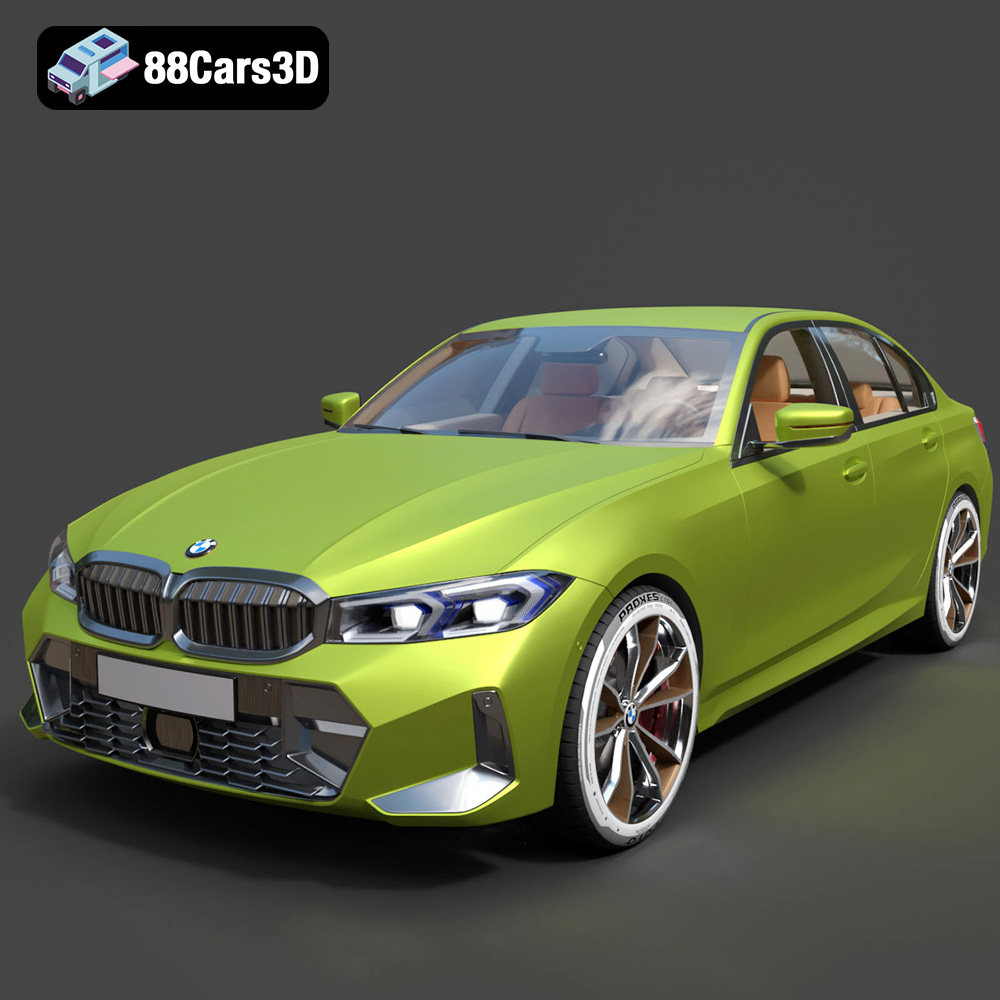
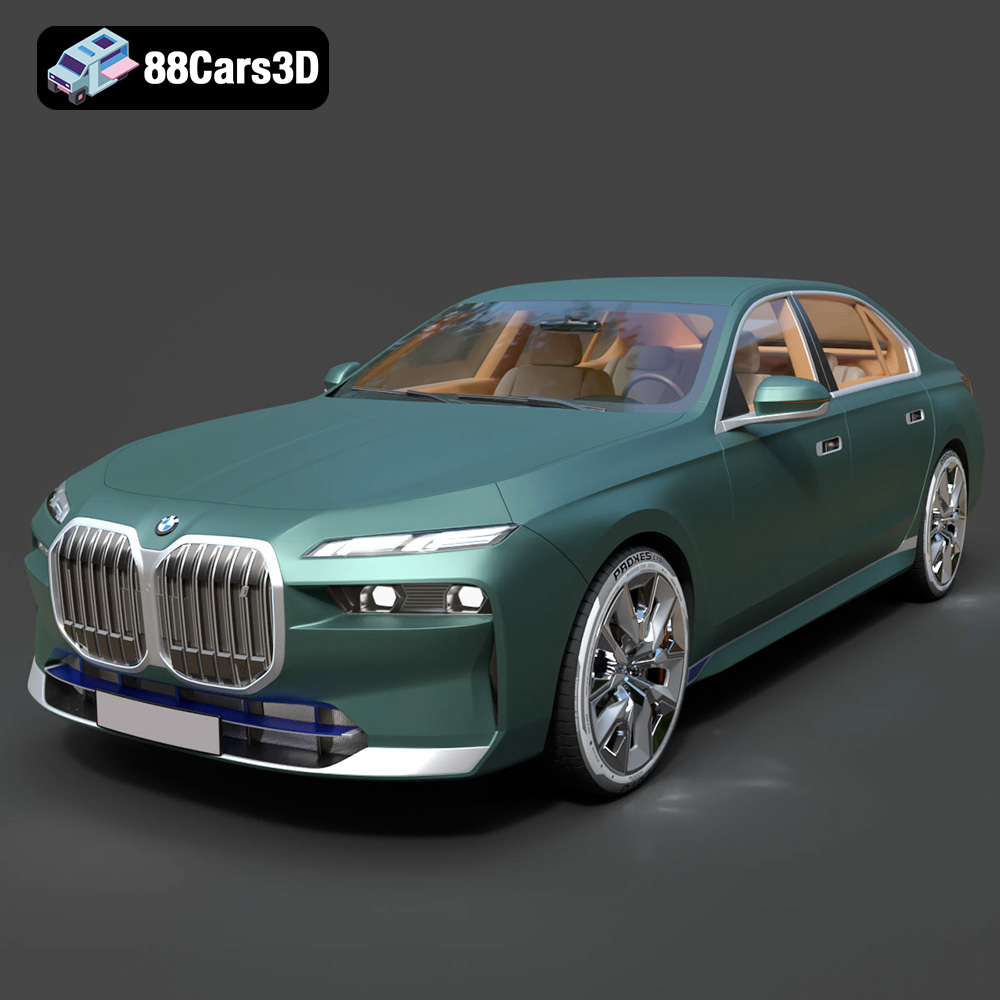
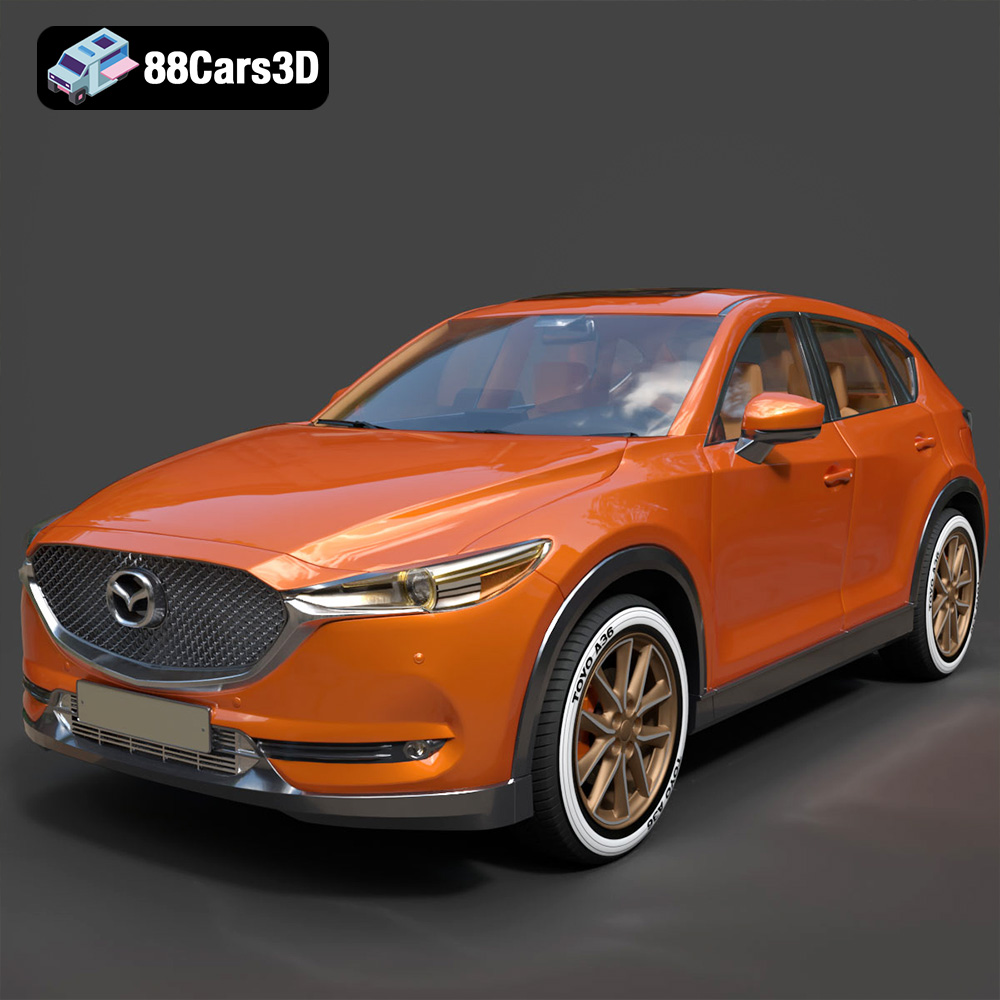
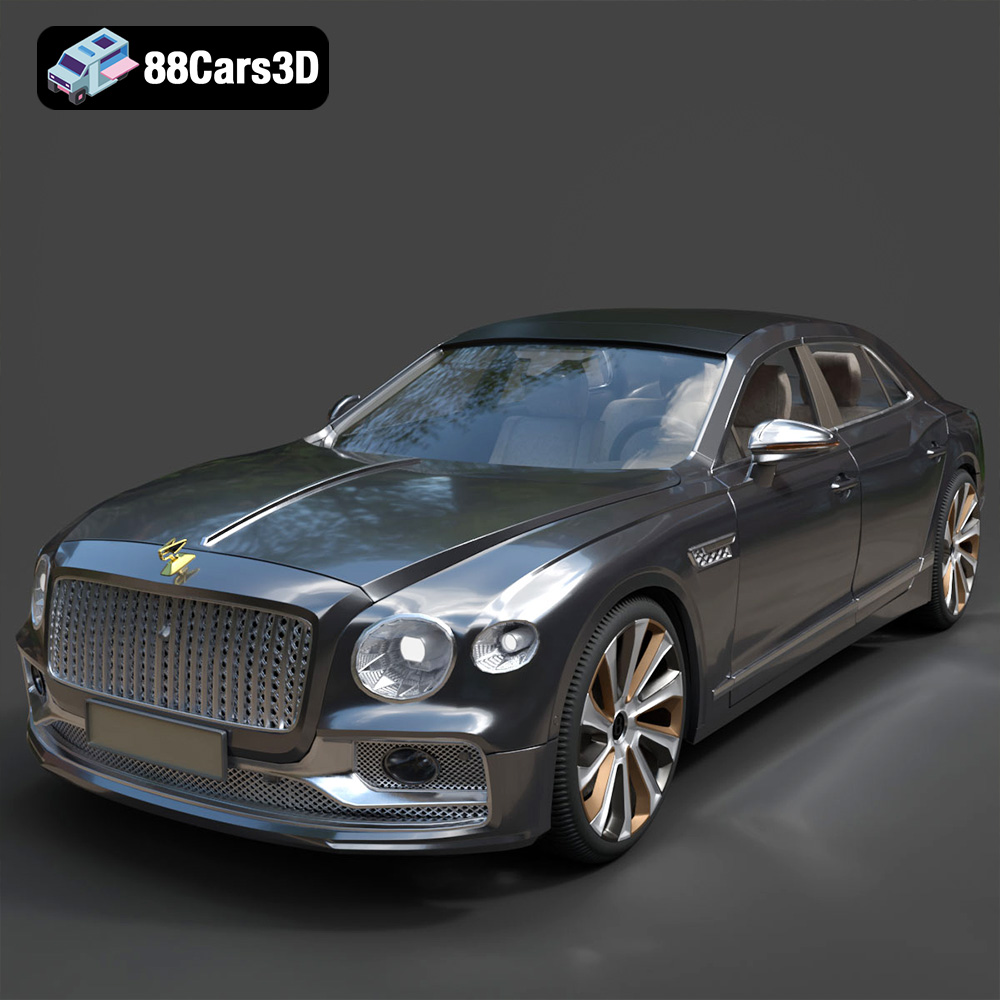
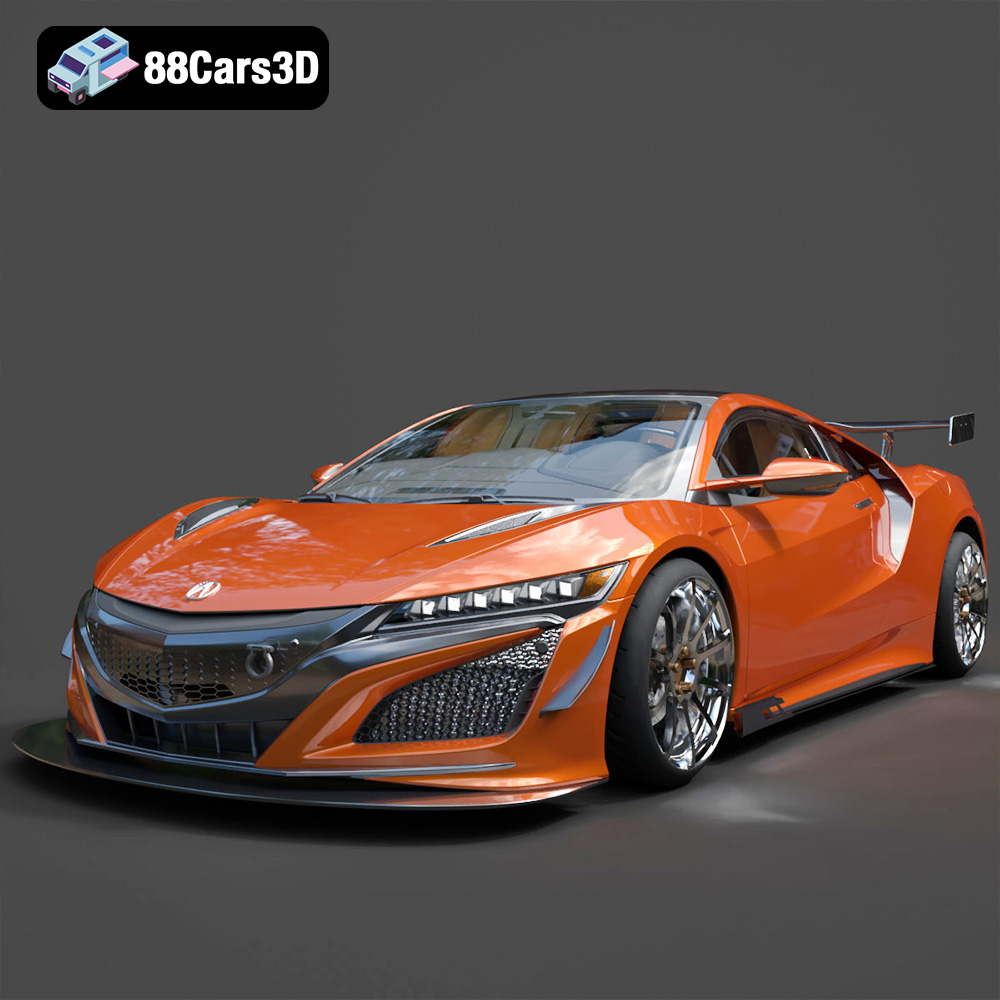
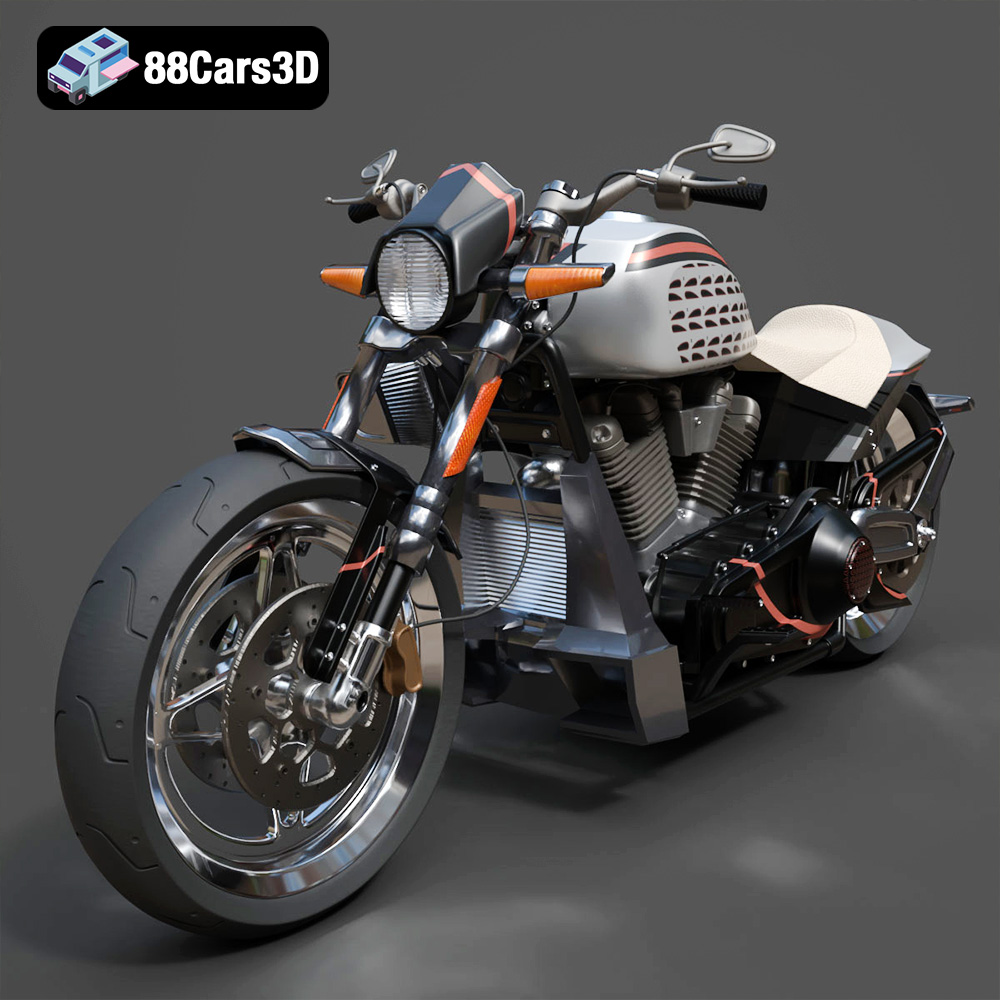
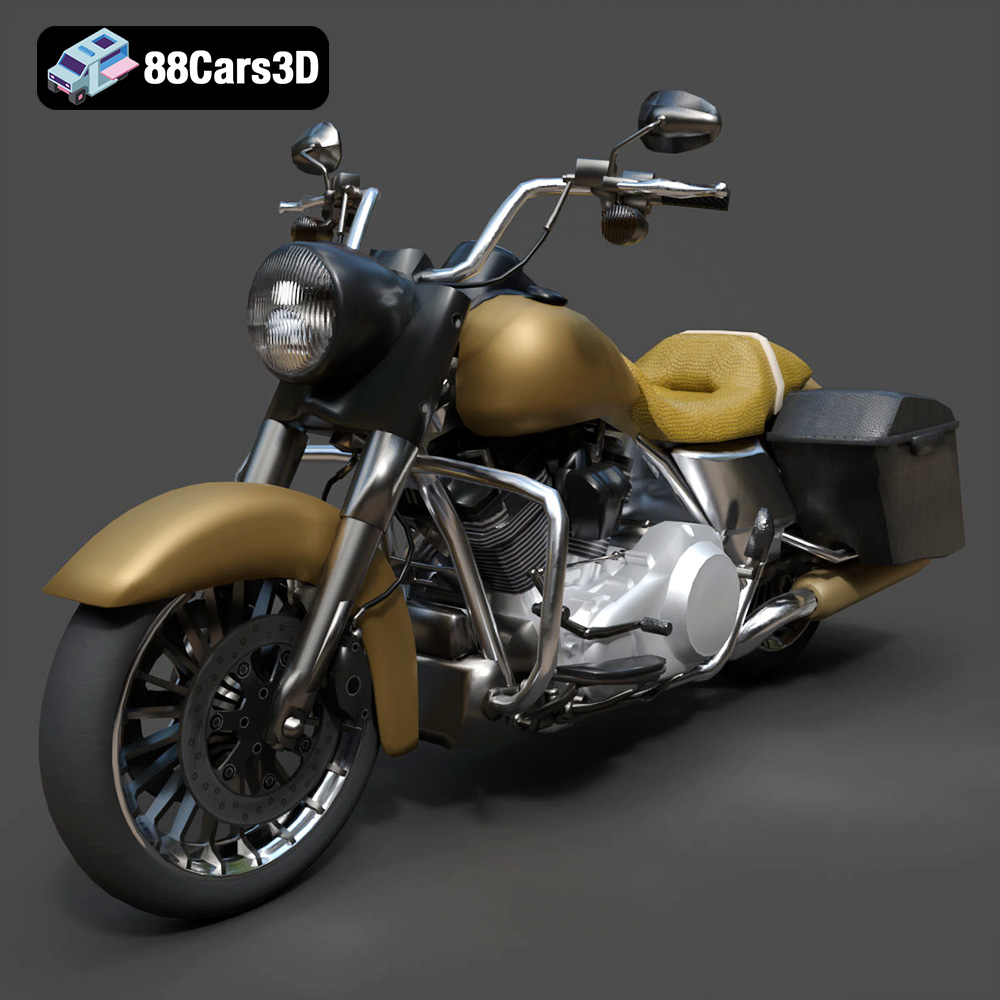
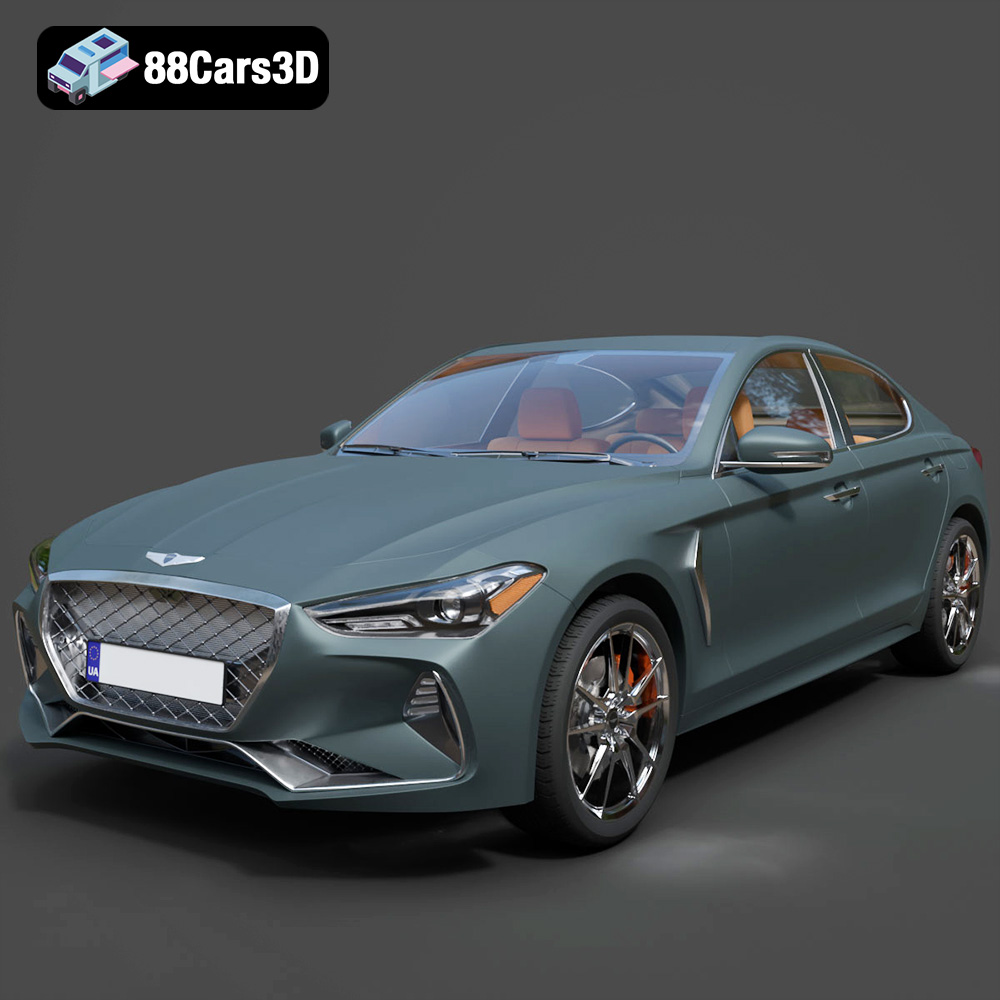
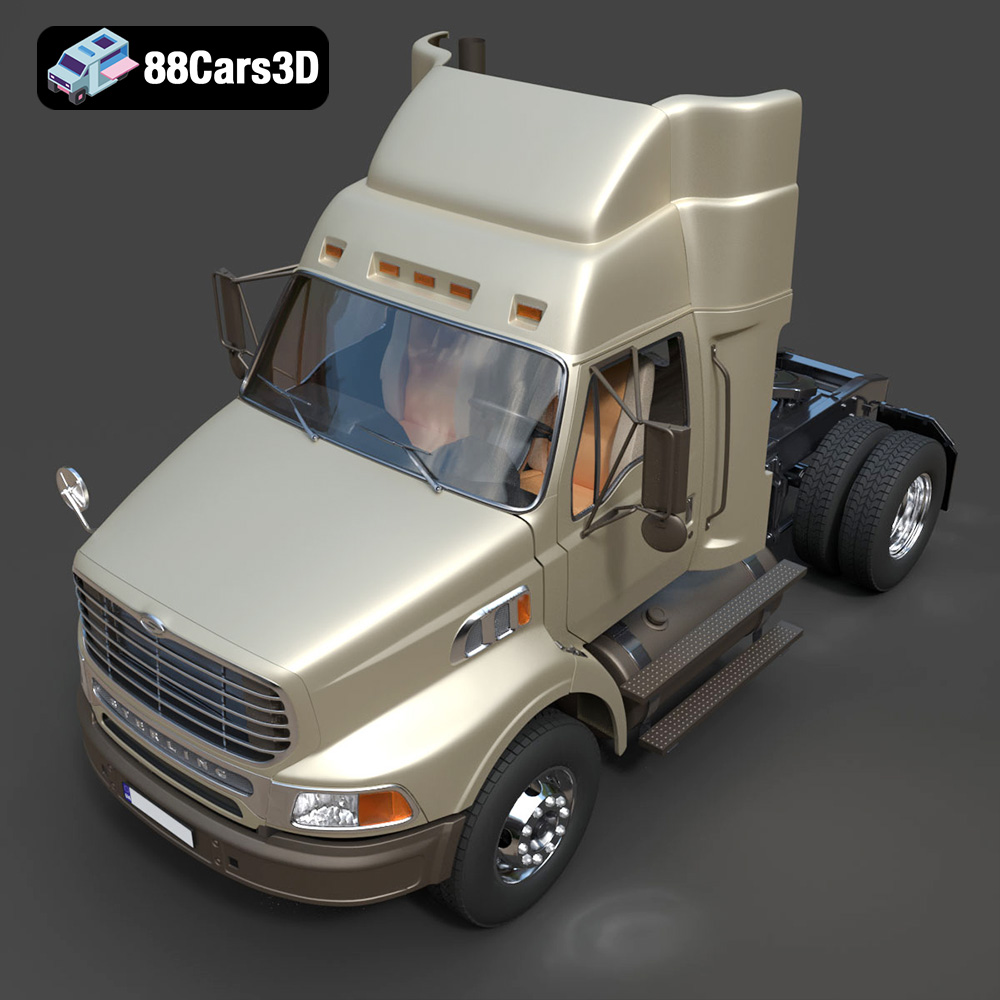
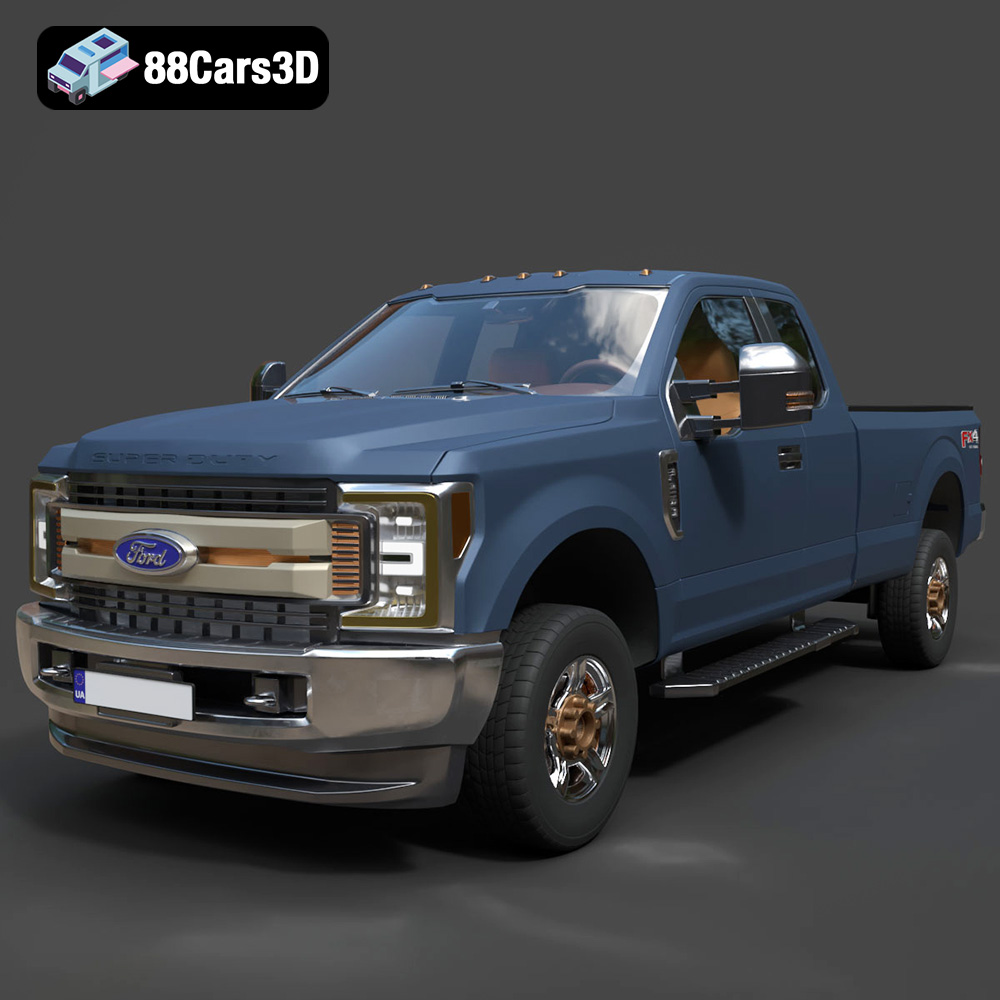
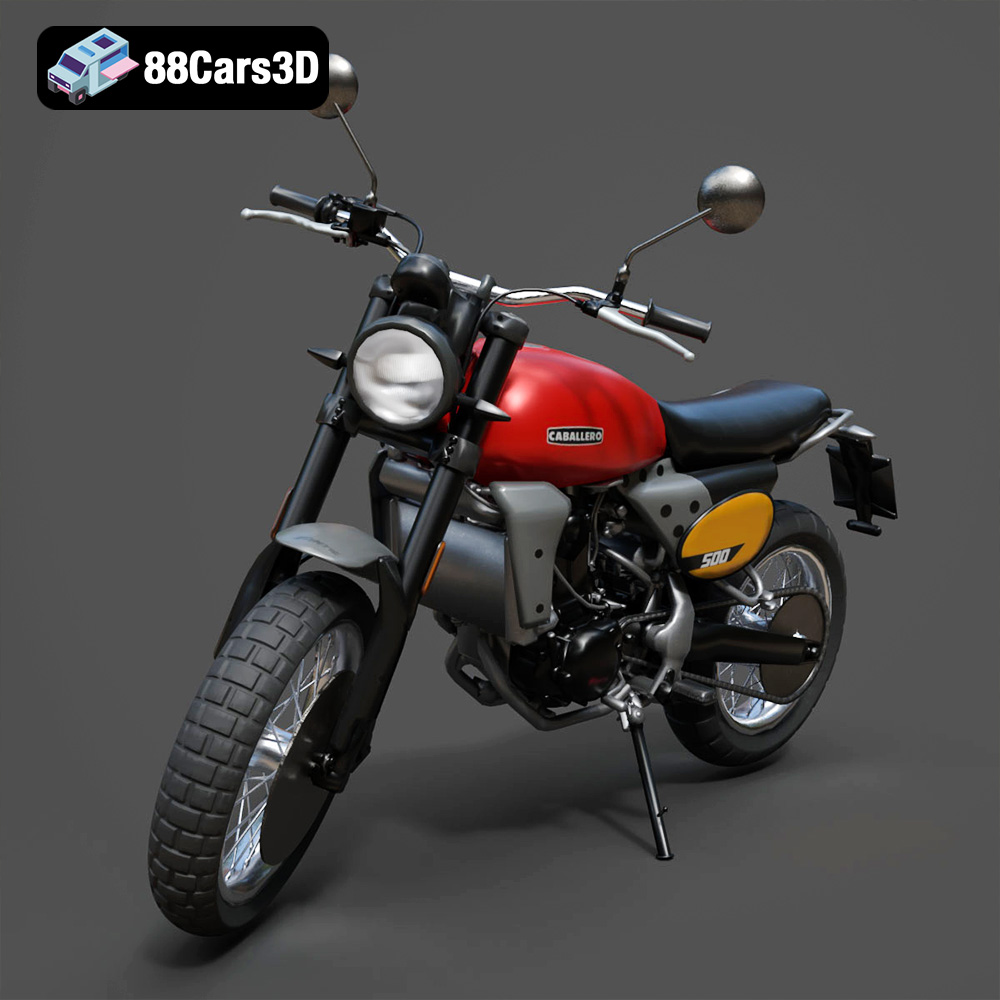
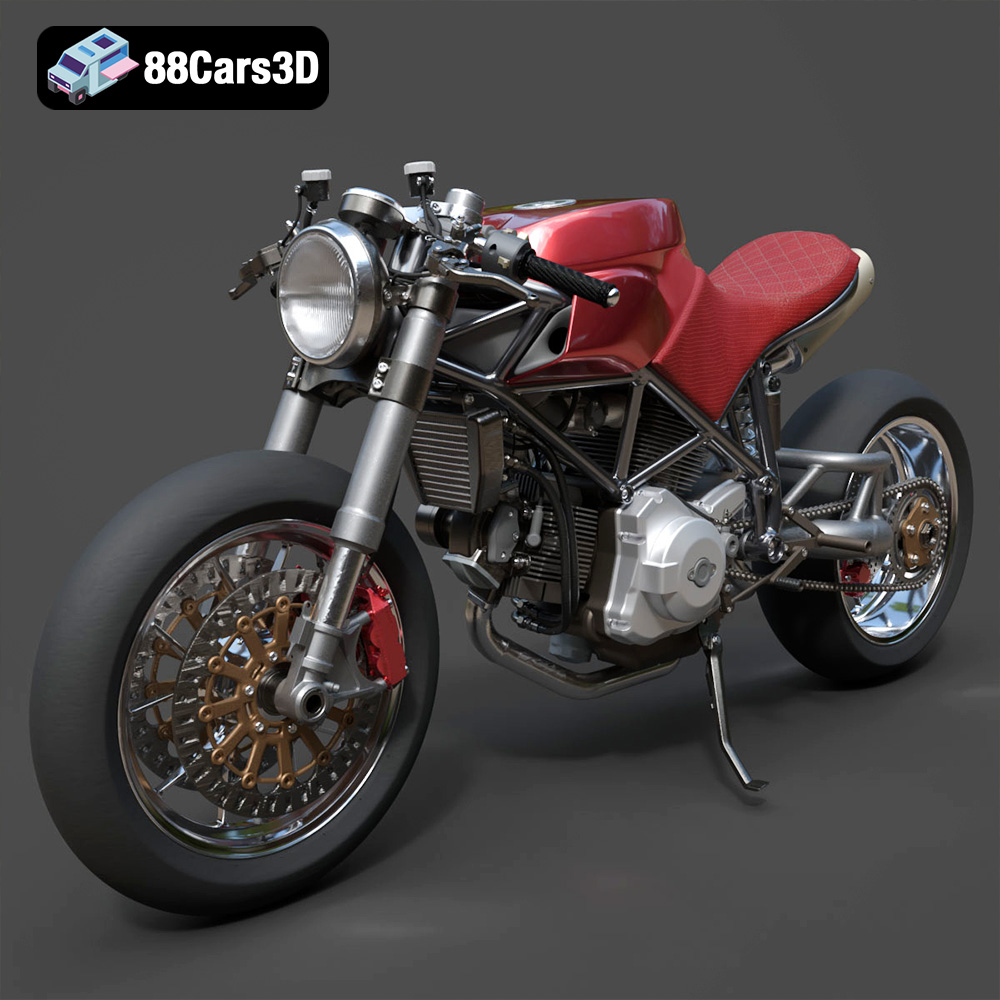
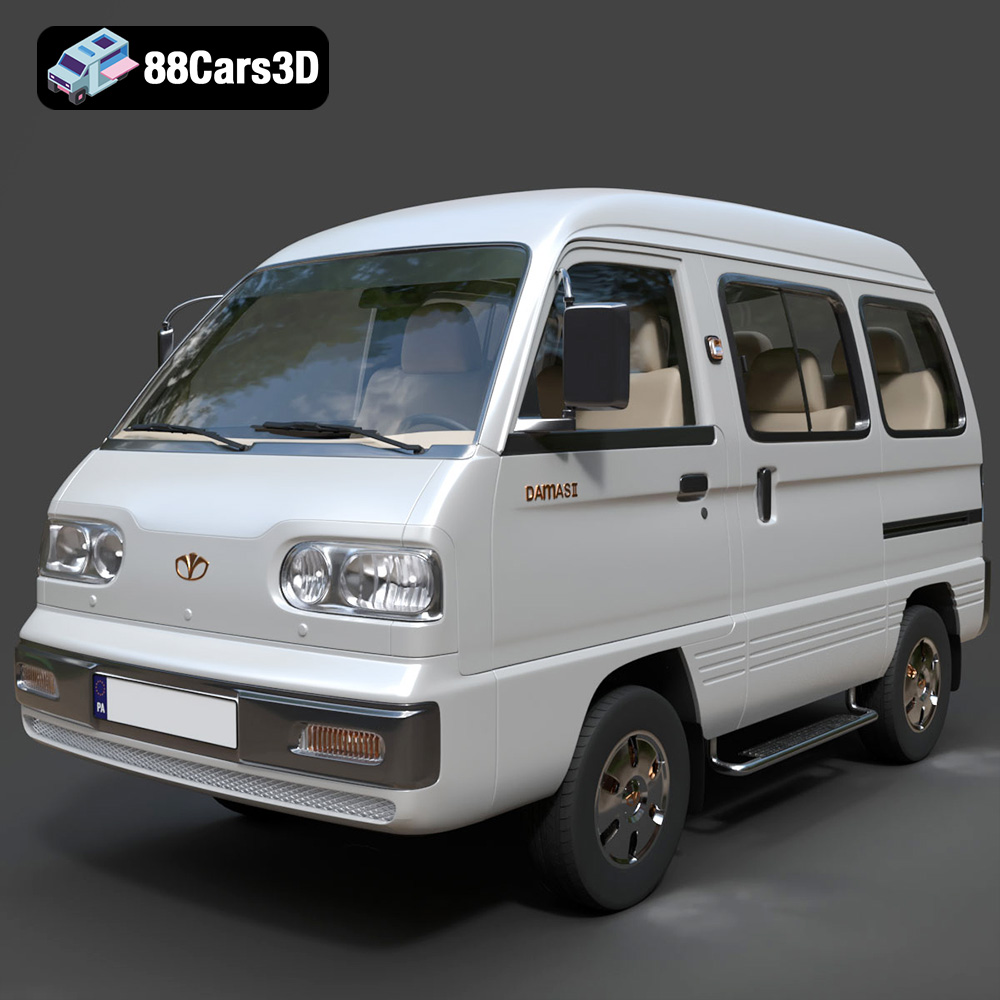
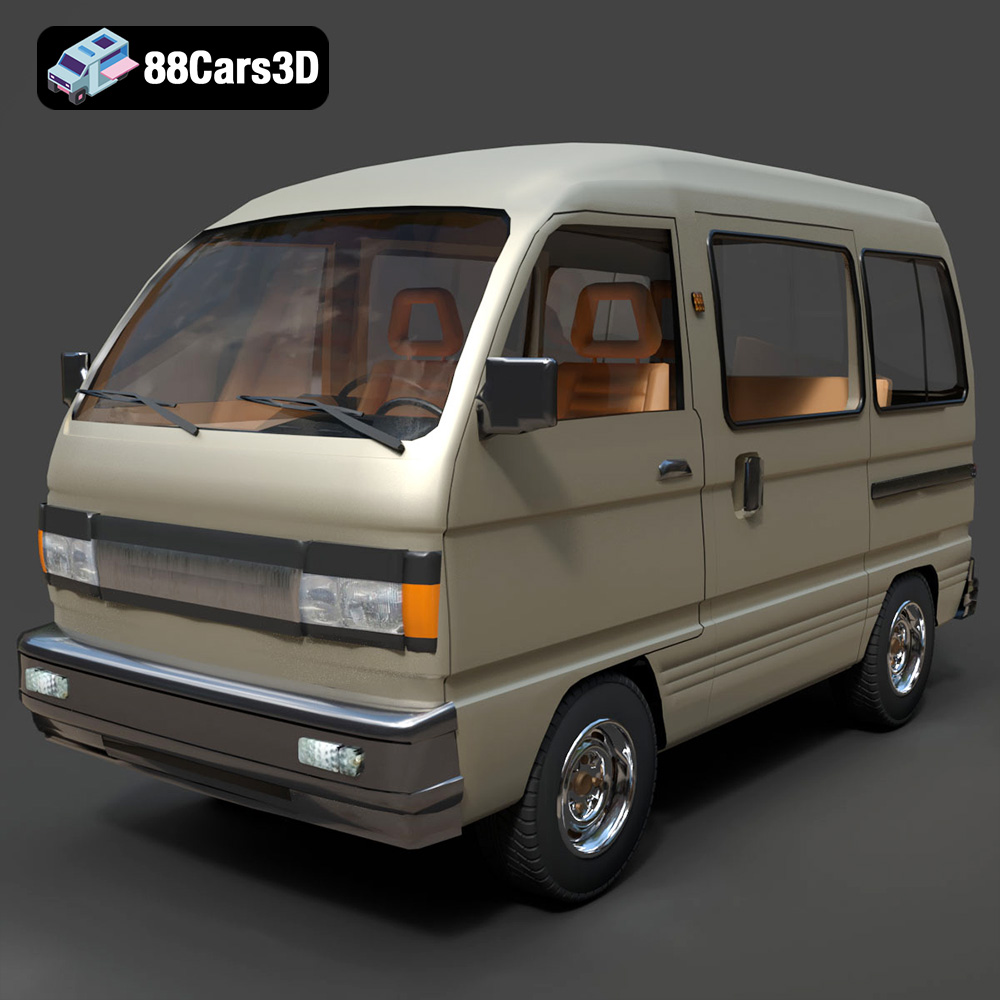
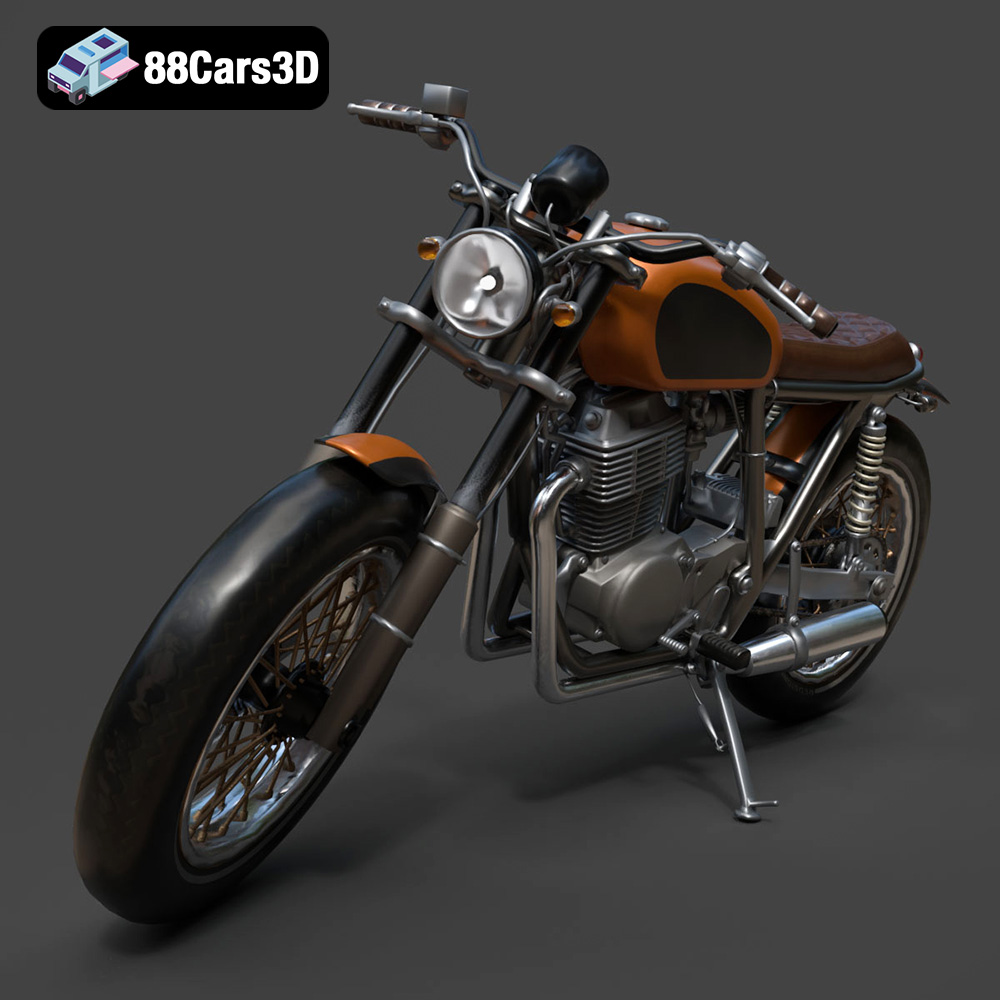
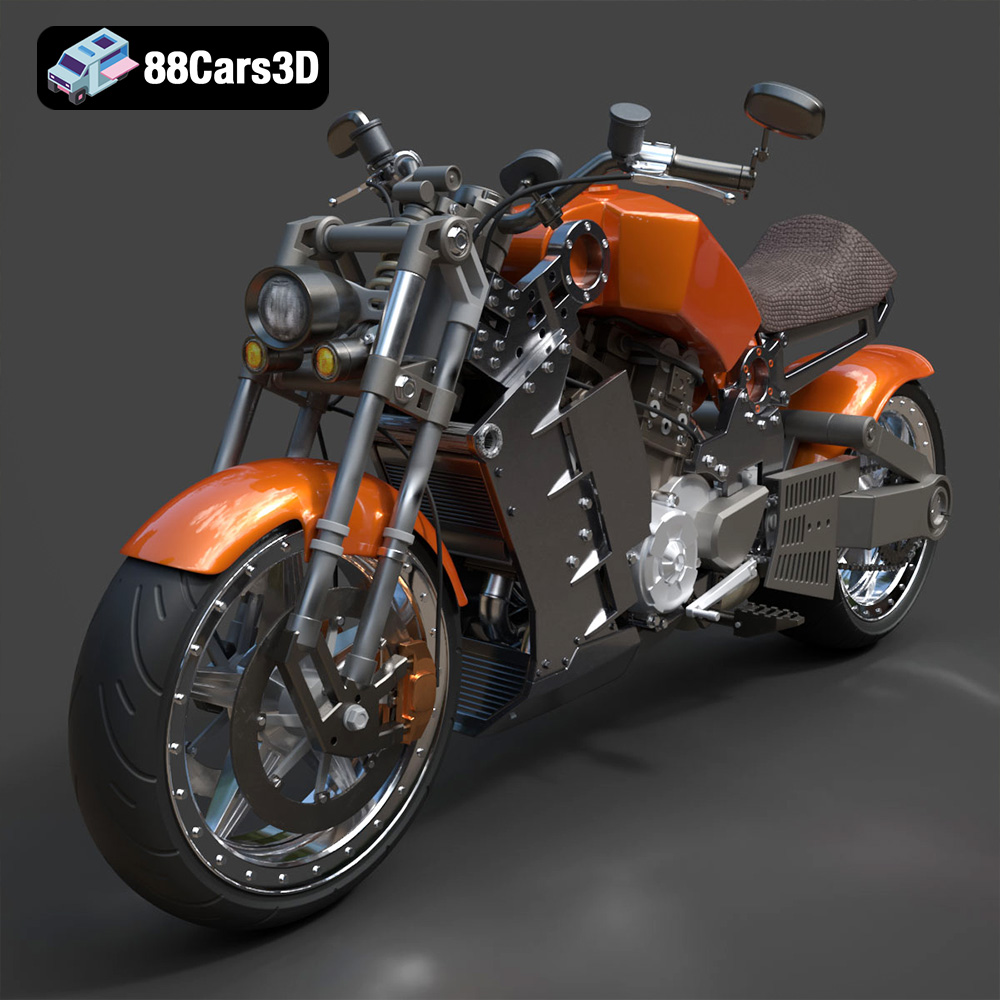
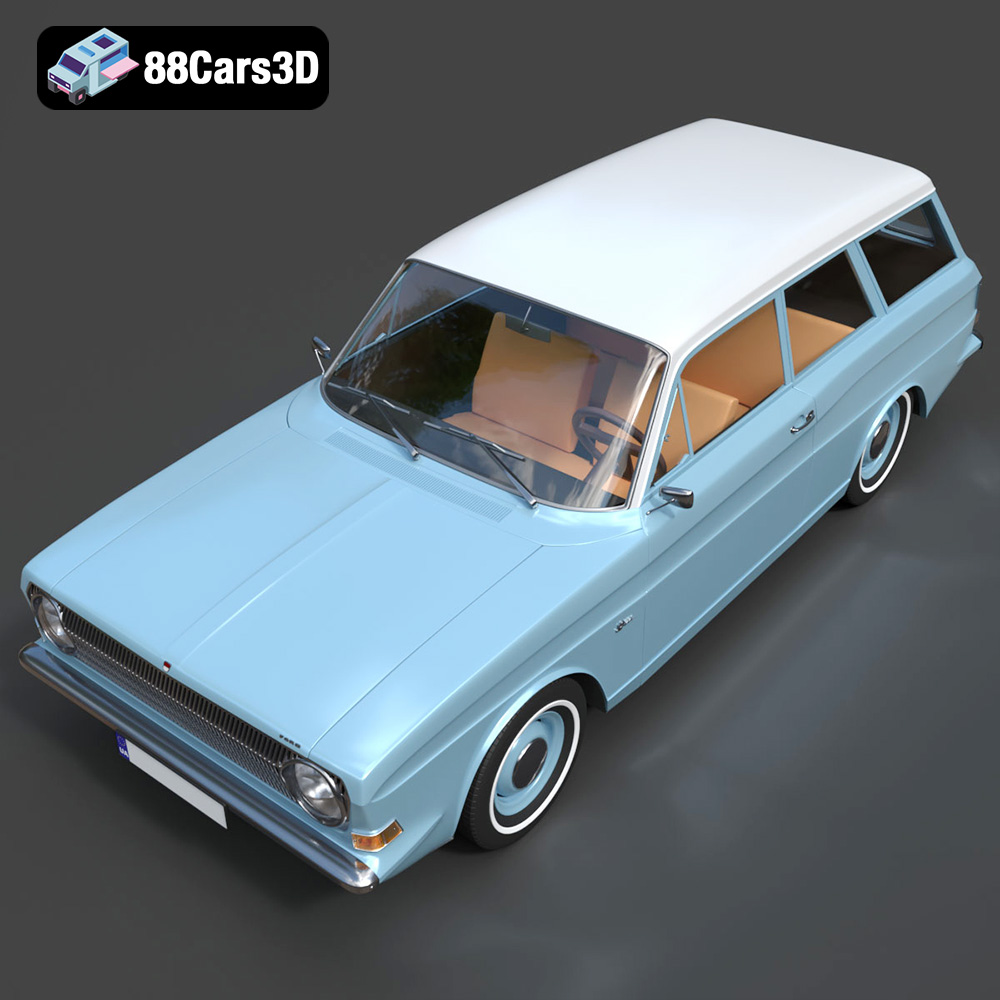
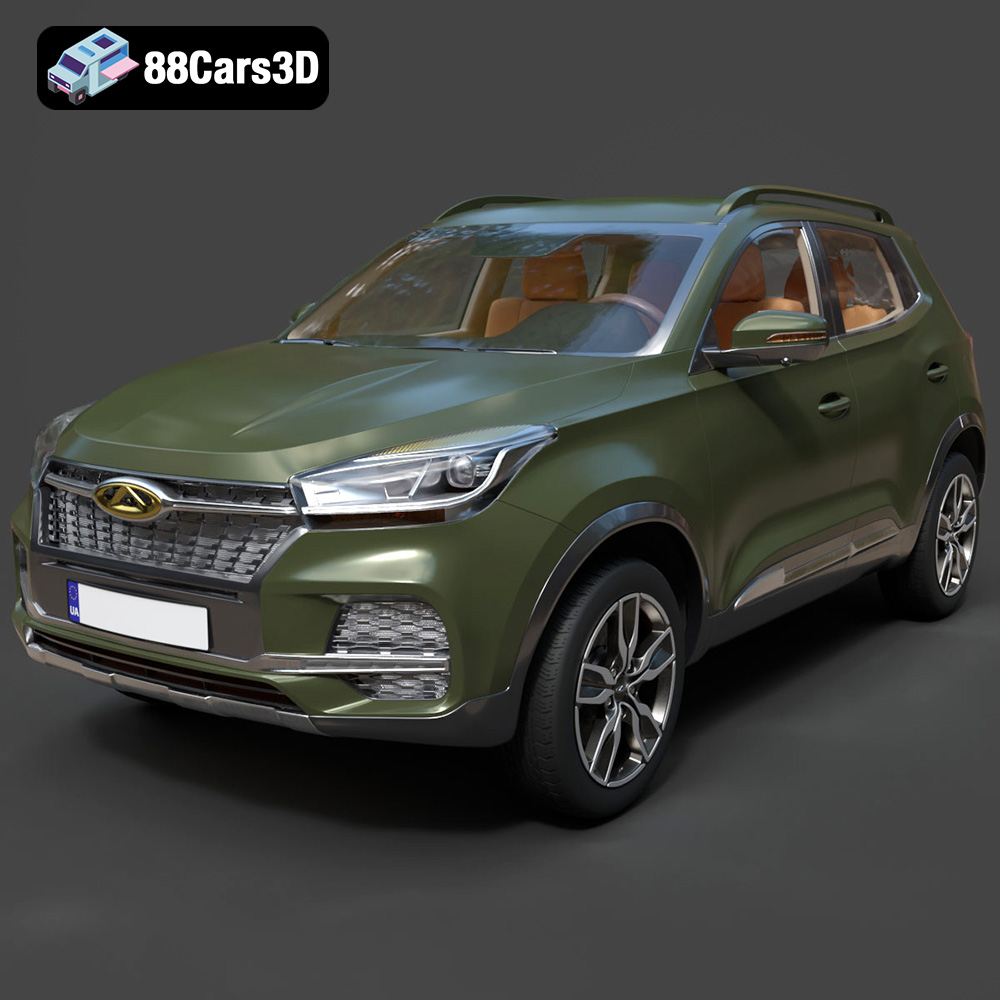
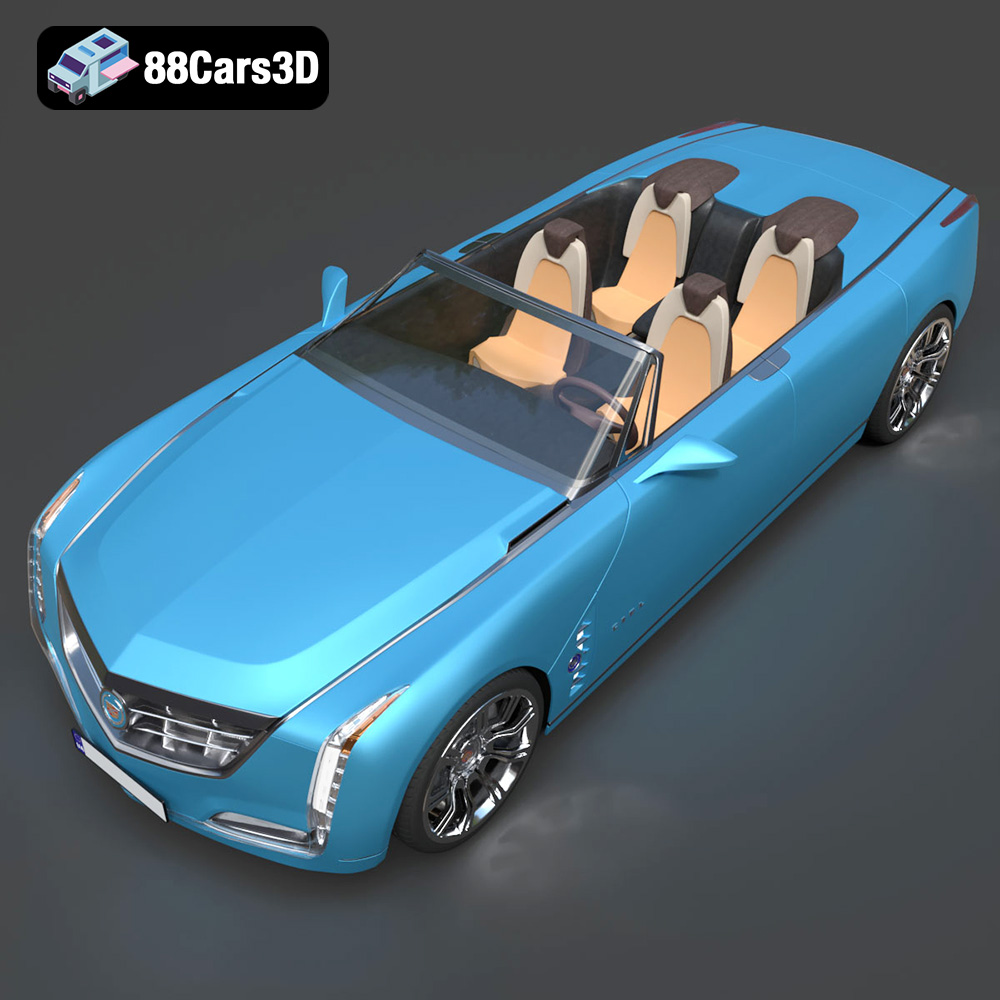
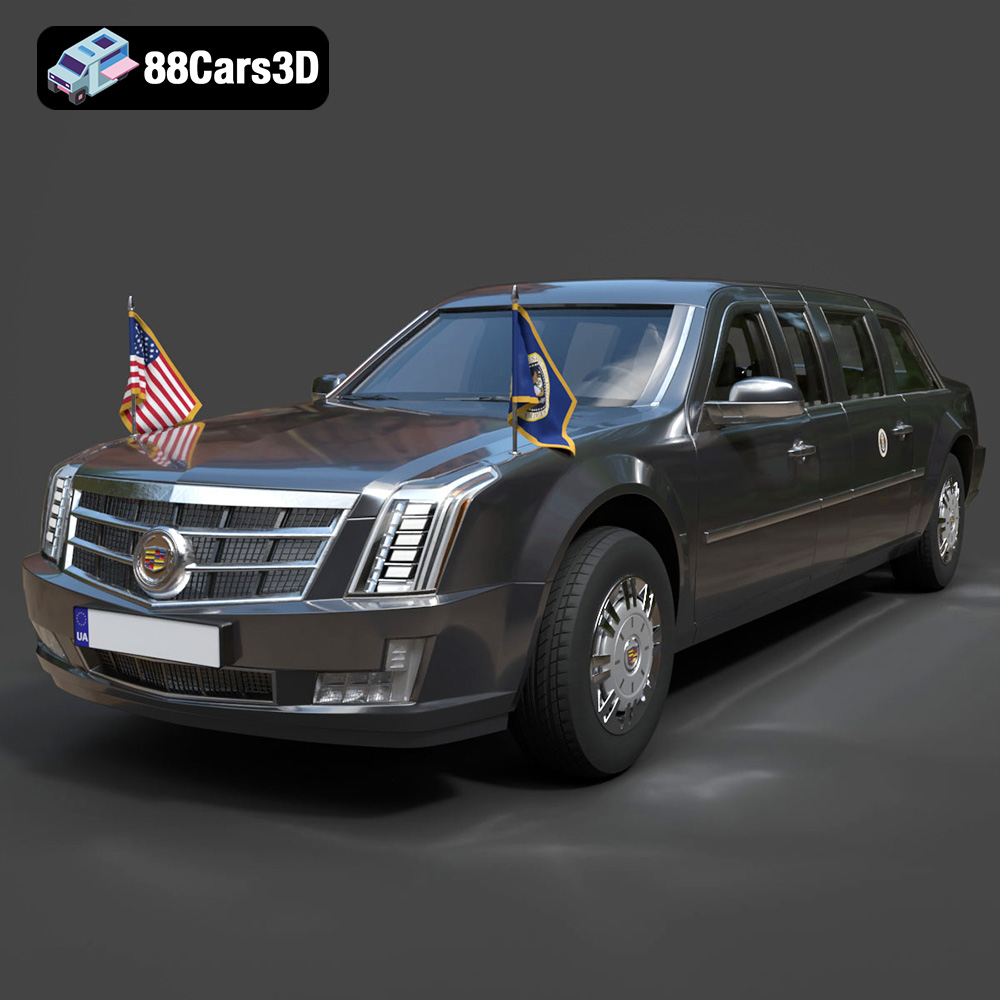
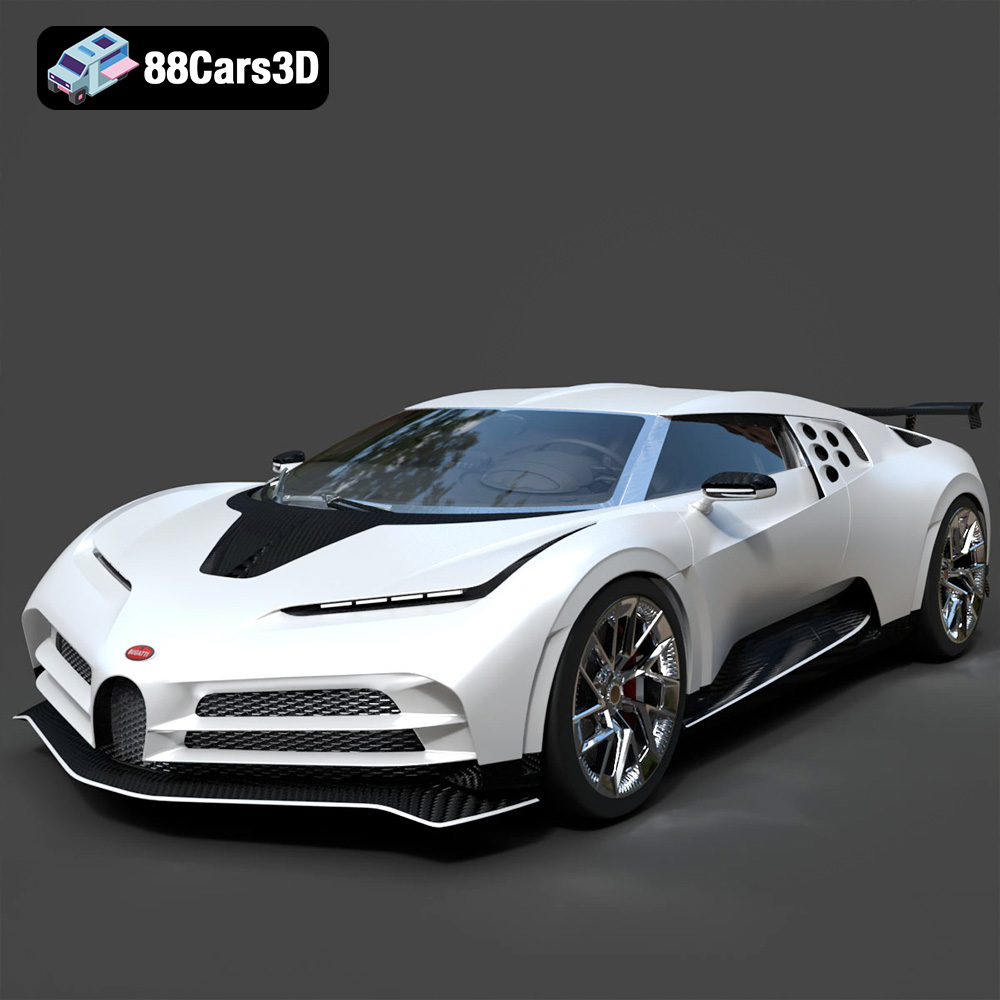
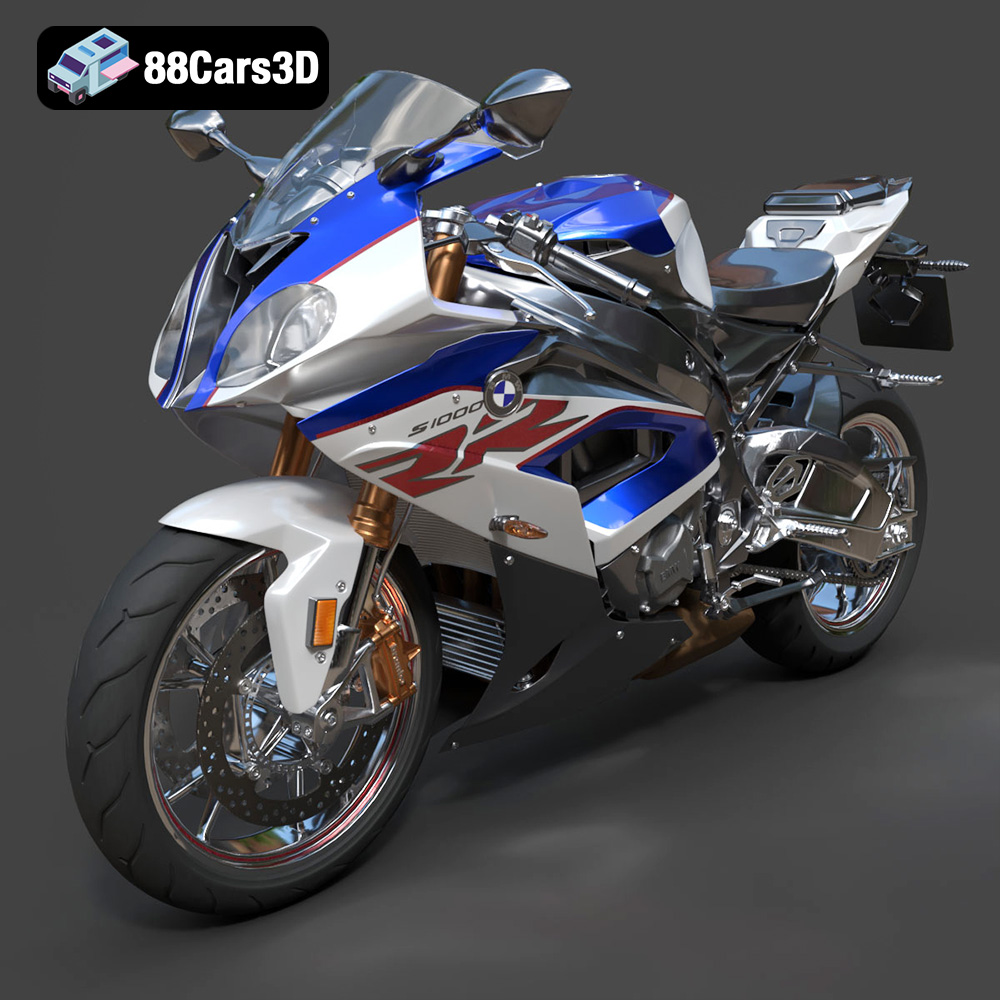
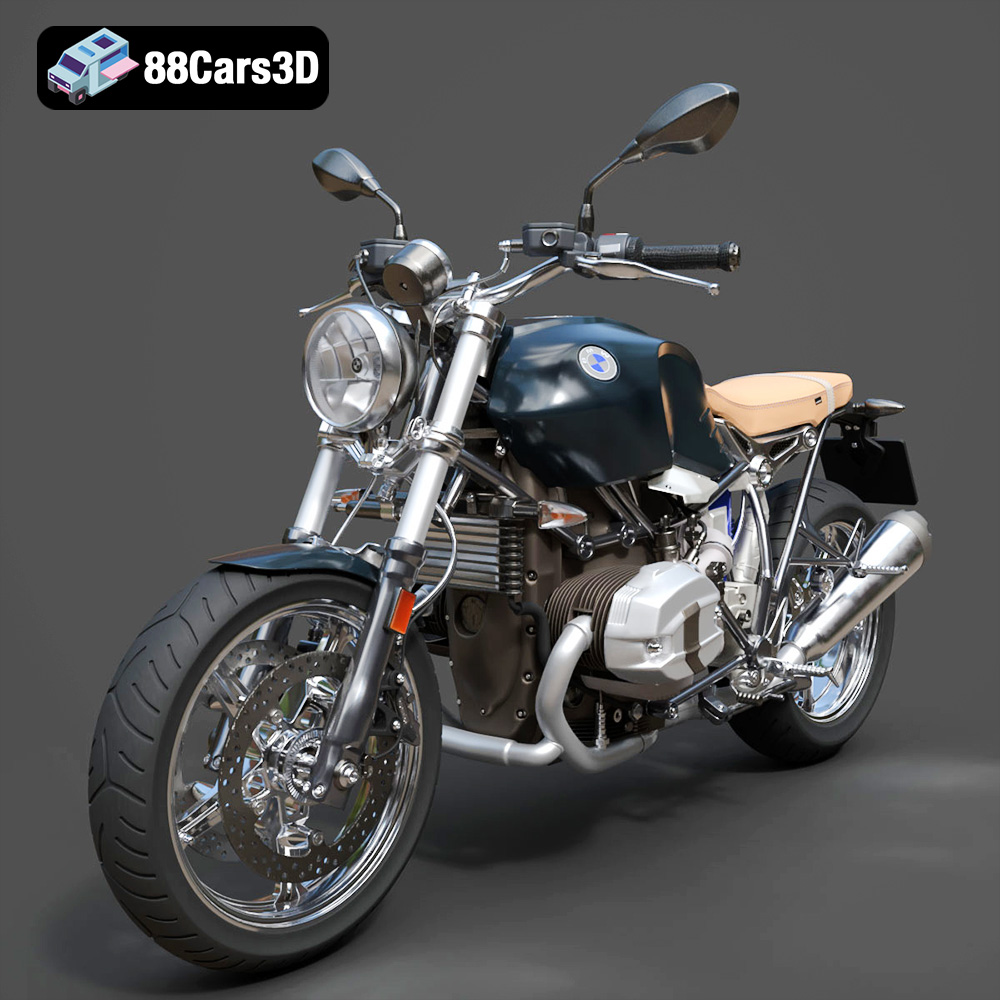
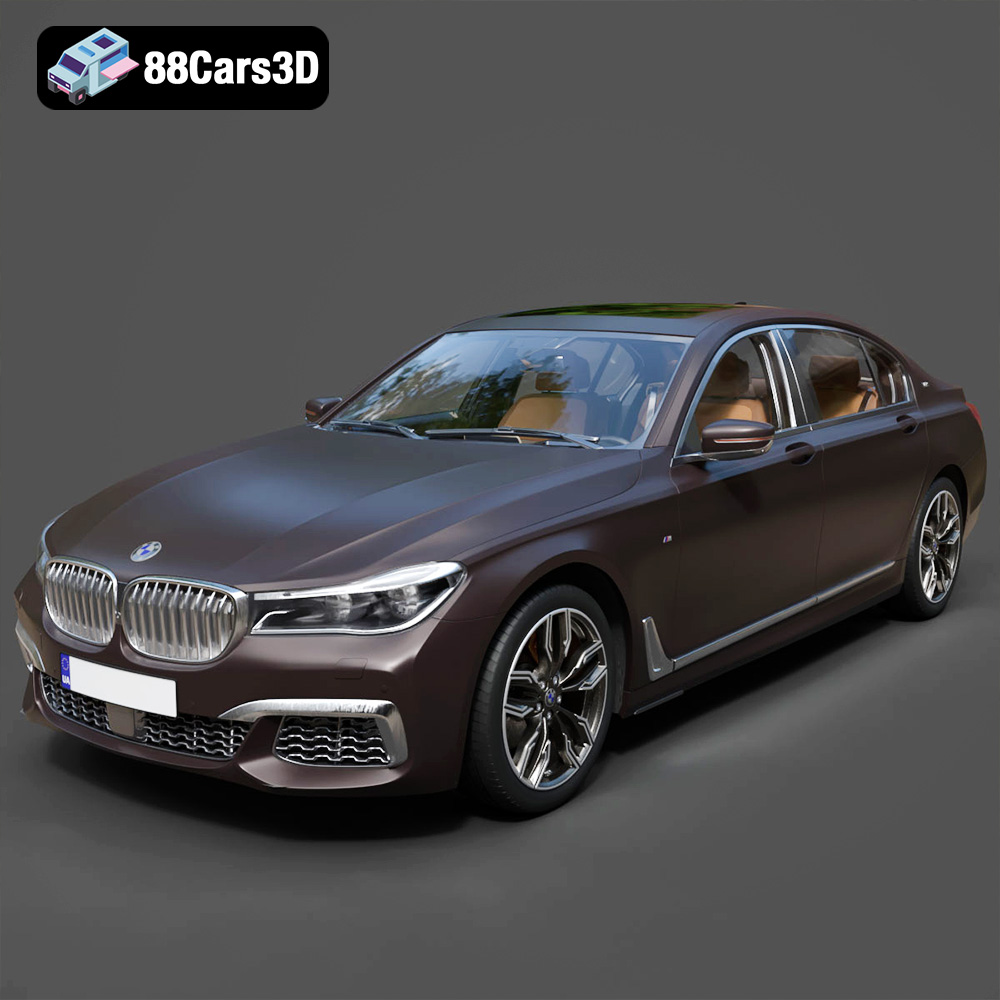
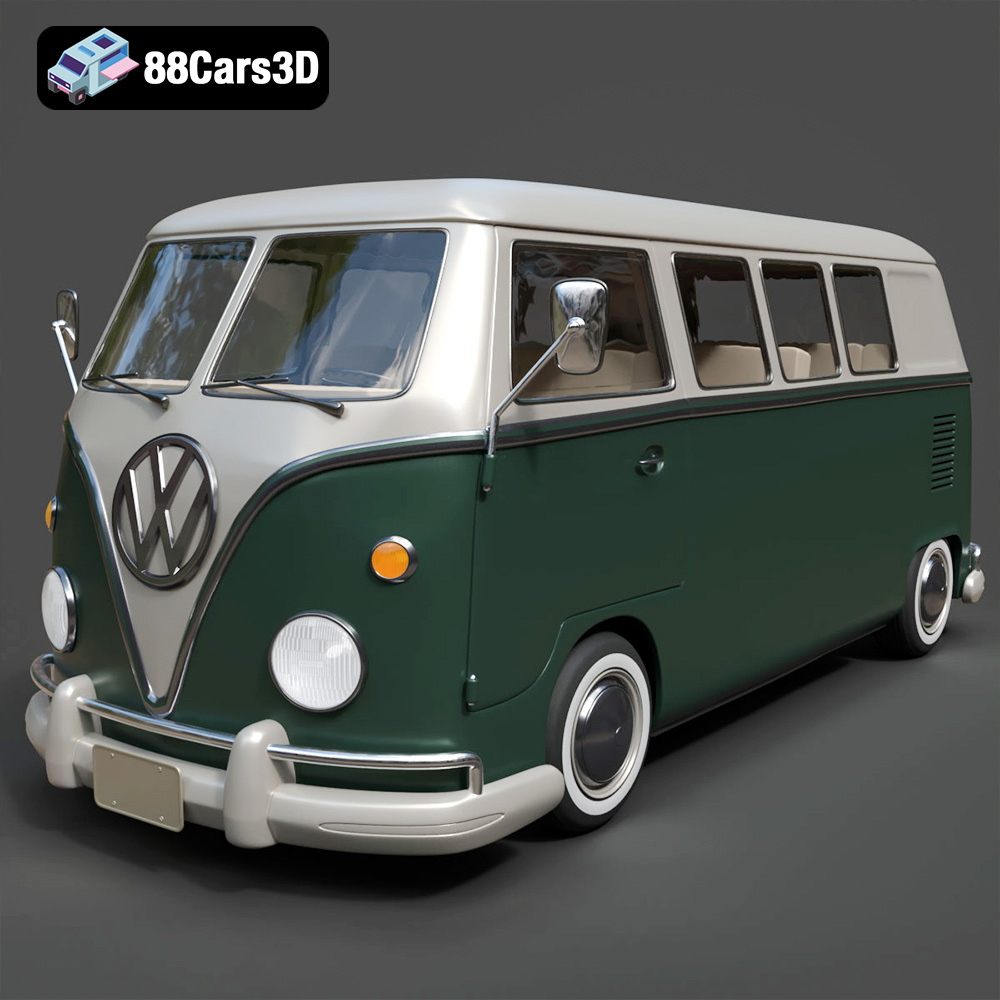
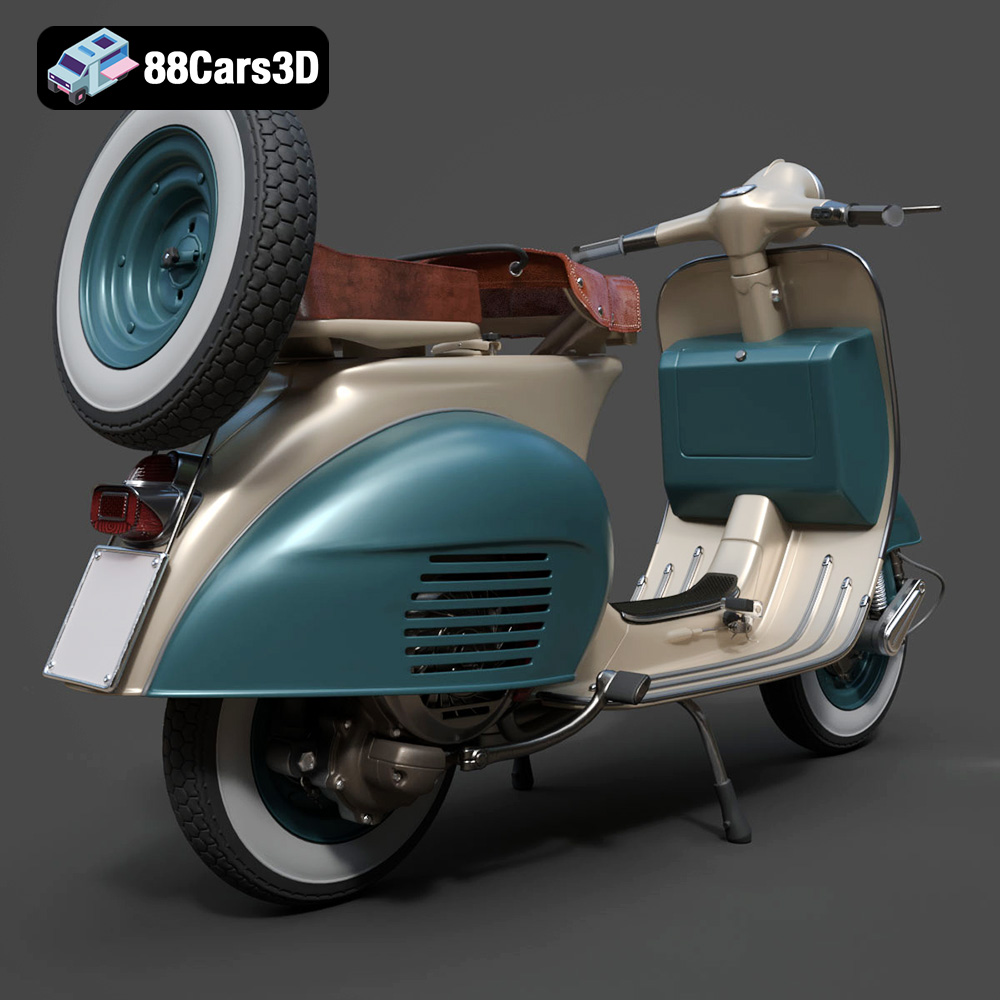
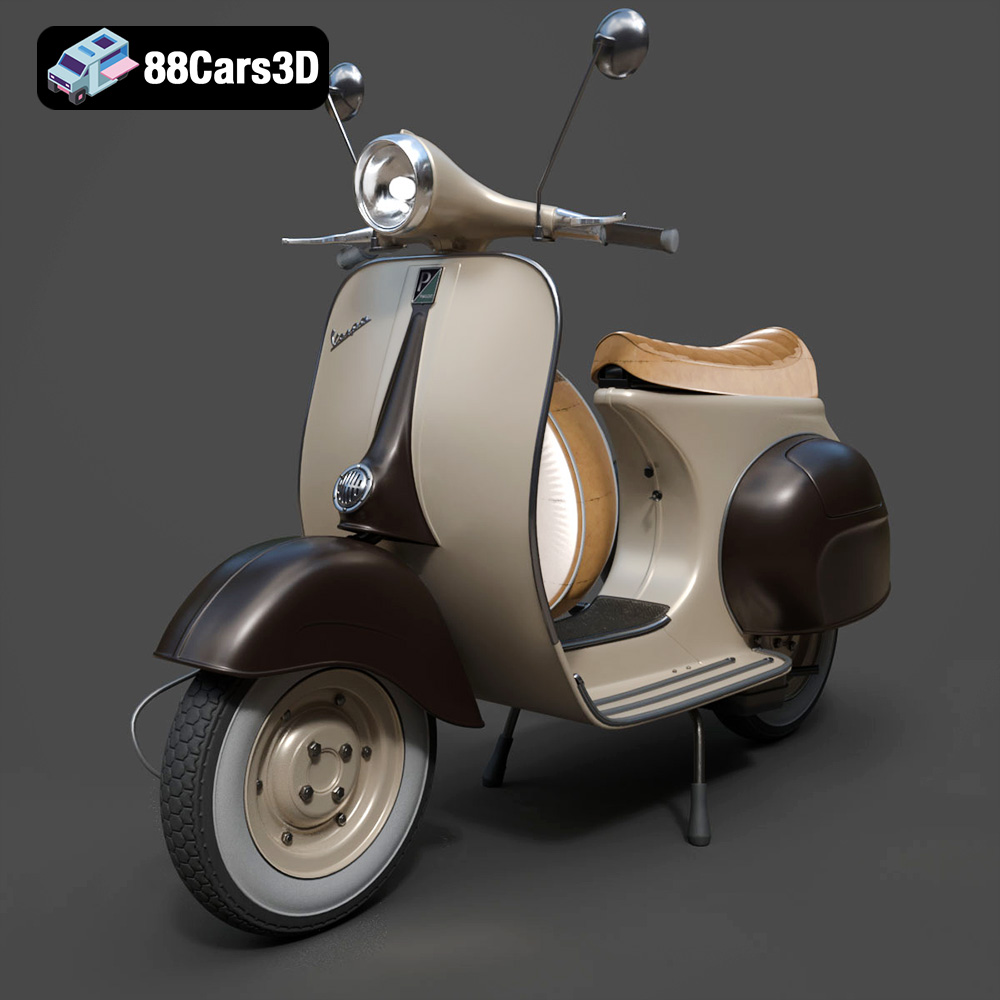
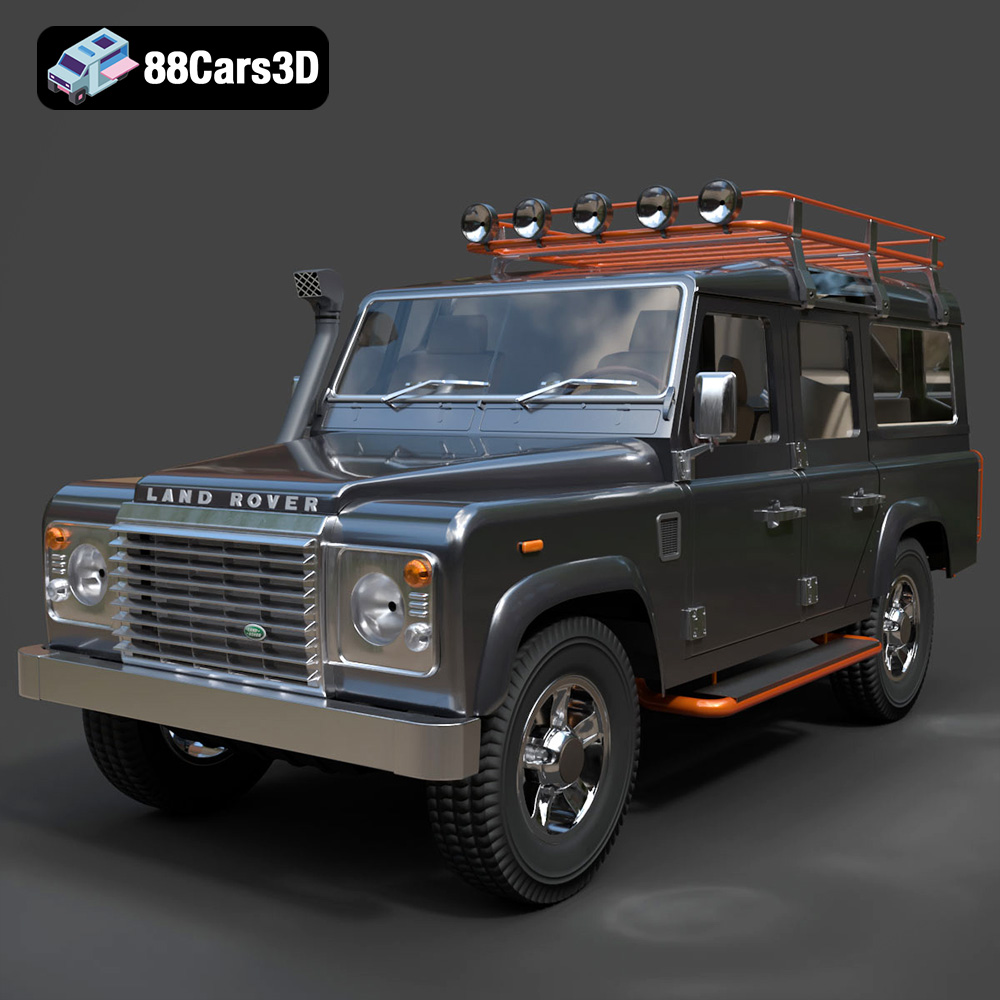
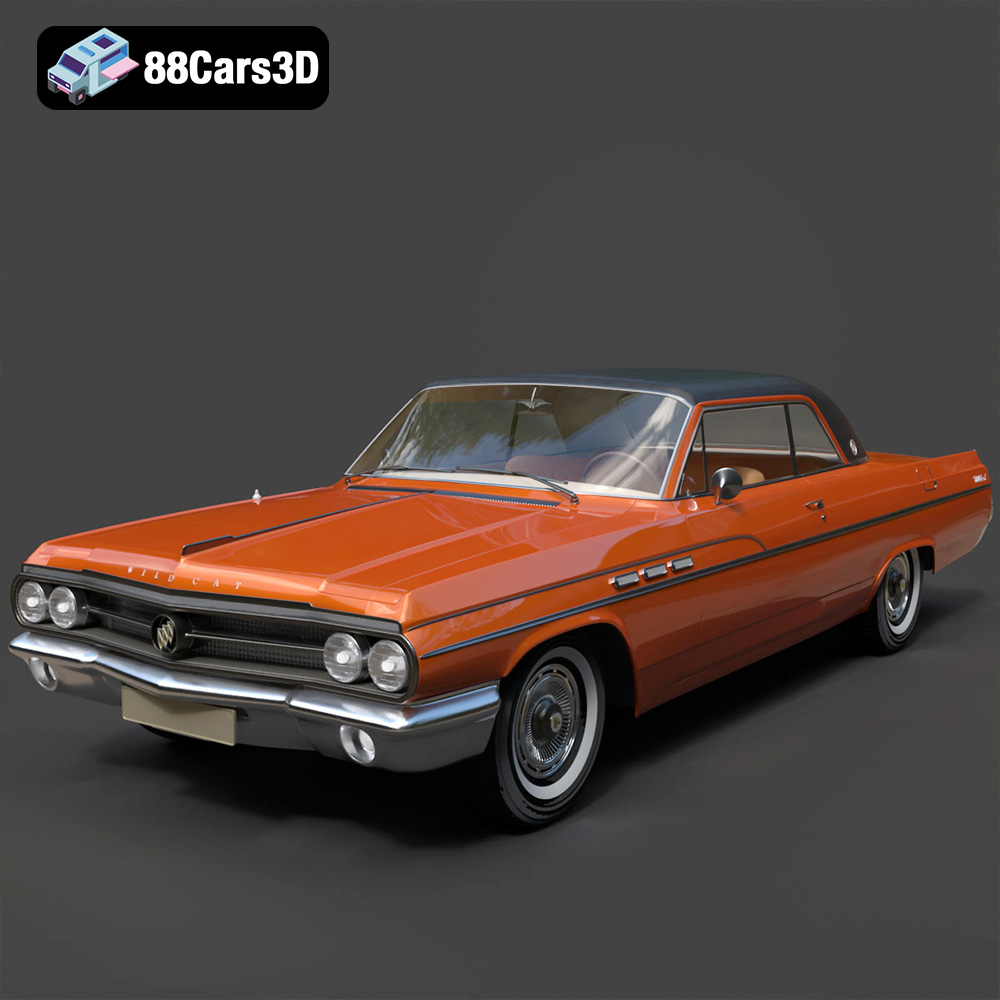
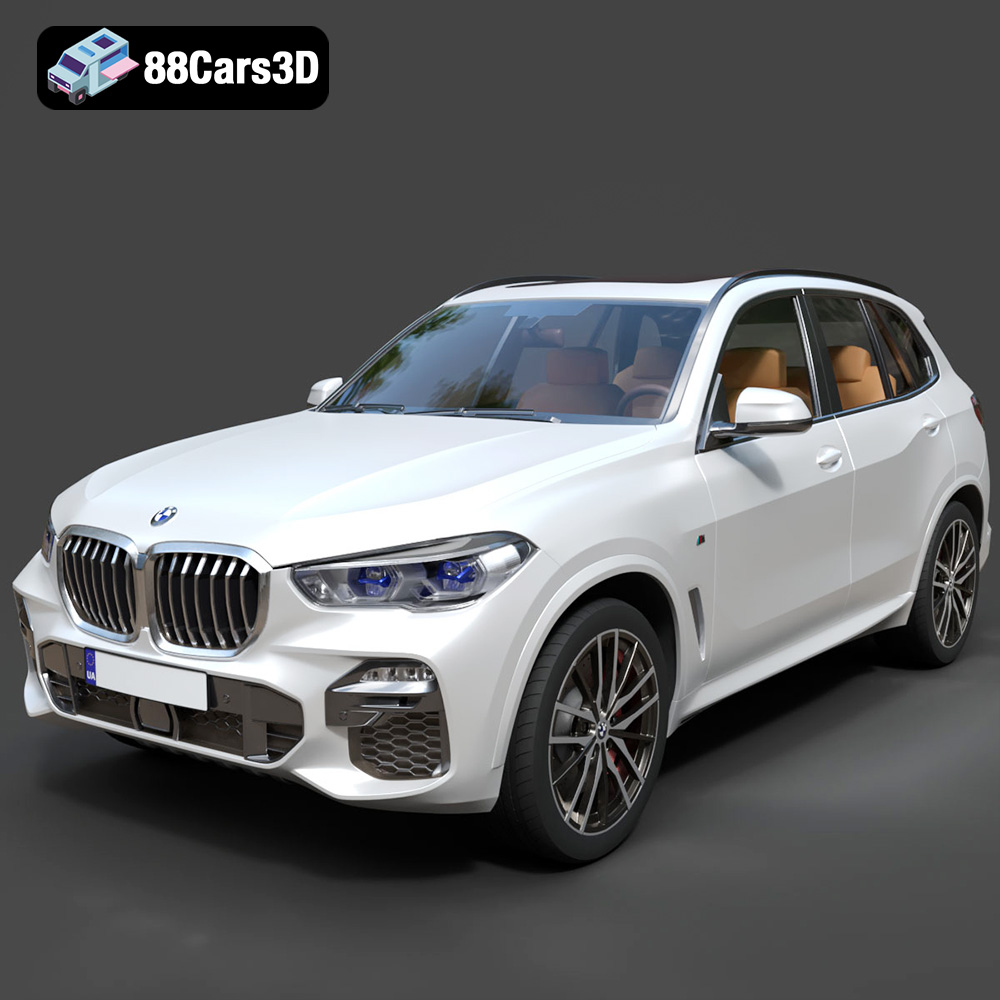
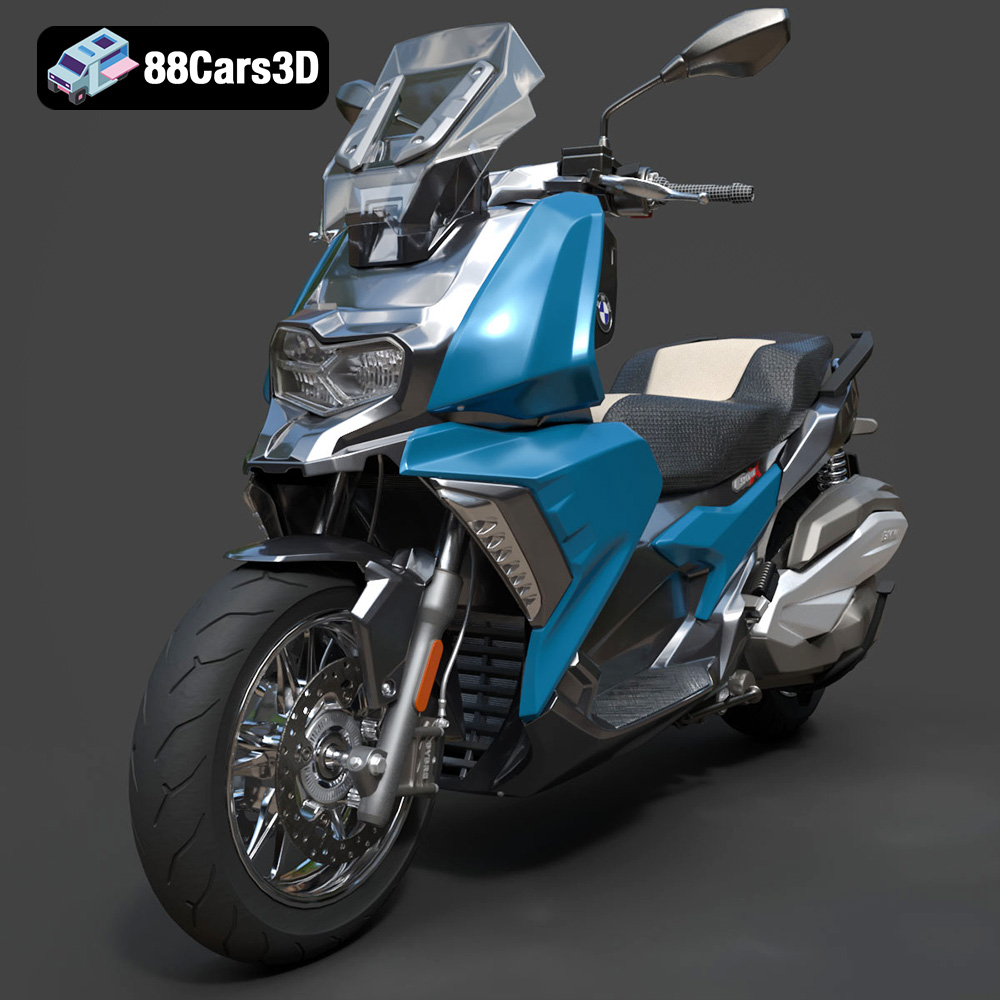
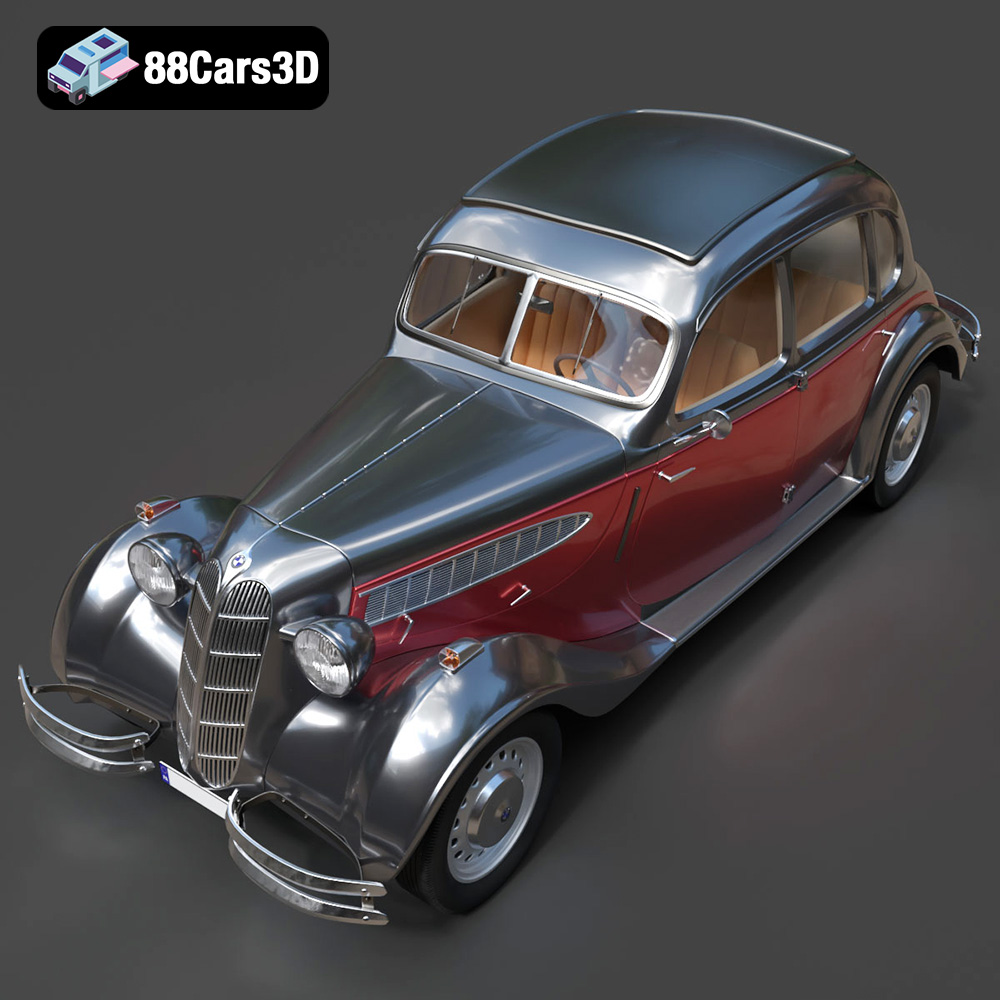
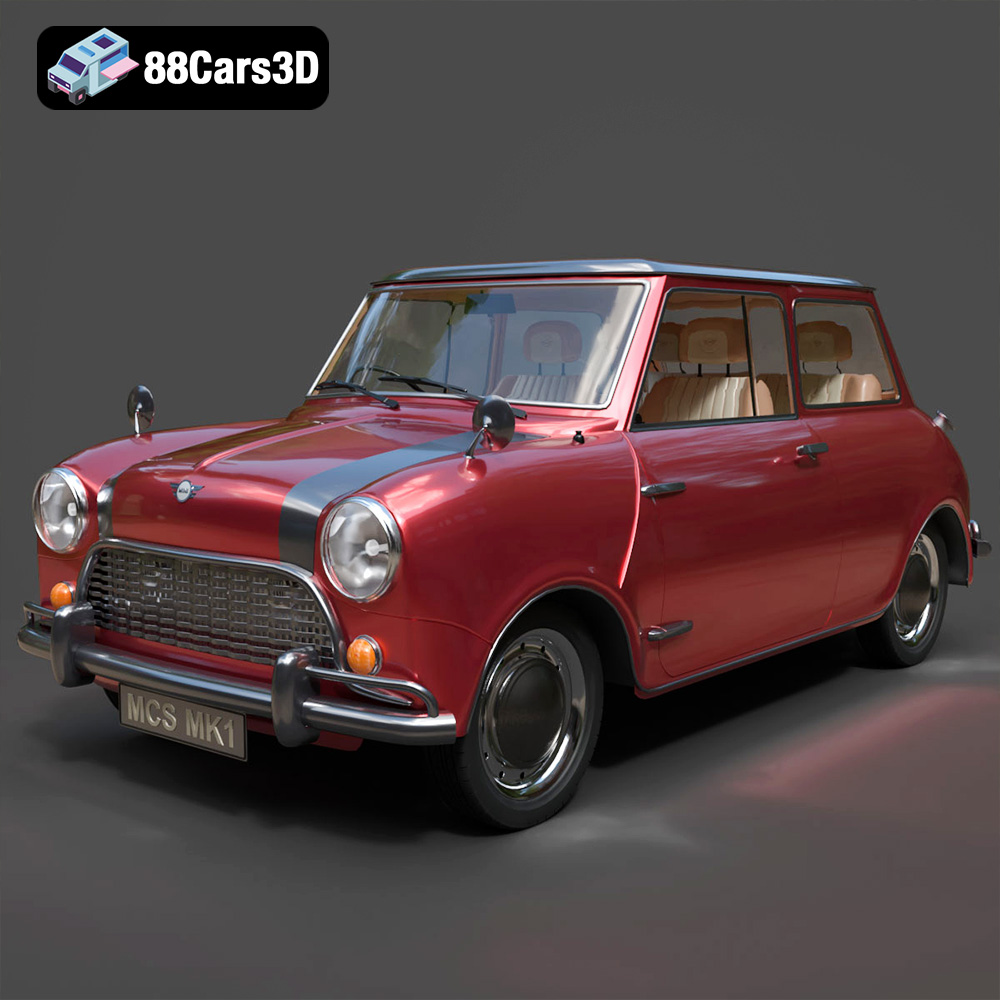
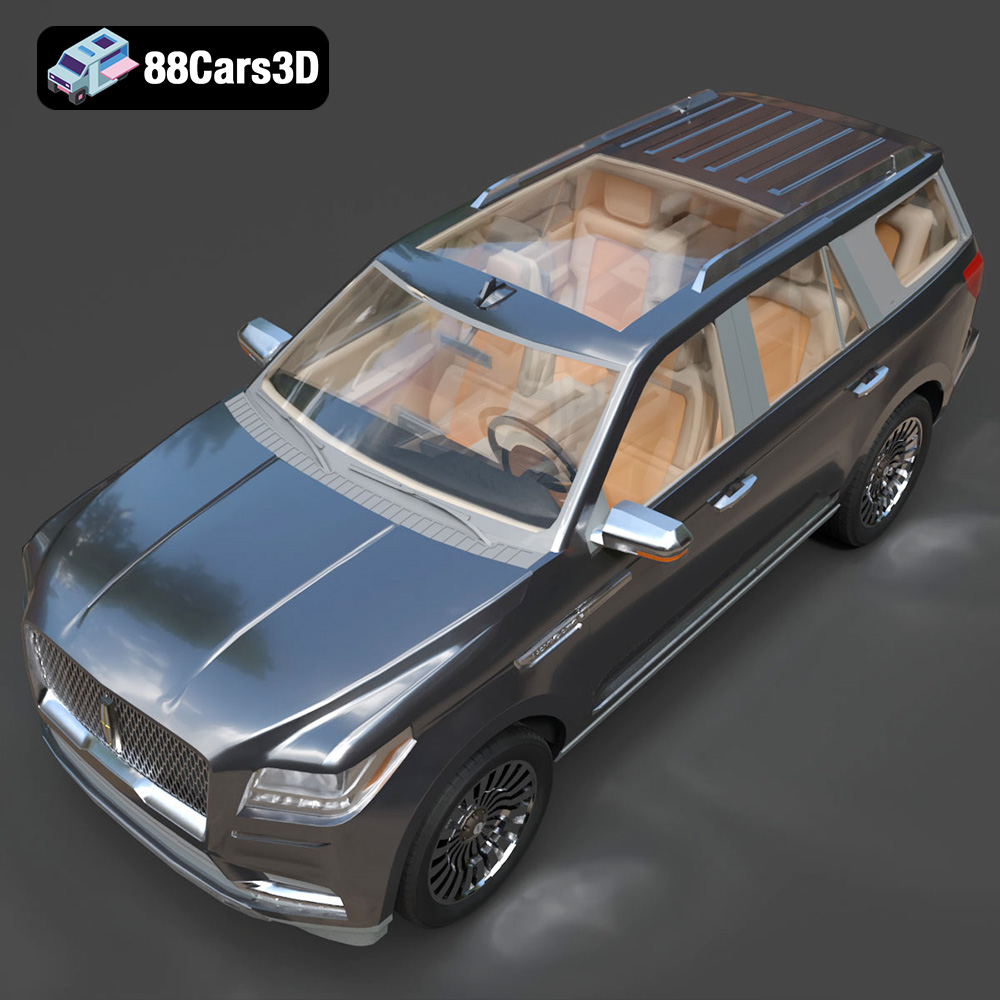
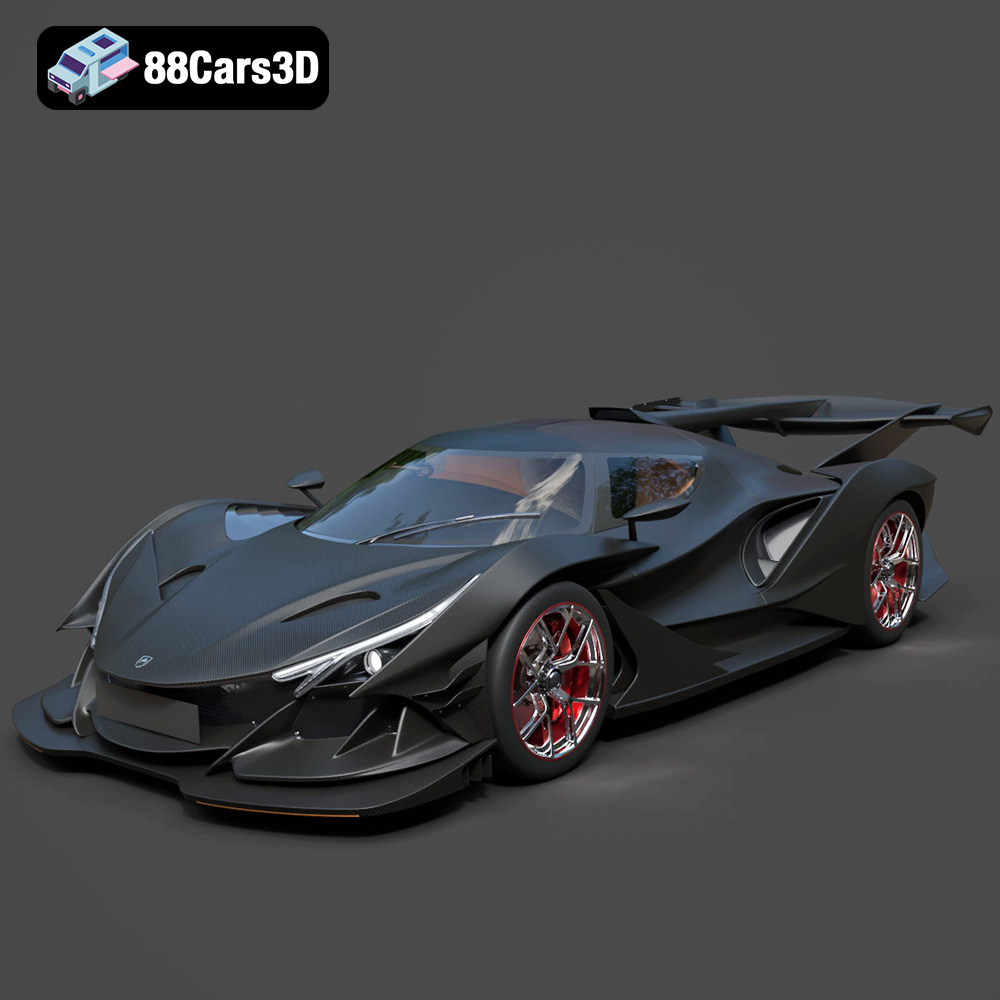
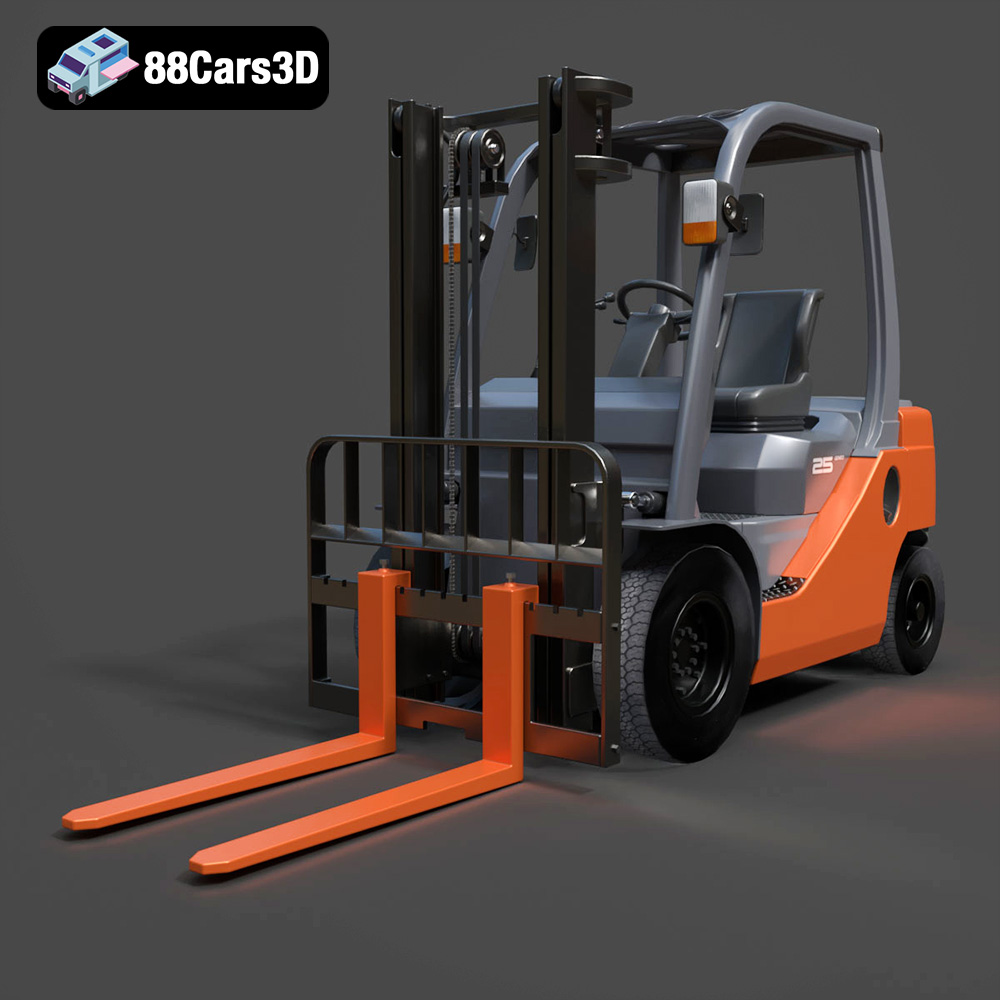
Sourcing high-quality 3D car models can be time-consuming. Fortunately, several online marketplaces offer a wide selection of models suitable for various applications. One such platform is 88cars3d.com, which specializes in providing meticulously crafted 3D car models. When selecting a 3D car model, consider its intended use, polygon count, material quality, and file format compatibility. Ensure the model is accurately represented and includes all the necessary details for your project. Read customer reviews and examine the model’s specifications carefully before making a purchase. High-quality 3D car models, like those available on 88cars3d.com, are an investment in the overall quality and realism of your projects.
When browsing for 3D car models, prioritize accurate details and a clean topology. Verify that the model includes proper UV unwrapping and well-defined materials. Pay attention to the license agreement, ensuring it aligns with your intended use. If you’re using the model for commercial projects, you’ll need a commercial license. Check the seller’s reputation and review customer feedback before making a purchase. A good model should be easily adaptable to your specific needs, allowing you to modify materials, textures, and other parameters without significant effort.
While free 3D car models are available online, investing in professional models often yields significant benefits. Professional models are typically created by experienced artists who pay close attention to detail and ensure accuracy. They often come with high-quality textures and well-defined materials, saving you significant time and effort. Professional models are also more likely to be optimized for performance, making them suitable for demanding applications like game development and architectural visualization. The time saved and the increased quality often justify the investment in professional 3D car models.
Working with 3D car models involves navigating a complex landscape of file formats, optimization techniques, and rendering considerations. By understanding the nuances of each file format, employing efficient workflows for rendering and game development, and carefully selecting high-quality models, you can unlock the full potential of these virtual vehicles. Whether you’re aiming for photorealistic renderings, immersive game experiences, or compelling architectural visualizations, mastering the art of 3D car models is essential for achieving outstanding results. Remember to carefully consider your project’s specific requirements and choose the right tools and techniques to achieve your desired outcome. Platforms such as 88cars3d.com provide access to a wide array of high-quality assets, aiding in the efficient and effective creation of compelling 3D car models.

Price: $129.99

Price: $99.99

Price: $89.99