Get 50% OFF All Premium 3D & STL Models!

“`html
Creating photorealistic automotive visualizations in Unreal Engine hinges on the skillful application of Physically Based Rendering (PBR) materials. The Unreal Engine Material Editor provides a powerful node-based system for crafting these materials, enabling artists to simulate how light interacts with surfaces in a physically accurate manner. This article dives deep into advanced PBR workflows within the Unreal Engine Material Editor, specifically tailored for optimizing 3D car models for real-time rendering. We’ll explore techniques for creating realistic metal, paint, glass, and interior surfaces, along with strategies for performance optimization. Whether you’re an experienced Unreal Engine developer or just getting started, this guide will equip you with the knowledge and skills to elevate the visual quality of your automotive projects.
In this comprehensive guide, we’ll cover:
PBR, or Physically Based Rendering, is a shading model that aims to simulate how light interacts with surfaces in a way that is physically plausible. This approach relies on a set of material properties that accurately represent the optical characteristics of real-world materials. In Unreal Engine, PBR materials are built upon the concept of albedo, normal, roughness, metallic, and ambient occlusion maps. Platforms like 88cars3d.com offer optimized models that often include pre-made PBR material setups, streamlining the development process.
The Albedo map defines the base color of the material. It represents the color of the surface under direct illumination, without any shading or highlights. The Normal map adds surface detail by simulating bumps and irregularities, without actually modifying the geometry. This is a crucial component for creating realistic surface textures, such as the grain of leather or the subtle imperfections in car paint. The Roughness map controls the glossiness of the surface. A rough surface scatters light in many directions, resulting in a matte appearance, while a smooth surface reflects light more specularly, creating a glossy look. The Metallic map determines whether the material is metallic or non-metallic. A value of 1 indicates a fully metallic surface, while a value of 0 indicates a non-metallic surface. Values in between can be used to create materials with metallic coatings or partial metallic properties. Proper understanding of these maps is critical to creating convincing PBR materials.
Unreal Engine’s Material Instances are a powerful tool for creating variations of a base material. Instead of creating multiple copies of the same material with slight variations, you can create a single base material and then create multiple instances of it, each with its own unique set of parameters. This significantly reduces the memory footprint of your project and makes it easier to manage your materials. Furthermore, Parameter Collections allow you to define global parameters that can be accessed by multiple materials. This is particularly useful for controlling environmental parameters, such as the intensity of ambient light or the color of the sky. These parameters can be adjusted in real-time, allowing you to quickly iterate on the look and feel of your scene. Utilizing Material Instances and Parameter Collections promotes efficient workflow and material management.
Car paint is one of the most visually complex materials to replicate in Unreal Engine. It typically consists of multiple layers, including a base coat, a clear coat, and often metallic flakes. To achieve a realistic look, it’s essential to accurately simulate the interaction of light with these layers. A great starting point is often examining the PBR setup of 3D car models available from sources like 88cars3d.com.
One effective approach to creating realistic car paint is to use layered materials. This involves creating separate material layers for the base coat, clear coat, and metallic flakes, and then blending them together using a material function. The base coat material defines the color of the paint and its underlying texture. The clear coat material adds a glossy finish and protects the underlying layers. The metallic flakes material simulates the presence of tiny metallic particles within the paint, which create a shimmering effect. By carefully adjusting the properties of each layer, you can create a wide variety of car paint finishes, from matte to glossy to metallic. This technique requires a good understanding of material functions and blending modes.
Unreal Engine’s built-in Clear Coat shading model provides a dedicated solution for simulating clear coat finishes. This shading model is specifically designed to handle the reflection and refraction of light through a clear coat layer, resulting in a more realistic and visually appealing look. To use the Clear Coat shading model, simply enable it in the material’s properties and then adjust the Clear Coat Roughness and Clear Coat Normal parameters. The Clear Coat Roughness parameter controls the glossiness of the clear coat, while the Clear Coat Normal parameter adds surface detail to the clear coat layer. This is particularly effective when combined with a base paint layer created using the layered material technique described above. Reference the official Unreal Engine documentation for more information: https://dev.epicgames.com/community/unreal-engine/learning.
Creating realistic metal materials in Unreal Engine requires careful attention to detail. Metal surfaces are characterized by their high reflectivity and their ability to conduct light and electricity. To accurately simulate these properties, it’s essential to use the Metallic workflow in the Unreal Engine Material Editor and to pay close attention to the Roughness and Normal maps.
The Metallic workflow is a PBR approach that uses a single Metallic map to determine whether a material is metallic or non-metallic. This workflow is based on the Microfacet Theory, which states that all surfaces are composed of tiny microscopic facets that reflect light in different directions. The distribution of these microfacets is determined by the Roughness map, which controls the glossiness of the surface. By carefully adjusting the Metallic and Roughness maps, you can create a wide variety of metal finishes, from polished chrome to brushed aluminum. This workflow is generally preferred for its accuracy and ease of use.
To further enhance the realism of your metal materials, it’s important to add surface imperfections and scratches. These imperfections can be created using a variety of techniques, such as using grunge maps, noise textures, or custom-painted masks. By overlaying these imperfections onto the Albedo, Normal, and Roughness maps, you can create a more believable and visually appealing metal surface. The key is to make the imperfections subtle and realistic, rather than overdone and distracting. Consider adding subtle variations in the Roughness map to simulate fingerprints or smudges. Remember to pay attention to the scale and frequency of the imperfections to match the scale of your 3D model.
Glass materials present a unique challenge in real-time rendering due to their refractive properties. Simulating the way light bends as it passes through glass requires careful attention to the material’s Refraction and Roughness parameters. Accurately rendering windshields and windows is essential for creating a realistic automotive experience.
Refraction is the bending of light as it passes from one medium to another. The amount of bending is determined by the Index of Refraction (IOR), which is a measure of how much light slows down when it enters a material. The IOR of glass is typically around 1.5, but it can vary depending on the type of glass. In the Unreal Engine Material Editor, you can control the refraction of a material by adjusting the Refraction parameter. A higher Refraction value will result in more bending of light. It’s important to note that enabling refraction can be computationally expensive, so it’s important to optimize your glass materials for performance.
To optimize glass materials for performance, consider using simplified refraction techniques, such as using a refraction vector rather than calculating the refraction on a per-pixel basis. Additionally, you can reduce the complexity of the glass geometry by using a single-sided mesh with a thickness value. This will prevent the renderer from having to calculate the refraction twice, once for the front face and once for the back face. Furthermore, disabling reflections and refractions on distant objects can significantly improve performance without sacrificing visual quality. Consider using LODs (Levels of Detail) for glass geometry, reducing the polygon count for objects that are further away from the camera. Sourcing pre-optimized assets from marketplaces such as 88cars3d.com can save significant development time.
The interior of a car is often just as important as the exterior when it comes to creating a realistic and immersive experience. The materials used for the seats, dashboard, and trim play a crucial role in conveying the overall quality and style of the vehicle. Attention to detail in these areas can significantly enhance the sense of realism.
Leather and fabric materials require careful attention to the Albedo, Normal, and Roughness maps. Leather materials typically have a subtle grain pattern and a slightly glossy finish, while fabric materials have a more complex weave pattern and a matte finish. To create realistic leather materials, consider using a high-resolution Normal map to simulate the grain pattern and a subtle Roughness map to control the glossiness. For fabric materials, use a detailed Albedo map to capture the weave pattern and a more pronounced Roughness map to create a matte finish. Using displacement maps can further enhance the realism of these materials, adding physical depth and texture to the surface. Techniques like detail mapping can be used to add fine-grained details without significantly impacting performance.
To add a touch of realism to your interior materials, consider simulating wear and tear. This can be achieved by adding subtle variations in the Albedo, Normal, and Roughness maps to simulate scratches, stains, and other imperfections. For example, you can add a subtle scratch pattern to the leather seats to simulate wear from use. You can also add subtle stains to the fabric upholstery to simulate spills and dirt. The key is to make the wear and tear subtle and realistic, rather than overdone and distracting. Using procedural techniques to generate these imperfections can add a layer of dynamism and prevent the materials from looking repetitive. Carefully consider the placement of these imperfections to align with areas that would naturally experience wear and tear.
Real-time rendering places significant demands on performance, particularly when dealing with complex materials. Optimizing your materials is essential for achieving a smooth and responsive frame rate. Careful planning and implementation of optimization techniques can significantly improve performance without sacrificing visual quality.
One of the most effective ways to improve material performance is to reduce texture resolution and complexity. High-resolution textures consume a significant amount of memory and bandwidth, which can impact performance. Consider using lower-resolution textures where possible, and avoid using unnecessarily complex textures. Texture streaming can also be used to load textures only when they are needed, which can reduce the memory footprint of your project. Furthermore, compressing textures using formats like DXT or BC7 can significantly reduce their size without sacrificing too much visual quality. Implementing a consistent texture naming convention and organization system can facilitate efficient texture management and optimization.
As mentioned earlier, Material Instances are a powerful tool for optimizing material performance. By creating instances of a base material, you can reduce the number of unique materials in your project, which can significantly reduce the memory footprint and improve performance. LODs (Levels of Detail) are another effective technique for optimizing material performance. LODs allow you to use different versions of a material for objects that are at different distances from the camera. For example, you can use a high-resolution material for objects that are close to the camera and a low-resolution material for objects that are far away. This can significantly reduce the rendering cost of distant objects without sacrificing visual quality. Consider using Nanite virtualized geometry for high-poly models and carefully managing texture streaming to ensure optimal performance, particularly in complex automotive scenes. The use of Lumen and ray tracing can add to the rendering cost and should be carefully considered in light of performance requirements.
Mastering PBR materials in Unreal Engine is crucial for creating stunning automotive visualizations. By understanding the fundamentals of PBR, utilizing advanced techniques for creating realistic car paint, metal, glass, and interior materials, and optimizing material performance for real-time rendering, you can significantly elevate the visual quality of your automotive projects. Remember to leverage Unreal Engine’s powerful tools like Material Instances, LODs, and Nanite to achieve optimal performance without sacrificing visual fidelity. Continuously experiment with different techniques and settings to find the best approach for your specific needs. By consistently applying these principles, you can unlock the full potential of Unreal Engine and create truly breathtaking automotive experiences.
Take the time to explore the features within Unreal Engine, referencing the official documentation at https://dev.epicgames.com/community/unreal-engine/learning for accurate technical details on features such as Nanite and Lumen. Consider testing out different techniques on assets from platforms such as 88cars3d.com to see how PBR materials impact overall visuals. Don’t be afraid to experiment and push the boundaries of what’s possible in real-time rendering.
“`
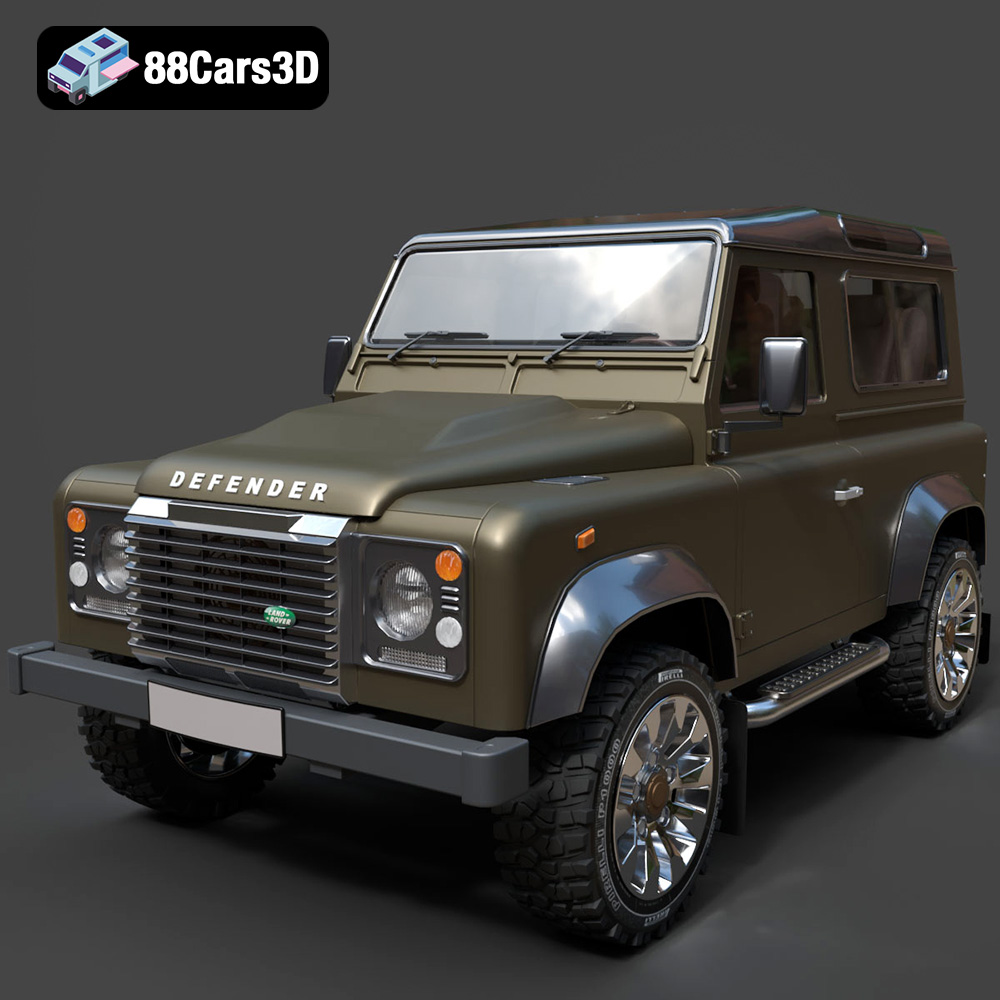
Texture: Yes
Material: Yes
Download the Land Rover Defender Works V8 3D Model featuring clean geometry, realistic detailing, and a fully modeled interior. Includes .blend, .fbx, .obj, .glb, .stl, .ply, .unreal, and .max formats for rendering, simulation, and game development.
Price: $19.99
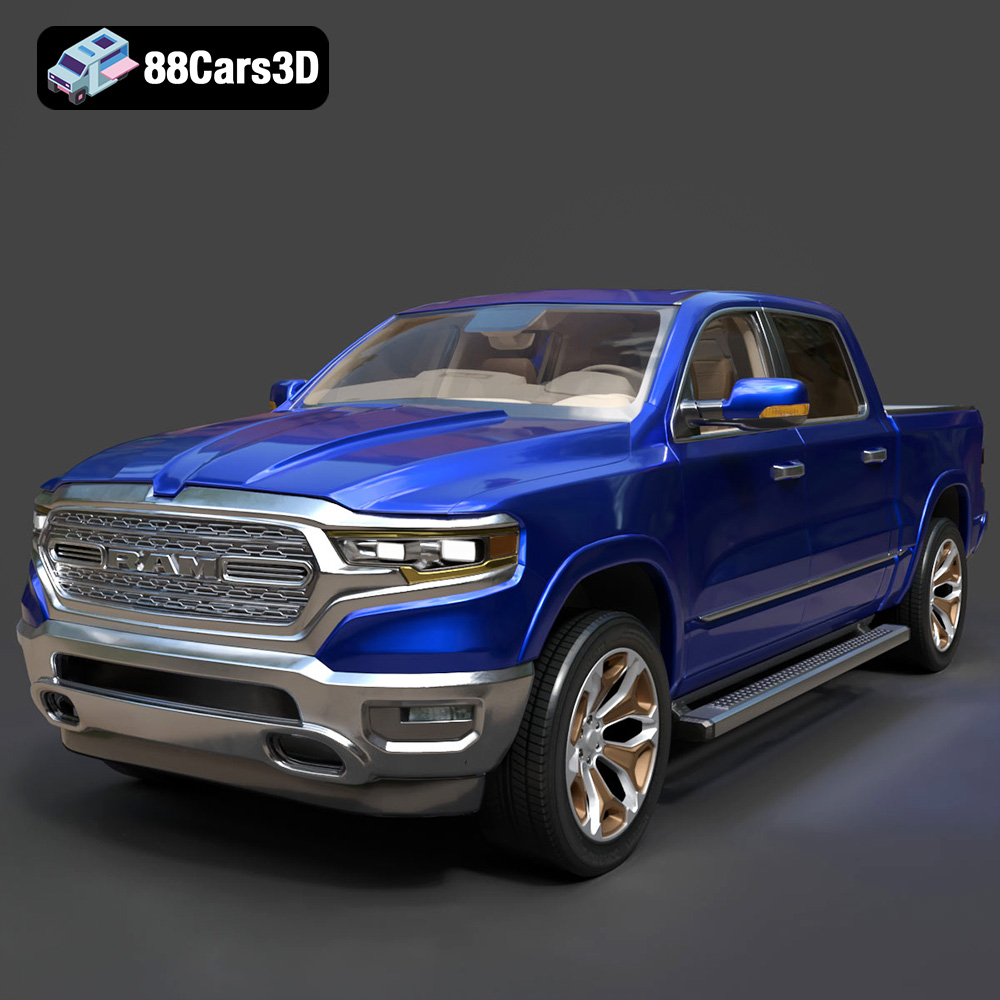
Texture: Yes
Material: Yes
Download the Dodge RAM 2019 3D Model featuring clean geometry, realistic detailing, and a fully modeled interior. Includes .blend, .fbx, .obj, .glb, .stl, .ply, .unreal, and .max formats for rendering, simulation, and game development.
Price: $19.99
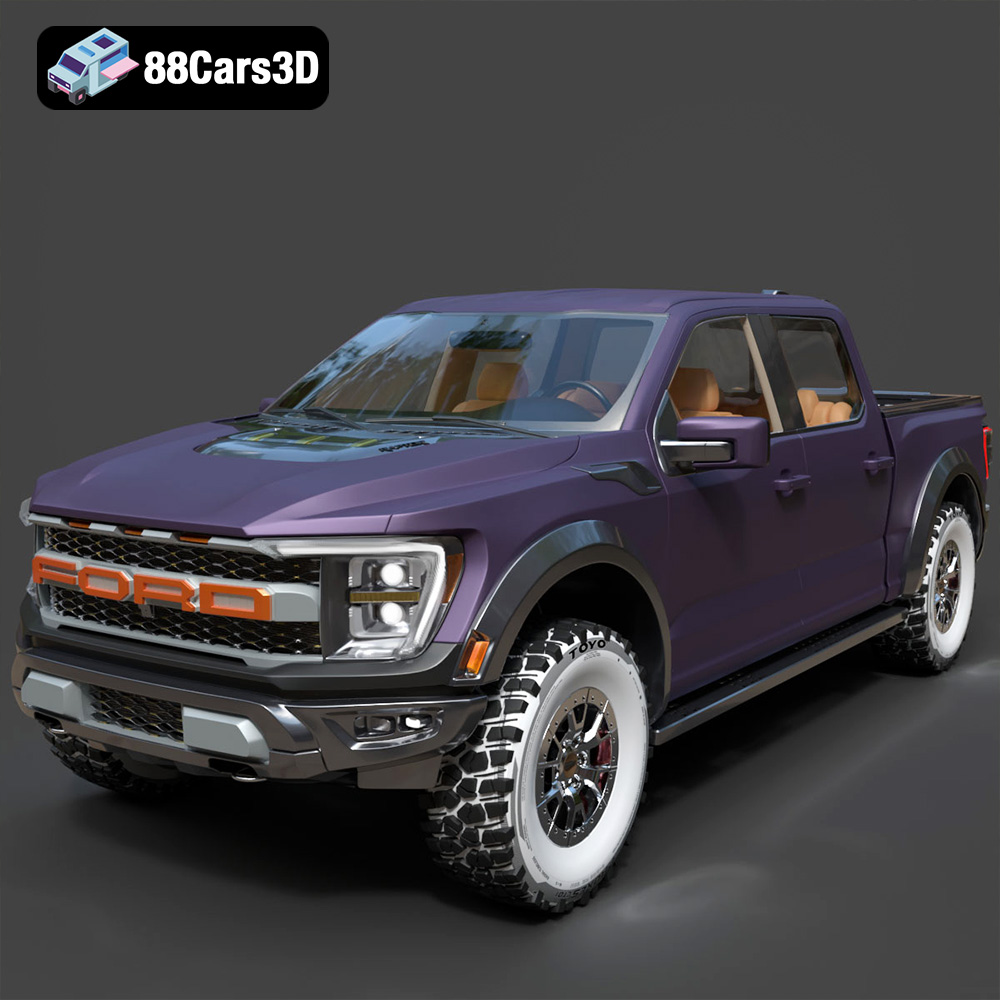
Texture: Yes | Material: Yes Download the ultra-high-detail Ford F-150 Raptor 2021 3D Model (8.73M Triangles). Features uncompromised widebody styling, fully modeled Fox Live Valve suspension, 37-inch tires, and interior. Perfect for premium VFX, cinematic rendering, and ArchViz. Includes .blend, .fbx, .obj, .glb, .stl, and .max formats.
Price: $29.99
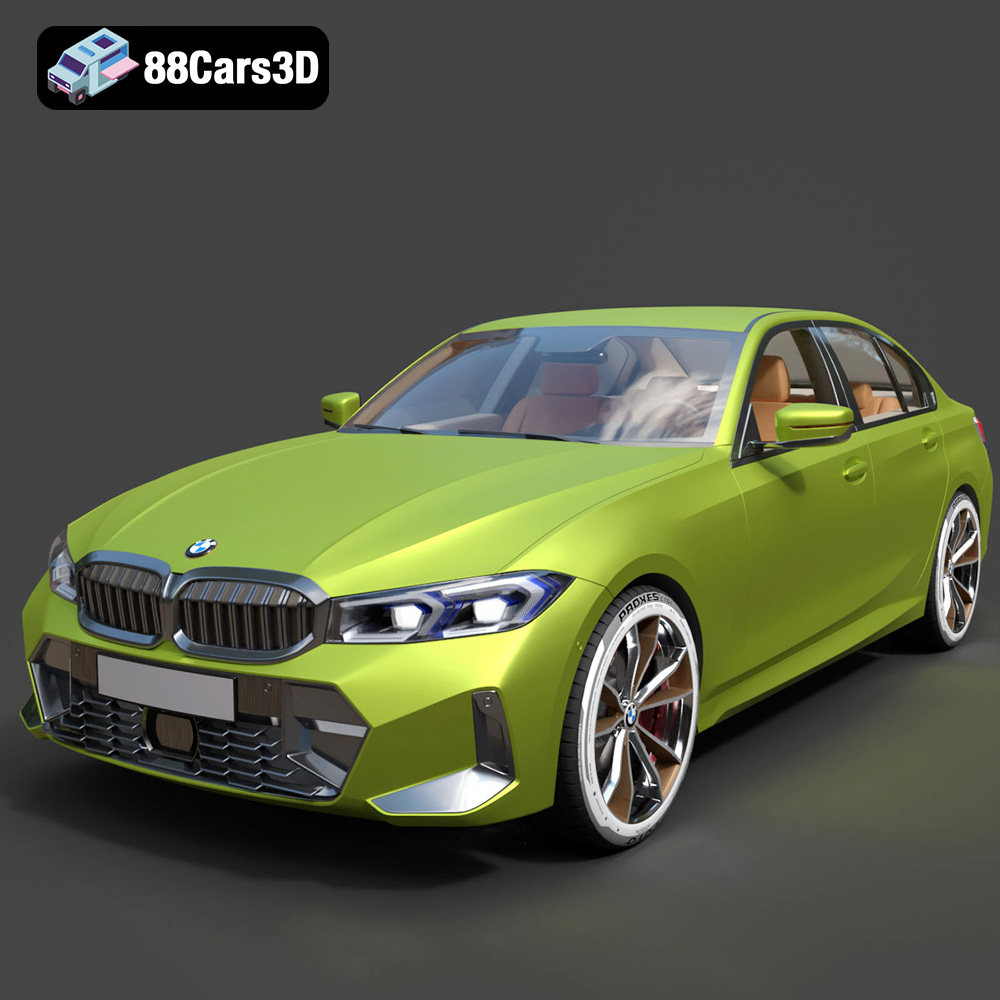
Texture: Yes | Material: Yes Download the ultra-high-detail BMW 3 Series Limousine (2022) 3D Model (4.16M Triangles). Features the modernized G20 LCI exterior, the all-new BMW Curved Display interior, and ultra-dense topology. Perfect for ArchViz, VFX, and cinematic rendering. Includes .blend, .fbx, .obj, .glb, .stl, and .max formats.
Price: $19.99
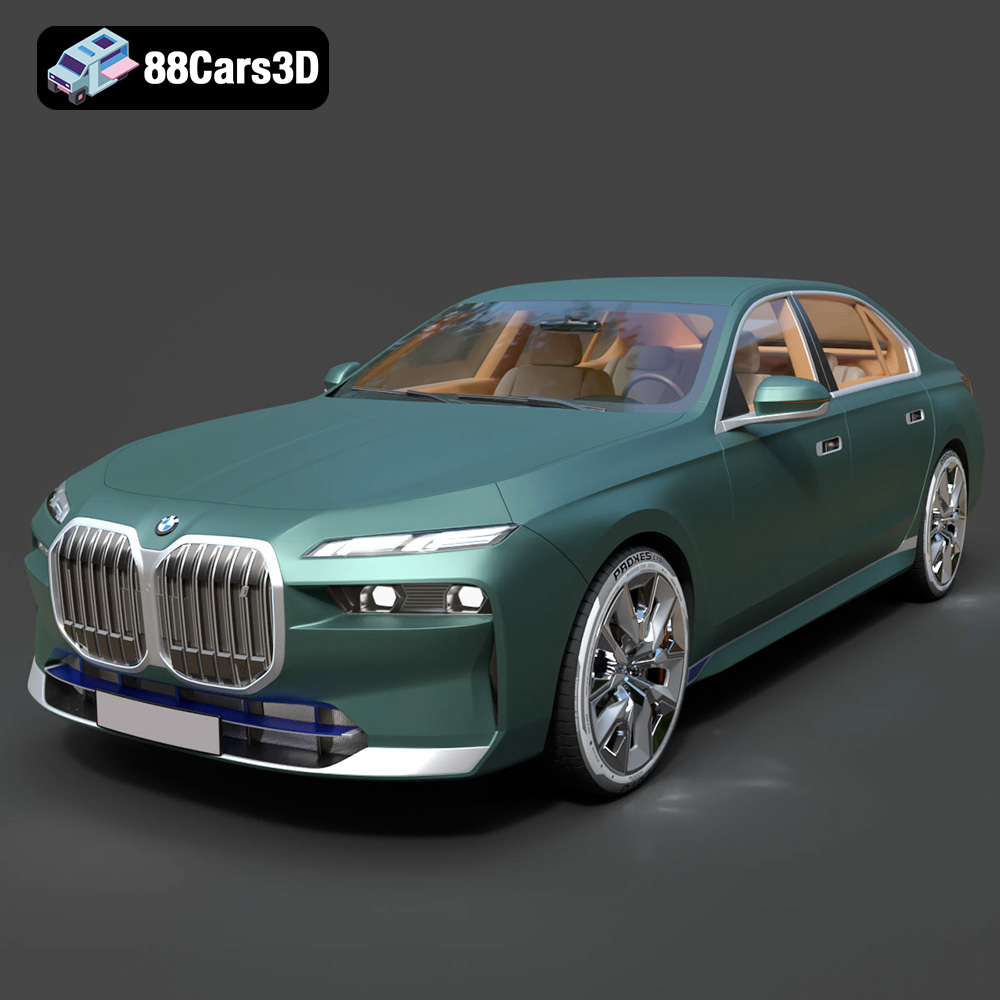
Texture: Yes | Material: Yes Download the ultra-high-detail BMW i7 (2023) 3D Model (4.14M Triangles). Features the illuminated kidney grille, split crystal headlights, fully modeled Theatre Screen interior, and monolithic luxury styling. Perfect for ArchViz, VFX, and cinematic rendering. Includes .blend, .fbx, .obj, .glb, .stl, and .max formats.
Price: $19.99
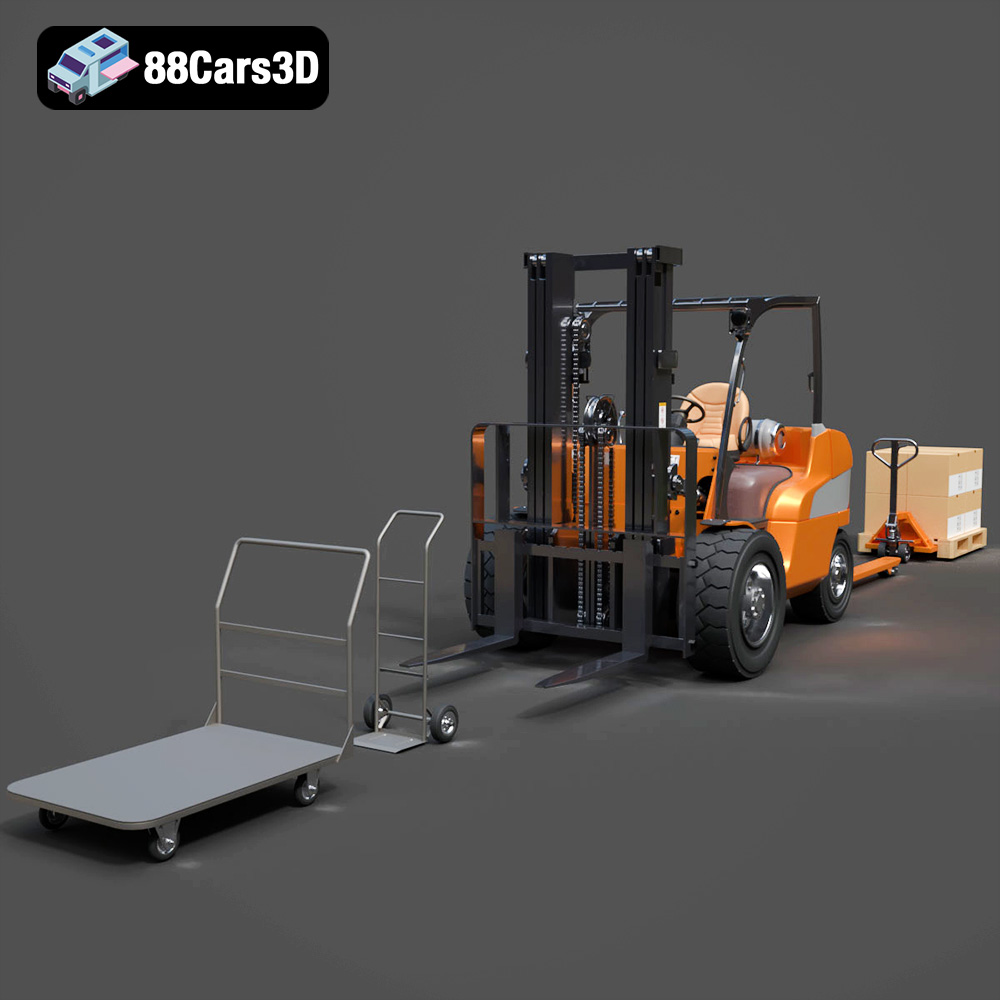
Texture: Yes | Material: Yes Download the highly detailed CAT Manual Loader & Warehouse Carts Kit 3D Model (2.4M Triangles). Features a macro-detailed hydraulic pallet jack, heavy-duty forks, and transport carts. Perfect for industrial ArchViz, factory rendering, and logistics simulations. Includes .blend, .fbx, .obj, .glb, .stl, and .max formats.
Price: $19.99

Texture: Yes | Material: Yes
Download the highly optimized Mazda CX-5 2014 3D Model (294k Triangles). Features the dynamic Kodo design language, signature grille, and a clean interior. Perfectly balanced for ArchViz, background traffic, and game development. Includes .blend, .fbx, .obj, .glb, .stl, and .max formats.
Price: $19.99
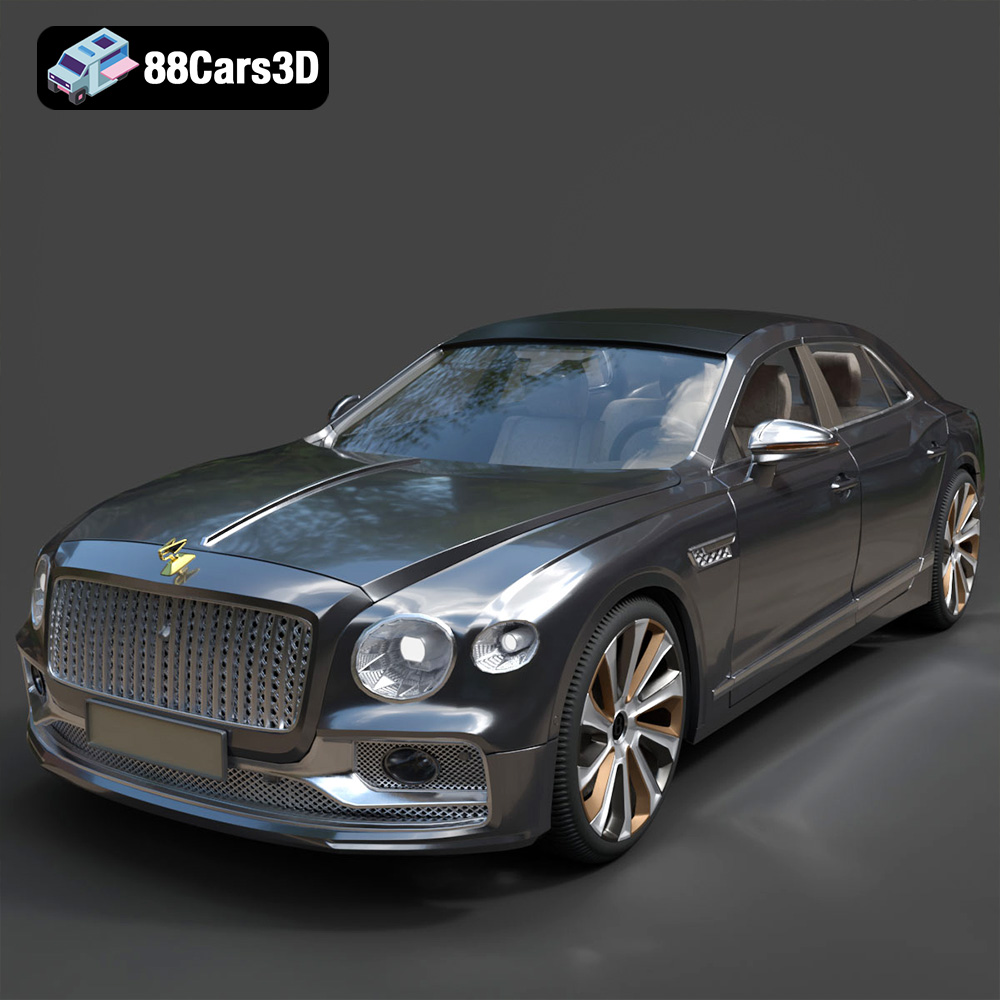
Texture: Yes | Material: Yes Download the ultra-high-detail Bentley Flying Spur Mulliner 2022 3D Model (2.94M Triangles). Features the bespoke Double Diamond grille, a fully modeled diamond-quilted interior, and exquisite luxury styling. Perfect for high-end ArchViz, VFX, and cinematic rendering. Includes .blend, .fbx, .obj, .glb, .stl, and .max formats.
Price: $19.90
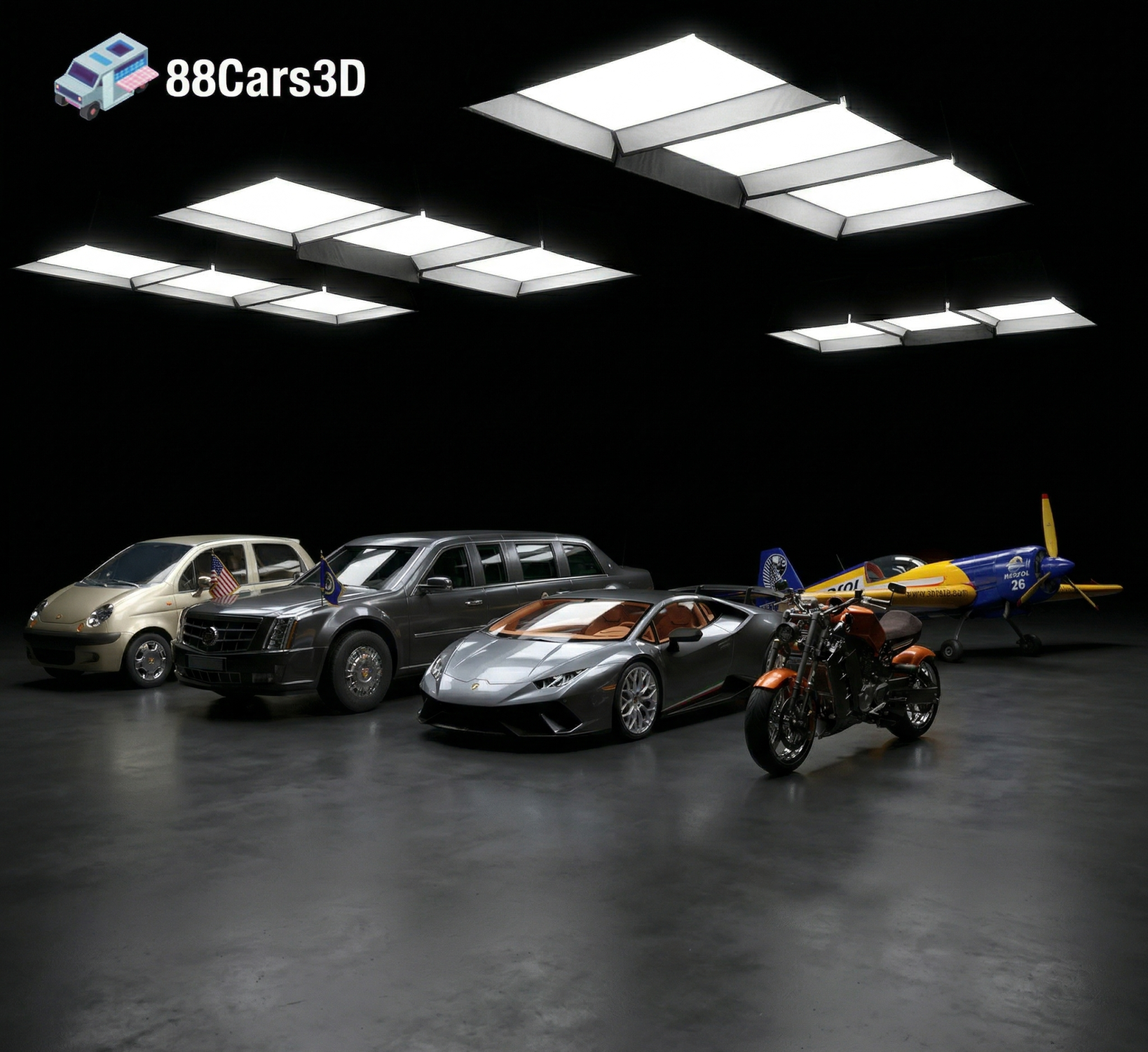
Texture: Yes | Material: Yes | 3D Printable: Yes. Download the Ultimate Creators’ Showcase featuring 5 premium 3D models: Lamborghini Huracan, ZAV Concept Motorcycle, Sukhoi SU-26, Presidential Limousine, and Daewoo Damas. Optimized for 4K CGI rendering and 3D printing. Save massive with this exclusive multi-category bundle!
Price: $99.99

Texture: Yes | Material: Yes | 3D Printable: Yes. Download the Italian Thoroughbreds Bundle featuring 5 iconic 3D models: Lamborghini Huracán Performante, Ferrari 458 Italia, Lamborghini Urus, Diablo SV, and Maserati GT. Optimized for 4K rendering and 3D printing (STL included). Save 50% with this ultimate Italian vehicle collection.
Price: $199.99

