Get 50% OFF All Premium 3D & STL Models!

In the rapidly evolving world of 3D visualization, game development, and virtual production, the pursuit of photorealism is constant. At the heart of achieving breathtakingly realistic imagery, especially for intricate subjects like automotive designs, lies the mastery of Physically Based Rendering (PBR) materials. PBR is not just a trend; it’s a fundamental paradigm shift that has revolutionized how 3D artists define surfaces, ensuring consistent and believable interactions with light across various rendering engines and real-time environments.
For professionals creating high-quality 3D car models—whether for stunning automotive rendering projects, optimized game assets, or cutting-edge AR/VR experiences—a deep understanding of PBR is indispensable. This comprehensive guide will demystify PBR, delving into its core principles, practical application workflows, and advanced techniques specifically tailored for automotive subjects. We’ll explore everything from meticulous topology and efficient UV mapping to crafting complex shader networks and optimizing for performance. By the end of this article, you’ll be equipped with the knowledge to elevate your visualization projects, create compelling game assets, and confidently prepare models for diverse applications, ensuring your 3D car models stand out in any digital landscape.
Physically Based Rendering represents a collection of rendering and shading techniques designed to simulate how light interacts with surfaces in the real world more accurately than traditional methods. Unlike older rendering pipelines that often relied on artistic interpretation and ‘cheat sheets’ to achieve realism, PBR focuses on physically accurate properties, ensuring materials react correctly under various lighting conditions. This consistency is crucial for automotive subjects, where highly reflective surfaces, intricate paint jobs, and subtle material variations define realism. The goal is predictable and repeatable results, making assets transferable between different software and engines while maintaining their visual integrity.
At its core, PBR relies on conservation of energy and microfacet theory. The conservation of energy principle states that a surface cannot reflect more light than it receives; any light not reflected is absorbed or transmitted. Microfacet theory posits that surfaces are composed of microscopic facets that each reflect light in a perfectly specular manner, but their collective orientation dictates the macroscopic appearance of roughness or smoothness. For automotive materials, this means understanding how a car’s metallic paint scatters light (diffuse) and reflects it directly (specular), and how its clear coat adds an additional layer of reflection and refraction. This scientific basis is what allows PBR materials to look correct regardless of the lighting environment, a critical advantage for automotive rendering where cars are often depicted in varied settings.
There are two primary PBR workflows, each with its own set of maps and industry adoption: Metallic-Roughness and Specular-Glossiness. The Metallic-Roughness workflow is arguably the more prevalent, especially in game development and real-time engines. It uses a base color map (albedo), a metallic map (defining whether a surface is dielectric or metallic), and a roughness map (controlling the microsurface detail and thus the blurriness of reflections). For example, a polished car body would have a high metallic value and a very low roughness value. The Specular-Glossiness workflow, on the other hand, separates the diffuse and specular components, requiring a diffuse map, a specular map (defining the color and intensity of reflections), and a glossiness map (the inverse of roughness). While both can achieve similar results, understanding which workflow your target software or engine supports is vital for seamless integration. Many platforms, including those consuming models from marketplaces like 88cars3d.com, predominantly utilize the Metallic-Roughness approach due to its intuitive nature and performance benefits.
Beyond the core metallic/specular and roughness/glossiness maps, several other PBR maps are critical for achieving realistic automotive surfaces:
* Normal Map: Provides fine surface detail without adding geometric complexity, crucial for panel lines, subtle dents, or fabric textures on interiors.
* Ambient Occlusion (AO) Map: Simulates soft shadows where objects are close together, adding depth and realism to seams and crevices.
* Height/Displacement Map: For more significant geometric detail, such as tire treads or embossed logos, physically displacing the mesh (though often computationally expensive).
* Emissive Map: For light sources like headlights or dashboard displays.
* Opacity Map: For transparent elements such as glass or headlight covers.
Each map plays a distinct role in describing how light interacts with a specific part of the car, collectively contributing to a highly detailed and believable material.
Creating visually stunning 3D car models goes far beyond just getting the shape right; it demands meticulous attention to underlying mesh structure and how textures are applied. Clean topology and effective UV mapping are the unsung heroes of realistic PBR materials, particularly for the highly reflective and often complex surfaces found on vehicles. Without a solid foundation here, even the most expertly crafted PBR textures will fall short.
Topology refers to the arrangement of vertices, edges, and faces that form the surface of a 3D model. For automotive models, clean topology is paramount. This means using mostly quad-based geometry (four-sided polygons) to ensure smooth deformation and predictable subdivision. Crucially, edge loops should follow the natural contours and design lines of the car. This not only makes the model easier to sculpt and modify but also significantly impacts how light reflects off the surface. Bad topology, with stretched polygons or arbitrary triangles in flat areas, can lead to unsightly shading artifacts, pinching, or undesirable faceting, especially when reflections are cast upon the surface. The smoother and more consistent your surface normals are, the more convincing your PBR reflections will appear. Maintaining an even distribution of polygons, known as “uniform tessellation,” is also vital, preventing areas of high detail from causing disproportionate texture stretching or rendering inconsistencies.
UV mapping is the process of flattening a 3D mesh into a 2D space, allowing a 2D image (texture map) to be accurately applied to its surface. For automotive models, which often feature large, continuous surfaces (like car bodies) and intricate, unique components (like grilles or badges), strategic UV unwrapping is key. The goal is to minimize seams, avoid stretching, and maximize texture resolution where it matters most.
* **Minimizing Seams:** Strategically place UV seams in less visible areas, such as along sharp edges, under trim, or hidden faces. This prevents noticeable breaks in paint jobs or material continuity.
* **Avoiding Stretching:** Ensure that the UV islands are scaled appropriately and maintain a consistent texel density across the model. Tools that visualize UV stretching can be invaluable here.
* **Maximizing Resolution:** Larger, more prominent areas of the car (e.g., the hood, doors) should occupy more UV space to receive higher texture resolution, allowing for fine details like metallic flakes or paint scratches to be visible. Smaller, less critical parts can occupy less space.
* **Overlapping UVs (with caution):** For identical, mirrored parts (e.g., wheels, headlights), overlapping UVs can save texture space. However, this means unique details cannot be painted on each instance without careful masking.
Automotive models present unique UV mapping challenges due to their combination of organic curves, hard-surface panels, and intricate details. Complex curvature, such as that found on fenders or aerodynamic spoilers, requires careful unwrapping to avoid distortion. Small, highly detailed parts, like emblems or grilles, might benefit from separate UV sets or dedicated texture sheets to ensure sufficient resolution. Headlights, often a combination of clear plastic, chrome, and internal optics, necessitate precise UV layout to accommodate multiple material types within a confined space. Utilizing multiple UV sets can be a solution here: one for the primary car body and others for specific high-detail components or interior elements. This allows for greater flexibility in texture resolution and material assignment without compromising the overall model’s efficiency. Furthermore, when preparing models for game engines, consider texture atlasing – combining multiple smaller textures into one larger texture map – to reduce draw calls and improve performance, which directly impacts the efficiency of PBR material rendering.
The visual fidelity of a 3D car model hinges significantly on the realism of its materials, especially when dealing with the complex interplay of light on various surfaces. PBR materials allow artists to meticulously replicate the distinct properties of automotive finishes, from the lustrous sheen of car paint to the subtle texture of interior fabrics. This section dives into the specifics of creating these materials, covering the nuances that elevate a good model to an exceptional one.
Automotive paint is arguably the most complex and visually striking material on a car. A typical car paint shader needs to simulate several layers: a base color, metallic flakes (if applicable), and a protective clear coat.
* **Base Color and Metallic Flakes:** The base color provides the diffuse component. For metallic paints, a metallic map (in Metallic-Roughness workflow) or a combination of diffuse/specular maps (Specular-Glossiness) is used. The metallic map dictates which areas are purely metallic (e.g., the flakes themselves) and which are dielectric. To simulate metallic flakes, a noise texture or a dedicated flake map can be used to modulate the metallic and roughness values at a microscopic level, creating the characteristic sparkle.
* **Clear Coat:** This is a crucial element. Physically, it’s a separate dielectric layer *over* the base paint. In PBR, this is often achieved using a dedicated clear coat shader layer, available in advanced renderers like Corona, V-Ray, Cycles, or Arnold. This layer has its own set of roughness/glossiness and normal properties, allowing for distinct reflections and refractions on top of the base paint, mimicking the depth and protection of real-world clear coats.
* **Pearlescent/Chameleon Effects:** These paints change color depending on the viewing angle. This effect is achieved by subtly shifting the hue or saturation of the specular component based on the Fresnel effect or view angle. This often requires custom shader networks, blending different colors or material properties based on the camera’s angle to the surface normal.
The interior of a 3D car model demands an equally high level of PBR material sophistication.
* **Leather:** Real leather is characterized by subtle roughness variations, pore details, and anisotropic reflections (where reflections stretch based on the direction of brushing or manufacturing). PBR leather materials utilize detailed normal maps for pores, roughness maps with subtle variations for wear, and often an anisotropic reflection shader to capture that distinctive stretched highlight.
* **Plastics:** Automotive plastics come in many forms—matte, semi-gloss, textured, and soft-touch. Roughness maps are key here, defining the specific sheens. Normal maps are essential for replicating injection mold textures, grain patterns, or subtle wear and tear. Color variations and subtle grunge maps can add to realism.
* **Textiles:** Seat fabrics, carpets, and headliners require intricate normal maps to simulate weave patterns and fuzzy micro-surfaces. Ambient occlusion maps are excellent for enhancing the depth of fabric folds and seams. Subsurface scattering (SSS) can also be used subtly for certain fabric types to allow light to penetrate slightly, giving a softer, more realistic look.
Each of these materials presents unique PBR challenges and opportunities for realism.
* **Glass:** Car glass (windshields, windows) is a refractive material. PBR glass shaders require accurate Index of Refraction (IOR) values (around 1.5-1.6 for typical glass) and careful handling of absorption, transmission, and reflection. Roughness maps can simulate dust or fingerprints, while normal maps can add subtle imperfections. For performance in real-time applications, simpler transparency shaders with appropriate PBR reflections might be used, often sacrificing full refraction.
* **Tires:** Tires are complex. They are made of rubber, which is a dielectric material with a rough surface. A high-resolution normal map is crucial for tire treads and sidewall details. The roughness map will be quite high, with subtle variations to indicate wear and dust. Ambient occlusion also plays a significant role in enhancing the depth of the tread patterns.
* **Chrome/Metals:** Chrome is a highly reflective metallic material with very low roughness. Its PBR representation involves a metallic value of 1 (or close to it) and a very low roughness value. The reflections themselves carry the color of the environment. Brushed metals, like aluminum trim, would have an anisotropic reflection shader combined with a slightly higher roughness value and a normal map indicating the brushing direction.
Once PBR materials are meticulously crafted, the next crucial step is integrating them into your chosen 3D software and rendering engine to achieve their full photorealistic potential. This involves understanding specific software setups, leveraging advanced renderer features, and creating believable lighting environments. The interoperability facilitated by standard PBR workflows means that assets created in one software can often be seamlessly transferred to another, a huge benefit for artists working with diverse pipelines or sourcing models from platforms like 88cars3d.com.
Each major 3D package provides robust tools for setting up PBR materials, although the terminology and interfaces may differ.
* **3ds Max:** Utilizes its physical material (or specific renderer materials like Corona Physical Material or V-Ray Material). You’ll typically assign your PBR texture maps (Base Color, Metallic, Roughness, Normal, etc.) to the corresponding slots within the material editor. The scene setup involves placing physical lights and an HDRI environment.
* **Blender:** Blender’s Cycles and Eevee renderers are fully PBR compliant. The primary PBR shader is the Principled BSDF shader. You connect your PBR texture maps directly into the corresponding nodes (Base Color, Metallic, Roughness, Normal) within the Shader Editor. To integrate normal maps correctly, an “Image Texture” node for your normal map should feed into a “Normal Map” node, which then connects to the “Normal” input of the Principled BSDF. For detailed information on using the Principled BSDF shader and setting up PBR materials, refer to the official Blender 4.4 documentation on the Principled BSDF Shading page. A proper lighting setup with an HDRI is critical here.
* **Maya:** With Arnold as its integrated renderer, Maya uses the aiStandardSurface shader, which is a powerful PBR shader. Similar to 3ds Max, you connect your PBR maps to the appropriate inputs (Base Color, Metalness, Specular Roughness, Normal Camera) in the Hypershade editor. Maya also supports physical lights and HDRI environments.
In all these packages, consistent unit scales are vital for accurate physical simulations.
These industry-standard renderers are designed for photorealistic PBR rendering and offer advanced features crucial for automotive visualization.
* **Corona Renderer:** Known for its ease of use and high quality, Corona offers a physically accurate renderer that excels with PBR. Its interactive rendering provides immediate feedback, allowing for quick iteration on material tweaks. It natively supports clear coat layers and complex material blending.
* **V-Ray:** A long-standing industry workhorse, V-Ray provides extensive control over every aspect of rendering. Its V-Ray Material (or V-Ray Physical Material) is highly capable for PBR, including support for anisotropic reflections and multiple clear coat layers, essential for realistic car paint.
* **Cycles (Blender):** Blender’s physically based path tracer, Cycles, delivers high-quality results. Its node-based material system offers immense flexibility for creating complex PBR shaders, including custom clear coats, metallic flakes, and volumetric effects. It benefits from GPU acceleration, making renders faster.
* **Arnold:** Favored in film and VFX, Arnold is a robust, unbiased path tracer. Its aiStandardSurface shader is highly versatile, supporting everything from advanced car paint with multiple coats and flakes to realistic glass and rubber. Its powerful sampling features ensure clean renders.
Each renderer has specific strengths, but all fundamentally rely on accurate PBR material definitions to produce their best output.
The fidelity of PBR materials is directly tied to the quality and realism of the lighting environment. PBR ensures that materials respond correctly to light, but only if that light itself is physically accurate.
* **HDRI (High Dynamic Range Image) Environments:** These are photographic captures of real-world light information, encompassing both direct sunlight and indirect ambient illumination, stored across a vast dynamic range. Using HDRIs as environment maps is the gold standard for lighting automotive renders because they provide realistic reflections, accurate color bleeding, and natural shadows. A high-quality HDRI can instantly elevate a static render by providing the correct intensity, color, and directionality of light that PBR materials are designed to react to.
* **Physical Lights:** In addition to HDRIs, physical light sources (like area lights, spot lights, or point lights) can be used to emphasize specific details, add rim lighting, or simulate studio lighting setups. When combined with HDRIs, they allow for precise control while maintaining environmental realism.
* **Exposure and White Balance:** Proper exposure settings and white balance in your renderer are critical. PBR materials respond to real-world light intensities, so an incorrectly exposed scene will lead to unrealistic brightness or darkness, masking the true qualities of your materials.
While the goal of photorealism remains, game development and real-time applications like AR/VR introduce a critical constraint: performance. High-fidelity 3D car models with intricate PBR materials can be demanding. Therefore, understanding and implementing optimization strategies is essential to ensure smooth frame rates without sacrificing visual quality. This involves a delicate balance of polygon budgets, texture management, and efficient shader use.
* **Level of Detail (LODs):** LODs are simplified versions of a 3D model that are swapped in based on the camera’s distance from the object. For a 3D car model, this means creating several versions: a high-polygon mesh for close-ups, a medium-polygon mesh for intermediate distances, and a low-polygon mesh for far distances. Each LOD also typically uses simpler textures or even different material shaders. For PBR, ensure that the materials transition smoothly between LODs to avoid jarring pop-ins. Proper LOD implementation is crucial for managing polygon counts and memory, significantly impacting real-time performance.
* **Texture Atlasing:** Instead of using multiple individual texture maps for different parts of a car (e.g., separate textures for doors, hood, roof), texture atlasing combines many smaller textures into one larger texture sheet. This reduces the number of draw calls (instructions sent to the GPU to render an object), which is a major bottleneck in real-time rendering. By combining maps like Base Color, Metallic, Roughness, and Normal for various components into their respective atlases, you can streamline the rendering process and improve performance dramatically, especially for game assets.
* **Shader Complexity:** While PBR shaders can be complex, excessively intricate node networks can be computationally expensive. Simplify shader graphs where possible, for instance, by baking certain calculations into texture maps. Avoid redundant operations or unnecessary layers if the visual impact is negligible. Most game engines have robust PBR shaders (e.g., Unity’s Standard Shader, Unreal Engine’s PBR material system) that are highly optimized and serve as excellent starting points.
* **Draw Call Reduction:** Every unique material, texture, or mesh batch typically results in a draw call. The fewer draw calls, the better the performance. Texture atlasing helps significantly. Additionally, combining meshes where appropriate (e.g., interior elements that don’t need to be individually selectable) and using instancing for repeated elements (like individual nuts and bolts) can further reduce draw calls. Batching similar materials is another strategy; for instance, all rough black plastic interior elements can share a single material instance if their properties are identical or can be adjusted via vertex colors.
AR/VR applications demand even more stringent optimization due to high frame rate requirements and often limited processing power on mobile devices.
* **Aggressive LODs:** AR/VR often requires even more aggressive LOD strategies, sometimes down to just a few hundred polygons for distant objects, to maintain performance.
* **Texture Size and Compression:** Keep texture resolutions appropriate for the viewing distance and use aggressive texture compression methods (e.g., ASTC for mobile, BC7 for desktop VR) to minimize VRAM usage.
* **Baked Lighting:** For static scenes, baking ambient occlusion, indirect lighting, and even some direct lighting into lightmaps or vertex colors can significantly reduce real-time rendering calculations, freeing up resources for PBR materials.
* **Forward vs. Deferred Rendering:** Understand the rendering pipeline of your target AR/VR platform. Forward rendering is often more performant for scenes with many transparent objects (like car glass) and fewer dynamic lights, which might influence how you set up your PBR materials.
* **Mobile-Optimized PBR:** Many mobile AR/VR platforms use simplified PBR shaders that might not support all the advanced features of desktop renderers (e.g., multiple clear coats, complex anisotropic reflections). Tailor your materials to the capabilities of the target platform.
Even with a strong grasp of PBR fundamentals, achieving consistently excellent results for automotive 3D models requires adherence to best practices, foresight in troubleshooting common issues, and a thorough understanding of file format compatibility. These elements are crucial for professional workflows, ensuring that your models are not only visually impressive but also robust and versatile across different platforms and pipelines.
* **Incorrect Base Color (Albedo) Values:** A common mistake is making base colors too dark or too bright, or applying diffuse lighting to the albedo map. Albedo maps should represent the true, unlit color of the surface, typically within a specific sRGB range (e.g., 50-240 for non-metals, 180-255 for metals). Never bake lighting information into your albedo.
* **Metallic Map Misinterpretation:** The metallic map should be binary: 0 for dielectrics (non-metals like plastic, rubber, paint) and 1 for pure metals. Any values in between should be used sparingly for specific alloys or corroded surfaces. Car paint, even metallic paint, is a dielectric with metal flakes *under* a clear coat, meaning its metallic value should typically be 0, with the metallic flakes simulated through other means or a clear coat shader.
* **Roughness/Glossiness Inconsistency:** Ensure that your roughness maps accurately reflect the surface smoothness. Very smooth surfaces should have very low roughness values (close to 0), while rough surfaces have higher values (close to 1). Using an overly uniform roughness map will result in a flat, unrealistic appearance.
* **Normal Map Tangent Space Mismatches:** If your normal maps look odd or inverted, it’s often due to a tangent space mismatch between the software where the normal map was generated and the software where it’s being used. Ensure consistent tangent basis calculations or export/import with options like “MikkTSpace” where available.
* **Poor UV Layout:** As discussed, bad UVs lead to stretched textures, visible seams, and wasted texture space, undermining the effectiveness of even the best PBR maps.
* **Lack of Environment Lighting:** PBR materials look their best when lit by a physically accurate environment, ideally an HDRI. Relying solely on basic point lights will not showcase the material properties effectively, particularly reflections.
The flexibility of PBR materials is greatly enhanced by choosing the right file formats for asset exchange.
* **FBX (Filmbox):** A widely adopted proprietary format, FBX supports geometry, animation, and basic material properties. For PBR, it can embed textures and reference material assignments, but the PBR shader itself might need to be recreated in the target software. It’s excellent for geometry transfer between 3ds Max, Maya, and Blender, and for export to game engines like Unity and Unreal.
* **GLB (glTF Binary):** glTF (Graphics Language Transmission Format) is an open standard designed for efficient transmission of 3D scenes and models, particularly optimized for web and real-time applications. GLB is the binary version, embedding all assets (models, textures, shaders) into a single file. It natively supports the Metallic-Roughness PBR workflow, making it an ideal choice for web-based visualization, game assets, and AR applications due to its efficiency and PBR compatibility. Platforms often leverage GLB for quick previews and deployment.
* **USDZ (Universal Scene Description Zip):** Developed by Pixar and adopted by Apple, USDZ is an augmented reality file format built upon the Universal Scene Description (USD) framework. Like GLB, it packages 3D models and PBR textures into a single file, optimized for AR applications on iOS devices. USDZ also supports the Metallic-Roughness PBR workflow, making it essential for delivering high-quality 3D car models for mobile AR experiences.
When sourcing models from marketplaces like 88cars3d.com, verify the included file formats to ensure compatibility with your specific pipeline. Always aim for formats that natively support PBR textures to minimize re-work.
Before considering a 3D car model complete, thorough QA of its PBR materials is crucial.
* **Diverse Lighting Environments:** Test your model under various HDRI lighting conditions (e.g., studio, outdoor daylight, overcast, night). PBR materials should look consistent and realistic in all of them.
* **”Greyball” Test:** Temporarily replace all textures with a neutral grey, medium-roughness PBR material. This helps identify any shading issues caused by bad topology or normal map problems without the distraction of colors and textures.
* **Roughness/Metallic Range Check:** Use a false-color view (often available in renderers or game engines) to visualize the exact values of your roughness and metallic maps. Ensure they are within appropriate physical ranges.
* **Close-up Inspection:** Scrutinize all surfaces with close-up camera angles to check for texture stretching, noticeable seams, pixelation, or artifacts in normal maps.
* **Performance Metrics (for Real-time):** If destined for a game engine or AR/VR, monitor polygon counts, draw calls, and texture memory usage. Profile the scene to identify any performance bottlenecks related to materials.
Mastering PBR materials for automotive 3D models is a journey that blends artistic skill with a deep technical understanding of how light interacts with surfaces. From the foundational principles of physically based rendering and meticulous topology to strategic UV mapping and the creation of intricate shader networks, every step contributes to achieving unparalleled photorealism. We’ve explored advanced rendering workflows in software like 3ds Max, Blender, and Maya, along with optimizing materials for demanding real-time environments such as game engines and AR/VR platforms.
The consistent, physically accurate results offered by PBR are vital for crafting compelling 3D car models that captivate audiences in automotive rendering, enhance interactive game assets, and provide immersive visualization experiences. By adhering to best practices, understanding the nuances of different material types—from complex car paints to realistic interiors—and leveraging appropriate file formats like FBX, GLB, and USDZ, you ensure your digital vehicles not only look incredible but are also versatile and performant across diverse applications.
The effort invested in perfecting PBR materials pays dividends, transforming your 3D car models into authentic digital representations ready for any project. Whether you are a seasoned professional or an aspiring artist, continuously refining your PBR techniques will be key to staying at the forefront of the industry. For those seeking a head start or needing high-quality base models, platforms like 88cars3d.com offer an excellent resource of professionally crafted 3D car models, ready to be integrated and enhanced with your PBR expertise. Embrace these principles, experiment with confidence, and unlock the full photorealistic potential of your automotive creations.
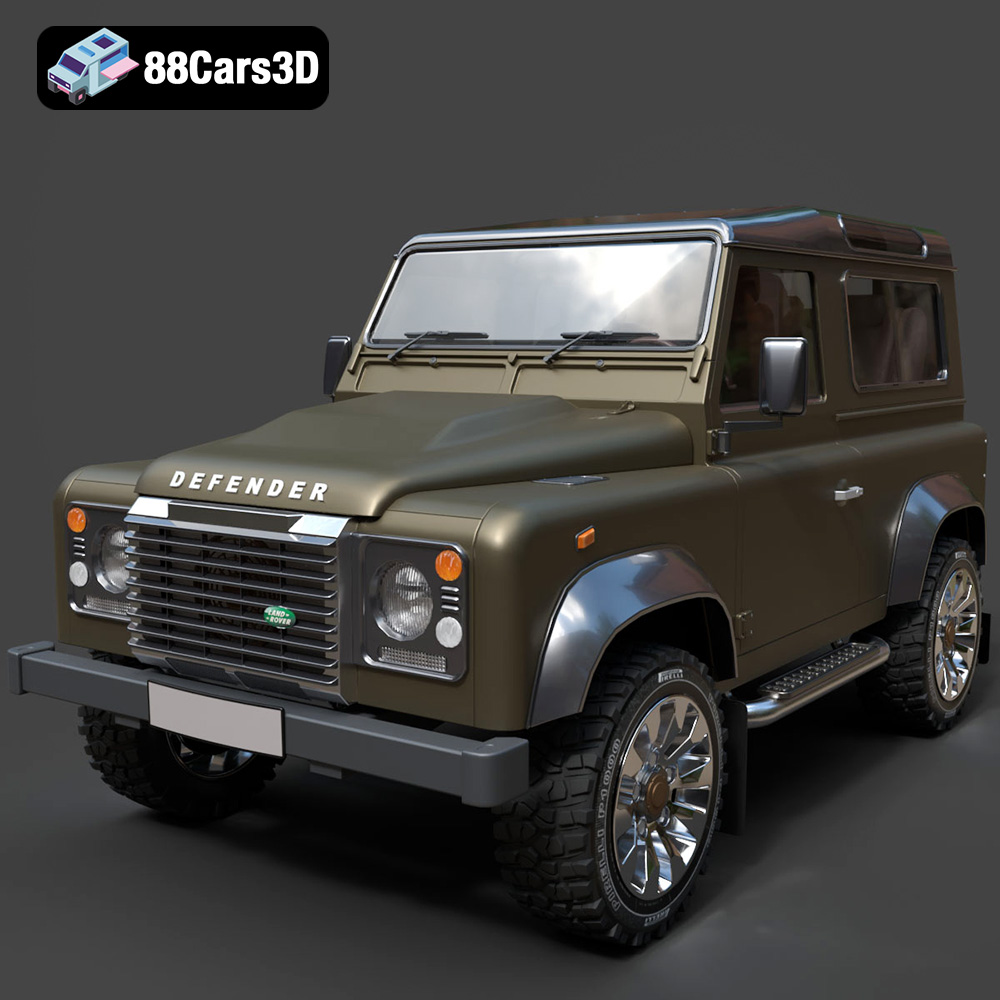
Texture: Yes
Material: Yes
Download the Land Rover Defender Works V8 3D Model featuring clean geometry, realistic detailing, and a fully modeled interior. Includes .blend, .fbx, .obj, .glb, .stl, .ply, .unreal, and .max formats for rendering, simulation, and game development.
Price: $19.99
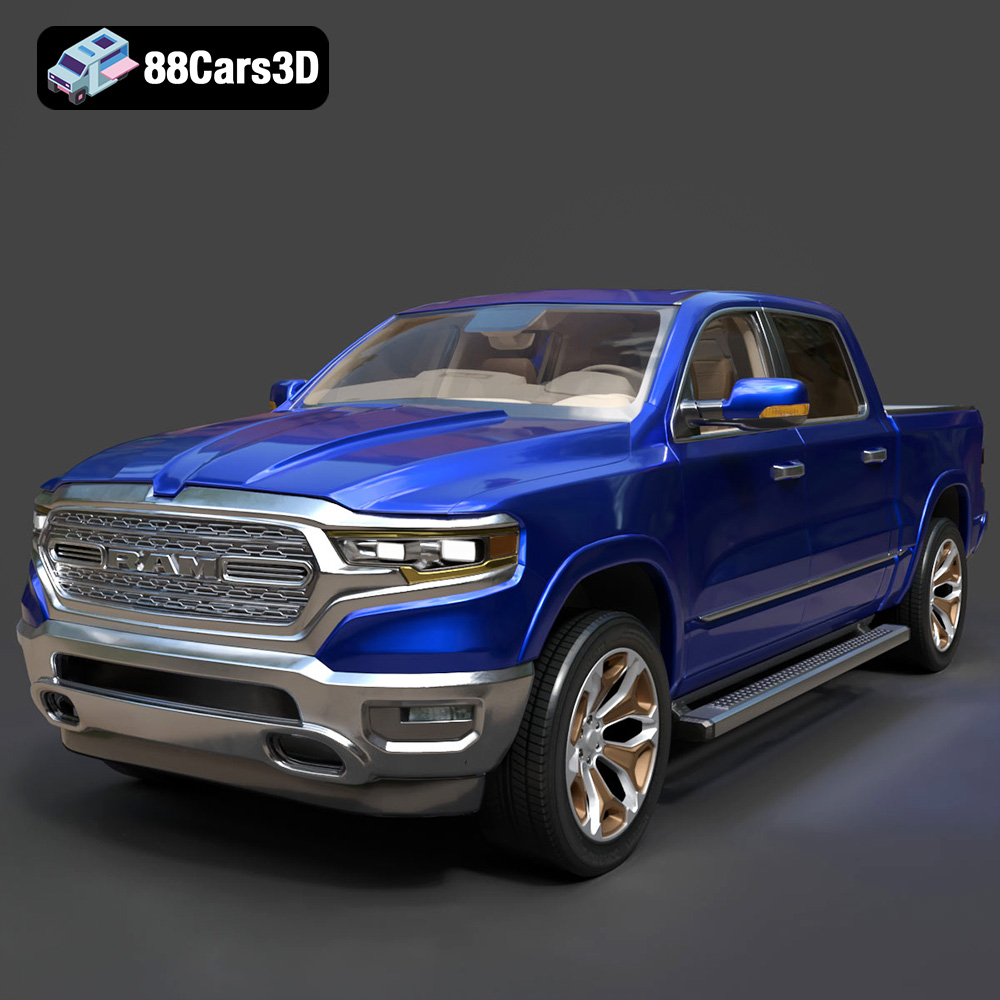
Texture: Yes
Material: Yes
Download the Dodge RAM 2019 3D Model featuring clean geometry, realistic detailing, and a fully modeled interior. Includes .blend, .fbx, .obj, .glb, .stl, .ply, .unreal, and .max formats for rendering, simulation, and game development.
Price: $19.99
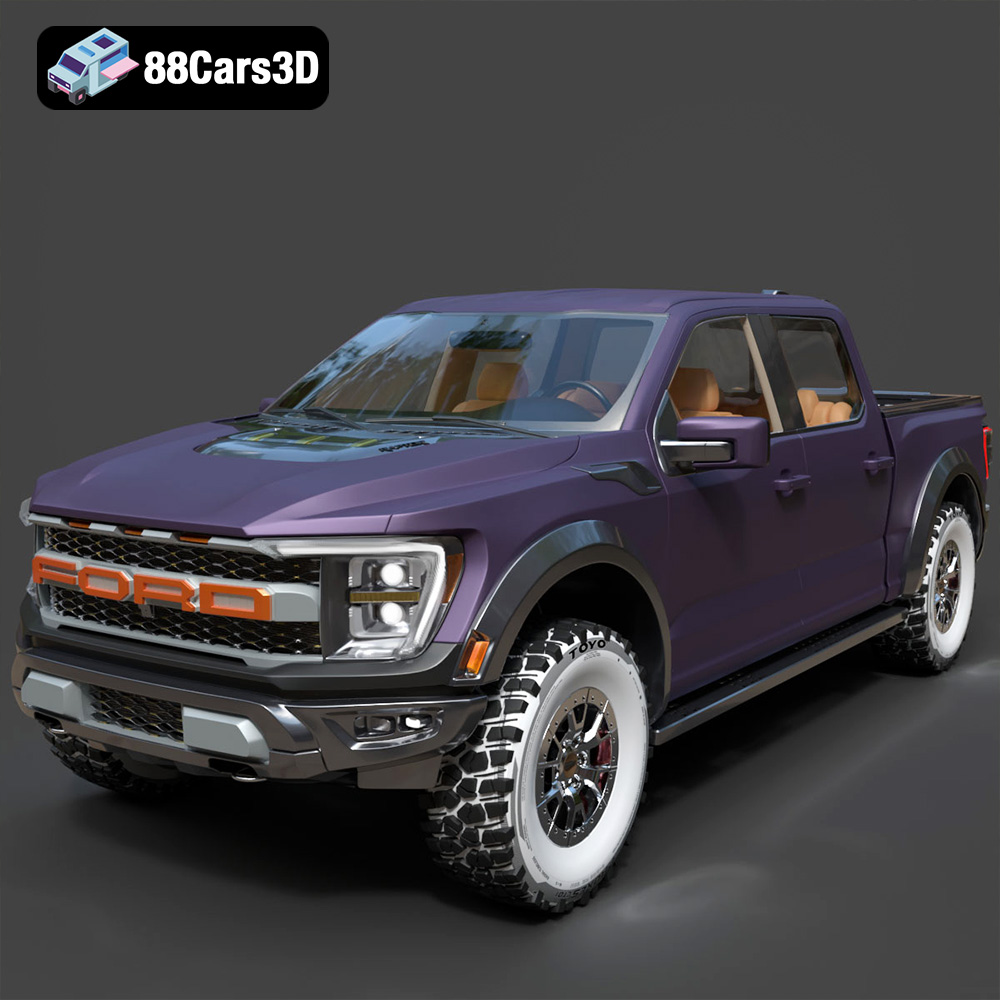
Texture: Yes | Material: Yes Download the ultra-high-detail Ford F-150 Raptor 2021 3D Model (8.73M Triangles). Features uncompromised widebody styling, fully modeled Fox Live Valve suspension, 37-inch tires, and interior. Perfect for premium VFX, cinematic rendering, and ArchViz. Includes .blend, .fbx, .obj, .glb, .stl, and .max formats.
Price: $29.99
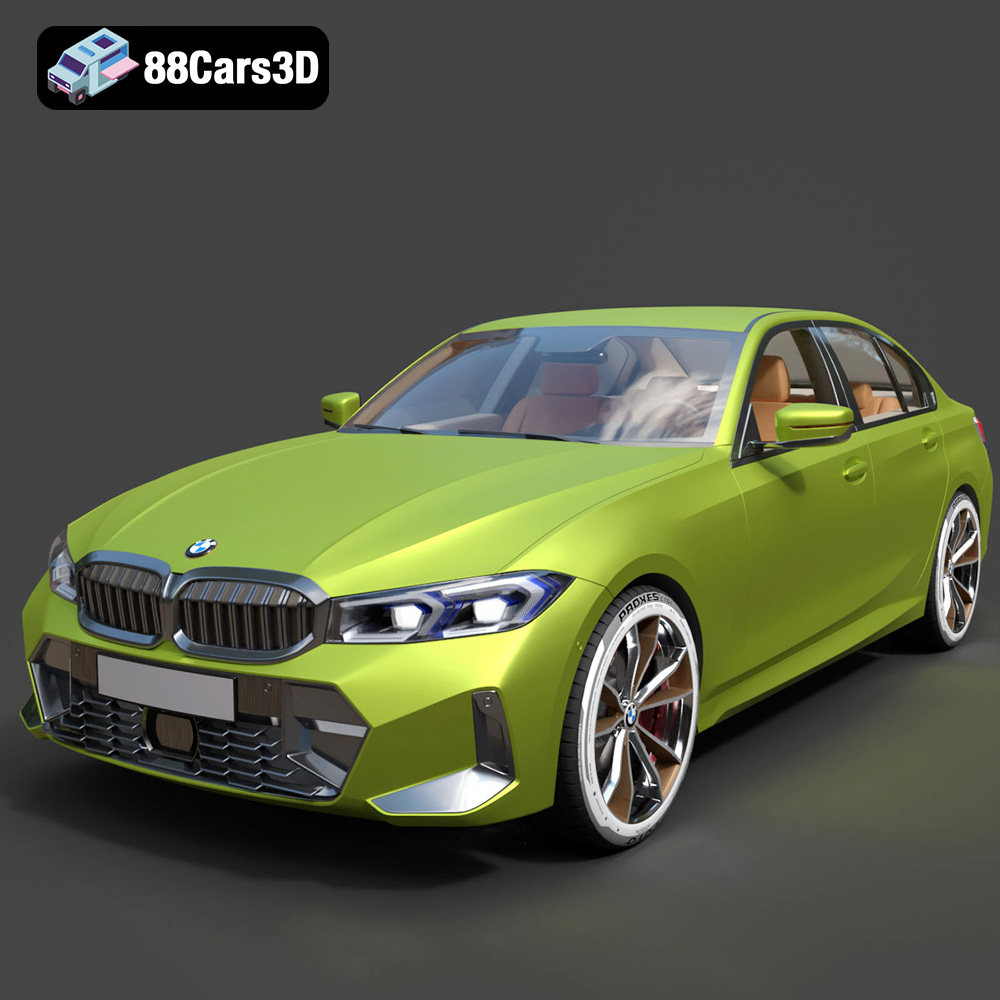
Texture: Yes | Material: Yes Download the ultra-high-detail BMW 3 Series Limousine (2022) 3D Model (4.16M Triangles). Features the modernized G20 LCI exterior, the all-new BMW Curved Display interior, and ultra-dense topology. Perfect for ArchViz, VFX, and cinematic rendering. Includes .blend, .fbx, .obj, .glb, .stl, and .max formats.
Price: $19.99
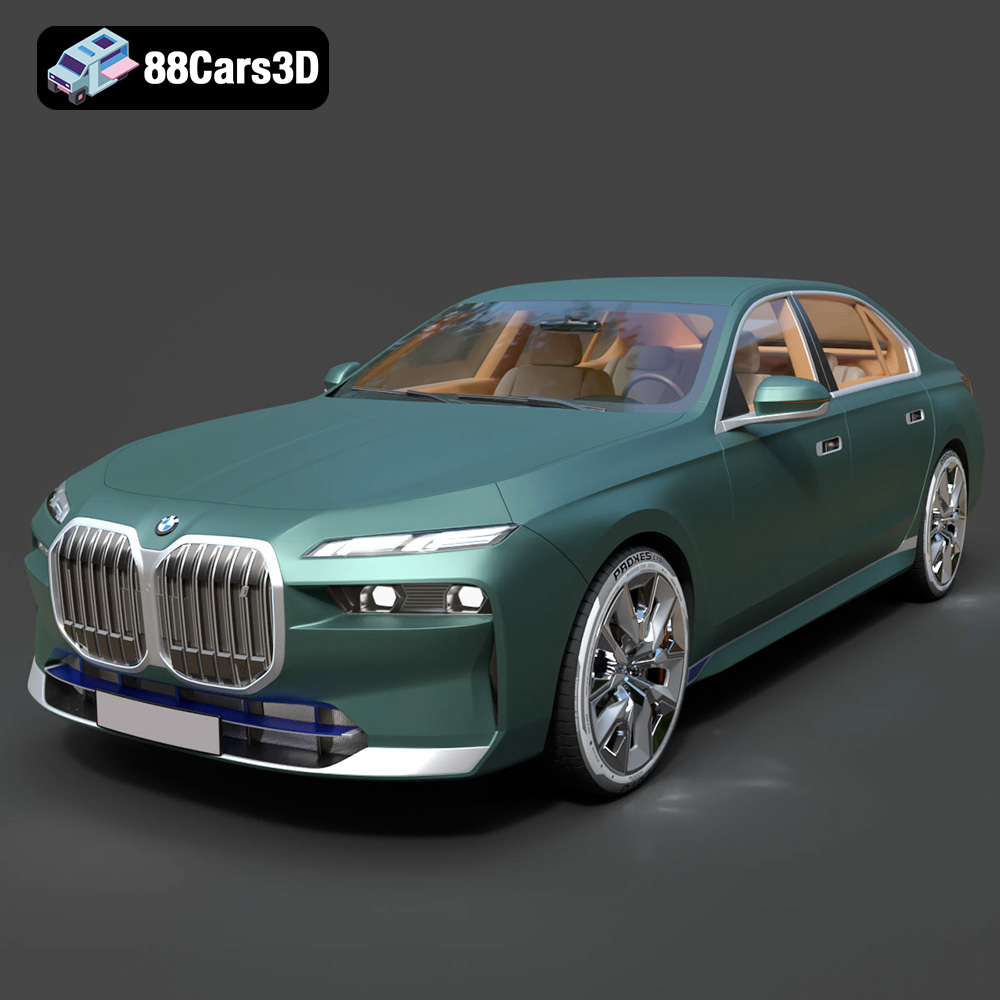
Texture: Yes | Material: Yes Download the ultra-high-detail BMW i7 (2023) 3D Model (4.14M Triangles). Features the illuminated kidney grille, split crystal headlights, fully modeled Theatre Screen interior, and monolithic luxury styling. Perfect for ArchViz, VFX, and cinematic rendering. Includes .blend, .fbx, .obj, .glb, .stl, and .max formats.
Price: $19.99
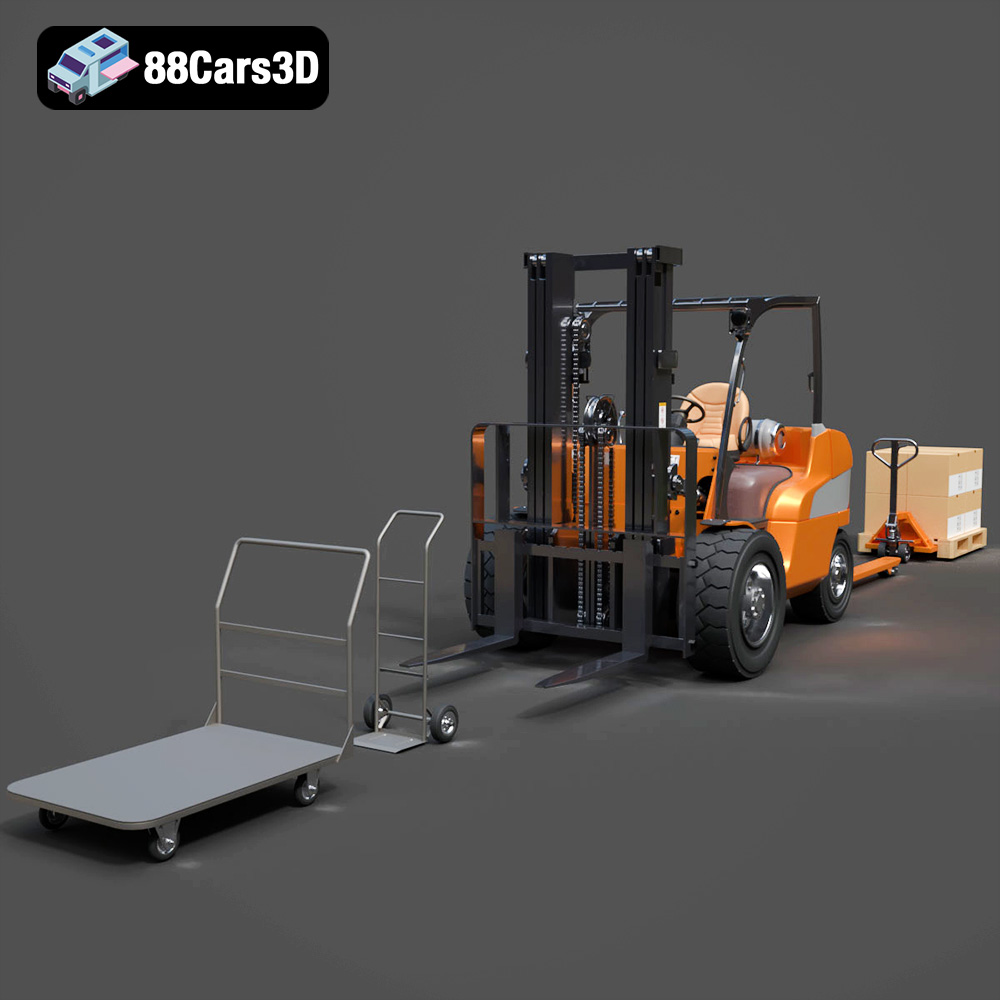
Texture: Yes | Material: Yes Download the highly detailed CAT Manual Loader & Warehouse Carts Kit 3D Model (2.4M Triangles). Features a macro-detailed hydraulic pallet jack, heavy-duty forks, and transport carts. Perfect for industrial ArchViz, factory rendering, and logistics simulations. Includes .blend, .fbx, .obj, .glb, .stl, and .max formats.
Price: $19.99
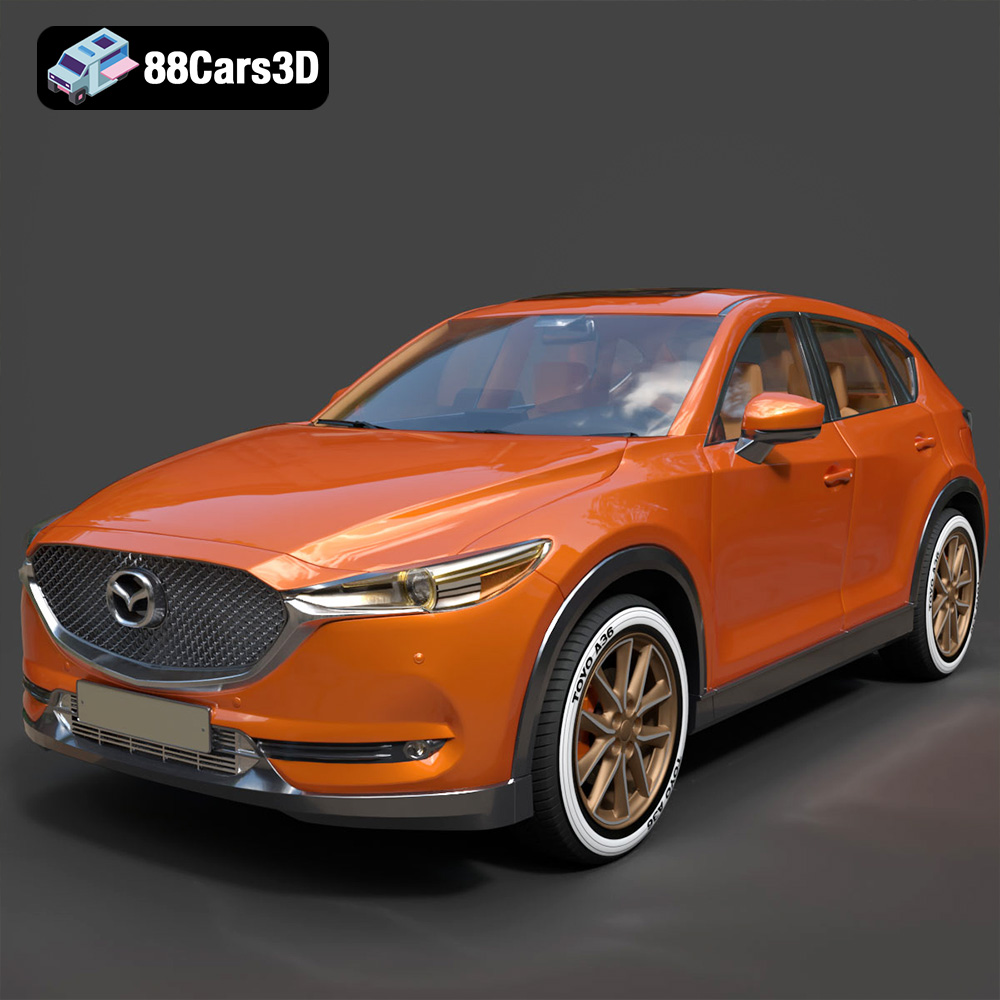
Texture: Yes | Material: Yes
Download the highly optimized Mazda CX-5 2014 3D Model (294k Triangles). Features the dynamic Kodo design language, signature grille, and a clean interior. Perfectly balanced for ArchViz, background traffic, and game development. Includes .blend, .fbx, .obj, .glb, .stl, and .max formats.
Price: $19.99
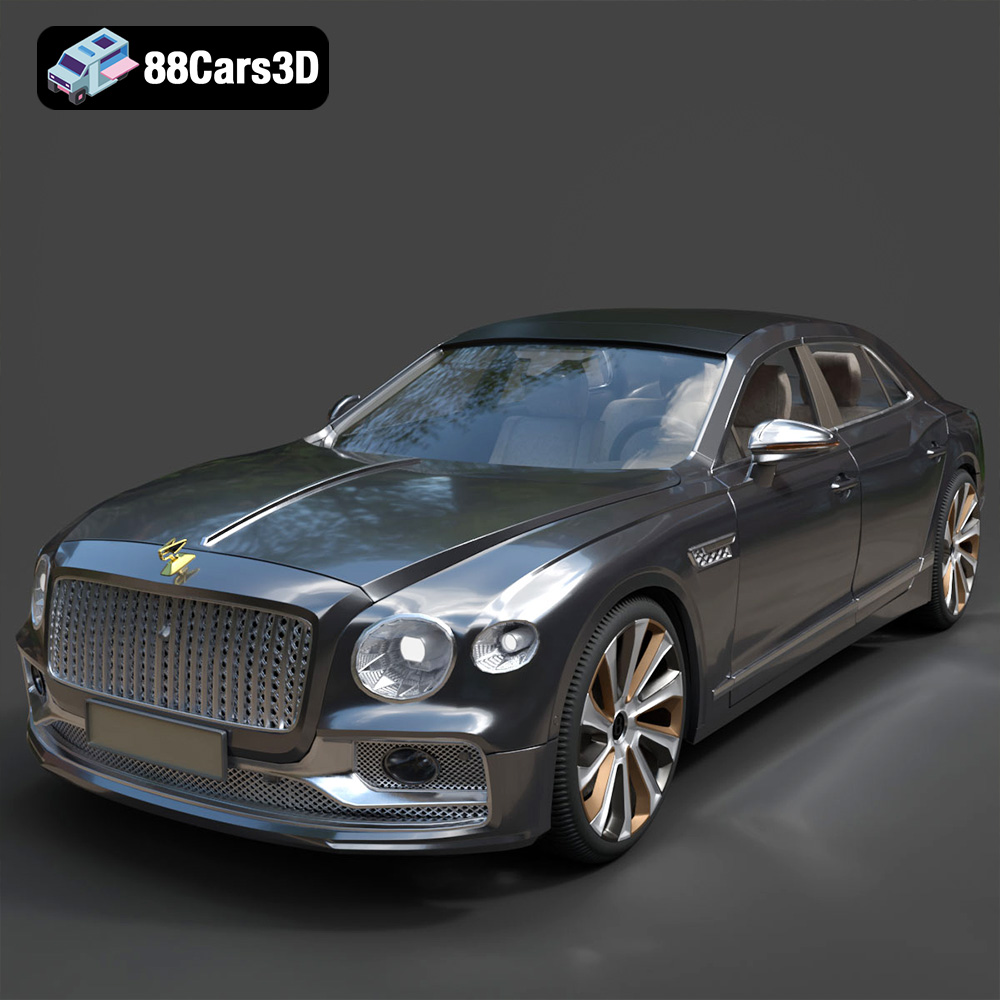
Texture: Yes | Material: Yes Download the ultra-high-detail Bentley Flying Spur Mulliner 2022 3D Model (2.94M Triangles). Features the bespoke Double Diamond grille, a fully modeled diamond-quilted interior, and exquisite luxury styling. Perfect for high-end ArchViz, VFX, and cinematic rendering. Includes .blend, .fbx, .obj, .glb, .stl, and .max formats.
Price: $19.90
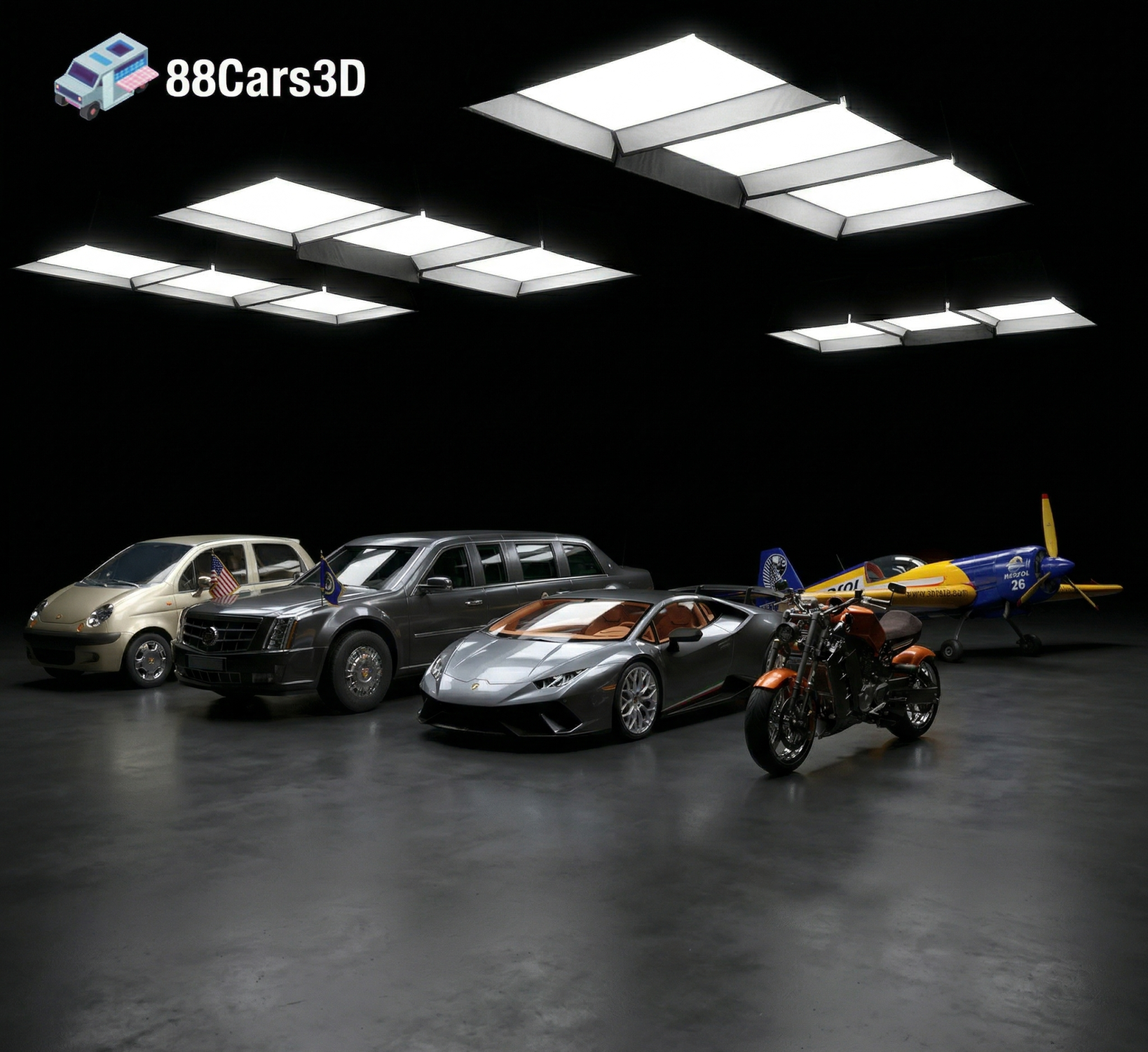
Texture: Yes | Material: Yes | 3D Printable: Yes. Download the Ultimate Creators’ Showcase featuring 5 premium 3D models: Lamborghini Huracan, ZAV Concept Motorcycle, Sukhoi SU-26, Presidential Limousine, and Daewoo Damas. Optimized for 4K CGI rendering and 3D printing. Save massive with this exclusive multi-category bundle!
Price: $99.99

Texture: Yes | Material: Yes | 3D Printable: Yes. Download the Italian Thoroughbreds Bundle featuring 5 iconic 3D models: Lamborghini Huracán Performante, Ferrari 458 Italia, Lamborghini Urus, Diablo SV, and Maserati GT. Optimized for 4K rendering and 3D printing (STL included). Save 50% with this ultimate Italian vehicle collection.
Price: $199.99

