Get 50% OFF All Premium 3D & STL Models!

The world of automotive enthusiasts is diverse and passionate, often driven by the desire for unique expression. This desire extends vividly into the digital realm, where 3D artists, game developers, and visualization professionals seek to create stunning, custom vehicles that push the boundaries of design. Whether it’s a roaring street racer with a bespoke widebody kit, a sleek luxury car with custom aerodynamic enhancements, or a futuristic concept vehicle born from imagination, the ability to model custom body kits and modifications is a highly sought-after skill.
For platforms like 88cars3d.com, which serves as a premier marketplace for high-quality 3D car models, custom modifications are a cornerstone of dynamic content. Artists contributing to or sourcing from such platforms need a deep understanding of the technical intricacies involved in transforming a base vehicle model into a personalized masterpiece. This comprehensive guide will walk you through the essential workflows, technical considerations, and best practices for creating custom body kits and modifications, ensuring your 3D automotive models are not only visually striking but also technically sound for various applications, from photorealistic rendering to game-engine integration and even 3D printing.
At the heart of any exceptional 3D car model, especially those with custom modifications, lies impeccable topology. Topology refers to the arrangement of vertices, edges, and faces that make up the surface of your 3D model. For automotive models, clean and efficient topology is paramount, impacting everything from shading and deformations to render performance and compatibility across different software and game engines. Poor topology can lead to artifacts, jagged edges, and difficulties in UV mapping and texturing, severely diminishing the quality of your 3D car models.
When modeling custom body kits, you often start with an existing base mesh. The challenge is to integrate new geometric forms seamlessly while maintaining the original model’s integrity and ensuring the new additions have their own clean topology. This requires a meticulous approach to edge flow, which dictates how polygons are distributed over the surface. Good edge flow follows the natural curves and contours of the car, allowing for smooth subdivision and realistic deformation. This is especially crucial for parts that might deform, like doors or suspension components, or for smooth, reflective surfaces that will highlight any imperfections.
The golden rule in polygonal modeling, especially for subdivision-ready meshes used in rendering and animation, is to primarily use quads (four-sided polygons). Quads are predictable when subdivided, leading to smooth, even surfaces. Triangles (three-sided polygons) can cause pinching and irregular deformations, while N-gons (polygons with more than four sides) are generally avoided in production models as they can lead to unpredictable shading and difficult edge loops.
Excellent edge flow is the secret to photorealistic automotive renders. It ensures that reflections glide smoothly across the car’s body, highlighting its elegant curves and aggressive lines. When adding a custom fender flare or a new bumper, the edge loops of the new part should align and seamlessly merge with the existing car body’s edge flow. This is often achieved using a combination of techniques:
Bringing a custom body kit to life begins long before a single polygon is placed. It involves careful planning and creative execution. The process typically moves from conceptualization to blocking out shapes, and then to detailed sculpting and refinement, often involving a mix of hard-surface modeling and digital sculpting techniques.
Precision is key in automotive design. Before you begin modeling, gather a comprehensive set of reference images. These should include blueprints, orthographic views (front, side, top, rear), and various perspective shots of the base vehicle, as well as images of custom kits that inspire your design. In any 3D software (e.g., Blender, 3ds Max, Maya), set these images up as reference planes in your viewport to guide your initial blocking. Ensure your reference images are scaled correctly to avoid discrepancies later.
With your references in place, start blocking out the major forms of your custom parts. For a new bumper, begin with simple primitives like cubes or planes and roughly match their shape to your design using basic transform tools (move, rotate, scale). This stage prioritizes overall silhouette and proportions over intricate details. For instance, if creating a widebody fender, you’d start with a flat plane that roughly outlines the new fender shape, then gradually build volume. The goal is to establish the core dimensions and aesthetic direction of your custom modification.
Once the basic shapes are established, the real magic of surface refinement begins. This is where digital sculpting comes into play, particularly for organic shapes, subtle curves, or intricate details that are difficult to achieve with purely polygonal modeling. Software like Blender offers powerful sculpting tools. You can convert your blocked-out mesh into a sculptable mesh (e.g., using Blender’s Dyntopo or Voxel Remesh, found in the Sculpt Mode’s Tool Settings) and use brushes to add contours, vents, and aerodynamic elements. Key techniques include:
After sculpting, retopology is crucial. This process involves creating a clean, quad-based mesh over your high-detail sculpt. This lower-polygon mesh will have optimized edge flow, making it ideal for UV mapping, animation, and real-time applications, while still retaining the sculpted details through normal maps. Tools like Blender’s Retopology tools (often used with the Shrinkwrap modifier in combination) simplify this complex step, ensuring that your custom body kit maintains a balance between visual fidelity and technical efficiency.
UV mapping is the process of flattening your 3D model’s surface into a 2D space, creating a “map” that textures can be painted onto. For automotive models, especially those with intricate custom body kits, efficient and distortion-free UVs are critical. High-quality UVs ensure that your PBR materials look realistic, without stretching or seams breaking up visual continuity. A well-executed UV layout can significantly enhance the final render quality and simplify the texturing process.
The complex, curved surfaces of a car, along with the distinct panels of a body kit, require careful planning for UV seams. The goal is to minimize visible seams on prominent surfaces and maximize texture resolution where it matters most, like on the paintwork or carbon fiber elements. Bad UVs can result in blurry textures, visible seams, and wasted texture space, which is especially detrimental for models destined for game engines or close-up renders.
Strategic seam placement is fundamental. Think of unwrapping a car like carefully deconstructing a cardboard model. You want to cut it in places that are less visible or naturally occur as panel gaps.
Once your model is unwrapped, the next step is arranging the UV islands within the 0-1 UV space. This is where optimization for texture density comes in. Texture density refers to the amount of pixel detail per unit of 3D surface area. Consistent texture density across your model is crucial for a cohesive look.
Realistic 3D car models, especially those with custom body kits, demand physically based rendering (PBR) materials. PBR materials accurately simulate how light interacts with surfaces in the real world, resulting in highly convincing renders. This approach uses a set of texture maps to define the surface properties, allowing for predictable and consistent results across various lighting conditions and rendering environments.
Understanding the core principles of PBR and building effective shader networks is paramount. Whether you’re aiming for a glossy metallic flake paint job, a utilitarian matte finish, or the intricate weave of carbon fiber, PBR provides the framework for achieving unparalleled realism. The quality of your PBR materials directly influences the visual impact of your custom modifications and can elevate your 3D car models to professional standards.
Four primary texture maps form the foundation of most PBR workflows:
Other important maps can include Ambient Occlusion (to simulate subtle self-shadowing), Height/Displacement (for actual geometric deformation, especially in high-detail renders), and Emission (for lights). All these maps are typically created or baked from high-resolution sculpts or procedural generators and then plugged into a PBR shader node, such as Blender’s Principled BSDF (found in the Shader Nodes documentation).
Beyond the basic PBR setup, creating truly realistic automotive finishes often involves building complex shader graphs. These graphs combine multiple textures and nodes to simulate intricate material properties:
Once your custom body kit is meticulously modeled, UV mapped, and textured with PBR materials, the next crucial step is rendering. This is where your digital masterpiece comes to life, transformed into a high-fidelity image or animation. The choice of rendering engine, coupled with expert lighting and environment setup, will dramatically influence the final aesthetic and realism of your 3D car models. Whether for portfolio presentation, marketing, or client showcases, a professional render is indispensable.
Different rendering engines offer unique strengths and workflows. Understanding these nuances allows artists to choose the best tool for their specific needs, balancing render quality with computational efficiency. The aim is to create compelling visuals that highlight the intricate details of your custom modifications and make the vehicle truly pop.
The industry offers a powerful array of rendering engines, each with its own advantages:
Lighting is arguably the most critical component of a convincing render. Without proper lighting, even the most detailed 3D car models will fall flat. For automotive rendering:
The rendering process doesn’t end when the image is complete. Post-processing and compositing in software like Photoshop, GIMP, or Blender’s own Compositor (refer to the Blender Compositing documentation) are essential for adding the final polish and cinematic flair.
While photorealistic renders prioritize visual fidelity above all, game development and real-time applications like AR/VR demand a careful balance between aesthetics and performance. Custom 3D car models designed for these platforms must be highly optimized to run smoothly on various hardware, ensuring a fluid and engaging user experience. This means meticulously managing polygon counts, texture memory, and draw calls without sacrificing the visual integrity of your custom body kits.
The goal of optimization is to reduce the computational load on the GPU while maintaining acceptable visual quality. This is a critical skill for any 3D artist aiming to contribute to or utilize models from marketplaces like 88cars3d.com for interactive projects. A poorly optimized model, no matter how beautiful, will lead to frame rate drops and a frustrating user experience.
Polygon count is often the first consideration for game assets. While a high-detail model might have millions of polygons for cinematic renders, real-time applications require significantly lower counts. For custom car models, a typical target for a hero vehicle might range from 50,000 to 150,000 triangles, depending on the platform and desired detail. Individual custom body kit parts should be designed with this budget in mind.
Levels of Detail (LODs) are essential for managing polygon count dynamically. LODs are different versions of the same model, each with a progressively lower polygon count. The game engine switches between these versions based on the object’s distance from the camera:
Creating LODs can be done manually or using tools. In Blender, the Decimate Modifier can be used to reduce polygon count, but careful manual cleanup is often needed to preserve critical details and edge flow. It’s crucial to bake normal maps from the high-poly model to the lower-poly LODs to retain surface detail. This process transfers the visual information of the high-poly sculpt onto the optimized game mesh, making it appear more detailed than its actual geometry.
Beyond polygon count, texture optimization and minimizing draw calls are critical. A draw call is an instruction from the CPU to the GPU to draw an object. Each time a new material or texture is used on an object, it can potentially incur a new draw call. Too many draw calls can quickly bottleneck performance in real-time applications.
Augmented Reality (AR) and Virtual Reality (VR) experiences demand even stricter optimization due to the higher frame rate requirements (often 60-90 FPS per eye) and the mobile nature of many AR devices. Beyond standard game optimization, AR/VR considerations include:
The journey of creating custom 3D car models culminates in their delivery and integration into various pipelines. This involves selecting the correct file formats, ensuring compatibility across different software packages and platforms, and understanding the unique requirements for specialized applications like 3D printing. For professional artists selling or using models from platforms like 88cars3d.com, mastering these aspects guarantees the usability and longevity of their work.
Each file format has its strengths and weaknesses, dictating how geometry, materials, textures, and other data are stored. Knowing which format to use for a specific purpose is crucial for efficient workflows and avoiding data loss or corruption. Furthermore, preparing a model for 3D printing introduces a new set of technical demands focused on physical integrity rather than digital rendering.
These are some of the most common and versatile 3D file formats for automotive models:
If your custom body kit or car model is destined for 3D printing, a completely different set of requirements comes into play. The digital model must represent a physically solid object.
By carefully considering these file formats, compatibility issues, and specific requirements for applications like 3D printing, you ensure that your custom 3D car models are not just visually impressive but also practical and usable across a multitude of professional pipelines, further enhancing their value on platforms like 88cars3d.com.
Crafting custom body kits and modifications for 3D car models is a multifaceted discipline that marries artistic vision with rigorous technical expertise. We’ve journeyed through the critical aspects, from establishing clean and efficient topology, understanding the delicate balance between quads and triangles, and mastering the art of digital sculpting to seamlessly integrate your unique designs. We’ve also explored the indispensable role of meticulous UV mapping, ensuring that your complex automotive surfaces are perfectly prepared for high-fidelity textures, and delved into the creation of physically accurate PBR materials and sophisticated shader networks that bring metallic flake paints and carbon fiber weaves to life.
Beyond the creation, we’ve emphasized the importance of stunning rendering workflows with engines like Cycles, Corona, V-Ray, and Arnold, highlighting how strategic lighting and post-processing can elevate your visuals from good to breathtaking. Crucially, we’ve covered the essential optimization strategies required for game assets and real-time applications like AR/VR, focusing on intelligent LOD implementation and efficient texture atlasing to ensure smooth performance across diverse platforms. Finally, we addressed the practical considerations of file formats like FBX, OBJ, GLB, and USDZ, alongside the unique demands of preparing your intricate designs for physical reproduction through 3D printing.
The ability to envision, design, and technically execute these custom modifications is what truly sets professional 3D artists apart. By applying these workflows and best practices, you can create 3D car models that are not only visually compelling but also versatile and robust for any application. As you continue to refine your skills, remember that resources like 88cars3d.com serve as invaluable platforms for both inspiration and opportunity, connecting creators with a global audience eager for high-quality, customized automotive digital assets. Embrace these technical challenges as opportunities to push your creative boundaries and drive your 3D modeling career forward.
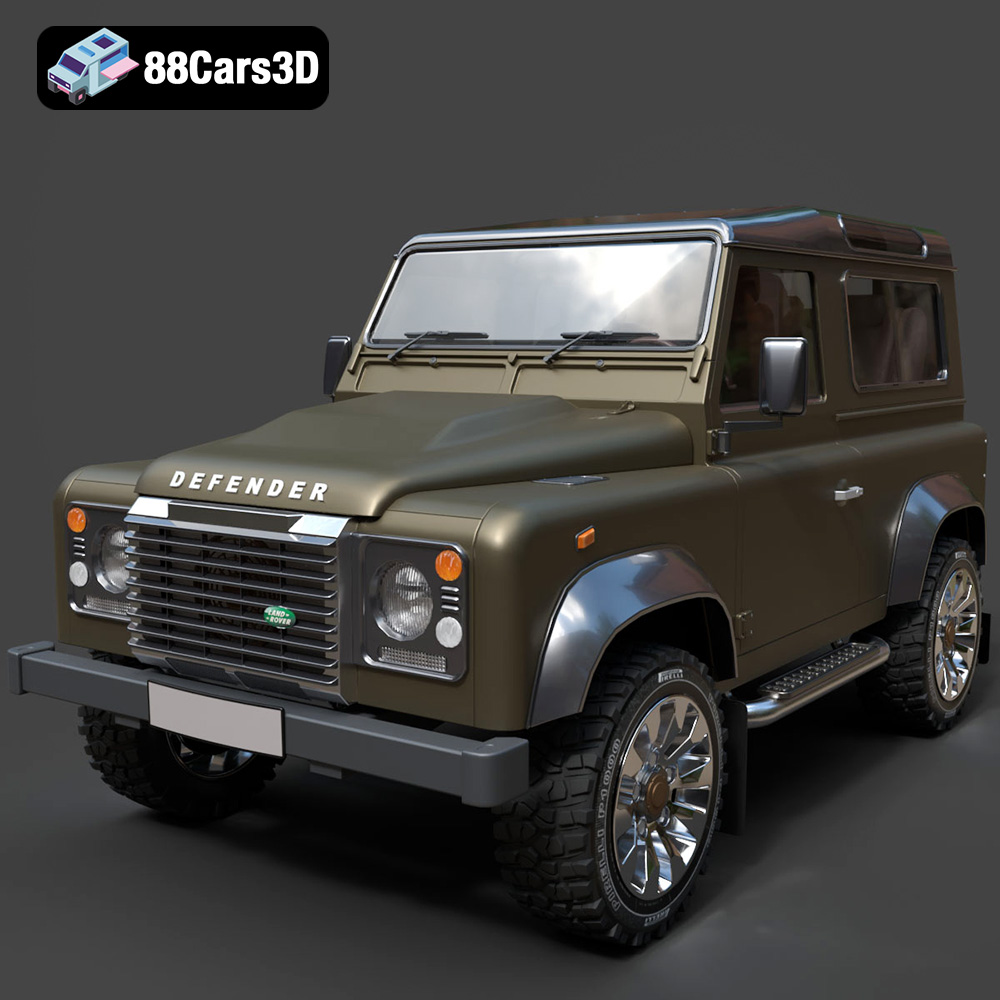
Texture: Yes
Material: Yes
Download the Land Rover Defender Works V8 3D Model featuring clean geometry, realistic detailing, and a fully modeled interior. Includes .blend, .fbx, .obj, .glb, .stl, .ply, .unreal, and .max formats for rendering, simulation, and game development.
Price: $19.99
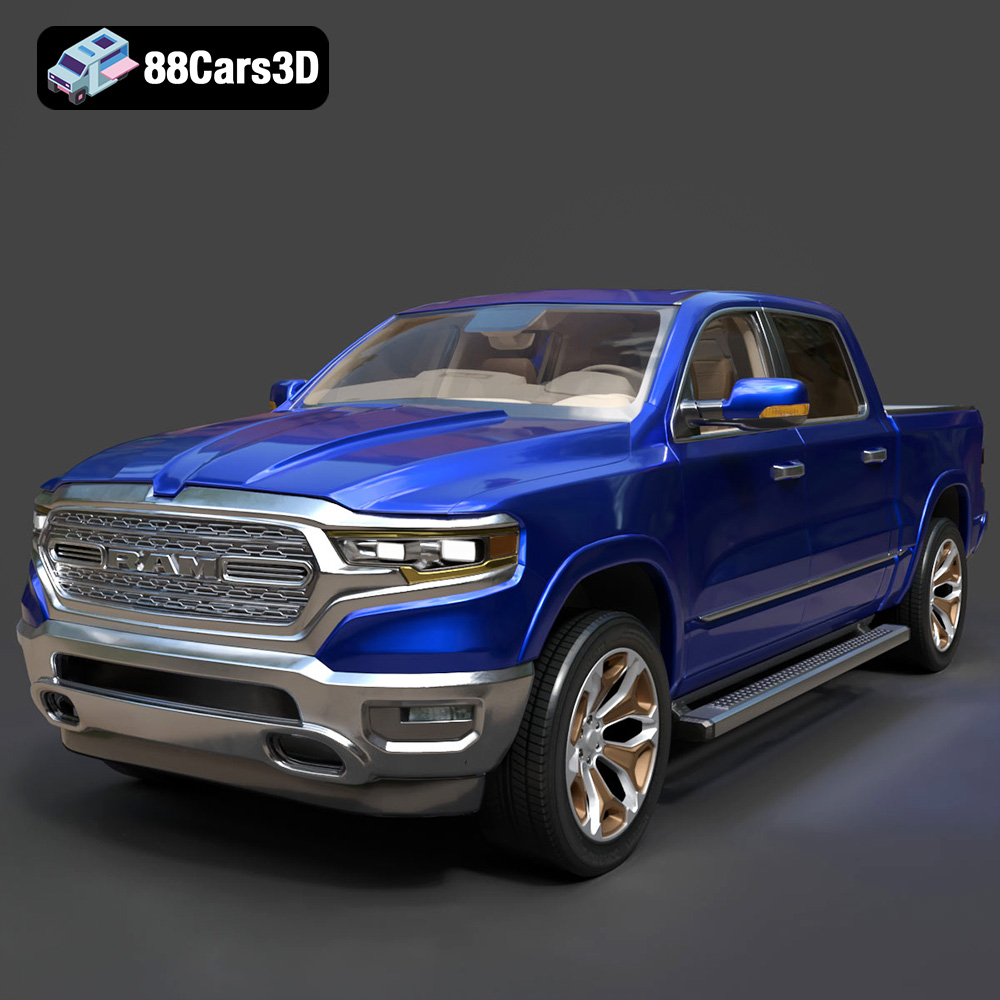
Texture: Yes
Material: Yes
Download the Dodge RAM 2019 3D Model featuring clean geometry, realistic detailing, and a fully modeled interior. Includes .blend, .fbx, .obj, .glb, .stl, .ply, .unreal, and .max formats for rendering, simulation, and game development.
Price: $19.99
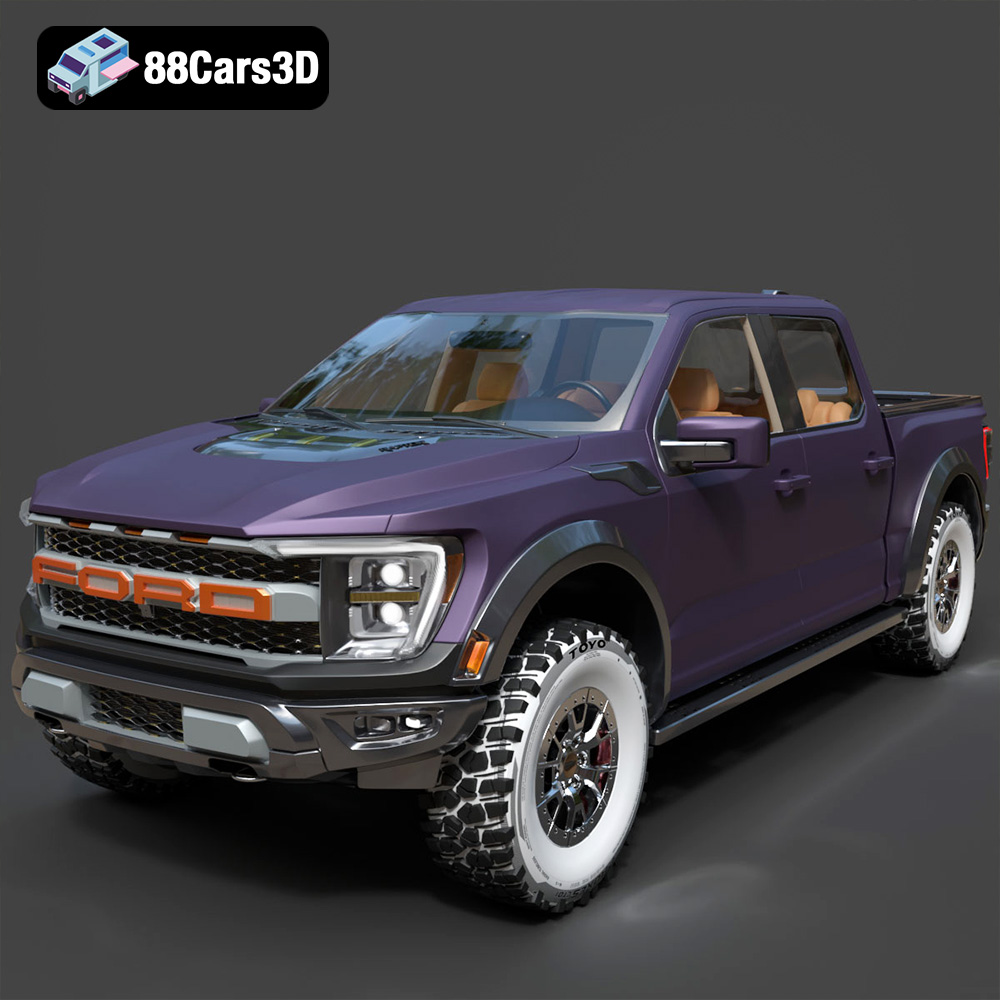
Texture: Yes | Material: Yes Download the ultra-high-detail Ford F-150 Raptor 2021 3D Model (8.73M Triangles). Features uncompromised widebody styling, fully modeled Fox Live Valve suspension, 37-inch tires, and interior. Perfect for premium VFX, cinematic rendering, and ArchViz. Includes .blend, .fbx, .obj, .glb, .stl, and .max formats.
Price: $29.99
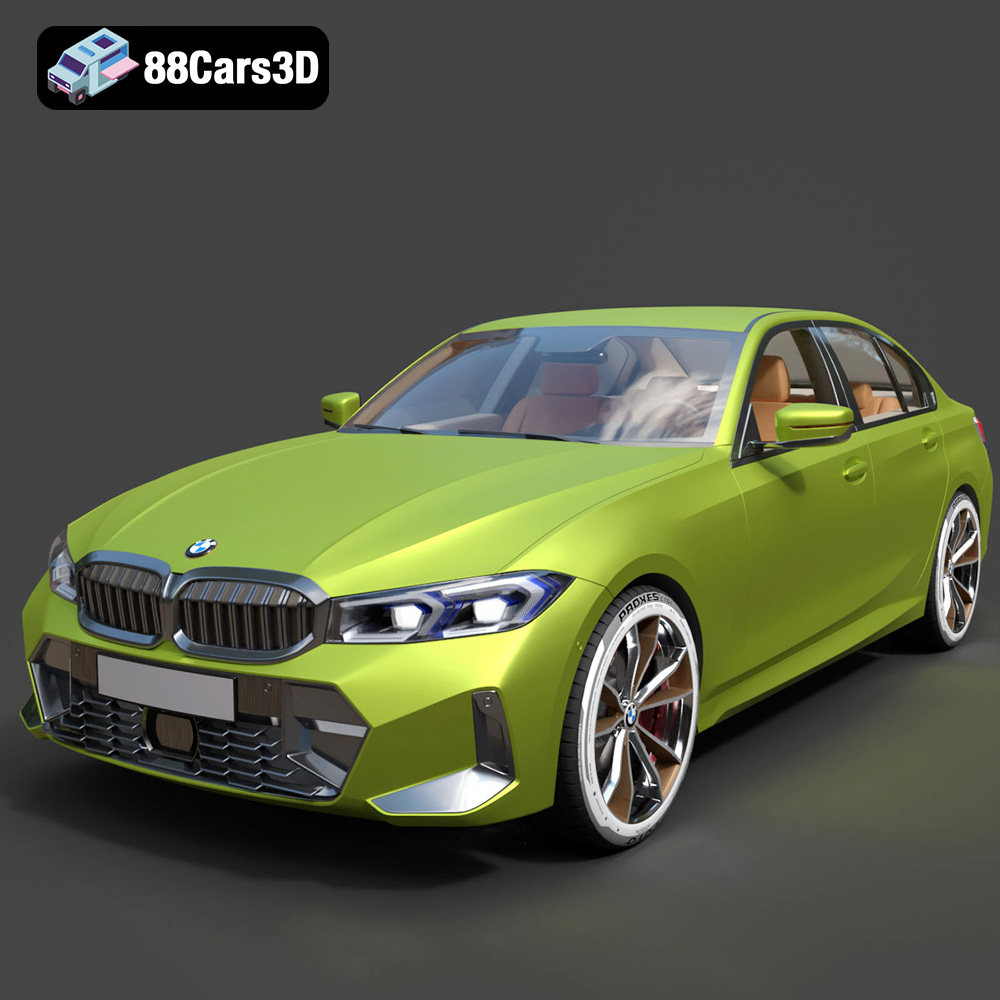
Texture: Yes | Material: Yes Download the ultra-high-detail BMW 3 Series Limousine (2022) 3D Model (4.16M Triangles). Features the modernized G20 LCI exterior, the all-new BMW Curved Display interior, and ultra-dense topology. Perfect for ArchViz, VFX, and cinematic rendering. Includes .blend, .fbx, .obj, .glb, .stl, and .max formats.
Price: $19.99
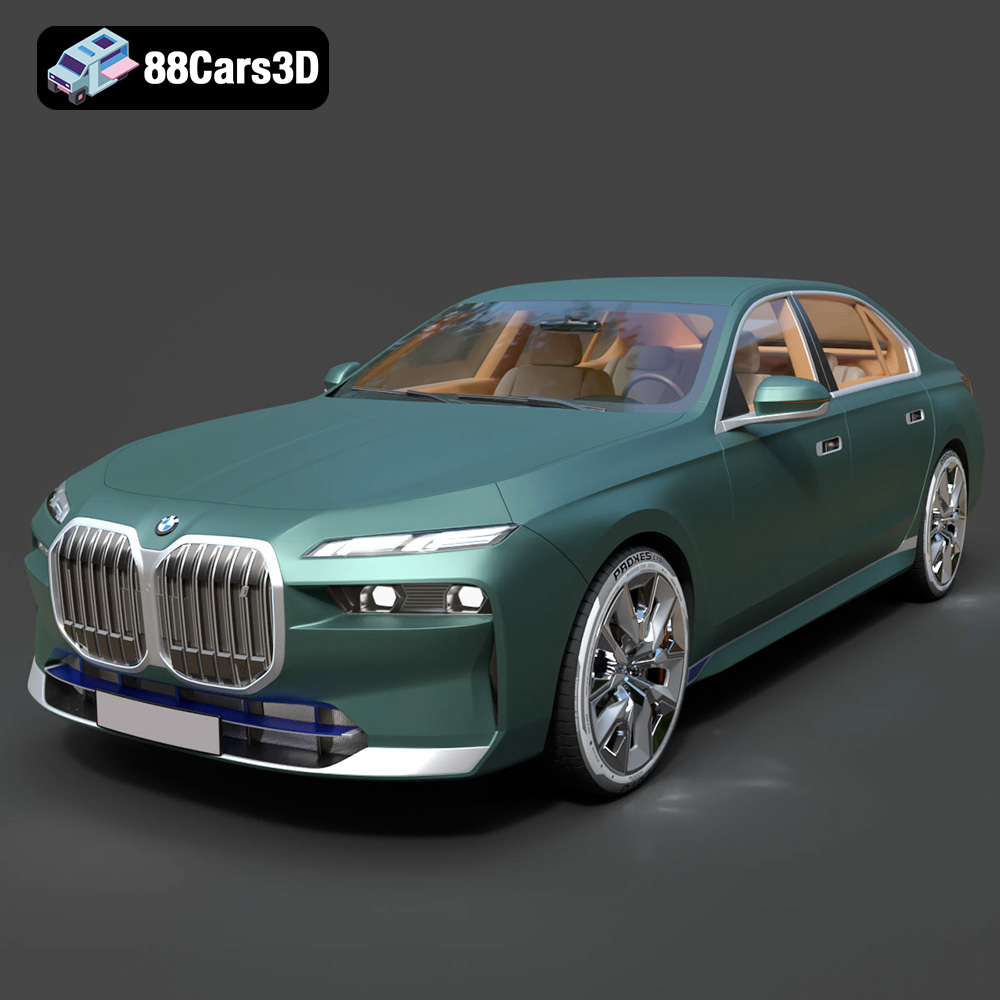
Texture: Yes | Material: Yes Download the ultra-high-detail BMW i7 (2023) 3D Model (4.14M Triangles). Features the illuminated kidney grille, split crystal headlights, fully modeled Theatre Screen interior, and monolithic luxury styling. Perfect for ArchViz, VFX, and cinematic rendering. Includes .blend, .fbx, .obj, .glb, .stl, and .max formats.
Price: $19.99
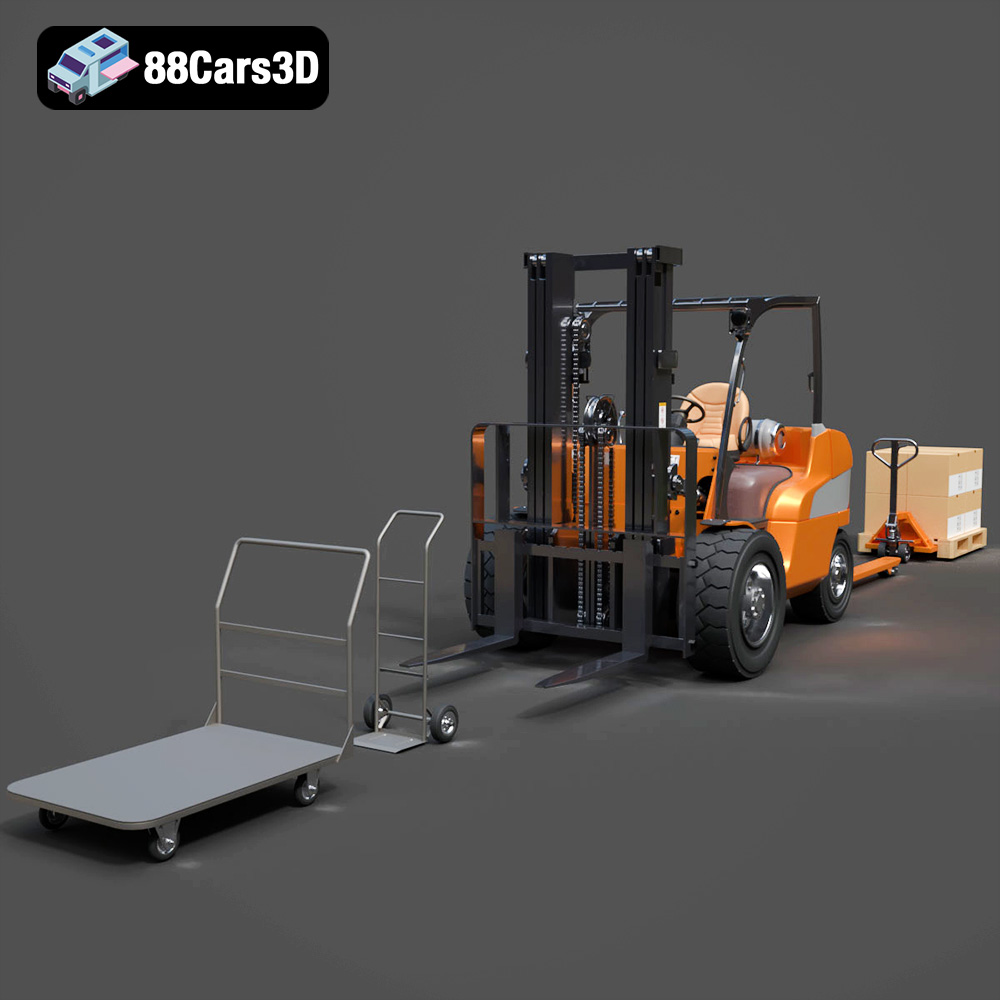
Texture: Yes | Material: Yes Download the highly detailed CAT Manual Loader & Warehouse Carts Kit 3D Model (2.4M Triangles). Features a macro-detailed hydraulic pallet jack, heavy-duty forks, and transport carts. Perfect for industrial ArchViz, factory rendering, and logistics simulations. Includes .blend, .fbx, .obj, .glb, .stl, and .max formats.
Price: $19.99
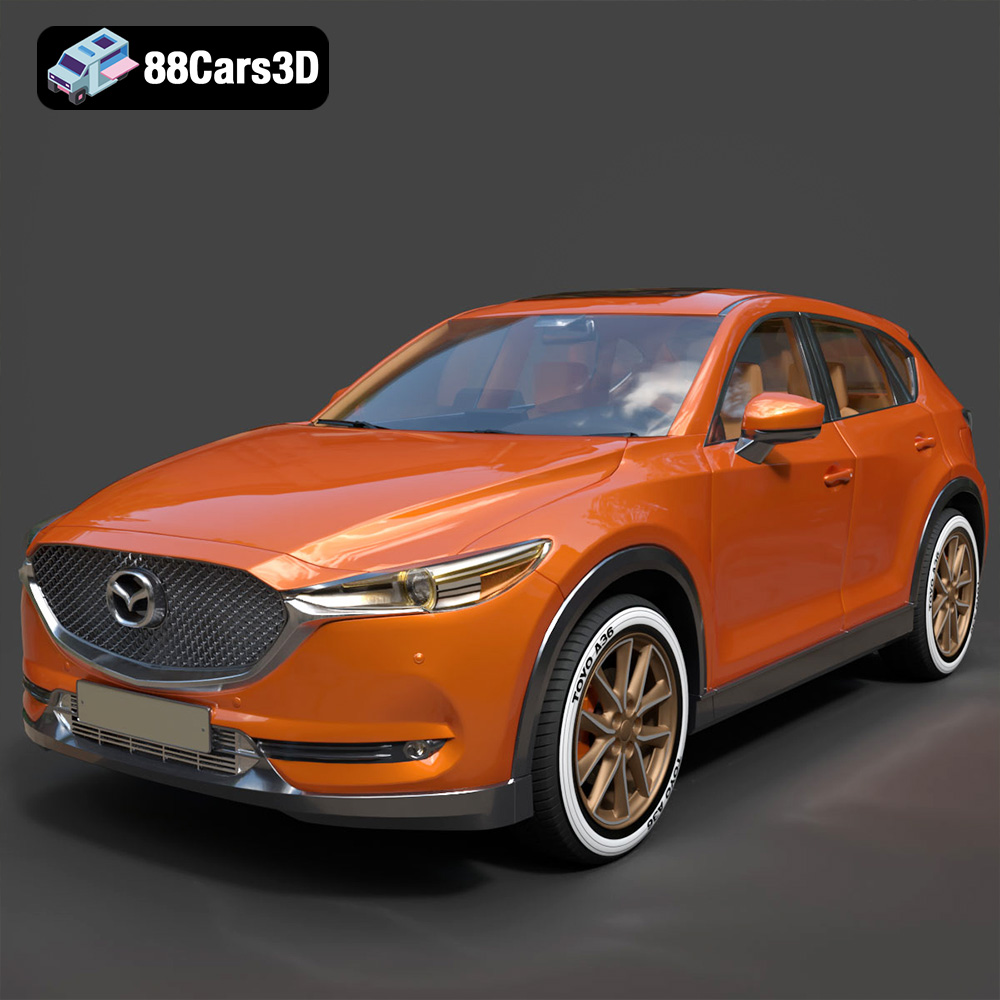
Texture: Yes | Material: Yes
Download the highly optimized Mazda CX-5 2014 3D Model (294k Triangles). Features the dynamic Kodo design language, signature grille, and a clean interior. Perfectly balanced for ArchViz, background traffic, and game development. Includes .blend, .fbx, .obj, .glb, .stl, and .max formats.
Price: $19.99
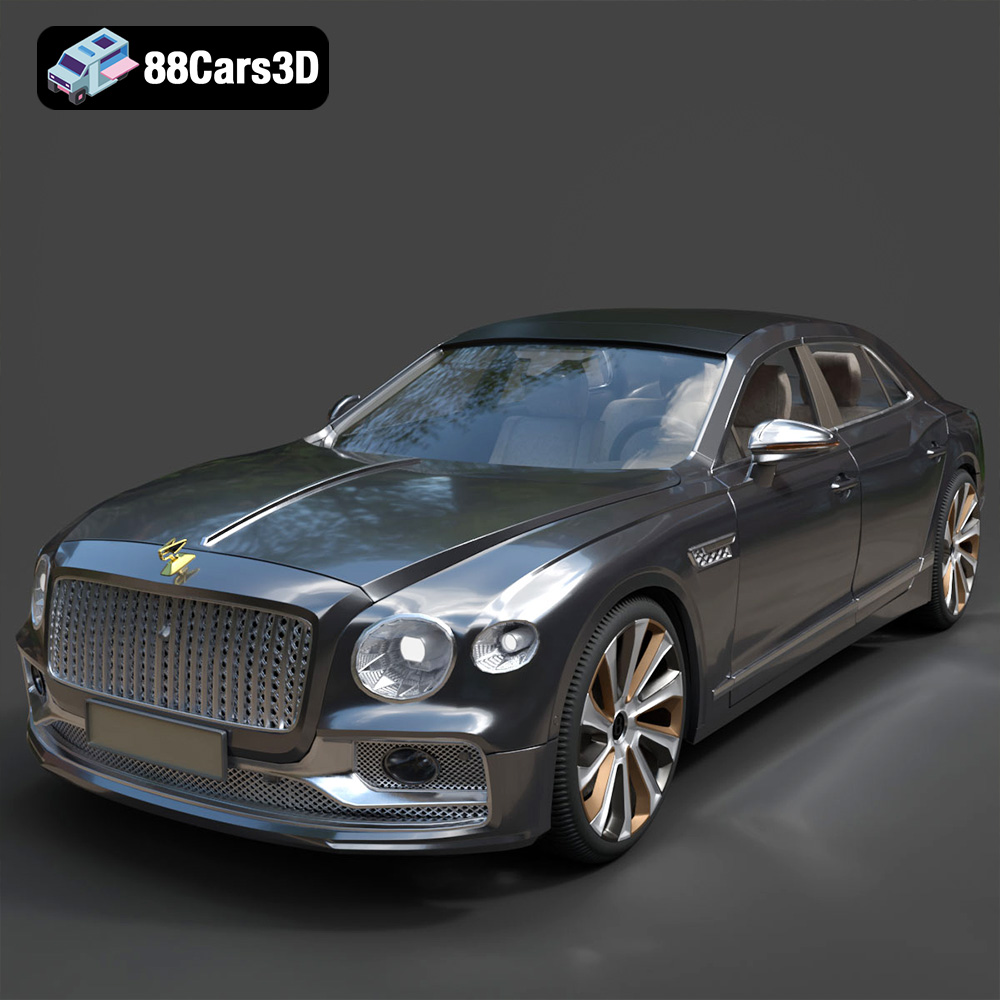
Texture: Yes | Material: Yes Download the ultra-high-detail Bentley Flying Spur Mulliner 2022 3D Model (2.94M Triangles). Features the bespoke Double Diamond grille, a fully modeled diamond-quilted interior, and exquisite luxury styling. Perfect for high-end ArchViz, VFX, and cinematic rendering. Includes .blend, .fbx, .obj, .glb, .stl, and .max formats.
Price: $19.90
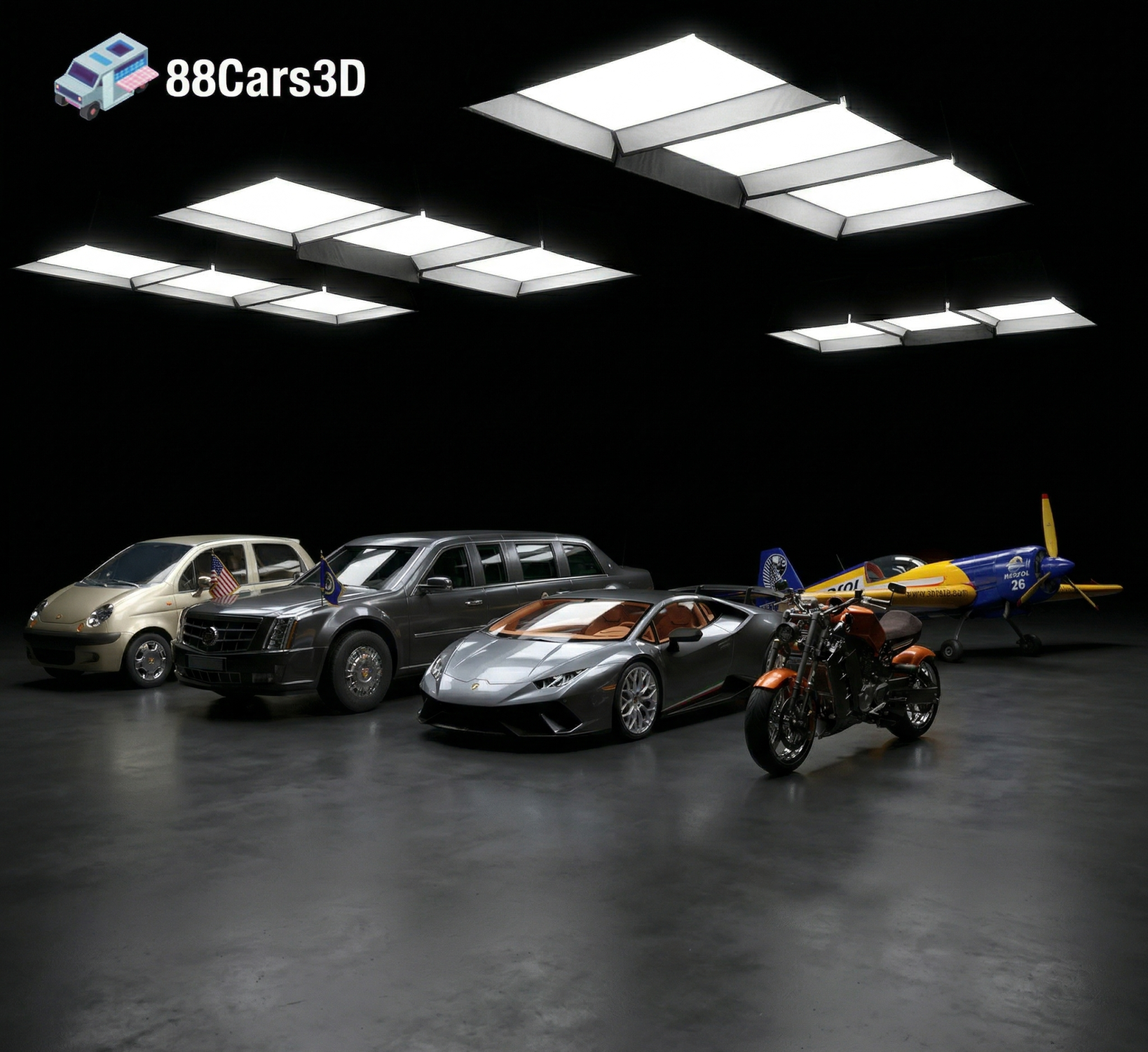
Texture: Yes | Material: Yes | 3D Printable: Yes. Download the Ultimate Creators’ Showcase featuring 5 premium 3D models: Lamborghini Huracan, ZAV Concept Motorcycle, Sukhoi SU-26, Presidential Limousine, and Daewoo Damas. Optimized for 4K CGI rendering and 3D printing. Save massive with this exclusive multi-category bundle!
Price: $99.99

Texture: Yes | Material: Yes | 3D Printable: Yes. Download the Italian Thoroughbreds Bundle featuring 5 iconic 3D models: Lamborghini Huracán Performante, Ferrari 458 Italia, Lamborghini Urus, Diablo SV, and Maserati GT. Optimized for 4K rendering and 3D printing (STL included). Save 50% with this ultimate Italian vehicle collection.
Price: $199.99

