Get 50% OFF All Premium 3D & STL Models!

“`html
Unreal Engine has revolutionized automotive visualization, offering unparalleled realism and interactivity. Whether you’re an aspiring game developer, a seasoned 3D artist, or an automotive designer, this comprehensive tutorial will guide you through the fundamentals of Unreal Engine, specifically tailored for utilizing high-quality 3D car models. We’ll cover everything from project setup to importing and optimizing assets, creating realistic materials, and implementing interactive features. By the end of this guide, you’ll have a solid foundation for creating stunning automotive visualizations and interactive experiences within Unreal Engine, leveraging the power of real-time rendering. Let’s dive in and unlock the potential of Unreal Engine for your automotive projects.
Before you can start creating impressive automotive visualizations, you need to set up your Unreal Engine project correctly. This involves choosing the right project template, configuring project settings, and familiarizing yourself with the Unreal Engine interface. A well-organized project is crucial for a smooth workflow and efficient asset management.
When creating a new project, Unreal Engine offers several templates. For automotive visualization, the “Automotive, Product Design, & Manufacturing” template is a great starting point. This template comes pre-configured with settings optimized for rendering high-quality vehicles and environments. Alternatively, the “Blank” template can be used for greater control, requiring manual configuration of settings. Another viable option is the “Games” template, selecting the “Blank” option without starter content. This path can be beneficial if you plan to integrate your automotive visualization into a larger interactive experience or game.
Navigating to Edit > Project Settings allows you to customize various aspects of your project. Key settings to consider include:
Pay special attention to the default settings for static and skeletal meshes under the Rendering category, as these settings directly impact the visual quality and performance of your 3D car models.
Remember to consult the official Unreal Engine documentation (https://dev.epicgames.com/community/unreal-engine/learning) for detailed explanations of each setting and their impact on your project.
Importing and optimizing 3D car models is a crucial step in creating realistic and performant automotive visualizations. The quality of your models and how well they are optimized directly impacts the visual fidelity and performance of your final project. Platforms like 88cars3d.com offer optimized models for Unreal Engine, significantly reducing the workload.
Unreal Engine supports various 3D file formats, with FBX and USD being the most common for automotive models. When importing, pay attention to the import options:
Importing as USD (Universal Scene Description) is increasingly popular, especially for complex scenes. USD allows for non-destructive editing and efficient data management, making it ideal for collaborative workflows. When using USD, ensure you have the USD plugin enabled in Unreal Engine.
High-poly car models can be performance-intensive. Optimization techniques are crucial for achieving smooth real-time rendering. Consider these strategies:
Proper optimization ensures a smooth and responsive experience, especially in interactive automotive configurators or VR/AR applications.
Physically Based Rendering (PBR) materials are essential for achieving realistic visuals in Unreal Engine. PBR materials accurately simulate how light interacts with surfaces, resulting in more believable and immersive renderings. Understanding the principles of PBR and how to create PBR materials in Unreal Engine is crucial for automotive visualization.
PBR materials are defined by several key properties:
These properties work together to define the material’s appearance under different lighting conditions. When sourcing automotive assets from marketplaces such as 88cars3d.com, ensure they include high-quality PBR materials for optimal realism.
The Unreal Engine Material Editor is a powerful tool for creating and customizing PBR materials. Here’s a basic workflow:
For car paint, consider using a clear coat layer for enhanced realism. This can be achieved by adding a second specular highlight with a slightly different roughness value. Layered materials can greatly enhance the visual fidelity of your automotive models.
Lighting plays a pivotal role in automotive visualization. Realistic lighting can dramatically enhance the appearance of your 3D car models and create immersive environments. Unreal Engine offers both traditional lighting methods and advanced real-time global illumination solutions like Lumen.
Unreal Engine supports three types of lights:
The choice of light type depends on the specific requirements of your project and the desired level of interactivity. For automotive configurators, dynamic lights are often necessary to showcase the car under different lighting conditions.
Lumen is Unreal Engine’s fully dynamic global illumination and reflections system. It allows for realistic lighting without the need for pre-baked lightmaps. Key benefits of Lumen include:
To enable Lumen, set the Global Illumination and Reflections methods to “Lumen” in your project settings. Ensure that your hardware supports Lumen (requires a compatible GPU). Adjust the Lumen settings in the Post Process Volume to optimize performance and visual quality. Experiment with different Lumen settings to find the best balance for your project.
While Lumen offers impressive results, traditional lighting methods can still be valuable, especially for optimizing performance on lower-end hardware. Combining traditional lighting techniques with Lumen can provide a balanced approach.
Blueprint visual scripting is a powerful tool for adding interactivity to your automotive visualizations. With Blueprint, you can create interactive features, control animations, manage user input, and much more without writing code. It’s an accessible and intuitive way to bring your automotive projects to life.
Blueprint is a node-based visual scripting system. It consists of nodes connected by wires, where each node represents a specific function or action. Key concepts in Blueprint include:
Blueprint allows you to create complex logic and interactions by connecting these elements in a visual graph.
Blueprint can be used to create interactive automotive configurators where users can customize various aspects of the car. Here’s a basic example:
For example, you can use a button click event to trigger a function that changes the car’s paint color. This involves setting the material of the car’s body mesh to a new material with the selected color. Similarly, you can use sliders to control parameters like seat height or steering wheel position. These parameters can then drive animations that adjust the positions of specific skeletal meshes.
Creating automotive experiences for Augmented Reality (AR) and Virtual Reality (VR) requires careful optimization. AR/VR devices have limited processing power and require high frame rates to maintain a comfortable and immersive experience. Optimizing your Unreal Engine project for AR/VR is crucial for achieving smooth and responsive performance.
AR/VR applications have strict performance requirements:
Failing to meet these requirements can result in a poor user experience, including motion sickness and disorientation. Prioritize performance optimization throughout the development process.
In addition to general optimization techniques, consider these specific strategies for AR/VR:
When creating automotive AR/VR experiences, consider using simplified car models with lower polygon counts and optimized textures. Focus on delivering a smooth and responsive experience rather than pushing for maximum visual fidelity. Remember to profile your application regularly to identify performance bottlenecks and address them accordingly.
Utilizing the Unreal Engine profiling tools is essential for identifying areas where performance can be improved. The Unreal Insights tool provides detailed performance data, allowing you to pinpoint bottlenecks and optimize your code and assets.
Virtual Production and Sequencer are powerful tools in Unreal Engine that are revolutionizing the way cinematic content is created, particularly in the automotive industry. Virtual Production allows for real-time compositing of live-action footage with virtual environments, while Sequencer enables the creation of cinematic sequences and animations.
Virtual Production workflows often involve integrating 3D car models into live-action environments. This allows for real-time visualization of the car in the context of a physical set, providing directors and cinematographers with immediate feedback. Key considerations include:
When using LED walls, ensure that the 3D car model is properly calibrated to match the color and brightness of the LED display. This ensures a seamless and convincing integration of the virtual and physical elements.
Sequencer is Unreal Engine’s non-linear animation and cinematic editing tool. It allows you to create complex cinematic sequences with precise control over camera movements, object animations, and visual effects. To create stunning automotive commercials or showcase videos:
Leveraging Sequencer’s features allows for precise control over every aspect of the cinematic sequence, resulting in high-quality automotive visualizations that can be used for marketing, advertising, or entertainment purposes.
This tutorial has provided a comprehensive overview of getting started with Unreal Engine for automotive visualization. From setting up your project to importing and optimizing assets, creating realistic materials, implementing real-time lighting, and adding interactivity with Blueprint, you now have a solid foundation for creating stunning automotive experiences. Remember to explore advanced techniques like virtual production and Sequencer to further enhance your projects. By leveraging the power of Unreal Engine and platforms like 88cars3d.com, you can create unparalleled automotive visualizations that captivate and engage your audience. Start experimenting, practice these techniques, and push the boundaries of what’s possible in real-time rendering. The future of automotive visualization is here, and it’s powered by Unreal Engine.
“`
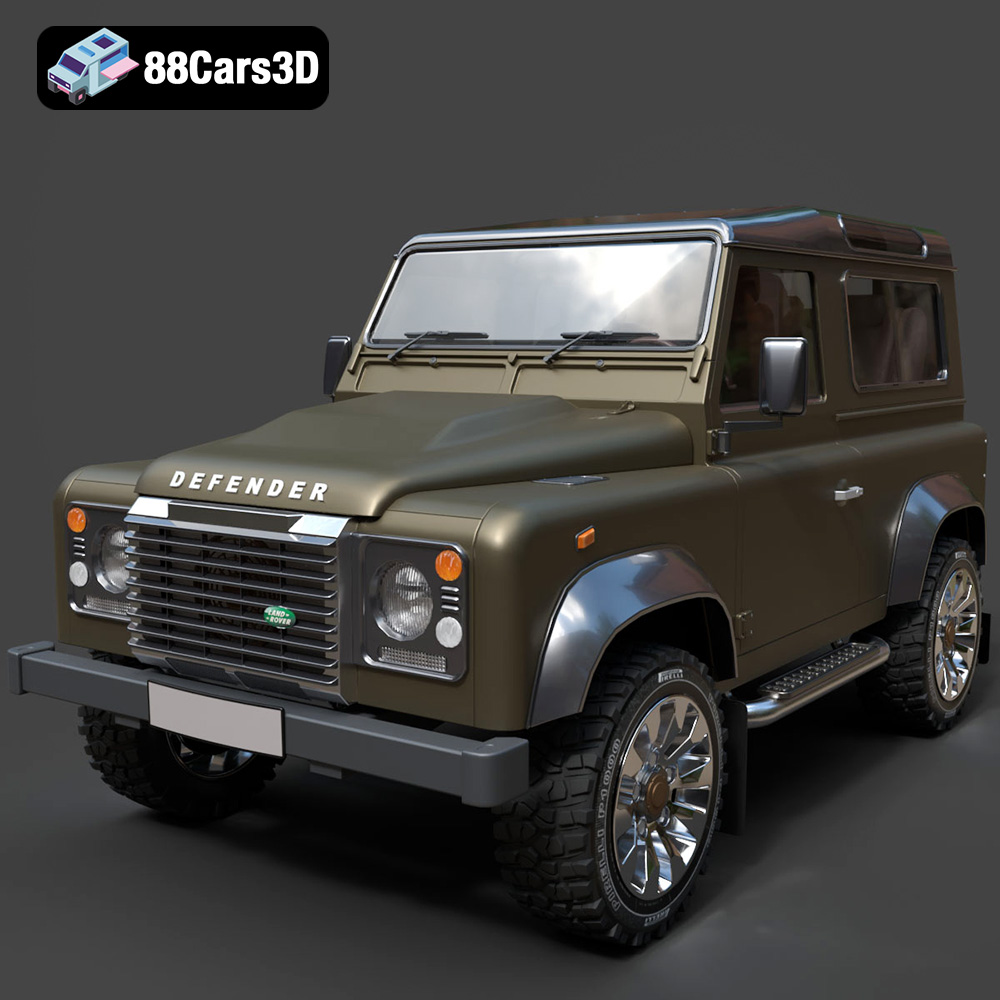
Texture: Yes
Material: Yes
Download the Land Rover Defender Works V8 3D Model featuring clean geometry, realistic detailing, and a fully modeled interior. Includes .blend, .fbx, .obj, .glb, .stl, .ply, .unreal, and .max formats for rendering, simulation, and game development.
Price: $19.99
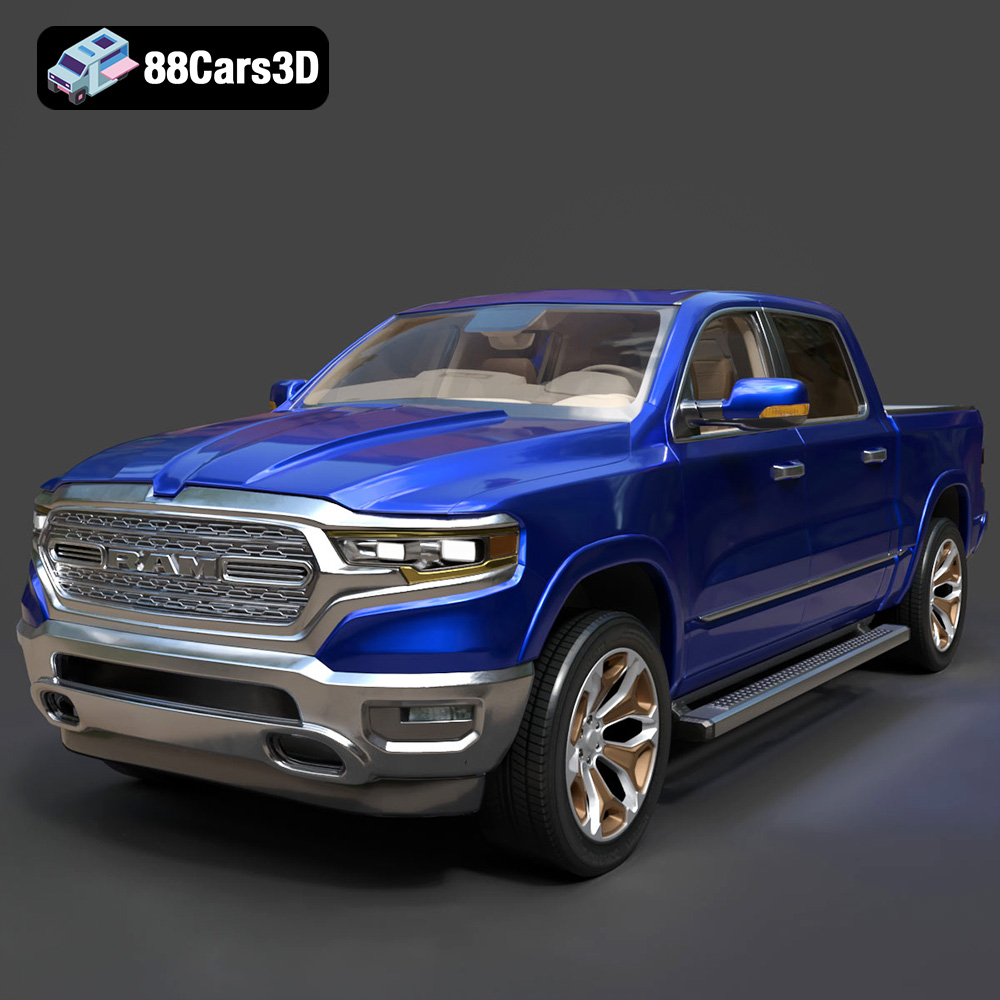
Texture: Yes
Material: Yes
Download the Dodge RAM 2019 3D Model featuring clean geometry, realistic detailing, and a fully modeled interior. Includes .blend, .fbx, .obj, .glb, .stl, .ply, .unreal, and .max formats for rendering, simulation, and game development.
Price: $19.99
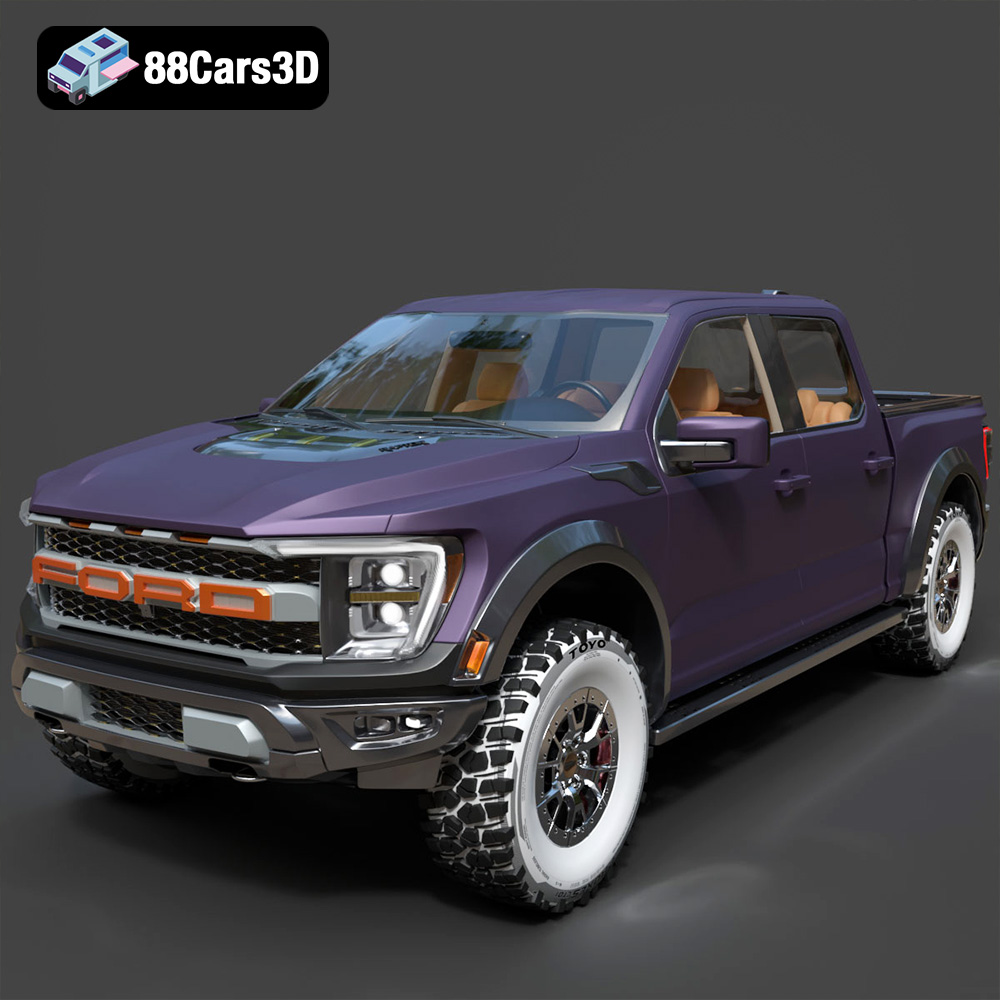
Texture: Yes | Material: Yes Download the ultra-high-detail Ford F-150 Raptor 2021 3D Model (8.73M Triangles). Features uncompromised widebody styling, fully modeled Fox Live Valve suspension, 37-inch tires, and interior. Perfect for premium VFX, cinematic rendering, and ArchViz. Includes .blend, .fbx, .obj, .glb, .stl, and .max formats.
Price: $29.99
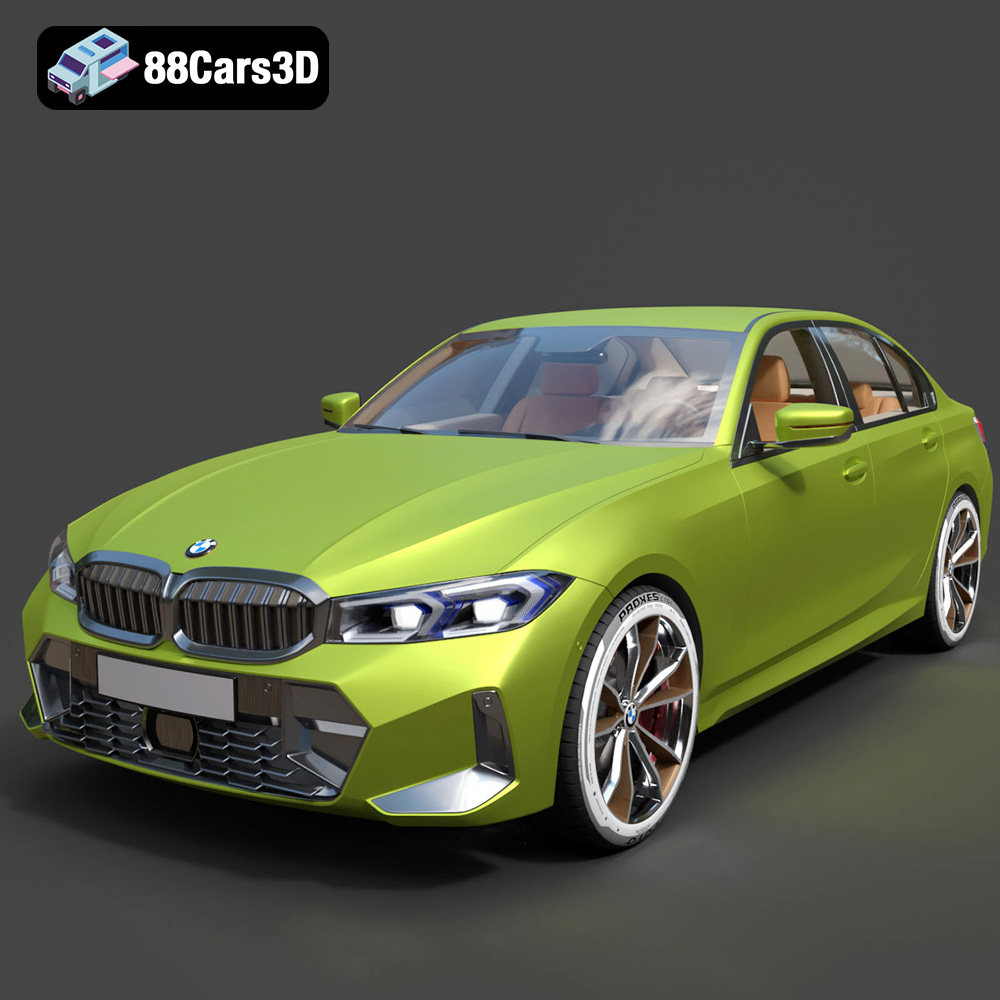
Texture: Yes | Material: Yes Download the ultra-high-detail BMW 3 Series Limousine (2022) 3D Model (4.16M Triangles). Features the modernized G20 LCI exterior, the all-new BMW Curved Display interior, and ultra-dense topology. Perfect for ArchViz, VFX, and cinematic rendering. Includes .blend, .fbx, .obj, .glb, .stl, and .max formats.
Price: $19.99
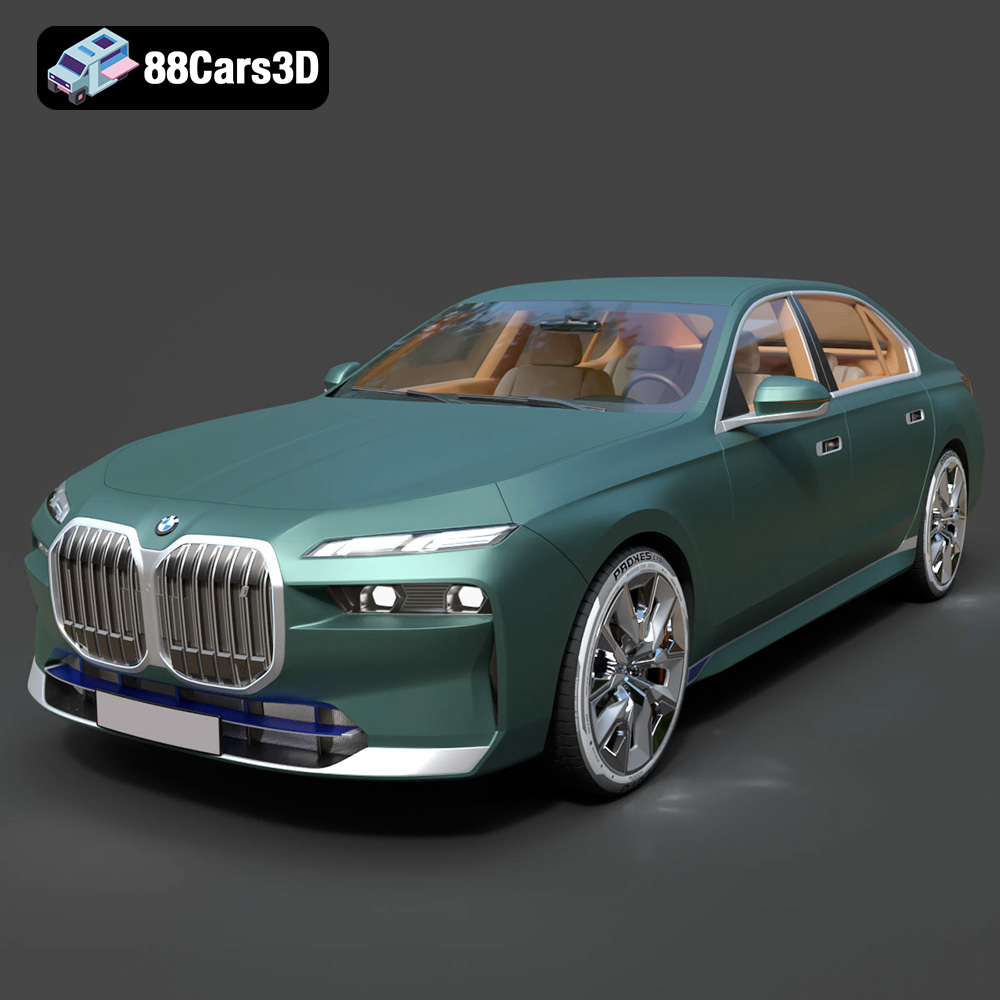
Texture: Yes | Material: Yes Download the ultra-high-detail BMW i7 (2023) 3D Model (4.14M Triangles). Features the illuminated kidney grille, split crystal headlights, fully modeled Theatre Screen interior, and monolithic luxury styling. Perfect for ArchViz, VFX, and cinematic rendering. Includes .blend, .fbx, .obj, .glb, .stl, and .max formats.
Price: $19.99
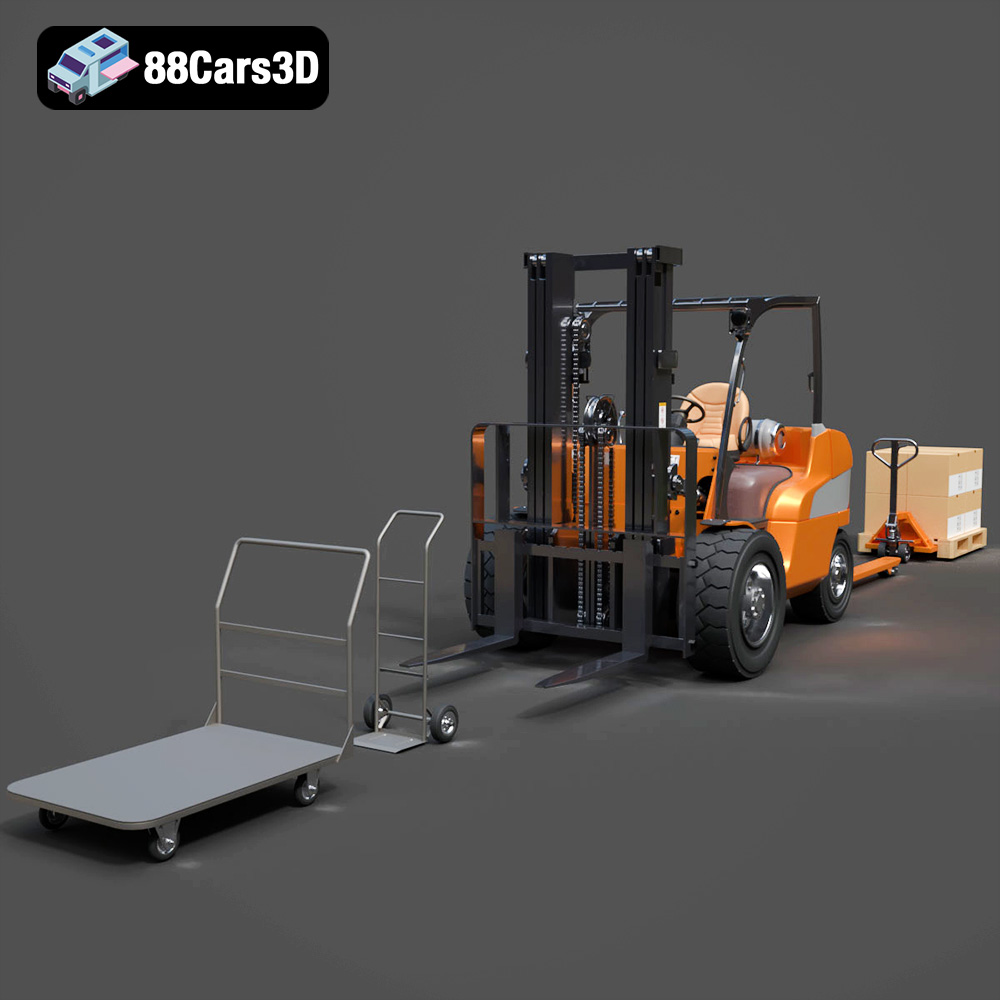
Texture: Yes | Material: Yes Download the highly detailed CAT Manual Loader & Warehouse Carts Kit 3D Model (2.4M Triangles). Features a macro-detailed hydraulic pallet jack, heavy-duty forks, and transport carts. Perfect for industrial ArchViz, factory rendering, and logistics simulations. Includes .blend, .fbx, .obj, .glb, .stl, and .max formats.
Price: $19.99
Texture: Yes | Material: Yes
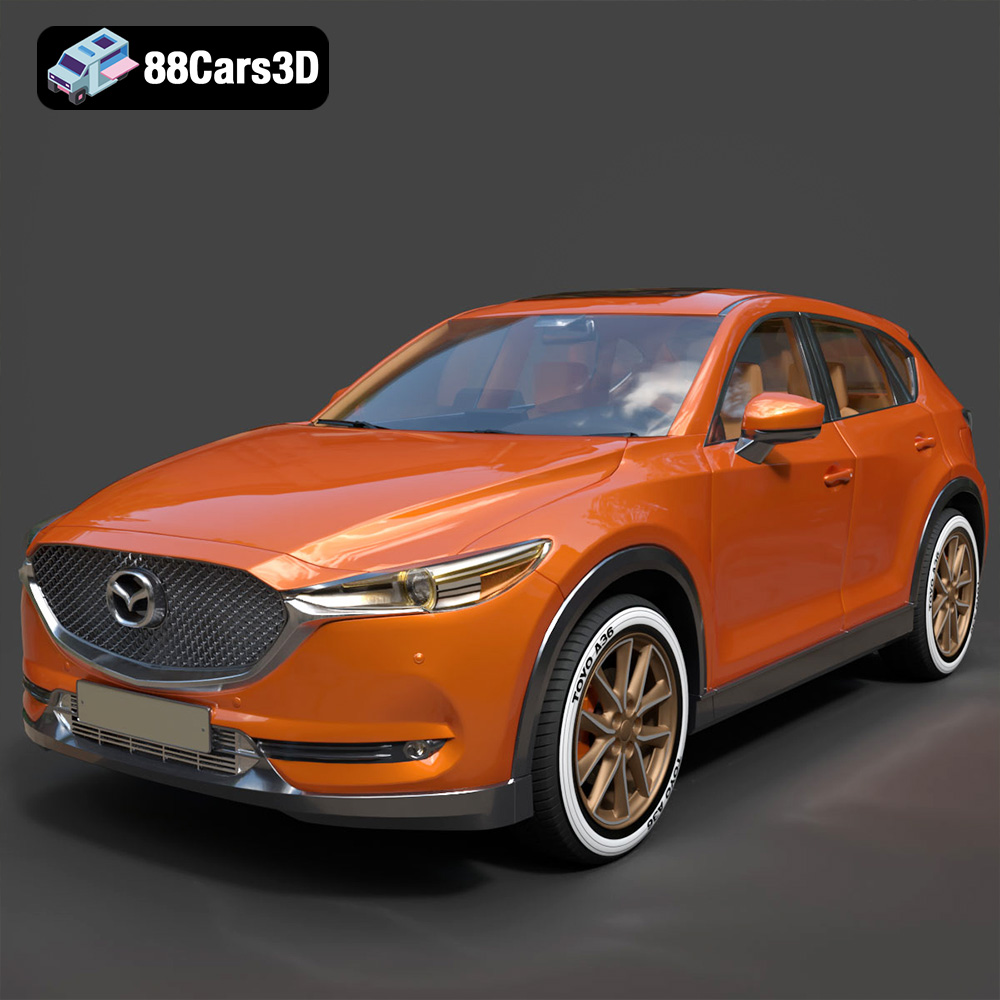
Download the highly optimized Mazda CX-5 2014 3D Model (294k Triangles). Features the dynamic Kodo design language, signature grille, and a clean interior. Perfectly balanced for ArchViz, background traffic, and game development. Includes .blend, .fbx, .obj, .glb, .stl, and .max formats.
Price: $19.99
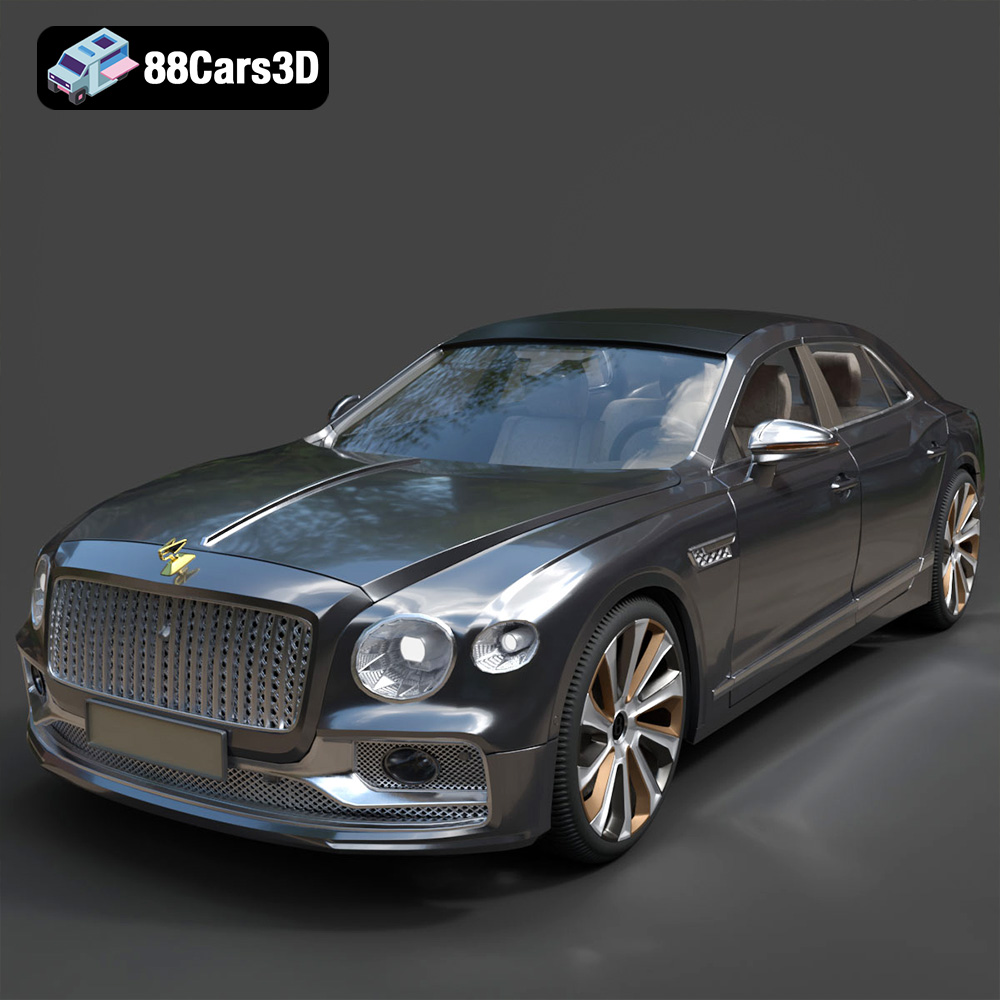
Texture: Yes | Material: Yes Download the ultra-high-detail Bentley Flying Spur Mulliner 2022 3D Model (2.94M Triangles). Features the bespoke Double Diamond grille, a fully modeled diamond-quilted interior, and exquisite luxury styling. Perfect for high-end ArchViz, VFX, and cinematic rendering. Includes .blend, .fbx, .obj, .glb, .stl, and .max formats.
Price: $19.90
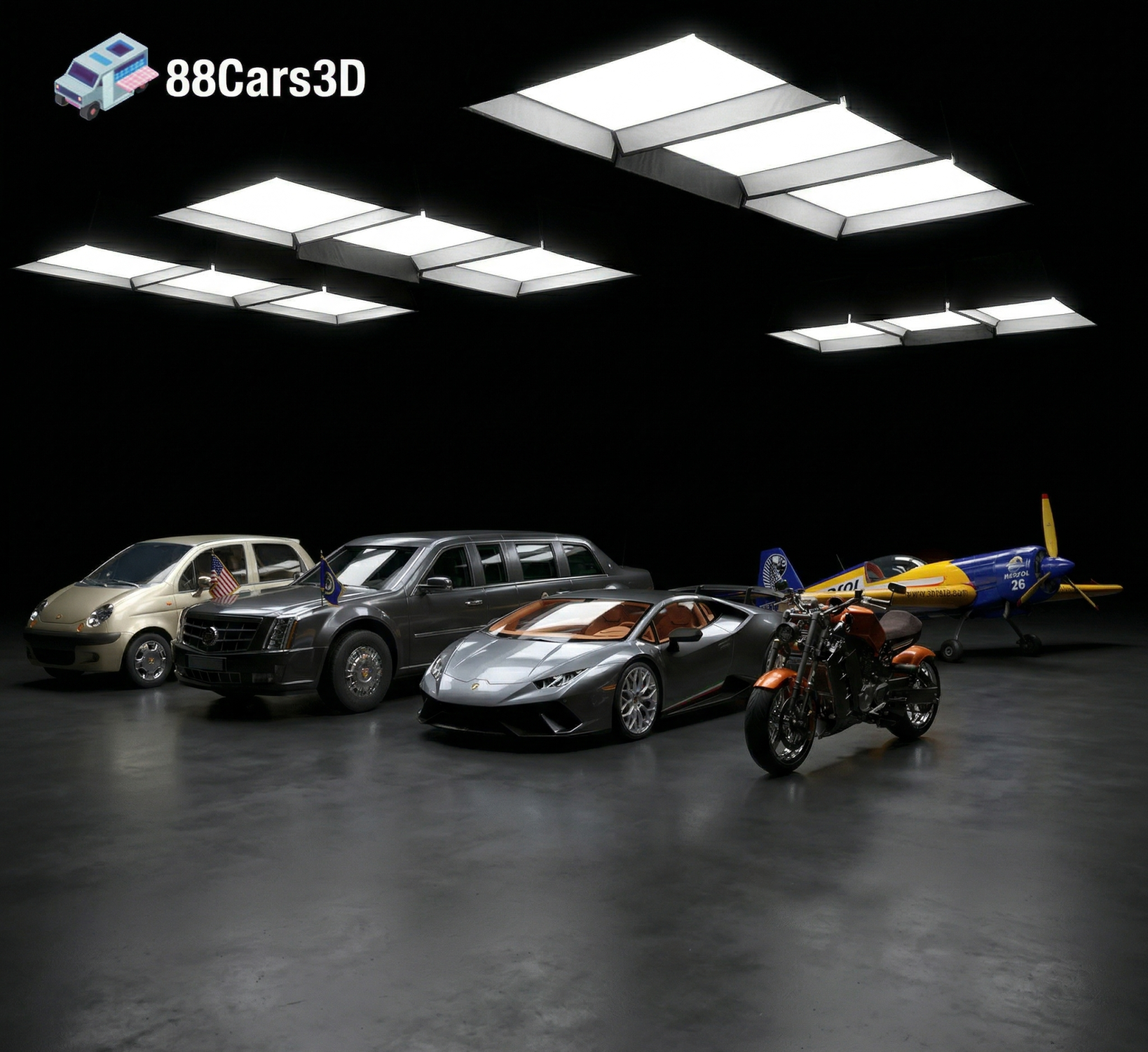
Texture: Yes | Material: Yes | 3D Printable: Yes. Download the Ultimate Creators’ Showcase featuring 5 premium 3D models: Lamborghini Huracan, ZAV Concept Motorcycle, Sukhoi SU-26, Presidential Limousine, and Daewoo Damas. Optimized for 4K CGI rendering and 3D printing. Save massive with this exclusive multi-category bundle!
Price: $99.99

Texture: Yes | Material: Yes | 3D Printable: Yes. Download the Italian Thoroughbreds Bundle featuring 5 iconic 3D models: Lamborghini Huracán Performante, Ferrari 458 Italia, Lamborghini Urus, Diablo SV, and Maserati GT. Optimized for 4K rendering and 3D printing (STL included). Save 50% with this ultimate Italian vehicle collection.
Price: $199.99

