Get 50% OFF All Premium 3D & STL Models!

“`html
In the realm of automotive visualization, creating truly immersive experiences goes beyond stunning visuals. Sound plays a pivotal role in conveying realism, emotion, and the overall feel of a vehicle. Unreal Engine offers a powerful audio engine, allowing developers to craft dynamic and spatially accurate soundscapes that elevate the user experience. This article delves into the intricacies of spatial sound and mixing within Unreal Engine, providing a comprehensive guide for developers aiming to create compelling automotive applications, from interactive configurators to virtual driving simulations. You’ll learn how to strategically place sounds in 3D space, manipulate audio parameters, and achieve professional-grade mixes that resonate with your audience. Prepare to unlock the full potential of audio in your Unreal Engine projects and transform your automotive visualizations into truly engaging experiences.
Spatial audio, also known as 3D audio, is the technique of positioning sound sources in a virtual 3D space to create a sense of location and distance. In Unreal Engine, this is achieved through a combination of audio components, attenuation settings, and spatialization plugins. Mastering these elements is crucial for creating realistic and immersive automotive environments. Imagine the subtle hum of the engine adjusting based on the camera’s proximity to the vehicle, or the realistic echo of a horn bouncing off surrounding buildings in a virtual city. Spatial audio makes it all possible.
The foundation of spatial audio in Unreal Engine lies in the AudioComponent. This component is attached to an actor (typically your car model or environmental object) and is responsible for playing a SoundCue. A SoundCue is a visual scripting graph within Unreal Engine that allows you to manipulate the properties of a sound wave, such as volume, pitch, and spatialization settings. You can chain multiple sound waves together, apply modulation effects, and even create randomized playback variations within a single SoundCue. This is especially useful for adding realism to engine sounds by subtly varying the pitch and volume over time. Platforms like 88cars3d.com often provide high-quality sound effects packages which can be directly imported into Unreal Engine and used within Sound Cues. Refer to the official Unreal Engine documentation (https://dev.epicgames.com/community/unreal-engine/learning) for a detailed guide on working with Sound Cues and Audio Components.
Attenuation settings define how a sound’s volume and other properties change based on its distance from the listener. Unreal Engine provides a flexible system for defining attenuation curves, allowing you to customize the falloff behavior for each sound. Common attenuation parameters include:
Spatialization is typically handled by a spatialization plugin, such as the built-in “Spatial Sound” plugin or more advanced options like Steam Audio or Oculus Audio. These plugins use head-related transfer functions (HRTFs) to simulate how sound is perceived by the human ear from different directions, creating a believable sense of spatial presence. Proper attenuation setup is vital for creating a realistic sense of distance and proximity within your automotive environments.
While Physically Based Rendering (PBR) is primarily associated with visuals, the concept extends to audio in the form of modeling how sound interacts with different materials in the environment. In automotive visualization, this means considering how the sound of an engine, tires, or a car door closing changes depending on the surrounding surfaces. A car door slamming in a carpeted garage will sound significantly different than one slamming in an empty concrete warehouse. Unreal Engine offers tools and techniques to simulate these realistic acoustic interactions, enhancing the immersion and believability of your virtual environments.
Convolution reverb is a powerful technique for simulating the acoustic properties of a real-world space. It works by convolving a sound with an impulse response (IR), which is a recording of how a space responds to a brief sound burst. To capture an IR, a short, broadband sound (like a balloon pop or a sine sweep) is played in the space, and the resulting reverberation is recorded. This recording becomes the impulse response. By convolving your audio with the IR of a specific environment, you can realistically simulate the acoustic characteristics of that space. Unreal Engine supports convolution reverb through the ConvolutionReverb effect, which can be added to your audio scene. High-quality impulse responses are crucial for achieving realistic results, and many libraries of IRs are available online, categorized by venue type (e.g., churches, concert halls, rooms). This is particularly useful in automotive visualization to simulate the interior acoustics of car cabins or the reverberation of a garage environment.
While Unreal Engine doesn’t directly link material properties to audio in the same way it does for visuals, you can indirectly influence audio behavior based on material types. This can be achieved through Blueprint scripting and the use of switch nodes based on the surface type being interacted with. For example:
LineTraceByChannel node to detect the material under a vehicle’s tires.SoundCue for tire screeching.This approach allows you to create a more dynamic and believable audio experience, where sounds react realistically to the environment. When sourcing automotive assets from marketplaces such as 88cars3d.com, ensure the models have properly defined material IDs, as these are crucial for implementing this type of interaction.
Unreal Engine’s Blueprint visual scripting system provides a powerful way to create interactive audio experiences. By connecting nodes in a visual graph, you can trigger sounds, adjust audio parameters, and create dynamic audio behaviors based on user input, game events, or other variables. This is especially valuable in automotive applications, where you might want to create interactive car configurators with realistic audio feedback.
Blueprints can be used to add realistic audio feedback to a car configurator. For example:
This can be achieved using Branch nodes to check the selected configuration options and then triggering the appropriate Play Sound at Location node. Remember to adjust attenuation settings and spatialization parameters to ensure that the sounds are positioned correctly in the 3D space.
A more advanced use of Blueprints involves creating dynamic engine sounds that respond to the vehicle’s RPM and load. This can be achieved by:
Timeline node to smoothly transition between different engine sound loops based on RPM.This creates a much more realistic and engaging driving experience, as the engine sound dynamically reflects the vehicle’s performance. You can further enhance this by using the Set Submix Send node to apply different EQ filters or effects based on the engine’s state.
Audio processing can be computationally expensive, especially in complex scenes with numerous sound sources and effects. Optimizing audio performance is crucial for maintaining a smooth frame rate, particularly in real-time automotive visualizations and games. Several strategies can be employed to reduce the CPU load associated with audio processing in Unreal Engine.
Using appropriate audio compression techniques can significantly reduce the file size and memory footprint of your audio assets. Unreal Engine supports various audio formats, including:
For real-time applications, OGG Vorbis is generally the preferred format due to its efficient compression and decent audio quality. Experiment with different compression settings to find the optimal balance between file size and perceived quality. Consider using shorter sound loops and utilizing looping features within Unreal Engine to minimize memory usage.
A key optimization technique is to disable or reduce the processing of sounds that are far away from the listener. This can be achieved by:
AudioComponents for sounds that are outside the player’s audible range.By aggressively culling distant or occluded sounds, you can significantly reduce the CPU load associated with audio processing. The “Max Concurrent Resolution Group” settings can also limit the number of sounds playing simultaneously to control CPU overhead.
Unreal Engine’s Lumen global illumination and reflections system offers unparalleled realism in real-time lighting. Combining Lumen with a well-crafted spatial audio design creates a truly immersive and believable virtual environment. The interplay between light and sound can significantly enhance the user experience, making the virtual world feel more tangible and responsive.
Lumen’s accurate reflections can be indirectly leveraged to enhance the realism of audio. Consider how the reflections of sound waves would behave in different environments. For example, a highly reflective environment like a polished showroom would have more prominent reverberation than a heavily dampened environment like a car’s interior with plush carpeting. While Lumen doesn’t directly impact audio processing, the visual cues provided by realistic reflections can subconsciously influence the user’s perception of the soundscape. Striving for visual and auditory consistency is key to creating a believable experience.
Blueprints can be used to link dynamic lighting events to audio cues. For instance, when headlights are switched on, trigger a subtle “click” sound. When a car’s brake lights illuminate, play a faint tire screeching sound effect if the vehicle is moving rapidly. These subtle audio cues, synchronized with visual events, can significantly enhance the sense of realism and immersion. Consider also using light flicker, controlled via blueprints, to simulate realistic flourescent or neon tube behavior, accompanied by a subtle hum or buzz created through Unreal Engine’s audio tools. Remember to fine-tune the timing and volume of these audio events to avoid being distracting or jarring. Subtlety is often key to creating a convincing effect.
The final step in creating compelling automotive audio experiences is mixing and mastering. Mixing involves balancing the levels of different sound sources, applying EQ and compression to shape the tonal characteristics of individual sounds, and adding effects like reverb and delay to create a cohesive and immersive soundscape. Mastering is the final polish applied to the overall mix, ensuring that it sounds balanced and professional across different playback systems. Unreal Engine provides powerful mixing and mastering tools within its audio engine.
Unreal Engine’s submix system allows you to group related sound sources together and apply effects to the entire group. This is incredibly useful for creating a cohesive mix and streamlining the audio processing workflow. For example, you might create a submix for all of the engine sounds and apply EQ and compression to shape the overall tone of the engine. Similarly, you could create a submix for environmental ambience and apply reverb to create a sense of space. Common audio effects used in mixing include:
Experiment with different effects and settings to find the optimal sound for each element of your mix.
The final stage of audio production is mastering. Mastering typically involves applying subtle EQ, compression, and limiting to the overall mix to ensure that it sounds balanced and professional across different playback systems. A limiter prevents the audio signal from exceeding a certain level, preventing clipping and distortion. While Unreal Engine does not have dedicated mastering tools, you can achieve similar results by carefully adjusting the levels of your submixes and applying subtle EQ and compression to the master output. It’s recommended to monitor your mix on different playback systems (e.g., headphones, speakers, car audio) to ensure that it sounds good across a variety of devices. Platforms like 88cars3d.com offer optimized models for Unreal Engine that often come with suggested audio parameters and mixing setups as a starting point. Professional mastering can significantly elevate the perceived quality of your automotive audio experiences.
Mastering spatial sound and mixing in Unreal Engine is essential for creating truly immersive and engaging automotive experiences. By understanding the fundamentals of spatial audio, leveraging Blueprint scripting for interactivity, optimizing audio performance, and applying professional mixing and mastering techniques, you can transform your virtual environments into believable and captivating worlds. From the subtle hum of the engine to the realistic reverberation of the surrounding environment, every sound contributes to the overall experience. Take the time to experiment with different techniques, refine your audio design, and strive for sonic excellence. By doing so, you can elevate your automotive visualizations and create experiences that truly resonate with your audience. Start today by experimenting with different attenuation settings, sound cues, and Blueprint scripts in your Unreal Engine projects. The power to create immersive audio experiences is at your fingertips.
“`
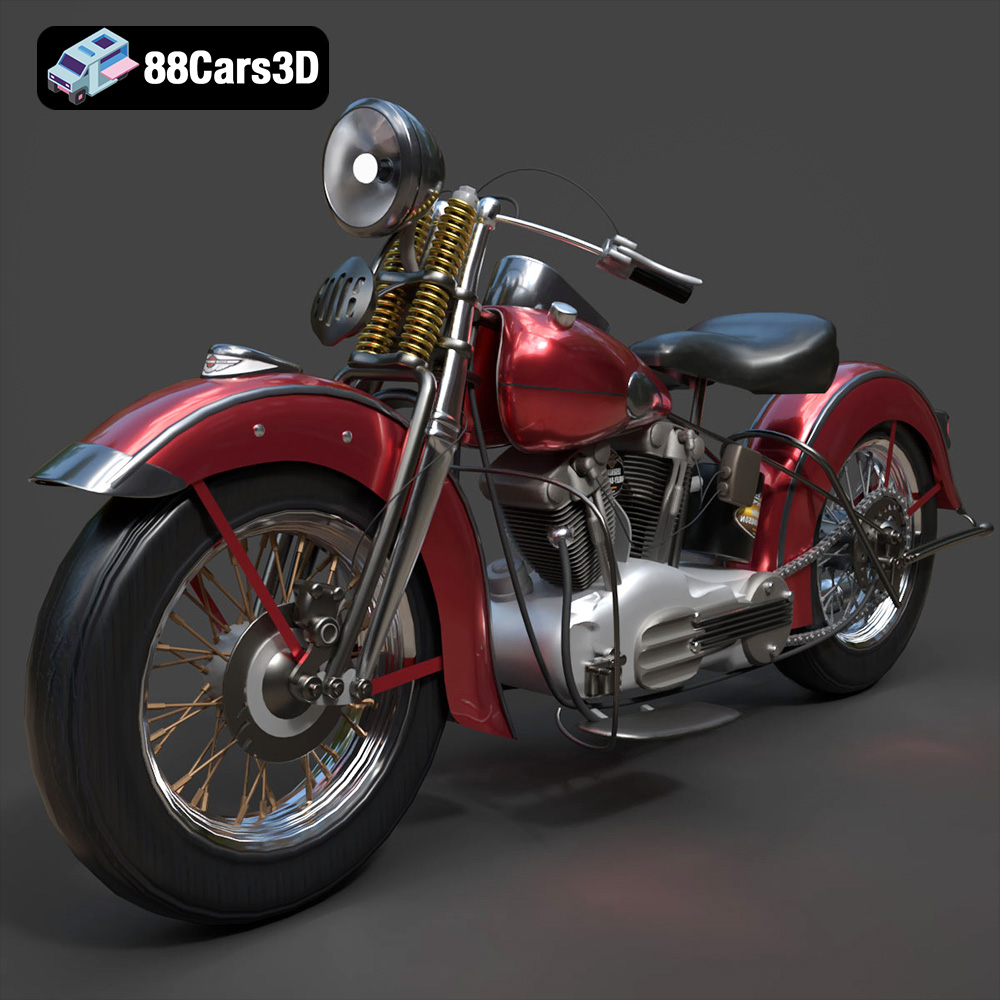
Texture: Yes
Material: Yes
Download the Harley Davidson F 1946 3D Model featuring clean geometry, realistic detailing, and a fully modeled interior. Includes .blend, .fbx, .obj, .glb, .stl, .ply, .unreal, and .max formats for rendering, simulation, and game development.
Price: $19.99
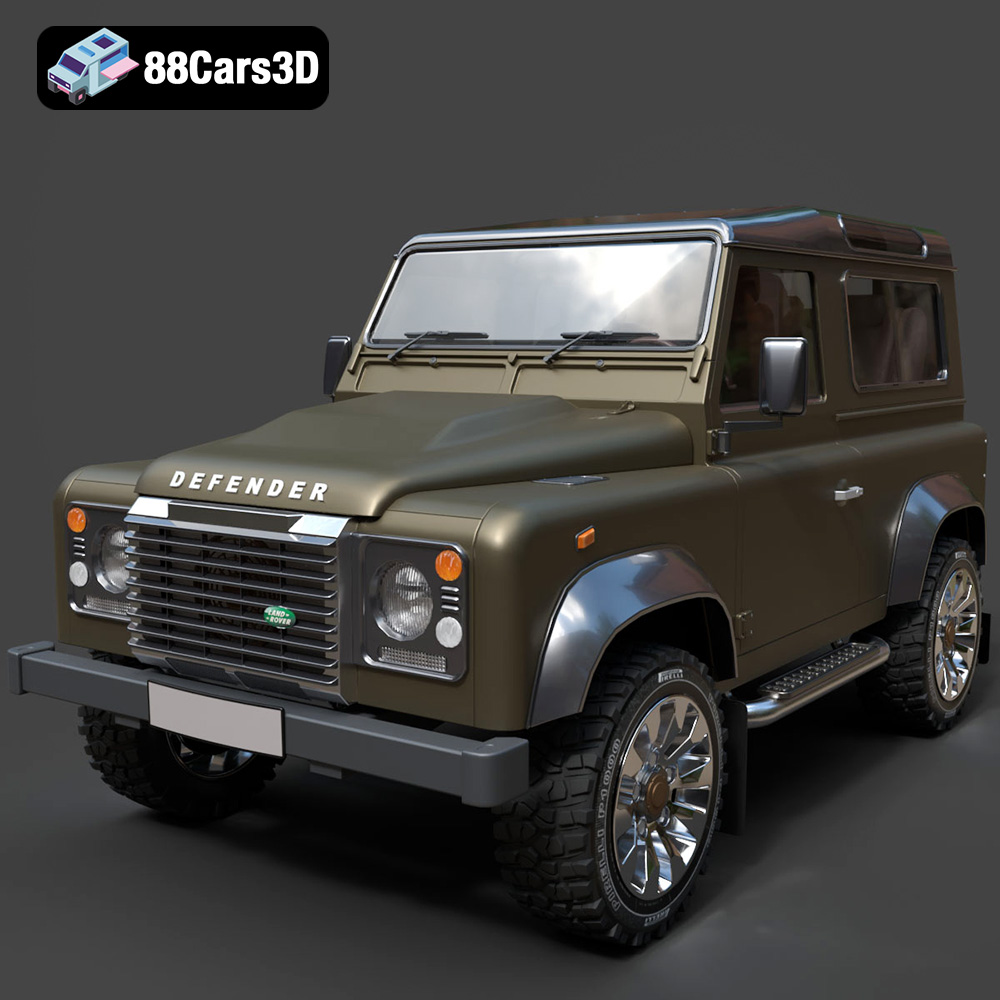
Texture: Yes
Material: Yes
Download the Land Rover Defender Works V8 3D Model featuring clean geometry, realistic detailing, and a fully modeled interior. Includes .blend, .fbx, .obj, .glb, .stl, .ply, .unreal, and .max formats for rendering, simulation, and game development.
Price: $19.99
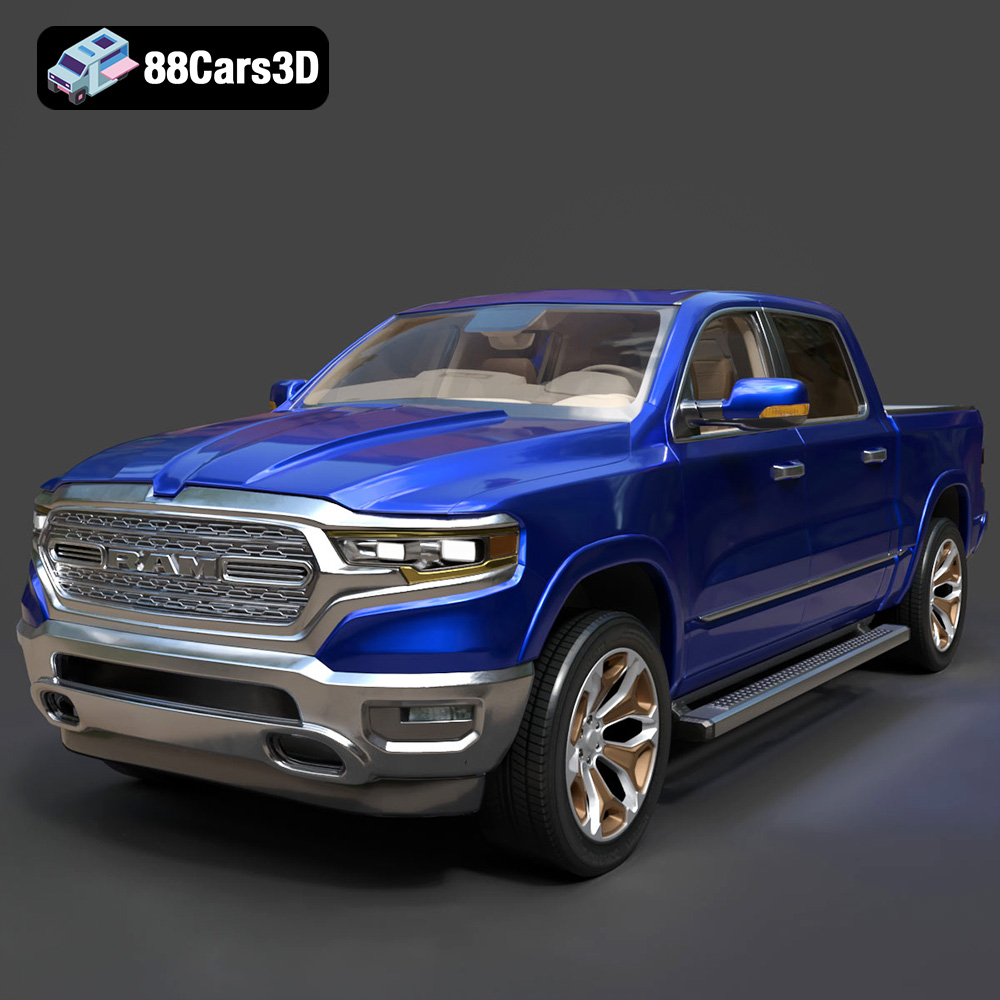
Texture: Yes
Material: Yes
Download the Dodge RAM 2019 3D Model featuring clean geometry, realistic detailing, and a fully modeled interior. Includes .blend, .fbx, .obj, .glb, .stl, .ply, .unreal, and .max formats for rendering, simulation, and game development.
Price: $19.99
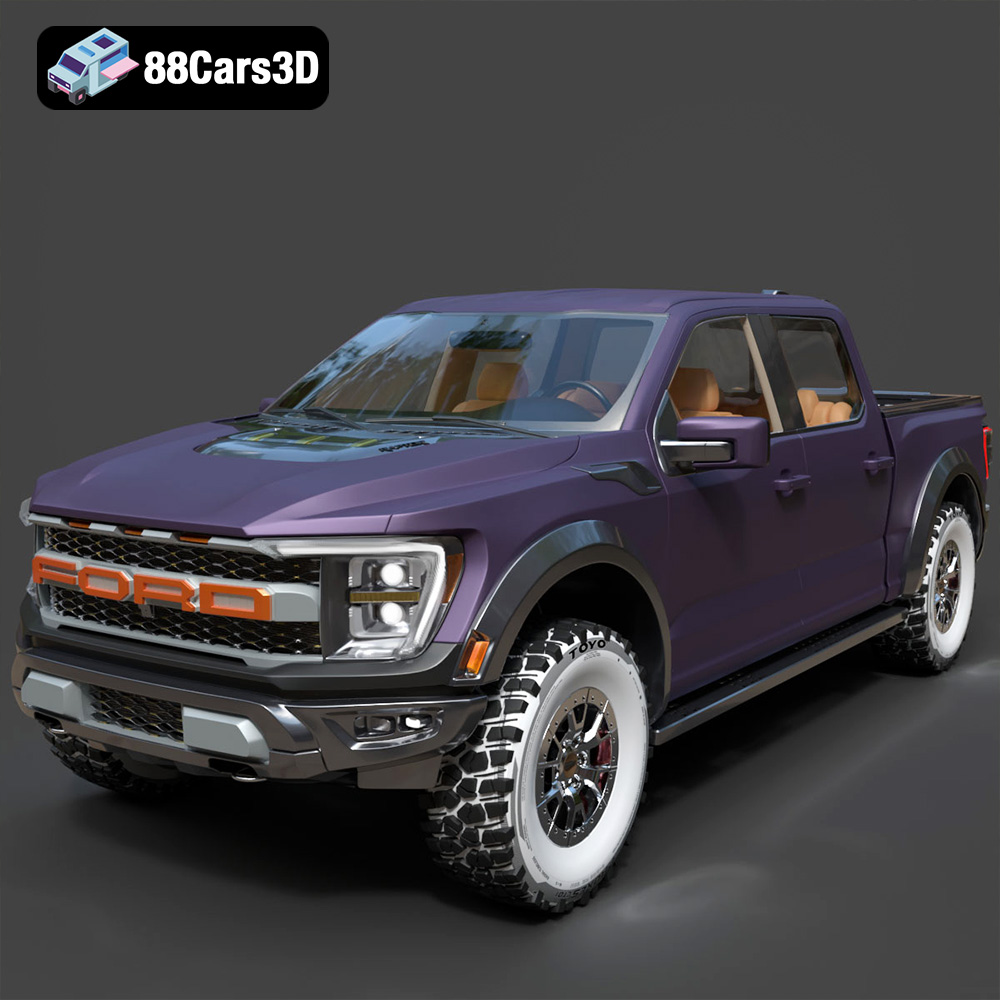
Texture: Yes | Material: Yes Download the ultra-high-detail Ford F-150 Raptor 2021 3D Model (8.73M Triangles). Features uncompromised widebody styling, fully modeled Fox Live Valve suspension, 37-inch tires, and interior. Perfect for premium VFX, cinematic rendering, and ArchViz. Includes .blend, .fbx, .obj, .glb, .stl, and .max formats.
Price: $29.99
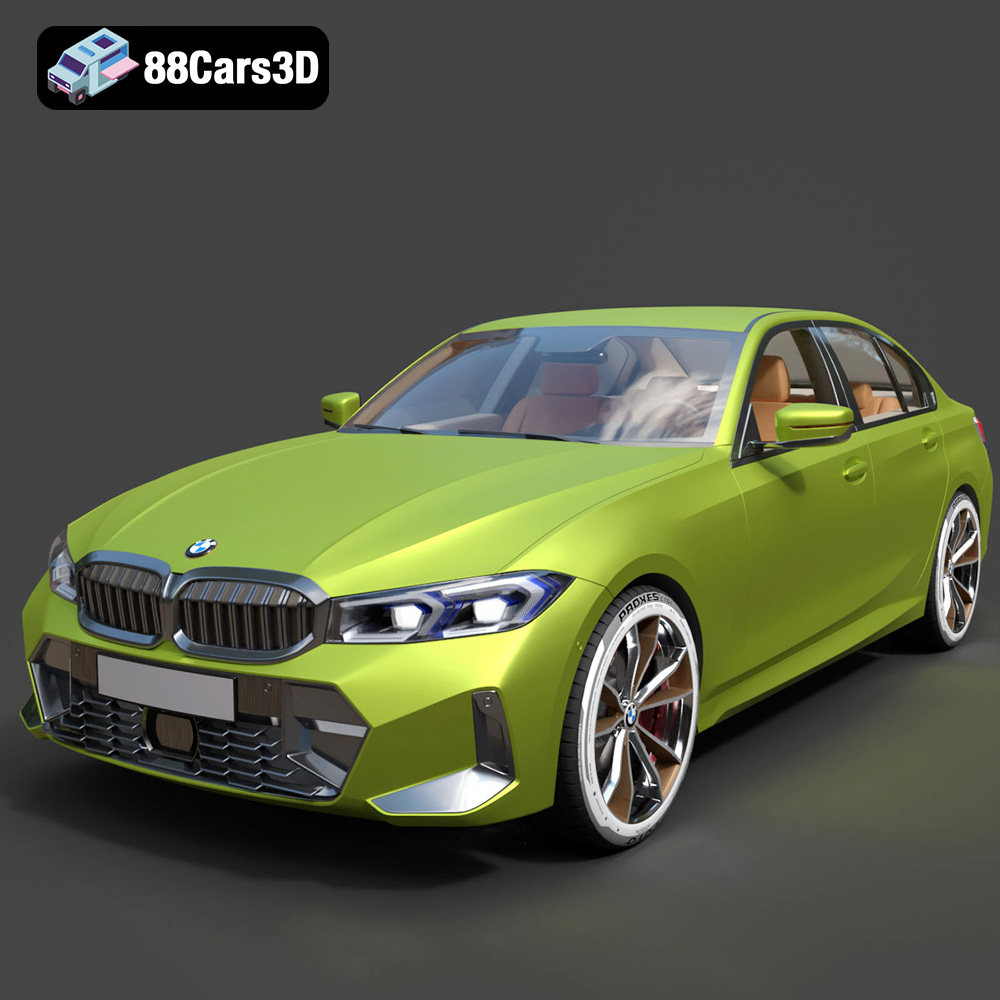
Texture: Yes | Material: Yes Download the ultra-high-detail BMW 3 Series Limousine (2022) 3D Model (4.16M Triangles). Features the modernized G20 LCI exterior, the all-new BMW Curved Display interior, and ultra-dense topology. Perfect for ArchViz, VFX, and cinematic rendering. Includes .blend, .fbx, .obj, .glb, .stl, and .max formats.
Price: $19.99
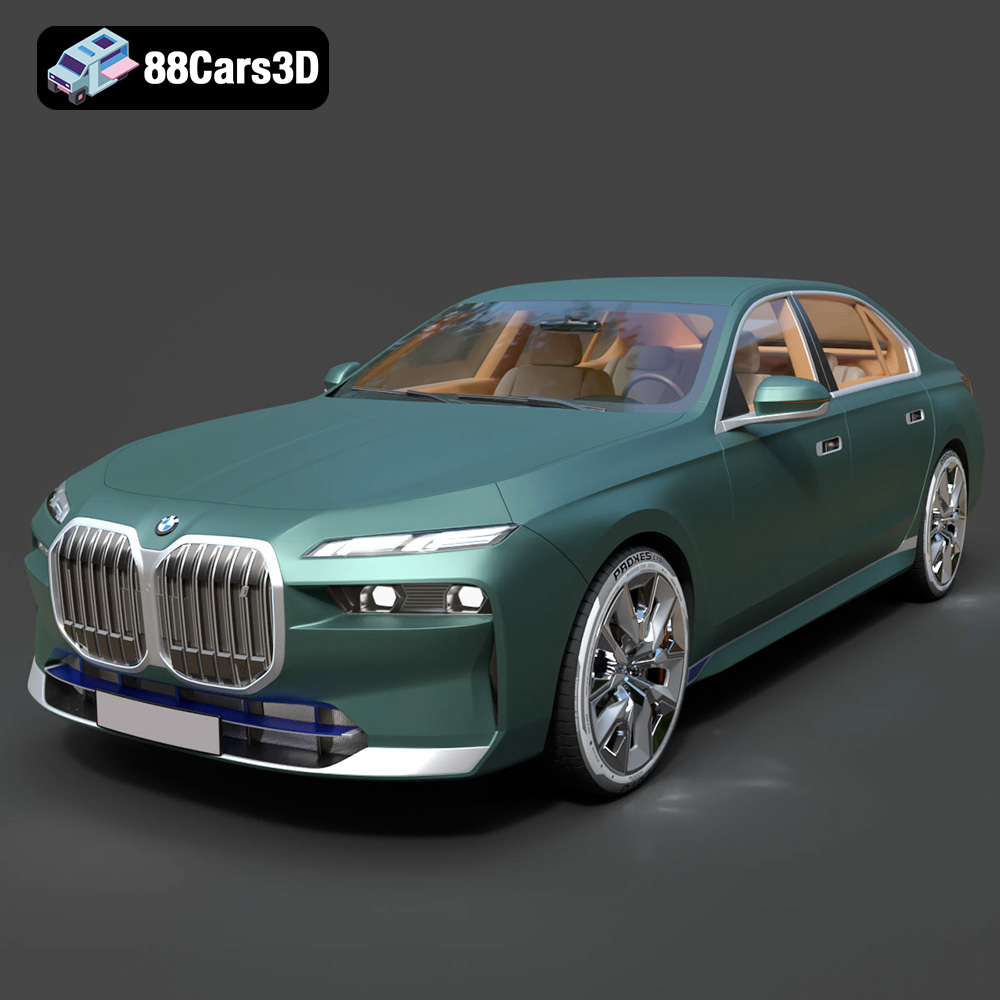
Texture: Yes | Material: Yes Download the ultra-high-detail BMW i7 (2023) 3D Model (4.14M Triangles). Features the illuminated kidney grille, split crystal headlights, fully modeled Theatre Screen interior, and monolithic luxury styling. Perfect for ArchViz, VFX, and cinematic rendering. Includes .blend, .fbx, .obj, .glb, .stl, and .max formats.
Price: $19.99
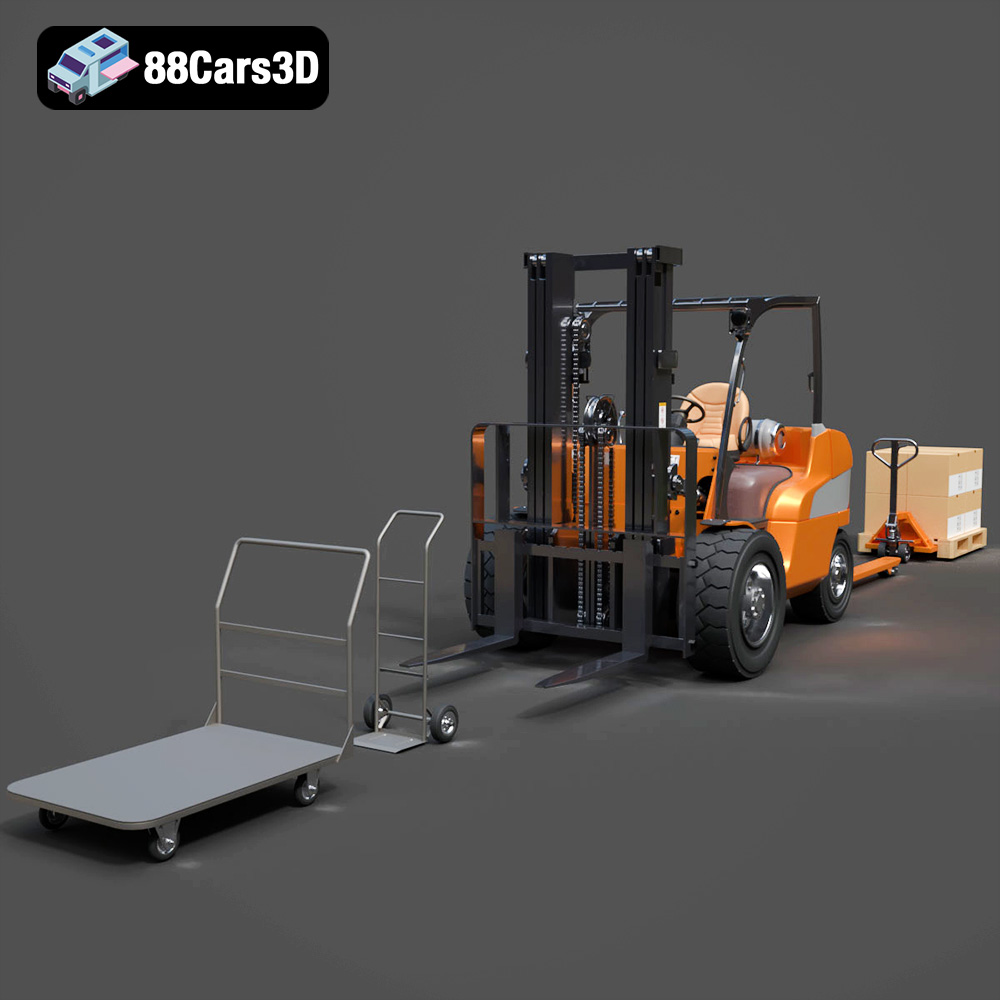
Texture: Yes | Material: Yes Download the highly detailed CAT Manual Loader & Warehouse Carts Kit 3D Model (2.4M Triangles). Features a macro-detailed hydraulic pallet jack, heavy-duty forks, and transport carts. Perfect for industrial ArchViz, factory rendering, and logistics simulations. Includes .blend, .fbx, .obj, .glb, .stl, and .max formats.
Price: $19.99
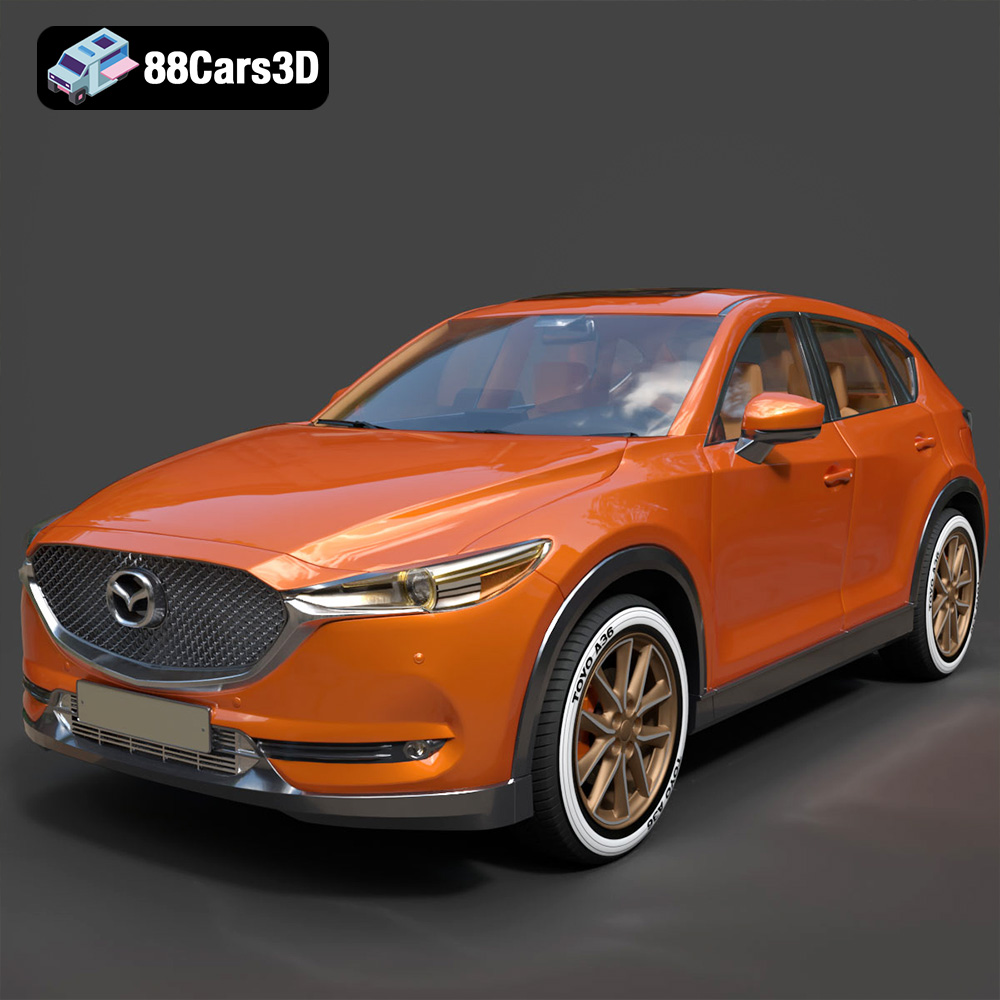
Texture: Yes | Material: Yes
Download the highly optimized Mazda CX-5 2014 3D Model (294k Triangles). Features the dynamic Kodo design language, signature grille, and a clean interior. Perfectly balanced for ArchViz, background traffic, and game development. Includes .blend, .fbx, .obj, .glb, .stl, and .max formats.
Price: $19.99
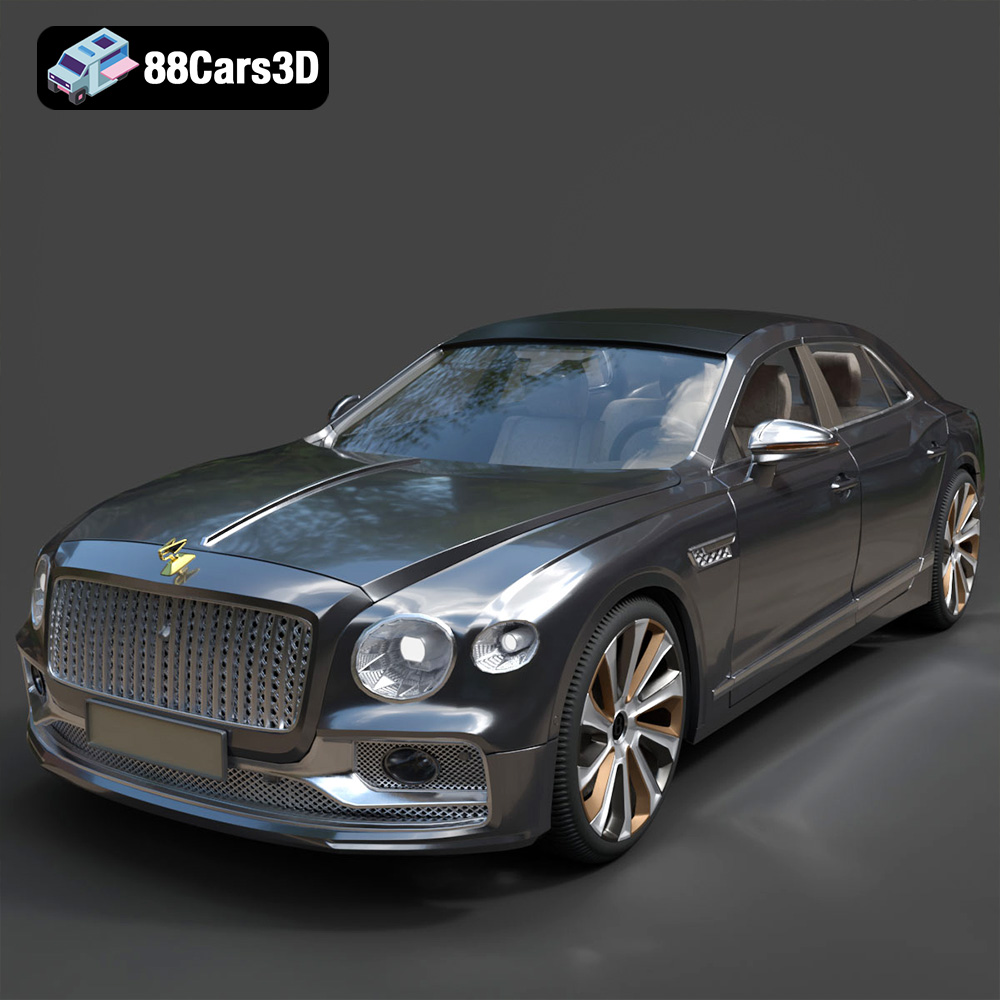
Texture: Yes | Material: Yes Download the ultra-high-detail Bentley Flying Spur Mulliner 2022 3D Model (2.94M Triangles). Features the bespoke Double Diamond grille, a fully modeled diamond-quilted interior, and exquisite luxury styling. Perfect for high-end ArchViz, VFX, and cinematic rendering. Includes .blend, .fbx, .obj, .glb, .stl, and .max formats.
Price: $19.90
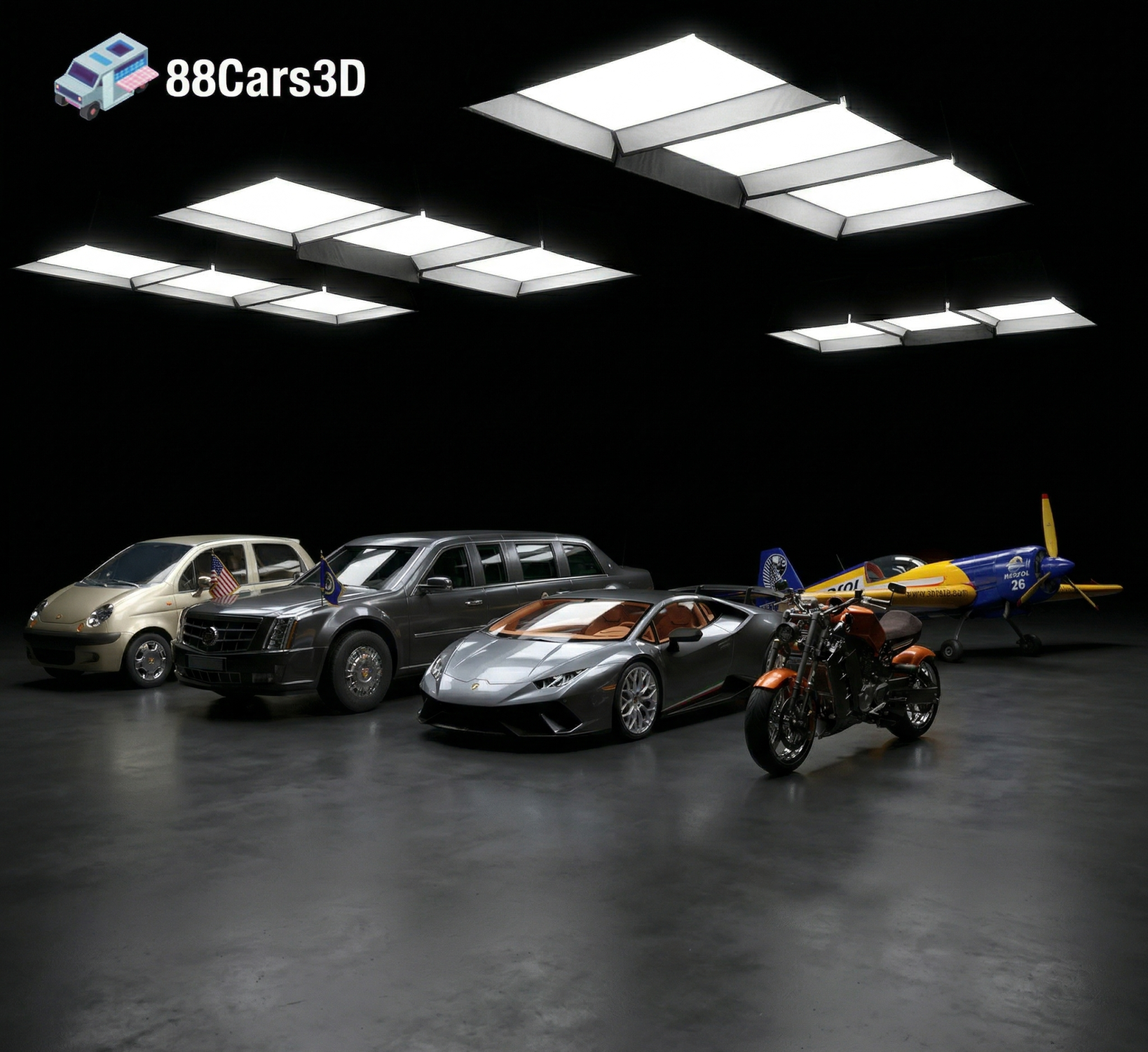
Texture: Yes | Material: Yes | 3D Printable: Yes. Download the Ultimate Creators’ Showcase featuring 5 premium 3D models: Lamborghini Huracan, ZAV Concept Motorcycle, Sukhoi SU-26, Presidential Limousine, and Daewoo Damas. Optimized for 4K CGI rendering and 3D printing. Save massive with this exclusive multi-category bundle!
Price: $99.99

