Get 50% OFF All Premium 3D & STL Models!

In the fast-paced world of digital creation, the demand for realistic and versatile assets is higher than ever. From blockbuster films and immersive video games to cutting-edge architectural visualizations and advanced product marketing, high-fidelity 3D models serve as the backbone of compelling visual experiences. Among these,
Imagine needing to showcase the sleek lines of a luxury vehicle without the prohibitive costs and logistical nightmares of a physical photoshoot. Or perhaps developing a racing game where every curve and reflection needs to feel authentic to truly immerse players. This is where premium digital assets become invaluable. Today, we’ll explore the intricate world of professional 3D car modeling, diving deep into workflows, technical specifications, and the diverse applications that make these assets essential. We’ll specifically highlight how a meticulously crafted model, such as the
Crafting a truly exceptional 3D car model is a sophisticated endeavor that combines the precision of an engineer with the eye of an artist. It’s about more than just replicating shapes; it’s about capturing the essence, the spirit, and the subtle nuances that define a vehicle’s character. For a car like the Aston Martin 2013 AM 310 Vanquish, known for its elegant yet aggressive styling, this level of detail is paramount.
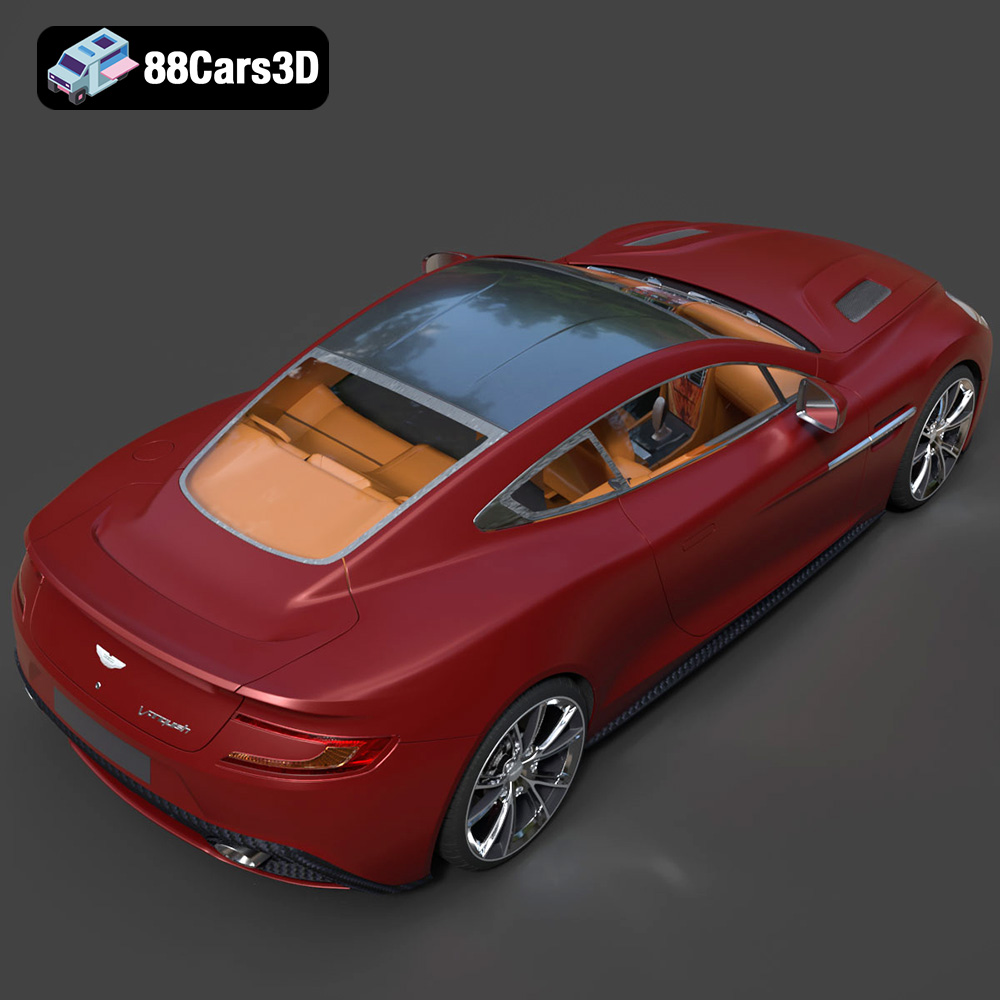
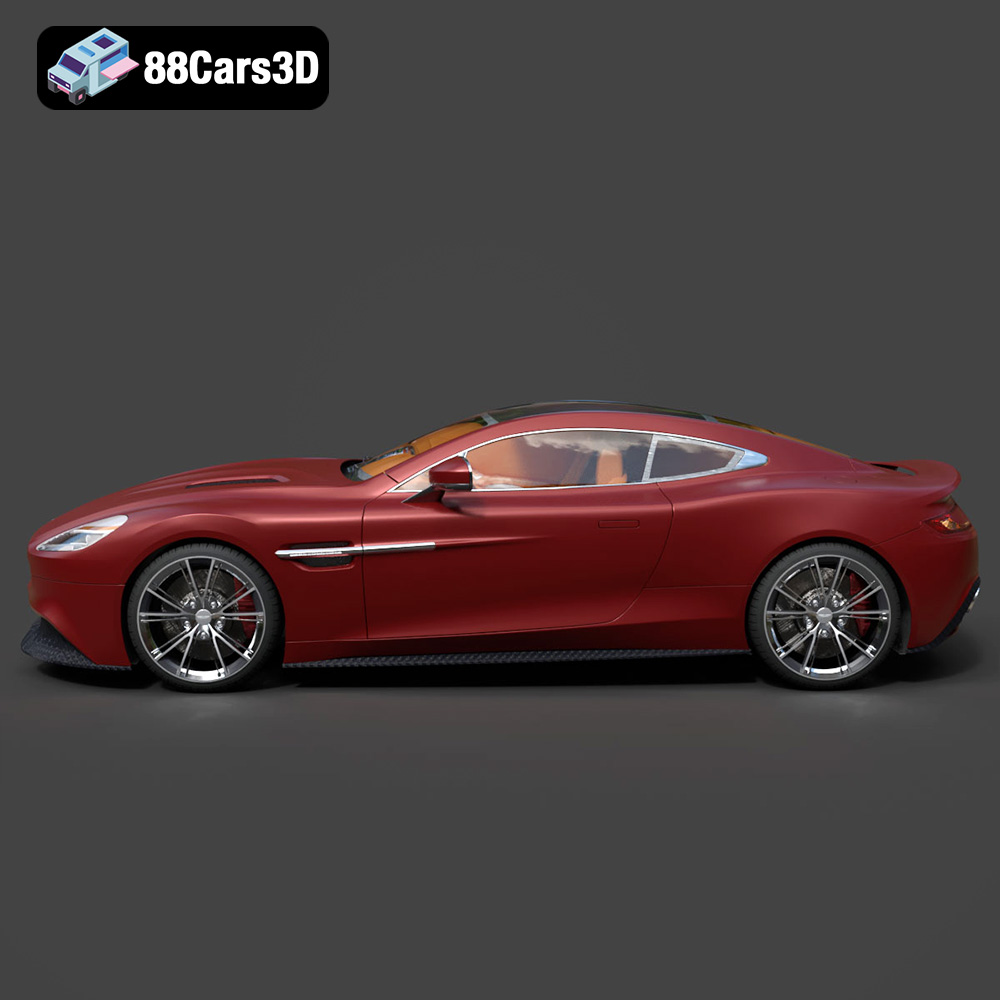
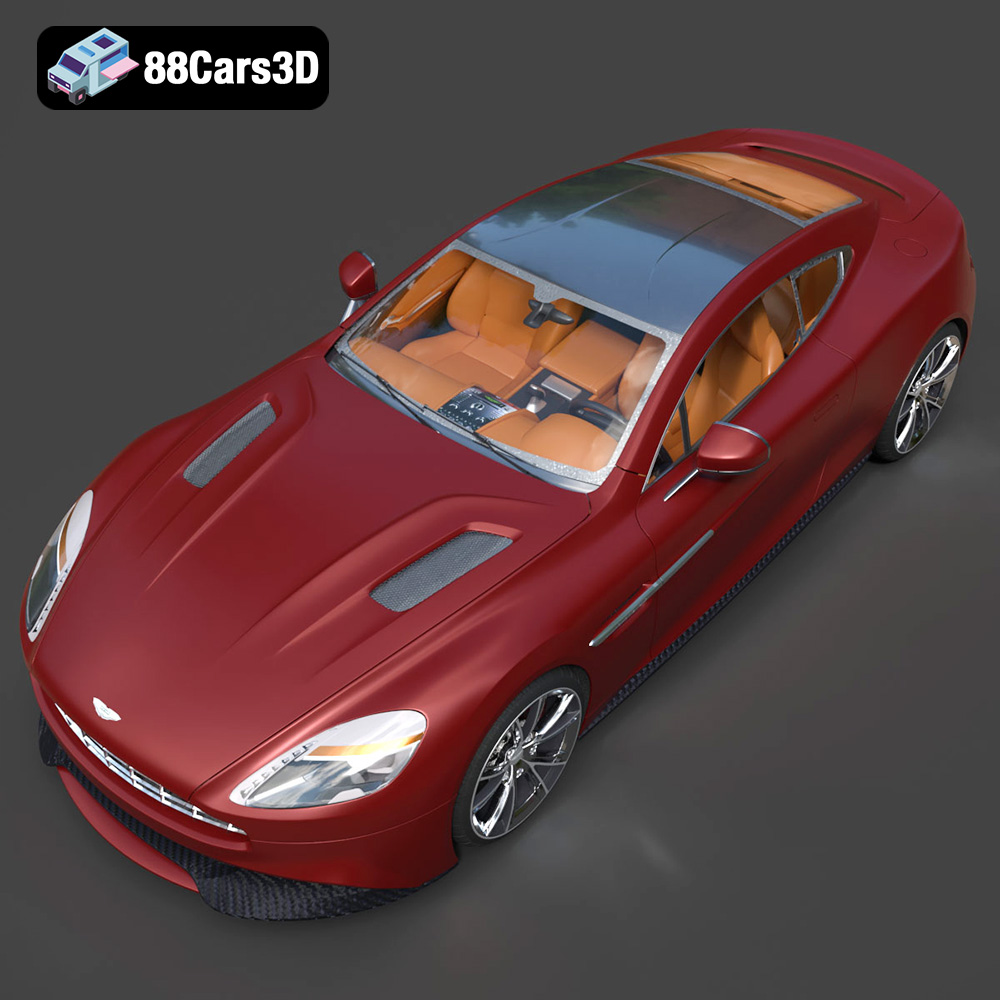
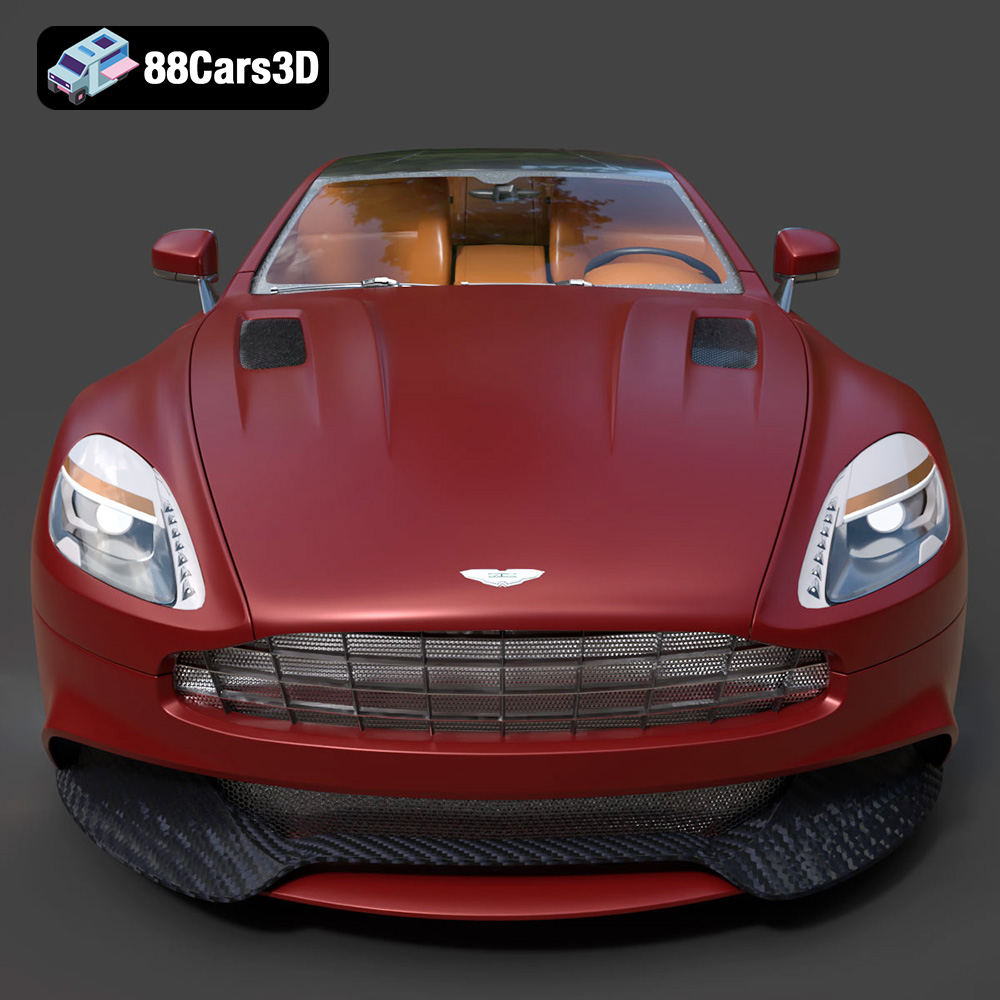
At the heart of a high-quality 3D car model lies an obsessive attention to detail. This begins with accurate reference material, often including blueprints, hundreds of photographs from various angles, and even laser scans of the real vehicle. Every panel gap, every curve, every vent, and every badge must be meticulously recreated. For the Aston Martin 2013 AM 310 Vanquish 3D Model, this translates into an accurate representation of its sculpted aerodynamic bodywork, signature front grille, sharp LED light design, and the subtle carbon-fiber detailing that distinguishes this grand tourer. These are the elements that breathe life into a digital asset, allowing it to stand up to close-up renders and intense scrutiny in any professional application.
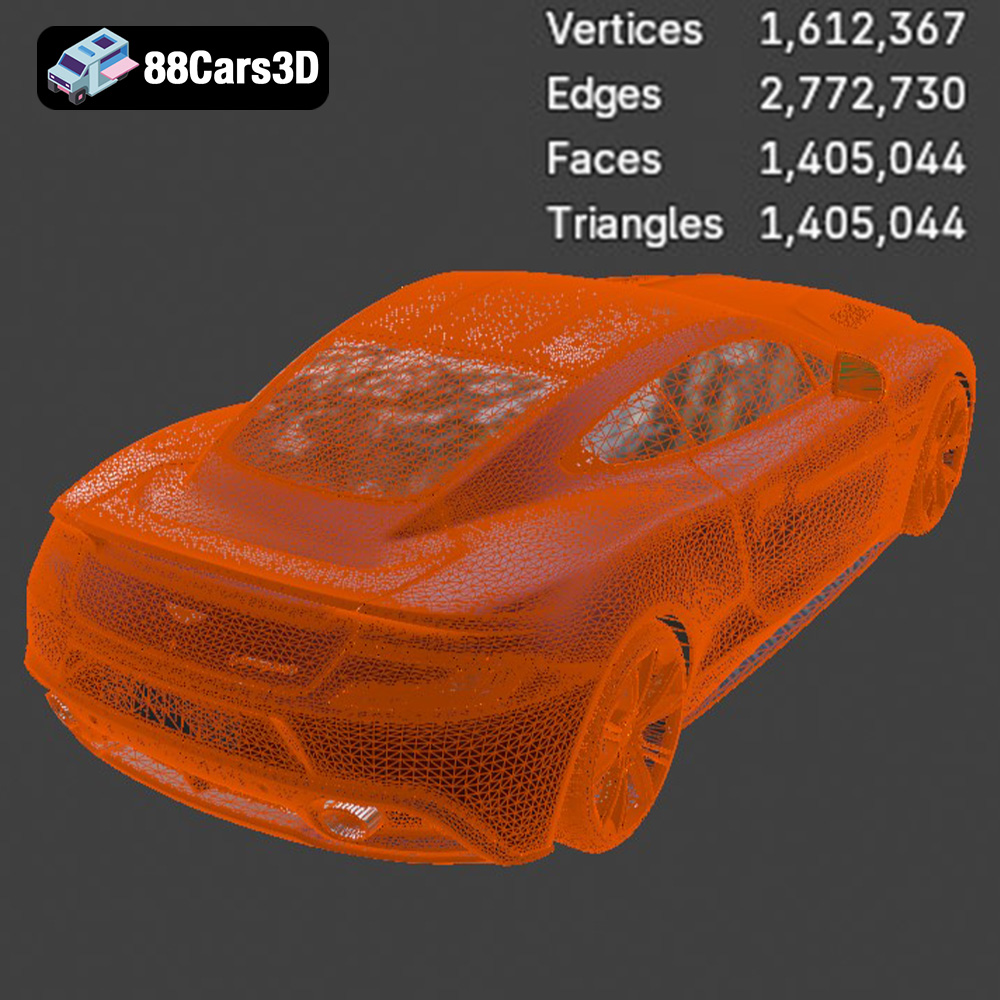
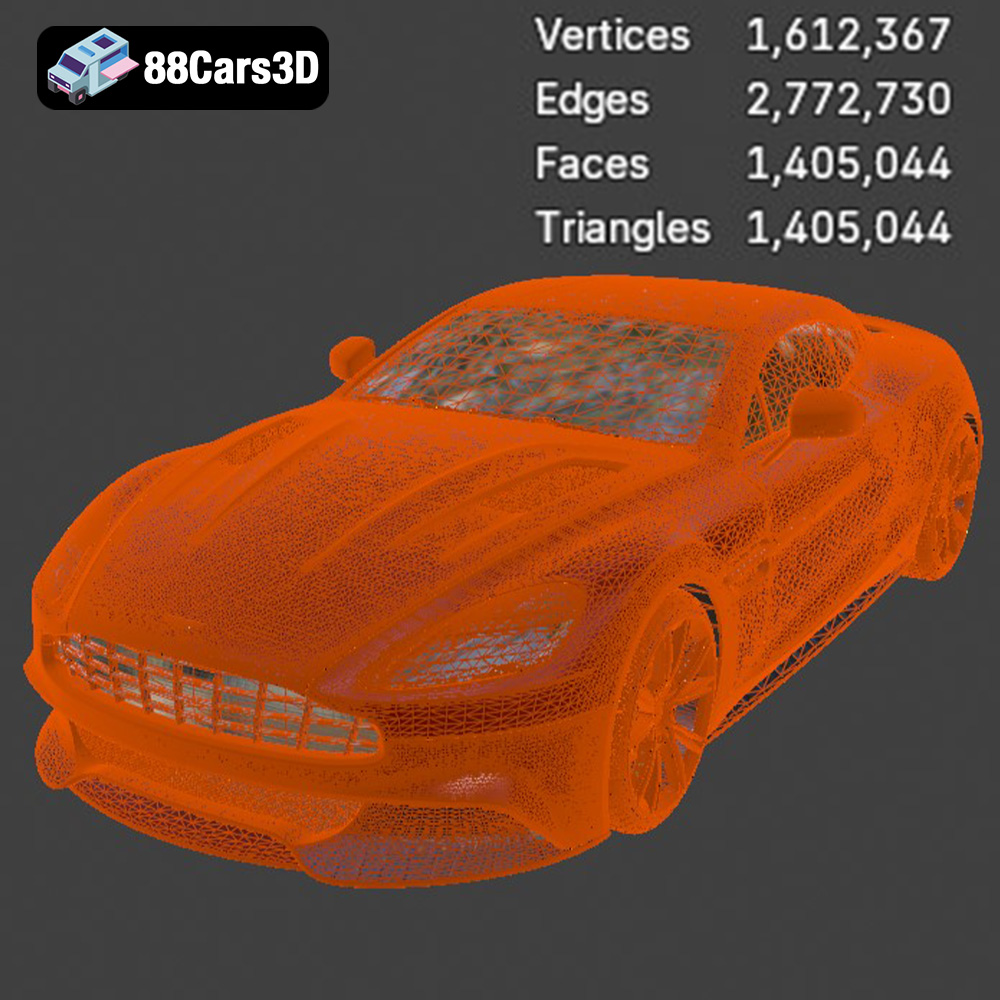
Beyond visual accuracy, the underlying technical construction of a 3D car model is critical. “Clean topology” refers to a well-organized mesh structure, typically composed of quads (four-sided polygons), which allows for smooth subdivision, easy deformation during animation, and efficient UV unwrapping for texture application. A chaotic mesh with triangles and N-gons can lead to rendering artifacts, difficulties in texturing, and poor performance in real-time engines. Furthermore, “real-world scale accuracy” ensures that the model fits seamlessly into scenes with other assets and environments without requiring constant resizing. This precision is vital for architectural visualizations, automotive engineering simulations, and game development where consistent scale is a fundamental requirement. The Aston Martin 2013 AM 310 Vanquish 3D Model boasts this clean topology and real-world scale, making it a reliable foundation for any project.
The world of 3D modeling is rich with various file formats, each serving specific purposes and offering unique advantages. Knowing which format to use and when is crucial for efficient workflow, compatibility, and achieving optimal results across different software and platforms. The Aston Martin 2013 AM 310 Vanquish 3D Model thoughtfully provides a comprehensive suite of formats to cater to diverse professional needs.
By offering this comprehensive range of formats, including the Aston Martin 2013 AM 310 Vanquish 3D Model, marketplaces like 88cars3d.com ensure that digital artists and developers have the right tools for any project, maximizing flexibility and creative potential.
The ability to create photorealistic renders is a cornerstone of automotive design, marketing, and visualization. High-quality
Professional rendering pipelines in software like 3ds Max (often paired with V-Ray or Corona Renderer) and Blender (with Cycles or Eevee) transform a raw 3D model into a captivating image or animation. The Aston Martin 2013 AM 310 Vanquish 3D Model, with its clean mesh and accurate proportions, provides an excellent foundation. Artists typically begin by importing the model, ensuring its scale and pivot points are correctly set for easy manipulation. In 3ds Max, for instance, designers can leverage advanced modeling tools to make subtle modifications, create custom environments, and then meticulously set up cameras to capture dynamic angles that highlight the car’s design. Blender offers a similar comprehensive toolkit, favored by many for its powerful sculpting capabilities and an increasingly robust rendering engine.
The magic of photorealism often lies in the interplay of light and materials. For automotive rendering, this means carefully constructing realistic studio lighting setups, or integrating the car into High Dynamic Range Image (HDRI) environments that simulate real-world locations. The transparent glass materials and mirror detailing of the Vanquish model become crucial here, requiring precise shader work to accurately reflect its surroundings. The car’s metallic paint, premium interior, and even the subtle glint on its alloy wheels demand complex PBR (Physically Based Rendering) shaders that respond naturally to light, exhibiting accurate reflections, refractions, and diffuse properties. Seamless integration into a virtual environment, whether a sprawling city or a serene landscape, further anchors the model in reality, making the final render indistinguishable from a photograph.
Consider a luxury car manufacturer launching a new model. Instead of building physical prototypes and hiring expensive film crews, they turn to
The interactive nature of video games and real-time applications places unique demands on 3D assets. Performance, fidelity, and responsiveness are key, making optimized
For game development, particularly in engines like Unreal and Unity, raw high-poly models often need optimization. While the Aston Martin 2013 AM 310 Vanquish 3D Model is built with an “optimized polygon flow,” further steps might be taken for specific game contexts, such as creating Levels of Detail (LODs) that swap lower-polygon versions of the model at a distance to save processing power. Collision meshes are added to define the physical boundaries of the car in the game world, and materials are meticulously converted to the engine’s PBR standards, ensuring consistent visual quality across different lighting scenarios. The Vanquish model, with its proper pivot setup for steering and wheel rotation, is perfectly poised for integration into advanced driving mechanics, allowing game developers to quickly implement realistic car physics.
Beyond traditional games, 3D car models are revolutionizing interactive experiences. Imagine stepping into a virtual showroom where you can explore every detail of the Aston Martin Vanquish, open its doors, examine the interior, and even configure different paint finishes and wheel options in real-time. Augmented Reality (AR) applications allow users to “place” the car in their own driveway using a smartphone, providing a tangible sense of scale and presence. For these applications, the .glb format of the Vanquish model is especially useful, as it’s optimized for web and mobile delivery. Such immersive experiences are transforming how consumers interact with products, offering a level of engagement previously unattainable.
For game developers looking to include premium vehicles, the Aston Martin 2013 AM 310 Vanquish 3D Model offers a significant head start. Its detailed exterior and interior features—from the modeled dashboard to the sport steering wheel with multifunction controls—mean less time spent on asset creation and more time on game logic and gameplay. Whether for a high-octane racing simulator, an open-world driving game, or a realistic driving simulation platform, having a pre-optimized, engine-ready asset like this is invaluable. It reduces development cycles, enhances visual fidelity, and ultimately delivers a more polished product to players. Developers can find such high-quality
The utility of high-quality
While a 3D model might look perfect on screen, preparing it for 3D printing involves specific considerations. The Aston Martin 2013 AM 310 Vanquish 3D Model, being convertible to .stl format, is a strong candidate for this. For FDM (Fused Deposition Modeling) printers, designers need to consider layer height, wall thickness, infill density, and the necessity of supports for overhangs—such as the car’s side mirrors, diffuser edges, and spoiler sections. Resin (SLA/DLP) printers, known for higher detail, might be recommended for smaller scales to capture intricate elements like the Vanquish’s detailed grille or interior stitching. Proper print orientation, like printing the body angled for surface quality and wheels separately, further ensures successful and high-quality physical output.
The transformation of a digital Aston Martin Vanquish into a physical model is a fascinating journey. Once printed, post-processing steps often include sanding to smooth layer lines, applying primer for an even base, and then painting with automotive-grade gloss finishes to replicate the real car’s luster. Optional carbon-fiber detailing can be added to truly mimic the original vehicle. This process allows enthusiasts, designers, and collectors to own a miniature, highly accurate replica of an iconic car, providing a unique bridge between the digital and physical worlds. Such models can serve as desktop displays, design prototypes, or even components in larger dioramas.
The Aston Martin 2013 AM 310 Vanquish 3D Model’s availability in .stl format makes it an excellent choice for anyone looking to create a physical scale model. The meticulous detailing of its exterior, from the quad exhaust system to the accurate body proportions, translates beautifully into a physical form. Whether printing at 1:32, 1:24, 1:18, or 1:14 scale, the underlying geometry is robust enough to provide a solid foundation for a detailed collectible. This capability underscores the versatility of premium 3D assets from providers like 88cars3d.com, offering value not just to digital artists but also to hobbyists and professional model makers.
One of the most powerful advantages of working with high-quality
With a detailed model like the Aston Martin 2013 AM 310 Vanquish, artists have complete control over its aesthetic. They can effortlessly change body colors, experimenting with everything from classic metallic silver or British racing green to bespoke custom finishes. Carbon-fiber trim variations can be swapped, wheel designs can be modified to explore different looks, and brake caliper colors can be adjusted to match a particular theme. This flexibility is invaluable for automotive designers exploring new concepts, marketing teams creating diverse promotional materials, or game developers offering in-game customization options to players. The ability to adjust ride height, a trivial task in 3D, can dramatically alter the perception of sportiness or luxury.
Beyond static renders, premium 3D car models are built for dynamic motion. The Aston Martin Vanquish model, with its separate wheels and steering components and proper pivot setup, is animation-ready. This allows for the creation of stunning cinematic sequences: the car gracefully cornering on a winding road, accelerating down a virtual highway, or even showcasing its intricate suspension system. Lighting setups can be configured for different moods – a sun-drenched studio, a vibrant sunset boulevard, or a mysterious night city scene – further enhancing the storytelling potential. These animations are crucial for commercials, film productions, and compelling
Investing in high-quality 3D car models is a strategic move for any creative professional or studio. These assets are “future-proof” in many ways. As rendering technologies advance, the underlying clean geometry of models like the Aston Martin Vanquish ensures they will continue to look exceptional. Their versatility across multiple file formats guarantees compatibility with new software and pipelines. By building a robust library of premium models from sources like 88cars3d.com, creators can rapidly adapt to evolving project demands, maintain a high standard of visual quality, and continuously push the boundaries of digital realism.
The journey through the world of high-quality 3D car models reveals them to be far more than just digital replicas; they are essential tools for innovation, visualization, and creative expression across a multitude of industries. From their meticulous creation with clean topology and real-world scale to their diverse applications in
The Aston Martin 2013 AM 310 Vanquish 3D Model exemplifies the pinnacle of what a premium
For those seeking to elevate their digital projects with the finest
The Aston Martin 2013 AM 310 Vanquish 3D Model is a high-detail digital recreation of the iconic British grand tourer known for its carbon-fiber body structure, aggressive stance, and refined luxury performance. The 2013 Vanquish (AM 310) represents a blend of handcrafted elegance and high-powered V12 engineering. This 3D model accurately represents the sculpted aerodynamic bodywork, signature front grille, sharp LED light design, carbon-fiber detailing, quad exhaust system, multi-spoke alloy wheels, and premium interior layout. Built with clean topology and real-world scale accuracy, it is ideal for rendering, animation, automotive visualization, game development, and AR/VR showroom applications. Perfect for luxury showroom scenes, cinematic automotive renders, promotional campaigns, urban night environments, and driving simulation platforms.
$9.99