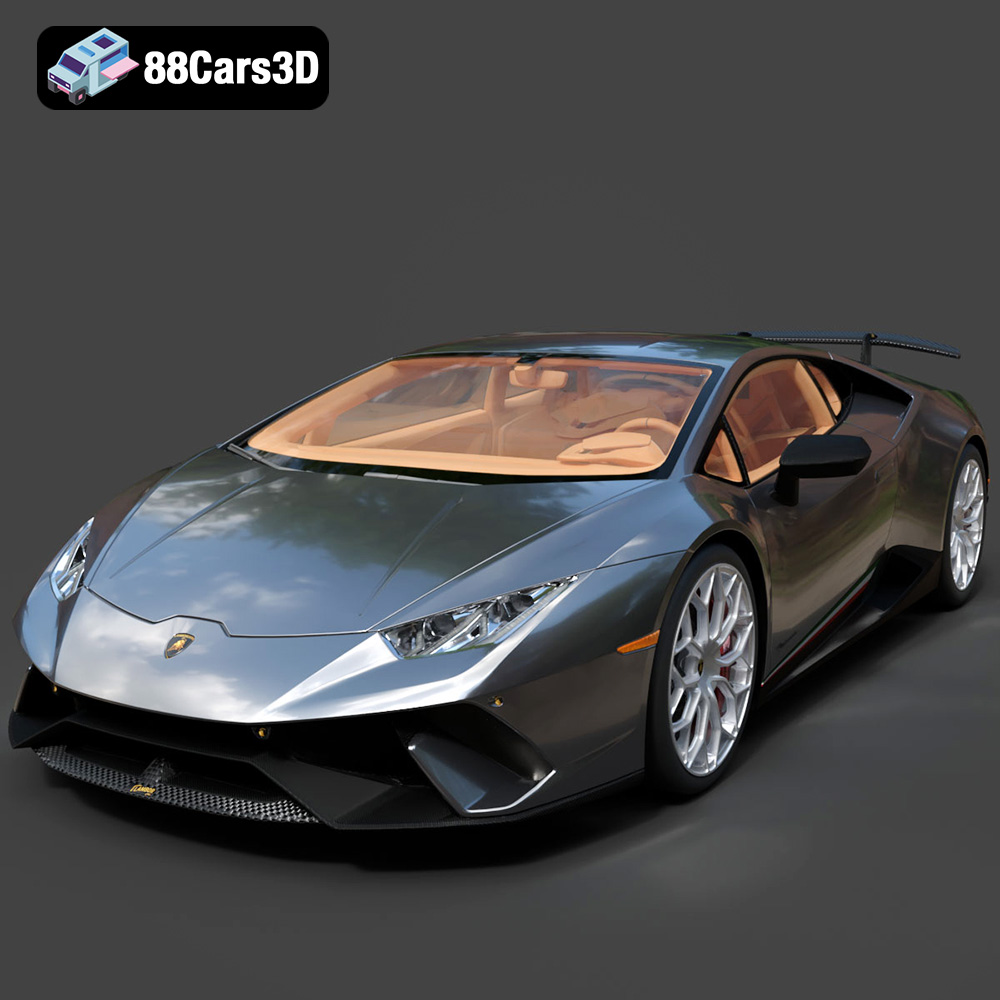
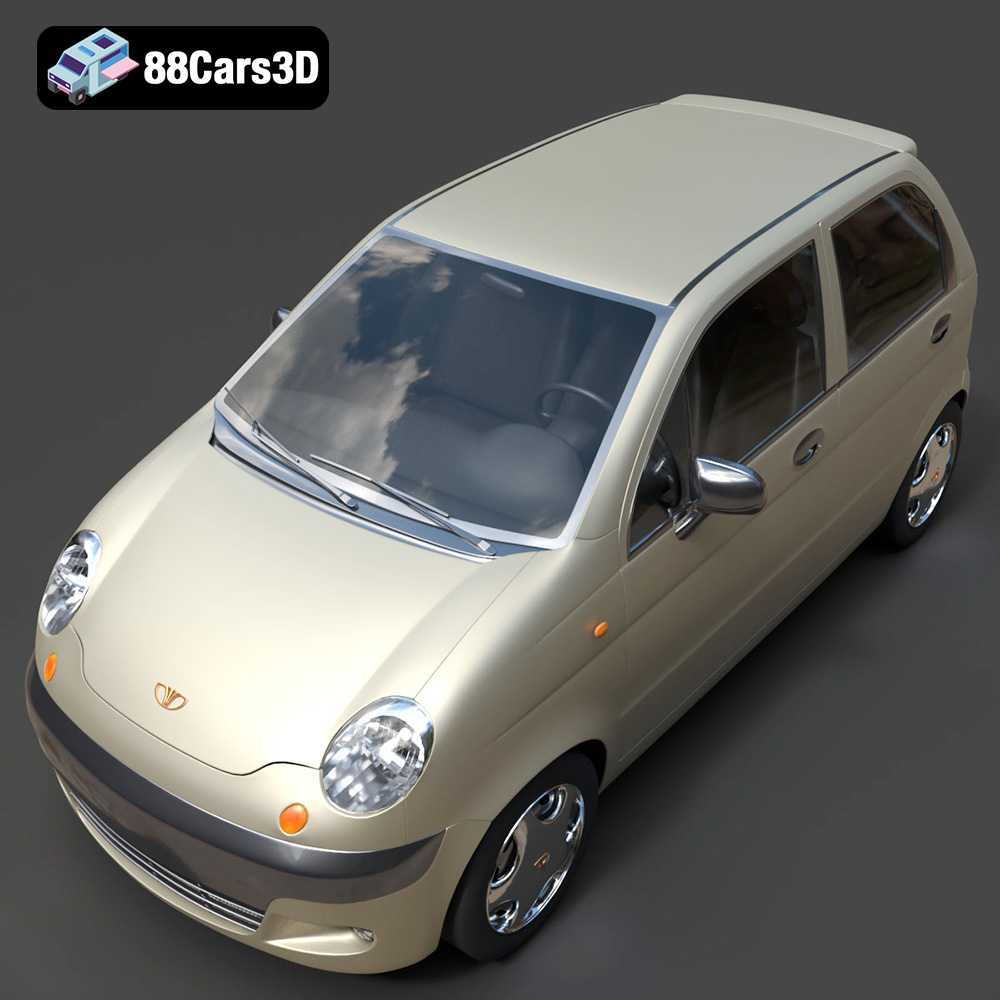
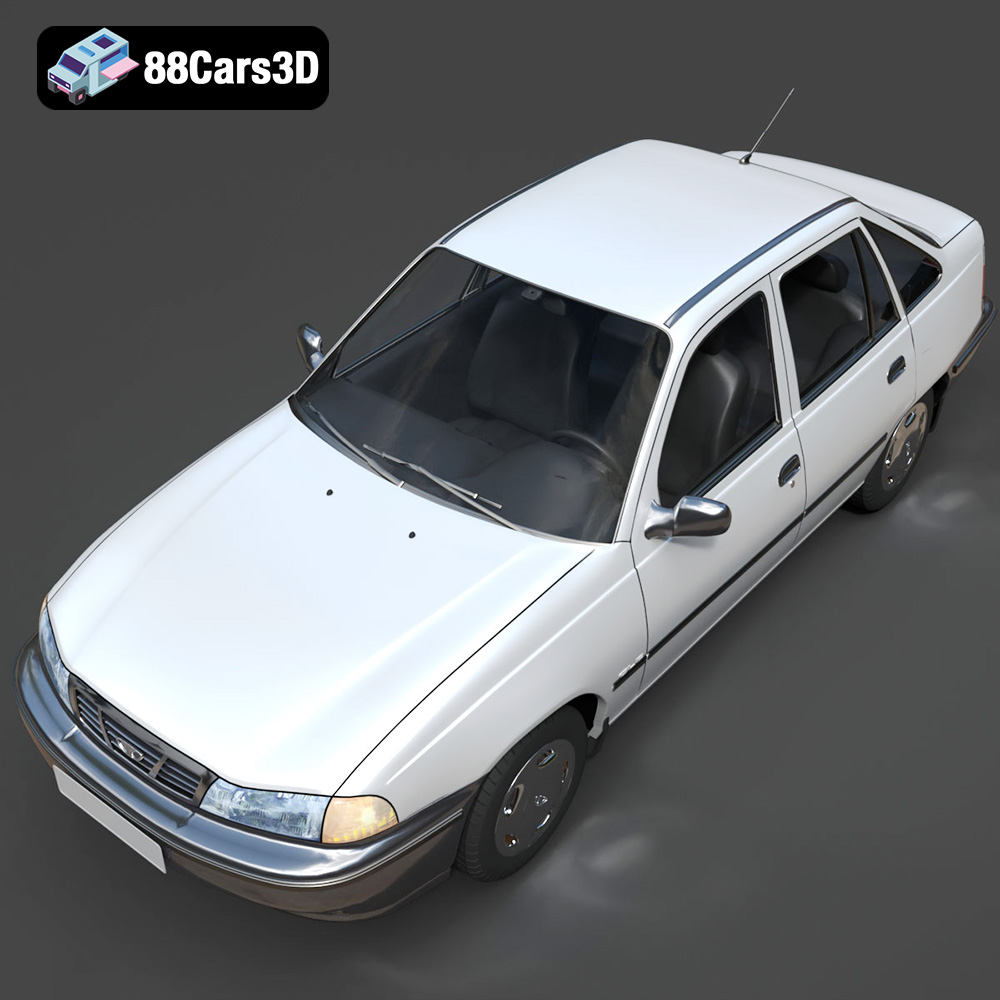
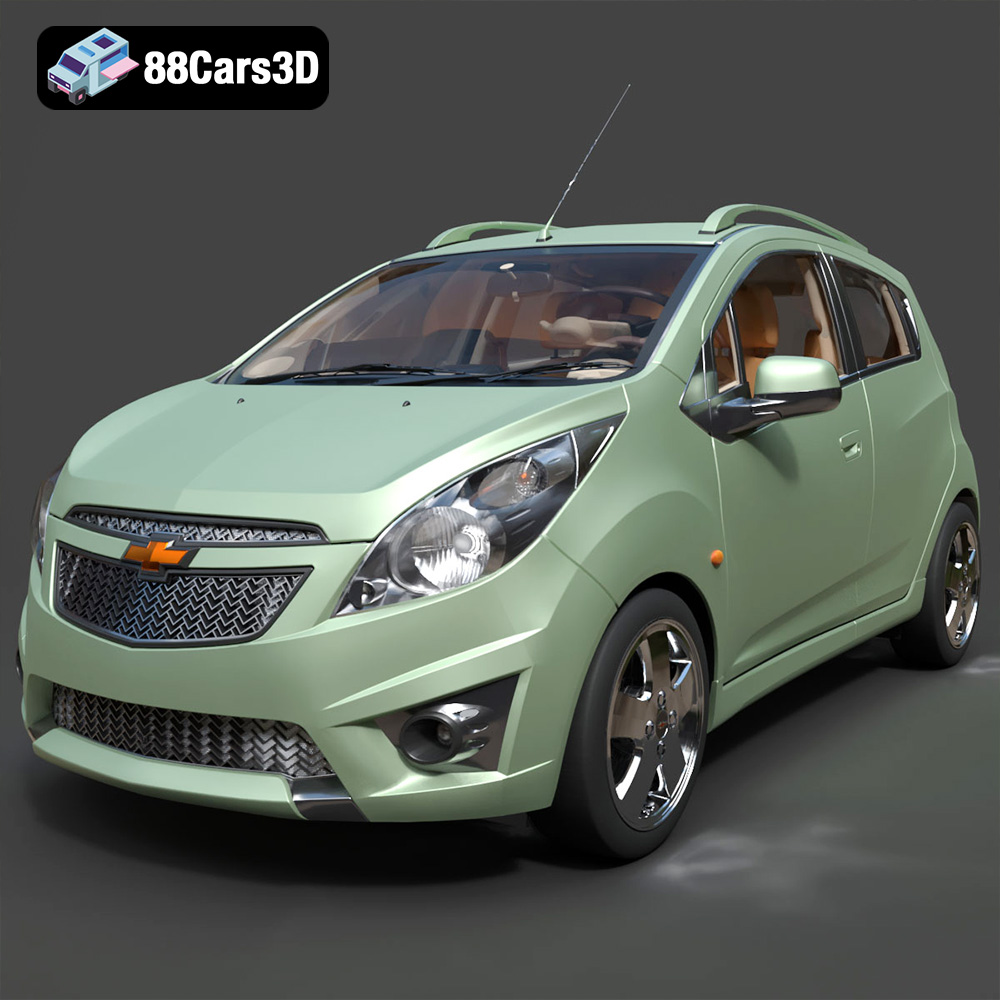
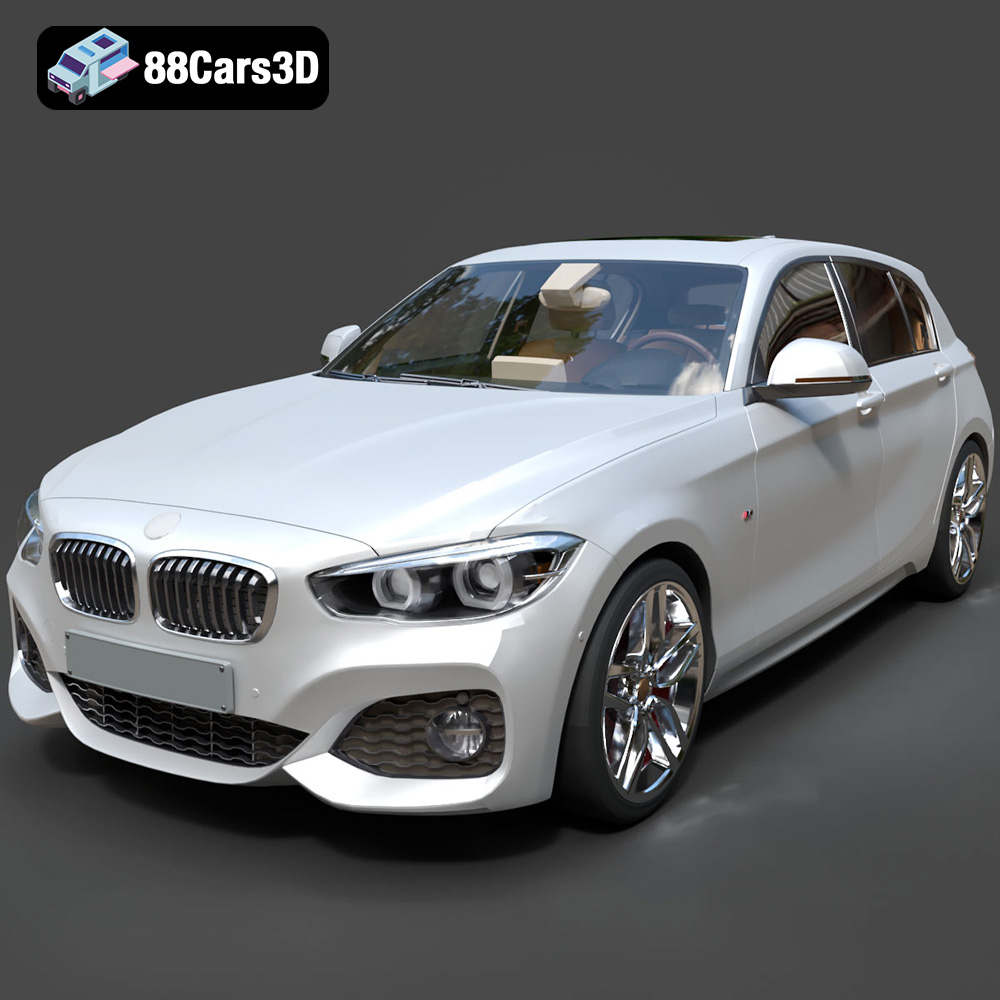
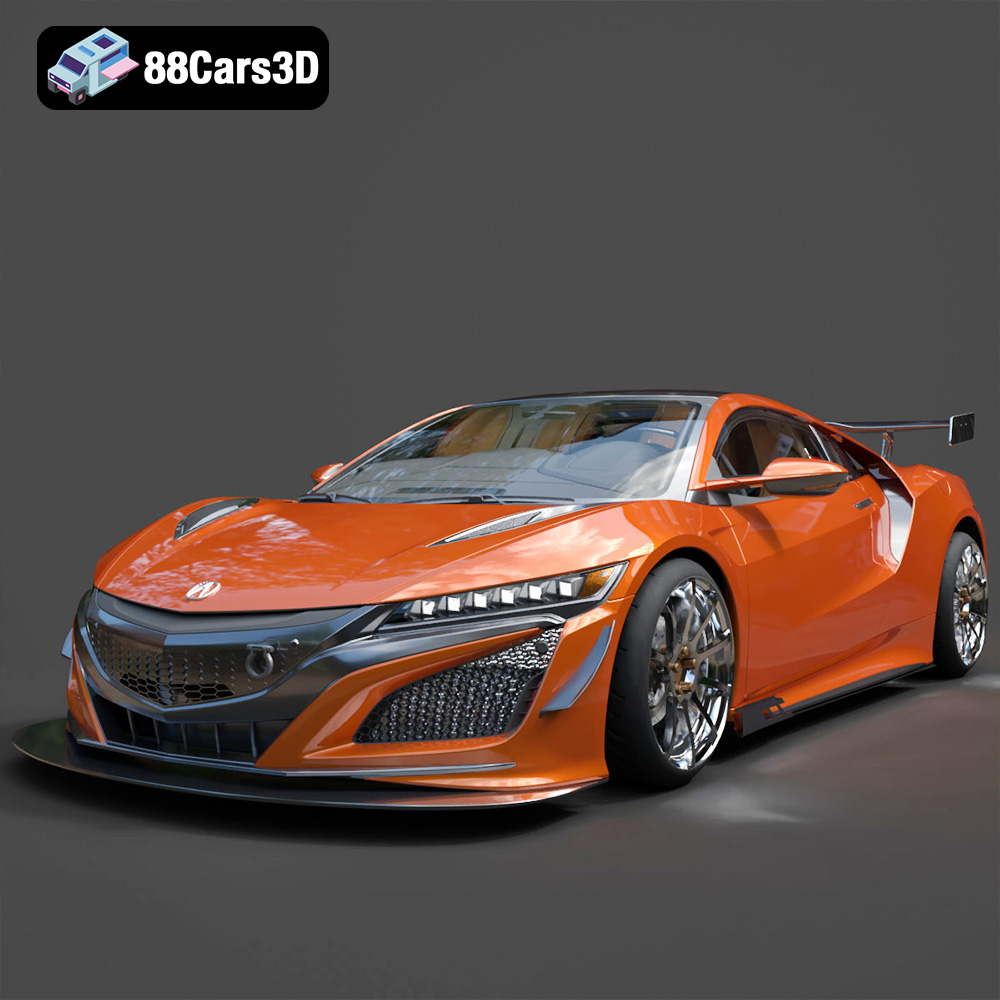
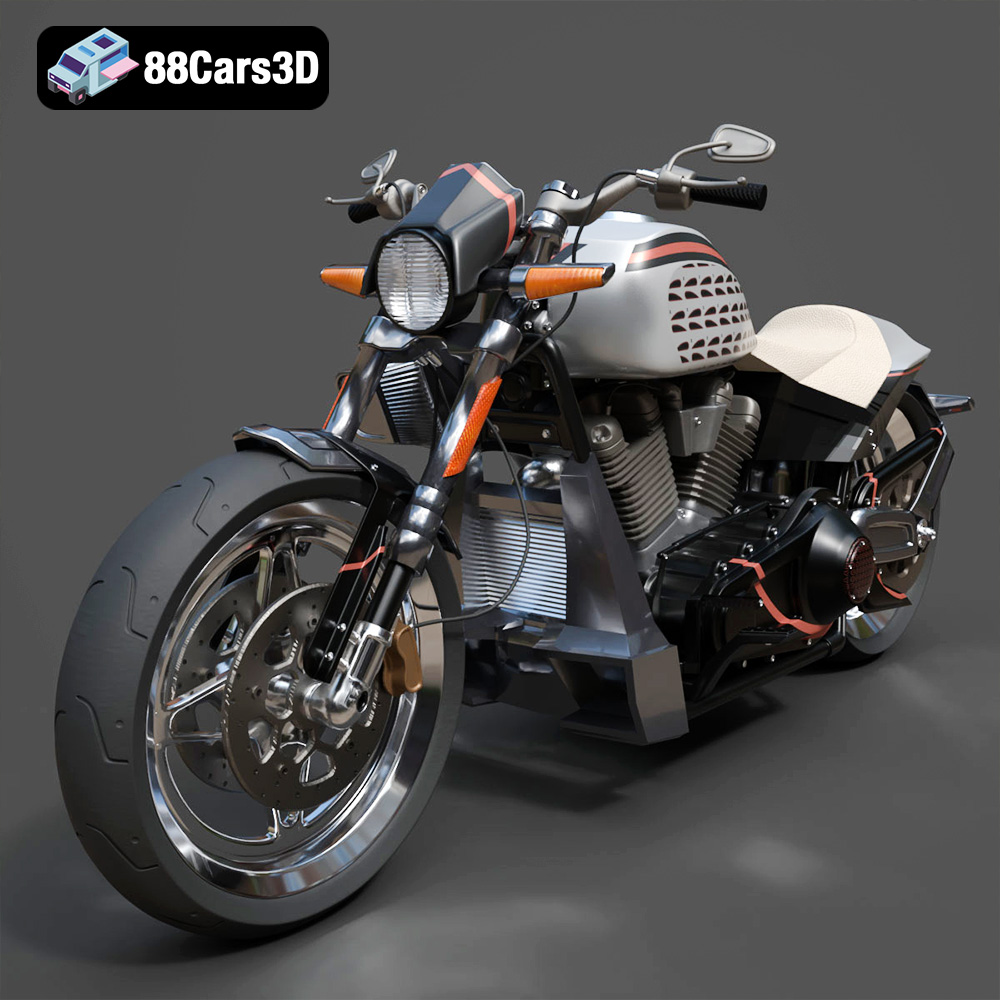
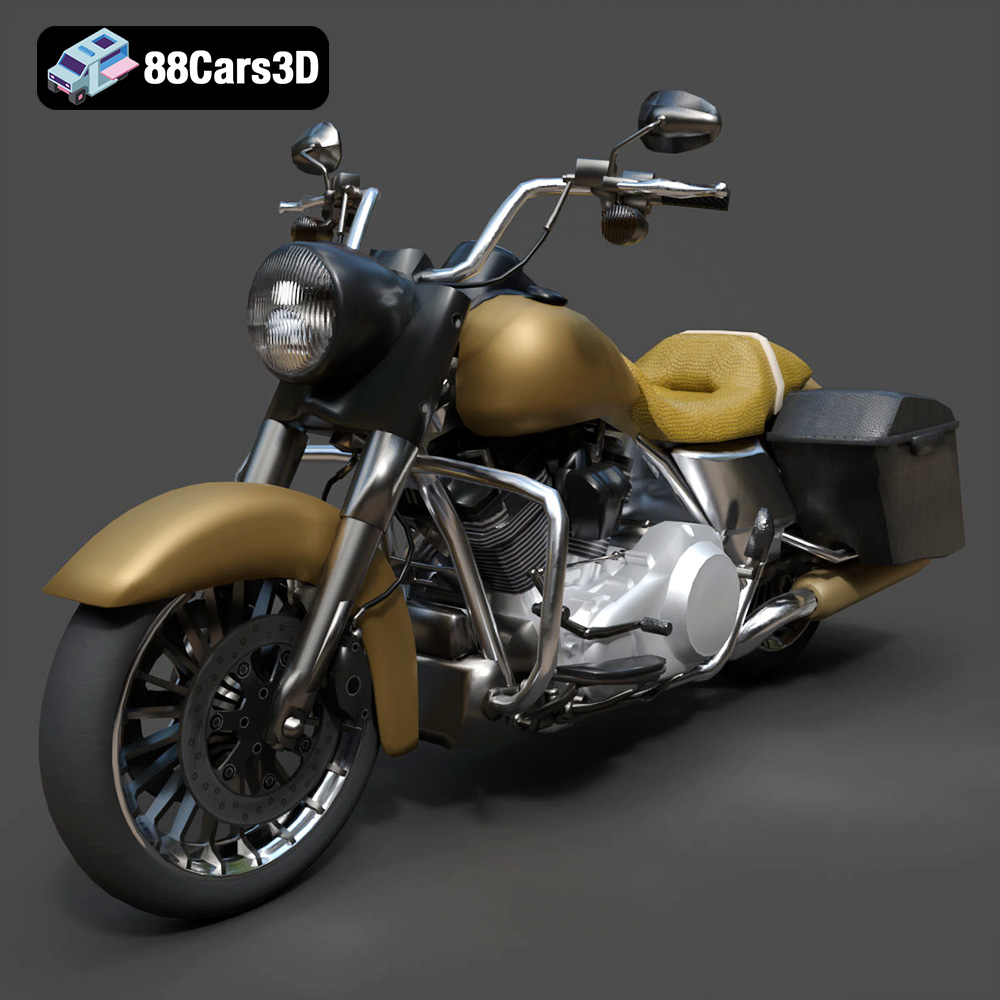
Get 50% OFF All Premium 3D & STL Models!

The world of 3D modeling has revolutionized how we visualize and interact with vehicles. From breathtaking automotive renderings that grace magazine covers to immersive experiences in video games, the power of meticulously crafted 3D car models is undeniable. This article delves into the core techniques and considerations for utilizing 3D car models effectively across various industries, covering everything from selecting the right model to optimizing it for specific platforms. Whether you’re an automotive designer, game developer, or visualization artist, understanding the nuances of 3D car models is crucial for achieving professional-grade results.
Choosing the right file format is a foundational step in working with 3D car models. Each format has unique characteristics that make it suitable for specific applications and software workflows. Understanding these differences ensures seamless integration and optimal performance.
The .blend format is the native file type for Blender, a powerful open-source 3D creation suite. It contains all the information about a scene, including geometry, materials, textures, lighting, and animation. The primary advantage of .blend files is their full editability within Blender. You can make any adjustments to the model, materials, or scene setup. This is invaluable for iterative design processes and fine-tuning visual elements. However, .blend files are typically not directly compatible with other 3D software without exporting to a more universal format. They’re best used when your entire workflow is centered around Blender.
FBX (Filmbox) is a proprietary file format developed by Autodesk. It’s designed to be an interchange format, meaning it aims to facilitate the transfer of 3D data between different software packages. FBX excels in real-time pipelines because it supports complex data such as skeletal animations, blend shapes, and PBR (Physically Based Rendering) materials, which are essential for realistic lighting and shading in game engines like Unreal Engine and Unity. When using FBX, it’s important to consider the version compatibility between the software used to export and import the file, as older versions may not support newer features. This is frequently the go-to format when you plan to use the 3D car model as a game asset.
OBJ (Object) is one of the oldest and most widely supported 3D file formats. Its simplicity makes it highly compatible across various 3D applications. OBJ primarily stores geometric data (vertices, faces, and normals) and UV coordinates for texture mapping. While it supports material definitions via a separate .mtl file, it does not handle animation or complex scene data. The universal compatibility of OBJ makes it a reliable choice for transferring static 3D car models between different software packages, such as from a CAD program to a rendering engine. It acts as a bridge, allowing you to get the core geometry into almost any application.
GLB is a binary file format that represents 3D models using the glTF (GL Transmission Format) standard. GLTF is designed for efficient transmission and loading of 3D scenes, making it ideal for AR (Augmented Reality), VR (Virtual Reality), and web-based applications. GLB files package all the necessary data, including geometry, textures, and animations, into a single file, streamlining the distribution process. This format is significantly optimized for real-time display, often requiring less processing power than other formats. If your goal is to showcase a 3D car model in a web browser or AR/VR environment, GLB is usually the best choice.
STL (Stereolithography) is a file format primarily used for 3D printing. It represents the surface geometry of a 3D object using a collection of triangles. STL files do not store color, texture, or material information. They focus solely on the shape of the object. While STL is simple and widely supported by 3D printers, it can result in large file sizes for complex models due to the triangulation. This is a vital format if the 3D car model is intended for physical prototyping or manufacturing. Ensure the model is watertight and manifold (no holes or self-intersections) before exporting to STL for successful printing.
PLY (Polygon File Format) is a file format designed to store 3D data acquired from 3D scanners or generated by CAD (Computer-Aided Design) software. PLY files can store various types of data, including vertices, faces, normals, colors, texture coordinates, and other custom properties. This format is often used in scientific and engineering applications where precise geometric data is required for analysis or simulation. The flexibility of PLY makes it suitable for representing complex 3D car models with detailed surface information.
.unreal is not a standard file format in the same sense as the others; instead, it refers to the asset format that Unreal Engine uses natively. This usually includes a combination of .uasset (for model data and metadata) and associated texture files. When importing an FBX or other format into Unreal Engine, it gets converted into the engine’s native format. This format is tightly integrated with the Unreal Engine’s rendering pipeline and animation system, allowing for efficient and optimized performance within the engine. While not directly interchangeable with other software, understanding how assets are structured within Unreal is crucial for game developers using 3D car models.
.max is the native file format for 3ds Max, a professional 3D modeling, animation, and rendering software package. Similar to .blend for Blender, .max files contain all the information about a scene, including geometry, materials, textures, lighting, animation rigs, and rendering settings. The full editability of .max files makes them ideal for complex projects that require extensive customization and animation. If your workflow primarily revolves around 3ds Max, using .max files will provide the most flexibility and control.
Achieving photorealistic automotive renderings requires careful attention to detail in both the 3D model itself and the rendering setup.
The level of detail in a 3D car model, often measured by its polygon count, directly impacts rendering quality and performance. High-poly models capture intricate details and smooth curves, resulting in more realistic renderings. However, they also require more processing power and can increase rendering times. Low-poly models, on the other hand, are more efficient for real-time applications but lack the detail of their high-poly counterparts. The choice between high-poly and low-poly depends on the specific application. For automotive renderings, high-poly models are generally preferred to showcase the vehicle’s design in the best possible light. For game assets, a balance must be struck between visual quality and performance.
Realistic materials and textures are crucial for achieving photorealistic renderings. PBR (Physically Based Rendering) materials, which simulate how light interacts with surfaces in the real world, are essential for modern rendering workflows. Creating accurate materials requires careful consideration of surface properties such as color, roughness, metallicity, and reflectivity. High-resolution textures with appropriate surface details, such as scratches, dirt, and imperfections, add realism to the model. Utilizing software like Substance Painter or Quixel Mixer can significantly streamline the material creation process.
Integrating 3D car models into video games presents unique challenges due to the real-time performance requirements of game engines.
Game engines demand optimized 3D models that can be rendered efficiently without sacrificing visual quality. Polygon optimization techniques, such as reducing unnecessary polygons and simplifying complex shapes, are crucial for achieving smooth frame rates. Level of Detail (LOD) involves creating multiple versions of the same model with varying levels of detail. The game engine dynamically switches between these versions based on the distance from the camera, reducing the rendering load for distant objects. This allows developers to use high-quality models for close-up views while maintaining performance for distant views.
For drivable vehicles in games, rigging and animation are essential. Rigging involves creating a skeletal structure for the 3D model, allowing it to be articulated and animated. This process typically involves defining joints and bones that control the movement of different parts of the vehicle, such as the wheels, suspension, and steering wheel. Once the model is rigged, animations can be created to simulate realistic vehicle movements, such as acceleration, braking, and turning. Importing these assets into game engines like Unreal Engine require careful preparation to ensure everything functions correctly.
The versatility of 3D car models is showcased through diverse applications across various industries.
3D car models are widely used in automotive advertising and marketing materials. High-quality renderings are often used in brochures, websites, and television commercials to showcase new vehicle designs. 3D models allow marketers to create visually stunning representations of vehicles without the need for expensive photo shoots or physical prototypes. These models often start as CAD data from the manufacturer, then are imported into rendering software for final touches.
VR car configurators provide customers with an immersive way to explore and customize vehicles. Using a VR headset, users can walk around a 3D car model, change colors, select options, and view the interior in detail. This allows potential buyers to experience the vehicle in a realistic and engaging way before making a purchase decision. The 3D car models used in VR configurators must be highly detailed and optimized for real-time rendering to provide a seamless and immersive experience.
3D car models are also frequently used in architectural visualization to add realism and context to building renderings. Placing vehicles in parking lots or on streets can help to convey the scale and environment of a building project. The 3D models used in architectural visualization do not need to be as highly detailed as those used in automotive rendering or VR applications, but they should still be visually appealing and accurate.
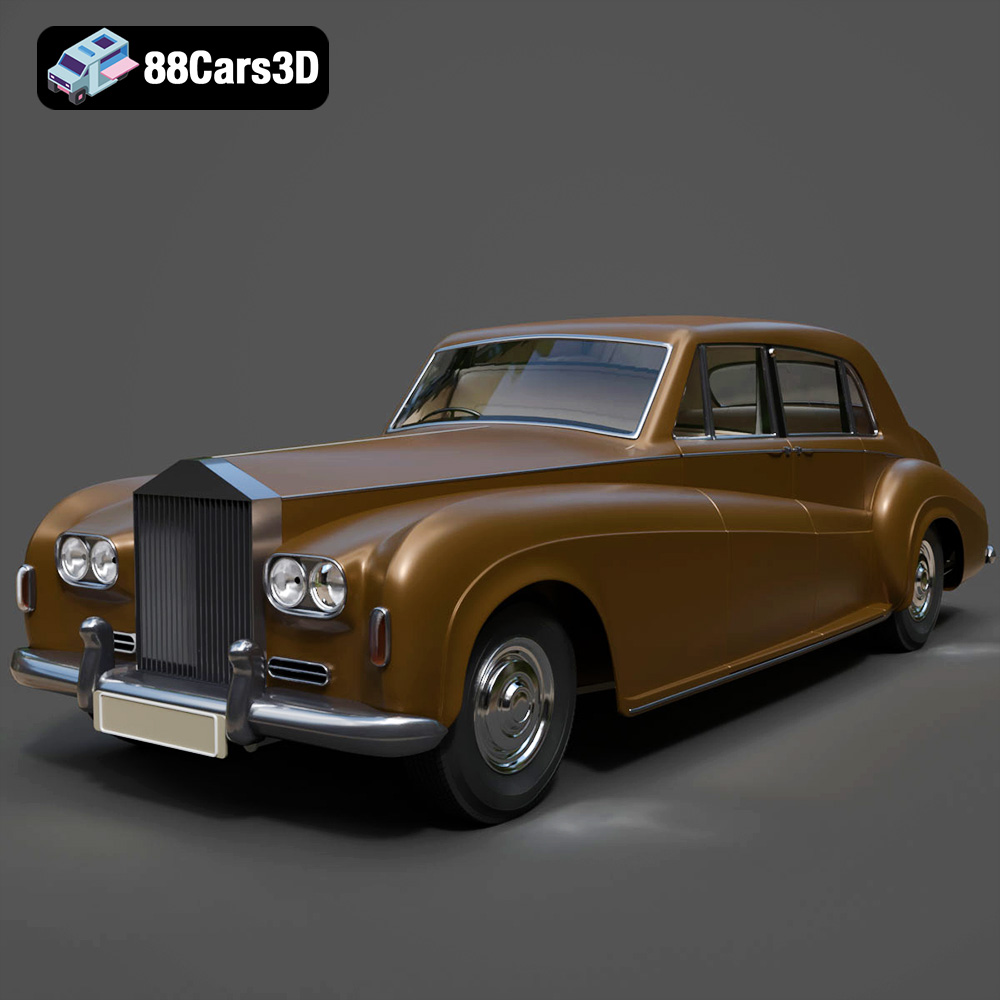
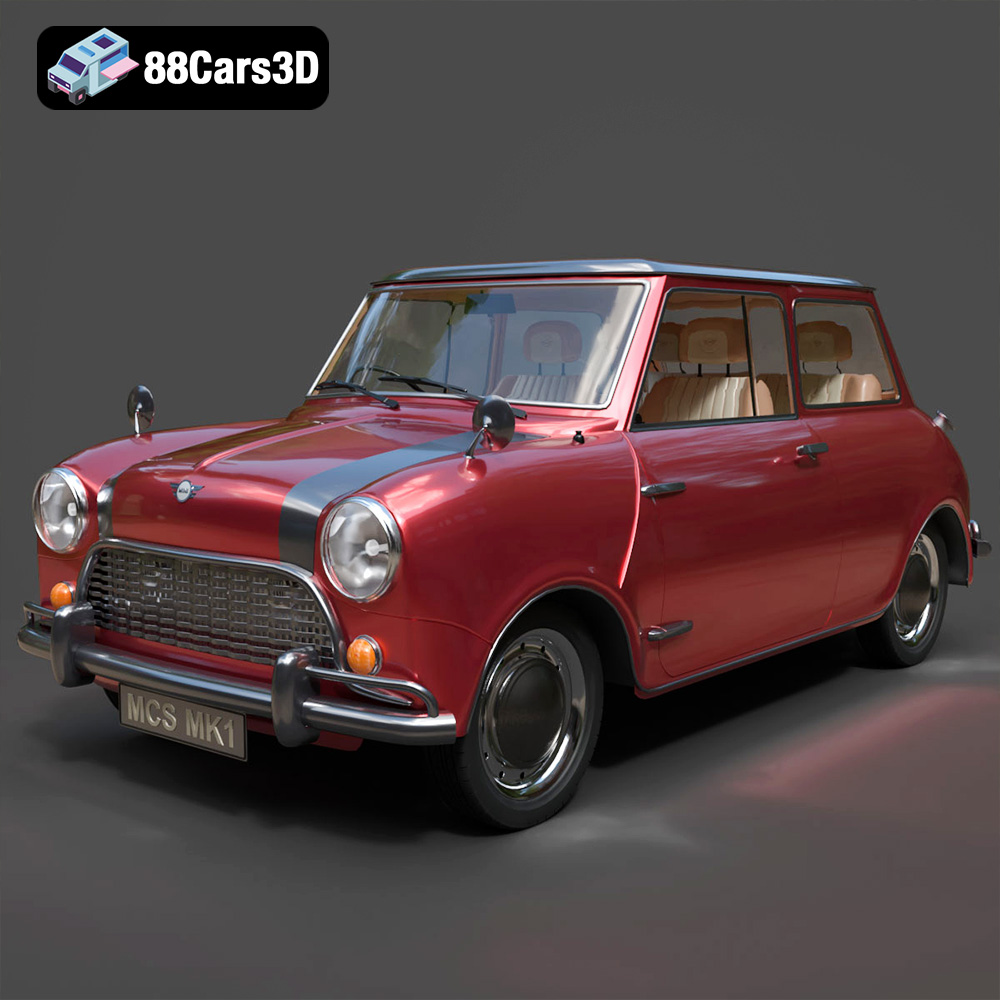
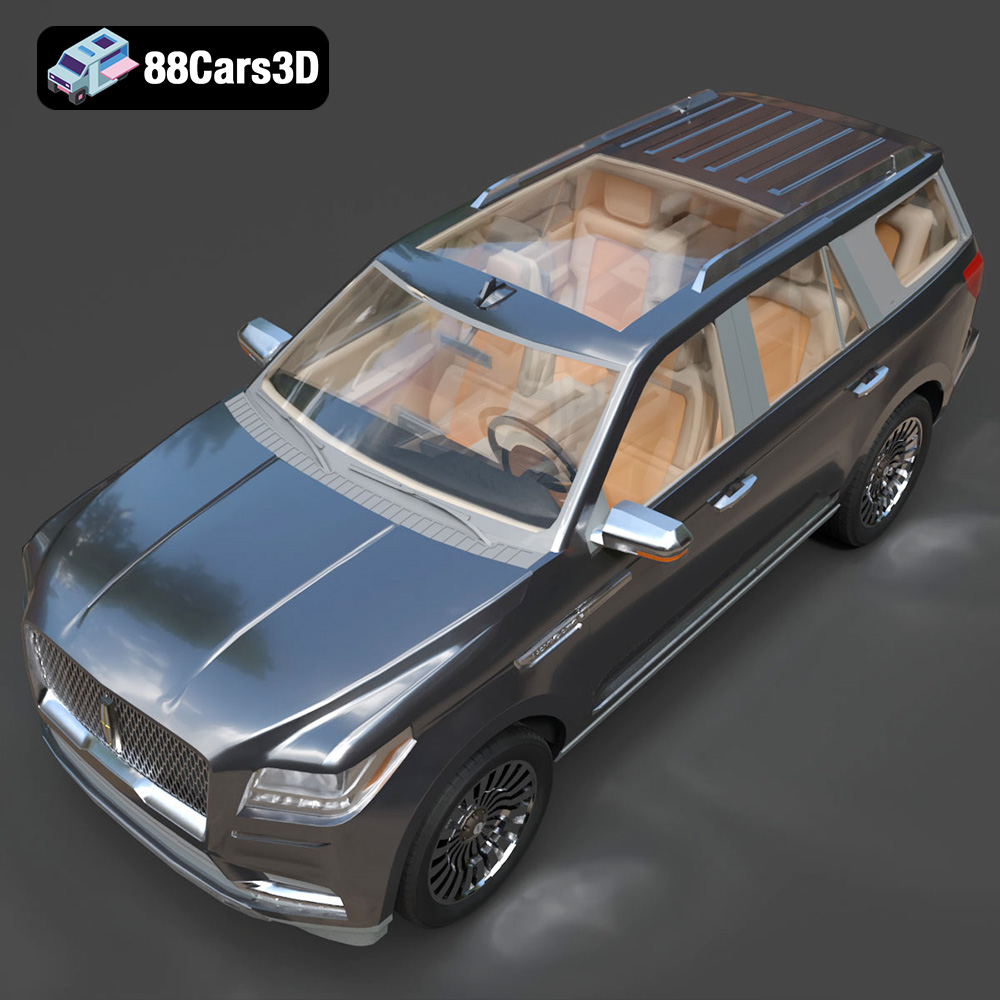
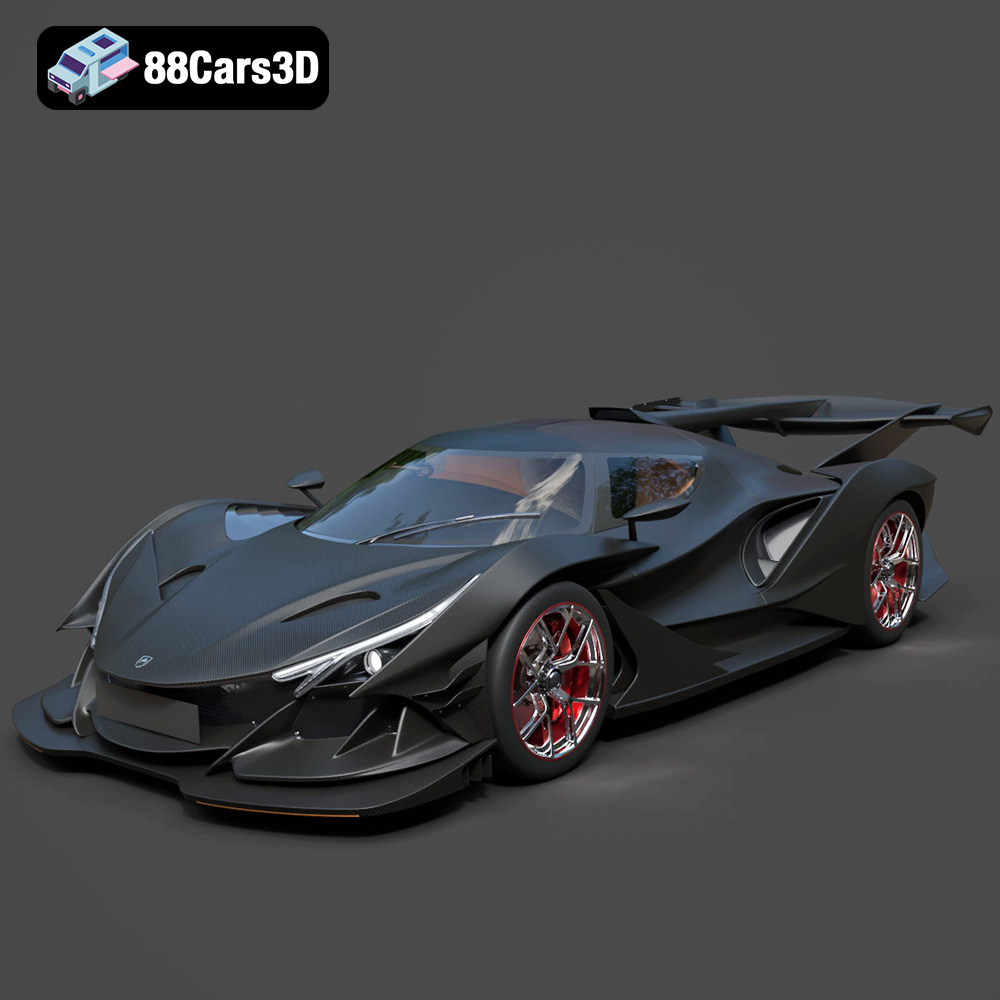
Sourcing reliable and accurate 3D car models is essential for achieving professional-grade results. Numerous online marketplaces and resources offer a wide range of 3D car models for various applications. One such platform is 88cars3d.com, which specializes in providing high-quality 3D car models for rendering, game development, and other visualization purposes. Whether you’re looking for a classic vintage car or the latest supercar, 88cars3d.com provides a diverse selection to meet your specific needs.
When selecting a 3D car model, it’s crucial to carefully evaluate its quality and accuracy. Check the polygon count to ensure it’s appropriate for your intended application. Examine the materials and textures to ensure they are realistic and of high resolution. Pay attention to the accuracy of the model’s proportions and details, comparing it to real-world photographs or blueprints if possible. Reading reviews and testimonials from other users can also provide valuable insights into the quality and reliability of the model.
Before using a 3D car model in a commercial project, it’s essential to understand the licensing terms. Different models may have different usage restrictions, such as limitations on redistribution or modification. Ensure that you have the appropriate license for your intended use to avoid any legal issues. Many online marketplaces offer various licensing options to accommodate different project requirements.
Mastering the use of 3D car models is an essential skill for professionals in automotive design, game development, and visualization. Understanding file formats, optimizing models for different platforms, and sourcing high-quality assets are all crucial steps in achieving professional-grade results. By carefully considering these factors, you can unlock the full potential of 3D car models and create stunning visuals for your projects. Platforms like 88cars3d.com offer a valuable resource for sourcing reliable and accurate 3D car models, ensuring that you have the foundation you need to bring your creative visions to life. With the right knowledge and resources, you can leverage the power of 3D car models to elevate your work to the next level.

Price: $129.99
Price: $99.99
Price: $89.99