Get 50% OFF All Premium 3D & STL Models!

“`html
The world of automotive 3D printing is rapidly expanding, offering incredible opportunities for creating detailed models, functional prototypes, and even end-use parts. However, selecting the right material is crucial for achieving the desired results. Whether you’re crafting a miniature replica of a classic car from 88cars3d.com or prototyping a new aerodynamic component, the choice between resin and filament, and then the specific type within each category, will significantly impact the print’s accuracy, strength, and overall aesthetic. This comprehensive guide explores the best resins and filaments for automotive 3D printing, covering technical specifications, printer settings, and best practices to help you achieve professional-quality results.
In this article, we’ll dive into the properties of various materials, detailing their strengths and weaknesses for automotive applications. We’ll cover everything from high-detail resin printing for aesthetic models to robust filament printing for functional parts. We’ll also explore slicing parameters, support strategies, and post-processing techniques to ensure your 3D printed car models are a success. Let’s get started!
Before diving into specific materials, it’s essential to understand the key properties that determine a material’s suitability for automotive 3D printing. These properties include strength, stiffness, heat resistance, impact resistance, and dimensional accuracy. The specific requirements will vary depending on the intended use of the printed part. For example, a purely decorative model will prioritize aesthetic detail and surface finish, while a functional prototype will need to withstand mechanical stresses and environmental conditions.
Tensile strength is the maximum stress a material can withstand before it breaks under tension. A higher tensile strength indicates a stronger material. Modulus, also known as Young’s modulus, measures a material’s stiffness. A higher modulus means the material is more resistant to deformation under stress. For functional automotive parts, consider materials with high tensile strength and modulus, such as carbon fiber reinforced filaments or specific engineering resins. For example, carbon fiber reinforced nylon can have a tensile strength exceeding 80 MPa and a modulus above 5 GPa.
Automotive parts are often exposed to high temperatures, especially under the hood or in direct sunlight. Heat Deflection Temperature (HDT) is the temperature at which a material begins to deform under a specific load. Choose materials with a high HDT for parts that will be subjected to elevated temperatures. ABS filament typically has an HDT around 85-100°C, while some high-temperature resins can reach 200°C or higher. Consider this carefully when selecting materials for parts exposed to engine heat.
Resin printing, also known as Stereolithography (SLA) or Digital Light Processing (DLP), excels at producing parts with exceptional detail and smooth surface finishes. This makes it ideal for creating intricate automotive models, display pieces, and masters for mold making. When downloading models from marketplaces such as 88cars3d.com, resin printing can capture the fine details of the design with remarkable accuracy.
Several types of resin are available, each with its own set of properties. Standard resins are generally affordable and easy to use, but they may lack the strength and heat resistance required for functional parts. Tough resins offer improved impact resistance and durability, while high-temperature resins can withstand elevated temperatures. For example, Siraya Tech Tenacious resin is known for its exceptional toughness and flexibility, making it suitable for parts that need to absorb impacts. For heat resistance, consider resins specifically formulated for high-temperature applications, like those used in dental casting.
Achieving optimal results with resin printing requires careful calibration of printer settings. Key parameters include layer height, exposure time, and lift speed. Lower layer heights result in finer details, but they also increase print time. A layer height of 0.05mm is a good starting point for automotive models, but you can go lower (0.025mm or even 0.01mm) for exceptional detail. Exposure time determines how long each layer is exposed to UV light. Overexposure can lead to dimensional inaccuracies, while underexposure can result in weak or incomplete prints. Calibrate your exposure time using a resin calibration tool, typically found as a pre-made file on the printer’s USB drive. Lift speed affects the peeling force exerted on the printed part. Slower lift speeds can improve print quality but increase print time. A lift speed of 60-80 mm/min is generally recommended.
Fused Deposition Modeling (FDM) printing is a versatile technique that uses thermoplastic filaments to create parts. While it may not achieve the same level of detail as resin printing, FDM offers advantages in terms of strength, durability, and material options. FDM is often preferred for prototyping functional automotive parts, creating jigs and fixtures, and producing larger components.
Numerous filaments are available for FDM printing, each with its own unique properties. PLA is a biodegradable filament that is easy to print and offers good dimensional accuracy, but it lacks heat resistance and strength. ABS is a stronger and more heat-resistant filament than PLA, but it requires a heated bed and enclosure to prevent warping. PETG offers a good balance of strength, heat resistance, and ease of printing. For functional automotive parts, consider more advanced filaments such as nylon, polycarbonate, or carbon fiber reinforced composites. Nylon offers excellent strength and chemical resistance, while polycarbonate provides exceptional impact resistance and heat resistance. Carbon fiber reinforced filaments offer a significant increase in strength and stiffness compared to standard filaments. When printing with reinforced filaments, it’s crucial to use a hardened steel nozzle to prevent wear.
Key FDM printing parameters that influence the strength and accuracy of automotive parts include layer height, infill density, print speed, and temperature. Lower layer heights result in smoother surfaces and finer details, but they also increase print time. A layer height of 0.2mm is a good starting point for functional parts. Infill density determines the amount of material used inside the part. Higher infill densities result in stronger parts but also increase print time and material consumption. An infill density of 20-30% is typically sufficient for most functional parts, but you may need to increase it for parts that will be subjected to high stresses. Print speed affects the quality and strength of the print. Slower print speeds generally result in stronger and more accurate parts, but they also increase print time. A print speed of 40-60 mm/s is generally recommended. Temperature is critical for proper layer adhesion. Follow the filament manufacturer’s recommendations for nozzle and bed temperatures. ABS typically requires a nozzle temperature of 230-250°C and a bed temperature of 80-110°C, while PETG typically requires a nozzle temperature of 220-240°C and a bed temperature of 70-80°C. Properly calibrated retraction settings will minimize stringing and improve surface finish.
Support structures are essential for printing parts with overhangs or complex geometries. They provide a temporary foundation for the overhanging features, preventing them from collapsing during printing. Both resin and FDM printing require support structures, but the type of support and removal techniques differ.
For resin printing, support structures are typically generated automatically by slicing software. The software analyzes the model and adds supports to any areas that overhang beyond a certain angle. Key parameters for resin support generation include support density, tip diameter, and penetration depth. Higher support densities provide more support but also increase print time and material consumption. Smaller tip diameters result in less scarring on the printed part but may be more prone to breakage. Penetration depth determines how deeply the support tip penetrates the part’s surface. For FDM printing, support structures can be generated manually or automatically. Manual support generation allows for greater control over the placement and density of supports. Automatic support generation is faster but may not always produce optimal results. Key parameters for FDM support generation include support angle, support density, and support pattern. The support angle determines the maximum angle at which supports are required. Support density affects the strength and stability of the supports. The support pattern determines the shape and arrangement of the supports. In both resin and FDM printing, consider using different support types for different areas of the model. For example, you might use denser supports for critical areas and sparser supports for less critical areas. The best support structure is one that is strong enough to support the part but easy to remove without damaging the surface.
Removing support structures can be a delicate process, especially for intricate models. For resin printing, supports can be removed using a variety of tools, including flush cutters, scrapers, and sandpaper. It’s important to remove the supports carefully to avoid damaging the part’s surface. Soaking the part in warm water or using a heat gun can soften the supports and make them easier to remove. After removing the supports, use sandpaper or a rotary tool to smooth any remaining marks. For FDM printing, supports can be removed by snapping them off or cutting them with a knife. Using dissolvable support materials like HIPS (High Impact Polystyrene) for ABS or PVA (Polyvinyl Alcohol) for PLA simplifies the removal process, as the supports can be dissolved in a solvent. Careful attention to support placement and orientation can minimize the amount of support material required and simplify the removal process. Aim to orient the part in a way that minimizes overhangs and maximizes the number of surfaces that are in direct contact with the build plate.
Post-processing is a crucial step in achieving a professional finish on 3D printed automotive models. Whether you’re working with resin or filament, post-processing techniques can enhance the part’s appearance, improve its strength, and prepare it for further assembly or painting.
Sanding is essential for smoothing the surface of 3D printed parts and removing any imperfections. Start with coarse sandpaper (e.g., 220 grit) to remove major imperfections, and then gradually move to finer grits (e.g., 400, 600, 800 grit) to achieve a smooth surface. Wet sanding can help to prevent clogging and improve the surface finish. Priming is a necessary step before painting, as it helps to create a uniform surface and improve adhesion. Apply several thin coats of primer, allowing each coat to dry completely before applying the next. After the primer has dried, lightly sand the surface with fine-grit sandpaper to remove any imperfections. Painting can be done with a variety of techniques, including spray painting, airbrushing, and brush painting. Spray painting is generally the preferred method for achieving a smooth and even finish. Apply several thin coats of paint, allowing each coat to dry completely before applying the next. Clear coating provides a protective layer and enhances the shine of the painted surface. Consider using automotive-grade paints and clear coats for a durable and professional finish.
Many automotive models consist of multiple parts that need to be assembled. Use appropriate adhesives, such as cyanoacrylate (super glue) or epoxy, to bond the parts together. Ensure that the parts are properly aligned before applying the adhesive. Clamps or jigs can be used to hold the parts in place while the adhesive dries. Filling gaps and seams with putty or filler can create a seamless appearance. After the filler has dried, sand the surface to blend the filler with the surrounding material. Adding finishing touches, such as decals, chrome trim, and clear windows, can enhance the realism of the model. Consider using specialized products designed for model making, such as photo-etched parts and aftermarket decals. Platforms like 88cars3d.com offer print-ready STL files, which significantly simplify the assembly process by ensuring precise fit and alignment of individual components.
Even with careful planning and execution, 3D printing can sometimes encounter issues. Understanding common problems and their solutions is essential for achieving consistent and high-quality results.
Warping is a common problem in FDM printing, especially with filaments like ABS. It occurs when the corners of the print lift off the build plate due to uneven cooling. To prevent warping, use a heated bed, apply an adhesive to the build plate (e.g., glue stick, hairspray, or painter’s tape), and enclose the printer to maintain a consistent temperature. Delamination, also known as layer splitting, occurs when the layers of the print do not properly adhere to each other. To prevent delamination, increase the nozzle temperature, reduce the print speed, and ensure that the bed is properly leveled. Bed adhesion problems can prevent the first layer from sticking to the build plate. To improve bed adhesion, clean the build plate with isopropyl alcohol, use a brim or raft, and adjust the Z-offset. If the nozzle is too far from the bed, the first layer will not adhere properly. If the nozzle is too close to the bed, it can obstruct the flow of filament.
Stringing occurs when small strands of filament are left between different parts of the print. To prevent stringing, increase the retraction distance and speed, decrease the nozzle temperature, and ensure that the filament is dry. Blobs and zits are small imperfections on the surface of the print. They can be caused by inconsistent extrusion, excessive retraction, or moisture in the filament. To prevent blobs and zits, calibrate the extruder, adjust the retraction settings, and dry the filament. Perform temperature towers to fine-tune the optimal printing temperature for the specific filament being used.
Choosing the right resin or filament is critical for achieving successful and high-quality automotive 3D prints. Resin printing offers exceptional detail and smooth surfaces, while FDM printing provides strength and durability. Understanding the properties of different materials, optimizing printer settings, and mastering post-processing techniques are essential for creating professional-quality models and functional parts. Whether you’re a hobbyist printing models from 88cars3d.com or an engineer prototyping automotive components, these guidelines will help you navigate the world of automotive 3D printing with confidence.
Now that you’re equipped with the knowledge of material selection, printing parameters, and post-processing techniques, your next step is to experiment with different materials and settings to find what works best for your specific printer and application. Don’t be afraid to try new things and learn from your mistakes. With practice and patience, you’ll be able to create stunning and functional automotive 3D prints that showcase your skills and passion.
“`
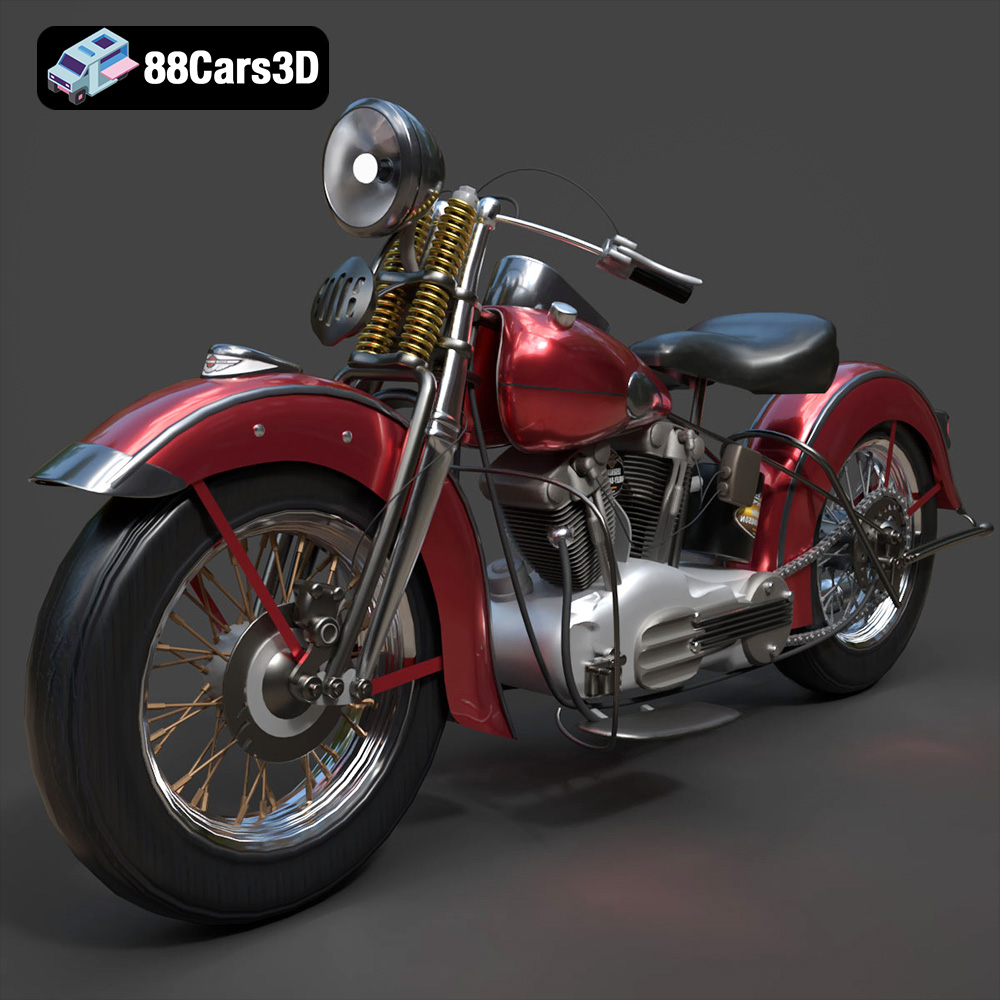
Texture: Yes
Material: Yes
Download the Harley Davidson F 1946 3D Model featuring clean geometry, realistic detailing, and a fully modeled interior. Includes .blend, .fbx, .obj, .glb, .stl, .ply, .unreal, and .max formats for rendering, simulation, and game development.
Price: $19.99
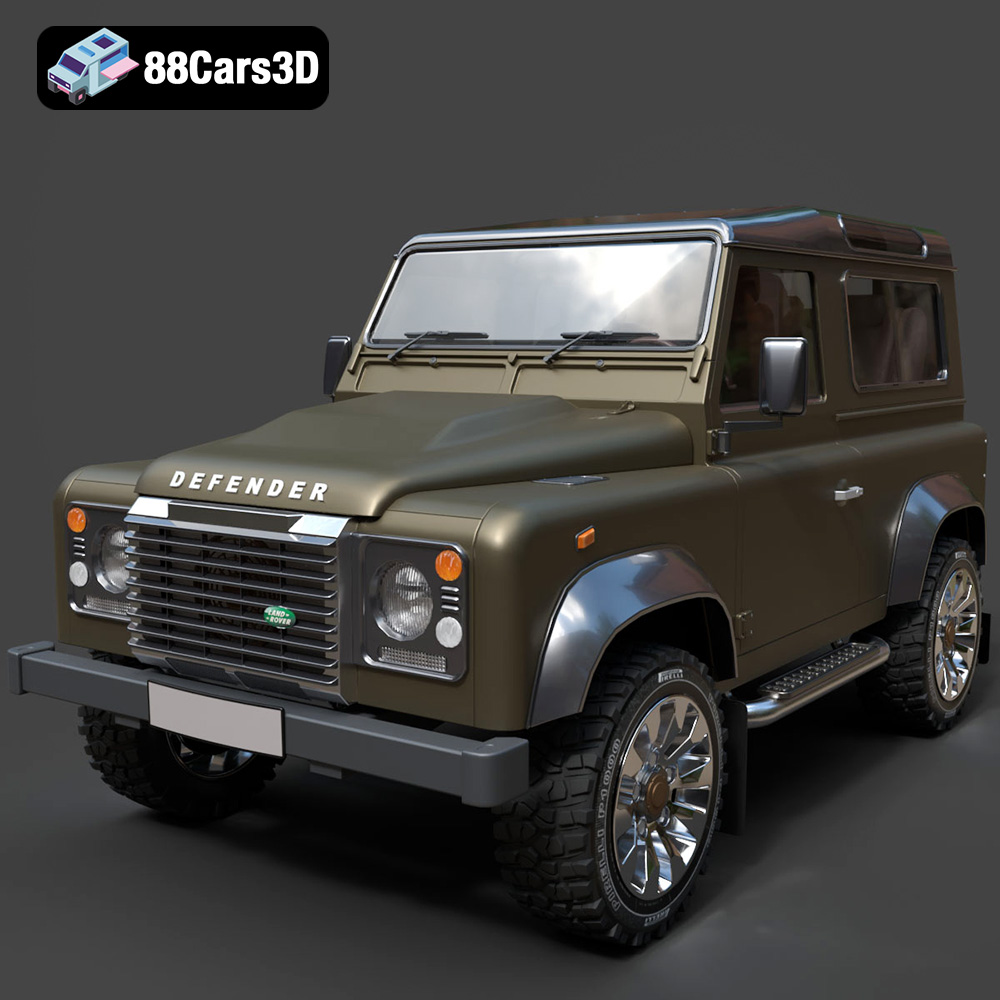
Texture: Yes
Material: Yes
Download the Land Rover Defender Works V8 3D Model featuring clean geometry, realistic detailing, and a fully modeled interior. Includes .blend, .fbx, .obj, .glb, .stl, .ply, .unreal, and .max formats for rendering, simulation, and game development.
Price: $19.99
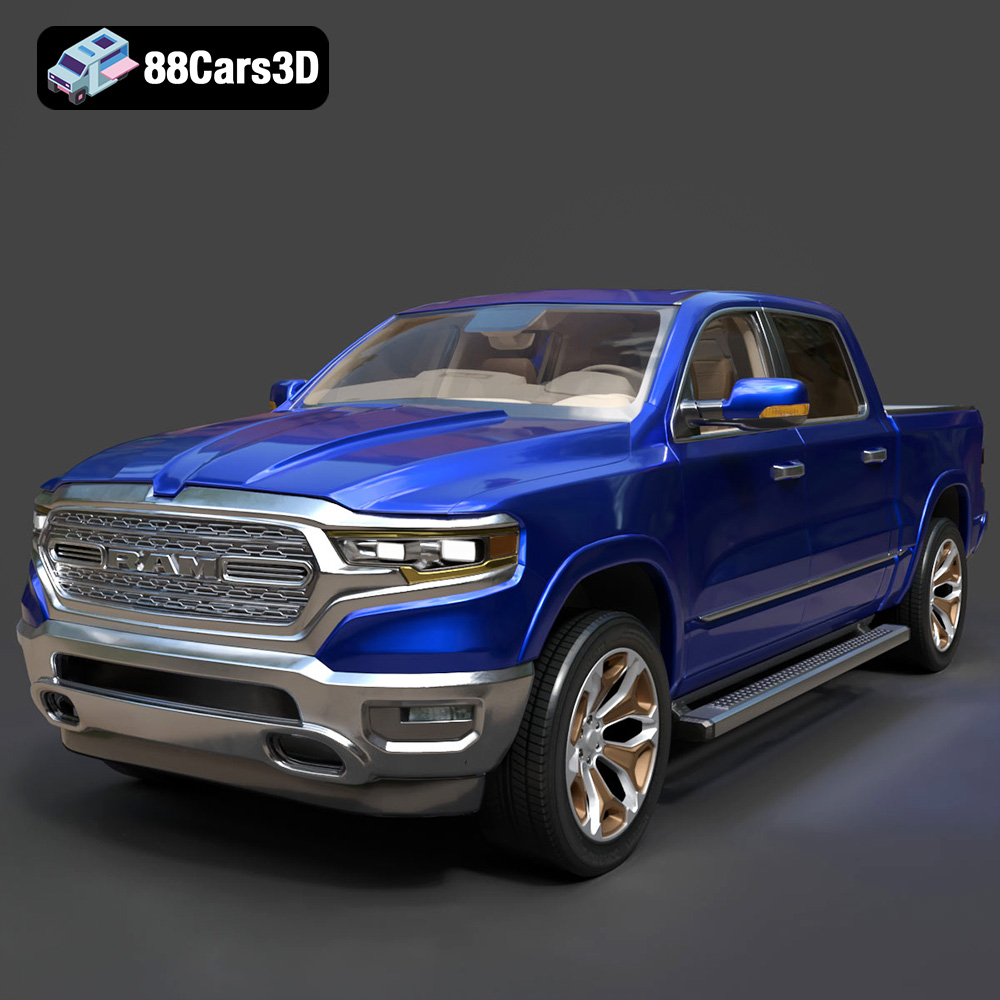
Texture: Yes
Material: Yes
Download the Dodge RAM 2019 3D Model featuring clean geometry, realistic detailing, and a fully modeled interior. Includes .blend, .fbx, .obj, .glb, .stl, .ply, .unreal, and .max formats for rendering, simulation, and game development.
Price: $19.99
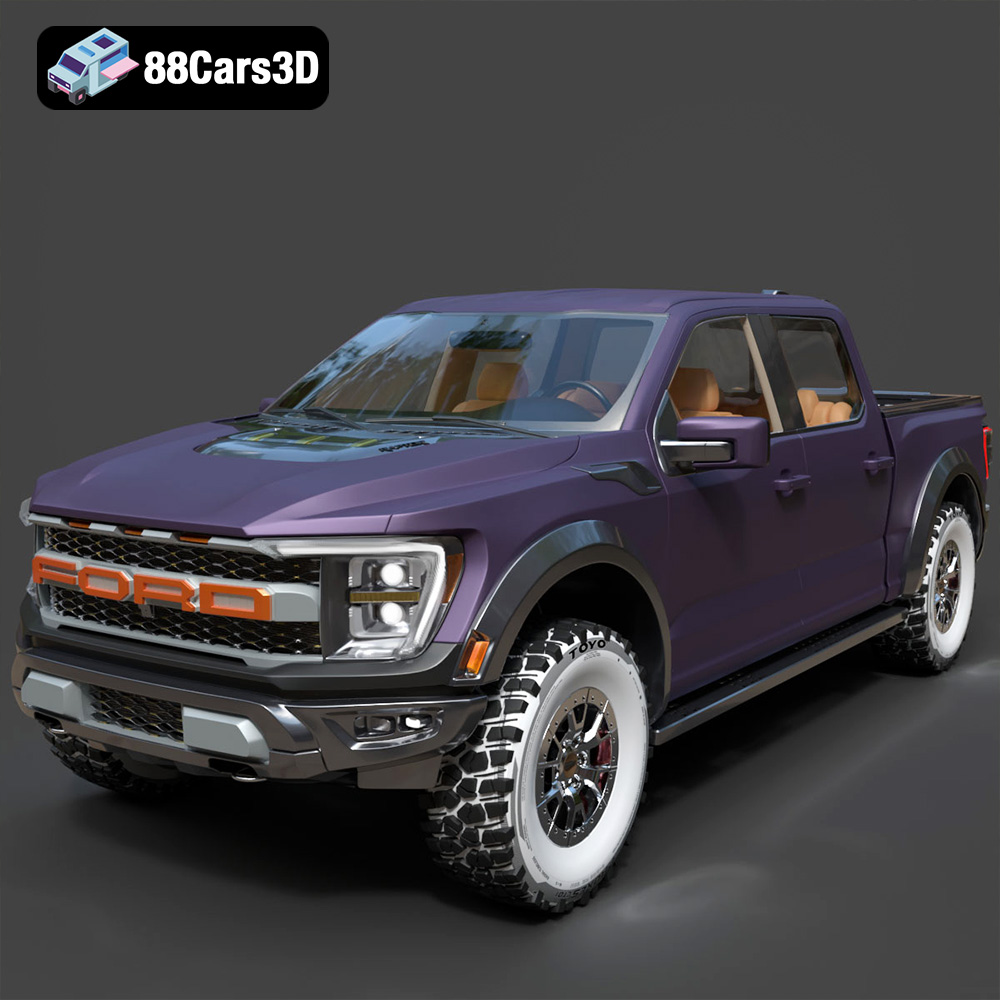
Texture: Yes | Material: Yes Download the ultra-high-detail Ford F-150 Raptor 2021 3D Model (8.73M Triangles). Features uncompromised widebody styling, fully modeled Fox Live Valve suspension, 37-inch tires, and interior. Perfect for premium VFX, cinematic rendering, and ArchViz. Includes .blend, .fbx, .obj, .glb, .stl, and .max formats.
Price: $29.99

Texture: Yes | Material: Yes Download the ultra-high-detail BMW 3 Series Limousine (2022) 3D Model (4.16M Triangles). Features the modernized G20 LCI exterior, the all-new BMW Curved Display interior, and ultra-dense topology. Perfect for ArchViz, VFX, and cinematic rendering. Includes .blend, .fbx, .obj, .glb, .stl, and .max formats.
Price: $19.99
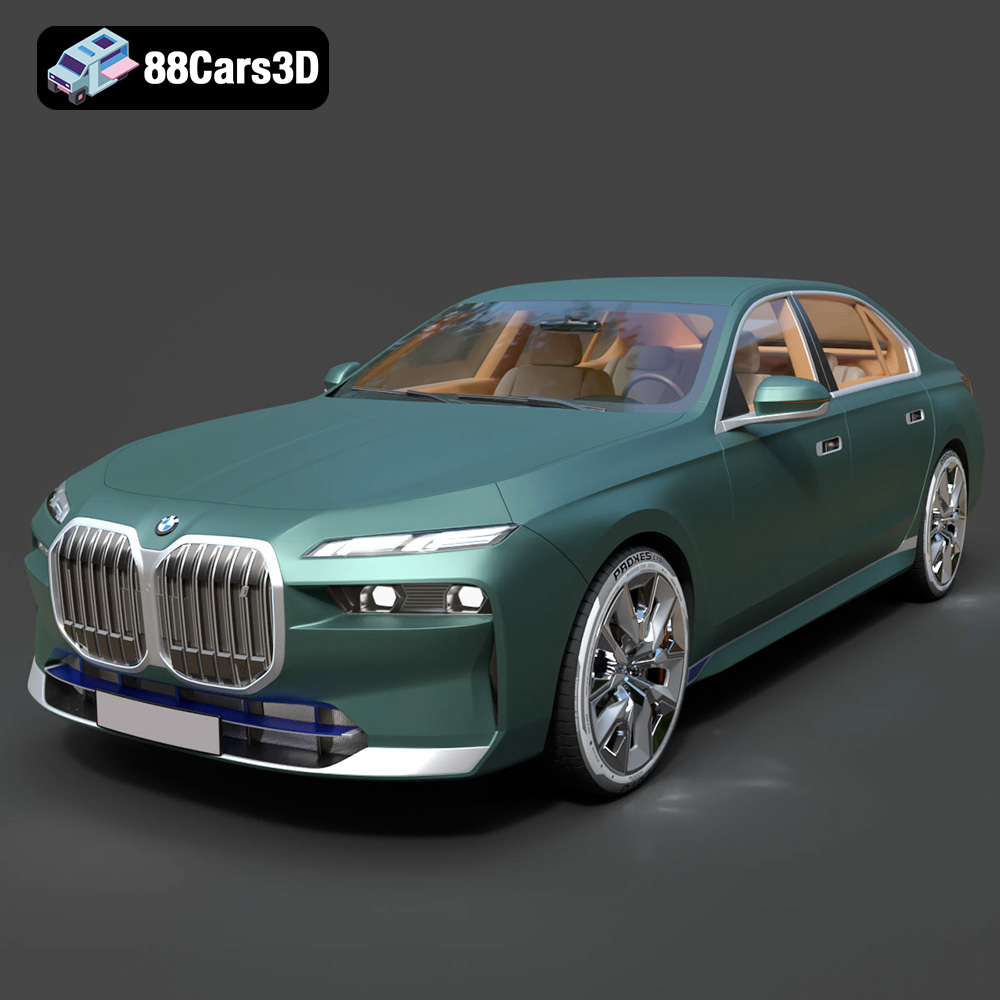
Texture: Yes | Material: Yes Download the ultra-high-detail BMW i7 (2023) 3D Model (4.14M Triangles). Features the illuminated kidney grille, split crystal headlights, fully modeled Theatre Screen interior, and monolithic luxury styling. Perfect for ArchViz, VFX, and cinematic rendering. Includes .blend, .fbx, .obj, .glb, .stl, and .max formats.
Price: $19.99
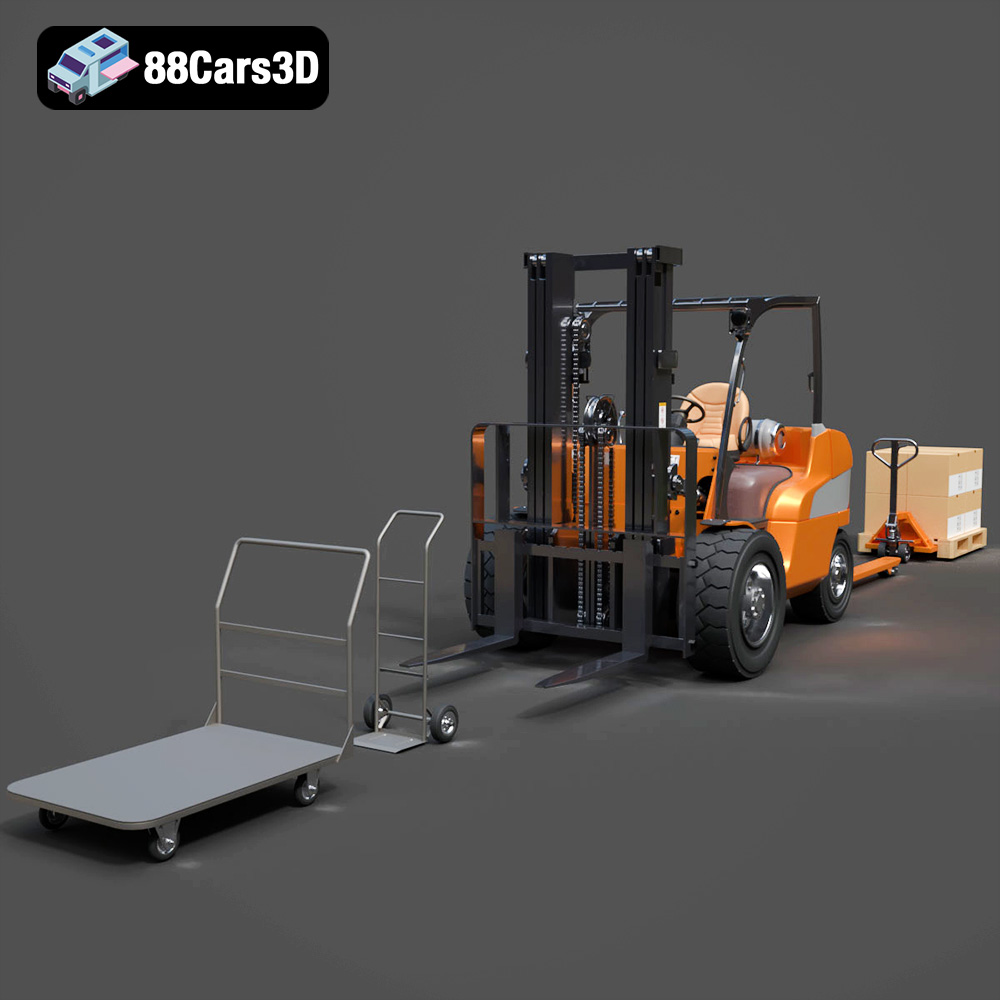
Texture: Yes | Material: Yes Download the highly detailed CAT Manual Loader & Warehouse Carts Kit 3D Model (2.4M Triangles). Features a macro-detailed hydraulic pallet jack, heavy-duty forks, and transport carts. Perfect for industrial ArchViz, factory rendering, and logistics simulations. Includes .blend, .fbx, .obj, .glb, .stl, and .max formats.
Price: $19.99

Texture: Yes | Material: Yes
Download the highly optimized Mazda CX-5 2014 3D Model (294k Triangles). Features the dynamic Kodo design language, signature grille, and a clean interior. Perfectly balanced for ArchViz, background traffic, and game development. Includes .blend, .fbx, .obj, .glb, .stl, and .max formats.
Price: $19.99
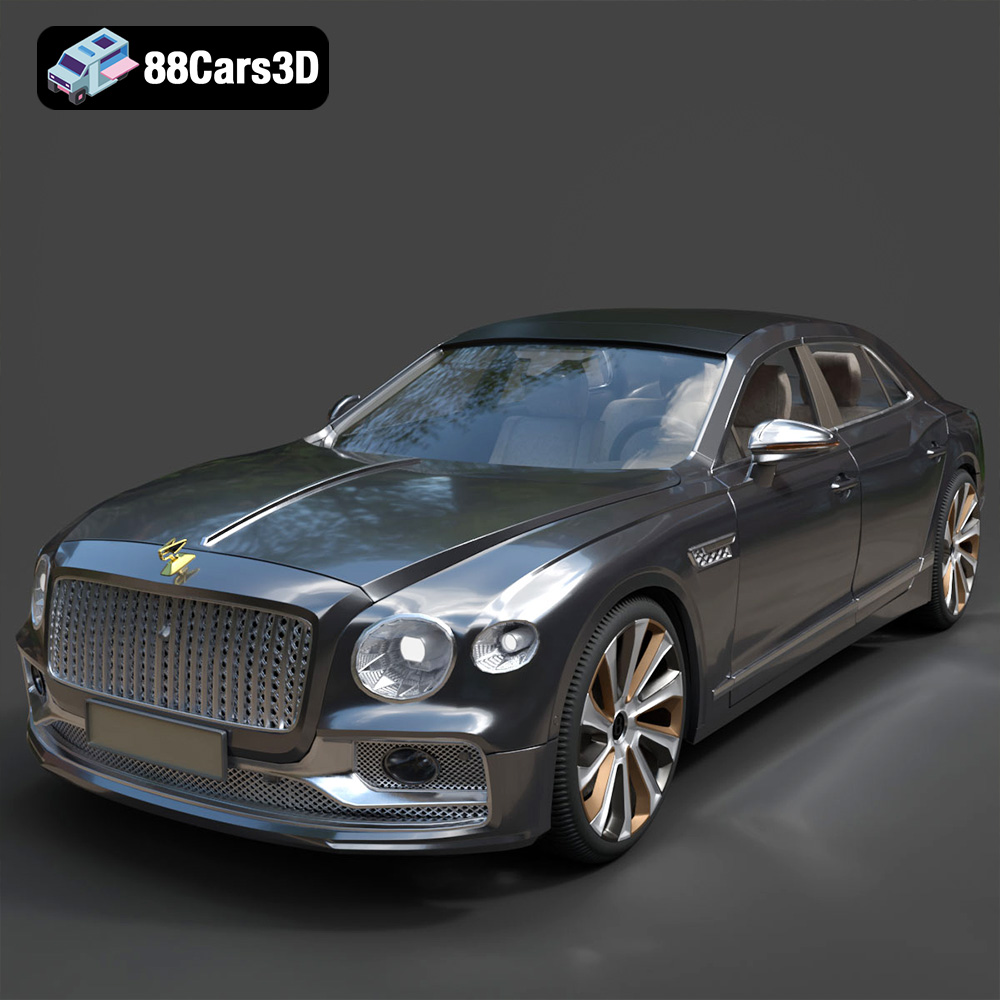
Texture: Yes | Material: Yes Download the ultra-high-detail Bentley Flying Spur Mulliner 2022 3D Model (2.94M Triangles). Features the bespoke Double Diamond grille, a fully modeled diamond-quilted interior, and exquisite luxury styling. Perfect for high-end ArchViz, VFX, and cinematic rendering. Includes .blend, .fbx, .obj, .glb, .stl, and .max formats.
Price: $19.90
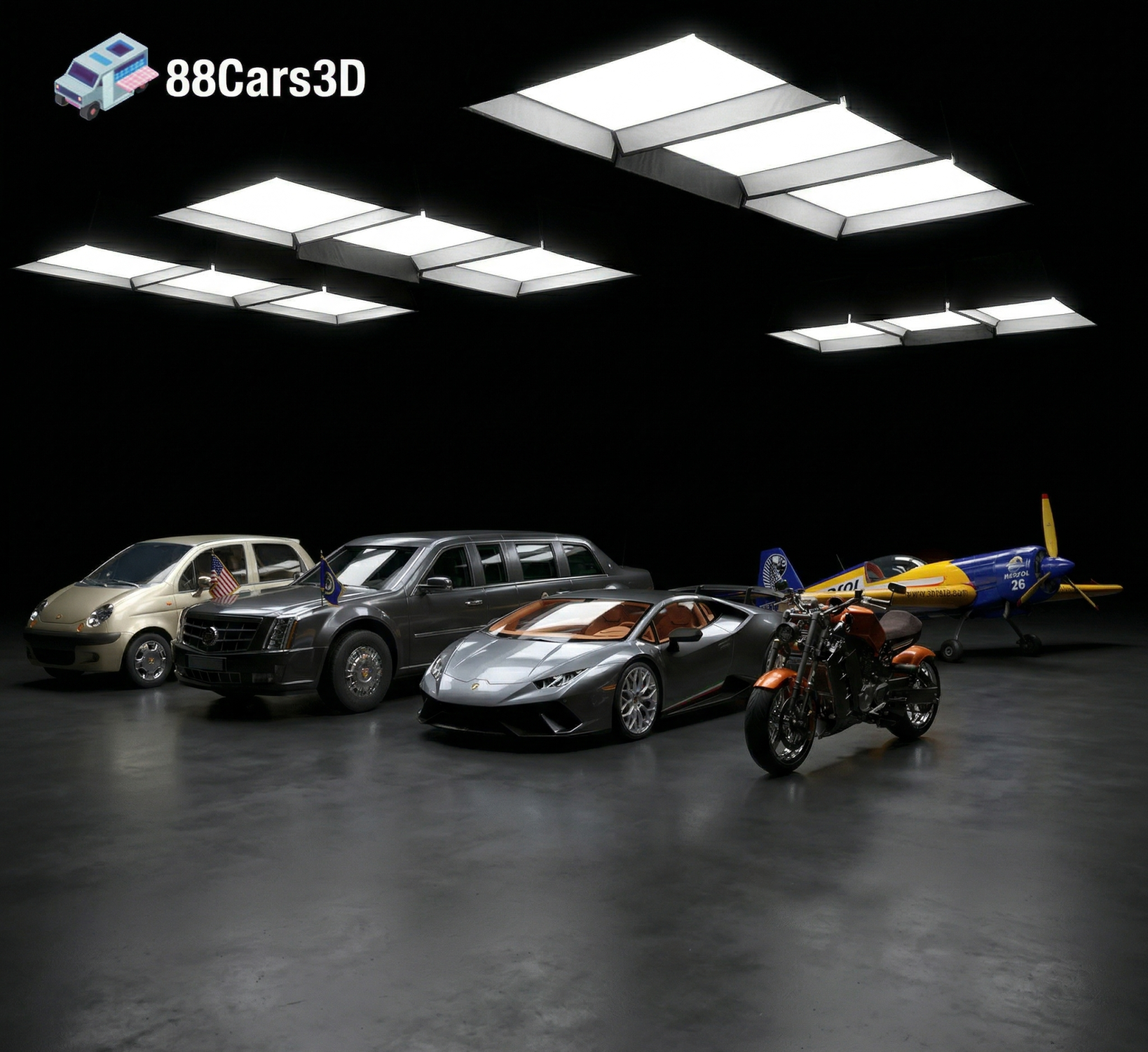
Texture: Yes | Material: Yes | 3D Printable: Yes. Download the Ultimate Creators’ Showcase featuring 5 premium 3D models: Lamborghini Huracan, ZAV Concept Motorcycle, Sukhoi SU-26, Presidential Limousine, and Daewoo Damas. Optimized for 4K CGI rendering and 3D printing. Save massive with this exclusive multi-category bundle!
Price: $99.99

