Get 50% OFF All Premium 3D & STL Models!

“`html
Creating believable crowd simulations is a vital aspect of many Unreal Engine projects, especially within automotive visualization. Imagine showcasing a sleek new car model at a bustling auto show, or visualizing pedestrian traffic around a future transportation hub. Replicating these scenarios convincingly requires efficient and scalable crowd systems. The Mass Entity System in Unreal Engine provides the tools to achieve precisely this, enabling developers to simulate thousands of intelligent agents with minimal performance impact. In this article, we’ll delve into the intricacies of the Mass Entity System, exploring how it can be leveraged to create compelling crowd simulations for your automotive visualization projects. We’ll cover the core concepts, practical implementation steps, optimization techniques, and best practices to ensure your crowds enhance, rather than hinder, the visual fidelity and performance of your Unreal Engine scenes.
At its core, the Mass Entity System (MES) is a data-oriented technology designed for high-performance simulation of large numbers of entities. Unlike traditional Actor-based systems, MES relies on a sparse set of shared data, allowing for highly efficient parallel processing. This approach is crucial when dealing with thousands of agents in a crowd, as it minimizes memory overhead and maximizes CPU utilization.
The MES revolves around three fundamental concepts: Entities, Fragments, and Processors. Entities are lightweight identifiers that represent individual agents within the crowd. They don’t contain any actual data themselves; instead, they act as keys to access shared data stored in Fragments. Fragments are simple structures that hold specific attributes of an entity, such as its position, velocity, or desired behavior. Processors are the workhorses of the system. They iterate over Entities that possess specific Fragments and execute logic based on the data within those Fragments. For example, a “MovementProcessor” might update the position of entities based on their velocity and a navigation system.
This separation of data and logic is what makes the MES so efficient. By operating on contiguous blocks of data (Fragments), Processors can take advantage of CPU cache optimization and SIMD instructions, resulting in significant performance gains compared to traditional object-oriented approaches.
When sourcing automotive assets from marketplaces such as 88cars3d.com, consider the implications of crowd density. Even the most optimized 3D car model can suffer from performance issues if surrounded by poorly optimized crowds. The Mass Entity System helps you manage this complexity.
Mass Agents are specialized Actors designed to be used with the Mass Entity System. They are responsible for spawning and managing Entities, as well as visualizing their behavior. Instead of directly controlling individual Agents, you define Archetypes, which are essentially templates that specify the Fragments an Entity should possess. When a Mass Agent spawns an Entity, it assigns the specified Fragments based on the Archetype. This allows you to create different types of agents with varying behaviors simply by defining different Archetypes. For instance, you could have one Archetype for pedestrians walking casually and another for those rushing across the street.
Before diving into the implementation, you need to configure your Unreal Engine project to enable the Mass Entity System. This involves enabling the necessary plugins and setting up a basic scene to test your crowd simulation.
The Mass Entity System relies on several plugins that need to be enabled in your project. Navigate to Edit -> Plugins and search for the following:
Enable all these plugins and restart your Unreal Engine editor for the changes to take effect. These plugins provide the core functionality for creating and managing your crowd simulations. The “MassRepresentation” plugin is especially important as it deals with how the crowd agents are visually represented in the scene.
Create a new level in your Unreal Engine project and add a simple ground plane and some obstacles to represent the environment where your crowd will move. It is recommended that this ground plane has collision enabled. Add a `NavMeshBoundsVolume` to the scene and press ‘P’ to visualize the navigable areas. Adjust the volume’s size to encompass the entire area where your crowd will roam. The NavMesh is crucial for providing pathfinding information to your agents, allowing them to navigate around obstacles and reach their desired destinations. Without a properly configured NavMesh, your agents will simply wander aimlessly.
Remember to build the navigation mesh after placing the `NavMeshBoundsVolume` by pressing the ‘Build’ button in the main toolbar. This will generate the navigation data that the Mass AI system uses to determine walkable areas.
With your project set up, you can now start implementing your first crowd simulation using the Mass Entity System. This involves creating Mass Agents, defining Archetypes, and implementing Processors to control the agents’ behavior.
Create a new Blueprint class that inherits from `AMassSpawner`. This Actor will be responsible for spawning and managing your crowd of entities. In the Blueprint’s Construction Script, you can configure the Mass Agent’s properties, such as the number of entities to spawn, the spawn area, and the Archetype to use. Create a new Archetype by right-clicking in the Content Browser and selecting Mass -> Mass Archetype. In the Archetype’s details panel, you can specify the Fragments that should be associated with the Entities spawned using this Archetype. For a basic crowd simulation, you’ll typically need Fragments for position, velocity, and desired destination.
When populating your scenes, remember platforms like 88cars3d.com offer optimized models for Unreal Engine that can be seamlessly integrated into your Mass Entity System workflows.
Create a new C++ class that inherits from `UMassProcessor`. This Processor will be responsible for updating the position of the Entities based on their velocity and the navigation data. In the Processor’s `Execute` function, you’ll need to iterate over the Entities that possess the necessary Fragments (position, velocity, and destination). Use the `MassExecutionContext` to access the Fragments associated with each Entity. Calculate the desired movement direction based on the Entity’s current position and its destination, and update the Entity’s position accordingly. You can use Unreal Engine’s built-in navigation functions, such as `FindPathToLocationSynchronously`, to calculate paths around obstacles. Remember to update the velocity of each Entity based on its desired movement direction.
Consider using Unreal Engine’s built-in steering behaviors to create more realistic and varied movement patterns. Steering behaviors can simulate things like obstacle avoidance, flocking, and separation, making your crowd feel more alive and dynamic. Refer to Unreal Engine’s official documentation at https://dev.epicgames.com/community/unreal-engine/learning for information on steering behaviors and other advanced AI techniques.
By default, Mass Entities don’t have any visual representation. You need to add a component that renders something for each Entity. The `Mass Instanced Static Mesh Representation` component is the most efficient way to achieve this.
Add a `Mass Instanced Static Mesh Representation` component to your Mass Agent Blueprint. This component needs a Static Mesh assigned to it, this will be the visual representation of the Agent. Configure the component’s properties, such as the Static Mesh to use for rendering, the material to apply, and the instance count. The instance count should match the number of entities you are spawning with the Mass Agent. The component will automatically create instances of the specified Static Mesh for each Entity and position them based on the Entity’s position Fragment.
When selecting a Static Mesh for your crowd agents, consider the level of detail and the polygon count. Using low-poly meshes will significantly improve performance, especially when dealing with large crowds. You can also use LODs (Level of Detail) to further optimize the rendering of your crowd agents.
You can customize the visual appearance of your crowd agents by creating different materials and assigning them to the `Mass Instanced Static Mesh Representation` component. You can also use Material Parameter Collections to control material properties globally, allowing you to easily change the appearance of the entire crowd. For example, you could use a Material Parameter Collection to control the color of the agents’ clothing, allowing you to create a more diverse and visually appealing crowd. You can also use the `PerInstanceRandom` node in your materials to add some randomness to the appearance of each agent.
Experiment with different material properties to create a variety of visual effects. You can use textures to add details to the agents’ clothing, or use procedural materials to generate unique patterns. The possibilities are endless!
Optimizing performance is crucial when working with large crowd simulations. The Mass Entity System is designed for performance, but there are still several things you can do to further improve efficiency.
Use Level of Detail (LOD) meshes for your crowd agents. LODs are lower-resolution versions of your meshes that are used when the agents are far away from the camera. This reduces the number of polygons that need to be rendered, improving performance. Also, use culling techniques to hide agents that are not visible to the camera. Unreal Engine provides several culling methods, such as frustum culling and occlusion culling. Frustum culling hides agents that are outside the camera’s field of view, while occlusion culling hides agents that are behind other objects. These culling techniques can significantly reduce the rendering cost of your crowd simulation.
Careful management of LODs is particularly important when showcasing high-fidelity assets, like those available through 88cars3d.com, alongside dense crowds. Ensuring the background crowds don’t detract from the hero asset is key.
The Mass Entity System automatically batches and instances draw calls, which significantly reduces the overhead of rendering large numbers of agents. However, you can further improve performance by using instanced static meshes and shared materials. Instanced static meshes allow you to render multiple copies of the same mesh with different transformations using a single draw call. Shared materials reduce the number of material instances that need to be created, which can also improve performance. Ensure that your materials are as simple as possible and avoid using expensive calculations or textures.
Profile your project using Unreal Engine’s built-in profiling tools to identify performance bottlenecks. The profiling tools can help you pinpoint areas where your crowd simulation is consuming the most resources. Once you’ve identified the bottlenecks, you can focus on optimizing those areas to improve overall performance.
Once you have a basic crowd simulation up and running, you can start exploring advanced techniques to make your crowds more realistic and engaging.
Use Behavior Trees to create more complex and dynamic behaviors for your crowd agents. Behavior Trees allow you to define hierarchical structures of tasks and conditions that control the agents’ actions. You can use AI Perception to allow agents to react to their environment, such as avoiding obstacles, following leaders, or reacting to threats. The combination of Behavior Trees and AI Perception allows you to create highly realistic and believable crowd behaviors.
Consider using state machines to manage the different states of your crowd agents. For example, you could have states for walking, running, idling, and interacting with objects. State machines can help you organize your code and make it easier to manage complex behaviors.
The Mass Entity System can be integrated with Sequencer to create cinematic crowd scenes. You can use Sequencer to control the movement and behavior of individual agents, allowing you to create highly choreographed and visually stunning scenes. You can also use Sequencer to control the camera and lighting, creating a truly cinematic experience. Experiment with different camera angles and lighting setups to create a variety of moods and emotions.
Consider using motion capture data to drive the animations of your crowd agents. Motion capture data can add a level of realism and believability that is difficult to achieve with hand-keyed animations. You can use Unreal Engine’s built-in animation tools to retarget motion capture data to your crowd agents.
The Mass Entity System provides a powerful and efficient way to create realistic crowd simulations in Unreal Engine. By understanding the core concepts of Entities, Fragments, and Processors, and by following the optimization techniques outlined in this article, you can create compelling crowd scenes that enhance the visual fidelity and performance of your automotive visualization projects. Experiment with different techniques and approaches to find what works best for your specific needs. Remember to profile your project regularly to identify performance bottlenecks and to optimize your code accordingly. With the Mass Entity System, you can bring your automotive visualizations to life with dynamic and engaging crowds.
Take the next step: Experiment with the techniques discussed, explore advanced AI features, and integrate your crowd simulations with other Unreal Engine tools like Sequencer. The power to create immersive and realistic crowd experiences is now in your hands. Start building!
“`
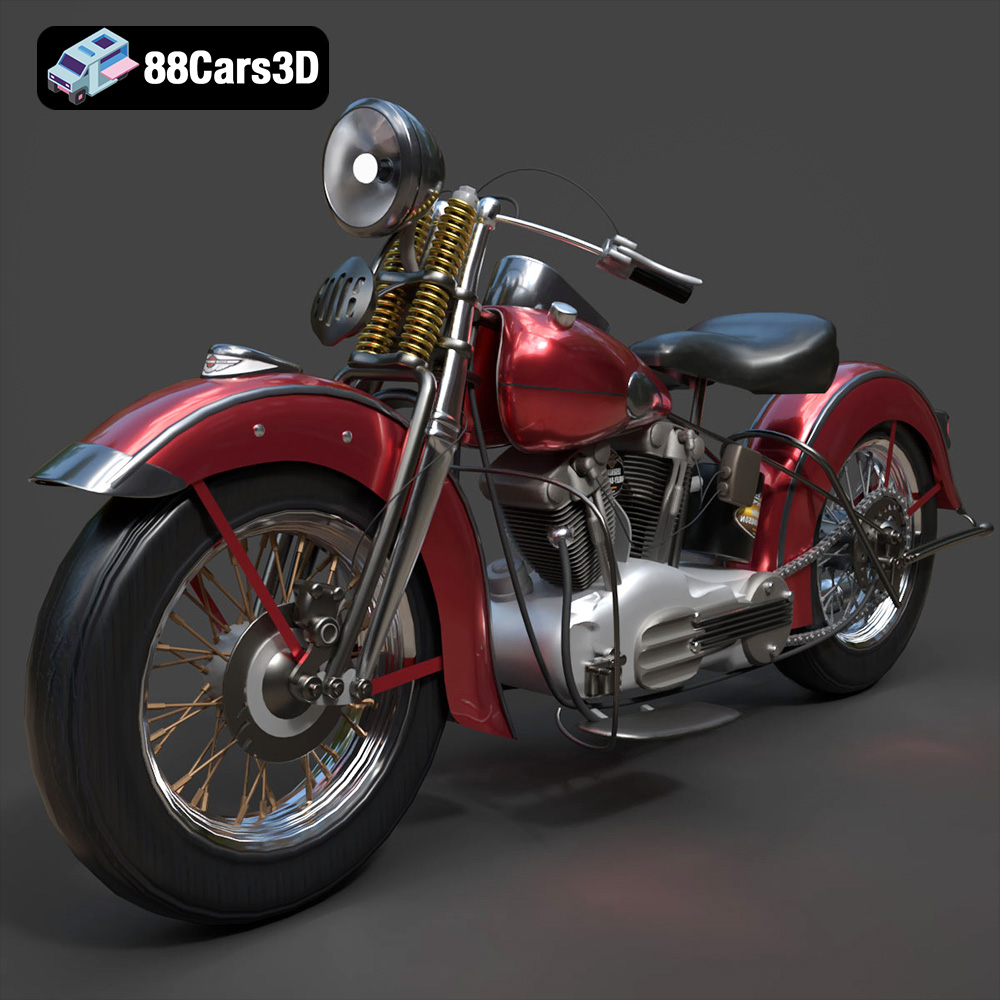
Texture: Yes
Material: Yes
Download the Harley Davidson F 1946 3D Model featuring clean geometry, realistic detailing, and a fully modeled interior. Includes .blend, .fbx, .obj, .glb, .stl, .ply, .unreal, and .max formats for rendering, simulation, and game development.
Price: $19.99
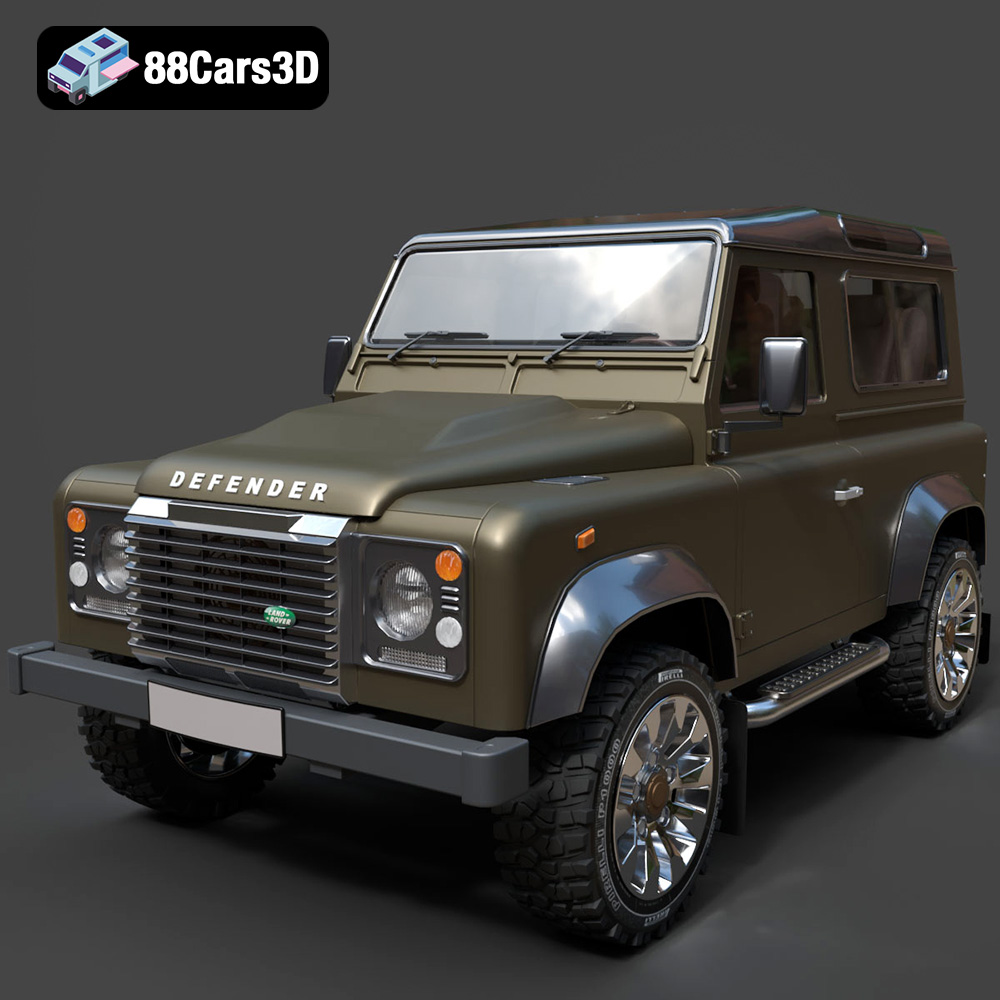
Texture: Yes
Material: Yes
Download the Land Rover Defender Works V8 3D Model featuring clean geometry, realistic detailing, and a fully modeled interior. Includes .blend, .fbx, .obj, .glb, .stl, .ply, .unreal, and .max formats for rendering, simulation, and game development.
Price: $19.99
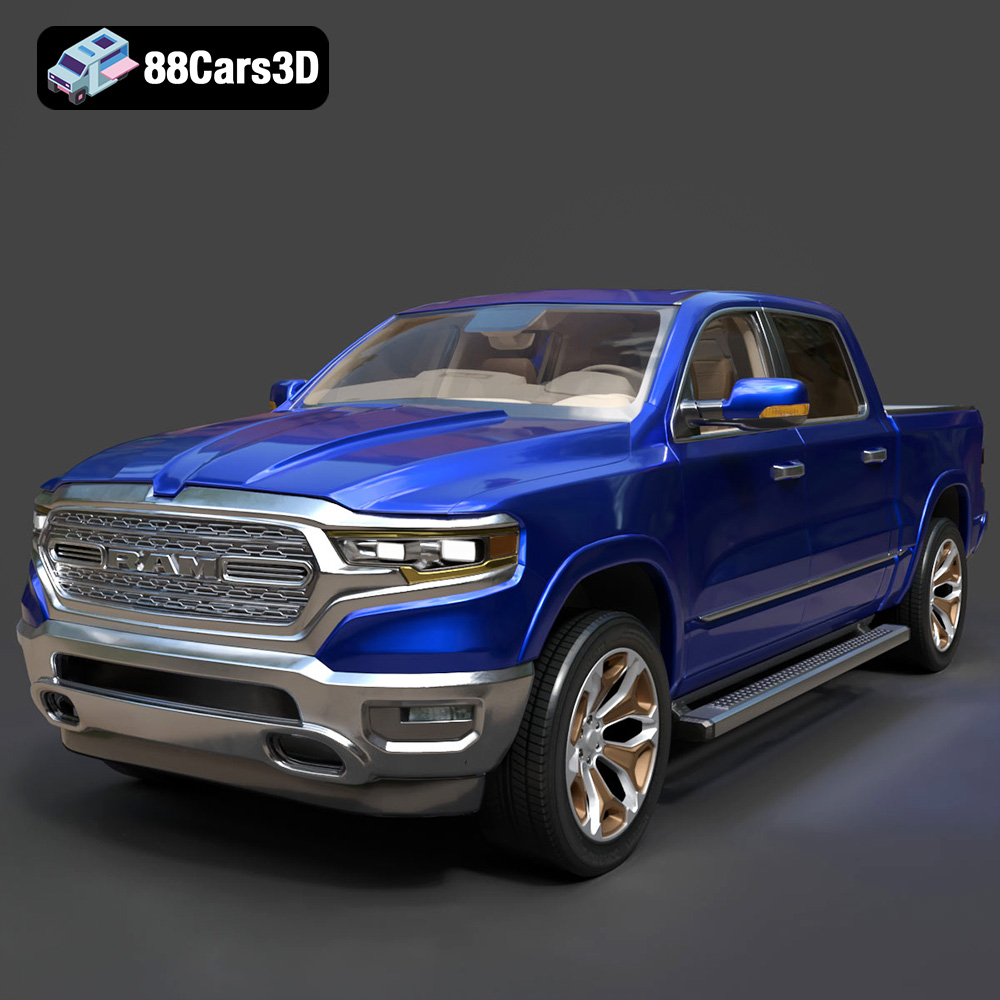
Texture: Yes
Material: Yes
Download the Dodge RAM 2019 3D Model featuring clean geometry, realistic detailing, and a fully modeled interior. Includes .blend, .fbx, .obj, .glb, .stl, .ply, .unreal, and .max formats for rendering, simulation, and game development.
Price: $19.99
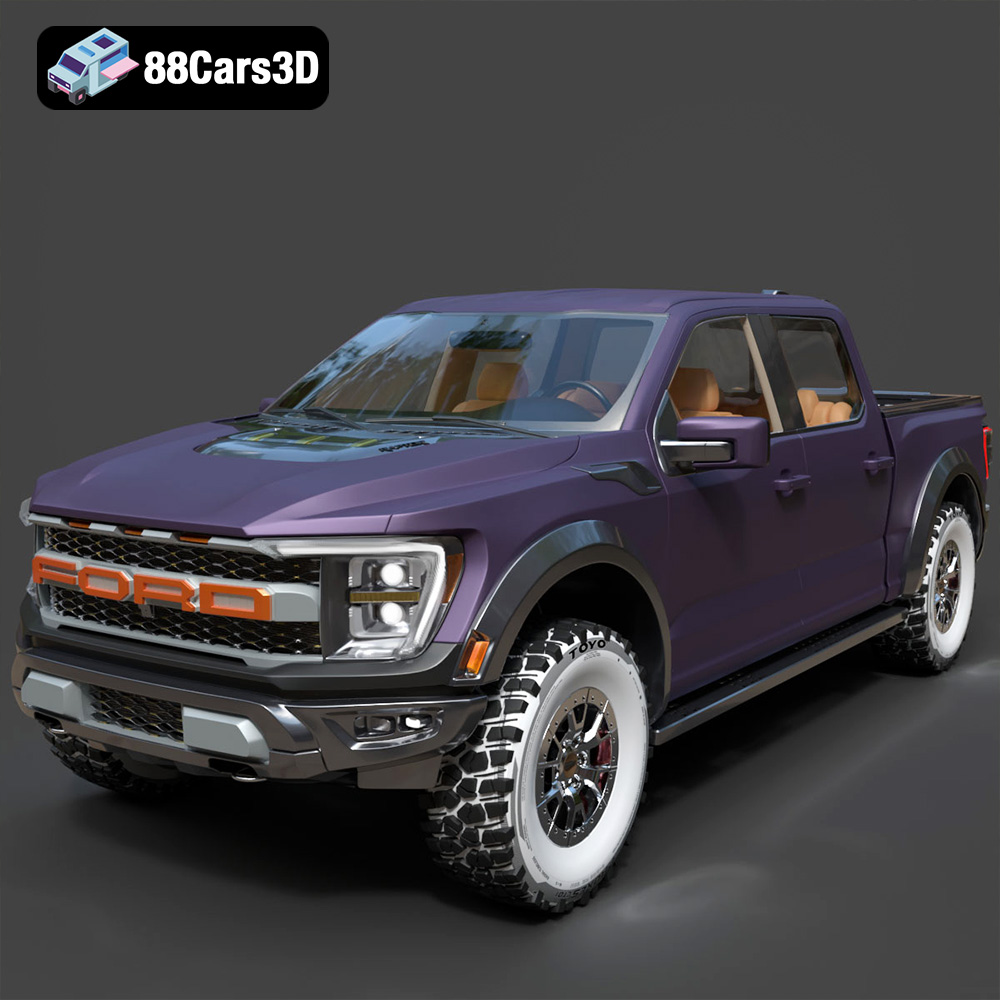
Texture: Yes | Material: Yes Download the ultra-high-detail Ford F-150 Raptor 2021 3D Model (8.73M Triangles). Features uncompromised widebody styling, fully modeled Fox Live Valve suspension, 37-inch tires, and interior. Perfect for premium VFX, cinematic rendering, and ArchViz. Includes .blend, .fbx, .obj, .glb, .stl, and .max formats.
Price: $29.99
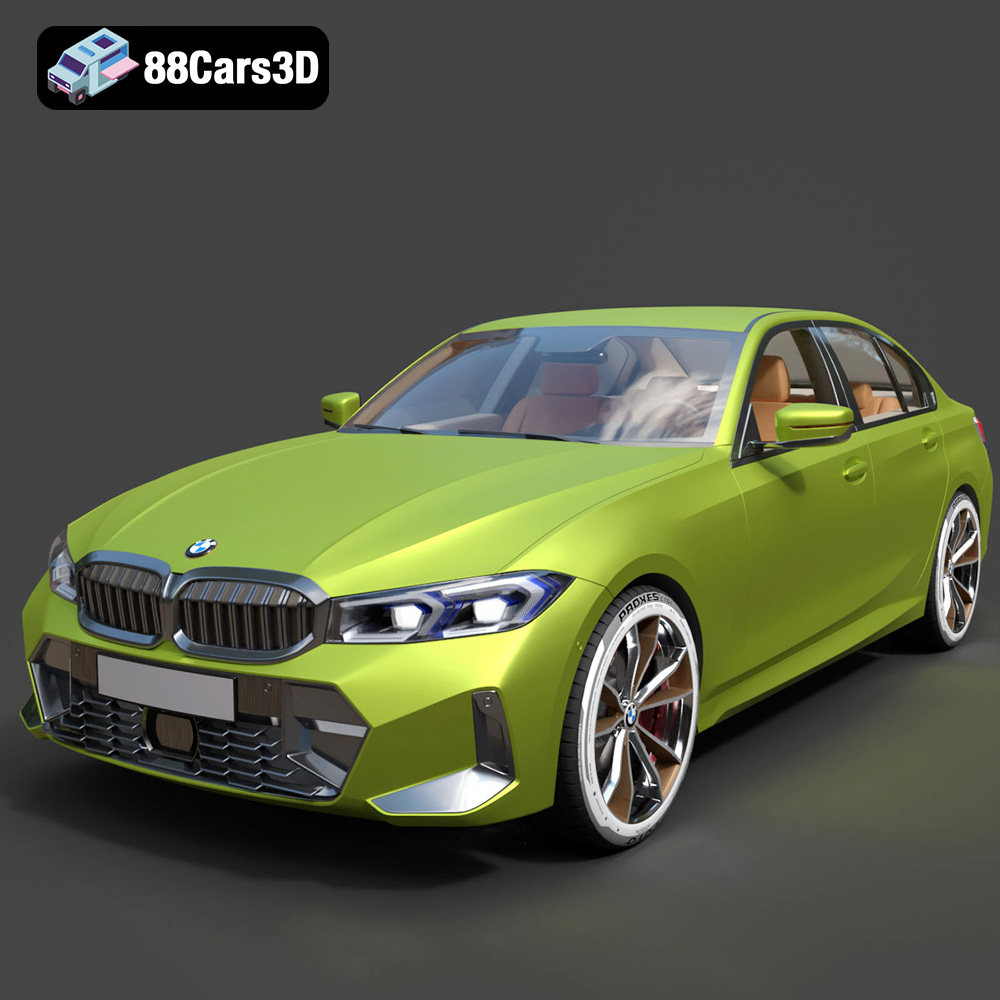
Texture: Yes | Material: Yes Download the ultra-high-detail BMW 3 Series Limousine (2022) 3D Model (4.16M Triangles). Features the modernized G20 LCI exterior, the all-new BMW Curved Display interior, and ultra-dense topology. Perfect for ArchViz, VFX, and cinematic rendering. Includes .blend, .fbx, .obj, .glb, .stl, and .max formats.
Price: $19.99
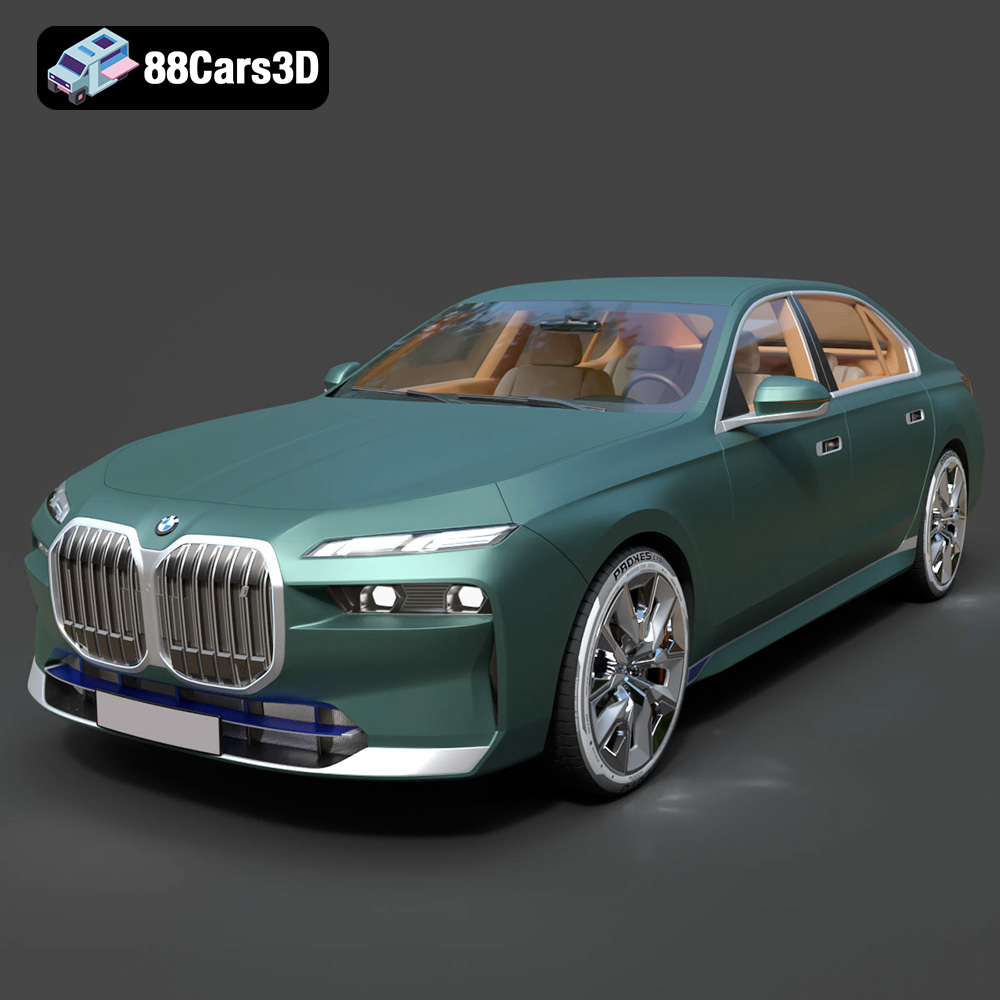
Texture: Yes | Material: Yes Download the ultra-high-detail BMW i7 (2023) 3D Model (4.14M Triangles). Features the illuminated kidney grille, split crystal headlights, fully modeled Theatre Screen interior, and monolithic luxury styling. Perfect for ArchViz, VFX, and cinematic rendering. Includes .blend, .fbx, .obj, .glb, .stl, and .max formats.
Price: $19.99
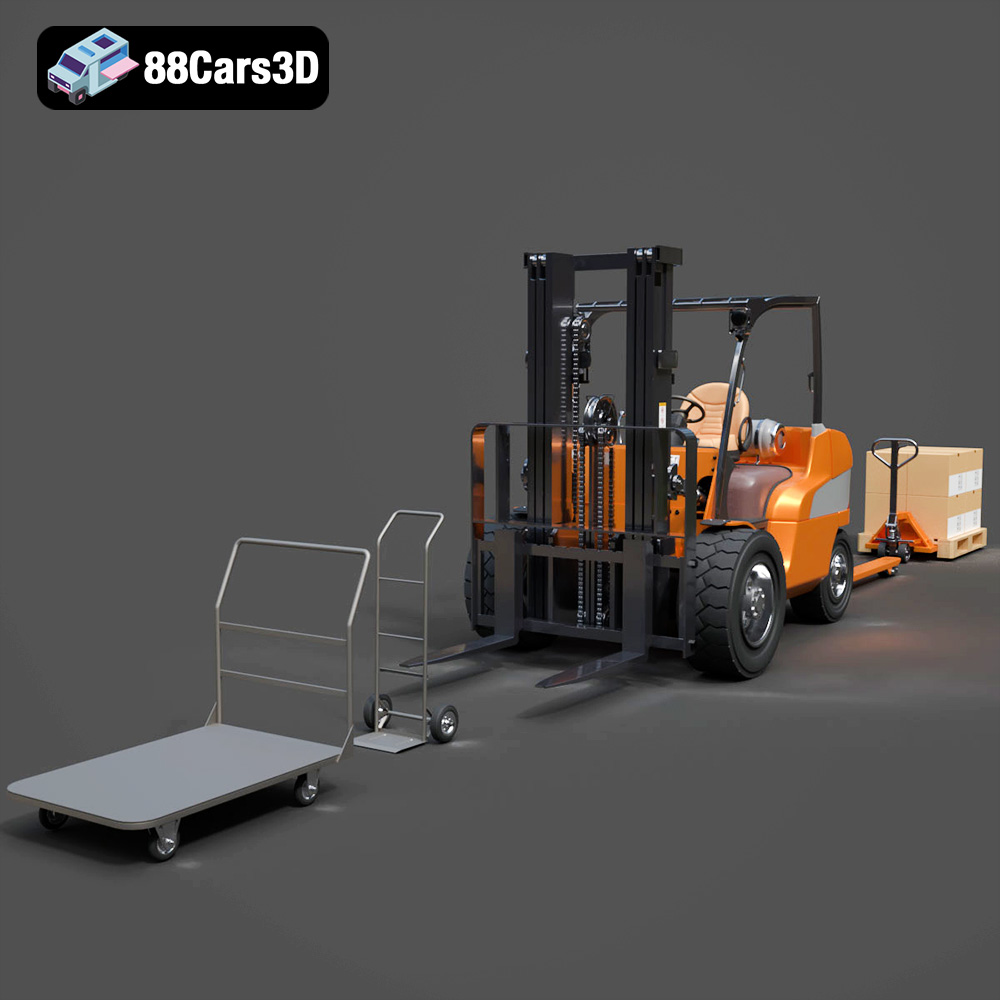
Texture: Yes | Material: Yes Download the highly detailed CAT Manual Loader & Warehouse Carts Kit 3D Model (2.4M Triangles). Features a macro-detailed hydraulic pallet jack, heavy-duty forks, and transport carts. Perfect for industrial ArchViz, factory rendering, and logistics simulations. Includes .blend, .fbx, .obj, .glb, .stl, and .max formats.
Price: $19.99
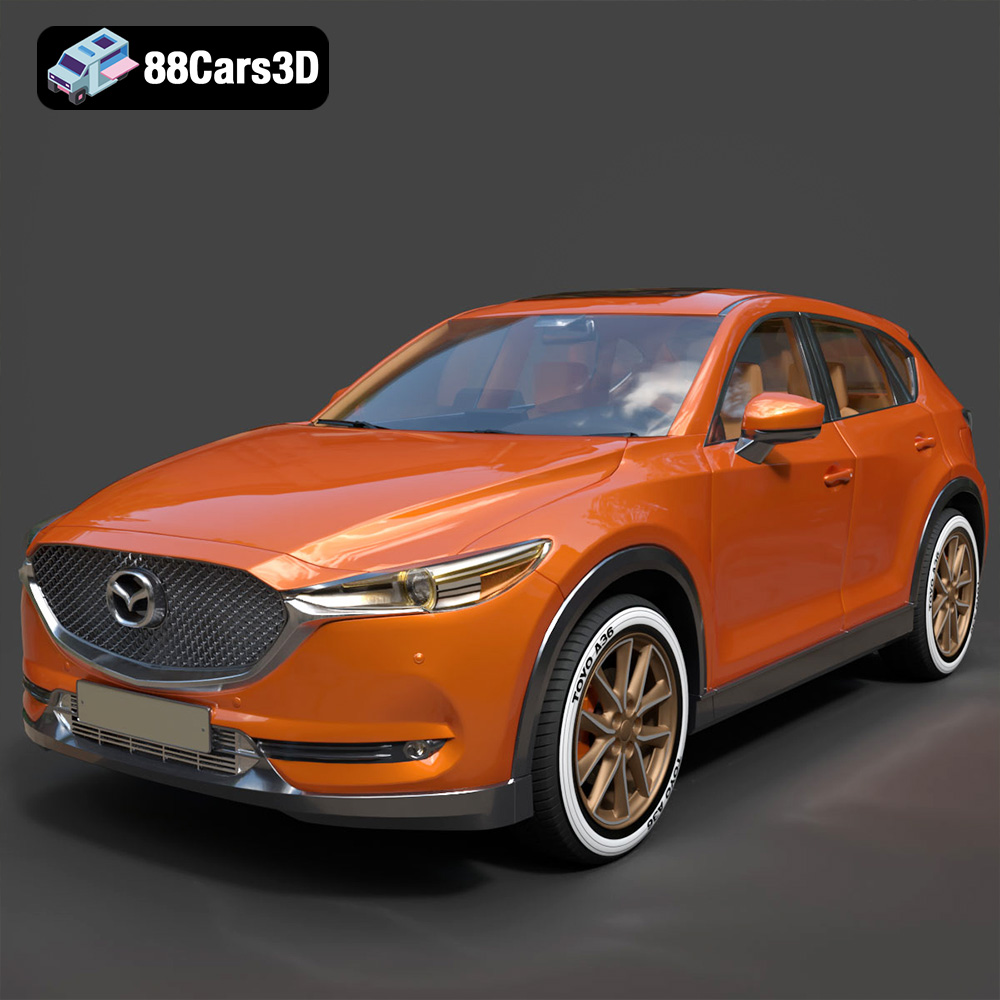
Texture: Yes | Material: Yes
Download the highly optimized Mazda CX-5 2014 3D Model (294k Triangles). Features the dynamic Kodo design language, signature grille, and a clean interior. Perfectly balanced for ArchViz, background traffic, and game development. Includes .blend, .fbx, .obj, .glb, .stl, and .max formats.
Price: $19.99
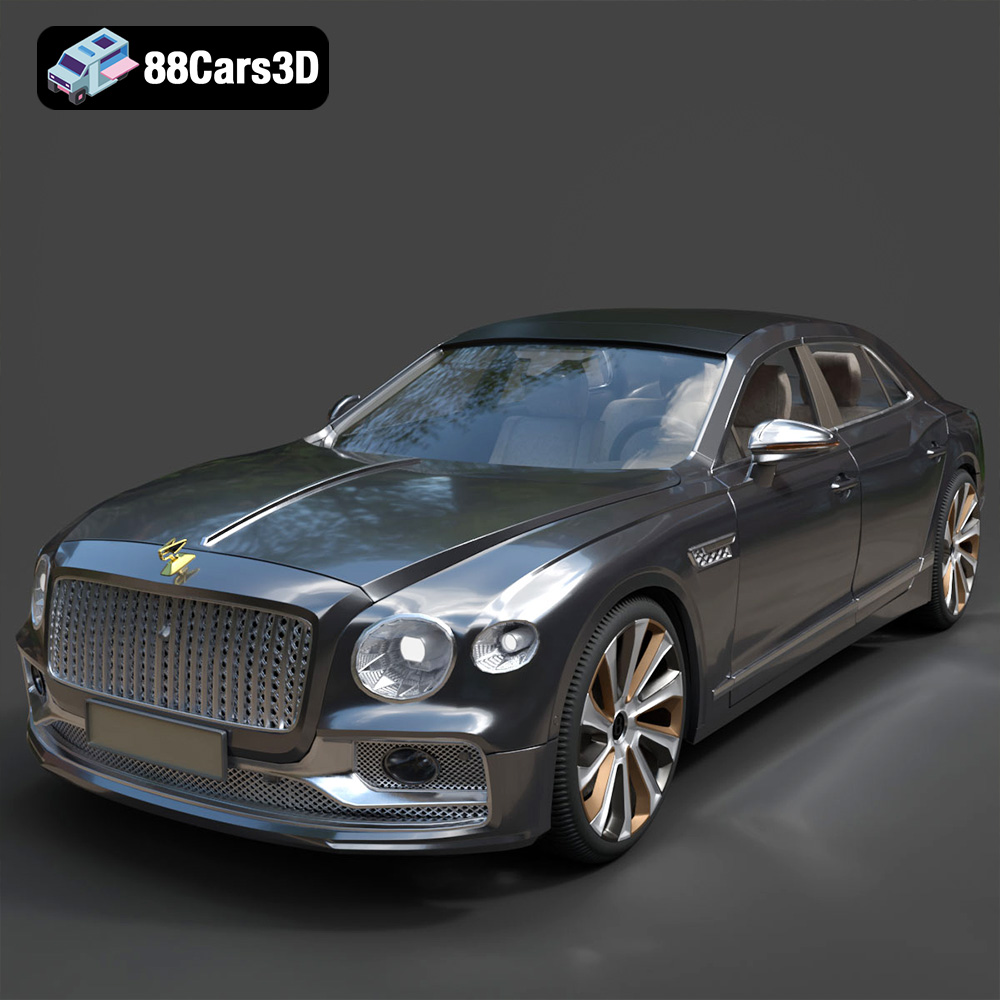
Texture: Yes | Material: Yes Download the ultra-high-detail Bentley Flying Spur Mulliner 2022 3D Model (2.94M Triangles). Features the bespoke Double Diamond grille, a fully modeled diamond-quilted interior, and exquisite luxury styling. Perfect for high-end ArchViz, VFX, and cinematic rendering. Includes .blend, .fbx, .obj, .glb, .stl, and .max formats.
Price: $19.90
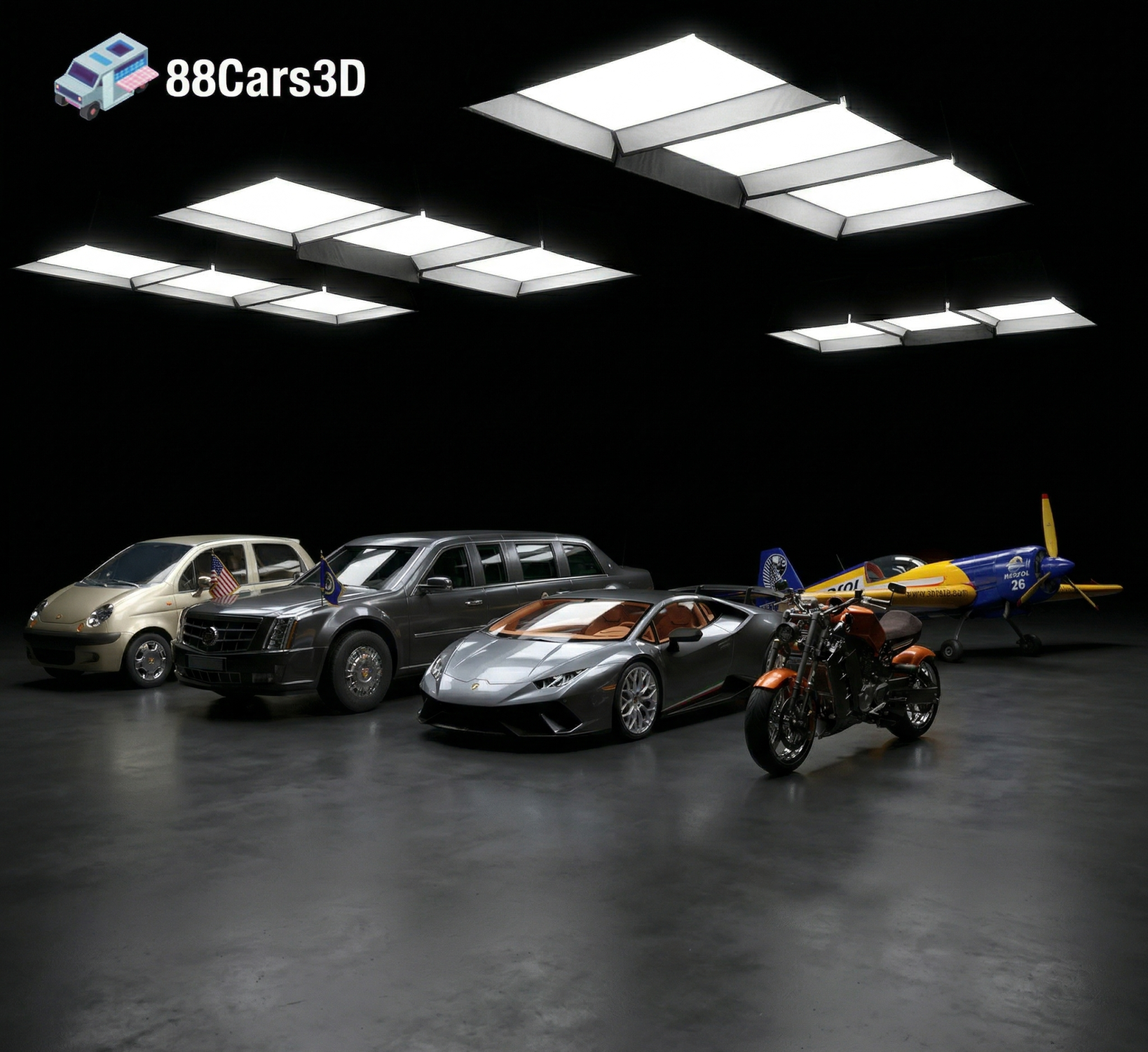
Texture: Yes | Material: Yes | 3D Printable: Yes. Download the Ultimate Creators’ Showcase featuring 5 premium 3D models: Lamborghini Huracan, ZAV Concept Motorcycle, Sukhoi SU-26, Presidential Limousine, and Daewoo Damas. Optimized for 4K CGI rendering and 3D printing. Save massive with this exclusive multi-category bundle!
Price: $99.99

