Get 50% OFF All Premium 3D & STL Models!

“`html
The world of 3D printing has opened up incredible possibilities for hobbyists and collectors, particularly in the realm of automotive models. No longer limited to mass-produced diecast cars, enthusiasts can now create highly detailed, customized replicas of their favorite vehicles using readily available STL files. But navigating this digital landscape and achieving exceptional print quality requires a solid understanding of STL file structure, optimal 3D printer settings, and effective post-processing techniques. This guide will provide a comprehensive overview of everything you need to know to bring your automotive dreams to life, from selecting the best printable car STL files to perfecting your final model.
We’ll explore the intricacies of STL files, delve into the nuances of FDM and resin 3D printing, and uncover the secrets to achieving stunning results. Whether you’re a seasoned 3D printing expert or just starting out, this guide will equip you with the knowledge and skills to create breathtakingly realistic car models that will impress even the most discerning collector. We’ll also touch on where to find high-quality models, highlighting that platforms like 88cars3d.com offer print-ready STL files designed specifically for ease of use and optimal print quality.
The STL (Stereolithography) file format is the cornerstone of 3D printing. It represents the surface geometry of a 3D object using a collection of triangles. Understanding the nuances of STL files is crucial for ensuring successful and high-quality prints. A poorly constructed STL file can lead to various printing issues, including mesh errors, weak points, and a generally subpar final product. Therefore, proper preparation and validation of STL files are essential steps in the 3D printing process.
At its core, an STL file is a collection of interconnected triangles that approximate the surface of the 3D model. The density of these triangles, often referred to as the mesh resolution, directly impacts the smoothness and accuracy of the final print. Higher resolution STL files contain more triangles, resulting in a smoother surface and finer details. However, they also increase file size and processing time during slicing. Lower resolution files, conversely, are smaller and faster to process but can exhibit noticeable faceting or a “stair-stepping” effect, especially on curved surfaces. For printable car models, a balance must be struck between detail and processing efficiency. Aim for a resolution that captures the key design features without overwhelming your slicer software or printer.
A critical requirement for a printable STL file is that it must be “manifold.” This means that the mesh is closed, watertight, and has no holes or self-intersections. Non-manifold meshes can cause slicing errors and printing failures. Fortunately, several software tools are available to repair and correct STL files. Programs like Meshmixer, Netfabb, and even some slicer software have built-in mesh repair functions that can automatically identify and fix common issues such as holes, flipped normals, and intersecting faces. Before printing any STL file, especially those downloaded from the internet, it’s always a good practice to run it through a mesh repair tool to ensure its integrity.
Slicing is the process of converting a 3D model into a series of 2D layers that the 3D printer can understand and build upon. The slicer software takes the STL file and generates a G-code file, which contains the precise instructions for the printer’s movements, temperature settings, and material extrusion. The choice of slicing parameters significantly impacts the print quality, strength, and overall appearance of the final car model. Experimentation and fine-tuning are key to achieving optimal results.
Layer height is one of the most crucial slicing parameters. It determines the thickness of each individual layer in the print. Smaller layer heights result in smoother surfaces and finer details, but they also increase print time significantly. Larger layer heights, on the other hand, print faster but can lead to visible layer lines and a reduction in detail. For car models, a layer height between 0.1mm and 0.2mm is generally a good starting point for FDM printing. Resin printers typically offer even finer layer heights, often down to 0.025mm, allowing for incredibly detailed prints. Print speed also plays a vital role. Slower speeds generally improve print quality, especially for intricate details and overhangs. However, excessively slow speeds can lead to stringing and other artifacts. Finding the right balance between layer height and print speed is essential for achieving the desired print quality within a reasonable timeframe.
Infill refers to the internal structure of the 3D printed object. It provides support and rigidity to the model without making it entirely solid. The infill density, expressed as a percentage, determines the amount of material used inside the model. Higher infill densities result in stronger and more robust prints but also increase material consumption and print time. For car models, an infill density of 15-25% is typically sufficient for most parts. However, for areas that require more strength, such as axles or suspension components, a higher infill density may be necessary. The choice of infill pattern also affects the print’s strength and weight. Common infill patterns include grid, honeycomb, and gyroid. Gyroid infill offers excellent strength-to-weight ratio and is often a good choice for car model components.
Support structures are temporary scaffolding used to support overhanging features and bridges during the 3D printing process. They prevent these features from collapsing or warping due to gravity. While essential for printing complex geometries, support structures can also be a source of frustration due to the time required to remove them and the potential for leaving behind blemishes on the printed surface. Careful planning and strategic placement of support structures are crucial for minimizing their impact on the final car model.
There are several types of support structures available, each with its own advantages and disadvantages. Linear supports are simple vertical structures that are easy to generate and remove. Tree supports are more complex and branch out to provide support to multiple areas. They tend to use less material and are often easier to remove than linear supports. Raft supports are a base layer that is printed under the model to improve bed adhesion and provide a stable platform for the print. The placement of support structures is crucial for minimizing their impact on the final model. Focus on supporting areas with significant overhangs or bridges. Avoid placing supports on surfaces that are highly visible or require a smooth finish. Some slicer software allows for manual placement of supports, giving you greater control over their location and density.
Removing support structures can be a delicate process, as it’s easy to damage the printed part in the process. Use sharp tools, such as pliers, cutters, or a deburring tool, to carefully remove the supports. Start by removing the bulk of the support material, then use finer tools to clean up any remaining residue. After removing the supports, the surface may require some finishing to remove any blemishes or marks left behind. Sanding is a common technique for smoothing out the surface. Start with a coarse grit sandpaper and gradually work your way up to finer grits. For resin prints, you can use a combination of sanding and polishing to achieve a smooth, glossy finish. Consider using dissolvable support materials (e.g., HIPS for ABS) for complex parts, which greatly simplifies support removal. Some STL files, especially when downloading models from marketplaces such as 88cars3d.com, are designed with optimized support structures to simplify this process.
The choice of material significantly impacts the final appearance, strength, and durability of your 3D printed car model. Different materials have different properties, such as melting temperature, flexibility, and resistance to impact and UV light. Understanding these properties is essential for selecting the right material for your specific application.
For FDM 3D printing, the most common materials are PLA, PETG, and ABS. PLA is a biodegradable thermoplastic that is easy to print and produces good surface finish. It’s a good choice for beginners and for models that don’t require high strength or heat resistance. PETG is a stronger and more durable material than PLA, with better heat resistance and flexibility. It’s a good all-around choice for car models that need to withstand some wear and tear. ABS is a strong and heat-resistant material that is commonly used in automotive applications. However, it can be more challenging to print than PLA or PETG due to its tendency to warp. Other FDM filament options include nylon, polycarbonate, and flexible filaments, each with its own unique properties and applications. Consider the intended use of your car model and choose the material that best suits your needs.
Resin printing offers significantly higher resolution and smoother surfaces than FDM printing, making it ideal for creating highly detailed car models. There are several types of resin available, each with its own properties. Standard resin is a good all-around choice for general-purpose printing. Tough resin is more durable and impact-resistant, making it suitable for parts that need to withstand some stress. Flexible resin is elastic and can be used to create parts that need to bend or flex. The choice of resin depends on the specific requirements of your car model. Consider the level of detail required, the desired strength and durability, and any special properties that may be needed.
Even the best STL file and slicing parameters won’t produce satisfactory results if your 3D printer is not properly calibrated and maintained. Regular calibration and maintenance are essential for ensuring consistent and high-quality prints. This includes leveling the build plate, calibrating the extruder, and cleaning the printer regularly.
A level build plate is crucial for ensuring that the first layer of the print adheres properly to the bed. An uneven bed can lead to warping, poor adhesion, and even print failures. Most 3D printers have a manual or automatic bed leveling system. Follow the manufacturer’s instructions to level the bed properly. In addition to bed leveling, there are several techniques you can use to improve bed adhesion. Applying a layer of adhesive, such as glue stick or hairspray, to the build plate can help the filament stick better. Using a heated bed also improves adhesion, as it keeps the first layer warm and prevents it from cooling too quickly. Rafts and brims are also helpful for improving bed adhesion, especially for parts with small footprints.
The extruder is responsible for feeding the filament to the nozzle. Proper extruder calibration ensures that the correct amount of material is extruded, which is essential for accurate and dimensionally accurate prints. Over-extrusion can lead to blobs and stringing, while under-extrusion can result in gaps and weak prints. Calibrate the extruder by measuring the amount of filament that is extruded and adjusting the extrusion multiplier in your slicer software. Temperature settings also play a crucial role in print quality. The nozzle temperature should be set to the recommended temperature for the filament being used. The bed temperature should be set to a temperature that promotes good bed adhesion. Experiment with different temperature settings to find the optimal settings for your printer and filament.
Post-processing is the set of techniques used to refine and enhance the appearance of the 3D printed car model after it has been removed from the printer. This may involve removing support structures, sanding the surface, filling gaps, painting, and adding other details.
Sanding is used to smooth out the surface of the print and remove any layer lines or blemishes. Start with a coarse grit sandpaper and gradually work your way up to finer grits. For deep scratches or gaps, you can use a filler, such as Bondo or epoxy putty, to fill them in. After sanding and filling, apply a primer to the surface. Primer helps to create a smooth, uniform surface for painting and also improves the adhesion of the paint. Choose a primer that is compatible with the material of your car model.
Painting is a key step in bringing your car model to life. Use high-quality paints that are specifically designed for plastic models. Apply multiple thin coats of paint, allowing each coat to dry completely before applying the next. Use masking tape to protect areas that you don’t want to paint. Add details, such as panel lines, rivets, and logos, using fine brushes, decals, or paint pens. Consider using an airbrush for a smoother and more professional finish. Clear coating the model after painting will protect the paint and give it a glossy finish. Consider exploring resources like 88cars3d.com for examples and inspiration for painting and detailing techniques.
Even with the best preparation and equipment, you may encounter issues during the 3D printing process. Understanding common problems and their solutions is essential for achieving successful prints. Some common issues include warping, stringing, bed adhesion problems, and layer shifting.
Warping occurs when the corners of the print lift up from the build plate due to uneven cooling. This is more common with materials like ABS, which have a higher shrinkage rate. To prevent warping, ensure that the bed is properly leveled and heated. Use a bed adhesive, such as glue stick or hairspray, to improve bed adhesion. Enclosing the printer in an enclosure can also help to maintain a consistent temperature and prevent warping. Rafts and brims are also helpful for improving bed adhesion. If warping persists, try slowing down the print speed and increasing the bed temperature.
Stringing occurs when small strands of filament are left between different parts of the print. This is usually caused by excessive retraction, high nozzle temperature, or wet filament. Reduce stringing by decreasing the nozzle temperature, increasing the retraction distance, and drying the filament. Blobs are small clumps of filament that accumulate on the surface of the print. This can be caused by over-extrusion, slow print speed, or inconsistent filament diameter. Reduce blobs by calibrating the extruder, increasing the print speed, and using high-quality filament.
Creating stunning 3D printed car models requires a blend of technical knowledge, artistic skill, and patience. By understanding the intricacies of STL files, optimizing slicing parameters, mastering support structures, selecting the right materials, and fine-tuning your printer, you can unlock the potential to create breathtakingly realistic replicas of your favorite vehicles. Don’t be afraid to experiment with different settings and techniques to find what works best for your printer and material. Remember that platforms like 88cars3d.com are valuable resources for finding high-quality, print-ready STL files and inspiration for your next project.
Start by exploring the various STL files available online, paying close attention to the model’s resolution and suitability for your printer. Experiment with different slicing parameters to optimize print quality and minimize print time. Practice support removal techniques to avoid damaging the printed part. Most importantly, be patient and persistent. With practice and dedication, you can master the art of 3D printed car models and create a collection that you’ll be proud to display. Now, go forth and bring your automotive dreams to life!
“`
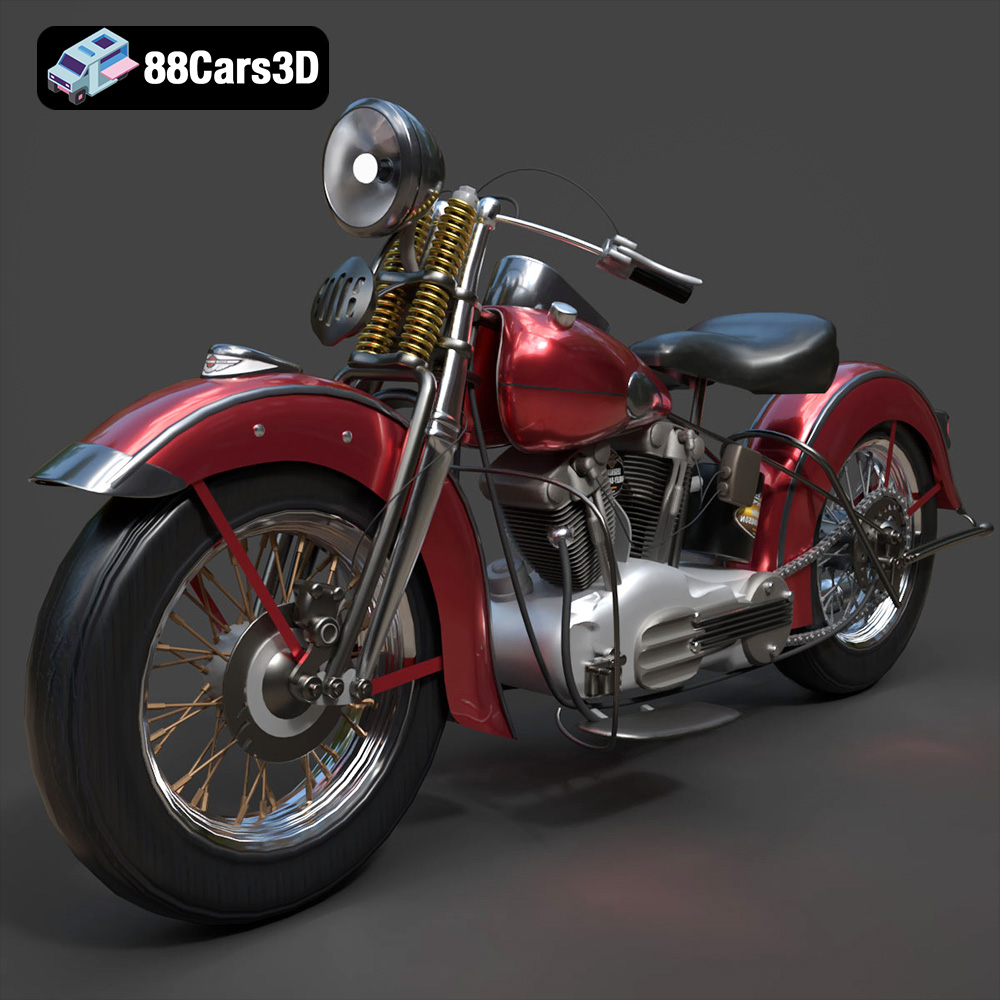
Texture: Yes
Material: Yes
Download the Harley Davidson F 1946 3D Model featuring clean geometry, realistic detailing, and a fully modeled interior. Includes .blend, .fbx, .obj, .glb, .stl, .ply, .unreal, and .max formats for rendering, simulation, and game development.
Price: $19.99
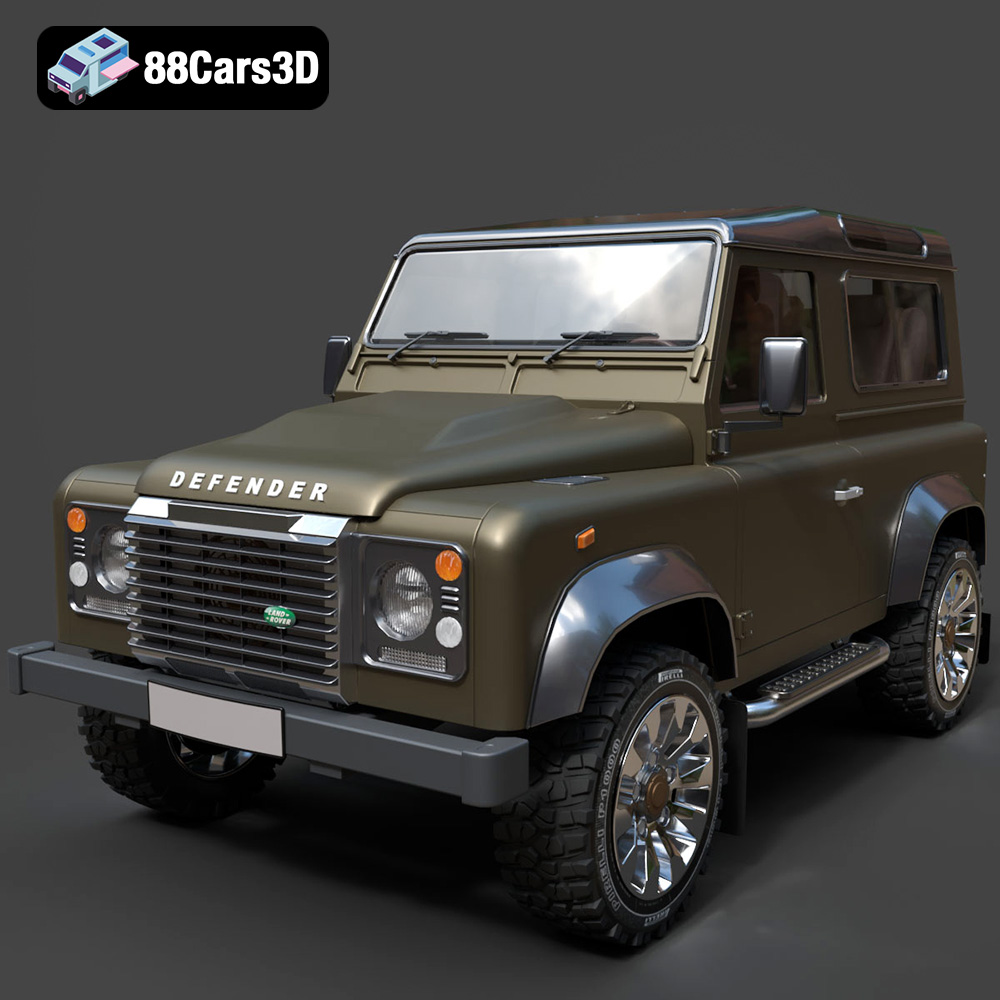
Texture: Yes
Material: Yes
Download the Land Rover Defender Works V8 3D Model featuring clean geometry, realistic detailing, and a fully modeled interior. Includes .blend, .fbx, .obj, .glb, .stl, .ply, .unreal, and .max formats for rendering, simulation, and game development.
Price: $19.99
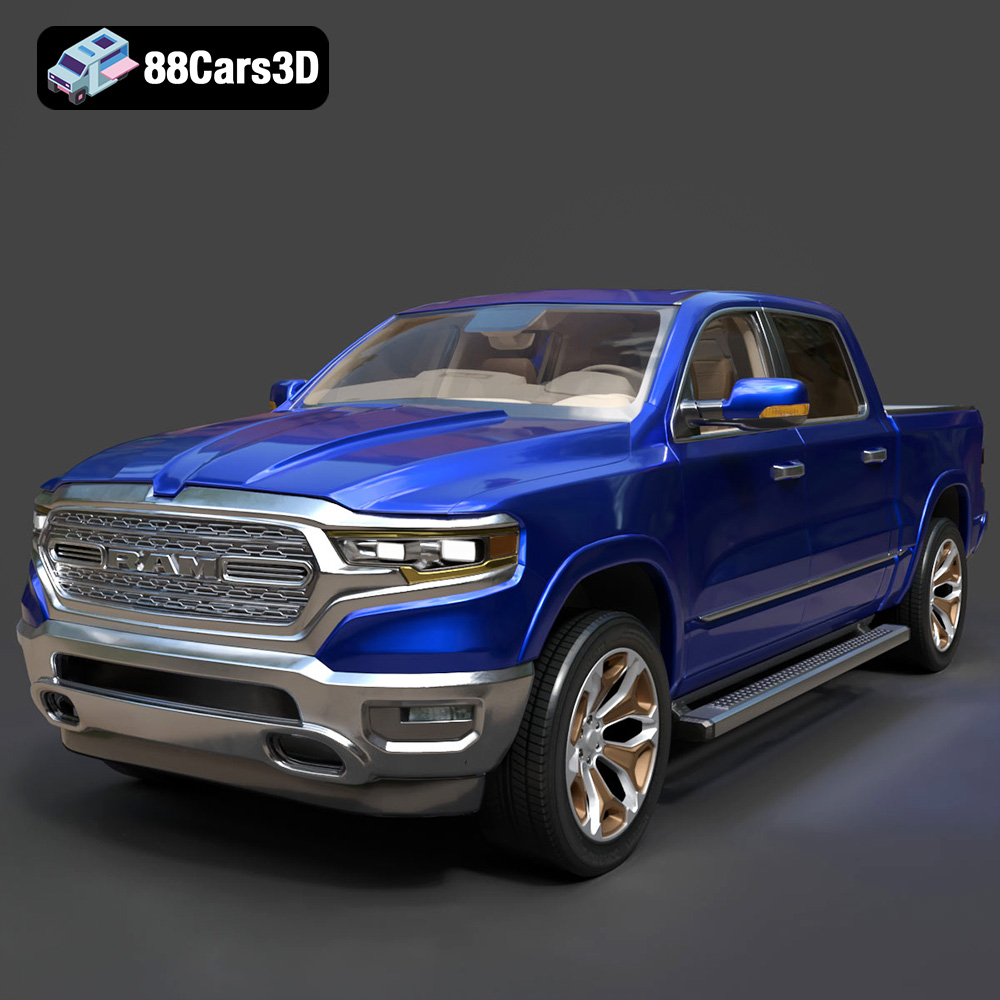
Texture: Yes
Material: Yes
Download the Dodge RAM 2019 3D Model featuring clean geometry, realistic detailing, and a fully modeled interior. Includes .blend, .fbx, .obj, .glb, .stl, .ply, .unreal, and .max formats for rendering, simulation, and game development.
Price: $19.99
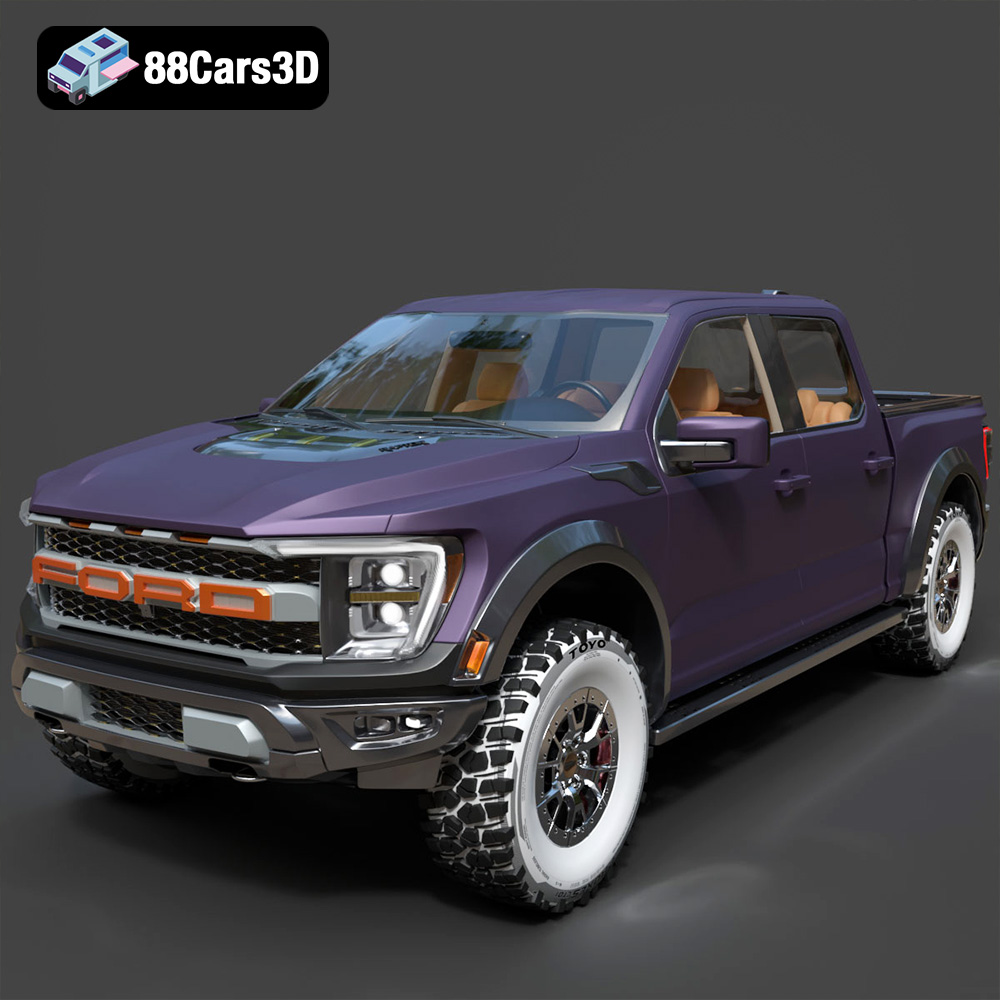
Texture: Yes | Material: Yes Download the ultra-high-detail Ford F-150 Raptor 2021 3D Model (8.73M Triangles). Features uncompromised widebody styling, fully modeled Fox Live Valve suspension, 37-inch tires, and interior. Perfect for premium VFX, cinematic rendering, and ArchViz. Includes .blend, .fbx, .obj, .glb, .stl, and .max formats.
Price: $29.99
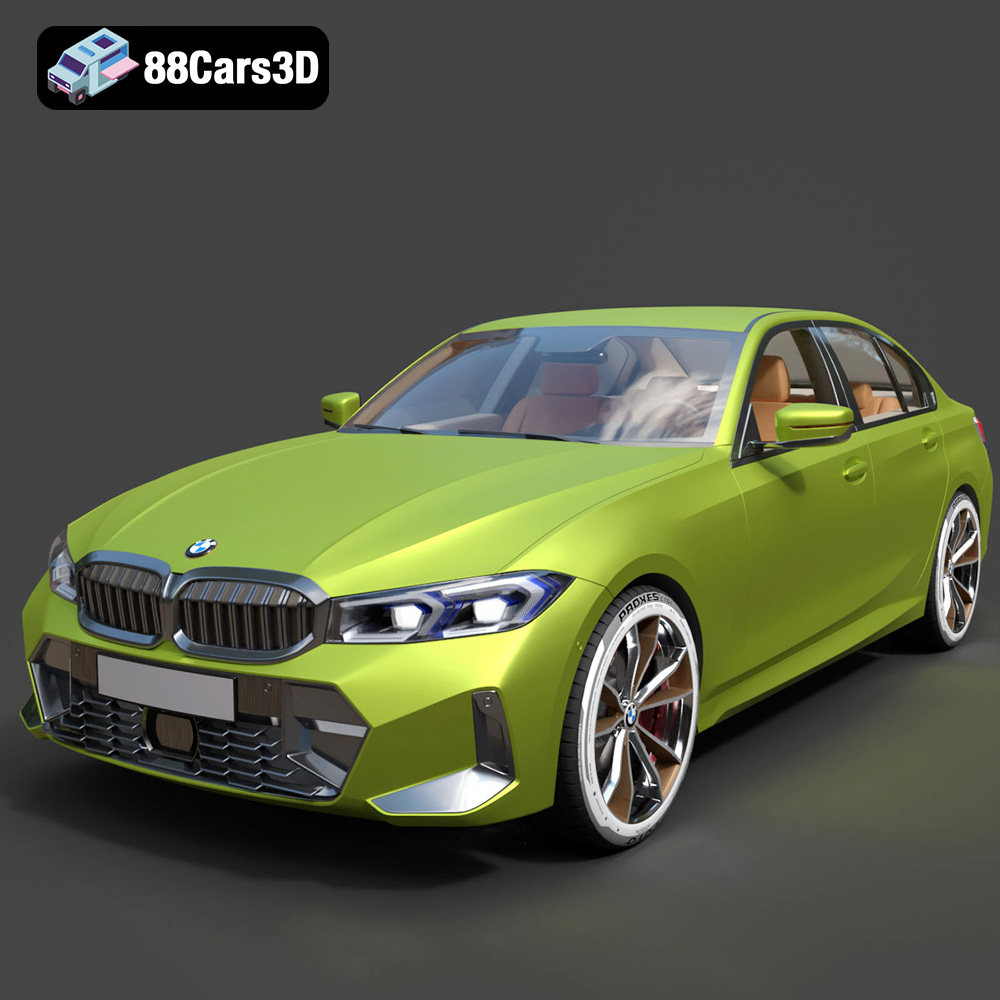
Texture: Yes | Material: Yes Download the ultra-high-detail BMW 3 Series Limousine (2022) 3D Model (4.16M Triangles). Features the modernized G20 LCI exterior, the all-new BMW Curved Display interior, and ultra-dense topology. Perfect for ArchViz, VFX, and cinematic rendering. Includes .blend, .fbx, .obj, .glb, .stl, and .max formats.
Price: $19.99
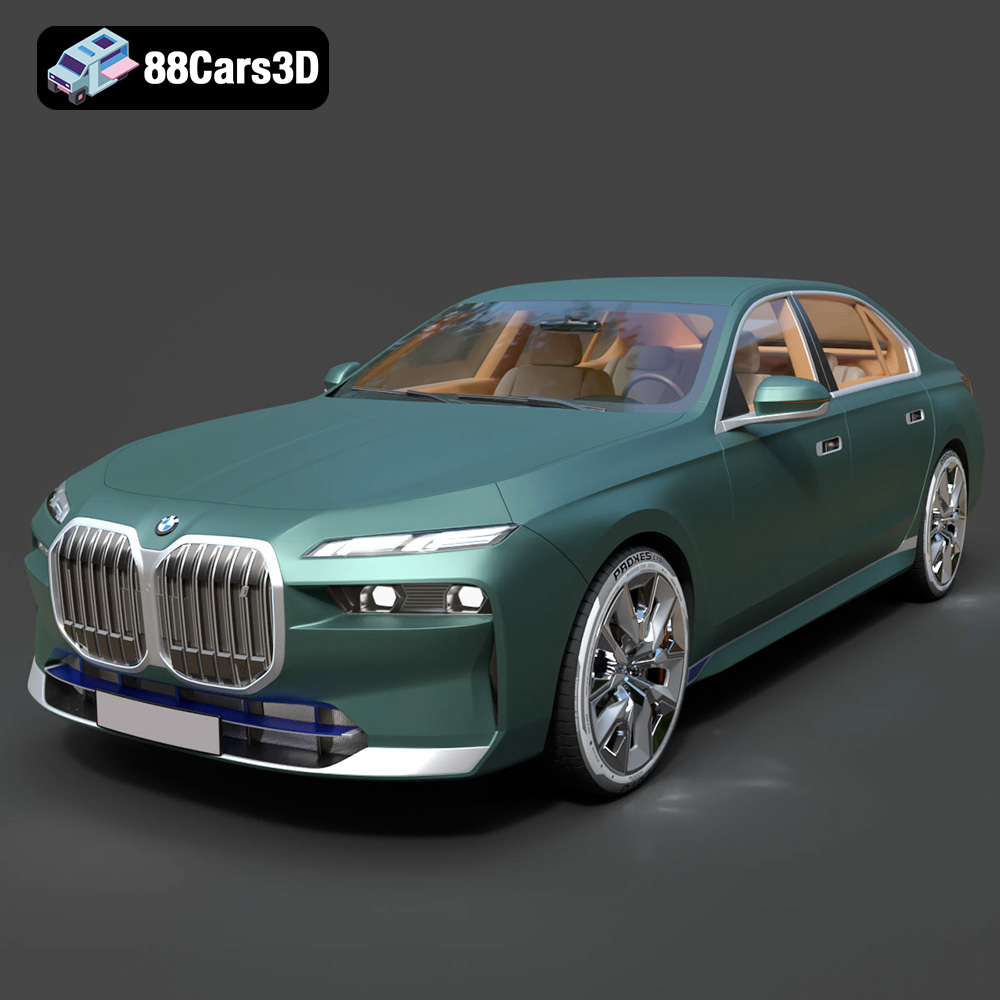
Texture: Yes | Material: Yes Download the ultra-high-detail BMW i7 (2023) 3D Model (4.14M Triangles). Features the illuminated kidney grille, split crystal headlights, fully modeled Theatre Screen interior, and monolithic luxury styling. Perfect for ArchViz, VFX, and cinematic rendering. Includes .blend, .fbx, .obj, .glb, .stl, and .max formats.
Price: $19.99
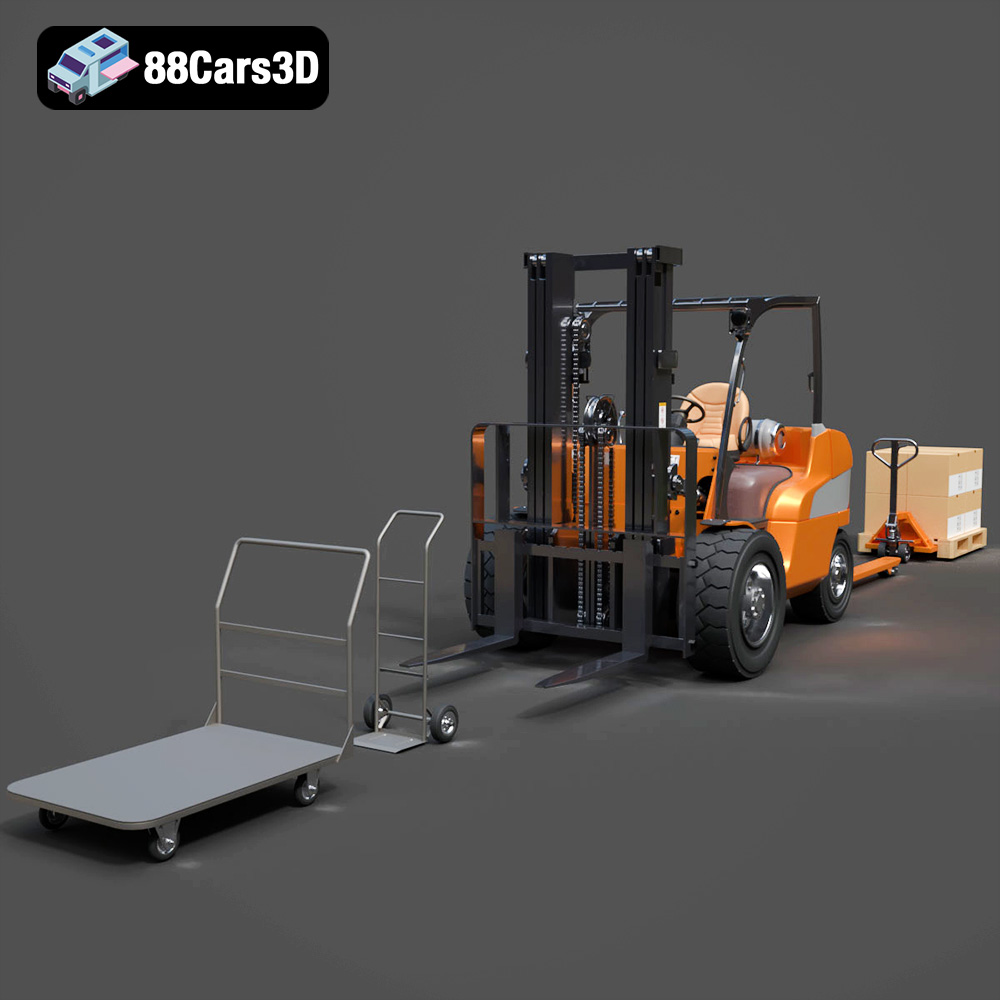
Texture: Yes | Material: Yes Download the highly detailed CAT Manual Loader & Warehouse Carts Kit 3D Model (2.4M Triangles). Features a macro-detailed hydraulic pallet jack, heavy-duty forks, and transport carts. Perfect for industrial ArchViz, factory rendering, and logistics simulations. Includes .blend, .fbx, .obj, .glb, .stl, and .max formats.
Price: $19.99

Texture: Yes | Material: Yes
Download the highly optimized Mazda CX-5 2014 3D Model (294k Triangles). Features the dynamic Kodo design language, signature grille, and a clean interior. Perfectly balanced for ArchViz, background traffic, and game development. Includes .blend, .fbx, .obj, .glb, .stl, and .max formats.
Price: $19.99
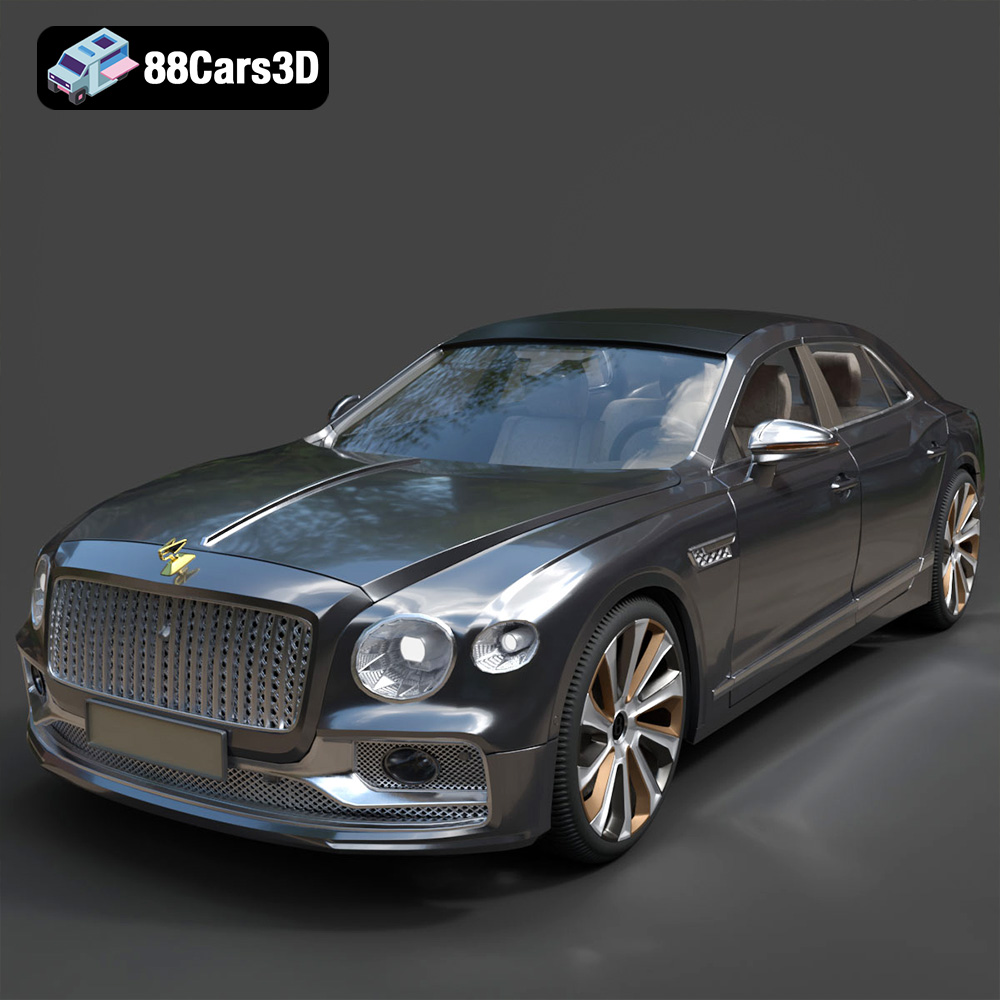
Texture: Yes | Material: Yes Download the ultra-high-detail Bentley Flying Spur Mulliner 2022 3D Model (2.94M Triangles). Features the bespoke Double Diamond grille, a fully modeled diamond-quilted interior, and exquisite luxury styling. Perfect for high-end ArchViz, VFX, and cinematic rendering. Includes .blend, .fbx, .obj, .glb, .stl, and .max formats.
Price: $19.90
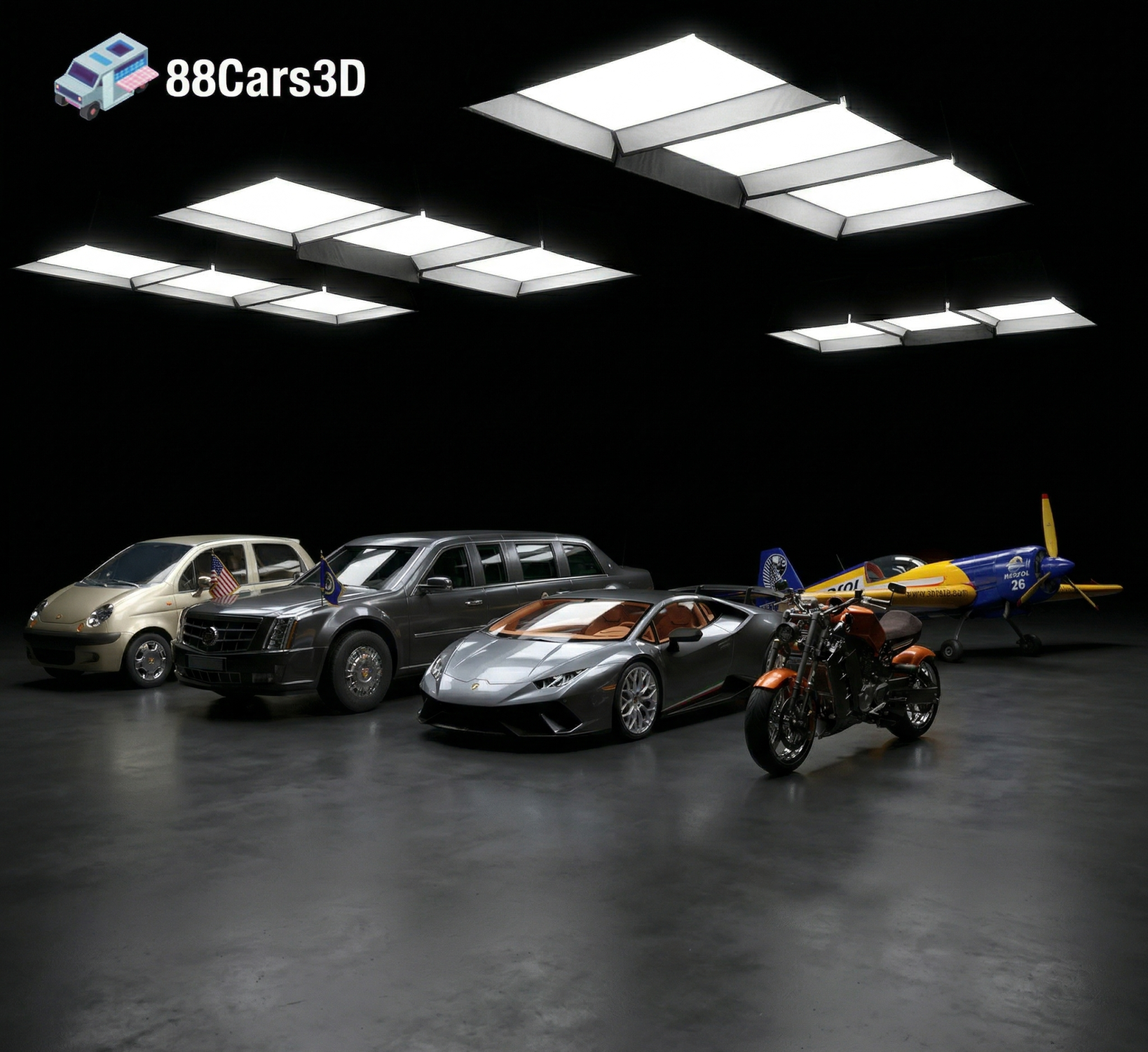
Texture: Yes | Material: Yes | 3D Printable: Yes. Download the Ultimate Creators’ Showcase featuring 5 premium 3D models: Lamborghini Huracan, ZAV Concept Motorcycle, Sukhoi SU-26, Presidential Limousine, and Daewoo Damas. Optimized for 4K CGI rendering and 3D printing. Save massive with this exclusive multi-category bundle!
Price: $99.99

