Get 50% OFF All Premium 3D & STL Models!

“`html
Unreal Engine is a powerhouse for creating photorealistic and immersive environments, and its Landscape tools are fundamental for crafting believable terrains. Whether you’re visualizing the latest car model gliding across a winding coastal highway, designing an off-road adventure for a rugged SUV, or building a sprawling city landscape for a futuristic vehicle, understanding how to effectively use these tools is essential. This guide will walk you through the process of creating and sculpting landscapes in Unreal Engine, focusing on techniques relevant for automotive visualization and game development. We’ll cover everything from initial landscape creation and sculpting to advanced material application and optimization for real-time performance. Specifically, we’ll look at how optimized 3D car models, perhaps sourced from platforms like 88cars3d.com, can seamlessly integrate into these environments, enhancing the realism and impact of your automotive projects. By the end of this article, you’ll have a solid foundation for building compelling and visually stunning landscapes in Unreal Engine.
The foundation of any realistic automotive environment is a well-crafted landscape. Unreal Engine provides a robust set of tools to generate and sculpt terrains, allowing you to create everything from rolling hills to steep mountain ranges. The initial setup involves defining the overall size and resolution of your landscape, which directly impacts both visual fidelity and performance. It’s a balancing act, and careful planning is crucial.
To begin, navigate to the Landscape mode within the Unreal Engine editor (Shift+3). Here, you can create a new landscape actor. The initial settings are critical. The ‘Overall Resolution’ determines the size and detail of your landscape. A higher resolution allows for finer details but increases the memory footprint and rendering cost. For automotive visualizations, where close-up detail is often required, consider a resolution like 2048×2048 or even 4096×4096. The ‘Section Size’ and ‘Sections Per Component’ settings affect the tessellation of the landscape, impacting how smoothly it deforms during sculpting. A good starting point is Section Size 63×63 Quads and 2×2 Sections Per Component. Unreal Engine’s official documentation provides in-depth explanations of these parameters: https://dev.epicgames.com/community/unreal-engine/learning
Unreal Engine divides landscapes into smaller, manageable chunks called Components. This allows for efficient rendering and editing. Each component is rendered independently, so optimizing their size and number is crucial for performance. Larger components reduce draw calls but can lead to less granular detail. Smaller components increase draw calls but allow for more precise sculpting. The Landscape Edit Layers system, introduced in recent versions of Unreal Engine, allows for non-destructive editing, making it easier to iterate on your landscape design without permanently altering the base terrain. This is incredibly useful for experimenting with different terrain forms and biome layouts.
Once the landscape is created, the real fun begins: sculpting! Unreal Engine offers a variety of sculpting tools to shape the terrain to your desired form. These tools allow you to raise, lower, smooth, flatten, and even paint specific features onto your landscape. The key to creating realistic terrain lies in understanding how these tools work and how to use them in combination.
The Sculpt tool is your primary brush for raising and lowering terrain. Adjust the brush size, strength, and falloff to create different effects. Smaller brush sizes are ideal for adding fine details like rocks and ridges, while larger brushes are better for shaping the overall terrain. The Smooth tool is essential for blending sculpted features and creating natural-looking transitions. Use it liberally to soften harsh edges and create rolling hills. Experiment with different brush settings and practice layering sculpted details for a more organic look. Consider using reference images of real-world landscapes to guide your sculpting process.
The Noise tool introduces subtle variations to the terrain, breaking up smooth surfaces and adding a more natural feel. Use it sparingly, as too much noise can make the landscape look artificial. The Erosion tool simulates the effects of natural erosion, creating realistic canyons, valleys, and riverbeds. This tool is particularly effective for creating dramatic landscapes. Adjust the erosion parameters, such as rainfall intensity and sediment deposition, to control the final result. Combine the Noise and Erosion tools with the Sculpt and Smooth tools for highly realistic terrain.
The visual quality of your landscape hinges on the materials you apply to it. Unreal Engine’s Physically Based Rendering (PBR) material system allows you to create realistic surfaces that react accurately to light. Landscape materials are typically more complex than regular static mesh materials, as they often involve blending multiple textures and materials based on height, slope, or other factors. This allows for diverse biomes and realistic transitions between different terrain types.
Landscape materials in Unreal Engine often utilize the Landscape Layer Blend node. This node allows you to blend multiple materials based on weight maps painted onto the landscape. Create separate material functions for each terrain type (e.g., grass, dirt, rock). Each material function should include textures for albedo (base color), normal, roughness, and metallic. Use high-quality, seamless textures to avoid tiling artifacts. Connect the material functions to the Landscape Layer Blend node, and then paint the corresponding weight maps onto the landscape using the Landscape Painting tool.
Another effective technique is to use height-based blending to create realistic transitions between different terrain types. For example, you can blend snow onto the higher elevations of your landscape. This can be achieved by using the World Position node and the Landscape Height node to create a mask that controls the blending of the snow material. Adjust the parameters to control the height at which the snow starts to appear and the sharpness of the transition. When sourcing automotive assets from marketplaces such as 88cars3d.com, ensure your chosen landscape materials complement the visual style and level of detail of your vehicle models.
Landscapes can be performance-intensive, especially at high resolutions. Optimizing your landscape is crucial for achieving smooth frame rates, particularly in real-time applications like games and automotive configurators. There are several techniques you can use to optimize landscape performance, including LODs, distance fields, and material optimizations.
Level of Detail (LOD) is a technique that reduces the complexity of the landscape as the camera moves further away. Unreal Engine automatically generates LODs for landscapes, but you can customize the settings to optimize performance. Reduce the number of sections per component in the lower LODs to decrease the polygon count. You can also use simpler materials for the lower LODs. Experiment with different LOD settings to find the optimal balance between visual quality and performance.
Distance Field Ambient Occlusion (DFAO) is a technique that calculates ambient occlusion based on the distance field representation of the landscape. This can significantly improve the visual quality of the landscape without incurring a large performance cost. Enable DFAO in the project settings and adjust the parameters to control the intensity and range of the effect. DFAO is particularly effective for adding depth and realism to crevices and shadowed areas of the landscape. This is another powerful setting that should be used wisely as it does carry a cost.
Unreal Engine’s Blueprint visual scripting system allows you to add interactive elements to your landscape. You can use Blueprints to create dynamic events, such as changing the weather, triggering animations, or even deforming the terrain in response to player input. This adds another layer of immersion and interactivity to your automotive environments. Imagine driving a vehicle through mud, and the tires leaving realistic tracks in the deformable terrain. This can all be achieved using Blueprint scripting.
A basic weather system can significantly enhance the atmosphere of your landscape. Use Blueprints to control parameters such as wind speed, rain intensity, and cloud cover. You can use timelines to smoothly transition between different weather states. Trigger the weather system based on player input or time of day. For example, you could create a Blueprint that gradually increases the rain intensity over time, culminating in a thunderstorm. You can also link the weather system to visual effects, such as lightning strikes and rain splashes, using Niagara particle systems.
Create interactive terrain deformation using Blueprints and Render Targets. The basic approach involves rendering a mask representing the area of deformation onto a Render Target, then using this mask to displace the landscape vertices in the material. This technique is commonly used for creating tire tracks in mud or snow. Implement collision detection to trigger the deformation when the vehicle interacts with the terrain. Optimize the performance by limiting the size of the deformation area and using low-resolution Render Targets. Platforms like 88cars3d.com offer optimized models that are ideal for integrating with such interactive landscape features.
The final step is to integrate your 3D car models into the landscape. This involves positioning the vehicles correctly, adjusting the lighting to match the environment, and ensuring that the vehicles interact realistically with the terrain. The visual harmony between the car and the landscape is paramount for creating a convincing scene.
Adjust the lighting in your scene to match the mood and atmosphere of your landscape. Use a combination of directional lights, skylights, and ambient lighting to create a realistic lighting environment. Experiment with different light colors and intensities to achieve the desired effect. Use post-processing effects, such as bloom and color grading, to further enhance the visual quality of the scene. Pay close attention to the shadows cast by the vehicles and the landscape. Soft shadows tend to look more realistic than sharp shadows. Consider using ray tracing for more accurate and realistic lighting, if your hardware supports it.
For automotive visualization projects, consider creating a vehicle configurator that allows users to customize the car’s appearance. Use Blueprints to create a user interface that allows users to change the car’s paint color, wheels, and other options. Load different 3D car model variants based on the user’s selections. Ensure that the vehicle configurator is optimized for performance, particularly if it is intended for real-time use. Efficiently swapping meshes and textures is paramount.
Creating realistic and engaging automotive environments in Unreal Engine requires a solid understanding of the Landscape tools and techniques. From initial landscape creation and sculpting to advanced material application and performance optimization, each step plays a crucial role in achieving the desired visual quality and performance. By mastering these techniques and leveraging resources such as high-quality 3D car models, you can create stunning automotive visualizations, immersive game experiences, and cutting-edge virtual production environments. Don’t be afraid to experiment with different settings and techniques to find what works best for your specific project. Remember that the key to success lies in practice, patience, and a keen eye for detail. Remember to consult Unreal Engine’s official documentation at https://dev.epicgames.com/community/unreal-engine/learning for accurate technical details.
“`
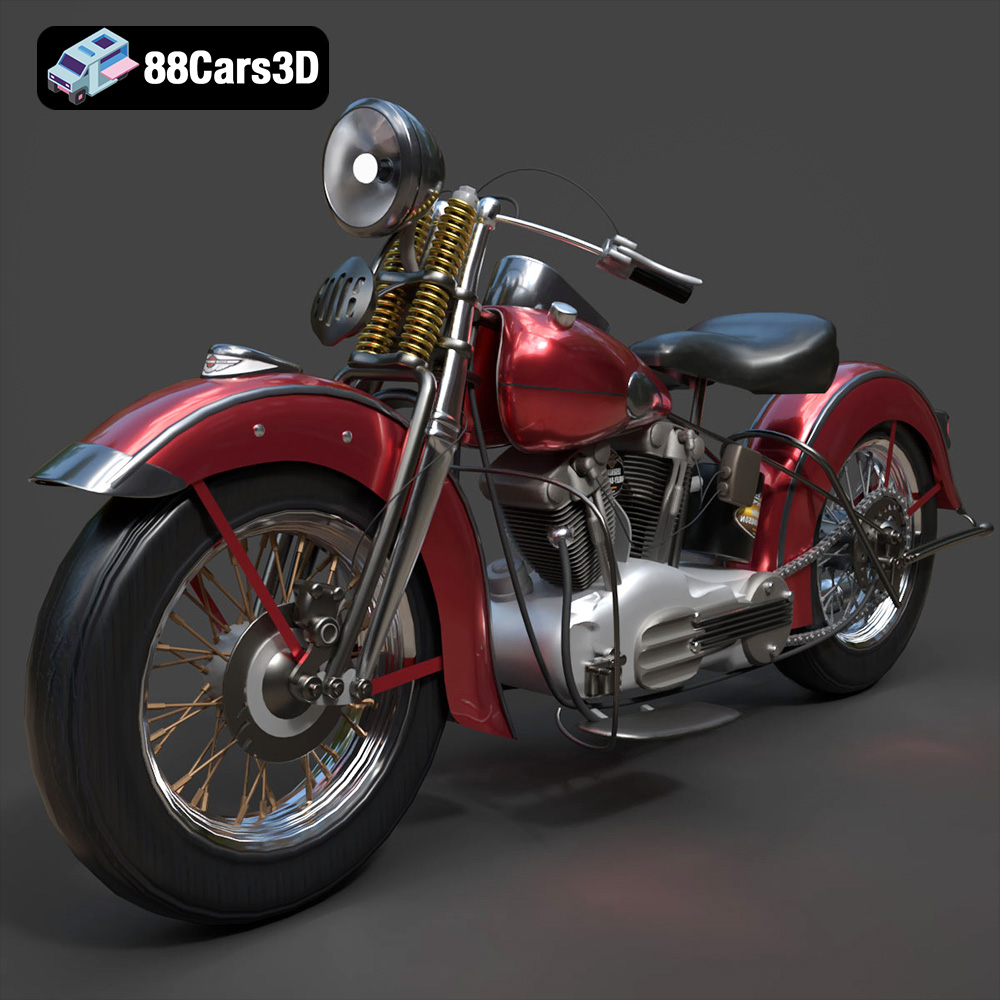
Texture: Yes
Material: Yes
Download the Harley Davidson F 1946 3D Model featuring clean geometry, realistic detailing, and a fully modeled interior. Includes .blend, .fbx, .obj, .glb, .stl, .ply, .unreal, and .max formats for rendering, simulation, and game development.
Price: $19.99
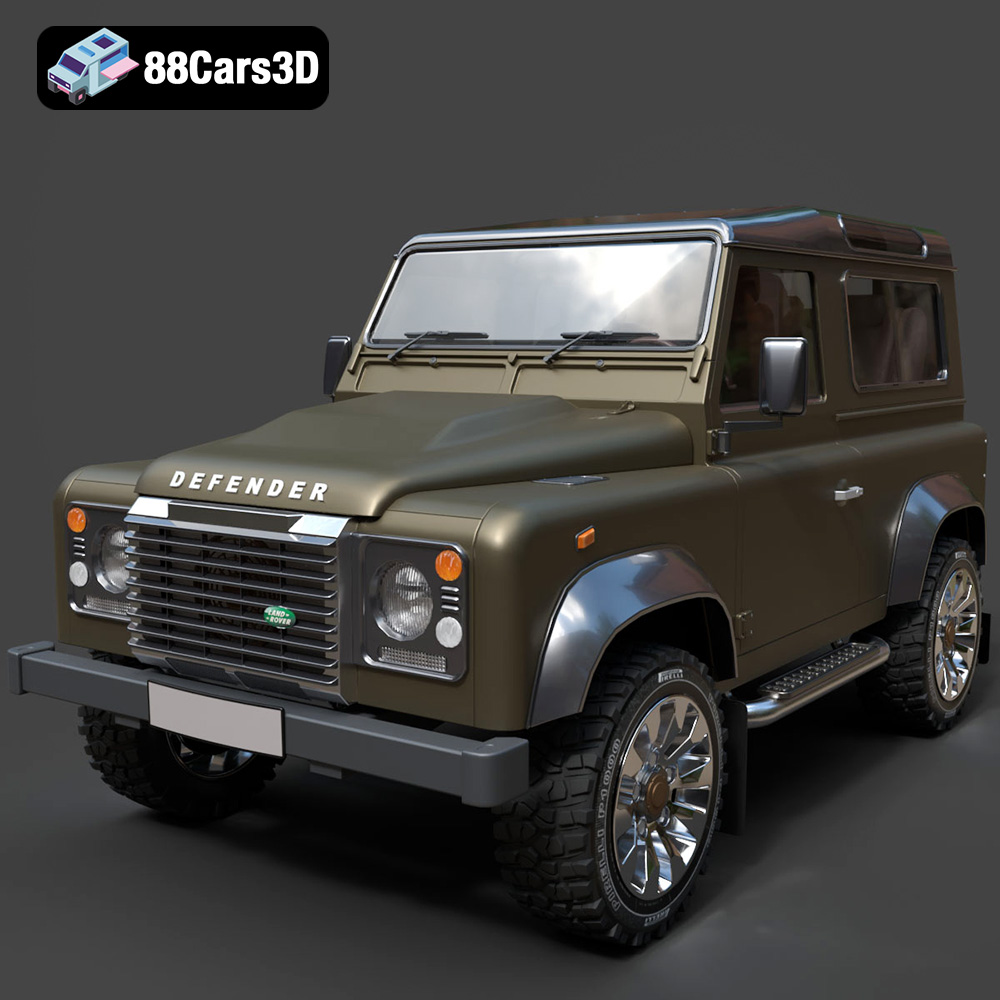
Texture: Yes
Material: Yes
Download the Land Rover Defender Works V8 3D Model featuring clean geometry, realistic detailing, and a fully modeled interior. Includes .blend, .fbx, .obj, .glb, .stl, .ply, .unreal, and .max formats for rendering, simulation, and game development.
Price: $19.99
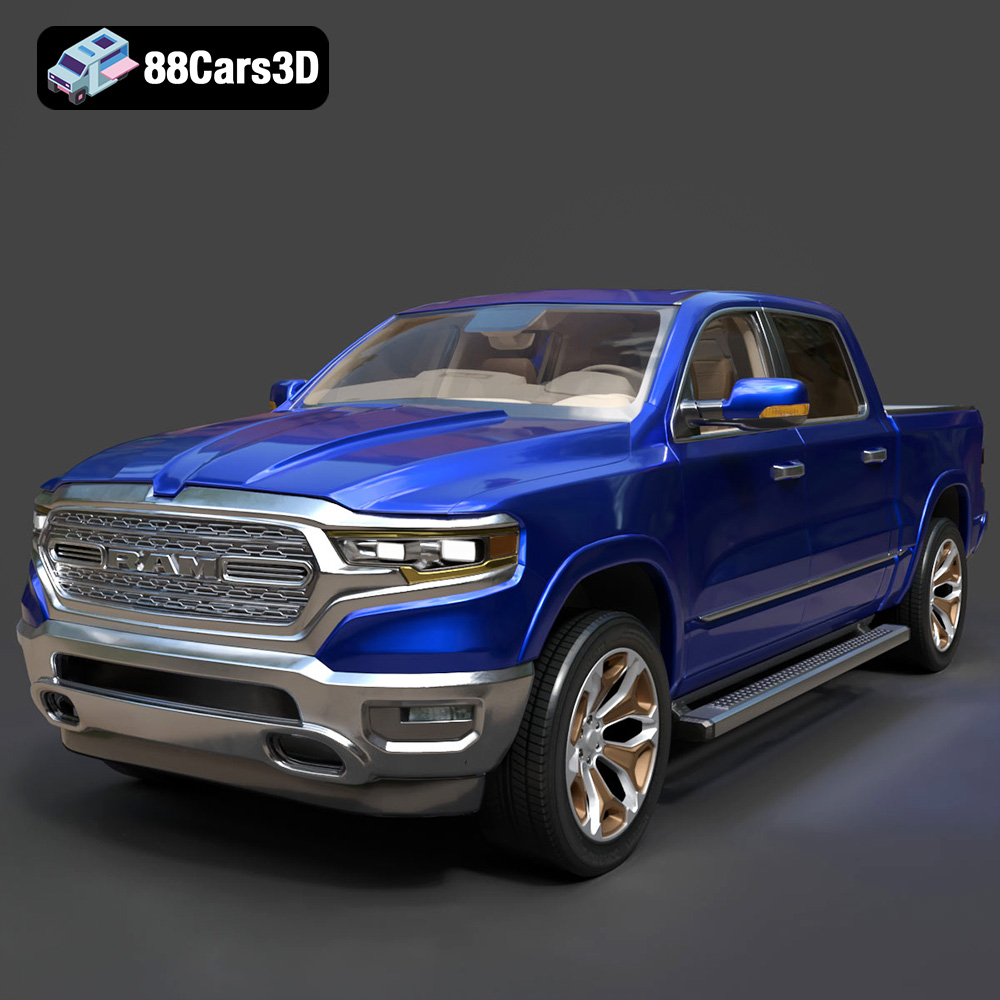
Texture: Yes
Material: Yes
Download the Dodge RAM 2019 3D Model featuring clean geometry, realistic detailing, and a fully modeled interior. Includes .blend, .fbx, .obj, .glb, .stl, .ply, .unreal, and .max formats for rendering, simulation, and game development.
Price: $19.99
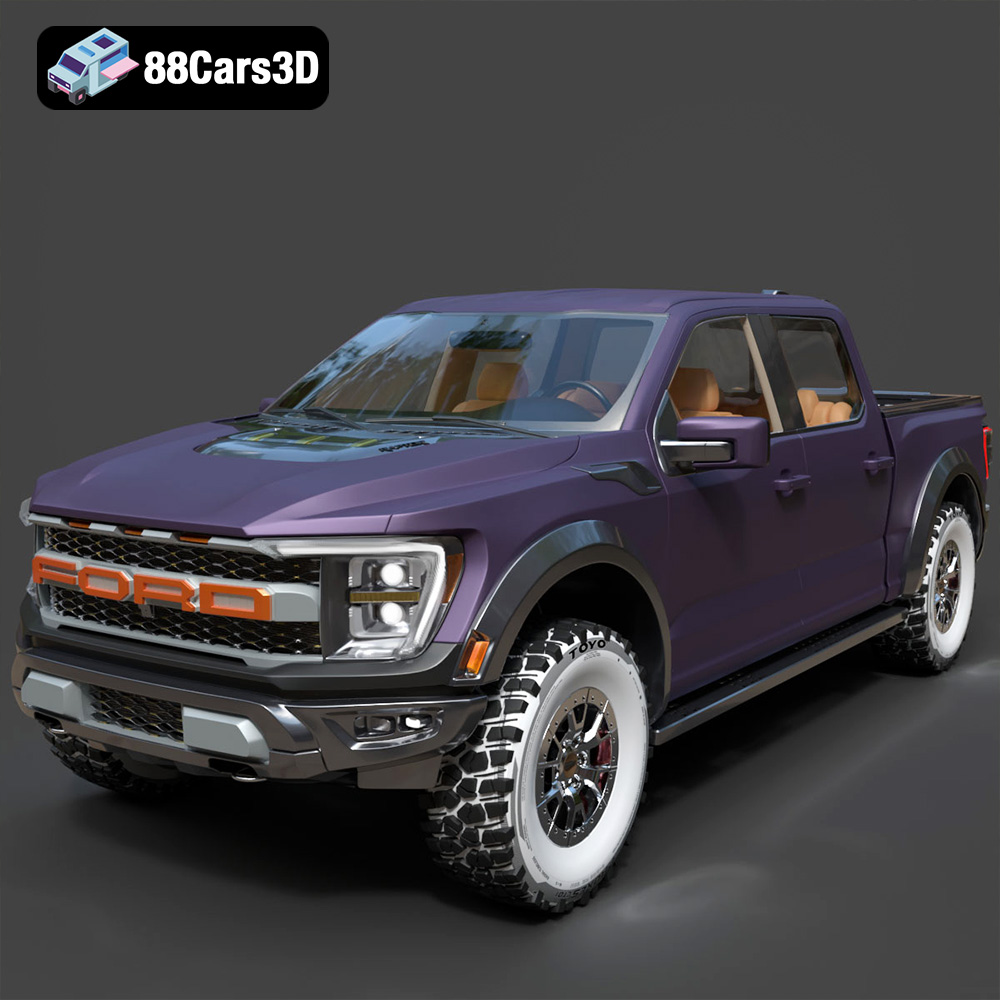
Texture: Yes | Material: Yes Download the ultra-high-detail Ford F-150 Raptor 2021 3D Model (8.73M Triangles). Features uncompromised widebody styling, fully modeled Fox Live Valve suspension, 37-inch tires, and interior. Perfect for premium VFX, cinematic rendering, and ArchViz. Includes .blend, .fbx, .obj, .glb, .stl, and .max formats.
Price: $29.99
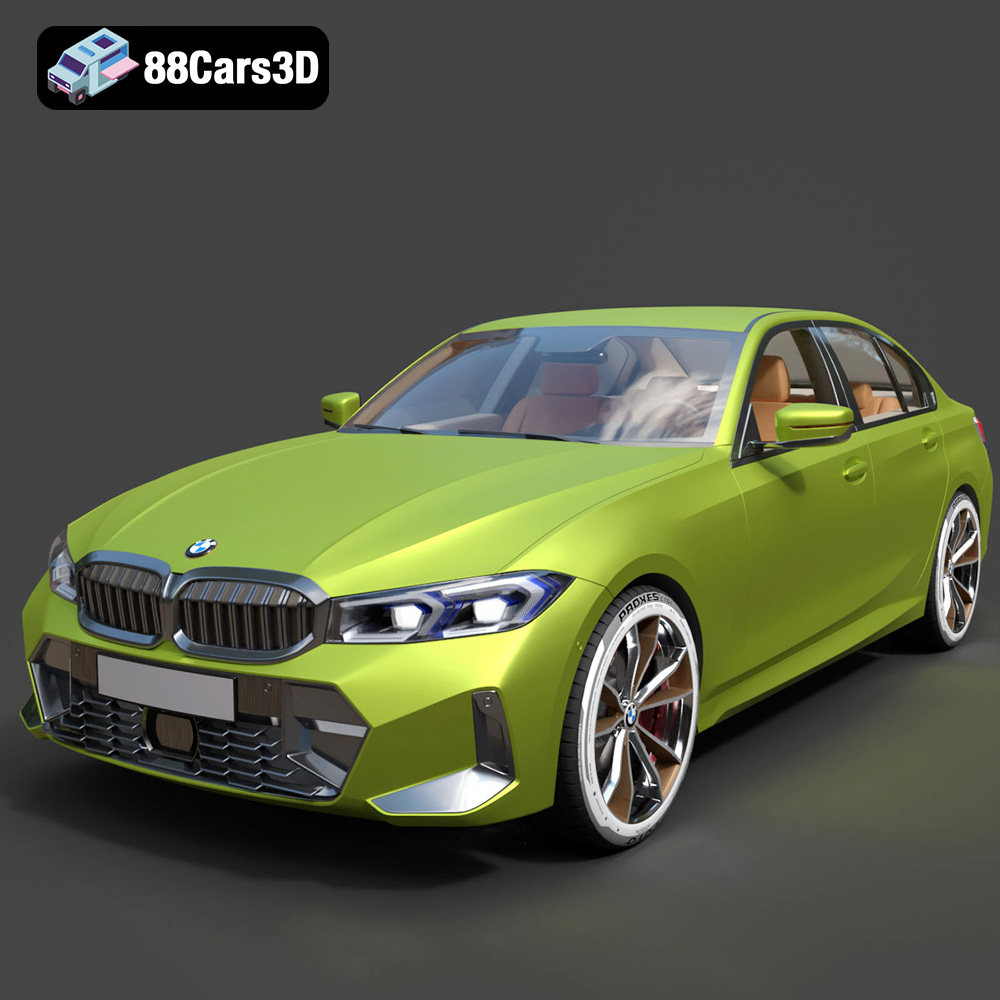
Texture: Yes | Material: Yes Download the ultra-high-detail BMW 3 Series Limousine (2022) 3D Model (4.16M Triangles). Features the modernized G20 LCI exterior, the all-new BMW Curved Display interior, and ultra-dense topology. Perfect for ArchViz, VFX, and cinematic rendering. Includes .blend, .fbx, .obj, .glb, .stl, and .max formats.
Price: $19.99
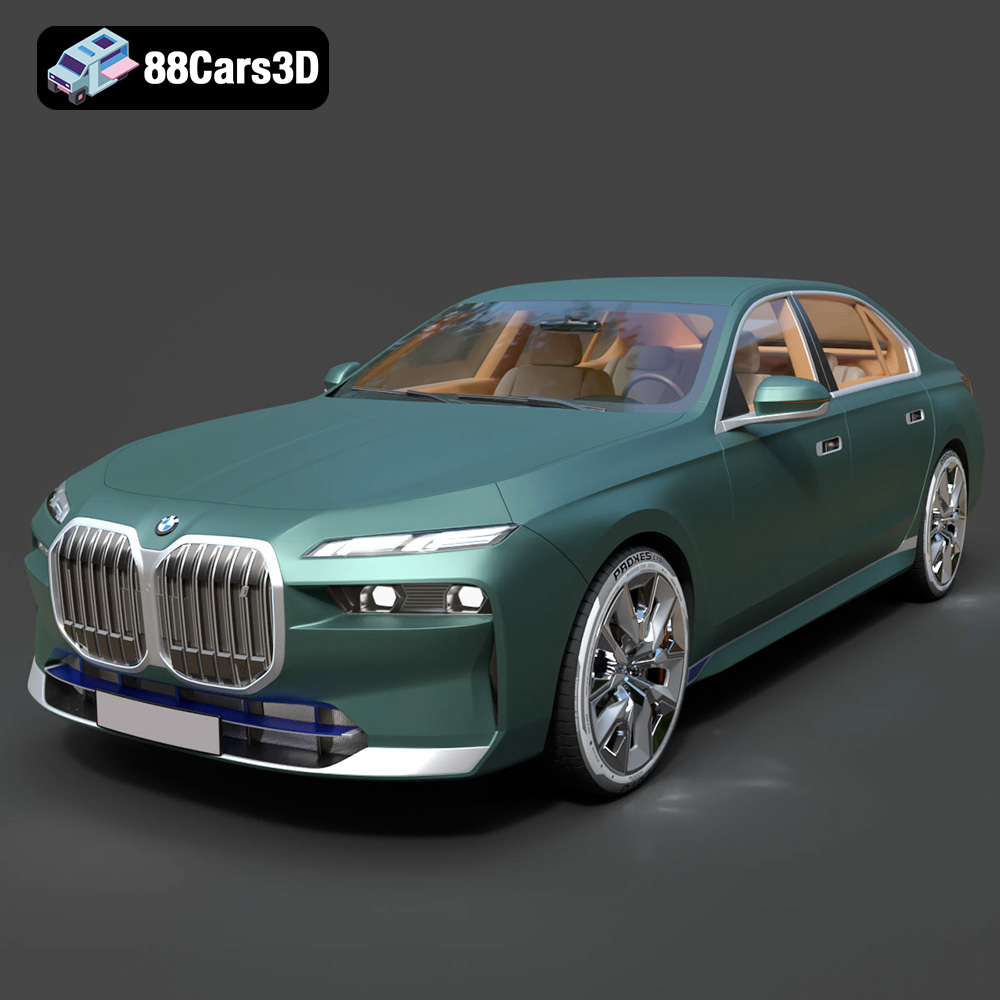
Texture: Yes | Material: Yes Download the ultra-high-detail BMW i7 (2023) 3D Model (4.14M Triangles). Features the illuminated kidney grille, split crystal headlights, fully modeled Theatre Screen interior, and monolithic luxury styling. Perfect for ArchViz, VFX, and cinematic rendering. Includes .blend, .fbx, .obj, .glb, .stl, and .max formats.
Price: $19.99
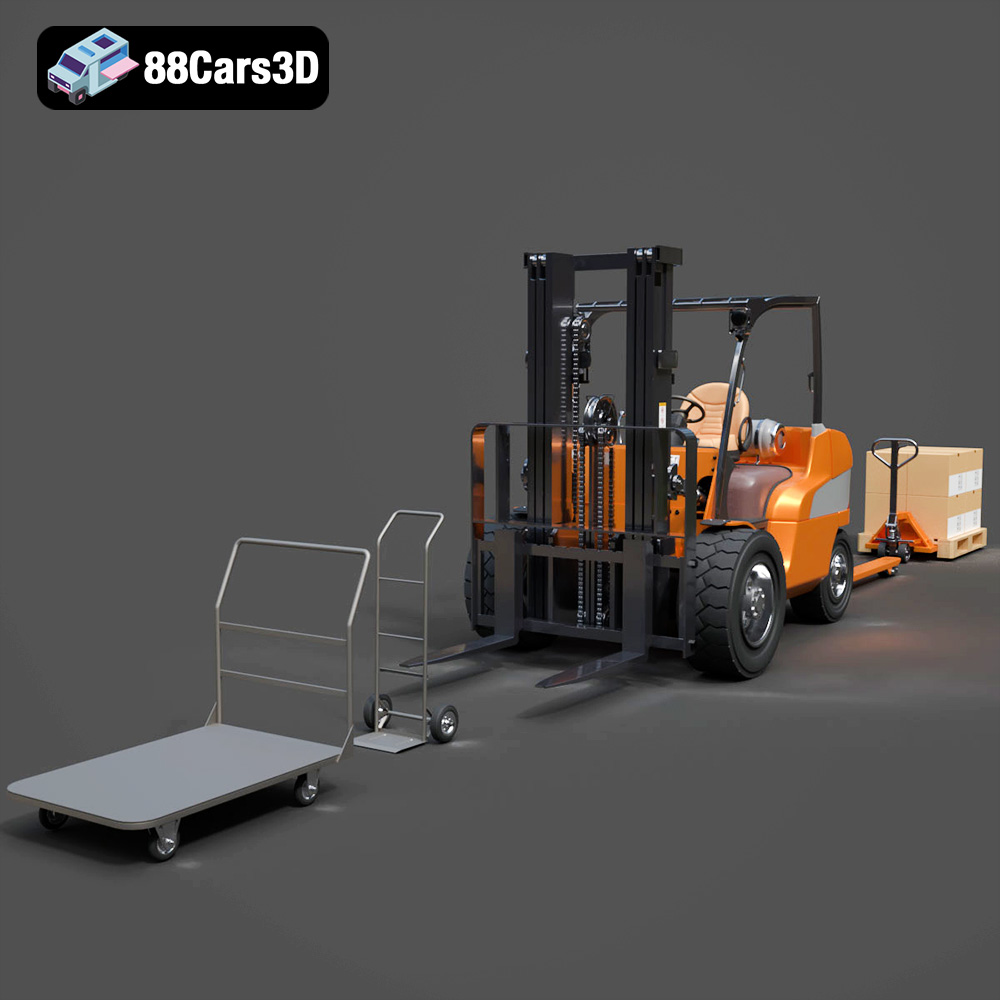
Texture: Yes | Material: Yes Download the highly detailed CAT Manual Loader & Warehouse Carts Kit 3D Model (2.4M Triangles). Features a macro-detailed hydraulic pallet jack, heavy-duty forks, and transport carts. Perfect for industrial ArchViz, factory rendering, and logistics simulations. Includes .blend, .fbx, .obj, .glb, .stl, and .max formats.
Price: $19.99
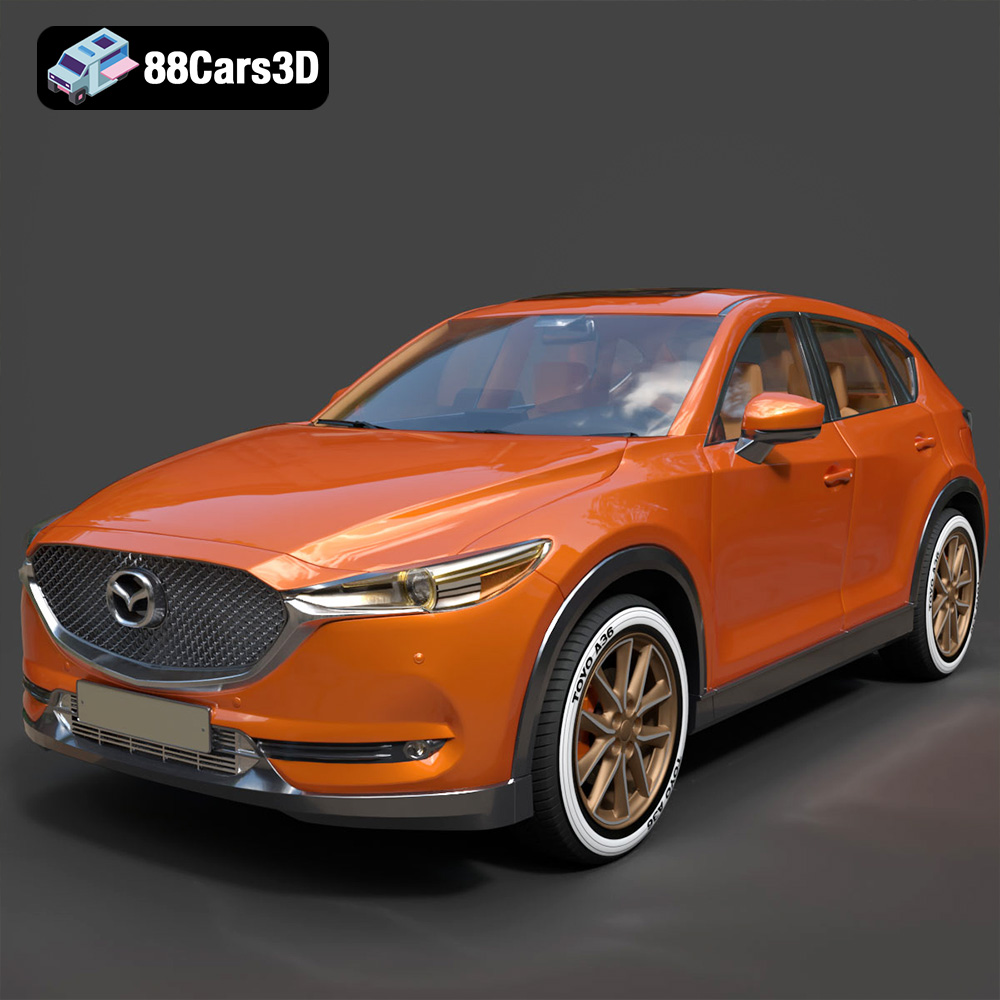
Texture: Yes | Material: Yes
Download the highly optimized Mazda CX-5 2014 3D Model (294k Triangles). Features the dynamic Kodo design language, signature grille, and a clean interior. Perfectly balanced for ArchViz, background traffic, and game development. Includes .blend, .fbx, .obj, .glb, .stl, and .max formats.
Price: $19.99
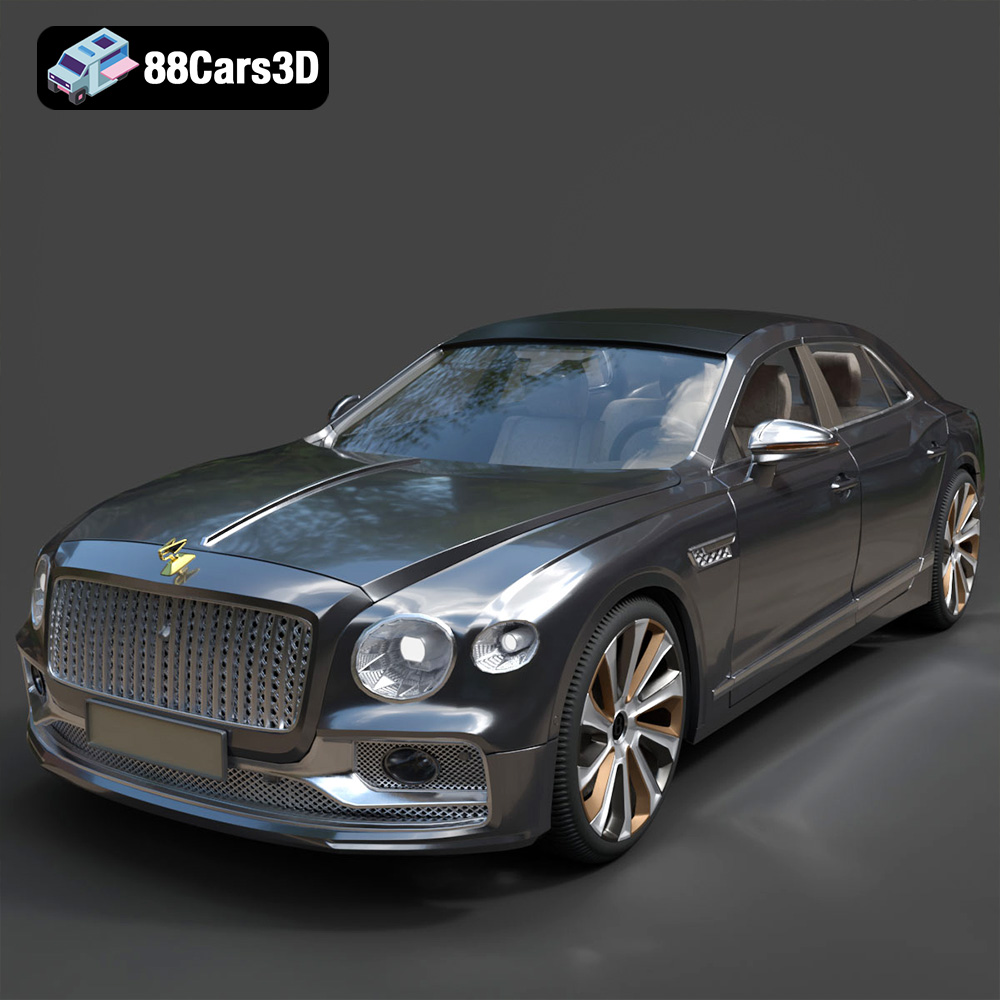
Texture: Yes | Material: Yes Download the ultra-high-detail Bentley Flying Spur Mulliner 2022 3D Model (2.94M Triangles). Features the bespoke Double Diamond grille, a fully modeled diamond-quilted interior, and exquisite luxury styling. Perfect for high-end ArchViz, VFX, and cinematic rendering. Includes .blend, .fbx, .obj, .glb, .stl, and .max formats.
Price: $19.90
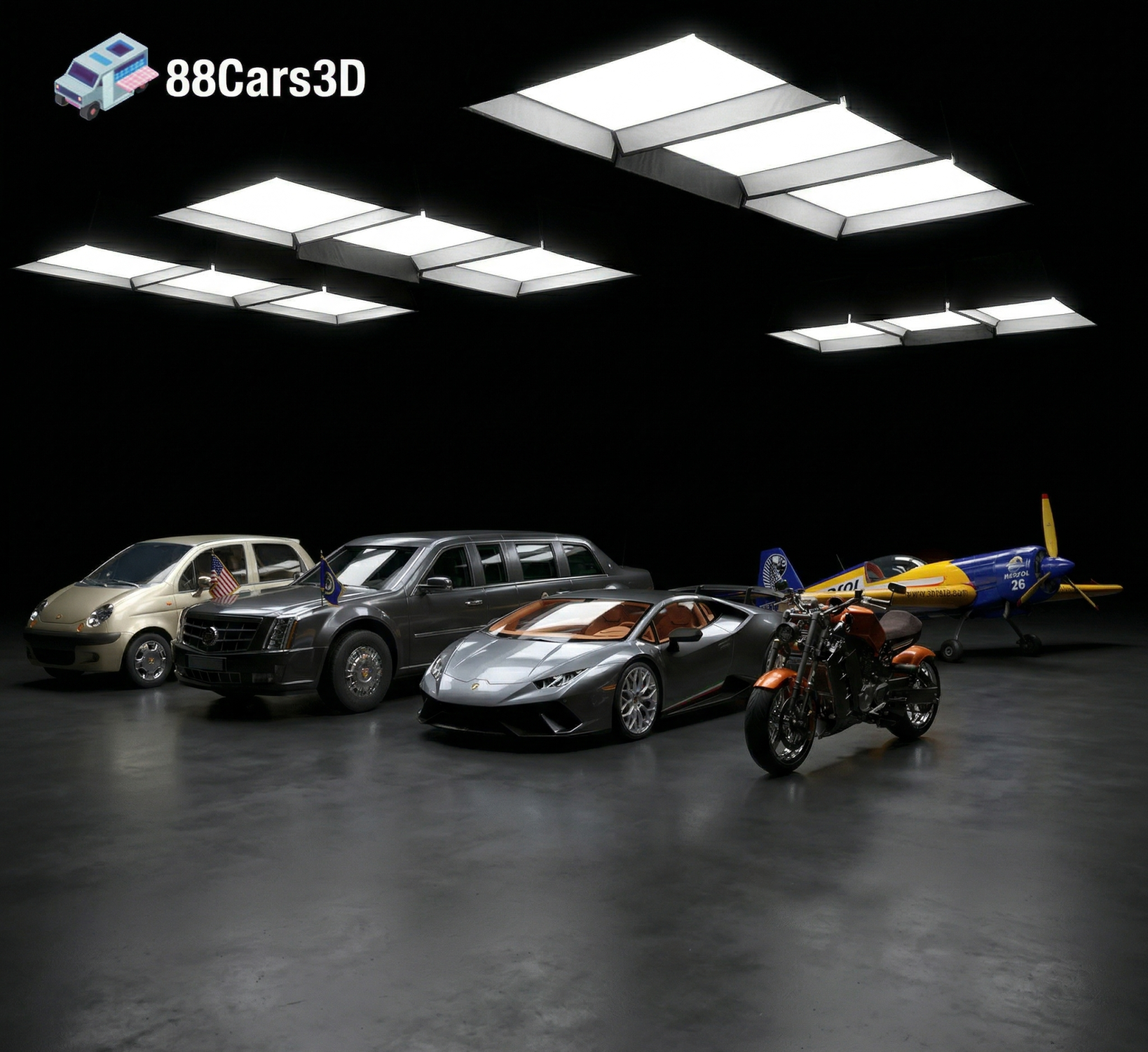
Texture: Yes | Material: Yes | 3D Printable: Yes. Download the Ultimate Creators’ Showcase featuring 5 premium 3D models: Lamborghini Huracan, ZAV Concept Motorcycle, Sukhoi SU-26, Presidential Limousine, and Daewoo Damas. Optimized for 4K CGI rendering and 3D printing. Save massive with this exclusive multi-category bundle!
Price: $99.99

